 Yan Ai Min1
 Ma Hao
 Deng Yu Ling
- 1School of Business, Central South University, Changsha, China
- 2Department of Health Management Center, Third Xiangya Hospital, Central South University, Changsha, China
Introduction: Urban resilience is suffering from the challenges of climate change. The increasing volatility of climate change and its impact on urban resilience necessitates a deeper understanding of how internal organizational behaviors can contribute toward sustainable city development. Pro-environmental behavior is one of the important methods of affecting climate change and enhancing urban resilience. This study investigates how employee participation in corporate social responsibility activities promotes pro-environmental behavior and its mechanism.
Methods: This research was conducted an online survey of 262 employees from 22 industries in mainland China. To mitigate the bias arising from self-reported assessments by the employees, the data were collected at two time points.
Results: Empirical research reveals that employee participation in corporate social responsibility is positively related to employee pro-environmental behavior; these empirical findings not only support how psychological ownership mediates the link between corporate social responsibility participation and pro-environmental behavior but also indicate how employee engagement acts as an intermediary mechanism in enhancing this positive association. Moreover, the chain mediation effect of psychological ownership and employee engagement in the positive link between corporate social responsibility participation and pro-environmental behavior is found to be significant.
Discussion: These findings not only enrich the effects of the mechanism of corporate social responsibility participation on employee behavior by introducing new theoretical perspectives but also deepen understanding of the antecedents promoting employee pro-environmental behavior, thereby contributing to the improvement of urban resilience in the face of climate change.
1 Introduction
Climate change has always been a key issue of global concern (Hishan et al., 2020), and some of the most pressing social issues of the 21st century include the challenges posed by climate change to industries, governments, and civil societies (Hishan et al., 2020). Environmental degradation caused by excessive activities, such as greenhouse gas accumulation and toxic emissions, is one of the main factors responsible for global climate change (Doering et al., 2002; Rishi, 2022). The concept of urban resilience is noted in a range of sustainable development goals aimed at coping with the impacts of environmental changes and disasters in cities (Bahadur et al., 2015; Acuti et al., 2020). Corporate social responsibility (CSR) is critical for combating climate change and achieving sustainable urban development (Allen and Craig, 2016; Rishi, 2022).
As cities grapple with the challenges resulting from climate change, including extreme weather events and their detrimental effects on urban systems, climate change itself is emerging as a critical determinant affecting cities and shocking their urban resilience (Leichenko, 2011). Through sustainable development and CSR toward community development efforts, organizations and employees can promote urban resilience in response to climate change (Acuti et al., 2020; Javeed et al., 2022). Thus, CSR activities not only serve as a bridge between organizations and societal welfare but also contribute to the adaptive capacities as well as economic, ecological, and social resilience of urban areas.
As pivotal agents in CSR enactment, employees contribute significantly to meeting the corporate ethical and sustainability commitments (Collier and Esteban, 2007; Javeed et al., 2022; Onkila and Sarna, 2022). Meanwhile, as urban citizens, employees also play crucial roles in addressing urban issues and enhancing urban resilience (Campanella, 2006; Irani and Rahnamayiezekavat, 2021). In fact, the pro-environmental behaviors (PEBs) of employees, which constitute a set of behaviors that could promote environmental performance and contribute to environmental sustainability (Bamberg and Moser, 2007; Robertson and Barling, 2013), play pivotal roles in combating climate change (Grilli and Curtis, 2021) and enhancing the resilience of cities (Zawieska et al., 2022) effectively. On one hand, PEB is an effective strategy for individuals to contribute toward climate change (Sapiains et al., 2016) and plays a vital role in improving the global climate as well as sustainable development of cities (Rajapaksa et al., 2018). On the other hand, individual PEBs can actively improve and enhance the efficiency of urban waste disposal (Grilli and Curtis, 2021), while contributing toward ecostrategies and further enhancing urban resilience (Zawieska et al., 2022). Consequently, examining the catalysts of PEBs is of critical importance to both address climate change and improve urban resilience (Jakučionytė-Skodienė et al., 2020).
The authors of this research believe that CSR participation (CSRp) could promote employee PEBs. CSRp refers to the extent to which individuals are involved in activities related to society, the environment, and employee wellbeing through actions and policies across an organization (Anser et al., 2020; Kotler and Lee, 2008). A higher level of CSRp not only acts as the most effective means for employees to proactively implement corporate CSR programs (Bhattacharya et al., 2007) but also serves as permanent behavioral changes in the employees for coping with climate change (Chen and Hung-Baesecke, 2014). Moreover, urban resilience can be enhanced in practice through active employee participation in CSR initiatives. Previous research has indicated that personal development also has an important impact on urban sustainable development (Marrocu et al., 2012). Therefore, exploring the link between CSRp and PEB could contribute to addressing climate change and improving urban resilience (Zawieska et al., 2022).
CSRp enables employees to protect the environment, improve their attitudes toward society (Rodrigo and Arenas, 2008; Slack et al., 2015), and promote better environmental performance (Kotler and Lee, 2008; Anser et al., 2020). Motivated employees showing more PEBs can also benefit the environment. Greater involvement in CSR activities can enhance employee identification with their organization, thereby fostering their PEBs. Previous research has shown that a higher level of CSR perception positively promotes PEBs; accordingly, we believe that employees with higher levels of CSRp can actively promote their PEBs.
However, it is worth mentioning that employee participation in CSR activities has received comparatively little attention from researchers (Aguilera et al., 2007). Compared with the numerous studies on employee CSR perceptions (Gond et al., 2017; Gond and Moser, 2021), empirical studies on the employees’ actual participation in CSR activities are insufficient, especially with less attention on CSRp (Anser et al., 2020). Furthermore, research on CSRp has particularly insufficient information on cognition about the mechanism of CSRp on employee behaviors (Supanti and Butcher, 2019). To the best of our knowledge, very few research efforts have delved into the interplay and underlying processes between CSRp and PEB. This hinders not only further understanding of the effects of CSRp on employee behaviors but also further exploration of the antecedents of PEB, all of which could prevent further understanding into fostering higher levels of urban resilience and sustainable development of cities.
Based on the theories of social identity (Ashforth and MAel, 1989) and psychological ownership (PO) (Lee et al., 2011), we further explored the mechanism by which CSRp promotes employee PEBs. Further, CSRp not only allows greater employee involvement in decision-making (Farooq et al., 2019) and control over the work environment (Pierce et al., 2004) but also indicates that employees devote more energy and time to participating in CSR initiatives; based on the PO theory (Pierce et al., 2004), all of these could enhance the PO (Kotler and Lee, 2008; Farooq et al., 2019) of such individuals. Higher PO by the employees could lead to motivation to protect and enhance their organization’s social and environmental performances (Cheng et al., 2021) and more PEBs. Furthermore, this study explores the mediating effects of employee engagement (EE) among the positive effects of CSRp on PEB. A higher level of CSRp creates a stronger sense of organizational identification (Arshad et al., 2022) and moral identity (Farmaki and Stergiou, 2021) among the employees, ultimately leading to increased EE. EE could also enhance PEBs for the sake of promoting CSR targets and contributing to organizational performance (Burke, 2006; Tian and Roberston, 2019). Consequently, EE is identified as a mediating variable in the CSRp–PEB relationship.
Finally, this research suggests that the mechanism through which CSRp promotes PEB is partly the chain mediation effect of PO and EE. The sense of ownership and identity fostered by high levels of CSRp consequently promote EE (Karanika-Murray et al., 2015). Through the positive impacts of CSRp on PO and EE on PEB, we constructed a chain mediation model in which CSRp further improves EE by enhancing PO, thus promoting more PEBs by the employees. This chain mediation effect hypothesis provides a comprehensive understanding of the manner in which CSRp promotes PEBs through the dual mediation by PO and EE.
The theoretical implications of this study are highlighted across three domains. First, this study not only enriches research on CSRp and addresses scholarly calls for further research on CSR-related concepts (Rupp et al., 2013) but also deepens insights into the secondary effects of CSRp on employee conduct (Rupp et al., 2013). Second, we introduce a new theoretical perspective to explore the mechanism of CSR impacts on employees (Ashforth and Mael, 1989; Pierce et al., 2004); we suggest that PO and EE are not only mediators reinforcing the CSRp–PEB correlation but also play chain mediating effects in the positive link between CSRp and PEB. These enrich our comprehension of CSRp impacts on employee ramifications. Third, by studying the positive impacts of CSRp on PEBs (Li et al., 2019), we further enrich the impacts of factors promoting PEBs, thereby providing new beneficial insights to effectively address climate change and enhance urban resilience.
2 Literature review and hypotheses development
2.1 CSRp and employee PEBs
The main belief behind this research is that CSRp not only promotes better environmental performance by the employees (Anser et al., 2020) but also allows the employees to identify more with the organization, thus promoting employee PEBs.
On the one hand, a higher level of CSRp by the employees means that active participation by the employees in CSR activities is realized through engaging in organization-wide actions and policies (Kotler and Lee, 2008); this further empowers employee participation in CSR initiatives and gives them the opportunity to realize that their behaviors can have more positive promotional effects on environmental performance (Anser et al., 2020). Higher environmental performances by individuals further encourage the employees to develop more PEBs; accordingly, we argue that employees are encouraged to have more PEBs while promoting employee wellbeing.
On the other hand, when individuals are given more rights to participate in CSR activities, they develop greater organizational identification and PO (Pierce et al., 2004). The greater PO triggered by CSRp endeavors fosters engagement in PEBs to protect and enhance the organization’s social and environmental performances (Avey et al., 2009).
Hypothesis 1. Employee CSRp has a positive effect on PEB.
2.2 Mediating effects of organization-based PO
PO is linked to the personal sentiment of organizational belonging (Peng and Pierce, 2015). Building on the PO theory (Lee et al., 2019), we believe that CSRp can satisfy the three paths and mechanisms of developing PO (Pierce et al., 2004); thus, CSRp could promote employee PO. The PO theory contends that three principal factors contribute toward development: controlling the object, becoming closely acquainted with the object, and personal investment in the object (Pierce et al., 2004). Employee participation in improving CSR and environmental sustainability is accompanied by a greater amount of decision-making (Farooq et al., 2019); the more an employee is involved in decision-making, the more they will feel in control of the object (Pierce et al., 2004). Previous empirical research has shown that involvement in decision-making processes bolsters PO (Chi and Han, 2008); accordingly, involving employees in more CSR practices, policies, and decision-making opportunities can strengthen their PO of the organizational CSR goals.
CSRp means that the employees are more involved in the societal CSR activities of the organization (Kotler and Lee, 2008), indicating that they devote more energy and time to participating in such CSR practices. Compared with passive observers, the active participants show higher engagement at work (Kahn, 1990). When employees invest a lot of time and energy into an object, such as participation in CSR activities, it enables greater integration with the object and organization-based PO thereof (Rochberg-Halton and Csikszentmihalyi, 1981). Meanwhile, in the process of CSR practice, employees can perceive the organizational CSR policies and measures more intimately, thereby enabling them to better understand CSR (Raub and Blunschi, 2014). Various inquiries have corroborated that employee involvement in corporate schemes (Supanti andButcher, 2019) and decision-making (Liu et al., 2012) or autonomy over conducting their work may foster higher PO (Henssen et al., 2014).
Hypothesis 2. There is a positive correlation between employee CSRp and PO.
As PO is tied to the feeling of organizational ownership (Peng and Pierce, 2015), organizational PO not only allows a highly psychological attachment with the organization but also cultivates a sensation that the objectives of the enterprise are personally “theirs” (Pierce et al., 2004). It has been observed that individuals often have higher regard for the objects that they own over those that they do not (Reb and Connolly, 2007), and PO motivates individuals to actively safeguard and improve their owned entities (Van Dyne and Pierce, 2004). Therefore, when employees have higher PO of organizations that actively implement CSR initiatives, individuals will actively participate in PEBs originating from responsibility toward improving their organizations (Cheng et al., 2021). Higher PO allows individuals to identify with their organizational goals and values (Buchanan, 1974) while also stimulating their motivation to achieve these goals (Luchak, 2003), thereby stimulating employee PEBs. Previous studies have shown that higher PO positively promotes employee PEB intentions (Felix and Almagur, 2019); accordingly, we have reason to believe that employees will further safeguard the organizational values and achieve its goals through more-positive PEBs under a higher level of organizational PO.
Summarily, more active CSRp can lead to more decision-making (Farooq et al., 2019), deeper understanding of the organizational CSR goals, and devoting more energy and time for CSR practices, thereby promoting employee PO (Pierce et al., 2004). Organizational PO encourages individuals to actively protect and enhance their PO (Lee et al., 2019); consequently, employees engage in more PEBs to safeguard the values of the organization and achieve its goals. Thus, PO mediates the positive link between CSRp and PEB.
Hypothesis 3. Organization-based PO is positively correlated with employee PEBs, mediating the affirmative impacts of CSRp on PEBs.
2.3 Mediating effects of EE
Prior investigations have indicated that the extent of EE escalates with the scope and excellence of the participatory activities (Godfrey et al., 2008) and is amplified when the employees perceive alignment with their organizational ethos (Rich et al., 2010). A higher level of CSRp not only means that employees have more quantity and quality of CSR activities (Kotler and Lee, 2008) but also makes the employees feel that they are bringing more of their entire selves to CSR activities (Glavas, 2016). This initially supports the positive link between CSRp and EE.
The social identity theory believes that employees distinguish between in-group and out-group members to establish their individual identities (Welbourne et al., 2017). A higher level of CSRp indicates that the enterprise fosters employee integration into CSR endeavors at various tiers (Anser et al., 2020; Kotler and Lee, 2008); this indicates that the organization places greater emphasis on its employees, which results in the employees having more oneness and identification with the organization (Ashforth et al., 2008). When individuals actively identify with the organization, they will have a stronger sense of EE (Esmaeelinezhad et al., 2015).
Concurrently, the beneficial contributions of CSRp to the environment and wider community (Anser et al., 2020) indicate that the organization values the interests of its external stakeholders; this also increases the moral identities of the employees (Farmaki and Stergiou, 2021), which are proven to actively promote EE (He et al., 2014). Meanwhile, such positive contributions to the external stakeholders garner praise for the employees during CSRp, which enhances organizational identification among the employees (Farooq et al., 2017). Previous research has indicated that organizational identification could lead to individuals that show more EE (He et al., 2014).
Hypothesis 4. Employee CSRp is positively related to EE.
Based on the organizational identification theory (Ashforth and Mael, 1989), when employees resonate with their organization, they not only harmonize with its ethos but also assimilate its objectives and values into their personal belief systems, thereby participating in actions that mirror the organizational value norms and advance organizational aims (Ashforth et al., 2008), cultivating more profound connections to the organization (Burke, 2006; Tian and Robertson, 2019). Therefore, when employees identify with organizations that have greater CSRp and positive EE, they are further encouraged to develop more behaviors that promote more of the CSR goals and higher levels of CSRp, such as PEBs. Previous studies show that EE not only contributes to positive job attitudes and OCB (Vlachos et al., 2014) but also significantly improves organizational environmental performances (Tian and Robertson, 2019). Furthermore, empirical evidence also indicates that EE stimulated by higher levels of CSR actively promotes their PEBs (Raza et al., 2021). This further supports our hypothesis that employees will be motivated to have higher levels of EE by being more actively involved in CSR activities, thereby encouraging them to further help the organization achieve higher levels of CSRp and CSR goals while engaging in more PEBs.
According to the above hypothesis, we believe that a higher level of CSRp indicates that an enterprise attaches more importance to its employees, which will cultivate more organizational identification among the employees (Arshad et al., 2022) and promote EE (Karanika-Murray et al., 2015). CSRp can enhance moral identity, and individuals will be more actively embedded in organizations with high CSRp for the motivation of improving their self-esteem. Employees with greater EE will internalize the values of the organization with their own (Ashforth et al., 2008), thus engaging in more behaviors that achieve the organizational goals (Burke, 2006; Tian and Robertson, 2019), such as PEBs. Therefore, EE positively mediates the link between CSRp and PEB, and we have the following hypothesis.
Hypothesis 5. EE exhibits a positive association with employee PEBs, serving as a mediating factor that enhances the positive connection between CSRp and PEB.
2.4 Chain mediating effects of organization-based PO and EE
Once individuals identify with a group, they believe that their group’s values and characteristics are more prominent and unique than those of other groups (Ashforth and Mael, 1989; Ashforth et al., 2008), accepting strong and lasting relationships with the organization (Burke, 2006; O'Reilly and Chatman, 1986). Accordingly, PO can be regarded as a high degree of organizational identification, making employees establish closer connections with the organization and actively promoting EE (Karanika-Murray et al., 2015). The PO theory considers that people with higher levels of PO would take on more responsibilities and efforts at work, leading to positive outcomes (Kubzansky et al., 1993), including job attitudes and job behaviors (Dawkins et al., 2017). All of these lead to higher EE (Simpson, 2009; Saks et al., 2022). Previous research has not only indicated that PO could result in less likely turnover intentions (Degbey et al., 2021) but also proven that PO could lead to more EE (Zhang et al., 2021), which further evidences that PO formed for greater CSRp will further promote EE.
To summarize the hypotheses in this study, a higher level of CSRp involves employees in more CSR policies and decision-making efforts (Kotler and Lee, 2008; Farooq et al., 2019), allowing them to have more control over the CSR target; the employees also gain greater understanding of the CSR goals (Raub and Blunschi, 2014) and invest themselves in the CSR target, all of which lead to more PO (Pierce et al., 2004). This fosters the employees to have a stronger belonging and relationship with the corporation (Pierce et al., 2004), which further improves EE (Zhang et al., 2021). Greater EE encourages the employees to have more behaviors and efforts that promote more CSR goals and higher level of CSRp, such as organizational environmental performance (Tian and Robertson, 2019), which enhances their PEBs (Raza et al., 2021). Thus, we have the following hypothesis.
Hypothesis 6. The mechanism by which CSRp promotes PEBs is partly through the chain mediating effects of PO and EE.
Based on Hypotheses 1–6, the proposed relationships are summarized in Figure 1.

Figure 1. Overview of the hypothesized model.
3 Methodology
3.1 Sampling and data collection
We conducted an online survey of 262 employees from 22 industries in mainland China, including pharmaceutical, non-ferrous metals, general equipment, automobiles, computer services, software, real estate, and other industries. To mitigate the bias arising from self-reported assessments by the employees, the data were collected at two time points. The demographic variables, CSRp, and organization-based PO were collected at time point 1, while their EE and PEBs were collected at time point 2. We provided each employee with a unique identification number to ensure matching of the questionnaires from the two time points. In addition, the study referred to the research method of Podsakoff et al. (2003) as follows. First, the answers are guaranteed for anonymity, and the confidentiality of the questionnaire is emphasized. Second, the meanings of the items are concealed. Third, respondents who did not answer seriously were excluded from the analyses. At the first time point, we distributed questionnaires to 504 employees and collected 375 valid questionnaires, with a response rate of 74.4%. At the second time point, we invited the 375 participants who completed the first round of research and ultimately collected 262 valid questionnaires. The effective recovery rate was 69.87% during the second round. Among all the participants with an average age of 32.18 years, 207 were males; ordinary employees and basic management personnel accounted for 77.48% of the overall number of participants, and the average length of work experience in an enterprise was 8.18 years.
3.2 Measures
The responses were indicated on a 5-point Likert scale ranging from 1 (strongly disagree) to 5 (strongly agree) unless otherwise stated. All scales were adapted from mature studies and were translated into Chinese. The five items for the CSRp scale were adapted from the revised work by Anser et al. (2020), and one of the CSRp items is “I actively participate in corporate social responsibility activities.” Organization-based PO used a 6-point Likert scale (Van Dyne and Pierce, 2004) and had four items, such as “This is my organization.” For EE, we used one of the dimensions of the behavior engagement scale revised by Stumpf and colleagues (Saks, 2019) and examined five items, one of which is “This work really interests me.” Finally, we adopted the PEB scale revised by Robertson and Barling (2013) to measure the employee PEBs; one example of the PEB items is “I will print on both sides of a sheet of paper if possible.” We included the gender, age, education level, position, and organizational tenure of the employees as the control variables during the first round of survey.
4 Results
4.1 Descriptive statistics and correlation analysis
Table 1 presents the Cronbach’s α, mean, standard deviation, composite reliability, and correlation relations. The Cronbach’s α for CSRp, PO, EE, and PEB were 0.880, 0.869, 0.839, and 0.855, respectively, indicating that the scales used in this research have high reliability. Meanwhile, the correlation data show that CSRp was significantly related to PEB (r=0.419, p<0.001). CSR is not only significantly related to PO (r=0.388, p<0.001) and EE (r=0.410, p<0.001) but the links between PO and PEB (r=0.413, p<0.001) as well as EE and PEB (r=0.528, p<0.001) were also significantly positive. Hence, PO and EE were proved to be positively correlated (r=0.405, p<0.001).
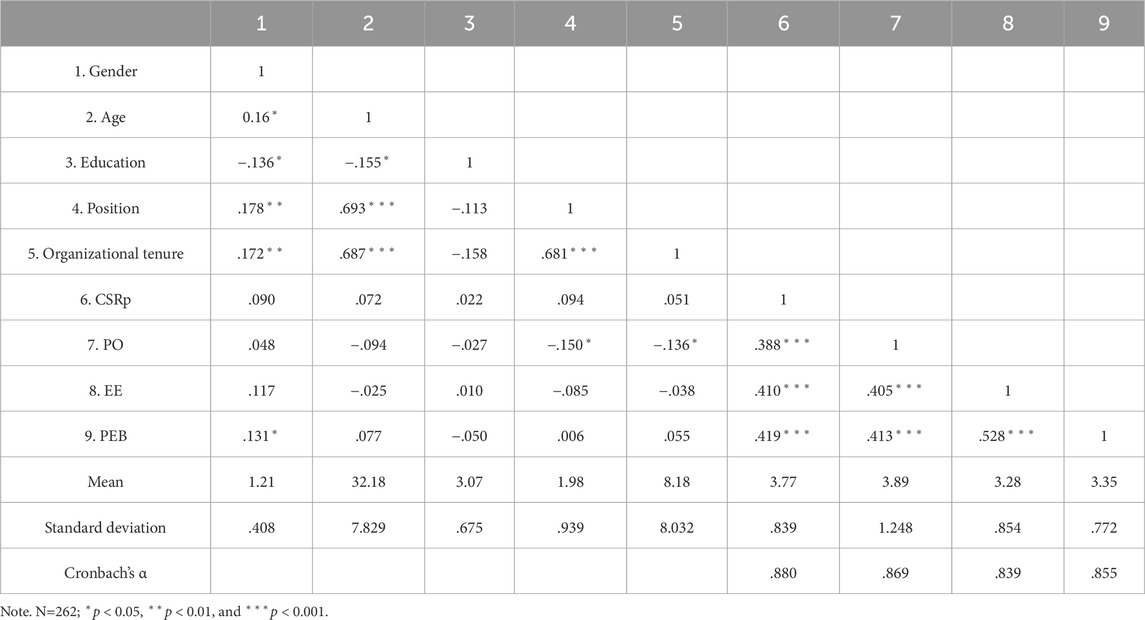
Table 1. Descriptive statistics and correlation relations.
4.2 Common method bias test and confirmatory factor analysis (CFA)
The common method bias was not severe because a Harmans one-factor test revealed that the first factor accounted for 27.98% of the variance and less than 50% (Podsakoff et al., 2003). The CFA results presented in Table 2 show comparisons with other models, and the fitting effect of the four-factor model was found to be better than those of the other models (CFI=.968, TLI=0.963, RMSEA=0.042, χ2/df =1.454, p<0.001), indicating that subsequent hypothesis testing can be carried out.

Table 2. Confirmatory factor analysis results.
4.3 Hypothesis test
The results in Table3 indicate that the positive effect of employee CSRp on PEB is significant (Model 1, Bsimple=0.384, p<0.001, 95% CI = [0.282, 0.487]), supporting H1. The results also indicate the significant positive link between CSRp and PO (Model 2, Bsimple=0.599, p<0.001, 95% CI = [0.434, 0.766]) as well as the notably pronounced positive effect of PO on PEB (Model 4, Bsimple=0.121, p<0.001, 95% CI = [0.051, 0.192]), supporting H2 and preliminarily supporting H3. H4 proposed that the employee CSRp could have positive effects on EE, and H5 further proposed that a higher level of EE motivated by greater CSRp could enhance employee PEBs. The positive effects of both CSRp on EE (Model 3, Bsimple=0.310, p<0.001, 95% CI = [0.191, 0.430]) and EE on PEB (Model 4, Bsimple=0.331, p<0.001, 95% CI = [0.228, 0.434]) were significant, thus supporting H4 and preliminarily supporting H5. Furthermore, the positive effect of PO on EE was significant (Model 3, Bsimple=0.186, p<0.001, 95% CI = [0.104, 0.267]), along with the significant positive effect of CSRp on PO (Model 2, Bsimple=0.599, p<0.001, 95% CI = [0.434, 0.766]) and the positive link between EE and PEB (Model 4, Bsimple=0.331, p<0.001, 95% CI = [0.228, 0.434]), preliminarily supporting H6.
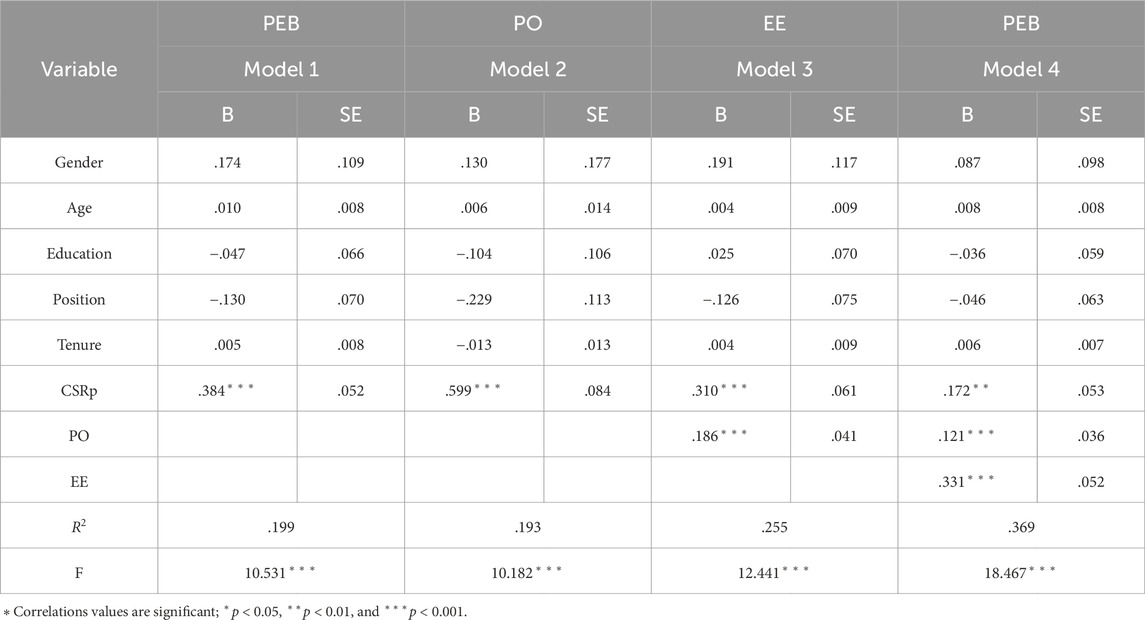
Table 3. Regression results for the main and mediation effects (N=262).
4.4 Mediation test
To further test the mediation effects in H3 and H5 as well as the chain mediation effect in H6, bootstrap analysis was conducted using SPSS 23.0 PROCESS software with a sample size of 5000, confidence interval (CI) of 95%, and deviation correction method for testing (Hayes, 2017). As shown in Table 4, the indirect mediation effects of PO (CSRp→ PO→ PEB, indirect effect=0.073, 95% CI =[0.027, 0.125]) and EE (CSRp→ EE→ PEB, indirect effect=0.103, 95% CI =[0.056, 0.155]) in the link between CSRp and PEB were significant, further supporting H3 and H5. We further tested the chain mediation effects of PO and EE in the link between CSRp and PEB, and the result (CSRp→ PO → EE→ PEB, indirect effect=0.037, 95% CI =[0.018, 0.061]) supports H6.
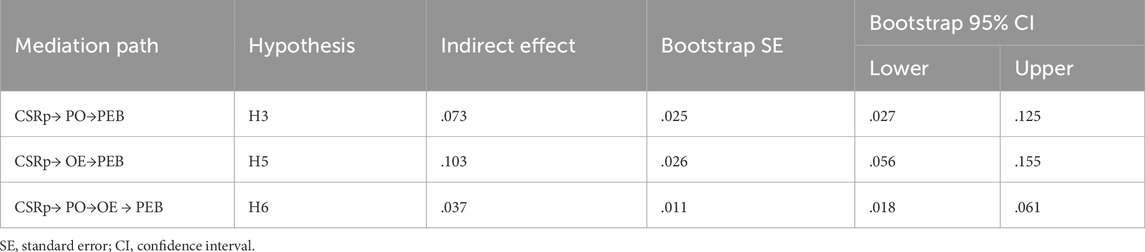
Table 4. Mediation effects' test results.
5 Discussion
This empirical study confirms the positive effects of CSRp on PEBs. In addition, the study explored the internal mediatory mechanisms. The empirical results indicate that CSRp has positive effects on PEB, substantiating Hypothesis 1. The empirical results also show that PO positively mediates the affirmative impacts of CSRp on PEBs, supporting Hypotheses 2 and 3. It is also shown that CSRp is positively related to EE and that EE mediates the positive relationship between CSRp and PEBs, substantiating Hypotheses 4 and 5. Furthermore, by integrating the above two mediating mechanisms, the empirical results show that PO and EE have a significant chain mediating effect on the link between CSRp and PEBs, supporting Hypothesis 6. Our research deepens the cognition of the effects and mechanisms of CSRp on PEBs, while providing more beneficial insights to further address climate change and improve urban resilience.
6 Theoretical implications
First, the elevated levels of CSRp not only signify a sustained behavioral shift in the employees to address climate change (Chen and Hung-Baesecke, 2014) but also lead to more effective enhancement of urban resilience. We explored the positive effects of CSRp on employee PEBs, compensating for the relative lack of research on CSRp, enriching cognition of the aftereffects of CSR, benefitting enhancement of urban resilience, and addressing measures for climate change. In the field of micro-CSR research, most of the existing studies have focused on employee CSR perceptions (Gond et al., 2017; Gond and Moser, 2021), whereas research on CSRp is still in the early stages. At the same time, researchers have advocated for a more systematic exploration of the theoretical justifications for CSR and its effects at the individual outcome level (Rupp et al., 2013). Therefore, our research on the link between CSRp and PEB responds to this calling and further enriches understanding on CSRp. CSRp empowers employees to engage in environmental protection and shape favorable societal attitudes (Rodrigo and Arenas, 2008; Slack et al., 2015), which could contribute to addressing climate change. Personal growth plays a significant role in the sustainable development of urban areas (Marrocu et al., 2012). Through participation in CSR initiatives toward community development, organizations and employees can promote urban resilience in response to climate change (Acuti et al., 2020; Javeed et al., 2024). Therefore, in view of the important role of CSRp in coping with climate change and urban resilience, further enriching research on CSRp is conducive to addressing climate change and improving urban resilience. Furthermore, extant research on the aftereffects of CSRp mainly focuses on the impacts of CSRp on the employees’ organizational commitment (Im et al., 2016), meaningfulness (Nazir et al., 2021), wellbeing (Hu et al., 2019), and so on, but there is less attention on the impact of CSRp on employee behaviors (Supanti and Butcher, 2019). This study further enriches our understanding of how CSRp affects employee behaviors by exploring the promotional effects of CSRp on employee PEBs. Investigating the associations between CSRp and PEBs could offer more insights into strategies for climate change mitigation and urban resilience enhancement (Zawieska et al., 2022).
Second, we expand our understanding of the internal mechanisms by which CSRp affects employee behaviors by introducing new theoretical perspectives. The existing research on CSRp focuses on its antecedents based on sensemaking (Zou et al., 2023), network theory (Baah et al., 2023), attachment theory (Line et al., 2018), and role theory (Kim et al., 2010), among others. Previous CSRp research have also explored how the satisfaction of psychological needs mediate the positive link between CSRp and employee wellbeing based on the self-determination theory (Chen and Hung-Baesecke, 2014; Hu et al., 2019); the ERG theory also explores how CSRp could lead to the employees’ perceived benefits (Koch et al., 2019). To our surprise, the mechanism by which CSRp affects employees from the perspectives of organizational identity theory (Ashforth and Mael, 1989) and PO theory (Pierce et al., 2004) have not been explored. We explore the mechanism by which CSRp promotes PEBs based on these two theories and indicate that PO and EE not only mediate the positive effects of CSRp on PEBs but also play a chain mediating role in the link between CSRp and PEBs. Therefore, our research not only brings new theoretical perspectives to CSR research but also explores the black box of CSR’s mechanism of influence on employee behaviors, deepening cognition of the internal mechanisms of CSR impacts on employee outcomes.
Third, by exploring how CSRp promotes employee PEBs, we also increase our understanding of the antecedents promoting PEBs, which further deepen cognition on coping with climate change and increasing urban resilience by increasing CSRp. Previous reviews on PEBs have categorized the factors affecting PEBs into two groups as external and individual variables (Li et al., 2019). The external variables, such as convenience (Zhang et al., 2016) and social norms (Hage et al., 2009), could promote PEBs. At the individual level, variables such as social capital (Torgler and Garcia-Valinas, 2007), environmental attitude (Tonglet et al., 2004), and subjective recycling cost (Lange et al., 2014), impact PEBs. Subsequent research has further explored the impacts of factors such as CSR perception (Latif et al., 2022), perceived CSR motives (Wut and Ng, 2023), and utilitarian values (Lee et al., 2021) on PEBs. Based on these studies, we further enrich exploration on the factors of promoting PEBs by proving the positive promotional effects of CSRp on PEBs. Given the important role of PEBs in tackling climate change and maintaining urban resilience, our study therefore provides beneficial insights into methods to address climate change and improve urban resilience effectively.
7 Managerial implications
First, PEBs are a strategic approach for individuals to contribute to climate change mitigation (Sapiains et al., 2016) and are instrumental in advancing both the global climate agenda and sustainable urban development (Rajapaksa et al., 2018). Additionally, PEBs can lead to significant improvements in urban waste management (Grilli and Curtis, 2021) and contribute to ecological strategies that can further strengthen urban resilience (Zawieska et al., 2022). We proved that CSRp could enhance employee PEBs, thereby contributing to addressing climate change and improving urban resilience. Therefore, enterprises should also strengthen their participation in CSR initiatives. By conducting more spiritual leadership (Zou et al., 2023) and having higher levels of CSR communications (Lee et al., 2019), organizations could promote employee participation in CSR activities as well as their PEBs to cope with climate change and urban resilience.
Second, PEBs are crucial in the global fight against climate change (Grilli and Curtis, 2021) and for reinforcing urban resilience (Zawieska et al., 2022). This research proves that organization-based PO mediates the positive effects of CSRp on PEBs. Having more transformational leadership (Avey et al., 2009), more decision-making (Liu et al., 2012), and more participation in profit-sharing schemes (Chiu et al., 2007; Chi and Han, 2008) could increase the organization-based PO of the employees, which could motivate employees to engage more in PEBs.
Third, identifying the drivers of PEBs is of paramount importance for combating climate change and fortifying urban resilience (Jakučionytė-Skodienė et al., 2020); our research also indicates that EE could lead to more PEBs. By proving a higher level of job fit (Shuck et al., 2011) and organizational support (Saks, 2006), EE in the organization can be promoted with higher levels of CSR and CSRp, further strengthening the employee PEBs and contributing to the promotion of urban resilience.
8 Limitations and future research
First, although we adopted a two time-point research method to minimize the common method bias impact on the results, it has been demonstrated that such bias is not a major concern (Podsakoff et al., 2003); hence, future research is encouraged on adopting a multisource and multipoint method to reduce the impacts of common method bias on the results, such as evaluations from other sources like leaders or colleagues that are more objective than individual PEB assessments.
Second, we focused on the positive effects and mechanisms of CSRp on PEBs. We can further explore other potential impacts of CSRp on PEBs from alternative theoretical perspectives. Based on the moral licensing theory (Miller and Effron, 2010; Klotz and Balino, 2013), it is plausible that previous ethical behaviors may increase an employee’s feeling of moral license and lead to subsequent deviant behaviors (Yam et al., 2017). According to this logic, CSR may inhibit the development of PEBs through higher moral licensing.
Third, this study has not considered or tested the factors moderating the positive link between CSRp and PEBs. For example, employee values regarding the environment may moderate their relationships between CSRp and organizational outcomes. In addition, cultural aspects are seldom mentioned in micro-CSR research (Rupp and Mallory, 2015), such as collectivism (Hu et al., 2019) and power distance (Kucharska and Kowalceyk, 2019). Similarly, the influences of leadership styles, such as responsible leadership (Maak et al., 2016), cannot be ignored. Thus, individual differences and cultures should also be considered in future research.
Data availability statement
The raw data supporting the conclusion of this article will be made available by the authors, without undue reservation.
Ethics statement
The studies involving humans were approved by the Institutional Review Board of Central South University. The studies were conducted in accordance with the local legislation and institutional requirements. The participants provided written informed consent prior to participating in this study. Written informed consent was also obtained from individuals for the publication of any potentially identifiable images or data included in this article.
Author contributions
YM: data curation, funding acquisition, project administration, resources, supervision, and writing–review and editing. MH: conceptualization, data curation, methodology, software, validation, visualization, writing–original draft, and writing–review and editing. XY: conceptualization, investigation, methodology, and writing–original draft. DL: data curation, investigation, methodology, project administration, software, supervision, and writing–review and editing. JY: methodology, project administration, resources, software, validation, and writing–review and editing.
Funding
The author(s) declare that financial support was received for the research, authorship, and/or publication of this article. The present research was supported by a project of the National Natural Science Foundation of China (Grant No. 71972185), the Project of the Social Science Foundation of Hunan Province (Grant No. 20YBA255), the China Project of the Social Science Achievement Appraisal Committee of Hunan Province (Grant No. XSP22YBZ139), and the Hunan Provincial Education Department Foundation for Excellent Youth Scholars (Grant No. 22B0012).
Conflict of interest
The authors declare that the research was conducted in the absence of any commercial or financial relationships that could be construed as a potential conflict of interest.
Publisher’s note
All claims expressed in this article are solely those of the authors and do not necessarily represent those of their affiliated organizations, or those of the publisher, the editors, and the reviewers. Any product that may be evaluated in this article, or claim that may be made by its manufacturer, is not guaranteed or endorsed by the publisher.
Abbreviations
CSRp, corporate social responsibility participation; EE, employee engagement; OCB, organizational citizenship behavior; PO, psychological ownership; PEB, pro-environmental behavior.
References
Acuti, D., Bellucci, M., and Manetti, G. (2020). Company disclosures concerning the resilience of cities from the Sustainable Development Goals (SDGs) perspective. Cities 99, 102608. doi:10.1016/j.cities.2020.102608
Aguilera, R. V., Rupp, D. E., Williams, C. A., and Ganapathi, J. (2007). Putting the S back in corporate social responsibility: a multilevel theory of social change in organizations. Acad. Manage Rev. 32 (3), 836–863. doi:10.5465/amr.2007.25275678
Allen, M. W., and Craig, C. A. (2016). Rethinking corporate social responsibility in the age of climate change: a communication perspective. Int. J. Corp. Soc. Responsib. 1 (1), 1–11. doi:10.1186/s40991-016-0002-8
Anser, M. K., Yousaf, Z., Majid, A., and Yasir, M. (2020a). Does corporate social responsibility commitment and participation predict environmental and social performance? Corp. Soc. Resp. Env. Ma 27 (6), 2578–2587. doi:10.1002/csr.1977
Arshad, M., Qasim, N., Farooq, O., and Rice, J. (2022). Empowering leadership and employees' work engagement: a social identity theory perspective. Manage Decis. 60 (5), 1218–1236. doi:10.1108/md-11-2020-1485
Ashforth, B. E., Harrison, S. H., and Corley, K. G. (2008). Identification in organizations: an examination of four fundamental questions. J. Manage 34 (3), 325–374. doi:10.1177/0149206308316059
Ashforth, B. E., and Mael, F. (1989b). Social identity theory and the organization. Acad. Manage Rev. 14 (1), 20–39. doi:10.2307/258189
Avey, J. B., Avolio, B. J., Crossley, C. D., and Luthans, F. (2009). Psychological ownership: theoretical extensions, measurement and relation to work outcomes. J. Organ. Behav. Int. J. Industrial, Occup. Organ. Psychol. Behav. 30 (2), 173–191. doi:10.1002/job.583
Baah, C., Agyabeng-Mensah, Y., Afum, E., and Kumi, C. A. (2023). Do circular economy practices accelerate CSR participation of SMEs in a stakeholder-pressured era? A network theory perspective. J. Clean. Prod. 394, 136348. doi:10.1016/j.jclepro.2023.136348
Bahadur, A., Lovell, E., Wilkinson, E., and Tanner, T. (2015). Resilience in the SDGs: developing an indicator for Target 1.5 that is fit for purpose.
Bamberg, S., and Möser, G. (2007). Twenty years after Hines, Hungerford, and Tomera: a new meta-analysis of psycho-social determinants of pro-environmental behaviour. J. Environ. Psychol. 27 (1), 14–25. doi:10.1016/j.jenvp.2006.12.002
Bhattacharya, C. B., Sen, S., and Korschun, D. (2007). Corporate social responsibility as an internal marketing strategy. Sloan Manag. Rev. 49 (1), 1–29.
Buchanan, R. T. (1974). Merger waves in British unionism. Industrial Relat. J. 5 (2), 37–44. doi:10.1111/j.1468-2338.1974.tb00160.x
Burke, P. J. (2006). Identity change. Soc. Psychol. Quart. 69 (1), 81–96. doi:10.1177/019027250606900106
Campanella, T. J. (2006). Urban resilience and the recovery of new orleans. J. Am. Plann Assoc. 72 (2), 141–146. doi:10.1080/01944360608976734
Chen, Y. R., and Hung-Baesecke, C. F. (2014). Examining the internal aspect of corporate social responsibility (CSR): leader behavior and employee CSR participation. Commun. Res. Rep. 31 (2), 210–220. doi:10.1080/08824096.2014.907148
Cheng, Z., Liu, W., Zhou, K., Che, Y., and Han, Y. (2021). Promoting employees’ pro-environmental behaviour through empowering leadership: the roles of psychological ownership, empowerment role identity, and environmental self-identity. Bus. Ethics, Environ. Responsib. 30 (4), 604–618. doi:10.1111/beer.12366
Chi, N. W., and Han, T. S. (2008). Exploring the linkages between formal ownership and psychological ownership for the organization: the mediating role of organizational justice. J. Occup. Organ Psych. 81 (4), 691–711. doi:10.1348/096317907x262314
Chiu, W. C., Harry Hui, C., and Lai, G. W. (2007). Psychological ownership and organizational optimism amid China's corporate transformation: effects of an employee ownership scheme and a management-dominated board. Int. J. Hum. Resour. Manag. 18 (2), 303–320. doi:10.1080/09585190601102539
Collier, J., and Esteban, R. (2007). Corporate social responsibility and employee commitment. Bus. ethics A Eur. Rev. 16 (1), 19–33. doi:10.1111/j.1467-8608.2006.00466.x
Dawkins, S., Tian, A. W., Newman, A., and Martin, A. (2017). Psychological ownership: a review and research agenda. J. Organ Behav. 38 (2), 163–183. doi:10.1002/job.2057
Degbey, W. Y., Rodgers, P., Kromah, M. D., and Weber, Y. (2021). The impact of psychological ownership on employee retention in mergers and acquisitions. Hum. Resour. Manage R. 31 (3), 100745–100816. doi:10.1016/j.hrmr.2020.100745
Doering, D. S., Cassara, A., Layke, C., Ranganathan, J., Revenga, C., Tunstall, D., et al. (2002). Tomorrow's markets: global trends and their implications for business. United Nations Environment Programme: World Resources Institute, World Business Council for Sustainable Development.
Esmaeelinezhad, O., Singaravelloo, K., and Boerhannoeddin, A. (2015). Linkage between perceived corporate social responsibility and employee engagement: mediation effect of organizational identification. Int. J. Hum. Resour. Stud. 5 (3), 174–190. doi:10.5296/ijhrs.v5i3.8376
Farmaki, A., and Stergiou, D. P. (2021). Corporate social responsibility and employee moral identity: a practice-based approach. Curr. Issues Tour. 24 (18), 2554–2572. doi:10.1080/13683500.2020.1850654
Farooq, O., Farooq, M., and Reynaud, E. (2019). Does employees' participation in decision making increase the level of corporate social and environmental sustainability? An investigation in South Asia. Sustainability-Basel 11 (2), 511–513. doi:10.3390/su11020511
Farooq, O., Rupp, D. E., and Farooq, M. (2017). The multiple pathways through which internal and external corporate social responsibility influence organizational identification and multifoci outcomes: the moderating role of cultural and social orientations. Acad. Manage J. 60 (3), 954–985. doi:10.5465/amj.2014.0849
Felix, R., and Almaguer, J. (2019). Nourish what you own: psychological ownership, materialism and pro-environmental behavioral intentions. J. Consumer Mark. 36 (1), 82–91. doi:10.1108/jcm-10-2017-2417
Glavas, A. (2016). Corporate social responsibility and employee engagement: Enabling employees to employ more of their whole selves at work. Front Psychol. 7, 1–10. doi:10.3389/fpsyg.2016.00796
Godfrey, E. (2008). “Sustainability of peer mentoring and peer tutoring initiatives to increase student engagement and reduce attrition,” in Proceedings of the 19th annual conference of the Australasian Association for Engineering Education: To Industry and Beyond. North Rockhampton, Queensland. Australia: Central Queensland University.
Gond, J., and Moser, C. (2021). Critical essay: the reconciliation of fraternal twins: integrating the psychological and sociological approaches to ‘micro’corporate social responsibility. Hum. Relat. 74 (1), 5–40. doi:10.1177/0018726719864407
Gond, J. P., El Akremi, A., Swaen, V., and Babu, N. (2017). The psychological microfoundations of corporate social responsibility: a person-centric systematic review. J. Organ Behav. 38 (2), 225–246. doi:10.1002/job.2170
Grilli, G., and Curtis, J. (2021). Encouraging pro-environmental behaviours: a review of methods and approaches. Renew. Sustain. Energy Rev. 135, 110039–110115. doi:10.1016/j.rser.2020.110039
Hage, O., Söderholm, P., and Berglund, C. (2009). Norms and economic motivation in household recycling: empirical evidence from Sweden. Resour. Conservation Recycl. 53 (3), 155–165. doi:10.1016/j.resconrec.2008.11.003
Hayes, A. F. (2017). Introduction to mediation, moderation, and conditional process analysis: a regression-based approach. New York City: Guilford publications.
He, H., Zhu, W., and Zheng, X. (2014). Procedural justice and employee engagement: roles of organizational identification and moral identity centrality. J. Bus. Ethics 122, 681–695. doi:10.1007/s10551-013-1774-3
Henssen, B., Voordeckers, W., Lambrechts, F., and Koiranen, M. (2014). The CEO autonomy–stewardship behavior relationship in family firms: the mediating role of psychological ownership. J. Fam. Bus. Strateg. 5 (3), 312–322. doi:10.1016/j.jfbs.2014.01.012
Hishan, S. S., Ramakrishnan, S., and Jusoh, A. (2020). Corporate social responsibility for climate change using social contracts: a new research agenda. Ann. Trop. Med. Public Health 23 (6), 144–147. doi:10.36295/asro.2020.23618
Hu, B., Liu, J., and Qu, H. (2019). The employee-focused outcomes of CSR participation: the mediating role of psychological needs satisfaction. J. Hosp. Tour. Manag. 41, 129–137. doi:10.1016/j.jhtm.2019.10.012
Im, S., Chung, Y. W., and Yang, J. Y. (2016). Employees’ participation in corporate social responsibility and organizational outcomes: the moderating role of person–CSR fit. Sustainability-Basel 9 (1), 28–14. doi:10.3390/su9010028
Irani, M., and Rahnamayiezekavat, P. (2021). An overview of urban resilience: dimensions, components, and approaches. Acta Sci. Pol. Adm. Locorum 20 (4), 305–322. doi:10.31648/aspal.7054
Jakučionytė-Skodienė, M., Dagiliūtė, R., and Liobikienė, G. (2020). Do general pro-environmental behaviour, attitude, and knowledge contribute to energy savings and climate change mitigation in the residential sector? Energy 193, 116784. doi:10.1016/j.energy.2019.116784
Javeed, S. A., Latief, R., Cai, X., and San Ong, T. (2024). Digital finance and corporate green investment: a perspective from institutional investors and environmental regulations. J. Clean. Prod. 446, 141367–141413. doi:10.1016/j.jclepro.2024.141367
Javeed, S. A., Latief, R., Cai, X., San Ong, T., Qian, S., and Haq, A. U. (2022). What is the role of the board sustainable committee for corporate social responsibility? The moderating effect of gender diversity and ownership concentration. J. Clean. Prod. 379, 134710–134715. doi:10.1016/j.jclepro.2022.134710
Javeed, S. A., Teh, B. H., Ong, T. S., Chong, L. L., Abd Rahim, M. F. B., and Latief, R. (2022). How does green innovation strategy influence corporate financing? Corporate social responsibility and gender diversity play a moderating role. Int. J. Env. Res. Pub He 19 (14), 8724–8822. doi:10.3390/ijerph19148724
Kahn, W. A. (1990). Psychological conditions of personal engagement and disengagement at work. Acad. Manage J. 33 (4), 692–724. doi:10.5465/256287
Karanika-Murray, M., Duncan, N., Pontes, H. M., and Griffiths, M. D. (2015). Organizational identification, work engagement, and job satisfaction. J. Manage Psychol. 30 (8), 1019–1033. doi:10.1108/jmp-11-2013-0359
Kim, H., Lee, M., Lee, H., and Kim, N. (2010). Corporate social responsibility and employee–company identification. J. Bus. Ethics 95, 557–569. doi:10.1007/s10551-010-0440-2
Klotz, A. C., and Bolino, M. C. (2013). Citizenship and counterproductive work behavior: a moral licensing view. Acad. Manage Rev. 38 (2), 292–306. doi:10.5465/amr.2011.0109
Koch, C., Bekmeier-Feuerhahn, S., Bögel, P. M., and Adam, U. (2019). Employees’ perceived benefits from participating in CSR activities and implications for increasing employees engagement in CSR. Corp. Commun. Int. J. 24 (2), 303–317. doi:10.1108/ccij-12-2017-0123
Kotler, P., and Lee, N. (2008). Corporate social responsibility: doing the most good for your company and your cause. Hoboken, NJ, USA: Wiley, 235–261.
Kubzansky, P. E., and Druskat, V. U. (1993). “Psychological sense of ownership in the workplace: Conceptualization and measurement,” in Paper presented at the annual meeting of the American Psychological Association. Toronto, Ontario.
Kucharska, W., and Kowalczyk, R. (2019). How to achieve sustainability?employee's point of view on company's culture and CSR practice. Corp. Soc. Resp. Env. Ma 26 (2), 453–467. doi:10.1002/csr.1696
Lange, F., Brückner, C., Kröger, B., Beller, J., and Eggert, F. (2014). Wasting ways: perceived distance to the recycling facilities predicts pro-environmental behavior. Resour. Conservation Recycl. 92, 246–254. doi:10.1016/j.resconrec.2014.07.008
Latif, B., Ong, T. S., Meero, A., Abdul Rahman, A. A., and Ali, M. (2022). Employee-perceived corporate social responsibility (CSR) and employee pro-environmental behavior (PEB): the moderating role of CSR skepticism and CSR authenticity. Sustainability-Basel 14 (3), 1380–1419. doi:10.3390/su14031380
Lee, S. Y., Zhang, W., and Abitbol, A. (2019). What makes CSR communication lead to CSR participation? Testing the mediating effects of CSR associations, CSR credibility, and organization–public relationships. J. Bus. Ethics 157, 413–429. doi:10.1007/s10551-017-3609-0
Lee, Y., Lee, C., Lee, W., and Ahmad, M. S. (2021). Do hedonic and utilitarian values increase pro-environmental behavior and support for festivals? Asia Pac J. Tour. Res. 26 (8), 921–934. doi:10.1080/10941665.2021.1927122
Leichenko, R. (2011). Climate change and urban resilience. Curr. Opin. Env. Sust. 3 (3), 164–168. doi:10.1016/j.cosust.2010.12.014
Li, D., Zhao, L., Ma, S., Shao, S., and Zhang, L. (2019). What influences an individual’s pro-environmental behavior? A literature review. Resour. Conservation Recycl. 146, 28–34. doi:10.1016/j.resconrec.2019.03.024
Line, N. D., Hanks, L., and Zhang, L. (2018). Birds of a feather donate together: understanding the relationship between the social servicescape and CSR participation. Int. J. Hosp. Manag. 71, 102–110. doi:10.1016/j.ijhm.2017.11.012
Liu, J., Wang, H., Hui, C., and Lee, C. (2012). Psychological ownership: how having control matters. J. Manage Stud. 49 (5), 869–895. doi:10.1111/j.1467-6486.2011.01028.x
Luchak, A. A. (2003). What kind of voice do loyal employees use? Brit J. Ind. Relat. 41 (1), 115–134. doi:10.1111/1467-8543.00264
Maak, T., Pless, N. M., and Voegtlin, C. (2016). Business statesman or shareholder advocate? CEO responsible leadership styles and the micro-foundations of political CSR. J. Manage Stud. 53 (3), 463–493. doi:10.1111/joms.12195
Marrocu, E., Paci, R., and Pontis, M. (2012). Intangible capital and firms’ productivity. Ind Corp Change. 21 (2), 377–402. doi:10.1093/icc/dtr042
Miller, D. T., and Effron, D. A. (2010). Psychological license: when it is needed and how it functions. Adv. Exp. Soc. Psychol. 43, 115–155. doi:10.1016/S0065-2601(10)43003-8
Nazir, O., Islam, J. U., and Rahman, Z. (2021). Effect of CSR participation on employee sense of purpose and experienced meaningfulness: a self-determination theory perspective. J. Hosp. Tour. Manag. 46, 123–133. doi:10.1016/j.jhtm.2020.12.002
Onkila, T., and Sarna, B. (2022). A systematic literature review on employee relations with CSR: state of art and future research agenda. Corp. Soc. Resp. Env. Ma 29 (2), 435–447. doi:10.1002/csr.2210
O'Reilly, C. A., and Chatman, J. (1986). Organizational commitment and psychological attachment: the effects of compliance, identification, and internalization on prosocial behavior. J. Appl. Psychol. 71 (3), 492–499. doi:10.1037//0021-9010.71.3.492
Peng, H., and Pierce, J. (2015). Job-and organization-based psychological ownership: relationship and outcomes. J. Manage Psychol. 30 (2), 151–168. doi:10.1108/jmp-07-2012-0201
Pierce, J. L., O'Driscoll, M. P., and Coghlan, A. (2004). Work environment structure and psychological ownership: the mediating effects of control. J. Soc. Psychol. 144 (5), 507–534. doi:10.3200/socp.144.5.507-534
Podsakoff, P. M., MacKenzie, S. B., Lee, J., and Podsakoff, N. P. (2003). Common method biases in behavioral research: a critical review of the literature and recommended remedies. J. Appl. Psychol. 88 (5), 879–903. doi:10.1037/0021-9010.88.5.879
Rajapaksa, D., Islam, M., and Managi, S. (2018). Pro-environmental behavior: the role of public perception in infrastructure and the social factors for sustainable development. Sustainability-Basel 10 (4), 937–941. doi:10.3390/su10040937
Raub, S., and Blunschi, S. (2014). The power of meaningful work: how awareness of CSR initiatives fosters task significance and positive work outcomes in service employees. Cornell Hosp. Q. 55 (1), 10–18. doi:10.1177/1938965513498300
Raza, A., Farrukh, M., Iqbal, M. K., Farhan, M., and Wu, Y. (2021). Corporate social responsibility and employees' voluntary pro-environmental behavior: the role of organizational pride and employee engagement. Corp. Soc. Resp. Env. Ma 28 (3), 1104–1116. doi:10.1002/csr.2109
Reb, J., and Connolly, T. (2007). Possession, feelings of ownership and the endowment effect. Judgm. Decis. Mak. 2 (2), 107–114. doi:10.1017/s1930297500000085
Rich, B. L., Lepine, J. A., and Crawford, E. R. (2010). Job engagement: Antecedents and effects on job performance. Acad Manage J. 53 (3), 617–635. doi:10.5465/amj.2010.51468988
Rishi, P. (2022). “Behavioural transformation for sustainability and pro-climate action,” in Managing climate change and sustainability through behavioural transformation (London, United Kingdom: Palgrave Macmillan), 137–167.
Robertson, J. L., and Barling, J. (2013). Greening organizations through leaders' influence on employees' pro-environmental behaviors. J. Organ Behav. 34 (2), 176–194. doi:10.1002/job.1820
Rochberg-Halton, E., and Csikszentmihalyi, M. (1981). The meaning of things: domestic symbols and the self. New York, NY: Cambridge University Press.
Rodrigo, P., and Arenas, D. (2008). Do employees care about CSR programs? A typology of employees according to their attitudes. J. Bus. Ethics 83, 265–283. doi:10.1007/s10551-007-9618-7
Rupp, D. E., and Mallory, D. B. (2015). Corporate social responsibility: psychological, person-centric, and progressing. Annu. Rev. Organ. Psychol. Organ. Behav. 2 (1), 211–236. doi:10.1146/annurev-orgpsych-032414-111505
Rupp, D. E., Shao, R., Thornton, M. A., and Skarlicki, D. P. (2013). Applicants' and employees' reactions to corporate social responsibility: the moderating effects of first-party justice perceptions and moral identity. Pers. Psychol. 66 (4), 895–933. doi:10.1111/peps.12030
Saks, A. M. (2006). Antecedents and consequences of employee engagement. J. Manage Psychol. 21 (7), 600–619. doi:10.1108/02683940610690169
Saks, A. M. (2019). Antecedents and consequences of employee engagement revisited. J. Organ. Eff. People Perform. 6 (1), 19–38. doi:10.1108/joepp-06-2018-0034
Saks, A. M., Gruman, J. A., and Zhang, Q. (2022). Organization engagement: a review and comparison to job engagement. J. Organ. Eff. People Perform. 9 (1), 20–49. doi:10.1108/joepp-12-2020-0253
Sapiains, R., Beeton, R. J., and Walker, I. A. (2016). Individual responses to climate change: framing effects on pro-environmental behaviors. J. Appl. Soc. Psychol. 46 (8), 483–493. doi:10.1111/jasp.12378
Shuck, B., Reio Jr, T. G., and Rocco, T. S. (2011). Employee engagement: an examination of antecedent and outcome variables. Hum. Resour. Dev. Int. 14 (4), 427–445. doi:10.1080/13678868.2011.601587
Simpson, M. R. (2009). Engagement at work: a review of the literature. Int. J. Nurs. Stud. 46 (7), 1012–1024. doi:10.1016/j.ijnurstu.2008.05.003
Slack, R. E., Corlett, S., and Morris, R. (2015). Exploring employee engagement with (corporate) social responsibility: a social exchange perspective on organisational participation. J. Bus. Ethics 127, 537–548. doi:10.1007/s10551-014-2057-3
Supanti, D., and Butcher, K. (2019). Is corporate social responsibility (CSR) participation the pathway to foster meaningful work and helping behavior for millennials? Int. J. Hosp. Manag. 77, 8–18. doi:10.1016/j.ijhm.2018.06.001
Tian, Q., and Robertson, J. L. (2019). How and when does perceived CSR affect employees’ engagement in voluntary pro-environmental behavior? J. Bus. Ethics 155, 399–412. doi:10.1007/s10551-017-3497-3
Tonglet, M., Phillips, P. S., and Bates, M. P. (2004). Determining the drivers for householder pro-environmental behaviour: waste minimisation compared to recycling. Resour. conservation Recycl. 42 (1), 27–48. doi:10.1016/j.resconrec.2004.02.001
Torgler, B., and Garcia-Valiñas, M. A. (2007). The determinants of individuals' attitudes towards preventing environmental damage. Ecol. Econ. 63 (2-3), 536–552. doi:10.1016/j.ecolecon.2006.12.013
Van Dyne, L., and Pierce, J. L. (2004). Psychological ownership and feelings of possession: three field studies predicting employee attitudes and organizational citizenship behavior. J. Organ. Behav. Int. J. Industrial, Occup. Organ. Psychol. Behav. 25 (4), 439–459. doi:10.1002/job.249
Vlachos, P. A., Panagopoulos, N. G., and Rapp, A. A. (2014). Employee judgments of and behaviors toward corporate social responsibility: a multi-study investigation of direct, cascading, and moderating effects. J. Organ Behav. 35 (7), 990–1017. doi:10.1002/job.1946
Welbourne, T. M., Rolf, S., and Schlachter, S. (2017). The case for employee resource groups: a review and social identity theory-based research agenda. Pers. Rev. 46 (8), 1816–1834. doi:10.1108/pr-01-2016-0004
Wut, T. M., and Ng, P. M. (2023). Perceived CSR motives, perceived CSR authenticity, and pro-environmental behavior intention: an internal stakeholder perspective. Soc. Responsib. J. 19 (5), 797–811. doi:10.1108/srj-08-2020-0350
Yam, K. C., Klotz, A. C., He, W., and Reynolds, S. J. (2017). From good soldiers to psychologically entitled: examining when and why citizenship behavior leads to deviance. Acad. Manage J. 60 (1), 373–396. doi:10.5465/amj.2014.0234
Zawieska, J., Obracht-Prondzyńska, H., Duda, E., Uryga, D., and Romanowska, M. (2022). In search of the innovative digital solutions enhancing social pro-environmental engagement. Energies 15 (14), 5191–5218. doi:10.3390/en15145191
Zhang, S., Zhang, M., Yu, X., and Ren, H. (2016). What keeps Chinese from recycling: accessibility of recycling facilities and the behavior. Resour. Conservation Recycl. 109, 176–186. doi:10.1016/j.resconrec.2016.02.008
Zhang, Y., Liu, G., Zhang, L., Xu, S., and Cheung, M. W. (2021). Psychological ownership: a meta-analysis and comparison of multiple forms of attachment in the workplace. J. Manage 47 (3), 745–770. doi:10.1177/0149206320917195
Keywords: corporate social responsibility participation, psychological ownership, employee engagement, pro-environmental behavior, urban resilience, climate change
Citation: Min YA, Hao M, Yang X, Ling DY and Yuan JS (2024) How employee corporate social responsibility participation promotes pro-environmental behavior. Front. Earth Sci. 12:1393386. doi: 10.3389/feart.2024.1393386
Received: 29 February 2024; Accepted: 30 April 2024;
Published: 14 June 2024.
Edited by:
Yukun Shi, University of Glasgow, United KingdomReviewed by:
Sohail Ahmad Javeed, Nanjing Agricultural University, ChinaShimin Yin, Anhui University, China
Copyright © 2024 Min, Hao, Yang, Ling and Yuan. This is an open-access article distributed under the terms of the Creative Commons Attribution License (CC BY). The use, distribution or reproduction in other forums is permitted, provided the original author(s) and the copyright owner(s) are credited and that the original publication in this journal is cited, in accordance with accepted academic practice. No use, distribution or reproduction is permitted which does not comply with these terms.
*Correspondence: Ma Hao, MTcxNjAxMDA5QGNzdS5lZHUuY24=; Deng Yu Ling, eXVsaW5nX2RlbmdAaG90bWFpbC5jb20=