 Jin Xu
 Hui Xie
 Zixuan Luo
 Yanting Chen1,2
- 1Laboratory for Coastal Ocean Variation and Disaster Prediction, College of Ocean and Meteorology, Guangdong Ocean University, Zhanjiang, China
- 2Key Laboratory of Marine Mineral Resources, Ministry of Natural Resources, Guangzhou, China
- 3Key Laboratory of Climate, Resources and Environment in Continental Shelf Sea and Deep Sea of Department of Education of Guangdong Province, Guangdong Ocean University, Zhanjiang, China
- 4Key Laboratory of Space Ocean Remote Sensing and Application, Ministry of Natural Resources, Beijing, China
The mechanisms and processes of interaction between paleo-subducted slabs and mantle plumes are not well understood, primarily due to the challenges associated with direct observation. The Leiqiong Area (LQA), located in the northwestern South China Sea (SCS), may provide an ideal site to study the interaction between mantle plumes and paleo-subducted slabs. Extensive Late Cenozoic volcanic activities are present in the LQA, encompassing the Leizhou Peninsula (LP) and northern Hainan Island. This study conducted K-Ar dating, major and trace element analysis, and Sr-Nd-Pb-Hf isotopic analysis on volcanic rock samples from Naozhou Island, the largest volcanic island in the northeastern part of the LQA. The dating results show two periods of magmatic activities on Naozhou Island (3.6 Ma and 1 Ma). The geochemical results indicate that the columnar jointed basalts from Naozhou Island mainly show characters of oceanic island basalt (OIB). The isotopic data suggest origins of depleted MORB mantle (DMM) and Enriched Mantle
1 Introduction
The interaction between mantle plumes and subducted slabs is a fundamental geodynamic process, exerting a significant influence on magmatic differentiation, volcanic edifice formation, and global geochemical fluxes (Foulger and Natland, 2003; Hofmann, 1997). The interaction may result in the flattening of subduction zones (Dalziel et al., 2000), the deflection of mantle plumes (Kincaid et al., 2013; Mériaux et al., 2015), extensive magmatic activity (Druken et al., 2014; Gazel et al., 2011; Yang et al., 2023), and compositional heterogeneity of mantle plumes (Xu et al., 2019; Xu et al., 2021; Yu et al., 2022), etc. Seismic tomography studies have revealed the presence of mantle plumes near certain subduction zones (Obrebski et al., 2010), suggesting potential interactions between mantle plumes and nearby subducting slabs (Mériaux et al., 2016; Toyokuni et al., 2022). Modern examples include the Tonga subduction zone and the Samoa plume (Price et al., 2014; Wendt et al., 1997; Chang et al., 2016), the Cascadia subduction zone and Yellowstone plume (Smith et al., 2009), as well as the Kamchatka subduction zone and the Kamchatka plume (Gorbatov et al., 2001). However, tomography has limitations in reconstructing slab-plume interactions from the pre-Cenozoic era. Evaluating pre-Cenozoic slab-plume interactions requires alternative proxies. Reconstructions of supercontinents and ancient large igneous provinces have demonstrated a spatiotemporal coupling between large igneous provinces and subduction abyssal systems (Wang et al., 2013), potentially indicating that slab-plume interactions were more widespread in ancient times. However, the processes by which subducted slabs are incorporated into mantle plumes and recycled back into the lithosphere remain unclear. The South China Sea (SCS), the largest marginal sea along the Western Pacific margin, has a complex tectonic history shaped by convergent and transform interactions among the Eurasian, Indo-Australian, and Pacific plates (Li et al., 2015; Li and Li, 2007; Briais et al., 2012; Taylor and Hayes, 1983) (Figure 1A). Its northern continental margin preserves a record of Late Mesozoic subduction history (Li et al., 2018; Cui et al., 2021), while the region is also characterized by the presence of the Hainan mantle plume (Xia et al., 2016) (Figure 1B). This makes the SCS a unique natural laboratory for studying interactions between mantle plumes and paleo-subducted slabs.
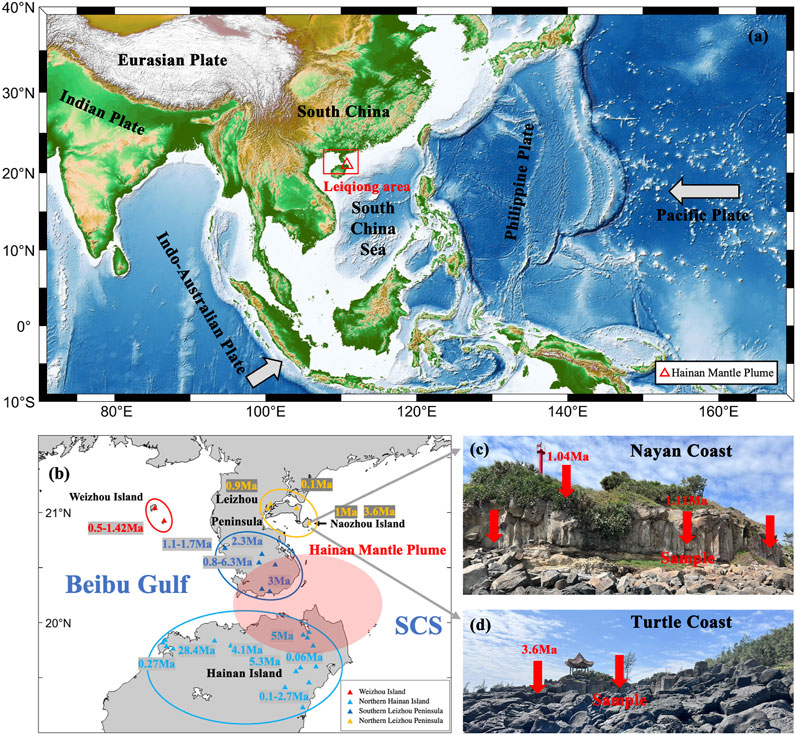
Figure 1. Map of the geological setting of the LQA. (a) Geological setting of the SCS (Briais et al., 2012; Taylor and Hayes, 1983); (b) Distribution of volcanoes ages in the LQA (Huang et al., 1993; Zhu and Wang, 1989; Zhang et al., 2020; Fan et al., 2006; Wang et al., 2021), Hainan Mantle Plume location (Xia et al., 2016); (c) Nayan Coast; (d) Turtle Coast.
Late Cenozoic basaltic rocks are extensively distributed across the northwestern margin of the SCS, particularly in the Leiqiong Area (LQA), which encompasses the Leizhou Peninsula (LP) and northern Hainan Island, covering approximately 7,000 km2. Previous studies have proposed three models to explain the magma sources and volcanic activities in the LQA. ① Sub-continental lithospheric mantle (SCLM) model. Tu et al. suggested that the late Cenozoic volcanism on Hainan Island originated from the SCLM, with magma generation primarily influenced by the dynamics of the lithospheric mantle beneath the region (Tu et al., 1991). Similarly, Zhu and Wang, and Huang et al. investigated the Quaternary volcanoes in the LQA, in terms of geochronology, whole-rock major and trace elements, and Sr-Nd-Pb isotopes, proposed that volcanic activity was controlled by fault activities, with magma primarily derived from the lithospheric mantle (Huang et al., 1993; Zhu and Wang, 1989). ② Mantle plume model. Plenty of researchers have suggested that the typical OIB-type basalts in the LQA were derived from Hainan mantle plume, a deep-seated upwelling of hot material from the lower mantle (Ho et al., 2000; Lei et al., 2009; Zou and Fan, 2010; Liu et al., 2015). ③ Mantle plume interacts with subducted slab model. Recent studies suggest that the magma source is a mixture of depleted MORB mantle (DMM) and Enriched Mantle Ⅱ (EMⅡ) components (Zhang et al., 2020; Yung-Tan et al., 2022; An et al., 2017), indicating the interaction between the Hainan mantle plume and subduction slab. Wang et al. proposed that the LQA represents a rare example of a young mantle plume interacting with a deeply subducted slab. They suggested that the volcanic activity on Hainan Island was influenced by subduction-related processes (Wang et al., 2012). Zhao et al. proposed that, based on whole-rock major and trace elements and olivine geochemistry, the volcanic rocks in the LP range from typical OIB-type to IAB-type, likely linked to the subduction of the Paleo-Pacific Plate (Zhao et al., 2021). Futhermore, Chen et al. employed in situ Sr isotope disequilibrium in plagioclases of late Cenozoic basalts to show the influence of recycled subduction-related H2O-enriched oceanic fluids/melts carried by the deep Hainan mantle plume across the entire LQA (Chen et al., 2023).
As mentioned above, the magma sources of the volcanic rocks in the LQA remain controversial and the spatial distribution of the interaction between Hainan mantle plume and subducted slab are still unclear. Additionally, previous studies mainly focused on the region of southern LP and Hainan Island, sparsely research on the northern LP. Considering these volcanics on the northern LP are located in the distal margin of the Hainan mantle plume, therefore, their geochemical features and ages may provide some valuable constraints about the evolution and spatial pattern of the plume, even the plume-slab interaction.
This study collected 20 volcanic rock samples from Naozhou Island, the largest volcanic island in South China Sea (Figures 1C,D). Through detailed geochemical analyses of whole-rock major and trace elements, coupled with high-precision Sr-Nd-Pb-Hf isotope geochemistry and K-Ar geochronology. We aim to delineate the magmatic sources and temporal evolution of the Naozhou Island basalts and discuss the spatial distribution of magma sources in the LQA combined with previously published data. This work fills the gap in petrological and geochemical records in the northern LP, where volcanic rock detail data have been lacking. By providing new insights into this underexplored region, our work makes a complementary contribution to the comprehensive understanding of mantle dynamics and magmatic processes across the entire LQA. This work not only refines our understanding of magmatic origins and mantle dynamics in the northwestern SCS margin but also provides a framework for future studies investigating plume-slab interactions in analogous tectonic settings globally.
2 Geological background and sampling
The SCS is bordered by three major tectonic plates: the Eurasian Plate, the Indo-Australian Plate, and the Pacific Plate (Taylor and Hayes, 1983). The LQA, located on the northwestern margin of the SCS, is a region characterized by extensive late Cenozoic volcanism (Figure 1B) (Huang et al., 1993; Zhu and Wang, 1989; Zhang et al., 2020; Fan et al., 2006; Wang et al., 2021). The LQA is intersected by numerous faults trending in SE-NW and NE-SW directions, as documented by (Zhang and Zhao, 1984). The volcanic activities in this region span from the late Miocene to the Holocene, with a notable peak in the Quaternary period (Huang et al., 1993; Zhu and Wang, 1989; Zhang, 1990).
Naozhou Island, located in the northeastern part of the LQA, stands as the largest volcanic island in South China. It spans an area of approximately 56 km2 and extends in a northeast-southwest direction. The island features a gently sloping topography. The highest point, 81.6 m above sea level, is in the east, and the elevation gradually descends towards the west. Naozhou Island is mainly composed of late Cenozoic basaltic lava flows. These lava flows are interbedded with tuffaceous layers and overlaid by unconsolidated Quaternary sediments. Notably, on the seaward side of the volcanic crater in the eastern part of the island, there are two well-developed sets of columnar joints on display (Figure 1).
A total of 20 fresh volcanic rock samples were collected from Naozhou Island. The volcanic rocks exhibit a porphyritic texture, with phenocrysts of olivine, pyroxene, and plagioclase as revealed in the thin sections. For example, the sample NZ-12 (Figure 2A) shows such a porphyritic feature with phenocryst accounting for 15% and matrix for 85% (volume percentage). The matrix consists mainly of acicular microcrystalline plagioclase interspersed with finer pyroxene and magnetite. The phenocrysts are dominated by subhedral olivine, pyroxene, and euhedral plagioclase.
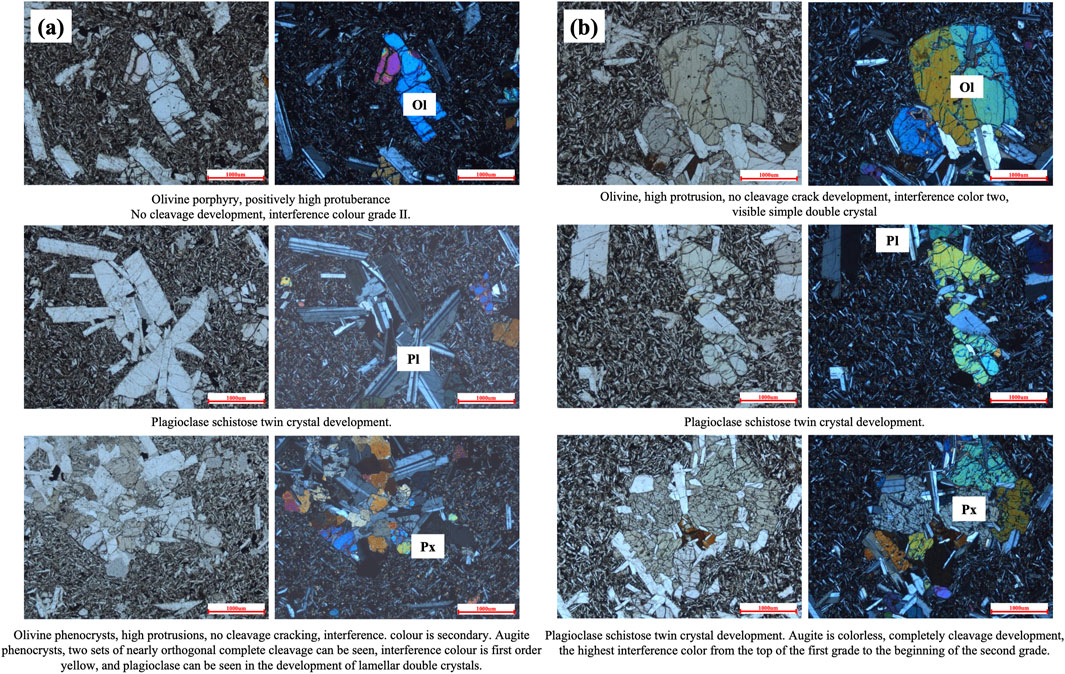
Figure 2. Olivine, clinopyroxene, and plagioclase phenocrysts of volcanic rock samples from Naozhou Island. (a) Sample NZ-12, (b) Sample NZ-28. Left: plane-polarised light; Right: orthogonal-polarised light.
3 Methods
3.1 K-Ar chronology
K-Ar dating was performed at the Analytical Laboratory of the Beijing Research Institute of Uranium Geology, China. Rock samples were crushed to 60 mesh, and porphyritic minerals were removed under a stereoscope. The samples were then cleaned using ultrasonic oscillation in alcohol, deionized water, and acetone, and subsequently divided into two portions.
One portion of the sample was precisely weighed (±0.001 mg) and wrapped in pure aluminum foil. The sample was then vacuum-baked for 48 h to remove adsorbed gases before being placed in a double-vacuum furnace for complete melting and gas extraction. The released gases were purified using a U-shaped liquid nitrogen cold trap and two zirconium-aluminum getter pumps operating at 450°C and room temperature, respectively. A known quantity of 38Ar was introduced as a diluent, and the sample’s Ar isotopic composition was analyzed using an Argus VI rare gas mass spectrometer. The analysis results were corrected for background, atmospheric Ar, and mass discrimination. The radiogenic 40Ar* content was calculated using the measured Ar isotope ratios and the known amount of 38Ar diluent.
The second portion of the sample was weighed, and its K content was determined by atomic absorption spectrometry. The 40K content was then derived from the measured K content, assuming a constant 40K/K ratio within Earth’s lithosphere. The 40K-40Ar age was calculated using the standard isotopic decay equation:
Where
3.2 Major and trace element
Major element analysis of whole-rock samples was performed using an Axios MAX XRF at Nanjing Hongchuang Geological Exploration Technology Service Co., Ltd. The procedure was as follows: (Foulger and Natland, 2003): Sample powders (200 mesh) were dried at 120°C for 8 h; (Hofmann, 1997); Approximately 0.5–1.0 g of dried sample was weighed in a constant-weight ceramic crucible and heated in a muffle furnace at 1,000°C for 200 min. The sample was then cooled to room temperature to calculate the loss on ignition (LOI); (Dalziel et al., 2000); A mixture of Canadian Claisse flux (6.0000 g ± 0.3 mg, 49.75% Li2B4O7: 49.75% LiBO2: 0.5% LiBr) and 0.6000 g ± 0.3 mg of dried sample was prepared and homogenized using a quartz rod. The mixture was transferred to a platinum crucible and melted at 1,100°C. After melting, the glass bead was cooled and prepared for XRF analysis.
Trace element analysis was conducted using an Elan DRC-e ICP-MS at Nanjing Hongchuang Geological Exploration Technology Service Co., Ltd. The sample digestion procedure was as follows: (Foulger and Natland, 2003): Sample powders (200 mesh) were dried at 105°C for 12 h; (Hofmann, 1997); 50 mg of dried sample was weighed and placed in a Teflon bomb; (Dalziel et al., 2000); 1.5 mL of HNO3, 1.5 mL of HF, and 0.1 mL of HClO4 (all ultrapure) were added to the Teflon bomb; (Kincaid et al., 2013); The Teflon bomb was sealed in a stainless steel pressure jacket and heated at 190°C for 48 h; (Mériaux et al., 2015); After cooling, the solution was evaporated to near dryness on a hotplate at 140°C, and then 3 mL of HNO3 was added and evaporated again; (Druken et al., 2014); 3 mL of 50% HNO3 was added, the bomb was resealed, and heated at 190°C for 12 h; (Gazel et al., 2011); The final solution was diluted to 100 g with Milli-Q water and spiked with 1 mL of a Rh + Re mixed standard solution (1 mg/L). Major elements were tested using GBW07104, GBW07105, GBW07310, GBW07312, GBW07314, and GBW07316 standards, while trace elements were tested using AGV-2 and BHVO-2 standards. Analytical precision was better than 3% for major elements and 1% for trace elements. Results of standard sample tests are included in the Supplementary Information.
3.3 Sr-Nd-Pb-Hf isotope
High-precision isotopic measurements (Sr, Nd, Hf, Pb) were conducted using a Nu Plasma II MC-ICP-MS at Nanjing Hongchuang Geological Exploration Technology Service Co., Ltd. (NHEXTS), Nanjing, China. Volcanic rock powders were digested in high-pressure PTFE bombs with 0.5 mL of 60% HNO3 and 1.0 mL of 40% HF. The bombs were steel-jacketed and heated at 195°C for 3 days. The digested samples were then dried on a hotplate and reconstituted in 1.5 mL of 0.2 N HBr +0.5 N HNO3 before ion exchange purification (N: Normality).
1. Pb Separation: Pb was separated using a Biorad AG1-X8 anion exchange column. Lithophile elements, Hf, Sr, and rare earth element (REEs) were washed out with 0.2 N HBr +0.5 N HNO3, and Pb was eluted with Milli-Q water. Due to impurities, a second anion exchange column was used for further purification.
2. Hf, Sr, and REE Separation: A Biorad AG50W-X8 cation exchange column was used to roughly separate Hf, Sr, and REEs. After drying and re-dissolving the collected fraction in 1.5 N HCl, Hf was eluted with 1.5 N HCl, matrix elements with 2.0 N HCl, Sr with 2.5 N HCl, and REEs with 6.0 N HCl.
3. Hf Separation: Hf was separated from other high field strength elements (HFSE) using HDEHP-coated Teflon powder (LN-specific resin). After drying and re-dissolving the HFSE fraction in 3.0 N HCl, Hf was eluted with 2.0 N HF.
4. Sr Purification: The impure Sr fraction was further purified using Sr-specific resin after re-dissolution in 2.5 N HNO3.
5. Nd Separation: REE fractions were further processed using Ln-specific resin. LREEs were removed with 0.12 N HCl, Nd was collected with 0.18 N HCl, and Sm with 0.4 N HCl.
6. Final Preparation: The Sr, Nd, Pb, and Hf fractions were evaporated to dryness and re-dissolved in 1.0 mL of 2% HNO3. Elemental concentrations were measured using an Agilent 7,700x quadrupole ICP-MS. Diluted solutions were introduced into the Nu Plasma II MC-ICP-MS through a Teledyne Cetac Aridus II desolvating nebulizer.
7. Data Correction and Calibration: Isotopic ratios were corrected for mass fractionation using internal standards: 86Sr/88Sr = 0.1194 for Sr, 146Nd/144Nd = 0.7219 for Nd, 179Hf/177Hf = 0.7325 for Hf, 205TL/203TL = 2.3885 for Pb. Instrumental drift was monitored using international isotopic standards (NIST SRM 987 for Sr, JNdi-1 for Nd, Alfa Hf, and NIST SRM 981 for Pb).
Geochemical reference materials (USGS BCR-2, BHVO-2, AVG-2, RGM-2) were used for quality control, with results agreeing with previous publications within analytical uncertainty (Weis et al., 2007; Weis et al., 2006). Detailed results of standard sample tests are provided in the Supplementary Information.
4 Results
4.1 K-Ar chronology
This work performed K-Ar dating results for three volcanic rock samples from Naozhou Island, which reveal two distinct periods of volcanic activity. The analytical data are listed in Table 1. On the Nayan Coast, to east of the volcanic crater, the age of upper part of the strata is 1.04 Ma (NZ-28), while the age of lower part is 1.11 Ma (NZ-22) (Figure 1C). On the Turtle Coast, to the southwest of the crater at a relatively lower elevation, sample NZ-12 was dated at 3.6 Ma (Figure 1D). These results suggest that volcanic activity on Naozhou Island occurred from the late Pliocene to the Pleistocene.

Table 1. K-Ar dating results of volcanic rocks on the Naozhou Island.
The columnar joints observed on Naozhou Island serve as clear indicator of magma solidification process. The ages obtained from these joints provide reliable constraints on the timing of volcanic eruption cycles. Our findings corroborate the stratigraphic contact relationships observed in the field (Wang et al., 2023). Based on these results, it can be inferred that magmatic activity on Naozhou Island occurred at least two periods: about 3.6 Ma and 1 Ma (1.11–1.04 Ma).
4.2 Major elements
The major element data are summarized in Table 2. SiO2 content ranges from 50.2 to 54.11 wt%, TiO2 from 1.46 to 1.8 wt%, Al2O3 from 15.32 to 18.13 wt%, total Fe2O3 (TFe2O3) from 7.8 to 10.38 wt%, MgO from 3.61 to 6.75 wt%, Na2O from 2.85 to 3.95 wt%, K2O from 1.03 to 1.45 wt%, and Mg# from 47.44 to 59.8. The loss on ignition (LOI) values are generally low, less than 2 wt% (Table 2). In the total alkali-silica (TAS) diagram (Figure 3) (Le Maitre et al., 2002), these volcanic rocks classified as basalt and basaltic andesite. The 1 Ma volcanic rocks have higher alkalinity, with combined Na2O + K2O values around 5%, while the 3.6 Ma volcanic rocks have values closer to 4%.
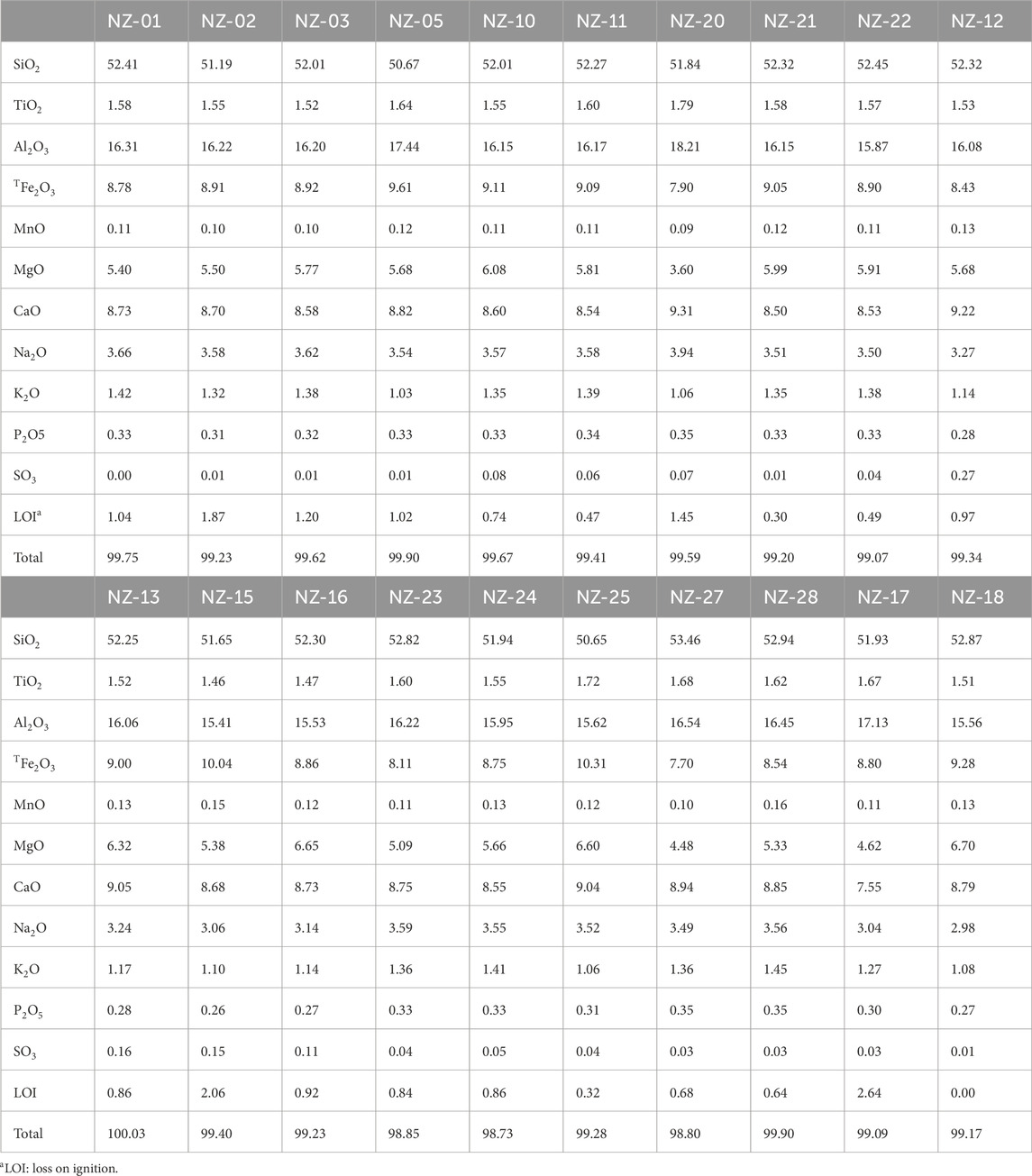
Table 2. Major element compositions of the Naozhou Island volcanic rocks (%).
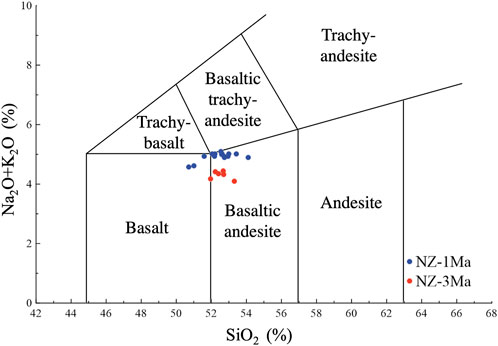
Figure 3. Total alkali-silica diagram of the Naozhou Island volcanic rocks. TAS grid is from Le Maitre et al. (2002).
The TAS diagram shows that most of the 3 Ma rocks fall within the basaltic andesite field, indicating that these magmas were relatively more evolved, with moderate SiO2 content and lower alkalinity. The 3 Ma samples show similar SiO2 contents with those of 1 Ma samples. Some of the 1 Ma samples fall into the basalt field and exhibit higher Na2O+ K2O values, indicating a trend toward higher alkalinity. Overall, the TAS diagram illustrates a clear distinction between the 3 Ma and 1 Ma volcanic rocks, with the latter showing evidence of higher alkalinity.
4.3 Trace elements
Despite two distinct periods of volcanic activity, the trace element patterns of these samples show no signifcant differences, indicating a stable mantle source over time (Table 3).
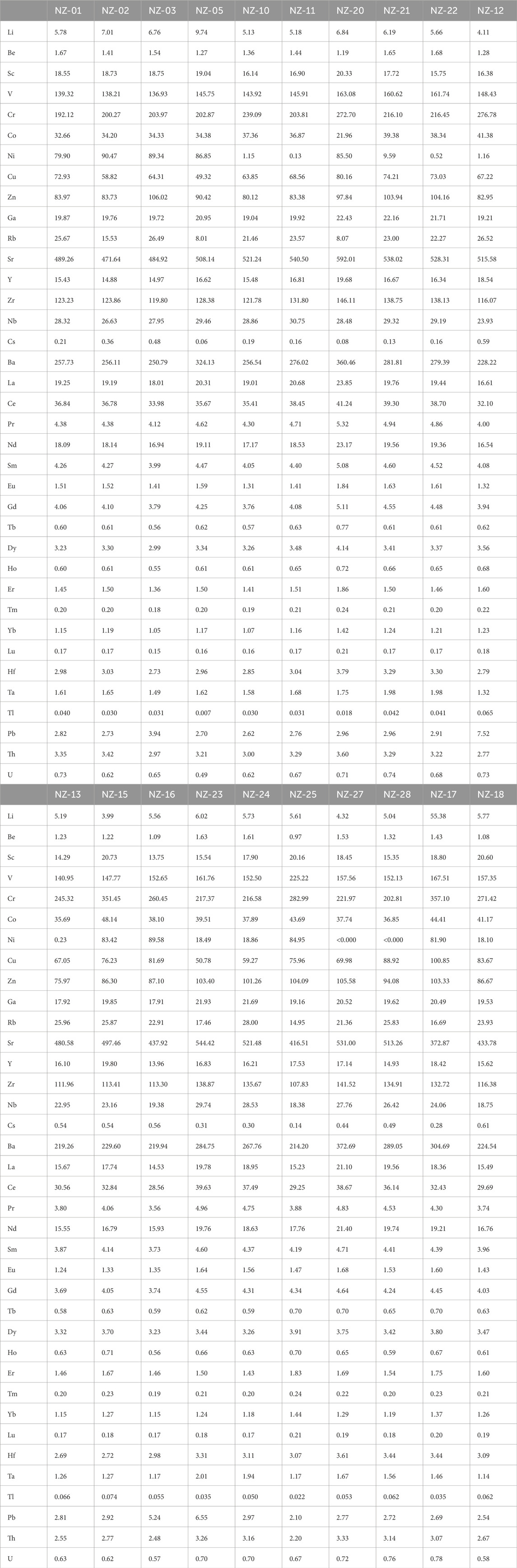
Table 3. Trace and rare earth element compositions of the Naozhou Island volcanic rocks (ppm).
The total REE contents (ΣREEs) of the samples range from 92.71 to 134.66 ppm, with a mean of 111.13 ppm, which is lower than the typical OIB average of 198.9 ppm (Sun et al., 1989). In the chondrite-normalized REE diagram (Figure 4) (Sun et al., 1989; Niu and O'Hara, 2003; Plank and Langmuir, 1998), these volcanic rocks exhibit a clear enrichment in light REEs (LREEs), with (La/Yb)N values ranging from 7.58 to 12.79, averaged at 10.98. The Eu anomalies (Eu/Eu*) range from 0.98 to 1.10, with a mean of 1.06, indicating minimal Eu anomalies. The slight enrichment in Eu relative to typical OIB values may reflect a weak influence of fractional crystallization, particularly involving plagioclase. The REE distribution patterns resemble the typical OIB.
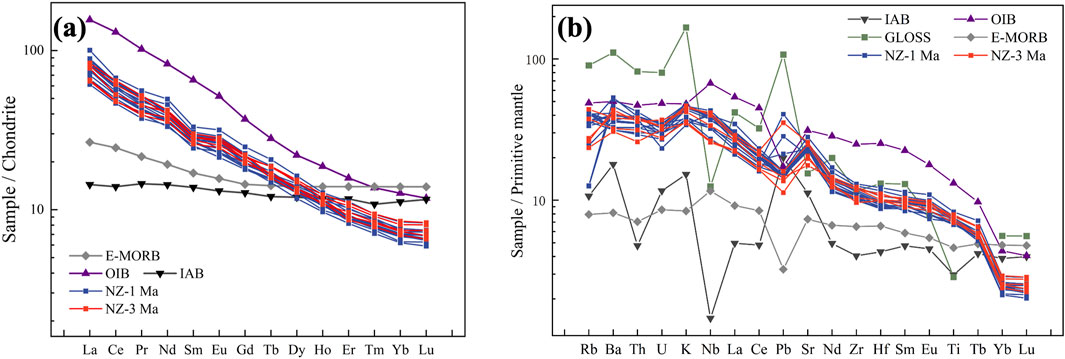
Figure 4. (a) Chondrite-normalized REE diagrams. Data for chondrites, OIBs, E-MORBs are from Sun et al. (1989). Data for IABs are from Niu and O'Hara (2003); (b) Primitive mantle-normalized trace element diagrams. Data for primitive mantle, OIBs, E-MORBs are from Sun et al. (1989). Data for IABs are from Niu and O'Hara (2003). Data for GLOSS are from Plank and Langmuir (1998).
The trace elements, patterns are also consistent with OIB, are featured by enrichment in large-ion lithophile elements (LILEs, such as Ba) and LREEs. Moreover, a few samples show a positive Pb anomaly. No significant negative Nb anomaly and U anomaly display in our samples.
Overall, the trace element and REE patterns observed in the Naozhou Island volcanic rocks suggest a mantle source that has remained stable across different volcanic episodes. The geochemical signatures are consistent with those of typical OIBs, indicating a mantle source enriched in LREEs and showing typical trace element behaviors associated with OIBs.
4.4 Sr-Nd-Pb-Hf isotopes
The Sr-Nd-Pb-Hf isotope ratios for the Naozhou Island volcanic rock samples are as follows (Table 4): 87Sr/86Sr = 0.703733–0.704173, 143Nd/144 Nd = 0.512788–0.512896, 206Pb/204Pb = 18.43722–18.672847, 207Pb/204Pb = 15.62841–15.70108, 208Pb/204Pb = 38.66635–39.028549, and 176Hf/177Hf = 0.283054–0.283086. These isotope ratios are characteristic of OIB-type compositions (Figure 5).
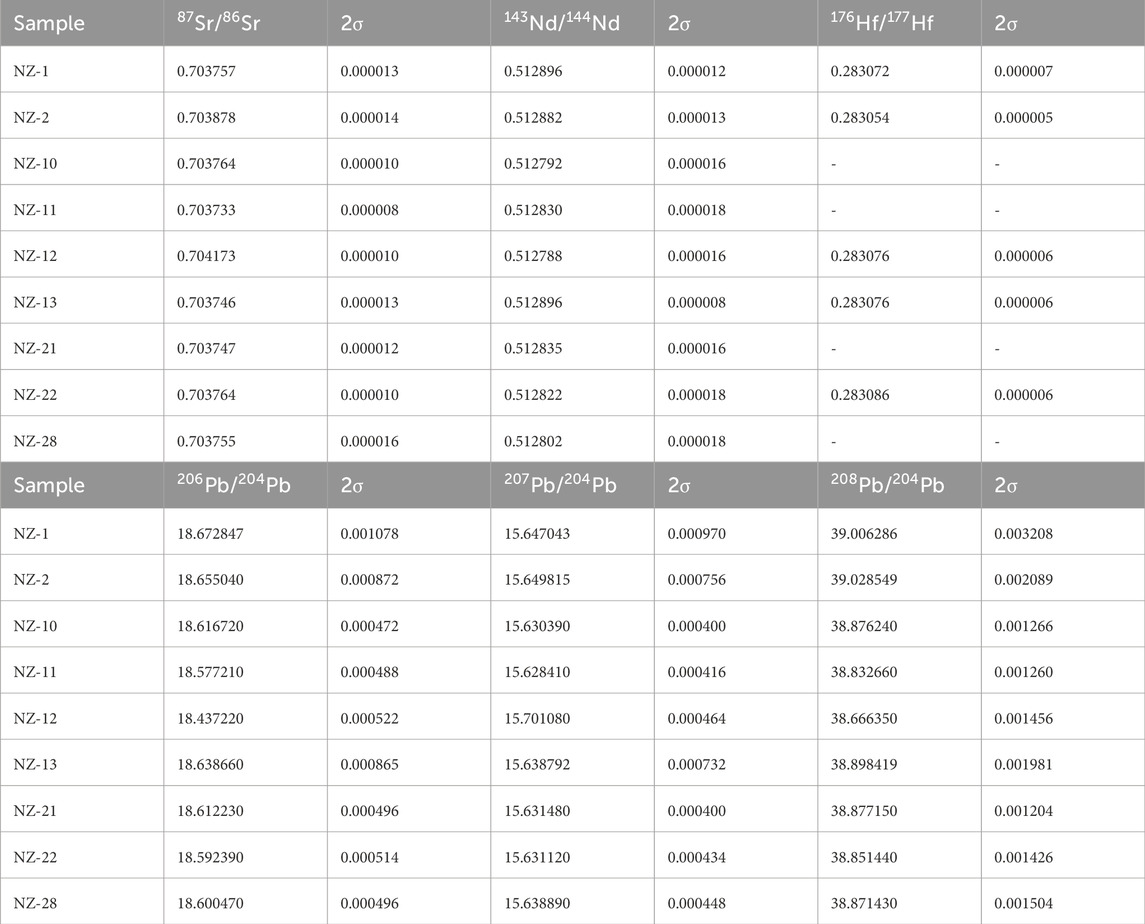
Table 4. Sr-Nd-Pb-Hf isotope results of volcanic rocks from the Naozhou Island.
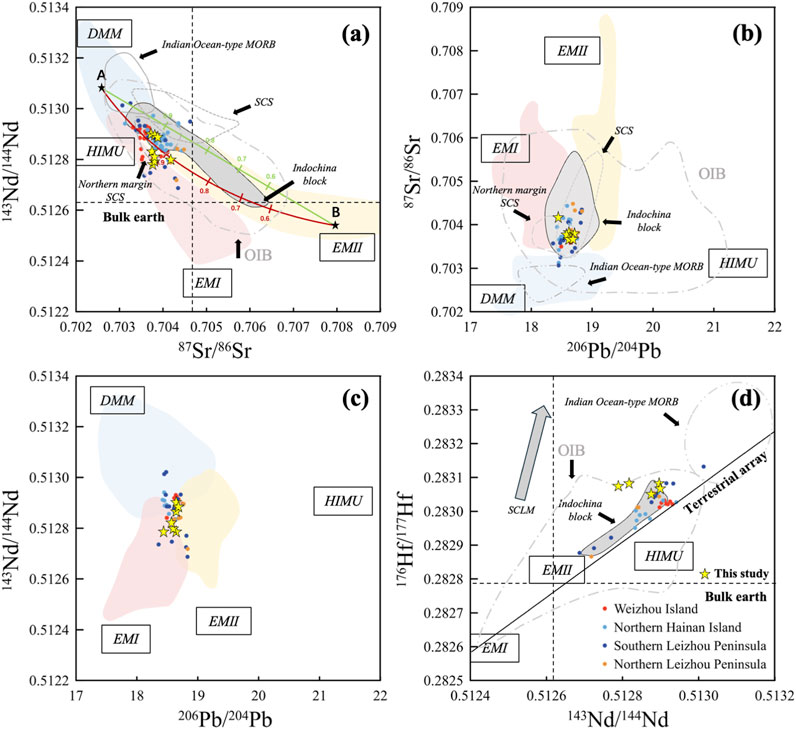
Figure 5. Sr-Nd-Pb-Hf isotope diagrams. (a) 143Nd/144Nd vs 87Sr/86Sr (b) 87Sr/86Sr vs 206Pb/204Pb, (c) 143Nd/144Nd vs 206Pb/204Pb, (d) 176Hf/177Hf vs 143Nd/144Nd. Combined with data from the northern Leizhou Peninsula (This study and Zhao et al. (2021)), southern Leizhou Peninsula (Huang et al., 1993; Zhu and Wang, 1989; Zhao et al., 2021), Weizhou Island (Zhang et al., 2020; Fan et al., 2008; Li et al., 2014), and northern Hainan Island (Huang et al., 1993; Zhu and Wang, 1989; Wang et al., 2012; Zhao et al., 2021). The Naozhou Island data are included in the Northern Leizhou Peninsula. DMM, EMⅠ, EMⅡ and HIMU end-member (Zindler and Hart, 1986), Shaded areas representing end-members are from the data set (www.earthchem.org). OIBs end-member (Staudigel et al., 1984). SCS data (Yan et al., 2008; Yan et al., 2014; Yan et al., 2015). Northern margin SCS data (Tu et al., 1991; Zou and Fan, 2010; Zou et al., 2000). Indochina block data (An et al., 2017; Hoàng et al., 2013; Hoang et al., 1996). Indian ocean-type MORB end-member (Mahoney et al., 2012).
In the 207Pb/204Pb and 208Pb/204Pb vs 206Pb/204Pb diagrams (Figure 6), the Naozhou Island samples plot above the Northern Hemisphere Reference Line (NHRL), resembling the Dupal anomaly observed in the Southern Hemisphere (Tu et al., 1991; Hart, 1984; Flower et al., 1992). The Dupal anomaly typically indicates the presence of EMII in the mantle source, and the position above the NHRL suggests that these rocks contain components that are more enriched than those from a DMM.
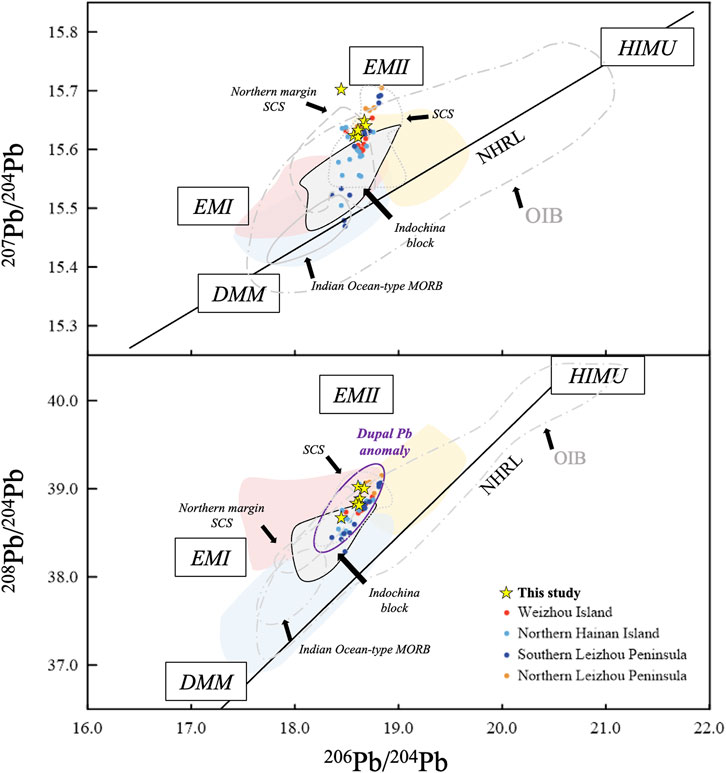
Figure 6. 207Pb/204Pb and 208Pb/204Pb vs 206Pb/204Pb isotope diagrams. The Dupal anomaly is from Dupré and Allègre (1983). The NHRL is North Hemisphere reference line (Hart, 1984).
5 Discussion
5.1 Geochemical insights into crustal contamination and magmatic sources
5.1.1 Crustal contamination and fractional crystallization on Naozhou Island
Evaluating whether the magma experienced crustal contamination during its ascent is crucial for accurately determining the magma source and understanding the magma evolution process (Xu et al., 2005; Dai et al., 2018; Zeng et al., 2013; Wang et al., 2019). Nb/U and Ce/Pb ratios are sensitive indicators of crustal contamination, as crustal material typically lowers these ratios. The geochemical data of volcanic rocks from Naozhou Island exhibit primitive Nb/U ratios (30.88–60.21, average: 39.87) and Ce/Pb ratios (4.2–14, average: 11.6). These ratios are significantly higher than those typical of continental crust (Nb/U ≈ 6.15, Ce/Pb ≈ 3.91), suggesting that the magma was not significantly contaminated by crust (Rudnick and Gao, 2003; Salters and Stracke, 2004). The absence of negative Nb anomalies in the trace element diagrams also suggests minimal crustal contamination (Figure 4). Furthermore, the ratios of sensitive elements (Nb/U, Ce/Pb) and isotopic data (87Sr/86Sr, 206Pb/204Pb) are plotted against the contents of MgO and SiO2 (Figure 7). The results demonstrate that there are no systematic trends of variation in these relationships, providing evidence that the influence of crustal contamination is limited (Zhang et al., 2020; Yan et al., 2018).
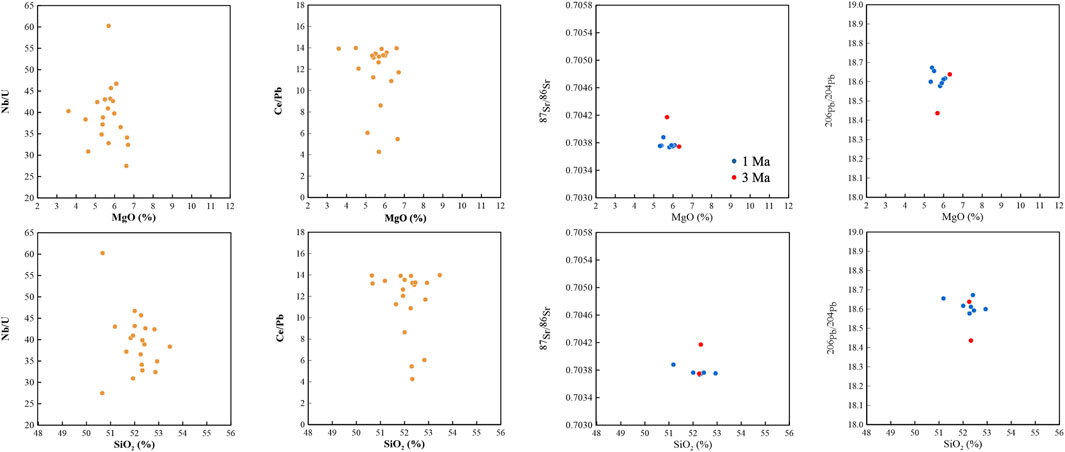
Figure 7. Correlations between trace element ratios (Nb/U, Ce/Pb) and isotopic ratios (87Sr/86Sr, 206Pb/204Pb) with MgO and SiO2.
Fractional crystallization represents a crucial process in the evolution of magma. The Naozhou Island volcanic rocks exhibit Mg# contents ranging from 44.8 to 57.2 and Cr contents spanning from 192 to 357 ppm. These values are lower than those of primitive basalts (Mg# value >70, Cr contents >1,000 ppm) (An et al., 2017; Wilkinson and Maitre, 1987), which clearly indicates that these volcanic rocks have experienced fractional crystallization. Mg# displays a positive correlation with TFe2O3, SiO2, and CaO/Al2O3, a negative correlation with K2O and Al2O3, and no significant correlation with CaO (Figure 8). This pattern implies an evolutionary sequence of fractional crystallization, starting with the early crystallization of Olivine and pyroxenes and then transitioning to a medium stage dominated by plagioclase.
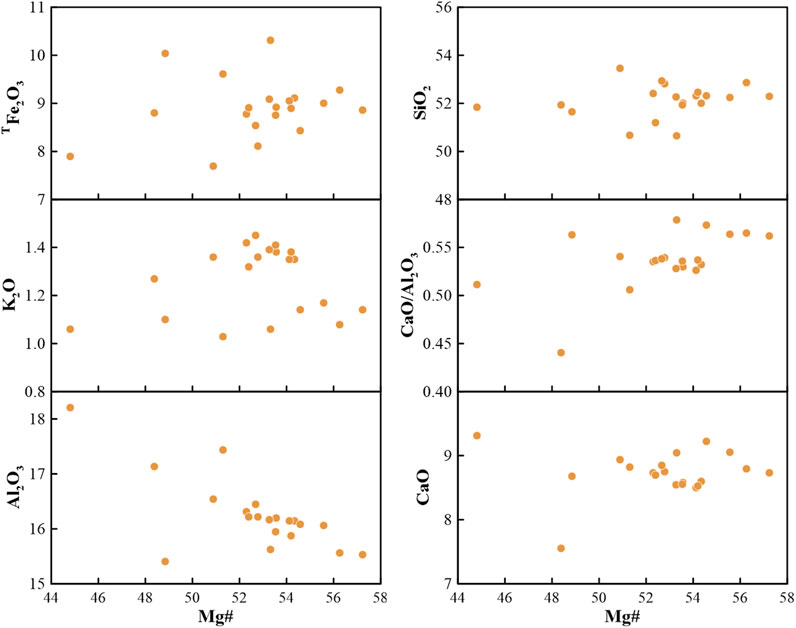
Figure 8. Variations in selected major-element oxides of Naozhou Island volcanic rocks.
5.1.2 Magmatic source characteristics on Naozhou Island
Given that fractional crystallization does not alter the isotopic composition of magma (Staudigel et al., 1984; Hamelin and Allègre, 1985), the isotopic ratios thus can be used to indicate the characteristics of their magma source. The volcanic rocks’ isotopic ratios can be used to infer the characteristics of their magma source. The Sr-Nd-Pb-Hf isotope data of volcanic rocks from Naozhou Island, showing between DMM and EMⅡ reference values (Figure 5). Combined with those from adjacent regions (Zou and Fan, 2010; Zhang et al., 2020; Wang et al., 2012; Zhao et al., 2021; Yan et al., 2008; Yan et al., 2014), may suggest that basalt can be explained by a binary mixed model involving DMM and EMⅡ endmember components. The DMM endmember represents a depleted mantle source, likely originating from the Indian MORB mantle, which is prevalent in late Cenozoic intraplate volcanism across Southeast Asia (An et al., 2017; Yan et al., 2018; Hoàng et al., 2013; Hoang et al., 1996). The EMⅡ endmember is characterized by high 87Sr/86Sr (>0.705), low 143Nd/144Nd ratios (<0.5125) (Figure 5), and high Pb isotopic ratios (206Pb/204Pb = 18.5–19.5) (Figure 6), they are usually associated with recycled continental or oceanic crust and sediments (von Huene et al., 2004; Wang et al., 2018). Previous studies have suggested that EMⅡ in this region could originate from the SCLM or a mantle plume (Zhang et al., 2020; An et al., 2017; Yan et al., 2018; Yan et al., 2014; Yan et al., 2015).
The geochemical data from Naozhou Island suggest that the EMⅡ corresponds to the mantle plume (Figure 5). The lithospheric mantle exhibits significant Nd-Hf isotopic decoupling due to fluid-driven metasomatism (Choi and Mukasa, 2012). The volcanic rocks on Naozhou Island exhibit the same linear array as those in the surrounding areas (Zhang et al., 2020; An et al., 2017; Yan et al., 2018; Yan et al., 2015) (Figure 5D). This indicates that EMⅡ is more likely to originate from a mantle plume rather than SCLM. Secondly, the Nd-Hf isotopic composition of the SCLM is typically different from that of oceanic island basalts. The samples from Naozhou Island all fall within the OIB range (Figure 5D), further ruling out the influence of the SCLM. Additionally, SCLM often shows more enriched Sr isotopic signatures, which are not observed in Naozhou Island. Based on seismic tomography studies, a low-velocity conduit extending from the lower mantle to the shallow lithosphere has been identified, indicating the presence of the Hainan mantle plume in the region (Figure 1B) (Toyokuni et al., 2022; Xia et al., 2016; Lei et al., 2009; Lebedev and Nolet, 2003; Chen et al., 2021; Hua et al., 2022). In summary, geochemical and geophysical evidence suggests that the EMⅡ endmember in Naozhou Island may originate from the Hainan mantle plume, consistent with findings from surrounding areas (Figures 5, 6, 9).
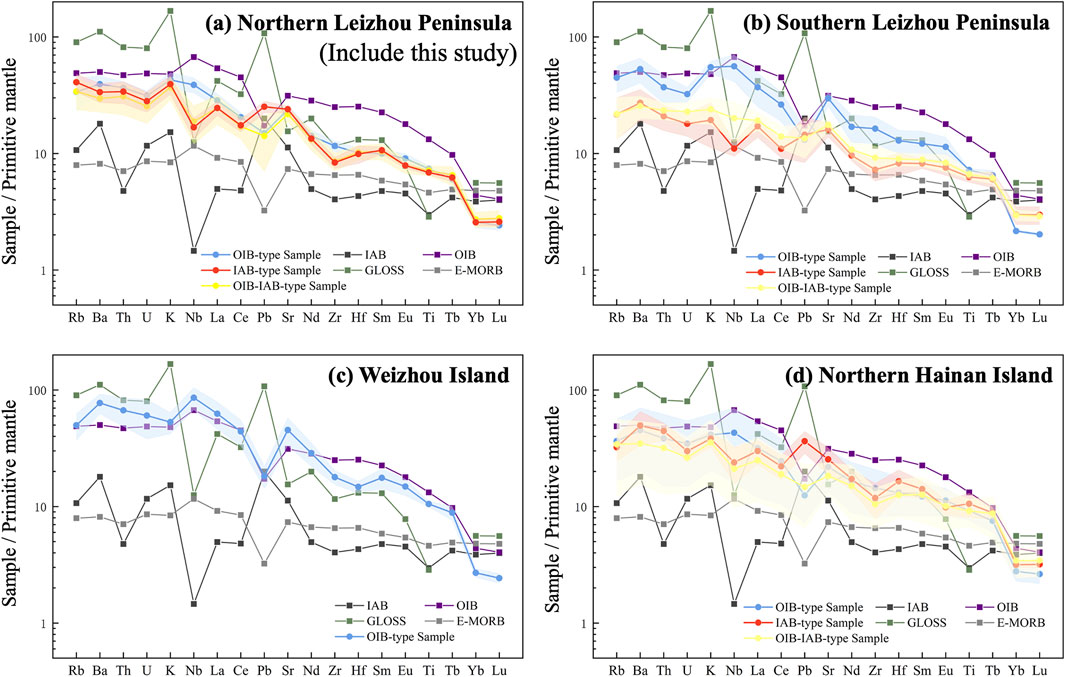
Figure 9. Primitive mantle-normalized trace element diagrams. (a) Northern Leizhou Peninsula (including this study), (b) Southern Leizhou Peninsula, (c) Weizhou Island, (d) Northern Hainan Island. Lines integrated from regional data average and the shadows were fields ranges. Weizhou Island data (Zhang et al., 2020; Fan et al., 2008); Leizhou Peninsula and Northern Hainan Island data (Ho et al., 2000; Liu et al., 2015; Yung-Tan et al., 2022; Wang et al., 2012; Zhao et al., 2021). Lines integrated from regional data average and the shadows were fields ranges.
5.2 Temporal evolution of volcanic activities in the Leiqiong Area
This study conducted K-Ar dating revealing two major periods of volcanic activity on Naozhou Island: approximately 3.6 Ma (late Pliocene) and 1 Ma (Pleistocene). These K-Ar dating results provide a reliable framework for understanding the timing of volcanism Naozhou Island. The volcanic rock ages across the LQA (Table 5; Figure 10A) reveals that the volcanic activities period predominantly occurred during the Quaternary period (Huang et al., 1993; Zhu and Wang, 1989; Zhang et al., 2020; Fan et al., 2006; Wang et al., 2021). The volcanic rocks in northern Hainan Island display the widest age span, ranging from 34.78 Ma to 0.013 Ma. In contrast, the volcanic rocks in the southern LP range from 12.46 Ma to 0.48 Ma, while those in the northern LP range from 11.51 Ma to 0.1 Ma. The shortest age span is observed on Weizhou Island, where volcanic rocks date from 1.42 Ma to 0.036 Ma. This distribution suggests that volcanic activity of LQA has persisted into modern times, with the earliest activity beginning in the southern region and gradually progressing toward the northwest.
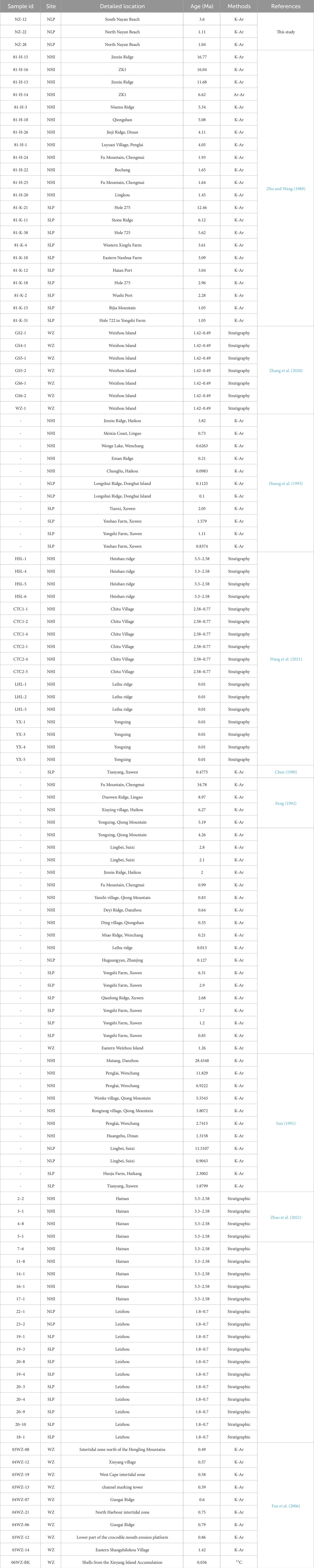
Table 5. Age data set of volcanic rocks in the LQA.
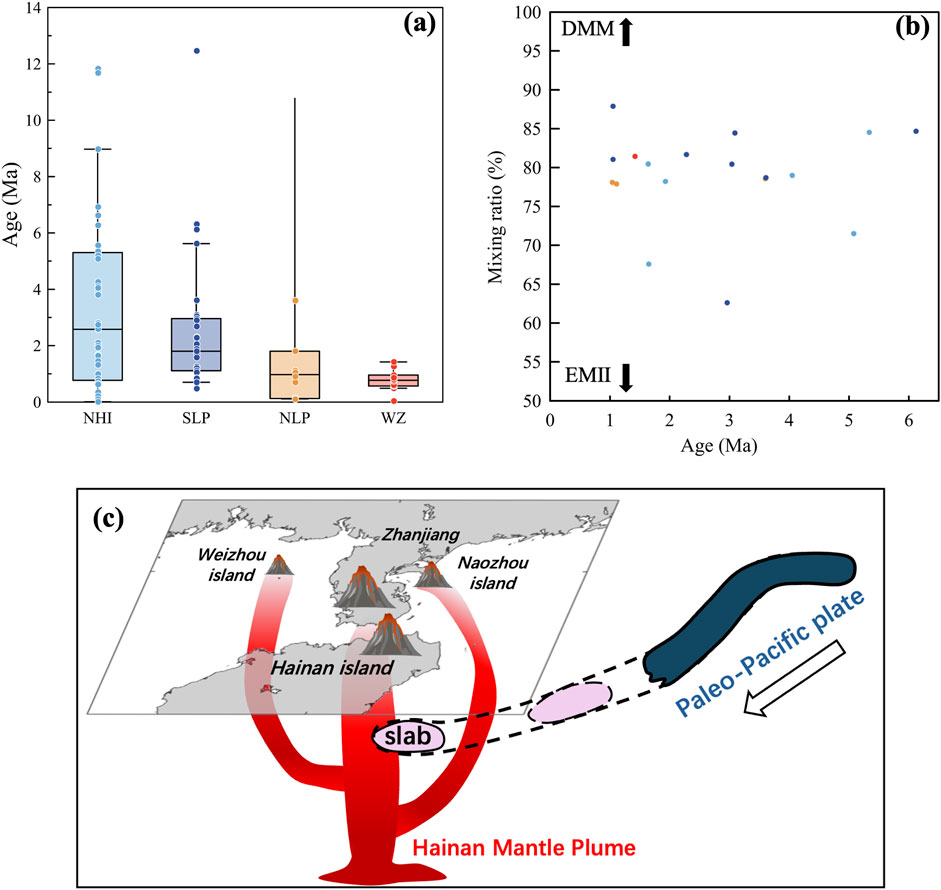
Figure 10. (a) All type age data set of volcanic rocks in the LQA (Huang et al., 1993; Zhu and Wang, 1989; Zhang et al., 2020; Fan et al., 2006; Wang et al., 2021). The boxes indicate the range between the first (25%) and the third (75%) quantiles. The solid lines in the boxes indicate the median. The two caps indicate the age data of 10%–90% range; (b) DMM-EMⅡ mixing end-member proportions derived from Sr-Nd isotope calculations versus K-Ar ages (Huang et al., 1993; Zhu and Wang, 1989; Zhang et al., 2020; Wang et al., 2012; Zhao et al., 2021; Fan et al., 2008; Li et al., 2014); (c) Schematic diagram of slab and Hainan Mantle Plume mixing (Li et al., 2018; Xia et al., 2016).
The earlier onset and longer duration of volcanic activity in northern Hainan Island are likely due to the mantle plume. In contrast, the southern LP, northern LP, and Weizhou Island, being relatively further from the plume’s core, experienced volcanic activity later as magma migrated through distal branches of the plume (Figure 1). This spatial and temporal pattern may indicate that the initial phase of volcanism was driven by lithospheric thinning due to tectonic extension, while later phases were predominantly influenced by upwelling of the Hainan mantle plume. The progressive northward expand of volcanic activity concurs with the hypothesis that magma generation and eruption were increasingly controlled by the mantle plume as tectonic influences related to the SCS extension diminished (Xie et al., 2023). This transition from tectonically-driven to plume-dominated volcanism provides crucial insights into the geological evolution of the LQA and the underlying mechanisms driving volcanic activity across the region.
5.3 Interaction between Hainan mantle plume and paleo-subducted slab
Previous studies have shown that the volcanic rocks in the LQA are predominantly of the OIB type with certain IAB type, mainly originating from the Hainan mantle plume or as a result of mixing between mantle plume materials and ancient subducted slab components (Ho et al., 2000; Zou and Fan, 2010; Zhang et al., 2020; Zhao et al., 2021). Geochemical analyses indicate that the volcanic rocks in the LQA predominantly exhibit OIB characteristics, reflecting the pivotal role of the mantle plume in controlling the chemical composition and eruption patterns of the magma. Sr-Nd-Pb-Hf isotope data further reveal that the mantle source of these volcanic rocks reflects the geochemical heterogeneity of a mantle plume, with isotopic characteristics commonly associated with DMM and EMⅡ signatures observed across nearly entire study areas (Ho et al., 2000; Zou and Fan, 2010; Zhang et al., 2020; Zhao et al., 2021). Based on the linear mixing model of DMM and EMⅡ end-members calculated from the 87Sr/86Sr-143Nd/144Nd isotopic diagram, combined with K-Ar geochronological data (Figure 10B), it is shown that since 6 Ma, the contribution of the EMⅡ to the source of Cenozoic volcanic rocks in the LQA has increased. A possible mechanism is the progressive upwelling of the mantle plume, which leads to an enrichment of the EMⅡ component. Another possibility is the incorporation of residual Mesozoic subducted slabs during the upwelling process, allowing recycled materials to enter the mantle and occupy a larger proportion in the magma source region.
The temporal and spatial distribution characteristics of volcanic rocks in the region provide new insights into the possible mechanisms of ancient subduction zones' involvement in magmatic activities. Temporally, volcanic activity in the region initiated earlier in the south and progressively became active toward the north. The volcanic rocks on Weizhou Island, located west of the same latitude as northern LP, are generally younger, while volcanic activity in the southern LP occurred earlier than the northern LP, with northern Hainan Island showing the earliest volcanic activity. This temporal difference is closely related to the spatial distribution pattern. The Hainan mantle plume is generally believed to be located in northeast of Hainan Island, which suggests that volcanic activity in northeastern Hainan Island, being closer to the core of the plume, occurred earlier, while Weizhou Island and northern LP, being relatively farther from the plume, experienced later volcanic activity. This trend is consistent with the position of the Hainan mantle plume (Toyokuni et al., 2022; Xia et al., 2016; Lei et al., 2009; Lebedev and Nolet, 2003; Chen et al., 2021; Hua et al., 2022).
The volcanic rocks in the southern LP, as well as northern Hainan Island, display characteristics of OIB, IAB and OIB-IAB transition types (Zhang et al., 2020; Yung-Tan et al., 2022; An et al., 2017; Wang et al., 2012; Zhao et al., 2021; Chen et al., 2023), which differ from the typical OIB rocks associated with mantle plumes. Previous studies suggested that the mantle source regions in these areas were not only influenced by the mantle plume but also possibly mixed with recycled materials from ancient subducted slabs (Zhang et al., 2020; Yung-Tan et al., 2022; An et al., 2017; Wang et al., 2012; Zhao et al., 2021; Chen et al., 2023). This hypothesis is further supported by our combined isotopic data, particularly in Sr-Nd and Pb isotope diagrams, where samples from southern LP and northern Hainan Island show greater dispersion (Figures 5, 6), indicating that the mantle source regions in these areas may have undergone complex mixing processes. However, the Naozhou Island located in northern LP (this study) and the Weizhou Island located in western LP (Zhang et al., 2020) merely show OIB type basalts which may indicate deriving from the Hainan mantle plume rather than paleo-subducted slab. This distribution can be explained by the branched Hainan mantle plume model suggested by Xia et al. (Xia et al., 2016) and concurs with the subduction direction of the Late Mesozoic subduction zone along the northern SCS margin, which trends approximately from southeast to northwest (Li et al., 2018), implying that the influence of ancient subducted slab materials focused on the center location of the Hainan mantle plume merely (Figure 10C).
6 Conclusion
This study conducted K-Ar dating on basalt samples from Naozhou Island, revealing two periods of volcanic activities: approximately 3.6 Ma (late Pliocene) and 1 Ma (Pleistocene), providing a refined temporal framework for volcanic activity on the island. The basalts on Naozhou Island have undergone limited crustal contamination but intermediate fractional crystallization. Geochemical and isotopic analyses indicate that the volcanic rocks on Naozhou Island are of the OIB-type, primarily derive from a mixture of DMM and EMⅡ, may originate from the Hainan mantle plume. By integrating data from other volcanic rocks in the LQA, this study further elucidates the temporal and spatial evolution of volcanic activity across the entire LQA region. The results demonstrate that the Hainan mantle plume is the primary driver of magmatic activity in the LQA. Moreover, isotopic analysis across different regions reveals dispersion, particularly in southern LP and northern Hainan Island, coupled with the presence of IAB and OIB-IAB transitional characteristics, suggests a significant role of recycled subducted slab material may participate in the magma source. However, the Naozhou Island located in northern LP and the Weizhou Island located in western LP merely show OIB type basalts which may indicate deriving from the branched Hainan mantle plume rather than paleo-subducted slab. The spatial distribution feature of the interaction between branched Hainan Mantle Plume and paleo-subducted slab is in accord with the subduction direction of the Late Mesozoic subduction zone along the northern margin of the SCS.
Data availability statement
The datasets presented in this study can be found in online repositories. The names of the repository/repositories and accession number(s) can be found in the article/Supplementary Material.
Author contributions
JX: Conceptualization, Data curation, Formal Analysis, Investigation, Methodology, Software, Visualization, Writing–original draft, Writing–review and editing. HX: Conceptualization, Funding acquisition, Investigation, Project administration, Resources, Supervision, Validation, Writing–review and editing. ZL: Investigation, Methodology, Writing–original draft. YC: Formal Analysis, Investigation, Methodology, Visualization, Writing–review and editing. HS: Funding acquisition, Investigation, Resources, Supervision, Validation, Writing–review and editing.
Funding
The author(s) declare that financial support was received for the research, authorship, and/or publication of this article. This work was jointly supported by Key Laboratory of Marine Mineral Resources, Ministry of Natural Resources, Guangzhou (No.KLMMR-2024-K02), Guangdong Basic and Applied Basic Research Foundation (No. 2023A1515030124), Program for Scientific Research Start-up Funds of Guangdong Ocean University (No. E15173), Marine Science Research Team Project of Guangdong Ocean University (No. 002026002004), Guangdong Provincial College Innovation Team Project (2019KCXTF021), and First-class Discipline Plan of Guangdong Province (080503032101).
Acknowledgments
The authors would like to express sincere gratitude to the editor and reviewers for their insightful suggestions and constructive feedback, which have significantly contributed to the improvement and refinement of this manuscript, and to Yongyi Luo, Lihui Wang, and Zhiyong Deng for their participation in the field work.
Conflict of interest
The authors declare that the research was conducted in the absence of any commercial or financial relationships that could be construed as a potential conflict.
Generative AI statement
The authors declare that no Generative AI was used in the creation of this manuscript.
Publisher’s note
All claims expressed in this article are solely those of the authors and do not necessarily represent those of their affiliated organizations, or those of the publisher, the editors and the reviewers. Any product that may be evaluated in this article, or claim that may be made by its manufacturer, is not guaranteed or endorsed by the publisher.
Supplementary material
The Supplementary Material for this article can be found online at: https://www.frontiersin.org/articles/10.3389/feart.2025.1532124/full#supplementary-material
References
An, A. R., Choi, S. H., Yu, Y., and Lee, D.-C. (2017). Petrogenesis of late cenozoic basaltic rocks from southern Vietnam. Lithos 272-273, 192–204. doi:10.1016/j.lithos.2016.12.008
Briais, A., Patriat, P., and Tapponnier, P. (2012). Updated interpretation of magnetic anomalies and seafloor spreading stages in the south China Sea: implications for the Tertiary tectonics of Southeast Asia. J. Geophys. Res. Solid Earth 98 (B4), 6299–6328. doi:10.1029/92jb02280
Chang, S. J., Ferreira, A. M., and Faccenda, M. (2016). Upper- and mid-mantle interaction between the Samoan plume and the Tonga-Kermadec slabs. Nat. Commun. 7, 10799. doi:10.1038/ncomms10799
Chen, S.-S., Gao, R., Wang, Z., Hou, T., Liao, J., Yan, C., et al. (2021). Coexistence of Hainan plume and stagnant slab in the mantle transition zone beneath the southSouth China sea spreading ridge: constraints from volcanic glasses and seismic tomography. Lithosphere 2021 (Special 2). doi:10.2113/2021/6619463
Chen, S.-S., Wu, D.-Y., Gao, R., Cheng, Q., and Liu, J.-Q. (2023). In-situ Sr isotope disequilibrium in plagioclases from Late Cenozoic basalts in Leiqiong area: evidence for the role of the Hainan plume and mantle metasomatism due to a paleo-subduction event. Front. Earth Sci. 11. doi:10.3389/feart.2023.1090803
Choi, S. H., and Mukasa, S. B. (2012). Lu–Hf and Sm–Nd isotope systematics of Korean spinel peridotites: a case for metasomatically induced Nd–Hf decoupling. Lithos 154, 263–276. doi:10.1016/j.lithos.2012.07.017
Cui, Y., Shao, L., Li, Z.-X., Zhu, W., Qiao, P., and Zhang, X. (2021). A Mesozoic Andean-type active continental margin along coastal South China: new geological records from the basement of the northern South China Sea. Gondwana Res. 99, 36–52. doi:10.1016/j.gr.2021.06.021
Dai, L.-Q., Zheng, F., Zhao, Z.-F., and Zheng, Y.-F. (2018). Geochemical insights into the lithology of mantle sources for Cenozoic alkali basalts in West Qinling, China. Lithos 302-303, 86–98. doi:10.1016/j.lithos.2017.12.013
Dalziel, I. W. D., Lawver, L. A., and Murphy, J. B. (2000). Plumes, orogenesis, and supercontinental fragmentation. Earth Planet. Sci. Lett. 178 (1-2), 1–11. doi:10.1016/s0012-821x(00)00061-3
Druken, K. A., Kincaid, C., Griffiths, R. W., Stegman, D. R., and Hart, S. R. (2014). Plume–slab interaction: the Samoa–Tonga system. Phys. Earth Planet. Interiors 232, 1–14. doi:10.1016/j.pepi.2014.03.003
Dupré, B., and Allègre, C. J. (1983). Pb–Sr isotope variation in Indian Ocean basalts and mixing phenomena. Nature 303 (5913), 142–146. doi:10.1038/303142a0
Fan, Q., Sun, Q., Long, A., Yin, K., Sui, J., Li, N., et al. (2006). Geology and eruption history of volcanoes in Weizhou island and Xieyang island, northern Bay (in Chinese). Acta Petrol. Sin. 6 (22), 1529–1537. doi:10.3321/j.issn:1000-0569.2006.06.011
Fan, Q., Sun, Q., Sui, J., and Li, N. (2008). Trace-element and isotopic geochemistry of volcanic rocks and it's techtonic implications in Weizhou Island and Xieyang Island, Northern Bay (in Chinese). Acta Petrol. Sin. 6 (24), 1323–1332.
Feng, G. (1992). Basic characteristics and relationship to tectonic environment of the Late Cenozoic basalts along the coast of South China Sea (in Chinese). Suppl. J. Sunyatsen Univ. 1 (12), 93–103.
Flower, M. F. J., Zhang, M., Chen, C.-Y., Tu, K., and Xie, G. (1992). Magmatism in the southSouth China basin. Chem. Geol. 97 (1-2), 65–87. doi:10.1016/0009-2541(92)90136-s
Foulger, G. R., and Natland, J. H. (2003). Geology. Is “hotspot” volcanism a consequence of plate tectonics? Science 300 (5621), 921–922. doi:10.1126/science.1083376
Gazel, E., Hoernle, K., Carr, M. J., Herzberg, C., Saginor, I., den Bogaard, P. V., et al. (2011). Plume–subduction interaction in southern Central America: mantle upwelling and slab melting. Lithos 121 (1-4), 117–134. doi:10.1016/j.lithos.2010.10.008
Gorbatov, A., Fukao, Y., Widiyantoro, S., and Gordeev, E. (2001). Seismic evidence for a mantle plume oceanwards of the Kamchatka-Aleutian trench junction. Geophys. J. Int. 146 (2), 282–288. doi:10.1046/j.0956-540x.2001.01439.x
Hamelin, B., and Allègre, C. J. (1985). Large-scale regional units in the depleted upper mantle revealed by an isotope study of the South-West Indian Ridge. Nature 315 (6016), 196–199. doi:10.1038/315196a0
Hart, S. R. (1984). A large-scale isotope anomaly in the Southern Hemisphere mantle. Nature 309 (5971), 753–757. doi:10.1038/309753a0
Ho, K.-s., Chen, J.-c., and Juang, W.-s. (2000). Geochronology and geochemistry of late Cenozoic basalts from the Leiqiong area, southern China. J. Asian Earth Sci. 18 (3), 307–324. doi:10.1016/s1367-9120(99)00059-0
Hoang, N., Flower, M. F. J., and Carlson, R. W. (1996). Major, trace element, and isotopic compositions of Vietnamese basalts: interaction of hydrous EM1-rich asthenosphere with thinned Eurasian lithosphere. Geochimica Cosmochimica Acta 60 (22), 4329–4351. doi:10.1016/s0016-7037(96)00247-5
Hoàng, N., Flower, M. F. J., Ctọn, C., Xuân, P. T., Quý, H. V., and Sơn, T. T. (2013). Collision-induced basalt eruptions at Pleiku and Buôn Mê Thuột, south-central Viet Nam. J. Geodyn. 69, 65–83. doi:10.1016/j.jog.2012.03.012
Hofmann, A. W. (1997). Mantle geochemistry: the message from oceanic volcanism. Nature 385 (6613), 219–229. doi:10.1038/385219a0
Hua, Y., Zhao, D., and Xu, Y. G. (2022). Azimuthal anisotropy tomography of the Southeast Asia subduction system. J. Geophys. Res. Solid Earth 127 (2). doi:10.1029/2021jb022854
Huang, Z., Cai, F., Han, Z., Chen, J., Zong, Y., and Lin, X. (1993). Leiqiong quaternary volcano. Beijing: Science Press.
Kincaid, C., Druken, K. A., Griffiths, R. W., and Stegman, D. R. (2013). Bifurcation of the Yellowstone plume driven by subduction-induced mantle flow. Nat. Geosci. 6 (5), 395–399. doi:10.1038/ngeo1774
Lebedev, S., and Nolet, G. (2003). Upper mantle beneath Southeast Asia from S velocity tomography. J. Geophys. Res. Solid Earth 108 (B1). doi:10.1029/2000jb000073
Lei, J., Zhao, D., Steinberger, B., Wu, B., Shen, F., and Li, Z. (2009). New seismic constraints on the upper mantle structure of the Hainan plume. Phys. Earth Planet. Interiors 173 (1-2), 33–50. doi:10.1016/j.pepi.2008.10.013
Le Maitre, R. W., Streckeisen, A., Zanettin, B., Le Bas, M. J., Bonin, B., and Bateman, P. (2002). Igneous Rocks.
Li, C. F., Li, J., Ding, W., Franke, D., Yao, Y., Shi, H., et al. (2015). Seismic stratigraphy of the central South China Sea basin and implications for neotectonics. J. Geophys. Res. Solid Earth 120 (3), 1377–1399. doi:10.1002/2014jb011686
Li, F., Sun, Z., and Yang, H. (2018). Possible spatial distribution of the Mesozoic volcanic arc in the present-day South China sea continental margin and its tectonic implications. J. Geophys. Res. Solid Earth 123 (8), 6215–6235. doi:10.1029/2017jb014861
Li, N., Yan, Q., Chen, Z., and Shi, X. (2014). Geochemistry and petrogenesis of Quaternary volcanism from the islets in the eastern Beibu Gulf: evidence for Hainan plume. Acta Oceanol. Sin. 32 (12), 40–49. doi:10.1007/s13131-013-0386-1
Li, Z.-X., and Li, X.-H. (2007). Formation of the 1300-km-wide intracontinental orogen and postorogenic magmatic province in Mesozoic South China: a flat-slab subduction model. Geology 35 (2), 179. doi:10.1130/g23193a.1
Liu, J.-Q., Ren, Z.-Y., Nichols, A. R. L., Song, M.-S., Qian, S.-P., Zhang, Y., et al. (2015). Petrogenesis of late cenozoic basalts from North Hainan island: constraints from melt inclusions and their host olivines. Geochimica Cosmochimica Acta 152, 89–121. doi:10.1016/j.gca.2014.12.023
Mahoney, J. J., Natland, J. H., White, W. M., Poreda, R., Bloomer, S. H., Fisher, R. L., et al. (2012). Isotopic and geochemical provinces of the western Indian ocean spreading centers. J. Geophys. Res. Solid Earth 94 (B4), 4033–4052. doi:10.1029/jb094ib04p04033
Mériaux, C. A., Duarte, J. C., Schellart, W. P., and Mériaux, A. S. (2015). A two-way interaction between the Hainan plume and the Manila subduction zone. Geophys. Res. Lett. 42 (14), 5796–5802. doi:10.1002/2015gl064313
Mériaux, C. A., Mériaux, A. S., Schellart, W. P., Duarte, J. C., Duarte, S. S., and Chen, Z. (2016). Mantle plumes in the vicinity of subduction zones. Earth Planet. Sci. Lett. 454, 166–177. doi:10.1016/j.epsl.2016.09.001
Niu, Y., and O'Hara, M. J. (2003). Origin of ocean island basalts: a new perspective from petrology, geochemistry, and mineral physics considerations. J. Geophys. Res. Solid Earth 108 (B4). doi:10.1029/2002jb002048
Obrebski, M., Allen, R. M., Xue, M., and Hung, S. H. (2010). Slab-plume interaction beneath the Pacific northwest. Geophys. Res. Lett. 37 (14). doi:10.1029/2010gl043489
Plank, T., and Langmuir, C. H. (1998). The chemical composition of subducting sediment and its consequences for the crust and mantle. Chem. Geol. 145 (3-4), 325–394. doi:10.1016/s0009-2541(97)00150-2
Price, A. A., Jackson, M. G., Blichert-Toft, J., Hall, P. S., Sinton, J. M., Kurz, M. D., et al. (2014). Evidence for a broadly distributed Samoan-plume signature in the northern Lau and North Fiji Basins. Geochem. Geophys. Geosystems 15 (4), 986–1008. doi:10.1002/2013gc005061
Rudnick, R. L., and Gao, S. (2003). Composition of the continental crust. Treatise Geochem. 3, 1–64. doi:10.1016/b0-08-043751-6/03016-4
Salters, V. J. M., and Stracke, A. (2004). Composition of the depleted mantle. Geochem. Geophys. Geosystems 5 (5). doi:10.1029/2003gc000597
Smith, R. B., Jordan, M., Steinberger, B., Puskas, C. M., Farrell, J., Waite, G. P., et al. (2009). Geodynamics of the Yellowstone hotspot and mantle plume: seismic and GPS imaging, kinematics, and mantle flow. J. Volcanol. Geotherm. Res. 188 (1-3), 26–56. doi:10.1016/j.jvolgeores.2009.08.020
Staudigel, H., Zindler, A., Hart, S. R., Leslie, T., Chen, C. Y., and Clague, D. (1984). The isotope systematics of a juvenile intraplate volcano: Pb, Nd, and Sr isotope ratios of basalts from Loihi Seamount, Hawaii. Earth Planet. Sci. Lett. 69 (1), 13–29. doi:10.1016/0012-821x(84)90071-2
Steiger, R. H., and Jäger, E. (1977). Subcommission on geochronology: convention on the use of decay constants in geo- and cosmochronology. Earth Planet. Sci. Lett. 36 (3), 359–362. doi:10.1016/0012-821x(77)90060-7
Sun, J. (1991). Cenozoic volcanic activity in the northern South China Sea and Guangdong coastal area. Mar. Geol. and Quat. Geol. (3), 45–66. doi:10.16562/j.cnki.0256-1492.1991.03.005
Sun, S. S., and McDonough, W. F. (1989). Chemical and isotopic systematics of oceanic basalts: implications for mantle composition and processes. Geol. Soc. Lond. Spec. Publ. 42 (1), 313–345. doi:10.1144/gsl.sp.1989.042.01.19
Taylor, B., and Hayes, D. E. (1983). “Origin and history of the South China sea basin,” in The tectonic and geologic evolution of Southeast asian Seas and Islands: Part 2. Editors D. E. Hayes American Geophysical Union: Washington, D.C.
Toyokuni, G., Zhao, D., and Kurata, K. (2022). Whole-mantle tomography of Southeast Asia: new insight into plumes and slabs. J. Geophys. Res. Solid Earth 127 (11). doi:10.1029/2022jb024298
Tu, K., Flower, M. F. J., Carlson, R. W., Zhang, M., and Xie, G. (1991). Sr, Nd, and Pb isotopic compositions of Hainan basalts (south China): implications for a subcontinental lithosphere Dupal source. Geology 19 (6), 567. doi:10.1130/0091-7613(1991)019<0567:snapic>2.3.co;2
von Huene, R., Ranero, C. R., and Vannucchi, P. (2004). Generic model of subduction erosion. Geology 32 (10), 913. doi:10.1130/g20563.1
Wang, J., Su, Y., Zheng, J., Gao, S., Dai, H., Ping, X., et al. (2019). Geochronology and petrogenesis of Jurassic intraplate alkali basalts in the Junggar terrane, NW China: implication for low-volume basaltic volcanism. Lithos 324-325, 202–215. doi:10.1016/j.lithos.2018.11.002
Wang, L., Zhao, Y., Li, N., and Chen, Z. (2023). The genesis of pyroclasts and the mechanism of submarine eruption of Naozhou Island in Guangdong, South China. Acta Petrol. Sin. 39 (3), 907–920. doi:10.18654/1000-0569/2023.03.16
Wang, P.-Y., Gu, X.-Y., Kuritani, T., Hanski, E., and Xia, Q.-K. (2021). Highly variable H2O/Ce ratios in the Hainan mantle plume. Lithos, 406–407. doi:10.1016/j.lithos.2021.106516
Wang, X.-C., Li, Z.-X., Li, X.-H., Li, J., Liu, Y., Long, W.-G., et al. (2012). Temperature, pressure, and composition of the mantle source region of late Cenozoic basalts in Hainan island, SE Asia: a consequence of a young thermal mantle plume close to subduction zones? J. Petrology 53 (1), 177–233. doi:10.1093/petrology/egr061
Wang, X.-C., Li, Z.-X., Li, X.-H., Li, J., Xu, Y.-G., and Li, X.-H. (2013). Identification of an ancient mantle reservoir and young recycled materials in the source region of a young mantle plume: implications for potential linkages between plume and plate tectonics. Earth Planet. Sci. Lett. 377-378, 248–259. doi:10.1016/j.epsl.2013.07.003
Wang, X.-J., Chen, L.-H., Hofmann, A. W., Hanyu, T., Kawabata, H., Zhong, Y., et al. (2018). Recycled ancient ghost carbonate in the Pitcairn mantle plume. Proc. Natl. Acad. Sci. 115 (35), 8682–8687. doi:10.1073/pnas.1719570115
Weis, D., Kieffer, B., Hanano, D., Nobre Silva, I., Barling, J., Pretorius, W., et al. (2007). Hf isotope compositions of U.S. Geological Survey reference materials. Geochem. Geophys. Geosystems 8 (6). doi:10.1029/2006gc001473
Weis, D., Kieffer, B., Maerschalk, C., Barling, J., de Jong, J., Williams, G. A., et al. (2006). High-precision isotopic characterization of USGS reference materials by TIMS and MC-ICP-MS. Geochem. Geophys. Geosystems 7 (8). doi:10.1029/2006gc001283
Wendt, J. I., Regelous, M., Collerson, K. D., and Ewart, A. (1997). Evidence for a contribution from two mantle plumes to island-arc lavas from northern Tonga. Geology 25 (7), 611. doi:10.1130/0091-7613(1997)025<0611:efacft>2.3.co;2
Wilkinson, J. F. G., and Maitre, R. W. L. (1987). Upper mantle amphiboles and micas and TiO2, K2O, and P2O5 abundances and 100 Mg/Mg+Fe2+Upper mantle amphiboles and micas and TiO2, K2O, and P2O5 abundances and 100 Mg/Mg+Fe2+ ratios of common basalts and andesites: implications for modal mantle metasomatism and undepleted mantle compositions ratios of common basalts and andesites: implications for modal mantle metasomatism and undepleted mantle compositions. J. Petrology 28 (1), 37–73. doi:10.1093/petrology/28.1.37
Xia, S., Zhao, D., Sun, J., and Huang, H. (2016). Teleseismic imaging of the mantle beneath southernmost China: new insights into the Hainan plume. Gondwana Res. 36, 46–56. doi:10.1016/j.gr.2016.05.003
Xie, H., Qiu, N., Shi, H., Sun, Z., and Zheng, J. (2023). Diachronous basin evolution along northern South China Sea: result of a migrating Hainan plume? Tectonophysics 846, 229683. doi:10.1016/j.tecto.2022.229683
Xu, J., Xia, X. P., Lai, C. K., Zhou, M., and Ma, P. (2019). First identification of late permian Nb-enriched basalts in ailaoshan region (SW yunnan, China): contribution from emeishan plume to subduction of eastern paleotethys. Geophys. Res. Lett. 46 (5), 2511–2523. doi:10.1029/2018gl081687
Xu, J., Xia, X.-P., Wang, Q., Spencer, C. J., He, B., and Lai, C.-K. (2021). Low-δ18O A-type granites in SW China: evidence for the interaction between the subducted Paleotethyan slab and the Emeishan mantle plume. GSA Bull. 134 (1-2), 81–93. doi:10.1130/b35929.1
Xu, Y.-G., Ma, J.-L., Frey, F. A., Feigenson, M. D., and Liu, J.-F. (2005). Role of lithosphere–asthenosphere interaction in the genesis of Quaternary alkali and tholeiitic basalts from Datong, western North China Craton. Chem. Geol. 224 (4), 247–271. doi:10.1016/j.chemgeo.2005.08.004
Yan, Q., Castillo, P., Shi, X., Wang, L., Liao, L., and Ren, J. (2015). Geochemistry and petrogenesis of volcanic rocks from Daimao Seamount (South China Sea) and their tectonic implications. Lithos 218-219, 117–126. doi:10.1016/j.lithos.2014.12.023
Yan, Q., Shi, X., and Castillo, P. R. (2014). The late Mesozoic–Cenozoic tectonic evolution of the South China Sea: a petrologic perspective. J. Asian Earth Sci. 85, 178–201. doi:10.1016/j.jseaes.2014.02.005
Yan, Q., Shi, X., Metcalfe, I., Liu, S., Xu, T., Kornkanitnan, N., et al. (2018). Hainan mantle plume produced late Cenozoic basaltic rocks in Thailand, Southeast Asia. Sci. Rep. 8 (1), 2640. doi:10.1038/s41598-018-20712-7
Yan, Q., Shi, X., Wang, K., Bu, W., and Xiao, L. (2008). Major element, trace element, and Sr, Nd and Pb isotope studies of Cenozoic basalts from the South China Sea. Sci. China Ser. D Earth Sci. 51 (4), 550–566. doi:10.1007/s11430-008-0026-3
Yang, F., Huang, X.-L., Xu, Y.-G., and He, P.-L. (2023). Bifurcation of mantle plumes by interaction with stagnant slabs in the mantle transition zone: evidence from late Cenozoic basalts within Southeast Asia. GSA Bull. doi:10.1130/b36558.1
Yu, X., Liu, Z., Zeng, G., Cao, W., Meas, R., Hoang, L. V., et al. (2022). Mantle plume–stagnant slab interaction controls the generation of a mixed mantle source for continental intraplate basalts. Lithos, 426–427. doi:10.1016/j.lithos.2022.106795
Yung-Tan, L., Chou, P.-C., Ho, K.-S., Tsai, Y.-W., and Chang, Y.-J. (2022). Petrogenesis of cenozoic basaltic rocks from the Leiqiong area, South China: evidence from geochemical constraints. Geochem. Int. 59 (13), 1199–1234. doi:10.1134/s0016702921130048
Zeng, G., Chen, L. H., Hu, S. L., Xu, X. S., and Yang, L. F. (2013). Genesis of Cenozoic low-Ca alkaline basalts in the Nanjing basaltic field, eastern China: the case for mantle xenolith-magma interaction. Geochem. Geophys. Geosystems 14 (5), 1660–1677. doi:10.1002/ggge.20127
Zhang, H. (1990). Basic charcteristics of Cainozoic volcanism in coastal area of South Ching. J. Disaster Prev. Reduct. (1), 63–75.
Zhang, H., and Zhao, X. (1984). Characteristics of the neotectonic movement in the hainan island and Leizhou Peninsula area (in Chinese). Geol. Sci. 3 (19), 276–287.
Zhang, Y., Yu, K., Fan, T., Yue, Y., Wang, R., Jiang, W., et al. (2020). Geochemistry and petrogenesis of quaternary basalts from Weizhou island, northwestern SouthSouth China sea: evidence for the hainan plume. Lithos, 362–363. doi:10.1016/j.lithos.2020.105493
Zhao, Z.-H., Zhang, G.-L., Wang, S., and Zhao, J.-X. (2021). Origin of arc-like intraplate volcanism by melting of lithospheric mantle pyroxenite of the South China continental margin. Lithos, 396–397. doi:10.1016/j.lithos.2021.106236
Zhu, B. Q., and Wang, H. F. (1989). Isotopic and chemical evidence for the volcannism with MORB-OIB source characteristics in the Leiqiong area, China (in Chinese). Geochimica (3), 193–201. doi:10.3321/j.issn:0379-1726.1989.03.001
Zindler, A., and Hart, S. (1986). Chemical geodynamics. Annu. Rev. Earth Planet. Sci. 14 (1), 493–571. doi:10.1146/annurev.earth.14.1.493
Zou, H., and Fan, Q. (2010). U–Th isotopes in Hainan basalts: implications for sub-asthenospheric origin of EM2 mantle endmember and the dynamics of melting beneath Hainan Island. Lithos 116 (1-2), 145–152. doi:10.1016/j.lithos.2010.01.010
Keywords: South China sea, late Cenozoic, basaltic volcanics, Hainan mantle plume, Naozhou Island
Citation: Xu J, Xie H, Luo Z, Chen Y and Shi H (2025) Geochronology and geochemistry of late Cenozoic volcanics on Naozhou Island, South China: insights into the interaction between the paleo-subduction slab and the Hainan mantle plume. Front. Earth Sci. 13:1532124. doi: 10.3389/feart.2025.1532124
Received: 21 November 2024; Accepted: 11 February 2025;
Published: 03 March 2025.
Edited by:
Pengchun Li, Chinese Academy of Sciences (CAS), ChinaReviewed by:
Weiliang Liu, Sun Yat-sen University, ChinaJian Xu, Chinese Academy of Sciences (CAS), China
Copyright © 2025 Xu, Xie, Luo, Chen and Shi. This is an open-access article distributed under the terms of the Creative Commons Attribution License (CC BY). The use, distribution or reproduction in other forums is permitted, provided the original author(s) and the copyright owner(s) are credited and that the original publication in this journal is cited, in accordance with accepted academic practice. No use, distribution or reproduction is permitted which does not comply with these terms.
*Correspondence: Hui Xie, eGllaHVpaGFvYmFAMTYzLmNvbQ==