 Mohammad Saadati
 Vahid Sabri
 Hossein Motaarefi3
 Amirreza Karimkhani
- 1Department of Public Health, Khoy University of Medical Sciences, Khoy, Iran
- 2Department of Basic Medical Sciences, Khoy University of Medical Sciences, Khoy, Iran
- 3Department of Nursing, Khoy University of Medical Sciences, Khoy, Iran
- 4Department of Surgical Technology, Khoy University of Medical Sciences, Khoy, Iran
- 5Student Research Committee, Khoy University of Medical Sciences, Khoy, Iran
Introduction: Student engagement (SE) is an emerging and trending concept in higher education, and it has been defined as a quality measure for medical universities. The aim of this study was to explore student engagement in medical universities in Iran through a national study.
Methods: Using a qualitative phenomenological approach, this study explored student engagement in medical universities in Iran in 2024. Participants were purposively selected from students who were actively involved in the student committee for medical education development at medical universities. An open-ended, goal-driven questionnaire, along with demographic information, was used for data collection. An inductive conventional content analysis method was employed for data analysis using MAXQDA 18. The Lincoln and Guba criteria, including dependability, credibility, transferability, and confirmability, were applied to ensure the rigor of the results.
Results: A total of 48 students participated from 34 medical universities. The mean age of the participants was 22 years. Student engagement was identified as a mutually beneficial strategy for both students and universities. A broad spectrum of activities, including training, curriculum planning, educational evaluation, and governance, were believed to involve students. To overcome the identified barriers to student engagement (SE), such as low incentives for students, lack of a partnership culture, and time restriction, the participants suggested strengthening student agency, encouraging active participation from professors, valuing SE, and promoting fair engagement opportunities.
Conclusion: Student engagement in medical universities in Iran is of interest to students, but it faces barriers across various domains. Developing a virtuous and value-based engagement process—through promoting a partnership culture, strengthening student agency, establishing SE strategies in governance, encouraging professors’ mentoring and participation, and truly acknowledging students—will promote SE in medical universities and contribute to the improvement of the learning environment.
1 Introduction
Students as partners is an emerging concept in higher education that is shaping the future of universities (Zdravković et al., 2018). Within the university environment, students, in addition to studying specialized courses, should develop social responsibility, acquire a professional identity, and learn skills such as teamwork, management, leadership, and other skills necessary to become competent professionals (Fujii et al., 2022; Almasry et al., 2017; Bryson, 2014). Meantime, students from the traditional university culture, where the focus is solely on studying, may not be able to fully develop (Cotton et al., 2017). As previous research has shown, the numerous changes that have occurred in higher education will undoubtedly influence the nature of the student body, its identity, and its function as “non-traditional students” (Crabtree, 2023). A study by Jahn et al. (2017) showed that the emergence and integration of non-traditional learners is one of the biggest challenges facing higher education institutions. These students seek to be more engaged, active, and involved in their careers. Student engagement (SE) is a key component of effective learning environments, encouraging learners to interact, collaborate, and think critically. Active student engagement is especially important on medical campuses, where clinical skills, professional abilities, and ethical principles are essential (Milles et al., 2019). It refers to a broad spectrum of activities, including education, research, management, extracurricular, and community activities, within universities (Peters et al., 2019; Groccia, 2018).
By engaging students in various processes, universities can enhance overall organizational governance and develop a culture of inclusive student participation (Costa et al., 2023; Stensaker and Matear, 2024). Student engagement has a favorable impact on motivation, self-confidence, commitment, educational experiences, and learning outcomes (Cunninghame and Pitman, 2020; Freitas et al., 2023; Kassab et al., 2022). Furthermore, students’ identities, such as ethnicity, religion, sex, and first-generation status, influence their participation, emphasizing the necessity of inclusive approaches to improve academic learning and student involvement (Rozak et al., 2022). Students participate in extracurricular activities motivated by extrinsic, intrinsic, social, and pro-social motives, which differ between early- and late-stage students (Chapman et al., 2023). In addition, students can engage in project activities that use electronic educational tools to build cognitive abilities, critical thinking, and independence, as well as in research activities such as publishing articles and attending conferences (Stensaker and Matear, 2024; Changiz et al., 2012). However, student engagement is not an easy-going process. Studies involving students from the UK and West Africa highlighted that cultural insensitivities, unrelatable marketing, scheduling conflicts with academic timetables, and difficulties in balancing extracurricular activities with academic responsibilities—leading to missed opportunities and academic performance issues—pose significant challenges to SE (Winstone et al., 2022; Leslie-Walker et al., 2023; Stuart et al., 2011). Moreover, the results of a study at the University of Cape Coast in Ghana revealed that engagement experiences are often accompanied by time management issues and financial and communication barriers, which influence the overall academic experience of students (Onwuka et al., 2019). Zhu and Arnold, 2013, in exploring student engagement in Chinese universities, reported that SE through various mechanisms can positively affect student outcomes. They also called for capturing the SE picture in universities, especially in Asian countries (Zhu and Arnold, 2013). Initiatives to monitor student engagement in universities, such as the US National Survey of Student Engagement (NSSE) and the Irish Survey of Student Engagement (ISSE), as evidence-based policies in higher education, have also uncovered the relationship between SE and success (Drennan et al., 2014; Ewell and McCormick, 2020; Ewell, 2010). Student engagement is receiving increased focus as a quality indicator for medical universities as it has been introduced as one of the areas of excellence in the ASPIRE award program of the International Association of Health Professionals Education (Milles et al., 2019; Peters et al., 2019; Education Tiaohp, 2024). The changing role of universities and students in the new era requires contemporary policies for the effective management of universities, especially in low- and middle-income countries. Iranian medical universities have a unique atmosphere that impacts student engagement. Vahdat et al. (2022) identified barriers to SE such as inadequate clinical environments, outdated educational programs, insufficient facilities, and limited interaction between faculty and students in Iranian medical universities. Moreover, the centralized nature of Iran’s medical education system may impede institutional autonomy, potentially limiting the implementation of innovative engagement schemes (Pourabbasi et al., 2019). Active student engagement might be further discouraged by cultural factors, such as hierarchical academic relationships (Changiz et al., 2012). Regarding the outstanding role of medical universities in Iran in educating future health professionals, understanding student engagement in these universities could help enhance institutional capacity and educational outcomes. As this concept is one of the overlooked topics in higher education literature in Iran, this study aimed to explore the engagement experience from students’ viewpoint in medical universities in Iran.
2 Methods
Using a qualitative phenomenological approach, this study explored the experience of student engagement in medical universities in Iran in 2024. Phenomenology is well-suited for exploring lived experiences as it seeks to understand how individuals perceive and interpret a phenomenon within their specific socio-cultural context (Neubauer et al., 2019). Considering that student engagement is a complex, dynamic, and subjective construct influenced by institutional, cultural, and systemic elements, a phenomenological approach allows for a deeper exploration of how students experience and assign meaning to their engagement in extracurricular activities. By focusing on the firsthand experiences of students, phenomenology enables researchers to capture rich, nuanced insights that may not be fully understood through quantitative methods (Alhazmi and Kaufmann, 2022). This approach is particularly valuable for investigating context-bound phenomena (Neubauer et al., 2019), such as student engagement within Iranian medical universities, where participation is influenced by cultural norms, educational structures, and institutional policies. This methodology allowed us to analyze not only what students experience but how they internalize engagement opportunities and challenges in their university.
2.1 Participants
Participants were purposively selected from students who were actively engaged in the student committee for medical education development at medical universities. This is a student-led structure under the supervision of the Medical Education Development Centre (MEDC) in Iranian medical universities. Two students from each university were invited to voluntarily participate in the study. The sample provided broad institutional representation and diversity, which allowed variation in the perspectives and experiences of the students, helping to reach a deep understanding of SE in the universities. To recruit students, the universities were requested to share the contact information of two students on the committee with their consent. Then, the research team contacted the students directly and invited them to participate in the study. The inclusion criterion was at least one semester (4 months) of active participation in the committee. No limitations were set regarding the students’ study field. No incentive was offered for participating. The participants signed a consent form for participation and authorized the anonymous publication of the results.
2.2 Data collection
An open-ended, goal-driven narrative questionnaire, along with demographic information including age, sex, major, and engagement experience in the student committee, was used for data collection. In addition, interviews are a common method in this type of study; however, considering feasibility issues, we used this method to give the students more time to reflect on their experiences in their own words before responding. Furthermore, as recommended by Elliott and Timulak (2005) regarding the use of open-ended questions for data collection in qualitative studies, the participants were provided with the email address and phone number of the research team for any further clarification on the points they responded to (follow-up engagement). Moreover, they were approached during the study through the sharing of the analysis results and feedback, as well as supplementary follow-ups if the responses lacked adequate depth. The questionnaire was administered in person or through email to the participants. Completing each question took 15–25 min (Annex 1).
2.3 Data analysis
The qualitative data that emerged from the questionnaire was analyzed using an inductive conventional content analysis method described by Vears and Gillam (2022). Based on the method, the first step was to become familiar with the text. To do so, two researchers read the text several times and then identified meaningful phrases, from which the first-round codes were extracted. The final list of codes was developed by comparing and merging the output from these researchers. In the next step, the identified codes were grouped based on concept similarity and differentiation, and categories and sub-categories were created. Identifying patterns in the categories led to themes emerging from the text. MAXQDA 18 was used for data analysis. To increase the accuracy and rigor of the findings, we employed the Lincoln and Guba criteria, including dependability, credibility, transferability, and confirmability (Lincoln and Guba, 1986). Credibility was enhanced through member checking, peer checking, and immersion in the data. Transferability was increased through purposive sampling, a thick description of the research method, and a comprehensive, vivid recording of the participants’ characteristics. Confirmability was improved through careful documentation (keeping all original materials, including the questionnaires and data analysis records), the development of a codebook, and maintaining an easy-to-follow audit trial. To strengthen dependability, two independent researchers conducted the analysis, and the results were reviewed by a third researcher.
3 Results
The participant recruitment resulted in 48 students from 34 medical universities. The mean age of the participants was 22 years. The participants had engagement experience in the student education development committee ranging from 6 months to 6 years (mean = 1 year and 7 months). Approximately 29% (n = 14) of the participants were female students, and approximately 50% (n = 24) were from the field of medicine, 12.5% from nursing, and the rest from other medical fields (Annex 2). Figure 1 shows the themes that emerged from the study at a glance.
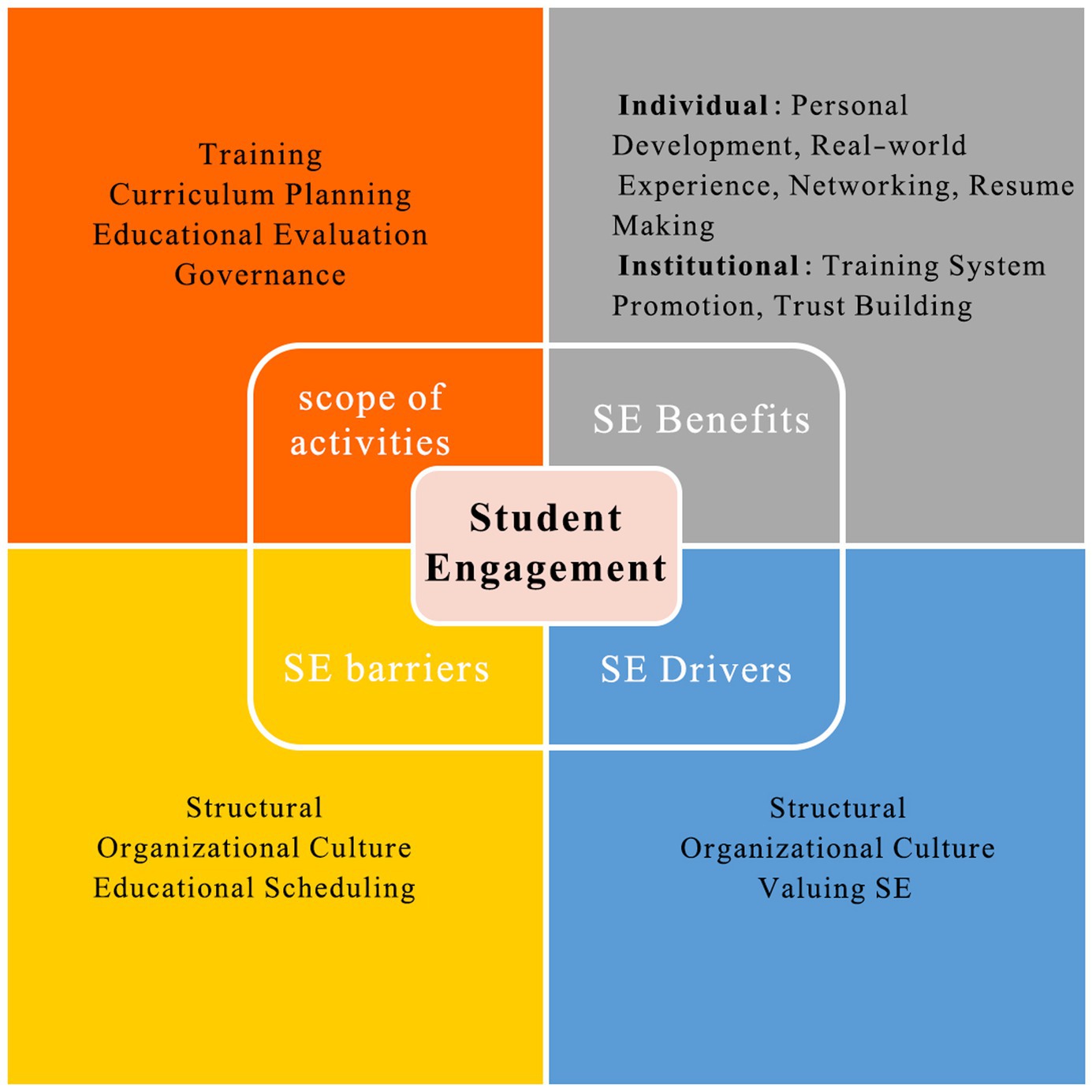
Figure 1. Main categories and themes related to student engagement in the medical universities.
3.1 Student engagement benefits
Regarding the SE benefits, the data were analyzed in two areas: individual items, including four themes and 13 subthemes (Table 1). Personal development was highlighted by the participants as a key benefit of SE, as one female student (a third-year medical student with 2 years of engagement experience) stated that “participation brings opportunities for us to develop our teamwork skills and also learn how to communicate with other students and academics also.” [sic] Preparing students for their future professional roles in the community and fostering social responsiveness were the key points that were highlighted by the participants. As one male medical student with 3 years of SE experience put it, “Apart from the advantages that students get by just participating in different committees, different teams and festivals, benefits such as cooperation, interaction with team members, leadership ability, responsibility, and professional ethics, etc. can gain skills which are essential for our future role (A male medicine student with 3 years of engagement experiences).” [sic].
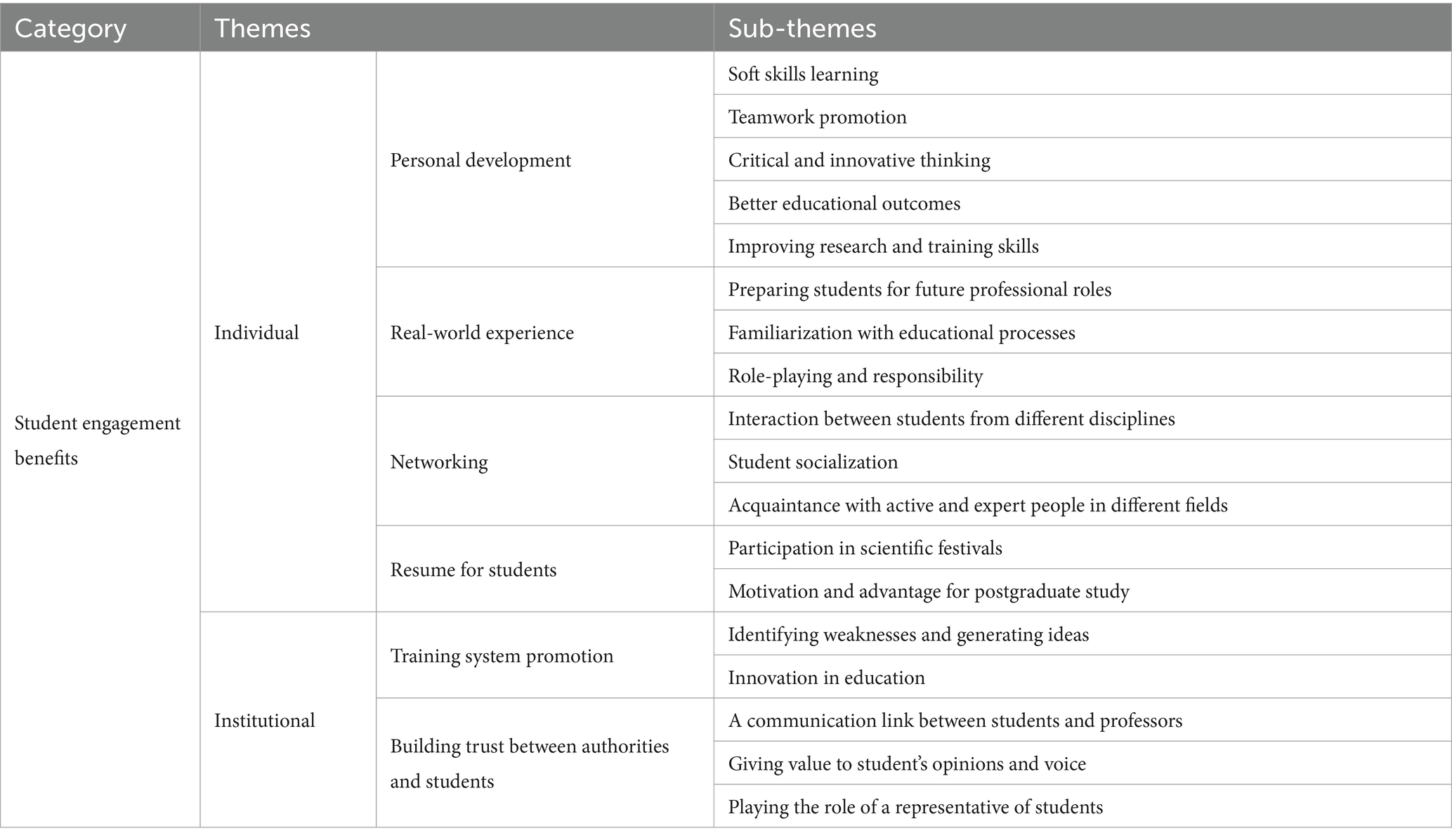
Table 1. Benefits of student engagement: the participants’ viewpoints.
Promoting a learning environment was also an important institutional achievement highlighted by the participants. As one participant, a female 4th-year nursing student with 3 years of engagement experience, stated, “Students are the main recipients of education, who themselves have the greatest understanding of the quality, strengths and weaknesses of education. Also, students can be effective in changing and improving education by using other complementary educational resources, the power of comparing their university education with ideal education (Female 4th year nursing student with 3 years experience of engagement).” [sic].
3.2 Student engagement scope
The participants believed that students have the capacity to engage in a broad range of activities at the university (Table 2), from governance to planning and conducting training workshops. A male health management student with more than 1 year of experience in the student committee at the university stated, “The formation of think tanks for curriculum planning or the investigation of educational bugs is necessary in any university, and students can participate in these think tanks to increase the quality and efficiency of education and to improve the views of officials and professors towards problems and help educational evaluation.” [sic] Another participant (a male 4th-year medical student) indicated that “Holding workshops related to medical science education, designing educational ideas to create educational interventions, following up on the implementation of these educational ideas, issues related to educational planning, evaluation of professors, educational staff, and presentation of new ideas are the areas in which students can be engaged.” [sic].
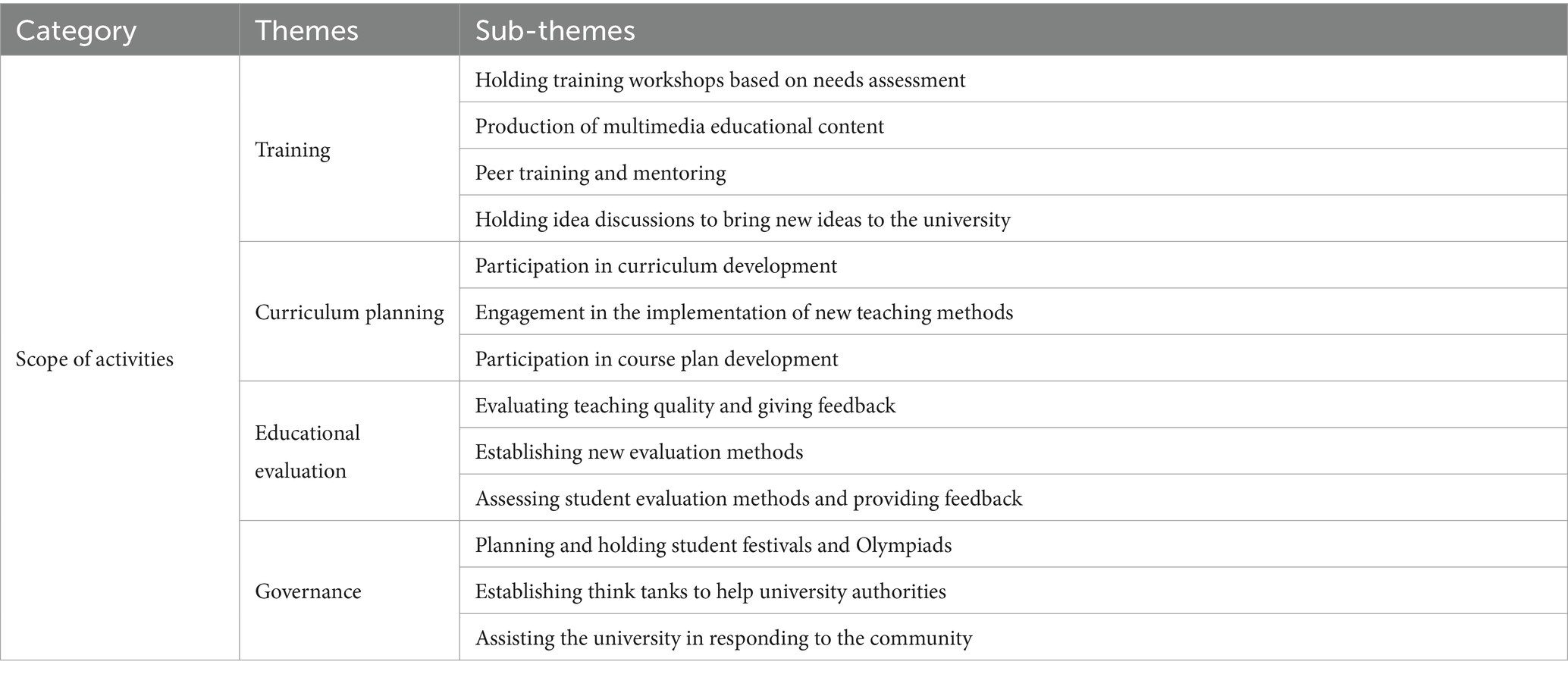
Table 2. Student engagement scope.
3.3 Barriers and drivers of student engagement
The students who participated in this study identified three main categories of barriers to SE in medical universities in Iran (Table 3). These were factors related to university structures, organizational culture, and educational planning. A female medical student stated, “Tight schedule of the classes and courses do not allow us to participate completely in the activities. In some cases, if we get absent to participate in such activities, professors get angry.” [sic] Another participant (a male 6th-year medical student with more than 3 years of experience) stated, “Issues such as insufficient financial support, long official bureaucracy, lack of support from authorities, and an important item that is lack of awareness of professors, staff, and even students, especially fresh ones, are barriers for SE.” [sic].
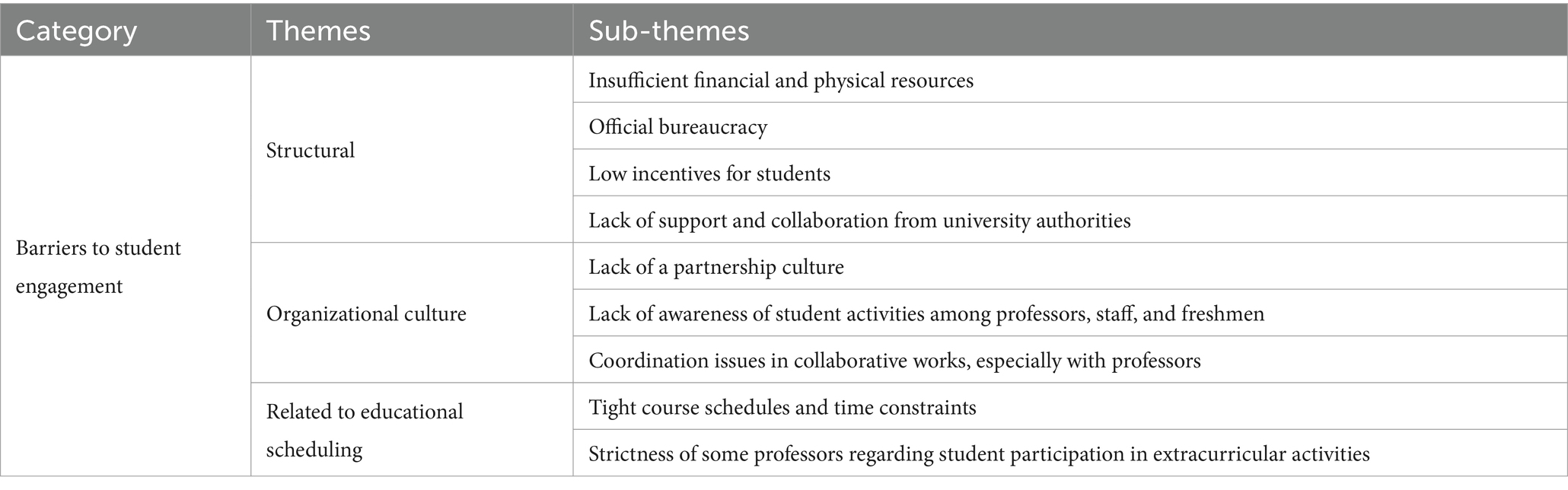
Table 3. Barriers to student engagement in medical universities in Iran.
Strengthening students’ agency in universities was the most emphasized factor declared by the participants (Table 4). One of the participants (a female public health student) stated that “Student-led committees in education should be officially defined in the universities organizational structure and they can practice dependently.” [sic] Making participation strategies visible and accessible to professors, staff, and students was also identified as a facilitator that could lead to higher awareness and promote greater partnership. As one female midwifery student stated, “Holding annual student festivals could help to increase the awareness of professors, staff and also fresh students and give them correct insight about these activities and its benefits’.” [sic] Another participant discussed the importance of valuing student-led activities as a driver, which will motivate them more, stating, “Showing and acknowledging the student participation benefits and achievement in the institution and allocating proper advantages for active students, not only motivate them more but also encourage other students to be engaged in the student practices.” [sic] (a 4th year male nursing student). Another participant also stated, “If the university could establish the concept that students are our partners, most of the problems could be resolved.”
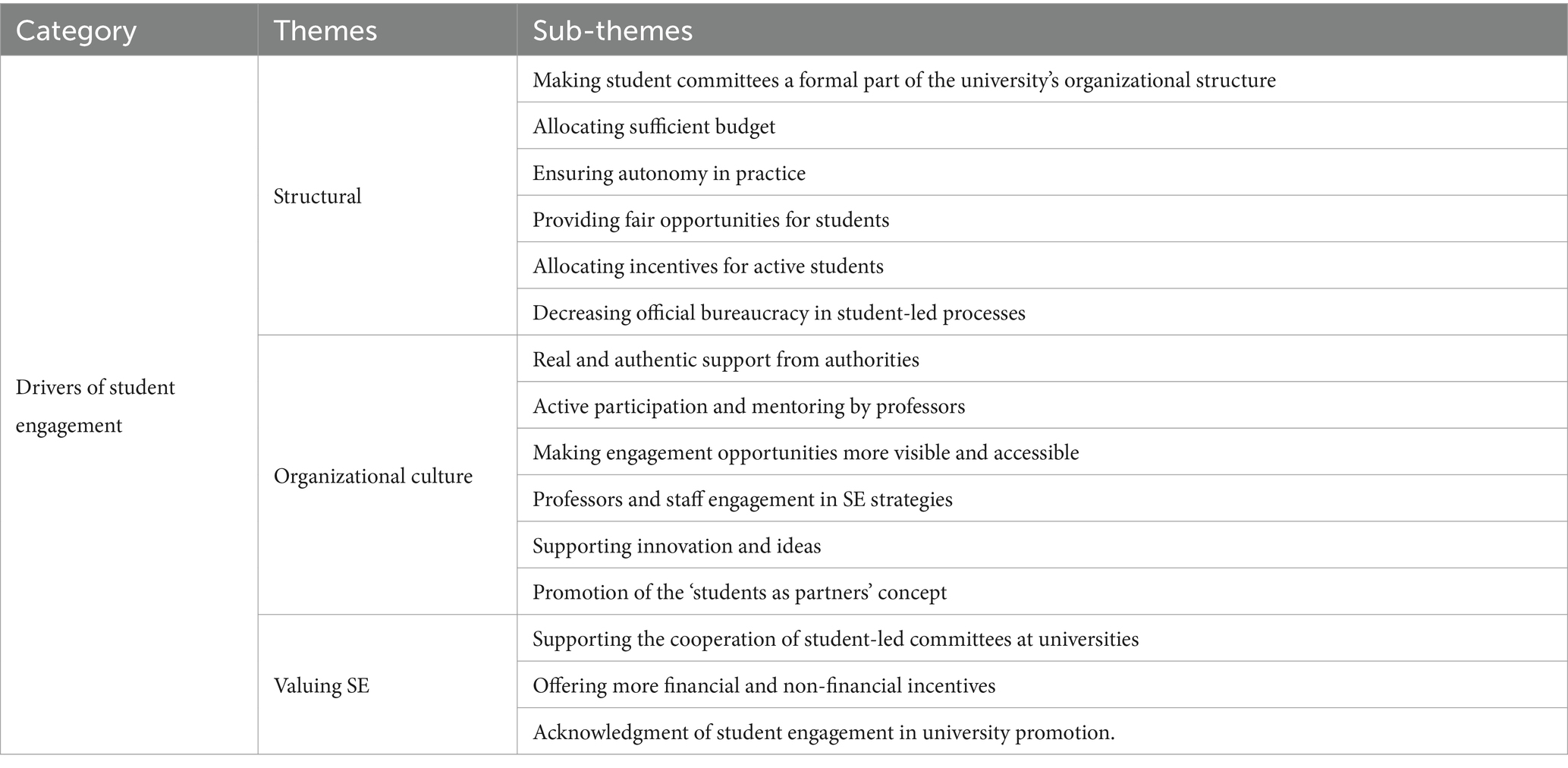
Table 4. Drivers of student engagement in medical universities in Iran.
4 Discussion
Through a national study involving the participation of representative students from medical universities, this study explored the concept of student engagement in medical universities in Iran. The necessity and benefits of student engagement emerged from their perspectives, encompassing networking, personal development, and acquiring real-world experience. The participants believed that students could be engaged in a broad range of extracurricular activities, including planning and managing a workshop, participating in curriculum revision and development, educational evaluation, and peer mentoring. However, they identified factors that either facilitate or act as barriers to engagement, with a primary focus on issues related to university structure and culture.
The results of the study revealed a wide range of activities in which students could be engaged, including training, educational planning, education evaluation, and extracurricular activities. Peer training, educational content production, curriculum development, and collaboration in innovative training and evaluation methods were highlighted as key areas where student engagement was encouraged. The literature has implied that student feedback on academic teaching quality, participation in institution governance through student councils, serving as teaching assistants, and influencing the social responsibility of the university through community activities can enhance the university’s responsiveness and effectiveness (Zdravković et al., 2018; Karakitsiou et al., 2012). Several advantages have been documented regarding student participation in medical universities, including enhanced learning outcomes, improved academic performance, and personal skills development (Freitas et al., 2023; Geraghty et al., 2019; Shrivastava and Shrivastava, 2022). Previous studies have also highlighted that improving the partnership culture within the university can lead to mutually beneficial enhancements for both students and the university (Kassab et al., 2022; Xu et al., 2022). Furthermore, learning how to be a professional and competent medical practitioner was underlined by the participants in this study, a concept supported by the literature (Geraghty et al., 2019; Shrivastava and Shrivastava, 2022). Our findings support the concept that students who are valued in the university environment are more self-confident, motivated, and committed to promoting the institution (Lyness et al., 2013). Networking and relationships with peers and academics can create an authentic collaboration culture within the university, mutually benefiting both students and the institution, as revealed by our study findings (Kassab et al., 2022; Hu et al., 2012). As argued by Astin’s theory of student involvement, the level of student engagement will directly impact the quality and quantity of their future involvement (Rahman et al., 2020). Universities might consider this when creating a supportive organizational environment and developing clear institutional policies that promote SE, including formal incentives and encouragement, in medical universities.
Student engagement is a crucial strategy for contemporary medical education institutions, but it faces several barriers, especially in less developed organizational environments. Our results revealed that the organizational factors were the main perceived barriers to student participation. A lack of support from university authorities, insufficient financial and physical resources, and high bureaucracy were identified by the participating students as barriers to engagement, supporting findings from previously published literature (Fujii et al., 2022; Almasry et al., 2017). However, a weak partnership culture within the university exacerbates the situation, as revealed by our results. Freitas et al. (2023) indicated that a collaborative organizational culture is a key driver of student engagement, one that values students equally and provides authentic opportunities for student engagement. Student engagement is sustained when both students and institutions benefit synergistically from participatory practices through virtuous circles (Freitas et al., 2023; Kassab et al., 2022; Lyness et al., 2013). The participating students expressed that low individual incentives and a lack of recognition for actively engaged students are factors that affect other students’ motivation to engage, despite their high potential. This is consistent with Astin’s student involvement theory, which highlights the importance of clearly defining the benefits of SE for students (Rahman et al., 2020). Scheduling conflicts with the academic timetable and difficulties in balancing extracurricular activities with academic responsibilities were also highlighted as factors hindering student engagement. Similar barriers were reported by students from universities in the UK, Brazil, and West Africa (Fujii et al., 2022; Chapman et al., 2023; Leslie-Walker et al., 2023). Our results emphasized that enhancing student agency in medical universities in Iran is the main driver for facilitating student engagement. This finding supports the statement by Zdravković et al. (2018), which suggested that when students are valued through agency, they have the capacity to participate in institutional enhancement. Institutionalizing SE by developing and employing supportive policies and establishing a student advisory board that supports and collaborates with university authorities in designing SE processes will help promote SE in universities.
Based on our findings, academic staff support and collaboration in student-led practices were identified as strong drivers of student engagement. This finding aligns with the results of studies by Umbach and Wawrzynski (2005) and Hu et al. (2012) in the USA and Taiwan, respectively. Interestingly, our results also showed that even a partnership culture among education office staff could facilitate SE, a finding supported by Freitas et al.’s (2023) study. Ensuring facilitated SE in Iranian medical universities would require the establishment of a student–faculty partnership structure and the integration of SE into institutional policies supporting staff collaboration with students.
Valuing student activities through active collaboration with university authorities, making opportunities visible and accessible, allocating incentives, and acknowledging the real impact of SE on institution processes enhancement were identified as additional facilitators of SE in Iran medical universities. Freshmen students are often unfamiliar with the engagement opportunities available at universities (Fujii et al., 2022).To promote SE, it is required to make these opportunities more visible through festivals, introduction sessions, and other initiatives. In other words, supporting students in remaining integrated into the social and academic life of the university would help them become more engaged and prevent their departure, as discussed in Tino’s model of student departure (Ross, 2014). Student engagement is influenced by various individual or environmental factors, which ultimately shape their meaning and experience of participation, affecting their future practices (Bryson, 2014). However, the value placed on student engagement by the institution can positively or negatively impact it, and it is the institution’s responsibility to acknowledge the effects of SE on its processes.
Research studies have limitations, and this one is no exception. First, the participants were selected from a structured committee in the universities based on the defined inclusion criteria, which may have excluded students engaged outside of this structure. While purposive sampling is appropriate for qualitative studies, it may introduce selection bias. In addition, the sampling was limited to medical universities, and other types of universities may have different atmospheres, as medical education is governed by distinct policies at the ministerial level in Iran. Another limitation was the reliance on self-reported narratives, which might have introduced potential bias. These limitations should be considered by the audience.
5 Conclusion
Student engagement in medical universities in Iran is of interest to students, yet it faces barriers across various domains. This study offers strategies to facilitate SE in medical universities from the students’ viewpoint. Creating a virtuous, value-based engagement process by promoting a partnership culture, strengthening student agency, establishing SE strategies in governance, encouraging faculty mentoring and participation, and genuinely acknowledging students will facilitate and promote SE in medical universities, leading to an enhanced learning environment. Given the progressive atmosphere of medical universities in Iran, which pushes toward the next generation of universities, the results of this study can benefit policymakers and university authorities in enhancing SE, a key driver of this progress. Future studies should aim to provide a more comprehensive understanding of SE in medical universities, incorporating both quantitative and qualitative approaches.
Data availability statement
The raw data supporting the conclusions of this article will be made available by the authors, without undue reservation.
Ethics statement
This study involving humans was approved by Ethical Committee of Khoy University of Medical Sciences (Ethical code: IR.KHOY.REC.1403.007). The study was conducted in accordance with the local legislation and institutional requirements. The participants provided their written informed consent to participate in this study.
Author contributions
MS: Conceptualization, Data curation, Formal analysis, Funding acquisition, Investigation, Methodology, Project administration, Software, Supervision, Validation, Writing – original draft, Writing – review & editing. VS: Conceptualization, Formal analysis, Investigation, Methodology, Validation, Writing – original draft, Writing – review & editing. HM: Conceptualization, Formal analysis, Investigation, Methodology, Writing – original draft, Writing – review & editing. MB: Data curation, Formal analysis, Investigation, Methodology, Validation, Writing – original draft, Writing – review & editing. AK: Formal analysis, Investigation, Methodology, Project administration, Validation, Writing – original draft, Writing – review & editing.
Funding
The author(s) declare that financial support was received for the research and/or publication of this article. The present study was financially supported by Khoy University of Medical Sciences, Khoy, Iran.
Acknowledgments
We would like to express our gratitude to all students who participated in this study. Moreover, we appreciate the Medical Education Development Centre authorities at the Ministry of Health and Medical Education for their contribution.
Conflict of interest
The authors declare that the research was conducted in the absence of any commercial or financial relationships that could be construed as a potential conflict of interest.
Generative AI statement
The authors declare that no Gen AI was used in the creation of this manuscript.
Publisher’s note
All claims expressed in this article are solely those of the authors and do not necessarily represent those of their affiliated organizations, or those of the publisher, the editors and the reviewers. Any product that may be evaluated in this article, or claim that may be made by its manufacturer, is not guaranteed or endorsed by the publisher.
Supplementary material
The Supplementary material for this article can be found online at: https://www.frontiersin.org/articles/10.3389/feduc.2025.1512232/full#supplementary-material
References
Alhazmi, A. A., and Kaufmann, A. (2022). Phenomenological qualitative methods applied to the analysis of cross-cultural experience in novel educational social contexts. Front. Psychol. 13:785134. doi: 10.3389/fpsyg.2022.785134
Almasry, M., Kayali, Z., Alsaad, R., Alhayaza, G., Ahmad, M. S., Obeidat, A., et al. (2017). Perceptions of preclinical medical students towards extracurricular activities. Int. J. Med. Educ. 8, 285–289. doi: 10.5116/ijme.5973.297a
Bryson, C. (2014). “Clarifying the concept of student engagement” in Understanding and developing student engagement. ed. Colin Bryson (United Kingdom: Routledge Abingdon).
Changiz, T., Malekpour, A., and Zargham-Boroujeni, A. (2012). Stressors in clinical nursing education in Iran: a systematic review. Iran. J. Nurs. Midwifery Res. 17, 399–407.
Chapman, G., Emambocus, W., and Obembe, D. (2023). Higher education student motivations for extracurricular activities: evidence from UK universities. J. Educ. Work. 36, 138–152. doi: 10.1080/13639080.2023.2167955
Costa, R. P., Novas, J. C., Fialho, A., and Moreira, P. (2023). “Using student participation to improve higher education models: lessons from the development of a comprehensive student participation plan” in Improving higher education models through international comparative analysis. eds. V. A. Storey and T. E. Beeman (Hershey, PA, USA: IGI Global), 181–195.
Cotton, D. R., Nash, T., and Kneale, P. (2017). Supporting the retention of non-traditional students in higher education using a resilience framework. Eur. Educ. Res. J. 16, 62–79. doi: 10.1177/1474904116652629
Crabtree, R. (2023). Barriers to student engagement: why Don’t university students engage? Student Engage. Higher Educ. J. 4, 28–47.
Cunninghame, I., and Pitman, T. (2020). Framing the benefits of higher education participation from the perspective of non-completers. Higher Educ. Res. Develop. 39, 926–939. doi: 10.1080/07294360.2019.1705255
Drennan, J., O’Reilly, S., O’Connor, M., O’Driscoll, C., Patterson, V., Purser, L., et al. (2014). The Irish Survey of Student Engagement. Engaging University Students. eds. H. Coates and A. McCormick. Singapore: Springer. 109–125. doi: 10.1007/978-981-4585-63-7_8
Education Tiaohp. ASPIRE award Program: Areas of excellece. (2024). Available online at:https://amee.org/aspire/.
Elliott, R., and Timulak, L. Descriptive and interpretive approaches to qualitative research. In J. Miles and P. Gilbert (Eds.), A handbook of research methods for clinical and health psychology. (2005);1:147–159. Oxford University Press.
Ewell, P. T. (2010). “The US national survey of student engagement (NSSE)” in Public policy for academic quality: Analyses of innovative policy instruments, 83–97. Springer Dordrecht.
Ewell, P. T., and McCormick, A. C. (2020). The National Survey of student engagement (NSSE) at twenty. Assess. Update 32, 1–16. doi: 10.1002/au.30204
Freitas, F., Leedham-Green, K. E., Smith, S. F., and Costa, M. J. (2023). Partners in academic Endeavour: Characterising student engagement across internationally excellent medical schools. Med. Teach. 45, 830–837. doi: 10.1080/0142159X.2023.2174418
Fujii, R. N. A., Kobayasi, R., Enns, S. C., and Tempski, P. Z. (2022). Medical students’ participation in extracurricular activities: motivations, contributions, and barriers. A qualitative study. Adv. Med. Educ. Pract. 13, 1133–1141. doi: 10.2147/AMEP.S359047
Geraghty, J. R., Young, A. N., Berkel, T. D. M., Wallbruch, E., Mann, J., Park, Y. S., et al. (2019). Empowering medical students as agents of curricular change: a value-added approach to student engagement in medical education. Perspec. Med. Educ. 9, 60–65. doi: 10.1007/S40037-019-00547-2
Groccia, J. E. (2018). What is student engagement? New Dir. Teach. Learn. 2018, 11–20. doi: 10.1002/tl.20287
Hu, Y. L., Ching, G. S., and Chao, P. C. (2012). Taiwan student engagement model: conceptual framework and overview of psychometric properties. Int. J. Res. Stud. Educ. 1, 69–90. doi: 10.5861/ijrse.2012.v1i1.19
Jahn, V., Heise, L., Schneider, A., and Günther, S., editors. Different students–different ways: challenges of integrating non-traditional students in higher education and how electronic learning can support inclusion. Learning and Collaboration Technologies Technology in Education: 4th International Conference, LCT 2017, Held as Part of HCI International 2017, Vancouver, BC, Canada, (2017).
Karakitsiou, D. E., Markou, A., Kyriakou, P., Pieri, M., Abuaita, M., Bourousis, E., et al. (2012). The good student is more than a listener - the 12+1 roles of the medical student. Med. Teach. 34, e1–e8. doi: 10.3109/0142159X.2012.638006
Kassab, S. E., El-Sayed, W., and Hamdy, H. (2022). Student engagement in undergraduate medical education: a scoping review. Med. Educ. 56, 703–715. doi: 10.1111/medu.14799
Leslie-Walker, A., Mulvenna, C., and Bramble, O. (2023). Exploring the motivations and challenges west African female students experience engaging in university sport. Curricu. Stud. Health Physic. Educ. 14, 190–206. doi: 10.1080/25742981.2022.2073458
Lincoln, Y. S., and Guba, E. G. (1986). But is it rigorous? Trustworthiness and authenticity in naturalistic evaluation. N. Dir. Eval. 1986, 73–84. doi: 10.1002/ev.1427
Lyness, J. M., Lurie, S. J., Ward, D. S., Mooney, C. J., and Lambert, D. R. (2013). Engaging students and faculty: implications of self-determination theory for teachers and leaders in academic medicine. BMC Med. Educ. 13, 1–7. doi: 10.1186/1472-6920-13-151
Milles, L. S., Hitzblech, T., Drees, S., Wurl, W., Arends, P., and Peters, H. (2019). Student engagement in medical education: a mixed-method study on medical students as module co-directors in curriculum development. Med. Teach. 41, 1143–1150. doi: 10.1080/0142159X.2019.1623385
Neubauer, B. E., Witkop, C. T., and Varpio, L. (2019). How phenomenology can help us learn from the experiences of others. Perspect Med Educ. 8, 90–97. doi: 10.1007/S40037-019-0509-2
Onwuka, G. O., Oladele, O. M., and Zuoyu, Z. (2019). Unveiling the experiences of student participation in extracurricular activities on campus: a case study in university of cape coast, Ghana. J. Int. Academy Case Stud. 25, 1–13.
Peters, H., Zdravkovic, M., João Costa, M., Celenza, A., Ghias, K., Klamen, D., et al. (2019). Twelve tips for enhancing student engagement. Med. Teach. 41, 632–637. doi: 10.1080/0142159X.2018.1459530
Pourabbasi, A., Akbari, H., Akhvan, A. A., Haghdoost, A. A., Kheiry, Z., Dehnavieh, R., et al. (2019). Analysis of Iran's National Medical Education Evolution and innovation plan using the Michelle and Scott's model of policymaking. J. Adv. Med. Educ. Prof. 7, 20–26. doi: 10.30476/jamp.2019.41041
Rahman, R. A., Zakariya, N., and Naim Nor Ahmad, S., editors. Enhancing students achievement through Astin theory of involvement. 4 th UUM International Qualitative Research Conference (2020)
Ross, A. (2014). Building on Tinto's model of engagement and persistence: experiences from the Umthombo youth development foundation scholarship scheme. Afr. J. Health Prof. Educ. 6, 119–123. doi: 10.7196/AJHPE.404
Rozak, L. A., Bahri Arifin, M., Rykova, I. N., Grishina, O. A., Komariah, A., Nurdin, D., et al. (2022). Empirical evaluation of educational service quality in the current higher education system. Emerg. Sci. J. 6, 55–77. doi: 10.28991/ESJ-2022-SIED-05
Shrivastava, S. R., and Shrivastava, P. S. (2022). Promoting active learning and student engagement in undergraduate medical education. J. Med. Soc. 36, 39–42. doi: 10.4103/jms.jms_140_21
Stensaker, B., and Matear, S. (2024). Student involvement in quality assurance: perspectives and practices towards persistent partnerships. Qual. High. Educ. 30, 1–15. doi: 10.1080/13538322.2024.2346358
Stuart, M., Lido, C., Morgan, J., Solomon, L., and May, S. (2011). The impact of engagement with extracurricular activities on the student experience and graduate outcomes for widening participation populations. Act. Learn. High. Educ. 12, 203–215. doi: 10.1177/1469787411415081
Umbach, P. D., and Wawrzynski, M. R. (2005). Faculty do matter: the role of College Faculty in Student Learning and Engagement. Res. High. Educ. 46, 153–184. doi: 10.1007/s11162-004-1598-1
Vahdat, S., Tanhaei, N., Najafi, S., Salemi, M. H., and Karbasian, F. (2022). Investigating the barriers to clinical education among medical students in Iran: a narrative review study. J. Family Med. Prim. Care 11, 7537–7542. doi: 10.4103/jfmpc.jfmpc_994_21
Vears, D. F., and Gillam, L. (2022). Inductive content analysis: a guide for beginning qualitative researchers. Focus Health Profes. Educ. 23, 111–127. doi: 10.11157/fohpe.v23i1.544
Winstone, N., Balloo, K., Gravett, K., Jacobs, D., and Keen, H. (2022). Who stands to benefit? Wellbeing, belonging and challenges to equity in engagement in extra-curricular activities at university. Act. Learn. High. Educ. 23, 81–96. doi: 10.1177/1469787420908209
Xu, X., Bos, N. A., and Wu, H. (2022). The relationship between medical student engagement in the provision of the school’s education programme and learning outcomes. Med. Teach. 44, 900–906. doi: 10.1080/0142159X.2022.2047168
Zdravković, M., Serdinšek, T., Sobočan, M., Bevc, S., Hojs, R., and Krajnc, I. (2018). Students as partners: our experience of setting up and working in a student engagement friendly framework. Med. Teach. 40, 589–594. doi: 10.1080/0142159X.2018.1444743
Keywords: student engagement, phenomenology, medical university, Iran, qualitative research
Citation: Saadati M, Sabri V, Motaarefi H, Bayrami M and Karimkhani A (2025) Characterizing student engagement across medical universities in Iran: a national qualitative study. Front. Educ. 10:1512232. doi: 10.3389/feduc.2025.1512232
Edited by:
Predrag Jovanovic, University Clinical Center Tuzla, Bosnia and HerzegovinaReviewed by:
Ishtiaq Ali Khan, Ayub Medical College, PakistanPrashant Mahajan, R. C. Patel Institute of Technology, India
Nutteera Phakdeephirot, Rajamangala University of Technology Rattanakosin, Thailand
Fridayanti Fridayanti, UIN Sunan Gunung Djati Bandung, Indonesia
Copyright © 2025 Saadati, Sabri, Motaarefi, Bayrami and Karimkhani. This is an open-access article distributed under the terms of the Creative Commons Attribution License (CC BY). The use, distribution or reproduction in other forums is permitted, provided the original author(s) and the copyright owner(s) are credited and that the original publication in this journal is cited, in accordance with accepted academic practice. No use, distribution or reproduction is permitted which does not comply with these terms.
*Correspondence: Mohammad Saadati, c2FhZGF0aV9tQGtob3l1bXMuYWMuaXI=; aGNtLjIwMjBAZ21haWwuY29t