 Barbara Blanc
 Seda Aydan
 Christoforos Mamas
- 1Department of Primary Education, Zurich University of Teacher Education, Zürich, Switzerland
- 2English Language School, TED University, Ankara, Türkiye
- 3Department of Education Studies, University of California San Diego, San Diego, CA, United States
Some learners face systemic or personal barriers to participate in classroom activities, such as limited access to high-quality educational resources, language challenges, varying levels of prior knowledge, or individual learning needs and abilities. Pre-teaching can help students overcome these challenges. This conceptual paper presents pre-teaching as an adaptive teaching method and propose the INVO model as a theoretical framework for pre-teaching, which has not yet been comprehensively developed, and considers the cognitive as well as the motivational-volitional, and emotional dimensions of learning. The paper outlines vocabulary preparation, cognitive activation, culturally sensitive teaching, and research-based learning as possible implementations of pre-teaching, demonstrating how this prepares students for upcoming subject matter, not only to improve academic performance but also to promote self-efficacy, emotional readiness to learn and contribute to more inclusive and differentiated learning environments in the long term. Methodologically robust studies are needed to empirically test the effectiveness of this teaching method for fostering the acquisition of subject-specific and interdisciplinary competencies and to demonstrate its practical relevance for inclusive learning.
1 Introduction
Implementing educational processes effectively is one of the core tasks of schools. Key factors of successful learning include the cognitive and motivational-volitional prerequisites of learners, as well as structural features of the learning environment (McElvany et al., 2017). In other words, successful learning emerges from the interaction of student characteristic and contextual conditions, such as the quality of teaching (e.g., clarity, comprehensibility, level appropriacy), the school and class context (e.g., size and facilities of the school, ability level, heterogeneity of the class), personal characteristics of the teachers (e.g., attitudes, teaching skills) and school principals (leadership behavior and school management) as well as extracurricular factors (Brühwiler et al., 2017). With regard to extracurricular factors, Hirsh et al. (2022) stated that although educational success is influenced by broader areas such as educational policy, the organization of education, financial systems, and school leadership, there is widespread consensus that the quality of teaching remains ultimately the key factor in determining educational outcomes.
In light of the complex interplay between individual and contextual factors that shape student learning, and the diverse learning and behavioral needs of students (Fernstrom and Goodnite, 2000), there is a growing need for teaching methods that are both inclusive and adaptive in order to ensure equal learning opportunities for all. Such teaching must not only impart the subject matter, but also consider the individual needs and potential of the learners. Adapting teaching methods to provide students with targeted support is therefore essential for effective education (Brägger and Badura, 2008; Delgrande Jordan and Eichenberger, 2016; Luder et al., 2022).
Besides subject-specific knowledge that enable students to analyze complex tasks, identify relevant information, and develop appropriate solutions, competences in self-regulated work are also essential. This includes the ability to plan, carry out, and reflect on their work processes independently (Zimmerman, 2013). Equally important are metacognitive strategies, such as assessing their own abilities and setting learning goals to control and optimize the learning process.
In many countries around the world, the knowledge and competences that students should acquire are defined in elementary school curricula through the formulation of subject-specific and interdisciplinary skills. Subject-specific competences describe domain-specific knowledge and the associated skills and abilities. Interdisciplinary competencies refer to the knowledge and skills that play an important role for learning in and outside of school beyond individual subjects. These skills are also known as transferable skills, transformative competencies (OECD, 2019; UNICEF, 2019) or – when focusing on health-related aspects – life skills (WHO, 1994, 2003). Life skills encompass a broad range of emotional, psychosocial, and cognitive skills to improve self-regulation, make informed decisions, and build supportive social relationships that should empower children and adolescents to lead a healthy, successful life and assume social responsibility (Kirchhoff and Keller, 2021). According to the World Health Organization (WHO, 1994, 2003), life skills education focuses on promoting three key categories of skills: (1) communication and interpersonal skills, (2) decision-making and critical thinking skills, and (3) coping and self-management skills. The way these skills are fostered in different ways depending on the country-specific context (CASEL Framework, 2025; D-EDK, 2016; Eurydice, 2025; Finnish National Agency for Education, 2020; Ministry of Education of Ontario, 2019) and the quality of support provided by the teachers (Kirchhoff et al., 2024).
Although there is a broad agreement on the overarching goals of education, and despite of the growing attention to life skills and differentiated instruction, putting these goals into daily classroom teaching is a pedagogical challenge, particularly for students who face systemic or personal disadvantages. Both in educational practice and research emphasize the importance of simultaneously fostering subject-specific knowledge, learning strategies, and the motivation, volition and emotional readiness of students (Cawley et al., 2002; Weinert, 2001, 2014). Theoretical models such as Good Information Processing (Pressley et al., 1989; Pressley and Harris, 2006), the INVO model (Hasselhorn and Gold, 2022), and research on self-regulated learning (Zimmerman, 2013; Pintrich, 2000) highlight important prerequisites for learning. However, many questions remain about how these factors interact in real classroom situations – a gap that limits their practical application.
One teaching method that has great potential to directly addresses this gap by activating learners’ prior knowledge, reducing cognitive load, and promoting both motivation, volition and emotional readiness to learn – thereby supporting the acquisition of subject-specific and life skills - is called pre-teaching (Cantrell et al., 2000; Munk et al., 2010; O’Donnell et al., 2003).
Following Jaakkola (2020), this conceptual paper presents pre-teaching as an adaptive teaching method and situates it within the INVO model. In doing so, we propose a theoretical framework which has not yet been comprehensively developed in the existing literature. At the same time, the paper contributes to the call for new pedagogical approaches that are both inclusive and adaptive. The focus is placed on students who often face systemic and personal barriers such as limited access to high-quality educational resources, linguistic challenges, and varying cognitive and learning abilities. Accordingly, the paper emphasizes the importance of teaching methods that help overcome these challenges.
2 Pre-teaching: a pedagogical approach
2.1 The pre-teaching method
As noted above, the current discourse on education increasingly emphasizes the need for teaching methods that are both inclusive and adaptive to provide all students with equal learning opportunities and ensure their participation in joint lessons. In this context, the concept of adaptive teaching has become well-established and takes into account not only basic cognitive skills and prior knowledge, but also motivational-volitional and emotional factors and other characteristics relevant to learning (Dumont et al., 2024). A central element of this concept is the provision of teaching that is tailored to the individual learning requirements of each student. Teaching can be adapted at both the macro level (e.g., curriculum planning, lesson structure) and micro level (e.g., moment-to-moment adjustments during classroom interaction) (Corno, 2008). Although international discourse lacks a consistent definition of adaptive teaching, the unifying goal across approaches is to align teaching with the heterogeneous needs of students (Walkington and Bernacki, 2020).
In this article, pre-teaching is understood as an adaptive macro-level teaching method that complements regular classroom instruction. It proactively supports learners prior to the main lesson, based on previous diagnostic assessments, enabling them to participate in subsequent classroom instruction with reduced need for additional support. This approach differs from practices in which knowledge gaps are typically addressed only after problems have emerged, for example through “catch-up lessons” (re-teaching) or additional support measures.
Watt (2013) sees the main benefit of pre-teaching in its proactive nature: students who typically require extra support in a particular area can acquire the necessary foundational knowledge and skills in advance of a teaching unit or lesson. He further emphasizes that a second benefit of pre-teaching lies in enhancing students’ self-concept and increasing their motivation.
The pre-teaching method is based originally on the work of Ausubel (1968), whose Subsumption Theory of Meaningful Learning emphasizes the importance of prior knowledge for learning new curriculum content. He argued that meaningful learning occurs when new information is integrated into existing cognitive structures, making it easier to recall and apply in different contexts. Pre-teaching is in line with this theory. It is a teaching method in which learners are prepared before new material is introduced by familiarizing them with foundational concepts, necessary background knowledge, and practicing learning strategies (Munk et al., 2010).
If learning is supported by establishing foundational knowledge, this has an influence on one’s own perception of competence, the autonomy with which the tasks set can be mastered and how one can contribute to the classroom lesson. According to Deci and Ryan’s (2000) theory of self-determination, this leads to further development in thinking and acting, as well as to positive social development.
2.2 Implementation of the pre-teaching method
Pre-teaching can be implemented in various ways and tailored to different target groups, subjects, and contexts. It may involve introducing concepts that provide a framework or structure for the upcoming lesson, as well as teaching new information, vocabulary, or strategies (Berg and Wehby, 2013). Therefore, it is essential that the above-mentioned aim of preparing learners for upcoming content or activities in different subjects (such as mathematics, natural sciences, or physical education) is always considered during the preparation and consultation between teachers. The method is often implemented through brief introductions, explanations, preliminary debates, repetition of material by subject teachers (e.g., such as those working with foreign-language learners or in special education). It can also take place independently by providing resources such as reading texts or videos for students who exhibit gaps in their knowledge but show a high level of motivation to achieve. These practices are considered empirically proven in learning psychology to promote positive learning experiences and thus enhance one’s own self-efficacy, which in turn has an impact on students’ motivation and wellbeing (Hattie, 2009; Klieme, 2020). The following examples show a range of application areas of the method.
2.2.1 Vocabulary or concept preparation
If learners do not have sufficient vocabulary or do not understand the terms that are central to a lesson, it is unlikely that they will be able to build sufficient understanding of the content or concepts of that lesson series (Anders and Bos, 1986). The aim of this type of pre-teaching is to familiarize learners with key terms, signs and pictograms, concepts or background knowledge before they work on new material and thereby relieve them of some of the challenge of understanding the content. This will subsequently strengthen their motivation and self-confidence through improved understanding.
In order to apply pre-teaching method efficiently to teach vocabulary, it is important to choose words strategically when preparing for pre-teaching. To elaborate, Ruddell (2002) recommends considering words that (a) are central to the meaning of the lesson, (b) create potential barriers to understanding the main ideas of the lesson, or (c) can be problematic for students lacking background knowledge of the terms. Studies have shown that it is generally successful when more than ten vocabulary items are prepared through pictures, short videos, and viewings combined with glossaries which are later available in class (Berg and Wehby, 2013; Bos et al., 1989). For example, for a history unit, the teacher sends a timeline and 2–3 key concepts (e.g., democracy, polis, citizenship) as a worksheet. Students discuss them in small groups before the main lesson, which strengthens motivation and participation. Another example can be a learning support that the teacher introduces for math vocabulary (e.g., fraction, denominator) in a small-group session before the general classroom lesson. This helps students with learning difficulties follow along with their peers.
This approach is in line with research findings which state that high-quality support in inclusive lessons with needs-based additional offers has a better and more lasting effect than isolated additional offers, as it follows the basic principle that language can only be learned by speaking and acting together and cooperatively (Gogolin, 2014; Ling, 2021). Additional lessons for children with a different mother tongue offer a valuable opportunity to promote language development. If vocabulary is prepared in these lessons, there is the added benefit of repeated use in class and the active use in a peer setting, which in turn has an impact on retention and the available productive vocabulary (Neugebauer, 2023).
2.2.2 Cognitive activation
Activating prior knowledge is about drawing learners’ attention in advance to existing knowledge and experience that can support their understanding of new concepts, or building this with learners so that they can then apply it specifically to the learning objectives ahead.
Proven methods of activating prior knowledge include (a) brainstorming, (b) asking targeted, structured questions, and (c) holding discussions on a specific problem or scenario (Christen and Murphy, 1991). For example, a preliminary discussion on a topic such as “energy sources” can draw attention not only to the term “energy,” but also to relevant existing concepts such as “energy consumption” or “sustainable energy.” It is not enough to simply ask what the learners already know; specific, relevant content must be brought into focus.
For pupils with cognitive disabilities, it is particularly important that this activation of prior knowledge is developmentally specific and related to their own lifeworld. The process must be methodically adapted to the upcoming subject matter to effectively support learning and enable participation. To illustrate, before a science lesson on plants, students receive a short preview video and vocabulary list (e.g., root, leaf, stem) at home through the school’s learning platform. In class, they can immediately engage in hands-on experiments which will reduce the cognitive load and enhance cognitive activation.
Cognitive activation involves identifying essential content for understanding the upcoming lesson in advance and organizing pre-discussions for learners to recall or acquire necessary prior knowledge. In this way, prior knowledge is not only activated but also aligned with the relevant content of the upcoming lesson.
2.2.3 Culturally sensitive teaching
Culture-sensitive teaching aims not only to enhance engagement and motivation among students from diverse cultural backgrounds, but also to establish meaningful connections to the cultures represented in the community (Vavrus, 2008).
For such approaches to be successful, teachers need reliable cultural knowledge, open and respectful communication, and learners should feel confident to speak about their own cultural backgrounds (Hilliard et al., 2025; Keddie, 2015). However, this confidence cannot be taken for granted. If students feel insecure about their background, they may develop feelings of shame or fear, which can manifest as a form of social anxiety that hinders learning through negative emotions (Ardasheva et al., 2018; Toyama and Yamazaki, 2021).
By integrating students’ cultural experiences into pre-teaching activities, teachers provide a save and smaller learning context in which children can tell stories from their own culture traditions, such as Turkish Dede Korkut stories, Native American myths, or West African Anansi tales. This not only prepares students to participate more actively in subsequent discussions with the entire class, for example, in a literature class on folk tales. It also contributes to emotional security and increased self-confidence to bring in their cultural heritage into the classroom.
2.2.4 Methodical preparation for research-based learning
The pre-teaching method can also play a key role in methodical preparation for research-based learning by equipping students with the required foundational skills, concepts, and strategies prior to their engagement with independent inquiry. Research-based learning methods like inquiry-based learning or project-based learning often require students to work on complex tasks such as formulating research questions, analyzing sources, applying research methods, and synthesizing findings results (Wellnitz and Mayer, 2008). Not providing instruction and guidance can be particularly overwhelming for low-achieving students with little prior knowledge of methodological procedures (Kirschner et al., 2006). Therefore, pre-teaching can scaffold these processes by introducing key methodological concepts in advance, ensuring students have a clear understanding of research design, data collection techniques, and critical evaluation of sources. For instance, before students carry out a study on environmental sustainability, a pre-teaching session could cover how to differentiate between primary and secondary sources, how to write a literature review, and how to utilize citation tools effectively. Additionally, pre-teaching can introduce domain-specific research strategies, such as ethnographic methods in social sciences or principles of experimental design principles in STEM (Science, Technology, Engineering, and Mathematics), enabling students to engage with the research process more systematically. By reducing cognitive overload and enhancing preparedness, pre-teaching can provide a more structured and effective approach to research-based learning, ultimately leading to effective inquiry and deeper academic engagement.
All in all, pre-teaching is a versatile instructional method that can be utilized in both subject-specific and interdisciplinary learning contexts. By introducing key concepts, skills, or background knowledge in advance, pre-teaching assists teachers to create a solid foundation for deeper learning. Furthermore, different pre-teaching approaches can be strategically combined depending on the complexity of the topic and the needs of the learners to ensure optimal preparation and engagement.
3 The INVO model
Learning is understood as an active process of acquiring and changing knowledge, skills, strategies, beliefs, attitudes and behaviors. People learn cognitive, linguistic, motor and social skills, and these can take many forms (Schunk, 2020). According to Buff et al. (2011), learning motivation is seen as a constantly changing and interacting process that interacts with other characteristics of the person and with characteristics of the context to influence the imitation, direction, intensity, duration and quality of individual action.
One model that describes the central prerequisites for learning is the INVO model, an acronym derived from the German “Modell der INdividuellen VOraussetzungen erfolgreichen Lernens” (Model of Individual Prerequisites for Successful Learning; Hasselhorn and Gold, 2022). The model identifies five key factors that are essential for successful learning, grouped into cognitive and motivational-emotional components. Cognitive prerequisites refer to mental processes influenced by factors such as working memory capacity, and executive functions (e.g., attention control, inhibition, and cognitive flexibility). In such processes prior knowledge that is pre-existing knowledge related to a particular topic provides a foundation for new learning, fostering comprehension and integration of new concepts. Additionally, metacognitive processes and self-regulation skills play a key role in the process since learners need skills are crucial, as learners must be able to set goal, monitor their progress, and adapt their learning strategies accordingly. Motivation and interest, particularly intrinsic motivation, are drivers of the process creating a positive attitude toward learning and contributing to persistence and engagement in learning activities. Besides, volitional and emotional factors referring to the abilities of learners to maintain their motivation to learn despite distractions are essential factors in the learning process. Self-efficacy also plays a significant role by reinforcing learners’ belief in their ability to succeed and thus maintaining their motivation.
In the present article, pre-teaching is situated within this framework, as it represents a powerful instructional method to build the individual prerequisites for successful learning as outlined by Hasselhorn and Gold (2022). It helps learners in developing the necessary cognitive, metacognitive, motivational, volitional and emotional foundations before engaging with new content, which will be discussed in more details in subsequent sections of this article.
3.1 Individual prerequisites for successful learning
According to Piaget (1974) constructivist learning theories view learning as an individual active process in which new information is integrated into existing cognitive structures (assimilation) or these are adapted (accommodation). According to Vygotsky (1978), this happens particularly when the learning object is within the zone of proximal development (ZPD), i.e., pupils are neither under- nor overchallenged and this takes place in social interactions that drive learning forward. Pre-teaching has the role of optimally preparing pupils for the subject matter by building up prior knowledge and closing gaps so that the learners interact better with their fellow learners on the subject matter in the subsequent classroom lessons and thus exploit the ZPD. Friendly interactions with classmates also have a direct influence on the well-being of learners (Mamas et al., 2024), which in turn leads to more successful learning outcomes.
3.1.1 Working memory and selective attention
Sweller’s, 2003 Cognitive Load Theory (2003) describes the load on the working memory during learning. It assumes that the capacity of the working memory is limited and that only a certain amount of information can be absorbed. The working memory is relieved by schemata (Schunk, 2020), which are automated through previous learning in the long-term memory and thus does not burden the working memory. Pre-teaching reduces the cognitive load through a better distribution of information by familiarizing learners with concepts in advance and building up prior knowledge, thus facilitating the processing of new information. The more suitable prior knowledge a person has, the lower the risk of a possible overload of the working memory, which in turn has a positive influence on selective attention (Hasselhorn and Gold, 2022).
3.1.2 Metacognitive strategies
The existence of metacognitive strategies is described as a key element for successful learning (cf. Hasselhorn and Gold, 2022; Hattie et al., 2024). It involves planning, monitoring, evaluating and regulating one’s own learning (Brown, 1984; Flavell et al., 2002). However, in contrast to incidental learning, strategy acquisition is rarely accidental or incidental but must be acquired (Hasselhorn and Gold, 2022). Pre-teaching can, on the one hand, reduce the often existing lack of sensitivity, especially among younger learners or in the case of learners with learning disabilities (Lerner, 1997), as to when and how which strategies should be used through targeted pre-modeling (for example, by demonstrating, thinking aloud or giving prompts (key words) and, on the other hand, contribute to better automation through the subsequent repetition effect. It promotes awareness of one’s own learning process, which contributes to regulating it. Learners reflect on what they already know and use strategies to acquire new knowledge.
3.1.3 Prior knowledge
Research findings on prior knowledge have shown that learners with domain-specific prior knowledge can compensate for a lower general intelligence level to a certain extent (Hasselhorn and Gold, 2022). Prior knowledge enables learners to make a better decision about the relevance of information, additionally relieves the burden on working memory as mentioned above, and increases interest in the topic. This, in turn enhances the willingness to invest more in the learning process. Through targeted subject and method-specific pre-teaching, prior knowledge can be built up, activated or expanded, which leads to better knowledge organization and thus increases learning ability and contributes to learners being able to process the new content with greater understanding, confidence and autonomy (Munk et al., 2010).
3.2 Motivational and volitional components of the INVO model
A central aspect of Weinert’s (2001) competence theory is that competence is not only the ability to know or do something, but also the confidence in one’s own ability to use this competence which is often defined in literature as self-efficacy. When learners are confronted with new information or concepts in pre-teaching and are able to absorb them successfully, this boosts their self-efficacy leading to the belief that they are also capable of mastering complex tasks. Providing relevance and context in pre-teaching activities sparks curiosity and enhances sustained engagement. This confidence, in turn, creates an important component of motivation to learn (Weinert, 2001).
3.2.1 Motivation: the driving force behind learning
Heckhausen’s (1977) motivation theory offers another important explanation regarding how pre-teaching can increase pupils’ motivation to learn. He distinguishes between different motivational processes, whereby the expectation hypothesis and goal setting are particularly important for understanding pre-teaching. According to Heckhausen and Heckhausen (2018), expectations and goals are key factors that influence a person’s motivation. The expectation of being able to achieve a goal is high if a person believes that they have the necessary skills and resources to achieve the goal. However, being exposed to new content can be overwhelming for the learners and create frustration and this might lead to disengagement. If learners develop an initial feeling of “familiarity” with a topic through pre-teaching and feel more confident, this increases the likelihood that they will remain motivated in their further engagement with the topic. Pre-teaching also enables learners to recognize the meaning and relevance of the topic in advance, which increases their willingness to learn. If they understand why the content is important, their extrinsic and often also intrinsic motivation increases (Berg and Wehby, 2013; Zeeb and Voss, 2025). Another influential factor for learning motivation that has already been mentioned is prior knowledge. People tend to engage more with topics where they already have a certain level of knowledge or experience (Schunk et al., 2013). Pre-teaching encourages this prior engagement with the topic and gives learners the opportunity to familiarize themselves with basic concepts. When learners can draw on their existing knowledge at the beginning of a learning process, they experience this as more autonomous and self-effective: they have the feeling that they have already “understood” part of the puzzle and are able to actively shape their learning.
In relation to Deci and Ryan’s (2000) self-determination theory of motivation, it can be concluded that pre-teaching supports and promotes both the need to experience competence and autonomy, but also - as stated in the section on inclusive education - the desire for social inclusion.
3.2.2 Self-efficacy: believing in your own abilities
The belief that one can successfully master a task which is known as self-efficacy (Bandura, 1997) is a powerful source of motivation. Learners who have the feeling that they can influence the learning process are more willing to continue to make an effort and overcome challenges. Pre-teaching allows learners to gain a small sense of achievement by facing or understanding content in advance that they will recognize in class. These positive experiences strengthen their self-efficacy. A strong belief in self-efficacy motivates learners, not to be discouraged even when faced with challenges and to persevere for longer. Pre-teaching helps to build this inner strength by lowering the barrier to entry and thus promotes optimism. For this to succeed, caring teachers who encourage, motivate and offer support are necessary (Kirchhoff et al., 2024).
Another important aspect on which pre-teaching can have an effect is the avoidance of feeling overwhelmed. Studies have shown that learners are most motivated when they do not feel overwhelmed by the amount of new material (Evans et al., 2024). If pre-teaching leads to learners being gradually introduced to a topic and being able to make initial connections to existing knowledge, they feel better prepared and less stressed. By providing basic concepts and information in advance, the learning environment is designed in such a way that learners feel competent and able to participate in the subsequent learning processes.
3.2.3 Volition and emotions associated with learning
Regardless of the aspects mentioned above, learners always need the intention and desire to achieve their goals and to initiate and carry out the necessary actions to do so. “Willpower” is particularly necessary when learning processes are more complex and take longer to complete, and more than just “motivation” is required. Volitional forces are evident in behavior associated with disciplined and conscientious learning (Hasselhorn and Gold, 2022). Pre-teaching can be used here in the sense of an organizational-scaffold, in which learners in these longer-lasting learning processes are given the necessary support to show progress in stages and thus counteract deactivating and negative emotions before they take up too much space (Schiefele and Pekrun, 1997).
3.3 Illustration of pre-teaching based on the INVO model
Figure 1 illustrates how the pre-teaching method can support successful learning according to the INVO model. Under the guidance of a teacher, children work through the concept of “division” in an action-oriented way while practicing the use of technical terms. The aim is to reactivate their prior knowledge, relieve their working memory, and repeat necessary learning strategies. In doing so, the method contributes to the students’ motivation volition and positive emotions state, and ultimately prepares them for upcoming content or activities.
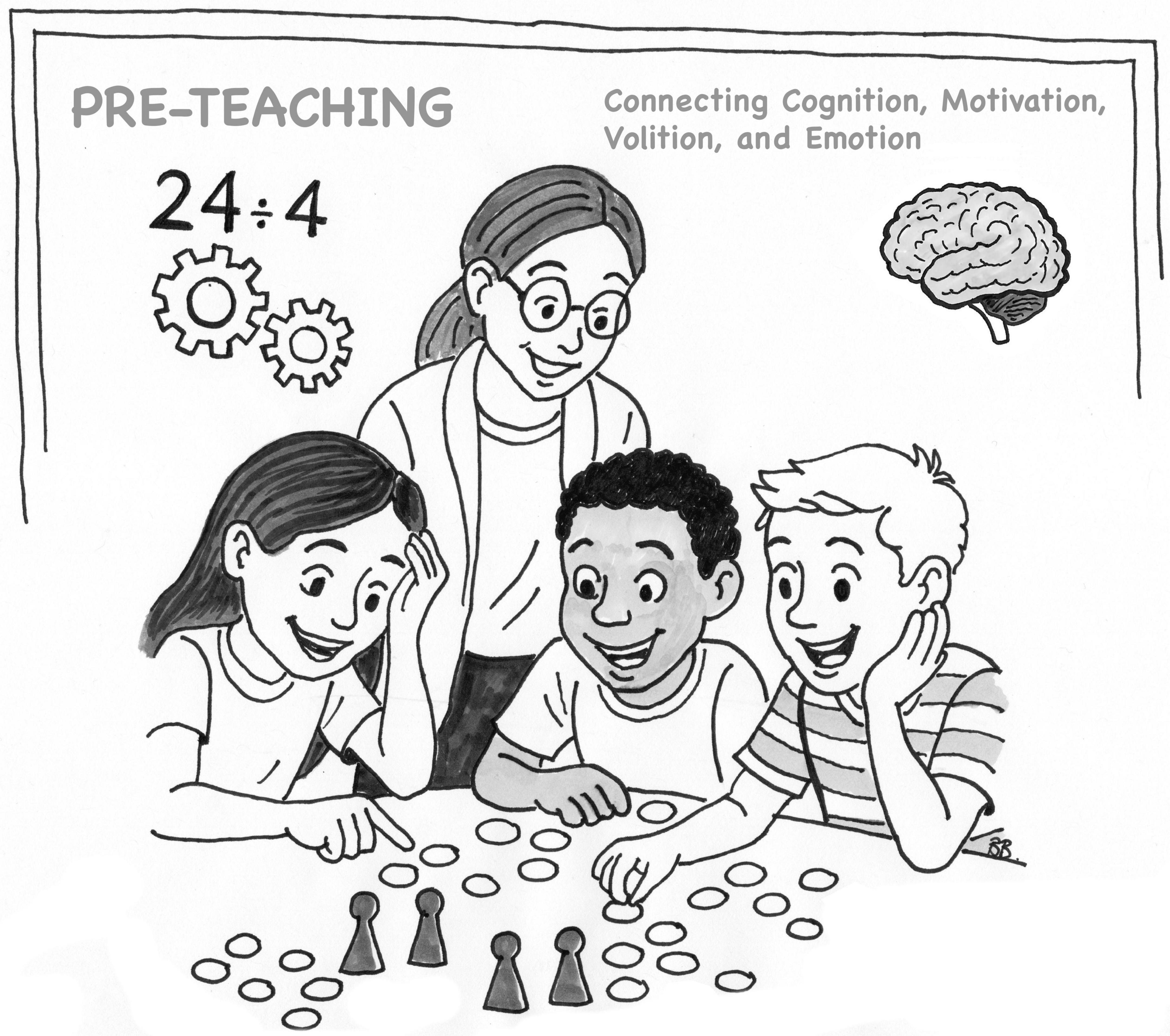
Figure 1. Pre-teaching according to the INVO model - supporting successful learning by connecting cognitive (prior knowledge, learning strategies, working memory) with motivational-volitional (motivation and self-concept, volitional and emotions learning) processes (figure created by author).
4 The effectiveness of pre-teaching in enhancing individual learning
Evidence-based teaching methods integrate established theoretical frameworks with findings from well-designed empirical studies, while also considering relevant local and situational conditions. As outlined above, theories from learning psychology as well as motivational and volitional concepts, suggests that pre-teaching can improves the effectiveness of individualized learning and thus contribute to better learning outcomes. However, these theoretical assumptions need to be underpinned by empirical evidence to validate the effectiveness of the pre-teaching method. Table 1 provides a selection of studies that have examined the effectiveness of pre-teaching.
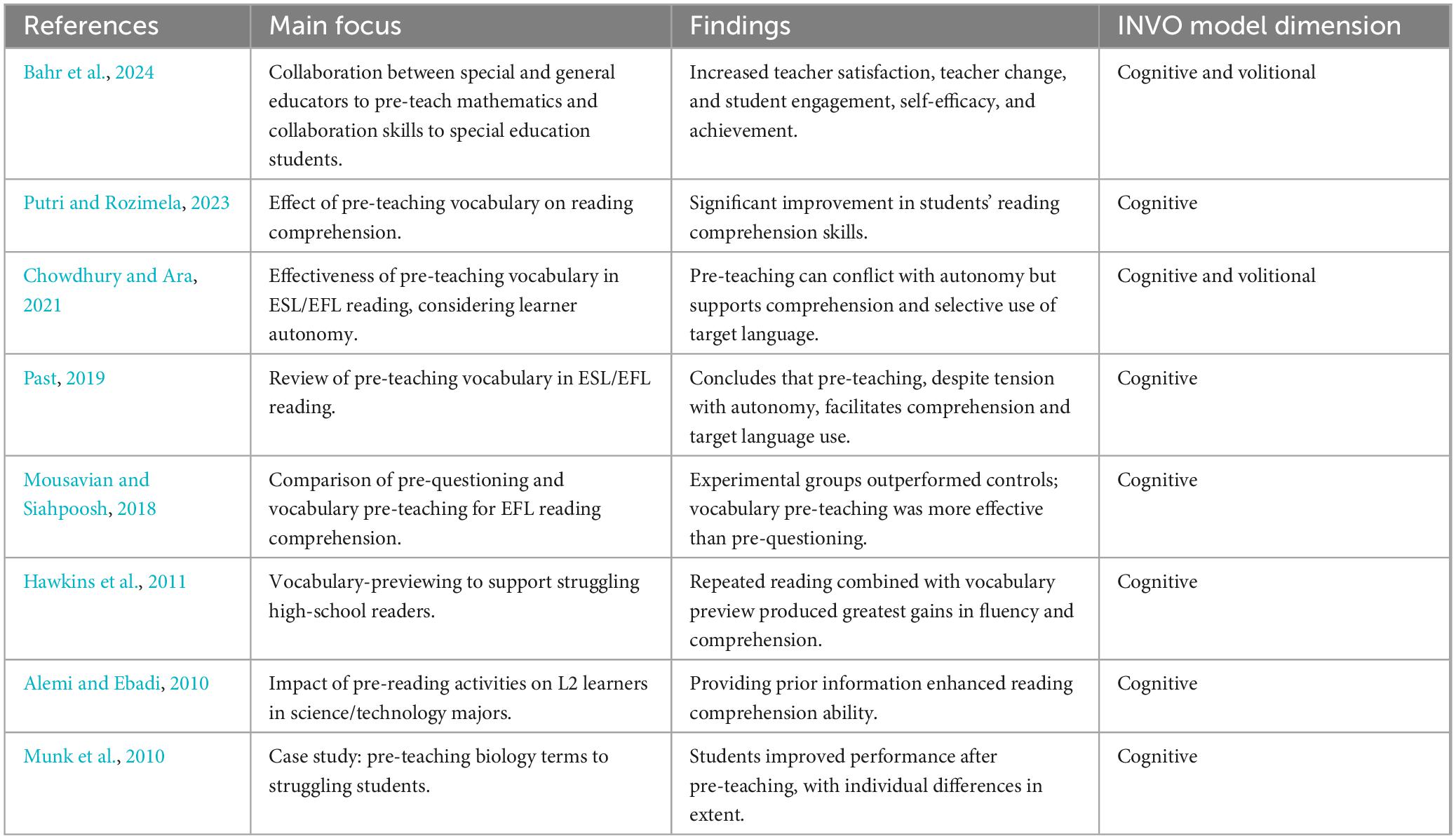
Table 1. Selected studies focusing on learning success with pre-teaching method.
Several studies confirm the effectiveness of pre-teaching in clearly defined subject areas such as language learning or the development of reading and writing skills. However, research on pre-teaching has focused predominantly on vocabulary teaching (e.g., Hawkins et al., 2011; Mousavian and Siahpoosh, 2018; Past, 2019). In addition, some of these studies have small sample sizes, and the cognitive outcomes of pre-teaching have been investigated more extensively than motivational, volitional, or emotional outcomes.
Consequently, there is limited research on how pre-teaching affects the interaction between cognitive and motivational-volitional aspects. Therefore, particularly with regard to learning motivation, self-concept, and the associated emotional and volitional aspects of successful learning and behavior, and thus the overall effectiveness of pre-teaching, it is not yet possible to make a well-founded statement based on the available data, even though some studies mention approaches in this direction. For example, Bahr et al. (2024) show that pre-teaching led to high teacher satisfaction, a fundamental change in teaching practices, and an increase in student engagement, self-efficacy, and performance. Munk et al. (2010) also mention in their summary that the biology vocabulary interventions strengthened students’ confidence in their ability to perform. It will therefore be necessary to conduct robust experimental studies on the effectiveness of the pre-teaching approach for successful learning from a more global and broader perspective, focusing on both academic and cross-curricular learning.
5 Discussion
From the perspective of inclusive education, the elements of development-related orientation, internal differentiation, and cooperative learning activities (Müller Bösch and Schaffner Menn, 2021) are key components of effective teaching. In this context, the INVO model (Hasselhorn and Gold, 2022) provides a theoretical framework that integrates cognitive, motivational-volitional, and emotional dimensions of learning. Pre-teaching is presented as a promising method for establishing the individual prerequisites for successful learning. It helps learners develop the necessary cognitive, metacognitive, motivational, volitional, and emotional foundations before engaging with new content. As outlined in the previous sections show how this approach can promote both subject-specific and transdisciplinary skills – also known as life skills – through targeted preparation. In this way pre-teaching brings students closer to their individual zone of proximal development (ZPD) as described by Vygotsky (1978), and thus facilitate active participation in differentiation-friendly instruction.
This convergence is far-reaching and should be considered from the perspective of collaborative, inclusive learning. For learners with mild learning difficulties or those who are unfamiliar with the national language due to a different mother tongue, pre-teaching can serve as a compensatory measure, while children with more severe impairments can participate in a thematic class discussion by learning necessary gestures or recognizing pictograms. The goal is therefore not to bring everyone up to the same “level,” but to create a basis on which students can learn constructively from and with each other by contributing their own insights to the shared lesson and experiencing real opportunities for participation by working together on meaningful learning tasks. The explanations in the article also show how important it is in learning processes not only to have factual knowledge, but that children with learning difficulties in particular need support in the areas of action planning, control and regulation (metacognition, motivation) as well as emotion and stress regulation.
At the level of teacher collaboration, Munk et al. (2010) emphasize that implementing pre-teaching in a co-teaching or collaborative setting also promotes effective collaboration between classroom and subject teachers which is another benefit for fostering successful learning outcomes.
In Section 2 we outlined possible areas of application for the pre-teaching method. However, it’s actual implementation depends largely on country-specific circumstances. As such, further practical guidance tailored to individual school systems is needed. For example, countries where schools offer afternoon or afterschool programs have opportunities to integrate parts of pre-teaching into these lessons. In countries without this option, but with special education teachers, for example, variations must be found within the framework of regular lessons. Country-specific implementation guidelines for teachers should therefore be supplemented by concrete examples from school practice.
Although the results indicate that pre-teaching can have positive effects on students in terms of content, satisfaction, and optimism, further research is needed to draw more generalizable statements. To date, many studies have focused on specific subject areas or isolated aspects of the method, highlighting the need for broader empirical investigations.
While there is wealth of research on teaching vocabulary, there are few studies on the application of the method in other subject areas. This underscores a compelling need for studies examine the use of the pre-teaching method in a broader range of teaching context and subjects. In addition, methodologically robust, quasi-experimental research with a sufficiently large sample size is needed to investigate the long-term effects of pre-teaching in different educational settings and with different groups of learners. These studies should take into account interdisciplinary areas and the context in which learning takes place. This raises the important question of whether pre-teaching, when implemented in different areas and supported by caring and attentive teachers can enhance positive emotions and enables every learner, regardless of their individual learning requirements, to actively contribute to the learning community.
In summary, pre-teaching has emerged as a promising pedagogical approach that is consistent with and complementary to the principles of individualized learning. By connecting cognitive and motivational-volitional aspects, it has the potential to increase student engagement and achievement. Empirical results show that pre-teaching promotes self-regulated learning by providing students with the necessary cognitive skills and strategies to effectively manage their learning processes. In addition, pre-teaching strengthens extrinsic and intrinsic motivation by helping students recognize the relevance of learning content in advance. These motivational gains, in turn, promote deeper engagement with the material, improve self-efficacy and independence to participate in classroom activities with greater confidence and autonomy, and lead to better learning outcomes.
Author contributions
BB: Conceptualization, Writing – original draft, Writing – review & editing, Methodology, Validation, Project administration, Visualization. SA: Conceptualization, Writing – original draft, Writing – review & editing, Methodology, Validation, Project administration. CM: Writing – review & editing, Methodology, Validation, Project administration, Supervision.
Funding
The author(s) declare that no financial support was received for the research and/or publication of this article.
Conflict of interest
The authors declare that the research was conducted in the absence of any commercial or financial relationships that could be construed as a potential conflict of interest.
Generative AI statement
The authors declare that no Generative AI was used in the creation of this manuscript.
Any alternative text (alt text) provided alongside figures in this article has been generated by Frontiers with the support of artificial intelligence and reasonable efforts have been made to ensure accuracy, including review by the authors wherever possible. If you identify any issues, please contact us.
Publisher’s note
All claims expressed in this article are solely those of the authors and do not necessarily represent those of their affiliated organizations, or those of the publisher, the editors and the reviewers. Any product that may be evaluated in this article, or claim that may be made by its manufacturer, is not guaranteed or endorsed by the publisher.
References
Alemi, M., and Ebadi, S. (2010). The effects of pre-reading activities on ESP reading comprehension. J. Lang. Teach. Res. 1, 569–577. doi: 10.4304/jltr.1.5.569-577
Anders, P. L., and Bos, C. S. (1986). Semantic feature analysis - an interactive strategy for vocabulary development and text comprehension. J. Read. 29, 610–616.
Ardasheva, Y., Carbonneau, K. J., Roo, A. K., and Wang, Z. (2018). Relationships among prior learning, anxiety, self-efficacy, and science vocabulary learning of middle school students with varied English language proficiency. Learn. Individ. Differ. 61, 21–30. doi: 10.1016/j.lindif.2017.11.008
Ausubel, D. P. (1968). Educational psychology a cognitive view. Austin, TX: Holt Rinehart and Winston.
Bahr, D. L., Erin Feinauer, W., and Charlton, C. T. (2024). Enhancing access to general education mathematics instruction through special education preteaching: Special education-general education teacher collaboration. Prevent. Sch. Failure 68, 175–182. doi: 10.1080/1045988X.2023.2195362
Berg, J. L., and Wehby, J. (2013). Preteaching strategies to improve student learning in content area classes. Intervent. Sch. Clin. 49, 14–20. doi: 10.1177/1053451213480029
Bos, C. S., Anders, P. L., Filip, D., and Jaffe, L. E. (1989). The effects of an interactive instructional strategy for enhancing reading comprehension and content area learning for students with learning disabilities. J. Learn. Disabil. 22, 384–390. doi: 10.1177/002221948902200611
Brägger, G., and Badura, B. (2008). Bildung und Gesundheit: Argumente für eine gute und gesunde Schule. [Education and health: Arguments for a good and healthy school]. Bern: Hep Verlag. German
Brown, A. L. (1984). “Metakognition, Handlungskontrolle, Selbststeuerung und andere, noch geheimnisvollere Mechanismen. [Metacognition, action control, self-regulation, and other, even more mysterious mechanisms],” in Metakognition, motivation und lernen, eds F. E. Weinert and R. H. Kluwe (Stuttgart: Kohlhammer), 60–109. German
Brühwiler, C., Helmke, A., and Schrader, F.-W. (2017). “Determinanten der Schulleistung. [Determinants of school performance],” in Lehrer-Schüler-Interaktion: Inhaltsfelder, Forschungsperspektiven und methodische Zugänge, ed. M. K. W. Schweer (Berlin: Springer Fachmedien Wiesbaden), 291–314. doi: 10.1007/978-3-658-15083-9_13
Buff, A., Reusser, K., Rakoczy, K., and Pauli, C. (2011). Activating positive affective experiences in the classroom: “Nice to have” or something more? Learn. Instruct. 21, 452–466. doi: 10.1016/j.learninstruc.2010.07.008
Cantrell, R. J., Fusaro, J. A., and Dougherty, E. A. (2000). Exploring the effectiveness of journal writing on learning social studies: A comparative study. Read. Psychol. 21, 1–11. doi: 10.1080/027027100278310
CASEL Framework (2025). Collaborative for Academic, Social, and Emotional Learning (CASEL). Chicago, IL: CASEL Framework.
Cawley, J., Hayden, S., Cade, E., and Baker-Kroczynski, S. (2002). Including students with disabilities into the general education science classroom. Except. Child. 68, 423–435. doi: 10.1177/001440290206800401
Chowdhury, T., and Ara, A. (2021). Pre-teaching vocabulary in teaching reading skill: A hindrance to learner autonomy? Indon. TESOL J. 3, 123–132. doi: 10.24256/itj.v3i2.1818
Christen, W. L., and Murphy, T. J. (1991). Increasing comprehension by activating prior knowledge. Stockholm: ERIC Digest.
Corno, L. (2008). On teaching adaptively. Educ. Psychol. 43, 161–173. doi: 10.1080/00461520802178466
Deci, E. L., and Ryan, R. M. (2000). The “what” and “why” of goal pursuits: Human needs and the self-determination of behavior. Psychol. Inquiry 11, 227–268. doi: 10.1207/S15327965PLI1104_01
D-EDK (2016). Lehrplan 21 - von der D-EDK Plenarversammlung am 31.10.2014 zur Einführung in den Kantonen freigegebene Vorlage. Bereinigte Fassung vom 29.02.2016. Deutschschweizer Erziehungsdirektorinnen und -direktoren-Konferenz (D-EDK). [Curriculum 21 — draft approved for implementation in the cantons by the D-EDK plenary assembly on October 31, 2014. Revised version of February 29, 2016. Conference of German-speaking Swiss Cantonal Directors of Education (D-EDK)]. Delhi: D-EDK. German
Delgrande Jordan, M., and Eichenberger, Y. (2016). “Die psychische Gesundheit von kindern und Jugendlichen im Schulalter (oblig. Schulzeit). [The mental health of children and adolescents of school age (compulsory schooling)],” in Psychische Gesundheit über die Lebensspanne, eds M. Blaser and F. Amstad (Switzerland: Gesundheitsförderung Schweiz), 58–69. German
Dumont, H., Decristan, J., and Fauth, B. (2024). Adaptiver Unterricht erfordert eine adaptive Unterrichtsforschung. Unterrichtswissenschaft 52, 199–211. doi: 10.1007/s42010-024-00198-1
Eurydice (2025). Teaching and learning in primary education. Brussels: European Education and Culture Executive Agency [Eurydice].
Evans, P., Vansteenkiste, M., Parker, P., Kingsford-Smith, A., and Zhou, S. (2024). Cognitive load theory and its relationships with motivation: A self-determination theory perspective. Educ. Psychol. Rev. 36:7. doi: 10.1007/s10648-023-09841-2
Fernstrom, P., and Goodnite, B. (2000). Accommodate student diversity in the general education social studies classroom. Intervent. Sch. Clin. 35, 244–245. doi: 10.1177/105345120003500408
Finnish National Agency for Education (2020). National core curriculum for basic education 2014. [National core curriculum for basic education 2014], 2nd Edn. Helsinki: Finnish National Agency for Education. German
Flavell, J. H., Miller, P. H., and Miller, S. A. (2002). Cognitive development, 4th Edn. Hoboken, NJ: Prentice-Hall.
Gogolin, I. (2014). Stichwort: Entwicklung sprachlicher Fähigkeiten von Kindern und Jugendlichen im Bildungskontext. [Keyword: Development of language skills in children and adolescents in an educational context]. Zeitschrift Fur Erziehungswissenschaft 17, 407–431. doi: 10.1007/s11618-014-0569-3. German
Hasselhorn, M., and Gold, A. (2022). Pädagogische Psychologie erfolgreiches Lernen und Lehren. [Educational psychology: successful learning and teaching], 5th Edn. Germany: Kohlhammer Verlag. German
Hattie, J. (2009). Visible learning. A synthesis of over 800 meta-analyses relating to achievement. England: Routledge.
Hattie, J., Wernke, S., and Zierer, K. (2024). Visible learning 2.0. Germany: Schneider Verlag Hohengehren.
Hawkins, R. O., Hale, A. D., Sheeley, W., and Ling, S. (2011). Repeated reading and vocabulary-previewing interventions to improve fluency and comprehension for struggling high-school readers. Psychol. Sch. 48, 59–77. doi: 10.1002/pits.20545
Heckhausen, H. (1977). Achievement motivation and its constructs: A cognitive model. Motivat. Emot. 1, 283–329. doi: 10.1007/BF00992538
Heckhausen, J., and Heckhausen, H. (2018). Motivation und Handeln. Berlin: Springer, doi: 10.1007/978-3-642-12693-2
Hilliard, L. W., Barnes, K. L., and Hunter, W. C. (2025). Culturally responsive teaching practices for students with emotional and behavioral disorders. Intervent. Sch. Clin. 60, 207–213. doi: 10.1177/10534512241296800
Hirsh, Å, Nilholm, C., Roman, H., Forsberg, E., and Sundberg, D. (2022). Reviews of teaching methods – which fundamental issues are identified? Educ. Inquiry 13, 1–20. doi: 10.1080/20004508.2020.1839232
Jaakkola, E. (2020). Designing conceptual articles: Four approaches. AMS Rev. 10, 18–26. doi: 10.1007/s13162-020-00161-0
Keddie, A. (2015). Student voice and teacher accountability: Possibilities and problematics. Pedagogy Culture Soc. 23, 225–244. doi: 10.1080/14681366.2014.977806
Kirchhoff, E., and Keller, R. (2021). Age-Specific life skills education in school: A systematic review. Front. Educ. 6:660878. doi: 10.3389/feduc.2021.660878
Kirchhoff, E., Keller, R., and Blanc, B. (2024). Empowering young people—the impact of camp experiences on personal resources, well-being, and community building [Original Research]. Front. Psychol. 15:1348050. doi: 10.3389/fpsyg.2024.1348050
Kirschner, P. A., John, S., and Clark, R. E. (2006). Why minimal guidance during instruction does not work: An analysis of the failure of constructivist, discovery, problem-based, experiential, and inquiry-based teaching. Educ. Psychol. 41, 75–86. doi: 10.1207/s15326985ep4102_1
Klieme, E. (2020). “Guter Unterricht - auch und besonders unter Einschränkungen der Pandemie? [Teaching quality - also and especially under the constraints of the pandemic?]. [Good teaching - even and especially under pandemic restrictions?],” in Langsam vermisse ich die Schule”. Schule während und nach der Corona-Pandemie, Vol. 16, (Bedford Heights, OH: Waxmann), 117–135. German
Lerner, J. W. (1997). Learning disabilities: Theories, diagnosis, and teaching strategies. Boston, MA: Houghton Mifflin.
Ling, K. (2021). “Unterstützte Kommunikation. [Supported communication],” in Inklusive Pädagogik und Didaktik, 2nd Edn, eds A. Kunz, R. Luder, and C. Müller Bösch (Bern: Hep Verlag), 281–289. German
Luder, R., Kunz, A., and Keller, R. (2022). Editorial: Inclusive healthy schools. Front. Educ. 6:834359. doi: 10.3389/feduc.2021.834359
Mamas, C., Cohen, S. R., and Holtzman, C. (2024). Relational inclusivity in the elementary classroom: A teacher’s guide to supporting student friendships and building nurturing communities, 1st Edn. England: Routledge, doi: 10.4324/9781003398738
McElvany, N., Ohle, A., El-Khechen, W., Hardy, I., and Cinar, M. (2017). Förderung sprachlicher Kompetenzen - Das Potenzial der Familiensprache für den Wortschatzerwerb aus Texten. [Promoting language skills - the potential of the family language for vocabulary acquisition from texts]. Zeitschrift pädagogische Psychol. 31, 13–25. doi: 10.1024/1010-0652/a000189. German
Ministry of Education of Ontario (2019). The Ontario curriculum: Health and physical education. Toronto, ON: Ministry of Education of Ontario.
Mousavian, S., and Siahpoosh, H. (2018). The effects of vocabulary pre-teaching and pre-questioning on intermediate Iranian EFL learners’ reading comprehenstion ability. Int. J. Appl. Linguist. Eng. Literature 7, 58–63.
Müller Bösch, C., and Schaffner Menn, A. (2021). “Inklusiver Unterricht: Lernen in einem universellen Design am gemeinsamen Gegenstand. [Inclusive teaching: Learning in a universal design using a common subject.],” in Inklusive Pädagogik und Didaktik, 2nd Edn, eds A. Kunz, R. Luder, and C. Müller Bösch (Bern: Hep Verlag), 93–119. German
Munk, J. H., Gibb, G. S., and Caldarella, P. (2010). Collaborative preteaching of students at risk for academic failure. Intervent. Sch. Clin. 45, 177–185. doi: 10.1177/1053451209349534
Neugebauer, C. (2023). Förderung der Sprachkompetenz in allen Fachbereichen als Schlüssel zum Schulerfolg. Schulinterne Weiterbildung zu sprachbewusstem Fachunterricht. [Promoting language skills across all subjects as the key to academic success. In-house professional development for language-aware subject teaching.]. Switzerland: Leseforum.ch. doi: 10.58098/lffl/2023/1/781. German
O’Donnell, P., Weber, K. P., and McLaughlin, T. F. (2003). Improving correct and error rate and reading comprehension using key words and previewing: A case report with a language minority student. Educ. Treatment Child. 26, 237–254.
OECD (2019). OECD future of education and skills 2030. Conceptual learning framework. Concept note: Skills for 2030. Paris: Organisation for Economic Co-operation and Development (OECD).
Past, T. (2019). Pre-Teaching vocabulary for improving reading comprehension. Temple Univ. Japan Stud. Appl. Linguist. 122, 37–46.
Piaget, J. (1974). Der Aufbau der Wirklichkeit beim Kinde. [The construction of reality in children]. Germany: Klett. German
Pintrich, P. R. (2000). “The role of goal orientation in self-regulated learning,” in Handbook of self-regulation, eds M. Boekaerts, P. R. Pintrich, and M. Zeidner (San Diego, CA: Academic Press), doi: 10.1016/B978-012109890-2/50043-3
Pressley, M., Borkwski, J. G., and Schneider, W. (1989). Good information processing: What it is and how education can promote it. Int. J. Educ. Res. 13, 857–867. doi: 10.1016/0883-0355(89)90069-4
Pressley, M., and Harris, K. R. (2006). “Cognitive strategies instruction: From basic research to classroom instruction,” in Handbook of educational psychology, eds P. A. Alexander and P. H. Winne (Mahwah, NJ: Lawrence Erlbaum Associates Publishers), 265–286.
Putri, P. R., and Rozimela, Y. (2023). The effect of pre-teaching vocabulary in teaching reading skill to improve students’. reading comprehension. J. Eng. Lang. Teach. 12, 237–244. doi: 10.24036/jelt.v12i1.121804
Ruddell, R. B. (2002). Teaching children to read and write: Becoming an effective literacy teacher. Boston, MA: Allyn and Bacon.
Schiefele, U., and Pekrun, R. (1997). “Psychologische Modelle des fremdgesteuerten und selbstgesteuerten Lernens. [Psychological models of externally directed and self-directed learning],” in Enzyklopädie der Psychologie. Band 2: Psychologie des Lernens und der Instruktion, ed. Weinert, F. E. (Germany: Hogrefe), 249–278. German
Schunk, D. H. (2020). Learning theories: An educational perspective, 8th Edn. London: Pearson Education Inc.
Schunk, D. H., Meece, J. L., and Pintrich, P. R. (2013). Motivation in education: Theory, research, and applications, 4th Edn. London: Pearson.
Sweller’s, J. (2003). “Evolution of human cognitive architecture,” in The psychology of learning and motivation: Advances in research and theory, ed. B. H. Ross (Amsterdam: Elsevier Science).
Toyama, M., and Yamazaki, Y. (2021). Classroom interventions and foreign language anxiety: A systematic review with narrative approach. Front. Psychol. 12:614184. doi: 10.3389/fpsyg.2021.614184
Vavrus, M. (2008). “Culturally responsive teaching,” in Proceedings of the 21st century education: A reference handbook, ed. T. L. Good (London: SAGE Publications), doi: 10.4135/9781412964012.n56
Vygotsky, L. S. (1978). Mind in society: The development of higher psychological processes. Cambridge, MA: Harvard University Press.
Walkington, C., and Bernacki, M. L. (2020). Appraising research on personalized learning: Definitions, theoretical alignment, advancements, and future directions. J. Res. Technol. Educ. 52, 235–252. doi: 10.1080/15391523.2020.1747757
Watt, S. J. (2013). Teaching algebra-based concepts to students with learning disabilities: The effects of preteaching using a gradual instructional sequence. Doctoral thesis, Iowa City, IA: The University of Iowa, doi: 10.17077/etd.7vklthb0
Weinert, F. E. (2001). “Concept of competence: A conceptual clarification,” in Definition and selection of competencies – theoretical and conceptual foundations, eds D. S. Rychen and L. H. Salganik (Germany: Hogrefe & Huber Publishers), 33–66.
Weinert, F. E. (2014). “Vergleichende Leistungsmessung in Schulen - eine umstrittene Selbstverständlichkeit. [Comparative performance measurement in schools - a controversial given],” in Leistungsmessungen in Schulen, 3rd Edn, ed. F. E. Weinert (Germany: Beltz), 17–31. German
Wellnitz, N., and Mayer, J. (2008). Evaluation von Kompetenzstruktur und -niveaus zum Beobachten, Vergleichen, Ordnen und Experimentieren. Erkenntnisweg Biologiedidaktik 129–143.
WHO (1994). Life skills education for children and adolescents in schools. Introduction and guidelines to facilitate the development and implementation of life skills programmes. Geneva: World Health Organization.
WHO (2003). Skills for health skills-based health education including life skills: An important component of a child-friendly/health-promoting school. in information series on school health, Document 9. Geneva: World Health Organization.
Zeeb, H., and Voss, T. (2025). Fostering preservice teachers’ research-related beliefs and motivation with growth mindset and utility value interventions. Motivat. Sci. 11, 84–100. doi: 10.1037/mot0000352
Keywords: pre-teaching, individualized learning, metacognitive strategies, life skills, inclusive education, culturally sensitive teaching, special educational needs
Citation: Blanc B, Aydan S and Mamas C (2025) Pre-teaching to enhance inclusive learning: connecting cognition, motivation, volition, and emotion. Front. Educ. 10:1636343. doi: 10.3389/feduc.2025.1636343
Received: 25 June 2025; Accepted: 29 October 2025;
Published: 17 November 2025.
Edited by:
Vitor Franco, University of Evora, PortugalReviewed by:
Erika Galea, University of Malta, MaltaJan Kuhl, Technical University Dortmund, Germany
Copyright © 2025 Blanc, Aydan and Mamas. This is an open-access article distributed under the terms of the Creative Commons Attribution License (CC BY). The use, distribution or reproduction in other forums is permitted, provided the original author(s) and the copyright owner(s) are credited and that the original publication in this journal is cited, in accordance with accepted academic practice. No use, distribution or reproduction is permitted which does not comply with these terms.
*Correspondence: Christoforos Mamas, Y21hbWFzQHVjc2QuZWR1