 Julia Lademann
 Jannik Henze
 Nadine Honke
 Caroline Wollny
 Sebastian Becker-Genschow
- 1Digital Education Research, Faculty of Mathematics and Natural Sciences, University of Cologne, Cologne, Germany
- 2Institute for Physics Education, Faculty of Mathematics and Natural Sciences, University of Cologne, Cologne, Germany
The rapid integration of artificial intelligence (AI) in education requires teachers to develop AI competencies while preparing students for a society influenced by AI. This study evaluates the impact of an online teacher training program on German in-service teachers’ AI literacy, usage behaviors, and attitudes toward AI. A pre-post design study was conducted with teachers (N = 436 for attitude assessment, among whom NL = 291 teachers for AI literacy) participating in the course. The program combined synchronous and asynchronous learning formats, including webinars, self-paced modules, and practical projects. The participants exhibited notable improvements across all domains: AI literacy scores increased significantly, and all attitude items regarding AI usage and integration demonstrated significant positive changes. Teachers reported increased confidence in AI integration. Structured teacher training programs effectively enhance AI literacy and foster positive attitudes toward AI in education.
1 Introduction
Since ChatGPT was released in 2022, there has been increasing interest in Artificial Intelligence (AI), particularly in the domain of generative AI. AI has become highly prominent in educational contexts (Fissore et al., 2024; Küchemann et al., 2024; Wollny et al., 2021). The rapid pace at which AI has entered educational settings presents school systems with unprecedented challenges that differ fundamentally from those posed by previous digital tools, necessitating a swift response from the research community (Dunnigan et al., 2023).
Research has identified numerous advantages of AI use in education (Adiguzel et al., 2023; Küchemann et al., 2025; Neumann et al., 2024). For students, AI enhances personalized learning experiences, improves accessibility for diverse learners, and provides digital learning assistance for research and writing tasks (Kasneci et al., 2023). Teachers benefit from AI support in lesson planning, generation of differentiated learning materials, writing personalized feedback, and increased efficiency in administrative tasks, allowing them to focus more on pedagogical interactions with students (Neumann et al., 2024; Seßler et al., 2023; Zhai, 2023b; Zheng et al., 2023).
To leverage these advantages effectively, teachers play a pivotal role. They are responsible not only for incorporating AI into their own teaching practice, but also for preparing students for a society increasingly influenced by AI technologies (Dolezal et al., 2025). However, the complexity of AI as a broader concept complicates teacher education in this domain, in contrast to the introduction of other digital tools such as calculators or specific learning platforms (Dunnigan et al., 2023).
The successful integration of AI in education depends heavily on teachers’ initial perspectives and attitudes toward these technologies (Kaplan-Rakowski et al., 2023; Sugar et al., 2004). Therefore, educators must develop not only AI literacy but also positive attitudes toward AI and its educational applications. Moreover, understanding fundamental principles of AI becomes crucial for identifying potential risks and leveraging its benefits effectively (Moura and Carvalho, 2024).
Despite the demonstrated efficacy of AI tools in supporting teachers’ professional practice (Neumann et al., 2024; Zhai, 2023a), research addressing teachers’ attitudes toward AI and its potential for teaching practices remains limited (Nazaretsky et al., 2022). This gap highlights the need for targeted professional development programs and systematic evaluation of their effectiveness in enhancing both teachers’ AI literacy and their willingness to incorporate AI tools into their teaching practice.
The present study addresses this research gap by evaluating the impact of an online training program on in-service teachers’ AI literacy and their perspectives on various AI-related topics. Specifically, in addition to measuring the effect on the teachers’ AI literacy, the study examines their usage behavior (present and future), attitudes related to educational AI use, and the teachers’ preparedness to incorporate AI into their lessons and lesson planning.
2 Materials and methods
2.1 State of research
2.1.1 AI literacy
The term “AI literacy “is widely used and there are different approaches to conceptualizing it (Laupichler et al., 2022). The present study aligns with the established framework proposed by Long and Magerko (2020)which characterizes AI literacy not solely as the possession of fundamental knowledge about AI but rather as “a set of competencies that enables individuals to critically evaluate AI technologies; communicate and collaborate effectively with AI; and use AI as a tool online, at home, and in the workplace”. This definition reflects a shift from passive knowledge acquisition to active competency development, acknowledging that effective AI literacy requires both understanding and practical application skills. The framework encompasses 17 competencies, organized around five fundamental questions (What is AI? What can AI do? How does AI work? How should AI be used? And How do people perceive AI?).
The AI literacy test employed in this study was developed based on the aforementioned conceptualization of AI literacy, ensuring its applicability across diverse educational context and participants backgrounds (Hornberger et al., 2023).
It is important to note that AI literacy exists within a broader ecosystem of digital competencies. While closely related to concepts such as digital literacy and computational thinking, AI literacy specifically addresses the unique challenges and opportunities presented by intelligent systems that can adapt, learn, and make autonomous decisions.
Research suggests that educators play an important role in fostering AI literacy among learners (Dunnigan et al., 2023). This responsibility necessitates that educators themselves possess a certain degree of AI literacy to effectively integrate these technologies into their pedagogical practice and their curriculum while maintaining critical perspectives on their use.
2.1.2 AI in education
AI has the potential to transform the traditional way of teaching and learning, leading to a growing interest in research concerning the domain of AI in education (Celik et al., 2022; Popenici and Kerr, 2017). Studies demonstrate acceptance and utilization of AI in educational settings (Chen et al., 2020; Fissore et al., 2024), with school leaders recognizing generative AI’s positive potential for their institutions (Dunnigan et al., 2023). Educators acknowledge that generative AI could enhance their professional development and reduce their workload while serving as a valuable tool for students (Cojean et al., 2023; Kaplan-Rakowski et al., 2023; Ng et al., 2025).
Despite this promising outlook, the implementation of these practices remains limited. A 2025 study revealed that less than half of the surveyed teachers currently employ AI tools in daily practice (Cheah et al., 2025). The findings indicate that teachers primarily employ AI applications for lesson planning, creating exercises, and adapting content for diverse student groups, followed by its usage for grading and assessment.
In contrast, student adoption exceeds teacher usage. While teachers have not yet actively promoted student engagement with AI tools (Galindo-Domínguez et al., 2024b), students themselves are already using these technologies frequently (Higgs and Stornaiuolo, 2024; Kotchetkov and Trevor, 2025). A study conducted at European schools shows 74% of students believe AI will play an important role in their future careers, and 66% believe that access to AI is significant for their success in school. Among AI tools, 48% of European students identify ChatGPT as their primary choice (Vodafone Stiftung, 2025).
AI chatbots as personal assistant provide learners with individualized feedback and adapt to specific learning difficulties by addressing student questions (Adiguzel et al., 2023; Kasneci et al., 2023; Neumann et al., 2024). It has been demonstrated that these tools enhance student performance (Wu and Yu, 2024) and promote productivity and motivation (Fauzi et al., 2023; Küchemann et al., 2025). Notably, learning with explanations generated by an AI chatbot fosters situational interest, positive emotions, and self-efficacy expectations while reducing cognitive load (Lademann et al., 2025).
The high number of students already using AI suggests that they are not averse to incorporating it into academic and daily life. However, there is a possibility that they may possess a deficiency in knowledge regarding ethical considerations and safe utilization of AI tools. Survey results show only 30% of students report being “somewhat familiar” with AI, while merely 11% indicated being “very familiar” (Vodafone Stiftung, 2025). This highlights the necessity of educating teachers about responsible AI utilization and associated risks, including data protection concerns, AI biases, deepfakes, and AI hallucination (Akgun and Greenhow, 2022; Karan and Angadi, 2023; Krupp et al., 2024).
Educators face a dual responsibility: developing their own AI competency for effective interaction with these tools while empowering students to engage safely and responsibly with AI technologies (Fissore et al., 2024; Moura and Carvalho, 2024). This is amplified by the observation that technology integration methods matter more than technology itself (Cheah et al., 2025; Crawford et al., 2023; OECD, 2015), underlining educator’s crucial role in incorporating novel digital tools into the classroom environment and guiding students for future digital landscapes.
Teachers must develop familiarity with fundamental concepts related to AI, computational thinking, and machine learning principles (Asunda et al., 2023). In addition, teachers must possess the ability to comprehend various AI applications and identify appropriate tools for specific contexts across diverse grade levels, curricula, and subject areas (Cheah et al., 2025). However, research indicates that teachers are not adequately prepared to integrate generative AI into daily practice (Cheah et al., 2025). Notably, 68% of students believe teacher AI competency depends on chance rather than systematic preparation (Vodafone Stiftung, 2025), underscoring the urgent need for increased training opportunities in the field of AI literacy.
Understanding how to address these preparation gaps requires examining the relationship between knowledge and attitudes. Research reveals a positive correlation between teachers’ AI literacy and their attitudes toward AI technologies (Galindo-Domínguez et al., 2024a; Hornberger et al., 2023). Teachers with greater AI knowledge and readiness tend to view these technologies more favorably, suggesting that familiarity reduces apprehension (Wang et al., 2023). This finding implies that professional development programs should focus on building both technical competencies and confidence through hands-on experience with AI tools.
2.1.3 Teacher training programs
The integration of generative AI into educational practice is an impending change requiring collective effort to navigate. Unlike established technologies, AI does not possess a set of established guidelines or a comprehensive manual. Moreover, educators are already confronted with an extensive workload. New digital initiatives in educational settings, particularly in schools, encounter resistance to change, hindering implementation (Dunnigan et al., 2023; Stacey et al., 2023).
Given the insights outlined in section 2.1.2, targeted support for educators for AI integration into their daily pedagogical practices becomes imperative (Bergdahl and Sjöberg, 2025). Teacher training programs represent a valuable opportunity for in-service teacher education about new technologies and addressing academic resistance to the adoption of new technologies (Nazaretsky et al., 2022; Rienties, 2014). Historical patterns show that inadequate teacher training and preparation engenders apprehension and anxiety regarding the integration of technologies in practical applications (Ally, 2019; Kaplan-Rakowski et al., 2023; T. Wang and Cheng, 2021; Yang and Chen, 2023).
As educators become increasingly exposed to AI, they may develop more confidence and motivation to incorporate AI into teaching practices. Teacher attitudes toward artificial intelligence positively correlate with their frequency of utilization of generative AI (Kaplan-Rakowski et al., 2023; Kuleto et al., 2022). Teacher training programs, such as the one evaluated in this study, facilitate controlled integration of new technologies within secure environments and under expert guidance, encouraging the utilization of AI tools while providing feedback and opportunities for self-reflection.
Educators demonstrate profound interest in acquiring AI training AI within educational contexts (Fissore et al., 2024; Ng et al., 2025). However, this interest is not merely superficial; rather, it signifies a critical need to enhance understanding of AI technologies and cultivate practical implementation capacity (Fissore et al., 2024; Lo, 2023). Effective AI training programs should integrate AI literacy with comprehensive understanding of existing AI tool landscapes to prepare teachers for varied scenarios (Galindo-Domínguez et al., 2024b).
Despite this clear need, there is a lack of research on professional teacher training (Sanusi et al., 2023). The objective of the present study is to evaluate whether teacher training programs can enhance AI literacy and whether participants subsequently feel prepared to integrate AI technologies into their teaching. Furthermore, we examine participation’s influence on the utilization of AI by the participants and their assessment of future opportunities and risks. This may indicate whether in-service teachers develop confidence in the utilization of generative AI, thereby reducing fears while preparing them to incorporate AI into daily work and student instruction.
2.2 Research questions
The current state of research implies that further studies in this still new and under-researched area are both useful and imperative. Teacher training programs present an opportunity to educate in-service teachers about new technologies while addressing existing academic resistance and reducing anxiety regarding the integration of these technologies in educational contexts. However, further inquiry is necessary to gain a more comprehensive understanding of the impact of specific teacher training programs regarding AI. As previously stated in section 2.1.2, it has been demonstrated that AI literacy and positive attitudes toward AI technologies have a significant impact on the preparedness and the willingness of teachers to incorporate AI into their daily teaching practice. Nonetheless, at this juncture, the question remains as to whether training programs on AI in general and the examined training program in particular can positively influence the aforementioned aspects. In this study, an evaluation of a teacher training program for in-service teachers of all subjects and school forms in Germany was conducted (The structure of the training program is delineated in section 2.3.1.3). The objective of the present study is to address the following key research questions:
How does participation in the training program affect the participants’
RQ1: … AI literacy, both generally and within specific competence domains?
RQ2: … current use and intended integration of AI both in their daily lives and in an educational context?
RQ3: … way of assessing future opportunities and risks of AI in an educational context?
2.3 Methods
2.3.1 Study design
2.3.1.1 Sample
A total of N = 436 (male = 86, female = 348, diverse = 2, average age 45.07 (SD 9.68)) teachers completed the questionnaire on attitudes toward AI among whom NL = 291 teachers (male = 60, female = 231, average age 44.08 (SD 9.92)) also completed the questionnaire on AI literacy. The teachers who completed the questionnaire on AI literacy were also included among those who completed the one on attitudes. The teachers were employed in a variety of types of schools throughout Germany. In accordance with standard ethical practice, they were asked to give their informed consent before completing the questionnaires.
Most participants (61.5%) work in secondary education institutions (including academic high schools, comprehensive schools, and vocational colleges). Primary education teachers constituted the second-largest identifiable group (13.5%), while teachers from special needs schools (3.7%) and higher education (1.4%) represented smaller parts of the sample (Table 1). To better understand the professional background of the sample, taught subjects were categorized into academic domains (Table 2). It should be noted here that most teachers teach at least two subjects, so multiple selections were possible in the questionnaire. The sample shows a strong representation of STEM subjects, driven primarily by Mathematics (n = 152) and Computer Science (n = 73). The high number of participants teaching Mathematics or Computer Science suggests a potential self-selection bias towards digital affinities. However, 194 participants (44.5%) stated that they did not teach any of the STEM subjects. This suggests that the sample is not exclusively limited to technically inclined teachers and that the topic of AI also interests teachers from other disciplines.

Table 1. Overview of affiliation with different types of schools.

Table 2. Overview of the subjects taught.
2.3.1.2 Procedure
The study followed a pre-post design and its objective was to evaluate the effects of a professional development program on teachers’ AI-related attitudes and competencies. The training course was implemented in three iterations, each involving a different cohort of participants. Two iterations took place in January/February and May/June 2024, and a third iteration occurred in February/March 2025. In each cycle, the participating teachers completed an online questionnaire once before and once after the training. In the two iterations conducted in 2024, the questionnaire assessed both AI literacy and attitudes toward artificial intelligence. In the 2025 iteration, only attitudes were measured, as the first two rounds had already generated a sufficient dataset on AI literacy.
2.3.1.3 Structure of the training program
In order to address the growing demand for foundational AI competencies in the education sector, the digital professional development platform fobizz offers a four-week online certificate course entitled “Artificial Intelligence in Everyday School and Classroom Practice.” (Supplementary Figure 1). While primarily designed for in-service teachers in primary and secondary education, the course also attracted participants from adult education, higher education, and school administration. The objective of the course was to provide foundational knowledge for the pedagogically efficacious and reflective use of artificial intelligence in school and classroom contexts. The pedagogical concept draws on principles of adult learning, project-based instruction, and collaborative reflection. The course consisted of three components combining synchronous and asynchronous elements:
1. Orientation and conceptual grounding (Kick-off webinar, Day 1)
A mandatory live kick-off session was held on Day 1 to introduce participants to the course structure, learning objectives, and exemplary pedagogical applications of generative AI. The session also served as an interactive space to discuss expectations and raise awareness of both opportunities and challenges associated with AI in schools.
2. Self-paced exploration (Day 1–21)
From Day 1 to Day 21, participants completed the core online module ChatGPT & fobizz AI in Your Classroom, which covered foundational concepts of generative AI, prompt design, data protection, and ethical considerations. Optional asynchronous units enabled deeper exploration of topics such as machine learning, inclusive education with AI, and AI ethics. Additional optional live webinars and workshops provided opportunities to engage with instructors, explore classroom use cases, and participate in Q&A sessions.
3. Project phase (Day 1–21)
Throughout the same period, teachers applied their newly acquired knowledge in a practical project. They could choose between developing a 45–90-min AI-enhanced lesson plan or creating a custom AI assistant tailored to their teaching or administrative context. Optional project workshops offered formative feedback and peer exchange opportunities. Completed lesson plans were published as Open Educational Resources (OER) in the fobizz digital gallery, promoting long-term knowledge sharing among educators.
The final project had to be submitted on Day 21. After the submission deadline, projects were reviewed, and certificates were issued once all mandatory components had been completed and verified. An optional online closing session was held on Day 23 to allow participants to reflect on their learning experiences and discuss remaining questions. The timeline and all components of the course are illustrated in Supplementary Figure 1.
The learning objectives of the course were to enable teachers to:
• understand and critically assess the principles, affordances, and limitations of generative AI;
• use AI tools responsibly and in accordance with data protection requirements;
• integrate AI meaningfully into lesson planning and classroom activities; and
• contribute to the collaborative development of innovative AI-based teaching materials.
Upon fulfilling all mandatory requirements—participation in the kickoff webinar, completion of the core module, and submission of the final project—participants received an accredited certificate corresponding to 20 h of professional development.
2.3.1.4 Engagement measurement
Participant engagement was assessed based on the participation data available through the fobizz learning platform. Engagement tracking was limited to the mandatory components of the course. Specifically, the platform recorded whether participants attended the required live Zoom sessions or, if they were unable to attend synchronously, accessed the corresponding mandatory video recordings. In addition, the submission of the final project was monitored, as it constituted a compulsory requirement for receiving the certificate.
2.3.1.5 Delivery format
All components of the training were delivered fully online via the fobizz learning platform. The combination of asynchronous self-study, synchronous live sessions, and collaborative online exchange supported flexible participation while fostering sustained engagement and reflective practice.
2.3.1.6 Data collection
2.3.1.6.1 AI literacy
A validated questionnaire was utilized to document the current level of knowledge of the participating teachers and to evaluate the impact of the training on this knowledge (Hornberger et al., 2023). The validated questionnaire consists of 29 multiple-choice items1 and one sorting item. These items are designed to assess 14 distinct competencies of AI literacy (Long and Magerko, 2020). Each multiple-choice item has four potential responses, of which 1–4 are considered correct. The participants completed the questionnaire and assessed their level of knowledge on the topic of AI once before and once after the teacher training.
2.3.1.6.2 Attitudes to the subject of AI
The teachers attitudes were also measured once before and once after the participation in the training program. For this purpose, a questionnaire containing eight individual items on attitudes toward AI was developed by the authors and evaluated and selected internally by a group of experts. The questionnaire utilizes a 4-point Likert scale to assess teachers’ agreement. In the course of the data analysis and discussion, each item is considered separately, and no scaling is applied. The examination of the individual items is of exploratory nature. Nonetheless, the items were grouped into two categories to address the research questions RQ2 and RQ3 posed in this study (Table 3).

Table 3. Items and assignment to research question 2 and 3.
2.3.2 Data analysis
The subsequent section outlines the analytical procedures used to address the research questions. All analyses were conducted using R version 4.3.3 (R Core Team, 2024).
Prior to analysis, the dataset was examined for completeness. Participants who did not complete both pre- and post-tests were excluded to ensure the reliability of paired comparisons. AI literacy competency scores were calculated by summing individual item scores within each competency area, while attitude and belief items were analyzed at the individual item level. The overall AI literacy score was computed as the sum of all competency scores.
Data distribution normality was assessed using the Shapiro–Wilk test with a significance level of α = 0.05 (R package “stats,” function “shapiro.test”) (R Core Team, 2024). The overall AI literacy score, individual competency scores and attitude items violated normality assumptions, necessitating the implementation of non-parametric methods for all variables (see Supplementary Tables 1, 2).
To examine significant differences between pre- and post-test measurements, Wilcoxon signed-rank tests were utilized (R package “stats,” function “wilcox.test”) (R Core Team, 2024), as this test is standardized for paired observations with non-normal distributions. All tests were conducted with a significance level of α = 0.05.
Effect sizes were estimated using Cohen’s d and corresponding confidence intervals were computed for all comparisons (R package “effsize,” function “cohen.d”) (Torchiano, 2020). Cohen’s d values were interpreted according to conventional benchmarks: small (d < 0.5), medium (d < 0.8), and large (d ≥ 0.8) effects.
3 Results
This section presents the findings from the pre- and post-test assessments, organized according to the research questions. For the complete results of the Wilcoxon signed-rank test see Supplementary Tables 1, 2.
3.1 AI literacy
The first research question (RQ1) examined changes in participants’ overall AI literacy and across multiple competency domains.
Participants demonstrated a significant improvement in overall AI literacy from pre- to post-test. The mean score increased from 13.15 (SD 5.46) at pre-test to 15.13 (SD 5.14) at post-test (p < 0.001, d = 0.37, 95% CI [0.28, 0.46], small effect size) (Figure 1).

Figure 1. Illustration of the distribution of overall AI literacy scores at pre- and post-test, showing the shift toward higher scores following the intervention.
In order to provide a more detailed understanding of the changes in AI literacy, each competency was analyzed separately. Table 4 presents the descriptive statistics for all measured competencies, including mean scores and standard deviations for both assessment points, along with Wilcoxon test p-values and Cohen’s d effect sizes for significant results. Mean values represent the number of points achieved in each competency, with one point awarded per correctly answered item.

Table 4. Descriptive statistics, p-values, and effect sizes for AI literacy competencies.
The results revealed that 10 of 14 competencies showed statistically significant improvements with small effect sizes (Figure 2). While competencies C02, C11, C12 and C17 did not reach statistical significance, all demonstrated positive trends with increased mean scores.

Figure 2. Illustration of mean competency scores for AI-literacy competencies with significant changes at pre- and post-test, showing increases across targeted competencies following the intervention. C01 = Recognizing AI; C03 = Interdisciplinarity; C04 = General vs. Narrow; C05 = AI’s Strengths and Weaknesses; C07 = Representations; C08 = Decision-Making; C09 = ML Steps; C10 = Human Role in AI; C13 = Critically Interpreting Data; C16 = Ethics.
3.2 Attitudes toward AI in education
The second and third research questions investigated changes in participants’ attitudes and beliefs regarding AI in educational contexts.
Participants’ attitudes toward using and integrating AI in their teaching practice (RQ2) were assessed using five items. All five items demonstrated statistically significant improvements from pre- to post-test (Figure 3), with effect sizes ranging from medium to large. Medium effects were found for items I3 (d = 0.67, 95% CI [0.55, 0.78]) and I5 (d = 0.49, 95% CI [0.37, 0.61]). Large effects were found for items I1 (d = 1.07, 95% CI [0.93, 1.20]) and I2 (d = 1.32, 95% CI [1.16, 1.47]). The most substantial change was observed for item I8 (d = 1.65, 95% CI [1.46, 1.84]), indicating that teachers feel well-prepared to integrate AI technologies into their teaching after completing the program. The descriptive statistics and inferential test results for all attitude items are displayed below (Table 5).

Figure 3. Presentation of the mean scores at pre- and post-tests, visualizing the magnitude of change for each item. I1, I2, and I3 representing the items on current use of AI; I5 and I8 representing the intended integration. I1 = I regularly use AI in my daily life. I2 = I use AI to help create my lessons and teaching materials. I3 = I use AI to support assessments or grading. I5 = I can imagine integrating AI into my daily teaching practice. I8 = I feel well-prepared to integrate AI technologies into my teaching.
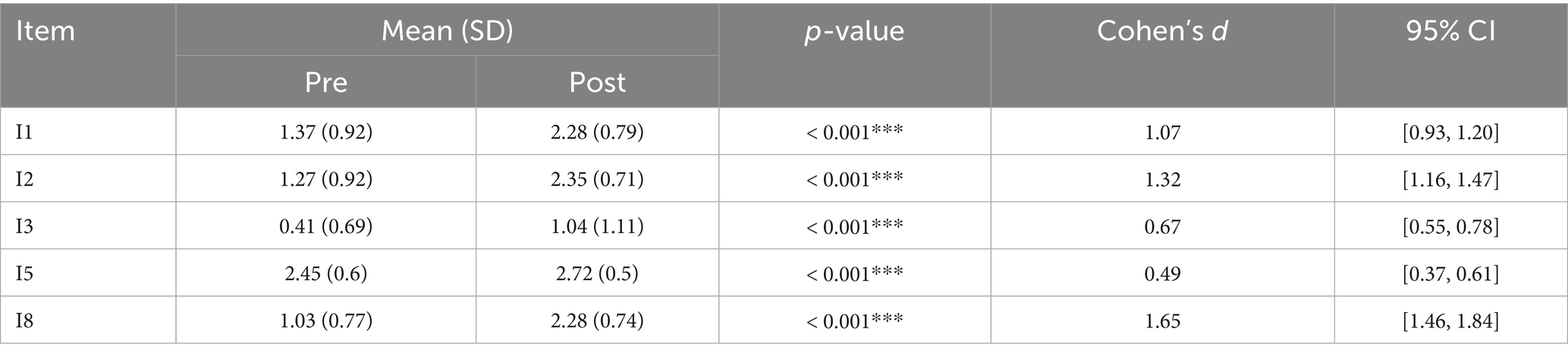
Table 5. Changes in attitudes toward using and integrating AI (RQ2).
RQ3 examined participants’ beliefs about AI’s role and impact in educational settings. Three items assessed these beliefs. All three belief items showed statistically significant changes following the intervention (Figure 4). Small effect sizes were found for item I4 (d = 0.42, 95% CI [0.31, 0.54]) and I7 (d = 0.25, 95% CI [0.14, 0.36]), a medium effect size was found for I6 (d = 0.50, 95% CI [0.38, 0.63]), with the strongest effects observed for item I6, suggesting the belief that “I believe that AI offers an opportunity to support students” was most responsive to the intervention. The corresponding descriptive and inferential statistics are presented below (Table 6).

Figure 4. Display of the changes in mean scores from pre- to post-test of the items assessing future opportunities and risks of AI. I4 = AI in schools is more of a threat than an opportunity. I6 = I believe that AI offers an opportunity to support students. I7 = AI will replace teachers in the future.

Table 6. Changes in beliefs about AI’s role in education (RQ3).
4 Discussion
The present study examined the effects of a teacher training program on participants’ AI literacy, utilization of AI tools, and attitudes toward AI in educational contexts. The results demonstrate significant statistical improvements across all three investigated areas, confirming the importance of targeted professional development for successful AI integration in educational practice.
4.1 RQ1: effect on participants’ AI literacy
Regarding overall AI literacy, participants demonstrated a significant improvement from pre- to post-test. Prior to the implementation of the training program, teachers correctly answered approximately 13 of 30 questions on the AI literacy test. Following the training program, the number of correct answers increased to 15. Although modest effect sizes were identified, the results show a significant increase in overall AI literacy following the completion of the training program. Moreover, of the 14 evaluated competency areas, 10 demonstrated significant improvements, including domains particularly relevant to educational practice: “Recognizing AI,” “AI’s Strengths & Weaknesses,” “Human Role in AI,” and “Ethics.” This suggests that the training program effectively addressed multiple dimensions of AI literacy rather than focusing narrowly on technical skills.
Nevertheless, small effect sizes warrant careful interpretation. The validated test employed in the present study was based on a multifaceted AI literacy framework that potentially exceeded the specific educational content covered in the teacher training program. For instance, the “Ethics” category included items about „Predictive Policing,” which, while important for general AI literacy, lacks a direct connection to pedagogical practice. This incongruity between the assessment tool and the training content may have served to diminish the observed effects. Assessment tools that are more contextualized to educational settings would be significantly more practical and could better identify knowledge gaps that are actually relevant to the use of AI in schools. The implementation of more suitable assessments facilitates the adaptation of training programs to actual school demands and provides support to teachers in their respective needs.
Moreover, such instruments should align with established competency frameworks, for instance the UNESCO AI competency framework for teachers (UNESCO, 2024), the European Framework for the Digital Competence of Educators (Redecker, 2017) or the TPACK framework, which is employed to explore the knowledge teachers need to effectively use AI-tools (Mishra et al., 2023). Assessment tools based on international competency frameworks would ensure greater opportunities for international adaptation. The tools could be easily translated into other languages while maintaining the same underlying theoretical framework, and thus also be used in other countries. This would make a meaningful contribution to international research.
The significant improvements demonstrated in the majority of the competency areas underscore the program’s effectiveness. However, the finding that participants correctly answered only half of the test questions post-training indicates the necessity for more extensive or specialized AI education programs, closely aligned to educational contexts. Moreover, subsequent studies may benefit from the development of education-specific AI literacy assessments that more accurately reflect the unique competencies teachers require for integrating AI into the classroom.
4.2 RQ2: effect on current use and intended integration of AI
The study reveals significant changes in teachers’ practical utilization and intended integration of AI.
Regarding the current use of AI, the increased agreement with three key items, I1 “I regularly use AI in my daily life.,” I2 “I use AI to help create my lessons and teaching materials.” and I3 “I use AI to support assessments or grading.,” indicates a change in behavior.
These findings are particularly noteworthy given the discrepancy between the recognized potential of AI (Celik et al., 2022; Kaplan-Rakowski et al., 2023) and its actual implementation in education (Cheah et al., 2025). The three items show medium to very large effect sizes, also reflected by the corresponding confidence intervals, which is why a significant educational influence can be assumed at this point. The training program has been demonstrated to effectively address the implementation gap by offering practical, hands-on experience with AI tools in pedagogically relevant contexts, complementing theoretical knowledge. Following the program, teachers mention to increasingly incorporate AI into their educational practice.
With regard to the intended integration of AI, the significantly increased agreements to the items I5 “I can imagine integrating AI into my daily teaching practice.” (medium effect size) and I8 “I feel well-prepared to integrate AI technologies into my teaching.” (large effect size) are noteworthy. This finding is crucial as it pertains both the motivational and competence dimensions of technology adoption. This dual enhancement – an increased willingness coupled with a perceived preparedness and confidence – suggests that the training program successfully addressed both psychological and practical barriers to AI adoption.
Nonetheless, the statistically significant change in I5 should be viewed with caution, as the confidence interval indicates a potentially weak effect that may not be reflected in practice (95% CI [0.37, 0.61]). A follow-up study could ascertain whether the effect manifests itself and whether teachers begin to utilize AI in their daily teaching practice.
The results align with previous research demonstrating positive correlations between professional development and teacher confidence with emerging technologies (Kaplan-Rakowski et al., 2023; Kuleto et al., 2022). The program’s apparent success in fostering both competence and confidence directly addresses the inadequate teacher preparation for generative AI use (Cheah et al., 2025). The underlying strategy is presumed to entail a combination of factors, namely, the acquisition of knowledge, the development of skills through practical application, and the cultivation of confidence through experimentation in a low-stakes environment.
4.3 RQ3: effect on assessment of future opportunities and risks of AI
The results for RQ3 indicate a modest rise in fears and concerns regarding AI in educational systems. Despite the relatively low levels of agreement observed both before and after the program, a modest increase in agreement with the item I4 “AI in schools is more of a threat than an opportunity.” and a heightened apprehension of being replaced by AI (I7) was evident. Upon initial consideration, these results do not seem to align with previous research on teacher training programs having a positive impact in this manner (Ally, 2019; Yang and Chen, 2023). However, it is important to note that the slight increase in critical views does not inherently carry a negative connotation. The findings may also be indicative of the participants’ enhanced capacity to accurately assess the risks and hazards of AI. This is an important aspect when it comes to the school context. At this juncture, conducting an extensive data analysis could be advantageous in order to examine the manner in which agreement with the two items relating to anxiety has evolved.
Nonetheless, the findings indicate a simultaneously increase in the conviction that AI represents an opportunity to support students (I6). This suggests that the training program effectively moderated existing fears while actively fostering constructive visions for the implementation of AI in teaching. This is particularly relevant given the resistance to adopt novel digital initiatives within the educational sector (Dunnigan et al., 2023).
All three items considered in relation to RQ3 (I4, I6, I7) show small to lower medium effect sizes. While these results are statistically significant, the effects may be too small to have a noticeable impact on educational practice. The effects found in relation to I4, I6, and I7 would need to be verified with long-term or follow-up studies.
In summary, the findings of the present study carry significant implications for the design of future teacher professional development in AI. The efficacy of the intervention was demonstrated in addressing all three research questions, leading to notable enhancements in both AI literacy and teachers’ attitudes toward AI. This underscores the necessity of systematic, comprehensive training opportunities (Fissore et al., 2024; Sanusi et al., 2023). The integration of knowledge transfer, practical application, and critical reflection proved particularly efficacious for developing both competencies and constructive attitudes.
4.4 Limitations
The study presents several limitations that constrain the generalizability and interpretation of the findings. Firstly, it remains open to question if the results of this study align with previous research on the connection between AI literacy and positive attitudes toward AI (Galindo-Domínguez et al., 2024a; Hornberger et al., 2023). While both AI literacy and attitudes improved, the study did not examine the correlation between these changes. In addition to the enhancement of AI literacy, the positive shift in attitudes may have been influenced by access to diverse AI tools in a secure learning environment or through peer exchange.
Secondly, participant self-selection must be considered. The voluntary participation likely attracted teachers with pre-existing interest in AI and suggests motivation driven by personal interest, a higher level of openness to technological innovation, and potentially higher digital competencies. This limitation restricts the generalizability of the results, as it is possible that the participants were more receptive to the training content and more likely to implement the learned concepts. Subsequent research should investigate the impact of training programs on educators who are skeptical or resistant to AI technologies.
Thirdly, there is a lack of long-term data on the sustainability of observed effects, particularly regarding those with small effect sizes, which could indicate the absence of impact on educational practice. As data was collected immediately after the program’s completion, it was not possible to ascertain whether increased AI use and positive attitudes persist over time, particularly when teachers encounter real-world implementation challenges without ongoing support. The efficacy could be further validated through longitudinal studies that would assess the translation of initial changes in practice into sustained behavioral modifications. Furthermore, a more thorough examination of the impact on fears and worries is necessary to assess and understand the changes in participant agreement with items I4 and I7.
Fourthly, the study did not examine whether and how teachers transfer their acquired knowledge to students, an aspect that is particularly relevant given the high student usage of AI tools. Understanding how teachers engage in discourse regarding AI with their students and cultivate students’ AI literacy represents an essential next research step.
Moreover, the questionnaire measuring the participants’ attitudes toward AI is of an exploratory nature. The items are considered separately and no validated scale was used. Given the current availability of validated scales for attitudes towards AI, (Bergdahl and Sjöberg, 2025; Schepman and Rodway, 2020; Stein et al., 2024) including those tailored to the school environment, (Ramazanoglu and Akın, 2025) future studies would greatly benefit from employing these scales.
The study design does not include a control group. This should be considered in future studies. In order to evaluate whether, in the case of a new technology such as AI, a change in knowledge or attitudes does not arise in the process of everyday confrontation and personal engagement with the topic but is explicitly caused by a training program, a control group should be monitored over the same period. In this case, the personal everyday engagement of the EG and CG with AI or AI tools should be measured and included in the analysis of the results. Another possibility would be to focus on different types of interventions and examine interventions of varying duration and form (hybrid, digital, in-person).
In addition, the program’s general design, which is inclusive of all subjects and school types, may have constrained its efficacy within specific teaching contexts. Future programs may benefit from more differentiated approaches tailored to specific educational contexts. The absence of oversight regarding participants’ self-directed learning and elective module selections further complicates the evaluation of outcomes.
It is imperative to acknowledge that the study was conducted within a distinct cultural and educational context. Cross-cultural validation would serve to substantiate claims regarding the efficacy of training programs and identify culturally specific factors that influence the adoption of AI in educational settings.
4.5 Conclusion and outlook
This study provides valuable evidence that teacher training programs effectively facilitate the integration of AI in educational settings. The significant improvements in AI literacy, practical application, and attitudes underscore that structured training programs can play a key role in preparing teachers for the digital transformation of educational practice. By addressing the current discrepancy between AI’s educational potential and its practical integration in classroom settings, such programs have the potential to transform teachers from passive observers to active participants in fostering AI-enhanced learning environments.
Subsequent to the completion of the teacher training program, participants demonstrated increased AI utilization in both their daily lives and educational practice. Additionally, they reported feeling better prepared to integrate AI into their teaching, and they developed more positive attitudes regarding AI’s potential benefits while maintaining awareness of associated risks. These results underscore the conclusion that teacher training programs represent a promising solution for educating teachers and preparing them for an educational system increasingly shaped by AI technologies.
This study identifies, several significant avenues for future research. First, further investigation is needed to evaluate different types of training programs and identify the most suitable approaches for various use cases and educational contexts. While the present study examined a general, cross-curricular training program, future research could explore more specialized, subject-specific training modules to better address the diverse needs of educators across different disciplines. STEM educators might benefit from AI-assisted data analysis and simulation tools while in contrast, language teachers might prioritize natural language processing applications designed to support writing and facilitate language learning. It is possible that elementary educators will place a greater emphasis on AI tools for the purposes of differentiated instruction and learning analytics than secondary teachers.
Since the current study on attitudes toward AI is exploratory in nature, no correlation analysis was performed at this time. Nevertheless, future research should examine the relationship between AI literacy and attitudes toward AI, for example if increased competence is associated with more positive attitudes. A comprehensive understanding of these dynamics could inform more targeted approaches for different educator populations. The use of both a validated questionnaire on attitudes toward AI and an AI literacy test developed more specifically for teachers is necessary for a successful correlation analysis.
Another imperative research direction involves the assessment of the long-term stability of training effects. To ascertain the sustainability of the observed enhancements in AI literacy, usage patterns, and attitudes, longitudinal studies are necessary. These studies should examine whether improvements remain stable over time or require periodic reinforcement through continuing education initiatives. A subsequent study could entail recontacting participants via fobizz to examine the stability of their knowledge and to assess the consistency of their attitudes toward AI. To this end, a qualitative study, incorporating classroom observations and interviews, could ascertain the actual impact of the training on teachers’ daily classroom practices and on student learning. Subsequent studies should investigate how educators concretely integrate AI into their pedagogical practices and how they promote AI literacy among students.
Furthermore, this study underscores the necessity for developing tests that specifically measure AI literacy in the field of education to identify areas for further improvement and development.
As educational systems worldwide grapple with AI integration, the findings of this study underscore that investing in systematic teacher preparation constitutes a cornerstone of successful educational innovation, ensuring responsible and effective AI incorporation in education.
Data availability statement
The datasets presented in this article are not readily available because the participants were assured that the data collected would not be made publicly accessible after completion of the study. Requests to access the datasets should be directed to JL, anVsaWEubGFkZW1hbm5AdW5pLWtvZWxuLmRl.
Ethics statement
Ethical approval was not required for the study involving humans because research was conducted in accordance with local law. No personal data was collected. The study was conducted in accordance with the local legislation and institutional requirements. The participants provided their written informed consent to participate in this study.
Author contributions
JL: Conceptualization, Data curation, Investigation, Methodology, Project administration, Writing – original draft, Writing – review & editing. JH: Data curation, Formal analysis, Methodology, Visualization, Writing – original draft. NH: Writing – original draft. CW: Investigation, Writing – review & editing. SB-G: Conceptualization, Methodology, Project administration, Supervision, Validation, Writing – review & editing.
Funding
The author(s) declared that financial support was not received for this work and/or its publication.
Acknowledgments
We would like to express our sincere thanks to the fobizz team and to all participating teachers for contributing to our study.
Conflict of interest
The author(s) declared that this work was conducted in the absence of any commercial or financial relationships that could be construed as a potential conflict of interest.
Generative AI statement
The author(s) declared that Generative AI was not used in the creation of this manuscript.
Any alternative text (alt text) provided alongside figures in this article has been generated by Frontiers with the support of artificial intelligence and reasonable efforts have been made to ensure accuracy, including review by the authors wherever possible. If you identify any issues, please contact us.
Publisher’s note
All claims expressed in this article are solely those of the authors and do not necessarily represent those of their affiliated organizations, or those of the publisher, the editors and the reviewers. Any product that may be evaluated in this article, or claim that may be made by its manufacturer, is not guaranteed or endorsed by the publisher.
Supplementary material
The Supplementary material for this article can be found online at: https://www.frontiersin.org/articles/10.3389/feduc.2025.1671306/full#supplementary-material
Footnotes
^Item number 7 was eliminated during the validation process by Hornberger et al.
References
Adiguzel, T., Kaya, M. H., and Cansu, F. K. (2023). Revolutionizing education with AI: exploring the transformative potential of ChatGPT. Contemp. Educ. Technol. 15:ep429. doi: 10.30935/cedtech/13152,
Akgun, S., and Greenhow, C. (2022). Artificial intelligence in education: addressing ethical challenges in K-12 settings. AI Ethics 2, 431–440. doi: 10.1007/s43681-021-00096-7,
Ally, M. (2019). Competency profile of the digital and online teacher in future education. The international review of research in open and distributed. Learning 20. doi: 10.19173/irrodl.v20i2.4206
Asunda, P., Faezipour, M., Tolemy, J., and Engel, M. (2023). Embracing computational thinking as an impetus for artificial intelligence in integrated STEM disciplines through engineering and technology education. J. Technol. Educ. 34, 43–63. doi: 10.21061/jte.v34i2.a.3
Bergdahl, N., and Sjöberg, J. (2025). Attitudes, perceptions and AI self-efficacy in K-12 education. Comp. Educ. 8:100358. doi: 10.1016/j.caeai.2024.100358,
Celik, I., Dindar, M., Muukkonen, H., and Järvelä, S. (2022). The promises and challenges of artificial intelligence for teachers: a systematic review of research. TechTrends 66, 616–630. doi: 10.1007/s11528-022-00715-y
Cheah, Y. H., Lu, J., and Kim, J. (2025). Integrating generative artificial intelligence in K-12 education: examining teachers’ preparedness, practices, and barriers. Comp. Educ. 8:100363. doi: 10.1016/j.caeai.2025.100363
Chen, L., Chen, P., and Lin, Z. (2020). Artificial intelligence in education: a review. IEEE Access 8, 75264–75278. doi: 10.1109/ACCESS.2020.2988510
Cojean, S., Brun, L., Amadieu, F., and Dessus, P. (2023) Teachers’ attitudes towards AI: what is the difference with non-AI technologies? Proceedings of the Annual Meeting of the Cognitive Science Society, 45
Crawford, J., Vallis, C., Yang, J., Fitzgerald, R., O’Dea, C., and Cowling, M. (2023). Editorial: artificial intelligence is awesome, but good teaching should always come first. Journal of university teaching and learning. Practice 20:Article 7. doi: 10.53761/1.20.7.01
Dolezal, D., Motschnig, R., and Ambros, R. (2025). Pre-service teachers’ digital competence: a call for action. Educ. Sci. 15:160. doi: 10.3390/educsci15020160
Dunnigan, J., Henriksen, D., Mishra, P., and Lake, R. (2023). Can we just please slow it all down? School Lead. Take on ChatGPT TechTrends 67, 878–884. doi: 10.1007/s11528-023-00914-1
Fauzi, F., Tuhuteru, L., Sampe, F., Ausat, A., and Hatta, H. R. (2023). Analysing the role of ChatGPT in improving student productivity in higher education. J. Educ. 5, 14886–14891. doi: 10.31004/joe.v5i4.2563
Fissore, C., Floris, F., Fradiante, V., Marchisio Conte, M., and Sacchet, M. (2024). From theory to training: exploring teachers’ attitudes towards artificial intelligence in education Proceedings of the 16th International Conference on Computer Supported Education, 118–127.
Galindo-Domínguez, H., Delgado, N., Campo, L., and Losada, D. (2024a). Relationship between teachers’ digital competence and attitudes towards artificial intelligence in education. Int. J. Educ. Res. 126:102381. doi: 10.1016/j.ijer.2024.102381
Galindo-Domínguez, H., Delgado, N., Losada, D., and Etxabe, J.-M. (2024b). An analysis of the use of artificial intelligence in education in Spain: the in-service teacher’s perspective. J. Digit. Learn. Teach. Educ. 40, 41–56. doi: 10.1080/21532974.2023.2284726
Higgs, J. M., and Stornaiuolo, A. (2024). Being human in the age of generative AI: young people’s ethical concerns about writing and living with machines. Read. Res. Q. 59, 632–650. doi: 10.1002/rrq.552
Hornberger, M., Bewersdorff, A., and Nerdel, C. (2023). What do university students know about artificial intelligence? Development and validation of an AI literacy test. Comput. Educ. Artif. Intell. 5:100165. doi: 10.1016/j.caeai.2023.100165
Kaplan-Rakowski, R., Grotewold, K., Hartwick, P., and Papin, K. (2023). Generative AI and teachers’ perspectives on its implementation in education. J. Interact. Learn. Res. 34, 313–338. doi: 10.70725/815246mfssgp
Karan, B., and Angadi, G. R. (2023). Potential risks of artificial intelligence integration into school education: a systematic review. Bull. Sci. Technol. Soc. 43, 67–85. doi: 10.1177/02704676231224705,
Kasneci, E., Sessler, K., Küchemann, S., Bannert, M., Dementieva, D., Fischer, F., et al. (2023). ChatGPT for good? On opportunities and challenges of large language models for education. Learn. Individ. Differ. 103:102274. doi: 10.1016/j.lindif.2023.102274
Kotchetkov, M., and Trevor, C. (2025). ChatGPT: hero or villain? Comparative evaluation by Canadian high school students and teachers. Can. J. Educ. Soc. Stud. 5, 91–108. doi: 10.53103/cjess.v5i3.364
Krupp, L., Steinert, S., Kiefer-Emmanouilidis, M., Avila, K., Lukowicz, P., Kuhn, J., et al. (2024). “Unreflected acceptance – investigating the negative consequences of ChatGPT-assisted problem solving in physics education” in Hybrid human AI Systems for the Social Good.
Küchemann, S., Avila, K., Dinc, Y., Boolzen, C., Revenga Lozano, N., Ruf, V., et al. (2025). On opportunities and challenges of large multimodal foundation models in education. NPJ Science of Learning 10:11. doi: 10.1038/s41539-025-00301-w,
Küchemann, S., Steinert, S., Kuhn, J., Avila, K., and Ruzika, S. (2024). Large language models—valuable tools that require a sensitive integration into teaching and learning physics. Phys. Teach. 62, 400–402. doi: 10.1119/5.0212374
Kuleto, V., Ilić, M. P., Bucea-Manea-Țoniş, R., Ciocodeică, D.-F., Mihălcescu, H., and Mindrescu, V. (2022). The attitudes of K–12 schools’ teachers in Serbia towards the potential of artificial intelligence. Sustainability 14:Article 14. doi: 10.3390/su14148636,
Lademann, J., Henze, J., and Becker-Genschow, S. (2025). Augmenting learning environments using AI custom chatbots: effects on learning performance, cognitive load, and affective variables. Phys. Rev. Phys. Educ. Res. 21:010147. doi: 10.1103/PhysRevPhysEducRes.21.010147
Laupichler, M., Aster, A., Schirch, J., and Raupach, T. (2022). Artificial intelligence literacy in higher and adult education: a scoping literature review. Comp. Educ. 3:100101. doi: 10.1016/j.caeai.2022.100101
Lo, C. K. (2023). What is the impact of ChatGPT on education? A rapid review of the literature. Educ. Sci. 13:4. doi: 10.3390/educsci13040410
Long, D., and Magerko, B. (2020). What is AI literacy? Competencies and design considerations. Proceedings of the 2020 CHI Conference on Human Factors in Computing Systems, 1–16
Mishra, P., Warr, M., and Islam, R. (2023). TPACK in the age of ChatGPT and generative AI. J. Digit. Learn. Teach. Educ. 39, 235–251. doi: 10.1080/21532974.2023.2247480
Moura, A., and Carvalho, A. A. A. (2024). Teachers’ perceptions of the use of artificial intelligence in the classroom International conference on lifelong education and leadership for all (ICLEL 2023) O. Titrek, C. S. ReisDe, and J. G. Puerta Dordrecht: Atlantis Press International BV
Nazaretsky, T., Ariely, M., Cukurova, M., and Alexandron, G. (2022). Teachers’ trust in AI-powered educational technology and a professional development program to improve it. Br. J. Educ. Technol. 53, 914–931. doi: 10.1111/bjet.13232
Neumann, K., Kuhn, J., and Drachsler, H. (2024). Generative Künstliche Intelligenz in Unterricht und Unterrichtsforschung – Chancen und Herausforderungen [Generative artificial intelligence in teaching and education research - opportunities and challenges]. Unterrichtswiss. 52, 227–237. doi: 10.1007/s42010-024-00212-6
Ng, D. T. K., Chan, E. K. C., and Lo, C. K. (2025). Opportunities, challenges and school strategies for integrating generative AI in education. Comp. Educ. 8:100373. doi: 10.1016/j.caeai.2025.100373,
Popenici, S. A. D., and Kerr, S. (2017). Exploring the impact of artificial intelligence on teaching and learning in higher education. Res. Pract. Technol. Enhanc. Learn. 12:22. doi: 10.1186/s41039-017-0062-8,
R Core Team (2024). R: a language and environment for statistical computing (Version 4.4.0) [Computer software]. Vienna: R Core Team.
Ramazanoglu, M., and Akın, T. (2025). AI readiness scale for teachers: development and validation. Educ. Inf. Technol. 30, 6869–6897. doi: 10.1007/s10639-024-13087-y
Redecker, C. (2017). European framework for the digital competence of educators: DigCompEdu. Brussels: JRC Publications Repository.
Rienties, B. (2014). Understanding academics’ resistance towards (online) student evaluation. Assess. Eval. High. Educ. 39, 987–1001. doi: 10.1080/02602938.2014.880777
Sanusi, I. T., Oyelere, S. S., Vartiainen, H., Suhonen, J., and Tukiainen, M. (2023). A systematic review of teaching and learning machine learning in K-12 education. Educ. Inf. Technol. 28, 5967–5997. doi: 10.1007/s10639-022-11416-7
Schepman, A., and Rodway, P. (2020). Initial validation of the general attitudes towards artificial intelligence scale. Comp. Hum. Behav. Rep. 1:100014. doi: 10.1016/j.chbr.2020.100014,
Seßler, K., Xiang, T., Bogenrieder, L., and Kasneci, E. (2023). “PEER: empowering writing with large language models” in Responsive and sustainable educational futures, 755–761. doi: 10.1007/978-3-031-42682-7_73
Stacey, M., McGrath-Champ, S., and Wilson, R. (2023). Teacher attributions of workload increase in public sector schools: reflections on change and policy development. J. Educ. Chang. 24, 971–993. doi: 10.1007/s10833-022-09476-0,
Stein, J.-P., Messingschlager, T., Gnambs, T., Hutmacher, F., and Appel, M. (2024). Attitudes towards AI: measurement and associations with personality. Sci. Rep. 14:2909. doi: 10.1038/s41598-024-53335-2,
Sugar, W., Crawley, F., and Fine, B. (2004). Examining teachers’ decisions to adopt new technology. Educ. Technol. Soc. 7, 201–213. Available online at: https://api.semanticscholar.org/CorpusID:38337994 (Accessed December 12, 2025).
Torchiano, M. (2020) effsize: Efficient Effect Size Computation (Version 0.8.1) [Computer software] Available online at: https://cran.r-project.org/web/packages/effsize/index.html (Accessed November 27, 2025).
Vodafone Stiftung. (2025). KI an europäischen Schulen [AI at European schools]. Available online at: https://www.vodafone-stiftung.de/europaeische-schuelerstudie-kuenstliche-intelligenz/ (Accessed November 27, 2025).
Wang, T., and Cheng, E. C. K. (2021). An investigation of barriers to Hong Kong K-12 schools incorporating artificial intelligence in education. Comp. Educ. 2:100031. doi: 10.1016/j.caeai.2021.100031,
Wang, X., Li, L., Tan, S. C., Yang, L., and Lei, J. (2023). Preparing for AI-enhanced education: conceptualizing and empirically examining teachers’ AI readiness. Comput. Human Behav. 146:107798. doi: 10.1016/j.chb.2023.107798
Wollny, S., Schneider, J., Di Mitri, D., Weidlich, J., Rittberger, M., and Drachsler, H. (2021). Are we there yet? - a systematic literature review on Chatbots in education. Front. Artif. Intellig. 4. doi: 10.3389/frai.2021.654924,
Wu, R., and Yu, Z. (2024). Do AI chatbots improve students learning outcomes? Evidence from a meta-analysis. Br. J. Educ. Technol. 55, 10–33. doi: 10.1111/bjet.13334
Yang, T.-C., and Chen, J.-H. (2023). Pre-service teachers’ perceptions and intentions regarding the use of chatbots through statistical and lag sequential analysis. Comp. Educ. 4:100119. doi: 10.1016/j.caeai.2022.100119,
Zhai, X. (2023a). ChatGPT and AI: The Game Changer for Education (SSRN Scholarly Paper No. 4389098). Social Science Research Network. Available online at: https://papers.ssrn.com/abstract=4389098 (Accessed November 27, 2025).
Zhai, X. (2023b). ChatGPT for next generation science learning. XRDS 29, 42–46. doi: 10.1145/3589649
Keywords: AI literacy, artificial intelligence, attitudes towards AI, teacher education, teacher training
Citation: Lademann J, Henze J, Honke N, Wollny C and Becker-Genschow S (2026) Teacher training in the age of AI: impact on AI literacy and teachers’ attitudes. Front. Educ. 10:1671306. doi: 10.3389/feduc.2025.1671306
Edited by:
Raja Nor Safinas Raja Harun, Sultan Idris University of Education, MalaysiaReviewed by:
Giovanna Cioci, University of Studies G. d'Annunzio Chieti and Pescara, ItalyShaimaa Abdul Salam Selim, Damietta University, Egypt
Copyright © 2026 Lademann, Henze, Honke, Wollny and Becker-Genschow. This is an open-access article distributed under the terms of the Creative Commons Attribution License (CC BY). The use, distribution or reproduction in other forums is permitted, provided the original author(s) and the copyright owner(s) are credited and that the original publication in this journal is cited, in accordance with accepted academic practice. No use, distribution or reproduction is permitted which does not comply with these terms.
*Correspondence: Julia Lademann, anVsaWEubGFkZW1hbm5AdW5pLWtvZWxuLmRl