 Püren Akçay
- Department of Educational Sciences, Faculty of Arts and Sciences, Haliç University, Istanbul, Türkiye
Introduction: This study investigates the role of academic self-efficacy in the relationship between university students' heutagogical skills and their lifelong learning tendencies. Positioned as the missing link long sought in the literature, the study highlights how academic self-efficacy facilitates the transition from heutagogical competence to lifelong learning, offering a significant contribution to existing mediation research.
Methods: Data were collected from 545 students enrolled at a private university in Istanbul during the 2024–2025 academic year. The analyses were conducted using structural equation modeling. The measurement tools included the Lifelong Learning Attitude Scale, the Self-Determined Learning (Heutagogy) Skills Scale, and the Academic Self-Efficacy Scale.
Results: The findings revealed that Heutagogical Competence significantly predicts Lifelong Learning Tendency both directly and indirectly through Academic Self-Efficacy, demonstrating a partial mediation effect. Academic Self-Efficacy functions as an important mechanism linking heutagogical competence to lifelong learning, while Heutagogical Competence also maintains its direct influence.
Discussion: These results indicate that supporting students' academic self-efficacy is crucial for strengthening heutagogy–based learning processes in educational environments. The study contributes to the literature by uncovering a new mechanism within the heutagogical competence-academic self-efficacy–lifelong learning pathway and clarifying that this mediation is partial rather than complete.
Introduction
In the information age we live in, maintaining and developing knowledge is increasingly important for people at all stages of their lives. Within this context, lifelong learning can be described as the ability to adapt to new conditions and participate in an evolving community while continuing to develop personally and professionally (Candy, 2002). Hence, it is important to study the determinants of, the influence on, and the mediation of lifelong learning in depth, both theoretically and practically. Heutagogical learning was presented as a way to promote learning through self-direction and support the development of self-directed learning (Blaschke, 2012). Heutagogy, as described, encompasses learning activities such as independent thinking, critical inquiry, and cultivating the intrinsic value of learning—all in alignment with a lifelong learning perspective (Canning, 2010).
The extant literature has firmly established the positive influence of academic self-efficacy on learning motivation and academic performance (Chemers et al., 2001; Diseth, 2011). Nonetheless, the literature on whether self-efficacy can mediate the association explained by academic and heutagogical learning orientations, as well as lifetime learning attitudes, is scarce. This gap is severe for planning to develop people's lifelong learning skills, especially at the higher education level. Recognition of the mediating role of academic self-efficacy will aid in the design of effective heutagogical strategies aimed at promoting lifelong learning proclivities, ultimately informing better educational policies and teaching strategies. The advancement of policies and teaching guidelines suitable for the university student learning process, as well as academic SE studies, will contribute to the promotion of lifelong learning, as indicated by the results of this study. Thus, this study seeks to fill a notable void in the literature. The research hypotheses are described in Figure 1 below:
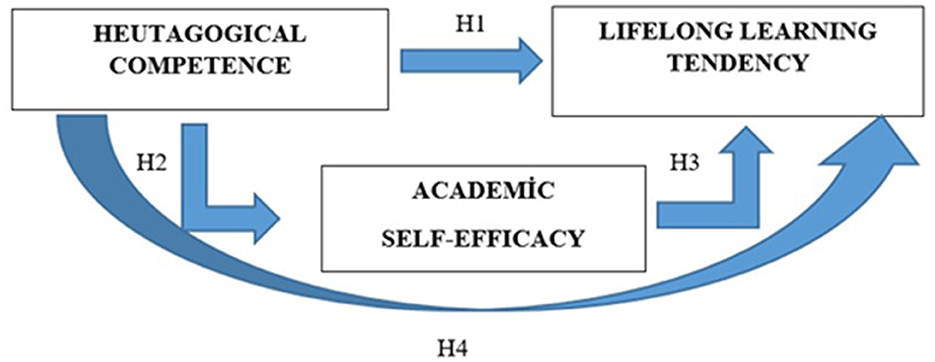
Figure 1. Results for the hypothesis model.
H1. Learning how to learn is likely to be a positive predictor of lifelong learning predispositions.
H2. The higher the competence in the Heutagogical process, the greater its impact on academic self-efficacy.
H3. Academic self-efficacy is a significant positive predictor of lifelong learning orientation.
H4. Academic self-efficacy mediates between heutagogical efficacy and lifelong learning propensity.
Literature review
Heutagogy
What is Heutagogy? Heutagogic competence refers to a learner's capacity to self-manage, plan, organize, and motivate their own learning processes. It is an essential construct in the mathematics of lifelong learning and is founded on the Heutagogy theory (Hase and Kenyon, 2000). This concept is similar to andragogy, but it is a more developed conceptualization of it. Heutagogy focuses not just on learning, but on reflective practice and learning how to learn. While andragogy argues that adults should have more control over their learning, Heutagogy maintains that learners process all their learning through the act of self-regulation. The underpinning principles of heutagogy are described as self-determination, openness, preparedness to learn, problem-solving, and the capacity for reflection; it further embodies the overall learning experience. Therefore, what learners will learn, how they will teach it, and what will serve as evidence of their learning are entirely up to the learner (Blaschke, 2012). It is highly aligned with flexibility and making learning more personal, as it accommodates different learning styles (Hase and Kenyon, 2007). Learning is connected to real-world problems, and problem-solving is encouraged. Self-assessment of one's learning is integrated throughout problem-solving and reflection (Eberle and Childress, 2009).
Katz provides a great example of allowing learning to emerge in a heutagogical manner, believing that heutagogical learning occurs when people are allowed to learn through hands-on experiences (Katz, 2008).
Heutagogy is a holistic learning approach that engages knowledge, skill development, critical thinking, and creativity (Blaschke and Hase, 2016). As per Heutagogy, heutagogical competencies include self-awareness, that is, learner's recognition of their learning needs and goals (Hase and Kenyon, 2000); self-motivation, learner's active participation in the learning process with their own motivation (Ryan and Deci, 2000); planning and goal setting, formation and use of learning strategies (Blaschke, 2012); flexibility and adaptation, learners adapting the learning process to changing situations (Eberle and Childress, 2009); and reflective thinking, critically evaluating the learning process and results (Hase and Kenyon, 2007).
According to Hase and Kenyon (2000), heutagogy encourages individuals to build lifelong learning skills for the evolving information epoch. With this, a shift occurs, where learners can not only acquire content knowledge or a skill but also develop the skills needed to navigate through and create their own learning paths (Blaschke and Hase, 2016).
The heutagogical method is not based on what the instructor says, but on what the student states. Within this framework, students are empowered as co-directors of their learning (Blaschke, 2012), and collaborative learning is encouraged (Eberle and Childress, 2009); however, learning takes place through real-life problems and projects, which are redesigned and facilitated by teachers who themselves become “learning designers” (Hase and Kenyon, 2007; Blaschke, 2012).
Lifelong learning tendency
Whether an individual has a high learning interest, whether they want to seize the opportunity of each learning experience, and whether they are willing to accept learning in various learning situations, indicates a lifelong learning disposition (Demirel, 2009). This tendency is considered an essential faculty to fit socially and professionally in the fast-changing reality. In principle, lifelong learning is situated in humanism. Maslow's self-actualization, as a component of the hierarchy of needs, equates with the ongoing pursuit of learning (Maslow, 1970). Rogers, with his person-centered approach to education, emphasizes that learning should occur in relation to the individual, also supporting this view in his arguments that learning is lifelong in nature (Rogers, 1983). This approach implies a strong connection between learning, personal growth, and self-efficacy.
Theories on adult education also support the theoretical framework for LLL. Knowles's andragogy model highlights that adults bring their own life experiences to learning; they are ready to learn when motivated, and they prefer learning that is directly related to their lives (Knowles et al., 2015). In this sense, lifelong learning is understood as an ongoing process of growth through individuals' experiences. Transformative learning theory, as proposed by Mezirow (1997), further suggests that lifelong learning occurs when an individual can think critically and reframe their perspective (Mezirow, 1997). Thus, authors learn not only what is being done about a topic in a field of interest to them, but they also critically analyze their own assumptions in the process of learning and thereby arrive at a more holistic perspective. This centers lifelong learning as part of our intellectual and emotional world.
Social learning theory is instrumental toward the study of lifelong learning (Bandura, 1997). One of the most important determinants of motivation and persistence in learning seems to be self-efficacy (Bandura, 1997). A culture of learning and a lifelong learning approach are closely tied to the way individuals feel evaluatively exposed to environmental opportunities, learn from experience, and develop a culture of continuous improvement.
The mediating role of academic self-efficacy
Academic self-efficacy refers to self-perceptions of ability in completing academic tasks (Bandura, 1997). Academic self-efficacy is believed to be an important mediator affecting factors such as perception, motivation, performance, and effort, which are crucial for a successful learning process according to social cognitive theory (Bandura, 1986).
Theory hinges on the interplay of the environment with personal attributes and behavior in the learning process. People often rely heavily on self-efficacy beliefs to cope with difficulties (Bandura, 1986). Bandura (1997) suggests that four primary sources contribute to self-efficacy beliefs. Self-efficacy beliefs are most influenced by a person's specific experiences as well as past successes and failures. It is by directly observing success in class and origination, and indirectly, how they can build self-confidence and belief in their abilities.
Bolstering from teachers, peers, or family members may enhance verbal persuasion self-efficacy beliefs. Individuals' perceptions of commitment vary and can be influenced both positively and negatively by a range of physiological and affective states.
According to Pajares and Schunk (2001), academic self-efficacy is linked to problem-solving, goal-setting, and planning, as well as strategy development for achieving goals, motivation, intrinsic motivation, and a need for challenge, overcoming adversity, and generating practical solutions. Studies have found that learners with high self-efficacy tend to motivate themselves more, establish more efficient learning strategies, handle task adversity better, and are more willing to put in effort (Zimmerman, 2000, 2002).
The high correlation between academic achievement and academic self-efficacy could explain this. According to Social Cognitive Theory, Bandura (1986) argued that self-efficacy is important to academic achievement. Self-efficacy perceptions are closely related to students' commitment to learning, motivation, and goal-setting skills.
According to Self-Determination Theory (Deci and Ryan, 1985), as autonomy and self-efficacy levels increase, involvement in learning activities and academic performance also increase. Academic self-efficacy, when present, enhances a person's motivation for learning.
Dweck and Leggett (1988) propose a close relationship between individuals‘ learning goals and their self-efficacy beliefs in their Goal Orientation Theory. Students with high self-efficacy beliefs tend to set ambitious goals and work diligently to achieve them. Encouraging and informative feedback (Schunk, 1991), success stories, the development of extensive and proximal learning plans and self-evaluation, guidance to reduce anxiety and stress, and encouraging students to develop strategies for managing their emotions are all significant in developing students' academic self-efficacy.
The competences of heutagogy are fundamental to life-long learning competences. According to the Self-Determination Theory, the needs for autonomy, relatedness, and competence enhance intrinsic motivation for learning (Ryan and Deci, 2000). This is where heutagogy enables individuals to participate in lifelong learning actively.
According to Social Cognitive Theory, self-efficacy beliefs have been identified as an important mediator of the development of motivation and learning ability (Bandura, 1986). These two theories, respectively, help us understand why self-efficacy serves as a mediator between heutagogy and lifelong learning competencies.
Heutagogy contributes to cultivating more lifelong learners by increasing the individual's self-efficacy. There is evidence that heutagogic learners are open to lifelong learning (Candy, 1991; Garrison, 1997). Recent research has proven the positive effect of heutagogical methods on the lifelong learning tendencies of people. Research conducted by Blaschke (2012) in the open and distance education system found that when heutagogical approaches enhance students' self-directed learning, it leads to increased motivation to learn and openness to learning.
Likewise, Canning (2010) found evidence that heutagogical techniques enhance students' inclination for lifelong learning by developing their skills in taking personal responsibility for their learning. All of these results confirm that heutagogical learning is closely linked to lifelong learning. It has been empirically found that this relationship is indirect through academic self-efficacy; however, the relationship between heutagogical learning and lifelong learning appears to be indirect as well.
A study by Chemers et al. (20010) found that academic self-efficacy enhances both learning motivation and academic adjustment. Diseth (2011) found a mediating role for self-efficacy beliefs in the relationship between learning strategies and academic achievement. These outcomes show that self-efficacy may serve as a mediator between heutagogy and lifelong learning. For instance, in research directly focused on the association between self-efficacy and lifelong learning, Peker (2021) found significant associations between lifelong learning tendencies and self-efficacy beliefs among prospective teachers who participated in his study. Yildirim and Acar (2020) study demonstrated that academic self-efficacy significantly predicts lifelong learning behaviors in education students.
Contribution of research
These results suggest that academic self-efficacy is one of the strongest predictors of lifelong learning. Hence, one may conclude that the heutagogical learning approach can influence the lifelong learning bias, but that its direct effect seems to be mostly channeled through academic self-efficacy. Heutagogical learning enables people to be autonomous in their learning processes, and academic self-efficacy transforms this autonomy into a foundation for continuous learning self-motivation.
This research is believed to make a substantial theoretical contribution to the literature by testing whether academic self-efficacy serves as a mediating factor in the relationship between the heutagogical approach and lifelong learning.
Methods
The study used a cross-sectional research design. A cross-sectional design is a research method that seeks to explore the status or elements of variables through a single data collection point in time (Creswell and Creswell, 2018).
Participants and procedures
The sample consisted of 440,586 university students studying at foundation universities in Istanbul, Türkiye, during the academic year 2023–2024 (Yüksekögretim Kurulu, 2024). A probability-proportional-to-size (PPS) method was used first to select clusters and the study sample (Lohr, 2010). A sample size of 384 was the minimum representative size for the study according to the 95% confidence interval (Cochran, 1977). Nevertheless, before conducting the analysis, the data of seven teachers were considered as outliers, and hence they were deleted from the original dataset. Thus, a total of 545 valid data points were included in the analysis. This number was deemed sufficient to represent the study population. A total of 545 individuals participated in the study, with the age category ranging from 18 to 23, and comprising 68.8% females and 31.2% males.
Measures
Data were collected using the Lifelong Learning Attitude Scale, the Heutagogy Skills Scale, and the Academic Self-Efficacy Scale.
The Lifelong Learning Scale (LLAS) was developed by Erdogan and Arsal (2015). The scale comprises 17 items on a 5-point Likert-type scale and two subscales. The former is labeled as a desire to learn, and the latter is open to learning. Cronbach's alpha internal consistency coefficient (0.86) suggests a pretty good reliability of the scale.
The Heutagogy Skills Scale (SDLSS) is a 5-point Likert-type scale with 22 items of four factors developed to measure Heutagogy skills of university students. The scale has seven items in the “learning to learn” sub-dimension, 7 in the “learner autonomy” sub-dimension, 4 in the “self-motivation” sub-dimension, and 4 in the “self-management” sub-dimension—altogether, the 22 items in the scale explain 42.17% of the total variance. The fit indices resulting from the DFA supported an acceptable fit of the model and indicated a strong fit. The scale's reliability (measured as internal consistency) was found to be 0.86; hence, the scale is acceptable in terms of its reliability.
The Academic Self-Efficacy Scale (ASSE) was developed by Owen and Froman (1988) and translated into Turkish by Ekici (2012). The instrument developed has 33 items constituted on a 5-point Likert-type scale. The subscales of the scale include Cognitive application, Social status, and Technical skill. The internal consistency coefficient for the Social status subscale (Cronbach's alpha) was.82; the internal consistency coefficient of the Cognitive applications subscale was.82; the coefficient of internal consistency of the Technical skills subscale was.90. The scale's internal consistency was.90. The estimate of the internal consistency coefficient was.86.
Control variable
Because participants' gender influences the tendency to log life, it was regarded as a control variable in this study. In addition, the literature does not agree on the association between LLL and gender. Women's LLL levels may be higher than men's (Çetin, 2017; Kiliç, 2022; Sulak et al., 2022; Sen and Yildiz Durak, 2022; Öz, 2022; Quintini, 2011; Chłoń-Domińczak and Lis, 2013).
In fact, it has been found that female participants, including teachers and those in training, tend to score significantly higher in all subscales, especially in the "desire to learn” and “openness to development” subscales. Additionally, Boeren (2011) notes a similar level of involvement among women and men in various formal and informal learning types. On the level of types of learning, men are more work-centered learners, and women tend to be more home or personal development–centered learners. However, few studies find that there is no gender difference in LLL.
Based on the research of Abiddin (2023), Nacaroglu et al. (2021), as well as Yilmaz (2018), there were no significant differences in LLL levels based on gender. Research has also underlined the neglect of gender within the theoretical frame of lifelong learning (Rogers, 2006). These observations indicate that the impact of gender on LLL can change cross-contextually, depending on who is sampled and what the preferred method is.
Review of ethical issues
Ethical approval for the study was received from the Haliç University Social and Human Sciences Ethics Board (Decision No. 2024–10/25 December 2024).
Statistical analysis
Descriptive statistics (mean and standard deviation), correlation analysis, and structural equation modeling (SEM) were employed to analyze the data. Correlation coefficients <0.10 indicate no relationship, between 0.10 and 0.40 a weak relationship, between 0.40 and 0.70 a moderate relationship, between 0.70 and 0.90 a strong relationship, and >0.90 a powerful relationship (Schober et al., 2018).
JASP version 19.3.0 statistical software and RStudio-2025.05.1-513 were used to analyze the hypotheses postulated in the present research.
In SEM, we used a two-step procedure. An overall model that included all study variables was created and tested first. Secondly, a structural model was constructed to examine the role of latent variables and to study the mediational pathways. This model provided direct effects between heutagogy, academic self-efficacy, and lifelong learning tendency, and indirect effects of academic self-efficacy on lifelong learning tendency.
The data set was checked for the prerequisites of multivariate analysis prior to performing the analyses. In addition, outliers, normality, and multicollinearity were studied in the data. As the skewness and kurtosis coefficients were within the 95% confidence interval of−1.5 to + 1.5, the data were considered normally distributed (Tabachnick and Fidell, 2013). To study the problem of multicollinearity, we checked the tolerance value and VIF. For this study, a calculated VIF of > 10 and a tolerance of <0.10 would suggest multicollinearity (Kline, 2016). In this work, the tolerance value ranged from 0.33 to 0.75, and the VIF value was between 1.34 and 3.08, indicating no clear multicollinearity in the dataset.
Goodness of fit of the structural model derived from the analyses was examined using χ2/df, GFI, RMSEA, CFI, and SRMR indices. A χ2/df <3 and RMSEA value 0.08 or less in the literature are used as the criteria for acceptable fit (Hoe, 2008; Kahn, 2006), whereas Hair et al. (2010) suggested that a well-fitting model should be one with CFI and GFI values > 0.90. Additionally, the literature suggests that a model fit can be considered relatively good if the SRMR is 0.08 or less (Hu and Bentler, 1999).
Results
Descriptive statistics and correlations between variables
Mean score and standard deviation were examined for levels of heutagogical competence among university students (M = 3.41, SD = 0.37), lifelong learning tendencies (M = 4.04, SD = 0.54), and academic self-efficacy (M = 3.32, SD = 0.57). Furthermore, there was a positive moderate significant relationship between the university students‘ heutagogical competence and their lifelong learning tendency (r = 0.53, p < 0.01). There was also a significant correlation between university students' level of heutagogical competence and their level of academic self-efficacy (r =0.52, p < 0.01) and their follow-up education competence levels and academic self-efficacy levels (r =0.54, p < 0.01). These results indicate moderate positive associations among the constructs under comparison. Descriptive statistics and correlation coefficients are presented in Table 1.
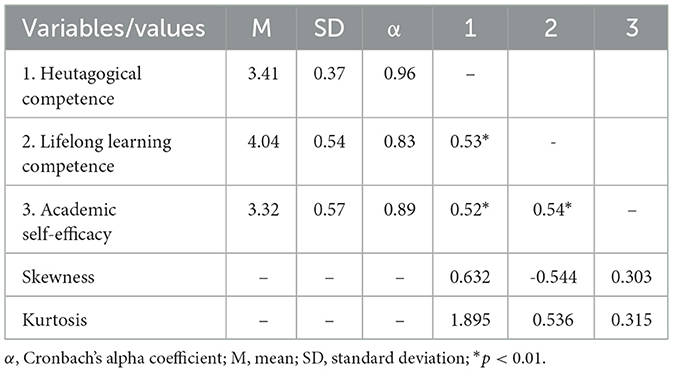
Table 1. Descriptive statistics and correlation analysis results.
Measurement model
Prior to examining the research hypotheses, a measurement model including all latent variables in the structural model was specified and tested. In the preliminary analyses, h2 and h15 of the Heutagoji factor, as well as h13, were deleted from the model due to low factor loading, negative loading, and no significant load, respectively. The fit indices for the revised measurement model (χ2/df = 2.70, CFI = 0.918, TLI = 0.916, RMSEA = 0.056, 90% CI [0.053–0.058], SRMR = 0.076) suggest that the model fits the data well. In addition, all standardized factor loadings were significant (p < 0.001). For Heutagogic Skills, loadings ranged from 0.168 to 0.623, for Academic Self-Efficacy, from 0.302 to 0.682, and for Lifelong Learning Tendency, from 0.455 to 0.733. The results suggested the construct validity of the scale.
The structural model
We constructed a structural model with the latent variables in the study. Heutagogical competence served as the dependent variable, the tendency for lifelong learning as the independent variable, and academic self-efficacy as the mediating variable. The structural equation model results (with 5000 bootstrap, standardized coefficients) are presented in Table 2. Model fit to the data was acceptable (χ2/df = 2.55, CFI = 0.93, TLI = 0.93, RMSEA = 0.055 [90% CI = 0.052–0.060], SRMR = 0.074). These results showed that the model was fairly acceptable to the data.
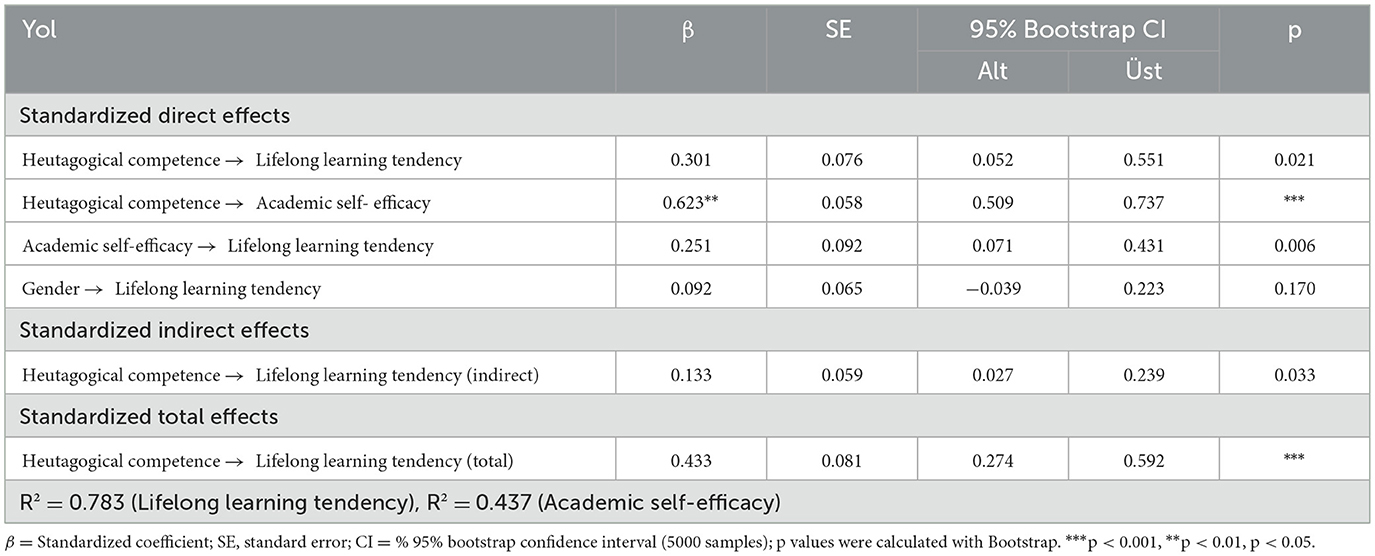
Table 2. Structural equation model results (with 5000 bootstrap, standardized coefficients).
The findings indicate that the H1 hypothesis was not supported, as heutagogical competence did not significantly predict lifelong learning tendencies (β = 0.081, p = 0.103). Heutagogical competence strongly and significantly predicts academic self-efficacy (β = 0.623, p < 0.001), supporting H2. Moreover, academic self-efficacy is an important factor to explain the life-long learning attitude (β = 0.321, p < 0.001), supporting H3. As for the mediating effect, the indirect effect of heutagogical competence on lifelong learning tendency via academic self-efficacy was observed to be significant (β = 0.133, 95% CI [0.027, 0.239], p = 0.033), supporting H4. The gender control variable included in the model did not significantly predict lifelong learning inclination (β ≈ 0.092, p = 0.170).
Discussion
Throughout the literature review, no previous study has examined the mediating mechanism linking heutagogy, academic self-efficacy, and lifelong learning tendency; therefore, this study provides an important contribution to the literature. The present study extends this line of research by exploring the effect of heutagogical competence on lifelong learning through the mediating role of academic self-efficacy and by identifying the factors that influence university students' lifelong learning tendencies.
Our first hypothesis proposed that lifelong learning would be positively predicted by heutagogical competence. The results of the structural model showed that Heutagogical Competence significantly predicted Lifelong Learning Tendency (β = 0.301, p = 0.021), and that Academic Self-Efficacy also exerted a significant mediating effect (β = 0.133, p = 0.033). These findings indicate that Academic Self-Efficacy partially mediates the relationship between Heutagogical Competence and Lifelong Learning Tendency. In other words, heutagogical competence influences lifelong learning both directly and indirectly through academic self-efficacy. This pattern of partial mediation suggests that while academic self-efficacy serves as an essential mechanism linking heutagogical skills and lifelong learning dispositions, other motivational and contextual factors may also contribute to this relationship.
These findings extend previous studies by demonstrating that enhancing students' academic self-efficacy is a critical antecedent of successful heutagogy-based learning environments and by revealing a new mediating link between heutagogy, academic self-efficacy, and lifelong learning (Knowles, 1975; Candy, 1991). Our second hypothesis, which proposed that heutagogical competence would positively predict academic self-efficacy, was supported. The results showed that academic self-efficacy and heutagogical competence were positively and directly related.
This supports the view that learners who take responsibility for their learning, set learning goals, and develop and apply learning strategies experience higher levels of self-efficacy. Knowles (1975) and Candy (1991) both emphasized the importance of self-efficacy in lifelong learning, suggesting that self-directed learning skills foster autonomy in learning. Consistent with Bandura's (1997) self-efficacy theory, individuals who actively engage in their learning processes tend to have stronger self-efficacy perceptions.
Furthermore, the theoretical connection between heutagogical components and Academic Self-Efficacy can be further clarified. Heutagogical competencies—such as self-management, goal setting, and the use of learning strategies—are closely aligned with the mechanisms through which self-efficacy develops. According to Bandura (1997), self-efficacy grows primarily through mastery experiences and social persuasion, both of which are fostered in learning environments that promote autonomy and reflective practice. Learning designs that integrate Problem-Based Learning (PBL), Project-Based Learning (PjBL), and Inquiry-Based Learning (IBL) provide opportunities for students to take ownership of their learning, experience successful performance, and receive constructive feedback—all of which strengthen their academic self-efficacy (Schunk and Pajares, 2002; Loyens et al., 2008). Thus, heutagogical practices that encourage learners to plan, monitor, and evaluate their learning progress not only cultivate self-determination but also reinforce the psychological foundations of academic self-efficacy. This theoretical linkage further explains why academic self-efficacy serves as a central mechanism bridging heutagogical competence and lifelong learning tendencies.
In conclusion, the findings confirm that the development of students' heutagogical competencies is a crucial foundation for academic self-efficacy. The third hypothesis was supported, showing that Academic Self-Efficacy had a significant and positive direct effect on Lifelong Learning Tendency. Beliefs about one's academic abilities are essential to sustaining learning persistence and intrinsic motivation. Bandura (1997) described self-efficacy as one of the fundamental psychological processes influencing the effort directed toward learning goals, while Zimmerman (2000) demonstrated that academic self-efficacy enhances both motivation and the use of strategic learning behaviors. Similarly, (Schunk and Pajares (2002) found a strong correlation between self-efficacy beliefs, academic performance, and learning strategies. These results underscore the importance of academic self-efficacy for lifelong learning, aligning with prior research.
Finally, our fourth hypothesis (H4), which proposed that Academic Self-Efficacy acts as a mediating factor between Heutagogical Competence and Lifelong Learning Tendency, was also supported. The findings reveal that Heutagogical Competence influences Lifelong Learning both directly and indirectly through Academic Self-Efficacy, confirming a partial mediation effect. Regarding gender, its predictive effect on lifelong learning tendencies was weak and statistically insignificant (β = 0.092, p = 0.170). Therefore, future meta-analyses are recommended to synthesize the heterogeneous results of previous studies concerning gender differences in lifelong learning tendencies.
Implications for practice
The findings of the present study indicate that heutagogical competence has an indirect effect on lifelong learning mediated by academic self-efficacy. It also offered proof that students' academic self-efficacy plays a role in mediating this relationship. The study found that showing the relevant path provided by the study regarding the heutagogy factor and the lifelong learning factor in the comprehensive model was not clearly shown in previous studies.
In enhancing heutagogical competence, learning contexts need to be created that focus on providing the student with greater autonomy in learning. Problem-based learning (PBL) strategies that are designed to identify a solution to a real-life problem, project-based learning (PjBL) strategies that are used to produce a tangible product, and inquiry-based learning (IBL) strategies that are focused on an area of interest foster student pedagogical skill development by enhancing their ability to think independently, make decisions, and take responsibility for their learning (Loyens et al., 2008) and permit students to set goals, select resources, and manage their learning, thereby strengthening their self-directed learning skills and academic self-efficacy (Knowles, 1975; Candy, 1991).
Accordingly, self-efficacy develops from personal success experiences and social support (Bandura, 1997). As a result, teachers should provide highly structured yet flexible learning environments. Studies like those on feedback to students, and on assigning them self-guided learning strategies and auto-regulation devices as demonstrated by Jossberger et al. (2010), demonstrate that schools and other responsible/concerned parties/agents have to incorporate methodologies which will help students get co-contracted for their own learning. As Zimmerman (2000) has observed, self-efficacy is closely tied to setting goals, self-monitoring, and employing effective learning strategies.
To enhance academic self-efficacy, students should be encouraged to develop their self-regulation skills and declarative knowledge, and be trained in appropriate ways to set goals, manage time, and conduct self-assessment. Schunk and Pajares (2002) also found that students acquire a sense of self-efficacy when they are given small and doable tasks, as small successes are achieved. Progressive tasks with quality feedback, such as these, help build academic self-efficacy, although self-efficacy is not solely built through individual accomplishment; instead, it emerges as a result of social persuasion and modeling (Bandura, 1997).
Establishing a trusting atmosphere with good quality feedback and successful peer models may increase self-efficacy in all students. Studies show that teacher-supportive behaviors in both academic and emotional respects promote students' self-efficacy and, in turn, engagement in learning (Guo et al., 2025). A crucial consideration in fostering academic self-efficacy is the creation of a supportive learning environment and nurturing positive teacher-student relationships. Through active learning methods, such as problem-based or reflective learning, teachers can reinforce students' self-efficacy and presence (Loyens, Magda, and Rikers, n.d.). Recent research has indicated that perceived teacher support can not only directly promote academic self-efficacy and academic engagement, but also exert positive effects on student learning behaviors (Guo et al., 2025).
Limitations and future directions
The present study has several limitations that should be acknowledged. First, the research employed a cross-sectional design, which restricts the ability to infer causal relationships among the variables. Because learning-related attitudes and dispositions may evolve over time, future studies should adopt a longitudinal design to better capture the dynamic nature of lifelong learning tendencies and to strengthen causal inferences regarding the mediating role of academic self-efficacy.
Second, the sample consisted of 545 students from a private university in Istanbul, which may limit the generalizability of the findings. Future research should include participants from different types of institutions, such as public universities, and from diverse cultural and geographical contexts to examine whether the observed relationships hold across broader populations.
Furthermore, the effect of gender on lifelong learning tendencies was found to be statistically insignificant (β = 0.092, p = 0.170), which aligns with the heterogeneous findings reported in previous studies. Given these inconsistencies, future research should conduct meta-analyses to synthesize existing evidence on gender differences in lifelong learning and provide a clearer understanding of its role within the model.
Finally, future longitudinal and cross-cultural comparative studies could yield deeper insights into how heutagogical competence and academic self-efficacy interact over time to shape lifelong learning tendencies. Conducting comprehensive meta-analyses that integrate findings from multiple studies would further help identify the most robust predictors and mechanisms underlying lifelong learning outcomes across different contexts.
Data availability statement
The raw data supporting the conclusions of this article will be made available by the authors, without undue reservation.
Ethics statement
The studies involving humans were approved by Haliç University's Social and Human Sciences Research Ethics Committee. The studies were conducted in accordance with the local legislation and institutional requirements. The participants provided their written informed consent to participate in this study.
Author contributions
PA: Conceptualization, Data curation, Formal analysis, Funding acquisition, Investigation, Methodology, Project administration, Resources, Software, Supervision, Validation, Visualization, Writing – original draft, Writing – review and editing.
Funding
The author declares that no financial support was received for the research and/or publication of this article.
Conflict of interest
The author declares that the research was conducted in the absence of any commercial or financial relationships that could be construed as a potential conflict of interest.
Generative AI statement
The author(s) declare that no Gen AI was used in the creation of this manuscript.
Any alternative text (alt text) provided alongside figures in this article has been generated by Frontiers with the support of artificial intelligence and reasonable efforts have been made to ensure accuracy, including review by the authors wherever possible. If you identify any issues, please contact us.
Publisher's note
All claims expressed in this article are solely those of the authors and do not necessarily represent those of their affiliated organizations, or those of the publisher, the editors and the reviewers. Any product that may be evaluated in this article, or claim that may be made by its manufacturer, is not guaranteed or endorsed by the publisher.
References
Abiddin, N. Z. (2023). Relationship between lifelong learning characteristic and lifelong learning tendency among adult learners in Malaysia. Environ. Soc. Psychol. 8:1690. doi: 10.54517/esp.v8i3.1690
Bandura, A. (1986). Social Foundations of Thought and Action: A Social Cognitive Theory. Englewood Cliffs, NJ: Prentice-Hall.
Bandura, A. (1997). Self-Efficacy: The Exercise of Control. New York, NY: W. H. Freeman and Company.
Blaschke, L. M. (2012). Heutagogy and lifelong learning: a review of heutagogical practice and self- determined learning. Int. Rev. Res. Open Dist. Learn. 13, 56–71. doi: 10.19173/irrodl.v13i1.1076
Blaschke, L. M., and Hase, S. (2016). “Heutagogy: a holistic framework for creating twenty-first- century self-determined learners,” in The Future of Ubiquitous Learning, eds. B. Gros, Kinshuk, and M. Maina (Lecture Notes in Educational Technology, Springer, Berlin: Heidelberg.), 25–40. doi: 10.1007/978-3-662-47724-3_2
Boeren, E. (2011). Participation in adult education: the impact of social background and motivation. Adult Educ. Q. 61, 144–160. doi: 10.1177/0741713610380446
Candy, P. C. (1991). Self-Direction for Lifelong Learning: a Comprehensive Guide to Theory and Practice. San Francisco, CA: Jossey-Bass.
Candy, P. C. (2002). Lifelong Learning and Information Literacy. Paper presented at the White House Conference on School Libraries. Washington, DC.
Canning, N. (2010). Playing with heutagogy: exploring strategies to empower mature learners in higher education. J. Further High. Educ.34, 59–71. doi: 10.1080/03098770903477102
Chemers, M. M., Hu, L., and Garcia, B. F. (2001). Academic self-efficacy and first-year college student performance and adjustment. J. Educ. Psychol. 93, 55–64. doi: 10.1037/0022-0663.93.1.55
Chłoń-Domińczak, A., and Lis, M. (2013). Does Gender Matter for Lifelong Learning Activity? IBS Working Paper No. 03/2013 (NEUJOBS Working Paper No. D16.2A). Institute for Structural Research (IBS). Available online at: https://ibs.org.pl/en/publications/does-gender-matter-for-lifelong-learning-activity/ (Accessed April 14, 2025).
Creswell, J. W., and Creswell, J. D. (2018). Research Design: Qualitative, Quantitative, and Mixed Methods Approaches, 5th Edn. Thousand Oaks, CA: Sage Publications.
Deci, E. L., and Ryan, R. M. (1985). Intrinsic Motivation and Self-Determination in Human Behavior. Springer Science+Business Media. New York, NY: Plenum Press. doi: 10.1007/978-1-4899-2271-7
Diseth, Å. (2011). Self-efficacy, goal orientations, and learning strategies as mediators between preceding and subsequent academic achievement. Learn. Individ. Diff. 21, 191–195. doi: 10.1016/j.lindif.2011.01.003
Dweck, C. S., and Leggett, E. L. (1988). A social-cognitive approach to motivation and personality. Psychol. Rev. 95, 256-273. doi: 10.1037/0033-295X.95.2.256
Eberle, J., and Childress, M. (2009). Using heutagogy to address the needs of online learners. EMI. Educ. Media Int. 46, 123–137. doi: 10.4018/978-1-60566-198-8.ch331
Ekici, G. (2012). Akademik öz-yeterlik ölçegi: Türkçeye uyarlama, geçerlik ve güvenilirlik çalismasi. Hacettepe Üniv. Eğitim Fakült. Dergisi 43, 174–185.
Erdogan, E., and Arsal, Z. (2015). The development of the lifelong learning tendency scale (LLLTS). J. Educ. Sci. Res. 5, 61–82. doi: 10.12973/jesr.2015.51.4
Garrison, D. R. (1997). Self-directed learning: toward a comprehensive model. Adult Educ. Q. 48, 18–33. doi: 10.1177/074171369704800103
Guo, W., Wang, J., Li, N., and Wang, L. (2025). The impact of teacher emotional support on learning engagement: the mediating role of academic self-efficacy and academic resilience. Sci. Rep. doi: 10.1038/s41598-025-88187-x
Hair, J. F. Jr., Black, W. C., Babin, B. J., and Anderson, R. E. (2010). Multivariate Data Analysis, 7th Edn. Upper Saddle River, NJ: Pearson.
Hase, S., and Kenyon, C. (2000). From Andragogy to Heutagogy. Ultibase Articles. Available online at: http://pandora.nla.gov.au/pan/11081/20021104-0000/www.tafe.sa.edu.au/lsu/ultibase/Articles/AdultLearning/Kenyon1.htm. (Accessed April 28, 2025).
Hase, S., and Kenyon, C. (2007). Heutagogy: a child of complexity theory. Compl. Int. J. Complex. Educ. 4, 111–118. doi: 10.29173/cmplct8766
Hoe, S. L. (2008). Issues and procedures in adopting structural equation modelling technique. J. Appl. Quant. Methods 3, 76–83.
Hu, L. T., and Bentler, P. M. (1999). Cutoff criteria for fit indexes in covariance structure analysis: conventional criteria versus new alternatives. Struct. Eq. Model. 6, 1–55. doi: 10.1080/10705519909540118
Jossberger, H., Brand-Gruwel, S., Boshuizen, H., and van de Wiel, M. (2010). The challenge of self-directed and self-regulated learning in vocational education: a theoretical analysis and synthesis of requirements. J. Vocat. Educ. Train. 62, 415–440. doi: 10.1080/13636820.2010.523479
Kahn, J. H. (2006). Factor analysis in counseling psychology research, training, and practice: Principles, advances, and applications. Couns. Psychol. 34, 684–718. doi: 10.1177/0011000006286347
Katz, R. N. (ed.)., (2008). The Tower and the Cloud: Higher Education in the Age of Cloud Computing. EDUCAUSE.
Kiliç, M. Y. (2022). A Study on determining the relationship between teachers' lifelong learning tendencies and their attitudes towards using technology in education. Malays. Online J. Educ. Technol. 10, 125–140. doi: 10.52380/mojet.2022.10.2.278
Kline, R. B. (2016). Principles and Practice of Structural Equation Modeling, 4th Edn. New York, NY: The Guilford Press.
Knowles, M. S. (1975). Self-directed Learning: A Guide for Learners and Teachers. New York, NY: Association Press.
Knowles, M. S., Holton, E. F. III., and Swanson, R. A. (2015). The Adult Learner: The Definitive Classic in Adult Education and Human Resource Development, 8th Edn. Oxon; New York, NY: Routledge.
Loyens, S. M. M., Magda, J., and Rikers, R. M. J. P. (2008). Self-directed learning in problem-based learning and its relationships with self-regulated learning. Educ. Psychol. Rev. 20, 411–427. doi: 10.1007/s10648-008-9082-7
Mezirow, J. (1997). Transformative learning: theory to practice. New Direct. Adult Contin. Educ. 1997, 5–12. doi: 10.1002/ace.7401
Nacaroglu, O., Kizkapan, O., and Bozdag, T. (2021). Investigation of lifelong learning tendencies and self-regulatory learning perceptions of gifted students. Educ. Sci. 46, 113–135. doi: 10.15390/EB.2020.8935
Owen, S. V., and Froman, R. D. (1988). Development of a College Academic Self-efficacy Scale. Paper presented at the annual meeting of the National Council on Measurement in Education, LA: New Orleans.
Öz, E. (2022). The impact of gender differences on lifelong learning tendencies in Turkey: a meta-analysis. SAGE Open 12:21582440221099528. doi: 10.1177/21582440221099528
Pajares, F., and Schunk, D. H. (2001). “Self-beliefs and school success: self-efficacy as a foundation of academic motivation,” in Improving Academic Achievement: Impact of Psychological Factors on Education, ed. J. Aronson (Greenwich, CT: Information Age Publishing), 3–21. doi: 10.1016/B978-012064455-1/50004-X
Peker, M. (2021). The relationship between lifelong learning tendencies and self-efficacy beliefs of pre-service teachers. Int. J. Progress. Educ. 17, 285–300. doi: 10.29329/ijpe.2021.329.18
Quintini, G. (2011). Over-Qualified or Under-Skilled: A Review of Existing Literature (OECD Social, Employment and Migration Working Papers No. 121). Paris: OECD Publishing.
Rogers, A. (2006). Lifelong learning and the absence of gender. Int. J. Educ. Dev. 26, 189–208. doi: 10.1016/j.ijedudev.2005.07.025
Ryan, R. M., and Deci, E. L. (2000). Self-determination theory and the facilitation of intrinsic motivation. social development, and well-being. Am. Psychol. 55, 68–78. doi: 10.1037/0003-066X.55.1.68
Schober, P., Boer, C., and Schwarte, L. A. (2018). Correlation coefficients: appropriate use and interpretation. Anesth. Analg. 126, 1763–1768. doi: 10.1213/ANE.0000000000002864
Schunk, D. H. (1991). Self-efficacy and academic motivation. Educ. Psychol. 26, 207–231. doi: 10.1080/00461520.1991.9653133
Schunk, D. H., and Pajares, F. (2002). “The development of academic self-efficacy,” in Development of Achievement Motivation, eds. A. Wigfield and J.S. Eccles (San Diego, CA: Academic Press), 15–31. doi: 10.1016/B978-012750053-9/50003-6
Sen, N., and Yildiz Durak, H. (2022). Examining the relationships between English teachers' lifelong learning tendencies with professional competencies and technology integrating self-efficacy. Educ. Inform. Technol. 27, 5953–5988. doi: 10.1007/s10639-021-10867-8
Sulak, S. E., Çetinkaya, S., and Çapanoglu, A. S. (2022). Examination of the relationship between primary school teachers' digital literacy and lifelong learning tendencies. J. Learn. Teach. Digital Age 7, 235–249. doi: 10.53850/joltida.1040323
Tabachnick, B. G., and Fidell, L. S. (2013). Using Multivariate Statistics, 6th Edn. Boston, MA: Pearson.
Yildirim, I., and Acar, T. (2020). Üniversite ögrencilerinin akademik öz-yeterlikleri ile yaşam boyu ögrenme egilimleri arasindaki ilişki. Kastamonu Educ. J. 28, 558–570.
Yilmaz, M. (2018). Lifelong learning tendencies of prospective teachers receiving pedagogical formation education. Univ. J. Educ. Res. 6, 1684–1691. doi: 10.13189/ujer.2018.060808
Yüksekögretim Kurulu (2024). Üniversite Izleme ve Degerlendirme Genel Raporu 2024 (Genel Rapor). Yüksekögretim Kurulu. Available online at: https://www.yok.gov.tr/documents/2024/universite-izleme-ve-degerlendirme-genel-raporu-.pdf (Accessed May 17, 2025).
Zimmerman, B. J. (2000). Self-efficacy: an essential motive to learn. Contemp. Educ. Psychol. 25, 82–91. doi: 10.1006/ceps.1999.1016
Keywords: self-determined learning, heutagogy, lifelong learning, academic self efficacy, heutagogical competency
Citation: Akçay P (2025) The mediating role of academic self-efficacy in the relationship between university students' heutagogical competencies and lifelong learning tendencies. Front. Educ. 10:1719199. doi: 10.3389/feduc.2025.1719199
Received: 05 October 2025; Revised: 10 November 2025; Accepted: 17 November 2025;
Published: 02 December 2025.
Edited by:
Henry Mason, Tshwane University of Technology, South AfricaReviewed by:
Teresa Maria Dias Paiva, Polytechnic Institute of Guarda, PortugalAnuphum Kumyoung, Loei Rajabhat University, Thailand
Copyright © 2025 Akçay. This is an open-access article distributed under the terms of the Creative Commons Attribution License (CC BY). The use, distribution or reproduction in other forums is permitted, provided the original author(s) and the copyright owner(s) are credited and that the original publication in this journal is cited, in accordance with accepted academic practice. No use, distribution or reproduction is permitted which does not comply with these terms.
*Correspondence: Püren Akçay, cHVyZW5ha2NheUBoYWxpYy5lZHUudHI=