 Lehua Gao
 Hongyi Yan
 Dongyang Cai
- 1Management College, Ocean University of China, Qingdao, China
- 2Marine Development Studies Institute of OUC, Key Research Institute of Humanities and Social Sciences at Universities, Ministry of Education, Qingdao, China
- 3Southern Marine Science and Engineering Guangdong Laboratory (Zhuhai), Zhuhai, China
The multiagent governance model of the marine ecoeconomic system requires local governments to actively guide the participation of social subjects. Under the new reality of multiagent governance mechanism, this study proposes an analytical framework for describing the dynamic relation between local governments and marine production enterprises. It uses the analytical tools of evolutionary game theory to establish an evolutionary game system between the two parties and takes China as the specific research object. For doing so, it selects marine scientific research institutions and media with a strong public value representation and discusses the unilateral evolutionary stability strategy of the system by introducing four parameters, namely, the number of marine scientific research institutions, the contribution level of marine scientific research institutions, the participation level of media, and the authenticity level of information released by media. Furthermore, we used MATLAB to simulate and analyze by combining our research data in 14 cities in coastal areas of China. The results demonstrate that: 1) improving the contribution level and number of marine scientific research institutions is conducive to the collaborative governance of the marine ecoeconomic system; 2) the authenticity level of information released by media is positively correlated with the development of the multiagent governance model of the marine ecoeconomic system; and 3) differently biased objects with distorted media report information affect the trend of the governance effect of the marine ecoeconomic system. Thus, a timely improvement or reduction of the participation level of media is necessary.
1 Introduction
Ecologist Mashijun (1984) put forward the theory of economic-social-ecological composite system (hereafter referred to as the ecoeconomic system) on the basis of summarizing the cybernetic principles of ecosystems with integration, coordination, autogenesis, and circulation as the core. Moreover, the author clearly pointed out that the essence of sustainable development is the systematic development of the relationship between an individual and its working, material production, and social and cultural environments. The marine ecoeconomic system is an important component of the global ecoeconomic system. It is a special composite system with specific structures and functions and is composed of the marine ecosystem, marine economic system, and coastal social system (Gao and Gao, 2012). Under the goal of ecological civilization construction, the key to promoting the coordinated development of the global marine ecoeconomic system lies in the appropriate treatment of the relationship between human economic society and marine ecology. Only by adjusting human values and codes of conduct and enhancing the integration, adaptability, and control of marine ecology, economy, and social governance can the advanced evolution of the marine ecoeconomic system be promoted (Gao, 2021). At present, the trend of the governance of the marine ecoeconomic system at the global scale is to introduce more social subjects under the structures of government guidance and enterprise investment, which, thus, forms a new pattern of multiagent collaborative governance.
Governance of the marine ecoeconomic system is a symbiotic problem faced by coastal countries of the 21st century. Looking at China today, the ocean, as an important position of modern economic development, points out a new path for national development. Figure 1 depicts that gross marine product for China in 2019 was 8,941.5 billion yuan or an increase of 6.2% over the previous year, which accounts for 9.0% of gross domestic product (hereinafter referred to as GDP). Since the 1990’s, China’s marine economy has rapidly developed; its economic aggregate has risen steadily; and its industrial structure has been gradually optimized. As the largest advantage and potential industry, it has become a new point of growth for China’s national economy. However, behind the rapid rise of marine economy, marine ecological problems in China are becoming increasingly prominent, whereas marine ecological civilization is declining (Charfeddine, 2017; Baloch et al., 2019). Today, although the ocean is a breakthrough in China’s economic innovation and social development, it may also become a bottleneck and hidden danger, which may backfire on its future (Wang, 2020). Therefore, to ensure the coordinated and sustainable development of the marine ecoeconomic system and to promote the green development of China’s marine economy, it is of great significance to study the marine ecoeconomic system from the perspective of multiagent governance.
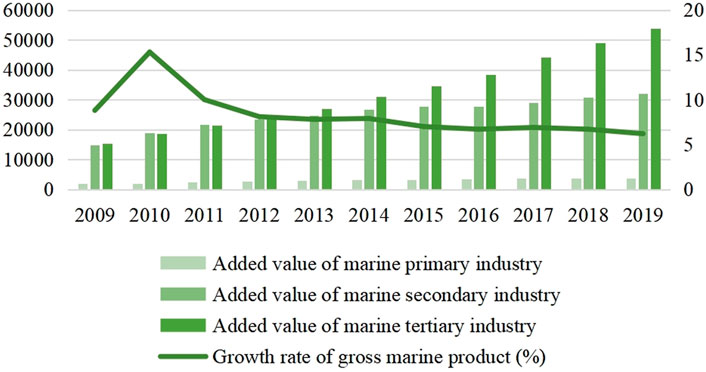
FIGURE 1. Marine economic growth of China from 2009 to 2019.
However, the biggest problem lies in determining the role and mechanism of each subject in the governance of the marine ecoeconomic system to achieve a high degree of synergy in governance and enable the marine ecoeconomic system to operate in a healthy and orderly manner. In recent years, local governments in China, like other countries, have mainly focused on the legal aspect of marine governance and mostly considered legislation as the starting point, supervision as the means, and administrative enforcement as the guarantee (McKinley and Ballinger, 2018; Taljaard et al., 2019). Although the premise of ocean governance is the improvement of the law, it remains insufficient to warrant reliance. A single solution at the legislative level will lead not only to increased social costs but also to detriment in the maintenance of the credibility of the government and even cause the intensification of social contradiction (Qu et al., 2021).
Therefore, this study focuses on marine scientific research institutions and media with strong public value representation as participants of the multiagent governance of the marine ecoeconomic system. The reasons are as follows: For media, there are two ways to participate in governance. Firstly, the media can participate in governance through reputation mechanisms. The reputation mechanism of the media is that the media realizes its supervision function by reporting and then influencing the reputation of the government, enterprises or individuals (Kolbel et al., 2017). Secondly, the media will act as an information bridge connecting the government, enterprises and the public, and disclose information to the government and the public, and introduce administrative penalties from the government (Gao et al., 2018). In particular, the media examines the improvement of local marine ecology and the green production process of enterprises to judge whether marine governance is strictly implemented. The realization of media supervision and participation in governance can not only guide the behavior evolution direction of local governments and marine production enterprises in a “soft direction,” but also save governance costs. Marine scientific research institutions are the main driving force of marine science and technology innovation and development in China and the important direction of national marine research capacity construction. At present, under the strategic background of China’s building a maritime power, it is of great significance to scientifically plan the behavior decisions and governance measures of marine scientific research institutions, and rationally allocate marine scientific and technological innovation resources for the governance of marine ecological and economic system. At the same time, as stakeholders are greatly affected by the ocean, marine scientific research institutions and media participate in the governance of marine ecoeconomic system, which helps reduce the loss of public resources caused by market and government failures (Cheng, 2018).
With the transformation of the global governance structure from one-entity to multiagent collaborative governance, the establishment of a mechanism for multiagent collaborative governance and the formation of a new pattern of “mutual building and sharing” of the marine ecoeconomic system are of great significance to the maximization of the governance effect (Xia, 2022). Under the new reality of multiagent governance mechanism, this study proposes an analytical framework for describing the dynamic interaction between local governments and marine production enterprises. It uses the analytical tools of evolutionary game theory to establish an evolutionary game system between the two parties, and discusses the unilateral evolutionary stability strategy (ESS) of the system after introducing the factors of marine scientific research institutions and the media. Based on the sustainable development goals and the coordination of the marine ecoeconomic system, this study analyzes the specific role of various influencing factors to provide strategic support for promoting multiagent collaborative governance of the marine ecoeconomic system.
The study intends to answer the following key questions.
(1) What is the importance of marine scientific research institutions and media on the multiagent governance of the marine ecoeconomic system? What’s the impact? From the perspective of overall system stability, special cases, and general cases, when can the two subjects play the best governance utility?
(2) What impact does the behavior evolution of marine scientific research institutions and media exert on the regulatory effect of local governments? How can the optimal behavior choice strategy of local governments be achieved?
(3) How does the behavior evolution of marine scientific research institutions and media influence the governance effect of marine production enterprises? How can the optimal behavior selection strategy be achieved?
2 Literature review
2.1 Marine ecoeconomic system
In the face of the deteriorating marine ecological cycle, the depletion of biological resources, and the continued decline of environmental water quality, the global ocean is undergoing a crisis of rapid consumption of biomass, and the marine ecosystem is gradually forming a “Metabolic Rift” (Clausen and Clark, 2005). Compared with terrestrial ecosystems, the carrying capacity of marine ecosystems is more fragile. The uncontrolled development and utilization and neglect to effectively protect and repair the oceans will inevitably influence the supply capacity of marine products and services and destroy marine ecology (Hall, 2001). To ensure the healthy and sustainable operation of marine ecology while developing marine economy, comprehensive planning should be conducted from the perspective of combining economy and ecology (Kildow and McIlgorm, 2010).
Throughout the research of global scholars, the research on issues related to marine ecological economy has gradually developed from a single to a systematic way. Jin et al. (2003) combined the ecosystem model with the economic analysis model to establish a model of the marine ecoeconomic system, breaking the boundary between a single research ecological model and an economic model. Martinez et al. (2007) believed that we should pay attention to the coordinated development among ecology, economy and society. The past extensive development mode has caused serious damage to the marine ecological environment. Hoagland and Jin (2008) obtained the relationship between marine ecology, social and economic development by collecting a large amount of data and using quantitative methods, and divided their states. Gao and Gao (2012), on the basis of existing research results, gave a precise definition of marine ecoeconomic system. The two scholars referred society to the same dimension as ecology and economy for research. They believed that marine ecoeconomic system includes three aspects, namely, marine ecology, marine economy and marine society. The paper analyzed in detail how the three subsystems operate, how to become a complex marine ecoeconomic system through coupling. Bene et al. (2001) focused on the adaptability and self recovery ability of marine ecoeconomic system under dangerous conditions, and built a dynamic model of marine ecoeconomic system adapting to dangerous conditions on the basis of the research. On the basis of studying the ecosystems of the United States, Canada and Australia, Juda, (2003) discussed the impact of the national marine governance model on a country’s marine ecoeconomic system, and believed that changing a country’s marine governance methods could achieve the coordinated development of the marine ecoeconomic system and ultimately be conducive to national marine development.
To summarise, as one of the most productive, diverse, and developmental systems on Earth (Souter and Linden, 2000; Sun et al., 2018), the marine ecoeconomic system has attracted the attention of many scholars. In view of the increasingly sharp contradiction between marine economic and social development and marine ecological protection, scholars all over the world pay much attention to their coordinated development at the end of the 20th century, especially in the 21st century. Research topics mainly cover the marine economic transformation of coastal countries and regions (zones) (Liu et al., 2012; Delgado et al., 2021), marine fishery management (Bundy et al., 2017; Gelcich et al., 2019), marine environment governance (Parlee and Wiber, 2018; Devenport et al., 2021), marine protected area management (Carcamo and Gaymer, 2013; Jones et al., 2013), marine biodiversity restoration (Lockwood et al., 2012; Jacob et al., 2018), and marine energy utilization (Castelos, 2014; Goffetti et al., 2018), among others. For example, Sarker et al. (2018) analyzed the sustainable development potential of the marine economy in Bangladesh; Voyer et al. (2020) took Timor-Leste as an example for assessing consistency and coordination between policies and marine economic development; Gerhardinger et al. (2020) formulated a transformation experiment of sustainable development for the marine economy in Brazil; Costello et al. (2012) suggested specific plans for the repair, reconstruction, and income increase of small-scale fisheries in the world that did not undergo assessment; lastly, Vince and Hardesty. (2017) discussed the reduction of plastic pollution on the basis of market strategy and community participation in governance and put forward suggestions for the coordinated development of the governance and economy of the global marine environment.
2.2 Multiagent governance
As a strategic public goods in the 21st century, governance of the maritime domain involves multiple subjects. In the process of governance, there will be many drawbacks if only relying on a single government governance, as this domain requires the participation of enterprises, the public and other multiple subjects (Savan B et al., 2004). As early as the industrialization period, Sherman and Alexander (1985) proposed the adoption of a method called “multisector overall collaborative governance” to coordinate and optimize the governance of marine ecological economy. Wittman, (1998) suggested that a mechanism of government assessment with economic development as the core will make local governments excessively pursue fiscal revenue and economic growth at the expense of the ecological environment and overlook the due supply and protection of public goods; thus, ensuring the effectiveness of ecological governance policies is difficult. Moreover, Holling and Meffe. (1996); Armitage et al. (2012) believe that the “command and control” governance model, which relies on the mandatory promotion of local governments, is costly and produces unsustainable effects. Therefore, the governance leadership of government departments should be diluted and gradually transferred to the public. Based on this notion, many new governance methods of the marine ecoeconomic system have been proposed such as marine zoning governance, participatory governance, and community governance, among others (Crowder et al., 2006).
“Multiagent governance” is an umbrella term for various public management topics, including cross-sectoral partnerships, intergovernmental and interagency cooperation, public service networks, consensus building, and public participation (Emerson et al., 2012). When a single organization or individual cannot complete a task by itself, then a multiagent governance mechanism is required (Thomson and Perry, 2006). Multiagent governance is a new form of participation in social and political activities for different individuals or organizations. It is also a more effective method for solving the needs of a multiagent modern society and for achieving common goals (Imperial, 2005). Nowadays, in the process of examining the governance issues of different industries, the majority of scholars emphasize the important role of multiagent collaborative governance and propose the acceleration of the construction of a multilevel, cross-sectoral, and mixed collaborative governance model that includes the government, enterprises, the public, and other stakeholders (Ostrom, 2010). In this manner, a transformation from “unified supervision” to “multiagent governance” among local governments can be realized. Combining the mechanisms of multiagent governance and industry governance can not only effectively improve the efficiency of governance and reduce regulatory costs (Song et al., 2010) but also enhance the scale and quality of ecological capital stock (Liu, 2018), and restrict the tendency of local governments to sacrifice the ecological environment to maintain political performance (Zheng and Kahn, 2017). At the same time, multiagent governance can effectively avoid government failure by dividing the social responsibility of the government and partially transferring it to other participants (Arentsen, 2008), which is conducive to optimizing the distribution of social responsibility (Eckerberg and Joas, 2004). Multiagent governance can also improve the acceptance of governance policies by other social subjects and solve the problem of uncoordinated ecological development (Widmer et al., 2019).
The propositions of various disciplines on multiagent governance are shown in Table 1. In different subject areas, the multiagent governance model has been affirmed and recognized in different degrees.
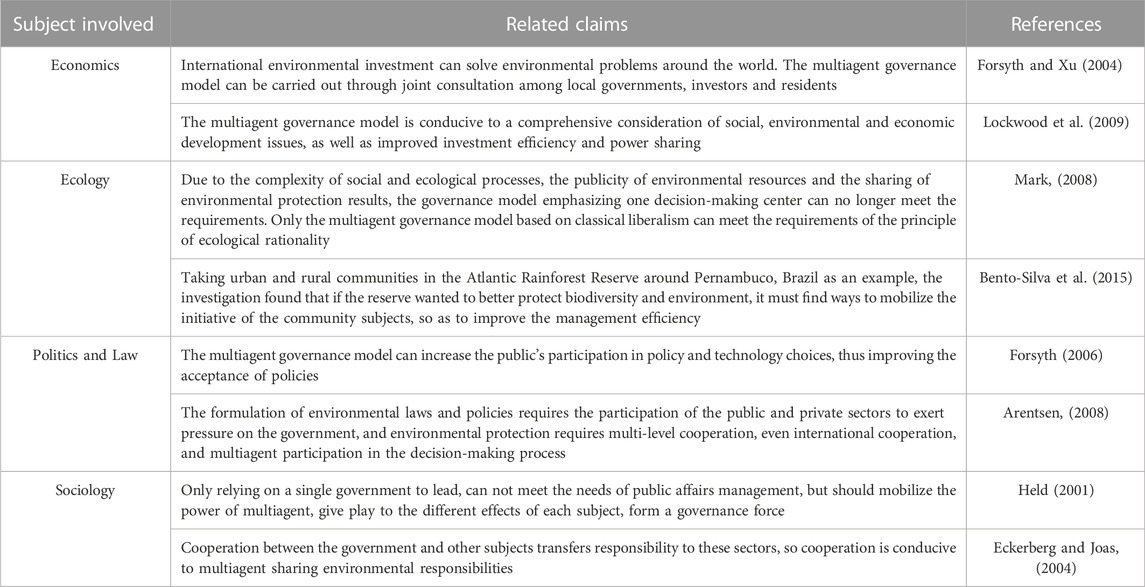
TABLE 1. The propositions of various disciplines on multiagent governance.
2.3 Multiagent governance with public participation
In recent years, however, certain differences continue to exist in the effect of public participation on collaborative governance. On the one hand, many scholars affirmed the value of public participation in the multiagent governance mechanism using different methods. Among them, Hirschman’s “appeal” participation in governance, such as petition, appeal, public opinion, and protest, can effectively promote the effect of environmental governance (2001); Heritier (2010) believes that public participation in governance has become a key concept in global protection and management, which is conducive to the formulation of governance policies and the establishment of participatory democracy. On the other hand, a few scholars remain skeptical about public participation in governance. Pargal et al. (1997) believes that public participation in governance exerts no obvious effect on the behavior of pollutant discharge subjects; Cheyne (2015) believes that although public participation is mandatory in local government planning and decision making, the defects and deficiencies in governance effect should not be underestimated given the changes in national legislation, economy, society, and technology; Marzuki et al. (2011) proposed that decision making processes and operation methods should be optimized to maximize the value of public participation in governance.
In order to ensure the governance effect, many scholars introduce a third party to supervise and constrain. You and Yang. (2017) put public reporting as the source of government supervision into the game between the government and enterprises; Yuan et al. (2019) found that local governments strengthen the governance effect under the pressure of the central government and the public; Li et al. (2018), Ross et al. (2016), Tilt (2019) believe that only the participation of the government, enterprises and the public can effectively control pollution emissions; Zhang et al. (2015) and Liu et al. (2017) believe that whether enterprises comply with pollution control is influenced by regulatory pressure from the government and environmental NGOs. Through literature review, it was found that the above research focused on the supervision role of the public and environmental NGOs. In reality, the channels for the public and environmental NGOs to participate in governance are narrow, not highly recognized, and their power is weak, and their influence on decision-making is obviously insufficient.
However, the media has the advantages of timely dissemination, wide coverage and strong public opinion effect. The disclosure of social bad words and deeds can cause strong public opinion pressure and attract more attention from the society and the government. Some scholars consider the governance role of media, but mainly analyze the impact of media reports on corporate decisions from the corporate level. Shen and Feng. (2012) studied the effects of media reports and government regulation on corporate environmental information disclosure. Wang et al. (2017) analyzed the influence of media on enterprises’ environmental protection investment behavior; Jia et al. (2016) studied the impact of media reports on enterprises’ pollution behavior on enterprises and proposed that the government should cooperate with the media. Kathuria (2007) took India as the research object and found that media reports on water pollution can reduce the discharge behavior of enterprises.
In addition, multiagent governance needs a large number of professional talents, knowledge and technology, which makes multiagent governance inseparable from scientific research institutions. The main role of scientific research institutions is to govern knowledge, information, technology and talent providers. Some scholars have considered the governance role of scientific research institutions. Duan et al. (2019) compared the advantages and disadvantages of independent and cooperative innovation in digital media enterprises and proposed that enterprises should cooperate with scientific research institutions. Su et al. (2019) studied the tripartite collaborative innovation behavior of the government, enterprises and scientific research institutions, and proposed that the government should improve the incentive mechanism of industry, education and research.
At present, the overall governance awareness of society is not strong, the willingness of enterprises to take the initiative to reduce emissions is not strong, emission reduction and pollution control mainly rely on government supervision and guidance (Al-Rawi et al., 2021). If the government supervision is not strict, it is easy to make enterprises slack off, resulting in pollution problems. Based on this, in order to better urge the government to strictly supervise, to let enterprises assume corresponding responsibilities and reduce pollutant emissions, this paper considers the introduction of media and marine scientific research institutions into governance. Based on evolutionary game theory, this paper studies the evolutionary stability between the degree of local government supervision and the choice of marine production enterprises’ governance strategies, as well as the interaction mechanism among them.
2.4 Application of evolutionary game theory to marine governance
Evolutionary game theory is an effective tool for modeling decision-making processes (Hogan, 1997), providing mathematical solutions for stakeholder conflict and cooperation (Leyton-Brown and Shoham, 2008). In addition, due to human bounded rationality and learning mechanisms (Taylor and Jonker, 1978), evolutionary game theory focuses on the decision-making process of multiple players and the analysis of dynamic evolution (Vincent, 1980). Meanwhile, evolutionary game theory can clarify the conflict of interests and allocation among participants, which has high theoretical and practical significance.
Many researchers have used evolutionary game theory to study the decision-making process of governments and enterprises in marine governance. Wang et al. (2019) developed an evolutionary game model to analyze the decision-making process between local governments that control pollution and pollution-producing enterprises, and suggested the use of dynamic penalties to control pollution. Sheng et al. (2019) used evolutionary game theory to analyze the strategic choices of the central government, local governments and enterprises under different governance policies. Moreover, the study claims that increasing default fines and compliance incentives are most effective for governance effects. Gao et al. (2019) used evolutionary game theory to analyze the interaction among upstream governments, downstream governments and the central government in the eastern route of the South-to-North Water Diversion project, and found that without the supervision of the central government, upstream and downstream governments would not spontaneously and cooperatively implement the basin ecological compensation system. However, these studies all regard the government as the sole supervisor of the governance process. In addition, Gao et al. (2018) studied the role of media in governance event information disclosure through evolutionary game theory. The results show that the media can influence the information disclosure of governance events through top-down intervention and bottom-up reputation mechanism. However, these studies are also a tacit admission that media reports are always true.
However, in fact, when media report news, driven by interests, they often deviate from the facts and blindly pursue sensational effect, which makes it difficult to play an effective governance role (Xiong et al., 2011). Cao et al. (2017) considered the two sides of media participation in governance and believed that media reports were false and misleading, which would hinder the effective supervision of the government. In addition, from the perspective of evolutionary game, some scholars discussed the situation that media reports not only produce positive or negative social effects on enterprises, but also affect the credibility of supervision, and respectively proposed incentive and constraint mechanisms for enterprises and supervision (Zhang et al., 2015; Xiong and Zhang, 2018). Borochin and Cu. (2018) believe that despite the bias in news reporting, media in developing countries can still be used as an alternative channel for governance.
2.5 Summary
Based on the above mentioned literature, one can infer that multiagent governance is an inevitable trend for the sustainable development of the marine ecoeconomic system; however, certain contradictions and difficulties in the governance process remain. Nowadays, when global scholars seek for effective methods for playing the role of the multiagent governance mechanism, the majority attribute the difficulties to boundaries in power and responsibility and relationships among multiple agents. Few scholars consider the impact of the attributes of various subjects on the effectiveness of collaborative governance, which is the value of this paper. Given that the evolutionary game model has been successfully applied to the fields of environmental governance, food safety, and collaborative innovation, among others, this study takes the marine ecoeconomic system as the research subject. On the basis of evolutionary game theory, it selects marine scientific research institutions and media with strong public value representation as public representatives to discuss the promotion of the multiagent governance and sustainable development of the marine ecoeconomic system, alleviation of the regulatory pressure of local governments, and the governance inertia of marine production enterprises to provide theoretical basis and policy recommendations for the innovation of the mechanism for the multiagent governance of the marine ecoeconomic system.
In recent years, coastal local governments in China have established the value orientation of “ecological priority” and interspersed the concept in the organization of policies and regulations, formulation of governance objectives, establishment of governance institutions, improvement of governance capacity, and inheritance of governance culture. As the supporting carrier of the coordinated development of the marine ecoeconomic system, the marine ecosystem subsystem provides resources and environmental protection for the development of the marine economy and coastal society. The current reality of the deterioration of global marine ecology urges countries to focus on the governance of the marine ecoeconomic system, which is also the highlight of this study. However, this paper only discusses marine research institutions and media. In the multiagent governance of marine ecoeconomic system, the coastal public and some non-governmental organizations are also the important bodies that influence the decision-making process of governments and enterprises. Therefore, further research is needed to address the involvement of these agencies and this paper is considered a start point of this future research.
3 Model construction and analysis
This study models the multiagent governance of the marine ecoeconomic system and selects the current governance subjects, namely, local governments and marine production enterprises, to build a dynamic interactive analysis framework. Meanwhile marine scientific research institutions and media with strong public value creativity can be introduced as representatives of coastal social subjects and public interests while building an evolutionary game system between local governments and marine production enterprises. Four parameters are set, namely, number of marine scientific research institutions, level of contribution of marine scientific research institutions, level of participation of media, and level of authenticity level of information released by media.
The reasons are as follows: On the one hand, as an important part of complementing the regulatory role of government departments, the media has the advantages of promoting two-way communication between the public and faster information transmission. On the premise of ensuring the authenticity and reliability of the information released, media reports will serve as a deterrent to marine production enterprises and gradually lead their actions towards active ocean governance (Nguyen, 2015). Meanwhile media participation can form the external governance of an enterprise, which can improve the management decisions of the enterprise by influencing the reputation of senior managers. When a marine production enterprise’s irregular behavior is exposed, it will pay additional violation costs at the cost of reputation loss (Liu B and McConnell, 2013). Therefore, the role of the media in the governance of the marine ecoeconomic system is closely related to the authenticity and participation of the information released by the media.
On the other hand, marine scientific research institutions play an important role in the development of Chinese marine scientific and technological innovation. Their spatial distribution directly affects the allocation and use efficiency of resources for Chinese marine scientific and technological innovation. Based on this, concentrating resources on the construction of marine scientific research institutions in coastal cities and organizing and promoting marine science and technology R&D projects, marine scientific research institutions can provide professional technical reference for local governments to implement efficient marine regulatory measures and reduce regulatory costs (Hou et al., 2021). At the same time, by promoting international cooperation in marine scientific research and government enterprise cooperation, marine scientific research institutions can also provide technical support to marine production enterprises to make their entire production process more efficient and cleaner, and highlight marine economic benefits and ecological benefits (Ning et al., 2021). Therefore, the role of marine scientific research institutions in the governance of marine ecoeconomic system is closely related to the number and contribution level of marine scientific research institutions.
3.1 Parameter description
The subsequent text describes the meanings of parameters involved in the evolutionary game model. Table 2 presents the symbols and meanings of the relevant parameters.
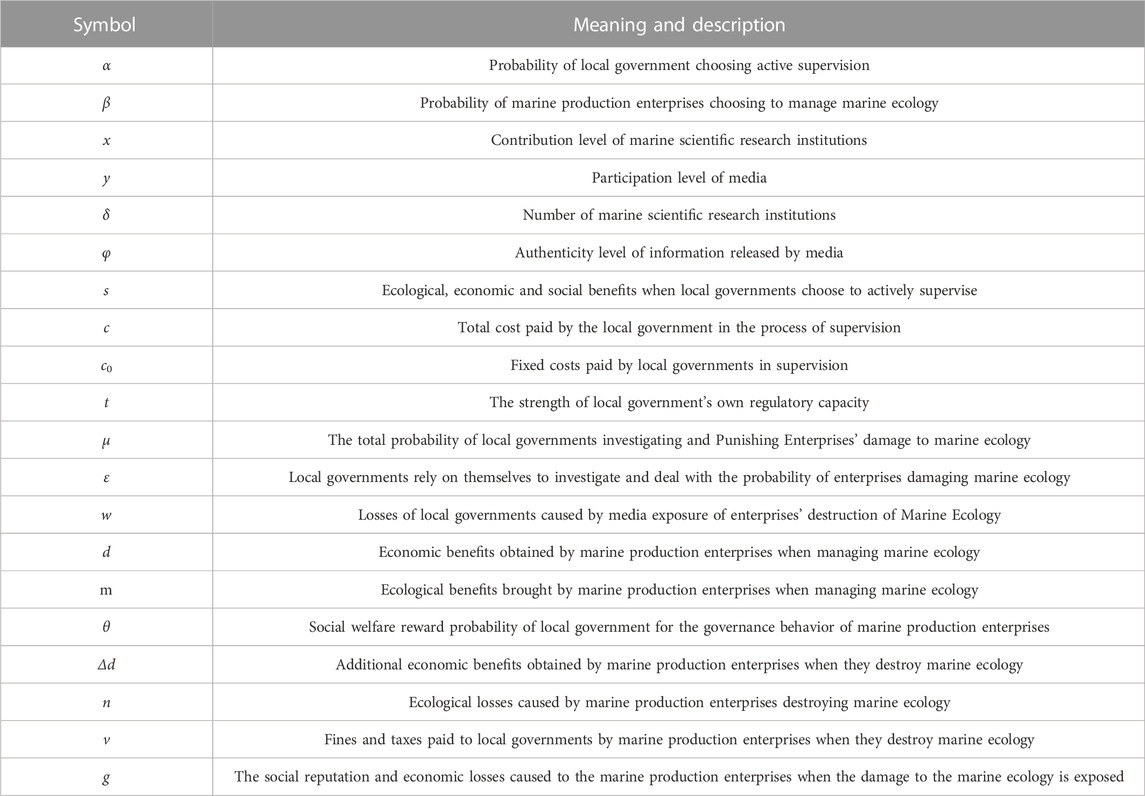
TABLE 2. Symbols and meanings of relevant parameters.
3.2 Model assumptions
On the basis of previous studies, the study makes the following assumptions on the game behavior of multiparty governance subjects.
3.3 Model building
According to the model assumptions in Section 3.2, Table 3 depicts the income payment matrix of the proposed game model.

TABLE 3. Income payment matrix of local governments and marine production enterprises.
According to the results in Table 3, the study concludes that the expected benefits of local governments and marine production enterprises in the choice of different behavior strategies are as follows:
Therefore, the dynamic equation of replication between local governments and marine production enterprises can be obtained as follows:
Let
3.4 Analysis of stability
To determine the stability of each equilibrium point, the study employs the local stability analysis of the Jacobian matrix. The specific judgment process is derived as follows:
Table 4 presents the value of the game system at the five local equilibrium points, namely,
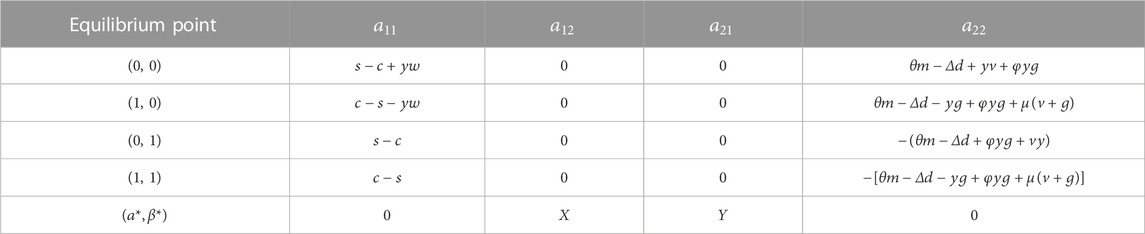
TABLE 4. Values of local equilibrium points.
Note: X and Y in the Table 4 are divided into the following:
By judging whether the local stability point meets the two following conditions, whether the equilibrium point obtained is the ESS of the system can be determined.
The proposed evolutionary game model needs to comprehensively consider the impact of four parameters, namely,
3.5 Summary
We summarize the summary of Section 3, as shown in Table 5.

TABLE 5. Model summary.
4 Analysis of the evolutionary game model
According to the evolutionary game theory, if the benefits of one of the strategies selected by persons of authority exceed those of other strategies, then the model will evolve to the strategy with high benefits independently. The results obtained by copying the dynamic equation can ensure that the evolutionary stability strategies are equivalent to evolutionary equilibrium.
On the basis of the solution results of the model, the study found that the evolution direction of the stable state of the system is dependent on the relative relationship between influence parameters x, y,
Therefore, a change in the system stable equilibrium point within the range of different parameter values can be obtained through a comprehensive analysis of the number (
4.1 Analysis of special cases
To further obtain the threshold range of contribution level x of marine scientific research institutions and participation level y of media, the study first assign values of 0 and one to the number (
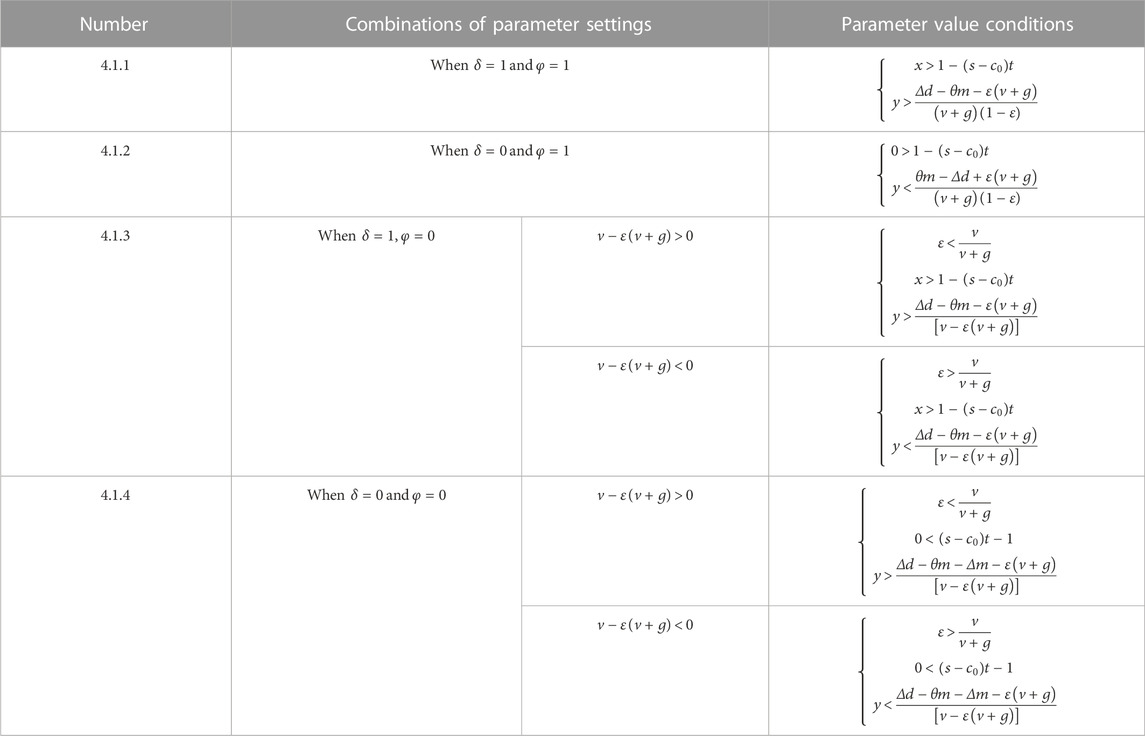
TABLE 6. Parameter value conditions in special cases.
4.1.1 When
The number
4.1.2 When
The number
By comparing the parameter conditions in Section 4.1.1 and Section 4.1.2, the study found that the following: if the system also evolves to (1, 1), the parameter value range in Section 4.1.1 is easier to meet, which can better realize the effect of multiagent collaborative governance on the marine ecoeconomic system. Simultaneously, the difference between the parameter values of Section 4.1.1 and Section 4.1.2 fully reflects the important role played by the number of marine scientific research institutions
4.1.3 When
The number
When the ability of local governments to supervise is low, to better achieve the governance effect, the participation level of the media needs to be further improved. Local governments are unable to bear the responsibility of supervising the bad behavior of marine production enterprises due to poor supervision. However, the profit-seeking nature of enterprises makes them neglect marine ecological governance, which leads to the deterioration of marine ecological development. As an important supervisor and disseminator of the negative behavior of marine production enterprises, the media can be more sensitive to the destruction of marine ecology by enterprises than the government can. However, at this time, a false report
When the ability of local governments to supervise is high, to better achieve the governance effect, the participation level of media needs to be reduced to better achieve the governance effect. In this regard, local governments are in an absolutely dominant position in the governance model of the marine ecoeconomic system. Under the pressure of supervision, enterprises will be forced to enhance the governance of the ocean, and the marine ecology will develop well. Report distortion
Analysis revealed that under the premise that the authenticity of information released by the media cannot be guaranteed, appropriately addressing the positive and negative effects of media participation in governance is necessary to achieve the optimization of the effect of multiple collaborative governance. On the one hand, the central government should take unified measures to improve the participation level and journalistic literacy of the media and compensate for the loopholes of unfavorable local government supervision. On the other hand, when the media strengthen self-regulation, the state and government should legislate to reduce the length and frequency of negative reports and control the radiation of negative public opinion.
By comparing the
4.1.4 When
The number
When the ability of local governments is low, to better achieve the governance effect, improving the participation level of media as much as possible is crucial for the maximation of the governance effect.
When the ability of local governments to supervise is high, to improve the governance effect, local governments need to properly guide the media in reducing their participation and the negative impact of negative media reports.
By comparing the fixed value combinations of the four abovementioned parameters, the effect of multiagent governance of marine ecoeconomic system is widely known to be comprehensively affected by many factors. To enable the system to evolve into (1, 1), the number
4.2 Analysis of the general situation
To better understand the impact of the relevant parameters of marine scientific research institutions and media on the governance effect of the marine ecoeconomic system, the study investigates the general conditions for the evolution of the system into (1.1). The parameters of the system need to meet the following:
On the premise of avoiding exerting an influence on the conclusion, the analysis is also conducted with
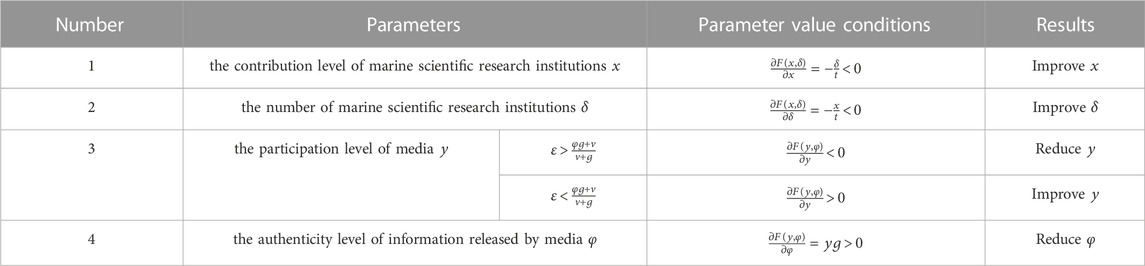
TABLE 7. Parameter value conditions in general situation.
4.2.1 Analysis of the influence of contribution level
To better meet the parameter value conditions for the evolution of the system into (1, 1), further improving the contribution level of marine scientific research institutions, highlighting the efficient utilization of marine scientific and technological R&D resources that were invested, driving a step-by-step increase in the output level of marine scientific and technological achievements, and focusing on the original innovation and later transformation of marine scientific and technological achievements are important aspects. In this manner, the scientific and technological strength of the governance of the ocean can be improved.
4.2.2 Analysis of the influence of the number
To better meet the parameter value conditions for the system to evolve to (1.1), further increasing the number of marine scientific research institutions is necessary. Through capital investment and introduction of excellent talents, the scale effect can be realized through the expansion of the scale of scientific research scale. At the same time, attention should be given to the improvement of the input–output structure of marine science and technology and to the acceleration of the industrialization of marine science and technology.
4.2.3 Analysis of the influence of the participation level y of the media
When the ability of local governments to supervise is low, further guiding the media to improve its participation level
When the ability of local governments to supervise is high, to better meet the parameter value conditions for the system to evolve into (1, 1), further guiding the media in reducing participation level
4.2.4 Analysis of the impact of the authenticity level
To better meet the parameter value conditions for the system to evolve into (1.1), improving the authenticity level
5 Numerical simulation
To explore the continuous trend of various parameters on the evolution of the system into (1, 1), the study distributed questionnaires on the multiagent collaborative governance of the marine ecoeconomic system across 14 coastal cities (Dalian, Qinhuangdao, Tianjin, Yantai, Qingdao, Lianyungang, Nantong, Shanghai, Ningbo, Wenzhou, Fuzhou, Guangzhou, Zhanjiang, and Beihai) from August 2021 to December 2021 to obtain data. The study then conducted a numerical simulation of the results of the parameter conditions in the general case of the system to obtain simulation images that influence the governance behavior of local governments and marine production enterprises to analyze the influence of the parameters in an intuitive manner.
As certain variables of the survey results are interval values, the average value is used for convenience. The specific survey values are as follows: 1) local governments: the average amount as punishment for illegal enterprises per instance is 44,200 yuan with an average punishment times of 21.6 per year. The annual average number of times of accepting media exposure and supervising enterprises involved is 2.232. 2) Marine production enterprises: the average annual investment for marine ecological governance is 440,200 yuan for a single enterprise, and 30% of the enterprises are rewarded by the government for ecological governance.
To set the simulation parameter values more reasonably, the study consulted with 20 experts in marine ecology and economy through interviews, online dialogs, and other channels based on the data that were not investigated. In combination with the setting of simulation parameter values in the relevant literature (Lu and He, 2020; Du et al., 2021), the parameters were assigned (220,000 is taken as a unit). The details are as follows: 1) local governments:
5.1 Analysis of the choice of behavior strategies of local governments
To explore the influence of contribution level
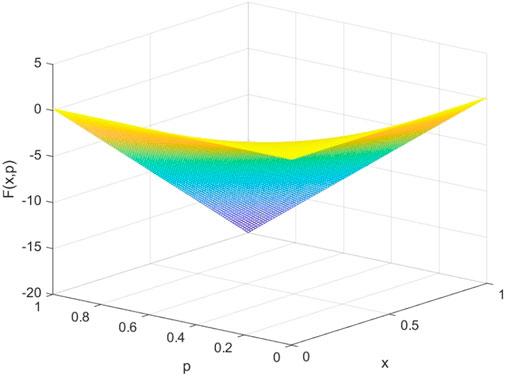
FIGURE 2. Simulation image of local government behavior strategy selection.
Figure 2 illustrates that function
5.2 Analysis of the selection of behavior strategies of marine production enterprises
To explore the influence of participation level
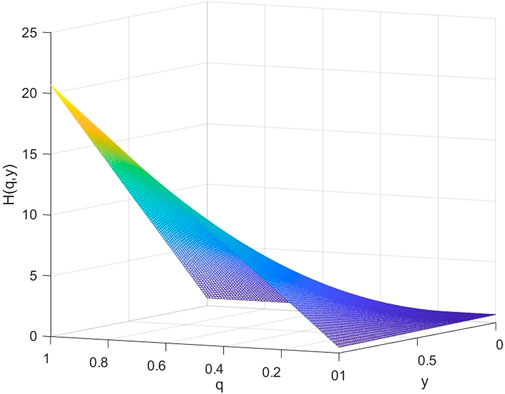
FIGURE 3. Simulation image of behavior strategy selection of marine production enterprises.
Figure 3 demonstrates that the increase in function
6 Conclusion
By constructing an evolutionary game model of the multiagent governance mechanism of the marine ecoeconomic system, this study selected and analyzed the impact of four relevant parameters of marine scientific research institutions and the media on the stable evolution of the game system. The results indicate that: 1) improving the contribution level and number of marine scientific research institutions is conducive to the collaborative governance of the marine ecoeconomic system; 2) the authenticity level of information released by media is positively correlated with the development of the multiagent governance model of the marine ecoeconomic system; and 3) differently biased objects with distorted media report information affect the trend of the governance effect of the marine ecoeconomic system. Thus, a timely improvement or reduction of the participation level of media is necessary. If information reported by the media is untrue, then the higher the supervision ability of the central and local governments should be, such that they can resist the loss of credibility and compensate for the defects of media participation in governance.
The conclusion provides the following ideas for promoting the multiagent governance mechanism of the marine ecoeconomic system.
6.1 Local governments should reform their supervision and drive the coordinated governance of multiple subjects
On the one hand, for underdeveloped coastal areas, the governments should focus on the allocation of scientific research resources. The government should vigorously guide local resources for high-quality and characteristic scientific to collect data through marine governance research, and improve the efficiency of scientific research achievements in marine governance research in the region. At the same time, the government should strengthen the coordination and integration effect of the allocation structure, allocation mode and allocation environment of scientific research resources, formulate the differentiated matching path and development strategy, and not only consider the impact of a single factor. Even if the marine development in the region is lacking, and the allocation mode and environment of scientific research resources are severely limited, continuing to increase scientific research investment, especially basic research investment, can effectively improve the governance efficiency. For more developed coastal areas, local governments should focus on the utilization of scientific research resources. The government should implement precise policies to promote the full and efficient use of local marine scientific research resources. By making reasonable reference to the output efficiency of various marine scientific research institutions, increase investment in institutions with good performance and further expand the scale of scientific research. At the same time, the government issued relevant policies to build an academic exchange platform between institutions for scientific researchers, encourage them to learn advanced technologies, and effectively improve governance efficiency. On the other hand, local governments should encourage the media to actively disclose the illegal acts and marine ecological conditions of marine production enterprises. As such, the media can play its regulatory role and compensate for regulatory loopholes in the government. At the same time, local governments should also fully utilize their core regulatory functions, actively innovate regulatory methods, adopt appropriate tax credit policies, and establish environmental publicity penalties, among others, to offset the negative impact of deviations in media reports and take the initiative to play active regulatory and guiding roles in the process of long-term multiagent governance.
6.2 The media should deepen publicity and convey real information to society
The media should not only continuously expand the collection and dissemination channels of governance information and disclose high-quality and high-precision information but also continuously increase the intensity and frequency of reports on the conditions of the marine ecology. Moreover, when disclosing governance, the media must make full disclosure, not avoiding the good and not missing the bad. Any judgement by the media must be complemented by reliable information and documentation, and be able to withstand repeated scrutiny in logical arguments. Only in this way can the media give better play to their ability of information transmission and supervision, and encourage marine production enterprises to take the initiative in marine governance. Simultaneously, the media should abide by the principles of objectivity, impartiality, and freedom in the reporting process, take the truth as the yardstick, excavate deep-seated lessons on environmental protection that underlie marine pollution and destruction, and utilize the subjective initiative of social subjects. In this manner, the efficiency of the marine governance of local governments and marine production enterprises can be effectively improved. In addition, the media should follow up on the popularization of knowledge related to the governance of the marine ecoeconomic system in real time to attract and increase public participation in this collaborative governance mechanism.
6.3 Scientific research institutions should devote themselves to output and jointly promote the implementation and progress of scientific research achievements
Marine scientific research institutions should stimulate the work enthusiasm of internal researchers, improve the contribution rate of marine science and technology innovation, rely on independent cultivation and talent introduction policies, and use various differentiated incentive measures and subsidies to provide sufficient material guarantee for marine scientific research talents to perform well in the long-term war of local marine governance research. At the same time, such institutions should give greater autonomy to the internal personnel of marine scientific research institutions, particularly in the aspects of institution setting, post-setting, talent recruitment, and achievement reward, among others; improve development flexibility and enthusiasm; and further promote the combination of marine scientific research output with the work of local governments and the production of marine enterprises to achieve a better effect through diversified and coordinated governance. More importantly, the marine scientific research institutions in various regions should, according to their own resource endowments and regional characteristics, choose appropriate paths to improve the efficiency of scientific research output, achieve balanced development among regions, finally achieve a better effect through diversified and coordinated governance.
Data availability statement
The datasets presented in this article are not readily available because of the privacy and confidential nature of its respondents, further inquiries can be directed to the corresponding author.
Author contributions
LG provided the direction and given guidance to the paper. HY conducted the construction and analysis of the game model and data simulation, and was a major contributor to the manuscript writing. DC provided some suggestions for writing the manuscript. All authors read and approved the final manuscript.
Funding
This work was supported by the National Natural Science Foundation of China (Grant no. 71904181).
Conflict of interest
The authors declare that the research was conducted in the absence of any commercial or financial relationships that could be construed as a potential conflict of interest.
Publisher’s note
All claims expressed in this article are solely those of the authors and do not necessarily represent those of their affiliated organizations, or those of the publisher, the editors and the reviewers. Any product that may be evaluated in this article, or claim that may be made by its manufacturer, is not guaranteed or endorsed by the publisher.
References
Al-Rawi, Y. A., Imlus, M. H., and Yahya, S. B. (2021). Factors affecting vehicle exhaust emissions, driver motivations as a mediator. Environ. Econ. Policy Stud. 23 (2), 361–407. doi:10.1007/s10018-020-00291-6
Arentsen, M. (2008). Environmental governance in a multi-level institutional setting. Energy & Environ. 6, 779–786. doi:10.1260/095830508785363578
Armitage, D., Loe, R. D., and Plummer, R. (2012). Environmental governance and its implications for conservation practice. Conserv. Lett. 5 (4), 245–255. doi:10.1111/j.1755-263X.2012.00238.x
Baloch, M. A., Zhang, J. J., Iqbal, K., and Iqbal, Z. (2019). The effect of financial development on ecological footprint in BRI countries: Evidence from panel data estimation. Environ. Sci. Pollut. Res. 26 (6), 6199–6208. doi:10.1007/s11356-018-3992-9
Bene, C., Doyen, L., and Gabay, D. (2001). A viability analysis for a bio-economic model. Ecol. Econ. 36 (3), 385–396. doi:10.1016/S0921-8009(00)00261-5
Bento-Silva, J. S., Andrade, W. M. D., Ramos, M. A., Ferraz, E. M. N., de Medeiros Souto, W., Paulino de Albuquerque, U., et al. (2015). Students’ perception of urban and rural environmental protection areas in Pernambuco, Brazil. Trop. Conservation Sci. 8 (3), 813–827. doi:10.1177/194008291500800316
Borochin, P., and Cu, W. H. (2018). Alternative Corporate governance: Domestic media coverage of mergers and acquisitions in China. J. Bank. Finance 87, 1–25. doi:10.1016/j.jbankfin.2017.08.020
Bundy, A., Chuenpagdee, R., Boldt, J. L., Borges, M. D., Camara, M. L., Coll, M., et al. (2017). Strong fisheries management and governance positively impact ecosystem status. Fish Fish. 18 (3), 412–439. doi:10.1111/faf.12184
Cao, Y., Yu, Z. Y., and Wan, G. Y. (2017). Evolutionary game study between government and enterprises in food adulteration under the new media environment. Chin. J. Manag. Sci. 25 (6), 179–187. doi:10.16381/j.cnki.issn1003-207x.2017.06.019
Carcamo, P. F., and Gaymer, C. F. (2013). Interactions between spatially explicit conservation and management measures: Implications for the governance of marine protected areas. Environ. Manag. 52 (6), 1355–1368. doi:10.1007/s00267-013-0167-9
Castelos, M. A. (2014). Marine renewable energies: Opportunities, law, and management. Ocean Dev. Int. Law 45 (2), 221–237. doi:10.1080/00908320.2014.898926
Charfeddine, L. (2017). The impact of energy consumption and economic development on ecological footprint and CO2 emissions: Evidence from a Markov switching equilibrium correction model. Energy Econ. 65, 355–374. doi:10.1016/j.eneco.2017.05.009
Cheng, D. D. (2018). Research on cooperation between government and social organization in public crisis management of China. Henan: Henan university Press.
Cheyne, C. (2015). Changing urban governance in New Zealand: Public participation and democratic legitimacy in local authority planning and decision-making 1989-2014. Urban Policy Res. 33 (4), 416–432. doi:10.1080/08111146.2014.994740
Clausen, R., and Clark, B. (2005). The metabolic rift and marine ecology: An analysis of the ocean crisis within capitalist production. Organ. Environ. 18 (4), 422–444. doi:10.1177/1086026605281187
Costanza, R., and Farley, J. (2007). Ecological economics of coastal disasters: Introduction to the special issue. Ecol. Econ. 63 (2-3), 249–253. doi:10.1016/j.ecolecon.2007.03.002
Costanza, R. (1999). The ecological, economic and social importance of the oceans. Ecol. Econ. 31 (2), 199–213. doi:10.1016/S0921-8009(99)00079-8
Costello, C., Ovando, D., Hilborn, R., Gaines, S. D., Deschenes, O., and Lester, S. E. (2012). Status and solutions for the world's unassessed fisheries. Science 338 (6106), 517–520. doi:10.1126/science.1223389
Crowder, L. B., Osherenko, G., Young, O. R., Airame, S., Norse, E. A., Baron, N., et al. (2006). Sustainability: Resolving mismatches in US ocean governance. Science 313 (5787), 617–618. doi:10.1126/science.1129706
Cui, J. H. (2022). Research on anomie of short video we media under social governance innovation and its supervision path. J. Yanbian Party Sch. 38 (4), 67–71. doi:10.16332/j.cnki.cn22-1302/d.2022.04.008
Delgado, L. E., Zuniga, C. C., Asun, R. A., Castro-Diaz, R., Natenzon, C. E., Paredes, L. D., et al. (2021). Toward social-ecological coastal zone governance of Chiloe Island (Chile) based on the DPSIR framework. Sci. total Environ. 758, 143999–144023. doi:10.1016/j.scitotenv.2020.143999
Devenport, E., Brooker, E., Brooker, A., and Leakey, C. (2021). Insights and recommendations for involving young people in decision making for the marine environment. Mar. Policy 124, 104312–104360. doi:10.1016/j.marpol.2020.104312
Donald, W., and Albert, B. (1998). Competitive governments: An economic theory of politics and public finance. South. Econ. J. 64 (4), 1011. doi:10.2307/1061217
Du, Y. W., Sun, H. R., Wang, Y. F., and Wan, X. L. (2021). Evolutionary game model and simulation of marine pasture ecological security supervision. J. Ecol. 41 (12), 4795–4805. doi:10.5846/stxb202002100220
Duan, X., Sun, P. F., Wang, X., and Zhan, B. S. (2019). Evolutionary game analysis of industry-university-research cooperative innovation in digital media enterprise cluster based on GS algorithm. Wirel. Commun. Mob. Comput. 2022, 1–10. doi:10.1155/2022/5701917
Duda, A. M., and Sherman, K. (2002). A new imperative for improving management of large marine ecosystems. Ocean Coast. Manag. 45 (11-12), 797–833. doi:10.1016/S0964-5691(02)00107-2
Dyck, A., Volchkova, N., and Zingales, L. (2008). The corporate governance role of the media: Evidence from Russia. J. Finance 63, 1093–1135. doi:10.1111/j.1540-6261.2008.01353.x
Eckerberg, K., and Joas, M. (2004). Multi-level environmental governance: A concept under stress? Local Environ. 9 (5), 405–412. doi:10.1080/1354983042000255315
Emerson, K., Nabatchi, T., and Balogh, S. (2012). An integrative framework for collaborative governance. J. Public Adm. Res. Theory 22 (1), 1–29. doi:10.1093/jopart/mur011
Forsyth, T. (2006). Cooperative environmental governance and waste-to-energy technologies in Asia. Int. J. Technol. Manag. Sustain. Dev. 5 (3), 209–220. doi:10.1386/ijtm.5.3.209/1
Forsyth, T., and Xu, L. (2004). Cooperative environmental governance: A new model. J. National Acad. Governance 3, 92–94. doi:10.14063/j.cnki.1008-9314.2004.03.025
Gao, L. H., and Gao, Q. (2012). Study on the definition and composition of marine eco economic system. Ecol. Econ. 2, 63–66.
Gao, Q. (2021). Review on the coordinated development strategy of China's marine eco economic system. J. Shandong Agric. Eng. Coll. 38 (6), 42–45. doi:10.15948/j.cnki.37-1500/s.2021.06.007
Gao, S., Ling, S., and Liu, W. (2018). The role of social media in promoting information disclosure on environmental incidents: An evolutionary game theory perspective. Sustainability 10 (12), 4372–4419. doi:10.3390/su10124372
Gao, X., Shen, J. Q., He, W. J., Sun, F. H., Zhang, Z. F., Guo, W. J., et al. (2019). An evolutionary game analysis of governments’ decision-making behaviors and factors influencing watershed ecological compensation in China. J. Environ. Manag. 251, 109592–109619. doi:10.1016/j.jenvman.2019.109592
Gelcich, S., Martinez-Harms, M. J., Tapia-Lewin, S., Vasquez-Lavin, F., and Ruano-Chamorro, C. (2019). Comanagement of small-scale fisheries and ecosystem services. Conserv. Lett. 12 (2), 79–88. doi:10.1111/conl.12637
Gerhardinger, L. C., de Andrade, M. M., Correa, M. R., and Turra, A. (2020). Crafting a sustainability transition experiment for the brazilian blue economy. Mar. policy 120, 104157–157. doi:10.1016/j.marpol.2020.104157
Goffetti, G., Montini, M., Volpe, F., Gigliotti, M., Pulselli, F. M., Sannino, G., et al. (2018). Disaggregating the SWOT analysis of marine renewable energies. Front. Energy Res. 6, 389–402. doi:10.3389/fenrg.2018.00138
Guan, B. (2020). Is performance pressure a double-edged sword in local government environmental governance- an empirical analysis based on the perspective of public value conflict. J. Public Adm. 17 (2), 53–69+168. doi:10.16149/j.cnki.23-1523.2020.02.002
Guo, Z. M., Bai, Y., and Yu, W. C. (2022). Study on long term management and maintenance strategy of rural tourism toilet project under double supervision: Considering the reward and punishment mechanism and two types of maintenance modes. Tour. Sci. 36 (3), 130–146. doi:10.16323/j.cnki.lykx.2022.03.005
Hall, C. M. (2001). Trends in ocean and coastal tourism: The end of the last frontier? Ocean Coast. Manag. 44 (9), 601–618. doi:10.1016/S0964-5691(01)00071-0
Han, C., Zhang, W. G., and Shan, S. (2016). Regulation and governance, public appeal and environmental pollution- an Empirical Analysis Based on the interaction of regional environmental governance strategies. Finance Trade Econ. 37 (9), 144–160.
Held, D. (2001). The great Global change: Politics, Economy and Culture in the age of globalization. Shanghai: Social Sciences. Cambridge, MA, United States: Academic Press.
Heritier, S. (2010). Public participation and environmental management in mountain national parks: Anglo-saxon perspectives. Revue de Geogr. Alpine-Journal Alp. Res. 98, 160–178. doi:10.4000/rga.1156
Hoagland, P., and Jin, D. (2008). Accounting for marine economic activities in large marine ecosystems. Ocean Coast. Manag. 51 (3), 246–258. doi:10.1016/j.ocecoaman.2007.09.007
Hogan, W. W. (1997). Market power and strategic interaction in electricity networks. Energy J. 18 (4), 107–141. doi:10.1016/S0140-6701(97)84784-4
Holling, C. S., and Meffe, G. K. (1996). Command and control and the pathology of natural resource management. Conserv. Biol. 10 (2), 328–337. doi:10.1046/j.1523-1739.1996.10020328.x
Hou, Q. H., Zheng, Y. N., and Shi, B. J. (2021). Analysis and system construction of ecological network theory of environmental collaborative governance: From the perspective of niche theory. J. North China Univ. Sci. Technol. 21 (6), 63–70.
Huang, C. X., and Guo, H. W. (2022). Research on media deep integration and innovation in the perspective of governance modernization. Chin. Editor. 9, 31–37.
Imperial, M. T. (2005). Using collaboration as a governance strategy: Lessons from six watershed management programs. Adm. Soc. 37, 281–320. doi:10.1177/0095399705276111
Jacob, C., Thorin, S., and Pioch, S. (2018). Marine biodiversity offsetting: An analysis of the emergence of an environmental governance system in California. Mar. Policy 93, 128–141. doi:10.1016/j.marpol.2018.04.007
Jia, M., Tong, L., Viswanath, P. V., and Zhang, Z. (2016). Word power: The impact of negative media coverage on disciplining corporate pollution. J. Bus. Ethics 138 (3), 437–458. doi:10.1007/s10551-015-2596-2
Jin, D., Hoagland, P., and Dalton, T. M. (2003). Linking economic and ecological models for a marine ecosystem. Ecol. Econ. 46 (3), 367–385. doi:10.1016/j.ecolecon.2003.06.001
John, R. P. (2006). De-centering environmental governance: A short history and analysis of democratic processes in the forest sector of alberta, Canada. Policy Sci. 39, 183–202. doi:10.1007/s11077-006-9015-6
Jones, P. J. S., Qiu, W., and De Santo, E. M. (2013). Governing marine protected areas: Social-ecological resilience through institutional diversity. Mar. Policy 41, 5–13. doi:10.1016/j.marpol.2012.12.026
Juda, L. (2003). Changing national approaches to ocean governance: The United States, Canada and Australia. Ocean Dev. Int. Law 34 (2), 161–187. doi:10.1080/00908320390209627
Kathuria, V. (2007). Informal regulation of pollution in a developing country: Evidence from India. Ecol. Econ. 63 (2-3), 403–417. doi:10.1016/j.ecolecon.2006.11.013
Kildow, J. T., and McIlgorm, A. (2010). The importance of estimating the contribution of the oceans to national economies. Mar. Policy 34 (3), 367–374. doi:10.1016/j.marpol.2009.08.006
Kolbel, J. F., Busch, T., and Jancso, L. M. (2017). How media coverage of corporate social irresponsibility increases financial risk. Strategic Manag. J. 38 (11), 2266–2284. doi:10.1002/smj.2647
Leyton-Brown, K., and Shoham, Y. (2008). Essentials of game theory: A concise multidisciplinary introduction. Synthesis Lect. Artif. Intell. Mach. Learn. 2, 1–88. doi:10.2200/S00108ED1V01Y200802AIM003
Li, L., Xia, X. H., Chen, B., and Sun, L. X. (2018). Public participation in achieving sustainable development goals in China: Evidence from the practice of air pollution control. J. Clean. Prod. 201, 499–506. doi:10.1016/j.jclepro.2018.08.046
Li, Y. Y., and Shen, K. R. (2008). Emission reduction effect of China's pollution control policy- an Empirical Analysis Based on inter provincial industrial pollution data. Manag. world 7, 7–17. doi:10.19744/j.cnki.11-1235/f.2008.07.002
Li, Z. H. (2017). The impact of public participation on local government environmental governance- an Empirical Analysis of inter provincial data from 2003 to 2013. China Adm. 8, 102–108.
Liu, B., and McConnell, J. J. (2013). The role of the media in corporate governance: Do the media influence managers' capital allocation decisions? J. Financial Econ. 110 (1), 1–17. doi:10.1016/j.jfineco.2013.06.003
Liu, J. L. (2018). Study on the collaborative governance mechanism of ecological environment in changsha-zhuzhou-xiangtan region under the green development perspective. Meteorological Environ. Res. 5 (9), 47–53. doi:10.11821/dlyj020200254
Liu, S. X., Zhu, Y. M., and Du, K. Q. (2017). Review on the coordinated development strategy of China's marine eco economic system. J. Shandong Agric. Eng. Coll. 38 (6), 42–45.
Liu, W. H., Ballinger, R. C., Jaleel, A., Wu, C. C., and Lin, K. L. (2012). Comparative analysis of institutional and legal basis of marine and coastal management in the East Asian region. Ocean Coast. Manag. 62, 43–53. doi:10.1016/j.ocecoaman.2012.01.005
Lockwood, M., Davidson, J., Curtis, A., Stratford, E., and Griffith, R. (2009). Multi-level environmental governance: Lessons from Australian natural resource management. Aust. Geogr. 2, 169–186. doi:10.1080/00049180902964926
Lockwood, M., Davidson, J., Hockings, M., Haward, M., and Kriwoken, L. (2012). Marine biodiversity conservation governance and management: Regime requirements for global environmental change. Ocean Coast. Manag. 69, 160–172. doi:10.1016/j.ocecoaman.2012.07.015
Lu, A. W., and He, H. Y. (2020). Research on multiple collaborative governance of Internet information service industry based on Evolutionary Game. Operations Res. Manag. 29 (11), 53–59.
Luisa Martínez, M., Vázquez, G., Intralawan, A., and Pérez-Maqueo, O. (2007). The coasts of our world: Ecological, economic and social importance. Ecol. Econ. 63 (2-3), 254–272. doi:10.1016/j.ecolecon.2006.10.022
Mark, P. (2008). Classical liberalism and ecological rationality: The case for poly-centric environmental law. Environ. Polit. 17 (3), 431–448. doi:10.1080/09644010802055659
Martinez, M. L., Intralawan, A., Vazquez, G., Perez-Maqueo, O., Sutton, P., and Landgrave, R. (2007). The coasts of our world: Ecological, economic and social importance. Ecological Economics 63 (2-3), 254–272. doi:10.1016/j.ecolecon.2006.10.022
Marzuki, A., Hay, I., and James, J. (2011). Public participation shortcomings in tourism planning: The case of the Langkawi Islands, Malaysia. J. Sustain. Tour. 20 (4), 585–602. doi:10.1080/09669582.2011.638384
McKinley, E., and Ballinger, R. C. (2018). Welsh legislation in a new era: A stakeholder perspective for coastal management. Mar. Policy 97, 253–261. doi:10.1016/j.marpol.2018.06.005
Nguyen, B. D. (2015). Is more news good news? Media coverage of CEOs, firm value, and rent extraction. Q. J. Finance 5 (4), 1550020–1550038. doi:10.1142/S2010139215500202
Ning, L., Hu, Q. F., Wang, L., and Sun, Q. (2021). Study on allocation efficiency of green Marine science and technology resources in Bohai Rim. J. Yunnan Normal Univ. (Philosophy Soc. Sci. Ed. 52 (2), 123–132.
Ostrom, E. (2010). Polycentric systems for coping with collective action and global environmental change. Glob. Environ. Change-Human Policy Dimensions 20 (4), 550–557. doi:10.1016/j.gloenvcha.2010.07.004
Pargal, S., Mani, M., and Huq, M. (1997). Inspections and emissions in India: Puzzling survey evidence about indusrial pollution. Soc. Sci. Electron. Publ. 22 (4), 52–70.
Parlee, C. E., and Wiber, M. G. (2018). Using conflict over risk management in the marine environment to strengthen measures of governance. Ecol. Soc. 23 (4), art5–833. doi:10.5751/ES-10334-230405
Qu, G. H., Yang, L., and Qu, W. H. (2021). Research on evolutionary game considering the choice of government supervision and public supervision strategy under the third-party international environmental audit. Chin. Manag. Sci. 29 (4), 225–236. doi:10.16381/j.cnki.issn1003-207x.2019.1146
Ross, H., Baldwin, C., and Carter, R. W. (2016). Subtle implications: Public participation versus community engagement in environmental decision-making. Australas. J. Environ. Manag. 23 (2), 123–129. doi:10.1080/14486563.2016.1194588
Salpin, C., Onwuasoanya, V., Bourrel, M., and Swaddling, A. (2018). Marine scientific research in pacific small island developing states. Mar. Policy 95 (1), 363–371. doi:10.1016/j.marpol.2016.07.019
Sarker, S., Bhuyan, M. A. H., Ranman, M. M., Islam, M. A., Hossain, M. S., Basak, S. C., et al. (2018). From science to action: Exploring the potentials of blue economy for enhancing economic sustainability in Bangladesh. Ocean Coast. Manag. 157, 180–192. doi:10.1016/j.ocecoaman.2018.03.001
Savan, B., Gore, C., and Morgan, A. J. (2004). Shifts in environmental governance in Canada: How are citizen environment groups to respond? Environ. Plan. C Government& Policy 34 (2), 605–619. doi:10.1068/c12r
Shen, H. T., and Feng, J. (2012). Public opinion supervision, Government supervision and Enterprise environmental information disclosure. Account. Res. 2, 72–80. doi:10.15948/j.CNKI:SUN:KJYJ.0.2012-02-013
Sheng, J., Zhou, W., and Zhu, B. (2019). The coordination of stakeholder interests in environmental regulation: Lessons from China’s environmental regulation policies from the perspective of the evolutionary game theory. J. Clean. Prod. 249, 119385–119413. doi:10.1016/j.jclepro.2019.119385
Song, X., Ravesteijn, W., Frostell, B., and Wennersten, R. (2010). Managing water resources for sustainable development: The case of integrated river basin management in China. Water Sci. Technol. 61 (2), 499–506. doi:10.2166/wst.2010.848
Souter, D. W., and Linden, O. (2000). The health and future of coral reef systems. Ocean Coast. Manag. 43 (8-9), 657–688. doi:10.1016/S0964-5691(00)00053-3
Spence, D. B. (2001). The shadow of the rational polluter: Rethinking the role of rational actor models in environmental law. Calif. Law Rev. 89 (4), 917–918. doi:10.2307/3481289
Su, N. N., Zhu, X. Q., and Xin, Y. S. (2019). An evolutionary game model of collaborative innovation between enterprises and colleges under government participation of China. Sage Open 11 (1), 215824402199485–16. doi:10.1177/2158244021994854
Sun, C. Z., Wang, Y. Y., and Zou, W. (2018). The marine ecosystem services values for China based on the emergy analysis method. Ocean Coast. Manag. 161, 66–73. doi:10.1016/j.ocecoaman.2018.04.022
Taljaard, S., Van, Niekerk, L., and Weerts, S. P. (2019). The legal landscape governing South Africa's coastal marine environment - helping with the 'horrendogram. Ocean Coast. Manag. 178, 104801–8. doi:10.1016/j.ocecoaman.2019.05.003
Taylor, P. D., and Jonker, L. B. (1978). Evolutionary stable strategies and game dynamics. Math. Biosci. 40, 145–156. doi:10.1016/0025-5564(78)90077-9
Thomson, A. M., and Perry, J. L. (2006). Collaboration processes: Inside the black box. Public Adm. Rev. 66, 20–32. doi:10.1111/j.1540-6210.2006.00663.x
Tilt, B. (2019). China’s air pollution crisis: Science and policy perspectives. Environ. Sci. Policy 92, 275–280. doi:10.1016/j.envsci.2018.11.020
Vince, J., and Hardesty, B. D. (2017). Plastic pollution challenges in marine and coastal environments: From local to global governance. Restor. Ecol. 25 (1), 123–128. doi:10.1111/rec.12388
Voyer, M., Farmery, A. K., Kajlich, L., Vachette, A., and Quirk, G. (2020). Assessing policy coherence and coordination in the sustainable development of a blue economy: A case study from timor leste. Ocean Coast. Manag. 192, 105187–187. doi:10.1016/j.ocecoaman.2020.105187
Wang, B. (2020). Research on the implementation path of cooperative management of marine ecological environment in China based on fuzzy comprehensive evaluation model. J. Coast. Res. 115 (1), 268–270. doi:10.2112/JCR-SI115-085.1
Wang, H., Cai, L., and Zeng, W. (2019). Research on the evolutionary game of environmental pollution in system dynamics model. J. Exp. Theor. Artif. Intell. 23 (1), 39–50. doi:10.1080/0952813X.2010.506300
Wang, Y., Li, Y. X., and Ma, Z. (2017). Media attention, environmental regulation and corporate investment in environmental protection. Nankai Manag. Rev. 20 (6), 83–94.
Widmer, A., Herzog, L., Moser, A., and Ingold, K. (2019). Multilevel water quality management in the international Rhine catchment area:how to establish social-ecological fit through collaborative governance. Ecol. Soc. 3 (15), art27–253. doi:10.5751/ES-11087-240327
Xia, Y. X. (2022). Study on multi subject collaborative governance of rural ecological environment under the strategy of Rural Revitalization. Hubei Agric. Sci. 61 (2), 195–198. doi:10.14088/j.cnki.issn0439-8114.2022.02.038
Xiong, X., and Zhang, W. N. (2018). Research on supervision mechanism of P2P platform based on evolutionary game theory. Guide Econ. Res. 36, 128145–129. doi:10.3969/j.issn.1673-291X.2018.36.054
Xiong, Y., Li, C. Q., and Wei, Z. H. (2011). Media "sensationalism": Transmission mechanism, economic consequences and reputational punishment: A case study based on the "overlord event. Manag. World 10, 125–140.
You, D. M., and Yang, J. H. (2017). An evolutionary game analysis of government environmental regulation and enterprise eco-technology innovation behavior under public participation. Sci. Technol. Manag. Res. 37 (12), 1–8. doi:10.3969/j.issn.1000-7695.2017.12.001
Yuan, F., Wei, Y. D., Gao, J. L., and Chen, W. (2019). Water crisis, environmental regulations and location dynamics of pollution-intensive industries in China: A study of the taihu lake watershed. J. Clean. Prod. 216, 311–322. doi:10.1016/j.jclepro.2019.01.177
Zhang, C. Y., and Guo, Y. Q. (2015). Chinese style fiscal decentralization, public participation and environmental regulation- an Empirical Study Based on 30 provinces in China from 1997 to 2011. J. Nanjing Audit Inst. 12 (6), 13–23.
Zhang, M., and Yu, Z. J. (2015). Governance or bias-media effect on food safety management in current Chinese political institution. Res. Econ. Manag. 11, 106–114. doi:10.13502/j.cnki.issn1000-7636.2015.11.015
Zhang, Y. L., Du, J. G., and Jin, S. (2015). The tripartite game in enterprise environmental pollution control. Ecol. Econ. 31 (4), 29–33. doi:10.3969/j.issn.1671-4407.2015.04.007
Zhang, Z. (2018). Research on the effect of public participation in environmental governance from the perspective of new media empirical analysis based on China's Provincial Panel Data. China Adm. 9, 79–85. doi:10.19735/j.issn.1006-0863.2018.09.12
Keywords: marine ecoeconomic system, multiagent governance, marine scientific research institutions, media, evolutionary game
Citation: Gao L, Yan H and Cai D (2023) Research on multiagent governance of the marine ecoeconomic system in China considering marine scientific research institutions and media. Front. Environ. Sci. 10:998992. doi: 10.3389/fenvs.2022.998992
Received: 20 July 2022; Accepted: 22 December 2022;
Published: 10 January 2023.
Edited by:
Richard Le Heron, The University of Auckland, New ZealandReviewed by:
Nitin Agarwala, National Maritime Foundation, IndiaWei Hu, Zhejiang Normal University, China
Copyright © 2023 Gao, Yan and Cai. This is an open-access article distributed under the terms of the Creative Commons Attribution License (CC BY). The use, distribution or reproduction in other forums is permitted, provided the original author(s) and the copyright owner(s) are credited and that the original publication in this journal is cited, in accordance with accepted academic practice. No use, distribution or reproduction is permitted which does not comply with these terms.
*Correspondence: Hongyi Yan, eWFuaG9uZ3lpMDcwNEAxNjMuY29t