 Yanbo Wen
 Syed Arslan Haider
 Mohamed Boukhris3
- 1College of Urban and Environmental Sciences, Peking University, Haidian, Beijing, China
- 2Department of Management, Sunway Business School (SBS), Sunway University, Bandar Sunway, Malaysia
- 3Prince Mohammad bin Fahd University, Khobar, Saudi Arabia
The rapid urbanization occurring in China has brought increased attention from scholars towards the issue of revitalizing historical conservation of towns and adapting them to meet the needs of a modern city. In contemporary times, there is a notable emphasis among local residents and experts on the matter of effectively integrating the historical and cultural aspects, distinctive qualities, and traditional practices of a given locality with the demands and dynamics of urban life in a manner that preserves its historical essence. The present study focuses on several questions: What are the philosophical underpinnings and conceptual significance of conservation, regeneration, and urban evolution? What are the existing guidelines and implemented schemes of regeneration in China based on the principles of Space syntax theory and configurational analysis? The primary goal is to enhance the functionality of historical conservation of towns and improve the living environment for the local inhabitants. The study begins with the challenges faced in the historical conservation of towns in the backdrop of high-speed urbanization. Subsequently, it introduces the Space syntax theory as a theoretical perspective to address the problem of how to ensure the preservation of historical towns in linewith the demands of the modern cities in China. The current study used the bibliometric analysis method based on Scopus, Dimension and Web of science databases. The analysis was performed on R software and VOS viewer. Furthermore, only published articles, review papers and book chapters were selected that are published between 2000–2022. Lastly, the study suggests that the future research on the conservation of historical cities in China shall focus on policy formulation and community involvement in conservation and the regeneration of historic areas. The need to involve the public in the decision-making process of the future of their cities is imperative, since the locals are the end-users to every regeneration scheme, hence they are the key stakeholder responsible for ensuring the sustainability of their region.
1 Introduction
Historical and cultural towns are often rich in built heritages that testify to a city’s long history (Xie and Heath, 2017; Zhang and Dong, 2021). However, along with the high speed of urbanization and the transformation of economic and social structures in the past few decades, the lifestyle of people changes a lot so its demands over the built heritage have also changed (Udeaja et al., 2020; Zhai et al., 2021; Tang et al., 2023). City dwellers and city authorities frown upon old historical towns, with their poor living outdated usages when compared to the standards of living and functional spaces of modern cities (Dong et al., 2021). Numerous ancient buildings and streets with great historical and cultural value are being demolished or rebuilt in the urban modernization process and in this process, much of a country’s build heritage is being irremediably lost and transformed (Liu and Zhou, 2021). Therefore, how to preserve and regenerate the historical conservation towns has become an urgent issue to be addressed by the city authorities (Xing, 2022), since there are a lot of historical buildings and towns that are falling into disuse and disappearing. In this process, China and its people lose part of their culture and built heritages (Skowron-Markowska and Nowakowska, 2021).
The regeneration of historical conservation towns can bring economic benefits to the city and its inhabitants and contribute to the promotion of social and human development (Xia, et al., 2022). The renewal of historical conservation towns is not the creation of new space patterns or fabrication of a fake history or image for these places (Orbaşli, 2017). In the historical conservation town’s renewal in China, the problem is essentially how to combine the local history and culture, the special characteristics and traditions with modern city life while keeping its historical essence, rather than indulging in a large-scale reconstruction. This problem is misunderstood by lots of urban planners and architects cities (Dong et al., 2021). Buildings in historical conservation towns should be defined from detailed aspects, such as their construction time, architectural style, and quality of construction, and so on. Then they should be transformed according to different degreetoo ensure their continued existence, rather than by the method of “one size fits all” mode to reform. Future sustainability will need ingenious and innovative solutions for the built environment, especially for existing buildings (Bibri et al., 2020). Even if they are not being used to their full potential, urban cultural heritage buildings have historical value for local and even worldwide civilizations, making them a top priority for preservation efforts (Gravagnuolo et al., 2021). Cultural heritage buildings can be former places of religious worship, aristocratic/royal residences, community meeting places, industrial production sites, early modern office buildings, or military objects (Wang et al., 2022). It is important to seek sustainable solutions for these buildings in urban development (Xia, et al., 2022).
The research questions of the current investigation are: What is the philosophy and meaning of conservation, regeneration and urban evolution; what are the existing guidelines and implemented schemes of regeneration in China under space syntax theory and configurationally analysis? While updating the function of historical conservation towns and improving the living environment for the local inhabitants. Even though urban modem lifestyle is spreading, the redevelopment of historical conservation towns needs the traditional, historical, and cultural heritages, because they explain the rich cultural, political, social, and educational values to generations yet unborn, and shares and exhibit the local unique history and culture to the outside world (Foster, 2020). The current study argues that it needs more preservation than innovation or creativity. Preservation is defined as the act or process of applying measures necessary to sustain the existing form, integrity, and materials of a historical property. Therefore, the current study aims to discuss the philosophy and meaning of conservation regeneration and urban evolution, to study existing guidelines and implemented schemes of regeneration in China, and to study existing guidelines and implemented schemes of regeneration in China under the framework of Space syntax theory and configurationally analysis.
Previous research on urban conservation in China has revealed that scholars working in this field are interested in a variety of topics (Xie and Heath, 2017; Taylor and Verdini, 2022), including the political-economic and social issues in conservation planning, such as power structure and funding systems (Prescott et al., 2017; Azzopardi et al., 2022); heritage as social capital and public participation (Xie et al., 2020); and the cross-cultural application of international historical conservation principles and ideas (Zhao et al., 2020; Cui et al., 2022); and the cross-cultural application of international historical conservation principles. The emphasis of these research initiatives is on the theoretical and practical challenges of urban conservation in China.
In developing countries, maintaining a balance between conservation and rebuilding is notoriously difficult (Said, 2018). In the West, the practice of maintaining historical cities and towns is largely acknowledged, but in many developing countries, the decision of whether to save historical sites or clear the ground for new buildings remains controversial. Along with other maintenance chores, repairs, and restorations, adaptive reuse and reconstruction are included in the conservation process (Mohamed et al., 2001). However, according to the criteria used in the United Kingdom, the majority of the work on historical buildings in China would be considered restoration since there is extensive replenishment of construction materials and newer additions as opposed to simple repairs. China’s historical preservation and urban regeneration initiatives are hampered by the incapacity of stakeholders to see conservation as an integrated whole (Zhang and Dong, 2021). The sole focus of conservation practice is the maintenance and restoration of existing buildings. Using the usual conservation strategy, which priorities maintaining buildings such as those on the National Register of Historic Places, it is impossible to conserve the urban history and the distinctive feeling of place in historical cities (Lai and Lorne, 2019; Wang H. et al., 2021).
2 Literature review
Chinese urban centers followed the same patterns for millennia, but in the last 2 decades, everything has changed. Suzhou, one of the most renowned cities on the southern Yangtze River, has seen its urban area expand by a factor of six in the last 50 years. Since the year 2000, the city has added an area each year that is the same size as the old town, which took over 2,000 years to form (Wang et al., 2022). Researchers that investigate space syntax have recently started to develop approaches for detecting urban neighborhoods. Their approaches mainly depend on the statistical analysis of basic variables, such as depths, node counts, and integration values. Zhai et al. (2021), for instance, employed the metrics of point intelligibility and point synergy to classify urban naming zones.
2.1 Space syntax theory
It would be more accurate to refer to it as “place syntax” or “the spatial syntax of place,” but the theoretical framework of space syntax (Montello, 2007) provides a promising analytic approach to conceptualizing and quantitatively measuring the layout of built spaces, or places (“place syntax” or “the spatial syntax of place”). The purpose of space syntax is to rigorously explain how constructed environments, particularly buildings and urban street networks, are organized; specifically, how they are articulated into distinct portions and then connected. The study of space syntax emphasizes the topological connectivity of various regions or “subspaces” within locations as the primary determinant of how distinct mental and behavioral responses can be accounted for within those locations (Yassine, 2012). The metric aspects of space, such as distance and direction both within and across subspaces, are typically disregarded as being of little importance, as a result of which the pattern of connectedness is considered to be of paramount importance. Various graphical and mathematical tools can be utilized to illustrate connectivity patterns. One of these tools is the “topological connectivity graph,” which depicts the link connections between nodes that have been allocated to each of a limited number of convex portions of the layout. Alternately, sequences of linearly linked nodes based on a prospective straight-line axis or movement paths can be assigned to nodes in a more abstract graph structure (“straight” is a property of projective geometry, not topology). This can be accomplished based on prospective straight-line axes or movement paths. These network topologies permit the application of any calculable graph-theory index, such as the average number of nodes between subspaces, which can then be associated with psychological factors such as memorability. Hillier and his collaborators hypothesized at an early stage in the evolution of space syntax that analyses could be based on topological sequences of straight-line visibility between locations, as opposed to straight-line mobility alone (Braun, 2022). In addition to the notion that analyses could be based on topological sequences of straight-line mobility, this concept was introduced.
2.2 Urban conservation and revitalization in China
In China, urban conservation is classified into three general categories, which are building conservation, area conservation, and cultural conservation (Zhou et al., 2023). Despite being influenced by Western methods, urban conservation in China has evolved its own distinctive style. Its theory and practice accurately reflect the specific political and economic situation and cultural norms of the nation. Since 1978, when China embraced a market economy, the nation has seen unprecedented urbanization rates and sizes. Numerous Chinese cities are rapidly losing their pre-industrial urban history as a result of huge urban rehabilitation projects and the development of counterfeit historical tourist towns. Comparative techniques have been created to overcome the difficulties of idiographic study, where unique findings do not lead to relevant generalizations (Xie et al., 2020). Academic publications and government and other administrative records in English and Chinese are two examples of sources from which one may get information for making historical comparisons (Xie and Heath, 2015). Identifying developmental epochs characterized by unique themes and considerable economic and social shifts is crucial for the organization of data for research. Learning more about the processes of change in urban conservation is one way to create new opportunities for the future. China developed the notion of urban conservation around the turn of the 20th century. It was not molded through natural selection in the region but rather by the collision of Western cultural traditions and Chinese cultural experiences (Taylor and Verdini, 2022).
Over the past 3 decades, China’s urbanization and economic development have become rapid, leading to a wide range of urban physical and social changes (Tang et al., 2023). China also has been experiencing three generations in the urban redevelopment process. The first generation was demolishing the old housing and rebuilt housing on the original sites. In the second generation, the government preferred to rehabilitate the old neighborhoods rather than completely demolishing such infrastructure (Ji and Zhou, 2021). The third generation was to transfer the old residential neighborhoods into commercial uses. However, in this process, historical and relic buildings were destroyed on a large scale. Then the Chinese government issued regulations and rules to protect those neighborhoods and buildings with historical significance (Chen et al., 2018). During the modernization process, one trend is obvious that city structure has shifted from irregular, deeper, organic patterns towards a more organized configuration, shallower, more integrated, and more synergized (Chen et al., 2022).
The process of urban regeneration in China followed a different strategy. Each Chinese city has made enormous investments in infrastructure and urban renovation projects to boost the land’s market value and, therefore, local tax income (Zhang, 2016). For large-scale urban projects, the government assumes the role of developer. In order to make place for more lucrative new construction, urban renewal, and regeneration have often led to the wholesale destruction of many older structures in cities (Shin, 2009; Cellini and Turner, 2019). As a violation of cultural heritage, the notion and practice of “old city rehabilitation,” also known as “Jiucheng Gaizao” (the Chinese term for urban renewal, which suggests a radical rebuilding), has attracted significant criticism (Bruns-Berentelg et al., 2022). Moreover, Su (2015) believes that most urban historical preservation programs overestimate the degree to which they will excite the local community due to a lack of community engagement or community-oriented redevelopment. Shanghai’s Xintiandi district has served as a model for several successful urban preservation programs (Xie and Heath, 2017). In China, planning terms such as “urban conservation,” “urban renewal,” “urban regeneration,” and “urban revitalization” are used interchangeably, and the conventional objective has been to initiate a rehabilitation project for the economic advantage and political success of the local government (Liang and Wang, 2020). This redevelopment-driven urban renewal activity has posed substantial hurdles to the preservation of China’s old urban environments (Bruns-Berentelg et al., 2022). Following China joining the United Nations Educational, Scientific and Cultural Organization (UNESCO) in 1985, 47 Chinese sites had appeared on the World Heritage List by 2014, despite the numerous conservation projects aiming for UNESCO’s entitlement (Zhang, 2016). Nevertheless, the desirable status of the World Heritage List amongst Chinese local governments has affected local conservation policies, which adopted: “A tendency towards western conservation philosophy, especially in the treatment of the originality of the town of heritage sites” (Huuhka and Vestergaard, 2019).
2.3 Philosophy and meaning of conservation and regeneration
Conservation histories gloss over the conservation movement’s scientific and design contributions in favor of its philosophical and political foundations (Kashwan et al., 2021). Restoring, preserving, and repurposing historical structures has a long and storied history that has been well chronicled (Boccardi, 2019). It is better to repair than restore; better to restore than rebuild; better to rebuild than embellish; in no case must anything be added; and above all, nothing should be removed. This principle, first articulated by Adolphe Napoleon Didron in the middle of the 19th century, became a founding principle of the Society for the Protection of Ancient Monuments (SPAB) and is stated by William Morris in its 1877 manifesto. The practice of conservation evolved from simple heritage appreciation. According to Said et al. (2013), conservation is “a technique to preserve, restore, and repair a legacy that has been given to us by our predecessors in the form of architectural remains or artifacts.” Preservation of historical structures has its roots in the age-old profession of architecture, which dates to ancient Rome (Earl and Saint, 2015). Restoration, reconstruction, adaptive reuse, renovation, and repair are all examples of how the preservation of historical splendor has permeated contemporary architectural practice. Towns and cities are where most people in a society live and work, and as societies begin to change and expand, so too must the built environment alter to accommodate these developments (Said, 2018).
The regeneration industry is one area of the economy that has expanded and had an influence on worldwide urban planning. Regeneration is a method of revitalizing and modernizing historical areas while retaining their cultural and economic significance. According to Pel and Kemp (2020), “regeneration” is synonymous with “revitalization” and “renaissance” (being reborn). Segovia and Hervé (2022) assert that urban rejuvenation is a multidimensional concept having repercussions on the economy, environment, society, culture, symbolism, and governance. It is the process of revitalizing a depressed region by utilizing new resources to improve the area’s physical appearance, economy, society, and culture, such as the construction of new buildings, businesses, and cultural organizations. The history of urban conservation in the West can be divided into three periods: before the 1950s, early postwar development (1950s–1970s), and current development (post-1970s). The 1931 Athens Charter, the 1964 Venice Charter, and the 2005 Vienna Memorandum represent the most significant global efforts to preserve historical structures, landscapes, and towns. As a precursor to modern urban preservation, it places a strong emphasis on the aesthetic value of certain monuments and the conservation practices and concepts that best conserve those (Zuo et al., 2022).
2.4 Philosophy and meanings of conservation and urban evolution
The sustainable urbanization discussion broadly includes culture at the international and regional governmental levels. For example, UNESCO started the “Culture for Sustainable Urban Development Initiative” in 2015. The United Nations Sustainable Development Goal 11, “Make cities and human settlements inclusive, safe, resilient and sustainable”, includes the target “Strengthen efforts to protect and safeguard the world’s cultural and natural heritage”. Likewise, the Urban Agenda for the European Union (Pact of Amsterdam) established in 2016 incorporates cultural heritage as a major aspect of urban development. Although not all cultural heritage buildings are located in urban areas, the majority of buildings that are adaptively reused in the future are concentrated in cities. They are critical to sustainable urban development.
People are overwhelmingly in agreement that urban conservation is the greatest technique for maintaining the vitality of historical cities. Old cities can only compete with the advantages and comforts of newer cities by modernizing their infrastructure and economies (Salameh et al., 2022). To maintain the historical components while merging them into the modern context, careful planning is required. Redevelopment is essential for the preservation of municipal landmarks. The International Recommendation Concerning the Safeguarding (Deacon, 2018) and Contemporary Role of Historical Areas was adopted by UNESCO in 1976 and is often known as the “Nairobi Recommendation.” This proposal suggests protecting “prehistoric sites, historical cities, ancient urban areas, towns and hamlets, and homogenous monumental ensembles” (Xie, 2020). It suggests that historical districts be “harmoniously incorporated into contemporary life” (Gomaa and Al-Sherbiny, 2022).
Urban conservation in China emerged in the early 20th century. Instead of growing from the local environment, it was the result of exchanges between Western and Chinese social and historical experiences (Yousaf and Fan, 2020). Figure 1 depicts its historical growth and related institutional and legislative frameworks (Xu et al., 2016). According to Xie et al. (2020), the evolution of urban conservation in China since the turn of the century can be divided into five phases based on social and economic changes over time (Figure 2).
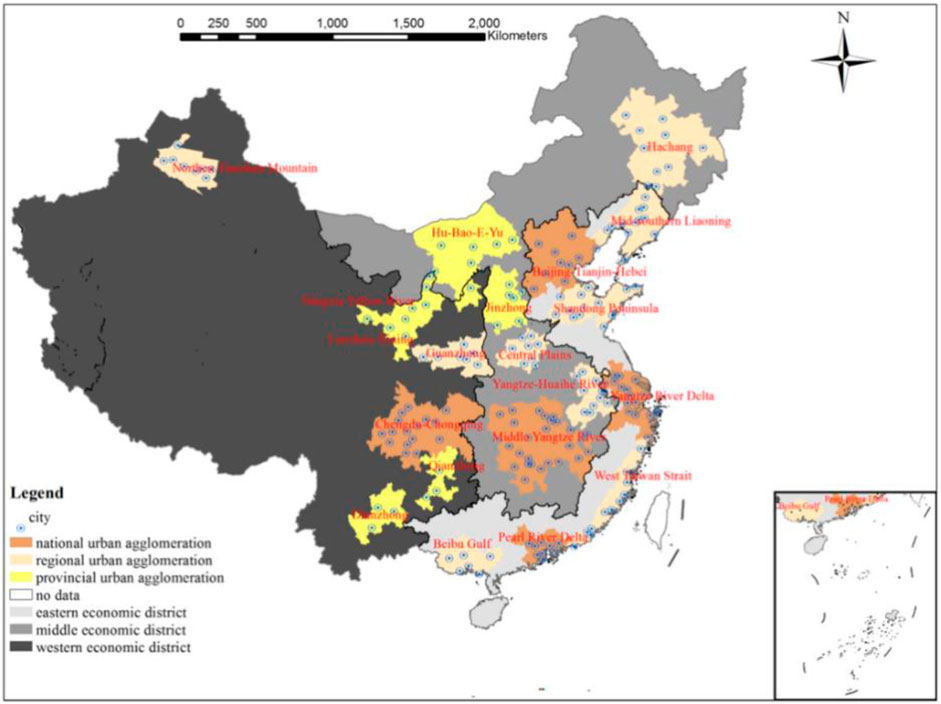
FIGURE 1. Urban evaluation in China [source: (Xu et al., 2016)].
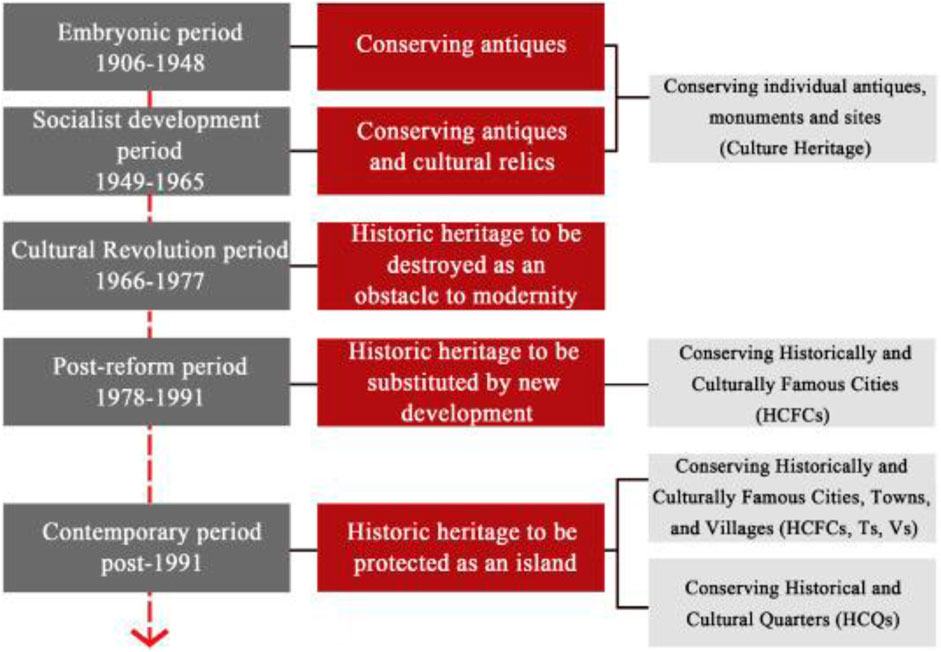
FIGURE 2. Five development periods of Urban Conversation in China [source: (Xie et al., 2020)]
2.5 Existing guidelines and implemented schemes of regeneration in China
The protection and maintenance of historical sites in China are under the authority of a variety of government agencies at various organizational levels. National and state governments have significant oversight duties for the preservation and repair of historical buildings. In the majority of instances, the government plays a substantial role in the reproduction of space by serving as initiator, leaders, and coordinator. This is especially true for provincial and municipal governments and their respective ministries. Local governments use their roles and duties in policymaking, land management, planning and design approval, and project monitoring to progress a variety of activities during urban rehabilitation. These include but are not limited to, creating goals, detailing requirements, selecting themes, promoting execution, safeguarding public interests, and overseeing operations (Xie, Liu and Zhuang, 2021). The rules for the measures to promote the preservation of ancient sites (RMPPAS) and the interim measures for the preservation of antiquities (IMPA) issued during the late Qing Dynasty and early Republic of China (ROC) eras are significant milestones in the modern history of China’s preservation of historical objects, monuments, and sites. It was landmark legislation that laid the framework for subsequent legislation preserving historical sites throughout the ROC era.
ICOMOS (International Council on Monuments and Sites) established in 1987 the charter for the protection of historical towns and urban areas, sometimes known as the “Washington Charter” (Kim and Lee, 2020). As the first worldwide charter concentrating only on historical urban places, it incorporates both the natural and built environments as well as accompanying conservation concepts and goals (ICOMOS, 1987). The Nara Document was drafted in 1994 as a revision of the 1964 Venice Charter, to link conservation practices to the values attributed to regional cultural heritage and recognize the tradition of appreciating intangible heritage in East Asian nations such as China, Japan, and Korea (Kim and Lee, 2020).
The next challenge for urban regeneration in China will be to stimulate development that will allow people in historical cities to continue living as they have for centuries, although in restored physical surroundings that respect the area’s cultural legacy. Through preservation measures, buildings may increase in value while better satisfying the needs of current residents. Although the idea of preserving individual buildings is admirable, a paradigm shift in urban conservation should be encouraged so that the heritage value of China’s historical cities is viewed as a whole, and urban heritage conservation should focus on preserving the distinctive environments of historical environments. To achieve this objective, urban conservation approaches should involve educating the public on why it is so vital to protect the historical area, and stakeholders should have an active part in developing and implementing the policy. In the meanwhile, the Chinese government has begun developing a list of national historical and cultural towns to better conserve historical cities, as opposed to only individual sites. Since 2003, the system has now included the historically important towns and villages that arose because of conservation development. Currently, the list contains 114 historical cities, 85 historical towns, and 72 historical villages (Newman, 2020).
The China Principles were revised in 2015 to reflect the increasing realization that “authenticity” comprises more than the artifacts themselves; it also includes how the objects are viewed, where they originated, and the transmission of cultural traditions (Su, 2020). In addition, this new version emphasizes the need for preserving the historical urban town and its historical, cultural, and social features, especially for the living heritage, as in the historical urban landscape (HUL) approach (Deacon, 2018; Udeaja et al., 2020). Indeed, foreign treaties and declarations have shaped several Chinese policies and laws. For instance, the urban purple line in China (2004) was influenced by the Washington Charter (1987) in terms of its aims, tactics, and strategies for conserving China’s historical urban areas (Li J. et al., 2020). The ICOMOS Charter on the Built Vernacular Heritage (1999) influenced the Chinese interpretation (Xie, 2020) Circular on Strengthening the Protection of Vernacular Architecture (2007). The Montreal Action Plan on 20th Century Heritage (2001) and the theme of the 2002 International Day for Monuments and Sites (Zhang, 2018)—The heritage of the 20th century—have aided in the development of initiatives in China for enhancing modern architectural heritage conservation (2004) and strengthening 20th Century Heritage protection (2008) (Nakano and Zhu, 2020).
2.6 Existing guidelines and implemented schemes of regeneration in China under space syntax theory and configurational analysis
In the 1950s, the new government of the People’s Republic of China drafted a series of historical laws and regulations to build a new conservation system (Wu X. et al., 2021). Wenwu Baohu Danwei, also known as “cultural relics conservation units,” were originally established by the state council’s 1961 provisional legislation for the preservation and protection of cultural relics (Xie, 2020). During this period, the beginnings of a conservation system were established, and protection was extended beyond antiques and monuments to include historical building complexes and locations. Meanwhile, the conflict between development and preservation has intensified, endangering cultural assets (Wang and Aoki, 2019).
China signed UNESCO’s treaty for the conservation of the world’s cultural and natural treasures and 1985 ICOMOS (International Charter on the Conservation of Historical Towns and Urban Areas 1987) (Meng et al., 2019). As HCCAs connect historical structures and cities, they have surely made urban conservation in China more feasible (Sánchez et al., 2020). In 2008, preservation regulations for historically and culturally significant cities, towns, and villages were established. In 2010 and 2012, detailed management procedures and standards for creating conservation plans were implemented, expanding the scope of protection to include historical towns and villages. In the past two to 3 decades, a more comprehensive and detailed conservation system has been established, including a two-level administrative system (national and local) and a three-level conservation planning system concerned with individual historical monuments and sites (collectively referred to as “cultural heritage”), historical areas, and historical villages, towns, and cities. Urban conservation now faces economic and institutional obstacles (Yang et al., 2020). The Ministry of Housing and Urban-Rural Development is responsible for drafting and administering conservation plans for historical villages, towns, and cities, and its associated local agencies often create redevelopment-oriented conservation plans (Liu and Zhou, 2021).
The third plenary session of the 11th central committee in December 1978 was a pivotal occasion in Chinese contemporary history for historical preservation (Xie, 2020). This marked a change in the activities of the party and shifted the emphasis to socialist modernization. The long-term goal was to transform the region into a picturesque historical monument that typifies a “water country” and a “song city” (Wu et al., 2020). The configurational analysis of urban space has proven to be a valuable analytical tool in this field for revealing the hidden processes that control the operation of informal settlements (Mears et al., 2019). To recognize and fully understand the intrinsic order of informal settlements, the configurational approach, which is based on the primary role of the urban grid in influencing and determining urban phenomena occurring within its paths, cannot only provide new knowledge but also support other quantitative and qualitative spatial analysis techniques (Wang Q. et al., 2021). The need for better methods of evaluating urban complexity has prompted the creation of new frameworks, giving “urban science” a more nuanced and relevant definition. In this broader context, the configurational approach, developed by Bill Hillier between the late 1970s and early 1980s under the concept of Space Syntax (Yamu et al., 2021), allows the study of sociological complex networks to be applied to urban and public spaces, thereby expanding our understanding of urban life (Cutini et al., 2019).
Space Syntax theorize that urban space is the common ground for physical and sociocultural cities to develop a unique theory addressing the city as a single entity (Griffiths and Vaughan, 2020). In the setting of autopoietic urban settlements, it is usual practice to use a configurational approach, as is the case with the study of unplanned cities (Smit, 2019; Griffiths and Vaughan, 2020). Space Syntax techniques (Xie, 2020; Yamu et al., 2021), which permit topological, topo-geometrical, and statistical analysis at different scales and lead to the emergence of complex relationships among urban patterns, have produced some interesting results, but there are still relatively few studies that seek to comprehend the functioning of these settlements within the framework of the contemporary city (Cutini et al., 2019). Several of them, when applied to the condition of informal settlements, have shown early but promising results (Mumbi et al., 2018).
2.7 Current urban operations in Greater Bay Area (GBA)
GBA is China’s most economically dynamic metropolitan area (Yu, 2021). Nonetheless, administrative divisions and socioeconomic indices now define the urban agglomeration’s boundaries, thereby restricting geographic regional development (Fang, 2015). In the Pearl River Delta, Hong Kong, Macau, and nine Guangdong Province cities—Guangzhou, Shenzhen, Zhuhai, Foshan, Huizhou, Dongguan, Zhongshan, Jiangmen, and Zhaoqing—form the Greater Bay Area (GBA). GBA is China’s largest under-construction urban agglomeration and serves a vital role in national growth (Duan and Tang, 2022). Consequently, accurate delineation of urban agglomeration boundaries in GBA will not only aid in accurately determining the urbanization status of the area and formulating corresponding regional development policies but could also significantly contribute to the healthy and rapid development of urban agglomerations in China and around the world. Public green spaces are poor, unevenly dispersed, and well below national standards (Wu, Wu and Zang, 2021a; Liu et al., 2023). There should be old trees present. They are unable to replace public verdant spaces, but many residents favor shelter. Although there is potential, the majority of the village’s walkways are too narrow to provide suitable open space. Internal traffic congestion is caused by the village’s entrance roads and a dearth of parking lots. It is unobstructed, there is no signpost for route direction, the plaza has a negative atmosphere, and the low topography causes flooding on rainy days.
According to the city’s 2016–2020 smart city action plan, “real-time visibility of urban operation, data support of government governance, accessibility of information for the convenience of the people, and local guidance of the information economy” are objectives that the city should pursue (Huang et al., 2019a). In recent years, the creation of a smart city has reportedly become an integral part of life in Zhuhai, with residents extolling the city’s smart transit, smart medical care, and smart community platform for their great convenience. In September 2017, China’s reform and development of cities and small town’s center first published an “Evaluation report on the wisdom level of urban governance in China to evaluate the intelligence development of 293 prefecture-level listed companies, Zhuhai ranked sixth” (Huang et al., 2019b). wisdom city has evolved from an abstract concept into a tangible reality that people can perceive and even touch. “Smart city” encompasses “smart tourism”. Some online dictionaries define “smart tourism” in this manner. It employs cloud computing, the Internet of Things, and other new science and technology to assist individuals in comprehending tourism information rapidly, organizing and modifying their tourism plans, and achieving intelligent perception and convenient use of tourism information (Li, Hu, Huang and Duan, 2017). Finally, tourist experience, management, service, and marketing represent the development and growth of intelligent tourism (King, Richards and Chu, 2023). China is late to develop intelligent tourism. Only a mobile phone camera in front of the ruins or monuments can ascertain a site’s location using GPS (Global positing system) and image recognition software when visitors arrive. The phone can then display the site’s original appearance during its prime as well as its defective virtual reconstruction. Similarly, to a full-time tour guide, tourists may also use interactive route planning software to organize their journeys. With the Belgian “sign city” concept, Brussels became the first mobile digital tourist city in June 2012. Brussels institutions, landmarks, businesses, and restaurants are outfitted with bar-coded, adhesive near-field communication devices as part of a microelectronics travel initiative. It enables visitors from all over the world to use their smartphones to download barcode scanners from the i-nigma website and scan barcodes anywhere in Brussels to obtain pertinent historical and cultural information, purchasing offers, and route navigation (Huang et al., 2019a).
Using the infrastructure of the tourism information service and the data provided by the attraction, visitors can construct itineraries that are tailored to their specific requirements and interests (Popp and McCole, 2016). To effectively interact with travelers at picturesque locations and spread the word about Zhuhai to a larger audience, write about your vacation experiences and share them online via public communication channels such as Weibo, Instagram, The Red Book, and other significant social platforms by utilizing online communities. An annual seashore music festival is an example of a required cultural activity in Zhuhai. Residents and visitors to Zhuhai attend this event annually. Each year, nearly 10,000 music enthusiasts from every continent attend. This nation has been a significant contributor to Zhuhai’s tourist growth. Smart tourism enhances communication between tourist attractions and visitors, accommodates all types of visitors, and consistently gains popularity. In addition, it is hoped that related businesses will make excellent use of certain data, identify tourist destinations through data mining, develop effective marketing strategies, and provide visitors with a pleasant vacation. To further enhance the passenger experience, the hotel industry may incorporate black technologies such as facial recognition, voice control, intelligent room sensing, and others into newly constructed hotels (Liu and Yang, 2021).
By continuing to provide high-quality tourism service experiences, Zhuhai can enhance its reputation as a tourist destination and promote its image and tourist culture at future events similar to this one to visitors from China and around the globe. Examples of such intelligent methods (Song, Mo, Liu, Niu and Huang, 2022) include parking, intelligent transportation, wisdom, new police coverage, public Wi-Fi at the venue, optimization of allied sectors, and propagation of the big data application impact. Improving the division of labor and lowering transaction costs are important to solving China’s urbanization problem (Chen, Wang, Liu and Liu, 2020). The movement of people from rural areas to urban centers is considered a social reform in China (Zhu and Guo, 2022) because urbanization is a process in which cities take on an increasingly dominant and important role in political and social changes. Here, healthy development, quality, and distinctive traits (Sun, 2022) serve as the primary focuses for Chinese urbanization.
2.8 Historical towns in China
There are many historical towns in China approximately 56, below we have elaborated the most famous towns in China and the problems faced in their historical conservation (as shown in Table 1):
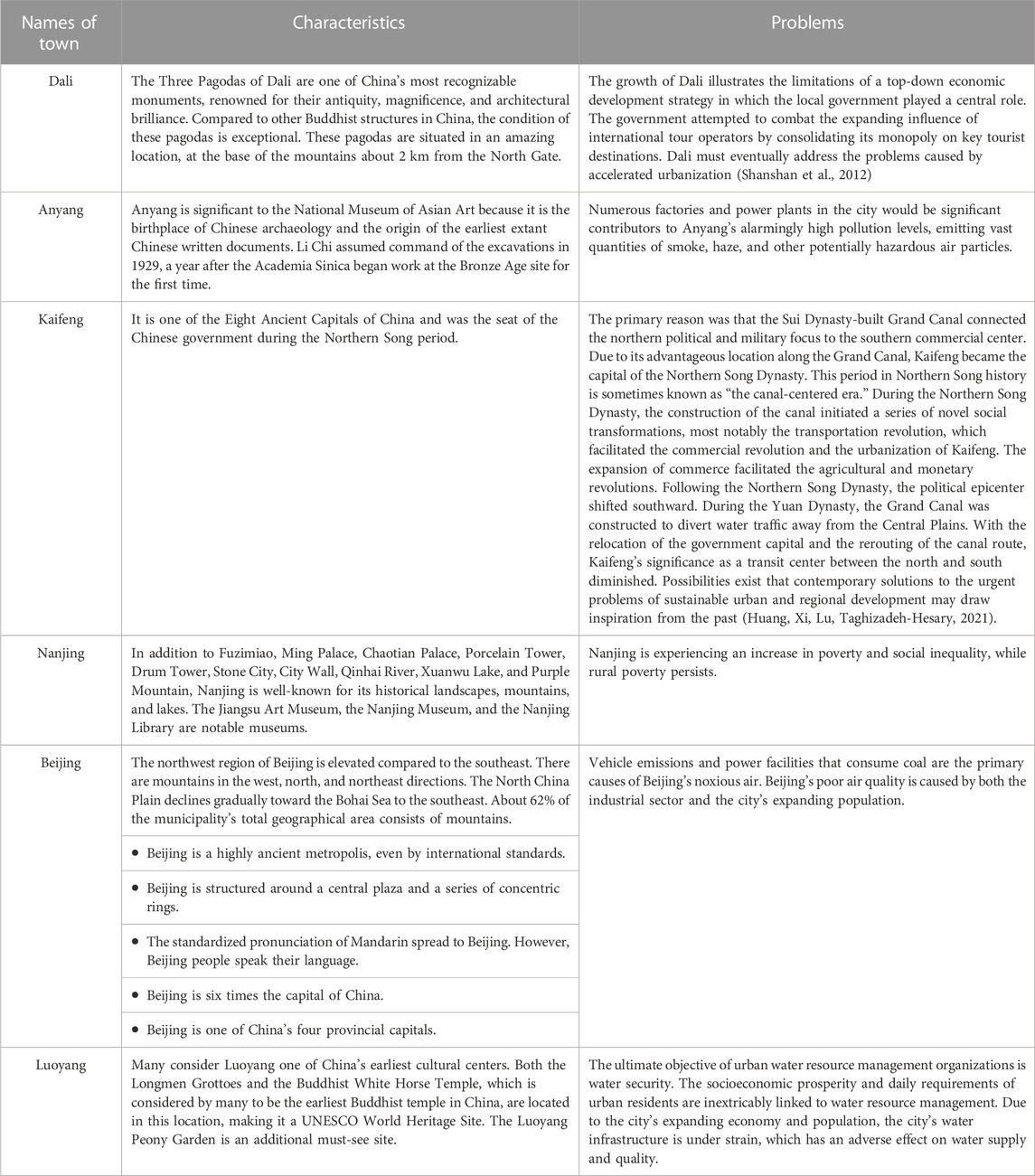
TABLE 1. China’s historical towns.
3 Research methodology
Statistics and analysis of published articles (such as journal articles and their accompanying citation counts) is known as bibliometrics, and it is an essential quantitative analytical tool for scientific researchers (Ellegaard and Wallin, 2015). Almost every field of study may benefit from using publication and citation data to statistically evaluate shifting patterns of authorship, study focus, etc. (Donthu et al., 2021). Bibliometrics is also used to evaluate research performance, such as evaluating laboratory researchers. The study of the articles was supported by the use of two programs (the VOS viewer and the R software). The network of author collaborations and the links between GHRM themes were identified using VOS viewer, a program helpful for developing network analysis and displaying the findings in graph format. The studies were developed in R, a computer language for doing statistical analyses (Derviş, 2019), and then visualized using VOS viewer (Van Eck and Waltman, 2010). The R software version 4.2.2 and VOS viewer version 1.6.18 were used in this study.
The literature review was conducted by searching for published articles, review papers and book chapters of different databases (i.e., Scopus, dimension, and Web of Science) on 28 November 2022. To find relevant results, we mixed Boolean operators with specified phrases (i.e., AND, OR). Starting with broad keywords: (conservation value OR revitalization OR historical town environments OR modernization process OR urban regeneration OR urban renewal OR urban redevelopment OR space syntax theory OR configurational analysis). These search terms are closely associated with the purpose, scope, gap, and research question the review aims to address, which act as the inclusion criteria. Moreover, regarding other inclusion criteria, special attention is paid, to only those articles were selected published in English and Chinese language, articles published during 2000–2022, and articles focused on the Chinese context. Figure 3 described the summary of the article selection process.
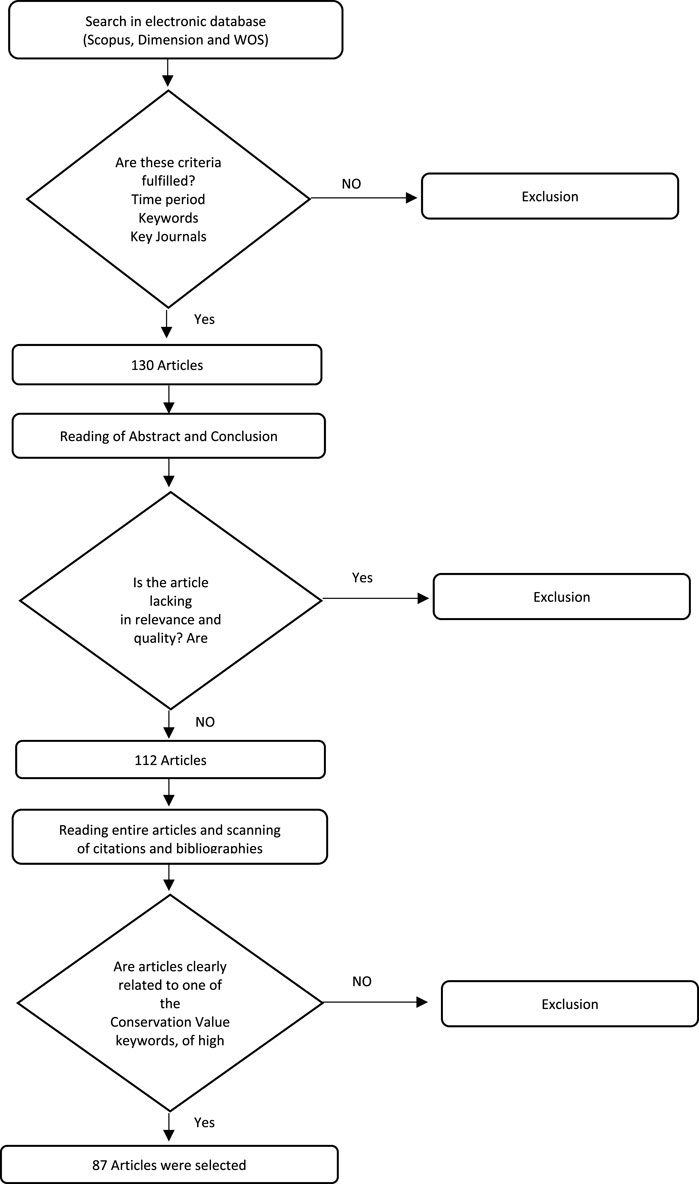
FIGURE 3. Article selection Summary.
4 Research findings
BC, co-citation, and author keyword co-occurrence were only some of the bibliometric techniques employed to examine the data (Donthu et al., 2021). When two authors, A and B, refer to a third author’s work, C, they should use the BC format to do so. When a third publication refers to two prior publications, such as when research C discusses studies A and B, we have a co-citation. In addition, the frequency with which two different phrases appear in the same article is used to determine their co-occurrence (Van Eck and Waltman, 2010). In order to find target publications more specifically, we conducted a title, abstract, and keywords search, which generated a total of 130 articles since the amount of original content was large and the results included various irrelevant studies. Then, we manually excluded the literature that did not focus on the relationship between conservation, regeneration, and urban evolution. After screening 87 articles were selected as presented in Figure 3.
A total of 53 countries authors contributed to the literature. We selected only those countries’ authors who published minimum of 4 articles focusing conservation value, revitalization of historical town environments, modernization process, space syntax theory, and configurational analysis. According to the study’s research on conservation value and revitalization of historical town environments, China came out on top in terms of the total number of articles (65 published and citations 223). While the United Kingdom was leading in terms of citations (50 published and citations 715) and second in terms of published articles. Since the year 2000, however, China has emerged as the only regional leader in the study of in conservation value and revitalization of historical town environments, making China-based research the region’s primary focus. The remaining all in top 5 countries were Brazil (26 published and citations 70), United Stated (18 published and citations 217), Netherlands (17 published and citations 239), Sweden (13 published and citations 366), and Italy (12 published and citations 94) also shown in Figure 4.
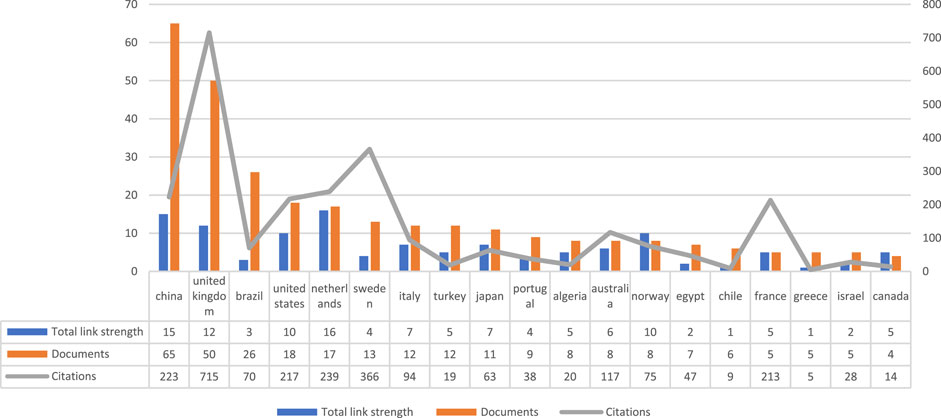
FIGURE 4. Number of Documents and citations published in terms of country.
Figure 5 includes the keywords co-occurrence network shows that the majority of studies on studies on conservation value and revitalization of historical town environments in China. As shown, “space syntax theory” is the most frequently cited keyword except the subject keywords “conservation value, revitalization of historical town environments, modernization process.” Additionally, “urban planning”, “China”, “land use” and “urban development” are positioned in the 3rd, 4th, and 5th places on the list respectively except the subject keywords. It is indicated that the extant studies are centered on the space syntax theory to assess the revitalization of historical town environments in China.
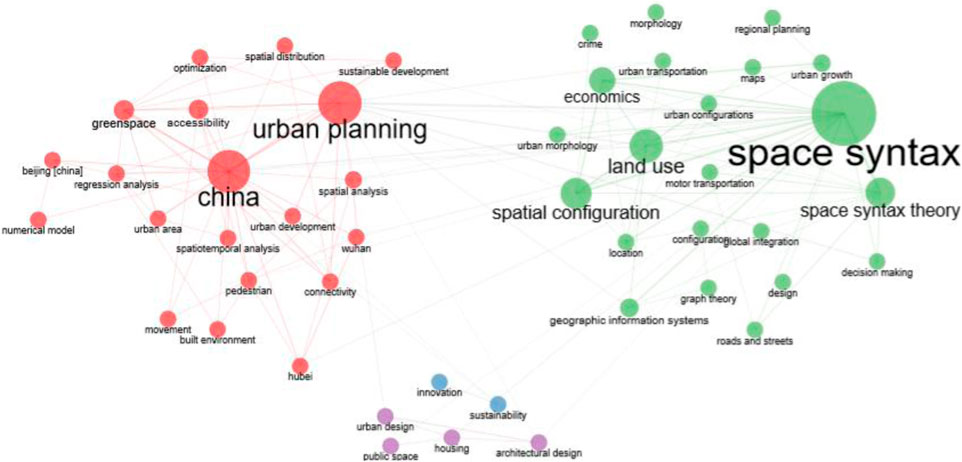
FIGURE 5. Keywords Co-occurrence network.
Research on conservation value and revitalization of historical town environments in China, as seen in Figure 6, dates to the year 2000, although not widely recognized until 2017. Historical conservation town regeneration confronts lots of problems and contradictions in the process of a town modernization. Along with the social, economic and cultural transformations, the traditional town characteristics do not always easily accommodate those of the modem city. The traditional pattern and function of historical conservation towns are also different from the pattern and function of modem cities. The city’s spatial structure and function are undergoing a process of modernization, and historical conservation towns are unavoidably experiencing a process of revitalization and modernization as well. Additionally, an inevitable problem of historical conservation towns is that the existing buildings in these areas are often in decline due to their long usage. Most of the ancient buildings are made of brick or wood and more prone to degradation. The living conditions in historical conservation towns can’t meet the requirements of the modem city life. Because of the longtime disrepair and neglect use of streets, the physical environment in the areas is deteriorating, for example, the old and shabby street pavement, the damaged buildings, the dense population, poor quality housing, the lack of infrastructure and the lack of green space, etc.
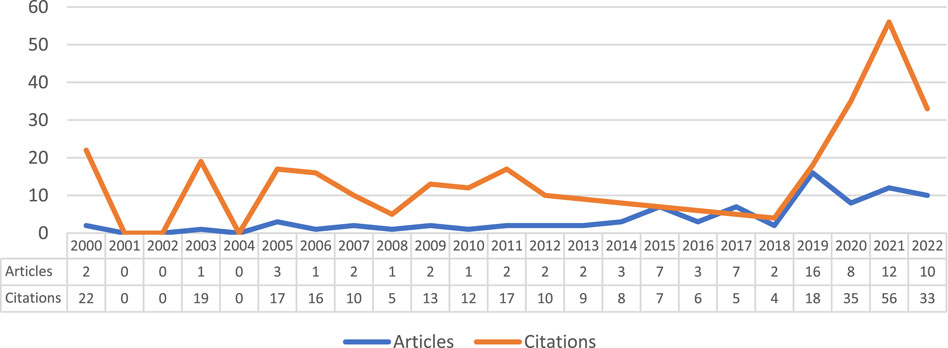
FIGURE 6. Number of articles and citations published (2000–2022 years).
The top 18 journals are shown in Table 2, with the most papers having been published in sustainability journal, which has 12 documents, and 297 citations. The urban design international journal (11 documents and 69 citations) and Frontiers in environmental science (11 documents and 254 citations) come in at number two and three. However, Sustainability and Frontiers in environmental science are the top two most-cited journals in the field of environment. Table 2 contains a ranking of the 18 most important journals.
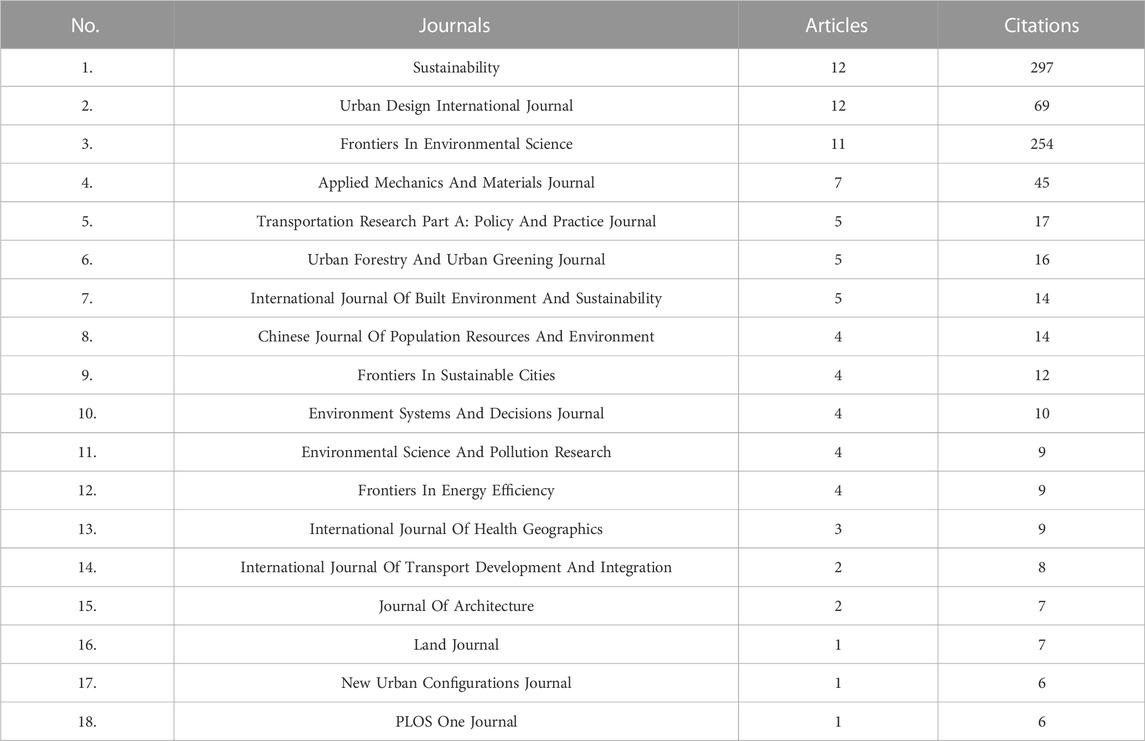
TABLE 2. Number of Publications based on Journals.
The following 185 authors have published 87 articles about conservation value, modernization process, space syntax theory, configurational analysis, and revitalization of historical town environments in China. Table 3 lists the 15 most productive authors based on the number of articles published, number of citations total link strength. Van Nes A. (14 publications and 90 citations) and Yamu C. (5 publications and 151 citations) are the top two authors in terms of maximum publications also citations.
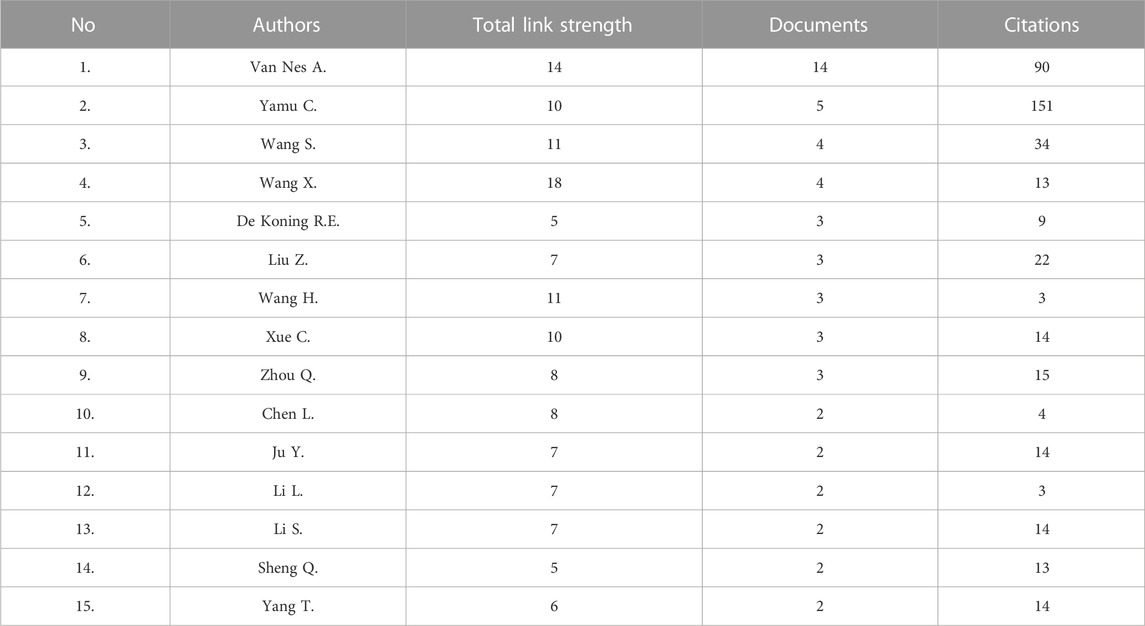
TABLE 3. Number of Publications and Citations based on Authors.
Table 4 displays the top ten universities contributing to the research on conservation value, modernization process, and revitalization of historical town environments in China. As can be seen, Wuhan University is the institution with the greatest performance, followed by Central China Normal University, Fudan University, Lanzhou Jiaotong University, University College London, and others. Lastly, the top fifteen contributing affiliations the majority of institutes were Chinese.
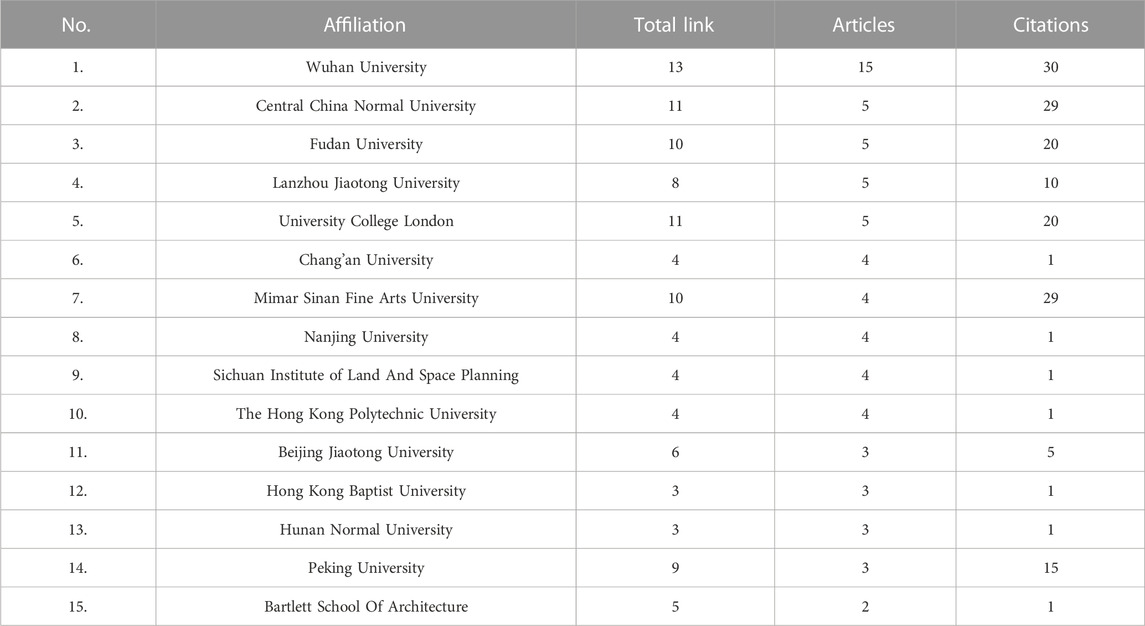
TABLE 4. Number of Publications and Citations based on Affiliation.
5 Discussion
However, there has only been a little amount of research done on the conservation value and revitalization of historical town environments in the modernization process up until now. So, it is suggested that scholars in the future look at conservation value and revitalization of historical town environments in the modernization process in various populations and across different countries. The Beiyang Government (1912–1928) enacted a variety of laws and regulations on the preservation of antiquities. Among these were the Preservation Regulations of Historical Sites and Antiques (1928) and the Antiques Preservation Act (1930) (Xie, 2020). As a result of the outbreak of the Sino-Japanese War in 1937 and the ensuing Civil War, the newly designed conservation system became useless. With the assistance of pioneering Chinese scholars in the 1920s, the area of historical excavations and the restoration and preservation of historical buildings began to be researched theoretically and technically (Fadli and AlSaeed, 2019). The Research Institute of Archaeology, the first academic institution in China devoted to the study of heritage protection, was formed in 1922. In 1929, Zhu Qiqian formed the Society for Research into Chinese Architecture (SRCA, Yingzao Xueshe) to enhance the study of Chinese architecture (Xie, 2020).
The Chinese cultural and philosophical traditions have influenced urban conservation in China, particularly in terms of how authenticity is conveyed, history is valued, and the relationship between nature and the built environment is comprehended (Zuo, Li, Lin, Chen and Kong, 2022). Some conservation techniques inspired by the West may not be effective in Chinese cities. As stated in the Charter of Venice, its principal objective is to preserve and promote the aesthetic value of ancient landmarks (Xie, 2020). Urban conservation initiatives in China have long been influenced by Western practices. While UNESCO and ICOMOS have provided a source of inspiration for Chinese preservation ideas, the combination of national initiatives and a hierarchical administrative system has resulted in a distinctive Chinese approach to urban conservation (Xie, 2020). Instead, historical districts may drive and support urban growth by bridging the gap between the “historical” and “contemporary” city (Giliberto, 2018). Considering the lessons from Italy and others, China’s experts, decision-makers, and the general public must reach a consensus on how to rein in phony conservation and excessive tourist developments (Platania et al., 2022).
For the 475 houses and units specified in the region, the future restoration of the traditional architecture will include various techniques, such as repairs, adjustments, maintenance, refurbishment, renewal, and selected destruction. The area’s infrastructure and facilities, including sewage, electricity, water, gas, telecommunications, and streetlights, will be upgraded in the future. Regarding the preservation of China’s ancient townscapes, an approach like that of several urban morphologists (Wang and Gu, 2020; Yao et al., 2021) would provide a greater comprehension of the evolutionary processes that have shaped urban patterns through time. This would allow urban townscape management to be supported by an awareness of changes to historical urban districts, the identification and interpretation of character areas, and townscape typologies. As a result, there is a profusion of new means by which legacy is conveyed and ultimately consumed, including via social media, and values continue to shift in both a global and a local cultural context (Lashof and Ahuja, 1990). As a result, the construction, reconstruction, ornamentation, and reinterpretation of historical structures are becoming more audacious and daring. Although how cultural heritage is valued, protected, and conserved has always conveyed a chosen or selected message, be it political, historical, or cultural, the current so-called post-truth era opens the doors to construct, re-construct, and shape “heritage” rather than taking a sensitive approach to the conservation of the evidence base (Porter, 2020).
6 Conclusion
To better comprehend the conservation value and regeneration of historical town settings during the modernization process, this research proposes a new and comprehensive framework for circularity solutions for existing buildings. We give a comprehensive evaluation of the conservation value and regeneration of old town settings within the framework of the urbanization process, with an emphasis on spatial syntax-based techniques. These findings are the outcome of a systematic examination and synthesis of the available literature on the topic. The framework’s design is straightforward and user-friendly. This study was difficult because of the necessity to sift through a mound of information, identify the most relevant strategies, and present them in a way that would appeal to a broad audience of readers. Promoting historical cities and towns is sometimes seen as “political games” by the Chinese government, which regards historical preservation largely as a commercial opportunity (Zhang, 2016; Xie, 2020).
To overcome these obstacles, it was determinedly decided to reduce the scope. This research is limited by the trade-offs associated with this option. The outcomes are extensive but not exhaustive. In addition, each technique has an experimental history and background that are not described in this work. It was chosen to deliver the information in the form of an article with accompanying visuals, as opposed to a book, in order to effectively distribute to decision-makers strategies for mitigating environmental consequences, such as reducing carbon emissions (Li and Yue, 2023). The structure of the paper assumes that the majority of readers have the technical expertise (architects, engineers, and planners) to implement the methods in reality while still responding to the demands of a varied audience. With the research mentioned above this paper systematically analyzes the conservation value and revitalization of historical town environments in the modernization process in the context of China and make recommendations and measures for improving the conservation value and revitalization of historical town environments.
It is essential, as an extra step, to build a dependable finance framework for conservation initiatives in China. Partnerships in projects, which are not currently applied in China, might serve as a model for how heritage-led regeneration plans are financed in the United Kingdom and Europe. “The first comprises policies and initiatives to encourage private sector investment in architectural heritage” (Dehkordi, 2018), which indicates that governments may fund conservation, restoration, and rehabilitation efforts (the “dynamic approach”). Second, financial incentives and subsidies are necessary because the private sector may judge that investments are not economically feasible without government assistance (the support approach). Evidence from heritage-led regeneration efforts, as described by Xie et al. (2021), indicates that partnership programs may generate six times or more the initial public investment via private sector partners and other sources. Therefore, urban conservation and regeneration projects in China should design and evaluate collaboration strategies to secure public and private sector commitments to the preservation of their built heritage. The position of the historical district has altered significantly over the last century, particularly during the past decade. Being the sole hub is not only unnecessary, but also highly improbable. For historical districts to be more accessible, it is better to use modern grids, which would better for their architecture.
Zhuhai should develop intelligent tourism. Smart tourism is still in its infancy and has problems. Solved step-by-step. Smart tourism in Zhuhai, for instance, should optimize smart marketing methods to solve the problem of single and homogeneous smart tourism information services, improve Zhuhai’s image as a tourism city with high-quality services, optimize the tourism information service platform to meet passengers’ personalized needs, and offer a positive user experience. Promoting island development reveals Zhuhai’s distinctive attractiveness and attracts the city’s distinctive tourists. The article promotes Zhuhai’s tourist culture by utilizing large-scale annual events such as the China Airshow, the China International Circus Festival, etc. Smart tourism requires multiple sectors, so it cannot be established by businesses alone. To develop intelligent tourism, the government must take the lead, increase overall planning and coordination, integrate all resources, bolster information supervision, encourage associated industries, and create a unified image of Zhuhai as a high-quality tourism city.
7 Future recommendations and implications
Improving the government’s role in protecting Chinese world heritage necessitates constructing a government with new, reasonable values, establishing quality management standards for heritage sites, implementing an effective scientific fund management system, and enhancing the teamwork associated with system development. An effective strategy for managing our finances is required. Chinese world heritage departments are required to establish institutions, business units, independent accounting, and internal financial institutions to establish an independent, rigorous financial system and management system whose strict management of budgets, final accounts, and funding will accept the supervision and accountability of the world heritage. The topic will be studied more in the future, maybe from an interdisciplinary or Transdisciplinary standpoint.
This study also aims to pave the way for future academic research on the phenomenon of voluntary relocation in China’s and other countries’ historical cities. This is an excellent chance for the Chinese government and experts to achieve their stated goals of modernizing urban areas and improving the economy without compromising the country’s rich cultural heritage. Changing the present preservation mechanism from top-down to bottom-up is an essential step. To prevent the problem of low cooperation from local respondents in the future, it is advisable to do research on the sociological features of the region from the outset before settling on the choice of a data collection technique. It is suggested that future studies on the preservation of China’s ancient cities should center on the public’s and government’s roles in this process. Residents of a city are the ultimate beneficiaries of any revitalization plan and should have a voice in shaping its future for the sake of the area’s long-term viability. They will get a deeper appreciation for the area as it evolves in response to their involvement. It is suggested that more effort be devoted to the creation and implementation of conservation plans.
Data availability statement
The original contributions presented in the study are included in the article/Supplementary Material, further inquiries can be directed to the corresponding author.
Author contributions
All authors listed have made a substantial, direct, and intellectual contribution to the work and approved it for publication.
Conflict of interest
The authors declare that the research was conducted in the absence of any commercial or financial relationships that could be construed as a potential conflict of interest.
Publisher’s note
All claims expressed in this article are solely those of the authors and do not necessarily represent those of their affiliated organizations, or those of the publisher, the editors and the reviewers. Any product that may be evaluated in this article, or claim that may be made by its manufacturer, is not guaranteed or endorsed by the publisher.
References
Azzopardi, E., Kenter, J. O., Young, J., Leakey, C., O'Connor, S., Martino, S., et al. (2022). What are heritage values? Integrating natural and cultural heritage into environmental valuation. People Nat. 5, 368–383. doi:10.1002/pan3.10386
Bibri, S. E., Krogstie, J., and Kärrholm, M. (2020). Compact city planning and development: Emerging practices and strategies for achieving the goals of sustainability. Dev. built Environ. 4, 100021. doi:10.1016/j.dibe.2020.100021
Boccardi, G. (2019). Authenticity in the heritage context: A reflection beyond the nara document. Hist. Environ. Policy & Pract. 10 (1), 4–18. doi:10.1080/17567505.2018.1531647
Braun, G. C. (2022). Evaluating entanglements at middle–late bronze age phylakopi: A space syntax approach to the pillar rooms complex and LH IIIA megaron Doctoral dissertation. Vancouver, BC, Canada: University of British Columbia.
Bruns-Berentelg, J., Noring, L., and Grydehøj, A. (2022). Developing urban growth and urban quality: Entrepreneurial governance and urban redevelopment projects in Copenhagen and Hamburg. Urban Stud. 59 (1), 161–177. doi:10.1177/0042098020951438
Cellini, S. R., and Turner, N. (2019). Gainfully employed? Assessing the employment and earnings of for-profit college students using administrative data. J. Hum. Resour. 54 (2), 342–370. doi:10.3368/jhr.54.2.1016.8302r1
Chen, C. S., Chiu, Y. H., and Tsai, L. (2018). Evaluating the adaptive reuse of historic buildings through multicriteria decision-making. Habitat Int. 81, 12–23. doi:10.1016/j.habitatint.2018.09.003
Chen, H., Wang, X., Liu, Y., and Liu, Y. (2020). Migrants' choice of household split or reunion in China's urbanisation process: The effect of objective and subjective socioeconomic status. Cities 102, 102669. doi:10.1016/j.cities.2020.102669
Chen, H., Yan, W., Li, Z., Wende, W., Xiao, S., Wan, S., et al. (2022). Spatial patterns of associations among ecosystem services across different spatial scales in metropolitan areas: A case study of Shanghai, China. Ecol. Indic. 136, 108682. doi:10.1016/j.ecolind.2022.108682
Cui, L., Zhao, Y., Li, D., Jing, R., and Zhou, T. (2022). A typological approach to the transformation of cave dwellings in Baishe Village, Shaanxi, China. URBAN Des. Int. 27 (2), 115–131. doi:10.1057/s41289-021-00173-7
Cutini, V., Pinto, V. D., Rinaldi, A. M., and Rossini, F. “Informal settlements spatial analysis using space syntax and geographic information systems,” in Proceedings of the International Conference on Computational Science and Its Applications, Saint Petersburg, Russia, 2019, July, 343–356.
Deacon, H. J. (2018). Conceptualising intangible heritage in urban environments: Challenges for implementing the HUL recommendation. Built Herit. 2 (4), 72–81. doi:10.1186/bf03545685
Dehkordi, S. N. I. (2018).An empirical assessment of challenges and prospects of architectural heritage reuse for tourism: The case of old town/famagusat/TRNC Master's thesis. İsmet İnönü Bulvarı, Gazimağusa: Eastern Mediterranean University EMU-Doğu Akdeniz Üniversitesi DAÜ.
Derviş, H. (2019). Bibliometric analysis using bibliometrix an R package. J. Scientometr. Res. 8 (3), 156–160. doi:10.5530/jscires.8.3.32
Dong, L., Shang, J., Ali, R., and Rehman, R. U. (2021). The coupling coordinated relationship between new-type urbanization, eco-environment and its driving mechanism: A case of guanzhong, China. Front. Environ. Sci. 9, 638891. doi:10.3389/fenvs.2021.638891
Donthu, N., Kumar, S., Mukherjee, D., Pandey, N., and Lim, W. M. (2021). How to conduct a bibliometric analysis: An overview and guidelines. J. Bus. Res. 133, 285–296. doi:10.1016/j.jbusres.2021.04.070
Duan, Z., and Tang, T. (2022). Quantitative simulation and verification of the coordination curves between sustainable development and green innovation efficiency: From the perspective of urban agglomerations development. Sustainability 14 (24), 16686. doi:10.3390/su142416686
Ellegaard, O., and Wallin, J. A. (2015). The bibliometric analysis of scholarly production: How great is the impact? Scientometrics 105 (3), 1809–1831. doi:10.1007/s11192-015-1645-z
Fadli, F., and AlSaeed, M. (2019). Digitizing vanishing architectural heritage; the design and development of Qatar historic buildings information modeling [Q-HBIM] platform. Sustainability 11 (9), 2501. doi:10.3390/su11092501
Fang, C. (2015). Important progress and future direction of studies on China’s urban agglomerations. J. Geogr. Sci. 25, 1003–1024. doi:10.1007/s11442-015-1216-5
Foster, G. (2020). Circular economy strategies for adaptive reuse of cultural heritage buildings to reduce environmental impacts. Resour. Conservation Recycl. 152, 104507. doi:10.1016/j.resconrec.2019.104507
Giliberto, F. (2018).Linking theory with practice: Assessing the integration of a 21 st century approach to urban heritage conservation, management and development in the world heritage cities of florence and edinburgh Doctor of Philosophy (PhD) thesis. Canterbury, United Kingdom: University of Kent.
Gomaa, A. A., and Al-Sherbiny, M. A. (2022). Upgrading the inappropriate visual character of urban context of historic sites: A case study of the avenue of sphinxes in luxor, Egypt. MEJ. Mansoura Eng. J. 47 (3), 69–82. doi:10.21608/bfemu.2022.254141
Gravagnuolo, A., Micheletti, S., and Bosone, M. (2021). A participatory approach for “circular” adaptive reuse of cultural heritage. Building a heritage community in Salerno, Italy. Sustainability 13 (9), 4812. doi:10.3390/su13094812
Griffiths, S., and Vaughan, L. (2020). Mapping spatial cultures: Contributions of space syntax to research in the urban history of the nineteenth-century city. Urban Hist. 47 (3), 488–511. doi:10.1017/s0963926820000206
Huang, W., Xi, M., Lu, S., and Taghizadeh-Hesary, F. (2021). Rise and fall of the grand canal in the ancient kaifeng city of China: Role of the grand canal and water supply in urban and regional development. Water 13 (14), 1932. doi:10.3390/w13141932
Huang, Y., Wang, J., Huang, X., and Lin, Z. (2019). “Research on the urban image construction of Zhuhai driven by big data,” in Proceedings of the 2019 International Conference on Management, Education Technology and Economics (ICMETE 2019), Fuzhou, China, , May.
Huang, Y., Wang, J., Huang, X., and Lin, Z. “Research on the urban image construction of Zhuhai driven by big data,” in Proceedings of the 2019 International Conference on Management, Education Technology and Economics (ICMETE 2019), Fuzhou, China, 2019, May, 289–292.
Huuhka, S., and Vestergaard, I. (2019). Building conservation and the circular economy: A theoretical consideration. J. Cult. Herit. Manag. Sustain. Dev. 10, 29–40. doi:10.1108/jchmsd-06-2019-0081
International Council on Monuments and Sites (ICOMOS) (1987). International council on monuments and sites. https://www.icomos.org/fr.
Ji, F., and Zhou, S. (2021). Dwelling is a key idea in traditional residential architecture’s sustainability: A case study at yangwan village in suzhou, China. Sustainability 13 (11), 6492. doi:10.3390/su13116492
Kashwan, P., Duffy, V. R., Massé, F., Asiyanbi, A. P., and Marijnen, E. (2021). From racialized neocolonial global conservation to an inclusive and regenerative conservation. Environ. Sci. policy Sustain. Dev. 63 (4), 4–19. doi:10.1080/00139157.2021.1924574
Kim, G. E., and Lee, J. R. (2020). The impact of historic building preservation in urban economics: Focusing on accommodation prices in Jeonju Hanok Village, South Korea. Sustainability 12 (12), 5005. doi:10.3390/su12125005
King, B., Richards, G., and Chu, A. M. C. (2023). Developing a tourism region through tourism and culture: Bordering, branding, placemaking and governance processes. Tour. Recreat. Res., 1–15. doi:10.1080/02508281.2023.2207156
Lai, L. W., and Lorne, F. T. (2019). Sustainable urban renewal and built heritage conservation in a global real estate revolution. Sustainability 11 (3), 850. doi:10.3390/su11030850
Lashof, D. A., and Ahuja, D. R. (1990). Relative contributions of greenhouse gas emissions to global warming. Nature 344 (6266), 529–531. doi:10.1038/344529a0
Li, J., Krishnamurthy, S., Roders, A. P., and Van Wesemael, P. (2020a). State-of-the-practice: Assessing community participation within Chinese cultural World Heritage properties. Habitat Int. 96, 102107. doi:10.1016/j.habitatint.2019.102107
Li, S., and Yue, Q. (2023). Analysis on the energy demand, CO2 and pollutant emissions, and health benefits from urban road transport sector: A case study of shenyang. Green Low-Carbon Econ., doi:10.47852/bonviewglce3202682
Li, Y., Hu, C., Huang, C., and Duan, L. (2017). The concept of smart tourism in the context of tourism information services. Tour. Manag. 58, 293–300. doi:10.1016/j.tourman.2016.03.014
Liang, S., and Wang, Q. (2020). Cultural and creative industries and urban (re) development in China. J. Plan. Literature 35 (1), 54–70. doi:10.1177/0885412219898290
Liu, C., and Yang, J. (2021). How hotels adjust technology-based strategy to respond to COVID-19 and gain competitive productivity (CP): Strategic management process and dynamic capabilities. Int. J. Contemp. Hosp. Manag. 33 (9), 2907–2931. doi:10.1108/ijchm-10-2020-1143
Liu, K., Sun, Y., and Yang, D. (2023). The administrative center or economic center: Which dominates the regional green development pattern? A case study of shandong peninsula urban agglomeration, China. Green Low-Carbon Econ., doi:10.47852/bonviewglce3202955
Liu, Y., and Zhou, Y. (2021). Territory spatial planning and national governance system in China. Land Use Policy 102, 105288. doi:10.1016/j.landusepol.2021.105288
Mears, M., Brindley, P., Jorgensen, A., Ersoy, E., and Maheswaran, R. (2019). Greenspace spatial characteristics and human health in an urban environment: An epidemiological study using landscape metrics in Sheffield, UK. Ecol. Indic. 106, 105464. doi:10.1016/j.ecolind.2019.105464
Meng, H. H., Zhou, S. S., Li, L., Tan, Y. H., Li, J. W., and Li, J. (2019). Conflict between biodiversity conservation and economic growth: Insight into rare plants in tropical China. Biodivers. Conservation 28 (2), 523–537. doi:10.1007/s10531-018-1661-4
Mohamed, B., Ahmad, A. G., and Badarulzaman, N. (2001). “Challenges of historic cities in the new millennium: Lessons from Malaysia,” in International symposium on future cities (Gelugor, Penang, Malaysia: Universiti Sains Malaysia).
Montello, D. R. “The contribution of space syntax to a comprehensive theory of environmental psychology,” in Proceedings of the 6th international space syntax symposium (Amsterdam, Netherlands: Techne Press), 1–12.2007, June
Mumbi, A. W., Fengting, L., and Karanja, A. (2018). Sustainable treatment of drinking water using natural coagulants in developing countries: A case of informal settlements in Kenya. Water Util. J. 18, 1–11.
Nakano, R., and Zhu, Y. (2020). Heritage as soft power: Japan and China in international politics. Int. J. Cult. Policy 26 (7), 869–881. doi:10.1080/10286632.2020.1845322
Newman, P. (2020). Covid, cities and climate: Historical precedents and potential transitions for the new economy. Urban Sci. 4 (3), 32. doi:10.3390/urbansci4030032
Orbaşli, A. (2017). Conservation theory in the twenty-first century: Slow evolution or a paradigm shift? J. Archit. Conservation 23 (3), 157–170. doi:10.1080/13556207.2017.1368187
Pel, B., and Kemp, R. (2020). Between innovation and restoration; towards a critical-historicizing understanding of social innovation niches. Technol. Analysis Strategic Manag. 32 (10), 1182–1194. doi:10.1080/09537325.2020.1750588
Platania, M., Sharpley, R. A. J., Rizzo, M., and Ruggieri, G. (2022). The contingent equilibrium during imbalanced volcano tourism demand through fee estimation: An empirical analysis of tourism in Mount Etna. J. Environ. Manag. 316, 115235. doi:10.1016/j.jenvman.2022.115235
Popp, L., and McCole, D. (2016). Understanding tourists' itineraries in emerging rural tourism regions: The application of paper-based itinerary mapping methodology to a wine tourism region in Michigan. Curr. issues Tour. 19 (10), 988–1004. doi:10.1080/13683500.2014.942259
Porter, N. (2020). Strategic planning and place branding in a world heritage cultural landscape: A case study of the English lake district, UK. Eur. Plan. Stud. 28 (7), 1291–1314. doi:10.1080/09654313.2019.1701297
Prescott, G. W., Sutherland, W. J., Aguirre, D., Baird, M., Bowman, V., Brunner, J., et al. (2017). Political transition and emergent forest-conservation issues in Myanmar. Conserv. Biol. 31 (6), 1257–1270. doi:10.1111/cobi.13021
Said, S. Y., Aksah, H., and Ismail, E. D. (2013). Heritage conservation and regeneration of historic areas in Malaysia. Procedia-Social Behav. Sci. 105, 418–428. doi:10.1016/j.sbspro.2013.11.044
Said, S. Y. (2018). Urban regeneration and conservation of historic areas in Malaysia. Asian J. Behav. Stud. (AjBeS) 3 (11), 201–210. doi:10.21834/ajbes.v3i11.115
Salameh, M. M., Touqan, B. A., Awad, J., and Salameh, M. M. (2022). Heritage conservation as a bridge to sustainability assessing thermal performance and the preservation of identity through heritage conservation in the Mediterranean city of Nablus. Ain Shams Eng. J. 13 (2), 101553. doi:10.1016/j.asej.2021.07.007
Sánchez, M. L., Cabrera, A. T., and Del Pulgar, M. L. G. (2020). Guidelines from the heritage field for the integration of landscape and heritage planning: A systematic literature review. Landsc. Urban Plan. 204, 103931. doi:10.1016/j.landurbplan.2020.103931
Segovia, C., and Hervé, J. (2022). The creative city approach: Origins, construction and prospects in a scenario of transition. City, Territ. Archit. 9 (1), 29–15. doi:10.1186/s40410-022-00178-x
Shanshan, D., Honggang, X., Noel, S., Eric, L., and Peiyi, D. (2012). Distortions in tourism development in the dali autonomous region, China. Asia Pac. J. Tour. Res. 17 (2), 146–163. doi:10.1080/10941665.2011.613207
Shin, H. B. (2009). Residential redevelopment and the entrepreneurial local state: The implications of Beijing’s shifting emphasis on urban redevelopment policies. Urban Stud. 46 (13), 2815–2839. doi:10.1177/0042098009345540
Skowron-Markowska, S., and Nowakowska, M. (2021). Chinese destinations related to martial Arts tourism from the UNESCO perspective. Sustainability 13 (14), 7581. doi:10.3390/su13147581
Smit, S. (2019).Connecting the urban informal settlement to the city: A system dynamics approach Doctoral dissertation. Stellenbosch, South Africa: Stellenbosch University.
Song, X., Mo, Z., Liu, M. T., Niu, B., and Huang, L. (2022). Cooperator or supporter: How can cross-boundary Macau–Zhuhai metropolis promote regional tourism together? Asia Pac. J. Mark. Logist. 34 (10), 2207–2236. doi:10.1108/apjml-02-2021-0137
Su, J. (2020). Managing intangible cultural heritage in the context of tourism: Chinese officials’ perspectives. J. Tour. Cult. Change 18 (2), 164–186. doi:10.1080/14766825.2019.1604720
Su, X. (2015). Urban entrepreneurialism and the commodification of heritage in China. Urban Stud. 52 (15), 2874–2889. doi:10.1177/0042098014528998
Sun, W. (2022). Chinese notions of public space: Transculturation in urban design and architecture after the ‘reform and opening-up’in 1978. A+ BE| Archit. Built Environ. (19), 1–208.
Tang, Z., Tian, Y., and Yu, S. (2023). The effect of environmental governance in quality improvement of urbanization—evidence from China 2000–2017. Front. Environ. Sci. 11, 1117225. doi:10.3389/fenvs.2023.1117225
Taylor, K., and Verdini, G. (2022). Management planning for cultural heritage: Places and their significance. England, UK: Routledge.
Udeaja, C., Trillo, C., Awuah, K. G., Makore, B. C., Patel, D. A., Mansuri, L. E., et al. (2020). Urban heritage conservation and rapid urbanization: Insights from surat, India. Sustainability 12 (6), 2172. doi:10.3390/su12062172
Van Eck, N., and Waltman, L. (2010). Software survey: VOSviewer, a computer program for bibliometric mapping. scientometrics 84 (2), 523–538. doi:10.1007/s11192-009-0146-3
Wang, H., Zhao, Y., Gao, X., and Gao, B. (2021a). Collaborative decision-making for urban regeneration: A literature review and bibliometric analysis. Land Use Policy 107, 105479. doi:10.1016/j.landusepol.2021.105479
Wang, L., Yu, B., Chen, F., Wang, N., and Li, C. (2022). An analysis of eco–environmental changes in rural areas in China based on sustainability indicators between 2000 and 2015. Land 11 (8), 1321. doi:10.3390/land11081321
Wang, Q., Dong, W., Yang, K., Ren, Z., Huang, D., Zhang, P., et al. (2021b). Temporal and spatial analysis of COVID-19 transmission in China and its influencing factors. Int. J. Infect. Dis. 105, 675–685. doi:10.1016/j.ijid.2021.03.014
Wang, S., and Gu, K. (2020). Pingyao: The historic urban landscape and planning for heritage-led urban changes. Cities 97, 102489. doi:10.1016/j.cities.2019.102489
Wang, X., and Aoki, N. (2019). Paradox between neoliberal urban redevelopment, heritage conservation, and community needs: Case study of a historic neighbourhood in Tianjin, China. Cities 85, 156–169. doi:10.1016/j.cities.2018.09.004
Wu, B., Li, Q., Ma, F., and Wang, T. (2020). “Tourism cities in China,” in Routledge handbook of tourism cities (England, UK: Routledge), 508–519.
Wu, M., Wu, J., and Zang, C. (2021a). A comprehensive evaluation of the eco-carrying capacity and green economy in the Guangdong-Hong Kong-Macao Greater Bay Area, China. J. Clean. Prod. 281, 124945. doi:10.1016/j.jclepro.2020.124945
Wu, X., Yu, L., Fang, H., and Wu, J. (2021b). Research on the protection and reuse of industrial heritage from the perspective of public participation—A case study of northern mining area of pingdingshan, China. Land 11 (1), 16. doi:10.3390/land11010016
Xia, X. J., Zhang, Y., Zhang, Y., and Rao, T. C. (2022). The spatial pattern and influence mechanism of urban vitality: A case study of changsha, China. Front. Environ. Sci. 10, 1281. doi:10.3389/fenvs.2022.942577
Xie, F., Liu, G., and Zhuang, T. (2021). A comprehensive review of urban regeneration governance for developing appropriate governance arrangements. Land 10 (5), 545. doi:10.3390/land10050545
Xie, S., Gu, K., and Zhang, X. (2020). Urban conservation in China in an international context: Retrospect and prospects. Habitat Int. 95, 102098. doi:10.1016/j.habitatint.2019.102098
Xie, Z. (2020). China’s historical evolution of environmental protection along with the forty years’ reform and opening-up. Environ. Sci. Ecotechnology 1, 100001. doi:10.1016/j.ese.2019.100001
Xing, Q. (2022). Assessment on the innovative development of an ancient village from the perspective of holistic governance: A case study of six ancient villages in China. Front. Environ. Sci. 10. doi:10.3389/fenvs.2022.949175
Xu, C., Wang, S., Zhou, Y., Wang, L., and Liu, W. (2016). A comprehensive quantitative evaluation of new sustainable urbanization level in 20 Chinese urban agglomerations. Sustainability 8 (2), 91. doi:10.3390/su8020091
Yamu, C., van Nes, A., and Garau, C. (2021). Bill hillier’s legacy: Space syntax—a synopsis of basic concepts, measures, and empirical application. Sustainability 13, 3394. doi:10.3390/su13063394
Yang, B., Qin, S., Xu, W., Busch, J., Yang, X., Gu, X., et al. (2020). Gap analysis of Giant Panda conservation as an example for planning China’s national park system. Curr. Biol. 30 (7), 1287–1291.e2. doi:10.1016/j.cub.2020.01.069
Yao, Z., Li, B., Li, G., and Zeng, C. (2021). Resilient governance under asymmetric power structure: The case of enning road regeneration project in guangzhou, China. Cities 111, 102971. doi:10.1016/j.cities.2020.102971
Yassine, B. A. D. A. (2012).The impact of visibility on visual perception and space use: The case of urban plazas in biskra Doctoral dissertation. Biskra, Algeria: Université Mohamed Khider.
Yousaf, S., and Fan, X. (2020). Copysites/duplitectures as tourist attractions: An exploratory study on experiences of Chinese tourists at replicas of foreign architectural landmarks in China. Tour. Manag. 81, 104179. doi:10.1016/j.tourman.2020.104179
Yu, H. (2021). The Guangdong-Hong Kong-Macau greater bay area in the making: Development plan and challenges. Camb. Rev. Int. Aff. 34 (4), 481–509. doi:10.1080/09557571.2019.1679719
Zhai, H., Lv, C., Liu, W., Yang, C., Fan, D., Wang, Z., et al. (2021). Understanding spatio-temporal patterns of land use/land cover change under urbanization in Wuhan, China, 2000–2019. Remote Sens. 13 (16), 3331. doi:10.3390/rs13163331
Zhang, R. (2016). World heritage listing and changes of political values: A case study in west lake cultural landscape in hongzhou, China. Int. J. Herit. Stud. 23 (3), 215–233. doi:10.1080/13527258.2016.1255989
Zhang, S. (2018). The preservation of 20th-century architectural heritage in China: Evolution and prospects. Built Herit. 2 (2), 4–16. doi:10.1186/bf03545690
Zhang, Y., and Dong, W. (2021). Determining minimum intervention in the preservation of heritage buildings. Int. J. Archit. Herit. 15 (5), 698–712. doi:10.1080/15583058.2019.1645237
Zhao, Y., Ponzini, D., and Zhang, R. (2020). The policy networks of heritage-led development in Chinese historic cities: The case of Xi'an's Big Wild Goose Pagoda area. Habitat Int. 96, 102106. doi:10.1016/j.habitatint.2019.102106
Zhou, C., Yu, Z., and Wang, Q. (2023). Analysis of temporal and spatial changes and influencing factors of sewage treatment rates of small towns in Chongqing. Front. Environ. Sci. 11, 1066371. doi:10.3389/fenvs.2023.1066371
Zhu, J., and Guo, Y. (2022). Social justice in spatial change: Transition from autonomous rural development to integrated urbanization in China. Cities 122, 103539. doi:10.1016/j.cities.2021.103539
Keywords: conservation value, urban evolution, revitalization, historical town environments, modernization process, space syntax theory, configurational analysis, China
Citation: Wen Y, Haider SA and Boukhris M (2023) Preserving the past, nurturing the future: a systematic literature review on the conservation and revitalization of Chinese historical town environments during modernization. Front. Environ. Sci. 11:1114697. doi: 10.3389/fenvs.2023.1114697
Received: 02 December 2022; Accepted: 08 August 2023;
Published: 17 August 2023.
Edited by:
Faisal Mumtaz, Chinese Academy of Sciences (CAS), ChinaReviewed by:
Ken Taylor, Australian National University, AustraliaYile Chen, Macau University of Science and Technology, Macao SAR, China
Liang Zheng, Macau University of Science and Technology, Macao SAR, China
Copyright © 2023 Wen, Haider and Boukhris. This is an open-access article distributed under the terms of the Creative Commons Attribution License (CC BY). The use, distribution or reproduction in other forums is permitted, provided the original author(s) and the copyright owner(s) are credited and that the original publication in this journal is cited, in accordance with accepted academic practice. No use, distribution or reproduction is permitted which does not comply with these terms.
*Correspondence: Yanbo Wen, MTkwMTExMTc0NkBwa3UuZWR1LmNu