 Daile Zeng
 Boya Chen2
 John L. Innes
 Juliet Lu
 Yancun Yan
 Guangyu Wang
- 1Faculty of Forestry, University of British Columbia, Vancouver, BC, Canada
- 2Department of Statistics, University of British Columbia, Vancouver, BC, Canada
- 3School of Management, Yale University, New Haven, CT, United States
- 4College of Forestry, Fujian Agricultural and Forestry University, Fuzhou, China
Watersheds have experienced economic and demographic development for decades. In China, this development has been associated with environmental degradation, including water quality deterioration, abnormal stream flow, and biotic resource depletion. Effective watershed management incorporates sustainability and public involvement, enabling the long-term security of the human and natural world. Management strategies however need to take into account local conditions, as every watershed is unique. This paper adopts the analytic hierarchy process (AHP) combined with the random forest model to investigate the shift in participants’ environmental awareness across different socioeconomic groups over the past 15 years. Additionally, it scrutinizes the changing public perceptions on the management priorities and areas requiring enhancement. The AHP index highlighted the importance of environmental behavioral intentions (EBI) as a component of environmental awareness (EA). Between 2006 and 2021, significant changes occurred in public environmental awareness (perception, knowledge, behavioral intention) and perceived management priorities, stressing the need for timely adjustment of management policies. Notably, environmental concern (EC) appears to have decreased over time, reflecting effective management and increased governmental attention. Emphasis on the recreational ecosystem services offered by watershed forests has increased. Males, individuals aged over 40-years-old, and individuals located in the upper reaches possessed higher risk perceptions than other groups. These findings may help policymakers to adjust management priorities based on geographic region and may assist them in promoting more effective measures to communicate watershed sustainable management goals and strategies to the public.
Introduction
Watersheds have been extensively recognized as the most appropriate geographic unit for sustainable resource management (Alemu, 2016). The dynamic interconnectedness between natural and human communities necessitates a holistic management approach encompassing environmental, social, and economic dimensions. Integrated watershed management (IWM) is posited as such an approach (Andrachuk and Armitage, 2015; Wang G. et al., 2016). Over the past two decades, a blend of overexploitation, infrastructure expansion, and extreme weather events have precipitated a series of ecological problems in China, including riparian forest loss, mass movements, soil erosion, sedimentation, water pollution, and flooding (Wang G. et al., 2016).
The Min River basin (MRB), a densely populated area, has been grappling with water quality issues and recurrent flooding for several decades (Wang et al., 2021), largely attributed to rapid developmental activities reflecting anthropogenic influences. This situation accentuates the urgent need to reevaluate the interplay between economic development and ecological sustainability in the watershed. The local public, being the direct experiencers and significant stakeholders of environmental deterioration (e.g., algae blooming, odors from water pollution), have critical insights and demands regarding the balance between the socio-economic and ecological environments. Their feedback is crucial for steering the watershed towards a more sustainable future. For a sustainable IWM to be actualized, it is critical to foster public participation and nurture environmental awareness (Heathcote, 2009). A comprehensive understanding of public environmental awareness, perceptions and needs is a prerequisite for the formulation and implementation of effective and sustainable management strategies (McDuff et al., 2008). In a proactive response, China launched the Environmental Awareness Program in June 2006 (CEAP, 2007), after recognizing the significance of environmental awareness in ecological protection. The Program provided a means of promoting personal pro-environmental behavior and sustainable management policies (Tam and Chan, 2018).
Environmental awareness (EA) is defined as the consciousness and understanding of the importance of the natural environment, existing problems, and ecologically hazardous activities (Ramsey et al., 1992; Zsóka, 2008). Masud et al. (2013) argued that individuals are more inclined to fulfill environmental responsibilities if they understand the detrimental effects of taking no action. Many studies have identified that the important components of EA include perceptions, concerns, attitudes, knowledge, and intentions (Umuhire and Fang, 2016; Du et al., 2018; Fu et al., 2020). EA is a multi-dimensional concept that consists of affective (e.g., concerns, perceptions), cognitive (e.g., knowledge), and conative components (e.g., behavioral intentions) (Zsóka, 2008; Fu et al., 2020). In this context, EA is delineated as a composite of environmental perceptions, environmental concerns, and environmental behavioral intentions.
Environmental perception (EP) is an individual’s intentional response to external stimuli for survival or satisfaction in a specific cultural and environmental context (Wraith and Tuan, 1975). It describes the interaction between an individual and the natural environment and is based on a variety of senses (Flood et al., 2021). For instance, the public perception of a watershed environment directly informs policymakers and managers of local perspectives, environmental values, and responses to both the watershed environment and the strategies utilized for its management. Previous research on environmental perception has centered on critical stakeholders’ perception on watershed degradation across varying topographic settings and the underlying influencing factors (Du et al., 2019; Mengistu and Assefa, 2021; Bergtold et al., 2022), in addition to risk perception and awareness levels concerning environmental issues like invasive plants and water pollution (Du et al., 2018; Nguyen et al., 2020).
Environmental concern (EC) refers to an attitude or assessment regarding factual information, personal actions, or the actions of others with ramifications for the environment (Fransson and Gärling, 1999; Poortinga et al., 2004). It may manifest as a particular attitude driving intentions, or more broadly, as a general attitude, set of values, or an expression of self-interest (Fransson and Gärling, 1999). Dunlap (2020) conceptualized environmental concern as the extent of people’s awareness about environmental issues, their support towards initiatives aimed at addressing these issues, and their readiness to participate in providing solutions to these challenges. A robust correlation exists between levels of concern, environmental attitude, and behaviors (Minton and Rose, 1997; Milfont and Shultz, 2018; Wu et al., 2019). Public concern regarding specific environmental issues may fluctuate, contingent on the level of governmental attention and the efficacy of corresponding management strategies (Scott and Willits, 1994). Past studies have identified the association between EC and demographic variables like age, gender, socioeconomic status, residence locations, and political ideology (Liu et al., 2014; Liu and Mu, 2016; Du et al., 2019; Gray et al., 2019; Lafuente et al., 2021).
Fu et al. (2020) explicated environmental behavioral intention (EBI) as the willingness to engage in pro-environmental activities or behaviors. This attitude towards environmental issues mirrors a relatively stable position (cultural stance) that individuals take in response to the world (Wraith and Tuan, 1975; Milfont and Schultz, 2018). Pomery et al. (2009) further divided behavioral intention into specific behavioral goal states, behavioral expectations, and behavioral willingness. Classic examples of behavioral intention include willingness to pay, willingness to act, and plans to engage in an activity (Rekola and Mika, 2001; Pomery et al., 2009). In the present study, EBI is perceived as a tendency to act or contribute toward environment-related activities.
Analyzing the relevant literature, most studies focus on i) the relationship among environmental awareness, knowledge, perceptions, concerns, and behavioral intentions, and ii) the measurement of environmental-related indices at static temporal points and/or single factors (Rolston et al., 2017; Fu et al., 2020; Gkargkavouzi et al., 2020; Jain et al., 2020; Liu et al., 2020; Saari et al., 2021; Yoon et al., 2021). While many address environmental knowledge, fewer explore environmental concerns and perceptions—a gap this paper seeks to fill. Consistent with prior findings emphasizing the conversion of perceptions into pro-environmental actions, our analytic hierarchy process (AHP) results spotlight environmental behavioral intention as the key component of individual environmental awareness. Some studies have also employed the AHP to study certain aspects of water conservation (Majidipour et al., 2021; Abdrabo et al., 2023; Khatete et al., 2023). However, this study is unique in that it appreciates dynamic public psycho-social perspectives and provides comprehensive prioritization suggestions when combined with questionnaire analysis.
Studies commonly involve stakeholders such as industry representatives (Li et al., 2019; Guerra and Leite, 2021), farmers (Rezadoost and Allahyari, 2014; Mengistu and Assefa, 2021), and urban and rural citizens (Yang et al., 2019). For instance, by analyzing survey responses, Rolston et al. (2017) determined farmers’ perceptions of environmental improvement efforts and IWM effectiveness in Ireland and the UK at a specific time point, thereby highlighting the importance of local engagement and bottom-up initiatives. Similarly, Mengistu and Assefa (2021) investigated how socioeconomic and topographic factors influence Ethiopian farmers’ views on water degradation. These studies target one specific group of stakeholders, predominantly concentrating on spatial analysis and lacking temporal dynamics. In contrast, this study spans the entire watershed, investigating changes in the public’s environmental indices and expands its scope beyond singular environmental awareness measures.
Several studies have shown that today’s public considers watershed management as a responsibility of their government, leaning towards top-down initiatives (Rolston et al., 2017; Yu et al., 2021). Chen et al. (2014) found that the willingness of the public in China to contribute to water-related environmental activities was relatively low. In the present study, questionnaires were used to demonstrate a dynamic perspective of the public’s awareness through temporal and spatial comparison among socioeconomic factors and ultimately to reveal socioeconomic groups and EA components with the largest potential to drive participation in IWM-related activities. The employment of questionnaires is a proven methodology for discerning stakeholders’ thoughts and feelings, ensuring that a given management plan covers a sufficiently broad range of social interests and retains adaptability to changing social values (Heathcote, 2009; Fu et al., 2020). This paper performs a dynamic and diachronic examination of environmental awareness, and its association with individuals’ demographic and socioeconomic attributes. The gap between EA and environmental behavior has been explored, yet a connection with management efforts remains elusive (Kollmuss and Agyeman, 2002; Wang Y. et al., 2016; Giri, 2021). Consequently, the questionnaires incorporate participants’ distinct anticipations concerning the allocation of management efforts, contingent on geographic locations along the river. Understanding dynamic changes in public perspectives can help watershed planners to adjust management priorities in a timely manner for maximum effectiveness.
The necessity of IWM is reemphasized in the context of continuing economic expansion and urbanization. By comparing social surveys undertaken in 2006 and 2021, changes in watershed-environment-related perceptions and attitudes toward management efforts among relevant stakeholders were observed after 15 years of IWM implementation. Along with identifying the interactions between EA and management strategies, this study summarized public perceptions of management priorities and areas in-need-of-improvement for the lower and upper reaches of the Min River. The study also examined how public EA changes from its three components (perceptions, concern, and behavioral intentions) across different socioeconomic groups and between different spatial locations over time.
Study area
The Min River (25°23'- 28°19′N, 116°23'- 119°43′E) is located in Fujian Province, China, originating in the Wuyi Mountains. Spanning a length of 580 km, it has a mean discharge of 62.9 billion cubic meters. The catchment covers 60,992 square kilometers, covering more than half of the total area of Fujian Province. The Min River Basin (MRB) comprises 37 counties within three administrative cities: Nanping, Sanming, and Fuzhou. According to the Fujian Provincial Bureau of Statistics, approximately 12.55 million residents dwell within the basin (2020), accounting for 31.6% of Fujian Province’s total population. The focus of this study lies predominantly on the upper and lower reaches of the Min River, where the majority of the population concentrates. The upper reach is mountainous, with steep slopes and swift water flows. The lower reach is characterized by flood plains with more areas being populated.
Socioeconomic context and secondary data analysis
Over the past 15 years, the MRB has experienced rapid urbanization and economic expansion. The overall gross domestic product (GDP) of the MRB rose from 32.5 billion to 1.35 trillion US dollars between 2006 and 2020, as per the Fujian Provincial Bureau of Statistics. All three reaches have seen increases in GDP over the past 13 years (lower reach 14.8%, middle reach 13.1%, upper reach 14.1%) (Figure 1). The GDP of the lower reach consistently remained the highest among the three reaches. The main GDP sources of the MRB have shifted from primary industries (e.g., agriculture) to secondary industries (e.g., manufacturing) and then to tertiary industries (e.g., services). The main production activities were agriculture and forestry in the upper reach, and business, manufacturing, transportation, and trade in the lower reach. The population increment was relatively modest, less than a million. However, a clear rural-to-urban migration trend is observed as the rural population dropped from 592 to 411 million, and the urban population expanded from 629 to 844 million (Figure 1) within the MRB.
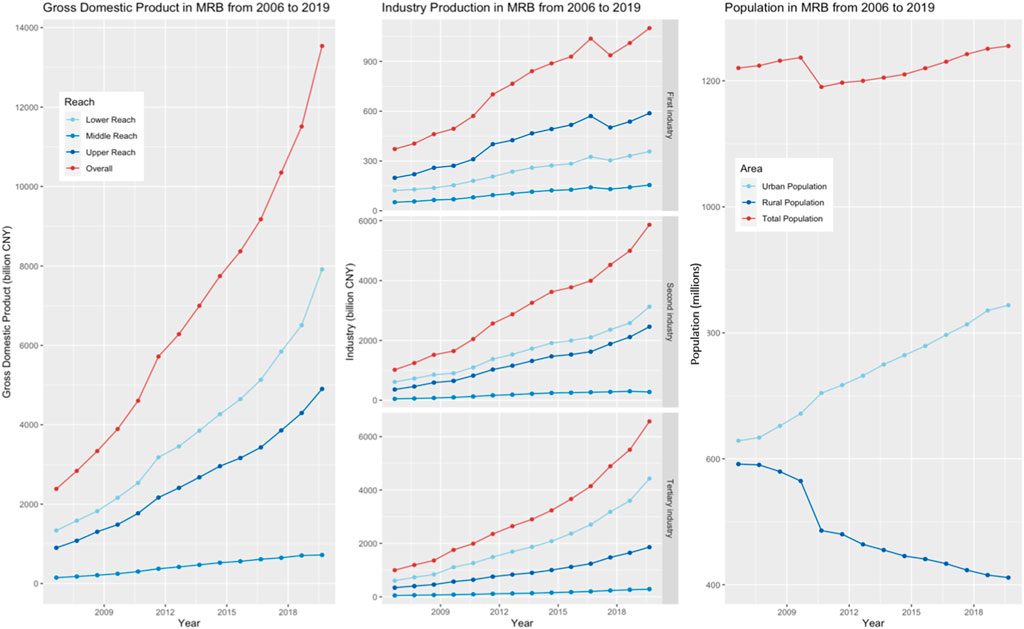
FIGURE 1. Trends in gross domestic product (GDP) (billion CNY), primary production, secondary production, tertiary production (billion CNY), and population (millions) in the MRB from 2006 to 2019 (Fujian Provincial Bureau of Statistics, 2007–2020).
Despite land-cover changes and agricultural expansion, there has not been a corresponding rise in grain crop production, and the potential for reduced land productivity and/or environmental degradation is apparent. The increase in sown area (+10.7%) from 2007 to 2016 alongside a decrease in grain crop production (−15.3%) (Figure 2), reflects the pressing need for sustainable development within the MRB (Figure 2).
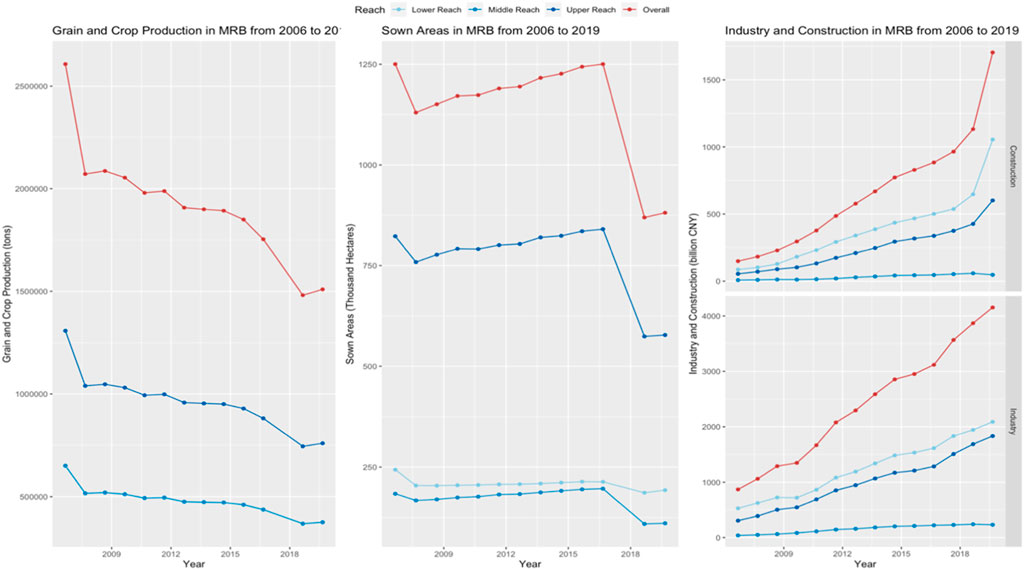
FIGURE 2. Trends in grain and crop production (tonnes), sown area (thousand hectares), industry, and construction (billion CNY) in the MRB from 2006 to 2019 (Fujian Provincial Bureau of Statistics, 2007–2020).
The acceleration in construction and industry (Figure 2) has enhanced urbanization and improved infrastructure, thereby bringing potential employment opportunities and boosting the local economy. However, increased urbanization and rural-to-urban migration permanently transform the natural environment (Van Berkel et al., 2019). Many negative externalities, including environmental problems (e.g., soil erosion, waterlogging, heatwaves) and socioeconomic polarization, emerged due to accelerated urbanization.
Methods
Questionnaire design and data collection
Two surveys addressing similar questions were distributed, one in 2006 and the other in 2021. Both questionnaires were designed to investigate the public’s awareness, concerns, and understanding of local environmental conditions and sustainable watershed management in the MRB. A similar structure (Table 1) was maintained for both questionnaires. The majority of the questions from the 2006 version (Wang et al., 2013) were retained, although they were transformed into a different style of question in the 2021 version of the survey. Modifications included combining and grouping related questions and changing Likert scale questions into 5-point scales, which are more reliable than 2- or 3-point versions (Lozano et al., 2008). Questions in the personal information section were also amended to accomodate the socioeconomic and demographic changes in the MRB area as per the Fujian Provincial Statistical Yearbook (Fujian Provincial Bureau of Statistics, 2009). Several new questions were added to the 2021 version after reflecting on the current issues of concern. Prior to distribution, both surveys underwent a pretest with approximately 30 local stakeholders from Fujian Agriculture and Forestry University to resolve any issues (e.g., ambiguous wording, errors, or insufficient question information).
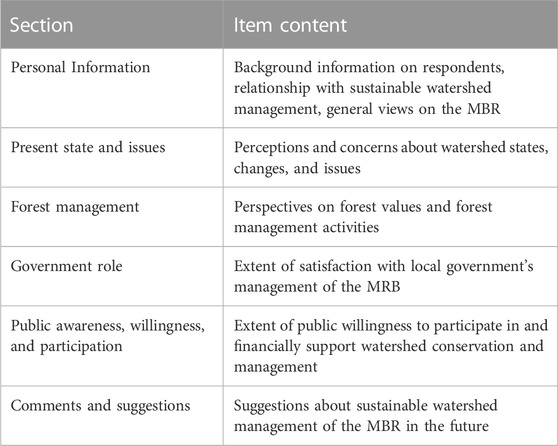
TABLE 1. Structure and components of the questionnaire.
In both years, two-stage sampling was adopted to apply both cluster and random stratified sampling. Taking into consideration the population distribution and density, geographic location, and socioeconomic conditions of the MRB (Fujian Provincial Bureau of Statistics, 2009), several representative sectors were selected in the study area. In 2006, questionnaires were sent out by mail and followed up in person by trained students, whereas in 2021, respondents were encouraged to complete the questionnaire online. In both years, random street interviews in high-use public facilities (e.g., the National Park, a shopping mall) were also conducted. The response rate was over 75% for both years. After eliminating responses with lower than usual completion time and with missing information, 829 valid questionnaires from 2006 were selected, whereas in 2021, 933 valid questionnaires were selected. Among these questionnaires, 829 were then randomly sampled out of the total data set of 933 for conducting a 2-year comparison data analysis.
Data analysis
Data were first imported and tabulated using Excel, following which exploratory data analysis was conducted using SPSS (Version 27). For subsequent visualization and analysis, R (Version 4.1.2) and STATA 17 were used. As indicated above, this study aimed to examine how public environmental awareness (EA) changed from three perspectives (perception, concern, and behavioral intention) over time and across different socioeconomic groups. In the exploratory stage, statistical tests such as the chi-square test, F-test, and t-test were used to investigate changes in the MRB area. The F-test revealed which type of t-test was suitable for this study. In addition to changes in participants’ understanding and concerns relevant to the MRB area, changes in their perceptions regarding government strategies were also explored.
The analytic hierarchy process (AHP) was adopted to examine the shift in participants’ EA across different socioeconomic groups over the past 15 years. AHP is a methodology and process for decision-making in multi-criteria decision analysis, established by Thomas L. Saaty in the 1970s. It offers a systematic approach for decision-makers to compare and assign weights to multiple options. Its versatility has seen widespread adoption in different environmental domains like strategic planning, groundwater safety (Majidipour et al., 2021), urban resilience (Kosova et al., 2022), irrigation system evaluation (Khatete et al., 2023), environmental awareness and management analysis (Du et al., 2018), stakeholder preferences (Vo et al., 2023), and assessing flood vulnerabilities and risks (Dandapat and Panda, 2017; Abdrabo et al., 2023). Notably, Vo et al. applied AHP as its primary methodology for determining weights for stakeholders’ ecosystem service preferences and prioritizing environmental alternatives for pond ecosystems (2023).
Here, AHP was employed to prioritize environmental-related indices to determine the variables affecting EAs. The hierarchy process comprises three layers: a target layer, a criteria layer, and an index layer (Figure 3). Per a general guideline, AHP remains valid if there are fewer than 7 criteria in each comparison matrix (Saaty and Ozdemir, 2003). Given that the proposed hierarchy in this study has a maximum three criteria per group, the application of AHP is justified. During the AHP procedure, questions in the pairwise comparison were first encoded by the importance of options and then transformed into Likert format. Multiple literature sources were referenced to minimize judgmental bias. The scaling guideline for this paper was adopted from Saaty (2006), as illustrated in Table 2.
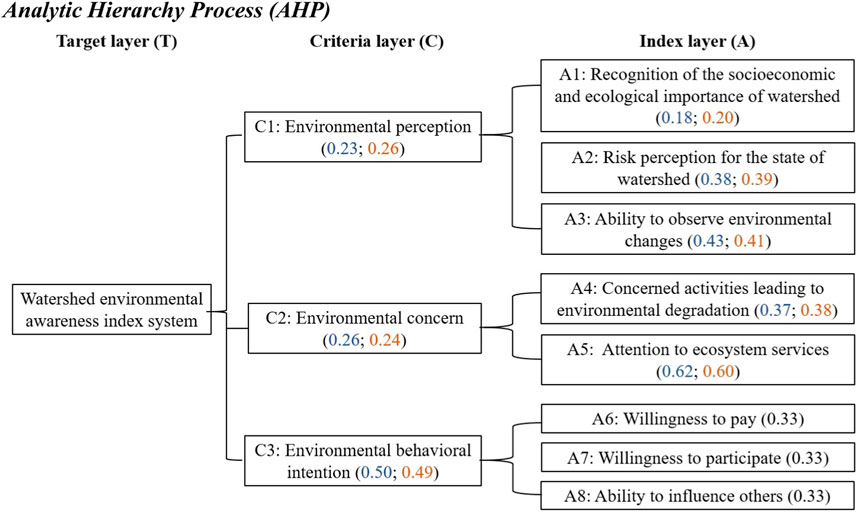
FIGURE 3. Watershed Index System; Blue indicates 2006 weights, red indicates 2021 weights.
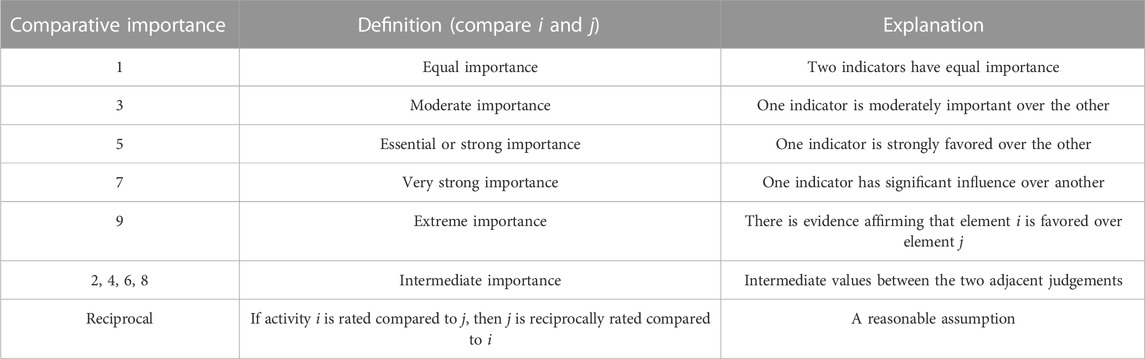
TABLE 2. Pairwise comparison scale of the Analytic Hierarchy Process (AHP).
The AHP was utilized to ascertain the environmental indices that underwent the most substantial changes over the 15-year period. However, it remains unclear which socioeconomic factors have the most pronounced impact on these environmental indices. Although the AHP procedure assigns weights to each factor based on various studies, biases are inevitably introduced into the indices. To provide a more nuanced understanding of the importance of socioeconomic factors, the random forest models were introduced to determine the most influential socioeconomic factors toward the three environment-related indices. This modelling approach bootstraps the original data hundreds of times to construct decision trees, the cumulative nature of which yields a more representative result from the sample, potentially mitigating some of the bias introduced through the AHP. Socioeconomic data primarily consist of categorical information, making methods based on decision trees more suitable in this context.
Results
The changes in socioeconomic characteristics across the respondents are shown in Table 3. In 2006, over 70% of the respondents were from the upper reach, while less than 29% were from the lower reach. This was almost completely reversed in 2021, as more than half of the respondents were from the lower reach, indicative of the rural-urban population migration mentioned above. The number of respondents below the age of 29 increased by around 7.4%, showing that more young people were involved in the 2021 social survey. Education levels among participants also rose, with a 20% increase in participants holding a Bachelor’s degree, while the number of individuals holding a college degree or lower decreased by 15%. The change in lower annual incomes to relatively higher incomes reinforced this trend. In general, the only socioeconomic characteristic that did not change significantly was the gender distribution. For both years, around 40% of the respondents were female and 60% were male.
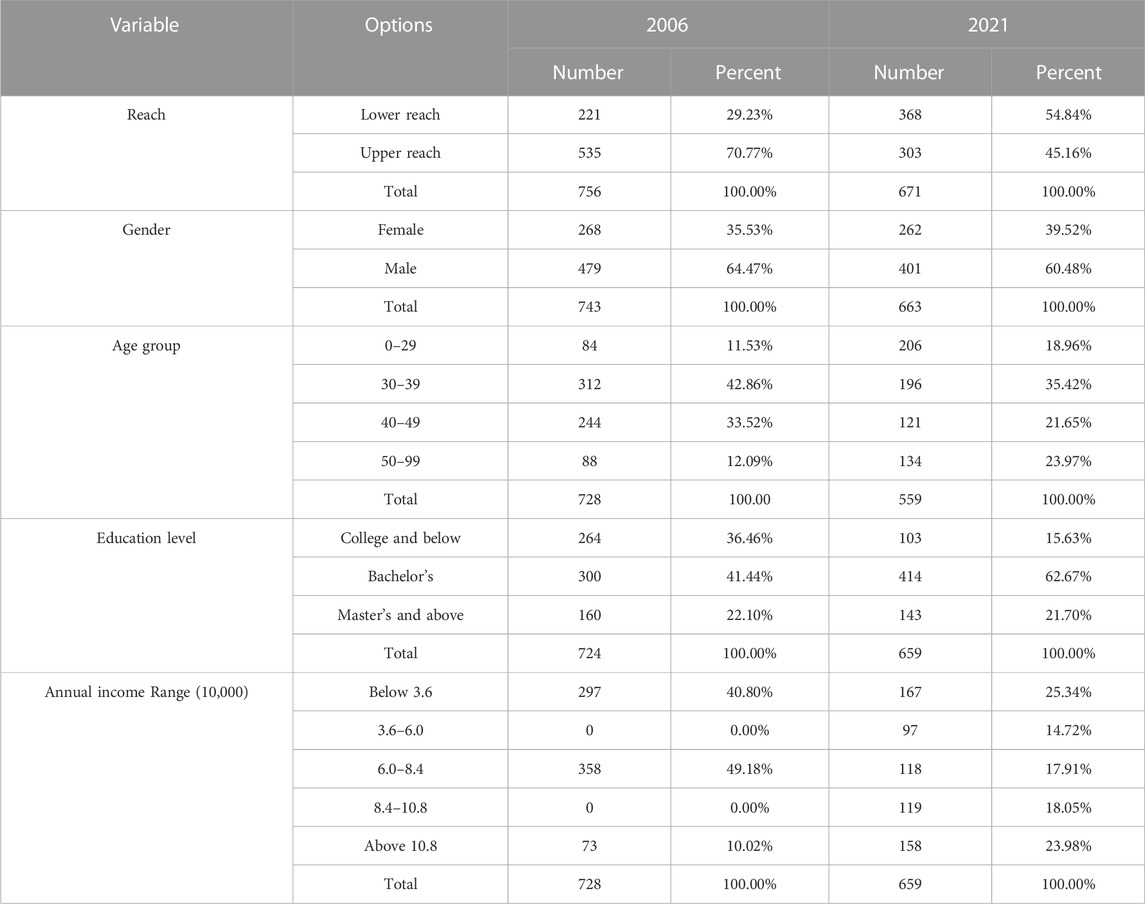
TABLE 3. Demographic and socioeconomic changes of respondents.
In general, the perceptions and awareness of the MRB area amongst participants remained unchanged over the 15-year span. In both 2006 and 2021, more than 55% of the participants recognized that both economic development and environmental protection were crucial to the MRB’s future advancement. Less than 4% of the participants prioritized the economy over the environment. Correspondingly, around 40% of the participants rated the socioeconomic and environmental status of the MRB as “intermediate” in both years. Although approximately 10% of the participants shifted from “problematic” to “considerably well”, the changes were not significant. Generally, participants appeared to be optimistic regarding the MRB’s future development: 30% of the participants changed their opinion from neutral to somewhat optimistic, indicating a significant (p-value 0.08) improvement from 2006 to 2021.
In both surveys, water pollution and flooding were considered to be the most severe issues in the past, the issues that had received the most improvement, and the primary future concerns. Industrial waste discharge and domestic wastewater discharge were pinpointed as the two most common causes of water pollution. Flooding, on the other hand, was identified as having a variety of causes, including deforestation, construction of dams and hydroelectric plants, and river siltation. Awareness of improper riparian forest management practices showed no significant change. In both years, respondents reported “seldom” or “sometimes” witnessing improper management. However, participants received more information about IWM in 2021 than they did in 2016. Consequently, around 25% elevated their rating of MRB management from “neutral” to “well,” and 15% escalated from “well” to “extremely well.”
Response to government sectors
The opinions of participants about government-level management strategies also revealed insightful shifts. In 2006, over half of the participants believed that the government should focus on enhancing cross-reach and cross-departmental cooperation. Contrastingly, these areas were deemed least important in 2021. Management strategies such as strict enforcement of MRB-related legislation, strengthened environmental protection supervision, and integrated management planning moved from least important in 2006 to most important in 2021. When comparing the responses of participants across different reaches in 2021 (Table 4), it was found that lower-reach participants valued integrated management and fund-raising more, while upper-reach participants stressed cooperation within the reaches and the government departments.

TABLE 4. Management strategy focus between reaches in 2021.
In evaluating participants’ satisfaction rates towards different government sectors, clear improvements were observed in satisfaction with the forest management, agricultural management, and water source utilization sectors. The aquaculture management sector, on the other hand, showed a slight decrease in satisfaction rates over the past 15 years. In 2021, the lower reach reported slightly lower satisfaction than the upper reach. The differences between reaches were more pronounced for government management, agricultural management, aquaculture management, animal husbandry, river maintenance, environmental conservation, and waste discharge management.
Analytic hierarchy process (AHP)
Surveys conducted in Beijing and Shandong showed that environmental attitudes, including willingness to pay, played a substantial role in influencing environmental awareness concerning water conservation and air pollution (Wang Y. et al., 2016; Du et al., 2018). Figure 3 illustrates how questionnaire items were grouped together to derive the three criteria regarding watershed EA. Given that the original questionnaire primarily comprised Likert-scale questions, the options were transformed rather than directly performing pairwise comparisons among the indices. This transformation might have introduced some degree of judgmental bias or produced different weights, but the important attributes remained consistent (Kallas, 2011). Pairwise comparisons among the index layers and the criteria layers were conducted in accordance with the pairwise comparison scale (Saaty, 2006). Three sets of comparisons were made across the environmental perception criteria.
The recognition of the socioeconomic and ecological importance of the watershed (A1) was compared with risk perception regarding the state of the watershed (A2), as well as A2 and the ability to observe environmental changes (A3). An individual’s risk perception is affected by various factors, including the confidence level in government sectors (Liu et al., 2021). A pairwise comparison of A1 and A2 was carried out accordingly. The study also compared the participants’ concerned activities that cause environmental degradation (A4) with the level of attention to ecosystem services (A5). Eventually, in terms of environmental behavioral intention, willingness to pay (A6), willingness to participate (A7), and the ability to influence others (A8) were relatively independent of each other. The interaction between any of the two indicators varied case-by-case. A6 could be restricted by income level, for example, while A7 could be restricted by insufficient access to IWM-related activities and a lack of leisure time (Kamaruddin et al., 2016). The watershed environmental awareness index was finalized after composing all three criteria.
Environmental perception (C1) and environmental concern (C2) are often reciprocal and iterative. The two can interact with each other. A high degree of environmental perception (C1) does not necessarily correspond to an elevated level of environmental concern (C2). An individual may possess comprehensive understanding and acute awareness of the biophysical conditions without exhibiting substantial concern. Cognitive awareness does not inherently translate to emotional engagement or concern regarding environmental issues. The value-belief-norm theory of environment demonstrates that changes in values modify behavior (Stern et al., 1999). For instance, Pohjolainen et al. (2016) highlighted a positive link between an individual’s awareness, both cognitive and emotional, of the environmental cost of meat, and their readiness to lessen meat consumption. Perception change is the premise of intention-behavioral change. Hence, a higher importance was assigned to perception over behavioral intention (C3). Lastly, concern (C2) and behavioral intention (C3) have a weak positive correlation as concern may be the basis for intention and further actions (Fujii, 2006; Ng et al., 2020), and in this case, the level of environmental concern was perceived as moderately more important than environmental behavioral intention (−2 to −4). Tables 5–8 show the importance matrices for the three criteria, all exhibiting a mean consistency rate of less than 1%.
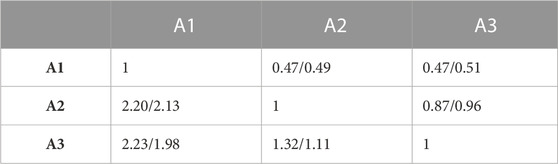
TABLE 5. Environmental perception matrix (left 2006, right 2021).

TABLE 6. Environmental concern matrix (left 2006, right 2021).

TABLE 7. Environmental behavioral intention matrix (left 2006, right 2021).
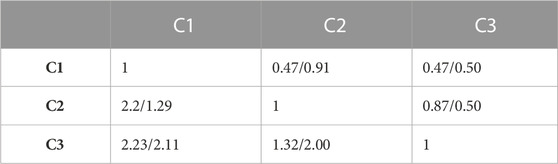
TABLE 8. Watershed environmental awareness index matrix (left 2006, right 2021).
In examining the three environmental criteria and the watershed environmental awareness index for each year, it was found that all indices except for environmental concern increased over the 15-year study period (Table 9). This denotes a decrease in the aggregated index of the concerned range of activities causing environmental degradation and the level of attention given to selected ecosystem services. However, this reduction was primarily due to A4. There was a shift in emphasis towards preferred ecosystem services, yet a significant increase in all six ecosystem services related to watershed forests (recreation, income source and employment, habitats for wild fauna and flora, sustaining global ecological equilibrium, regulation of water, air, and soil, and preservation of primordial environment) (p-value = 0.00 for all ES). Among these, the 2021 survey saw an escalating recognition of forests for biodiversity. As the focus on the supportive and regulatory services of forests stayed elevated, the cultural advantages emanating from forests drew more attention in the 2021 survey compared to 2006.

TABLE 9. Change in environmental criteria and watershed awareness index.
The reduction in the number of concerning activities could potentially be attributed to government efforts to regulate harmful human actions, thereby improving environmental conditions. Notably, the public concern regarding waste dumping in 2021 was significantly lower than in 2006 (p-value = 0.04). Despite a decline in the frequency of numerous activities—such as clear cutting, misuse of agricultural land, dam construction, fish farming, water resource misuse, urban expansion, and mining—no statistically significant differences were observed in the counts of these activities between the 2 years. Concurrently, issues such as untreated chemicals, overuse of fertilizers and pesticides, intensive livestock production, and exhaust emissions have emerged as new concerns, attracting increasing public attention. Socioeconomic grouping trends mirrored the overall changes for the entire sample (Figure 4; Table 9).
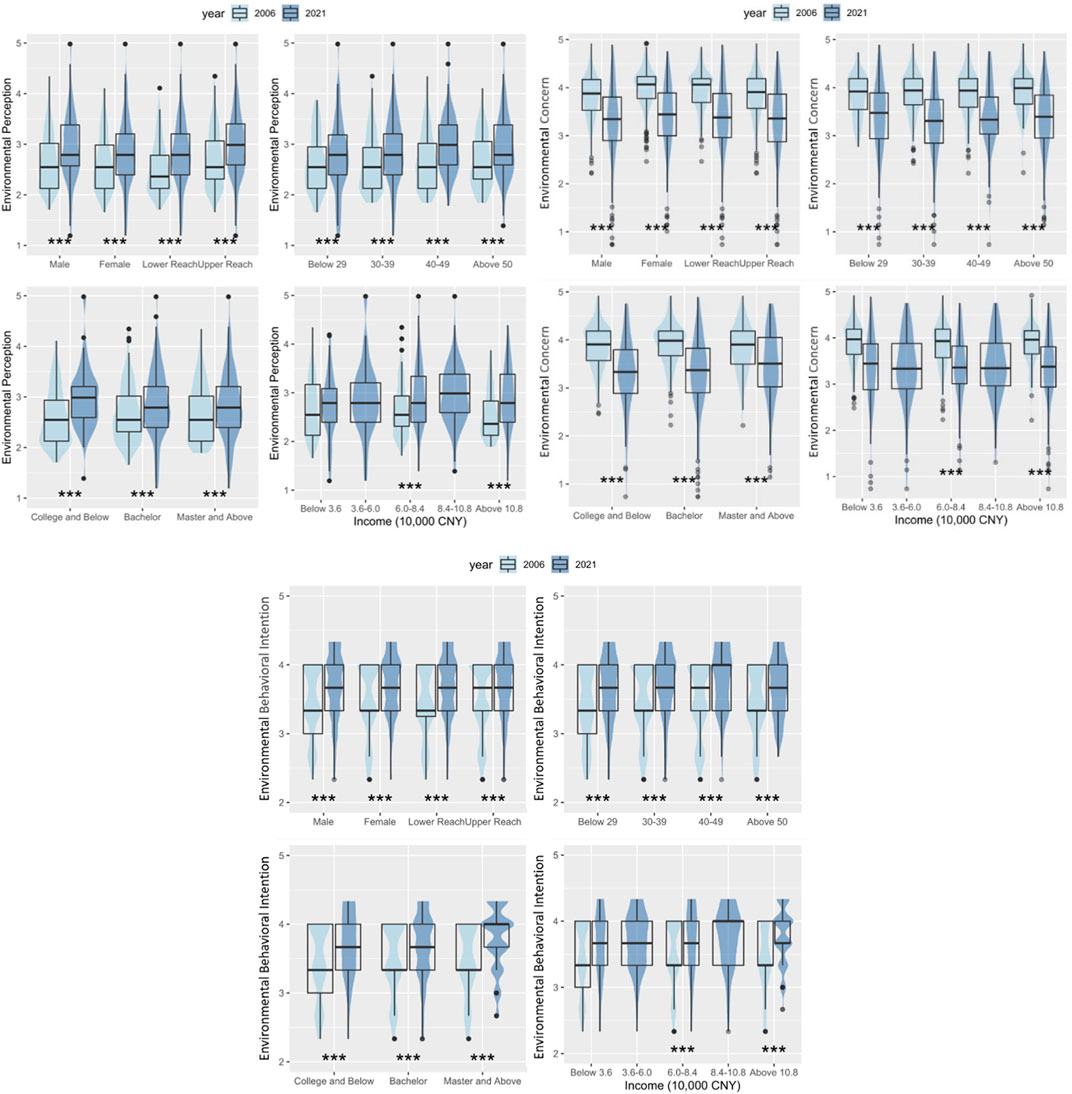
FIGURE 4. Environmental perception (upper left), concern (upper left), and behavioral intention (bottom). *** indicate significance levels less than or equal to 0.05.
Random forest models were employed to investigate which socioeconomic traits affected the indices most significantly. In general, income and education appeared to have the greatest impact. In 2006, education had the most influence on environmental indices whereas in 2021, income had the most influence (Table 10). However, since education and gender are positively correlated, it can be concluded that both were significant factors in an individual’s EA. The least influential socioeconomic trait, on the other hand, was gender. Although gender appeared to be the most important in the environmental concern index in 2006, this could have occurred by chance.
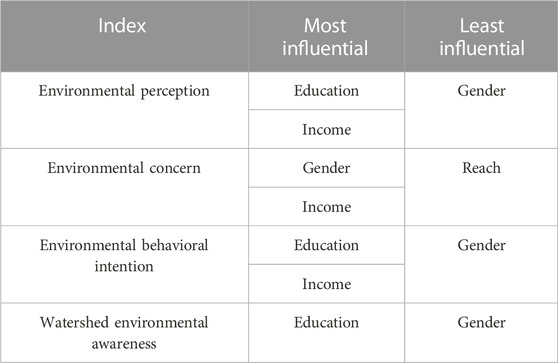
TABLE 10. Most influential socioeconomic traits toward environmental indices (upper 2006, lower 2021).
Discussion
The AHP model highlighted the critical relationship between environmental behavioral intention and watershed environmental awareness. In the 2021 samples, the weight of EBI (0.49) ranked the highest, followed by EP (0.26) and EC (0.24) (Figure 3). This ranking mirrors the emphasis in other literature on the profound role of environmental behavioral intention and perception in environmental awareness and understanding sustainability (Wang Y. et al., 2016; Du et al., 2018; Fu et al., 2020; Orduño Torres et al., 2020; Saari et al., 2021; Bhagyanathan and Dhayanithy, 2023).
Impact of experience on environmental awareness
Environmental Awareness (EA) underwent a substantial increase over the course of the study, with the most pronounced enhancements occurring in EP and EBI, as indicated in Table 9. The experience of the sample population with natural disasters and deteriorating environments enabled most to recognize that conserving ecological communities is as important as economic development. The public has realized that the causalities and economic costs related to water pollution and flooding were due to the increasing frequency and severity of these problems (Wang G. et al., 2016). The MRB’s residents showed a comprehensive understanding of flooding, as they could identify a diverse range of causes of floods. Soetanto et al. (2016) and Hong and Chang (2020) have also shown that individuals who have experienced flooding have higher senses of social and environmental responsibility than those without such experience. Direct experiences foster empirical understanding, enabling individuals to comprehend the impacts of environmental degradation, often leaving a lasting impression on their perceptions. Fox et al. (2020) employed interactive media to virtually position participants either close to or far from a polluted river, both temporally and spatially. Their findings revealed that psychological closeness to the environment heightened risk perception. Memories, imagination, and emotional engagement (e.g., concern, anger, and sadness), amplify environmental awareness (Flood et al., 2021; Van Der Linden, 2017). Such experiences often trigger further information-seeking and inquiry into specific environmental issues, promoting support for environmental policies.
Income (2021) and education (2006) emerged as the most influential factors among five selected factors on perception, concern, and behavioral intention based on the random forest model. Nguyen et al. (2020) similarly noted that respondents of the same age with higher annual income levels (>$50,000) tended to have a higher risk perception of invasive plants. Works by Graça et al. (2018), Marshall and Duram, (2017), and Umuhire and Fang (2016), have consistently identified education as a potent catalyst in amplifying individuals’ environmental sensitivity. Environmental awareness and knowledge were reported to be at the top of the agenda for improving environmental responsibility for young consumers in a case from India (Garg et al., 2021).
Environmental perception analysis
When comparing the impact of individual socioeconomic groups on the environmental perception of participants, reach remained consistent from 2006 to 2021. With a p-value of 0.01 (2006) and 0.00 (2021), respondents from the upper reach generally showed higher perceptions than those from the lower reach. This finding is consistent with previous research on the Rebu Watershed in Ethiopia, where respondents residing in the upper topographic area perceived watershed degradation as more severe than those in the lower topographic area (Mengistu and Assefa, 2020; Mengistu and Assefa, 2021). Common degradation indicators like soil productivity reduction and soil erosion are more frequently observed in the upper reaches of watersheds where slopes are generally steeper. Nonetheless, several pieces of literature have indicated that the lower reach is more susceptible to water pollution, flooding, and sedimentation, as delineated by the River Continuum Concept (Vannote et al., 1980; Doretto et al., 2020; Roebuck et al., 2020; Krapesch et al., 2023).
Contrary to our findings, a case study from the Shiyang River Basin revealed that villagers in the lower reach tended to have higher environmental perceptions and behavioral intention (Yu et al., 2014). However, the stakeholder group in their study was predominantly farmers, whose livelihoods are closely intertwined with river health. Our study, on the other hand, encompassed stakeholders from a diverse range of occupations. The economy of the MRB’s upper reach is dominated by agriculture and forestry, showing a strong dependency on the local ecosystem. Consequently, this might lead to a heightened perception of environmental issues among individuals in the upper reach. Despite the dispersed nature of the highest-risk and lowest-risk regions, the spatial distribution of landscape ecological risks within the MRB shows a consistent pattern, with higher levels in the northern regions (mainly upper reach), and lower levels in the southern regions (mainly lower reach) (Zhang et al., 2022). Invasive species and degradation in cropland, grassland, and forest pose high-level ecological risks. These activities not only raise stakeholders’ awareness of environmental degradation but also heighten their perception of associated risks. It's worth mentioning that there have been limited studies exploring variations in environmental perception across different river reaches or in various topographic settings. This study contributes valuable insights to fill this gap.
Participants aged 40 or older displayed a higher level of environmental perception than those under 29 years old. This study’s findings regarding the higher perceived environmental risks associated with older individuals are consistent with those of Nguyen et al. (2020). The living context, experience with natural disasters, and socioeconomic characteristics shape crisis awareness (Hong et al., 2018; Hong and Chang, 2020; Chisale et al., 2022). It is the level of concern and risk perception that drive higher awareness levels (Musacchio et al., 2021). To improve the public’s EP, policymakers should prioritize enhancing participants’ ability to observe environmental changes, given its highest weight among the three indices under EP. Engaging the public in the process and providing them with the tools and resources they need to make informed environmental observations is the key to enhancing their ability to observe environmental changes. Effective measures include promoting active observations, empowering individuals with the skills to interpret environmental changes, and improving accessibility to GIS tools and mobile applications for convenient environmental monitoring. Such digital applications promote citizen science initiatives, enriching conservation data and engaging the public. The involvement of digital technologies in environmental research enables more precise and thorough data collection and analysis. For instance, machine learning algorithms have been the new trend for in-depth interpretation of environmental patterns and trends. Furthermore, digital platforms foster channels for real-time communication and collaboration among researchers, policymakers, and the broader community, nurturing a more inclusive and well-informed approach to environmental management.
Environmental concern and behavioral intention analysis
The results showed that individual socioeconomic groups did not have much effect on the concern index in 2021, whereas in 2006, both reach and gender markedly affected the concern index. Male respondents exhibited higher environmental concern than female respondents (p-value 0.02). However, environmental behavioral intention was higher in females than in males in 2006, aligning with several previous studies that explained females’ potential to exhibit pro-environmental attitudes and behaviors (Liobikiene and Junkny, 2016; Hao et al., 2019; Flórez et al., 2022). Despite this, demographic and socioeconomic features had no significant impact on perception and behavioral intention in 2021. A similar trend was found in recent research where the effects of demographic factors on environmental awareness gradually fade over time due to the universality of ecological degradation and social processes (Marshall and Duram, 2017; Du et al., 2018). However, environmental perception and behavioral intention have been reported to be negatively impacted by gender differences in exposure to environmental planning and engagement activities in Kenya and Malawi (Munthali et al., 2019; Chisale et al., 2022; Ombogoh et al., 2022).
Notably, environmental concern showed a reverse trend compared to the other two components of EA (Table 9). This means that participants identify a narrower range of activities that they consider should be targeted to effectively combat environmental degradation. This decline in EC might align with the heightened government focus on specific issues, which, as explored by Scott and Willits (1994), might lead to reduced public concern. Dunlap (2020) posited that the government’s assumed effective resolution of these may cause both the media and the public to divert their attention to more critical issues. A variety of social-personal factors (e.g., childhood experience, education, political views, world views) could affect pro-environmental concern (e.g., urban-rural dichotomy, norms, social class, proximity to concerned sites) (Gifford and Nilsson, 2014). For instance, in the Chinese eastern coastal region, urban residents with high incomes exhibit the greatest concern for the environment (Liu and Mu, 2016). Hence, it is comprehensible to see variations in EC given the intricate assortment of factors influencing it.
Over the past 2 decades, the MRB has seen considerable research and management efforts targeting major concerns like flooding and water pollution from both biophysical and political aspects (Jiang et al., 2011; Wang et al., 2013; Rao et al., 2019; Li et al., 2021; Zhang et al., 2022). Integrated watershed management has been the primary strategy adopted. Observable improvements have been made in the water quality, evident in enhanced water clarity and a reduction in the incidence of invasive water hyacinth. The diminished EC may be attributable to growing public trust in the government’s environmental management, facilitated by direct observation of enhanced biophysical conditions and/or the availability of resources such as management plans and governmental reports. The 2021 survey reflected diminished concerns over waste dumping compared to 2006. This may be due to the positive effects of the “River Chief System” policy on watershed pollution mitigation (Li et al., 2021), as well as the increasing national attention to waste management and recycling. River chiefs, akin to mayors and county heads, bear the duty for their assigned watercourses’ stewardship, encompassing aspects such as resource safeguarding, ecological restoration, shoreline conservation, water pollution monitoring and control, and regulatory supervision (CNEMC, 2023).
Climate, a pivotal facet of a river system, leads to increasing attentiveness to climate change. Using the SWAT tool, Rashid et al. (2021) found that the relative contribution of climate change to decrease in the Min River’s water yield was 95%, while also markedly influencing increases in evapotranspiration, surface runoff, and sediment yield. This underscores the necessity of adaptive, publicly supported strategies for water resource management in a climate-altering milieu. The survey conducted by Wolters and Steel (2021) also echoed these climate-related concerns, as participants identified exhaust emissions as a newly recognized concern for air quality and carbon emissions. Hence, adopting resilient water management plans and climate mitigation strategies is crucial to address climate challenges and ensure sustainability.
Policy implications
It is important to adjust plans according to stakeholder-perceived management priorities as public demands are constantly changing over time, as shown in Table 4. Individuals from different geographical locations had different preferences (Table 4). This is consistent with the findings of Hong et al. (2018) who noted citizens’ varying preferences regarding stream restoration due to different regional context and sociodemographic features. Respondents in the upper reach valued cooperation within reaches and government sectors (Table 4). The upper reach had lower economic and technological strength compared to the lower reach, so it is not surprising that respondents there were looking for coordination and resource mobilization to support sustainable development. Integrated plan development, legislation, and supervision received increasing attention from the public over the study period. Drawing attention to the lack of connectivity between plans and their implementation is vital to fulfill legislators’ original aims (Escobedo Garcia and Ulibarri, 2022). Fu et al. (2020) emphasized that perceived management effectiveness was key to bridging the awareness-behavior gap. Higher satisfaction with policy implementation encouraged environmental behavior and stronger involvement in environment-related activities. The authors re-emphasize the need to customize management priorities based on the local needs to increase civic satisfaction with watershed management. Specifically, the local government should improve the aquaculture management sector across all reaches and focus on primary industry management, river conservation, and waste discharge management for the lower reach. Enhanced information-sharing would further enable MRB residents to evaluate IWM progress and effectiveness. Researchers have also noted the importance of targeted publicity for IWM in improving awareness and public engagement (Rolston et al., 2017).
Conclusion
This paper offers a comprehensive understanding of environmental awareness, including its various components and the influence of socioeconomic factors, through a distinctive approach that combines the Analytic Hierarchy Process (AHP) with the random forest model. This research is based on surveys conducted with a relatively large sample size spanning two distinct time periods.
The AHP index system suggested that environmental behavioral intention was the most important component of environmental awareness, with a weight of 0.49–0.5. Environmental concern (0.26, 0.23) and perception were of relatively equal importance to EA (0.24, 0.26). Socioeconomic factors exerted limited influence on EC and EBI in 2021, while reach, gender, and age appeared to significantly influence individual EP. Higher risk perception was observed among older respondents, male respondents, and respondents located in the upper reach. The Min River Basin has seen a rising trend in environmental awareness, encompassing both environmental perception and behavioral intention, over the last 15 years. This paper advises bolstering the current integrated watershed management strategy and persistently tracking the effectiveness of policies as well as potentially concerning activities, irrespective of the declining apprehensions noted among survey participants. Moreover, it is crucial to address emerging issues related to carbon emissions, chemical disposal, and fertilizer use promptly.
This paper underscores its policy implications by demonstrating significant shifts in EA, EP, EC, EBI, public perception of watershed-related issues, and the effectiveness and priorities of management from 2006 to 2021. These findings emphasize the importance of periodically adjusting management. To realize a sustainable bottom-up initiative, policymakers should meticulously consider the dynamic demands of stakeholders and periodically adjust their managerial priorities. As pro-environmental behavior is positively associated with environmental responsibilities and recognition of watershed importance (Minelgaitė and Liobikienė, 2021), it is suggested to enhance the three components of EA simultaneously. Watershed managers should tailor their managerial focus and priorities based on regional needs to improve effectiveness and stakeholders’ trust, with the smallest appropriate unit being communities.
This study has several limitations that could be addressed in future research. Firstly, the data derived from questionnaires were self-reported, relying on the respondents’ honesty and understanding of the questions, which may introduce certain biases. Secondly, the study focused on a cohort in China, which might limit the generalizability of the results to other regions with markedly different socioeconomic settings, biophysical conditions, and cultural contexts. Thirdly, this study primarily examined selected socioeconomic and demographic factors, potentially overlooking other influential factors such as occupation and cultural beliefs. It is advisable for future research to expand on these variables, especially exploring the relationships between an individual’s occupation, geographic location, and Environmental Attitudes (EAs). Lastly, to better capture the complexity of stakeholders’ environmental awareness and other EAs, the integration of machine learning models within the Analytic Hierarchy Process (AHP) may enhance accuracy. Given the pronounced impact of environmental behavioral intention, it is recommended that future studies further investigate the determinants of stakeholders’ participation and the gap between intention and actual pro-environmental behavior.
Data availability statement
The original contributions presented in the study are included in the article/Supplementary material, further inquiries can be directed to the corresponding author.
Ethics statement
The studies involving humans were approved by the University of British Columbia Research Ethics Boards (REBs) (id: H19-03133). The studies were conducted in accordance with the local legislation and institutional requirements. The participants provided their written informed consent to participate in this study.
Author contributions
DZ: Conceptualization, Formal Analysis, Methodology, Writing–original draft. BC: Formal Analysis, Methodology, Writing–original draft, Software. JW: Investigation, Writing–review and editing. JI: Writing–review and editing, Validation. JL: Writing–review and editing. FG: Writing–review and editing. YY: Writing–review and editing, Investigation, Resources. GW: Investigation, Writing–review and editing, Conceptualization, Funding acquisition, Project administration, Supervision.
Funding
The author(s) declare financial support was received for the research, authorship, and/or publication of this article. This work was supported by the University of British Columbia research grant (NALN GR004014) and the in-kind support from Fujian Agricultural and Forestry University.
Conflict of interest
The authors declare that the research was conducted in the absence of any commercial or financial relationships that could be construed as a potential conflict of interest.
The author(s) declared that they were an editorial board member of Frontiers, at the time of submission. This had no impact on the peer review process and the final decision.
Publisher’s note
All claims expressed in this article are solely those of the authors and do not necessarily represent those of their affiliated organizations, or those of the publisher, the editors and the reviewers. Any product that may be evaluated in this article, or claim that may be made by its manufacturer, is not guaranteed or endorsed by the publisher.
References
Abdrabo, K. I., Kantoush, S. A., Esmaiel, A., Saber, M., Sumi, T., Almamari, M., et al. (2023). An integrated indicator-based approach for constructing an urban flood vulnerability index as an urban decision-making tool using the PCA and AHP techniques: a case study of Alexandria, Egypt. Urban Clim. 48, 101426. doi:10.1016/j.uclim.2023.101426
Alemu, M. M. (2016). Integrated watershed management and sedimentation. J. Environ. Prot. 7 (4), 490–494. doi:10.4236/jep.2016.74043
Andrachuk, M., and Armitage, D. (2015). Understanding social-ecological change and transformation through community perceptions of system identity. Ecol. Soc. 20 (4), 26. doi:10.5751/es-07759-200426
Bergtold, J. S., Caldas, M. M., Ramsey, S. M., Sanderson, M. R., Granco, G., and Mather, M. E. (2022). The gap between experts, farmers and non-farmers on perceived environmental vulnerability and the influence of values and beliefs. J. Environ. Manag. 316, 115186. doi:10.1016/j.jenvman.2022.115186
Bhagyanathan, D. A., and Dhayanithy, D. D. (2023). Association of socioeconomic factors, state of the environment and disaster occurrences with environmental attitudes in Kerala, India. Int. J. Disaster Risk Reduct. 87, 103572. doi:10.1016/j.ijdrr.2023.103572
CEAP (China Environmental awareness Program) (2007). The 2007 China general public environmental survey report. https://info.undp.org/docs/pdc/Documents/CHN/00043901_PRODOC.pdf (Accessed May 10, 2023).
Chen, M., Qian, X., and Zhang, L. (2014). Public participation in environmental management in China: status quo and mode innovation. Environ. Manag. 55 (3), 523–535. doi:10.1007/s00267-014-0428-2
China National Environmental Monitoring Centre (2023). Water quality monitoring data. Available at: http://www.cnemc.cn/sssj/ (Accessed May 15, 2023).
Chisale, H. L. W., Chirwa, P. W., and Babalola, F. D. (2022). Awareness, knowledge and perception of forest dependent communities on climate change in Malawi: a case of Mchinji and Phirilongwe forest reserves in Malawi. J. Sustain. For. 42, 728–745. doi:10.1080/10549811.2022.2123353
Dandapat, K., and Panda, G. K. (2017). Flood vulnerability analysis and risk assessment using analytical hierarchy process. Model. Earth Syst. Environ. 3, 1627–1646. doi:10.1007/s40808-017-0388-7
Doretto, A., Piano, E., and Larson, C. E. (2020). The River Continuum concept: lessons from the past and perspectives for the future. Can. J. Fish. Aquat. Sci. 77, 1853–1864. doi:10.1139/cjfas-2020-0039
Du, Y., Wang, X., Brombal, D., Moriggi, A., Sharpley, A., and Pang, S. (2018). Changes in environmental awareness and its connection to local environmental management in water conservation zones: the case of Beijing, China. Sustainability 10 (6), 2087. doi:10.3390/su10062087
Du, Y., Wang, X., Zhang, L., Feger, K.-H., Popp, J., and Sharpley, A. (2019). Multi-stakeholders’ preference for best management practices based on environmental awareness. J. Clean. Prod. 236, 117682. doi:10.1016/j.jclepro.2019.117682
Dunlap, R. E. (2020). Foreword. Camb. Handb. Environ. Sociol. 2020, xix. doi:10.1017/9781108554558.001
Escobedo Garcia, N., and Ulibarri, N. (2022). Plan writing as a policy tool: instrumental, conceptual, and tactical uses of water management plans in California. J. Environ. Stud. Sci. 12 (3), 475–489. doi:10.1007/s13412-022-00754-0
Flood, K., Mahon, M., and McDonagh, J. (2021). Assigning value to cultural ecosystem services: the significance of memory and imagination in the conservation of Irish peatlands. Ecosyst. Serv. 50, 101326. doi:10.1016/j.ecoser.2021.101326
Flórez Bossio, C., Coomes, O. T., and Ford, J. (2022). What motivates urban dwellers to adapt to climate-driven water insecurity? An empirical study from Lima, Peru. Environ. Sci. Policy 136, 136–146. doi:10.1016/j.envsci.2022.05.009
Fox, J., McKnight, J., Sun, Y., Maung, D., and Crawfis, R. (2020). Using a serious game to communicate risk and minimize psychological distance regarding environmental pollution. Telematics Inf. 46, 101320. doi:10.1016/j.tele.2019.101320
Fransson, N., and Gärling, T. (1999). Environmental concern: conceptual definitions, measurement methods, and research findings. J. Environ. Psychol. 19 (4), 369–382. doi:10.1006/jevp.1999.0141
Fu, L., Sun, Z., Zha, L., Liu, F., He, L., Sun, X., et al. (2020). Environmental awareness and pro-environmental behavior within China’s road freight transportation industry: moderating role of perceived policy effectiveness. J. Clean. Prod. 252, 119796. doi:10.1016/j.jclepro.2019.119796
Fujian Provincial Bureau of Statistics (2009). Data from: fujian provincial statistical Yearbook. Tjj.fujian.gov.cn. Available at: https://tjj.fujian.gov.cn/xxgk/ndsj/.
Fujii, S. (2006). Environmental concern, attitude toward frugality, and ease of behavior as determinants of pro-environmental behavior intentions. J. Environ. Psychol. 26 (4), 262–268. doi:10.1016/j.jenvp.2006.09.003
Garg, A., Dhaliwal, R. S., and Gupta, S. (2021). Prioritizing factors determining environmental responsibility using fuzzy analytical hierarchy process: evidence from India. Int. J. Soc. Econ. 48 (7), 999–1020. doi:10.1108/ijse-09-2020-0611
Gifford, R., and Nilsson, A. (2014). Personal and social factors that influence pro-environmental concern and behaviour: a review. Int. J. Psychol. 49 (3), 141–157. doi:10.1002/ijop.12034
Giri, S. (2021). Water quality prospective in twenty first century: status of water quality in major river basins, contemporary strategies and impediments: a review. Environ. Pollut. 271, 116332. doi:10.1016/j.envpol.2020.116332
Gkargkavouzi, A., Paraskevopoulos, S., and Matsiori, S. (2020). Public perceptions of the marine environment and behavioral intentions to preserve it: the case of three coastal cities in Greece. Mar. Policy 111, 103727. doi:10.1016/j.marpol.2019.103727
Graça, M., Queirós, C., Farinha-Marques, P., and Cunha, M. (2018). Street trees as cultural elements in the city: understanding how perception affects ecosystem services management in Porto, Portugal. Urban For. Urban Green. 30, 194–205. doi:10.1016/j.ufug.2018.02.001
Gray, S. G., Raimi, K. T., Wilson, R., and Árvai, J. (2019). Will Millennials save the world? The effect of age and generational differences on environmental concern. J. Environ. Manag. 242, 394–402. doi:10.1016/j.jenvman.2019.04.071
Guerra, B. C., and Leite, F. (2021). Circular economy in the construction industry: an overview of United States stakeholders’ awareness, major challenges, and enablers. Resour. Conservation Recycl. 170, 105617. doi:10.1016/j.resconrec.2021.105617
Hao, F., Michaels, J. L., and Bell, S. E. (2019). Social capital’s influence on environmental concern in China: an analysis of the 2010 Chinese general social survey. Sociol. Perspect. 62 (6), 844–864. doi:10.1177/0731121419835504
Heathcote, I. W. (2009). Integrated watershed management: principles and practice. 2nd ed. Hoboken, New Jersey: John Wiley and Sons.
Hong, C., and Chang, H. (2020). Residents’ perception of flood risk and urban stream restoration using multi-criteria decision analysis. River Res. Appl. 36 (10), 2078–2088. doi:10.1002/rra.3728
Hong, C., Chang, H., and Chung, E. (2018). Resident perceptions of urban stream restoration and water quality in South Korea. River Res. Appl. 34 (5), 481–492. doi:10.1002/rra.3265
Jain, S., Singhal, S., Jain, N. K., and Bhaskar, K. (2020). Construction and demolition waste recycling: investigating the role of theory of planned behavior, institutional pressures and environmental consciousness. J. Clean. Prod. 263, 121405. doi:10.1016/j.jclepro.2020.121405
Jiang, Y., Jin, L., and Lin, T. (2011). Higher water tariffs for less river pollution—evidence from the Min River and fuzhou city in China. China Econ. Rev. 22 (2), 183–195. doi:10.1016/j.chieco.2010.12.006
Kallas, Z. (2011). Butchers’ preferences for rabbit meat; AHP pairwise comparisons versus a Likert scale valuation. doi:10.13033/isahp.y2011.025
Kamaruddin, S. M., Ahmad, P., and Alwee, N. (2016). Community awareness on environmental management through local agenda 21 (LA21). Procedia - Soc. Behav. Sci. 222, 729–737. doi:10.1016/j.sbspro.2016.05.234
Khatete, M. G., Raude, J. M., and Home, P. G. (2023). Evaluating the technical, managerial, socio-economic and environmental performance of Kenya’s Ahero irrigation scheme using the analytical hierarchy process (AHP) model. Jagst 22 (3), 6–22. doi:10.4314/jagst.v22i3.2
Kollmuss, A., and Agyeman, J. (2002). Mind the gap: why do people act environmentally and what are the barriers to pro-environmental behavior? Environ. Educ. Res. 8 (3), 239–260. doi:10.1080/13504620220145401
Kosova, R., Qendraj, D. H., and Xhafaj, E. (2022). Meta-analysis ELECTRE III and AHP in evaluating and ranking the urban resilience. J. Environ. Manag. Tour. 13, 756. doi:10.14505/jemt.v13.3(59).15
Krapesch, M., Hauer, C., Gmeiner, P., Haimann, M., Zauner, G., and Habersack, H. (2023). Evaluation of re-depositing hydropower trapped sediments at large rivers to improve flood protection and aquatic habitats – case study Danube/Austria. Sci. Total Environ. 883, 163603. doi:10.1016/j.scitotenv.2023.163603
Lafuente, R., Paneque, P., and Cañadas, J. L. (2021). The gender gap in water management preferences: analyzing the influence of environmental concern and political knowledge. Soc. Nat. Resour. 34 (11), 1472–1491. doi:10.1080/08941920.2021.1971808
Li, G., Lim, M. K., and Wang, Z. (2019). Stakeholders, green manufacturing, and practice performance: empirical evidence from Chinese fashion businesses. Ann. Operations Res. 290, 961–982. doi:10.1007/s10479-019-03157-7
Li, W., Zhou, Y., and Deng, Z. (2021). The effectiveness of “river chief system” policy: an empirical study based on environmental monitoring samples of China. Water 13 (14), 1988. doi:10.3390/w13141988
Liobikienė, G., and Juknys, R. (2016). The role of values, environmental risk perception, awareness of consequences, and willingness to assume responsibility for environmentally-friendly behaviour: the Lithuanian case. J. Clean. Prod. 112, 3413–3422. doi:10.1016/j.jclepro.2015.10.049
Liu, H., Zhu, G., and Li, Y. (2021). Research on the impact of environmental risk perception and public participation on evaluation of local government environmental regulation implementation behavior. Environ. Challenges 5, 100213. doi:10.1016/j.envc.2021.100213
Liu, P., Teng, M., and Han, C. (2020). How does environmental knowledge translate into pro-environmental behaviors? The mediating role of environmental attitudes and behavioral intentions. Sci. Total Environ. 728, 138126. doi:10.1016/j.scitotenv.2020.138126
Liu, X., and Mu, R. (2016). Public environmental concern in China: determinants and variations. Glob. Environ. Change 37, 116–127. doi:10.1016/j.gloenvcha.2016.01.008
Liu, X., Vedlitz, A., and Shi, L. (2014). Examining the determinants of public environmental concern: evidence from national public surveys. Environ. Sci. Policy 39, 77–94. doi:10.1016/j.envsci.2014.02.006
Lozano, L. M., García-Cueto, E., and Muñiz, J. (2008). Effect of the number of response categories on the reliability and validity of rating scales. Methodology 4 (2), 73–79. doi:10.1027/1614-2241.4.2.73
Majidipour, F., Najafi, S. M. B., Taheri, K., Fathollahi, J., and Missimer, T. M. (2021). Index-based groundwater sustainability assessment in the socio-economic context: a case study in the western Iran. Environ. Manag. 67, 648–666. doi:10.1007/s00267-021-01424-7
Marshall, A. C., and Duram, L. A. (2017). Factors influencing local stakeholders’ perceptions of Tisza River Basin management: the role of employment sector and education. Environ. Sci. Policy 77, 69–76. doi:10.1016/j.envsci.2017.07.009
Masud, M. M., Akhtar, R., Afroz, R., Al-Amin, A. Q., and Kari, F. B. (2013). Pro-environmental behavior and public understanding of climate change. Mitig. Adapt. Strategies Glob. Change 20 (4), 591–600. doi:10.1007/s11027-013-9509-4
McDuff, M. M., Appelson, G. S., Jacobson, S. K., and Israel, G. D. (2008). Watershed management in north Florida: public knowledge, attitudes and information needs. Lake Reserv. Manag. 24 (1), 47–56. doi:10.1080/07438140809354050
Mengistu, F., and Assefa, E. (2020). Towards sustaining watershed management practices in Ethiopia: a synthesis of local perception, community participation, adoption and livelihoods. Environ. Sci. Policy 112, 414–430. doi:10.1016/j.envsci.2020.06.019
Mengistu, F., and Assefa, E. (2021). Local perception of watershed degradation in the upper Gibe basin, southwest Ethiopia: implications to sustainable watershed management strategies. Int. J. River Basin Manag. 20 (2), 235–254. doi:10.1080/15715124.2020.1870990
Milfont, T. L., and Schultz, P. W. (2018). “The role of attitudes in environmental issues,” in The handbook of attitudes: applications (New York, NY; Abingdon, Oxon: Routledge).
Minelgaitė, A., and Liobikienė, G. (2021). Changes in pro-environmental behaviour and its determinants during long-term period in a transition country as Lithuania. Environ. Dev. Sustain 23 (11), 16083–16099. doi:10.1007/s10668-021-01329-9
Minton, A. P., and Rose, R. L. (1997). The effects of environmental concern on environmentally friendly consumer behavior: an exploratory study. J. Bus. Res. 40 (1), 37–48. doi:10.1016/s0148-2963(96)00209-3
Munthali, M. G., Mng’omba, S., Chisale, H., Njoloma, J., Nyoka, B. I., and Sato, G. (2019). Farmers’ knowledge, attitudes and perceptions towards timber out-grower schemes in selected districts of Malawi. South. For. a J. For. Sci. 81 (4), 367–375. doi:10.2989/20702620.2019.1615236
Musacchio, A., Andrade, L., O’Neill, E., Re, V., O’Dwyer, J., and Hynds, P. D. (2021). Planning for the health impacts of climate change: flooding, private groundwater contamination and waterborne infection – a cross-sectional study of risk perception, experience and behaviours in the Republic of Ireland. Environ. Res. 194, 110707. doi:10.1016/j.envres.2021.110707
Ng, P. Y., Ho, P. L., and Sia, J. K. M. (2020). Integrative model of behavioural intention: the influence of environmental concern and condition factors on food waste separation. Manag. Environ. Qual. Int. J. 32 (3), 631–645. doi:10.1108/meq-06-2020-0128
Nguyen, N. A., Eskelson, B. N. I., Meitner, M. J., and Murray, T. (2020). People’s knowledge and risk perceptions of invasive plants in Metro Vancouver, British Columbia, Canada. Environ. Manag. 66 (6), 985–996. doi:10.1007/s00267-020-01350-0
Ombogoh, D. B., Mwangi, E., and Larson, A. M. (2022). Community participation in forest and water management planning in Kenya: challenges and opportunities. For. Trees Livelihoods 31 (2), 104–122. doi:10.1080/14728028.2022.2059790
Orduño Torres, M. A., Kallas, Z., and Ornelas Herrera, S. I. (2020). Farmers’ environmental perceptions and preferences regarding climate change adaptation and mitigation actions; towards a sustainable agricultural system in México. Land Use Policy 99, 105031. doi:10.1016/j.landusepol.2020.105031
Pohjolainen, P., Tapio, P., Vinnari, M., Jokinen, P., and Räsänen, P. (2016). Consumer consciousness on meat and the environment — exploring differences. Appetite 101, 37–45. doi:10.1016/j.appet.2016.02.012
Pomery, E. A., Gibbons, F. X., Reis-Bergan, M., and Gerrard, M. (2009). From willingness to intention: experience moderates the shift from reactive to reasoned behavior. Pers. Soc. Psychol. Bull. 35 (7), 894–908. doi:10.1177/0146167209335166
Poortinga, W., Steg, L., and Vlek, C. (2004). Values, environmental concern, and environmental behavior: a study into household energy use. Environ. Behav. 36 (1), 70–93. doi:10.1177/0013916503251466
Ramsey, J. M., Hungerford, H. R., and Volk, T. L. (1992). Environmental education in the K-12 curriculum: finding a niche. J. Environ. Educ. 23 (2), 35–45. doi:10.1080/00958964.1992.9942794
Rao, Q., Qiu, Y., and Li, J. (2019). Water quality assessment and variation trends analysis of the Min River sea-entry section, China. Water, Air, and Soil Pollut. 230, 272. doi:10.1007/s11270-019-4328-1
Rashid, H., Yang, K., Zeng, A., Ju, S., Rashid, A., Guo, F., et al. (2021). The influence of landcover and climate change on the hydrology of the Minjiang River Watershed. Water 13 (24), 3554. doi:10.3390/w13243554
Rekola, E. P., and Mika, (2001). The theory of planned behavior in predicting willingness to pay for abatement of forest regeneration. Soc. Nat. Resour. 14 (2), 93–106. doi:10.1080/089419201300000517
Rezadoost, B., and Allahyari, M. S. (2014). Farmers’ opinions regarding effective factors on optimum agricultural water management. J. Saudi Soc. Agric. Sci. 13 (1), 15–21. doi:10.1016/j.jssas.2012.12.004
Roebuck, J. A., Seidel, M., Dittmar, T., and Jaffé, R. (2020). Controls of land use and the River Continuum Concept on dissolved organic matter composition in an anthropogenically disturbed subtropical watershed. Environ. Sci. Technol. 54 (1), 195–206. doi:10.1021/acs.est.9b04605
Rolston, A., Jennings, E., and Linnane, S. (2017). Water matters: an assessment of opinion on water management and community engagement in the Republic of Ireland and the United Kingdom. PLoS One 12 (4), e0174957. doi:10.1371/journal.pone.0174957
Saari, U. A., Damberg, S., Frömbling, L., and Ringle, C. M. (2021). Sustainable consumption behavior of Europeans: the influence of environmental knowledge and risk perception on environmental concern and behavioral intention. Ecol. Econ. 189, 107155. doi:10.1016/j.ecolecon.2021.107155
Saaty, T. L. (2006). Rank from comparisons and from ratings in the analytic hierarchy/network processes. Eur. J. Operational Res. 168 (2), 557–570. doi:10.1016/j.ejor.2004.04.032
Saaty, T. L., and Ozdemir, M. S. (2003). Why the magic number seven plus or minus two. Math. Comput. Model. 38 (3–4), 233–244. doi:10.1016/S0895-7177(03)90083-5
Scott, D., and Willits, F. K. (1994). Environmental attitudes and behavior. Environ. Behav. 26 (2), 239–260. doi:10.1177/001391659402600206
Soetanto, R., Mullins, A., and Achour, N. (2016). The perceptions of social responsibility for community resilience to flooding: the impact of past experience, age, gender and ethnicity. Nat. Hazards 86 (3), 1105–1126. doi:10.1007/s11069-016-2732-z
Stern, P. C., Dietz, T., Abel, T., Guagnano, G. A., and Kalof, L. (1999). A value-belief-norm theory of support for social movements: the case of environmentalism. Hum. Ecol. Rev. 6 (2), 81–97.
Tam, K. P., and Chan, H. W. (2018). Generalized trust narrows the gap between environmental concern and pro-environmental behavior: multilevel evidence. Glob. Environ. Change 48, 182–194. doi:10.1016/j.gloenvcha.2017.12.001
Umuhire, M. L., and Fang, Q. (2016). Method and application of ocean environmental awareness measurement: lessons learnt from university students of China. Mar. Pollut. Bull. 102 (2), 289–294. doi:10.1016/j.marpolbul.2015.07.067
Van Berkel, D., Shashidharan, A., Mordecai, R., Vatsavai, R., Petrasova, A., Petras, V., et al. (2019). Projecting urbanization and landscape change at large scale using the FUTURES model. Land 8 (10), 144. doi:10.3390/land8100144
Van Der Linden, S. (2017). Determinants and Measurement of Climate Change Risk Perception, Worry, and Concern,” in Oxford Research Encyclopedia of Climate Science (Oxford University Press). doi:10.1093/acrefore/9780190228620.013.318
Vannote, R. L., Minshall, G. W., Cummins, K. W., Sedell, J. R., and Cushing, C. E. (1980). The River Continuum concept. Can. J. Fish. Aquat. Sci. 37 (1), 130–137. doi:10.1139/f80-017
Vo, H. T., Vrachioli, M., Frick, F., Sauer, J., Brucet Balmana, S., Benejam Vidal, L., et al. (2023). Socio-economic or environmental benefits from pondscapes? Deriving stakeholder preferences using analytic hierarchy process and compositional data analysis. J. Environ. Manag. 342, 118298. doi:10.1016/j.jenvman.2023.118298
Wang, G., Innes, J. L., Hajjar, R., Zhang, X., and Wang, J. (2013). Public awareness and perceptions of watershed management in the Min River area, Fujian, China. Soc. Nat. Resour. 26 (5), 586–604. doi:10.1080/08941920.2012.718411
Wang, G., Mang, S., Cai, H., Liu, S., Zhang, Z., Wang, L., et al. (2016a). Integrated watershed management: evolution, development and emerging trends. J. For. Res. 27 (5), 967–994. doi:10.1007/s11676-016-0293-3
Wang, W., Wang, T., Cui, W., Yao, Y., Ma, F., Chen, B., et al. (2021). Changes of flow and sediment transport in the lower Min River in southeastern China under the impacts of climate variability and human activities. Water 13 (5), 673. doi:10.3390/w13050673
Wang, Y., Sun, M., Yang, X., and Yuan, X. (2016b). Public awareness and willingness to pay for tackling smog pollution in China: a case study. J. Clean. Prod. 112, 1627–1634. doi:10.1016/j.jclepro.2015.04.135
Wolters, E. A., and Steel, B. S. (2021). Environmental efficacy, climate change beliefs, ideology, and public water policy preferences. Int. J. Environ. Res. Public Health 18 (13), 7000. doi:10.3390/ijerph18137000
Wraith, J., and Tuan, Y. F. (1975). Topophilia: a study of environmental perception, attitudes and values. JAE 29, 32. doi:10.2307/1424328
Wu, J., Liao, H., Wang, J. W., and Chen, T. (2019). The role of environmental concern in the public acceptance of autonomous electric vehicles: a survey from China. Transp. Res. Part F Traffic Psychol. Behav. 60, 37–46. doi:10.1016/j.trf.2018.09.029
Yang, S., Zhao, W., Pereira, P., and Liu, Y. (2019). Socio-cultural valuation of rural and urban perception on ecosystem services and human well-being in Yanhe watershed of China. J. Environ. Manag. 251, 109615. doi:10.1016/j.jenvman.2019.109615
Yoon, A., Jeong, D., and Chon, J. (2021). The impact of the risk perception of ocean microplastics on tourists’ pro-environmental behavior intention. Sci. Total Environ. 774, 144782. doi:10.1016/j.scitotenv.2020.144782
Yu, H., Edmunds, M., Lora, W. A., and Thomas, D. (2014). From principles to localized implementation: villagers’ experiences of IWRM in the Shiyang River basin, Northwest China. Int. J. Water Resour. Dev. 30, 588–604. doi:10.1080/07900627.2014.917949
Yu, J. H., Lin, H. H., Lo, Y. C., Tseng, K. C., and Hsu, C. H. (2021). Measures to cope with the impact of climate change and drought in the island region: a study of the water literacy awareness, attitude, and behavior of the Taiwanese public. Water 13 (13), 1799. doi:10.3390/w13131799
Zhang, S., Zhong, Q., Cheng, D., Xu, C., Chang, Y., Lin, Y., et al. (2022). Coupling coordination analysis and prediction of landscape ecological risks and ecosystem services in the Min River Basin. Land 11 (2), 222. doi:10.3390/land11020222
Keywords: watershed management, environmental awareness, management priority, min river basin, China, socioeconomic factors, analytic hierarchy process (AHP)
Citation: Zeng D, Chen B, Wang J, Innes JL, Lu J, Guo F, Yan Y and Wang G (2023) Evolving environmental awareness and shifts in management priorities: a socioeconomic lens on the min river basin, China. Front. Environ. Sci. 11:1257089. doi: 10.3389/fenvs.2023.1257089
Received: 11 July 2023; Accepted: 07 November 2023;
Published: 14 December 2023.
Edited by:
Mehdi Vafakhah, Tarbiat Modares University, IranReviewed by:
Morufu Olalekan, Federal University, NigeriaShi Yin, Hebei Agricultural University, China
Copyright © 2023 Zeng, Chen, Wang, Innes, Lu, Guo, Yan and Wang. This is an open-access article distributed under the terms of the Creative Commons Attribution License (CC BY). The use, distribution or reproduction in other forums is permitted, provided the original author(s) and the copyright owner(s) are credited and that the original publication in this journal is cited, in accordance with accepted academic practice. No use, distribution or reproduction is permitted which does not comply with these terms.
*Correspondence: Guangyu Wang, Z3Vhbmd5dS53YW5nQHViYy5jYQ==
†These authors share first authorship