 Ming Huang
 Zhen Liu1,2
- 1College of Environmental and Energy Engineering, Anhui Jianzhu University, Hefei, China
- 2Institute of Remote Sensing and Geographic Information Systems, Anhui Jianzhu University, Hefei, China
- 3Shucheng Zhonghe Real Estate Development Co., Ltd, Hefei, China
- 4Anhui Eco-environmental Monitoring Center, Hefei, China
Expansive soils are widely distributed around the world. They have significant characteristics of both hygroscopic expansion and water-loss shrinkage, which have caused serious damage to road paving, construction of low-rise houses, and construction of slopes along the banks of rivers. Similarly, the implementation of low impact development measures can cause considerable difficulties in the distribution area of expansive soil. The entire urban area of Hefei is situated on expansive soil. Although Hefei city has developed a sponge city plan, it has not been carried out on a large scale for implementation of low impact development technical measures. Experimental studies have shown that exposed expansive soils produce fissures that run up and down during wet and dry cycles. These fissures are extremely unfavorable to the infiltration of surface runoff formed by short-term heavy rainfall. This is also one of the reasons for short-term rainfall in Hefei city, resulting in serious flooding in low-lying areas with a poor drainage system. At the same time, initial rainfall is ineffective in cleaning up surface source pollution. Therefore, we can enhance the characteristics of expansive soil, keep the expansive soil unexposed, and maintain a certain level of humidity. These approaches can play a better role in the control of rainfall runoff and surface source pollution. The characteristics of expansive soils can be enhanced by mixing them with weathered sand, a physical improvement, to meet the technical requirements for infiltration, interception, and purification. It is recommended to carefully select low impact development measures in the distribution area of expansive soil to avoid the occurrence of wasteful investment and poor results.
1 Introduction
Expansive soil is a kind of special clay widely distributed on the land surface. The clay particles in the soil are mainly composed of hydrophilic minerals, including montmorillonite, illite, and kaolinite. It is a cohesive soil with significant characteristics of water-absorption expansion and water-loss shrinkage. Because of its remarkable properties of expansion and contraction, it often causes serious damage to engineering construction in the expansive soil area. Expansive soil is widely distributed in more than 40 countries across the world (Zhang, 2005).
The hazard and risk due to expansive soils is often overlooked when tabulating natural hazard risk, vulnerability, and resilience (Bin Mostafiz et al., 2021). The randomly distributed fissures and repeated expansion and contraction deformation in the soil mass cause great harm to engineering construction, which is often referred to as disastrous soil in engineering (Jones and Holtz, 1973). Worldwide, the annual economic losses caused by this are up to 15 billion U.S. dollars or more, with China being one of the most seriously affected countries, where the distribution of expansive soil is extremely wide, throughout Anhui, Guangxi, Yunnan, Hunan, Henan, and in more than 20 other provinces and autonomous regions (Figure 1) (Ye, 2010).
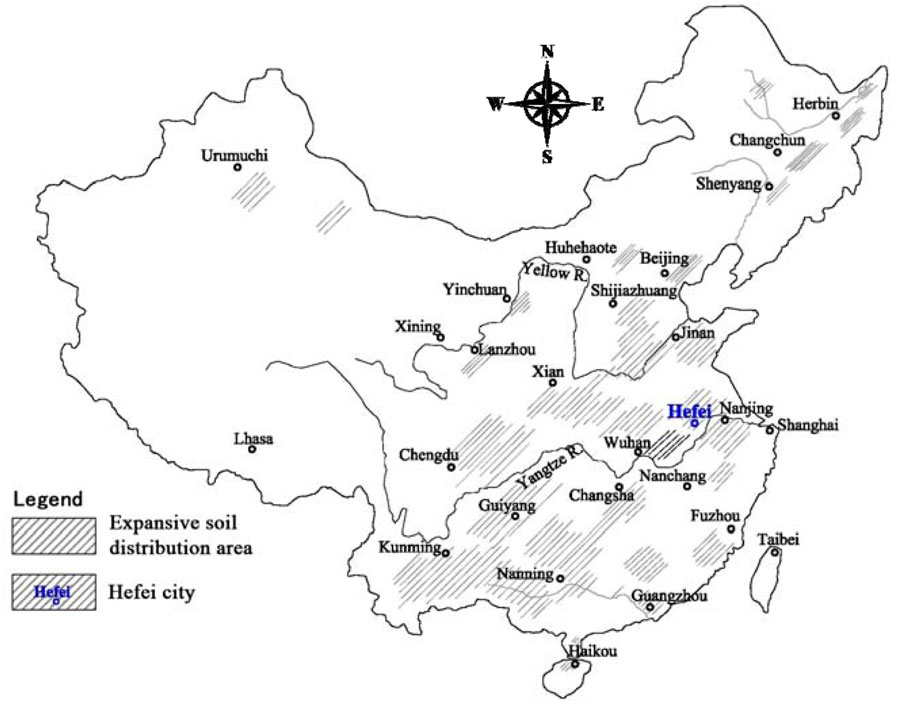
Figure 1. China’s expansive soil regional distribution map (Ye, 2010).
From 1959 to 1977, the United Kingdom, the United States, Romania, the former Soviet Union, and Japan have successively added provisions on expansive soil to the officially issued geotechnical and railway specifications and other documents (Sun et al., 1995). In 1987, China officially issued the Technical Code for Buildings in Expansive Soil Regions (GBJ 112-87), and in 2013, it was revised to the Technical Code for Buildings in Expansive Soil Regions (GB 50112-2013). The current methods of dealing with expansive soils are mainly chemical modification, such as stabilization of expansive soils by mixing lime, cement, fly ash, sodium chloride, calcium chloride, and phosphoric acid. Among chemical modifications, the treatment of expansive soils with lime is the most common and effective method. It has been widely reported that the addition of an appropriate amount of lime to an expansive soil improves the workability of the soil by causing a reduction in the soil’s swelling potential (Locat et al., 1990; Rao and Thyagaraj, 2003; Khattab et al., 2007; Al-Mukhtar et al., 2011; Al-Mukhtar et al., 2012; Obuzor et al., 2012).
Low impact development (LID) is an ecologically based stormwater management approach favoring soft engineering to manage rainfall on a site through a vegetative treatment network. The LID aims to sustain a site’s pre-development hydrologic regime by using techniques that infiltrate, filter, store, and evaporate stormwater runoff close to its source. Contrary to the conventional “pipe-and-pond” conveyance infrastructure that channels runoff elsewhere through pipes, catchment basins, and curbs and gutters, LID remediates polluted runoff through a network of distributed treatment landscapes (Low Impact Development, 2010). In developed countries, such as the United States, Australia, and Germany, LID technology has been widely used in rainfall control and utilization projects, renovation of old towns, planning of new towns, and regional development design, and corresponding design standards have been formed. LID technology is the core idea of sponge city planning, which has been well-developed in China in recent years, and it is mainly used to manage urban flooding and to improve urban water treatment methods and water recycling capacity. Future research should include comprehensive and systematic research on the LID technology, research on the effectiveness of removal of difficult-to-detect pollutants, and research on the structure and materials in LID facilities.
In October 2014, Housing and Urban–Rural Development of the People’s Republic of China issued the Technical Guidelines for Sponge City Construction—Low Impact Development Stormwater System Construction (Trial), which clarifies that the total runoff control pathway includes reduction of infiltration and emission of rainwater and direct storage and utilization. LID technologies mainly include infiltration, storage, regulation, transfer and interception, and purification technologies (Beijing University of Civil Engineering and Architecture et al., 2014).
The city of Hefei is located in the central-eastern part of China (Figure 1), and the entire main urban area of Hefei is situated on top of expansive soils. Therefore, the study of both the nature of the expansive soils and their engineering treatment is very significant for the selection of technical measures for LID.
2 Main characteristics of expansive soils in the study area
2.1 Main mineral composition of expansive soil
According to the regional data, the expansive soils of the Upper-Pleistocene Xiashu Group are widely distributed throughout the urban area of Hefei. The expansive soils contain a large number of hydrophilic clay mineral components, of which 35%–43% are hydroclays, 4.6%–6.8% are kaolins, and 2%–2.7% are montmorillonites (Anhui Engineering Investigation Institute, 2008). These mineral components have strong hydrophilicity and have significant characteristics of both water-absorbing expansion and water-losing contraction with change in water content. The change in soil volume, i.e., expansion or contraction, causes damage to engineering structures or slopes.
2.2 Water content of expansive soil
According to regional data, the natural water content of expansive soils widely distributed in the main city of Hefei is 21%–28% (Anhui Engineering Investigation Institute, 2008). Relevant studies show that when the water content of the expansive soil body increases by 1%, the volume of the soil body can increase by 2%–5%. Dry expansive soil has a high swelling potential, and conversely, it has low swelling potential. The soil body has a dry and wet cycle and constantly develops soil fissures, which will have an impact on the LID measures. Therefore, the selection of LID measures should take into account the water content of the soil body of the expansive soil. The “Sponge City Construction Technical Guidelines—Low impact Development of Stormwater System Construction (Trial)" pointed out that when applying the permeable paving LID measures in the distribution area of expansive soil, necessary preventive and control measures should be taken to prevent the impact of geologic hazards of expansive soil deformation (Shi et al., 2002; Xie, 2009; Beijing University of Civil Engineering and Architecture et al., 2014).
2.3 Free swelling ratio of expansive soil
According to the Technical Code for Buildings in Expansive Soil Regions (GB50112-2013), the free swelling ratio of expansive soils should be calculated by the following formula (Ministry of Housing and Urban-Rural Development of the People’s Republic of China, 2012):
where δef is the free swelling ratio of expansive soil (%), vw is the volume of the soil sample after swelling and stabilization in water (mL), and v0 is the original volume of the soil sample (mL).
IS 1498 (BUREAU OF INDIAN STANDARDS, 1970) gives a criterion to predict the expansivity of soils, based on the free swell index (BUREAU OF INDIAN STANDARDS, 1977).
where Vd is the sediment volume of 10 g of oven-dried soil passing a 425 μm sieve placed in a 100 mL graduated measuring jar containing distilled water and Vk is the sediment volume of 10 g of oven-dried soil passing through a 425 μm sieve placed in a 100 mL graduated measuring jar containing kerosene.
Equations 1 and 2 show that the formula for calculating the free swelling ratio for expansive soil is the same for China and India, but the method of measurement is different. In this paper, the free expansion rate is determined based on the Chinese Technical Code for Buildings in Expansive Soil Regions (GB50112-2013).
In May 2008, Anhui Engineering Investigation Institute completed collection of 50 soil samples (Figure 2) and testing work in the Hefei city area and collected and utilized data of soil samples testing of 158 boreholes in geotechnical engineering survey projects in the Hefei city area (Figure 2). The soil samples were extracted without disturbance.
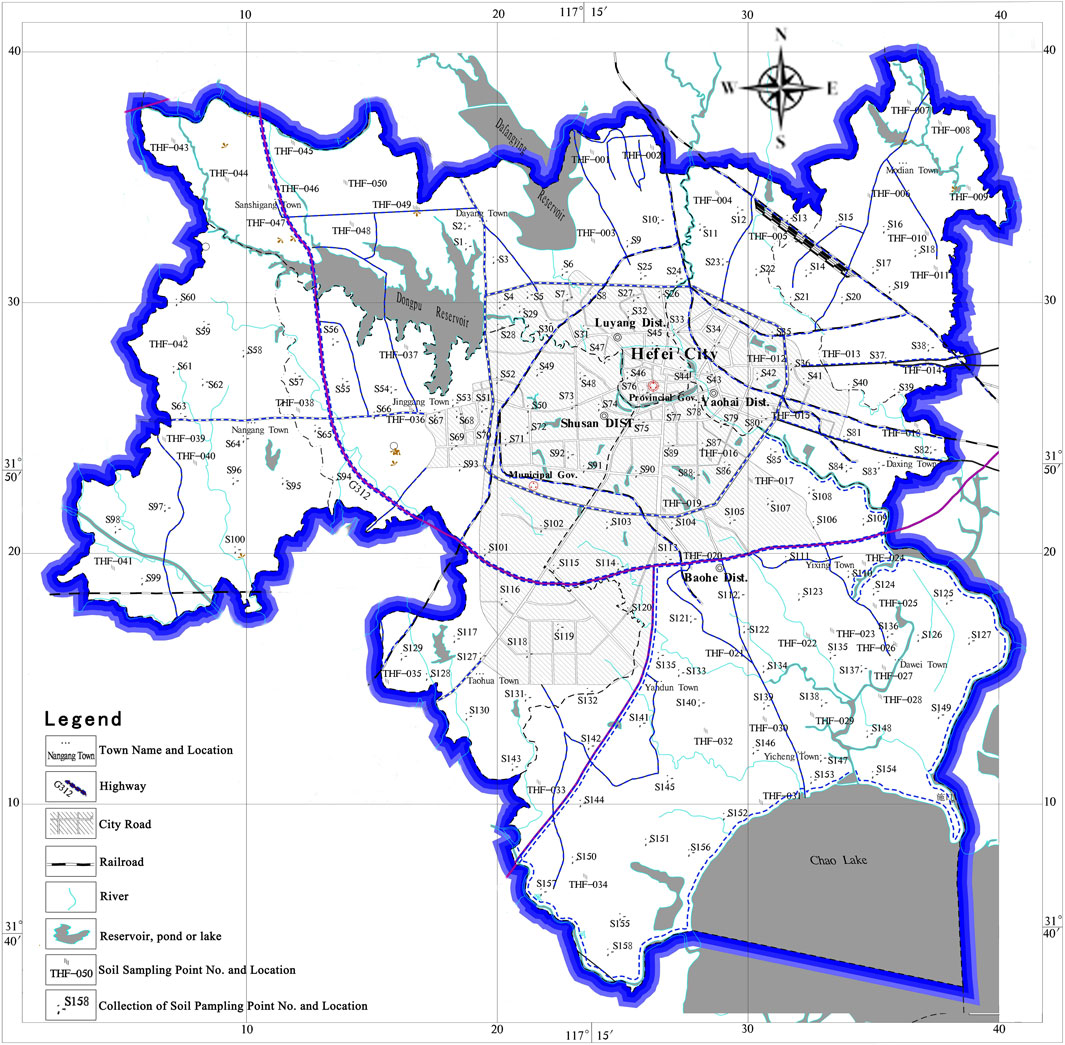
Figure 2. Map of the sampling sites in the distribution area of expansive soils in Hefei, China (Anhui Engineering Investigation Institute, 2008).
The 30%–40% free swelling ratio is 28%. The 40%–50% free swelling ratio is 20%. The greater than 50% free swelling ratio is more than 50% (Table 1). These indicated that clays in the Xiashu group of the Upper Pleistocene distributed in the area generally have a weak potential for expansion (Figure 3) (Anhui Engineering Investigation Institute, 2008).
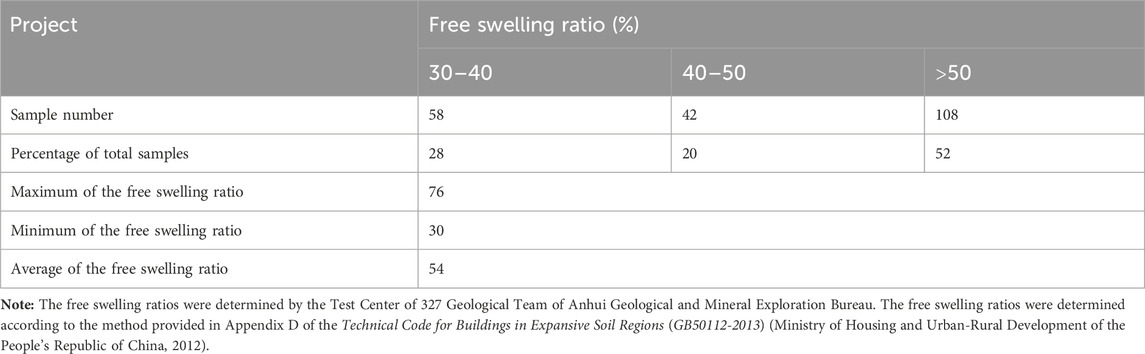
Table 1. Statistical table showing free swelling ratio results for soil samples in the Hefei urban area (Anhui Engineering Investigation Institute, 2008).

Figure 3. Area distribution of expansive soils in Hefei, China (Anhui Engineering Investigation Institute, 2008).
2.4 Climate effects of expansive soils
2.4.1 Humidity coefficient of expansive soils
The humidity coefficient of expansive soil is the ratio of the minimum value of soil moisture content that may be reached at 1 m depth to its plastic limit value under the influence of natural climate.
According to the Technical Code for Buildings in Expansive Soil Regions (GB50112-2013) (Ministry of Housing and Urban-Rural Development of the People’s Republic of China, 2012), the humidity coefficient of the soil can be calculated according to the following formula based on the relevant meteorological data of Hefei:
where ψw is the humidity coefficient of expansive soil, α is the ratio of the sum of the local evaporation power from September to February to the annual evaporation power, and c is the sum of the difference between the evaporation power and precipitation in the months, with dryness greater than 1.00 in the whole year (mm).
2.4.2 Climate-influenced layer and markedly climate-influenced layer of expansive soils
According to Equation 3, the humidity coefficient (ψw) of expansive soil is calculated as 0.868 (Table 2). The thickness of the climate-influenced layer as calculated by the interpolation method is 3.34 m Table 3. The thickness of the markedly climate-influenced layer is 1.50 m, calculated by multiplying the thickness of atmospheric influence by 0.45 (Ministry of Housing and Urban-Rural Development of the People’s Republic of China, 2012). The deformation disaster of expansive soil will be more serious at this depth, i.e., the LID measures need to consider the climate-influenced layer of 3.34 m and the markedly climate-influenced layer of 1.50 m, which will directly affect the implementation of the LID measures.
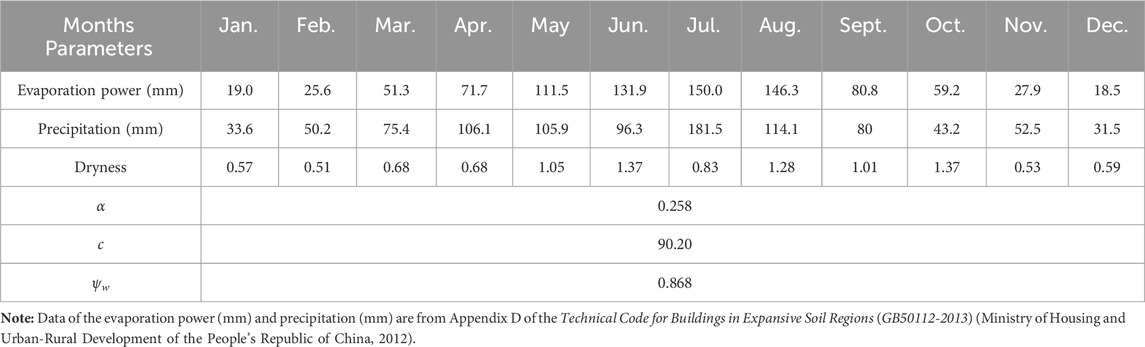
Table 2. Values of the humidity coefficient of expansive soils (Ministry of Housing and Urban-Rural Development of the People’s Republic of China, 2012).
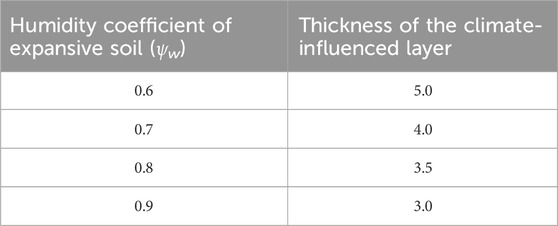
Table 3. Climate-influenced layer thickness (Ministry of Housing and Urban-Rural Development of the People’s Republic of China, 2012).
3 Test simulation systems and methods
3.1 Test simulation system
A laboratory small-scale multi-nozzle, under spray tank-type artificial rainfall simulation system was built. Spraying was controlled by controlling the switch of the solenoid valve. The pressure of the nozzles was controlled by a pipe pressure gauge, which ultimately enabled the simulation of different rainfall intensities (Figures 4, 5). The main equipment components of the laboratory artificial rainfall simulation system consisted of the expansive soil trough surrounded by rain curtains (Figure 6A), the expansive soil trough support frame (Figure 6B), the top wide-angle cone nozzle (Figure 6C), the pressure gauge and solenoid valve (Figure 6D), the control cabinet (Figure 6E), and the submersible pump (Figure 6F).
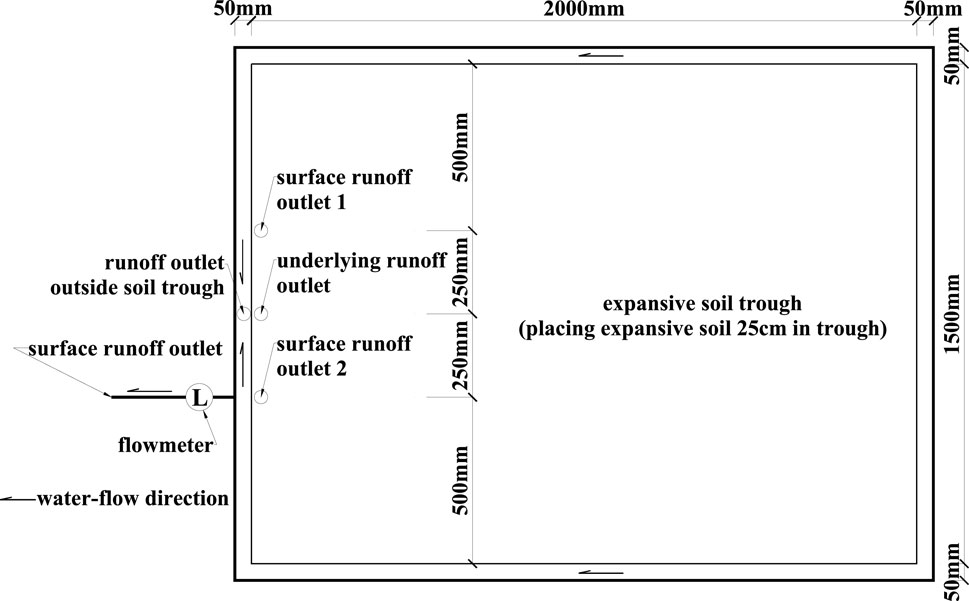
Figure 4. Expansive soil trough layout plan.

Figure 5. System diagram of the simulated rainfall device above the expansive soil trough.
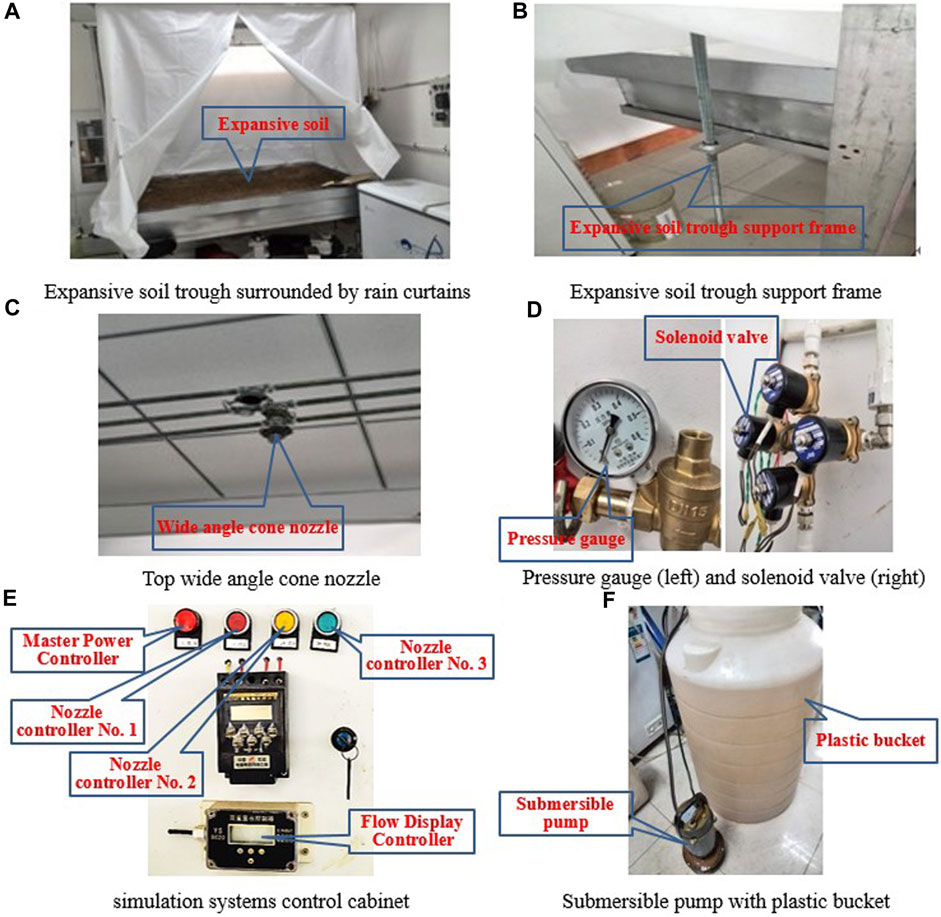
Figure 6. Main equipment components of the laboratory artificial rainfall simulation system.
The purpose of establishing this test simulation system was to study the infiltration capacity and runoff generation characteristics of expansive soils under different rainfall intensities. In addition, the test simulation system also studied the infiltration capacity of expansive soils and the characteristics of runoff generation under different levels of initial water content in expansive soils.
According to Chinese meteorology data, rainfall of 16 mm or more per hour is called “torrential rain.” Rainfall intensities of 0.25 mm/min, 0.44 mm/min, 0.57 mm/min, 0.67 mm/min, and 1.04 mm/min were designed for simulation tests in combination with historical rainfall statistics from Hefei meteorological stations.
3.2 Test methods
The test expansive soil was taken from the bare expansive soil excavated from the longitudinal section of the local newly repaired road in order to simulate the natural compaction of the real expansion soil body. The test fill thickness was 25 cm (Figure 6A). The expansion soil body was wetted by rainfall three times, with an interval of 3 days. Each time, the wetting was to be stopped by the production of streams, and it was covered with a rain cloth until the expansion soil body was sufficiently settled and sinked (Figure 6A). The surface soil was sampled and observed, and the average dry bulk weight was 1.41 g/cm3, which was close to the bulk weight of the expansive soil after natural consolidation.
Before the beginning of the test, the water content of the surface layer of the expansive soil body was maintained at 23% (±0.3%) to ensure that the water content of the soil body itself does not affect the generation time of rainfall runoff and runoff volume, respectively, in the rainfall intensity of 0.25 mm/min, 0.44 mm/min, 0.57 mm/min, 0.67 mm/min, and 1.04 mm/min; the surface of the expansive soil body was stimulated to produce the runoff process.
3.3 Test results
3.3.1 Infiltration capacity of expansive soils
It was found that at rainfall intensities of 0.25 mm/min and 0.44 mm/min, no runoff was generated from the surface of the expansive soil mass within 1 h. Under the rainfall intensities of 0.57 mm/min (Figure 7A), 0.67 mm/min (Figure 7B), and 1.04 mm/min (Figure 7C), the time to start generating runoff was 44 min, 30 min, and 17 min, respectively, and the time to reach the maximum runoff was 47 min (Figure 7A), 33 min (Figure 7B), and 19 min (Figure 7C), respectively. The time intervals between the start of generation of runoff and reaching the maximum level of runoff were 3 min, 3 min, and 2 min, respectively. The maximum runoff intervals are similar for rainfall intensities of 0.57 mm/min (Figure 7A), 0.67 mm/min (Figure 7B), and 1.04 mm/min (Figure 7C). The test results show that the exposed expansive soil has a rapid infiltration capacity and a short time interval to reach the maximum runoff volume under higher rainfall intensity, which is not very effective in reducing surface runoff.
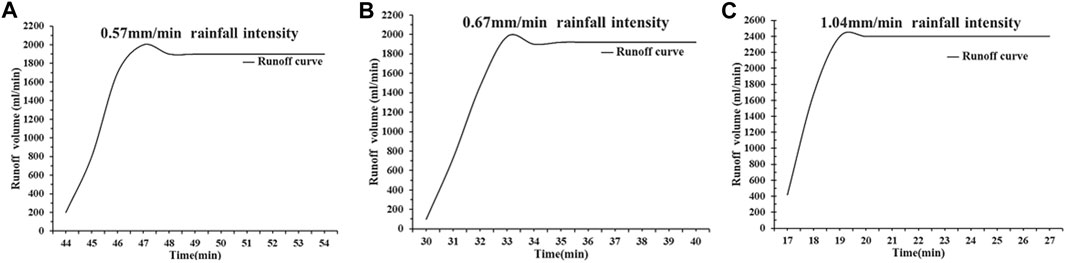
Figure 7. Runoff curves under different rainfall intensities.
Relevant studies have shown that with the continuation of rainfall, the infiltration potential gradient of expansive soils decreases after water absorption, and the surface cracks of land with expansive soils are closed due to soil expansion, resulting in a decrease in soil infiltration capacity. When encountering strong rainfall, due to the expansion, the cracks in the soil will be rapidly closed. This leads to a rapid decline in soil infiltration capacity (Lei et al., 2020).
3.3.2 Initial water content of expansive soils
It was found that the simulated surface layer of expansive soil was operated under the initial water content of 21.6%, 24.8%, 26.3%, and 27.5%, and the time for starting generating of runoff was 49 min (Figure 8A), 31 min (Figure 8B), 22 min (Figure 8C), and 16 min (Figure 8D), respectively. The time taken for reaching the maximum runoff was 66 min (Figure 8A), 48 min (Figure 8B), 40 min (Figure 8C), and 33 min (Figure 8D), respectively. The time interval of arriving at maximum runoff was 17 min (Figure 8A), 17 min (Figure 8B), 18 min (Figure 8C), and 17 min (Figure 8D), respectively. It can be seen that the four simulated water content rates were similar to the natural water content of local expansive soil. The time interval for producing maximum runoff was similar as well, indicating that there is a certain effect of abatement of runoff generated by rainfall under the natural water content of expansive soils. This further demonstrates that maintaining the natural water content of expansive soils can reduce the occurrence of geologic hazards and surface runoff from rainfall.
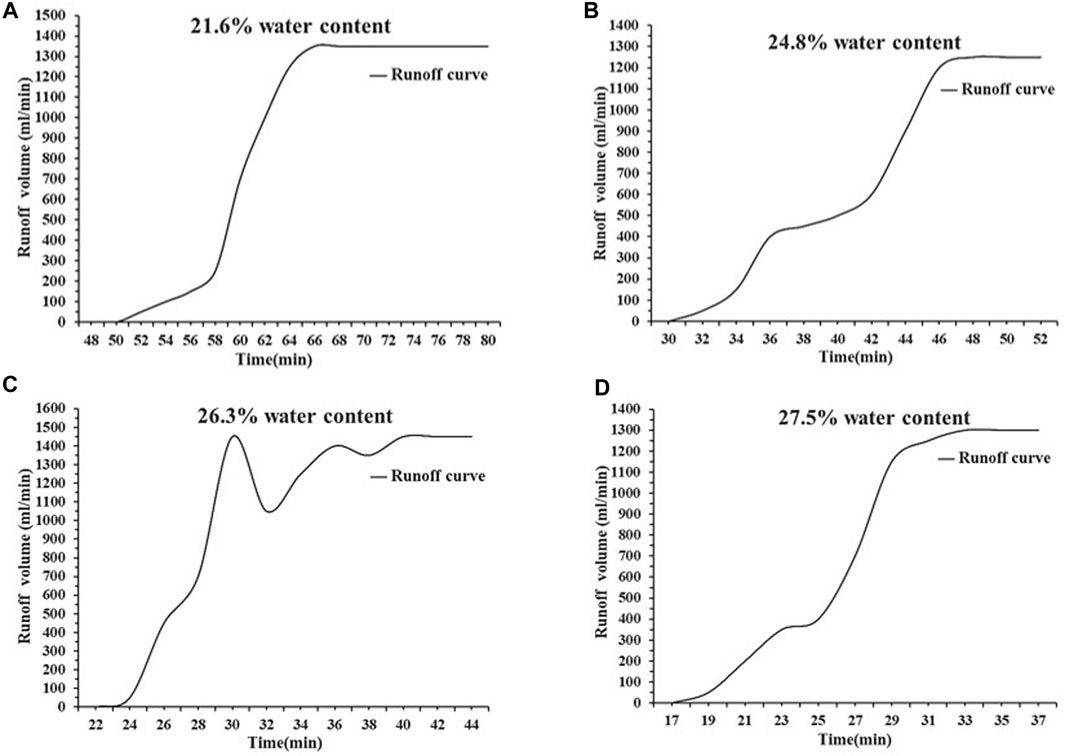
Figure 8. Runoff curves under different water contents.
4 Selection of LID technical measures
Low impact development technologies can generally be categorized into several types according to their main functions, such as infiltration, storage, regulation, transfer, interception, and purification.
In October 2014, the Technical Guidelines for Sponge City Construction—Construction of Low Impact Development Stormwater System (Trial) listed the relevant LID technical measures (Table 4).
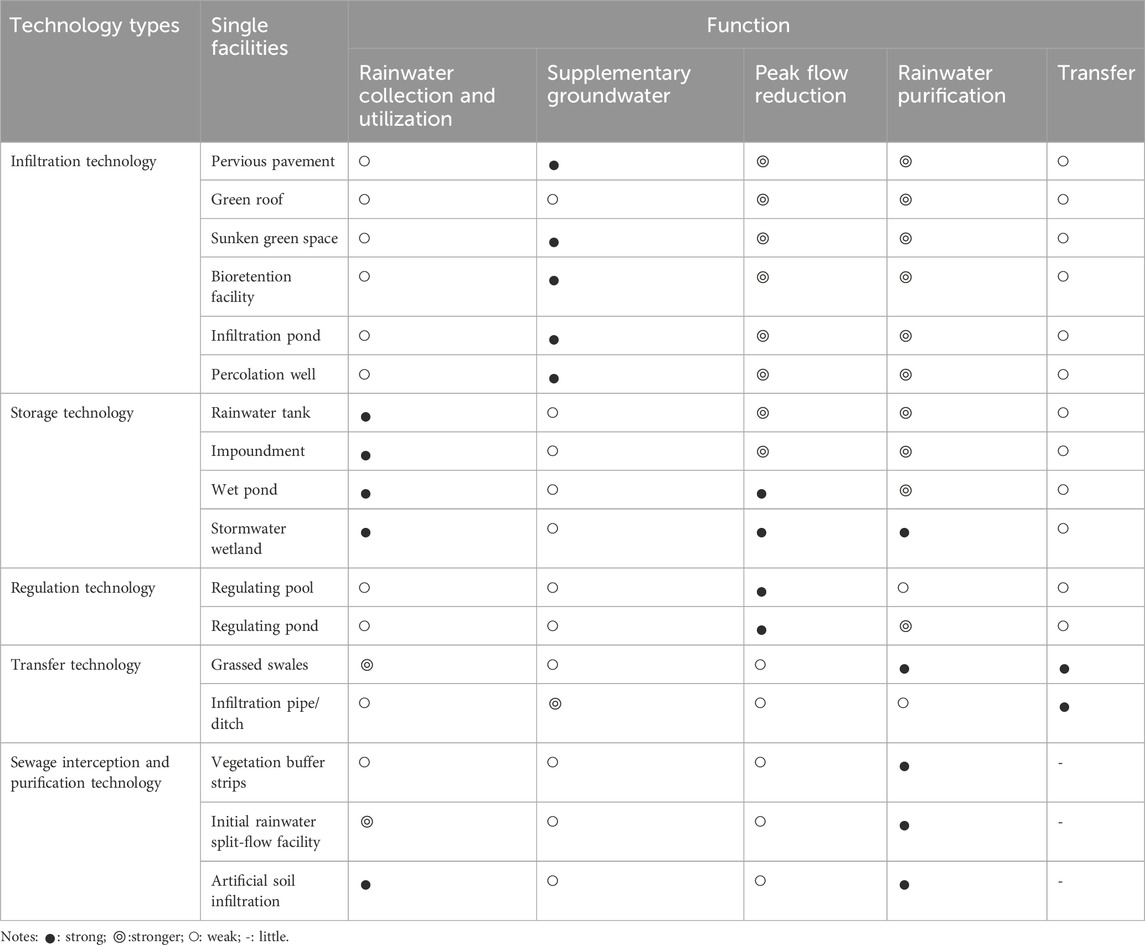
Table 4. Comparison of low impact development facilities (Beijing University of Civil Engineering and Architecture et al., 2014).
Some of the low impact development technical measures listed in Table 4, such as infiltration, sewage interception, and purification, are not suitable to be selected in expansive soil development areas. If necessary, infiltration and decontamination measures can be selected after enhancement of expansive soil properties, but this implies an increase in the cost. This is a particular concern for our municipal, environmental, and landscape design engineers.
At present, the treatment for enhancing the properties of expansive soil roadbeds all over the world generally adopts the mixing of lime, cement, fly ash, and other mineral cementing materials. First of all, all the above materials are in powder form, and it is difficult to mix the expanded soil sufficiently. Second, the cost of improvement is high, and it also has a greater impact on the surrounding environment and the health of the construction workers (Chen et al., 2006; Yang et al., 2014).
The characteristics of expansive soils can be enhanced by mixing them with weathered sand, which is a physical improvement. The weathered sand particles have a certain particle size, and adding it to the expansive soil can result in better mixing and homogeneous nature. Second, the surrounding environment and the health of the construction workers will face a smaller impact. In addition, the low price of weathered sand can vastly reduce the cost related to improvement. Therefore, the improvement strategies involving the mixing of weathered sand compared with the traditional means of improvement have the advantages of simple construction process, environmental protection, and low cost (Chen et al., 2006; Yang et al., 2014).
Bouassida et al. (2022) proposed a new method for characterizing expansive clays after barometer test results on intact saturated clay specimens. Oedometer tests performed on a 53% thickness clay specimen overlaid by a 47% thickness of sand showed a significant reduction in the swelling pressure compared to that measured on a full expansive clay specimen. The mitigation solution reduced the swelling effect by placing a compacted granular layer as an interface between the expansive clay and the foundation (Bouassida et al., 2022).
In summary, the mixing of weathered sand can effectively inhibit the expansion of expansive soil. This ensures the implementation of LID techniques.
5 Conclusion
The selection of the LID technical measures in the expansive soil distribution area cannot be generalized, and the following points should be paid attention to in particular:
To carry out the technical measures of infiltration, sewage interception, and purification, it is necessary to enhance the expansive soil properties. Weathered sand is easy to pick up and is inexpensive; hence, mixing of weathered sand in the improvement treatment of expansive soil should be prioritized, which is a means of physical improvement. It can meet the technical requirements of infiltration, sewage interception, and purification.
The depth of atmospheric influence and the depth of the acute layer of atmospheric influence directly affect the selection of the LID technical measures; for example, the depth of atmospheric influence in Hefei city is 3.34 m, and the depth of the acute layer of atmospheric influence is 1.5 m. When LID facilities are constructed, the adopted LID technical measures must take into account the impact of these two depths on the LID facilities. Otherwise, the expansive soils will cause damage to the LID facilities.
The continuous cycle of drying and wetting of expansive soil causes cracks to develop continuously, resulting in the surface cracks of expansive soil extending deeper. When encountering strong rainfall, the cracks close rapidly due to soil expansion, which leads to a rapid decrease in soil infiltration capacity. Therefore, maintaining the natural water content of the expansive soil can not only better inhibit the expansion of the soil body to produce cracks, which can reduce the frequency of expansion of the soil rise and fall, but also help reduce the surface runoff generated by rainfall.
The results of the test simulation system show that the exposed expansive soil has a fast infiltration capacity and a short time interval to reach the maximum runoff volume under larger rainfall intensity, which is not very effective in reducing surface runoff. In addition, maintaining the natural water content of expansive soils can reduce the occurrence of geologic hazards and surface runoff from rainfall.
Therefore, the natural water content of expansive soil can be maintained by avoiding exposing expansive soils to vegetative cover. Granular materials can be used to mitigate swelling when LID techniques such as infiltration, filtration, and water storage are used. More research studies must be carried out on granular materials to alleviate the swelling phenomenon in the distribution area of expansive soil so as to provide technical support for the upcoming Special Plan of Hefei City Sponge City.
Data availability statement
The original contributions presented in the study are included in the article/Supplementary Material; further inquiries can be directed to the corresponding author.
Author contributions
MH: conceptualization, funding acquisition, investigation, software, writing–original draft, and writing–review and editing. ZL: formal analysis, investigation, and writing–review and editing. RZ: data curation, project administration, and writing–original draft. YT: data curation, software, and writing–review and editing. Y-MS: writing–review and editing and conceptualization.
Funding
The author(s) declare that financial support was received for the research, authorship, and/or publication of this article. This study was funded by the Science and Technology Major Project for Water Pollution Control and Management (2014ZX07303003) and the Anhui Provincial Department of Education Quality Engineering Project (2020rcsfjd05).
Conflict of interest
Author RZ was employed by Shucheng Zhonghe Real Estate Development Co.Ltd.
The remaining authors declare that the research was conducted in the absence of any commercial or financial relationships that could be construed as a potential conflict of interest.
Publisher’s note
All claims expressed in this article are solely those of the authors and do not necessarily represent those of their affiliated organizations, or those of the publisher, the editors, and the reviewers. Any product that may be evaluated in this article, or claim that may be made by its manufacturer, is not guaranteed or endorsed by the publisher.
Supplementary material
The Supplementary Material for this article can be found online at: https://www.frontiersin.org/articles/10.3389/fenvs.2024.1417048/full#supplementary-material
References
Al-Mukhtar, M., Khattab, S., and Alcover, J. F. (2011). Stabilization of expansive soils for use in construction. Appl. Clay Sci. 51 (3), 348–352. doi:10.1016/j.clay.2010.12.027
Al-Mukhtar, M., Khattab, S., and Alcover, J. F. (2012). Microstructure and geotechnical properties of lime-treated expansive clayey soil. Eng. Geol. 139, 17–27. doi:10.1016/j.enggeo.2012.04.004
Anhui Engineering Investigation Institute (2008). Report on geological hazard survey and zoning in Hefei city, Anhui province. 1:100,000. (in Chinese).
Beijing University of Civil Engineering and Architecture, Urban Water Affairs Management Office of the Ministry of Housing and Urban-Rural Development, China Academy of Urban Planning and Design, Urban Planning and Design Institute of Shenzhen, China Construction Technology Consulting Co., Ltd., Beijing Garden Ancient Architecture Design and Research Institute Co., Ltd. et al. (2014). Technical Guidelines for sponge city construction-construction of low impact development stormwater system (trial). Beijing, China: China Architecture and Building Press. Available at: https://www.mohurd.gov.cn/gongkai/zhengce/zhengcefilelib/201411/20141103_219465.html.
Bin Mostafiz, R., Friedland, C. J., Rohli, R. V., Bushra, N., and Held, C. L. (2021). Property risk assessment for expansive soils in Louisiana. Front. Built Environ. 7, 754761. doi:10.3389/fbuil.2021.754761
Bouassida, M., Manigniavy, S. A., Azaiez, D., and Bouassida, Y. (2022). New approach for characterization and mitigation of the swelling phenomenon. Front. Built Environ. 8, 836277. doi:10.3389/fbuil.2022.836277
BUREAU OF INDIAN STANDARDS. Indian standard classifcation and identifcation of soils for general engineering purposes. BIS, New Delhi, 1970, (Reaffirmed 1987), IS 1498.
BUREAU OF INDIAN STANDARDS (1977). Indian standards method of test for soils. New Delhi: BIS. IS 2720: Part 40.
Chen, X. H., Zhang, S., Chen, W. C., and Qin, W. (2006). Study on California Bearing Ratio (CBR) strength characterization of expansive soils in central Anhui, China. J. Eng. Geol. 14 (3), 386–389. doi:10.3969/j.issn.1004-9665.2006.03.018
Jones, D. E., and Holtz, W. G. (1973). Expansive soils-the hidden disaster. Civ. Eng. ASCE 43 (8), 49–51. Available at: https://trid.trb.org/view/133235.
Khattab, S. A., Al-Mukhtar, M., and Fleureau, J. M. (2007). Long-term stability characteristics of a lime-treated plastic soil. J. Mater Civ. Eng. 19 (4), 358–366. doi:10.1061/(ASCE)0899-1561(2007)19:4(358)
Lei, W. K., Dong, H. Y., Chen, P., Lv, H. B., Fan, L. Y., and Mei, G. X. (2020). Study on runoff and infiltration for expansive soil slopes in simulated rainfall.Water, 12, 222. doi:10.3390/w12010222
Locat, J., Bérubé, M. A., and Choquette, M. (1990). Laboratory investigations on the lime stabilization of sensitive clays: shear strength development. Can. Geotech. J. 27 (3), 294–304. doi:10.1139/t90-040
Low Impact Development (2010). A design manual for urban areas. Fayetteville: Fay Jones School of Architecture University of Arkansas Press a Collaboration. Available at: https://uacdc.uark.edu/work/low-impact-development-a-design-manual-for-urban-areas.
Ministry of Housing and Urban-Rural Development of the People's Republic of China (2012). Technical code for buildings in expansive soil regions (GB50112-2013). Beijing, China: China Architecture and Building Press. Available at: https://www.mohurd.gov.cn/gongkai/zhengce/zhengcefilelib/201301/20130105_224623.html.
Obuzor, G. N., Kinuthia, J. M., and Robinson, R. B. (2012). Soil stabilisation with lime-activated-GGBS—a mitigation to flooding effects on road structural layers/embankments constructed on floodplains. Eng. Geol. 151, 112–119. doi:10.1016/j.enggeo.2012.09.010
Rao, S. M., and Thyagaraj, T. (2003). Lime slurry stabilisation of an expansive soil. Proc. Instit. Civ. Eng. Geotech. Eng. 156 (3), 139–146. doi:10.1680/geng.2003.156.3.139
Shi, B., Jiang, H., Liu, Z., and Fang, H. (2002). Engineering geological characteristics of expansive soils in China. Eng. Geol. 67, 63–71. doi:10.1016/S0013-7952(02)00145-X
Sun, C. L., Yin, Z. Z., Wang, F. S., and Liu, H. Z. (1995). A review of research on the properties of expansive soils. Adv. Sci. Technol. Water Resour. 15 (6), 10–14. Available at: https://www.cqvip.com/doc/journal/991981602
Xie, C. (2009). Research on the engineering geology condition and the engineering geology problem of viaduct on jinzhai road in Hefei. Hefei, P.R. China: Hefei University of Technology. doi:10.7666/d.y1507766
Yang, J., Tong, L., Zhang, G. D., and Tang, Y. W. (2014). Improving expansive soil weathered sand California Bearing Ratio (CBR) test. J. Yunnan Agric. Univ. 29 (4), 566–571. doi:10.3969/j.issn.1004-390X(n).2014.04.019
Ye, K. R. (2010). Comprehensive research expansive soil in Hefei. Hefei, Anhui, P.R. China: Hefei University of Tecnology. doi:10.3969/j.issn.1004-9665.2006.03.018
Keywords: low impact development, technical measure, expansive soil, distribution area, selection
Citation: Huang M, Liu Z, Zhang R, Tao Y and Sun Y-m (2024) Selection of low impact development technical measures in the distribution area of expansive soil: a case study of Hefei, China. Front. Environ. Sci. 12:1417048. doi: 10.3389/fenvs.2024.1417048
Received: 13 April 2024; Accepted: 13 June 2024;
Published: 10 July 2024.
Edited by:
Qiang Li, University of Houston–Downtown, United StatesReviewed by:
Mounir Bouassida, Tunis El Manar University, TunisiaZhongnian Yang, Qingdao University of Technology, China
Copyright © 2024 Huang, Liu, Zhang, Tao and Sun. This is an open-access article distributed under the terms of the Creative Commons Attribution License (CC BY). The use, distribution or reproduction in other forums is permitted, provided the original author(s) and the copyright owner(s) are credited and that the original publication in this journal is cited, in accordance with accepted academic practice. No use, distribution or reproduction is permitted which does not comply with these terms.
*Correspondence: Ming Huang, NDM0NjU2ODczQHFxLmNvbQ==