 Biao Meng
 Cuiping Gao1
 Shijie Lv
 Guodong Han
 Zhiguo Li
- 1Key Laboratory of Grassland Resources of the Ministry of Education, Key Laboratory of Forage Cultivation, Processing and High Efficient Utilization of the Ministry of Agriculture and Rural Affairs, Inner Mongolia Key Laboratory of Grassland Management and Utilization, College of Grassland, Resources and Environment, Inner Mongolia Agricultural University, Hohhot, China
- 2Department of Geography, The University of Hong Kong, Hong Kong, Hong Kong SAR, China
Introduction: Affected by global climate warming and changing rainfall patterns, the degree of soil desiccation in arid grasslands has increased and soil wind erosion has become a major environmental concern. Understanding and controlling the characteristics of sand flux and wind erosion caused by the degradation of grassland vegetation, as well as their changing patterns, has become a top priority in combating grassland degradation. Therefore, the aim of this study is to clarify the extent of wind erosion in desert grasslands and its influencing factors in order to provide a theoretical basis and data support for the restoration of grassland vegetation and the sustainable development of grassland livestock production.
Methods: Use of SAS and Origin statistical software to perform multifactorial analysis of variance on variables such as year, stocking rate, meteorological conditions and wind-sand flux to determine the degree of influence of different factors on sand flux and the magnitude of interactions among different factors.
Results and discussion: The results showed that wind-sand flux was higher when rainfall was low and stocking intensity was high. Specifically, the wind-sand flux increased by 50.3% and 83.6% in the moderate and high grazing treatments, respectively, compared to the control. The data obtained also showed that there was a significant interaction between climate and grazing intensity, suggesting that an increase in one factor may attenuate the differences in wind-sand flux at different levels of other factors. There is likely to be a threshold effect of stocking rate of moderate grazing on the variation of wind-sand flux influenced by different factors. In summary, the factors affecting wind-sand flux in the arid desert steppe are numerous and complex, with stocking rates below moderate grazing being key to reducing wind-sand flux.
1 Introduction
The increasing aridity of grassland soils in dryland zones, driven by global warming and altered rainfall patterns, has intensified soil wind erosion. This pervasive issue has led to a decline in grassland vegetation, exposing bare soil, heightening susceptibility to wind erosion, and exacerbating land sandification. Such degradation not only severely impacts grassland ecology but also poses substantial challenges to ecological security and human settlement in these arid regions (Liu J et al., 2021; Zhang et al., 2021). Consequently, understanding the characteristics of wind-sand flux and the dynamics of wind erosion, precipitated by vegetation deterioration, has become essential in addressing grassland degradation and developing management plans.
The Inner Mongolia Autonomous Region, situated on the Mongolian Plateau, straddles semi-arid and arid climates and is primarily afflicted by wind erosion as the predominant form of soil degradation (Caiyun et al., 2021). The central and western areas of Inner Mongolia, characterized by desert grasslands with thin, loose soil layers, are highly vulnerable to external disturbances. The region endures severe desertification, accounting for 90% of China’s desertified grasslands (An et al., 2022). The region is also plagued by frequent and intense dust storms, largely due to its sparse vegetation and friable soil (Piao et al., 2017). Overgrazing is a principal causal agent in grassland degradation, accentuating soil erosion and vegetation decline, thereby underscoring the critical issue of grassland wind erosion (Tao et al., 2015). The interplay of grassland grazing and climate change on soil wind erosion unfolds as follows: Overgrazing results in excessive consumption of pasture vegetation, which in turn reduces the soil’s resistance to wind erosion, thereby exacerbating the issue (Chen et al., 2008; Zhang et al., 2020; Hao et al., 2022). Furthermore, grazing damage to pasture plants and soil compaction from trampling can lead to increased soil erodibility and structural loosening, fostering wind erosion (Zhang et al., 2023). Thus, climatic conditions and overgrazing collectively heighten the risk of wind erosion through their impact on vegetation composition, above- and below-ground biomass, soil structure, and soil crust cover (Piao et al., 2017).
To address these concerns, this study makes use of the long-term grazing experimental platform in Inner Mongolia (established in 2004) to analyze wind-sand fluxes in desert grasslands under different grazing intensities (Zhang et al., 2023). Amidst the combined effects of climate and grazing on grassland wind erosion, we sought to answer the following questions: 1) How does interannual variation in climate and stocking rate influence wind-sand flux in desert grasslands? 2) Is there an interaction between climate and stocking rate that affects wind-sand flux? 3) Which climatic factors contribute to interannual differences in wind-sand fluxes?
Addressing these questions will not only illuminate the extent of wind erosion in desert grasslands but also identify contributing factors, providing a theoretical framework and empirical support for the restoration of grassland vegetation and the sustainable management of grassland animal husbandry.
2 Material and methods
2.1 Physical and geographic overview of the study area
The research site was located in Wangfu 1, Siziwangqi, Ulanqab City, within the Inner Mongolia Autonomous Region (41°47′17″N, 111°53′46″E). The site’s elevation is 1,450 m, and it is situated 30 km from the governmental center of Siziwangqi, Wulanhua (Zhang et al., 2023).
The topography of Siziwangqi is varied, comprising 4% mountains, 39% plateaus, and 66% hills, with a relative elevation difference of 1,100 m between the lowest and highest points, which range from 1,000 to 2,100 m. Its location on the southern edge of the Inner Mongolia Plateau makes it susceptible to persistent winds throughout the year. Predominant winds are westerly and northwesterly during the spring and winter, while southerly and southeasterly winds prevail in the summer and autumn. The average annual wind speed exceeds 4.4 m/s.
The region experiences significant thermal variation, with an annual temperature range of 34°C–37°C and daily temperature fluctuations of approximately 13°C–14°C. The temperature gradient aligns with the terrain, descending from north to south; summers are relatively short and warm, while winters are extended and notably cold, with January being the coldest month. Spring temperatures rise swiftly, with substantial variability from March to May. July records the highest temperatures, and autumn witnesses a rapid decline in temperature starting in the latter half of September, averaging a 2°C drop every 5 days. The area typically enjoys a brief frost-free period averaging 108 days annually. The longest recorded frost-free period was in 2,000, lasting 142 days, whereas the shortest spanned only 78 days in 1965.
The average weather indicators for the growth seasons from 2019 to 2021 in the test area are provided below.
The study area is located in a dry, semi-arid region of inland high latitudes, receiving an average annual precipitation ranging from 110 to 350 mm. Despite the ample sunlight, the region suffers from insufficient rainfall. The predominant soil type at the test site is compact, light chestnut calcic soil, characterized by low water permeability and poor aeration. This often results in noticeable surface runoff following precipitation events. The vegetation is sparse, typically reaching heights of 10–15 cm, and consists mainly of short-flowered needlegrass (Stipa breviflora Griseb.), indicative of the desert grassland zonal vegetation typical of the region.
2.2 Experimental design
This study was based on a sheep grazing experiment platform with a grazing intensity gradient established in 2004. A completely randomized block design was used to divide 12 fenced grazing plots (each covering an area of 4.4 hm2) into three blocks, and four different stocking rate levels were randomly arranged within each block: control (CK), light stocking rate (LG), moderate stocking rate (MG), and heavy stocking rate (HG). Stocking rates were set at 0 (CK), 0.91 (LG), 1.82 (MG), and 2.71 (HG) sheep hm−2·year−1 during the grazing season (early June to late November), and the actual number of sheep grazed were 4, 8 and 12 in the light, moderate and heavy grazing areas, respectively (Figure 1).
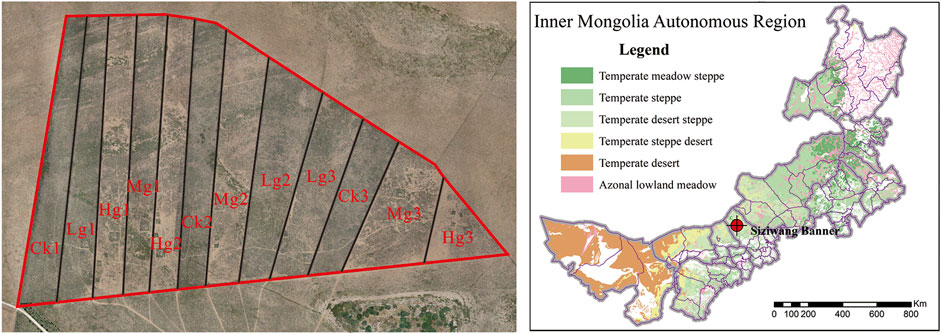
Figure 1. The map of the location of research objects and experimental plots.
We placed a BSNE (Big Spring Number Eight) dust sampler (Custom Products, United States) in the center of every grazing plot (Figure 2). These sand and dust sampler sets feature adjustable-height samplers within their support bars. The samplers are equipped with rotatable shafts and wind blades and can be positioned at various heights along the bar. Each sampler includes a sand trap measuring 2 cm in width by 5 cm in height, boasting a sand collection efficiency exceeding 90% within the BSNE system. Air carrying sand particles enters the trap, where it is collected. Mounted on each 1.5 m tall BSNE support rod are four sets of BSNE, with seven sand-collecting boxes at different heights (0, 0.1, 0.3, 0.5, 0.7, 1.0, and 1.2 m). Across all plots, there were 19 sand-collection boxes per plot, with a total of 228 boxes for the entire study area (Zhang et al., 2023).
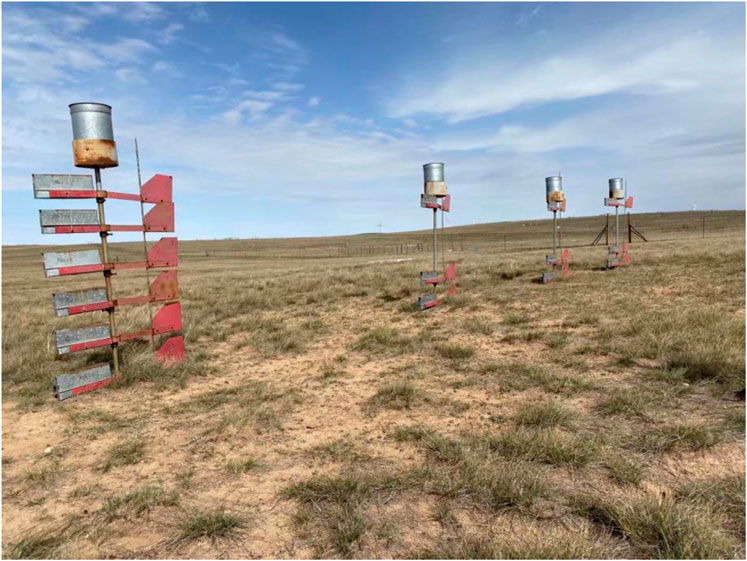
Figure 2. BSNE dust sampler field photo.
2.3 Wind-sand flux calculations
The wind-sand flow is an airflow that carries sand particles; it can be created by wind that is blowing up and migrating fine particles close to the ground. The horizontal flux of sand flow (Q), defined as the mass of sand and dust per unit time per unit breadth at a specific height perpendicular to the wind direction, is made up of sand flow q[z] at various heights from the ground. Since the horizontal fluxes q[z] per unit area at different heights satisfy the following relationship, Q can be composed of wind-sand flow q[z] at different heights. Q[z] is obtained by using the fitting method to obtain different sets of equations:
where z is the height of the sand collecting opening (m), a, b, and c are the fitting parameters, and both sides of the equation are calculated logarithmically, that is to say:
We used SPSS 13.0 (Zhang et al., 2023) to fit a polynomial to Eq. 1, to provide the three constant terms, a, b, and c. Additionally, the height of the sand collection z and the horizontal fluxes q at various vertical heights can be related by establishing the equation q[z] using the quadratic polynomial function.
2.4 Statistics and analysis of data
We considered the following three factors that might influence wind-sand flux: year (2019, 2020, 2021), height above ground (0, 0.1, 0.3, 0.5, 0.7, 1.0, and 1.2 m), and stocking rate (control, low, medium, high). We analyzed these variables using a 3-factor ANOVA model and transformed the variables X and Y using the SQRT (Ln(X + 1)) to better approach normality.
We calculated average temperature, average precipitation, average relative humidity, and average wind speed for each growing season (May-October) of each year. The intervals were categorized based on the average results; a year with a value of 1 was assigned to be greater than the mean, and a year with a value of 0 was assigned to be less than the mean value. The average wind speed for the 3-year period coincided with the same amount of precipitation (Table 1), so in 2019 the wind speed (precipitation) is assigned a value of 1, 2020 and 2021 a value of 0, just as the average temperature is assigned a value of 1, 0 and 1, and the average relative humidity a value of 0, 1 and 1. In this case, the stocking rates and height above ground were considered in conjunction with the analysis of variance (ANOVA) of the four factors (temperature, precipitation, stocking rates, and height), which resulted in the retention of only the two factors of temperature and precipitation. This constructed multifactorial influence on the wind-sand homogeneity was caused by the fact that the relative humidity and wind speed were implicitly included in the precipitation variable, and that both the precipitation and wind speed elements were assigned the same value.

Table 1. Growing season averages of climate factors in the test area, 2019–2021.
The ANOVA procedure was used, followed by Duncan’s multiple range test on all main effect means. We used SAS 9.21 for statistical analysis, Excel 2019 to summarize the data tables, and Origin 2022 for charting.
3 Results
3.1 Effect of different influences on wind-sand fluxes
All three factors (year, stocking rate, and sampling height) showed significant differences in wind-sand flux (Table 2). Moreover, wind-sand flux varied significantly with height across years and with height across stocking rate, but there was no significant interaction between stocking rate and year (Table 2). Sampling height contributed most to the variance (48.5%), followed by year (19.3%) and stocking rate (7.8%), with the interactions year × height (7.3%), stocking rate × height (4.3%), and year × stocking rate (0.8%) the lowest and exerting the least influence on wind-sand fluxes. The cumulative variance contribution of these factors was 88.0%, indicating that the ANOVA model closely fits the original data and that the results were both statistically significant and indicative. Height is the factor with the highest contribution rate, which indicates a significant difference in the wind-blown sand flux collected at different heights. This may be due to the obstructive effect of vegetation or the migration effect of wind-blown sand on the surface.

Table 2. ANOVA table for 3 factors affecting wind-sand fluxes.
3.2 Comparison of wind-sand fluxes in desert grasslands between years
During the 3-year study period, wind-sand fluxes showed a year-over-year increasing trend (Figure 3). During the annual growing season, the wind-sand flux gradually increased, while the difference in fluxes between different stocking rates decreased (Figure 4). It is worth noting that the MG treatment area consistently exhibited a relatively large proportion compared to the CK, and over the 3 years, there was a pattern of mutual growth and decline between the MG and HG treatment areas, indicating a potential threshold effect of wind-sand flux in the gradient of stocking rates. When the grazing intensity reaches the level of the MG test area, the protective effect of vegetation against wind erosion is almost eliminated. The increase in wind-sand flux in 2021 and the reduced variation in fluxes among different stocking rates implies that years with higher wind-sand fluxes may also experience smaller variations in fluxes among different stocking rates.
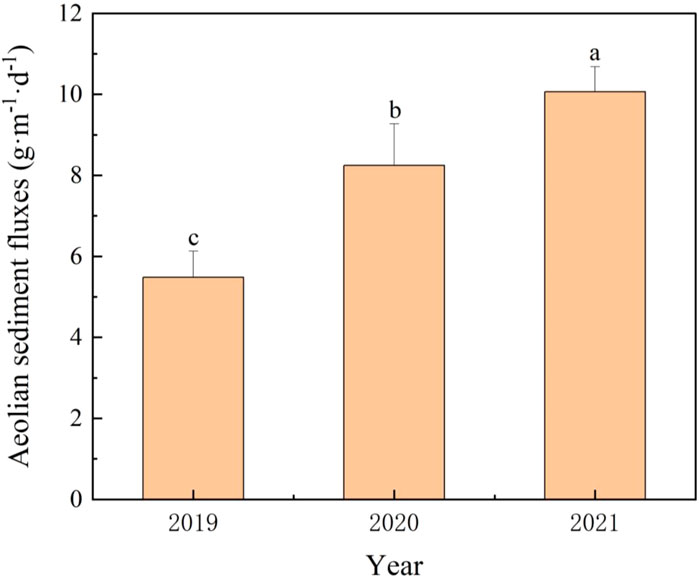
Figure 3. Differences in wind-sand flux between different years.
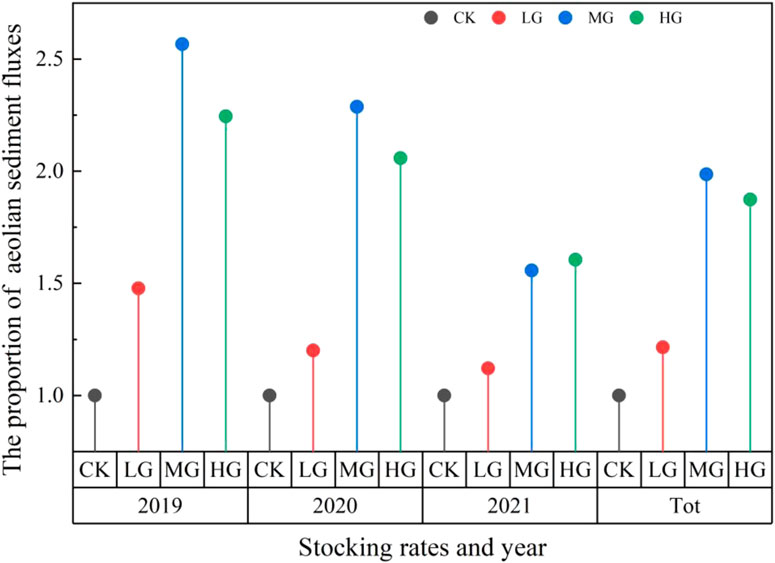
Figure 4. The impact of interannual variations and grazing intensity on wind-sand flux.
3.3 Effects of stocking rate on wind-sand fluxes
Overall, wind-sand fluxes were greater in higher stocking rates (Figure 5A), up to the medium rate. At low stocking rates, a marked difference in wind-sand fluxes was noted among the years (Figure 5B). The rate of change between the CK and LG treatments was significantly greater than that in the MG and HG treatments (Figure 5B). Notably, even when wind-sand fluxes were substantially higher in the year 2021 than year 2020, the MG treatment area remained consistent. This observation suggests that areas with high stocking rates may diminish the interannual variability of wind-sand fluxes. Moreover, in years with lower wind-sand fluxes, the vegetation above ground might not effectively protect the soil from wind erosion.
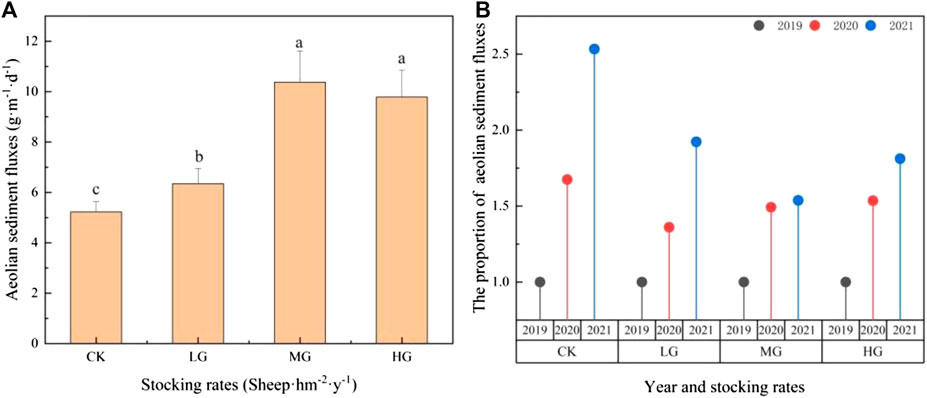
Figure 5. Differences in wind-sand fluxes under control (CK), low (LG), medium (MG), and high (HG) stocking rate (A), and variation in wind-sand fluxes between stocking rates and year (B).
3.4 Effect of height on wind-sand fluxes
Wind-sand flux was the highest at 10 cm above the ground (Figure 6A), reaching 19.87 g m−2 d−1. The next highest flux was at ground level (0 cm), at 10.61 g m−2 d−1, and the minimum wind-sand flux was at 120 cm above the ground, at only 3.47 g m−2 d−1. Due to the interactions between wind-sand flux at different heights and the variables of year and stocking rate, high wind-sand flux years weakened the differences in wind-sand flux between different heights (Figure 6B), and high stocking rate treatment areas weakened the differences in wind-sand flux between different heights (Figure 6C). A high level of any factor weakens the variability in wind-sand flux between different levels of other factors.
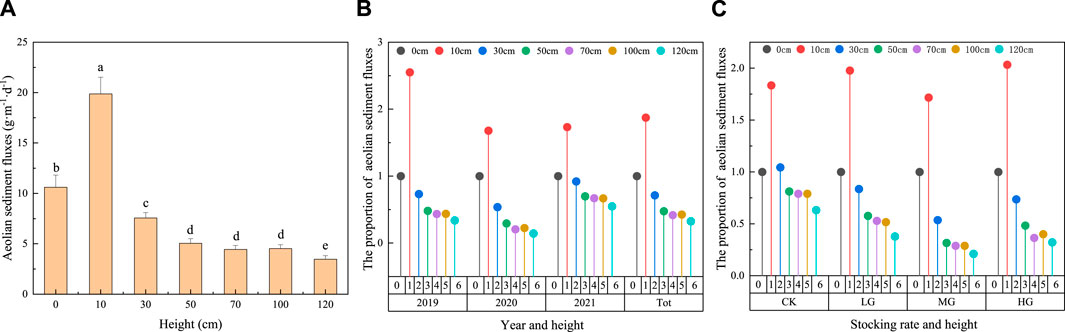
Figure 6. Wind-sand fluxes at different heights from the ground (A), and the interacting effects of height and year (B) and height and stocking rate (C) on wind-sand fluxes.
3.5 Effects of interannual climatic factors on wind-sand fluxes
Temperature, precipitation, livestock load, and heights all show significant differences in wind-sand flux during the observation period (p < 0.001). There were significant two-way interactions between livestock load and height, temperature and height, and significant three-way interactions among temperature, precipitation and height, as well as temperature, precipitation, and livestock load (Table 3).
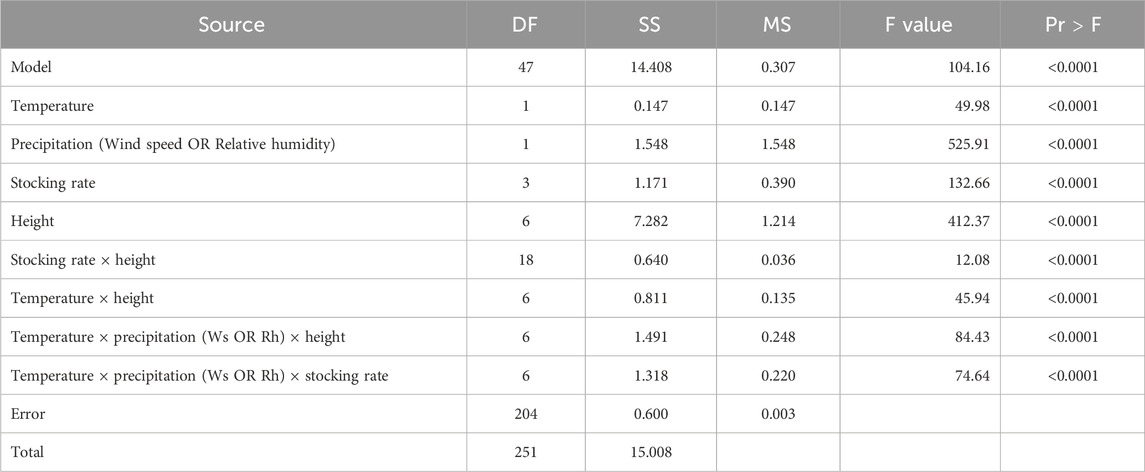
Table 3. Response of wind-sand fluxes to meteorological factors, stocking rate and height above ground level.
The variance contributions of height, precipitation, (temperature*precipitation) and livestock load, temperature, livestock load and height, (temperature*precipitation) and height, temperature and height, livestock load are 48.5%, 10.3%, 9.9%, 8.8%, 7.8%, 5.4%, 4.3%, 1.0% respectively. Therefore, differences in wind-sand flux were greatest at different heights from the ground, and the effect of temperature had the smallest impact on wind-sand flux. The combined effect of temperature and precipitation on wind-sand flux reached 18.7%. The total variance contribution of all factors was 96.0%, suggesting that the variance analysis model fits the original data well. The results indicate that precipitation has the highest contribution among meteorological elements, followed by temperature. This suggests that precipitation reduces the dust density in the air, increases soil moisture, and increases the threshold wind speed to reduce wind erosion, with its impact on wind erosion being greater than temperature.
4 Discussion
4.1 Influence of meteorological factors on wind-sand fluxes
While grazing can influence the dynamics of wind-sand fluxes in grasslands, it is the climatic conditions that fundamentally drive these changes. Key meteorological factors such as temperature, wind speed, precipitation, and relative humidity significantly impact these fluxes, often in complex interplays (Wiesmeier et al., 2015; Han et al., 2021; Zhao et al., 2022). The desert grassland has a dry climate, low vegetation cover, and the soil is more prone to weathering and erosion, so this paper chooses precipitation, temperature, humidity, and wind speed (four meteorological factors, precipitation and wind speed, have the same value, and relative humidity is exactly the opposite of its value, so only temperature and precipitation are retained, and relative humidity and wind speed are implied in precipitation variables) as the four representative indicators to be analyzed as climate factors.
Temperature and precipitation ultimately drive wind erosion in their effects on aboveground and belowground net primary productivity, vegetation recovery and compensatory capacity, abundance of perennial species, belowground biomass, and root distribution (Zhang et al., 2017; Zhongju et al., 2018; Niu, 2020; Qu et al., 2023). Warmer wetter areas tend to have more vegetation that protects against erosion.
However, temperature and rainfall also have proximate effects as well. The high rainfall in 2019, lower rainfall in 2021, and the occurrence of consecutive droughts, led to an increase in the wind-sand flux over the 3 years of our study. Precipitation had a much greater independent effect than temperature at our site. As temperatures rise, surface water evaporation increases, leading to drier soil surfaces, which in turn can result in increased wind-sand flux. In areas with low precipitation, the surface temperature rises more rapidly than in surrounding areas, intensifying convection with cold air, leading to more severe wind effects on the surface, and ultimately increasing wind-sand flux. Different regions show varying responses of wind-sand flux to climatic factors (Ren et al., 2018; Yang et al., 2018). In the northeast region of China, the main meteorological factors affecting soil erosion during the non-growing season are wind speed and temperature, with the contribution of precipitation increasing during the growing season while the contributions of wind speed and temperature decrease (Zhu et al., 2012). In the alpine meadow region, wind speed and moisture content are the main factors affecting wind-sand flux (Munkhtsetseg et al., 2017).
Climate factors often do not act alone, but may have synergistic effects with each other, or with other factors (Tabeni et al., 2014). We found that the combined contributions of temperature and precipitation, in conjunction with other factors, was greater than 25% of variance explained in the models. The impact of temperature and precipitation on soil erosion is a complex physical process, and wind-sand flux varies under different temperature and precipitation conditions (Schönbach et al., 2011; Zhang et al., 2015; Liu X et al., 2021). Under extreme weather conditions, climate factors lead to a decrease in vegetation recovery capacity, exacerbating grassland wind erosion and causing more severe damage to grassland productivity (Miri et al., 2019).
4.2 Effects of grazing on the wind-sand flux
Grazing is one of the significant factors exacerbating soil wind erosion. Desert grasslands, due to their unique geographical factors, exhibit noticeable variation in wind-sand fluxes under different grazing intensities (Du et al., 2019; Li et al., 2020). Grazing affects soil wind erosion primarily through the degradation of vegetation, reduced protection of soils, and physical disruption of the soil structure by livestock trampling (Li et al., 2017; Hou et al., 2019). Our results show wind-sand flux was greater in plots with more livestock. Interestingly, in the moderately grazed treatment, the proportion remained consistent even when wind-sand fluxes were significantly higher in the 2021 compared to 2020, indicating that intense grazing diminishes the year-to-year variability in wind-sand flux.
Grazing directly impacts soil structure through animal foraging, leading to increased wind erosion and dust storms, and indirectly affects plant community composition and structure. Surface characteristics such as soil crust, bare ground ratio, and gravel cover also influence wind-sand fluxes (Chen et al., 2013; Bösing et al., 2014; Ren et al., 2016). Further studies in the same experimental area have demonstrated that in control and lightly grazed zones, the existing plant community and litter play a crucial role in reducing wind erosion, while plant community height and coverage have a more significant impact in the moderate and heavily grazed areas (Gao et al., 2013). This suggests that the observed threshold effect in the moderate treatment area may be due to lower vegetation and litter levels caused by high grazing pressure, reducing the protective effects on the soil.
In terms of height, the maximum wind-sand flux occurs at a height of 10 cm, with the flux decreasing as height increases. Due to the interaction between wind-sand flux at different ground heights and the year and stocking rate, high wind-sand flux years and high stocking rates both have a weakening effect on the differences in wind-sand flux at different heights. Prior research indicates that typically 92.2%–95.6% of sand transport occurs at heights of 0–21 cm, and the wind-sand flux at the same collection height shows an increasing trend with stocking rate, while the wind-sand flux decreases with elevation above ground level (Reiche et al., 2015). Earlier research on desert grasslands has yielded similar conclusions, with the wind-sand flux in each grazing plot decreasing monotonically with elevation above ground level as a negative power function, while nutrient levels increase with height (Zhang et al., 2023).
We found a significant interaction between year, grazing intensity and measurement height on wind-sand flux. The year and stocking rate seem to mutually weaken each other, and the process of mutual weakening actually reflects the unaffected nature of the wind-sand flux, indicating more severe wind-induced soil erosion in grasslands. This suggests that changes in stocking rate and climate over the years influence wind-sand flux, with complex interactions among these three factors. Thus, annual fluctuations in climate appear to be the primary factor influencing wind-sand flux, moderated by grazing intensity.
This study is based on observational data from 2019 to 2021. Due to limitations in sample size and observation conditions, there is still a lack of in-depth exploration into the interactions among meteorological factors, the specific elements affected by each factor leading to changes in wind erosion, and the reasons for significant differences in wind-sand flux collected at different heights. Further investigation is needed in these areas.
5 Conclusion
(1) In a long-term grazing experimental platform in the steppes of Inner Mongolia, we found that grazing intensity and climate significantly increased wind-sand flux over the 3-year study period. Moreover, an increase in either of these factors led to a reduction in the variability of wind-sand flux across the varying levels of the other.
(2) Among the climate variables, precipitation exerts the most considerable influence on wind-sand flux, followed by temperature.
(3) Moderate grazing acts as a critical threshold in the relationship between stocking rate and wind-sand flux under different climatic conditions.
Data availability statement
The original contributions presented in the study are included in the article/Supplementary Material, further inquiries can be directed to the corresponding author.
Author contributions
BM: Writing–original draft. CG: Writing–review and editing. SL: Writing–review and editing. GH: Writing–review and editing. ZL: Writing–review and editing. JL: Writing–review and editing. QW: Writing–review and editing. FZ: Writing–review and editing.
Funding
The author(s) declare financial support was received for the research, authorship, and/or publication of this article. This work was supported by the National Science Foundation of China (32060384), the Project of the Ministry of Science and Technology (G2022005006L), and the Research Program of Science and Technology at Universities of Inner Mongolia Autonomous Region (2020GG0100).
Acknowledgments
The authors are grateful to a large number of individuals who helped with the field sampling in the 3 years of this study. We acknowledge Inner Mongolia Academy of Agriculture and Animal Husbandry Sciences for providing us with permission to enter the research site.
Conflict of interest
The authors declare that the research was conducted in the absence of any commercial or financial relationships that could be construed as a potential conflict of interest.
Publisher’s note
All claims expressed in this article are solely those of the authors and do not necessarily represent those of their affiliated organizations, or those of the publisher, the editors and the reviewers. Any product that may be evaluated in this article, or claim that may be made by its manufacturer, is not guaranteed or endorsed by the publisher.
References
An, M., Han, Y., Zhao, C., Qu, Z., Xu, P., Wang, X., et al. (2022). Effects of different wind directions on soil erosion and nitrogen loss processes under simulated wind-driven rain. Catena 217, 106423. doi:10.1016/j.catena.2022.106423
Bösing, B. M., Susenbeth, A., Hao, J., Ahnert, S., Ohm, M., and Dickhoefer, U. (2014). Effect of concentrate supplementation on herbage intake and live weight gain of sheep grazing a semi-arid grassland steppe of North-Eastern Asia in response to different grazing management systems and intensities. Livest. Sci. 165, 157–166. doi:10.1016/j.livsci.2014.03.026
Caiyun, G., Dongsheng, Z., Du, Z., and Yu, Z. (2021). Effects of grazing on the grassland vegetation community characteristics in Inner Mongolia. J. Resour. Ecol. 12 (3), 319–331. doi:10.5814/j.issn.1674-764x.2021.03.002
Chen, W., Zheng, X., Chen, Q., Wolf, B., Butterbach-Bahl, K., Bruu ® ggemann, N., et al. (2013). Effects of increasing precipitation and nitrogen deposition on CH4 and N2O fluxes and ecosystem respiration in a degraded steppe in Inner Mongolia, China. Geoderma 192, 335–340. doi:10.1016/j.geoderma.2012.08.018
Chen, N., Zhao, G., Chen, Y., et al. (2008). Response of sandstorm transformation to climate and eco-environment change in east part of northwest China. J. Desert Res. 28 (4), 717–723. doi:10.3724/SP.J.1011.2008.00323
Du, H., Zuo, X., Li, S., Wang, T., and Xue, X. (2019). Wind erosion changes induced by different grazing intensities in the desert steppe, Northern China. Agric. Ecosyst. Environ. 274, 1–13. doi:10.1016/j.agee.2019.01.001
Gao, Y. Z., Giese, M., Gao, Q., Brueck, H., Sheng, L. X., and Yang, H. J. (2013). Community level offset of rain use-and transpiration efficiency for a heavily grazed ecosystem in inner Mongolia grassland. Plos one 8 (9), e74841. doi:10.1371/journal.pone.0074841
Han, J., Dai, H., and Gu, Z. (2021). Sandstorms and desertification in Mongolia, an example of future climate events: a review. Environ. Chem. Lett. 19, 4063–4073. doi:10.1007/s10311-021-01285-w
Hao, Y., Liu, Y., Li, Y., and Gao, F. (2022). Energy consumption and erosion mechanism of polyester fiber reinforced cement composite in wind-blown sand environments. J. Wuhan Univ. Technology-Mater. Sci. Ed. 37 (4), 666–676. doi:10.1007/s11595-022-2581-4
Hou, J., Zhang, Y., Tong, Y., Guo, K., Qi, W., and Hinkelmann, R. (2019). Experimental study for effects of terrain features and rainfall intensity on infiltration rate of modelled permeable pavement. J. Environ. Manag. 243, 177–186. doi:10.1016/j.jenvman.2019.04.096
Li, J., Tong, J., Xia, C., Hu, B. X., Zhu, H., Yang, R., et al. (2017). Numerical simulation and experimental study on farmland nitrogen loss to surface runoff in a raindrop driven process. J. Hydrology 549, 754–768. doi:10.1016/j.jhydrol.2017.01.035
Li, Y., Feng, G., Tewolde, H., Yang, M., and Zhang, F. (2020). Soil, biochar, and nitrogen loss to runoff from loess soil amended with biochar under simulated rainfall. J. Hydrology 591, 125318. doi:10.1016/j.jhydrol.2020.125318
Liu, J., Kimura, R., Miyawaki, M., and Kinugasa, T. (2021a). Effects of plants with different shapes and coverage on the blown-sand flux and roughness length examined by wind tunnel experiments. Catena 197, 104976. doi:10.1016/j.catena.2020.104976
Liu, X., Kang, Y., Chen, H., et al. (2021b). Analysis of dust flux and sand collection efficiency of wind erosion near surface based on field observations.
Miri, A., Dragovich, D., and Dong, Z. (2019). Wind-borne sand mass flux in vegetated surfaces–Wind tunnel experiments with live plants. Catena 172, 421–434. doi:10.1016/j.catena.2018.09.006
Munkhtsetseg, E., Shinoda, M., Ishizuka, M., Mikami, M., Kimura, R., and Nikolich, G. (2017). Anthropogenic dust emissions due to livestock trampling in a Mongolian temperate grassland. Atmos. Chem. Phys. 17 (18), 11389–11401. doi:10.5194/acp-17-11389-2017
Niu, S. (2020). Faculty Opinions recommendation of Diversifying livstock promotes multidiversity and multifunctionality in managed grasslands. Faculty Opinions-Post-Publication Peer Review of the Biomedical Literature.
Piao, J., Chen, W., Wei, K., Liu, Y., Graf, H. F., Ahn, J. B., et al. (2017). An abrupt rainfall decrease over the Asian inland plateau region around 1999 and the possible underlying mechanism. Adv. Atmos. Sci. Engl. Ed. 34 (004), 456–468. doi:10.1007/s00376-016-6136-5
Qu, J., Wang, T., Niu, Q., Liu, B., Tan, L., Han, Q., et al. (2023). Mechanisms of the formation of wind-blown sand hazards and the sand control measures in Gobi areas under extremely strong winds along the Lanzhou-Xinjiang high-speed railway. Sci. China Earth Sci. 66 (2), 292–302. doi:10.1007/s11430-021-1000-6
Reiche, M., Funk, R., Hoffmann, C., Zhang, Z., and Sommer, M. (2015). Vertical dust concentration measurements within the boundary layer to assess regional source–sink relations of dust in semi-arid grasslands of Inner Mongolia, China. Environ. Earth Sci. 73, 163–174. doi:10.1007/s12665-014-3404-5
Ren, H., Eviner, V. T., Gui, W., Wilson, G. W. T., Cobb, A. B., Yang, G., et al. (2018). Livestock grazing regulates ecosystem multifunctionality in semi-arid grassland. Funct. Ecol. 32 (12), 2790–2800. doi:10.1111/1365-2435.13215
Ren, H., Han, G., Schönbach, P., Gierus, M., and Taube, F. (2016). Forage nutritional characteristics and yield dynamics in a grazed semiarid steppe ecosystem of Inner Mongolia, China. Ecol. Indic. 60, 460–469. doi:10.1016/j.ecolind.2015.07.027
Schönbach, P., Wan, H., Gierus, M., Bai, Y., Müller, K., Lin, L., et al. (2011). Grassland responses to grazing: effects of grazing intensity and management system in an Inner Mongolian steppe ecosystem. Plant Soil 340, 103–115. doi:10.1007/s11104-010-0366-6
Tabeni, S., Garibotti, I. A., Pissolito, C., and Aranibar, J. N. (2014). Grazing effects on biological soil crusts and their interaction with shrubs and grasses in an arid rangeland. J. Veg. Sci. 25 (6), 1417–1425. doi:10.1111/jvs.12204
Tao, S., Fang, J., Zhao, X., et al. (2015). Rapid loss of lakes on the Mongolian Platform. Proc. Natl. Acad. Sci. U. S. A., 112–117. doi:10.1371/journal.pone.0123160
Wiesmeier, M., Munro, S., Barthold, F., Steffens, M., Schad, P., and Kögel-Knabner, I. (2015). Carbon storage capacity of semi-arid grassland soils and sequestration potentials in northern China. Glob. Change Biol. 21 (10), 3836–3845. doi:10.1111/gcb.12957
Yang, X., Shen, Y., Liu, N., Wilson, G. W. T., Cobb, A. B., and Zhang, Y. (2018). Defoliation and arbuscular mycorrhizal fungi shape plant communities in overgrazed semiarid grasslands. Ecology 99 (8), 1847–1856. doi:10.1002/ecy.2401
Zhang, B., Qu, Z., Lv, S., Gao, C., Wilkes, A., et al. (2023). Grazing effects on total carbon and nitrogen content of wind-eroded soils in desert steppe. Land Degrad. Dev. 34 (17), 5328–5342. doi:10.1002/ldr.4847
Zhang, H., Peng, J., Zhao, C., Xu, Z., Dong, J., and Gao, Y. (2021). Wind speed in spring dominated the decrease in wind erosion across the Horqin Sandy Land in northern China. Ecol. Indic. 127, 107599. doi:10.1016/j.ecolind.2021.107599
Zhang, H., Wu, C., Chen, W., and Huang, G. (2017). Assessing the impact of climate change on the waterlogging risk in coastal cities: a case study of Guangzhou, South China. J. Hydrometeorol. 18 (6), 1549–1562. doi:10.1175/jhm-d-16-0157.1
Zhang, P., Jeong, J. H., Yoon, J. H., Kim, H., Wang, S. Y. S., Linderholm, H. W., et al. (2020). Abrupt shift to hotter and drier climate over inner East Asia beyond the tipping point. Science 370 (6520), 1095–1099. doi:10.1126/science.abb3368
Zhang, T., Guo, R., Gao, S., Guo, J., and Sun, W. (2015). Responses of plant community composition and biomass production to warming and nitrogen deposition in a temperate meadow ecosystem. PLoS One 10 (4), e0123160. doi:10.1371/journal.pone.0123160
Zhao, Y., Gao, G., Ding, G., et al. (2022). Learning the influencing factors of soil susceptibility to wind erosion: a wind tunnel experience with a machine learning and model-agnostic interpretation application. Catena Interdiscip. J. Soil Sci. Hydrology-Geomorphology Focus. Geoecology Landsc. Evol. (215-), 215. doi:10.1016/j.catena.2022.106324
Zhongju, M., Xiaohong, D., Yong, G., et al. (2018). Interactive effects of wind speed, veegation cover and soil motion in controlling wind erosion in a temperature desert steppe, Inner Mongolia of China. J. Arid Land 10 (2), 1–14. doi:10.1007/s40333-018-0059-1
Keywords: interactions, environmental characteristics, stocking rate, desert steppe, wind-sand flux
Citation: Meng B, Gao C, Lv S, Han G, Li Z, Li J, Wu Q and Zhang F (2024) The effects of grazing and the meteorologic factors on wind-sand flux in the desert steppe. Front. Environ. Sci. 12:1428828. doi: 10.3389/fenvs.2024.1428828
Received: 07 May 2024; Accepted: 15 July 2024;
Published: 02 August 2024.
Edited by:
Song Feng, University of Arkansas, United StatesCopyright © 2024 Meng, Gao, Lv, Han, Li, Li, Wu and Zhang. This is an open-access article distributed under the terms of the Creative Commons Attribution License (CC BY). The use, distribution or reproduction in other forums is permitted, provided the original author(s) and the copyright owner(s) are credited and that the original publication in this journal is cited, in accordance with accepted academic practice. No use, distribution or reproduction is permitted which does not comply with these terms.
*Correspondence: Zhiguo Li, bm1uZGx6Z0AxNjMuY29t