 Imran Khan1*
 Amjad Ali1
 Waheed Ullah2*
 Mushtaq Ahmad Jan1
 Safi Ullah3Frederick Andrew Laker2Shahinshah Khan4
- 1Center for Disaster Preparedness and Management, University of Peshawar, Peshawar, Pakistan
- 2Defense and Security, Rabdan Academy, Abu Dhabi, United Arab Emirates
- 3Department of Atmospheric and Oceanic Sciences, Institute of Atmospheric Science, Fudan University, Shanghai, China
- 4Department of Geography and Geomatics, University of Peshawar, Peshawar, Pakistan
As a low-income country, Pakistan is particularly vulnerable to various natural and human-induced disasters, which have significant consequences for both the environment and human life. A substantial share of the provincial budget is allocated to disaster response and recovery efforts. Prioritizing investment in disaster risk reduction (DRR) is essential to protect lives and assets. Although there is a complex relationship between investments made before and after disasters and their effectiveness in DRR, this dynamic remains insufficiently understood in Pakistan’s Khyber Pakhtunkhwa (KP) province. The current study was designed to analyze the developmental budgeting for DRR in the financial years 2000–2022 in KP province. The Sen’s Slope Estimator and modified Mann-Kendall tests were used to determine the significance trend, while the correlation coefficient test was used to find the correlation between investment in DRR and disaster-induced damages such as deaths, injuries and houses damaged. The study findings reveal that the occurrence of disasters influences post-disaster spending in the KP province, with a significant negative correlation between expenditure and disaster-related damages, implying that increased DRR investment has significantly reduced the consequences of disasters. To minimize vulnerability to future disasters, the province should integrate risk-sensitive planning across all sectoral departments at local, district, and provincial levels, guided by a risk-informed development approach. This proactive strategy would embed disaster resilience within developmental activities, ensuring that each sector aligns with principles of risk reduction and sustainable growth.
1 Introduction
Financing disaster risk reduction (DRR) is essential to addressing the growing threats of disaster risk and vulnerabilities (Ishiwatari, 2022). With disasters becoming more frequent and severe, the need for DRR financing has significantly grown (Tin et al., 2024; Wen et al., 2023). The importance of sustainable DRR financing is critical for building resilience in developing regions with limited resources to manage climate change and disaster-related risks (Alam and Ray-Bennett, 2021; Hussain et al., 2023). For example, disasters trend in South Asia, particularly in Pakistan, India, and Bangladesh, reflects a complex pattern during 2000–2022. The frequency and intensity of climate-related disasters, such as floods (Lan et al., 2022; Ullah and Zhang, 2020), cyclones (Alam, 2024), and heatwaves (Behera, 2024; Ullah et al., 2023b) have shown a noticeable increase. Although the deaths from disasters have generally decreased over time, especially in the last decade, injuries, infrastructural damages, and economic losses due to disasters have increased (EMDAT, 2023). A decrease in disaster-related deaths may be attributed to a better early warning system (EWS) (Deng et al., 2024) and evacuation planning. In contrast, an increase in injuries, infrastructural damages, and economic losses may be due to increased disaster frequency, higher exposure, and less investment in long-term DRR.
Disaster management is not a new subject (Quarantelli, 2000); however, the concept and approaches to disaster management evolved, and today it is a multidimensional and multi-stakeholder process (Panneer et al., 2021). All stakeholders contribute actively to disaster management efforts. Effective disaster risk governance, as a complex and multi-sectoral field, demands adopting multi-stakeholder engagement (Heltberg, 2008; Pal and Shaw, 2018), with local governance as a key stakeholder (Alam and Ray-Bennett, 2021). In developing countries especially, community-based disaster risk management (CBDRM), strong local governance, and institutionally-led strategies play vital roles in reducing disaster risk and enhancing resilience across communities. For example, in Bangladesh, developmental initiatives that enhance institutional response and empower communities’ engagement through EWS and the construction of cyclone shelters have reduced facilities from cyclones in recent decades despite their increased frequency (Alam et al., 2024). Strengthening multiple sectors with the engagement of various stakeholders guarantees resilience against disasters (Izumi and Shaw, 2014; Kapucu, 2020; Olu et al., 2016). The adoption of a multi-stakeholder approach has been extensively debated across national and international forums, with numerous studies identifying optimal strategies for effective legislation, institutionalization, and implementation of DRR measures. These discussions focus on developing collaborative frameworks that bring together multiple stakeholder such as government agencies, private sectors, NGOs, and local communities to enhance disaster preparedness and resilience. Various research emphasizes that engaging multiple stakeholders in DRR not only strengthens legislative frameworks but also supports the integration of indigenous knowledge and resources into broader, institutionally supported initiatives, ensuring a more holistic and sustainable approach to disaster management (Ahmed, 2013; Rahman, 2015; Benson et al., 2007b; Burghila et al., 2015; Cannon et al., 2003; Heltberg, 2008; Mojtahedi and Oo, 2017; Pelling and Holloway, 2006; Shah et al., 2019; van der Veen and Gebrehiwot, 2011; Yodmani, 2001). On the international platform, various initiatives, like the Yokohama Strategy and Plan of Action for A Safer World (YSPA), the Hyogo Framework for Action (HFA) 2005–2015, the Sendai Framework for Disaster Risk Reduction (SFDRR) 2015–2030, and various reports of the Intergovernmental Panel for Climate Change (IPCC) have been taken to guide institutional resilience and disaster risk governance. The implementation of these initiatives has significantly reduced disaster mortality but the cost of disasters has not yet been reduced (Figure 1).
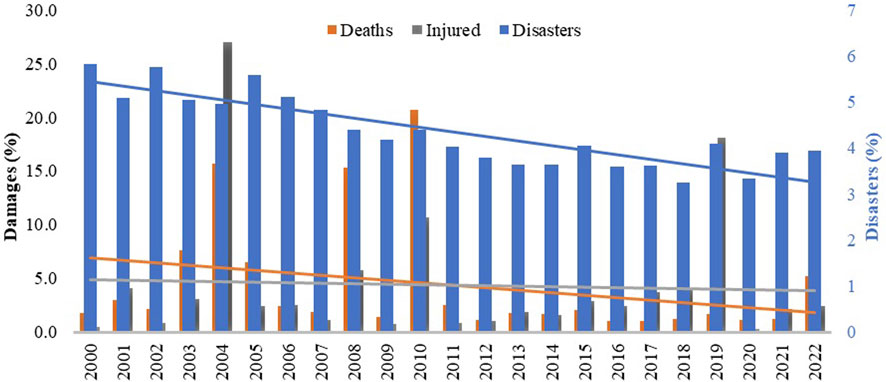
Figure 1. Number of disasters and subsequent damages globally from 2000 to 2022 (Source: EM-DAT, 2022).
The term “mainstreaming DRR into development” gained recognition in the late 20th century and accelerated over the first decade of the 21st century. It integrates natural hazard risks into strategic planning, sectoral policies, and investment decisions to build resilience and reduce vulnerability (Benson et al., 2007a). Mainstreaming DRR into development means looking at how disasters could affect the outcomes of policies, programs, and projects and how these effects could be avoided through careful planning in a pre-disaster environment. Some of the major components of mainstreaming DRR to development include familiarization with the terminologies and concepts (Tiepolo and Braccio, 2020); collecting and using information about prevalent disasters (Benson et al., 2007b); environmental assessments (Amaratunga et al., 2017); economic analysis and budget support (Ishiwatari and Sasaki, 2020; Mikio and Daisuke, 2021); clearly defined roles and responsibilities of the organizations (Shah et al., 2019); logical and result-based DRR frameworks (Tiepolo and Braccio, 2020); sustainable livelihood approaches (Gyawali et al., 2020); social impact assessment (Aleksandrova, 2020); building codes (Chmutina and Bosher, 2015; Iglesias et al., 2009); scientific approach to risk management (Wilderspin et al., 2008), and evaluation of DRR initiatives (Khan et al., 2022). The institutionalization of risk management in policymaking is a tool for mainstreaming DRR into development.
It is evident that natural disasters and a nation’s socioeconomic condition are strongly correlated (Fothergill and Peek, 2004; Griffith-Jones and Tanner, 2016; Ramachandran et al., 2010; Schumacher and Strobl, 2011). A country’s socioeconomic status is closely linked to its vulnerability to natural disasters; poor nations often face greater impacts due to limited resources for disaster preparedness and recovery (Raviola et al., 2020). The 2010 Haitian earthquake (Cho, 2014) and the 2011 Japanese earthquake (Silbert and Useche, 2012) serve as examples of this. Similarly, in the first half of the twenty-first century and the final decade of the 20th century, almost 90% of deaths worldwide and 98% of those impacted by disasters occurred in developing nations (WorldBank, 2022). In this sense, it becomes crucial to integrate disaster risk reduction (DRR) into development in order to change the way that disasters are managed in poor nations. Due to the significant harm that disasters are causing to infrastructure and human life, the government and key stakeholders, including the general public, are also growing increasingly interested in mainstreaming disaster risk reduction (DRR) into development (Ibrahim et al., 2024; Pelling and Holloway, 2006).
Disasters have become a common phenomenon in Pakistan, causing severe damages to the decades of developmental progress (Rahman, 2015; Nawab and Nyborg, 2017; Shah et al., 2017; Shah et al., 2018a; Ullah et al., 2023; Zaré et al., 2009). Among these, the 2005 earthquake (Hashmi et al., 2012; Maqsood and Schwarz, 2008), floods 2010 (Nanditha et al., 2023), floods 2022 (Ahmad et al., 2018), the 2015 earthquake (Abbas et al., 2023; Ismail and Khattak, 2015), the 2015 heatwaves (Ali et al., 2023; S; Ullah et al., 2023; Ullah et al., 2019a; Ullah et al., 2019b) and accelerated urban flooding (Halvorson and Hamilton, 2010; Tayyab et al., 2021) are the most recent mega-disasters that caused widespread destruction across the country. A paradigm shift in disaster management is seen in Pakistan’s decision to give up the old response-centric approach and concentrate on DRR due to the rising frequency of these disasters (Ismail-Zadeh et al., 2017). According to Math et al. (2015) and Shah et al. (2018b), a paradigm shift is a fundamental change in fundamental concepts and experimental practices, and in the context of disaster management, this change is the transition from a response-centric approach to a preparedness, prevention, and mitigation-based approach (Math et al., 2015; Shah et al., 2018a). Pakistan relied on reactive and relief efforts prior to the 2005 earthquake (Quesada-Román, 2022; Shah et al., 2019) and there were no proper mechanisms for preparedness and resilience building (Rahman, 2015).
Pakistan is modifying its policies to integrate DRR into development in accordance with international disaster risk management plans. The efficiency of DRR investment and the degree to which it has been mainstreamed into development planning and practices in Pakistan, particularly in the disaster-prone province of Khyber Pakhtunkhwa (KP), are unclear due to the fact that there is insufficient data to calculate the financial impact of DRR investment (Ishiwatari and Sasaki, 2020; Mikio and Daisuke, 2021) and differentiated risk (GoK, 2023) This study aims to fill this gap by;
i. Asnalyzing the mainstreaming of DRR into development planning and budgeting.
ii. Gauging the budgetary shift from post-disaster reactive to pre-disaster proactive approach.
iii. Evaluating effectiveness of DRR investment in terms of securing lives, property, and infrastructure in KP province.
This study provides comprehensive details about the mainstreaming of DRR into development and the effectiveness of DRR investment in securing lives, property, and infrastructure, evaluating KP’s developmental budgeting and budgetary shifts to inform future disaster management strategies. This study is the first of its kind, as no such study has been conducted in Pakistan, particularly KP to comprehensively evaluate DRR budgeting and its effectiveness. By offering a novel perspective on DRR funding, this study provides valuable insights to improve pre-disaster interventions across Pakistan.
2 Materials and methods
2.1 Study area
The study area (KP province) extends from 31° 9′N to 36°54′N latitudes and 69°14′E to 74°7′E longitudes and is one of the four regular administrative provinces of Pakistan. The province is bordered by Afghanistan in the northwest, while within the country, it shares borders with Baluchistan in the south, Azad Kashmir and Gilgit-Baltistan (GB) in the northeast, and Punjab in the east. KP has a complex topography, consisting of both planes and mountains. The climate in the south to north is semi-arid having various fault lines in its catchment. The diverse topography, climates, and geological physique expose the area to various hazards. In terms of economic share, KP ranks as the third-largest provincial contributor to the national GDP (Government of Khyber Pakhtunkhwa, 2022). The total GDP (nominal) of KP during the financial year 2021–2022 was $38 billion (Ullah et al., 2018). However, this potential is recurrently challenged by the province’s high vulnerability to disasters (Griffith-Jones and Tanner, 2016; Rahman et al., 2023; Shah et al., 2019; S; Ullah et al., 2023). The study area has a rich history of floods (Hussain et al., 2021; Shah et al., 2020), earthquakes (Halvorson and Hamilton, 2010), land sliding (Ullah et al., 2024; Rahman and Shaw, 2015), Glacial Lake Outburst Floods (GLOFs) (Government of Khyber Pakhtunkhwa, 2022), drought (Rahman et al., 2023; Khan et al., 2020), desertification, famine, forest fires, heat and cold waves, and waterborne diseases. Alone, the flood in 2022, resulted in 306 deaths, 369 injured, and 91463 houses fully/partially damaged (Government of Khyber Pakhtunkhwa, 2022). In a nutshell, the province is exposed to several disasters which, if not properly addressed, will result in more damages than in the past due to climate change-induced threats.
2.2 Data collection and analysis
Quantitative data analysis is carried out in three stages. During the first stage, quantitative data on expenditure in developmental schemes in 34 different governmental sectors, from the financial year 2000–2022, are obtained from the Planning & Development (P&D) Department, Government of KP. The data were in raw form and included all the expenditures of developmental schemes either relevant or irrelevant. Customized cleansing, based on the inclusion-exclusion criteria (Khan et al., 2022), was performed to prepare data for analysis on multiple dimensions. All projects directly or indirectly related to disaster management were included for further analysis. During the second stage, a database of the disasters and subsequent damages was maintained in order to draw the disaster damage profile of KP province. Lastly, robust statistical analysis was carried out to know the effectiveness of investment in DRM within developmental expenditure.
2.3 Target sectors
Currently, 35 different regular governmental departmetns are operating in the study area. The record of financial expenditure in the developmental head for the period 2000–2022 is obtained from each department. Prominent sectors along with their relevance with DRR are listed below in Table 1.
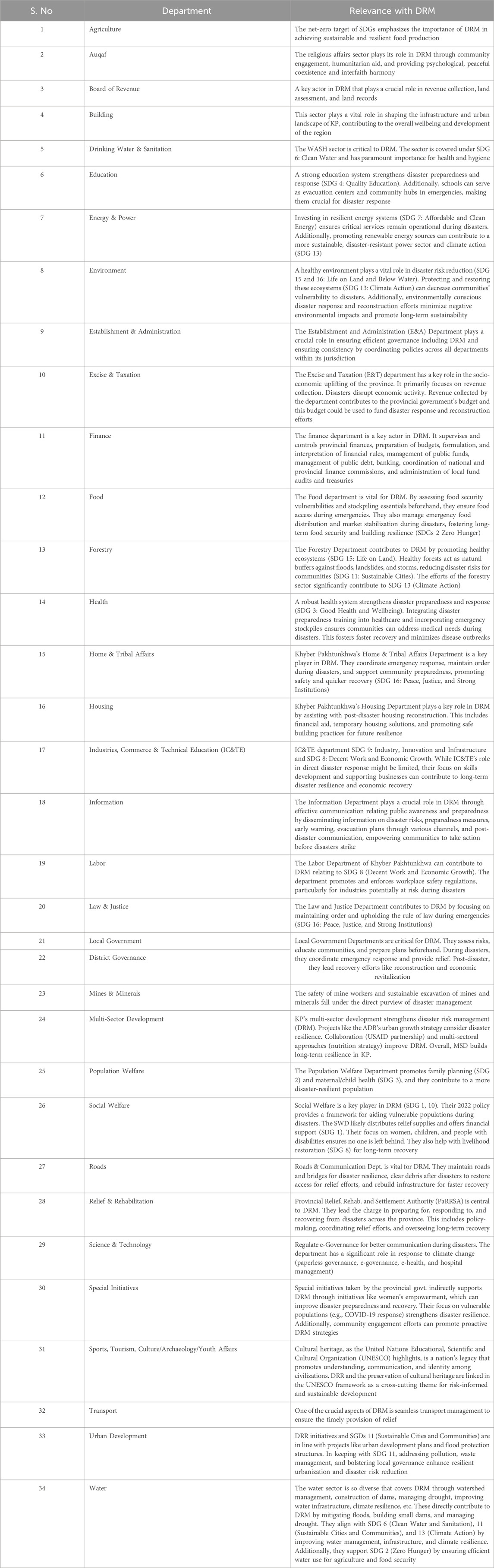
Table 1. Prominent governmental sectors in KP province and their relevance to DRR.
2.4 Statistical analysis
The data analysis involved the application of statistical techniques, including the Sen’s Slope Estimator (SSE), the modified Mann-Kendall (MK) test, linear regression, and correlation analysis on the developmental funding in disaster management, disasters profile, and disaster-related damages in KP province. Further details about the selected statistical tests can be found in recent studies (Abbas et al., 2023; Ullah et al., 2018; Ullah et al., 2019a; Ullah et al., 2023).
3 Results
With a focus on integrating DRR into development planning and budgeting, this study aims to comprehend KP province’s shift from a response-based reactive to a risk-informed planning and development proactive approach. The study evaluated the budgetary shifts from a reactive to proactive approach for disaster management and assessed provincial government developmental budgeting in Disaster Management (DM). The efficiency of DM funding is assessed by analysing the expenditures in disaster management through annual developmental programs, disaster occurrences, and ensuing damages. A generalised framework is developed to evaluate several facets of fiscal DRR governance and ascertain the degree of the paradigm shift from reactive to proactive DM.
3.1 Nature of developmental projects and expenditure in pre- and post-disaster phases in KP province (2000–2022)
The government made substantial investments in disaster management between 2001 and 2022. Figure 2 represents the year-wise statistics of pre- and post-disaster expenditures across all sectors of the KP province during the study period. It is worth noting that the Pakistani currency (PKR) is depreciated against the US Dollar and between 2000–2022 the conversion rate has shown fluctuation from 1$ = 55.7 to 1$ = 155. The results show that the highest number of projects in the pre-disaster phase was initiated in the year 2018 (238 projects with an investment of 19709.84 million PKR), while the lowest number of projects and investments was made in the year 2001 (21 projects with an investment of 914.284 million PKR). Similarly, the highest investment of 51018.96 million PKR was made in the year 2021, having the government share of 25440.12 million PKR and donors’ share of 25578.84 million PKR. The results indicate that the frequency of projects gained vertical pace with time during the study period.
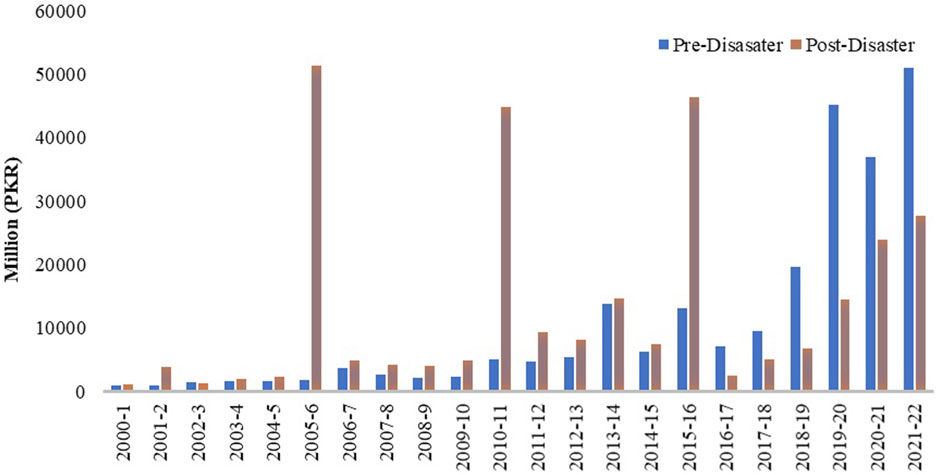
Figure 2. Expenditure incurred in disaster management from 2000 to 2022.
Between 2000–2022, the KP government has implemented a number of pre-disaster intervention programs. For instance, in agriculture, implementing sustainable farming methods, managing watercourses, and enhancing food security all contribute to the United Nations Sustainable Development Goals (SDGs) (UN, 2023) of ensuring access to clean water and sanitation (SDG 6) (Alam, 2024; Koppen, 2024), eliminating hunger (SDG 2) (Otekunrin, 2023), and creating sustainable communities (SDG 11) (Ionescu et al., 2024). Initiatives in other sectors, including health, education, and urban development, have been carefully designed to correspond with specific SDGs. Health initiatives target wellbeing and health (SDG 3), while educational programs focus on ensuring quality education (SDG 4). However, these initiatives extend beyond immediate concerns, integrating into the broader framework of sustainable development. By aligning their objectives with the SDGs, these programs aim to enhance sustainable growth while reducing disaster risks. Their ultimate aim is to strengthen the province’s development path and improve societal wellbeing by promoting community resilience. Notably, pre-disaster interventions tend to be less influenced by disaster occurrences compared to those implemented in the post-disaster phase.
In terms of post-disaster investment, the highest number of projects was initiated in the year 2010 due to major floods (302 projects with spending of 44821 million PKR), while the lowest number of projects and spending made in the year 2000 (14 projects with investment of 1047.028 million PKR). The frequency of projects gained a vertical pace over time during the study period but the years 2005 and 2010 had a sharp jump in the number of projects, due to earthquakes in 2005 and floods in 2010. The highest spending of 51429.23 million PKR was made in the year 2005, having the government sharing 48863.94 million PKR and donors sharing 2565.286 million PKR. These projects also include compensation initiatives for disaster-affected communities in the province.
There are year-to-year fluctuations in post-disaster spending by both the government and donors. Investments in risk-informed interventions are more likely to be successful during both the pre- and post-disaster phases. Additionally, post-disaster initiatives that focus on improving health services, strengthening infrastructure, and ensuring economic stability in vulnerable areas align with the broader objectives of the SDGs. In conclusion, post-disaster initiatives play a critical role in rebuilding communities, resuming essential services, and building resilience against future hardships. They are essential in supporting rehabilitation initiatives and laying the groundwork for long-term, sustainable growth. It is worth mentioning that spending in the post-disaster phase is influenced by disasters.
The provincial government’s post-disaster initiatives span various sectors, including infrastructure, agriculture, environment, health, governance, education, communication, etc. These programs aim to reduce the suffering of the affected population and to ensure a more secure future. Key initiatives focus on the rehabilitation of infrastructure, restoration of essential services, and reconstruction of hospitals and schools, as well as the repair of water supply systems and the promotion of economic development. Additionally, a holistic recovery approach is emphasized, which incorporates aspects of security, environmental management, forestry, and relief compensation for those impacted by disasters. This comprehensive strategy aims to facilitate recovery across multiple sectors.
3.2 Disasters and damages in KP province (2000–2022)
KP province experiences both natural and human-induced disasters because of its complex topographic features, diverse climate conditions, and distinct geographic location (Government of Khyber Pakhtunkhwa, 2022; Ibrahim et al., 2024; Shah et al., 2019; 2021; Shah et al., 2018b). Figure 3 illustrates the annual occurrences of disasters, along with associated fatalities, injuries, and damage to housing in the study area between 2000–2022. During the study period, a total of 113 disasters of varying types and intensities were recorded in the region, leading to 35,250 deaths, 48,553 injuries, and damage to 1,040,895 houses, both partially and fully. The data reveals that the highest number of disasters (10) occurred in 2000, while the most significant fatalities were reported in 2005 (29,425) during the catastrophic earthquakes. The second-highest death toll (1,221) occurred in 2010 due to historic floods. Despite considerable spending in the post-disaster phase, the study highlights that the frequency and intensity of disasters, along with their resulting damages, have been increasing over time. This trend is largely attributed to the province’s highly fragile infrastructure, which is unable to withstand the impacts of such disasters (Khan et al., 2022). Moreover, threats imposed by climate change are not taken into account while developing new infrastructure (Bankoff et al., 2004; Shah et al., 2018a). The already weak infrastructure coupled with no consideration of DRR in development has alarmingly exposed the region to disasters and damages.

Figure 3. Year-wise disasters and subsequent damages in KP province during 2001–2022.
3.3 Nature of disasters occurred in KP province (2000–2022)
Table 2 shows the nature of disasters that occurred in KP Province during 2000–2022. Avalanches, earthquakes, epidemics, floods/flash floods, GLOFS, landslides, rains, heavy snowfall, and windstorms are the recurrent natural disasters in the province during the span of the study period. The frequency of floods is recorded the highest (21 times), followed by heavy snowfall (16 times), heavy storms (15 times), landslide (14 times), heavy rains (12 times), earthquake (10 times), avalanche (9 times), epidemic (6 times), flash flood (5 times), GLOFs (3 times), cyclone and drought (1 time each). The frequency of avalanches during the study period is 9 and reported in 2001, 2003, 2008, 2009, 2010, 2016, 2017, 2020, and 2021. Drought and cyclones are reported only 1 time in 2001 and 2015, respectively. The frequency of earthquakes is 10 and reported in the years 2001, 2005–2009, 2015, 2016, 2018, and 2019 among, which the 2005 earthquake was extremely catastrophic in terms of loss of lives and infrastructure. The frequency of epidemics is 6 and reported in the years 2001, 2003, 2004, 2006, 2011, and 2013. Similarly, flash floods are reported 4 times in the years 2004, 2006, 2013, 2015, and 2016. Flood frequency is 21 and reported throughout the study period except 2015. GLOFs are reported 3 times in the years 2016 and 2022. The frequency of reported landslide events is 14 and occurred in 2001, 2003–2008, 2011–2013, 2019, and 2020. Similarly, the study area was hit by lightning, heavy rainfall, and storms with a frequency of 15 in the years 2001–2006, 2008–2011, 2017, and 2022. The 2016 heavy rainfall also caused flash flooding. Heavy snowfall in northern areas of KP is reported 16 times from 2001 to 2014. While, heavy storms are reported 12 times in the years 2001–2003, 2005–2009, 2012, 2014, 2019, and 2020.

Table 2. Historical disasters in KP province during 2001–2022.
3.4 Expenditure in DRR and disaster impacts in KP province (2000–2022)
Table 3 presents comprehensive details of year-wise funding in DM, disasters that occurred and their frequency, and damages in terms of deaths, injuries, and houses damaged between 2000 and 2022 in the KP province. It also includes data on pre- and post-disaster funding by the donors and the government (combined), the number of developmental schemes initiated in DM, the number of disasters recorded, and subsequent damages resulting from these disasters.
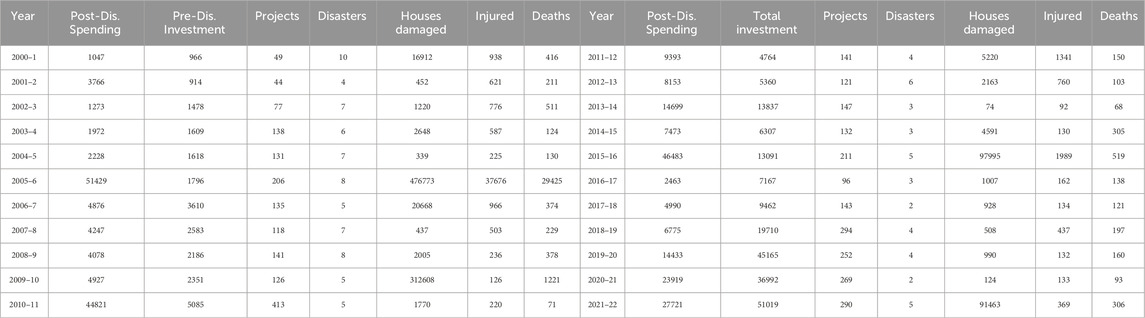
Table 3. Year-wise detail of investment in the pre-disaster phase and subsequent damages.
The results show that investment in risk mitigation and preparedness was relatively low during the early part of the study period, there has been a significant increase in investing in DRR over time. This is a good sign and reflects an evolving recognition of the importance of a proactive approach in DM. This recognition of a proactive approach in DM is particularly notable in recent years, indicating improved preparedness, mitigation, and resilience-building activities such as sustainable agriculture and environment, improved health and hygiene, and strengthening governance and infrastructural programs. In contrast, post-disaster expenditure incurred on emergency response, relief, rehabilitation, and recovery efforts. The results highlighted that the gap between pre- and post-disaster funding has reduced in recent years of the study period. This is also a good sign and signaling towards a more integrated and balanced approach to DM.
Despite the increasing frequency of disasters, a reduction in disaster-related deaths and injuries may be attributed to these expenditures. For example, while the region experienced frequent flooding events during the study period, the integrated approach to DM and increased investment in DRR have contributed to a reduction in the damages.
3.5 Total finance incurred in pre-disaster phase and subsequent damages
The correlation between pre-disaster investments and subsequent disaster-related damages has been analyzed to determine if a relationship exists between the two variables. As indicated in Table 4, there is a strong positive correlation (coefficient value of 0.80, p < 0.05) between the number of pre-disaster projects and expenditures during the pre-disaster phase. This suggests that as the number of initiatives increases, so does the associated financial investment.
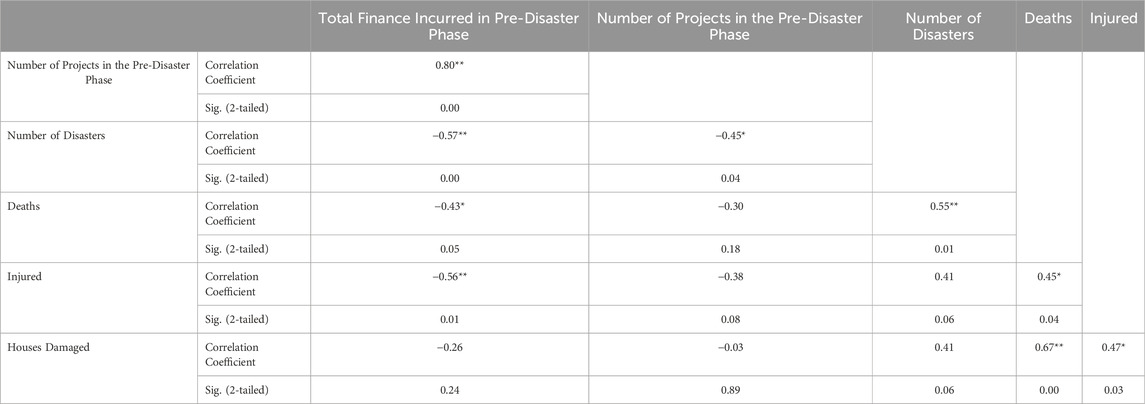
Table 4. Correlation between investment in pre-disaster interventions and disaster damages.
Conversely, a significant negative correlation (−0.57, p < 0.05) was observed between the frequency of disasters and pre-disaster expenditures, indicating an inverse relationship between frequency of disasters and pre-disaster investment.
Additionally, the data reveal a negative correlation (−0.43) between disaster-related deaths and pre-disaster expenditures, implying that as investments in DRR increase, the number of fatalities tends to decrease. Similarly, there is a statistically significant negative correlation (−0.56, p < 0.05) between the number of injuries caused by disasters and DRR investments, further supporting the notion that greater financial commitment to DRR correlates with reduced disaster-related casualties. The correlation between the number of houses damaged due to disasters and expenditure in the pre-disaster phase is negative (−0.26), meaning that the investment in DRR has reduced the number of houses damaged due to disasters and vice versa. The overall relationship between investing in DRR and lower damages suggests that the higher the investment in DRR, the lower the frequency of disaster (Pelling and Holloway, 2006; WorldBank, 2022). However, an alternative explanation for this also exists that the regions more prone to disasters naturally receive higher DRR investment.
3.6 Total finance incurred in the post-disaster phase and subsequent damages
The results of the correlation between post-disaster expenditure and its impact on disaster-related damages indicate a strong and significant positive correlation (correlation coefficient = 0.83, p < 0.05) (Table 5). This statistically significant relationship suggests that an increase in spending leads to an increase in post-disaster projects. However, the correlation between the frequency of disasters and post-disaster phase expenditure is found to be negative (−0.21), indicating that there is no comprehensive evidence to hint that spending post-disaster influences the future frequency of such disasters. The correlation between the casualities due to disasters and post-disaster expenditure is negative (−0.37 and −0.32, respectively), indicating that spending in the disaster-response has reduced the number of disaster-related deaths and injuries in the province. Interestingly, a slightly negative and non-significant correlation of −0.04 exists between the number of houses damaged and the post-disaster expenditure, suggesting a weak connection between spending in the post-disaster phase and decreased property damage in the following incidents.
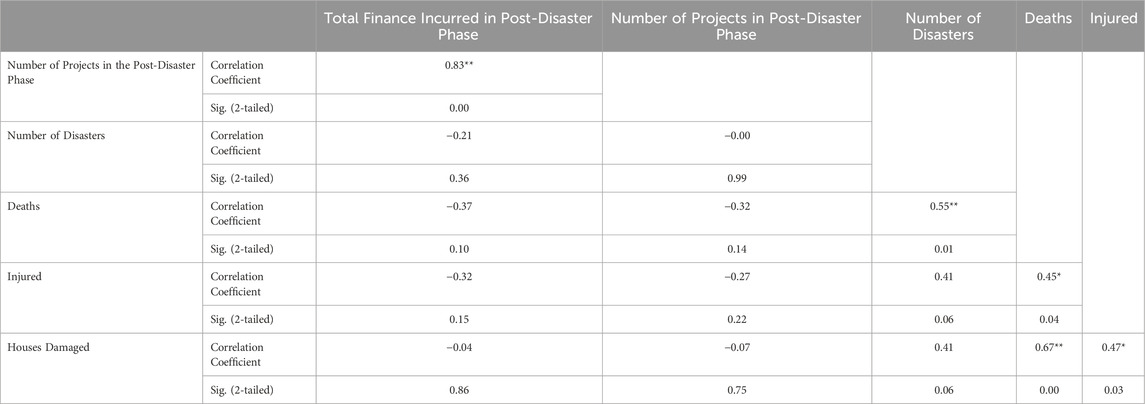
Table 5. Correlation between spending in post-disaster interventions and disaster damages.
3.7 Overall funding in DRR and subsequent damages
To determine the correlation between DRR funding and subsequent damages, the results of the underlying relationship are shown in Table 6. We found a robust positive and significant correlation (0.84, p < 0.05) between the total number of projects carried out and the total funding allocated for DRR. This indicates that the number of implemented projects increased with a rise in DRR funding in the KP province. However, a different picture emerged when looking at the frequency of disasters and total funding in DRR; here, the correlation is negative (−0.41). We observed similar results when examining the correlations between total funding in DM and casualties due to disasters. The correlations stand negative with correlation coefficients of −0.41 and −0.45, respectively. Furthermore, this inverse relationship highlights that investment in DRR has reduced the number of deaths and casualties in the KP province. Finally, the correlation between number of houses damaged and the total DRR funding is negative (−0.14), indicating that higher investment in DRR has reduced the impacts of disasters on houses in the study area.
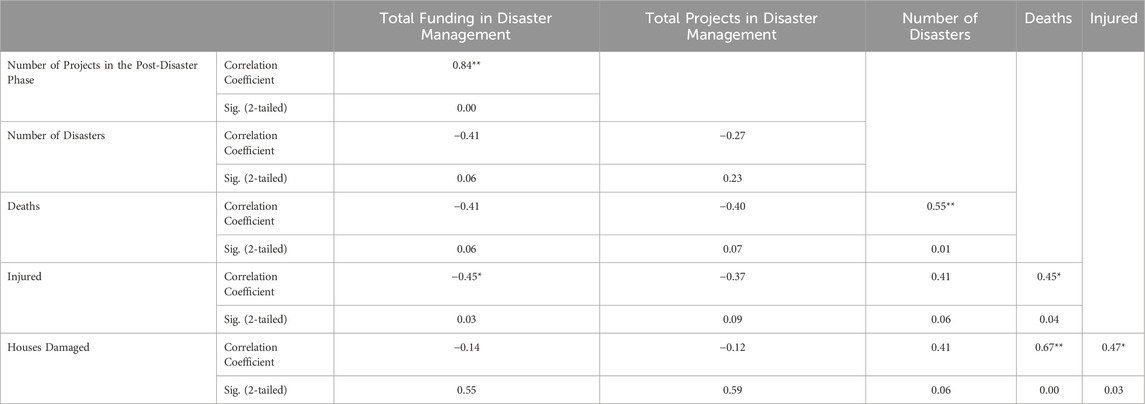
Table 6. Correlation between total funding in disaster management and disaster damages.
3.8 Budgetary shift in disaster financing and its effectiveness
The province of KP is prone to geological and hydrometeorological hazards. The frequency and magnitude of disasters are different during the selected study period. However, there is a strong relationship between the budgetary investment and the subsequent damages, such as the number of disasters, deaths, casualties, and house damages. While year-wise data may present a less accurate picture, the analysis of decadal and overall study periods (2000–2022) offers a more reliable and realistic understanding of disaster trends, their impacts, and associated budgetary allocations. This broader perspective allows for clearer identification of patterns and the effectiveness of investments in DRR over time. To have more robust, clear, and accurate estimates, the SSE test is used to estimate trend slope/magnitude, while the MK test is used to determine trend significance. These tests are applied to decadal data of total expenditure, number of disasters, number of deaths and injured and houses damaged. Results indicate that investment in DRR (528242.36 million PKR) has resulted in the reduction of decadal disasters by 2.50, deaths by 63.33, injuries by 226.67, and house damages by 605, while an increase of 13595 million PK has been observed in pre-disaster-investment (Figure 4).
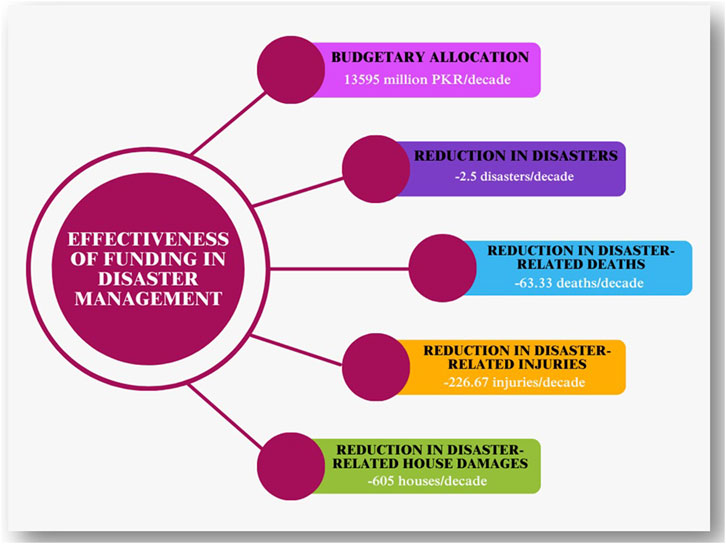
Figure 4. Effectiveness of DRR expenditure in the KP province.
4 Discussion
The study evaluated the effectiveness of mainstreaming DRR into development and the effectiveness of DRR investment in terms of securing lives, property, and infrastructure in KP province, Pakistan. The study area is exposed to both geological and hydrometeorological disasters. The results show that the most recurrent disasters in KP are floods followed by heavy snowfall, storms, landslides, heavy and unusual rains, earthquakes, avalanches, epidemics, flash floods, GLOFs, cyclones, and drought. But in terms of catastrophic impacts, floods and earthquakes are noted most damaging (Arrighi and Domeneghetti, 2024; Avcil et al., 2024; Rahman et al., 2024). This might be attributed to the malpractice of existing laws on encroachment and building codes coupled with the weak socio-economic conditions of KP (Shah et al., 2020). The local people tend to acquire land for home construction in flood-prone areas due to lower prices of land, thus making them vulnerable to floods. The weak implementation of encroachment laws has further triggered the impacts of flood hazards. Similarly, the weak implementation of building codes also weakened the infrastructure and exposed it to earthquakes (Usman et al., 2022). This signifies the importance of a decentralized approach to disaster management. In vulnerable regions, community-based initiatives, such as grassroots disaster preparedness have been more successful in reducing disaster risk (Alam, 2024).
The results further indicate that pre-disaster investing in KP is not influenced by the occurrence of disaster while post-disaster funding and projects initiated are directly correlated to the occurrence of disasters and their impacts (Molnar, 2020). For example, the devastating earthquake in 2005 and floods in 2010 caused havoc in the KP province. The highest expenditure was incurred in the year 2005, while the highest number of projects was initiated in the year 2010. The provincial government’s DRR programs cover a wide range of sectors, including agriculture, governance, infrastructure, health, rehabilitation, and the revival of essential services. These areas are central to the multi-sectoral approach to DRR in the study area. The strategy is all-encompassing, involving multiple sectors and emphasizing resilience-building alongside recovery initiatives (Izumi and Shaw, 2014; Kapucu, 2020; Pandey and Okazaki, 2005). Additionally, lower pre-disaster expenditures have been linked to higher damages when disasters occur (WorldBank, 2022).
During the study period, a significant association was observed between increased spending and a reduction in casualties (FAO, 2019; Ishiwatari and Sasaki, 2022; Martins et al., 2022; United Nations, 2019). Notably, a positive correlation emerged between funding levels and fewer casualties, indicating that higher financial investment is inversely related to disaster damages. This consistent trend reveals that as funding for disaster management increased over time, the number of deaths, injuries, and property losses decreased. Thus, lower observed damages are linked to increased financial support (Khan et al., 2022). The findings indicate that the number of deaths, injuries, and damages from disasters declined over time, suggesting that greater funding in disaster management correlates with reduced impact. This validation of the benefits of increased investment not only provides strategic guidance for disaster management but also underscores the need for ongoing financial support and innovation to mitigate disaster risks (Griffith-Jones and Tanner, 2016). It highlights how proactive policies and initiatives can significantly reduce both human and infrastructure costs associated with disasters.
The proactive approach in disaster management has become a critical component across the world to mitigate the impact of disasters. The study revealed that there is a significant correlation between the number of developmental projects initiated in disaster management, pre- and post-disaster investments, and the impact they have on disaster impacts (Shamkhi and Ebraheem, 2020; Srividhya et al., 2020). Recent studies suggest that taking preventative measures, such as allocating more funds and carrying out projects before the onset of a disaster, may effectively lessen the effects that follow (Izumi and Shaw, 2014; Kapucu, 2020; Olu et al., 2016; Righi et al., 2021). This is consistent with the notion that reducing the effects of disasters requires preparedness and proactive measures (Khan et al., 2022; Raikes et al., 2019; Tabish and Syed, 2015). Overall, the results present a compelling narrative: increased investment in disaster management appears to effectively reduce the severity of disasters, lower death tolls, and decrease the number of injuries. These findings strongly advocate for a coordinated and proactive fiscal approach for DRR.
5 Limitations and future recommendations
While the study offers valuable insights into the effectiveness of DRR investment, the study has limitations that need to be considered while interpreting the results, such as the study is focused on developmental projects that are carried out in disaster management in the KP province. This has not taken into account the regular budget reserved for disaster management, which needs to be assessed in combination with the developmental budget in the forthcoming studies. Similarly, sectoral investment in disaster management is key to sustainable disaster management, and for this reason, sectoral investment may also be figured out to gain an overall oversight of sectoral resilience.
Key stakeholders, including the Planning and Development, Finance, Establishment and Administration Departments, and the Provincial Reconstruction, Rehabilitation and Settlement Authority (PsRRSA), should implement risk-sensitive planning, allocations, expenditures, and development practices under a risk-informed development framework across all sectoral departments at provincial, district, and local levels. The government shall focus on integrating DRR and climate change adaptation within all departments. This can be achieved by mainstreaming DRR into development planning and requiring all organizations to consider disaster risks when making decisions, designing both developmental and non-developmental activities, and allocating budgets. For better disaster governance in the province, there is a dire need for establishing an inter-departmental task force on DRR for effective coordination, ensuring policies are harmonized and DRR inclusive. Similarly, the government should invest in communitive-led DRR initiatives, and capacity building of local/district government staff and key stakeholders including volunteers from communities. Parallel to this, integrating DRR and climate change adaptation into urban and regional planning in such a way that ensures new developments are risk-informed and account for future disaster risk.
6 Conclusion
The study evaluated funding in annual developmental programs in DM, the budgetary shift from reactive to proactive DM, and the effectiveness of this funding in relation to disasters and disaster-related damages during the period 2000–2022. The study used financial data of the developmental projects, which aimed at prevention, mitigation, preparedness, emergency response, relief, rehabilitation, recovery, and development after disaster. In the second phase, disaster and damage data were obtained from various online platforms, such as EM-DAT, Dis-Inventor, and government departments, such as the National and Provincial Disaster Management Authorities. For statistical analysis, SSE, MK, linear regression model, and correlation coefficient techniques were used. The study findings reveal the critical role of investing in DRR measures in strengthening resilience against disasters. Increased DRR investment was found associated with decreased damages despite the fact that the current disaster management system is response-based and the paradigm shift from a reactive to a proactive disaster management approach is yet to take place. These investments would have saved more lives and infrastructure if risk-informed measures were considered while allocating funds to developmental schemes.
Data availability statement
Publicly available datasets were analyzed in this study. This data can be found here: 1- https://pndkp.gov.pk/adp/ 2- https://www.emdat.be/ 3- https://www.desinventar.net/ 4- http://www.ndma.gov.pk/ 5- https://pdma.gov.pk/.
Author contributions
IK: Conceptualization, Data curation, Formal Analysis, Methodology, Writing–original draft. AA: Conceptualization, Formal Analysis, Methodology, Supervision, Writing–review and editing. WU: Formal Analysis, Funding acquisition, Supervision, Writing–review and editing. MJ: Validation, Visualization, Writing–review and editing. SU: Conceptualization, Formal Analysis, Methodology, Validation, Writing–review and editing. FL: Validation, Writing–review and editing. SK: Software, Validation, Visualization, Writing–review and editing.
Funding
The author(s) declare that financial support was received for the research, authorship, and/or publication of this article. The authors acknowledge Rabdan Academy, United Arab Emirates (UAE) for supporting Article Processing Charges (APC).
Acknowledgments
The authors would like to thank the National Disaster Management Authority (NDMA), Pakistan, Provincial Disaster Management Authority-Khyber Pakhtunkhwa (PMDA-KP), and other Provincial Departments for providing us with the relevant data. The authors also thank the EM-Dat, and Dis-Inventor for providing data on disasters and damages.
Conflict of interest
The authors declare that the research was conducted in the absence of any commercial or financial relationships that could be construed as a potential conflict of interest.
The reviewer KU declared a past co-authorship with the author SU to the handling editor.
Publisher’s note
All claims expressed in this article are solely those of the authors and do not necessarily represent those of their affiliated organizations, or those of the publisher, the editors and the reviewers. Any product that may be evaluated in this article, or claim that may be made by its manufacturer, is not guaranteed or endorsed by the publisher.
References
Abbas, A., Ullah, S., Ullah, W., Zhao, C., Karim, A., Waseem, M., et al. (2023). Characteristics of winter precipitation over Pakistan and possible causes during 1981–2018. WaterSwitzerl. 15 (13), 2420. doi:10.3390/w15132420
Ahmad, J., Ahmad, M. M., and Ahmad, N. (2018). Natural disasters and public health in the era of Sustainable Development Goals: a retrospective study of the October 2015 Hindu Kush earthquake in Pakistan. Procedia Eng. 212, 855–862. doi:10.1016/j.proeng.2018.01.110
Ahmed, Z. (2013). Disaster risks and disaster management policies and practices in Pakistan: a critical analysis of Disaster Management Act 2010 of Pakistan. Int. J. Disaster Risk Reduct. 4, 15–20. doi:10.1016/j.ijdrr.2013.03.003
Alam, E. (2024). Reasons for non-evacuation and shelter-seeking behaviour of local population following cyclone warnings along the Bangladesh coast. Prog. Disaster Sci. 21, 100307. doi:10.1016/j.pdisas.2023.100307
Alam, E., Collins, A. E., Islam, A. R. M. T., Paul, A., and Islam, M. K. (2024). Change in cyclone disaster vulnerability and response in coastal Bangladesh. Disasters 48 (2), e12608. doi:10.1111/disa.12608
Alam, E., and Ray-Bennett, N. S. (2021). Disaster risk governance for district-level landslide risk management in Bangladesh. Int. J. Disaster Risk Reduct. 59 (April 2020), 102220. doi:10.1016/j.ijdrr.2021.102220
Aleksandrova, M. (2020). Principles and considerations for mainstreaming climate change risk into national social protection frameworks in developing countries. Clim. Dev. 12 (6), 511–520. doi:10.1080/17565529.2019.1642180
Ali, A., Ullah, W., Khan, U. A., Ullah, S., Ali, A., Jan, M. A., et al. (2023). Assessment of multi-components and sectoral vulnerability to urban floods in Peshawar – Pakistan. Nat. Hazards Res. 4, 507–519. doi:10.1016/j.nhres.2023.12.012
Amaratunga, D., Haigh, R., Kermainiyage, K., and Malalgoda, C. (2017). Mainstreaming disaster resilience in the construction process: professional education for a disaster resilient built environment: a report of the CADRE project: collaborative Action towards Disaster Resilience Education.
Arrighi, C., and Domeneghetti, A. (2024). Brief communication: on the environmental impacts of the 2023 floods in Emilia-Romagna (Italy). Nat. Hazards Earth Syst. Sci. 24 (2), 673–679. doi:10.5194/nhess-24-673-2024
Avcil, F., Işık, E., İzol, R., Büyüksaraç, A., Arkan, E., Arslan, M. H., et al. (2024). Effects of the february 6, 2023, kahramanmaraş earthquake on structures in kahramanmaraş city. Nat. Hazards 120 (3), 2953–2991. doi:10.1007/s11069-023-06314-1
Bankoff, G., Frerks, G., Hilhorst, T., and Hilhorst, D. (2004). Mapping vulnerability: disasters, development, and people. Routledge: Taylor and Francis. Available at: https://api.taylorfrancis.com/content/books/mono/download?identifierName=doi&identifierValue=10.4324/9781849771924&type=googlepdf.
Behera, S. K. (2024). Understanding the impact of climate change on extreme events. Front. Sci. 2, 1433766. doi:10.3389/fsci.2024.1433766
Benson, C., Twigg, J., and Rossetto, T. (2007a). Tools for mainstreaming disaster risk reduction: guidance notes for development organisations.
Benson, C., Twigg, J., and Rossetto, T. (2007b). Tools for mainstreaming disaster risk reduction: guidance notes for development organizations. Available at: https://www.unisdr.org/preventionweb/files/7511_toolsformainstreamingDRR.pdf.
Burghila, D., Bordun, C.-E., Doru, M., Sarbu, N., Badea, A., and Cimpeanu, S. M. (2015). Climate change effects–where to next? Agric. Agric. Sci. Procedia 6, 405–412. doi:10.1016/j.aaspro.2015.08.107
Cannon, T., Davis, I., and Wisner, B. (2003). At risk: natural hazards, people’s vulnerability and disasters. London: Taylor and Francis.
Chmutina, K., and Bosher, L. (2015). Disaster risk reduction or disaster risk production: the role of building regulations in mainstreaming DRR. Int. J. Disaster Risk Reduct. 13, 10–19. doi:10.1016/j.ijdrr.2015.03.002
Cho, A. (2014). Post-tsunami recovery and reconstruction: governance issues and implications of the great east Japan earthquake. Disasters 38 (Suppl. 2), 157–178. doi:10.1111/disa.12068
Deng, L.-C., Zhang, W., Deng, L., Shi, Y.-H., Zi, J.-J., He, X., et al. (2024). Forecasting and early warning of shield tunnelling-induced ground collapse in rock-soil interface mixed ground using multivariate data fusion and Catastrophe Theory. Eng. Geol. 335, 107548. doi:10.1016/j.enggeo.2024.107548
EMDAT (2023). The international disaster database. Available at: https://www.emdat.be/.
FAO (2019). Agriculture-related investments in disaster risk reduction and management. Available at: https://www.fao.org/3/ca4417en/ca4417en.pdf.
Fothergill, A., and Peek, L. A. (2004). Poverty and disasters in the United States: a review of recent sociological findings. Nat. Hazards 32 (1), 89–110. doi:10.1023/B:NHAZ.0000026792.76181.d9
Government of Khyber Pakhtunkhwa (GoKP) (2022). Annual report 2022: khyber Pakhtunkhwa. Available at: https://pdma.gov.pk/Downloads.
Government of Pakistan (GoP) (2023). Economic survey of Pakistan. Available at: https://www.finance.gov.pk/survey/chapters_23/Highlights.pdf.
Griffith-Jones, S., and Tanner, T. (2016). “Financial crises and economic resilience: lessons for disaster risk management and resilience dividends,” in Realising the’Triple dividend of resilience’ A new business case for disaster risk management (Springer), 151–172.
Gyawali, S., Tiwari, S. R., Bajracharya, S. B., and Skotte, H. N. (2020). Promoting sustainable livelihoods: an approach to postdisaster reconstruction. Sustain. Dev. 28 (4), 626–633. doi:10.1002/sd.2013
Halvorson, S. J., and Hamilton, J. P. (2010). In the aftermath of the Qa’yamat: the Kashmir earthquake disaster in northern Pakistan. Disasters 34 (1), 184–204. doi:10.1111/j.1467-7717.2009.01124.x
Hashmi, H. N., Siddiqui, Q. T. M., Ghumman, A. R., Kamal, M. A., and Mughal, H. U. R. (2012). A critical analysis of 2010 floods in Pakistan. Afr. J. Agric. Res. 7 (7), 1054–1067. doi:10.5897/ajarx11.036
Heltberg, R. (2008) “Climate change, human vulnerability, and social risk management,” in Paper presented at the workshop on social aspects of climate change. Washington, DC, 1–53. Available at: http://siteresources.worldbank.org/EXTSOCIALDEVELOPMENT/Resources/244362-1170428243464/3408356-1170428261889/3408359-1202746084138/SRM_022108.pdf.
Hussain, M., Tayyab, M., Ullah, K., Ullah, S., Rahman, Z. U., Zhang, J., et al. (2023). Development of a new integrated flood resilience model using machine learning with GIS-based multi-criteria decision analysis. Urban Clim. 50, 101589. doi:10.1016/j.uclim.2023.101589
Hussain, M., Tayyab, M., Zhang, J., Shah, A. A., Ullah, K., Mehmood, U., et al. (2021). Gis-based multi-criteria approach for flood vulnerability assessment and mapping in district Shangla: Khyber Pakhtunkhwa, Pakistan. Sustain. Switz. 13 (6), 3126–3129. doi:10.3390/su13063126
Ibrahim, M., Huo, A., Ullah, W., Ullah, S., Ahmad, A., and Zhong, F. (2024). Flood vulnerability assessment in the flood prone area of Khyber Pakhtunkhwa, Pakistan. Front. Environ. Sci. 12 (January), 1–13. doi:10.3389/fenvs.2024.1303976
Iglesias, G., Arambepola, N., Rattakul, B., and Center, A. D. P. (2009) “Mainstreaming disaster risk reduction into local governance,” in National symposium on creating disaster free safer environment.
Ionescu, G. H., Firoiu, D., Manda, A.-M., Pîrvu, R., Jianu, E., and Antoniu, M.-E. (2024). Progress towards the 2030 sustainable development Goals for EU urban communities (SDG11). Sustainability 16 (11), 4513. doi:10.3390/su16114513
Ishiwatari, M. (2022). “Disaster risk reduction,” in Handbook of climate change mitigation and adaptation (Springer), 3019–3045. doi:10.1007/978-3-030-72579-2_147
Ishiwatari, M., and Sasaki, D. (2020). Bridging the gaps in infrastructure investmenti for flood protection in Asia. Tokyo, Japan: JICA Research Institute.
Ishiwatari, M., and Sasaki, D. (2022). “Future perspectives of financing investment in disaster risk reduction and climate change adaptation,” in Financing investment in disaster risk reduction and climate change adaptation: asian perspectives (Springer), 187–200.
Ismail, N., and Khattak, N. (2015) “Reconnaissance report on the mw 7.5 hindu kush earthquake of 26th october 2015 and the subsequent aftershocks,” in United Arab Emirates university: Al ain (United Arab Emirates: United Arab Emirates University).
Ismail-Zadeh, A. T., Cutter, S. L., Takeuchi, K., and Paton, D. (2017). Forging a paradigm shift in disaster science. Nat. Hazards 86 (2), 969–988. doi:10.1007/s11069-016-2726-x
Izumi, T., and Shaw, R. (2014). A new approach of disaster management in Bangladesh: private sector involvement. Risk, Hazards Crisis Public Policy 5 (4), 425–445. doi:10.1002/rhc3.12069
Kapucu, N. (2020) “Disaster management in India,” in Network governance in response to acts of terrorism, february 2012, 190–208. doi:10.4324/9780203134375-16
Khan, I., Ali, A., Waqas, T., Ullah, S., Ullah, S., Shah, A. A., et al. (2022). Investing in disaster relief and recovery: a reactive approach of disaster management in Pakistan. Int. J. Disaster Risk Reduct. 75, 102975. doi:10.1016/j.ijdrr.2022.102975
Khan, I., Waqas, T., Samiullah, , and Ullah, S. (2020). Precipitation variability and its trend detection for monitoring of drought hazard in northern mountainous region of Pakistan. Arabian J. Geosciences 13, 1–18. doi:10.1007/s12517-020-05700-4
Koppen, B. v. (2024). “Sustainable Development Goal 6: ensuring the availability and sustainable management of water and sanitation for all,” in Handbook on public policy and food security (Edward Elgar Publishing), 165–173. doi:10.4337/9781839105449
Lan, T., Hu, Y., Cheng, L., Chen, L., Guan, X., Yang, Y., et al. (2022). Floods and diarrheal morbidity: evidence on the relationship, effect modifiers, and attributable risk from Sichuan Province, China. J. Glob. Health 12, 11007. doi:10.7189/jogh.12.11007
Maqsood, S. T., and Schwarz, J. (2008). Analysis of building damage during the 8 October 2005 earthquake in Pakistan. Seismol. Res. Lett. 79 (2), 163–177. doi:10.1785/gssrl.79.2.163
Martins, A. N., Lizarralde, G., Egbelakin, T., Hobeica, L., Mendes, J. M., and Hobeica, A. (2022). Investing in disaster risk reduction for resilience: design, methods and knowledge in the face of climate change. Elsevier.
Math, S., Nirmala, M., Moirangthem, S., and Kumar, N. (2015). Disaster management: mental health perspective. Indian J. Psychol. Med. 37 (3), 261–271. doi:10.4103/0253-7176.162915
Mikio, I., and Daisuke, S. (2021) Investments in flood protection trends in flood damage and protection in growing asian economies, 221.
Mojtahedi, M., and Oo, B. L. (2017). Critical attributes for proactive engagement of stakeholders in disaster risk management. Int. J. Disaster Risk Reduct. 21, 35–43. doi:10.1016/j.ijdrr.2016.10.017
Molnar, E. (2020). Natural Disaster Recovery: a preliminary analysis of 21st century relief funding in natural disasters and its relation to long-term recovery outcomes.
Nanditha, J. S., Kushwaha, A. P., Singh, R., Malik, I., Solanki, H., Chuphal, D. S., et al. (2023). The Pakistan flood of August 2022: causes and implications. Earth’s Future 11 (3), e2022EF003230. doi:10.1029/2022ef003230
Nawab, B., and Nyborg, I. (2017). Climate change and disasters: institutional complexities and actors’ priorities for mitigation, adaptation and response. IDS Bull. 48 (4), 47–62. doi:10.19088/1968-2017.152
Olu, O., Usman, A., Manga, L., Anyangwe, S., Kalambay, K., Nsenga, N., et al. (2016). Strengthening health disaster risk management in Africa: multi-sectoral and people-centred approaches are required in the post-Hyogo Framework of Action era. BMC Public Health 16, 691–698. doi:10.1186/s12889-016-3390-5
Otekunrin, O. A. (2023). Countdown to the 2030 global Goals: a bibliometric analysis of research trends on SDG 2–zero hunger. Curr. Res. Nutr. Food Sci. J. 11 (3), 1338–1362. doi:10.12944/crnfsj.11.3.34
Pal, I., and Shaw, R. (2018). “Disaster governance and its relevance,” in Disaster risk governance in India and cross cutting issues (Springer), 3–22. doi:10.1007/978-981-10-3310-0_1
Pandey, B. H., and Okazaki, K. (2005). Community-based disaster management: empowering communities to cope with disaster risks. Reg. Dev. Dialogue 26 (2), 52.
Panneer, S., Kantamaneni, K., Pushparaj, R. R. B., Shekhar, S., Bhat, L., and Rice, L. (2021). Multistakeholder participation in disaster Management—the case of the COVID-19 pandemic. Healthcare 9 (2), 203. doi:10.3390/healthcare9020203
Pelling, M., and Holloway, A. (2006). Legislation for mainstreaming disaster risk reduction. Available at: https://www.preventionweb.net/files/1198_DRRlegislation1.pdf.
Quarantelli, E. L. (2000). Disaster planning, emergency management and civil protection: the historical development of organized efforts to plan for and to respond to disasters.
Quesada-Román, A. (2022). Disaster risk assessment of informal settlements in the global south. Sustain. Switz. 14 (16), 10261. doi:10.3390/su141610261
Rahman, A.-U. (2015). Effectiveness of the disaster risk management system in Pakistan. Arab World Geogr. 18 (1-2), 124–137. doi:10.5555/1480-6800.18.1.124
Rahman, A.-ur., and Shaw, R. (2015). Introduction and approaches of disaster risk reduction in Pakistan. 3–29. doi:10.1007/978-4-431-55369-4_1
Rahman, M., Shufeng, T., Tumon, M. S. H., Hossain, M. A., Kim, H.-J., Islam, M. M., et al. (2024). Multi-hazard could exacerbate in coastal Bangladesh in the context of climate change. J. Clean. Prod. 457, 142289. doi:10.1016/j.jclepro.2024.142289
Rahman, Z. U., Ullah, W., Bai, S., Ullah, S., Jan, M. A., Khan, M., et al. (2023). GIS-based flood susceptibility mapping using bivariate statistical model in Swat River Basin, Eastern Hindukush region, Pakistan. Front. Environ. Sci. 11 (July), 1–17. doi:10.3389/fenvs.2023.1178540
Raikes, J., Smith, T. F., Jacobson, C., and Baldwin, C. (2019). Pre-disaster planning and preparedness for floods and droughts: a systematic review. Int. J. Disaster Risk Reduct. 38, 101207. doi:10.1016/j.ijdrr.2019.101207
Ramachandran, S., de la Fuente, A., Tonizzo, M., Sahin, S., Adam, B., and Sanghi, A. (2010). Natural hazards, unnatural disasters: the economics of effective prevention. Available at: http://documents.worldbank.org/curated/en/620631468181478543/Natural-hazards-unnatural-disasters-the-economics-of-effective-prevention.
Raviola, G., Rose, A., Fils-Aimé, J. R., Thérosmé, T., Affricot, E., Valentin, C., et al. (2020). Development of a comprehensive, sustained community mental health system in post-earthquake Haiti, 2010–2019. Glob. Ment. Health 7, e6–e2019. doi:10.1017/gmh.2019.33
Righi, E., Lauriola, P., Ghinoi, A., Giovannetti, E., and Soldati, M. (2021). Disaster risk reduction and interdisciplinary education and training. Prog. Disaster Sci. 10, 100165. doi:10.1016/j.pdisas.2021.100165
Schumacher, I., and Strobl, E. (2011). Economic development and losses due to natural disasters: the role of hazard exposure. Ecol. Econ. 72, 97–105. doi:10.1016/j.ecolecon.2011.09.002
Shah, A. A., Shaw, R., Ye, J., Abid, M., Amir, S. M., Kanak Pervez, A. K. M., et al. (2019). Current capacities, preparedness and needs of local institutions in dealing with disaster risk reduction in Khyber Pakhtunkhwa, Pakistan. Int. J. Disaster Risk Reduct. 34, 165–172. doi:10.1016/j.ijdrr.2018.11.014
Shah, A. A., Wu, W., Gong, Z., Pal, I., and Khan, J. (2021). Multidimensional six-stage model for flood emergency response in schools: a case study of Pakistan. Nat. Hazards 105 (2), 1977–2005. doi:10.1007/s11069-020-04386-x
Shah, A. A., Ye, J., Abid, M., Khan, J., and Amir, S. M. (2018a). Flood hazards: household vulnerability and resilience in disaster-prone districts of Khyber Pakhtunkhwa province, Pakistan. Nat. Hazards 93 (1), 147–165. doi:10.1007/s11069-018-3293-0
Shah, A. A., Ye, J., Abid, M., and Ullah, R. (2017). Determinants of flood risk mitigation strategies at household level: a case of Khyber Pakhtunkhwa (KP) province, Pakistan. Nat. Hazards 88 (1), 415–430. doi:10.1007/s11069-017-2872-9
Shah, A. A., Ye, J., Pan, L., Ullah, R., Shah, S. I. A., Fahad, S., et al. (2018b). Schools’ flood emergency preparedness in khyber Pakhtunkhwa province, Pakistan. Int. J. Disaster Risk Sci. 9 (2), 181–194. doi:10.1007/s13753-018-0175-8
Shah, A. A., Ye, J., Shaw, R., Ullah, R., and Ali, M. (2020). Factors affecting flood-induced household vulnerability and health risks in Pakistan: the case of Khyber Pakhtunkhwa (KP) Province. Int. J. Disaster Risk Reduct. 42, 101341. doi:10.1016/j.ijdrr.2019.101341
Shamkhi, A. N., and Ebraheem, M. A. (2020). Disaster and crises management strategy. IOP Conf. Ser. Mater. Sci. Eng. 737 (1), 012184. doi:10.1088/1757-899X/737/1/012184
Silbert, M., and Useche, M. (2012). Repeated natural disasters and poverty in Island nations: a decade of evidence from Indonesia. United States: University of Florida Department of Economics.
Srividhya, K., Mohan, A., Tholkapiyan, M., and Arunraj, A. (2020). Earth quake disaster mitigation (EQDM) through engineering design. Mater. Today Proc. 22, 1074–1077. doi:10.1016/j.matpr.2019.11.303
Tabish, S. A., and Syed, N. (2015). Disaster preparedness: current trends and future directions. Int. J. Sci. Res. 4 (6), 227–252.
Tayyab, M., Zhang, J., Hussain, M., Ullah, S., Liu, X., Khan, S. N., et al. (2021). GIS-based urban flood resilience assessment using urban flood resilience model: a case study of Peshawar city, Khyber Pakhtunkhwa, Pakistan. Remote Sens. 13, 1864. doi:10.3390/rs13101864
Tiepolo, M., and Braccio, S. (2020). Mainstreaming disaster risk reduction into local development plans for rural tropical Africa: a systematic assessment. Sustainability 12 (6), 2196. doi:10.3390/su12062196
Tin, D., Cheng, L., Le, D., Hata, R., and Ciottone, G. (2024). Natural disasters: a comprehensive study using EMDAT database 1995–2022. Public Health 226, 255–260. doi:10.1016/j.puhe.2023.11.017
Ullah, K., Wang, Y., Li, P., Fang, Z., Rahman, M., Ullah, S., et al. (2024). Spatiotemporal dynamics of landslide susceptibility under future climate change and land use scenarios. Environ. Res. Lett. 19, 124016. doi:10.1088/1748-9326/ad8a72
Ullah, K., and Zhang, J. (2020). GIS-based flood hazard mapping using relative frequency ratio method: a case study of Panjkora River Basin, eastern Hindu Kush, Pakistan. Plos One 15 (3), e0229153. doi:10.1371/journal.pone.0229153
Ullah, S., You, Q., Ali, A., Ullah, W., Jan, M. A., Zhang, Y., et al. (2019a). Observed changes in maximum and minimum temperatures over China- Pakistan economic corridor during 1980–2016. Atmos. Res. 216, 37–51. doi:10.1016/j.atmosres.2018.09.020
Ullah, S., You, Q., Ullah, W., and Ali, A. (2018). Observed changes in precipitation in China-Pakistan economic corridor during 1980–2016. Atmos. Res. 210 (March), 1–14. doi:10.1016/j.atmosres.2018.04.007
Ullah, S., You, Q., Ullah, W., Hagan, D. F. T., Ali, A., Ali, G., et al. (2019b). Daytime and nighttime heat wave characteristics based on multiple indices over the China–Pakistan economic corridor. Clim. Dyn. 53, 6329–6349. doi:10.1007/s00382-019-04934-7
Ullah, S., You, Q., Ullah, W., Sachindra, D. A., Ali, A., Bhatti, A. S., et al. (2023). Climate change will exacerbate population exposure to future heat waves in the China-Pakistan economic corridor. Weather Clim. Extrem. 40, 100570. doi:10.1016/j.wace.2023.100570
Ullah, W., Karim, A., Ullah, S., Rehman, A. U., Bibi, T., Wang, G., et al. (2023). An increasing trend in daily monsoon precipitation extreme indices over Pakistan and its relationship with atmospheric circulations. Front. Environ. Sci. 11 (September), 1–21. doi:10.3389/fenvs.2023.1228817
UN (2023). “SDGs report 2023,” in The sustainable development Goals report 2023. Special Edition, 80. Available at: https://unstats.un.org/sdgs/report/2023/.
Usman, Z., Asmawi, Z., and Ariffin, N. A. M. (2022). Building codes in rural areas of Pakistan. Plan. Malays. 20. doi:10.21837/pm.v20i23.1178
van der Veen, A., and Gebrehiwot, T. (2011). Effect of policy interventions on food security in Tigray, Northern Ethiopia. Ecol. Soc. 16 (1), art18. doi:10.5751/ES-03895-160118
Wen, J., Wan, C., Ye, Q., Yan, J., and Li, W. (2023). Disaster risk reduction, climate change adaptation and their linkages with sustainable development over the past 30 years: a review. Int. J. Disaster Risk Sci. 14 (1), 1–13. doi:10.1007/s13753-023-00472-3
Wilderspin, I., Expert, D. R. R., Barham, J., and Expert, H. (2008). “Evaluation of disaster risk reduction mainstreaming in DG ECHO’s humanitarian actions,” in European commission humanitarian aid. Available at: https://aguaconsult.co.uk/wp-content/uploads/2008/06/DRRMainstreamingReportFinal-09-07-08.pdf.
WorldBank (2022). Disaster risk management. Available at: https://www.worldbank.org/en/topic/disasterriskmanagement/overview.
Yodmani, S. (2001). Disaster risk management and vulnerability reduction workshop 6: protecting communities-social funds and disaster management. Pap. Present. A. T. Soc. Prot. Workshop, 5–9. Available at: http://lib.riskreductionafrica.org/bitstream/handle/123456789/495/2023.DisasterRiskManagementandVulnerabilityReduction.pdf?sequence=1.
Keywords: disaster risk reduction, disaster risk financing, disaster risk governance, Khyber Pakhtunkhwa (KP), Pakistan
Citation: Khan I, Ali A, Ullah W, Jan MA, Ullah S, Laker FA and Khan S (2024) Mainstreaming disaster risk reduction (DRR) into development: effectiveness of DRR investment in Khyber Pakhtunkhwa, Pakistan. Front. Environ. Sci. 12:1474344. doi: 10.3389/fenvs.2024.1474344
Received: 01 August 2024; Accepted: 31 October 2024;
Published: 15 November 2024.
Edited by:
Amit Kumar, Nanjing University of Information Science and Technology, ChinaReviewed by:
Edris Alam, Rabdan Academy, United Arab EmiratesKashif Ullah, China University of Geosciences Wuhan, China
Copyright © 2024 Khan, Ali, Ullah, Jan, Ullah, Laker and Khan. This is an open-access article distributed under the terms of the Creative Commons Attribution License (CC BY). The use, distribution or reproduction in other forums is permitted, provided the original author(s) and the copyright owner(s) are credited and that the original publication in this journal is cited, in accordance with accepted academic practice. No use, distribution or reproduction is permitted which does not comply with these terms.
*Correspondence: Waheed Ullah, d3VsbGFoQHJhLmFjLmFl; Imran Khan, aWtpbXJhbm1vaG1hbmRAZ21haWwuY29t