 Gerald Lubega
 Mário Paulo Falcão1
 Natasha Sofia Ribeiro
- 1Department of Forest Engineering, Faculty of Agronomy and Forest Engineering, Eduardo Mondlane University, Maputo, Mozambique
- 2Department of Agricultural Sciences, Faculty of Agriculture and Environmental Sciences, Kabale University, Kabale, Uganda
The role of forests across the world has been recognized as key natural assets that offer several goods and services, especially to communities adjacent to them. Given this role, there have been minimal efforts to determine the factors characterizing this dependence of communities on non-timber forest products (NTFPs), especially in developing nations. This study surveyed and assessed different factors influencing household dependence on NTFPs in the Marrupa-Mecula Corridor, Niassa Special Reserve, Niassa Province of Mozambique. In total, 377 household members from eight villages attended the interview while employing proportional random sampling. Data analysis was done using descriptive statistics and binary logistic regression. The study revealed that 90.9% of the households participate in collecting, producing, and selling NTFPs. Three factors, namely, social, economic, and physical, with twenty sub-factors or characteristics were found to have a significant association with dependence on forest resources. They include the availability of NTFPs, taking a collection of NTFPs as a family job, strong cultural attachment to forests, seasonal engagement in collection, nearby forests being home for community leaders, distance to the nearby forest, the housing needs of forests, forests being a major source of medicine, forests being a resource for educational institutions, forests being a major source of household food security, forests being a ready income for households, forests being a tourist attraction in the area, and affordability of distance to markets. The binary logistic regression revealed that gender, age, education, family size, and time spent in the area are significantly associated with dependence on NTFPs. Additionally, strong cultural attachment to forests, seasonal engagement in collection, nearby forests being homes for community leaders, distance to the nearby forest, housing needs, a major source of medicine, education, household food security, ready income, tourist attraction, and affordability of distance to markets were found to have a significant influence. On the contrary, scary dangerous wild animals, restriction of cultivation in non-gazetted forests, restriction of hunting in non-gazetted forests, and forest fires negatively affected the dependence on NTFPs/resources. As a way of achieving sustainable utilization of NTFPs, management plans and strategies need to incorporate these factors characterizing the dependence on NTFPs.
Introduction
Several studies (Suleiman et al., 2017; Silva et al., 2020) have demonstrated the role played by forests beyond timber and wood extraction. They contribute to carbon sequestration, habitats for biodiversity, and source of community livelihood. This is done through trading non-timber forest products (NTFPs) rather than engaging in trading in commercial timber. NTFPs are known to be a strong contributor to the economic wellbeing of people in communities (Stanley et al., 2012; Melaku et al., 2014; Endamana et al., 2016; Suleiman et al., 2017). They play a key role in providing both domestic subsistence and consumption needs. They are also a strong pillar in increasing the daily incomes of the households surrounding forest resources (Shanley et al., 2020). NTFPs are reported as a resilience-enhancing factor for communities to recover from economic hardships (Steele et al., 2015). In this study, NTFPs collected in the Marrupa-Mecula Corridor included the collection, production, and selling of firewood, wild vegetables, medicinal plants, spices, charcoal, sisal, and forage. In addition, honey, wild tubes, wild fruits, nuts, and ropes were the other NTFPs collected in this area (Lubega et al., 2021).
The underlying research question under investigation was “why do communities remain depending on NTFP?” This question emerged from continued environmental degradation in the disguise of collecting NTFPs in several developing countries. Over 90% of communities in the Marrupa-Mecula Corridor are located in the vicinity of forests. Understanding the factors determining this kind of dependence paves a way for intervention. Dependence on NTFPs was used to refer to the extent to which communities rely on natural forests to achieve their livelihood needs (Talukdar et al., 2021). Dependence on NTFPs is characterized by socio-demographic factors like gender and education level (Hutauruk et al., 2018; Turreira-García et al., 2018; Velho et al., 2019; Silva et al., 2020). Furthermore, physical factors include restriction of cultivation and hunting in non-gazetted forests (Mutenje et al., 2011; Singh and Masuku, 2014; Frey et al., 2018), social factors include strong cultural attachment to forests (Newton et al., 2016; Soe and Yeo-Chang, 2019; Uduji and Okolo-Obasi, 2020), and economic factors include forests being a major source of ready income and tourist attractions (Opaluwa et al., 2011; Hutauruk et al., 2018; Turreira-García et al., 2018; Silva et al., 2020). Other factors characterizing the dependence on NTFPs include labor availability, affordability to travel the distance up to the forest, engagement in other activities other than agriculture, and the market for the products (Dorcas and Emmanuel, 2009; Robinson et al., 2014; Sharif et al., 2016; Schunko et al., 2019).
Depending on the above factors, there is an urgent need to understand those factors characterizing the dependence on NTFPs given the current population explosion. This study assessed those factors characterizing the dependence on NTFPs by households living adjacent to the forest while covering households in Marrupa-Mecula Corridor Niassa Province. The findings established in this study are central in determining interventions that can be adopted to sustainably utilize forest resources while minimizing overexploitation and degradation, develop intervention strategies, and solve household and community livelihood needs.
This study thus particularly aimed at establishing the social, economic, and physical factors characterizing the dependence on NTFPs in the Marrupa-Mecula Corridor, Niassa Special Reserve, Niassa Province of Mozambique.
Methodology
Study Area
Niassa Special Reserve is a nature reserve lying partially in the provinces of Cabo Delgado and Niassa, Mozambique (Figure 1). This reserve covers over 42,000 square kilometers (10,000,000 acres), and it is the largest protected area in the country (Ryan et al., 2016). This reserve is part of the Trans-Frontier Conservation Area and links to the Tanzanian Lukwika-Lumesule Game Reserve (Group ICS, 2006). Niassa Special Reserve is also part of the Eastern Miombo woodlands, which also encompasses parts of Tanzania and Malawi. This reserve is one of the largest Miombo woodland preserves in the world, with Miombo forest covering half of the reserve. The common tree species include Brachystegia, Julbernardia, and Isoberlinia, which dominate the woodlands with other tree species such as Pterocarpus angolensis, Albizia sp., and Afzelia quanzensis. Under the trees lies important areas of plants such as the herbaceous Crotalaria and Indigofera. The eco-region generally experiences a tropical savanna climate with three distinct seasons, namely, a hot dry season from mid-August through October; a hot wet season from November through March; and a warm dry season from April through early August. Mean maximum temperatures range between 18 and 27°C, but are typically around 24°C. The eco-region experiences mean minimum temperatures between 9 and 15°C and are virtually frost-free. Temperatures are considerably higher in the lowland areas of the eco-region. Rainfall is highly seasonal, with a marked winter drought usually lasting from 4 to 7 months (Natumanya et al., 2022).
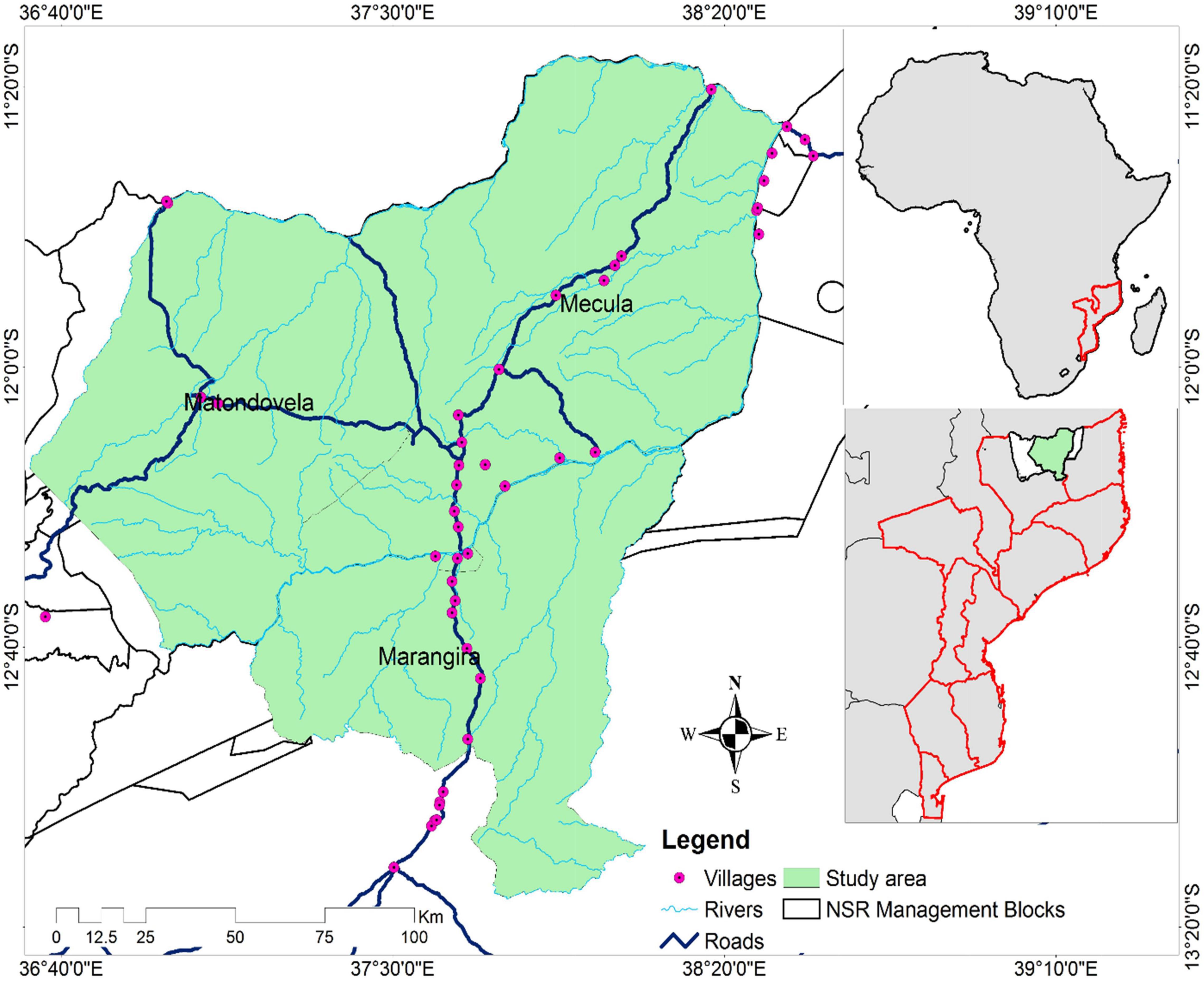
Figure 1. The map showing the study area.
The remainder is mostly open savannah, with some wetlands and isolated patches of forest; 95% of the reserve’s biomass is vegetation, which includes 21 types of plant matter and 191 species of trees and shrubs (Mate et al., 2014). Marrupa-Macula Corridor is largely dominated by elephants. The selection of the Marrupa-Macula Corridor depended on the fact that much of the forest covers lost are situated in this area [close to 41.4 km2 (0.9%)] (Immaculada and Yadvinder, 2016). The forest cover has been lost due to communities practicing shifting agriculture.
Niassa Special Reserve has been reported as central to the livelihoods of millions of rural and urban dwellers for providing fuel wood, building materials, medicines, food, and ecosystem services (Campbell et al., 2007; Opaluwa et al., 2011; Chidumayo and Gumbo, 2013). A comparative study of rural livelihoods in Kenya, Uganda, Malawi, and Tanzania (Frank and Ade, 2004) found that household total income was distributed almost equally between farm activities (crop and livestock production) and non-farm activities (wages, self-employment, and remittances).
Sampling
Multistage sampling was used to select respondents in Marrupa-Mecula Corridor, Niassa Special Reserve, Niassa Province. This technique was adopted since it required employing more than one technique to reach out to different respondents. In the first stage, purposive sampling was used in selecting the Marrupa-Mecula Corridor, Niassa Province. In the second stage, villages in this corridor were also selected purposively. In the third stage, households were picked using simple random sampling. In the fourth stage, proportionate sampling was employed in choosing household members. The province was purposively selected due to a good number of villages depending on forest products. This study utilized a quantitative research design. This is because the research was strictly interested to determine the likelihood of factors determining the dependence on NTFPs. Data were obtained from households from villages in the Marrupa-Mecula Corridor using Niassa Special Reserve Forests, local leaders, traditional healers, and officials managing Niassa Special Reserve. The collection of data was conducted by the researcher and three other field research assistants who were trained. The data collection process took 4 months (November 2019 to February 2020). The population size of households was 3,537 as obtained from provincial household data (National Institute of Statistics [INE], 2017). Yamane’s formula (1967) was used to determine the sample of 377 households. A multistage sampling technique was therefore used to reach out to the sample size determined. It should be noted that eight communities/villages were selected purposively. This is because they were closer to the road since the area of study was a reserve (This means regulators would not allow the researcher to access them for research for fear of wild animals). Second, the selected villages had the highest number of people and were nearer to each other (Singh and Masuku, 2014).
Data Collection
A household survey was undertaken for 4 months. The researcher trained well three enumerators in the collection of data from the household level. Enumerators were selected based on being born in the area of study and understanding the existential language. The bias was avoided by picking them randomly. Data were procured using village-level interviews and household surveys. The village-level interviews were directed to key informants (local leaders, traditional healers, and officials managing Niassa National Special Reserve), and the household survey was employed in households. The household survey was structured into three sections. Section A collected the demographic characteristics of respondents. Section B collected data on NTFPs. Section C collected data on dependence/livelihoods. Dependence on the forest was measured while using high and low. High was measured as “yes” (0), and low was measured as “no” (1).
Data Analysis
Both descriptive and analytical (inferential) statistics were used for data analysis. Descriptive statistics including the frequency and percentages were used to characterize the dependence on NTFPs. Inferential statistics were used to determine the likelihood of factors determining the dependence on NTFPs (Maua et al., 2018). Particularly, a binary logistic regression analysis was employed in analyzing data obtained from the household survey. This regression model was used because it is more flexible for categorical variables and determines the likelihood of factors determining the dependence on NTFPs (Maua et al., 2018). Furthermore, this model calls for continuous predictors and normally distributed variables (Tabachnick et al., 2007). Analysis of this study showed tolerance values ranging from 1.467 and above, which were supported by VIF values below 10. Thus, there was no multicollinearity among the study variables, and the assumption was met.
Results
The study results were obtained from three categorizations, namely, social, economic, and physical factors. The social factors emerged with the highest score in relation to economic and physical factors in determining the dependence of NTFPs. On physical factors, for instance, the highest proportion (57.2%) of respondents stated that they are scared by dangerous wild animals in collecting NTFPs sold. Scary dangerous animals in this case were used to refer to those wild animals including crocodiles, lions, buffalo, snakes, and other reptiles living in nearby forests; 55.3% of respondents also agreed that there are restrictions on collection by the community. In addition, 62.3% of respondents agreed that the nearby forests are reserved or inaccessible, 51.9% of respondents agreed that cultivation is restricted in non-gazetted forests; 56.1% of respondents agreed that they are restricted from hunting in non-gazetted forests, and 55.1% of respondents agreed that there is a strong cultural attachment to forests.
Economically, 66.8% of respondents further agreed that collecting NTFPs was a family job, and 54% of respondents agreed that the engagement in collection depends on the season. Furthermore, 54% of respondents agreed that nearby forests form homes for community leaders, 68.2% of respondents agreed that forests form a major source of medicine, and lastly, 66.3% of respondents reported that forests are a resource for education institutions. Respondents were required to state whether forests form a major source of household food security. The highest proportion of respondents (67.9%) agreed; 63.6% of respondents agreed that forests form a major source of ready income for our households, and 70.1% of respondents agreed that forests form a major source of tourist attraction in the area. Furthermore, 72.2% of respondents agreed that the distance to markets is affordable, and 62.8% of respondents admitted that not much capital is required to engage in collecting, producing, and selling NTFPs. Finally, 64.2% agreed that NTFPs have a ready market.
Physically, 58.3% of respondents agreed that the distance to the nearby forest is very minimal, 56.1% of respondents agreed that forests are significant in their housing needs, 57.5% of respondents agreed that they have ever experienced forest fires, 67.9% of respondents agreed that they are frequently restricted from grazing in nearby forests, whereas the availability of NTFPs was agreed on by 57.2% of respondents.
It was also found that 90.9% of the households participate in the collection of NTFPs in Niassa Special Reserve. The remaining 9.1% of respondents were not directly participating in the collection of NTFPs in Niassa Special Reserve.
Table 1 shows that five of the physical factors were significantly influencing the dependence on NTFPs. Scary dangerous wild animals were significantly associated with the dependence on NTFPs (x2 = 0.392; p = 0.032**), restriction of cultivation in non-gazetted forests was significantly associated with the dependence on NTFPs (x2 = 0.162; p = 0.021**), restriction of hunting in non-gazetted forests was significantly associated with the dependence on NTFPs (x2 = 0.549; p = 0.038**), experienced forest fires was significantly associated with the dependence on NTFPs (x2 = 1.977; p = 0.013**), availability of NTFPs was significantly associated with the community participation in the value chain as sellers of NTFPs (x2 = 0.049; p = 0.12**). However, restricted grazing in nearby forests, reserved or inaccessible forests nearby, and restriction of collection by the community were not significantly associated with the dependence on NTFPs.
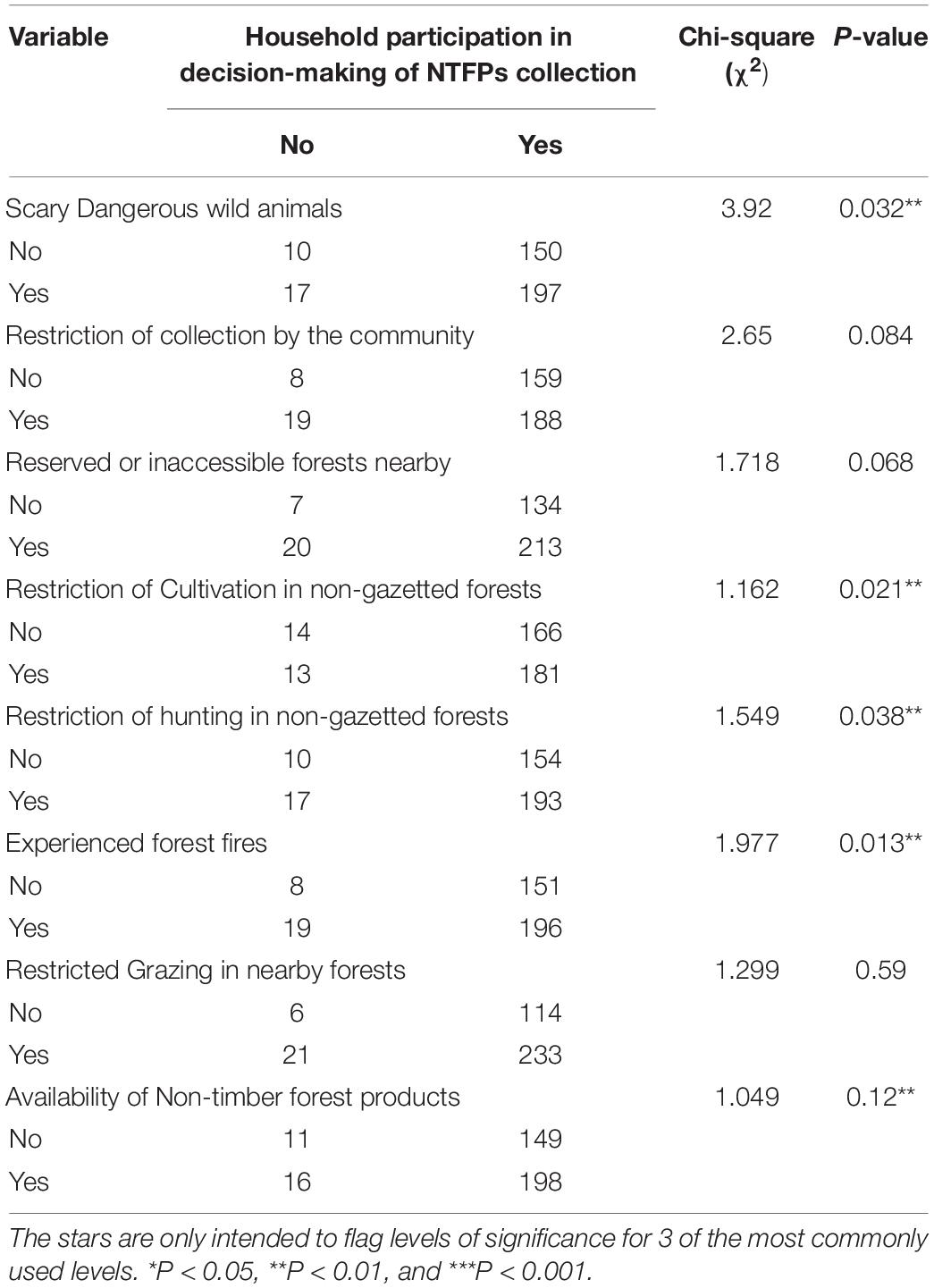
Table 1. Psychical factors characterizing the dependence on non-timber forest products.
Table 2 shows that all social factors were significantly influencing the dependence on NTFPs. Taking the collection of NTFPs as a family job was significantly associated with the dependence on NTFPs (x2 = 1.569; p = 0.015**), strong cultural attachment to forests was significantly associated with the dependence on NTFPs (x2 = 1.579; p = 0.008**), seasonal engagement in the collection was significantly associated with the dependence on NTFPs (x2 = 0.939; p = 0.050**), nearby forests being home for community leaders was significantly associated with the dependence on NTFPs (x2 = 0.323; p = 0.029**), distance to nearby forest was significantly associated with the community participation in the value chain as sellers of NTFPs (x2 = 0.262; p = 0.026**). Furthermore, the housing needs of forests were significantly associated with the dependence on NTFPs (x2 = 0.114; p = 0.17**), forests being a major source of medicine was significantly associated with the dependence on NTFPs (x2 = 1.235; p = 0.50**), and forests being a resource for educational institutions (mainly for research purposes) was significantly associated with the community participation in the value chain as sellers of NTFPs (x2 = 0.785; p = 0.046**).
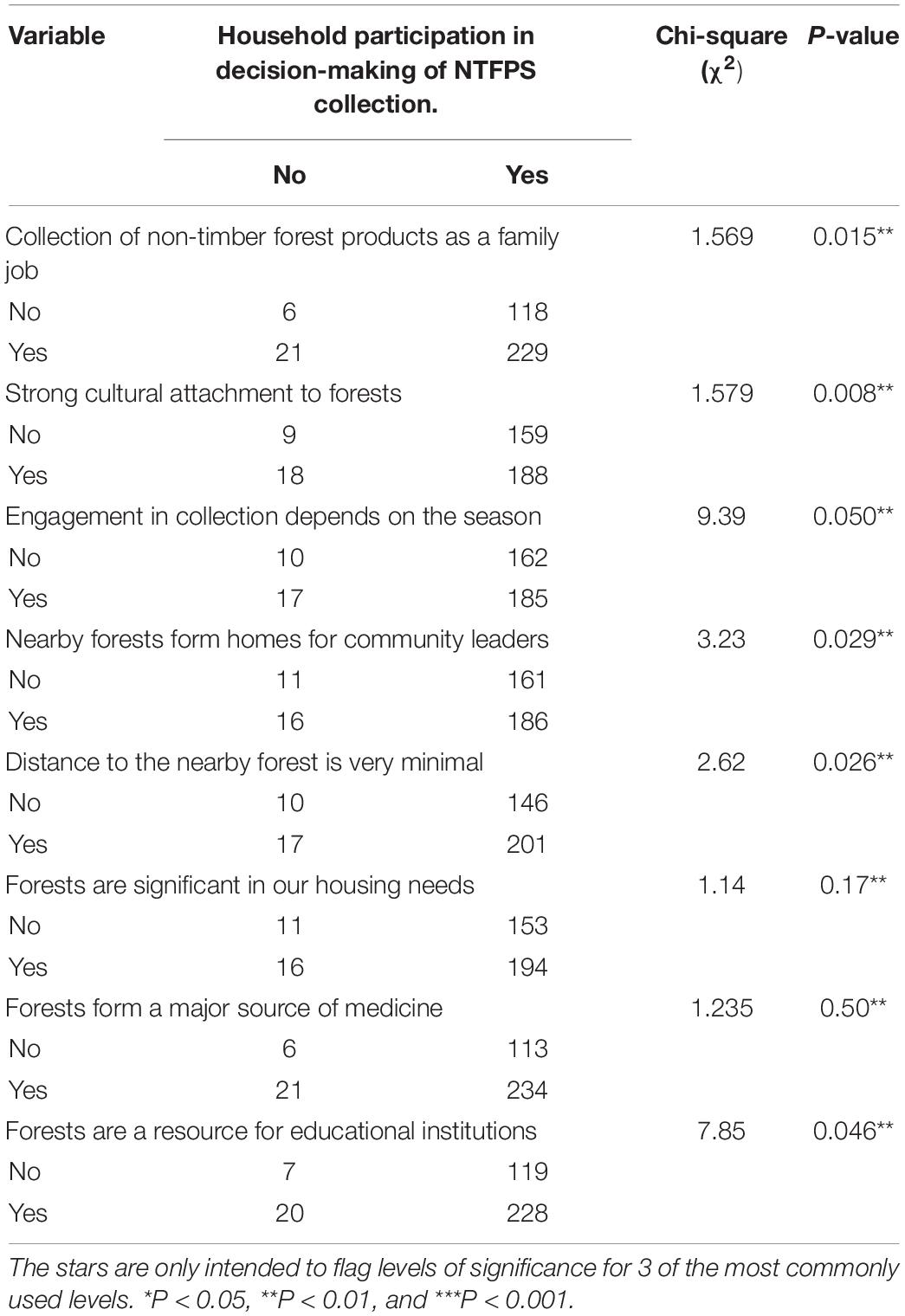
Table 2. Social factors characterizing the dependence on non-timber forest products.
Table 3 shows that many of the economic factors were significantly influencing the dependence on NTFPs. Forests being a major source of household food security was significantly associated with the dependence on NTFPs (x2 = 1.299; p = 0.019**), forests being a major source of ready income for households was significantly associated with the dependence on NTFPs (x2 = 2.515; p = 0.032**), forests being a major source of tourist attraction in the area was significantly associated with dependence on NTFPs (x2 = 1.182; p = 0.040**), and the affordability of distance to markets was significantly associated with the dependence on NTFPs (x2 = 0.452; p = 0.035**).
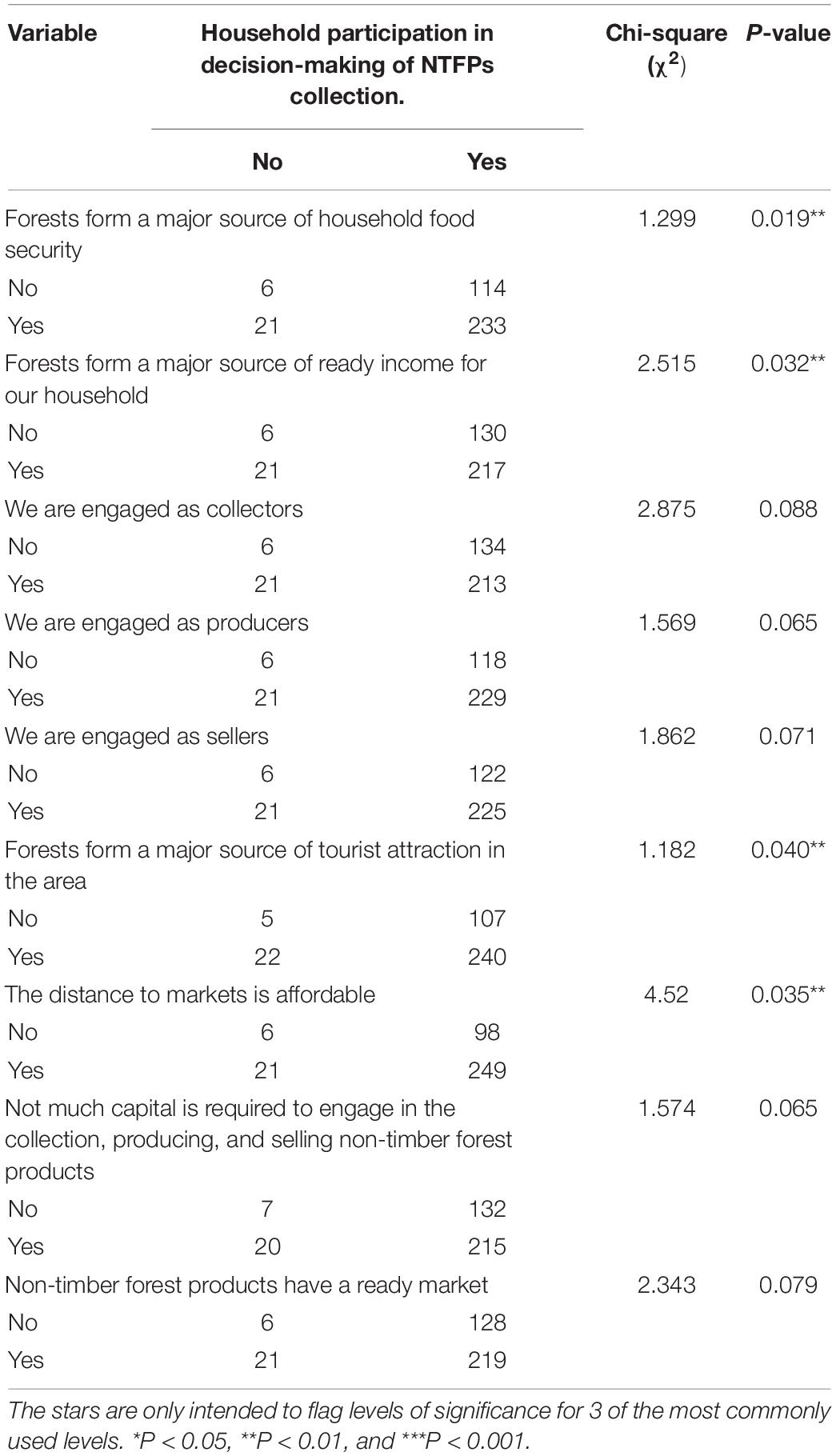
Table 3. Economic factors characterizing the dependence on non-timber forest products.
Factors Characterizing the Dependence on Non-timber Forest Products
A multivariate analysis was done to assess the key factors that influence the dependence on NTFPs (see Table 4). Four of the demographic factors, that is, gender, education, family size, and time spent in the area, were significantly associated with the dependence on NTFPs. The dependence on NTFPs was 1.03 times highly likely to be explained by the gender of the household members at 95% CI: 0.377–2.811; p = 0.012. This means that the more the females in the households, the more the dependence on NTFPs. Second, age was found to have a non-significant influence on the dependence on NTFPs. This indicated a 0.9 times less likelihood (95% CI: 0.654–1.172; p = 0.371). This means that the higher the age of household members, the higher the likelihood of dependence on NTFPs. The education level of household members was 0.8 times less likely to determine the dependence on NTFPs at 95% CI: 0.432–1.655; p = 0.024. This means that the lesser the educated, the higher the likelihood of dependence on NTFPs.
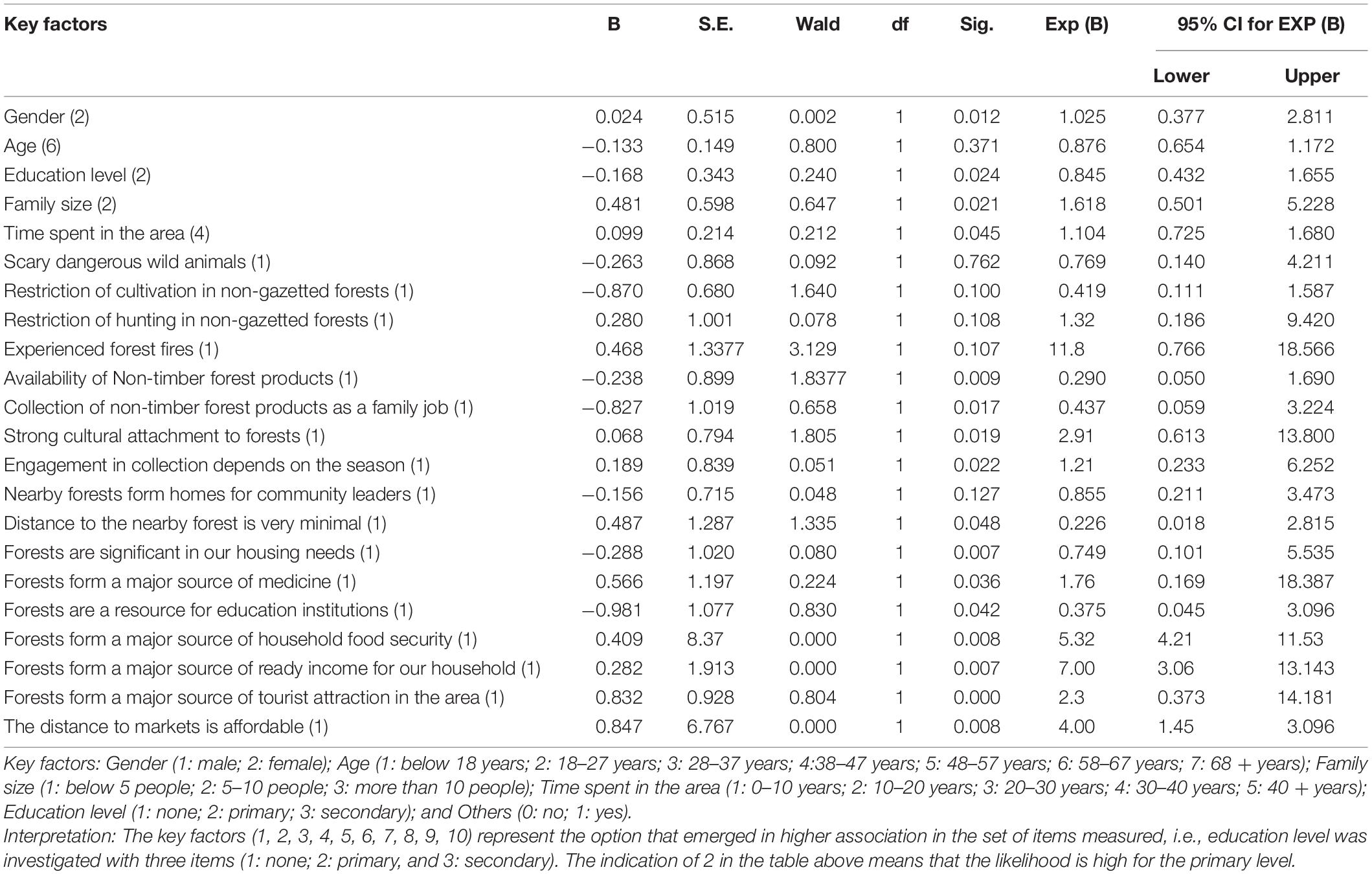
Table 4. Multivariate analysis of key factors characterizing the dependence on non-timber forest products.
Another social factor is family size. This indicated a 1.6 times more likelihood of dependence on NTFPs (95% CI: 0.501–5.228; p = 0.021). This means that the larger the family size, the higher the likelihood of dependence on NTFPs. Furthermore, the time spent in the area indicated 1.1 times less likelihood of dependence on NTFPs (95% CI: 0.725–1.680; p = 0.045). This meant that the longer the households have lived in the area, the higher the likelihood of dependence on NTFPs.
Those who feared scary dangerous wild animals had 0.8 times less likelihood of dependence on NTFPs (95% CI: 0.140–4.211; p = 0.762). This meant that the higher the presence of scary dangerous wild animals, the lower the dependence on NTFPs. Restriction of cultivation in non-gazetted forests was further found to have 0.42 times less likelihood of dependence on NTFPs (95% CI: 0.111–1.587; p = 0.00). This means that the more the restrictions made on cultivation in non-gazetted forests, the higher the likelihood of dependence on NTFPs. Furthermore, those restricted to hunt in non-gazetted forests had 1.32 times more likelihood of dependence on NTFPs (95% CI: 0.186–9.420; p = 0.008). This means that the more the restrictions made on hunting in non-gazetted forests, the lesser the likelihood of dependence on NTFPs.
Those who had experienced forest fires were further found to have 11.8 times more likelihood of dependence on NTFPs (95% CI: 0.766–18.566; p = 0.007). This means that the more the forest fires, the more the likelihood of dependence on NTFPs. Availability of NTFPs was also found to have 2.3 times less likelihood of dependence on NTFPs (95% CI: 0.450–3.690; p = 0.009). This means that the more the availability of NTFPs, the higher the likelihood of the dependence on NTFPs. In addition, the collection of NTFPs as a family job had 0.44 times less likelihood of dependence on NTFPs (95% CI: 0.059–3.224; p = 0.017).
Strong cultural attachment to forests was further found to have 2.9 times more likelihood of dependence on NTFPs (95% CI: 0.613–13.800; p = 0.019). This means that the stronger the cultural attachment to forests, the higher the likelihood of dependence on NTFPs. Furthermore, there is a more likelihood of dependence on NTFPs because of seasonal engagement in the collection of NTFPs (95% CI: 0.233–6.252; p = 0.022). This means that the more the change in seasonal engagement in the collection, the higher the likelihood of dependence on NTFPs. In addition, nearby forests being homes for community leaders were also found to contribute 0.9 times more likelihood of dependence on NTFPs (95% CI: 0.211–3.473; p = 0.127). This means that the nearer the homes of community leaders to the forest, the lesser the likelihood of dependence on NTFPs.
Distance to nearby forests was found to have 0.2 times more likelihood of dependence on NTFPs (95% CI: 0.018–2.815; p = 0.048). This means that the shorter the distance to the nearby forest, the higher the likelihood of dependence on NTFPs. Forests being significant in housing needs was found to have 0.7 times more likelihood of dependence on NTFPs (95% CI: 0.101–5.535; p = 0.007). This means that forests being a source of housing needs increases the dependence on NTFPs. Forests being a major source of medicine was found to have a 1.8 times more likelihood of dependence on NTFPs (95% CI: 0.169–18.387; p = 0.036). This means that forests being a major source of medicine increases the dependence on NTFPs.
Forests being a resource for educational institutions was also found to have 1.7 times more likelihood of dependence on NTFPs (95% CI: 0.045–3.096; p = 0.042). This means dependence on NTFPs increases with an increase in the need for education. Forests being a major source of household food security was found to have 5.3 times higher likelihood of dependence on NTFPs (95% CI: 4.21–11.53; p = 0.008). This means that the higher the household takes forests as a major source of household food security, the higher the likelihood of dependence on NTFPs.
Forests being a major source of ready income for a household was found to have seven times more likelihood of dependence on NTFPs (95% CI: 3.06–13.143; p = 0.007). This means that the higher the perception of forests as a major source of ready income for the household, the higher the likelihood to participate in NTFPs. There is a high likelihood of dependence on NTFPs because forests were being treated as a major source of tourist attraction in the area (2.3 times) (95% CI: 0.373–14.181; p = 0.000). This means that forests being the major source of tourist attraction increases the level of dependence on NTFPs. Finally, affordability of distance to markets was found to have a significant influence on increasing the dependence on NTFPs by four times (95% CI: 1.453–3.096; p = 0.008).
Discussion
The results of this study demonstrate that dependence on NTFPs was more explained by the gender of the household members. It was discovered that the more the females in the households, the more the dependence on NTFPs. Hutauruk et al. (2018) conducted a study in Kenya, Malinau District regarding the effect of socio-demographic factors on the dependence on NTFPs. It was found that females depend on NTFPs more than males.
The education level of household members was highly likely to determine the dependence on NTFPs. This means that the lesser the educated, the higher the likelihood of dependence on NTFPs. Hutauruk et al. (2018) also found in their study that the education level of a household depends on NTFPs more than gender.
Family size was also found to characterize the dependence on NTFPs. It was discovered that the larger the family size, the higher the likelihood of dependence on NTFPs. This concurred with a study by Lopes et al. (2019) conducted in Amazon, Brazil, regarding socio-demographic factors and dependence on NTFPs. It was found that dependence on NTFPs increases with the increase in family size.
Time spent in the area was also found to characterize the dependence on NTFPs. It was found that the longer the households have lived in the area, the higher the likelihood of dependence on NTFPs. This concurs with a study by Endamana et al. (2016) who had earlier found a significant relationship between time spent in the area and dependence on NTFPs.
Availability of NTFPs was also found to have increased dependence on NTFPs. This means that the availability of NTFPs increases the dependence on NTFPs. These findings tally with the earlier studies conducted by Muhammad (2002) who had found that the availability of NTFPs significantly affected the dependence on NTFPs.
In addition, the collection of NTFPs as a family job contributed to the increased dependence on NTFPs. This was further confirmed by Kamanga et al. (2009) in Chiradzulu District, Malawi, concerning income and dependence on NTFPs.
Strong cultural attachment to forests was further found to have an increased dependence on NTFPs. This means that the stronger the cultural attachment to forests, the higher the likelihood of dependence on NTFPs. The findings of this study were found in line with the results of Haseeb et al. (2020) who had undertaken a study in Himalayan communities and found a strong cultural attachment between households and dependence on NTFPs.
Seasonal engagement in the collection was also found to increase the dependence on NTFPs. This means that the more the change in seasonal engagement in the collection, the higher the likelihood of dependence on NTFPs. The findings are congruent with the study conducted by Mutenje et al. (2011) in Southern Zimbabwe which confirmed that seasonal engagement in collection increases the dependence on NTFPs.
Distance to the nearby forest was found to have increased dependence on NTFPs. This means that the smaller the distance to the nearby forest, the higher the likelihood of dependence on the nearby forest. Newton et al. (2016) in line with the above study found a strong relationship between distance to nearby forest and dependence on NTFPs.
Forests being significant in housing needs was found to highly characterize the dependence on NTFPs. This means that forests being a source of housing needs increases the dependence on NTFPs. This finding concurred with what Hutauruk et al. (2018) had found earlier, that is, the dependence of households on NTFPs is primarily because many of the households obtain housing facilities for their use or for selling to other builders in the Malinau district.
Forests being a major source of medicine was found to increase the dependence on NTFPs. This means that forests being a major source of medicine increases the dependence on NTFPs. This finding was congruent with what Mahonya et al. (2019) found, that is, forests are a source of medicine, and this explains the increasing number of households depending on them.
Forests being a resource for educational institutions was also found to increase the likelihood of dependence on NTFPs. This means that dependence on NTFPs increases with an increase in the need for education. This is confirmed by Mujawamariya and Karimov (2014) who also found that since many studies are ongoing concerning forests, this has increased the number of people depending on them.
Forests being a major source of household food security was found to increase the likelihood of dependence on NTFPs. This means that the higher the household takes forests as a major source of household food security, the higher the dependence on NTFPs. Matias et al. (2018) concurred with the above findings indicating that a good number of families are relying on NTFPs as a source of food. This has increased the dependence on forests.
Forests being a major source of ready income for a household was found to have increased the dependence on NTFPs. This means that the higher the perception of forests as a major source of ready income for a household, the higher the likelihood of dependence on NTFPs (Maua et al., 2018). Concurred with the above findings indicating that a good number of families are relying on NTFPs as a source of income has increased the dependence on forests.
Forests being a major source of tourist attraction in the area was further found to increase the dependence on NTFPs. This means that forests being the major source of tourist attraction increases the level of dependence on NTFPs. Nabaloum and Ouédraogo (2021) in support of the above findings confirmed that many households want to live close to forests because they benefit from selling merchandise to tourists or students who always come to witness these forests.
Finally, affordability of distance to markets was found to have a significant influence on the increased dependence on NTFPs. Kar (2010) and Chou (2018) further confirmed that people find forest resources important since NTFPs have a ready and accessible market.
Conclusion and Recommendations
This study revealed that communities living nearby the forests are highly dependent on NTFPs in the Marrupa-Macula Corridor, Niassa Province. It also revealed that 90.9% of the households participate in collecting, producing, and selling NTFPs. Three major factors were found to have a significant association with the dependence on forest resources. These included social, economic, and physical factors. Social factors include the availability of NTFPs, taking a collection of NTFPs as a family job, strong cultural attachment to forests, seasonal engagement in collection, nearby forests being home for community leaders, and distance to the nearby forest. Economic factors include the housing needs of forests, forests being a major source of medicine, and forests being a resource for education institutions. Repetition below the binary logistic regression revealed that gender, age, education, family size, and time spent in the area as significantly associated with the dependence on non-timber forest resources. Additionally, physical factors like forest fires, strong cultural attachment to forests, seasonal engagement in collection, nearby forests being homes for community leaders, distance to the nearby forest, housing needs, a major source of medicine, education, household food security, ready income, tourist attraction, and affordability of a distance to markets were found to have a significant influence. On the contrary, scary dangerous wild animals, restriction of cultivation in non-gazetted forests, restriction of hunting in non-gazetted forests, and forest fires negatively affected the dependence on NTFPs/resources.
It is, therefore, recommended that there is a need to understand the mentioned factors characterizing the dependence on non-timber forest resources among households living adjacent to forests before the forest management policies are implemented sustainably at local levels. There is a need to take note of the time spent by households because it was established as an important factor that highly contributes to the dependence on forest resources. In this case, thus, the management needs to ensure that jobs are created for long-term occupants. This means that forest management plans need to put this into consideration. Further, Forest Service and Community Forest Associations in Mozambique need to ensure that NTFPs’ aspects are raised above when designing or revising Participatory Management Plans. The users of forest resources can design initiatives locally. This may make them more effective and sustainable.
Data Availability Statement
The raw data supporting the conclusions of this article will be made available by the authors, without undue reservation.
Author Contributions
All authors listed have made a substantial, direct, and intellectual contribution to the work, and approved it for publication.
Conflict of Interest
The authors declare that the research was conducted in the absence of any commercial or financial relationships that could be construed as a potential conflict of interest.
Publisher’s Note
All claims expressed in this article are solely those of the authors and do not necessarily represent those of their affiliated organizations, or those of the publisher, the editors and the reviewers. Any product that may be evaluated in this article, or claim that may be made by its manufacturer, is not guaranteed or endorsed by the publisher.
Acknowledgments
We greatly acknowledge the Wildlife Conservation Society Mozambique for both technical and financial support rendered for the success of this work. We also wish to acknowledge the Regional Academic Exchange for enhanced skills in Fragile Ecosystems Management in Africa for the scholarship and the general academic support. Special thanks go to Franziska Steinbruch and Alberto Muchanga for all the support rendered toward field activities. We also thank all the reviewers for their suggestions in the earlier version of the manuscript.
References
Campbell, B. M., Angelsen, A., Cunningham, A. B., Katerere, Y., Sitoe, A. A., and Wunder, S. (2007). Miombo Woodlands – Opportunities and Barriers to Sustainable Forest Management. Bogor: CIFOR.
Chidumayo, E. N., and Gumbo, D. J. (2013). The environmental impacts of charcoal production in tropical ecosystems of the world: a synthesis. Energy Sustain. Dev. 17, 86–94. doi: 10.1016/j.esd.2012.07.004
Chou, P. (2018). The role of non-timber forest products in creating incentives for forest conservation: a case study of phnom prich wildlife sanctuary, Cambodia. Resources 7:41. doi: 10.3390/resources7030041
Dorcas, M., and Emmanuel, B. (2009). The livelihood potential of non-wood forest products: the case of mbooni division in makueni District, Kenya. Environ. Dev. Sustain. 11, 989–1004. doi: 10.1007/s10668-008-9163-2
Endamana, D., Angu, K. A., Akwah, G., Shepherd, G., and Ntumwel, B. C. (2016). Contribution of non-timber forest products to cash and non-cash income of remote forest communities in Central Africa. Int. For. Rev. 18, 280–295. doi: 10.1505/146554816819501682
Frank, E., and Ade, F. (2004). Rural livelihoods and poverty reduction in four African Countries. J. Dev. Stud. 4, 1–30. doi: 10.1080/00220380410001673175
Frey, G. E., Chamberlain, J. L., and Prestemon, J. P. (2018). The potential for a backward-bending supply curve of non-timber forest products: an empirical case study of wild American ginseng production. For. Policy Econ. 97, 97–109. doi: 10.1016/j.forpol.2018.09.011
Group ICS (2006). Conservation Strategy for the Lion Pantheraleo in Eastern and Southern Africa. Pretoria: IUCN.
Haseeb, U. L., Rashid, M., and Sundriyal, R. C. (2020). Richness of non-timber forest products in Himalayan communities—diversity, distribution, use pattern and conservation status. J. Ethnobiol. Ethnomed. 16:56. doi: 10.1186/s13002-020-00405-0
Hutauruk, T. R., Lahjie, A. M., Simarangkir, B., Aipassa, M. I., and Ruslim, Y. (2018). Setulang forest conservation strategy in safeguarding the conservation of non-timber forest products in Malinau District. IOP Conf. Ser. Earth Environ. Sci. 144:012055. doi: 10.1088/1755-1315/144/1/012055
Immaculada, O., and Yadvinder, M. (2016). Many shades of green: the dynamic tropical forest–savannah transition zones. Philos. Trans. R. Soc. B Biol. Sci. 371:20150308. doi: 10.1098/rstb.2015.0308
Kamanga, P., Vedeld, P., and Sjaastad, E. (2009). Forest incomes and rural livelihoods in Chiradzulu District, Malawi. Ecol. Econ. 68, 613–624. doi: 10.1016/j.ecolecon.2008.08.018
Kar, S. (2010). Non-timber Forest Product (NTFP) utilization and livelihood development in Bangladesh. Ph.D. thesis. Philadelphia, PA: The Pennsylvania State University.
Lopes, E., Soares-Filho, B., Souza, F., Rajão, F., and Merry, S. C. C. R. (2019). Mapping the socio-ecology of Non Timber Forest Products (NTFP) extraction in the Brazilian Amazon: The case of açaí (Euterpe precatoria Mart) in Acre. Landsc. Urban Plann. 188, 110–117. doi: 10.1016/J.LANDURBPLAN.2018.08.025
Lubega, G., Mario, P. S. F., Ssekandi, J., and Natasha, R. (2021). Evaluating the effect of non-timber forest products on rural livelihoods in macula-marrupa corridor niassa special reserve, Mozambique: implication for income and food security. Am. J. Agric. Environ. Sci. 21, 11–21. doi: 10.5829/idosi.aejaes.2021.11.21
Mahonya, S., Shackleton, C. M., and Schreckenberg, K. (2019). Non-timber forest product use and market chains along a deforestation gradient in Southwest Malawi. Front. For. Glob. Change 2:71. doi: 10.3389/ffgc.2019.00071
Mate, R., Johansson, T., and Sitoe, A. (2014). Biomass equations for tropical forest tree species in Mozambique. Forests 5, 535–556. doi: 10.3390/f5030535
Matias, D. M. S., Tambo, J. A., Stellmacher, T., Borgemeister, C., and von Wehrden, H. (2018). Commercializing traditional non-timber forest products: an integrated value chain analysis of honey from giant honey bees in Palawan, Philippines. For. Policy Econ. 97, 223–231. doi: 10.1016/j.forpol.2018.10.009
Maua, J., Harrison, M., and Joshua, K. C. (2018). Socioeconomic factors influencing dependence of households on non-timber forest products in South Nandi Forest, Kenya. J. Econ. Sustain. Dev. 9, 105–113.
Melaku, E., Ewnetu, Z., and Teketay, D. (2014). Non-timber forest products and household incomes in Bonga forest area, southwestern Ethiopia. J. For. Res. 25, 215–223. doi: 10.1007/s11676-014-0447-0
Muhammad, Z. Y. H. (2002). Effect of socio-economic aspects of mango growers on the adoption of recommended horticultural practices. Pak. J. Agric. Sci. 39, 1–20.
Mujawamariya, G., and Karimov, A. A. (2014). Importance of socio-economic factors in the collection of NTFPs: The case of gum arabic in kenya. For. Policy Econ. 42, 24–29. doi: 10.1016/j.forpol.2014.02.005
Mutenje, M. J., Ortmann, G. F., and Ferrer, S. R. D. (2011). Management of non-timber forestry products extraction: Local institutions, ecological knowledge and market structure in South-Eastern Zimbabwe. Ecol. Econ. 70, 454–461. doi: 10.1016/j.ecolecon.2010.09.036
Nabaloum, M., and Ouédraogo, M. B. (2021). Conditions and determinants of access to forests for the non-timber forest products harvesting in Burkina Faso. Int. J. Curr. Innov. Adv. Res. 2, 14–28.
National Institute of Statistics [INE] (2017). Mozambique Population and Housing Census 2017. Maputo: National Institute of Statistics.
Natumanya, E., Natasha, R., Majaliwa, J. G. M., and Franziska, S. (2022). Proposing land use/cover conservation basing on connectivity, changes and drivers over 20 years in incalaue river basin, niassa national reserve in Mozambique. J. Environ. Sci. Eng. 11, 31–37. doi: 10.17265/2162-5298/2022.01.003
Newton, P., Miller, D. C., Byenkya, M. A. A., and Agrawal, A. (2016). Who are forest-dependent people? A taxonomy to aid livelihood and land use decision-making in forested regions. Land Use Policy. 57, 388–395. doi: 10.1016/j.landusepol.2016.05.032
Opaluwa, H. I., Onuche, U., and Sale, F. A. (2011). Factors affecting the collection and utilization of non- timber forest products in rural communities of North Central, Nigeria. J. Agric. Food Technol. 1, 47–49.
Robinson, B. E., Margaret, B. H., and Naughton-Treves, L. (2014). Does secure land tenure save forests? A meta-analysis of the relationship between land tenure and tropical deforestation. Glob. Environ. Change 29, 281–293. doi: 10.1016/j.gloenvcha.2013.05.012
Ryan, C. M., Pritchard, R., McNicol, I., Owen, M., Fisher, J. A., and Lehmann, C. (2016). Ecosystem services from southern African woodlands and their future under global change. Philos. Trans. R. Soc. B Biol. Sci. 371:20150312. doi: 10.1098/rstb.2015.0312
Schunko, C., Lechthaler, S., and Vogl, C. R. (2019). Conceptualising the factors that influence the commercialisation of non-timber forest products: The case of wild plant gathering by organic herb farmers in South Tyrol (Italy). Sustainability 11:2028. doi: 10.3390/su11072028
Shanley, P., Pierce, A. R., Laird, S. A., Lo, C., and Guariguata, M. R. (2020). “From Lifelines to Livelihoods: Non-Timber Forest Products Into the Twenty-First Century,” in Tropical Forestry Handbook, eds L. Pancel and M. Kohl (Berlin: Springer-Verlag).
Sharif, A. M., Rashid, A. Z. M. M., Uddin, M. B., and Khan, N. A. (2016). Role of non-timber forest products in sustaining forest-based livelihoods and rural households’ resilience capacity in and around protected area: a Bangladesh study. J. Environ. Plann. Manage. 59, 628–642. doi: 10.1080/09640568.2015.1035774
Silva, T. C., Araujo, E. C. G., da Silva Lins, T. R., Reis, C. A., Sanquetta, C. R., and da Rocha, M. P. (2020). Non-timber forest products in brazil: a bibliometric and a state of the art review. Sustainability 12:7151. doi: 10.3390/su12177151
Singh, A. S., and Masuku, M. B. (2014). Sampling techniques and determination of sample size in applied statistics research: An overview. Int. J. Econ. Commer. Manage. 11, 1–22.
Soe, K. T., and Yeo-Chang, Y. (2019). Livelihood dependency on non-timber forest products: implications for REDD+. Forests 10:427. doi: 10.3390/f10050427
Stanley, D., Voeks, R., and Short, L. (2012). Is non-timber forest product harvest sustainable in the less developed world?? A Systematic Review of the Recent Economic and Ecological Literature. Ethnobiol. Conserv. 1:9.
Steele, M. Z., Shackleton, C. M., Uma Shaanker, R., Ganeshaiah, K. N., and Radloff, S. (2015). The influence of livelihood dependency, local ecological knowledge and market proximity on the ecological impacts of harvesting non-timber forest products. For. Pol. Econ. 50, 285–291. doi: 10.1016/j.forpol.2014.07.011
Suleiman, M. S., Wasonga, V. O., Mbau, J. S., Suleiman, A., and Elhadi, Y. A. (2017). Non-timber forest products and their contribution to households income around Falgore Game Reserve in Kano, Nigeria. Ecol. Process. 6:23. doi: 10.1186/s13717-017-0090-8
Tabachnick, B. G., Fidell, L. S., and Ullman, J. B. (2007). Using Multivariate Statistics. Boston, MA: Pearson.
Talukdar, N. R., Choudhury, P., Barbhuiya, R. A., and Singh, B. (2021). Importance of Non-Timber Forest Products (NTFPs) in rural livelihood: a study in Patharia Hills Reserve Forest, northeast India. Trees For. People 1:100042. doi: 10.1016/j.tfp.2020.100042
Turreira-García, N., Meilby, H., Brofeldt, S., Argyriou, D., and Theilade, I. (2018). Who Wants to Save the Forest? Characterizing Community-Led Monitoring in Prey Lang, Cambodia. Environ. Manage. 61, 1019–1030. doi: 10.1007/s00267-018-1039-0
Uduji, J. I., and Okolo-Obasi, E. N. (2020). Youth empowerment in non-timber forest products (NTFPs) of sub-Saharan Africa: the role of corporate social responsibility in Niger Delta, Nigeria. J. Enterpris. Commun. 14, 729–752.
Keywords: characterizing, dependence, non-timber forest product (NTFP), communities, forest conservation areas
Citation: Lubega G, Falcão MP, Ssekandi J and Ribeiro NS (2022) Characterizing the Dependence on Non-timber Forest Products Among Communities Living Around Forest Conservation Areas in Marrupa-Mecula Corridor, Niassa Special Reserve, Niassa Province of Mozambique. Front. For. Glob. Change 5:924959. doi: 10.3389/ffgc.2022.924959
Received: 20 April 2022; Accepted: 06 June 2022;
Published: 11 July 2022.
Edited by:
Yashwant Rawat, Federal Technical and Vocational Education and Training Institute (FTVETI), EthiopiaReviewed by:
Anteneh Tekleyohannes, Ethiopian Environment and Forest Research Institute, EthiopiaGopal Shukla, Uttar Banga Krishi Viswavidyalaya, India
Hussein Luswaga, University of Dodoma, Tanzania
Copyright © 2022 Lubega, Falcão, Ssekandi and Ribeiro. This is an open-access article distributed under the terms of the Creative Commons Attribution License (CC BY). The use, distribution or reproduction in other forums is permitted, provided the original author(s) and the copyright owner(s) are credited and that the original publication in this journal is cited, in accordance with accepted academic practice. No use, distribution or reproduction is permitted which does not comply with these terms.
*Correspondence: Gerald Lubega, Z2x1YmVnYUB1bXUuYWMudWc=