DA
daniele alberoni
Department of Agricultural Sciences, University of Bologna
Bologna, Italy
3,521
Total downloads
16k
Total views and downloads
The field of bee health and microbiome research has gained significant attention due to the critical role bees play in pollination and ecosystem balance. Honeybees, in particular, face numerous threats from pathogens that infect various tissues, including the digestive system. Pathogens such as Nosema, Critidia, and certain viruses can parasitize intestinal epithelial cells, while others like Serratia use the gut as an entry point to colonize the haemocoel, potentially leading to septicemia and death. Recent studies have shown that these pathogenic microorganisms can alter the bee's gut microbiota, affecting the abundance of beneficial bacteria like Bifidobacteria and promoting opportunistic bacteria typical of the hive environment. Additionally, the landscape-level availability of food sources and beekeeper-managed feed supplements significantly influence bees' responses to pathogens and microbiota dynamics. Climate change exacerbates these challenges by altering the environment, leading to nectar and pollen scarcity and misaligned flowering periods, which contribute to nutritional imbalances and pathogen development. Despite the growing understanding of the gut microbiome's role in bee health, the intricate interactions between nutrition, microbiome, and pathogens remain largely unexplored, particularly in managed bee populations.
This research topic aims to explore the impact of landscape and feeding practices on the shaping of the gut microbiome in bees, especially in the presence of pathogens. The primary objective is to understand how these factors influence the composition and functional diversity of the bee microbiome and its interaction with pathogens. By investigating these dynamics, the research seeks to answer critical questions about the role of nutrition and environmental factors in modulating bee health and pathogen development. The study will also test hypotheses related to the microbiota-pathogen interaction and the effects of artificial nutrition on managed bees.
To gather further insights into the complex interactions between landscape, feeding practices, and bee health, we welcome articles addressing, but not limited to, the following themes:
- The composition and functional diversity of the gut microbiome of bees in relation to landscape.
- The composition and functional diversity of the gut microbiome of bees in relation to feed supplements.
- Interaction between the bees’ microbiota and pathogen survival or development.
- Interaction between bees’ pathogens and landscape.
- Interaction between parasites and bees’ physiology in relation to the nutrition status.
- The role of microbiome in the modulation of bees' immunity.
- The microbiome of food sources (such as floral microbiome) in relation to bees' health.
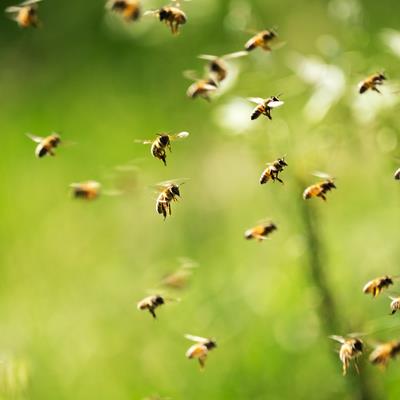
Keywords: Gut microbiome, Landscape, Microbiome function, Feed supplements, Bees pathogens, Bees parasites, Bees immunity
Important note: All contributions to this Research Topic must be within the scope of the section and journal to which they are submitted, as defined in their mission statements. Frontiers reserves the right to guide an out-of-scope manuscript to a more suitable section or journal at any stage of peer review.
