SY
sukrampal yadav
University of Southern California
Los Angeles, United States
235
Total downloads
2,654
Total views and downloads
Submit your idea
Select the journal/section where you want your idea to be submitted:
Manuscript Submission Deadline 4 March 2026
This Research Topic is currently accepting articles.
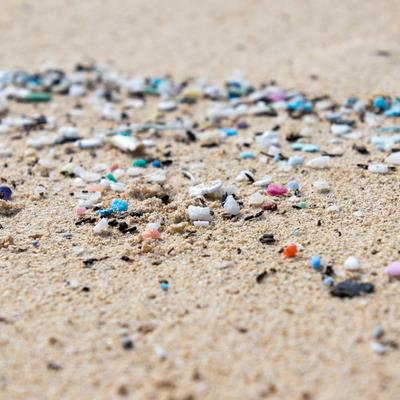
This Research Topic explores the intersection of ecophysiology and microplastics, aiming to understand how these pollutants affect organisms and ecosystems. Microplastics, plastic particles less than 5mm in size, are pervasive in aquatic and terrestrial environments and pose significant threats to wildlife and human health. By compiling interdisciplinary research, this collection seeks to elucidate the physiological responses to microplastic exposure and assess broader ecological impacts to inform conservation strategies and pollution mitigation.
Microplastics proliferate due to extensive plastic use and inadequate waste management, entering ecosystems via industrial discharges, wastewater effluents, and the breakdown of larger plastics. These particles are ingested by various organisms, leading to physiological and ecological consequences such as impaired growth, reproduction, and survival. Ecophysiology provides crucial insights into how organisms cope with environmental stressors like microplastics, revealing mechanisms at the molecular, cellular, and organismal levels that influence adverse effects and broader ecological implications.
Key areas of focus:
Physiological Impacts on Organisms:
- Toxicological Mechanisms: Chemical toxicity of microplastics, including leaching additives and pollutant adsorption.
- Gastrointestinal Effects: Impact on food intake, nutrient absorption, and gut microbiota.
- Stress Responses: Markers such as oxidative stress, inflammation, and hormonal imbalances.
Reproduction and Development:
- Reproductive Health: Effects on reproductive systems, gamete quality, and offspring viability.
- Developmental Disruptions: Influence on embryonic and larval development, growth rates, and anomalies.
Ecological Interactions and Trophic Transfer:
- Food Web Dynamics: Microplastics' impact on predator-prey relationships, competition, and energy transfer.
- Bioaccumulation and Biomagnification: Accumulation and magnification of microplastic particles and toxins through trophic levels.
Ecosystem Health and Function:
- Biodiversity Impacts: Effects on species diversity, community structure, and ecosystem services.
- Habitat Alteration: Influence on habitat quality, sediment composition, and water quality.
The objective is to provide a comprehensive understanding of the ecophysiological impacts of microplastics, integrating research from various disciplines to uncover the pathways through which microplastics affect physiological and ecological processes. Contributions will serve scientists, policymakers, and conservationists in addressing the microplastic pollution crisis, fostering interdisciplinary collaboration, and developing effective solutions to protect biodiversity and ecosystem functions.
Researchers in ecology, physiology, environmental science, toxicology, and conservation biology are invited to contribute, building a body of knowledge to advance our understanding of microplastic impacts and inform sustainable environmental stewardship strategies.
This Research Topic accepts the following article types, unless otherwise specified in the Research Topic description:
Articles that are accepted for publication by our external editors following rigorous peer review incur a publishing fee charged to Authors, institutions, or funders.
Keywords: Ecophysiology, Microplastics, Organisms, Ecosystems, Pollutants, Aquatic, Terrestrial, Wildlife, Human health, Interdisciplinary research, Physiological responses, Ecological impacts, Conservation strategies, Pollution mitigation, Waste management
Important note: All contributions to this Research Topic must be within the scope of the section and journal to which they are submitted, as defined in their mission statements. Frontiers reserves the right to guide an out-of-scope manuscript to a more suitable section or journal at any stage of peer review.
University of Southern California
Los Angeles, United States
Departamento de Biotecnología-Biología Vegetal, Escuela Técnica Superior de Ingeniería Agronómica, Alimentaria y de Biosistemas, Universidad Politécnica de Madrid
Madrid, Spain
Biology Department, University of Nevada, Reno
Reno, United States
Federal University of Pará
Belém, Brazil

Manuscripts can be submitted to this Research Topic via the main journal or any other participating journal.
Submit your idea
Select the journal/section where you want your idea to be submitted: