NL
neeta lohani
Thapar Institute of Engineering and Technology (Deemed to be University)
Indra Puri Colony, India
367
Total downloads
6,690
Total views and downloads
Submit your idea
Select the journal/section where you want your idea to be submitted:
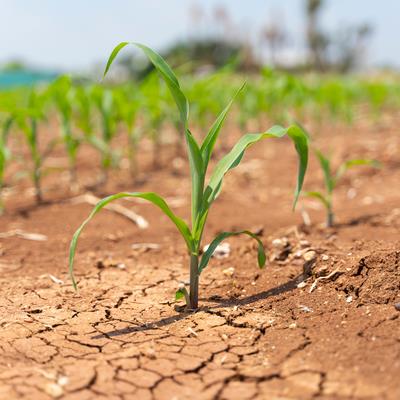
Plants growing in extreme environments, such as arid deserts, high-altitude and latitude, and regions with saline soil, are exposed to severe abiotic stresses including drought, temperature fluctuations, high UV radiation, and elevated salinity. Understanding how plants physiologically and genetically adapt to these challenging conditions is essential for revealing underlying mechanisms of adaptation and evolution, as well as informing strategies to improve plant resilience in the face of increasing global environmental stresses. Recent studies have highlighted specific physiological responses, such as osmotic adjustment, antioxidant defense mechanisms, and distinct cellular alterations that plants use to mitigate stress, including polyploidization and genome dosage effect in crop species. Crop eco-physiological research has further revealed critical relationships between environmental stressors and resource allocation patterns that affect photosynthetic efficiency, water-use dynamics, and ultimately yield stability in agricultural systems. Simultaneously, genetic and genomic research has identified numerous stress-responsive genes and regulatory networks. Nevertheless, a comprehensive understanding that integrates physiological traits, molecular mechanisms, and evolutionary patterns remains incomplete, underscoring the need for detailed investigations into these interconnected processes.
This research topic aims to examine the physiological and molecular adaptations enabling plants to survive and persist in extreme environments, emphasizing on an evolutionary context. Key objectives include identifying physiological traits associated with stress resistance, elucidating the molecular and genetic pathways facilitating these adaptations, and investigating their evolutionary origins. The integration of crop ecophysiology perspectives—examining source-sink relationships, biomass partitioning, and reproductive development under stress—provides crucial insights into how extreme environments affect agricultural productivity and sustainability. Specifically, the
Research Topic seeks to clarify how these adaptive traits emerged, diversified, and were maintained across different plant lineages and ecological contexts. Another essential goal is to utilize insights derived from these studies to improve plant adaptation strategies, informing conservation efforts and the development of resilient agricultural systems capable of coping with future climate scenarios.
To gather further insights within the scope of plant adaptation to extreme environmental conditions at physiological, molecular, and evolutionary levels, we welcome original research, reviews, perspectives, and methodological articles addressing, but not limited to, the following themes:
• Physiological mechanisms underpinning plant stress tolerance and adaptation in deserts, high altitudes and latitudes, or saline environments.
• Molecular and genetic characterization of adaptive pathways triggered under extreme abiotic stress conditions.
• Comparative analyses of adaptive traits and stress-responsive genes across diverse plant lineages and ecosystems.
• Evolutionary histories and phylogenetic studies exploring trait evolution and adaptive diversification in extreme-environment-tolerant plants.
• Integrated approaches combining field-based physiological measurements with genomic and bioinformatics analyses to identify novel stress tolerance mechanisms.
• Eco-physiological studies examining resource-use efficiency, carbon allocation patterns, and yield stability of crops under extreme environmental conditions.
• Translational studies applying knowledge of adaptations in natural systems to enhance stress tolerance in agriculturally important crop species.
• Crop-specific phenotypic plasticity and acclimation responses to multiple simultaneous stressors, with emphasis on reproductive development and yield components.
This Research Topic accepts the following article types, unless otherwise specified in the Research Topic description:
Articles that are accepted for publication by our external editors following rigorous peer review incur a publishing fee charged to Authors, institutions, or funders.
Keywords: Plants, Extreme environments, Stress-response
Important note: All contributions to this Research Topic must be within the scope of the section and journal to which they are submitted, as defined in their mission statements. Frontiers reserves the right to guide an out-of-scope manuscript to a more suitable section or journal at any stage of peer review.
Thapar Institute of Engineering and Technology (Deemed to be University)
Indra Puri Colony, India
Donald Danforth Plant Science Center
St Louis, United States
University of Vigo
Vigo, Spain
Donald Danforth Plant Science Center
St Louis, United States

Manuscripts can be submitted to this Research Topic via the main journal or any other participating journal.
Submit your idea
Select the journal/section where you want your idea to be submitted: