CO
christopher osgood
Old Dominion University
Norfolk, United States
828
Total views and downloads
Submit your idea
You will be redirected to our submission process.
Manuscript Summary Submission Deadline 6 March 2026 | Manuscript Submission Deadline 19 June 2026
This Research Topic is currently accepting articles.
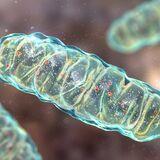
Mitochondria are central to cellular energy production and play critical roles in regulating cell survival, apoptosis, and adaptive stress responses. Growing evidence indicates that environmental toxins—including heavy metals, pesticides, pharmaceuticals, and industrial chemicals—can specifically target mitochondria, disrupting both their energy metabolism and their communication with the nucleus. Such mitochondrial dysfunction is increasingly implicated in the onset and progression of diseases such as neurodegeneration, metabolic disorders, and certain cancers. Recent studies have highlighted the role of disrupted mitochondrial activities in disease pathogenesis, yet significant gaps remain in understanding the exact mechanisms through which toxins exert their effects, as well as how these interactions affect mitochondria-nucleus communication.
This Research Topic aims to bring together original research articles, comprehensive reviews, methodological advances, and perspectives that explore how various toxins impair mitochondrial physiology. The collection seeks to enhance understanding in areas such as the inhibition of electron transport chain complexes, the overproduction of reactive oxygen species (ROS), and direct damage to mitochondrial DNA (mtDNA). Additionally, the topic will explore how toxins disrupt mitochondrial dynamics—including fission and fusion—interfere with mitophagy, and trigger the opening of the mitochondrial permeability transition pore (mPTP), thereby advancing knowledge about pathways that lead to cell death. We also welcome contributions integrating Artificial Intelligence (AI) and related technologies to predict new chemical toxins and evaluate their effects on mitochondrial function and mitochondria–nucleus communication.
To gather further insights into the disruption of mitochondrial function and exploring mito-nuclear communication, we welcome articles addressing, but not limited to, the following themes:
• Effects of environmental toxins on mitochondrial electron transport chain functionality
• Mechanisms of oxidative stress and reactive oxygen species (ROS) overproduction
• Roles of mitochondrial DNA damage and repair in toxicant-induced dysfunction
• Disruption of mitochondrial dynamics, including fission, fusion, and mitophagy
• Applications of Artificial Intelligence in identifying and predicting mitochondrial toxicants
In conclusion, leveraging AI is crucial for navigating the vast chemical space and accelerating the identification of novel mitochondrial toxicants, which can exceed the throughput limitations of traditional experimental screenings. A deeper understanding of how environmental toxins disrupt mitochondrial function and mito-nuclear communication will illuminate the mechanisms underlying various diseases and aid in developing targeted protective and therapeutic strategies.
This Research Topic accepts the following article types, unless otherwise specified in the Research Topic description:
Articles that are accepted for publication by our external editors following rigorous peer review incur a publishing fee charged to Authors, institutions, or funders.
Keywords: mitochondria, toxins, environmental toxicology
Important note: All contributions to this Research Topic must be within the scope of the section and journal to which they are submitted, as defined in their mission statements. Frontiers reserves the right to guide an out-of-scope manuscript to a more suitable section or journal at any stage of peer review.
Manuscripts can be submitted to this Research Topic via the main journal or any other participating journal.
Submit your idea
You will be redirected to our submission process.
