WC
william calero-cáceres
Technical University of Ambato
Ambato, Ecuador
191
Total downloads
3,088
Total views and downloads
Submit your idea
Select the journal/section where you want your idea to be submitted:
Manuscript Submission Deadline 26 December 2025
This Research Topic is currently accepting articles.
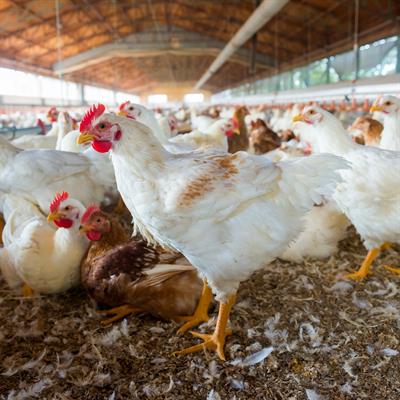
Antimicrobial resistance (AMR) in food-producing animals is a growing global concern that directly threatens human, animal, and environmental health. The livestock sector plays a critical role in the emergence and spread of resistant pathogens, driving the urgent need for sustainable alternatives to antibiotics. Among the most promising of these are bacteriophages—viruses that specifically infect bacteria—which offer targeted, self-replicating antimicrobial action without disrupting the native microbiota or selecting for broad-spectrum resistance.
Despite increasing interest in their application, the implementation of phage-based interventions in animal health remains limited by scientific, regulatory, and translational barriers. This Research Topic aims to bridge the gap between fundamental phage biology and applied veterinary microbiology by highlighting current advances and identifying remaining challenges in the use of lytic phages to control bacterial pathogens in livestock systems.
We welcome original contributions that include Hypothesis & Theory, Methods, Mini Review, Opinion, Original Research, Perspective, Review, Systematic Review, Technology and Code articles, covering diverse aspects of phage therapy and phage-based tools in the context of food animal production.
Submissions may include, but are not limited to, the following sub-themes:
• Genomic and functional characterization of bacteriophages targeting zoonotic and veterinary-relevant pathogens (e.g., Salmonella enterica, Escherichia coli, Campylobacter spp., Staphylococcus aureus)
• In vitro and in vivo studies evaluating the efficacy of phage-based interventions in livestock species
• Formulation and delivery strategies, including phage encapsulation and administration through feed, water, aerosols, or topical routes
• Impact of phage applications on the animal gut microbiome and resistome
• Insights into phage-host interactions and resistance development in agricultural settings
• Regulatory and policy considerations for the development and deployment of veterinary phage products
• Integration of phage therapy into One Health strategies for AMR mitigation and biosecurity
This collection seeks to promote translational research and interdisciplinary dialogue among microbiologists, veterinarians, biotechnologists, and policymakers. By fostering innovative approaches to pathogen control in agriculture, this Topic supports the development of evidence-based, phage-driven solutions for global food security and public health.
This Research Topic accepts the following article types, unless otherwise specified in the Research Topic description:
Articles that are accepted for publication by our external editors following rigorous peer review incur a publishing fee charged to Authors, institutions, or funders.
Keywords: Bacteriophages, Phage therapy, Livestock health, Veterinary microbiology, Phage genomics, One Health, Antimicrobial resistance
Important note: All contributions to this Research Topic must be within the scope of the section and journal to which they are submitted, as defined in their mission statements. Frontiers reserves the right to guide an out-of-scope manuscript to a more suitable section or journal at any stage of peer review.

Manuscripts can be submitted to this Research Topic via the main journal or any other participating journal.
Submit your idea
Select the journal/section where you want your idea to be submitted: