JE
jacques e chelly
Center for Innovation in Pain Care, Department of Anesthesiology and Perioperative Medicine, School of Medicine, University of Pittsburgh
Pittsburgh, United States
803
Total views and downloads
Submit your idea
You will be redirected to our submission process.
Manuscript Submission Deadline 3 March 2026
This Research Topic is currently accepting articles.
Background
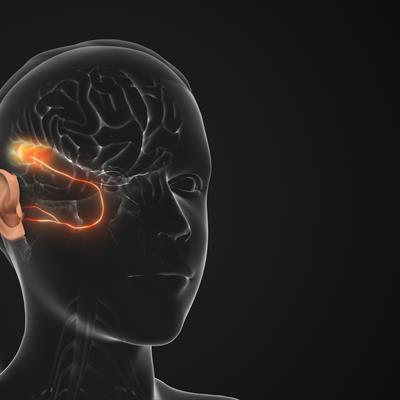
Auriculotherapy—a specialized technique involving stimulation of specific points on the ear—has been rapidly gaining recognition as a promising non-pharmacological approach for pain management. With its roots in complementary and alternative medicine traditions, auriculotherapy has been explored as a potential adjunct to conventional pain therapies, particularly in the context of rising concerns over opioid use and highlighting the need for safe, effective, and accessible interventions. Recent advances in neurophysiology and neuroimaging are illuminating the underlying mechanisms of auriculotherapy, suggesting its influence on both acute and chronic pain modulation. Understanding its applications, mechanisms, and outcomes is increasingly vital for clinicians, researchers, and patients seeking multimodal, holistic pain management strategies.
Goals
This Research Topic aims to deepen scientific understanding and clinical applications of auriculotherapy for pain. Key challenges include clarifying the neurophysiological basis of potential analgesic effects, evaluating its impact on both organ function and various types of pain (acute, chronic, postoperative), and assessing its safety. We welcome studies examining auricular cartography, innovative and traditional auriculotherapy techniques (e.g., needles, neurostimulation, cryotherapy), and prospective or retrospective analyses of patient outcomes. Submissions may explore not only efficacy but also mechanism of action, long-term effectiveness, and the influence of auriculotherapy on broader health issues—such as anxiety, depression, catastrophizing, sleep disorders, and inflammatory processes—especially in populations with chronic illnesses or geriatric patients. Articles addressing standardized methodology, diversity in pain populations, and emerging neuroimaging or neuroanatomical findings are particularly encouraged.
Scope and Information for Authors
We invite Original Research articles, Review articles, Meta-analyses, Case Reports, and Perspectives that address the following themes:
- Neurophysiological mechanisms and neuroanatomical mapping of auriculotherapy
- Efficacy and effectiveness of auriculotherapy for postoperative, acute, or chronic pain
- Comparative studies of auriculotherapy techniques (needles, neurostimulation, cryotherapy, etc.)
- Impact of auriculotherapy on organ function, inflammatory markers, and patient-reported outcomes
- Application of auriculotherapy in specific populations (geriatric, chronic diseases, comorbid anxiety or depression)
- Methodological advances, including use of fMRI and other imaging modalities
- Integrative and multimodal approaches combining auriculotherapy with other therapies
Authors are encouraged to submit well-powered, methodologically rigorous studies with clear and accessible reporting. All manuscripts should align closely with the scope of the Non-Pharmacological Treatment of Pain section, advancing knowledge that supports effective, safe, and sustainable pain management.
This Research Topic accepts the following article types, unless otherwise specified in the Research Topic description:
Articles that are accepted for publication by our external editors following rigorous peer review incur a publishing fee charged to Authors, institutions, or funders.
Keywords: Complementary medicine, Alternative Medicine, Acute Pain, Chronic Pain, Auriculotherapy, opioids alternative, acupuncture needles, cryotherapy, catastrophizing, sleep disorders, Indications of Auriculotherapy
Important note: All contributions to this Research Topic must be within the scope of the section and journal to which they are submitted, as defined in their mission statements. Frontiers reserves the right to guide an out-of-scope manuscript to a more suitable section or journal at any stage of peer review.
Manuscripts can be submitted to this Research Topic via the main journal or any other participating journal.
Submit your idea
You will be redirected to our submission process.
