MS
monika sharma
Lanzhou University
Lanzhou, China
37
Total downloads
3,430
Total views and downloads
Submit your idea
Select the journal/section where you want your idea to be submitted:
Manuscript Submission Deadline 31 May 2026
This Research Topic is currently accepting articles.
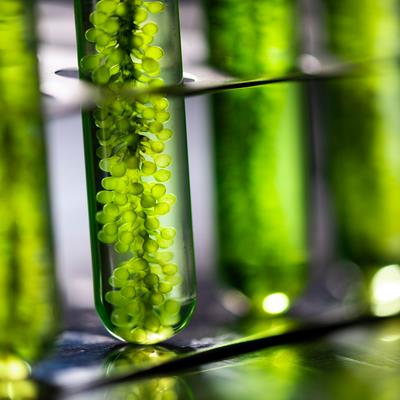
The ongoing climate crisis and the depletion of fossil fuel reserves have spurred interest in algae as sustainable biofuel feedstocks. Microalgae present distinct advantages, such as rapid growth, high biochemical productivity, and the capacity to thrive on non-arable land using wastewater—avoiding direct competition with food crops. Despite these strengths, scaling up microalgal biofuels is still constrained by high cultivation costs and conversion inefficiencies. Microalgae remain an underexploited resource with outstanding commercial potential, owing to their immense diversity and biomass productivity compared to terrestrial plants. The future of microalgal biofuel rests on cost-effective, advanced technologies that can accelerate their commercial rollout. This Research Topic highlights recent breakthroughs in technology, sustainability, and biorefinery strategies designed to bridge the divide between laboratory results and industrial-scale applications and to support the global transition to renewable energy.
This Research Topic aims to curate cutting-edge research and critical reviews in environmental biotechnology, with a specialized focus on microalgal-based technologies for sustainable solutions in biofuel production. Contributions must present a testable hypothesis, rigorously evaluated through empirical or computational methods, to elucidate the biological mechanisms driving microalgal performance (e.g., metabolic pathways, genetic regulation, or microbiome interactions).
We invite high-quality Original Research articles, Reviews, and Methods covering:
• Potential microalgal strains which can be utilized in wastewater treatment plants and provide biomass for other biofuel production;
• Microalgae in biochemical conversion technologies (microbial fuel cells, anaerobic digestion, fermentation, transesterification, and pyrolysis) for biofuel generation;
• Utilization and cultivation in photobioreactor and open race ponds;
• Optimizing cultivation media, reactor configurations, and understanding microalgae-bacteria interactions for elevated productivity and lower environmental impact;
• Insights into key pathways underpinning the biosynthesis of biofuel precursors (e.g., biohydrogen, biomethane, biodiesel, bio-alcohols) and carbon concentrating mechanisms in microalgae;
• Artificial intelligence (AI) with microalgal biotechnology to optimize strain selection, enhance biofuel yield, and predict cultivation conditions through machine learning-driven modeling of metabolic pathways and environmental parameters;
• Novel catalytic, biochemical, and thermochemical processes for maximizing microalgal biomass valorization, including omics-enabled strain and process engineering.
Please note that Microbiotechnology does not consider descriptive studies that are solely based on amplicon (e.g., 16S rRNA) profiles or comparisons of nucleic acid extracts (e.g., metagenomics), unless they are accompanied by a clear hypothesis and experimentation and provide insight into the microbiological system or process being studied.
This Research Topic accepts the following article types, unless otherwise specified in the Research Topic description:
Articles that are accepted for publication by our external editors following rigorous peer review incur a publishing fee charged to Authors, institutions, or funders.
Keywords: Artificial Intelligence, Microalgae biofuels, Sustainable biofuels, Photobioreactor optimization, Phycoremediation, Microalgal biomass, Metabolic engineering of microalgae, Wastewater treatment with microalgae
Important note: All contributions to this Research Topic must be within the scope of the section and journal to which they are submitted, as defined in their mission statements. Frontiers reserves the right to guide an out-of-scope manuscript to a more suitable section or journal at any stage of peer review.
Lanzhou University
Lanzhou, China
Lanzhou University
Lanzhou, China
Lanzhou University
Lanzhou, China
Sultan Qaboos University
Muscat, Oman
Department of Systems and Control Engineering, Indian Institute of Technology,Bombay
Mumbai, India

Manuscripts can be submitted to this Research Topic via the main journal or any other participating journal.
Submit your idea
Select the journal/section where you want your idea to be submitted: