AE
anna evans phillips
University of Pittsburgh Medical Center
Pittsburgh, United States
428
Total views and downloads
Submit your idea
You will be redirected to our submission process.
Manuscript Summary Submission Deadline 9 March 2026 | Manuscript Submission Deadline 8 June 2026
This Research Topic is currently accepting articles.
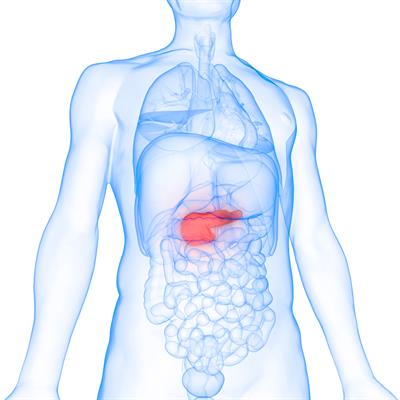
Background: Abdominal pain secondary to pancreatic disease is multifactorial in etiology, challenging to treat, and remains only partially understood in its pathophysiology. In acute and chronic pancreatitis, as well as in pancreatic cancer, an understanding of the origin of pancreatic pain and a target for treatment often remain elusive. In acute pancreatitis, abdominal pain is one of three criteria used to make the diagnosis, and yet there exists an incomplete understanding of its pathophysiology and time course, as well as few tools or published guidelines on how to treat it. Abdominal pain affects almost 80% of patients with chronic pancreatitis over the course of the disease, however an informed understanding of the underlying etiologies and their contribution to the patient’s experience is lacking. Pancreatic ductal obstruction, pancreatic inflammation, and neural changes are all suspected to play a part, however their individual and collective influences remain unclear. Additional tools for treatment of chronic pancreatitis pain are needed in the absence of a treatment for the disease itself. Pain is also a major component of pancreatic cancer in about 70% of the patients, and both a pathophysiologic understanding and a set of tools for treatment are lacking. Imaging features of the pancreas to date have not correlated with the pain experience in pancreatic disease. There are numerous opportunities for further advancement in all of these areas.
This Research Topic aims to explore and collect the most recent developments in the investigation of pain in pancreatic disease and its treatment. The ultimate aim of this collection is to present the state of current knowledge in this field. This will lay a path for future advancements to improve the treatment of pancreatic pain for patients affected with diseases of the pancreas.
Key Themes of this collection include (but are not limited to):
1. Pathophysiology: advancements in the mechanistic understanding of pancreatic pain, including animal studies, translational, and clinical work.
2. Technological Developments: Investigations into new imaging techniques or new application of existing techniques. What can imaging tell us about pancreatic pain?
3. Diagnostic Testing: Advancements in assessment of pancreatic pain, including Quantitative Sensory Testing (QST) for acute and chronic pancreatitis, and pancreatic cancer.
4. Neurophysiological assessments of pain using reflexes, ECG and EEG for evaluation of neural activity patterns in individual with different pain phenotypes or different types of pancreatic disease
5. Exploration of Conditions Associated with Pancreatic Pain: including explorations of sarcopenia, sleep difficulties, opioid dependence, malnutrition and other emerging data.
6. Patient-Reported Outcomes in pancreatic disease: PROMS of acute and chronic pancreatic and PDAC pain.
7. Treatment of pancreatic pain: including biopsychosocial models, cognitive behavioral therapyor neuromodulation, pharmacologic and non-pharmacologic treatments, surgical and endoscopic therapies, and new or proposed treatment trials
We extend an invitation to researchers and clinicians to contribute original research articles, reviews, case studies, and technical papers that explore and report on pain in pancreatic disease, as well as proposals for and results from treatment trials for pain in pancreatic disease.
This Research Topic accepts the following article types, unless otherwise specified in the Research Topic description:
Articles that are accepted for publication by our external editors following rigorous peer review incur a publishing fee charged to Authors, institutions, or funders.
Keywords: acute pancreatitis, chronic pancreatitis, pancreatic cancer, abdominal pain, quantitative sensory testing (QST), neurophysiology, visceral pain, somatic pain, central sensitization
Important note: All contributions to this Research Topic must be within the scope of the section and journal to which they are submitted, as defined in their mission statements. Frontiers reserves the right to guide an out-of-scope manuscript to a more suitable section or journal at any stage of peer review.
Manuscripts can be submitted to this Research Topic via the main journal or any other participating journal.
Submit your idea
You will be redirected to our submission process.
