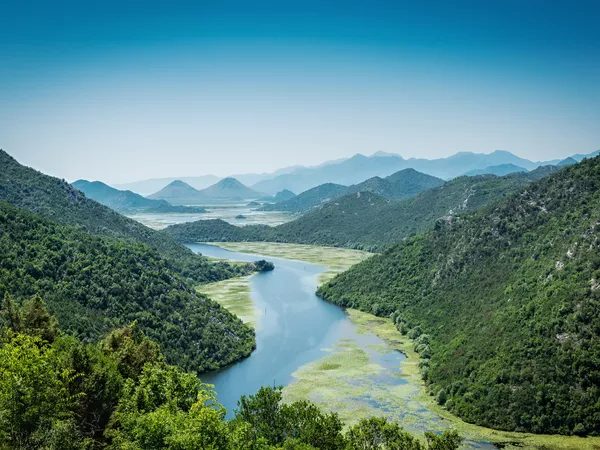
Wetlands, as critical "ecological kidneys" of the earth, perform irreplaceable functions such as water purification, carbon sequestration, and biodiversity maintenance. In recent decades, global environmental changes—including rising temperatures, altered precipitation patterns, and intensified human activities like urban expansion and agricultural reclamation—have caused widespread degradation of wetland ecosystems. For instance, coastal wetlands are facing severe threats from sea-level rise, while inland wetlands suffer from water scarcity and pollution. These changes have disrupted the stability of wetland ecosystem functions, posing significant challenges to regional ecological security and sustainable development. Clarifying the response patterns and underlying mechanisms of wetland ecosystem functions to environmental changes has become an urgent focus in global ecological research.
This Research Topic aims to address the core problem of how changing environments (climate change and human disturbances) affect the stability and sustainability of wetland ecosystem functions. It will integrate multi-scale, multi-disciplinary research findings—including field observations, laboratory experiments, and model simulations—to reveal the key mechanisms driving changes in wetland functions such as nutrient cycling, carbon storage, and habitat provision. Specifically, the topic will explore: 1) the quantitative relationships between environmental change factors (e.g., temperature, hydrological regime, land-use change) and wetland ecosystem function indicators; 2) the role of hydrological regimes in regulating the resistance and resilience of wetland functions under disturbance; 3) the potential tipping points of wetland ecosystems when facing extreme environmental changes. By synthesizing these insights, this Research Topic intends to provide a scientific basis for formulating targeted strategies to protect wetland ecosystems and maintain their ecological services under global change.
This Research Topic focuses on wetland ecosystem functions across different types (coastal wetlands, inland marshes, peatlands, etc.) and spatial scales (microcosm to landscape). Contributions should address, but are not limited to, the following themes: • Mechanisms of wetland biogeochemical cycles (carbon, nitrogen, phosphorus) responding to environmental changes • Impacts of climate change (e.g., extreme weather events) on wetland habitat quality and biodiversity-related functions • Effects of human activities (e.g., wetland restoration projects, pollution control) on the recovery and enhancement of wetland functions • Development and application of models for predicting wetland ecosystem function changes. We welcome Original Research articles, Reviews, and Perspective papers. Manuscripts should be based on rigorous scientific methods and provide novel insights into wetland ecosystem function dynamics under changing environments.
Article types and fees
This Research Topic accepts the following article types, unless otherwise specified in the Research Topic description:
Brief Research Report
Community Case Study
Data Report
Editorial
FAIR² Data
FAIR² DATA Direct Submission
Hypothesis and Theory
Methods
Mini Review
Articles that are accepted for publication by our external editors following rigorous peer review incur a publishing fee charged to Authors, institutions, or funders.
Article types
This Research Topic accepts the following article types, unless otherwise specified in the Research Topic description:
Brief Research Report
Community Case Study
Data Report
Editorial
FAIR² Data
FAIR² DATA Direct Submission
Hypothesis and Theory
Methods
Mini Review
Opinion
Original Research
Perspective
Policy and Practice Reviews
Policy Brief
Review
Systematic Review
Technology and Code
Keywords: Wetland Ecosystem Functions, Climate Change, Human Disturbance, Ecological Mechanism, Adaptive Management, Biodiversity Conservation, Biogeochemical Cycle, Ecosystem Service
Important note: All contributions to this Research Topic must be within the scope of the section and journal to which they are submitted, as defined in their mission statements. Frontiers reserves the right to guide an out-of-scope manuscript to a more suitable section or journal at any stage of peer review.