Stars and Rising Stars in Neuroendocrinology

Cover image for Research Topic "Stars and Rising Stars in Neuroendocrinology"
107kviews
Reproductive function and behaviors: an update on the role of neural estrogen receptors alpha and beta
REVIEW
24 June 2024
Reproductive function and behaviors: an update on the role of neural estrogen receptors alpha and beta
Thomas Torres, 2 more and Lydie Naulé
Infertility is becoming a major public health problem, with increasing frequency due to medical, environmental and societal causes. The increasingly late age of childbearing, growing exposure to endocrine disruptors and other reprotoxic products, and increasing number of medical reproductive dysfunctions (endometriosis, polycystic ovary syndrome, etc.) are among the most common causes.Fertility relies on fine-tuned control of both neuroendocrine function and reproductive behaviors, those are critically regulated by sex steroid hormones. Testosterone and estradiol exert organizational and activational effects throughout life to establish and activate the neural circuits underlying reproductive function. This regulation is mediated through estrogen receptors (ERs) and androgen receptor (AR).Estradiol acts mainly via nuclear estrogen receptors ERα and ERβ. The aim of this review is to summarize the genetic studies that have been undertaken to comprehend the specific contribution of ERα and ERβ in the neural circuits underlying the regulation of the hypothalamic-pituitary-gonadal axis and the expression of reproductive behaviors, including sexual and parental behavior. Particular emphasis will be placed on the neural role of these receptors and the underlying sex differences.

7,862 views

28 citations

ORIGINAL RESEARCH
11 June 2024
Risk factors of acute ischemic stroke and the role of angiotensin I in predicting prognosis of patients undergoing endovascular thrombectomy
Shengkai Yang, 5 more and Aimin Li

2,139 views

1 citations

ORIGINAL RESEARCH
30 November 2023
Brain and serum metabolomic studies reveal therapeutic effects of san hua decoction in rats with ischemic stroke
Ruisi Liu, 4 more and Ying Huang

3,521 views

4 citations

ORIGINAL RESEARCH
29 November 2023
Association between high serum blood glucose lymphocyte ratio and all-cause mortality in non-traumatic cerebral hemorrhage: a retrospective analysis of the MIMIC-IV database
Shiqiang Yang, 4 more and Xuhui Hui

5,291 views

21 citations

Hormonal contraceptive exposure relates to changes in resting state functional connectivity of anterior cingulate cortex and amygdala
Hormonal contraceptives (HCs), nowadays one of the most used contraceptive methods, downregulate endogenous ovarian hormones, which have multiple plastic effects in the adult brain. HCs usually contain a synthetic estrogen, ethinyl-estradiol, and a synthetic progestin, which can be classified as androgenic or anti-androgenic, depending on their interaction with androgen receptors. Both the anterior cingulate cortex (ACC) and the amygdala, express steroid receptors and have shown differential functionality depending on the hormonal status of the participant and the use of HC. In this work, we investigated for the first time the relationship between ACC and amygdala resting state functional connectivity (rs-FC) and HC use duration, while controlling for the progestin androgenicity. A total of 231 healthy young women participated in five different magnetic resonance imaging studies and were included in the final analysis. The relation between HC use duration and i) gray matter volume, ii) fractional amplitude of low-frequency fluctuations and iii) seed-based connectivity during resting state in the amygdalae and ACC was investigated in this large sample of women. In general, rs-FC of the amygdalae with frontal areas, and between the ACC and temporoparietal areas, decreased the longer the HC exposure and independently of the progestin’s androgenicity. The type of HC’s progestin did show a differential effect in the gray matter volume of left ACC and the connectivity between bilateral ACC and the right inferior frontal gyrus.

4,546 views

16 citations

CASE REPORT
12 September 2023
ACTH-producing small cell neuroendocrine carcinoma from the gallbladder: a case report and literature review
Xiaofang Zhang, 3 more and Qiaoying You

4,090 views

4 citations

REVIEW
27 June 2023
Histaminergic regulation of food intake
Axelle Khouma, 4 more and Natalie Jane Michael
Histaminergic regulation of food intake
Histamine is a biogenic amine that acts as a neuromodulator within the brain. In the hypothalamus, histaminergic signaling contributes to the regulation of numerous physiological and homeostatic processes, including the regulation of energy balance. Histaminergic neurons project extensively throughout the hypothalamus and two histamine receptors (H1R, H3R) are strongly expressed in key hypothalamic nuclei known to regulate energy homeostasis, including the paraventricular (PVH), ventromedial (VMH), dorsomedial (DMH), and arcuate (ARC) nuclei. The activation of different histamine receptors is associated with differential effects on neuronal activity, mediated by their different G protein-coupling. Consequently, activation of H1R has opposing effects on food intake to that of H3R: H1R activation suppresses food intake, while H3R activation mediates an orexigenic response. The central histaminergic system has been implicated in atypical antipsychotic-induced weight gain and has been proposed as a potential therapeutic target for the treatment of obesity. It has also been demonstrated to interact with other major regulators of energy homeostasis, including the central melanocortin system and the adipose-derived hormone leptin. However, the exact mechanisms by which the histaminergic system contributes to the modification of these satiety signals remain underexplored. The present review focuses on recent advances in our understanding of the central histaminergic system’s role in regulating feeding and highlights unanswered questions remaining in our knowledge of the functionality of this system.

12,535 views

29 citations

ORIGINAL RESEARCH
20 March 2023
Copeptin adaptive response to SGLT2 inhibitors in patients with type 2 diabetes mellitus: The GliRACo study
Alessandro Maria Berton, 14 more and Andrea Silvio Benso

3,880 views

19 citations

Maternal androgen excess significantly impairs sexual behavior in male and female mouse offspring: Perspective for a biological origin of sexual dysfunction in PCOS
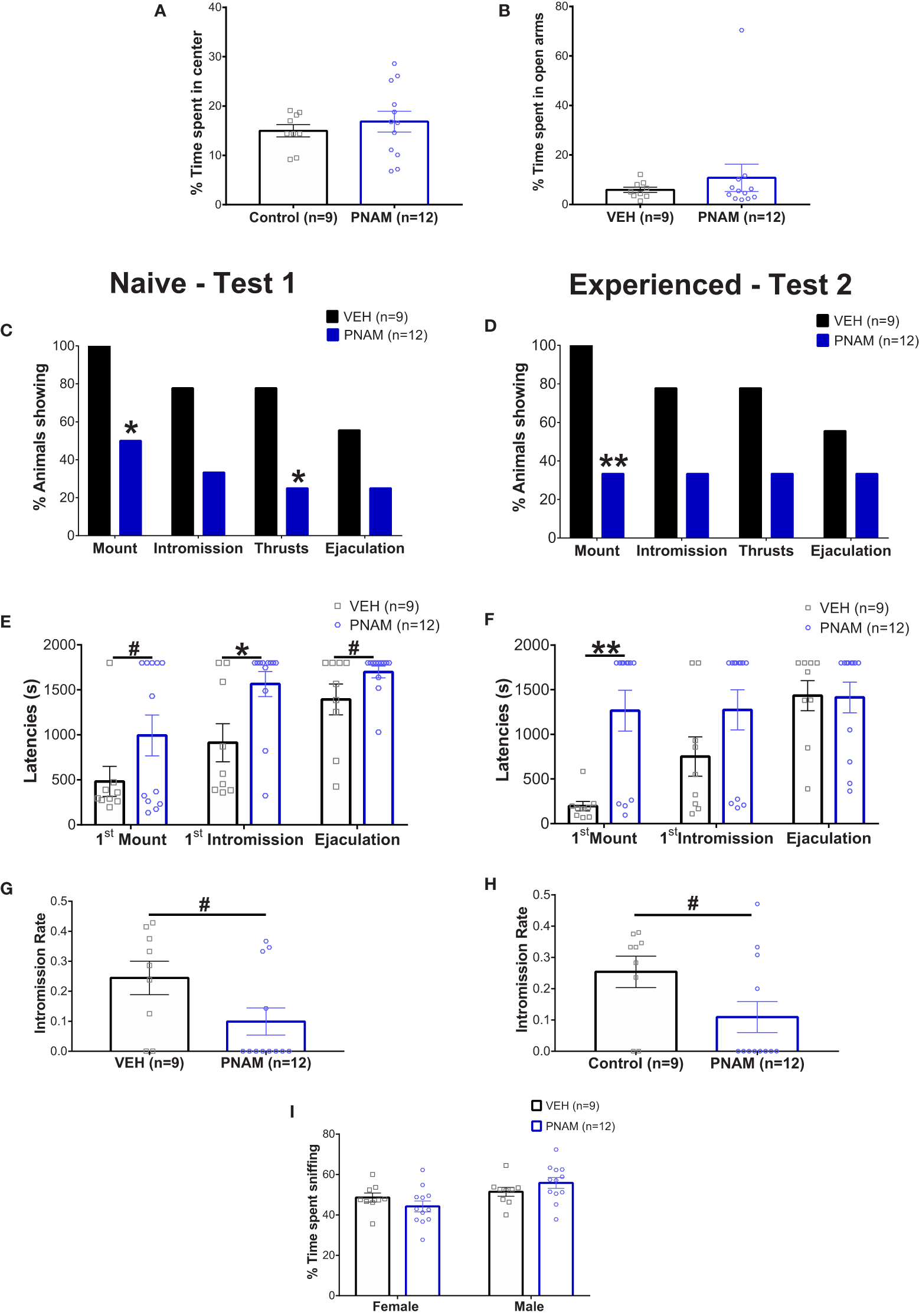
Polycystic ovary syndrome (PCOS) is the most common infertility disorder worldwide, typically characterised by high circulating androgen levels, oligo- or anovulation, and polycystic ovarian morphology. Sexual dysfunction, including decreased sexual desire and increased sexual dissatisfaction, is also reported by women with PCOS. The origins of these sexual difficulties remain largely unidentified. To investigate potential biological origins of sexual dysfunction in PCOS patients, we asked whether the well-characterized, prenatally androgenized (PNA) mouse model of PCOS exhibits modified sex behaviours and whether central brain circuits associated with female sex behaviour are differentially regulated. As a male equivalent of PCOS is reported in the brothers of women with PCOS, we also investigated the impact of maternal androgen excess on the sex behaviour of male siblings. Adult male and female offspring of dams exposed to dihydrotestosterone (PNAM/PNAF) or an oil vehicle (VEH) from gestational days 16 to 18 were tested for a suite of sex-specific behaviours. PNAM showed a reduction in their mounting capabilities, however, most of PNAM where able to reach ejaculation by the end of the test similar to the VEH control males. In contrast, PNAF exhibited a significant impairment in the female-typical sexual behaviour, lordosis. Interestingly, while neuronal activation was largely similar between PNAF and VEH females, impaired lordosis behaviour in PNAF was unexpectedly associated with decreased neuronal activation in the dorsomedial hypothalamic nucleus (DMH). Taken together, these data link prenatal androgen exposure that drives a PCOS-like phenotype with altered sexual behaviours in both sexes.

6,251 views

11 citations