SS
suraj singh senjam
Department of Community Ophthalmology, Dr. R. P. Centre for Ophthalmic Sciences, All India Institute of Medical Sciences
New Delhi, India
9,472
Total downloads
52k
Total views and downloads
Assistive Technologies (AT) have become a focal point in addressing the needs of aging populations and individuals with disabilities, gaining significant global attention in recent years. Traditionally, AT aims to mitigate functional limitations for those with physical or sensory impairments. According to the WHO's GReAT Report 2022, only one in ten individuals who need AT have access to it, a figure projected to rise to over two billion by 2030. The demand is particularly high among the elderly and disabled, a demographic expected to grow due to aging populations and the prevalence of non-communicable diseases and injuries. Evidence suggests that AT not only aids in daily living activities, promoting independence, but also enhances educational performance, social inclusion, and overall quality of life. It reduces healthcare demands and caregiver burdens, yet without adequate access, individuals face social exclusion and economic disadvantages. The lack of AT access exacerbates health issues, leading to increased healthcare burdens and economic losses due to caregiving responsibilities. Improving AT access and affordability is crucial for unlocking potential, enabling workforce participation, and providing socio-economic benefits. The UNCRPD and WHO initiatives underscore the importance of equitable AT access as a human right, aligning with the UN SDGs to ensure inclusivity.
This research topic aims to explore effective AT service models, including digital technologies and smart devices, and to gather epidemiological evidence on AT-related indicators. The objective is to support advocacy, policy-making, and planning for AT services by identifying successful case studies and trials. By examining these areas, the research seeks to enhance understanding and implementation of AT, ultimately improving access and outcomes for users.
To gather further insights in the public health perspective, we welcome articles addressing, but not limited to, the following themes:
- Original articles on public health data related to AT indicators such as need, use, unmet needs, challenges, facilitators, barriers, user satisfaction, and factors leading to non-use.
- Articles detailing effective AT service models, case reports on successful implementations, and user acceptability beyond healthcare.
- Studies on effective trials using AT service packages and usability trials.
- Research on AT in livelihood, vocational training, and employment opportunities.
- Qualitative studies exploring perceptions, beliefs, stigma, and cultural aspects of AT.
- Articles on digital devices or technologies, including smart devices, accessibility features, digital literacy, and associated benefits and challenges.
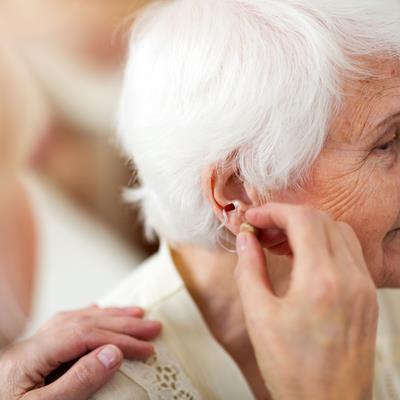
Keywords: assistive technologies, public health, aging population, older adults, disability, care
Important note: All contributions to this Research Topic must be within the scope of the section and journal to which they are submitted, as defined in their mission statements. Frontiers reserves the right to guide an out-of-scope manuscript to a more suitable section or journal at any stage of peer review.
