SL
sangeeta lenka
Indian Institute of Soil Science (ICAR)
Bhopal, India
5,954
Total downloads
45k
Total views and downloads
Conventional agriculture, with its reliance on monocultures, chemical inputs, and intensive management, has led to significant environmental degradation, including soil depletion, loss of biodiversity, and increased greenhouse gas (GHG) emissions. These practices contribute to climate change and threaten the long-term sustainability of food production.
Regenerative agriculture is grounded in principles that promote sustainable soil management, biodiversity, and ecosystem health. It emphasizes practices that enhance soil organic matter, improve water retention, and reduce erosion and GHG emissions, contributing to the long-term productivity and resilience of farming systems.
There is a need to validate the effectiveness of regenerative agricultural practices. By analyzing their impact on soil health, carbon sequestration, and GHG emissions, practical approaches can be identified that can be adopted by farmers to create resilient agricultural systems. These will mitigate climate change and enhance farm productivity and sustainability. A comprehensive understanding of how these practices work in different environmental and socio-economic contexts is necessary for scalable solutions.
This Research Topic aims to highlight new research on regenerative agricultural practices and their effectiveness in increasing soil health, mitigating greenhouse gas emissions, and reducing the carbon footprint of agricultural systems. Manuscripts may focus on field-based studies, modeling approaches, or meta-analyses that provide insights into the scalability and adoption of regenerative practices across different agroecosystems. Contributors are encouraged to present interdisciplinary approaches and innovative solutions that can inform policy and guide practical applications in regenerative agriculture for climate action.
We welcome contributions that address key themes, including but not limited to the following:
Sustainable soil management, including the benefits of
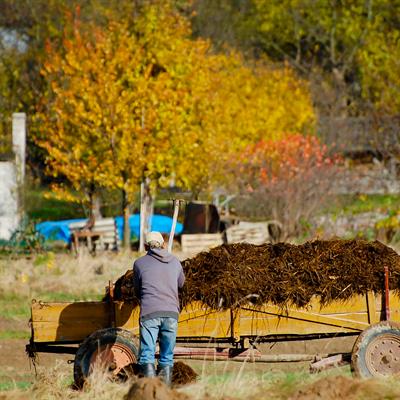
• non-conventional fertilizer sources, such as compost, biochar, green manure, and animal manure compost;
• residue return and organic amendments which increase soil nutrients, improve soil structure and water retention, enhance microbial activity, and aid carbon sequestration through reduced GHG emission; and
• conservation tillage and use of appropriate farm machinery designed to minimize soil disturbance in maintaining soil health.
Cover crops and crop diversity and how these can improve soil health, enhancing carbon sequestration, and climate resilience and adaptation.
Keywords: livestock integration, crop diversity, GHG, greenhouse gas emissions, greenhouse gas mitigation, carbon footprint, soil health, conservation agriculture, climate change, sustainable, soil management
Important note: All contributions to this Research Topic must be within the scope of the section and journal to which they are submitted, as defined in their mission statements. Frontiers reserves the right to guide an out-of-scope manuscript to a more suitable section or journal at any stage of peer review.