BC
beatrice castellani
University of Perugia
Perugia, Italy
74
Total downloads
1,971
Total views and downloads
Submit your idea
Select the journal/section where you want your idea to be submitted:
Manuscript Submission Deadline 31 March 2026
This Research Topic is currently accepting articles.
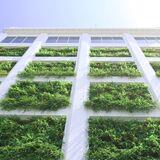
The IPCC (Intergovernmental Panel on Climate Change) has established that global warming is inevitable and will persist for decades, with its intensity depending on mitigation efforts. In densely populated cities, the Urban Heat Island (UHI) effect, worsened by global warming, leads to higher temperatures, increased energy consumption, and reduced thermal comfort. Interdisciplinary solutions have been studied to achieve carbon neutrality and mitigate these adverse effects necessitating the integration of multiple scientific and engineering perspectives. One of the most widely applied techniques is the enhancement of urban vegetation, including green roofs and walls, though these are challenging to implement in pre-existing urban settings. Thus, the attention of researchers has shifted to innovative materials for urban infrastructure and building coatings, featuring advanced optical and radiative properties. These solutions are called high albedo solutions (HAS), representing a promising surface capability to increase the terrestrial albedo and tackle global warming.
HAS include cool materials, such as cool roofs, and cool pavements, characterized by high reflection and high emissivity properties. There is a subgroup of cool materials, specifically, retro-reflective (RR) materials, which are also characterized by the capacity to reflect incident radiation directionally. Increasing terrestrial albedo by HAS can be considered a key strategy in mitigating global warming, as it directly contributes to the reduction of radiative forcing (RF), leading to measurable climate benefits.
This Research Topic aims to review existing HAS technologies, examining their effectiveness in mitigating climate change impacts and assessing their potential in compensating CO₂ emissions. It will explore recent advancements, methodologies, and modelling techniques for quantifying the climate benefits of HAS applications. Additionally, this research topic seeks contributions proposing innovative approaches, improved materials, and strategic and policy interventions that enhance the efficacy and applicability of HAS technologies within urban environments.
This Research Topic invites manuscripts addressing, but not limited to, the following themes:
• Evaluation methods and metrics for assessing HAS effectiveness in global warming mitigation.
• Modelling and simulation techniques linking HAS with urban climate regulation and CO₂ compensation.
• Interdisciplinary collaboration in research and development of innovative solutions to mitigate urban climate
effects using HAS technologies and their integration
• State-of-the-art review of existing and emerging HAS technologies.
• Innovative materials and approaches enhancing reflective and emissive properties.
• Integration strategies of HAS within existing urban infrastructure.
• Economic analyses and life cycle assessments of HAS applications.
• Case studies demonstrating practical applications and measurable impacts of HAS.
Authors are encouraged to submit original research articles, comprehensive reviews, methodological papers, and case studies contributing to these themes.
This Research Topic accepts the following article types, unless otherwise specified in the Research Topic description:
Articles that are accepted for publication by our external editors following rigorous peer review incur a publishing fee charged to Authors, institutions, or funders.
Keywords: climate change mitigation, high albedo solutions, innovative materials, urban infrastructure
Important note: All contributions to this Research Topic must be within the scope of the section and journal to which they are submitted, as defined in their mission statements. Frontiers reserves the right to guide an out-of-scope manuscript to a more suitable section or journal at any stage of peer review.

Manuscripts can be submitted to this Research Topic via the main journal or any other participating journal.
Submit your idea
Select the journal/section where you want your idea to be submitted: