AK
ayesha kadir
Regionshospitalet Viborg
Viborg, Denmark
854
Total views and downloads
Submit your idea
Select the journal/section where you want your idea to be submitted:
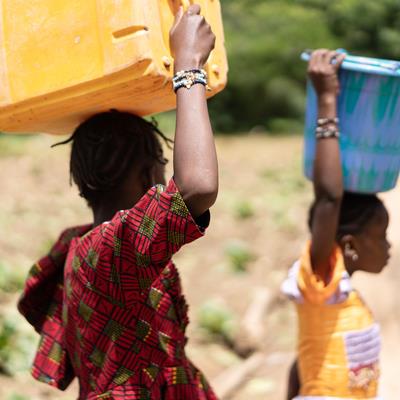
Child labour remains a critical global issue that adversely affects public health, with significant repercussions for physical, mental, and developmental well-being. Despite international regulations aiming to eradicate child labour, millions of children are still engaged in hazardous occupations. These children often face multifaceted health consequences, compounded by socio-economic factors and limited access to education. Current studies highlight the pervasive nature of child labour and underscore the importance of an integrated public health approach to addressing its root causes and effects. However, gaps persist in cross-disciplinary research, particularly regarding child labour in humanitarian and crisis contexts, tailored intervention strategies, gender-specific considerations, and long-term impacts on children's life trajectories and quality of life.
This Research Topic aims to deepen the understanding of the intersection between child labour and public health, emphasizing evidence-based solutions and policy-driven approaches. By drawing on diverse perspectives, from clinical research, to policy analysis, this special issue seeks to map out effective intervention frameworks. Key questions include identifying the primary health impacts of child labour across different settings, evaluating the efficacy of current policies, and understanding gender disparities within labour contexts. Furthermore, it seeks to explore innovative data collection and surveillance methods to improve child labour tracking and policy enforcement.
To gather further insights into the multifaceted relationship between child labour and child public health, we welcome articles addressing, but not limited to, the following themes:
Physical, psychological, and developmental impacts of child labour on children and their families
Poverty, humanitarian crises, education, migration, and family structure as social determinants
Evaluation of policy and legal frameworks at national and international levels
Evaluation of implementation programmes for national and/or international child labour policies
Intersectoral interventions to reduce child labour, protect child health, and mitigate harm. For example, programmes that include partners in health, protection, and/or education sectors
Community and global interventions showcasing successful programmes and practices
Gender-specific concerns related to child labour and its differential impacts
The correlation between access to education and prevalence of child labour
Psychosocial impacts, including trauma and long-term poverty effects
Advances in measurement, reporting, and solutions for sharing and pooling data
This Research Topic accepts the following article types, unless otherwise specified in the Research Topic description:
Articles that are accepted for publication by our external editors following rigorous peer review incur a publishing fee charged to Authors, institutions, or funders.
Keywords: Child Labour, Public Health, Intervention Strategies, Policy Analysis, Gender Disparities
Important note: All contributions to this Research Topic must be within the scope of the section and journal to which they are submitted, as defined in their mission statements. Frontiers reserves the right to guide an out-of-scope manuscript to a more suitable section or journal at any stage of peer review.

Manuscripts can be submitted to this Research Topic via the main journal or any other participating journal.
Submit your idea
Select the journal/section where you want your idea to be submitted: