DM
david machate
Federal University of Mato Grosso do Sul
Campo Grande, Brazil
816
Total views and downloads
Submit your idea
You will be redirected to our submission process.
Manuscript Submission Deadline 31 March 2026
This Research Topic is currently accepting articles.
Food biotechnology stands at the forefront of innovation, offering transformative solutions to global food system challenges. By harnessing natural resources through advanced tools such as genome editing, metabolic engineering, and synthetic biology, this field enables the development of resilient crops, nutrient-enriched foods, and alternative protein sources tailored to meet the demands of a growing and increasingly conscious global population.
Precision fermentation and microbial synthesis technologies have opened new avenues for converting underutilized organic materials into high-value food ingredients. At the same time, bioelectrochemical systems and biocatalytic processes are driving sustainable waste management strategies, converting agro-industrial residues into biodegradable polymers for food packaging and microbial proteins for animal nutrition, as a key steps toward a circular and regenerative bioeconomy.
Moreover, nanobiotechnology has emerged as a critical enabler of innovation in food science. Lipid-based nanocarriers, including nanoemulsions and solid lipid nanoparticles, significantly enhance the solubility, bioavailability, and targeted delivery of lipophilic vitamins and antioxidant compounds. These advances not only improve nutritional outcomes but also align with consumer demands for clean-label, functional, and science-backed food solutions.
As regulatory landscapes evolve and awareness around food, health, and sustainability deepens, biotechnology is poised to redefine the future of the food industry. Its multidisciplinary nature fosters synergies between science, industry, and policy, enabling the scalable development of smart, functional, and environmentally responsible food systems. This convergence marks a strategic opportunity for stakeholders across sectors to invest in technologies that are not only scientifically robust but also economically viable and socially impactful.
For this Research Topic, we welcome articles addressing, but not limited to, the following themes:
• Advances in genome editing for crop improvement
• Precision fermentation for novel food ingredient production
• Sustainable waste management via bioelectrochemical systems
• Nanobiotechnology in enhancing nutrient delivery and bioavailability
• Economic and social impacts of biotechnology in the food industry
Featured statement: Food biotechnology turns untapped natural resources into innovative, high-impact solutions for a healthier planet and population. In a broad view, by merging natural resources with precision science, researchers are transforming global food systems into engines of health, resilience, and sustainability.
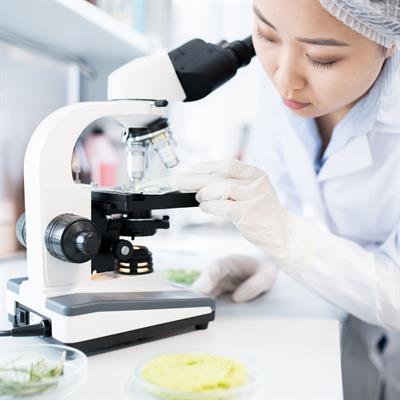
This Research Topic accepts the following article types, unless otherwise specified in the Research Topic description:
Articles that are accepted for publication by our external editors following rigorous peer review incur a publishing fee charged to Authors, institutions, or funders.
Keywords: Food Science, Food Challenges, Sustainability, Biotechnology, Food innovation, Social impact
Important note: All contributions to this Research Topic must be within the scope of the section and journal to which they are submitted, as defined in their mission statements. Frontiers reserves the right to guide an out-of-scope manuscript to a more suitable section or journal at any stage of peer review.
Federal University of Mato Grosso do Sul
Campo Grande, Brazil
Department of Physiology and Behavior, Center for Biosciences, Federal University of Rio Grande do Norte
Natal, Brazil
Departamento de Fisiologia e Farmacologia, Centro de Biociências, Universidade Federal de Pernambuco
Recife, Brazil
Manuscripts can be submitted to this Research Topic via the main journal or any other participating journal.
Submit your idea
You will be redirected to our submission process.
