JR
julia rode
Örebro University
Örebro, Sweden
822
Total views and downloads
Submit your idea
Select the journal/section where you want your idea to be submitted:
Manuscript Submission Deadline 1 April 2026
This Research Topic is currently accepting articles.
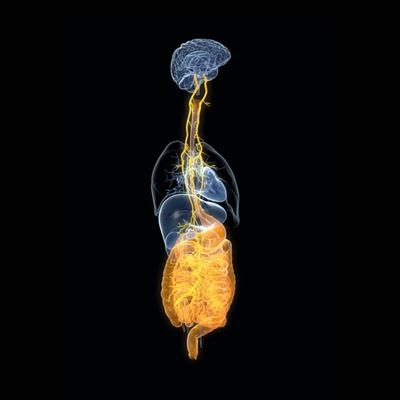
The field of nutritional epidemiology has increasingly focused on the interplay between diet, gut microbiota, and brain health outcomes. Recent studies have investigated how dietary factors targeting the gut microbiota can influence both cognitive function and mental health. This area of research is particularly pertinent given the rise of neuropsychiatric, affective and cognitive disorders and the pivotal role the microbiome is thought to play in their pathogenesis. The current understanding suggests that the gut-brain axis serves as a significant conduit through which dietary modifications impact brain health, highlighting the necessity of further in-depth exploration to substantiate these preliminary connections.
This Research Topic aims to explore the dietary modulation of the gut-brain axis and its consequential effects on cognitive and mental health outcomes in the human setting. The research seeks to focus on the potential of biotic compounds, such a pro- and prebiotics amongst others, that are most effective in maintaining cognitive function, ameliorating stress responses, enhancing mental well-being, and hence resilience. Additionally, the role of host factors like age, sex, and baseline microbiota in moderating dietary intervention effects will be evaluated, alongside identifying biomarkers and other surrogate markers that could effectively monitor these interactions.
The scope of this research spans varied gut-brain interactions, focused on understanding limitations and capabilities through longitudinal and interventional studies. To gather further insights into the microbiota's influence on cognitive and mental health, we welcome articles addressing, but not limited to, the following themes:
- Specific probiotics or prebiotics linked to mental health benefits and cognitive resilience
- Host factor variations in response to dietary interventions
- Biomarkers and other surrogate markers monitoring dietary impacts on gut-brain interactions, including multi-omics and neuroimaging approaches
We encourage submissions across various methodologies, including cohort studies, RCTs, systematic reviews, and meta-analyses, to furnish a robust evidence base for these interactions.
This Research Topic accepts the following article types, unless otherwise specified in the Research Topic description:
Articles that are accepted for publication by our external editors following rigorous peer review incur a publishing fee charged to Authors, institutions, or funders.
Keywords: Gut-Brain Axis, Dietary Modulation, Cognitive Health, Microbiota Composition, Probiotics and Mental Health, Nutritional Epidemiology, Dietary Biomarkers
Important note: All contributions to this Research Topic must be within the scope of the section and journal to which they are submitted, as defined in their mission statements. Frontiers reserves the right to guide an out-of-scope manuscript to a more suitable section or journal at any stage of peer review.
Manuscripts can be submitted to this Research Topic via the main journal or any other participating journal.
Submit your idea
Select the journal/section where you want your idea to be submitted:
