
Frontiers | Field notes

Field notes

Research integrity and ethics

Published on 24 Apr 2026

AI literacy for researchers: how to use AI responsibly without compromising your work

Artificial intelligence is already transforming every part of the research process. Increasing numbers of researchers are integrating AI into their everyday workflows, yet many remain uncertain about how to use these tools both responsibly and to their full potential. AI literacy, knowing when to use these tools, when not to, and how to stay accountable for the output, is becoming a core research skill. We spoke with Simone Ragavooloo, Research Integrity Portfolio Manager at Frontiers, about why it matters and how researchers can protect both their own work and the credibility of science.

Behind the scenes

Published on 16 Mar 2026

What do journal editors do? A guide for researchers

When you submit a manuscript to an academic journal, its scientific evaluation is controlled almost entirely by other researchers. Publisher workflows and industry standards govern peer review, but the people assessing your work are working scientists. They volunteer their expertise to evaluate, improve, and ultimately decide what gets published. Understanding who these people are and how they work can change the way you approach the submission and peer review process. It can help you interpret decisions, respond more effectively to feedback, and see where editorial work fits within the broader research ecosystem.

From our journals

Published on 23 Mar 2026

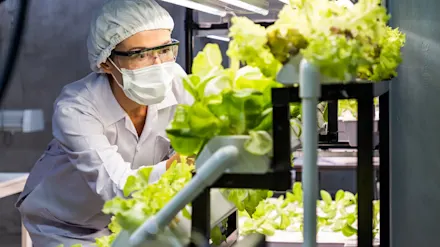
Next generation nutrition science: a new chapter in sustainable food systems

Nutrition science faces a pivotal moment as we enter the last 5 years of the 15-year timeline of the UN Sustainable Development Goals (SDGs). The challenges of food security, dietary health, and environmental sustainability are deeply interconnected, and the research agenda is shifting to reflect that complexity. Siloed approaches, whether focused on single nutrients, isolated policy levers, or narrow populations, are giving way to systems-level thinking that treats food as part of a broader web of trade, technology, ecology, and human behavior.

From our journals

Published on 11 Feb 2026

From rankings to resilience: a case study in building a One Health department

When a department climbs into the top 40 globally in a major ranking, it is tempting to treat that moment as the achievement. But rankings are outcomes, not strategies. In 2023, the Department of Veterinary Medicine at the University of Bari was ranked 36th worldwide in veterinary research. For Prof. Nicola Decaro, former Head of the Department, the milestone is less a destination than a data point, one indicator of deeper structural changes that have been underway for years.