 Daiva Zadeike1*
 Claire Copperstone2
 Olha Aleksandrova3
 Derya Özalp Ünal4
 Katarina Šavikin5
 Jelena Živković5
 Mustafa Güzel6
 Hatice Kalkan Yildirim7
 Ibrahim Ender Künili8
 Teodora Ivanova9
 Özge Özmen10
 Filippos Bantis11
 Jelena Milešević12
 Bálint Balázs13
 Sónia Negrão14
 Marija Knez12
- 1Department of Food Science and Technology, Faculty of Chemical Technology, Kaunas University of Technology, Kaunas, Lithuania
- 2Department of Food Science, Nutrition and Dietetics, Faculty of Health Sciences, University of Malta, Msida, Malta
- 3Chair of Rural Economy and Economics, Institute of Agricultural and Environmental Sciences, Estonian University of Life Sciences, Tartu, Estonia
- 4Department of Quality Control, Field Crops Central Research Institute, Ankara, Türkiye
- 5Department for Pharmaceutical Research and Development, Institute for Medicinal Plants Research “Dr Josif Pančić”, Belgrade, Serbia
- 6Department of Food Engineering, Faculty of Engineering, Hitit University, Corum, Türkiye
- 7Department of Food Engineering, Faculty of Engineering, Ege University, Bornova, İzmir, Türkiye
- 8Department of Fishing and Fish Processing Technology, Faculty of Marine Sciences and Technology, Çanakkale Onsekiz Mart University, Çanakkale, Türkiye
- 9Department of Plant and Fungal Diversity and Resources, Institute of Biodiversity and Ecosystem Research - Bulgarian Academy of Sciences, Sofia, Bulgaria
- 10Department of Food Engineering, Faculty of Engineering, Adana Alparslan Türkeş Science and Technology University, Adana, Türkiye
- 11Department of Agriculture, University of Western Macedonia, Flórina, Greece
- 12Centre of Research Excellence in Nutrition and Metabolism, Institute for Medical Research, National Institute of Republic of Serbia, University of Belgrade, Belgrade, Serbia
- 13Environmental Social Science Research Group (ESSRG) Nonprofit Kft, Budapest, Hungary
- 14School of Biology and Environmental Science, University College Dublin, Dublin, Ireland
Rye (Secale cereale L.) is increasingly recognized as a sustainable cereal with significant nutritional, ecological, and economic potential. While previous studies have highlighted its dietary fiber (DF), bioactive compounds, and associated health benefits, this review provides an updated synthesis that integrates recent findings on rye's role in human health, food security, and sustainability. In particular, it emphasizes novel evidence on rye's functional properties, its potential contributions to plant-based dietary strategies, and its economic and social relevance. By consolidating current knowledge and outlining future directions for product development and dietary innovation, this work offers a fresh perspective that extends beyond earlier 0 reviews focused on rye.
1 Introduction
Plant-based nutrition is increasingly recognized as an effective long-term strategy for addressing both health and environmental challenges (191). In this context, rye emerges as a resilient and sustainable crop offering significant dietary, environmental, and economic advantages (1).
Rye (Secale cereale L.) is one of the oldest and most resilient cereal grains in Europe, playing a vital role in both traditional agriculture and food culture (2). Rye is particularly valued for its ability to grow in poor soils and cold climates, which makes it an essential crop in many European regions. Traditionally, rye has been used to produce rye bread, a dense, nutritious bakery product widely consumed in countries such as Germany, Poland, and throughout the Scandinavian and Baltic regions. Beyond human consumption, rye grain also serves as an important component of animal feed, supporting the livestock industry (3).
Rye is a rich source of proteins, starch, and bioactive compounds, such as dietary fiber, antioxidants, and essential micronutrients (Figure 1). Whole-grain rye contains a high level of dietary fiber (DF), which supports gastrointestinal health through antioxidant and anti-inflammatory phytochemicals (4). In addition to its fiber content, rye grains contain a wide spectrum of bioactive compounds, including alkylresorcinols, ferulic acid, catechol, sinapic acid, vanillin, and vanillic acid, that exhibit antioxidant properties and may support immune function and mitigate age-associated physiological decline (5, 45). The micronutrient composition of rye is considered equally vital to its macronutrient content, playing a critical role in regulating numerous biochemical processes within the human body. The inclusion of rye in a nutrient-dense, balanced diet may contribute to the prevention of various chronic diseases. Notably, rye naturally contains a distinctive profile of essential vitamins and minerals (6). Moreover, the synergistic consumption of leguminous and cereal crops ensures a complete amino acid profile, optimizing dietary balance. This integrative nutritional approach addresses potential dietary deficiencies while supporting sustainable protein consumption strategies (7).
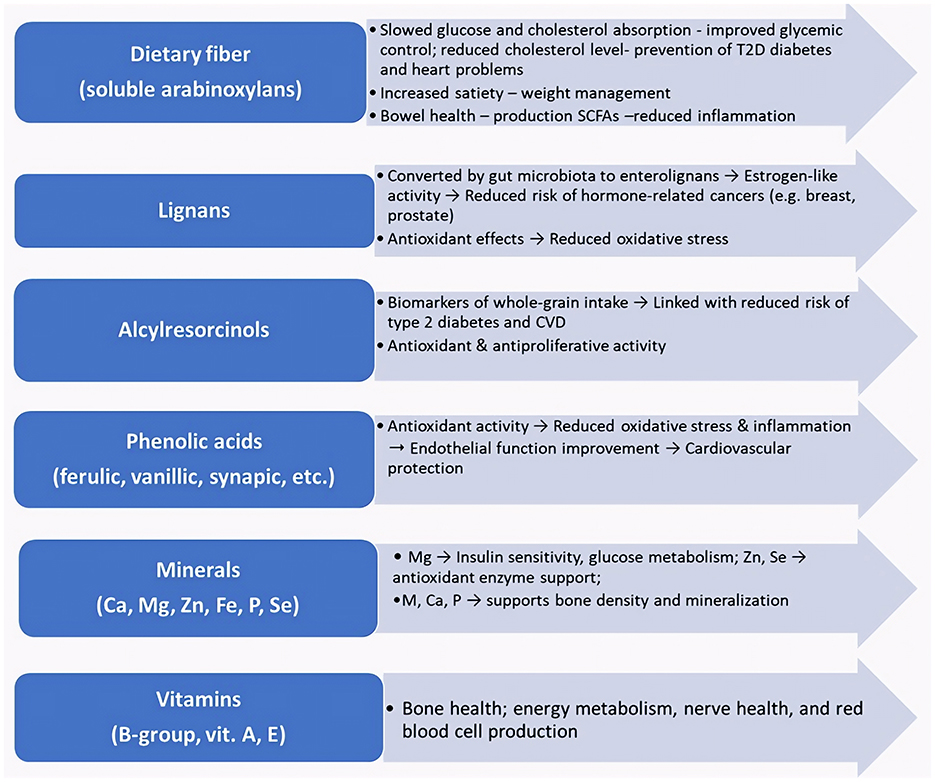
Figure 1. Rye bioactive compounds and their health outcomes.
The European sustainability trends in agriculture may lead to an increasing interest in rye cultivation and consumption (8). The ability of rye to grow in poor conditions makes it a valuable crop for farmers, as it can be integrated into crop rotation systems to improve soil quality, ensuring biodiversity protection through efficiently managed resources, which supports sustainable farming (9, 10).
This review presents a thorough and current examination of the nutritional properties and health benefits of rye, distinguishing it from other prominent agricultural crops. It provides a fresh synthesis of the latest research, while also delving into rye's vital role in enhancing global food security and promoting sustainable farming practices. By integrating current research on rye's economic and social impacts, this review identifies emerging dietary trends and potential avenues for innovative product development.
2 Cultivation and consumption of rye across Europe
The European Union (EU) harvested 7.8 million tons of rye in 2023, a very similar quantity to that in 2022 (11). According to The Food and Agriculture Organization's global statistical database (FAOSTAT) (12), the top rye-producing countries in the EU were Germany (3.13 M tons) and Poland (2.4 M tons), followed by Denmark (883.5 K tons), Belarus (800 K tons), and Ukraine (334.6 K tons). Germany's production, which represents two-fifths of the EU's total output, saw a slight decline of 0.3%, contributing to the overall stagnation across the EU.
Elsewhere, the steep declines in rye production in Spain (−46.6%) and Denmark (−13.1%) were largely countered by the increases in Poland (up to 5.4%), Hungary (up to 59.1%), and Finland (up to 41.3%). The global rye market size was valued at USD 3.89 billion in 2023 and is expected to grow at a compound annual growth rate (CAGR) of 3.6% from 2024 to 2030 (11).
Although wheat dominates in many European countries, rye remains essential due to its adaptability to poor soils and cooler climates, making it suitable for a wide range of regions. This resilience makes rye valuable for farmers, especially as it supports crop rotation, improves soil quality, and prevents erosion (9). While increasing yield is a key aspect of rye cultivation, this health-promoting cereal also offers important sustainability benefits for food and feed production. Rye is a resilient crop that thrives in poor soils and harsh climates, reducing the need for intensive irrigation and chemical inputs while improving soil health through its extensive root system and role as a cover crop (9? , 10). Additionally, its high dietary fiber content supports livestock gut health, while its natural pest resistance promotes eco-friendly farming—making rye a sustainable choice for food and feed (5).
Germany is the largest producer of rye in Europe, and rye is deeply ingrained in the country's culinary culture. Rye bread (Roggenbrot) is a staple in German households, and the country is known for its diverse rye-based products. Occupying 28.7% of the total bread consumption (58.9 kg/year per capita), brown bread is preferred in Germany, followed by toast bread (21.4%) and seeded bread or cornbread (15.5%) (14). Rye has long been a traditional crop in Lithuania and Poland, with rye bread being a main element of the cuisine (15). The most renowned national heritage of Lithuania is dark rye bread, traditionally made from wholemeal rye flour. French rye is primarily used in the production of bread and rye-based products. In countries such as Denmark and Finland, where wholemeal rye bread is the most widely consumed, around 40% of the dietary fiber comes from rye-based products (16). Rye bread is the main source of whole-grain intake, contributing 58% in children and 64% in adults (17). While wheat is the primary cereal crop in France, rye has long been an important crop in the northern regions of the country, where the cooler climate allows for rye cultivation. In other European countries, rye consumption is moderate to low but still prevalent, particularly in Austria, the Czech Republic, Slovakia, and Latvia, where it is featured in traditional breads and baked goods (14). These trends highlight the cultural and regional differences in rye consumption across Europe, showcasing its persistent importance in traditional diets and its potential role in promoting sustainable and health-conscious eating habits.
3 Rye nutritional quality
Rye (S. cereale L.), a member of the Poaceae family and genetically related to wheat and barley, is widely recognized for its nutritional value (18). Compared to other cereals, rye demonstrates superior nutritional value, providing higher levels of dietary fiber, antioxidants, health-promoting phytochemicals, and essential macro- and micronutrients (Figure 2). Additionally, rye exhibits greater resistance to diseases and various pathogenic stresses (19). Due to its richness in nutrients and bioactive compounds, rye is widely used in the food industry, second only to wheat, for making bread, biscuits, and flakes (20).
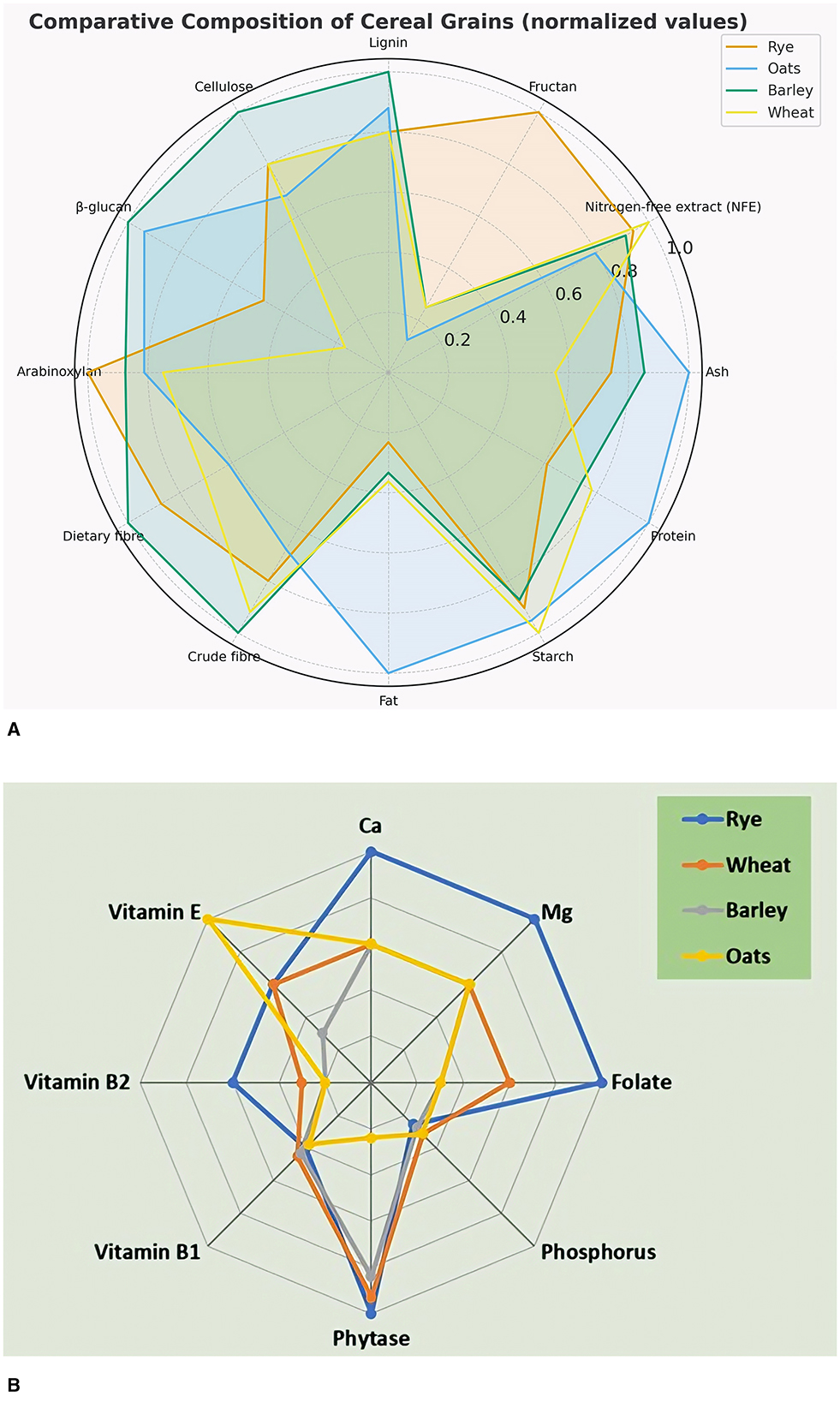
Figure 2. (A, B) Nutritional components of rye compared to wheat, barley, and oats.
3.1 Rye macronutrients
Rye fiber supports weight regulation and promotes digestive health (21). Rye grain has higher fiber content than other cereals (22) (Table 1).
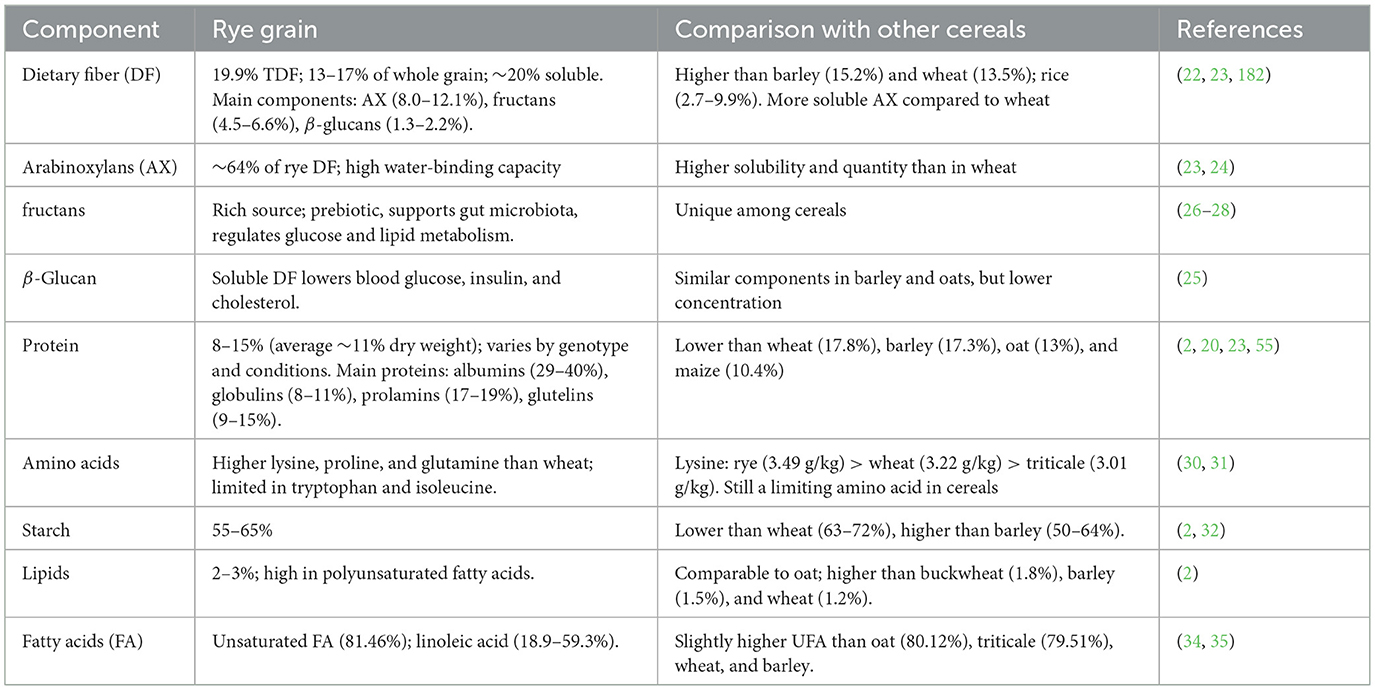
Table 1. Macronutrient composition and nutritional properties of rye compared to other cereals.
The main components of rye fiber are arabinoxylans, fructans, and β-glucans, which have a structure similar to wheat but a higher percentage of soluble AX (23). Arabinoxylans bind water effectively, which is beneficial for digestion (24). β-Glucan, a soluble fiber, provides health benefits by moderating blood glucose, insulin, and cholesterol levels (25). Rye is also rich in fructans, which exhibit distinct functional properties relative to other cereals (26). Fructans serve as a primary carbon source for bifidobacteria, supporting gut health and protecting against pathogens (27). As a prebiotic, fructans improve glucose regulation and lipid metabolism, and reduce lipopolysaccharide levels (28).
The macronutrient composition and key nutritional properties of rye in comparison to other common cereals are presented in Table 1. The protein content in rye kernels varies depending on the genotype and growing conditions (2). Rye contains less protein on average than wheat, barley, and oats (29).
Albumins are the main protein fraction, followed by globulins, prolamins, and glutelins (20). Compared to wheat, rye proteins offer a slightly better amino acid profile with higher levels of lysine, proline, and glutamine, although they remain limited in tryptophan and isoleucine (30). Rye is notable for its relatively high lysine content compared to wheat and triticale, although lysine is still the most limiting amino acid in rye and other cereals (31). The starch content in rye grain is lower than in wheat but higher than in barley (2, 32). Rye lipids, rich in polyunsaturated fatty acids, contribute to health benefits and protect against chronic diseases such as cardiovascular issues, neurological disorders, cancer, inflammation, obesity, and diabetes (33). Rye's lipid content is similar to that of oat, slightly higher than buckwheat, barley, and wheat (2). Rye also contains more unsaturated fatty acids than oats, triticale, durum and common wheat, and barley-linoleic acid being the dominant type (34, 35).
3.2 Rye micronutrients
Rye naturally contains a distinctive composition of micronutrients that support numerous biochemical processes in the human body (36). While other cereals may be richer in some minerals, rye stands out for its high dietary fiber content and wide range of vitamins and bioactive compounds (35), making it a valuable component of a healthy diet, especially in comparison with whole wheat (Figure 2).
Notably, rye has the highest phytase activity among oats, barley, and wheat, meaning it has the greatest potential to break down phytates. Compared to the other major food crops, oats have a relatively high phytate content. All cereal grains have significant amounts of phytate, but the lowest content of the phytate-cleaving enzyme, phytase, is in oats compared to wheat, barley, and rye (37). Rye genotypes also exhibit higher levels of Ca and Mg compared to triticale (38). Rye flour provides significant amounts of folate, which is recognized for its role in preventing megaloblastic anemia and reducing the risk of neural tube defects during pregnancy (39).
Table 2 provides a detailed comparison of the micronutrient content of rye with that of other cereals, highlighting its unique nutritional benefits. The main bioactive phytochemicals in rye are phenolic acids, phytosterols, alkylresorcinols, and lignans (16). Several other bioactive compounds, including flavonoids, anthocyanins, tocopherols, and tocotrienols, have also been identified in rye (5, 40, 41). Furthermore, rye is a good source of α-tocopherol similar to wheat; however, oats are characterized by the highest vitamin E content (2, 35).
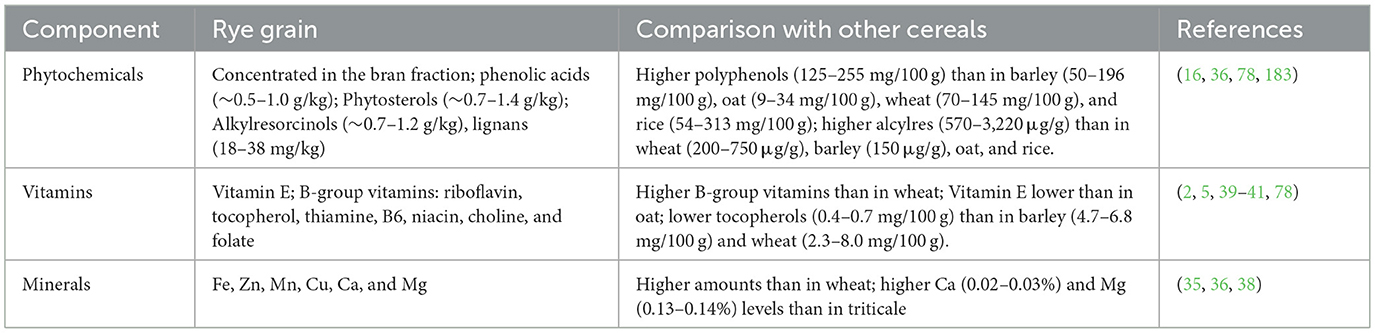
Table 2. Rye micronutrients and nutritional properties compared to other cereals.
Plant-derived macronutrients and phytochemicals play an essential role in supporting a healthy lifestyle due to their nutritional and health-related benefits, including prebiotic effects on gut microbiota and antioxidant capabilities (5). By mitigating the damaging effects of free radicals and oxidative stress, they exhibit antioxidant and anti-inflammatory properties that promote both intestinal and overall systemic health (42).
4 Health benefits of rye
4.1 Digestive and cardiovascular health
Rye dietary fiber (DF) —notably arabinoxylans and β-glucans—slows gastric emptying, which may improve nutrient absorption and help maintain normal intestinal motility (42). Dietary metabolites act in concert with the gut microbiota to help support intestinal ecosystem balance. According to the literature, metabolite profiles from rye sourdough and in vitro colonic fermentation appear more favorable for intestinal health than those from other cereals (42).
In addition, rye fiber exhibits prebiotic effects—it can suppress pathogens and selectively promote beneficial bacteria (e.g., Lactobacillus, Bifidobacterium), which ferment fiber into short-chain fatty acids (SCFAs) that help regulate metabolic and immune processes (43, 44). Regular consumption of whole-grain rye can increase beneficial bacteria and promote a healthier gut microbiota, which is associated with improved metabolic and immune outcomes (45). The intestinal functionality of rye products may include increased fecal bulk, binding and efficient elimination of potentially toxic metabolites, and release of protective components such as lignans (46).
Currently, there is one EU-authorized health claim, based on a positive scientific opinion issued by the European Food Safety Authority (EFSA) Panel on Dietetic Products, Nutrition, and Allergies (47). This claim states that rye DF, when consumed in sufficient amounts, contributes to normal bowel function. Moreover, clinical evidence indicates that rye can help prevent constipation and improve bowel regularity, thereby reducing the need for laxatives, likely due to its high fiber content (48). Preclinical and clinical data suggest that incorporating alternative grains and dietary fiber into sourdough bread formulations can reduce risk factors for non-communicable diseases and beneficially modulate the gut microbiota (45, 49).
Beyond its digestive benefits, whole-grain rye consumption is also associated with cardiovascular benefits. Whole-grain rye has been associated with improved lipid profiles, lower blood pressure, and reduced inflammation—factors relevant to cardiovascular health (43). Elevated total and low-density lipoprotein (LDL) cholesterol are established risk factors for cardiovascular disease. Diets rich in whole grains are associated with a reduction in cholesterol levels compared to a refined-grain diet, and with a reduced risk of coronary heart disease (50).
Viscous, soluble DF has been shown to lower both systolic and diastolic blood pressure (51) and to exert more favorable effects on cardiometabolic risk factors (e.g., blood lipid levels, glycemic control) than non-viscous or insoluble fibers (52). One mechanism underlying fiber's cholesterol-lowering properties is bile-acid binding in the small intestine, which promotes their excretion (53). Additionally, alkylresorcinols-phenolic lipids abundant in wheat and rye may reduce cholesterol absorption, potentially enhancing rye's cholesterol-lowering effect (54).
Higher whole-grain consumption is also associated with lower body mass index and may reduce the prevalence of metabolic syndrome (MbS), which comprises hyperglycemia, dyslipidemia, hypertension, and obesity (55). These factors, alone or in combination, increase cardiovascular disease (CVD) risk (56, 57). Whole-grain-rich diets have been associated with a reduced incidence of CVD, largely via improvements in obesity and lipid profiles (58–60). Overall, the rye-based products may be particularly useful for elucidating the metabolic effects of rye consumption.
4.2 Diabetes control and weight management effects
The glycemic index (GI) indicates the extent to which a particular type of food raises blood glucose levels after eating (61). Blood sugar regulation is crucial in managing diabetes; dietary strategies include emphasizing low-glycemic index (GI) foods and high fiber, and reducing rapidly digestible carbohydrates (62). Studies report lower post-prandial glycemic responses when whole grains are from rye (63). Highly viscous rye soluble arabinoxylans (AX) resist digestion and may help to attenuate post-prandial glycemia and cholesterol levels (58, 64). Randomized controlled trials have indicated that medium-to-long-term whole-grain intake reduces fasting glucose concentration compared with refined-grain foods (65).
Reduced insulin sensitivity is a crucial contributor to the development and progression of type 2 diabetes mellitus (T2DM) (66). In obesity and T2DM, insulin resistance—a diminished response to insulin—is common (67). Replacing refined grains with whole grains leads to improvements in cardiometabolic biomarkers associated with cardiovascular disease risk (68). Using a metabolomics approach, one clinical study found a lower post-prandial insulin response after sourdough rye bread compared with wheat bread (69). Prospective cohorts have also reported a 27–30% lower risk of T2DM with higher whole-grain intake and a 28–37% lower risk with higher cereal fiber intake (70, 192). Collectively, these findings underscore the vital role of integrating whole-grain rye as a part of a balanced diet, given its potential to improve glycemic control and cardiometabolic markers. Rye-based foods (e.g., bread and porridges) have been reported to be more satiating than wheat-based products (71), which may aid weight management. Compared to wheat-based products, consumption of rye products is associated with lower body weight, likely due to their higher fiber content and increased satiety (21, 72). Weight gain was inversely associated with high-fiber whole-grain intake, supporting the role of whole grains in weight control (73). Some whole-grain cereals—especially wheat and rye—are good sources of dietary betaine, which has beneficial effects on obesity, alcohol-induced and metabolic-associated liver disease, diabetes, cardiovascular diseases, and certain cancers (74). A primary dietary source of betaine, cereal grains can provide more than 85% of daily intake (75). Higher betaine intake is associated with a lower risk of overweight and obesity (76).
4.3 Anti-inflammatory effects of rye and role in cancer prevention
Inflammatory reactions can promote the progression of certain chronic diseases, such as Alzheimer's disease, type 2 diabetes, and atherosclerosis (77). Certain phenolic compounds have shown potential in counteracting these conditions by modulating inflammatory pathways. Diets consisting of whole-grain cereals, compared with refined grains and their fractions, have been reported to influence plasma phytochemical levels and reduce oxidative stress and inflammation (45, 78). The antioxidant activity of polyphenols plays an important role in protecting against oxidative stress-induced neurodegenerative diseases, CVD, chronic oxidative cellular damage, viral and bacterial infections, diabetes, inflammatory disorders, and infectious illnesses (79, 80).
Regarding the anti-inflammatory effects of whole-grain diets, most studies focus on the health benefits of phenolic acids (PA) and their antioxidant properties. Most PAs in rye grain are in bound form, as in other cereals, with only 1–5% as free phenolic acids, of which ferulic acid is the most abundant (81). Water-soluble PAs, containing only 10–30% of the total content, exhibit most of the antioxidant activity (81). According to the literature, the content of phenolic compounds is 15- to 18-fold higher in rye bran than in the endosperm, which contains only 17% of the total phenolic content (82). PAs in rye grain possess anti-inflammatory effects by potentially reducing pro-inflammatory cytokines, acting as antioxidants to combat oxidative stress, and supporting overall health through mechanisms that may include beneficial interactions with the gut microbiota (81).
Lignans are less abundant phenolic compounds that are generally found in plant material in a bound form (83). Such bound rye phytochemicals have been reported to increase plasma total antioxidant capacity, which can directly reduce oxidative stress (84). It has been demonstrated that consumption of wholemeal rye bread results in a significant increase in plasma and urine enterolactone levels in healthy individuals compared with white wheat bread (85).
Whole-grain intake has been suggested to be beneficial in preventing several lifestyle-related chronic diseases, including certain types of cancer (73). An inverse association between the intake of whole-grain products and pancreatic cancer incidence was also reported by Lei et al. (86). Whole grains, rich in fiber and lignans, may help reduce the risk of hormone-related cancers, such as breast cancer (87). The phytoestrogenic properties of lignans show potential to slow down hormone-sensitive cancers, including breast, prostate, and colon cancer (46). The lignans in rye undergo bacterial conversion in the gut to produce compounds that may help reduce breast cancer risk by lowering estrogenic absorption (88) and may reduce the risk of developing bowel cancer by improving bowel function and decreasing the presence of certain compounds that increase colon cancer risk (89). Rye consumption may also lower the risk of bowel cancer by improving bowel function and decreasing carcinogenic compounds in the colon (89). Furthermore, high-fiber rye and wheat both increased fecal bulk. Still, only rye significantly increased fecal butyrate concentrations, which are important for maintaining healthy colonocytes and may act as anticancer agents (90).
Overall, findings from intake studies suggest that cereal phytochemicals provide only limited or modest protection against oxidative stress, indicating the need for further research to confirm and strengthen these observations.
4.4 Rye diet contribution to bone health
The growth and metabolism of bones depend on trace elements, which include iron, zinc, copper, calcium, phosphorus, and magnesium. Both deficiencies and excesses of these elements can increase the risk of bone diseases, including osteoporosis (91, 92).
Osteoporosis is a major global health issue. It is a systemic disease that reduces bone mass and quality, making bones fragile and prone to fractures. These fractures often lead to disability, lower quality of life, and higher mortality (13, 93). A review of 40 studies involving over 79,000 older adults from Asia, Europe, and America found that about 21.7% of them had osteoporosis (94).
Minerals, such as Ca, Mg, and P, are critical in supporting bone density and strength. Calcium is essential for the development, growth, and maintenance of bones (95), and magnesium participates in metabolic pathways in cells, stimulating the activity of osteoblasts and enzymes, involved in the bone formation process, and directly affects bone density (96). Phosphorus is the second most fundamental component of bone tissue after calcium, almost 85% of which is stored in bones and teeth (97). Its deficiency leads to defects in mineral deposition related to bone disorders, rickets, impaired growth, and disordered bone mineralization (98).
Nutritional strategies are key for preventing osteoporosis. Besides calcium, vitamin D, and protein (99), short-chain fatty acids (193), dietary fiber (100), and polyphenols and flavonoids (101) also contribute to building bone mass.
Recent research confirms that whole-grain diets improve bone health by increasing bone mineral density and balancing bone resorption and formation (194). Diets rich in milk, cereal, and whole grains are linked to higher bone mineral density (102). Overall, a healthy diet riche in whole grains may help prevent osteoporosis and lower the risk of fractures.
Rye may enhance bone health mainly due to its abundant mineral content, which includes Ca, Mg, K, Fe, Zn, Cu, and vitamins (B vitamins, vitamins E and A) (103) that are essential nutrients vital for sustaining bone density, strength, and proper mineralization. Rye stands out among cereals because of its higher Ca, Mg, and P content, which are crucial for bone mineralization and density, compared with wheat and oats, which contribute important minerals but provide less calcium (Table 3). Brown rice contributes some minerals but is weaker for bone health compared to rye, and white rice offers minimal benefit (104).
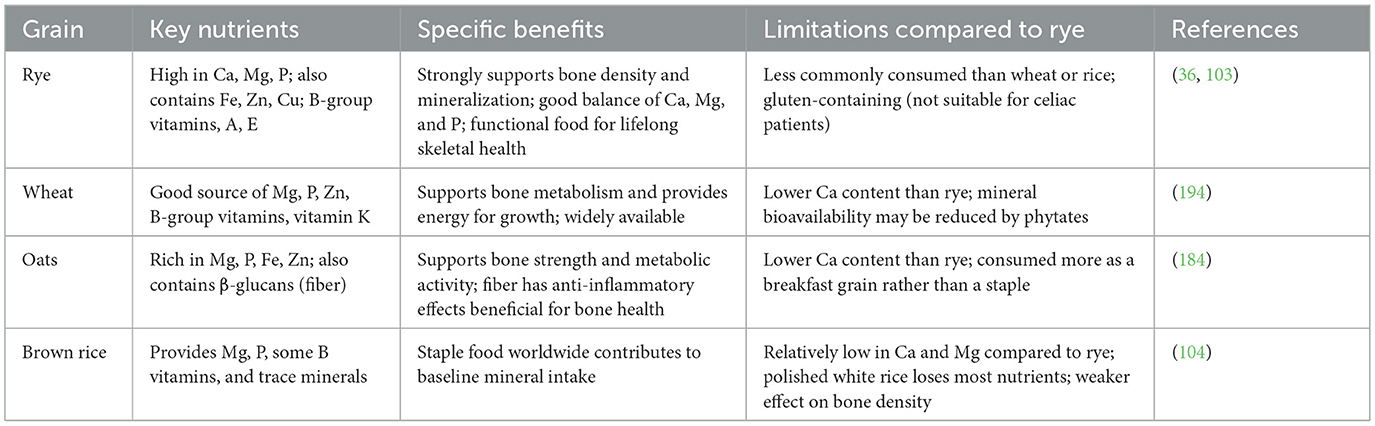
Table 3. Contribution of whole grains to bone health and osteoporosis prevention.
The balanced mineral profile of rye supports bone development and maintenance, while also helping to prevent conditions such as osteoporosis and rickets. In addition, its mineral content contributes to the regulation of metabolic processes involved in bone formation and repair, making rye a valuable dietary component for sustaining skeletal health.
5 Antinutrients and toxins in rye and their reduction methods
5.1 Antinutritional factors and potential toxins in rye and rye products
Antinutritional (AN) factors are compounds naturally found in edible seeds that affect the bioavailability of nutrients, especially proteins, minerals, and vitamins, by binding to them (105). In this case, antinutritional factors may cause harmful effects on the growth and performance in humans and animals by disrupting the uptake and absorption of nutritious components (106). The main antinutritional substances in rye grain include pentosans, phytates, trypsin, and amylase inhibitors (107).
The most important cereal antinutrient is phytic acid (PA), the main storage form of phosphate, amounting to 70% of total seed phosphate content (108) (Table 4). PA was found in a range of 0.54–1.46 g/100 g and 0.19–0.43 g/100 g in rye and rye bread, respectively (109). PA has the ability to combine metal ions, especially Zn, Fe, and Ca, making them unavailable in humans due to very low intrinsic phytase activity in the digestive tract (41, 110).
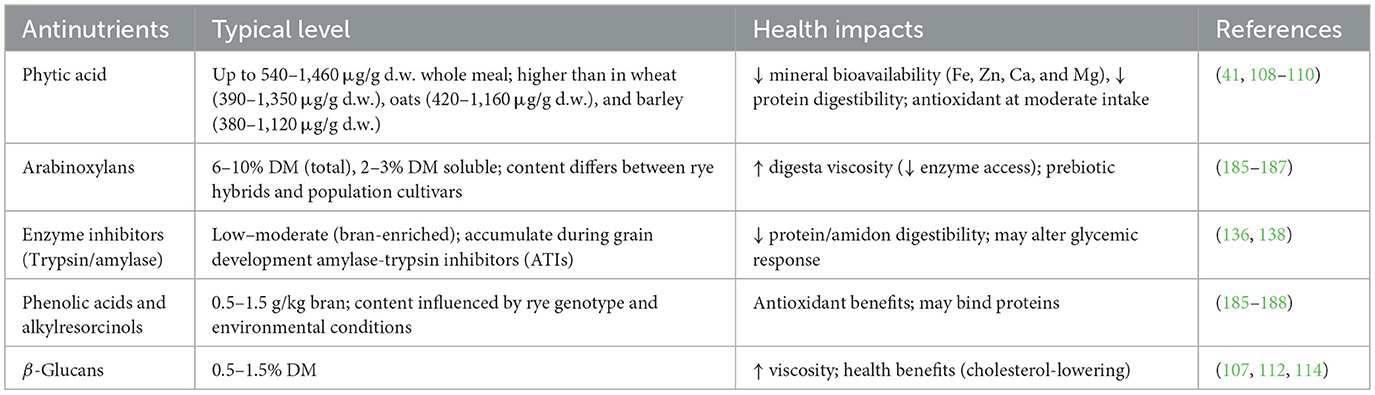
Table 4. The levels of potential antinutrients in rye and their impact on health.
Rye and barley have higher levels of trypsin inhibitors than oats and wheat, but compared to legumes, cereals have much lower amounts of inhibitors, particularly those affecting proteases and amylases; however, the presence of digestive enzyme inhibitors in cereals does not pose significant nutritional issues (105, 106). The adverse effects of trypsin inhibitors are mainly related to a reduction in the activity of digestive enzymes and a decrease in digestibility, as well as the utilization of protein, leading to poor nutrient utilization, potential pancreatic hypertrophy, and ultimately, reduced weight gain (111).
Among cereals, rye contains the most non-starch polysaccharides, which can lead to reduced intake, poor nutrient digestion, and ultimately lower body weight (112). The only effective method to neutralize their anti-nutritional effect is to use xylanases for the degradation of pentosans (113). It is noteworthy that rye contains higher levels of soluble arabinoxylans, compounds that benefit digestive health (41, 114). Furthermore, the antinutritional effect of water-soluble pentosans is weaker and may even benefit health by acting as prebiotics (115). Moreover, the inhibition of enzymes, such as α-amylases, may provide health benefits related to the prevention of T2D and obesity: the increased carbohydrate digestion time due to the enzyme inhibition decreases glucose absorption rate, and this affects the normal post-prandial plasma glucose level (116, 117).
In recent years, the incidence of cereal grain samples contaminated with ergot sclerotia and mycotoxins has increased worldwide (118–120) (Table 5). The increase in the incidence of contaminated samples may be associated with changes in the climate or agricultural practices. In the case of rye, the highest contamination levels were found in rye milling products, rye bread and rolls, and rye flakes, demonstrating that rye is the most contaminated among cereals (121).
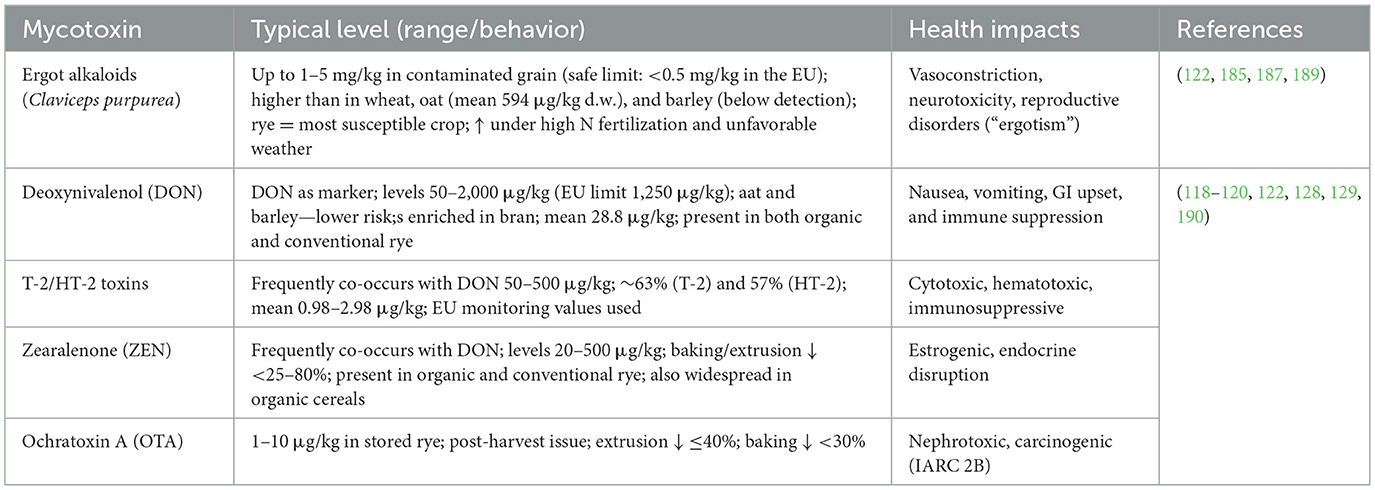
Table 5. Mycotoxins in rye: typical levels and health impacts.
In Europe, the ergot alkaloids (EA) producing fungus Claviceps purpurea is the most widespread Claviceps species that contaminates food supplies (122). The main crops affected by EAs are rye, barley, wheat, millet, oats, and triticale, with rye being the most sensitive to ergot alkaloids. It is highly susceptible to fungal growth when stored above 14% moisture and at temperatures of 18–30 °C (123). Specifically, EA concentrations in contaminated grain can increase or decrease after long-term storage (124). The alkaloids act on the nervous and vascular systems, causing ergotism (125).
Mycotoxins are toxic compounds produced by certain fungi on grains, such as rye, particularly in warm, humid conditions (122). Deoxynivalenol (DON), commonly produced by Fusarium species during improper storage or wet growing seasons, can cause nausea, vomiting, and feed refusal in livestock and humans (126). Zearalenone (ZEA), another mycotoxin from Fusarium species, mimics estrogen and disrupts hormonal balance, potentially causing reproductive issues in humans and animals (127). T-2 and HT-2 toxins produced by various Fusarium species are characterized as highly toxic and can damage the immune system, skin, and gastrointestinal tract (195). Notably, rye is the most resistant to Fusarium head blight and has the least kernel damage compared to triticale, durum, and soft wheat (128). A study of 60 winter rye samples from four varieties cultivated in three consecutive growing seasons across five different regions of Poland revealed the presence of DON, T-2 toxin, HT-2 toxin, and ZEA. Still, their concentrations were low, and none of the analyzed rye samples exceeded the maximum acceptable mycotoxin levels (129).
Although certain harmful agents can be present in rye, it's essential to carry out more in-depth and broad-ranging investigations to correctly identify the precise amounts of these agents and the potential risks they could entail, as the current research seems to show they are not likely to pose major dangers to human wellbeing when consumed in typical servings.
5.2 Methods to reduce antinutrients and toxins in rye products
Various processing methods, such as soaking, germination, cooking, fermentation, and enzymatic treatment, can reduce or eliminate antinutritional components in cereals as well as in rye (105, 106) (Figure 3). In addition, several other methods have been proposed recently, including extrusion, microwave, and high-pressure processing (105, 130).
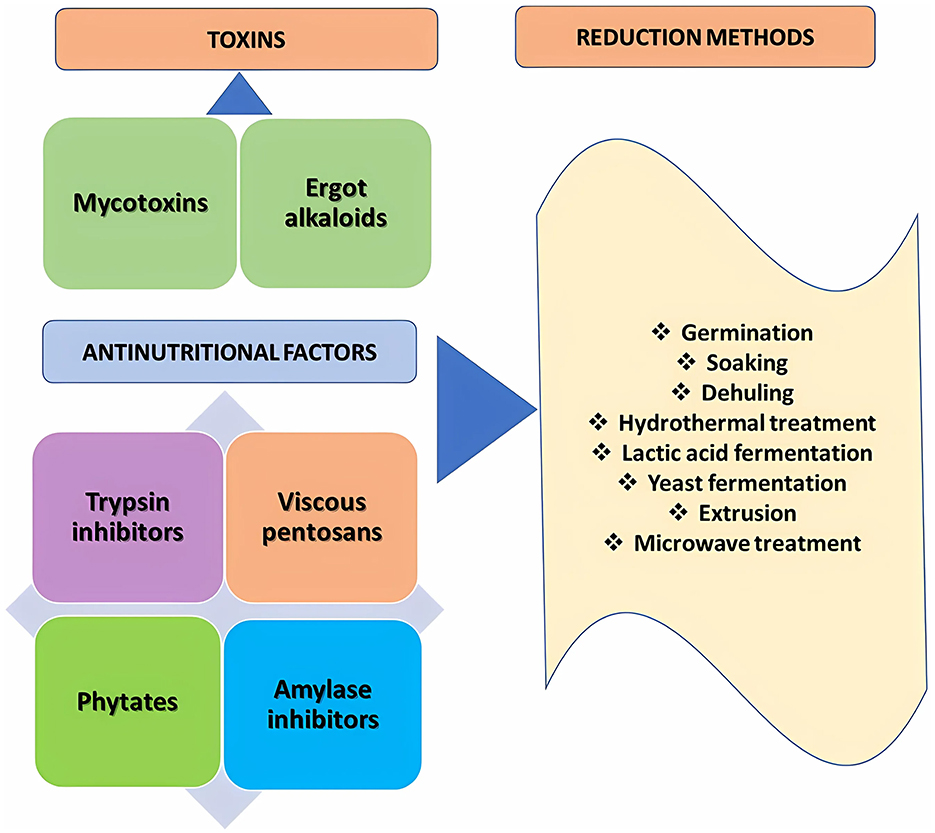
Figure 3. Conventional methods for reducing toxins and antinutrients in rye grain and rye products.
Germination effectively reduces phytate content in wheat, rye, and barley by 95–99%, as active phytase enzymes break down phytate salts, providing essential phosphate for the seedling (108). Rye has the highest phytase activity among grains, surpassing wheat, barley, corn, and rice (131). The phytate content of rye grain can be significantly lowered during soaking (132) because phytates are water-soluble (133).
Moreover, fermentation has been demonstrated to be an effective pre-treatment tool for wheat and rye to degrading antinutritive factors such as phytates and increasing mineral bioavailability (134). Sourdough lactic acid bacteria (LAB) can be used as a source of phytases, where fermentation leads to a more suitable pH for flour endogenous phytase activity (135). In addition to the nutritional benefits of the fermentation process, reductions in the levels of trypsin inhibitors and other antinutrients, as well as an increase in antioxidant capacity, have been reported during fermentation (136, 137). In addition, fermentation of sprouted rye also significantly increases the levels of folate, free phenolic acids, lignans, total phenolic compounds, and alkylresorcinols compared with natural rye (138).
Wet extrusion also offers advantages, including reducing ANs, increasing soluble dietary fiber, reducing lipid oxidation, and gelatinization of starch (105). Due to the high content of water-soluble pentosans in rye grains and, therefore, their high viscosity, they are of limited use in livestock feed (41). Studies have shown that extrusion significantly reduces the content of the main anti-nutrient of rye grain—water-soluble pentosans (41, 139).
Extrusion can be used as a tool to modify DF viscosity and starch retrogradation (139). Breaking down DF structure (140), which makes non-starchy polysaccharides more accessible to xylanases and increases the yield of fermentable oligosaccharides, can alter gut microbiota composition (141). As a result of extrusion processing, the content of water-soluble pentosans in the winter rye grain can be decreased by 1.34 times, leading to a certain decrease in starch in winter rye grain (41).
Extrusion can be used for a significant reduction of the ANF in cereal bran (reducing PA content by 54.51%, oxalates by 36.84%, and trypsin inhibitor by 72.39%) (142).
Microwave treatment also lowers antinutritional compounds in rye grain and significantly decreases the amount of water-soluble pentosans (41). Depending on the power and duration of the microwave treatment, the content of water-soluble pentosans can be decreased by up to 0.44%, resulting in a 2.4 times reduction in the viscosity of the aqueous extract (41). Overall, these various and diverse processing techniques, when employed effectively, significantly minimize the presence of antinutritional factors found in rye, thereby greatly enhancing its overall nutritional value and increasing its potential health benefits for those who include it in their diets.
6 Nutritional and bioactive properties of rye-based products
Rye flour with varying degrees of milling is widely used, especially in Eastern Europe, to produce soft breads and crispbreads using conventional or sourdough processes (6, 15).
In Central Europe, white flour has ~0.5% ash, dark flour ~1.5%, and wholemeal up to ~2.0%. The baking industry commonly uses light rye flour, while dark rye flour is used for coarse dark breads. Whole-grain rye flour contains all grain components, which results in a coarser texture. Rye bread with a high proportion of whole-grain rye flour is typical in Eastern Europe (143), containing ~ 12.6% (soft bread) to ~ 17.8% (crispbread) total dietary fiber (26) (Figure 4).
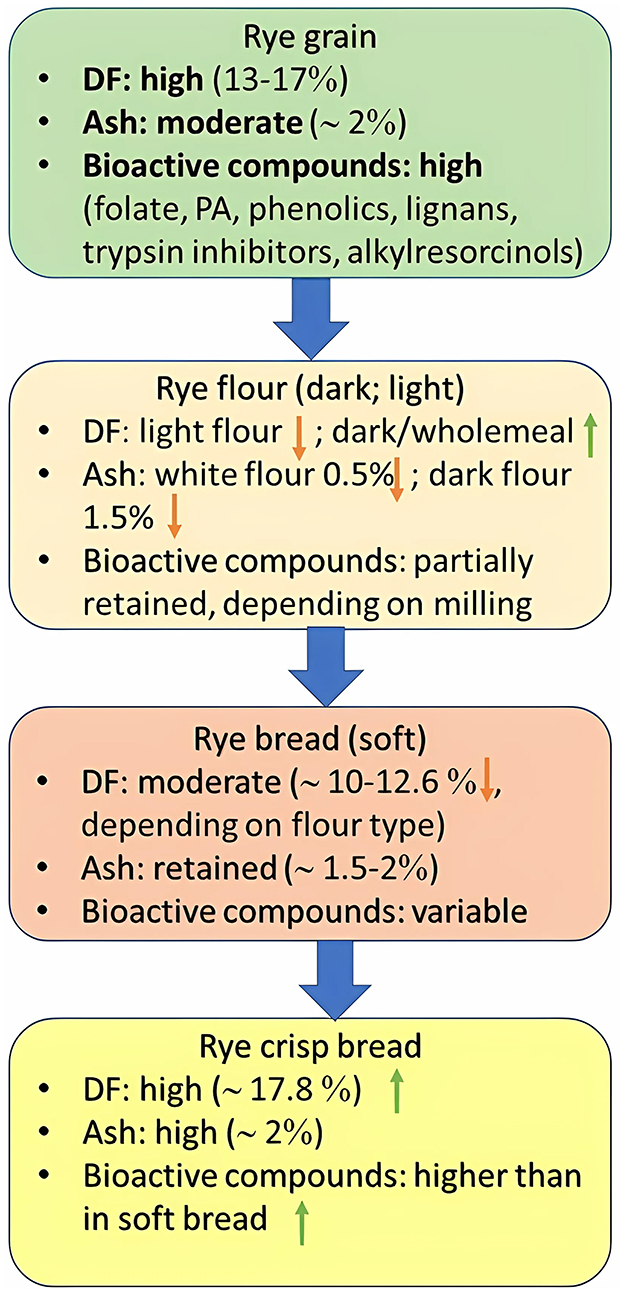
Figure 4. Nutrition quality of rye and rye products.
The development of innovative whole-grain rye products is largely driven by the increasing consumer demand for high-quality foods rich in DF and bioactive compounds (144, 145). In response, the food industry is developing products with unique flavors, including confectionery items enriched with health-promoting components (146).
However, processing can have both beneficial and detrimental impacts on the nutrients and bioactive compounds in grains. In whole-grain processing, this may affect the bioavailability of bioactive compounds. In fermented, germinated rye, increases in folate, free PAs, total phenolics, lignans, and alkylresorcinols have been reported (147). Carbohydrate levels of rye bread can increase, while the total DF, β-glucan, and fructan contents may decrease when yeast fermentation and extrusion are used (148).
The starch hydrolysis rate and post-prandial glucose response of dense foods (e.g., pasta) are lower than those of white bread (149). Fermentation enhances starch hydrolysis, but sourdough acids can reduce the rate of gastric emptying (150). Prolonged sourdough fermentation alters the metabolite profile of whole-grain rye compared with milder whole-grain wheat, significantly increasing branched-chain amino acids (BCAAs) and their metabolites, microbial metabolites of phenolic acids, and other potentially bioactive compounds (6).
Fermentation, extrusion, and sourdough methods play a key role in shaping the nutritional benefits and bioactive-compound profile of rye products. While certain processes enhance the bioavailability of compounds like phenolics, BCAAs, and folates, others may reduce dietary fiber and modify carbohydrate levels. Understanding these implications is essential for developing rye-based foods that maximize health benefits while maintaining desirable sensory attributes. Ongoing research and innovation processes are crucial to enhancing rye products and benefiting consumer health and acceptance.
7 Environmental and socio-economic aspects of rye cultivation and consumption
7.1 Sustainability and environmental impact
Addressing food security in the face of climate change requires transformative approaches that integrate human health and environmental sustainability (151). Advantages of rye over other cereals in sustainable agriculture strategies are presented in Figure 5. Rye offers a promising solution, particularly in northern Europe, where its resilience to cold and poor soils has historically outperformed wheat and barley (152). Recent studies have shown that rye emits ~20% fewer greenhouse gases and has a carbon footprint that is ~8% smaller compared to wheat, reinforcing its role in climate-friendly agriculture (153). Boosting rye production aligns with EU goals for a sustainable, low-emission future, and improving rye breeding is key to increasing its viability in contemporary farming.
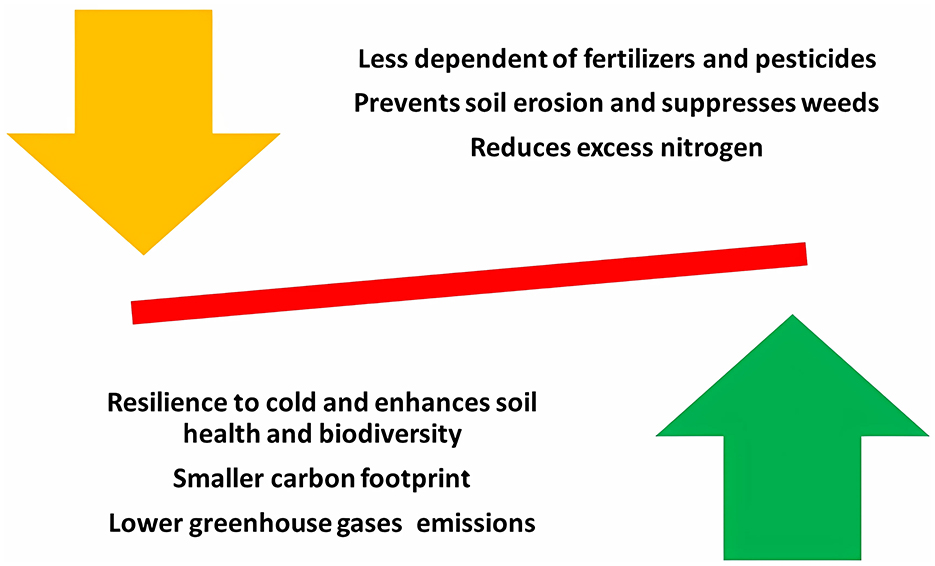
Figure 5. Advantages of rye to other cereals in sustainable agriculture strategies.
Climate change has increased interest in more resilient, improved varieties (including hybrid rye) (154). Rye requires fewer fertilizers and pesticides than other cereals, making it a low-input crop that enhances soil health and biodiversity. As a winter cover crop, rye can help prevent soil erosion, suppress weeds, and improve soil quality (155). Moreover, double-cropping with winter rye reduces excess nitrogen, promoting sustainable intensification of agriculture (156). In summary, rye's environmental resilience, low input requirements, and multiple soil health benefits make it a vital crop for advancing sustainable agriculture and addressing the challenges of climate change.
7.2 Economic and social aspects
Rye has been cultivated for many thousands of years and is well-known for its cold resistance and ability to grow in low-fertility soil. Today, rye is integrated into grain production systems, mainly within the North German Plain, extending to Poland, Ukraine, Belarus, Scandinavia, and the Baltic countries. Whereas, the world average annual consumption of rye as food is only 1 kg per capita, it ranges from over 30–35 kg per capita in Poland, Lithuania, and Estonia to 10–15 kg per capita in Finland, Denmark, Sweden, and Germany (12, 15).
Winter rye plays a significant role in the economies and food cultures of countries where it is cultivated on over 90 thousand hectares, including Belarus, Denmark, Germany, Poland, Spain, and Ukraine (12). In recent years, its cultivation has also expanded in countries like China, Canada, and the United States (12).
Rye cultivation practices reduce dependence on high-impact animal protein production, thereby supporting global initiatives to remain within planetary boundaries (157), contributing to both environmental protection and healthier dietary patterns in line with international sustainability goals. Due to its unique phytochemical composition and high cultural significance in traditional foods, such as artisan bread and crackers, rye is also becoming attractive to health-conscious consumers who are preserving culinary traditions (7).
Nowadays, especially in Nordic countries, in addition to regular bread and bakery products, various food products made from rye (crisps, snacks, porridges, breakfast cereals, etc.) can already be found on the market, with the number of these products is constantly growing (158). New rye products are developed with diverse objectives. The food industry is seeking to develop new rye-based products, such as breakfast cereals, cracker chips, beverages, and snacks. These innovations expanded the assortment of rye products and attracted consumers seeking novel healthy foods (20). As consumer awareness of healthy eating increases, so does the demand for healthier products with higher dietary fiber and bioactive compound content. For this reason, new rye milling products are being developed (159) and rye baked goods enriched with fiber and bioactive compounds (160, 161). An innovative solution for developing new rye-based products is the application of extrusion-based 3D printing techniques to produce whole-grain flour-based snacks (162). In addition, in recent years, the possibilities of using rye products to produce higher-nutritional-value gluten-free baked goods have been widely explored (163).
7.3 Challenges and opportunities of a rye whole-grain diet
Despite their numerous benefits, whole grains face challenges, such as lengthy production times, perceived digestive issues, and competition from refined-grain products. Advanced processing techniques improve the digestibility and sensory quality of food, making these crops more accessible to a wider society (7, 164). Cultural attachment to meat, limited culinary knowledge, and concerns about affordability further hinder their widespread use (165). The development of affordable, innovative products and the dissemination of information to the wider public can increase their attractiveness and lead to greater integration in diets (166, 167).
Food intolerance is now being diagnosed in an increasing share of the population (168), making it difficult to adopt a balanced and diverse diet. In recent years, much attention has been paid to the development of higher-nutritional-value gluten-free products (169). Whole-grain rye products can be used to produce gluten-free bakery products by using a sourdough treated with specific peptidases that break down the gluten proteins, allowing the gluten-free claim (163). During sourdough fermentation, gluten proteins are broken down into harmless fragments. However, the degradation of toxic peptides during sourdough fermentation is often incomplete, and residual peptides are sufficient to trigger deleterious effects on people with CD (170). Moreover, standardization of the fermentation procedure is also challenging during production due to the microbiological variabilities in sourdough (171).
Concerning the conditions of the fermentation, some studies presented promising results of mixtures of probiotic LAB strains and long-term fermentation for decreasing contamination risk in gluten-free food (172). Mixed cultures of lactic acid bacteria in sourdough were shown to be more effective in reducing gluten and their toxic peptides than monocultures; furthermore, the addition of fungal proteases during sourdough improves gluten degradation, reaching < 20 mg/kg (173, 174). Fungal food-grade proteases from Aspergillus oryzae and Aspergillus niger gave rather promising results for the complete elimination of gluten from wheat-based products. However, the elimination of gluten proteins has technological disadvantages, as the formation of the gluten network is essential for baking quality. Therefore, the targeted degradation of toxic epitopes would be an optimal solution for the future (175). Rye products produced in this manner can increase the choice of high-quality gluten-free food options for consumers.
Demographic analyses reveal that younger urban populations are more receptive to the paradigms of a plant-based diet, which highlights the importance of targeted communication strategies to increase the adoption of healthy diets (164, 176). Ready-to-consume cereal-based products and protein-enriched rye foods are convenient to use, making these nutrient-rich products suitable for time-constrained modern consumers (177).
7.4 The role of policy and culinary education
Political action is essential to integrate target food crops into global dietary systems. Policies that combine traditional knowledge with new concepts can improve the visibility and accessibility of sustainable foods (178). Integrating relevant environmental narratives into policy and education initiatives can improve public understanding. By placing dietary transitions in a broader ecological and health context, policymakers can more effectively stimulate consumer behavioral changes (179).
Today, most rye is consumed as sifted flour with variable extraction rates across different Scandinavian countries. Rye is mostly consumed as sifted flour in Scandinavia, and its extraction rates affect the amount of fiber and other compounds retained (17). For example, Denmark offers two types of sifted rye flour (88% and 80%), Sweden has 80%, and Norway has 75% (17). In population studies, it is important to consider this fact when comparing health effects after intake of refined cereal products vs. whole-grain foods.
Professional culinary education programs that incorporate rye products into institutional and commercial food preparation can further promote these dietary alternatives. Engaging food professionals and businesses is a critical strategy for sustainable food choices and integration (180). Policies that encourage reduced consumption of animal products, combined with consumer education and promotion of plant-based food alternatives, are critical to addressing nutritional and environmental concerns. Integrating environmental and health considerations into campaigns can enhance consumer receptivity and drive meaningful change (177, 181).
Effective policy measures and targeted educational initiatives are essential to increase the visibility and consumption of rye as a sustainable and nutritious food source. By combining traditional knowledge with modern environmental and health narratives, policymakers can better motivate consumers to adopt plant-based diets that include rye products. Additionally, integrating rye into food industry practices will help normalize its use and expand its presence in institutional and commercial settings. Together, these efforts can foster meaningful dietary shifts that enhance both human health and environmental sustainability.
8 Conclusion
Rye is a highly versatile and sustainable cereal crop with exceptional nutritional, ecological, and economic value. Integrating rye alongside protein-rich legumes, such as peas, beans, and chickpeas, into sustainable food production systems could contribute significantly to global goals of reducing greenhouse gas emissions and improving dietary sustainability.
Rye and rye-derived products already play a significant role in cereal-based diets across Europe due to their high content of dietary fiber, protein, bioactive compounds, and essential micronutrients. Compared with wheat, rye offers a more balanced nutrient profile. However, its gluten content remains a barrier for people with celiac disease. This contrast highlights both the strengths and the limitations of rye as a dietary staple.
From a nutritional perspective, rye is abundant in dietary fiber, vital minerals, and bioactive compounds. It promotes digestive health, helps stabilize blood sugar levels, and supports bone health. From an ecological perspective, its ability to thrive in challenging growing environments with relatively low ecological impact makes rye an ideal candidate for sustainable agriculture. When combined with legumes, it can further enhance biodiversity and contribute to mitigating climate change.
Beyond its nutritional and ecological benefits, the successful integration of rye into future food systems will depend on the implementation of supportive strategies at the societal level. Robust policy initiatives that combine traditional agricultural practices with contemporary sustainability objectives, along with nutritional and culinary education for both industry professionals and consumers, are essential. These measures can raise awareness, strengthen consumer acceptance, and encourage healthier dietary changes.
In summary, these factors underscore rye's vital role in fostering resilient, nutritious, and environmentally sustainable food systems that support both public health goals and ecological responsibility.
9 Future directions
Future directions for rye research and development include exploring novel processing methods to enhance the technological properties of rye, developing more appealing rye-based products to increase consumer acceptance, improving their nutritional density, investigating the mechanisms underlying health benefits, and promoting sustainable cultivation through diversified crop rotations to enhance grain quality.
Another priority is making rye-based products more suitable for people with celiac disease and gluten intolerance. Fermentation and enzyme-based processing also hold promise for producing gluten-reduced or gluten-free rye foods without compromising their nutritional value.
Equally important are advances in processing technologies. Innovative approaches such as controlled fermentation, enzymatic hydrolysis, and improved milling techniques can enhance dough rheology, baking performance, and the release of bioactive compounds. These technological improvements will not only support the production of healthier bread and bakery products but also pave the way for applications in feed, biomaterials, and pharmaceuticals.
Ongoing improvements in breeding, processing, and product development should be matched with efforts to meet changing consumer expectations. The growing demand for functional, sustainable, and health-promoting foods highlights the need for rye-based innovations that strike a balance between sensory quality and nutritional benefits. This creates opportunities for both traditional products, such as dark breads, and novel offerings, including gluten-free snacks and functional foods enriched with bioactive compounds.
Finally, policy frameworks and educational initiatives will be critical for ensuring the widespread adoption of rye in global food systems. Supportive regulations, incentives for sustainable farming practices, and awareness campaigns can help integrate rye into mainstream diets. Nutritional education for consumers and training for food industry professionals can further increase acceptance and demand, ensuring that the benefits of rye are fully realized in future food systems.
Author contributions
DZ: Conceptualization, Investigation, Writing – original draft, Writing – review & editing. CC: Conceptualization, Investigation, Writing – review & editing. OA: Investigation, Writing – review & editing. DU: Investigation, Writing – review & editing. KŠ: Investigation, Writing – review & editing. JŽ: Investigation, Writing – review & editing. MG: Investigation, Writing – review & editing. HK: Investigation, Writing – review & editing. IK: Investigation, Writing – review & editing. TI: Investigation, Writing – review & editing. ÖÖ: Investigation, Writing – review & editing. FB: Investigation, Writing – review & editing. JM: Investigation, Writing – review & editing. BB: Project administration, Writing – review & editing. SN: Conceptualization, Funding acquisition, Project administration, Supervision, Writing – review & editing. MK: Conceptualization, Funding acquisition, Project administration, Supervision, Writing – review & editing.
Funding
The author(s) declare that financial support was received for the research and/or publication of this article. This research was funded by the European Cooperation in Science and Technology (COST) Action CA22146 DIVERSICROP “Harnessing the potential underutilized crops to promote sustainable food production,” supported by COST (European Cooperation in Science and Technology) (https://www.cost.eu). This research was also supported by the Ministry of Science, Technological Development and Innovation, Republic of Serbia (grants numbers: 451-03-136/2025-03/200015 and 451-03-136/2025-03/200003).
Conflict of interest
The authors declare that the research was conducted in the absence of any commercial or financial relationships that could be construed as a potential conflict of interest.
Generative AI statement
The author(s) declare that no Gen AI was used in the creation of this manuscript.
Any alternative text (alt text) provided alongside figures in this article has been generated by Frontiers with the support of artificial intelligence and reasonable efforts have been made to ensure accuracy, including review by the authors wherever possible. If you identify any issues, please contact us.
Publisher's note
All claims expressed in this article are solely those of the authors and do not necessarily represent those of their affiliated organizations, or those of the publisher, the editors and the reviewers. Any product that may be evaluated in this article, or claim that may be made by its manufacturer, is not guaranteed or endorsed by the publisher.
References
1. Godfray HCJ, Beddington JR, Crute IR, Haddad L, Lawrence D, Muir JF, et al. Food security: the challenge of feeding 9 billion people. Science. (2010) 327:812–8. doi: 10.1126/science.1185383
2. Sapirstein HD, Bushuk W. Rye grain: its genetics, production, and utilization. In: Encyclopedia of Food Grains. Amsterdam: Elsevier (2016). p. 159–67. doi: 10.1016/B978-0-12-394437-5.00017-6
3. Rajtar P, Górka P, Schwarz T, Micek P. Effect of hybrid rye and maize grain processing on ruminal and postruminal digestibility parameters. Ann Anim Sci. (2020) 20:1065–83. doi: 10.2478/aoas-2020-0025
4. Jaksics E, Németh R, Farkas A, Horváth R, Dúzs D, Drozdik ÁA, et al. Comparative compositional and functional characterisation of rye varieties and novel industrial milling fractions. Int J Food Sci Technol. (2022) 57:4463–72. doi: 10.1111/ijfs.15780
5. Jonsson K, Andersson R, Bach Knudsen KE, Hallmans G, Hanhineva K, Katina K, et al. Rye and health - where do we stand and where do we go? Trends Food Sci Technol. (2018) 79:78–87. doi: 10.1016/j.tifs.2018.06.018
6. Koistinen VM, Mattila O, Katina K, Poutanen K, Aura A-M, Hanhineva K. Metabolic profiling of sourdough fermented wheat and rye bread. Sci Rep. (2018) 8:5684. doi: 10.1038/s41598-018-24149-w
7. Smiglak-Krajewska M, Wojciechowska-Solis J. Consumption preferences of pulses in the diet of polish people: motives and barriers to replace animal protein with vegetable protein. Nutrients. (2021) 13:454. doi: 10.3390/nu13020454
8. Ignaciuk A, Ilcic J, Asprooth L, Sitko NJ, Bernard A, Maggio G, et al. Progress Towards Sustainable Agriculture – Drivers of Change. Rome: Food and Agriculture Organization of the United Nations (FAO). (2021). doi: 10.4060/cb7896en
9. Hashimi R, Huang Q, Dewi RK, Nishiwaki J, Komatsuzaki M. No-tillage and rye cover crop systems improve soil water retention by increasing soil organic carbon in Andosols under humid subtropical climate. Soil Tillage Res. (2023) 234:105861. doi: 10.1016/j.still.2023.105861
10. Colombo F, Franguelli N, Licheri G, Ghidoli M, Cassani E, Castelli L, et al. Agriculture in marginal areas: reintroduction of rye and wheat varieties for breadmaking in the Antrona Valley. Agronomy. (2022) 12:1695. doi: 10.3390/agronomy12071695
11. EUROSTAT. Agricultural Production – Crops (2024). Available online at: https://ec.europa.eu/eurostat/statistics-explained/index.php?title=Agricultural_production_-_crops. Available at: https://ec.europa.eu/eurostat/statistics-explained/index.php?title=Agricultural_production_-_crops (Accessed March 14, 2025).
12. FAO. Food and Agricultural Organization of United Nations (2020). Available online at: http://www.fao.org/faostat/en/#data/QC (Accessed March 14, 2025).
13. Li H, Xiao Z, Quarles LD, Li W. Osteoporosis: mechanism, molecular target and current status on drug development. Curr Med Chem. (2021) 28:1489–507. doi: 10.2174/0929867327666200330142432
14. Meyerding SGH, Kürzdörfer A, Gassler B. Consumer preferences for superfood ingredients: the case of bread in Germany. Sustainability. (2018) 10:4667. doi: 10.3390/su10124667
15. Juodeikiene G. Traditional rye Sourdough Bread in the Baltic Region. In: Traditional Foods. Boston, MA: Springer US (2016). p. 173–187. doi: 10.1007/978-1-4899-7648-2_12
16. Bondia-Pons I, Aura A-M, Vuorela S, Kolehmainen M, Mykkänen H, Poutanen K. Rye phenolics in nutrition and health. J Cereal Sci. (2009) 49:323–36. doi: 10.1016/j.jcs.2009.01.007
17. Frølich W, Åman P, Tetens I. Whole grain foods and health – a Scandinavian perspective. Food Nutr Res. (2013) 57:18503. doi: 10.3402/fnr.v57i0.18503
18. Rabanus-Wallace MT, Hackauf B, Mascher M, Lux T, Wicker T, Gundlach H, et al. Chromosome-scale genome assembly provides insights into rye biology, evolution and agronomic potential. Nat Genet. (2021) 53:564–73. doi: 10.1038/s41588-021-00807-0
19. Ponomareva M, Gorshkov V, Ponomarev S, Mannapova G, Askhadullin D, Askhadullin D, et al. Resistance to snow mold as a target trait for rye breeding. Plants. (2022) 11:2516. doi: 10.3390/plants11192516
20. Németh R, Tömösközi S. Rye: current state and future trends in research and applications. Acta Aliment. (2021) 50:620–40. doi: 10.1556/066.2021.00162
21. Iversen KN, Carlsson F, Andersson A, Michaëlsson K, Langton M, Risérus U, et al. A hypocaloric diet rich in high fiber rye foods causes greater reduction in body weight and body fat than a diet rich in refined wheat: a parallel randomized controlled trial in adults with overweight and obesity (the RyeWeight study). Clin Nutr ESPEN. (2021) 45:155–69. doi: 10.1016/j.clnesp.2021.07.007
22. Rani M, Singh G, Siddiqi RA, Gill BS, Sogi DS, Bhat MA. Comparative quality evaluation of physicochemical, technological, and protein profiling of wheat, rye, and barley cereals. Front Nutr. (2021) 8:694679. doi: 10.3389/fnut.2021.694679
23. Hansen HB, Rasmussen CV, Bach Knudsen K. E., and Hansen, Å. Effects of genotype and harvest year on content and composition of dietary fibre in rye (Secale cereale L.) grain. J Sci Food Agric. (2003) 83:76–85. doi: 10.1002/jsfa.1284
24. Wang P, Hou C, Zhao X, Tian M, Gu Z, Yang R. Molecular characterization of water-extractable arabinoxylan from wheat bran and its effect on the heat-induced polymerization of gluten and steamed bread quality. Food Hydrocoll. (2019) 87:570–81. doi: 10.1016/j.foodhyd.2018.08.049
25. Autio K, Salmenkallio-Marttila M. Light microscopic investigations of cereal grains, doughs and breads. LWT - Food Sci Technol. (2001) 34:18–22. doi: 10.1006/fstl.2000.0725
26. Rakha A, Åman P, Andersson R. Characterisation of dietary fibre components in rye products. Food Chem. (2010) 119:859–67. doi: 10.1016/j.foodchem.2009.09.090
27. Holscher HD. Dietary fiber and prebiotics and the gastrointestinal microbiota. Gut Microbes. (2017) 8:172–84. doi: 10.1080/19490976.2017.1290756
28. Althubiani AS, Al-Ghamdi SB, Samreen, Qais FA, Khan MS, Ahmad I, et al. Plant-derived prebiotics and its health benefits. In: Ahmad I, Aqil F, Wani MA, , editors. New Look to Phytomedicine. Amsterdam: Elsevier (2019). p. 63–88. doi: 10.1016/B978-0-12-814619-4.00004-5
29. Guo H, Wu H, Sajid A, Li Z. Whole grain cereals: the potential roles of functional components in human health. Crit Rev Food Sci Nutr. (2022) 62:8388–402. doi: 10.1080/10408398.2021.1928596
30. Alijošius S, Švirmickas GJ, Bliznikas S, Gružauskas R, Šašyte V, Racevičiūtė-Stupelienė A, et al. Grain chemical composition of different varieties of winter cereals. Zemdirbyste-Agric. (2016) 103:273–80. doi: 10.13080/z-a.2016.103.035
31. Seibel W, Weipert D. Rye: Production, Chemistry, and Technology. 2nd ed. Bushuk W, editor. St. Paul, MN: American Association of Cereal Chemists (AACC) (2001).
32. Poutanen K, Katina K, Heiniö R. Rye. In: Zhou W, Hui YH, De Leyn I, Pagani MA, Rosell CM, Selman JD, et al., , editors. Bakery Products Science and Technology. Wiley (2014). p. 75–87. doi: 10.1002/9781118792001.ch4
33. Fraeye I, Bruneel C, Lemahieu C, Buyse J, Muylaert K, Foubert I. Dietary enrichment of eggs with omega-3 fatty acids: a review. Food Res Int. (2012) 48:961–9. doi: 10.1016/j.foodres.2012.03.014
34. Kan A. Characterization of the Fatty Acid and Mineral Compositions of Selected Cereal Cultivars from Turkey, Vol 9. ACG Publications (2015). p. 124–34. Available online at: http://www.acgpubs.org/RNP/2015/Volume9/Issue%201/11-RNP-EO_1403-018.pdf (Accessed March 14, 2025).
35. Bağcı A, Gecgel Ü, Dursun N, Özcan MM, Tamkoç A, Özer I, et al. The oil yields, mineral contents and fatty acid compositions of some rye (Secale cereale) grains. Iran J Chem Chem Eng. (2019) 38:285–92. doi: 10.30492/ijcce.2019.32094
36. Kaur P, Singh Sandhu K, Singh Purewal S, Kaur M, Kumar Singh S. Rye: a wonder crop with industrially important macromolecules and health benefits. Food Res Int. (2021) 150:110769. doi: 10.1016/j.foodres.2021.110769
37. Mäkelä N, Sontag-Strohm T, Olin M, Piironen V. Quantitative analysis of inositol phosphate contents in oat products using an anion exchange chromatographic method. J Cereal Sci. (2020) 96:103121. doi: 10.1016/j.jcs.2020.103121
38. Başaran U, Gülümser E, Kardeş YM, Çopur Doğrusöz M, Mut H. Grain yield and nutritional quality of different rye genotypes. Turk J Field Crops. (2022) 27:200–7. doi: 10.17557/tjfc.1105238
39. Afzal S, Shehzad A, Randhawa MA, Asghar A, Shoaib M, Jahangir MA. Health benefits and importance of utilizing wheat and rye. Pak J Food Sci. (2013) 23:212–22. Available online at: https://www.researchgate.net/publication/328052439_Health_benefits_and_importance_of_utilizing_wheat_and_rye (Accessed May 14, 2025).
40. Kulichová K, Sokol J, Nemeček P, Maliarová M, Maliar T, Havrlentová M, et al. Phenolic compounds and biological activities of rye (Secale cereale L.) grains. Open Chem. (2019) 17:988–99. doi: 10.1515/chem-2019-0103
41. Ismagilov R, Ayupov D, Nurlygayanov R, Ahiyarova L, Abdulloev V. Ways to reduce anti-nutritional substances in winter rye grain. Physiol Mol Biol Plants. (2020) 26:1067–73. doi: 10.1007/s12298-020-00795-1
42. Koistinen VM, Hedberg M, Shi L, Johansson A, Savolainen O, Lehtonen M, et al. metabolite pattern derived from Lactiplantibacillus plantarum: fermented rye foods and in vitro gut fermentation synergistically inhibits bacterial growth. Mol Nutr Food Res. (2022) 66:e2101096. doi: 10.1002/mnfr.202101096
43. Madsen MTB, Landberg R, Nielsen DS, Zhang Y, Anneberg OMR, Lauritzen L, et al. Effects of wholegrain compared to refined grain intake on cardiometabolic risk markers, gut microbiota and gastrointestinal symptoms in children: aA randomized crossover trial. Am J Clin Nutr. (2024) 119:18–28. doi: 10.1016/j.ajcnut.2023.10.025
44. Zhang B, Zhong Y, Dong D, Zheng Z, Hu J. Gut microbial utilization of xylan and its implication in gut homeostasis and metabolic response. Carbohydr Polym. (2022) 286:119271. doi: 10.1016/j.carbpol.2022.119271
45. Wang Y, Jian C, Salonen A, Dong M, Yang Z. Designing healthier bread through the lens of the gut microbiota. Trends Food Sci Technol. (2023) 134:13–28. doi: 10.1016/j.tifs.2023.02.007
46. McIntosh GH, Noakes M, Royle PJ, Foster PR. Whole-grain rye and wheat foods and markers of bowel health in overweight middle-aged men. Am J Clin Nutr. (2003) 77:967–74. doi: 10.1093/ajcn/77.4.967
47. EFSA Scientific opinion on the substantiation of a health claim related to high fibre sourdough rye bread and reduction of post-prandial glycaemic responses pursuant to Article 13(5) of Regulation (EC) No 1924/2006. EFSA J. (2014) 12:3837. doi: 10.2903/j.efsa.2014.3837
48. Vuholm S, Nielsen DS, Iversen KN, Suhr J, Westermann P, Krych L, et al. Whole-grain rye and wheat affect some markers of gut health without altering the fecal microbiota in healthy overweight adults: a 6-week randomized trial. J Nutr. (2017) 147:2067–75. doi: 10.3945/jn.117.250647
49. Armet AM, Deehan EC, O'Sullivan AF, Mota JF, Field CJ, Prado CM, et al. Rethinking healthy eating in light of the gut microbiome. Cell Host Microbe. (2022) 30:764–85. doi: 10.1016/j.chom.2022.04.016
50. Ross AB, Bruce SJ, Blondel-Lubrano A, Oguey-Araymon S, Beaumont M, Bourgeois A, et al. A whole-grain cereal-rich diet increases plasma betaine, and tends to decrease total and LDL-cholesterol compared with a refined-grain diet in healthy subjects. Brit J Nutr. (2011) 105:1492–502. doi: 10.1017/S0007114510005209
51. Khan K, Jovanovski E, Ho HVT, Marques ACR, Zurbau A, Mejia SB, et al. The effect of viscous soluble fiber on blood pressure: a systematic review and meta-analysis of randomized controlled trials. Nutr Metab Cardiovasc Dis. (2018) 28:3–13. doi: 10.1016/j.numecd.2017.09.007
52. Chutkan R, Fahey G, Wright WL, McRorie J. Viscous versus nonviscous soluble fiber supplements: mechanisms and evidence for fiber-specific health benefits. J Am Acad Nurse Pract. (2012) 24:476–87. doi: 10.1111/j.1745-7599.2012.00758.x
53. Massa M, Compari C, Fisicaro E. On the mechanism of the cholesterol lowering ability of soluble dietary fibers: interaction of some bile salts with pectin, alginate, and chitosan studied by isothermal titration calorimetry. Front Nutr. (2022) 9:968847. doi: 10.3389/fnut.2022.968847
54. Horikawa K, Hashimoto C, Kikuchi Y, Makita M, Fukudome S, Okita K, et al. Wheat alkylresorcinols reduce micellar solubility of cholesterol in vitro and increase cholesterol excretion in mice. Nat Prod Res. (2017) 31:578–82. doi: 10.1080/14786419.2016.1198347
55. Guo H, Ding J, Liang J, Zhang Y. Associations of whole grain and refined grain consumption with metabolic syndrome. A meta-analysis of observational studies. Front Nutr. (2021) 8:695620. doi: 10.3389/fnut.2021.695620
56. Lee M-K, Han K, Kim MK, Koh ES, Kim ES, Nam GE, et al. Changes in metabolic syndrome and its components and the risk of type 2 diabetes: a nationwide cohort study. Sci Rep. (2020) 10:2313. doi: 10.1038/s41598-020-59203-z
57. Lokpo SY, Norgbey AN, Osei-Yeboah J, Owiredu WK, Annani-Akollor ME, Orish VN, et al. Predictors of metabolic syndrome and its components in patients with type 2 diabetes: a cross-sectional study in the Ho municipality, Ghana. Sci Afr. (2024) 23:e02016. doi: 10.1016/j.sciaf.2023.e02016
58. Eriksen AK, Brunius C, Mazidi M, Hellström PM, Risérus U, Iversen KN, et al. Effects of whole-grain wheat, rye, and lignan supplementation on cardiometabolic risk factors in men with metabolic syndrome: a randomized crossover trial. Am J Clin Nutr. (2020) 111:864–76. doi: 10.1093/ajcn/nqaa026
59. Schadow AM, Revheim I, Spielau U, Dierkes J, Schwingshackl L, Frank J, et al. The effect of regular consumption of reformulated breads on glycemic control: a systematic review and meta-analysis of randomized clinical trials. Adv Nutr. (2023) 14:30–43. doi: 10.1016/j.advnut.2022.10.008
60. Wang N, Xie D, Wu J, Wu Z, He H, Yang Z, et al. Selenium and bone health: a protocol for a systematic review and meta-analysis. BMJ Open. (2020) 10:e036612. doi: 10.1136/bmjopen-2019-036612
61. Yadav N, Kumar Mandal A. Interference of hemoglobin variants in HbA1c quantification. Clin Chim Acta. (2023) 539:55–65. doi: 10.1016/j.cca.2022.11.031
62. Atkinson FS, Brand-Miller JC, Foster-Powell K, Buyken AE, Goletzke J. International tables of glycemic index and glycemic load values 2021: a systematic review. Am J Clin Nutr. (2021) 114:1625–32. doi: 10.1093/ajcn/nqab233
63. Kyrø C, Tjønneland A, Overvad K, Olsen A, Landberg R. Higher whole-grain intake is associated with lower risk of type 2 diabetes among middle-aged men and women: the danish diet, cancer, and health cohort. J Nutr. (2018) 148:1434–44. doi: 10.1093/jn/nxy112
64. Biskup I, Kyrø C, Marklund M, Olsen A, van Dam RM, Tjønneland A, et al. Plasma alkylresorcinols, biomarkers of whole-grain wheat and rye intake, and risk of type 2 diabetes in Scandinavian men and women. Am J Clin Nutr. (2016) 104:88–96. doi: 10.3945/ajcn.116.133496
65. Li Z, Yan H, Chen L, Wang Y, Liang J, Feng X, et al. Effects of whole grain intake on glycemic control: a meta-analysis of randomized controlled trials. J Diabetes Investig. (2022) 13:1814–24. doi: 10.1111/jdi.13866
66. Utzschneider KM, Younes N, Rasouli N, Barzilay J, Banerji MA, Cohen RM, et al. Association of glycemia with insulin sensitivity and β-cell function in adults with early type 2 diabetes on metformin alone. J Diabetes Complic. (2021) 35:107912. doi: 10.1016/j.jdiacomp.2021.107912
67. Ding J, Sullivan DA. Aging and dry eye disease. Exp Gerontol. (2012) 47:483–90. doi: 10.1016/j.exger.2012.03.020
68. Musa-Veloso K, Poon T, Harkness LS, O'Shea M, Chu Y. The effects of whole-grain compared with refined wheat, rice, and rye on the postprandial blood glucose response: a systematic review and meta-analysis of randomized controlled trials. Am J Clin Nutr. (2018) 108:759–74. doi: 10.1093/ajcn/nqy112
69. Bondia-Pons I, Nordlund E, Mattila I, Katina K, Aura A-M, Kolehmainen M, et al. Postprandial differences in the plasma metabolome of healthy Finnish subjects after intake of a sourdough fermented endosperm rye bread versus white wheat bread. Nutr J. (2011) 10:116. doi: 10.1186/1475-2891-10-116
70. Ghazvini M, Ghanbari-Gohari F, Foshati S, Akhlaghi M. Effect of rye consumption on markers of glycemic control: evidence on the “rye factor”: a systematic review and meta-analysis of randomized controlled trials. Nutr Metab (Lond). (2025) 22:27. doi: 10.1186/s12986-025-00901-8
71. Lee I, Shi L, Webb D-L, Hellström PM, Risérus U, Landberg R. Effects of whole-grain rye porridge with added inulin and wheat gluten on appetite, gut fermentation and postprandial glucose metabolism: a randomised, cross-over, breakfast study. Brit J Nutr. (2016) 116:2139–49. doi: 10.1017/S0007114516004153
72. Suhr J, Vuholm S, Iversen KN, Landberg R, Kristensen M. Wholegrain rye, but not wholegrain wheat, lowers body weight and fat mass compared with refined wheat: a 6-week randomized study. Eur J Clin Nutr. (2017) 71:959–67. doi: 10.1038/ejcn.2017.12
73. Schlesinger S, Neuenschwander M, Schwedhelm C, Hoffmann G, Bechthold A, Boeing H, et al. Food groups and risk of overweight, obesity, and weight gain: a systematic review and dose-response meta-analysis of prospective studies. Adv Nutr. (2019) 10:205–18. doi: 10.1093/advances/nmy092
74. Dobrijević D, Pastor K, Nastić N, Özogul F, Krulj J, Kokić B, et al. Betaine as a functional ingredient: metabolism, health-promoting attributes, food sources, applications and analysis methods. Molecules. (2023) 28:4824. doi: 10.3390/molecules28124824
75. Servillo L, D'Onofrio N, Giovane A, Casale R, Cautela D, Ferrari G, et al. The betaine profile of cereal flours unveils new and uncommon betaines. Food Chem. (2018) 239:234–41. doi: 10.1016/j.foodchem.2017.06.111
76. Kuerbanjiang M, Yu W, Shang T, Liu Y, Muheyati D, Lv M-X, et al. Association between dietary betaine intake and overweight or obesity. Sci Rep. (2024) 14:32031. doi: 10.1038/s41598-024-83646-3
77. Tabas I, Glass CK. Anti-inflammatory therapy in chronic disease: challenges and opportunities. Science. (2013) 339:166–72. doi: 10.1126/science.1230720
78. Belobrajdic DP, Bird AR. The potential role of phytochemicals in wholegrain cereals for the prevention of type-2 diabetes. Nutr J. (2013) 12:62. doi: 10.1186/1475-2891-12-62
79. Khan J, Deb PK, Priya S, Medina KD, Devi R, Walode SG, et al. Dietary flavonoids: cardioprotective potential with antioxidant effects and their pharmacokinetic, toxicological and therapeutic concerns. Molecules. (2021) 26:4021. doi: 10.3390/molecules26134021
80. Rudrapal M, Khairnar SJ, Khan J, Dukhyil A., Bin, Ansari MA, Alomary MN, et al. Dietary polyphenols and their role in oxidative stress-induced human diseases: insights into protective effects, antioxidant potentials and mechanism(s) of action. Front Pharmacol. (2022) 13:806470. doi: 10.3389/fphar.2022.806470
81. Pihlava J-M, Nordlund E, Heiniö R-L, Hietaniemi V, Lehtinen P, Poutanen K. Phenolic compounds in wholegrain rye and its fractions. J Food Compos Anal. (2015) 38:89–97. doi: 10.1016/j.jfca.2014.10.004
82. Cǎlinoiu LF, Vodnar DC. Whole grains and phenolic acids: a review on bioactivity, functionality, health benefits and bioavailability. Nutrients. (2018) 10:1615. doi: 10.3390/nu10111615
83. Milder IEJ, Arts ICW, Venema DP, Lasaroms JJP, Wähälä K, Hollman PCH. Optimization of a Liquid Chromatography–Tandem Mass Spectrometry method for quantification of the plant lignans secoisolariciresinol, matairesinol, lariciresinol, and pinoresinol in foods. J Agric Food Chem. (2004) 52:4643–51. doi: 10.1021/jf0497556
84. Fardet A. New hypotheses for the health-protective mechanisms of whole-grain cereals: what is beyond fibre? Nutr Res Rev. (2010) 23:65–134. doi: 10.1017/S0954422410000041
85. Luna-Guevara ML, Luna-Guevara JJ, Hernández-Carranza P, Ruíz-Espinosa H, Ochoa-Velasco CE. Phenolic compounds: a good choice against chronic degenerative diseases. In: Studies in Natural Products Chemistry. Amsterdam: Elsevier (2018). p. 79–108. doi: 10.1016/B978-0-444-64179-3.00003-7
86. Lei Q, Zheng H, Bi J, Wang X, Jiang T, Gao X, et al. Whole grain intake reduces pancreatic cancer risk. Medicine. (2016) 95:e2747. doi: 10.1097/MD.0000000000002747
87. Tieri M, Ghelfi F, Vitale M, Vetrani C, Marventano S, Lafranconi A, et al. Whole grain consumption and human health: an umbrella review of observational studies. Int J Food Sci Nutr. (2020) 71:668–77. doi: 10.1080/09637486.2020.1715354
88. Wu H, Kyrø C, Tjønneland A, Boll K, Olsen A, Overvad K, et al. Long-term whole grain wheat and rye intake reflected by adipose tissue alkylresorcinols and breast cancer: a case-cohort study. Nutrients. (2019) 11:465. doi: 10.3390/nu11020465
89. Gråsten SM, Juntunen KS, Mykkänen HM, Poutanen KS, Gylling HK, Miettinen TA. Rye bread improves bowel function and decreases the concentrations of some compounds that are putative colon cancer risk markers in middle-aged women and men. J Nutr. (2000) 130:2215–21. doi: 10.1093/jn/130.9.2215
90. Nielsen DSG, Jensen BB, Theil PK, Nielsen TS, Knudsen KEB, Purup S. Effect of butyrate and fermentation products on epithelial integrity in a mucus-secreting human colon cell line. J Funct Foods. (2018) 40:9–17. doi: 10.1016/j.jff.2017.10.023
91. Ciosek Ż, Kot K, Kosik-Bogacka D, Łanocha-Arendarczyk N, Rotter I. The Effects of calcium, magnesium, phosphorus, fluoride, and lead on bone tissue. Biomolecules. (2021) 11:506. doi: 10.3390/biom11040506
92. Wang W, Li J, Chen X, Yu M, Pan Q, Guo L. Whole grain food diet slightly reduces cardiovascular risks in obese/overweight adults: a systematic review and meta-analysis. BMC Cardiovasc Disord. (2020) 20:82. doi: 10.1186/s12872-020-01337-z
93. He J, Li X, Wang Z, Bennett S, Chen K, Xiao Z, et al. Therapeutic anabolic and anticatabolic benefits of natural Chinese medicines for the treatment of osteoporosis. Front Pharmacol. (2019) 10:1344. doi: 10.3389/fphar.2019.01344
94. Salari N, Darvishi N, Bartina Y, Larti M, Kiaei A, Hemmati M, et al. Global prevalence of osteoporosis among the world older adults: a comprehensive systematic review and meta-analysis. J Orthop Surg Res. (2021) 16:669. doi: 10.1186/s13018-021-02821-8
95. Beto JA. The role of calcium in human aging. Clin Nutr Res. (2015) 4:1. doi: 10.7762/cnr.2015.4.1.1
96. Castiglioni S, Cazzaniga A, Albisetti W, Maier J. Magnesium and osteoporosis: current state of knowledge and future research directions. Nutrients. (2013) 5:3022–33. doi: 10.3390/nu5083022
97. Butusov M, Jernelöv A. Phosphorus. New York, NY: Springer New York (2013). doi: 10.1007/978-1-4614-6803-5
98. Pastore SM, Gomes PC, Rostagno HS, Albino LFT, Calderano AA, Vellasco CR, et al. Calcium levels and calcium: available phosphorus ratios in diets for white egg layers from 42 to 58 weeks of age. Rev Brasil Zootecnia. (2012) 41:2424–32. doi: 10.1590/S1516-35982012001200007
99. Yu YY, Li XP, Zheng MJ, Zhou LY, Zhang JJ, Wang J, et al. The potential benefits and mechanisms of protein nutritional intervention on bone health improvement. Crit Rev Food Sci Nutr. (2024) 64:6380–94. doi: 10.1080/10408398.2023.2168250
100. Palacios C, Trak-Fellermeier MA, Perez CM, Huffman F, Suarez YH, Bursac Z, et al. Effect of soluble corn fiber supplementation for 1 year on bone metabolism in children, the MetA-bone trial: rationale and design. Contemp Clin Trials. (2020) 95:106061. doi: 10.1016/j.cct.2020.106061
101. Wong MS, Poon CC, Zhou LP, Xiao HH. Natural products as potential bone therapies. Handb Exp Pharmacol. (2020) 262:499–518. doi: 10.1007/164_2019_322
102. Shin S, Kim SH, Joung H, Park MJ. Milk, cereal and whole-grain diets protect against low bone mineral density among male adolescents and young adults. Eur J Clin Nutr. (2017) 71:1101–7. doi: 10.1038/ejcn.2017.81
103. Bartłomiej S, Justyna R-K, Ewa N. Bioactive compounds in cereal grains – occurrence, structure, technological significance and nutritional benefits – a review. Food Sc Technol Int. (2012) 18:559–68. doi: 10.1177/1082013211433079
104. Lee JS, Sreenivasulu N, Hamilton RS, Kohli A. Brown rice, a diet rich in health promoting properties. J Nutr Sci Vitaminol (Tokyo). (2019) 65:S26–8. doi: 10.3177/jnsv.65.S26
105. Nikmaram N, Leong SY, Koubaa M, Zhu Z, Barba FJ, Greiner R, et al. Effect of extrusion on the anti-nutritional factors of food products: an overview. Food Control. (2017) 79:62–73. doi: 10.1016/j.foodcont.2017.03.027
106. Bora P. Anti-nutritional factors in foods and their effects. J Acad. Ind Res. (2014) 3:285–90. Available online at: http://jairjp.com/NOVEMBER%202014/09%20PARUL%20REVIEW.pdf (Accessed March 14, 2025).
107. Ciurescu G, Vasilachi A, Lavinia I, Dumitru M, Reta D. Assessing the efficiency of using a local hybrid of rye for broiler chickens aged 1–42 d, with emphasis on performance and meat quality. Arch Zootechn. (2022) 25:5–21. doi: 10.2478/azibna-2022-0011
108. Feizollahi E, Mirmahdi RS, Zoghi A, Zijlstra RT, Roopesh MS, Vasanthan T. Review of the beneficial and anti-nutritional qualities of phytic acid, and procedures for removing it from food products. Food Res Int. (2021) 143:110284. doi: 10.1016/j.foodres.2021.110284
109. Gibson RS, Raboy V, King JC. Implications of phytate in plant-based foods for iron and zinc bioavailability, setting dietary requirements, and formulating programs and policies. Nutr Rev. (2018) 76:793–804. doi: 10.1093/nutrit/nuy028
110. Ikram A, Saeed F, Noor RA, Imran A, Afzaal M, Rasheed A, et al. A comprehensive review on biochemical and technological properties of rye (Secale cereale L.). Int J Food Prop. (2023) 26:2212–28. doi: 10.1080/10942912.2023.2244697
111. de Lima COV, Piuvezam G, Maciel LLB, de Araújo Morais HA. Trypsin inhibitors: promising candidate satietogenic proteins as complementary treatment for obesity and metabolic disorders? J Enzyme Inhib Med Chem. (2019) 34:405–19. doi: 10.1080/14756366.2018.1542387
112. Lagaert S, Pollet A, Courtin CM, Volckaert G. β-Xylosidases and α-l-arabinofuranosidases: accessory enzymes for arabinoxylan degradation. Biotechnol Adv. (2014) 32:316–32. doi: 10.1016/j.biotechadv.2013.11.005
113. Wilke V, Kamphues J. Effects of substituting wheat by rye in diets for young fattening pigs on nutrient digestibility, performance, products of intestinal fermentation, and fecal characteristics. Front Vet Sci. (2023) 10:1199505. doi: 10.3389/fvets.2023.1199505
114. Dynkowska W. Rye (Secale cereale L.) arabinoxylans: molecular structure physicochemicals properties and the resulting pro-health effects. Plant Breed Seed Sci. (2020) 81:19–38. doi: 10.37317/pbss-2020-0002
115. Aderibigbe A, Cowieson AJ, Sorbara JO, Pappenberger G, Adeola O. Growth performance and amino acid digestibility responses of broiler chickens fed diets containing purified soybean trypsin inhibitor and supplemented with a monocomponent protease. Poult Sci. (2020) 99:5007–17. doi: 10.1016/j.psj.2020.06.051
116. Bhutkar MA, Bhise SB. In vitro studies on alpha amylase inhibitory activity of some indigenous plants. Int J Chem Sci. (2012) 1:457–62. doi: 10.31031/MAPP.2018.01.000518
117. Li L, Tsao R. UF-LC-DAD-MSn for discovering enzyme inhibitors for nutraceuticals and functional foods. J Food Bioact. (2019) 27–35. doi: 10.31665/JFB.2019.7195
118. Carbonell-Rozas L, Alabrese A, Meloni R, Righetti L, Blandino M, Dall'Asta C. Occurrence of ergot alkaloids in major and minor cereals from Northern Italy: a three harvesting years scenario. J Agric Food Chem. (2023) 71:15821–8. doi: 10.1021/acs.jafc.3c05612
119. Malysheva SV, Larionova DA, Diana Di Mavungu J, De Saeger S. Pattern and distribution of ergot alkaloids in cereals and cereal products from European countries. World Mycotoxin J. (2014) 7:217–30. doi: 10.3920/WMJ2013.1642
120. Li K, Cai H, Luo B, Duan S, Yang J, Zhang N, et al. Recent progress of mycotoxin in various food products - Human exposure and health risk assessment. Foods. (2025) 14:865. doi: 10.3390/foods14050865
121. Deepa N, Sreenivasa MY. Sustainable approaches for biological control of mycotoxigenic fungi and mycotoxins in cereals. In: New and Future Developments in Microbial Biotechnology and Bioengineering. Amsterdam: Elsevier (2019). p. 149–61. doi: 10.1016/B978-0-12-818258-1.00009-1
122. Agriopoulou S. Ergot alkaloids mycotoxins in cereals and cereal-derived food products: characteristics, toxicity, prevalence, and control strategies. Agronomy. (2021) 11:931. doi: 10.3390/agronomy11050931
123. Tittlemier SA, Drul D, Roscoe M, McKendry T. Occurrence of ergot and ergot alkaloids in western Canadian wheat and other cereals. J Agric Food Chem. (2015) 63:6644–50. doi: 10.1021/acs.jafc.5b02977
124. Caradus JR, Card SD, Finch SC, Hume DE, Johnson LJ, Mace WJ, et al. Ergot alkaloids in New Zealand pastures and their impact. N Z J Agric Res. (2022) 65:1–41. doi: 10.1080/00288233.2020.1785514
125. Reddy P, Hemsworth J, Guthridge KM, Vinh A, Vassiliadis S, Ezernieks V, et al. Ergot alkaloid mycotoxins: physiological effects, metabolism and distribution of the residual toxin in mice. Sci Rep. (2020) 10:9714. doi: 10.1038/s41598-020-66358-2
126. Pestka JJ. Deoxynivalenol: toxicity, mechanisms and animal health risks. Anim Feed Sci Technol. (2007) 137:283–98. doi: 10.1016/j.anifeedsci.2007.06.006
127. EFSA (2011). Scientific opinion on the risks for public health related to the presence of zearalenone in food. EFSA J 9:2197. doi: 10.2903/j.efsa.2011.2197
128. Gaikpa DS, Lieberherr B, Maurer HP, Longin CFH, Miedaner T. Comparison of rye, triticale, durum wheat and bread wheat genotypes for Fusarium head blight resistance and deoxynivalenol contamination. Plant Breed. (2020) 139:251–62. doi: 10.1111/pbr.12779
129. European Commission. Commision Recomendation of 17 August 2006 on the Presence of Deoxynivalenol, Zearalenone, Ochratoxin A, T-2 and HT-2 and Fumonisins in Products Intended for Animal Feeding (2006). Available online at: https://eur-lex.europa.eu/eli/reco/2006/576/oj/eng (Accessed March 14, 2025).
130. Zarei M. Effects of using radiation processing in nutrition science and their restriction: a review. Int J Adv Biol Biomed Res. (2013) 1:222–31. Available online at: https://www.academia.edu/34206422/ (Accessed March 14, 2025).
131. Brinch-Pedersen H, Madsen CK, Holme IB, Dionisio G. Increased understanding of the cereal phytase complement for better mineral bio-availability and resource management. J Cereal Sci. (2014) 59:373–81. doi: 10.1016/j.jcs.2013.10.003
132. Burgos VE, Armada M. Implications of processing on the levels of antinutritional factors in cereal grains. CABI Rev. (2020) 1–20. doi: 10.1079/PAVSNNR201914054
133. Vötterl JC, Zebeli Q, Hennig-Pauka I, Metzler-Zebeli BU. Soaking in lactic acid lowers the phytate-phosphorus content and increases the resistant starch in wheat and corn grains. Anim Feed Sci Technol. (2019) 252:115–25. doi: 10.1016/j.anifeedsci.2019.04.013
134. Hassan EG, Alkareem AMA, Mustafa AMI. Effect of fermentation and particle size of wheat bran on the antinutritional factors and bread quality. Pakistan J Nutr. (2008) 7:521–6. doi: 10.3923/pjn.2008.521.526
135. Di Cagno R, Rizzello CG, De Angelis M, Cassone A, Giuliani G, Benedusi A, et al. Use of selected sourdough strains of lactobacillus for removing gluten and enhancing the nutritional properties of gluten-free bread. J Food Prot. (2008) 71:1491–5. doi: 10.4315/0362-028X-71.7.1491
136. Huang X, Schuppan D, Rojas Tovar LE, Zevallos VF, Loponen J, Gänzle M. Sourdough fermentation degrades wheat alpha-amylase/trypsin inhibitor (ATI) and reduces pro-inflammatory activity. Foods. (2020) 9:943. doi: 10.3390/foods9070943
137. Jiang X, Liu X, Xu H, Sun Y, Zhang Y, Wang Y. Improvement of the nutritional, antioxidant and bioavailability properties of corn gluten-wheat bran mixture fermented with lactic acid bacteria and acid protease. LWT. (2021) 144:111161. doi: 10.1016/j.lwt.2021.111161
138. Ram S, Narwal S, Gupta OP, Pandey V, Singh GP. Anti-nutritional factors and bioavailability: approaches, challenges, and opportunities. In: Wheat and Barley Grain Biofortification. Amsterdam: Elsevier (2020). p. 101–28. doi: 10.1016/B978-0-12-818444-8.00004-3
139. Wu N-N, Qiao C-C, Tian X-H, Tan B, Fang Y. Retrogradation inhibition of rice starch with dietary fiber from extruded and unextruded rice bran. Food Hydrocoll. (2021) 113:106488. doi: 10.1016/j.foodhyd.2020.106488
140. Yadav KC, Mitchell J, Bhandari B, Prakash S. Unlocking the potential of rice bran through extrusion: a systematic review. Sustain Food Technol. (2024) 2:594–614. doi: 10.1039/D4FB00027G
141. Deng F, Hu X, Wang Y, Luo S, Liu C. Improving the yield of feruloyl oligosaccharides from rice bran through enzymatic extrusion and its mechanism. Foods. (2023) 12:1369. doi: 10.3390/foods12071369
142. Kaur S, Sharma S, Singh B, Dar BN. Effect of extrusion variables (temperature, moisture) on the antinutrient components of cereal brans. J Food Sci Technol. (2015) 52:1670–6. doi: 10.1007/s13197-013-1118-4
143. Dziki D. Rye flour and rye bran: new perspectives for use. Processes. (2022) 10:293. doi: 10.3390/pr10020293
144. Cornejo-Ramírez YI, Martínez-Cruz O, Del Toro-Sánchez CL, Wong-Corral FJ, Borboa-Flores J, Cinco-Moroyoqui FJ. The structural characteristics of starches and their functional properties. CyTA J Food. (2018) 16:1003–17. doi: 10.1080/19476337.2018.1518343
145. Pajari A, Freese R, Kariluoto S, Lampi A, Piironen V. Bioactive compounds in whole grains and their implications for health. In: Whole Grains and Health. Chichester: Wiley (2021). p. 301–36. doi: 10.1002/9781118939420.ch16
146. Przygodzka M, Zieliński H. Evaluation of the in vitro inhibitory activity of rye-buckwheat ginger cakes with rutin on the formation of advanced glycation end-products (AGEs). Pol J Food Nutr Sci. (2015) 65:191–8. doi: 10.1515/pjfns-2015-0038
147. Grundy MM-L, Edwards CH, Mackie AR, Gidley MJ, Butterworth PJ, Ellis PR. Re-evaluation of the mechanisms of dietary fibre and implications for macronutrient bioaccessibility, digestion and postprandial metabolism. Brit J Nutr. (2016) 116:816–33. doi: 10.1017/S0007114516002610
148. Johansson DP, Gutiérrez JLV, Landberg R, Alminger M, Langton M. Impact of food processing on rye product properties and their in vitro digestion. Eur J Nutr. (2018) 57:1651–66. doi: 10.1007/s00394-017-1450-y
149. Kristensen M, Jensen MG, Riboldi G, Petronio M, Bügel S, Toubro S, et al. Wholegrain vs. refined wheat bread and pasta Effect on postprandial glycemia, appetite, and subsequent ad libitum energy intake in young healthy adults. Appetite. (2010) 54:163–9. doi: 10.1016/j.appet.2009.10.003
150. Poutanen K, Flander L, Katina K. Sourdough and cereal fermentation in a nutritional perspective. Food Microbiol. (2009) 26:693–9. doi: 10.1016/j.fm.2009.07.011
151. Francis CA, Jensen ES, Lieblein G, Breland TA. Agroecologist education for sustainable development of farming and food systems. Agron J. (2017) 109:23–32. doi: 10.2134/agronj2016.05.0267
152. Behre K-E. The history of rye cultivation in Europe. Veg Hist Archaeobot. (1992) 1:141–56. doi: 10.1007/BF00191554
153. Riedesel L, Laidig F, Hadasch S, Rentel D, Hackauf B, Piepho H-P, et al. Breeding progress reduces carbon footprints of wheat and rye. J Clean Prod. (2022) 377:134326. doi: 10.1016/j.jclepro.2022.134326
154. Ghafoor AZ, Karim H, Studnicki M, Raza A, Javed HH, Asghar MA. Climate change and rye (Secale cereale L.) production: challenges, opportunities and adaptations. J Agron Crop Sci. (2024) 210:12725. doi: 10.1111/jac.12725
155. Datta D, Ghosh S, Saha R, Nath CP. Cover crops: potential and prospects in conservation agriculture. In: Conservation Agriculture and Climate Change Impacts and Adaptations. London: CRC Press (2022). p. 167–87. doi: 10.1201/9781003364665-14
156. West JR, Ruark MD, Shelley KB. Sustainable intensification of corn silage cropping systems with winter rye. Agron Sustain Dev. (2020) 40:11. doi: 10.1007/s13593-020-00615-6
157. Konttinen H, Halmesvaara O, Fogelholm M, Saarijärvi H, Nevalainen J, Erkkola M. Sociodemographic differences in motives for food selection: results from the LoCard cross-sectional survey. Int J Behav Nutr Phys Act. (2021) 18:71. doi: 10.1186/s12966-021-01139-2
158. Nordic Rye Forum Rye Foods (n.d.). Available online at: https://www.nordicryeforum.info/rye-foods (Accessed March 14, 2025).
159. Silventoinen P, Kortekangas A, Ercili-Cura D, Nordlund E. Impact of ultra-fine milling and air classification on biochemical and techno-functional characteristics of wheat and rye bran. Food Res Int. (2021) 139:109971. doi: 10.1016/j.foodres.2020.109971
160. Kołodziejczyk P, Michniewicz J, Buchowski MS, Paschke H. Effects of fibre-rich rye milling fraction on the functional properties and nutritional quality of wholemeal rye bread. J Food Sci Technol. (2020) 57:222–32. doi: 10.1007/s13197-019-04050-8
161. Przygodzka M, Zieliński H. Characterization of the quality of novel rye-buckwheat ginger cakes by chemical markers and antioxidant capacity. Chem Pap. (2016) 70:333–42. doi: 10.1515/chempap-2015-0217
162. Lille M, Kortekangas A, Heiniö R-L, Sozer N. Structural and textural characteristics of 3d-printed protein- and dietary fibre-rich snacks made of milk powder and wholegrain rye flour. Foods. (2020) 9:1527. doi: 10.3390/foods9111527
163. Walter T, Wieser H, Koehler P. Degradation of gluten in rye sourdough products by means of a proline-specific peptidase. Eur Food Res Technol. (2015) 240:517–24. doi: 10.1007/s00217-014-2350-5
164. Raptou E, Tsiami A, Negro G, Ghuriani V, Baweja P, Smaoui S, et al. Gen Z's willingness to adopt plant-based diets: empirical evidence from Greece, India, and the UK. Foods. (2024) 13:2076. doi: 10.3390/foods13132076
165. Dagevos H, Voordouw J. Sustainability and meat consumption: is reduction realistic? Sustain Sci Pract Policy. (2013) 9:60–9. doi: 10.1080/15487733.2013.11908115
166. Nichifor B, Zait L, Timiras L. Drivers, barriers, and innovations in sustainable food consumption: a systematic literature review. Sustainability. (2025) 17:2233. doi: 10.3390/su17052233
167. Niva M, Vainio A. Towards more environmentally sustainable diets? Changes in the consumption of beef and plant- and insect-based protein products in consumer groups in Finland. Meat Sci. (2021) 182:108635. doi: 10.1016/j.meatsci.2021.108635
168. Gargano D, Appanna R, Santonicola A, De Bartolomeis F, Stellato C, Cianferoni A, et al. Food allergy and intolerance: a narrative review on nutritional concerns. Nutrients. (2021) 13:1638. doi: 10.3390/nu13051638
169. Mármol-Soler C, Matias S, Miranda J, Larretxi I, Fernández-Gil M., del P., Bustamante MÁ, et al. Gluten-free products: do we need to update our knowledge? Foods. (2022) 11:3839. doi: 10.3390/foods11233839
170. Muskovics G, Farkas A, Bugyi Z, Tömösközi S. Changes of gluten protein composition during sourdough fermentation in rye flour. Cereal Chem. (2024) 101:1354–63. doi: 10.1002/cche.10837
171. Reale A, Di Stasio L, Di Renzo T, De Caro S, Ferranti P, Picariello G, et al. Bacteria do it better! Proteomics suggests the molecular basis for improved digestibility of sourdough products. Food Chem. (2021) 359:129955. doi: 10.1016/j.foodchem.2021.129955
172. Zannini E, Pontonio E, Waters DM, Arendt EK. Applications of microbial fermentations for production of gluten-free products and perspectives. Appl Microbiol Biotechnol. (2012) 93:473–85. doi: 10.1007/s00253-011-3707-3
173. Cristofori F, Francavilla R, Capobianco D, Dargenio VN, Filardo S, Mastromarino P. Bacterial-based strategies to hydrolyze gluten peptides and protect intestinal mucosa. Front Immunol. (2020) 11:567801. doi: 10.3389/fimmu.2020.567801
174. Hernández-Figueroa RH, López-Malo A, Mani-López E. Sourdough fermentation and gluten reduction: a biotechnological approach for gluten-related disorders. Microbiol Res. (2025) 16:161. doi: 10.3390/microbiolres16070161
175. Pilolli R, De Angelis M, Lamonaca A, De Angelis E, Rizzello CG, Siragusa S, et al. Prototype gluten-free breads from pro-cessed durum wheat: use of monovarietal flours and impli-cations for gluten detoxification strategies. Nutrients. (2020) 12:3824. doi: 10.3390/nu12123824
176. Palnau J-F, Ziegler M, Lämmle L. You are what you eat and so is our planet: identifying dietary groups based on personality and environmentalism. Int J Environ Res Public Health. (2022) 19:9354. doi: 10.3390/ijerph19159354
177. Poutanen KS, Kårlund AO, Gómez-Gallego C, Johansson DP, Scheers NM, Marklinder IM, et al. Grains – a major source of sustainable protein for health. Nutr Rev. (2022) 80:1648–63. doi: 10.1093/nutrit/nuab084
178. Johnston JL, Fanzo JC, Cogill B. Understanding sustainable diets: a descriptive analysis of the determinants and processes that influence diets and their impact on health, food security, and environmental sustainability. Adv Nutr. (2014) 5:418–29. doi: 10.3945/an.113.005553
179. Austgulen MH, Skuland SE, Schjøll A, Alfnes F. Consumer readiness to reduce meat consumption for the purpose of environmental sustainability: insights from Norway. Sustainability. (2018) 10:3058. doi: 10.3390/su10093058
180. Hopwood CJ, Bleidorn W, Schwaba T, Chen S. Health, environmental, and animal rights motives for vegetarian eating. PLoS ONE. (2020) 15:e0230609. doi: 10.1371/journal.pone.0230609
181. van den Berg SW, van den Brink AC, Wagemakers A, den Broeder L. Reducing meat consumption: the influence of life course transitions, barriers and enablers, and effective strategies according to young Dutch adults. Food Qual Prefer. (2022) 100:104623. doi: 10.1016/j.foodqual.2022.104623
182. Prasadi NVP, Joye IJ. Dietary fibre from whole grains and their benefits on metabolic health. Nutrients. (2020) 12:3045. doi: 10.3390/nu12103045
183. Liukkonen K-H, Heiniö R-L, Salmenkallio-Marttila M, Autio K, Katina K, Poutanen K. Rye. In: Bakery Products. Wiley (2006). p. 109–122. doi: 10.1002/9780470277553.ch5
184. Rasane P, Jha A, Sabikhi L, Kumar A, Unnikrishnan VS. Nutritional advantages of oats and opportunities for its processing as value added foods - a review. J Food Sci Technol. (2015) 52:662–75. doi: 10.1007/s13197-013-1072-1
185. Gaviley OV, Katerynych OO, Ionov IA, Griffin DK, Dekhtiarova OO, Romanov MN. Comparative characteristics of various cereals: nutritional and anti-nutritional aspects. Cereal Res. (2022) 5:63. doi: 10.3390/encyclopedia5020063
186. Fraś A, Wiśniewska M, Mańkowski D. R., and Gzowska, M. Characteristics of the content and variability of dietary fiber components and alkylresorcinols of rye grain (Secale cereale L.) Molecules. (2025) 30:2994. doi: 10.3390/molecules30142994
187. Grabiński J, Sułek A, Wyzińska M, Stuper-Szablewska K, Cacak-Pietrzak G, Nieróbca A, et al. Impact of genotype, weather conditions and production technology on the quantitative profile of anti-nutritive compounds in rye grains. Agronomy. (2021) 11:151. doi: 10.3390/agronomy11010151
188. Chelladurai PK, Pandey A, Swamy CT, Govindarajan N, Ravichandran L, Anbu K, et al. Rye phenolics: extraction, identification, structure and health benefits. In: Rye: Processing, Nutritional Profile and Commercial Uses. Cham: Springer (2025). p. 117–56. doi: 10.1007/978-3-031-86613-5_7
189. Sułek A, Cacak-Pietrzak G, Studnicki M, Grabiński J, Nieróbca A, Wyzińska M, et al. Influence of nitrogen fertilisation level and weather conditions on yield and quantitative profile of anti-nutritional compounds in grain of selected rye cultivars. Agriculture. (2024) 14:418. doi: 10.3390/agriculture14030418
190. Wang J, Sufar EK, Bernhoft A, Seal C, Rempelos L, Hasanaliyeva G, et al. Mycotoxin contamination in organic and conventional cereal grain and products: a systematic literature review and meta-analysis. Compr Rev Food Sci Food Saf. (2024) 23:e13363. doi: 10.1111/1541-4337.1336
191. Willett W, Rockström J, Loken B, Springmann M, Lang T, Vermeulen S, et al. Food in the Anthropocene: the EAT-Lancet Commission on healthy diets from sustainable food systems. Lancet. (2019) 393:447–92. doi: 10.1016/S0140-6736(18)31788-4
192. Hu Y, Ding M, Sampson L, Willett WC, Manson JE, Wang M, et al. Intake of whole grain foods and risk of type 2 diabetes: results from three prospective cohort studies. BMJ. (2020) 370:m2206. doi: 10.1136/bmj.m2206
193. Lucas S, Omata Y, Hofmann J, Böttcher M, Iljazovic A, Sarter K, et al. Short-chain fatty acids regulate systemic bone mass and protect from pathological bone loss. Nat Commun. (2018) 9:55. doi: 10.1038/s41467-017-02490-4
194. Zhang J, Zheng M, Yu Y, Wang J, Sun B. The potential effects of whole grain-enriched diet on preventing osteoporosis. Food Sci Technol. (2024) 30:545–58. doi: 10.3136/fstr.FSTR-D-24-00024
Keywords: rye, wholegrain consumption, nutrition composition, health benefits, non-communicable diseases, sustainability, environment
Citation: Zadeike D, Copperstone C, Aleksandrova O, Ünal DÖ, Šavikin K, Živković J, Güzel M, Kalkan Yildirim H, Künili IE, Ivanova T, Özmen Ö, Bantis F, Milešević J, Balázs B, Negrão S and Knez M (2025) Rye (Secale cereale L.) revisited—nutritional composition, functional benefits, and role in sustainable diets. Front. Nutr. 12:1666455. doi: 10.3389/fnut.2025.1666455
Received: 15 July 2025; Accepted: 01 October 2025;
Published: 27 October 2025.
Edited by:
Uday Chand Jha, Indian Institute of Pulses Research (ICAR), IndiaReviewed by:
Seydi Yıkmış, Namik Kemal University, TürkiyeRahul Kumar Maurya, Washington University in St. Louis, United States
Copyright © 2025 Zadeike, Copperstone, Aleksandrova, Ünal, Šavikin, Živković, Güzel, Kalkan Yildirim, Künili, Ivanova, Özmen, Bantis, Milešević, Balázs, Negrão and Knez. This is an open-access article distributed under the terms of the Creative Commons Attribution License (CC BY). The use, distribution or reproduction in other forums is permitted, provided the original author(s) and the copyright owner(s) are credited and that the original publication in this journal is cited, in accordance with accepted academic practice. No use, distribution or reproduction is permitted which does not comply with these terms.
*Correspondence: Daiva Zadeike, ZGFpdmEuemFkZWlrZUBrdHUubHQ=