 Shreen El-Sapa
 Alaa A. El-Bary
 H. M. Atef
- 1Department of Mathematical Sciences, College of Science, Princess Nourah Bint Abdulrahman University, Riyadh, Saudi Arabia
- 2Basic and Applied Science Institute, Arab Academy for Science, Technology and Maritime Transport, Alexandria, Egypt
- 3National Committee for Mathematics, Academy of Scientific Research and Technology, Cairo, Egypt
- 4Council of Future Studies and Risk Management, Academy of Scientific Research and Technology, Cairo, Egypt
- 5Department of Mathematics, Faculty of Science, Damanhur University, Damanhur, Egypt
This research paper presents the generalized micropolar thermo-visco-elasticity model in an isotropic elastic medium that has two temperatures with conformable fractional order theory. The whole elastic medium rotates at a constant angular velocity. The generalized theory of thermoelasticity with one relaxation time is used to describe this model. We aim to study the effect of conformable fractional derivative, effect of rotation, and the two-temperature coefficients. The normal mode analysis is used to acquire the specific articulations for each component under consideration. Moreover, some specific cases are discussed with regarding to the problem. Numerical findings are gathered and displayed graphically for the variables under consideration. The outcomes were analyzed in terms of the presence or absence of rotation, viscosity, conformable fractional parameter and two temperatures for various values.
1 Introduction
The study of fractional calculus, a subject that has garnered significant attention from mathematicians, engineers, and physicians, involves the investigation of mathematical analysis utilizing differential operators of any order. The fractional calculus has extended the usual definitions of integer order integrals and derivatives in ordinary differential calculus by transforming them into real-order operators [1–6].
Over the past 40 years, there has been a lot of focus on Theories of thermoelasticity that permit for restricted heat wave speed. These theories, known as general thermo-elasticity theories, are hyperbolic and differ from the traditional combined thermo-elasticity (C-T) theory [7], This predicts an infinite pace of heat propagation and is based on a parabolic heat equation. Lord and Shulman (L-S) [8] were the first to alter the usual Fourier law by including a unique heat conduction law, resulting in a wave type heat equation, on the other hand Green and Lindsay (G-L) [9], introduced the temperature-rate hypothesis of thermoelasticity. Green and Naghdi (G-N) [10], proposed a theory of thermo-elasticity without energy dissipation, this, unlike earlier models, does not account for thermal energy loss. Chandrasekharaia proposed two theories of dual-phase lag thermo-elasticity [11, 12] and Tzou [13]. Eringen developed the general theory of micropolar elasticity [14, 15]. In this form of solid, the vector of displacement and micro-rotation is fully defined, whereas the displacement vector alone defines motion in the case of classical elasticity [16]. The essential equations of the theory of micropolar thermoelasticity linearly get by Tauchert et al. [17] and Boschi [18]. Ciarletta [19] proposed a thermoelasticity with micropolar energy dissipation. A Lord-Shulman model of micropolar thermoelasticity dependent linear theory was proposed by Sherief et al. [20]. Othman is to blame for various issues with thermoelastic spinning media [21].
Many authors have made significant contributions to resolving the boundary value problem for thermoelasticity [22–27].
Chen and Gurtin discussed two types of temperatures: thermodynamic temperature and conductive temperature [28]. In time-independent settings, the connection between these two temperatures is linked to the heat supply. The two temperatures are similar in the absence of a heat supply and often differ in the presence of a heat supply. The two temperatures and strain are shown to have inputs in the form of a travelling wave and an instantaneous reaction that happens during the body. The waves in the two-temperature thermoelasticity theory were investigated by Warren [29], but no study in the sense of a generalised thermoelasticity theory has been carried out so far. So, along with two temperatures, the theory of two-temperature-generalized thermo-visco-elasticity will be constructed in this work.
Many authors have made significant contributions to resolving the boundary value problem for linear viscoelastic thermal materials [30–33].
The current study seeks to determine the physical quantities, such as viscosity, rotation, conformable fractional parameter, and two-temperatures, in a homogeneous, isotropic, micropolar thermo-elastic material [1, 34–40].
2 Field equations and constitutive relations
We put a system in a generalized micropolar thermo-viscoelastic medium under five theories, two temperatures and rotation as [41, 42]:
(i) The constitutive relations
(ii) Stress equation of motion
(iii) Couple stress equation of motion [43, 44]
(iv) Heat conduction equation with five theories
With,
3 Problem formulation
Take a homogenous, isotropic, micropolar-viscoelastic generalised medium with rotation and two temperatures with Cartesian rectangular system of coordinates
Our study was restricted to
Combination of (3), (4) and (7) provides:
From Eqs 1, 2, 7 the stresses can be formulated as follow:
For simplification, we take the non-dimensional variables:
Where,
With regard to the non-dimensional quantities set out in (17), Eqs 8–10, Eqs 5, 6 take the form:
Also, the constitutive relations (11)–(16) reduce to
Where,
We define
4 Normal mode analysis
In terms of normal modes, the solution of the considered variables can be written as:
Where,
Using Eqs 22, 30, 31, Eqs 20, 21, 31 and 32 lead to
Also, the constitutive relations (18)–(21) become
Where,
Eliminating
Where,
By rewriting Eq. 44, we get
Where, the roots of the characteristic Eq. 44
The solution of Eq. 44, which bounded as
In a similar manner,
Substituting from Eqs 46 to Eq. 48 and (31) in Eqs 30, 22 and Eqs 38–43, the thermodynamic temperature, micro-rotation, the displacement, force stresses and the couple stresses components take the form
Where,
5 The boundary conditions
To obtain the coefficients
Where,
Using Eqs 59–62, the following equations satisfied by the coefficient
We complete the solution of the problem by solving the system of Eqs 63–66.
6 Numerical results and disccusion
To perform numerical calculations [45] the magnesium crystal value of the related parameters is taken at
The comparison was performed for
The numerical data given above were used to determine the real part distribution of the displacement component, force stress components, conductive temperature, thermo-dynamic temperature, micro-rotation, and couple stress components in relation to the problem under consideration. Figures 1–25 show the results.
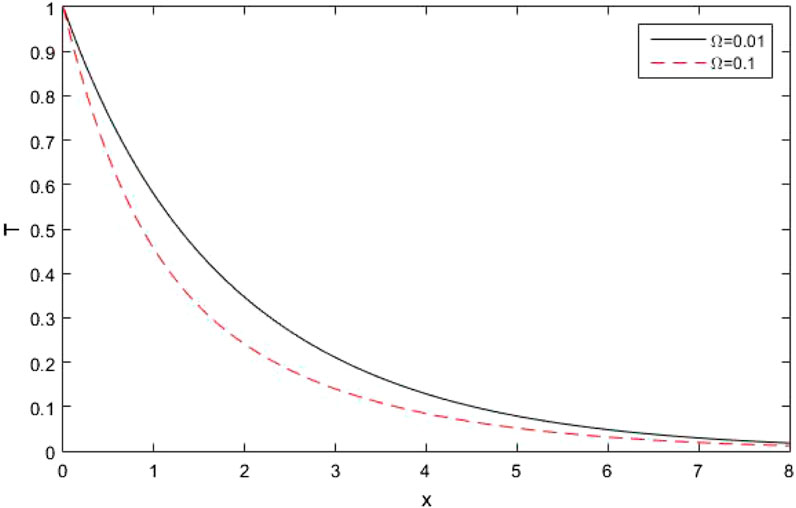
FIGURE 1. Thermodynamic temperature
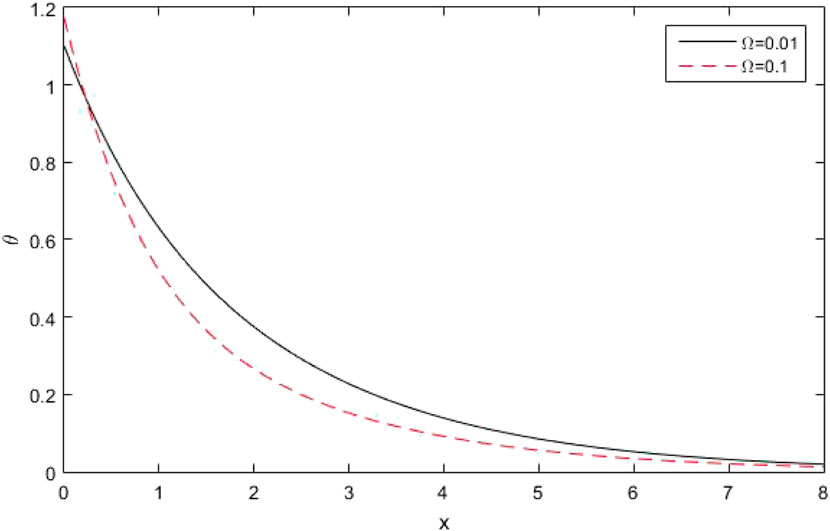
FIGURE 2. Conductive temperature
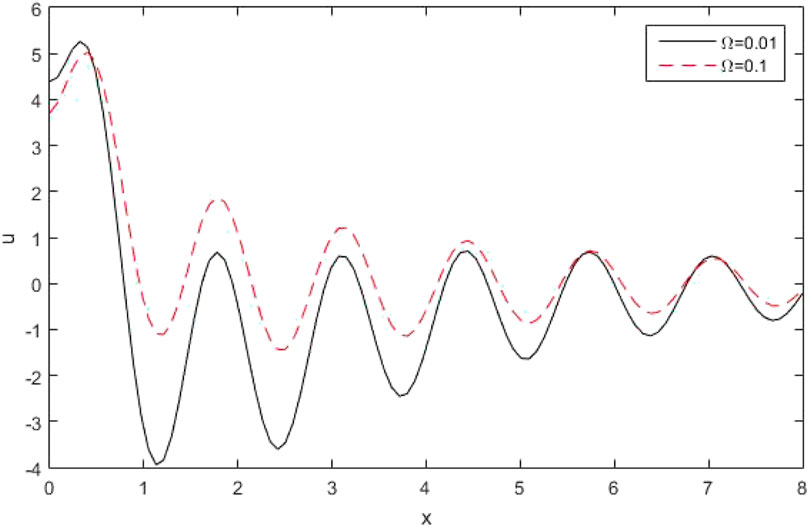
FIGURE 3. Horizontal displacement
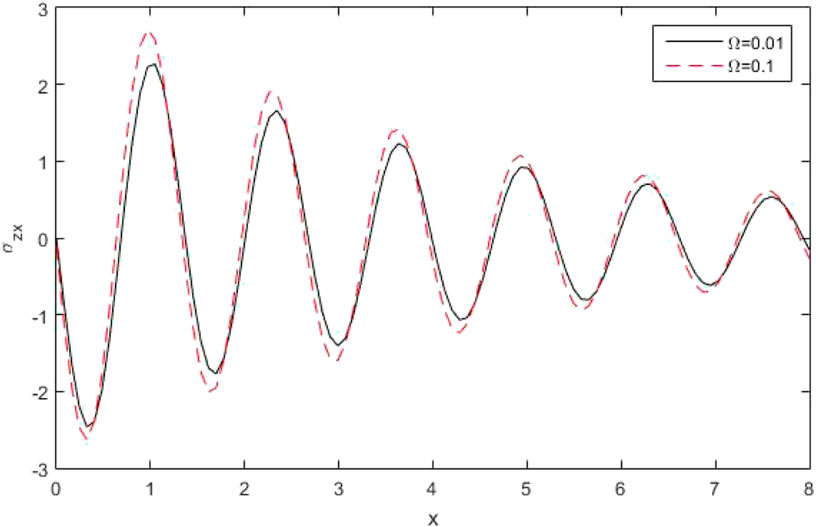
FIGURE 4. Force stress components
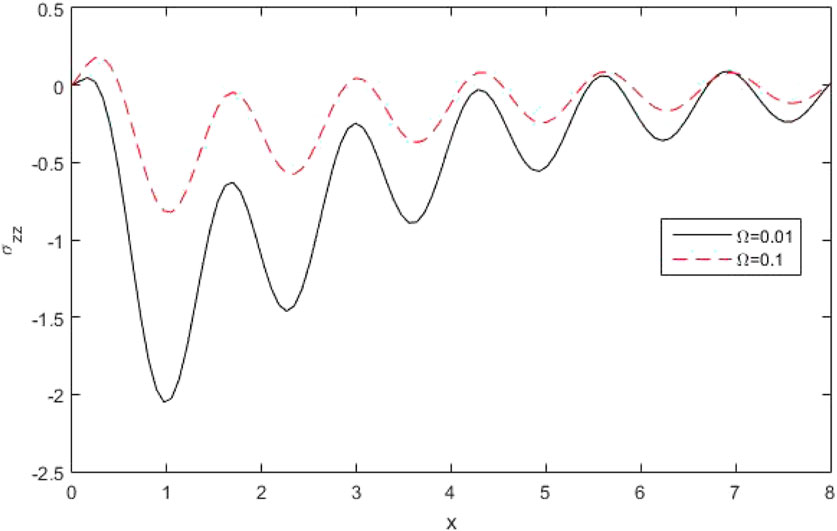
FIGURE 5. Force stress components
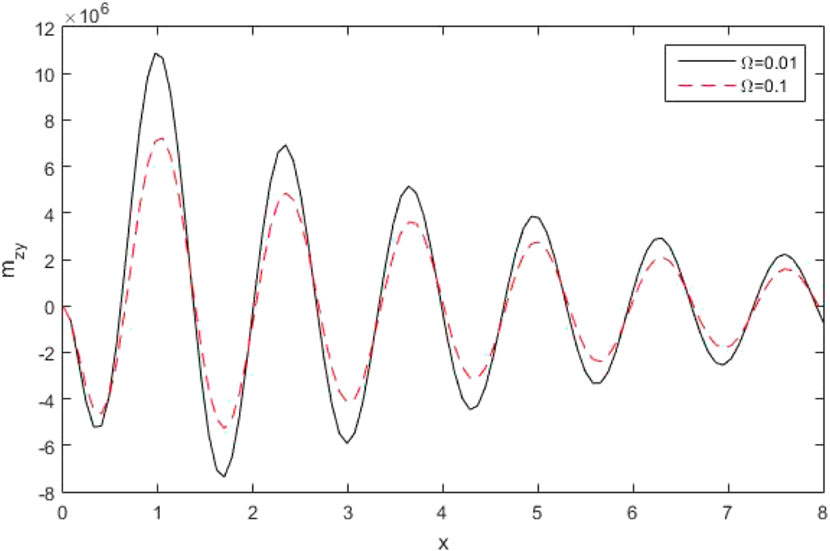
FIGURE 6. Couple stress components
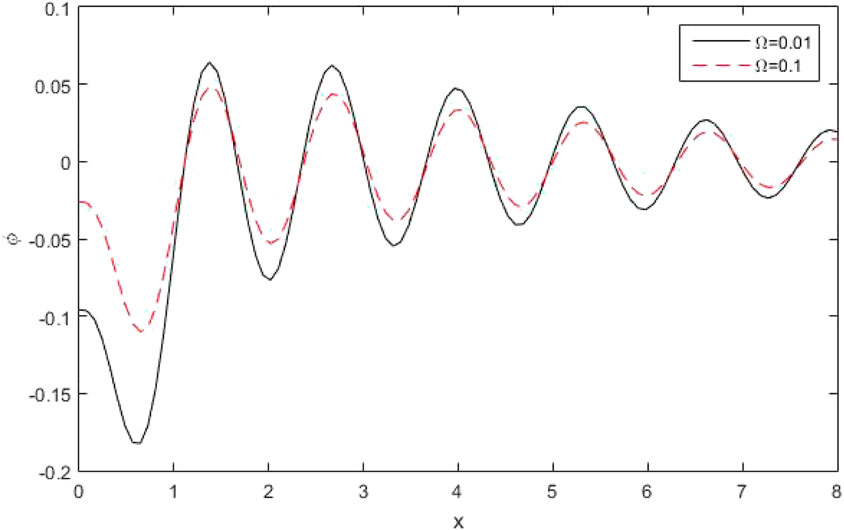
FIGURE 7. Micro-rotation
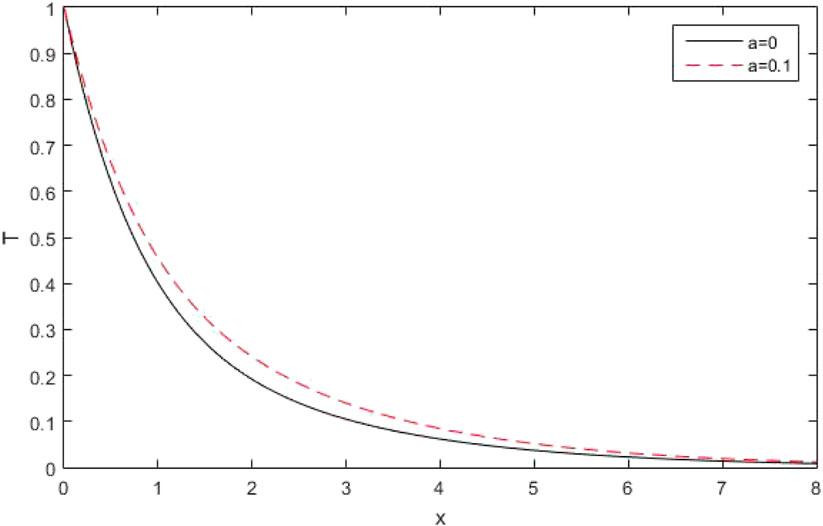
FIGURE 8. Thermodynamic temperature
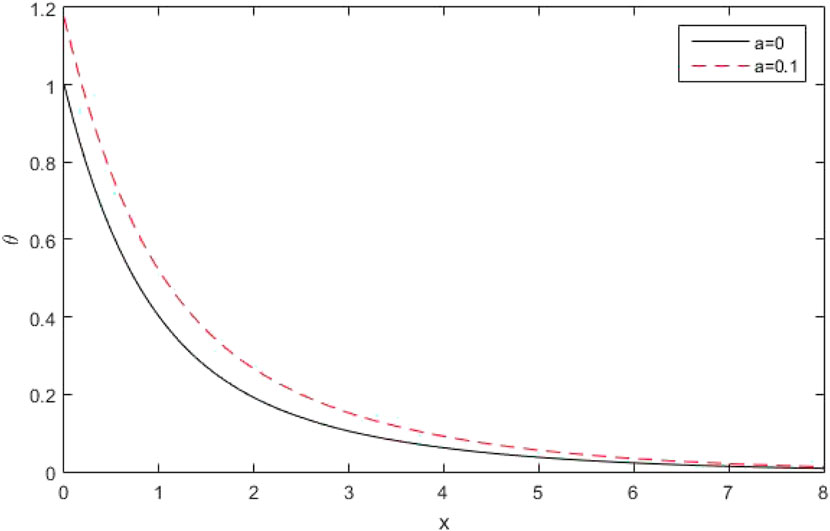
FIGURE 9. Conductive temperature
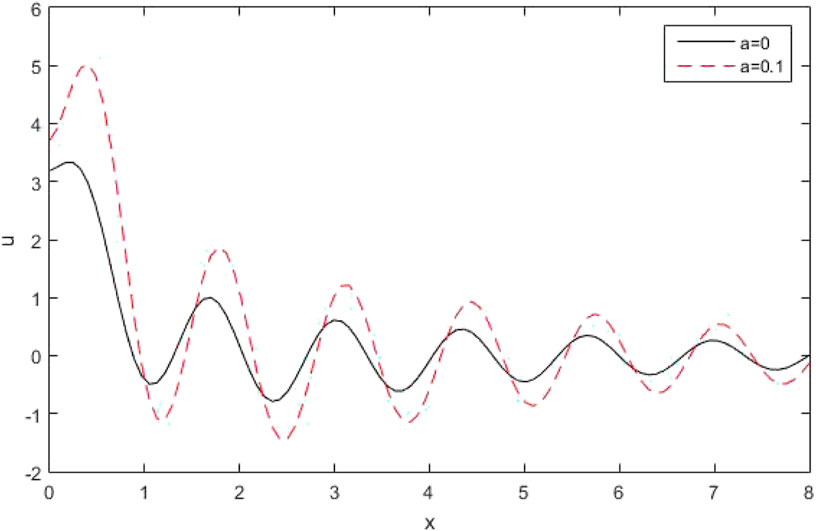
FIGURE 10. Horizontal displacement
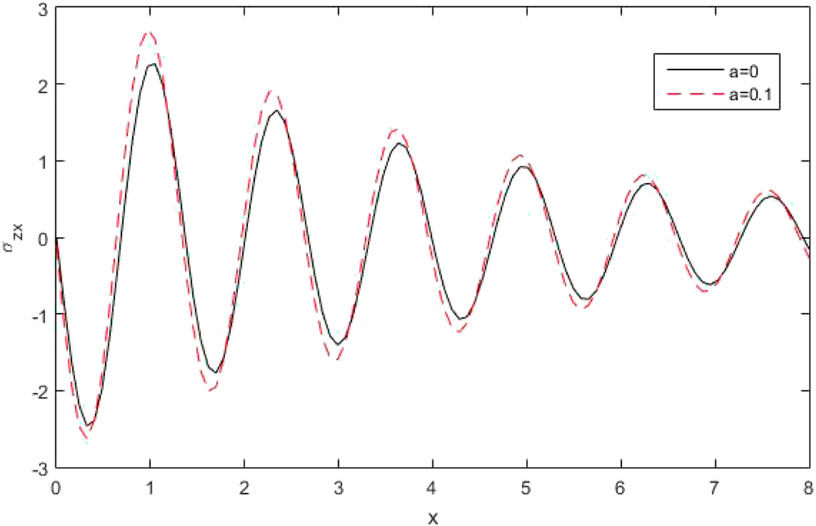
FIGURE 11. Force stress components
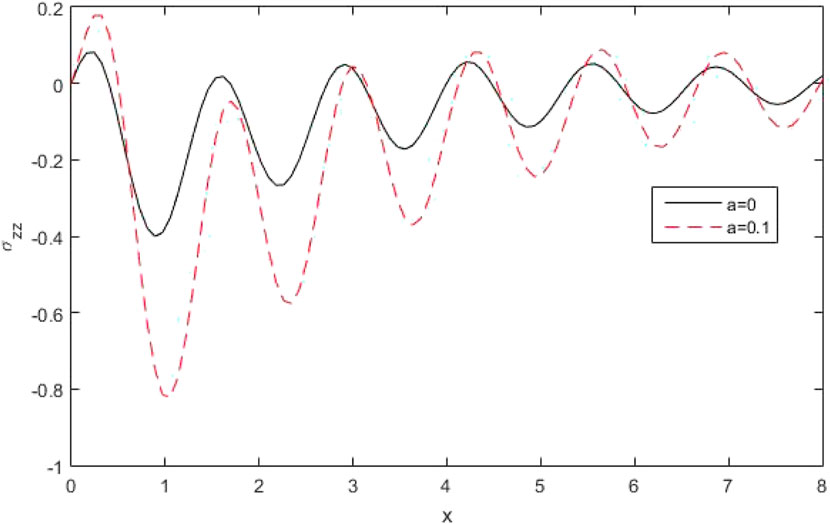
FIGURE 12. Force stress components
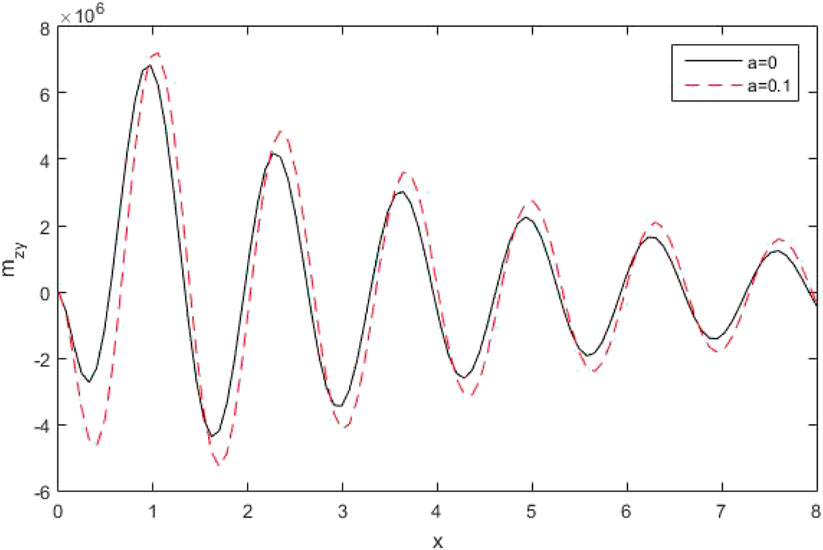
FIGURE 13. Couple stress components
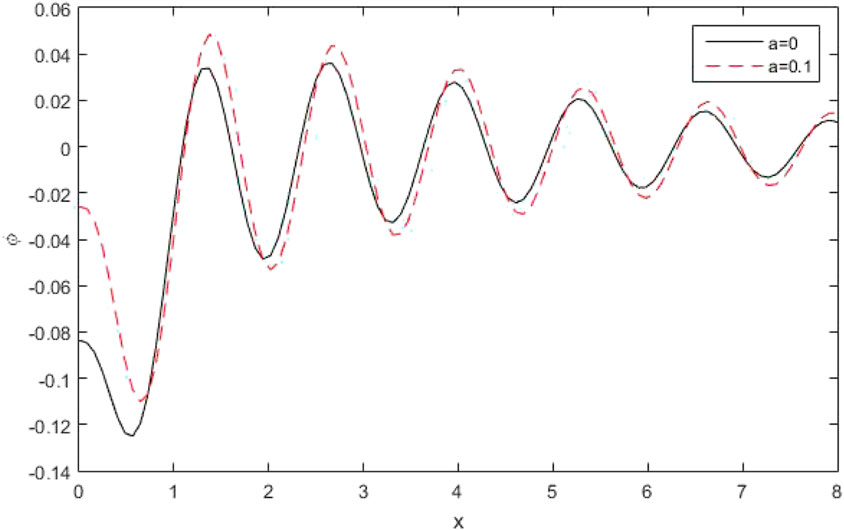
FIGURE 14. Micro-rotation
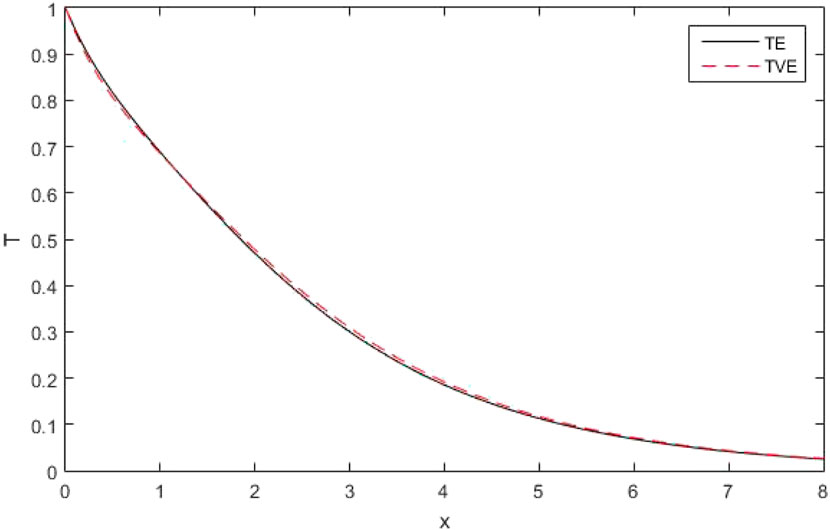
FIGURE 15. Thermodynamic temperature distribution
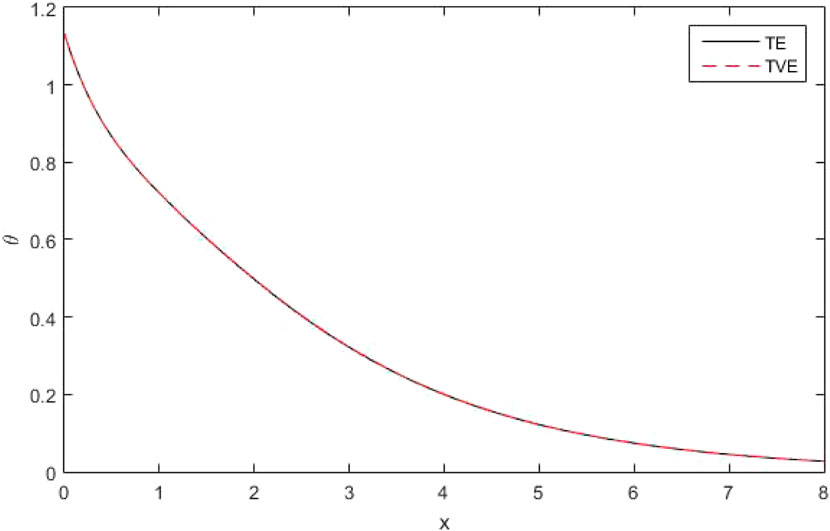
FIGURE 16. Conductive temperature distribution
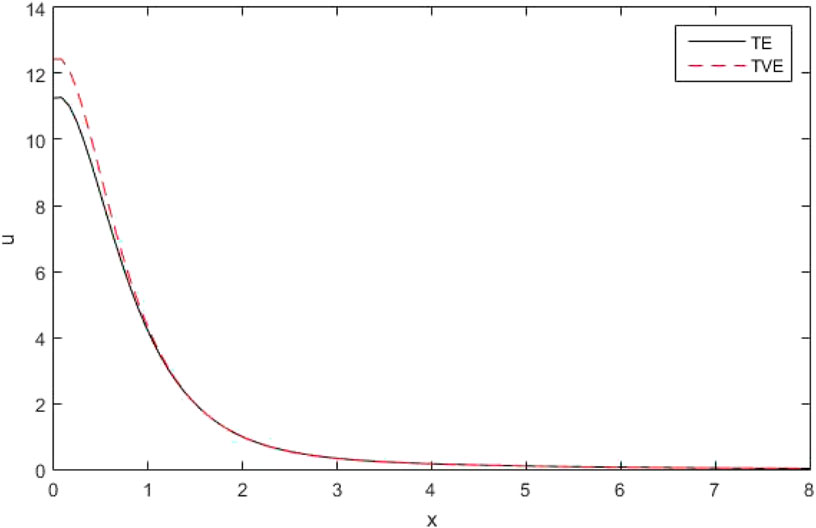
FIGURE 17. Horizontal displacement distribution
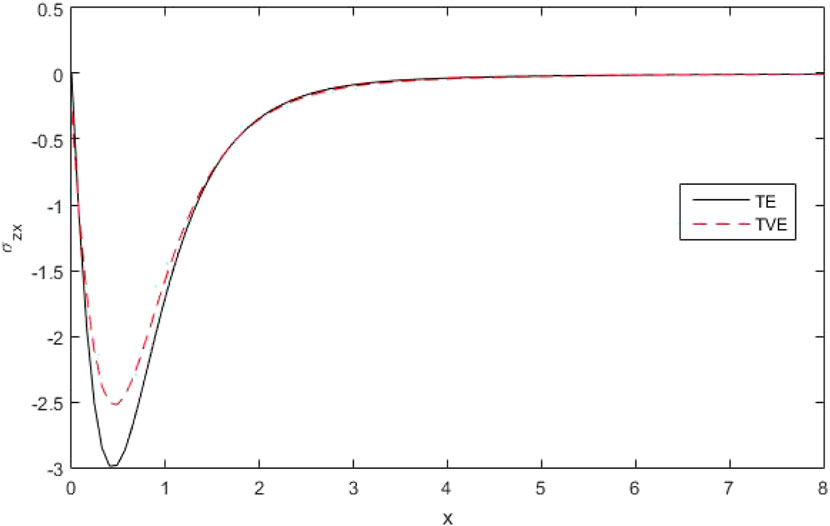
FIGURE 18. Distribution of force stress components
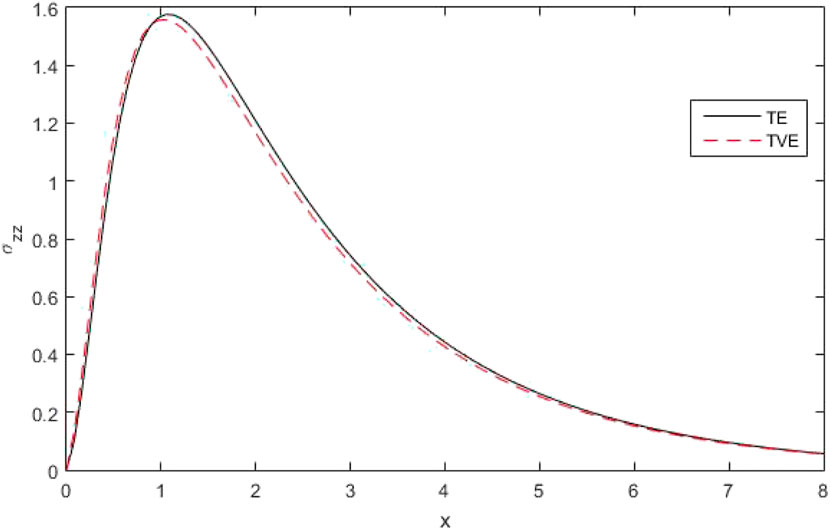
FIGURE 19. Distribution of force stress components
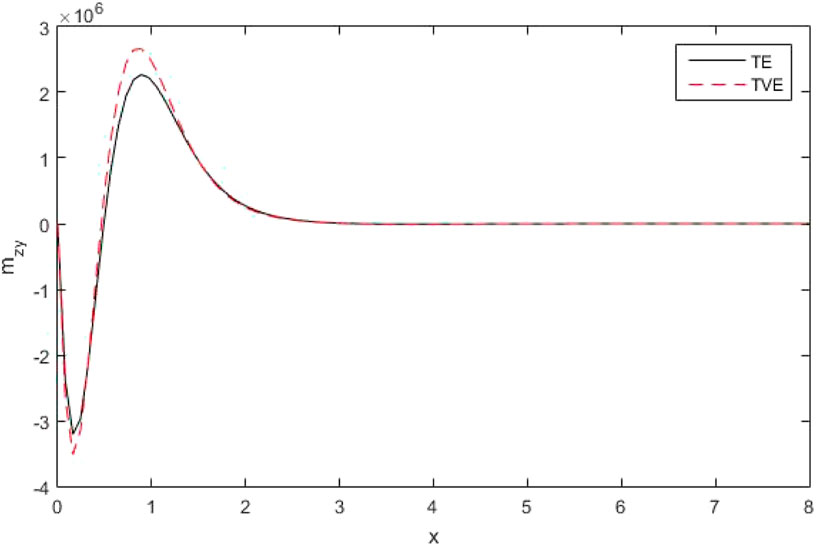
FIGURE 20. Distribution of couple stress components
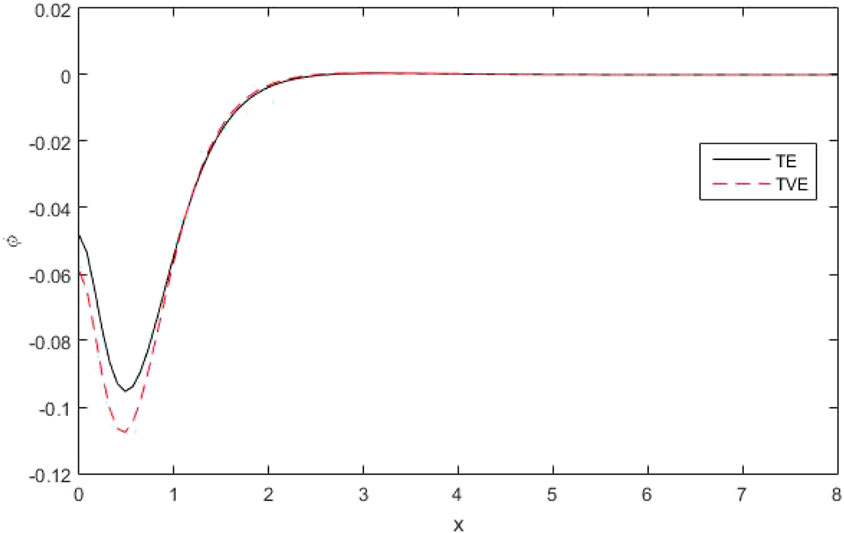
FIGURE 21. Distribution of micro-rotation
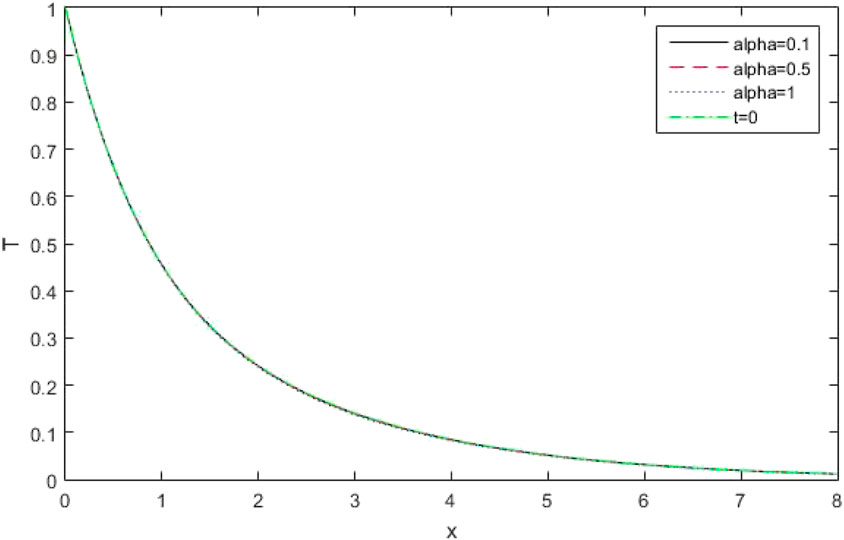
FIGURE 22. Distribution of the temperature
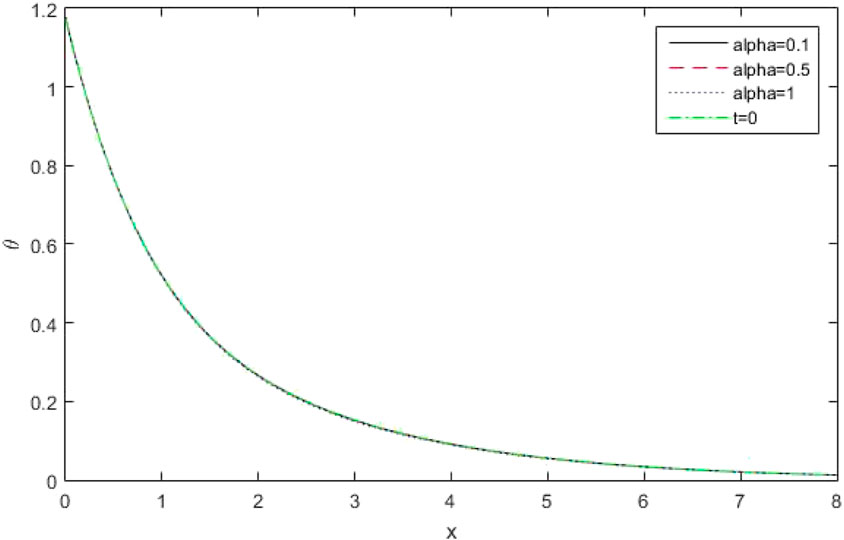
FIGURE 23. Distribution of the temperature
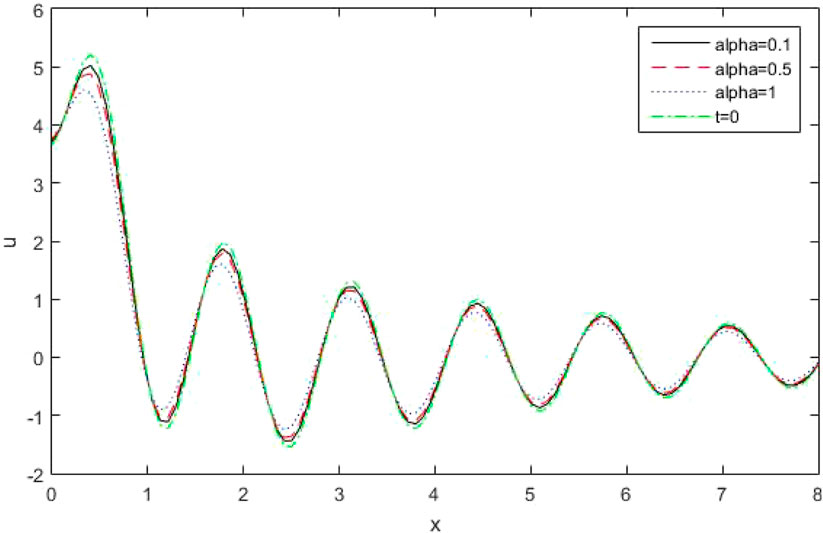
FIGURE 24. Distribution of the horizontal displacement
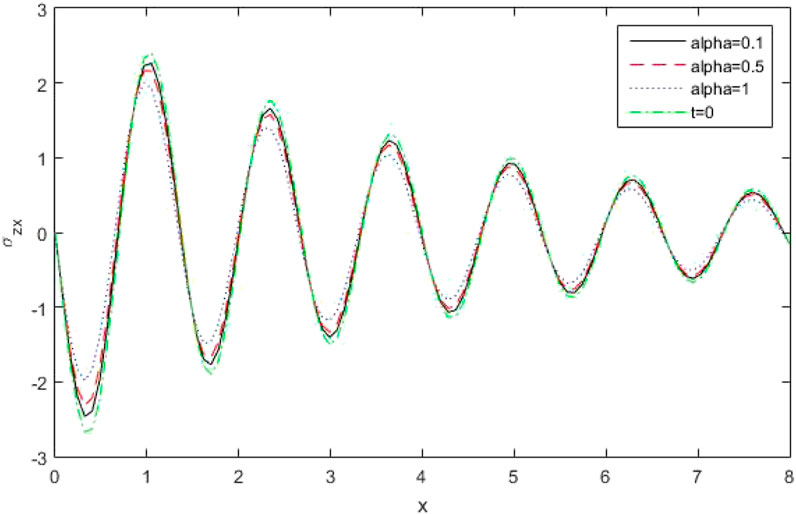
FIGURE 25. Distribution of the stress component
From an implementation standpoint, we divided the schematics into four components.
(i) For different values of rotation, the micropolar thermo-visco-elasticity theory with conformable fractional order theory and two-temperatures is concerned. Figures 1–7 i.e..,
(ii) For different values of
(iii) Concerned are micropolar thermoelasticity with rotation, conformable fractional order theory, and two temperatures. Figures 15–21 show variable comparisons for various values of
(v)The Figures 22–25 clarified four curves predicted by the different theories of thermo-elasticity, such that
•
•
•
(i) (Effect of rotation)
Figures 1, 2 depict the distribution of
Figure 3 shows the variations of
Figures 4, 5 represent the profile of force stress components
Figure 6 displays the disparity of the couple stress component
Figure 7 shows the variation of the micro-rotation
(ii) Effect of two temperatures
Figure 8 illuminates the supply of the thermodynamic temperature
Figure 9 shows the conductive temperature
Figure 10 displays the variations of
Figures 11, 12 denote the outline of the force stress component
Figure 13 shows the profile of the couple stress component
Figure 14 represents the variation of the micro-rotation with distance under the influence of rotation for different values of
(iii) Effect of viscosity
Figures 15, 16 depict
Figure 17 shows the deviation of the horizontal displacement distribution
Figures 18, 19 represent the profile of stress components
Figure 20 depicts the disparity of the couple stress
Figure 21 depicts the variation of the micro-rotation
(v) Effect of Conformable fractional parameter
The figures [22–24] clarified four curves predicted by the different theories of thermo-elasticity, such that
•
•
•
Figures 22, 23 depict the distribution of the thermo-dynamic temperature
Figure 24 shows the variations of
Figure 25 explains the variations of stress components
7 Conclusion
Normal mode analysis was employed to investigate the behavior of the conductive temperature, the thermodynamic temperature, the component of horizontal displacement, the component of force stress, the couple stresses, and the micro-rotation under the effect of rotation, conformable fractional order theory, viscosity, and two-temperatures in a homogeneous, isotropic, generalized micropolar thermo-viscoelastic medium. We aim to study the effect of conformable fractional derivative, effect of rotation, and the two-temperature coefficients. The above analysis leads us to the following conclusions:
• Variations in various fields are clearly constrained to a certain zone in all of the data, and the values vanish outside of the region, which is consistent with the perspective of generalized micropolar thermo-visco- elasticity theory.
• All of the physical values fulfill the boundary criteria.
• The thermodynamic and conductive temperature nature of all models
• The angular velocity and two-temperature parameters have a significant impact on the horizontal displacement component, the force stress components, the couple stresses components, and the micro-rotation. However, there are minor impacts on the conductive temperature and the thermodynamic temperature.
• For two temperature parameter values,
The given model will be valuable for scientists working on micropolar thermoelasticity in understanding the viscoelastic characteristics of human soft tissue and may lead to enhanced diagnostic applications. The findings may be used to both theoretical and empirical wave propagation.
• The fractional parameter
• According to this work, we can treat the theory of conformable fractional order generalized micropolar thermoelasticity as an improvement in studying thermoelastic materials, we have to construct a new ranking for materials according to their fractional parameter
Author contributions
SE-S: Software, Writing–review and editing. AE-B: Methodology, Writing–original draft. HA: Writing–original draft.
Funding
The author(s) declare financial support was received for the research, authorship, and/or publication of this article.
Acknowledgments
Authors extend their appreciation to Princess Nourah Bint Abdulrahman University for funding this research under researchers supporting project number PNURSP2023R154, Princess Nourah Bint Abdulrahman University, Riyadh, Saudi Arabia.
Conflict of interest
The authors declare that the research was conducted in the absence of any commercial or financial relationships that could be construed as a potential conflict of interest.
Publisher’s note
All claims expressed in this article are solely those of the authors and do not necessarily represent those of their affiliated organizations, or those of the publisher, the editors and the reviewers. Any product that may be evaluated in this article, or claim that may be made by its manufacturer, is not guaranteed or endorsed by the publisher.
References
1. Abo-Dahab MS, Lotfy KH. Generalized magneto-thermoelasticity with fractional derivative heat transfer for a rotation of a fibre-reinforced thermoelastic. J Comput Theor Nanosci (2015) 12:1869–81. doi:10.1166/jctn.2015.3972
2. Youssef HM. Theory of generalized thermoelasticity with fractional order strain. JVC/Journal Vib Control (2016) 22:3840–57. doi:10.1177/1077546314566837
3. Kumar R, Singh K, Pathania D. Effects of Hall current and rotation in a fractional ordered magneto-micropolar thermoviscoelastic half-space due to ramp-type heat. Int J Appl Comput Math (2020) 6:23–0. doi:10.1007/s40819-020-0773-1
4. El-Bary AA, Atef HM. Modified approach for stress strain equation in the linear kelvin-voigt solid based on fractional order. J Comput Theor Nanosci (2016) 13:579–83. doi:10.1166/jctn.2016.4843
5. Sherief HH, El-Sayed AMA, Abd El-Latief AM. Fractional order theory of thermoelasticity. Int J Sol Struct (2010) 47:269–75. doi:10.1016/j.ijsolstr.2009.09.034
6. Ezzat MA, Karamany ASE. Fractional order heat conduction law in magneto-thermoelasticity involving two temperatures. Z Angew Math Phys (2011) 62:937–52. doi:10.1007/s00033-011-0126-3
7. Biot MA. Thermoelasticity and irreversible thermodynamics. J Appl Phys (1956) 27:240–53. doi:10.1063/1.1722351
8. Lord HW, Shulman Y. A generalized dynamical theory of thermoelasticity. J Mech Phys Sol (1967) 15:299–309. doi:10.1016/0022-5096(67)90024-5
10. Green AE, Naghdi PM. Thermoelasticity without energy dissipation. J Elast (1993) 31:189–208. doi:10.1007/BF00044969
11. Chandrasekharalah DS. Thermoelasticity with second sound: a rewiew. Appl Mech Rev (1986) 39:355–76. doi:10.1115/1.3143705
12. Chandrasekharaiah DS. Hyperbolic thermoelasticity: a review of recent literature. Appl Mech Rev (1998) 51:705–29. doi:10.1115/1.3098984
13. Tzou DY. A unified field approach for heat conduction from macro-to micro-scales. J Heat Transfer (1995) 117:8–16. doi:10.1115/1.2822329
14. Eringen AC, Suhubi ES. Nonlinear theory of simple micro-elastic solids-I. Int J Eng Sci (1964) 2:189–203. doi:10.1016/0020-7225(64)90004-7
15. Shubi ES, Eringen AC. Nonlinear theory of micro-elastic solids—II E. Int J Eng Sci (1964) 2:389–404. doi:10.1016/0020-7225(64)90017-5
17. Tauchert TR, Claus WD, Ariman T. The linear theory of micropolar thermoelasticity. Int J Eng Sci (1968) 6:37–47. doi:10.1016/0020-7225(68)90037-2
18. Boschi E, Iesan D. A generalized theory of linear micropolar thermoelasticity. Rev Mod Phys (1948) 20:35–9. doi:10.1103/RevModPhys.20.35
19. Ciarletta M. A theory of micropolar thermoelasticity without energy dissipation. J Therm Stress (1999) 22:581–94. doi:10.1080/014957399280760
20. Sherief H, Hamza A, Amany M. Theory of generalized micropolar thermoelasticity and an axisymmetric half-space problem. J Therm Stress (2005) 28:409–37. doi:10.1080/01495730590916641
21. Othman MIA. Effect of rotation and relaxation time on a thermal shock problem for a half-space in generalized thermo-viscoelasticity. Acta Mech (2005) 174:129–43. doi:10.1007/s00707-004-0190-2
22. Awad E. On the generalized thermal lagging behavior: refined aspects. J Therm Stress (2012) 35:293–325. doi:10.1080/01495739.2012.663682
23. Ezzat MA, Awad ES. Constitutive relations, uniqueness of solution, and thermal shock application in the linear theory of micropolar generalized thermoelasticity involving two temperatures. J Therm Stress (2010) 33:226–50. doi:10.1080/01495730903542829
24. Marin M, Abbas IA, Vlase S, Craciun EM. Some backward in time results for thermoelastic dipolar structures. Front Phys (2020) 8. doi:10.3389/fphy.2020.00041
25. Marin M, Öchsner A, Craciun EM. A generalization of the Saint-Venant ’ s principle for an elastic body with dipolar structure. Contin Mech Thermodyn (2019) 32:269–78. doi:10.1007/s00161-019-00827-6
26. Marin M, Öchsner A, Craciun EM. A generalization of the Gurtin ’ s variational principle in thermoelasticity without energy dissipation of dipolar bodies. Contin Mech Thermodyn (2020) 32:1685–94. doi:10.1007/s00161-020-00873-5
27. Awad E, Alhazmi SE, Abdou MA. Anomalous thermally induced deformation in kelvin – voigt plate with ultrafast double-strip surface heating (2023). p. 1–23.
28. Chen PJ, Gurtin ME. On a theory of heat conduction involving two temperatures. Z für Angew Math Phys ZAMP (1968) 19:614–27. doi:10.1007/BF01594969
29. Warren WE, Chen PJ. Wave propagation in the two temperature theory of thermoelasticity. Acta Mech (1973) 16:21–33. doi:10.1007/BF01177123
30. Othman MIA, Atef HM, El-Bary AA. A novel model of multi-temperatures theory in generalized thermo-viscoelasticity. Waves in Random and Complex Media (2021) 1–18. doi:10.1080/17455030.2021.1962019
31. Alharbi AM, Othman MIA, Atef HM. Effect of viscosity and rotation on a generalized two-temperature thermoelasticity under five theories. Struct Eng Mech (2021) 78:755–64. doi:10.12989/sem.2021.78.6.755
32. Alharbi AM, Atef HM, Othman MIA. Thermal effects and initial stress on magneto-thermo-viscoelastic medium with two temperature under five theories. ZAMM Z Angew Math Mech (2022) 102:1–18. doi:10.1002/zamm.202000392
33. Alharbi AM, Othman MIA, Atef HM. Thomson effect with hyperbolic two-temperature on magneto-thermo-visco-elasticity. Appl Math Mech (English Ed (2021) 42:1311–26. doi:10.1007/s10483-021-2763-7
34. Mahdy AMS, Lotfy K, Ahmed MH, El-Bary A, Ismail EA. Electromagnetic Hall current effect and fractional heat order for microtemperature photo-excited semiconductor medium with laser pulses. Results Phys (2020) 17:103161. doi:10.1016/j.rinp.2020.103161
35. Lotfy K, Tantawy R, Anwar N. Thermomechanical response model on a reflection photothermal diffusion waves (RPTD) for semiconductor medium (2019).
36. Lotfy K. A novel model of magneto photothermal diffusion (MPD) on polymer nano-composite semiconductor with initial stress. Waves in Random and Complex Media (2021) 31:83–100. doi:10.1080/17455030.2019.1566680
37. Khamis AK, El-Bary AA, Lotfy K, Bakali A. Photothermal excitation processes with refined multi dual phase-lags theory for semiconductor elastic medium. Alexandria Eng J (2020) 59:1–9. doi:10.1016/j.aej.2019.11.016
38. Lotfy K, Hassan W, El-Bary AA, Kadry MA. Response of electromagnetic and Thomson effect of semiconductor medium due to laser pulses and thermal memories during photothermal excitation. Results Phys (2020) 16:102877. doi:10.1016/j.rinp.2019.102877
39. Lotfy K. Effect of variable thermal conductivity during the photothermal diffusion process of semiconductor medium. Silicon (2019) 11:1863–73. doi:10.1007/s12633-018-0005-z
40. Othman MIA, Farouk RM. Transient disturbance in a half-space under generalized magneto- thermoelasticity with internal heat source transient disturbance in a half-space under generalized magneto-thermoelasticity with internal heat source (2009). doi:10.12693/APhysPolA.116.185
41. Othman MIA, Singh B. The effect of rotation on generalized micropolar thermoelasticity for a half-space under five theories. Int J Sol Struct (2007) 44:2748–62. doi:10.1016/j.ijsolstr.2006.08.016
42. Othman MIA, Fekry M. Effect of magnetic field on generalized thermo-viscoelastic diffusion medium with voids. Int J Struct Stab Dyn (2016) 16:1550033–21. doi:10.1142/S0219455415500339
43. Othman MIA, Tantawi RS, Hilal MIM. Effect of initial stress and the gravity field on micropolar thermoelastic solid with microtemperatures. J Theor Appl Mech (2016) 54:847–57. doi:10.15632/jtam-pl.54.3.847
44. Othman MIA, Hasona WM, Abd-Elaziz EM. Effect of rotation and initial stress on generalized micropolar thermoelastic medium with three-phase-lag. J Comput Theor Nanosci (2015) 12:2030–40. doi:10.1166/jctn.2015.3983
46. Boley BA, Tolins IS. Transient coupled thermoelastic boundary value problems in the half-space. J Appl Mech Trans ASME (1960) 29:637–46. doi:10.1115/1.3640647
47. Khalil R, Al Horani M, Yousef A, Sababheh M. A new definition of fractional derivative. J Comput Appl Math (2014) 264:65–70. doi:10.1016/j.cam.2014.01.002
48. Shaw S, Othman MIA. On the concept of a conformable fractional differential equation. J Eng Therm Sci (2021) 1:17–29. doi:10.21595/jets.2021.22072
Nomenclature
Appendix
Researchers in the field of thermoelasticity have all employed fractional derivatives to develop the heat conduction equation based on these derivatives
They arrived at this equation through the utilization of the following definitions:
(i) Riemann-Liouville definition. For
(ii) Caputo definition. For
Nevertheless, these two definitions possess certain limitations that can be summarized as follows:
(i) The Riemann-Liouville derivatives do not hold true for
(ii) None of the fractional derivatives fulfill the well-known formula for the derivative of the product of two functions:
(iii) None of the fractional derivatives comply with the established formula for the derivative of the division of two functions:
(iv) None of the fractional derivatives abide by the chain rule.
(v) Fractional derivatives do not abide by the general rule
The fractional derivatives of the order
Keywords: conformable fractional order theory, rotation, micropolar thermoelasticity, viscosity, one relaxation time, two-temperatures, normal mode analysis
Citation: El-Sapa S, El-Bary AA and Atef HM (2023) The influence of rotation and viscosity on generalized conformable fractional micropolar thermoelasticity with two temperatures. Front. Phys. 11:1267808. doi: 10.3389/fphy.2023.1267808
Received: 27 July 2023; Accepted: 03 October 2023;
Published: 23 October 2023.
Edited by:
Gang (Gary) Ren, Berkeley Lab (DOE), United StatesReviewed by:
Emad Awad, Alexandria University, EgyptEduard-Marius Craciun, Ovidius University, Romania
Copyright © 2023 El-Sapa, El-Bary and Atef. This is an open-access article distributed under the terms of the Creative Commons Attribution License (CC BY). The use, distribution or reproduction in other forums is permitted, provided the original author(s) and the copyright owner(s) are credited and that the original publication in this journal is cited, in accordance with accepted academic practice. No use, distribution or reproduction is permitted which does not comply with these terms.
*Correspondence: H. M. Atef, aGl0aGFtX2FsaUBzY2kuZG11LmVkdS5lZw==