 Meilin Huo1
 Zhen Yang
 Sitong Chen
- 1Department of Physical Education, Huaide College of Changzhou University, Changzhou, China
- 2Department of Movement Sciences, KU Leuven, Leuven, Belgium
- 3School of Physical Education, South China University of Technology, Guangzhou, China
- 4Centre for Mental Health, Shenzhen University, Shenzhen, China
Background: Suicide-related outcomes among adolescents have become a serious public health problem worldwide. Emerging evidence suggests that sports participation may interact with suicide-related outcomes. The objective of this systematic review is to systematically review and summarize the association between sports participation and suicide-related outcomes among adolescents.
Design: A systematic review according to PRISMA Statement (International Platform of Registered Systematic Review and Meta-Analysis Protocols registration: INPLASY202330072) https://inplasy.com/inplasy-2023-3-0072/.
Methods: The literature search was conducted in three electronic databases: Web of Science, PubMed, and EBSCOhost.
Results: A total of 16 studies (12 cross-sectional studies, 4 prospective studies) met the inclusion criteria were evaluated. Strong consistent evidence was found for the negative association between suicidal ideation, suicide attempts, and sports participation among adolescents. There was insufficient evidence to support consistency in the association between sports participation and suicide plans, and no evidence regarding gender differences between sports participation and these suicide-related outcomes. Furthermore, there was heterogeneity in the measures of sports participation and suicide-related outcomes across the included studies.
Conclusion: Evidence suggests that more sports participations are associated with lower suicidal ideation and suicide attempts in adolescents. However, the directionality of the observed associations should be examined based on more high-quality longitudinal studies in the future.
1 Introduction
Suicide is a serious global public health problem, with 817,000 people terminating their lives each year (Naghavi, 2019; World Health Organization, 2021). The World Health Organization estimates that suicide is the fourth leading cause of death among people aged 15–29 years (World Health Organization, 2022), and more than 60,000 children and adolescents die each year as a result of suicide (Naghavi, 2019). Suicide rates are high among adolescents in Eastern and Central Europe, the high-income Asia-Pacific region, and the high-income North America region (Naghavi, 2019). Regarding gender differences, suicide rates are higher among males than females, except in the 15–19 age group (Naghavi, 2019). Despite the fact that suicide rates increase with age, it is the second most common cause of death among adolescents in Europe (Bilsen, 2018). While suicide is not even one of the top 10 common causes of death among older people. Previous studies indicated that age standardized mortality rates declined significantly between 1990 and 2016 in a significant number of countries, notably China, Denmark, and the Philippines (Naghavi, 2019). Although the suicide rate has declined significantly since 1990, as a result of successful public health actions, increases in the prevalence of suicide among adolescents has been observed in some regions due to the COVID-19 pandemic (Bersia et al., 2022; Goto et al., 2022).
In addition to death by suicide, suicidal ideation, suicide plans, and suicide attempts are modifiable suicide-related outcomes (O’Connor et al., 2013). Those suicide-related outcomes, especially among adolescents, is complex and results from the interaction of social, psychological, environmental and genetic risk factors (Wilcox et al., 2010). Suicidal ideation (or suicidal thoughts), which is defined as any thoughts about ending one’s own life, is considered the first step on the road to suicide (Kachur et al., 1995; Turecki et al., 2019). As suicidal ideation becomes more frequent and planned, the risk of taking actual suicidal action increases (Turecki et al., 2019). Suicide attempts, which is defined as an action of self-harm with the intention of presumed or actual death, may or may not result in death (Turecki et al., 2019). In the recent meta-analysis, the prevalence of suicidal ideation among 6- to 21-year-olds people varied by region, ranging from 14.3 to 22.6%, while the prevalence of suicide attempts ranged from 4.6 to 16.9% (van Meter et al., 2023). Another meta-analysis of 686,672 children and adolescents showed that the lifetime prevalence of suicidal ideation, plans, and attempts was 18.0, 9.9, and 6.0%, respectively (Lim et al., 2019). Given the complexity of suicide the actual number of deaths by suicide may be greatly underestimated due to unrecognized or misattributed (De Leo, 2015). Furthermore, the frequency of suicide-related outcomes is much higher, being estimated to be 10–20 times higher than the frequency of the death by suicide (Bilsen, 2018).
Suicide is not only an individual tragedy but also affects family, peers, and communities (Cerel et al., 2019). Furthermore, suicide and suicide-related outcomes can also be a heavy financial loss. It is estimated that suicide and suicide attempts cost the United States $58.4 billion each year (Shepard et al., 2016), and the average cost of suicide for adolescents in the most developed countries is more than $ 800,000 (Doran and Kinchin, 2020). In developing countries, the economic costs of suicide and suicide-related outcomes are even more severe, not only due to the associated medical burden, but also in terms of future lost productivity. Therefore, timely, evidence-based, and cost-effective interventions are required to address this global public health challenge (World Health Organization, 2021).
Previous research has identified genetic, biological, psychological, and social factors as risk factors for suicide in children and adolescents (Bilsen, 2018). While healthy lifestyle, such as sports participation, is identified to be protective factors for suicide and suicide-related outcomes among adolescents (Grasdalsmoen et al., 2020; Wasserman et al., 2021). This promising behavior is defined as purposeful active participation in sports related physical activities performed during leisure-time (Scheerder et al., 2005). Previous research showed that the prevalence of suicide-related outcomes was lower in high school and college students who participated in sports than those who did not (Lester, 1995; Brown and Blanton, 2002; Sabo et al., 2005; Brown et al., 2007; Babiss and Gangwisch, 2009; Taliaferro et al., 2011; Cho, 2014; Hu and Tang, 2022). Studies in the United States, Korea, and Canada reported that high school students who participated in school sports teams had lower odds of suicidal ideation (Dugas et al., 2012; Southerland et al., 2016; Park et al., 2020). Furthermore, among high school and college students in the United States, a lower incidence of suicide plans was found among those with higher sports participation compared to those with lower sports participation (Brown and Blanton, 2002; Sabo et al., 2005; Xiao et al., 2019). Meanwhile, participation in sports teams has also been reported to be protective factors for the suicide plans among secondary school students (Southerland et al., 2016). Previous studies suggested that sports participation is negatively associated with the incidence of suicide attempts among high school students (Brown and Blanton, 2002; Brown et al., 2007; Cho, 2014; Grasdalsmoen et al., 2020; Hu and Tang, 2022). Furthermore, suicide attempts were higher among high school and college students who did not participate in sports teams than among those who did (Southerland et al., 2016; Li et al., 2021).
Despite the fact that numerous studies have explored the association between sports participation and suicide-related outcomes in adolescent populations, there is no systematic review to summarize the extant evidence. Vancampfort et al. systematically reviewed the association between physical activity and suicidal ideation (Vancampfort et al., 2018a). However, Shull et al. considered sports participation is a subset of physical activity (Shull et al., 2020). Meanwhile, other research proposed that sports participation sometimes involves sedentary behavior and light physical activity (Leek et al., 2011; Guagliano et al., 2013). Therefore, a distinction needs to be performed between research on physical activity and sports participation. Although Zuckerman et al. systematically reviewed studies of team sports participation and suicidal ideation in young athletes, other suicide-related outcomes were ignored, and the participants were young athletes under the age of 25, the findings of these results are difficult to generalize to general adolescents (Zuckerman et al., 2021).
Accordingly, this systematic review aims to summarize and evaluate the association between sports participation and suicide-related outcomes in adolescents in observational studies and conduct gender subgroup analyses because of differences in suicide risk by gender.
2 Materials and methods
This present systematic review was designed and conducted according to the Preferred Reporting Items for Systematic Reviews and Meta-Analyses (PRISMA) guideline (Page et al., 2021). A systematic review protocol had been registered in the International Platform of Registered Systematic Review and Meta-Analysis Protocols (INPLASY202330072).
2.1 Search criteria and study selection
Electronic databases including Web of Science, PubMed, and EBSCOhost were applied for the data search from inception to November 2022 by two individual authors (MH and ZY). The keywords, search strategies, and Boolean logic operators were performed for retrieval. Three search fields focusing on adolescent population, sports participation, and suicide-related outcomes were connected using ‘AND’ and the full description of search strategies was available in the supplementary materials. After removing duplicates, the tittles and abstracts of all potentially eligible articles were screened, whose full text were then considered based on the eligibility criteria. In the event of a contradiction, the third author (LY) made the final decision.
2.2 Eligibility criteria
This present systematic review focused on the association between sports participation and suicide-related outcomes among adolescents. Therefore, studies were included in this systematic review if they met the following criteria: (1) observationally designed and published in peer-reviewed journals; (2) conducted to explore the association between sports participation and suicide-related outcomes among adolescents (aged 12–18 years), and (3) performed to report any type of effect size [e.g., odds ratio (OR) correlations, t-tests, and Chi-squared tests]. Variables related to sports participation such as physical activity, aerobic exercise were excluded because sports participation is a complex concept that has been reported to also involve sedentary behavior and light physical activity (Leek et al., 2011; Guagliano et al., 2013). Furthermore, non-English publications, case reports, expert opinions, comments, conference abstracts, etc. were excluded.
2.3 Data extraction and quality assessment
Data from the included studies were extracted and checked independently by two authors (MH and ZY) and re-validated by the third author (LY). Data extracted included study design (cross-sectional, prospective cohort study, longitudinal study), first author’s name, year of publication, participants’ sample size, gender ratio, and age (mean or range), exposure variables, outcome variables, and most adjusted odds ratios (ORs) with 95% confidence intervals (95%CI) of associations between sports participation and suicide-related outcomes.
Studies included in this systematic review were assessed for quality by the Strengthening the Reporting Guidelines for Observational Studies in Epidemiology (STROBE) (Von Elm et al., 2014), a 22-item reporting guideline for observational studies, which contains the following six instructions to measure the quality of included studies: (1) Study Aim; (2) Issues Explored; (3) Study Design; (4) Sample Size; (5) Participant Characteristics; and (6) Results. Each study was rated based on its summary score in the six instructions in STROBE, in which 0–2 represents poor, 3–4 represents good, and 5–6 represents excellent.
2.4 Coding and data synthesis
In accordance with previous methodological approaches (Sallis et al., 2000), codes reporting the association between sports participation and suicide-related outcomes in observational studies were expressed as a percentage. This percentage represents the proportion of studies that support the association between sports participation and suicide-related outcomes. Referring to previous relevant studies (Vancampfort et al., 2012, 2018a), this association was defined as ‘non-existing’ if only 0–33% of the studies supported the association. If 34–59% of studies supported the association, then the association was considered as ‘unclear’. When 60–100% of the studies support the association, then the association was defined as ‘existing’. Furthermore, the association was refereed as ‘consistent in literature’ if it was reported in four or more studies (Vancampfort et al., 2012, 2018b).
3 Results
3.1 Study selection
A total of 542 articles were initially retrieved from the electronic database and after excluding 236 duplicate records, 309 articles were considered at the title and abstract level. A total of 52 articles were reviewed for full text after 257 irrelevant records were dispatched. Nineteen articles were excluded due to the regression association between the sports participation and suicide-related outcomes was not reported, 11 articles were excluded due to not being published in English, 3 articles were excluded as non-eligible participants, 2 articles were excluded as not journal articles, and 1 article was excluded as non-eligible study design. Sixteen articles were eventually included in the analysis, the Figure 1 presented the flow chart of the study selection.
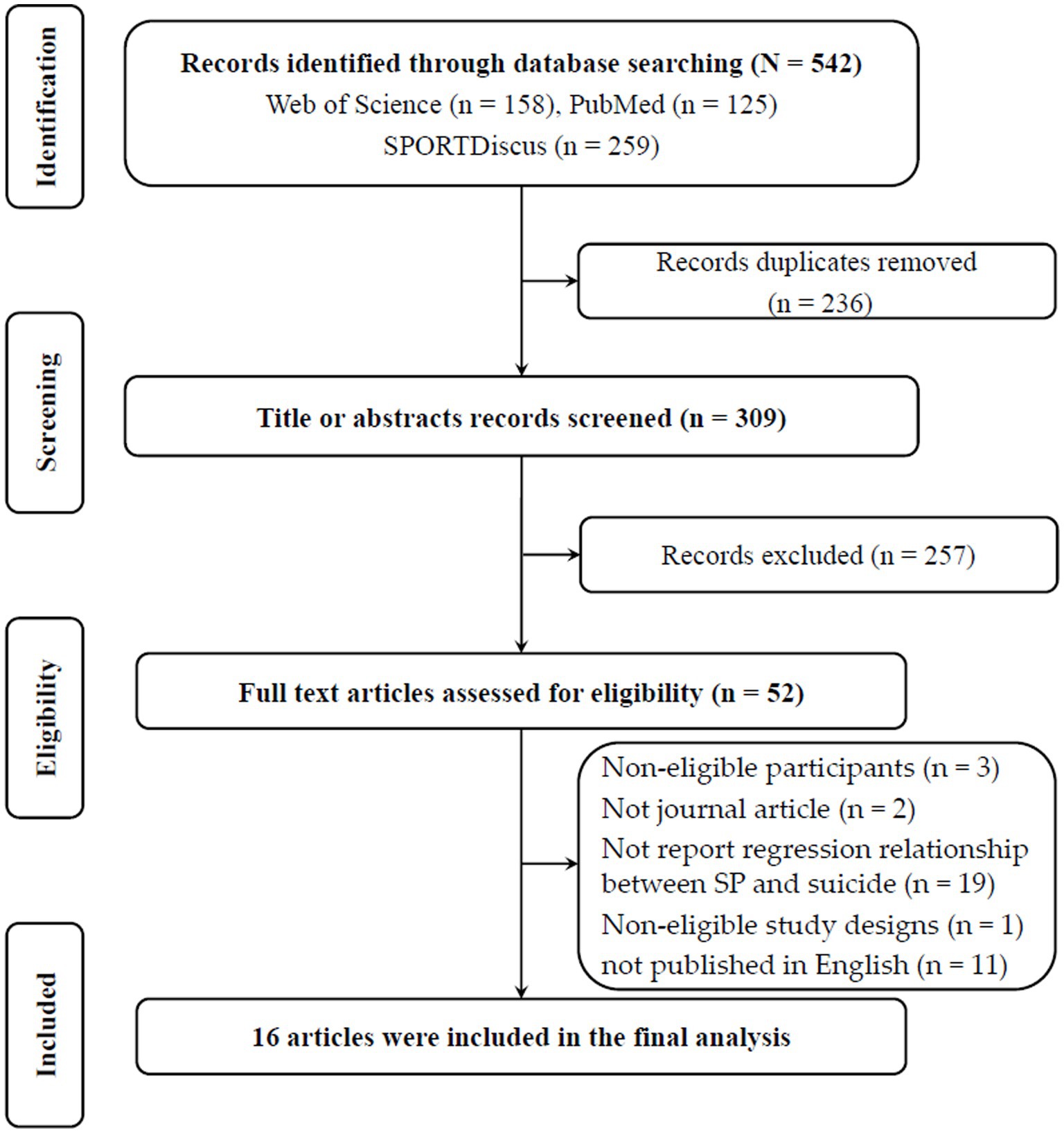
Figure 1. Preferred Reporting Items in Systematic Reviews and Meta-analyses (PRISMA) flow diagram for selecting the studies.
3.2 Participant and study characteristics
The final total sample size of the included studies was 337,283 independent participants, with a median sample size of 21,080 for each study. Among 16 included studies, there were 12 cross-sectional studies (Unger, 1997; Brown et al., 2007; Taliaferro et al., 2008; Babiss and Gangwisch, 2009; West et al., 2010; Taliaferro et al., 2011; Mata et al., 2012; Gunn III and Lester, 2014; Southerland et al., 2016; Lester, 2017; Rodelli et al., 2018; Michael et al., 2020; Li et al., 2021), 3 prospective cohort studies (Dugas et al., 2012; Iverson et al., 2021; Iverson and Terry, 2022), and 1 longitudinal study (Taliaferro et al., 2011). The sample sizes of the included studies ranged from 739 to 152,858, with a balanced gender distribution in the majority of studies. Only one study did not report a gender ratio (West et al., 2010), and two prospective longitudinal studies in which the participants were all male (Iverson et al., 2021; Iverson and Terry, 2022). All of the studies were conducted in high-income countries, with the United States accounting for the vast majority (87.50%), and Canada and Belgium each had one (Dugas et al., 2012; Rodelli et al., 2018). The exposure variable in the majority of studies was sports participation, with two studies specific to football participation (Iverson et al., 2021; Iverson and Terry, 2022). In terms of suicide-related outcomes, 93.75% studies measured suicidal ideation (or suicidal thoughts), 25% studies assessed suicide plans, while 68.75% studies measured suicide attempts. In terms of measuring sports participation, all studies used self-reported instruments which had unknown reliability and validity in investigating sports participation. To measure suicide-related outcomes, all studies used self-reported instruments. None of the studies used an objective measurement tool for measuring sports participation or suicide-related outcomes. The most commonly used statistical method to assess the association between sports participation and suicide-related outcomes was logistic regression analysis (75.00%). The mean STROBE score of 16 studies was 5.125 (range = 4–6), while 12 and 4 studies had excellent and good methodological quality, respectively. Table 1 summarized the characteristics of included studies, while results of quality assessment of included studies was in Table 2.
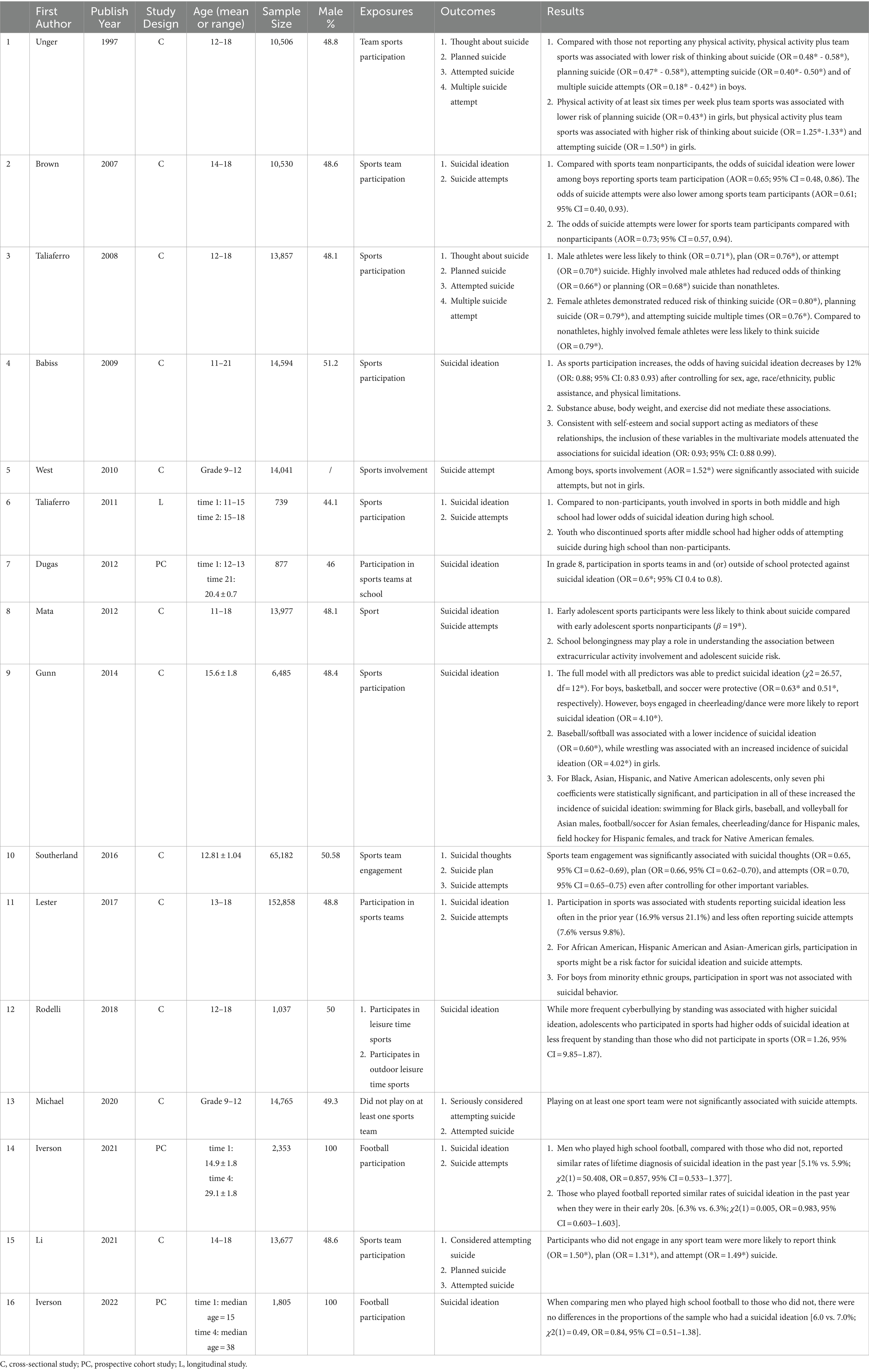
Table 1. Study characteristics of the included studies of this review.
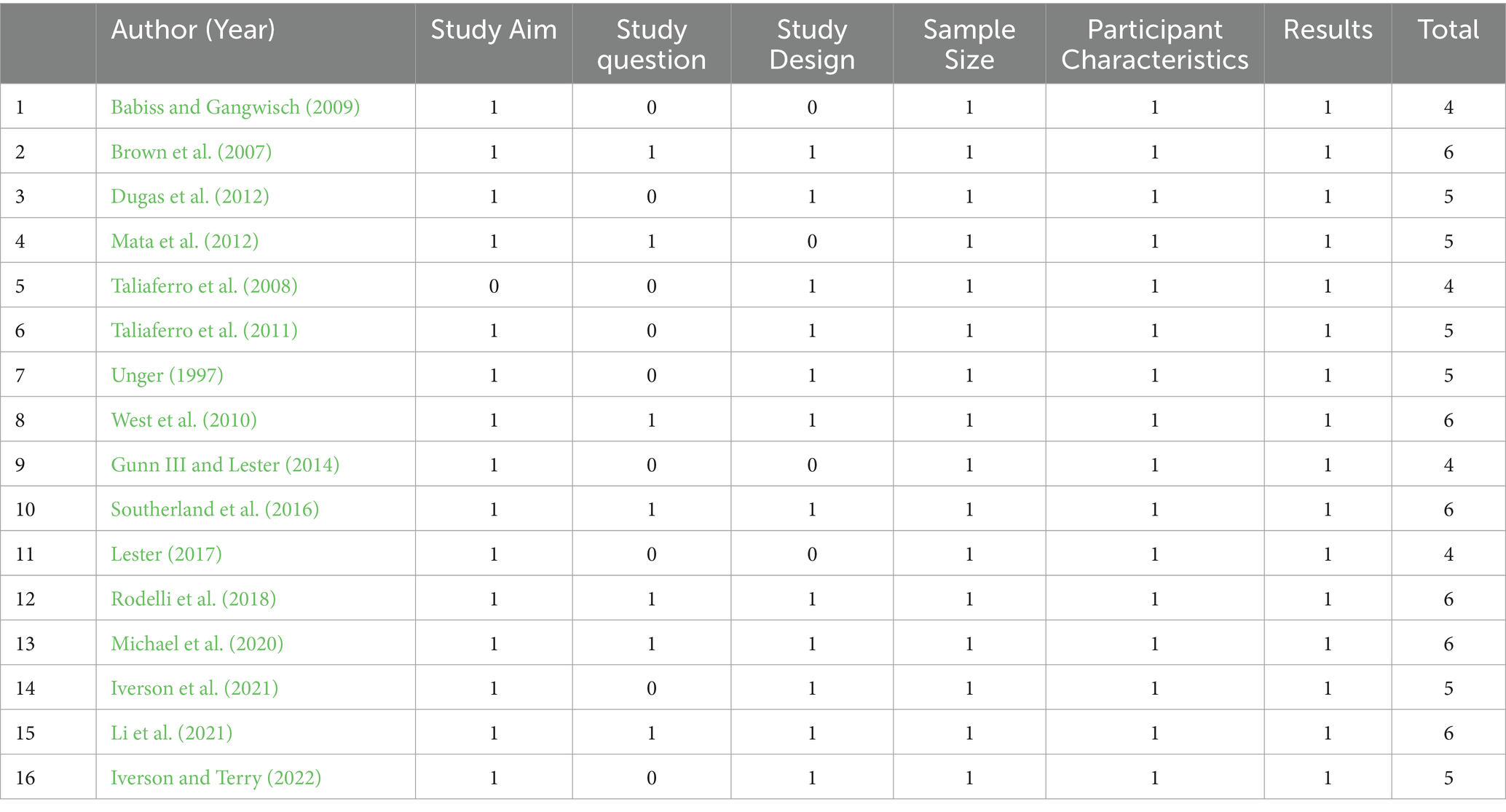
Table 2. Results of quality assessment of the included studies in this review.
3.3 Association between sports participation and suicide-related outcomes.
Table 3 summarized the associations between sports participation and suicide-related outcomes among adolescents. In terms of suicidal ideation, 78% (7/9) of studies supported a negative association between sports participation and suicidal ideation (i.e., higher sport participation was associated with lower suicidal ideation and vice versa). In the gender subgroup analysis, only 33% (2/6) and 43% (3/7) of the studies supported this association in males and females respectively, so it is presently unclear whether there is a consistent association in girls or boys. In terms of suicide plans, the association is inconsistent as there were fewer than four studies available. Furthermore, 67% (4/6) of the studies supported a negative association between sports participation and suicide attempts. In the gender subgroup analysis, only 14% (1/7) and 43% (3/7) of studies supported the association in males and females respectively, so it is currently unclear whether there is a consistent association in boys and girls.

Table 3. Synthesiszed results for the associations between sports participation and suicide-reltead outcomes.
4 Discussion
Systematically evaluating the association between sports participation and suicide-related outcomes among adolescents is considered of great public health significance because this information can inform interventions to reduce suicide-related behaviors in youth populations (Vancampfort et al., 2018a). To our knowledge, this present systematic review is one of the first studies to explore the association between sports participation and suicide-related outcomes in adolescents. While a large number of cross-sectional studies were included to determine this association, there was a lack of longitudinal studies examining the direction of the association between sports participation and suicide-related outcomes among adolescents. Based on good- to excellent-quality cross-sectional and longitudinal studies, the findings of this systematic review indicate evidence for a negative association between sports participation and suicidal ideation and suicide attempts among adolescents. However, it is currently unclear whether there is a consistent association between sports participation and suicide plans among adolescents. In gender-stratified subgroup analyses, it is uncertain whether the association between sports participation and suicidal ideation, suicide plans, and suicide attempts is consistent across males and females.
Previous systematic reviews and the current study differed in the population examined, the exposure variables, and outcome variables, thus drew inconsistent conclusions (Vancampfort et al., 2018a; Zuckerman et al., 2021). Our study finds that sports participation is negatively associated with suicidal ideation and suicide attempts. Zuckerman et al. reported that all three included studies supported that participation in team sports was associated with lower suicidal ideation (Zuckerman et al., 2021). However, Vancampfort et al. (2018a) study indicated that 7 of 14 studies in adolescent populations found a negative association between physical activity and suicidal ideation, but it was uncertain whether there was a consistent association. While the association between sports participation and suicide attempts among adolescents has not been reported in previous systematic reviews comprising observational studies. Fabiano et al. reported that more physical activity was associated with fewer suicide attempts in clinical populations (Fabiano et al., 2024). Evidence from randomized controlled trials also demonstrates that exercise reduces suicide attempts (Fabiano et al., 2023). However, it is currently unclear whether there is a consistent association between sports participation and suicide plans among adolescents. Meanwhile, no previous systematic review has provided evidence for this association.
A recent systematic review conducted by Vancampfort in 2018 examined physical activity and suicidal ideation across the lifespan, which included adolescents (Vancampfort et al., 2018a). Compared to this systematic review, our research specifically targeted the adolescent population and specifically examined sports participation rather than physical activity, and, more importantly, three suicide-related outcomes (suicidal ideation, suicide plans, and suicide attempts) rather than only suicidal ideation. The most recent systematic review assessed the behavioral, psychological, and social impact of team sports on young athletes (Zuckerman et al., 2021). While Zuckerman et al. also investigated cross-sectional and longitudinal associations between team sports and suicidal ideation, it targeted young athletes under the age of 25, not only general or school-attending. In the 2018 systematic review, Vancampfort et al. found an unclear association between physical activity participation and suicidal ideation among adolescents (Vancampfort et al., 2018a), which is inconsistent with our findings. One possible explanation is that systematic review only included studies up to May 2017, whereas our research included the five most up-to-date articles since 2018. Therefore, compared to the previous study, there is more evidence to support exploring the association between sports participation and suicidal ideation among adolescents.
The most recent systematic review found that participation in team sports was associated with lower suicidal ideation among young athletes under 25 years of age, which is in line with our findings (Zuckerman et al., 2021). However, Zuckerman et al. only investigated the association between team sports participation and suicidal ideation among young athletes, whereas our research extended the suicide-related outcomes to suicide plans and suicide attempts. More importantly, the population that Zuckerman’s study investigated was young athletes under the age of 25 years. Previous epidemiological evidence suggests that as the incidence of suicide-related outcomes increases with age, but suicide is a more common cause of death in younger age groups (Bilsen, 2018). Evidence from the previous systematic review can only support the association between team sports participation and suicidal ideation in young athletes, while the results of our research can support associations between sports participation and the three suicide-related outcomes in a broader population of adolescents, thus guiding the direction of subsequent research and supporting policy formulation.
While the present study provides more evidence to support the association between sports participation and suicide-related outcomes among adolescents compared to previous systematic reviews. Among the total sample, only suicidal ideation and suicide attempts met the current definition of being consistently related to sports participation among adolescents. However, it is noteworthy that inconsistencies between studies were reported in the association between sports participation and suicide plans, and in the gender-stratified analysis of the association between sports participation and all three suicide-related outcomes. In terms of suicide plans, only four studies investigated the relationship between sports participation and suicide plans, and the sample size was not sufficient to support consistent results. In both gender-stratified analyses of suicidal ideation and suicide attempts, there were sufficient sample sizes to support the evidence. Nevertheless, in all comparisons, while the majority of variables reported associations with sports participation, few were significant. Consequently, there is difficulty in drawing consistent conclusions about these variables. The lack of consistency in the results may be caused by differences in measurements and samples, and confounding or moderating variables may need to be considered in the analyses.
The first possible explanation is the bias introduced by measurement, as measuring physical activity or sports participation in adolescents is a challenging task. While we have very accurate but invasive measures (e.g., double-labeled water), to more user-friendly device-based measures (e.g., accelerometers), to self-reported measures (e.g., questionnaires), they are all prone to bias and limitations (Baranowski et al., 1993). All the studies included in this systematic review employed unvalidated self-report instruments to measure adolescent sports participation, which may result in fewer significant associations being reported. Moreover, compared to physical activity or sedentary behavior, sports participation is more complicated and harder to accurately assess.
The second explanation is the targeted sample. This systematic review included observational studies of various designs, which led to a very large variation in the sample size of included studies, ranging from 739 to 152,858. In adolescents, the expected moderate correlation between sample size and proportion of significant associations may explain the inconsistent results that emerge (Sallis et al., 2000). Furthermore, cohort differences may have contributed to the inconsistent results. Even when two studies adopt the same study design, recruit the same participants, and use the same measures, it is possible to achieve the different results. This is because different cohorts have different demographic characteristics, such as various socio-economic status, educational attainment, gender ratio, and ethnic distribution. Although all the studies included in this systematic review were from high-income countries, which reduces cohort differences to some extent, it is still not possible to conduct subgroup analyses based on ethnicity or socio-economic status. There may be different correlations between boys’ and girls’ sports participation, and this study conducted subgroup analyses according to gender, but was incapable of drawing consistent conclusions.
Although this systematic review could not induce the consistent association between sports participation and several suicide-related outcomes, it reported an association between higher sports participation and less suicidal ideation and suicide attempts. The physiological and psychological mechanisms of human suicide are unclear (O'Connor and Nock, 2014), and the mechanisms of how sports participation reduces suicidal ideation, suicide plans, and suicide attempts are also uncertain (Brown, 2005). Some hypothetical mechanisms may explain the negative association between sports participation and these three suicide-related outcomes. Suicidal behavior is a complex process that begins with the emergence of suicidal ideation, moves on to planning the method, place and time frame for suicide, to making the attempt, and may even end in suicide death (Dumon and Portzky, 2014). The main finding in this present study was that sports participation was negatively associated with suicidal ideation and suicide attempts, while the association between sports participation and suicide plans was unclear. In the Stress-Diathesis Model of Suicidal Behavior developed by van Heeringen, suicidal behavior is hypothesized to be the result of an interaction between proximal stressors and distal personal vulnerabilities or qualities (van Heeringen, 2012). Previous studies have suggested that a healthy lifestyle, including physical activity and sports participation, can reduce adolescents’ vulnerability to stress and thus reduce suicidal thoughts, suicide plans, and suicide attempts (Brown and Lawton, 1986). Furthermore, vigorous physical activity and social support may be potential mediating pathways by which sports participation is associated with a reduced risk of suicidal ideation. Taliaferro et al. proposed that vigorous physical activity mediated the association between sports participation and self-esteem and depression, and these two risk factors for suicidal ideation moderated the association between vigorous physical activity and suicidal ideation, while there is also a mediating role for social support in sports participation and risk factors for suicidal ideation (Taliaferro et al., 2010). Previous studies using accelerometer-based measurements support a higher level of vigorous physical activity in adolescent sports participants than in non-sport participants (Pfeiffer et al., 2006; Telford et al., 2016). Therefore, sports participation may enable adolescents to engage in more vigorous physical activity, and participation in vigorous physical activity is associated with better mental health (Hrafnkelsdottir et al., 2018; Wassenaar et al., 2021), which can reduce suicidal ideation in adolescents. Another potential mediating factor is social support. Previous research has suggested that adolescents who participate in sports can maintain positive social relationships with activity participants, such as teammates, organizers, coaches, and families (Brown and Blanton, 2002; Taliaferro et al., 2011; Eime et al., 2013), which can lead to greater interpersonal and social support. Among adolescents, higher social support is associated with higher well-being (Chu et al., 2010), reduced risk for depression and anxiety (Rueger et al., 2016; Qi et al., 2020). Consequently, among adolescents, sports participation leads to better social support from activity participants, and better social support leads to better mental health, thus lowering the risk of suicide-related outcomes. Furthermore, physiological perspectives can be used to reveal potential mechanisms for sports participation in suicide prevention. For example, exercise can reduce sensitivity to stress and peripheral effects that affect metabolic function (Tsatsoulis and Fountoulakis, 2006), thus preventing negative effects caused by stress, including suicide-related outcomes (Gerber and Pühse, 2009). Furthermore, exercise-induced increases in serum β-endorphin concentrations are associated with altered euphoria and nociception, which can influence the psychological profile of adolescents and therefore reduce the risk of suicide (Harber and Sutton, 1984).
4.1 Limitation and further recommendation
This study is a systematic review conducted in strict compliance with the PRISMA guidelines (Page et al., 2021). Furthermore, this study used STROBE to assess the quality of the included studies and the best evidence synthesis consistent with previous studies (Vancampfort et al., 2012, 2018b). Thus, this study identified and evaluated all literature to date on sports participation and suicide-related outcomes among adolescents as scientifically as possible and drawn robust conclusions. Nevertheless, there are limitations to this present study. First, the cross-sectional studies included in this study were insufficient to support the directionality of the association between sports participation and suicide-related behaviors. While adolescents with low sports participation may experience suicide ideations, plans and attempts, adolescents who are prone to these suicide-related behaviors may not be prone to participate in sport. Therefore, more high-quality longitudinal studies are needed to determine the causal relationship between sports participation and suicide-related results. Second, there is heterogeneity in measuring sports participation and suicide-related outcomes, with measures of both exposure and outcome variables having unreported validity and reliability. This may introduce recall bias or social desirability bias and influence the corresponding synthesis of evidence. Therefore, there is a need to develop instruments with high reliability and validity in adolescents to assess their sports participation and suicide-related outcomes. Accelerometers or inclinometers can be adapted to estimate the different types of physical activity and sedentary behavior of young people during sports participation. Moreover, there are limitations to the included studies themselves. Few studies investigated suicide plans, and the sample sizes of the included studies varied excessively and there existed cohort differences. Finally, only papers published in English were included in this study.
5 Conclusion
This systematic review adds new evidence to support the association between higher level of sports participation and lower suicidal ideation and suicide attempts among adolescents. Whereas the association between sports participation and suicide plan is currently uncertain, and there is insufficient evidence to support differences between males and females.
Data availability statement
The raw data supporting the conclusions of this article will be made available by the authors, without undue reservation.
Author contributions
MH: Conceptualization, Formal analysis, Investigation, Methodology, Writing – original draft, Writing – review & editing, Data curation, Project administration. ZY: Data curation, Formal analysis, Software, Writing – original draft, Writing – review & editing. LY: Conceptualization, Methodology, Project administration, Supervision, Writing – review & editing. SC: Formal analysis, Methodology, Writing – original draft, Writing – review & editing.
Funding
The author(s) declare that no financial support was received for the research, authorship, and/or publication of this article.
Conflict of interest
The authors declare that the research was conducted in the absence of any commercial or financial relationships that could be construed as a potential conflict of interest.
Publisher’s note
All claims expressed in this article are solely those of the authors and do not necessarily represent those of their affiliated organizations, or those of the publisher, the editors and the reviewers. Any product that may be evaluated in this article, or claim that may be made by its manufacturer, is not guaranteed or endorsed by the publisher.
References
Babiss, L. A., and Gangwisch, J. E. (2009). Sports participation as a protective factor against depression and suicidal ideation in adolescents as mediated by self-esteem and social support. J. Dev. Behav. Pediatr. 30, 376–384. doi: 10.1097/DBP.0b013e3181b33659
Baranowski, T., Thompson, W. O., DuRant, R. H., Baranowski, J., and Puhl, J. (1993). Observations on physical activity in physical locations: age, gender, ethnicity, and month effects. Res. Q. Exerc. Sport 64, 127–133. doi: 10.1080/02701367.1993.10608789
Bersia, M., Koumantakis, E., Berchialla, P., Charrier, L., Ricotti, A., Grimaldi, P., et al. (2022). Suicide spectrum among young people during the COVID-19 pandemic: a systematic review and meta-analysis. EClinicalMedicine 54:101705. doi: 10.1016/j.eclinm.2022.101705
Bilsen, J. (2018). Suicide and youth: risk factors. Front. Psych. 9:540. doi: 10.3389/fpsyt.2018.00540
Brown, D. R. (2005). Physical activity, sports participation, and suicidal behaviors: a literature review. Int. J. Sport Exerc. Psychol. 3, 484–500. doi: 10.1080/1612197X.2005.10807320
Brown, D. R., and Blanton, C. J. (2002). Physical activity, sports participation, and suicidal behavior among college students. Med. Sci. Sports Exerc. 34, 1087–1096. doi: 10.1097/00005768-200207000-00006
Brown, D. R., Galuska, D. A., Zhang, J., Eaton, D. K., Fulton, J. E., Lowry, R., et al. (2007). Psychobiology and behavioral strategies. Physical activity, sport participation, and suicidal behavior: U.S. high school students. Med. Sci. Sports Exerc. 39, 2248–2257. doi: 10.1249/mss.0b013e31815793a3
Brown, J. D., and Lawton, M. (1986). Stress and well-being in adolescence: the moderating role of physical exercise. J. Hum. Stress. 12, 125–131. doi: 10.1080/0097840X.1986.9936777
Cerel, J., Brown, M. M., Maple, M., Singleton, M., van de Venne, J., Moore, M., et al. (2019). How many people are exposed to suicide? Suicide Life Threat. Behav. 49, 529–534. doi: 10.1111/sltb.12450
Cho, K. O. (2014). Physical activity and suicide attempt of south Korean adolescents -evidence from the eight Korea youth risk behaviors web-based survey. J. Sports Sci. Med. 13, 888–893.
Chu, P. S., Saucier, D. A., and Hafner, E. (2010). Meta-analysis of the relationships between social support and well-being in children and adolescents. J. Soc. Clin. Psychol. 29, 624–645. doi: 10.1521/jscp.2010.29.6.624
De Leo, D. (2015). Can we rely on suicide mortality data? Crisis 36, 1–3. doi: 10.1027/0227-5910/a000315
Doran, C. M., and Kinchin, I. (2020). Economic and epidemiological impact of youth suicide in countries with the highest human development index. PLoS One 15:e0232940. doi: 10.1371/journal.pone.0232940
Dugas, E., Low, N. C., Rodriguez, D., Burrows, S., Contreras, G., Chaiton, M., et al. (2012). Early predictors of suicidal ideation in young adults. Can. J. Psychiatr. 57, 429–436. doi: 10.1177/070674371205700706
Dumon, E., and Portzky, G. (2014). Suicide prevention toolkit for media professionals (EUREGENAS project). Available at:https://www.euregenas.eu/wp-content/uploads/2014/04/Euregenas-Suicide-Prevention-Toolkit-for-Media-Professionals.pdf
Eime, R. M., Young, J. A., Harvey, J. T., Charity, M. J., and Payne, W. R. (2013). A systematic review of the psychological and social benefits of participation in sport for adults: informing development of a conceptual model of health through sport. Int. J. Behav. Nutr. Phys. Act. 10:135. doi: 10.1186/1479-5868-10-135
Fabiano, N., Gupta, A., Fiedorowicz, J. G., Firth, J., Stubbs, B., Vancampfort, D., et al. (2023). The effect of exercise on suicidal ideation and behaviors: a systematic review and meta-analysis of randomized controlled trials. J. Affect. Disord. 330, 355–366. doi: 10.1016/j.jad.2023.02.071
Fabiano, N., Gupta, A., Wong, S., Tran, J., Mohammad, I. Y., Bal, S., et al. (2024). Physical activity, suicidal ideation, suicide attempt and death among individuals with mental or other medical disorders: a systematic review of observational studies. Neurosci. Biobehav. Rev. 158:105547. doi: 10.1016/j.neubiorev.2024.105547
Gerber, M., and Pühse, U. (2009). Review article: do exercise and fitness protect against stress-induced health complaints? A review of the literature. Scand. J. Public Health 37, 801–819. doi: 10.1177/1403494809350522
Goto, R., Okubo, Y., and Skokauskas, N. (2022). Reasons and trends in youth's suicide rates during the COVID-19 pandemic. Lancet Reg. Health West Pac. 27:100567. doi: 10.1016/j.lanwpc.2022.100567
Grasdalsmoen, M., Eriksen, H. R., Lønning, K. J., and Sivertsen, B. (2020). Physical exercise, mental health problems, and suicide attempts in university students. BMC Psychiatry 20:175. doi: 10.1186/s12888-020-02583-3
Guagliano, J. M., Rosenkranz, R. R., and Kolt, G. S. (2013). Girls' physical activity levels during organized sports in Australia. Med. Sci. Sports Exerc. 45, 116–122. doi: 10.1249/MSS.0b013e31826a0a73
Gunn, J. III, and Lester, D. (2014). Sports participation and suicidal behaviour: does sport type matter? Int. J. Sport Exerc. Psychol. 12, 333–338. doi: 10.1080/1612197X.2014.919603
Harber, H., and Sutton, J. R. (1984). Endorphins and exercise. Sports Med. 1, 154–171. doi: 10.2165/00007256-198401020-00004
Hrafnkelsdottir, S. M., Brychta, R. J., Rognvaldsdottir, V., Gestsdottir, S., Chen, K. Y., Johannsson, E., et al. (2018). Less screen time and more frequent vigorous physical activity is associated with lower risk of reporting negative mental health symptoms among Icelandic adolescents. PLoS One 13:e0196286. doi: 10.1371/journal.pone.0196286
Hu, X., and Tang, Y. (2022). The association between physical education and mental health indicators in adolescents: a cross-sectional study. Int. J. Ment. Health Promot. 24, 783–793. doi: 10.32604/ijmhp.2022.018332
Iverson, G. L., Merz, Z. C., and Terry, D. P. (2021). Playing high school football is not associated with an increased risk for suicidality in early adulthood. Clin. J. Sport Med. 31, 469–474. doi: 10.1097/JSM.0000000000000890
Iverson, G. L., and Terry, D. P. (2022). High school football and risk for depression and suicidality in adulthood: findings from a National Longitudinal Study. Front. Neurol. 12:812604. doi: 10.3389/fneur.2021.812604
Kachur, S. P., Potter, L. B., Powell, K. E., and Rosenberg, M. L. (1995). Suicide: epidemiology, prevention, and treatment. Adolesc. Med. 6, 171–182.
Leek, D., Carlson, J. A., Cain, K. L., Henrichon, S., Rosenberg, D., Patrick, K., et al. (2011). Physical activity during youth sports practices. Arch. Pediatr. Adolesc. Med. 165, 294–299. doi: 10.1001/archpediatrics.2010.252
Lester, D. (1995). Participation in sports teams and suicidal behavior: an analysis of the 1995 national college health risk behavior survey. Percept. Mot. Skills 119, 38–41. doi: 10.2466/06.15.PMS.119c13z5
Lester, D. (2017). Participation in sports activities and suicidal behaviour: a risk or a protective factor? Int. J. Sport Exerc. Psychol. 15, 103–108. doi: 10.1080/1612197X.2015.1073340
Li, X., Chi, G., Taylor, A., Chen, S. T., Memon, A. R., Zhang, Y., et al. (2021). Lifestyle behaviors and suicide-related behaviors in adolescents: cross-sectional study using the 2019 YRBS data. Front. Public Health 9:766972. doi: 10.3389/fpubh.2021.766972
Lim, K. S., Wong, C. H., McIntyre, R. S., Wang, J., Zhang, Z., Tran, B. X., et al. (2019). Global lifetime and 12-month prevalence of suicidal behavior, deliberate self-harm and non-suicidal self-injury in children and adolescents between 1989 and 2018: a Meta-analysis. Int. J. Environ. Res. Public Health 16:4581. doi: 10.3390/ijerph16224581
Mata, A. D., van Dulmen, M. H., Schinka, K. C., Swahn, M. H., Bossarte, R. M., and Flannery, D. J. (2012). Extracurricular activity involvement is associated with adolescent suicidality through school belongingness. Vulnerable Child. Youth Stud. 7, 347–356. doi: 10.1080/17450128.2012.708463
Michael, S. L., Lowry, R., Merlo, C., Cooper, A. C., Hyde, E. T., and McKeon, R. (2020). Physical activity, sedentary, and dietary behaviors associated with indicators of mental health and suicide risk. Prev. Med. Rep. 19:101153. doi: 10.1016/j.pmedr.2020.101153
Naghavi, M. (2019). Global, regional, and national burden of suicide mortality 1990 to 2016: systematic analysis for the global burden of disease study. BMJ 364:l94. doi: 10.1136/bmj.l94
O’Connor, E., Gaynes, B., Burda, B. U., Williams, C., and Whitlock, E. P. (2013). Screening for suicide risk in primary care: a systematic evidence review for the U.S. preventive services task force. Rockville, MD: Agency for Healthcare Research and Quality.
O'Connor, R. C., and Nock, M. K. (2014). The psychology of suicidal behaviour. Lancet Psychiatry 1, 73–85. doi: 10.1016/S2215-0366(14)70222-6
Page, M. J., McKenzie, J. E., Bossuyt, P. M., Boutron, I., Hoffmann, T. C., Mulrow, C. D., et al. (2021). The PRISMA 2020 statement: an updated guideline for reporting systematic reviews. BMJ 372:n71. doi: 10.1136/bmj.n71
Park, S., Park, S. Y., Jang, S. Y., Oh, G., and Oh, I. H. (2020). The neglected role of physical education participation on suicidal ideation and stress in high school adolescents from South Korea. Int. J. Environ. Res. Public Health 17:2838. doi: 10.3390/ijerph17082838
Pfeiffer, K. A., Dowda, M., Dishman, R. K., McIver, K. L., Sirard, J. R., Ward, D. S., et al. (2006). Sport participation and physical activity in adolescent females across a four-year period. J. Adolesc. Health 39, 523–529. doi: 10.1016/j.jadohealth.2006.03.005
Qi, M., Zhou, S. J., Guo, Z. C., Zhang, L. G., Min, H. J., Li, X. M., et al. (2020). The effect of social support on mental health in Chinese adolescents during the outbreak of COVID-19. J. Adolesc. Health 67, 514–518. doi: 10.1016/j.jadohealth.2020.07.001
Rodelli, M., De Bourdeaudhuij, I., Dumon, E., Portzky, G., and DeSmet, A. (2018). Which healthy lifestyle factors are associated with a lower risk of suicidal ideation among adolescents faced with cyberbullying? Prev. Med. 113, 32–40. doi: 10.1016/j.ypmed.2018.05.002
Rueger, S. Y., Malecki, C. K., Pyun, Y., Aycock, C., and Coyle, S. (2016). A meta-analytic review of the association between perceived social support and depression in childhood and adolescence. Psychol. Bull. 142, 1017–1067. doi: 10.1037/bul0000058
Sabo, D., Miller, K. E., Melnick, M. J., Farrell, M. P., and Barnes, G. M. (2005). HIGH SCHOOL ATHLETIC PARTICIPATION AND ADOLESCENT SUICIDE: a Nationwide US study. Int. Rev. Sociol. Sport 40, 5–23. doi: 10.1177/1012690205052160
Sallis, J. F., Prochaska, J. J., and Taylor, W. C. (2000). A review of correlates of physical activity of children and adolescents. Med. Sci. Sports Exerc. 32, 963–975. doi: 10.1097/00005768-200005000-00014
Scheerder, J., Vanreusel, B., and Taks, M. (2005). Leisure-time sport among physical education students: a time trend analysis of sport participation styles. Eur. Sport Manag. Q. 5, 415–441. doi: 10.1080/16184740500430306
Shepard, D. S., Gurewich, D., Lwin, A. K., Reed, G. A. Jr., and Silverman, M. M. (2016). Suicide and suicidal attempts in the United States: costs and policy implications. Suicide Life Threat. Behav. 46, 352–362. doi: 10.1111/sltb.12225
Shull, E. R., Dowda, M., Saunders, R. P., McIver, K., and Pate, R. R. (2020). Sport participation, physical activity and sedentary behavior in the transition from middle school to high school. J. Sci. Med. Sport 23, 385–389. doi: 10.1016/j.jsams.2019.10.017
Southerland, J. L., Zheng, S., Dula, M., Cao, Y., and Slawson, D. L. (2016). Relationship between physical activity and suicidal behaviors among 65,182 middle school students. J. Phys. Act. Health 13, 809–815. doi: 10.1123/jpah.2015-0315
Taliaferro, L. A., Eisenberg, M. E., Johnson, K. E., Nelson, T. F., and Neumark-Sztainer, D. (2011). Sport participation during adolescence and suicide ideation and attempts. Int. J. Adolesc. Med. Health 23, 3–10. doi: 10.1515/ijamh.2011.002
Taliaferro, L. A., Rienzo, B. A., Miller, M. D., Pigg, R. M., and Dodd, V. J. (2010). Potential mediating pathways through which sports participation relates to reduced risk of suicidal ideation. Res. Q. Exerc. Sport 81, 328–339. doi: 10.1080/02701367.2010.10599681
Taliaferro, L. A., Rienzo, B. A., Miller, M. D., Pigg, R. M. Jr., and Dodd, V. J. (2008). High school youth and suicide risk: exploring protection afforded through physical activity and sport participation. J. Sch. Health 78, 545–553. doi: 10.1111/j.1746-1561.2008.00342.x
Telford, R. M., Telford, R. D., Cochrane, T., Cunningham, R. B., Olive, L. S., and Davey, R. (2016). The influence of sport club participation on physical activity, fitness and body fat during childhood and adolescence: the LOOK longitudinal study. J. Sci. Med. Sport 19, 400–406. doi: 10.1016/j.jsams.2015.04.008
Tsatsoulis, A., and Fountoulakis, S. (2006). The protective role of exercise on stress system dysregulation and comorbidities. Ann. N. Y. Acad. Sci. 1083, 196–213. doi: 10.1196/annals.1367.020
Turecki, G., Brent, D. A., Gunnell, D., O'Connor, R. C., Oquendo, M. A., Pirkis, J., et al. (2019). Suicide and suicide risk. Nat. Rev. Dis. Primers 5:74. doi: 10.1038/s41572-019-0121-0
Unger, J. B. (1997). Physical activity, participation in team sports, and risk of suicidal behavior in adolescents. Am. J. Health Promot. 12, 90–93. doi: 10.4278/0890-1171-12.2.90
van Heeringen, K. (2012). “Stress–diathesis model of suicidal behavior” in The neurobiological basis of suicide. ed. Y. Dwivedi (London: CRC Press/Taylor & Francis)
Van Meter, A. R., Knowles, E. A., and Mintz, E. H. (2023). Systematic review and meta-analysis: international prevalence of suicidal ideation and attempt in youth. J. Am. Acad. Child Adolesc. Psychiatry 62, 973–986. doi: 10.1016/j.jaac.2022.07.867
Vancampfort, D., Hallgren, M., Firth, J., Rosenbaum, S., Schuch, F. B., Mugisha, J., et al. (2018a). Physical activity and suicidal ideation: a systematic review and meta-analysis. J. Affect. Disord. 225, 438–448. doi: 10.1016/j.jad.2017.08.070
Vancampfort, D., Knapen, J., Probst, M., Scheewe, T., Remans, S., and De Hert, M. (2012). A systematic review of correlates of physical activity in patients with schizophrenia. Acta Psychiatr. Scand. 125, 352–362. doi: 10.1111/j.1600-0447.2011.01814.x
Vancampfort, D., Mugisha, J., Richards, J., De Hert, M., Probst, M., and Stubbs, B. (2018b). Physical activity correlates in people living with HIV/AIDS: a systematic review of 45 studies. Disabil. Rehabil. 40, 1618–1629. doi: 10.1080/09638288.2017.1306587
Von Elm, E., Altman, D. G., Egger, M., Pocock, S. J., Gøtzsche, P. C., Vandenbroucke, J. P., et al. (2014). The strengthening the reporting of observational studies in epidemiology (STROBE) statement: guidelines for reporting observational studies. Int. Surg. J. 12, 1495–1499. doi: 10.1016/j.ijsu.2014.07.013
Wassenaar, T. M., Wheatley, C. M., Beale, N., Nichols, T., Salvan, P., et al. (2021). The effect of a one-year vigorous physical activity intervention on fitness, cognitive performance and mental health in young adolescents: the fit to study cluster randomised controlled trial. Int. J. Behav. Nutr. Phys. Act. 18:47. doi: 10.1186/s12966-021-01113-y
Wasserman, D., Carli, V., Iosue, M., Javed, A., and Herrman, H. (2021). Suicide prevention in childhood and adolescence: a narrative review of current knowledge on risk and protective factors and effectiveness of interventions. Asia Pac. Psychiatry 13:e12452. doi: 10.1111/appy.12452
West, B. A., Swahn, M. H., and McCarty, F. (2010). Children at risk for suicide attempt and attempt-related injuries: findings from the 2007 youth risk behavior survey. West. J. Emerg. Med. 11, 257–263.
Wilcox, H. C., Arria, A. M., Caldeira, K. M., Vincent, K. B., Pinchevsky, G. M., and O'Grady, K. E. (2010). Prevalence and predictors of persistent suicide ideation, plans, and attempts during college. J. Affect. Disord. 127, 287–294. doi: 10.1016/j.jad.2010.04.017
World Health Organization. (2021). Suicide. Available at:https://www.who.int/news-room/fact-sheets/detail/suicide
World Health Organization. (2022). Adolescent mental health. Available at:https://www.who.int/news-room/fact-sheets/detail/adolescent-mental-health
Xiao, Y., Chen, Y., Meng, Q., Tian, X., He, L., Yu, Z., et al. (2019). Suicide ideation and suicide plan in Chinese left-behind children: prevalence and associated factors. J. Affect. Disord. 257, 662–668. doi: 10.1016/j.jad.2019.07.072
Keywords: sports participation, protective factor, suicide-related outcome, adolescent, systematic review
Citation: Huo M, Yang Z, Yang L and Chen S (2024) Can sports participation be a protective factor against suicide-related outcomes in adolescents: a systematic review. Front. Psychol. 15:1341795. doi: 10.3389/fpsyg.2024.1341795
Edited by:
Daniela Stackeová, College of Physical Education and Sport Palestra, CzechiaReviewed by:
Ferdinand Salonna, University of Pavol Jozef Šafárik, SlovakiaJingyi Tan, Lundquist Institute for Biomedical Innovation, United States
Copyright © 2024 Huo, Yang, Yang and Chen. This is an open-access article distributed under the terms of the Creative Commons Attribution License (CC BY). The use, distribution or reproduction in other forums is permitted, provided the original author(s) and the copyright owner(s) are credited and that the original publication in this journal is cited, in accordance with accepted academic practice. No use, distribution or reproduction is permitted which does not comply with these terms.
*Correspondence: Li Yang, eWFuZ2xpQHNjdXQuZWR1LmNu