 Ilenia Falcinelli
 Chiara Fini
 Claudia Mazzuca
 Anna M. Borghi
- 1Department of Psychology, Sapienza University of Rome, Rome, Italy
- 2Department of Dynamic and Clinical Psychology, and Health Studies, Sapienza University of Rome, Rome, Italy
- 3Institute of Cognitive Sciences and Technologies, Italian National Research Council, Rome, Italy
Investigating how people represent the natural environment and abstract it into geographical (e.g., mountain) and geopolitical (e.g., city) categories is pivotal to comprehending how they move and interact with the places they inhabit. Yet, the conceptualization of geographical and geopolitical domains has received scant attention so far. To deal with that, we reviewed 50 articles tackling this topic. Most studies have focused on assessing the universality of these concepts—especially geographical ones—mainly using free-listing and ethnophysiographic methods. Current perspectives tend to favor a non-universalistic characterization of these kinds of concepts, emphasizing their high cross-linguistic and cross-cultural variability, especially when compared to other semantic domains. Since geographical and geopolitical features are not pre-segmented by nature, the role of categories imposed by humans is crucial for these concepts. Significantly, their variability does not only depend on “cross” differences: evidence suggests that the cognitive demand requested by the task, idiosyncratic characteristics of individuals such as expertise level, and the typology of inhabited environments are further factors impacting the conceptual flexibility of these domains. Exploring the factors influencing our understanding of geographical and geopolitical categories can provide valuable insights for instructing effective communication policies to enhance sustainable development and address ecological emergencies, taking into consideration diverse cultural backgrounds within different populations.
1 Introduction
Conceptualization can be defined as “the process of abstracting the real world into the concepts we use to refer to what is there” (Williams et al., 2012, p. 51). Concepts are the “glue” that connects our past, present, and future (Murphy, 2002). They can be considered cognitive and mental representations of categories we form to comprehend, navigate, and interact with the physical and social environment.
Understanding how people conceptualize the natural world and use geographical and geopolitical categories is becoming increasingly urgent considering the impact on our daily lives of environmental transformations stemming from the climate change emergency and international political contrasts. Unfortunately, although several studies have explored the impact of the ecological crisis on human wellness, focusing, for instance, on emotional (eco-anxiety - Clayton, 2020; Pihkala, 2020) or physical eco-consequences (e.g., Abraham et al., 2023) and identified factors leading pro-environmental behaviors (Li et al., 2019) and strategies to incentivize them (Schultz, 2014; Tam et al., 2021), only a few studies focus on how people represent ecology-related phenomena (e.g., Baquiano and Mendez, 2015, 2016; Falcinelli et al., 2023; Mbaye et al., 2023; Dézma et al., 2024). In addition, scarce attention is dedicated to investigating concepts referring to places in which climate change events typically occur—i.e., geographical kinds such as mountains, oceans, forests, and geopolitical entities such as state, city, metropolis. In our opinion, this is a critical issue to address, considering that human choices and behaviors are influenced not only by emotional, personological, and contextual aspects, but also by people’s perception and representation of reality (Myers, 2007).
To that end, our review focuses on geographical and geopolitical concepts—from now on, “geo” concepts—with the aim of discussing and summarizing the most influential studies carried out on the topic. We start by defining the domain of inquiry and clarifying the method we used to select the papers. We then detail the rationale behind the choice of focusing on geo concepts, and we outline possible shortcomings that might have motivated the scarcity of studies in this area. We then touch upon cross-cultural, cross-linguistic, and interindividual variability from a theoretical and methodological perspective, looking at how this might shape geo concepts. Most studies, indeed, have emphasized the variability of these concepts when compared to other conceptual domains (e.g., Battig and Montague, 1969; van Overschelde et al., 2004; van Putten et al., 2020) and across different languages and cultures—both industrialized and rural—and current positions tend to favor a non-universalistic characterization of them (e.g., Burenhult and Levinson, 2008; Mark et al., 2011; Turk and Stea, 2014). In addition, the cognitive demand requested by specific tasks (e.g., Mark et al., 1999, 2001; Smith and Mark, 2001a,b; Pires, 2005), idiosyncratic characteristics of individuals such as their level of expertise (e.g., Giannakopoulou et al., 2013; Wartmann et al., 2014; Purves et al., 2023), as well as the typology of the inhabited environment (e.g., Williams et al., 2012; Wartmann et al., 2015) further impact geo conceptualization. Thus, geo concepts well-exemplify the flexibility of the human conceptual system (e.g., Barsalou, 1993; Connell and Lynott, 2014; Mazzuca et al., 2021, 2022). The last section of the review discusses how information about the places we live in is stored and organized in our semantic memory (e.g., Tversky and Hemenway, 1983, 1984; Patton, 1995; Lloyd et al., 1996), leveraging studies inspired by the classical theory of hierarchical levels (Rosch and Mervis, 1975; Rosch et al., 1976, 1978).
Importantly, all the reviewed studies have accessed geo-concepts through the words that express them. Results from the reviewed studies are summarized in Table 1.
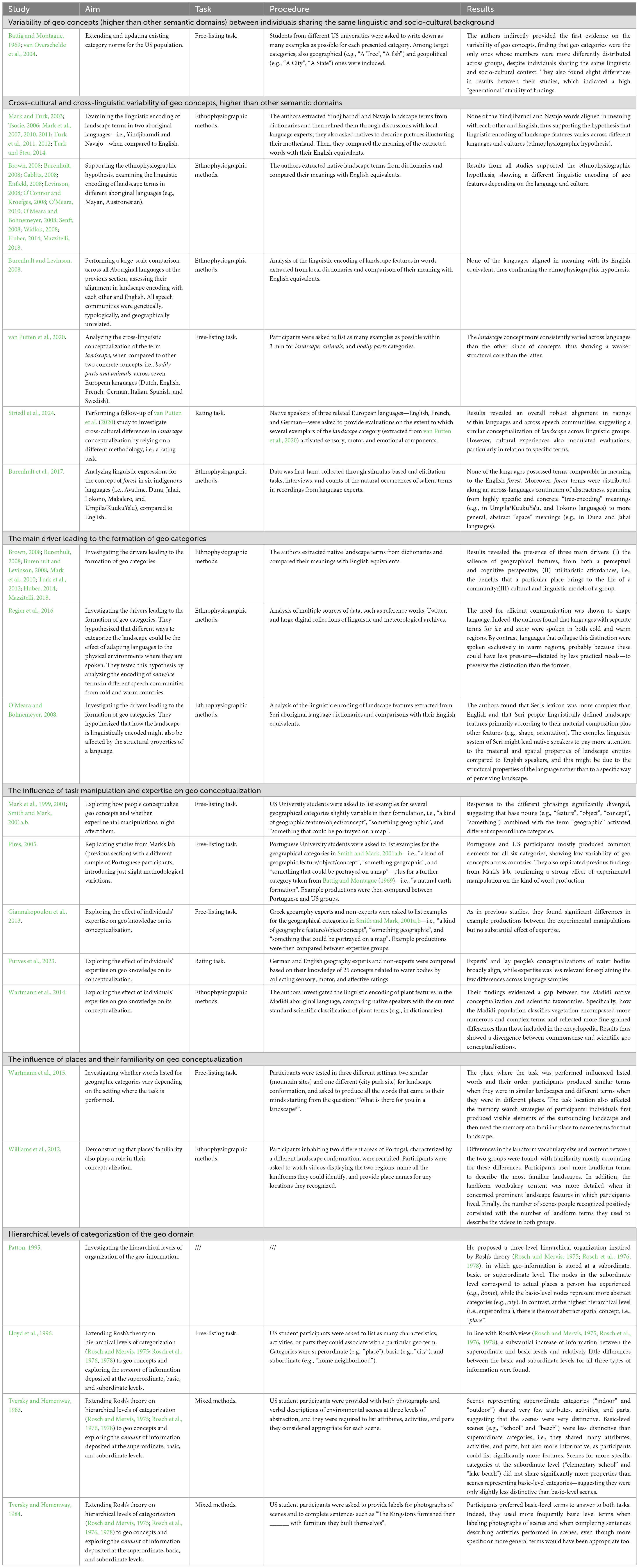
Table 1. Synthesis of the studies reviewed in the paper, along with their aims, tasks, procedures, and results.
2 What do geographical and geopolitical concepts refer to?
This review concerns concepts related to the natural environment. While this is a broad conceptual domain, we narrowed our analysis to two classes of concepts following specific selection criteria. We excluded studies focused on the conceptualization of individual natural kinds like animals (e.g., tiger, bee, cat) and plants (e.g., olive tree, flower, oak) since these domains have already been extensively investigated (e.g., ethnobiology and folk biology studies - see Medin and Atran, 2004; Atran and Medin, 2008). Literature on ecological concepts—i.e., concepts referring to the ecological emergency (e.g., climate change, ozone hole, deforestation)—is still limited (for a few exceptions, see Baquiano and Mendez, 2015, 2016; Falcinelli et al., 2023; Mbaye et al., 2023; Dézma et al., 2024), preventing us from including this class of concepts in the review.
Our review focused instead on geographical and geopolitical concepts, i.e., concepts indicating locations where people usually live and maintain social relations. Specifically, geographical concepts (e.g., mountains, forests, oceans) refer to large-scale physical entities and places in which human intervention has been minimal over time, thus remaining well-preserved in their original forms (i.e., the “totally natural” categories from Mausner, 1996; see also Pasca et al., 2018). Conversely, geopolitical concepts (e.g., cities, states, metropolis) include geographical elements highly affected by human intervention, such as urbanization, and politically relevant entities (i.e., the “non-natural” categories from Mausner, 1996; see also Pasca et al., 2018).
In our review, we will use the term “geo” to refer jointly to both classes, as in most of the studies we targeted, these were treated together. Instead, we will use specific labels (i.e., geographical and geopolitical) when illustrating studies explicitly focusing on one of the two domains. Notably, the definition we just provided for environmental places—based on the criteria of the degree of human intervention in transforming the natural environment—and their distinction into geographical and geopolitical concepts pertains to a specific discipline and research field, i.e., psychology and psycholinguistics (Mausner, 1996; Pasca et al., 2018). In other fields, such as geography, but also political science, and sociology, the investigation of geographical and geopolitical concepts happens jointly, and their distinction does not exist or is not so marked. The divergence in definitions across disciplines is, per se, informative since it further testifies to the variable character of the geo domains, which does not only concern the linguistic and cultural differences, as we extensively shown in the course of the review, but also extends to scientific disciplines.
3 Method for the selection of papers
To retrieve relevant articles and materials on the conceptualization of geo entities, we conducted an exhaustive literature search between December 2021 and April 2022, with a subsequent bibliographic search integration in July-August 2023 and April 2024 to include more recently published materials.
A first bibliographic search was performed on Google Scholar and PubMed, with a second double-check made on Scopus. In our searches, we used the conjunction of words that refer to geographical and geopolitical entities (e.g., “nature”, “geographical”, “geopolitical”), with labels denoting their specific status (e.g., “concepts”, “categories”, “features”), and/or with terms indicating tasks typically used in categorization research (e.g., “free-listing”, “ethnophysiographic methods”), or research field typically dealing with categorization (“ethnophysiography”, “ontology”, “hierarchical organization”), and/or with words referred to conceptual variability (e.g., “variation”, “flexibility”, “malleability”) and/or with words related to individual characteristics, such as expertise levels (e.g., “folk”, “commonsense”, “expertise”). Specifically, we used the combination of the following terms: (“green” OR “geographical/geography” OR “geopolitical/geopolitics” OR “natural/nature” OR “natural environmental/environment” OR “ecological/ecology”) AND (“categories” OR “concepts” OR “terms” OR “features” OR “categorization” OR “conceptualization” OR “linguistic encoding” OR “features encoding”, “entities”) AND/OR (“linguistic task” OR “semantic fluency (task)” OR “feature listing (task)” OR “free-listing (task)” OR “property generation (task)” OR “feature generation (task)” OR “category norms” OR “rating (task)”, OR “natural language analysis” OR “ethnophysiographic method(s)”) AND/OR (“ethnophysiography” OR “ontology” OR “ontological investigation” OR “Geographical Information System/GIS”, “hierarchical organization” OR “hierarchical levels”) AND/OR (“variation” OR “variability” OR “flexibility” OR “conceptual flexibility” OR “linguistic relativity” OR “malleability”) AND/OR (“native theory” OR “folk” OR “commonsense” OR “expertise” OR “proficiency” OR “non-expert” OR “laypeople”).
All terms were searched as keywords within the text and as words belonging to the title and/or abstract. We did not apply any restriction on the publication date range—due to the scarcity of contributions on the topic—and we only considered publications in English.
To increase the likelihood of including as many relevant studies as possible, we conducted a further manual search. We inspected the list of references of the publications we retrieved and searched for relevant materials on the most influential authors’ Google Scholar or Scopus Profile.
The literature search yielded a total of 116 papers. Materials consisted of papers in peer-reviewed journals, chapters of books, and unpublished Ph.D dissertations.
To evaluate the relevance and eligibility of articles, we used a hierarchical approach. The total list of papers was first assessed for duplicates. Then, we screened documents based on their title and abstract and excluded those that did not fit our research topic. The remaining articles were examined more in-depth by reading the entire manuscript, and those that met the inclusion criteria were included in the review. We selected articles that: 1) focused on the conceptual representation of geo concepts—i.e., geographical and geopolitical concepts—rather than on that of other natural entities, like plants and animals, or ecological issues; 2) included studies with designs and results based on human-participants testing rather than computational models; 3) involved linguistic tasks (e.g., ratings, free-listings, ethnophysiographic methods), to avoid potential confounding factors derived by heterogeneous tasks’ requests. Based on such criteria, we excluded 66 documents, thus resulting in a total of 50 articles eligible for the present review. Figure 1 shows a flowchart of the steps we implemented to select the final set of papers we will present in the review.
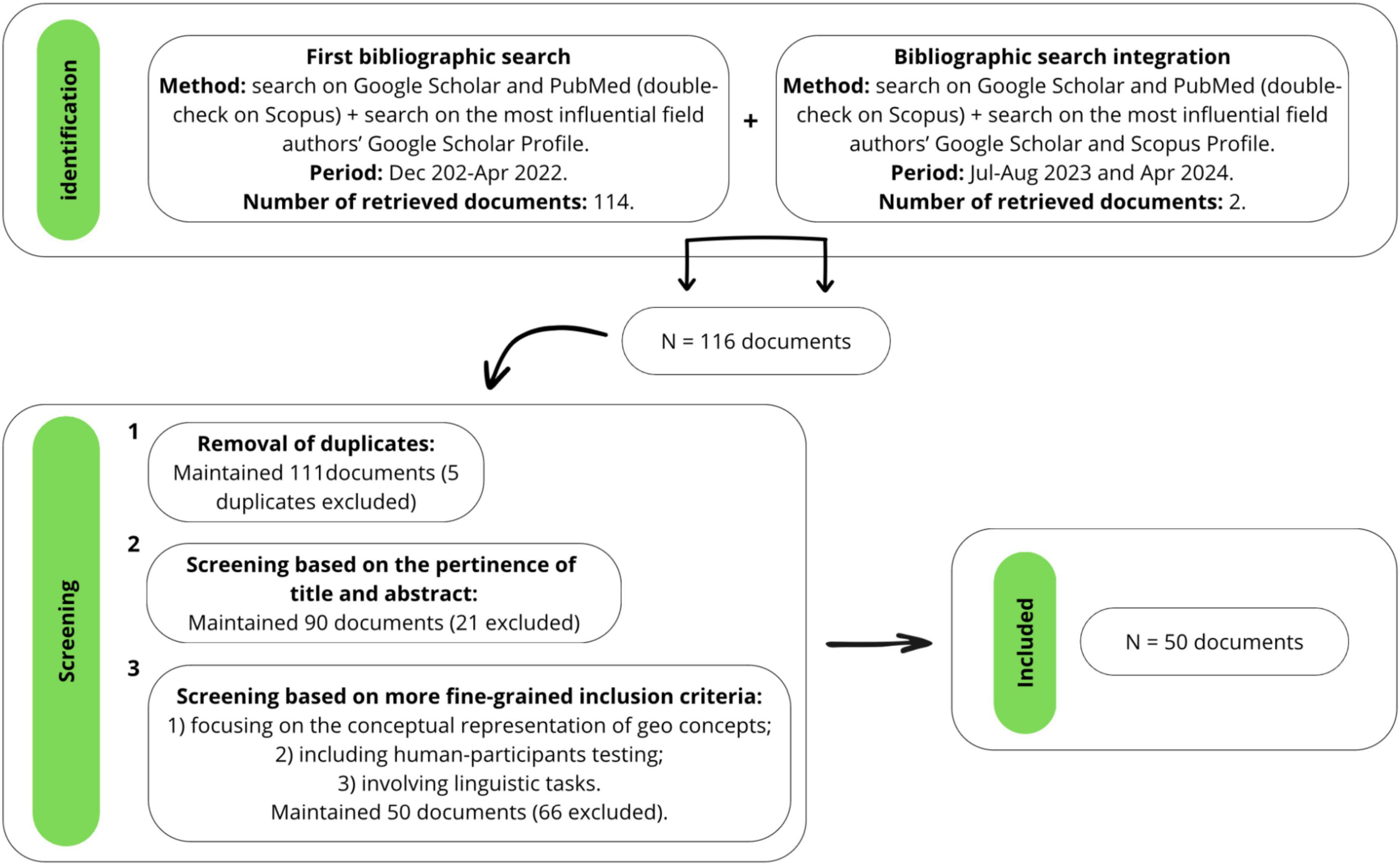
Figure 1. The flowchart shows the steps implemented to select papers presented in this review.
4 Reasons why it is important to study geo concepts
Understanding how people conceptualize geographical entities, such as mountains, seas, forests, and geopolitical ones, such as states, regions, and boundaries, is crucial for several reasons.
Before illustrating them, it is important to mention some research lines that characterize literature on concepts and categorization and that are relevant to the present review. Among these, some studies have focused on general dimensions that might differentiate concepts, like their degree of concreteness∼abstractness (e.g., Villani et al., 2019), i.e., to what extent concepts evoke the five senses and refer to specific, spatially bounded objects (Borghi and Binkofski, 2014). On top of that, some researchers started to study the domains for which this distinction might be problematic—because it might shift depending on the context (e.g., gender: Mazzuca et al., 2020, 2023; olfaction: Majid et al., 2018). A further important line of research is represented by studies assessing conceptual content and focusing on properties of specific conceptual domains. For example, much behavioral, neuropsychological, and neuroscientific research has been dedicated to investigating differences in the processing and brain representation between living and non-living entities (for reviews: Warrington and Shallice, 1984; Humphreys and Forde, 2001; Forde and Humphreys, 2005), or artifacts and natural kinds (e.g., Keil, 1992), and more recently on concepts that are a sort of hybrid between artifacts and natural objects, i.e., food concepts (Rumiati and Foroni, 2016; Papies et al., 2020; Mazzuca and Majid, 2023). These research strands are worth mentioning as they are the ground for substantiating the claim that geo concepts might be considered hybrid concepts, too (see section “6.3 Two paradigmatic cases of geographical variability: the concepts of Landscape and Forest”).
What are the reasons that make studying geo concepts particularly important?
First, it might contribute to understanding how people act on and interact with the natural and social environments. Specifically, it could illuminate how people live inside environmental transformations caused by climate changes and political contrasts.
Second, investigating geo concepts is paramount because of their specific cognitive profile. As we will show during the review, these concepts refer to large-scale physical elements. Still, because geographical and geopolitical features are not pre-segmented by nature, the role of categories imposed by humans is pivotal to defining them. Consequently, the geo conceptualization might be more variable than that of other semantic domains (Mark et al., 2010; van Putten et al., 2020), thus representing an excellent example of conceptual flexibility (e.g., Barsalou, 1993; Connell and Lynott, 2014; Mazzuca et al., 2021, 2022).
Two further reasons make the study of geo concepts particularly important. From a scientific standpoint, examining concepts either grounded in physical reality or determined by cultural and linguistic differences could facilitate the construction of an ontology of the geographic and geopolitical domains. In addition, research in this area also has a practical slant. Defining an ontology of the geo domains is fundamental for supporting non-specialist use of Geographic Information Systems (GIS), like Google Earth, that assist human activities such as navigation, resource management, and emergency services (Kuhn, 2001). GIS are usually accessed by heterogeneous groups of people with different sociocultural and linguistic backgrounds, interests, and age-related specificities. Hence, addressing the question of the universality of geographic and geopolitical concepts is crucial when dealing with GIScience (Mark and Turk, 2003; Burenhult and Levinson, 2008; Turk and Stea, 2014). To maximize their performance, GIS should account for the substantial variability in encoding geographical and geopolitical features in different languages and cultures. For instance, Google Earth maps names of places worldwide, risking forcing indigenous names to a universal ontology derived from an English conceptualization of landscapes (see also Blasi et al., 2022). Locals may carve up reality in quite different ways, evidencing the limits to the efficient use of these tools (Mark and Turk, 2003; Burenhult and Levinson, 2008; Turk and Stea, 2014). In the framework of contrasting the climate change crisis, this understanding can provide a conceptual basis on which to identify and implement more idiosyncratic policies aimed to take actions to contrast climate change consequences and enforce policies for sustainable development, leveraging on how people of different cultures conceive the environment surrounding them. In addition, it can contribute to facilitating the revitalization of global partnerships for sustainable development, considering cultural and linguistic differences (e.g., see Goals 13, 14, 15, and 17 of the United Nations 2030 Agenda for Sustainable Development - United Nations, 2015).
5 Reasons why it is difficult to collect data on geo concepts
Despite their importance, gaining knowledge about geographical and geopolitical concepts is quite demanding. In particular, the intrinsic characteristics of these domains make their study particularly challenging.
First, people conceptualize geographical and geopolitical entities ambiguously, both in terms of objects (“what” concepts) and places (“where” concepts - Burenhult and Levinson, 2008). This aspect has been thoroughly examined by scholars who analyzed the encoding of “what” and “where” concepts in different aboriginal languages, such as Makalero (a Papuan language of East Timor - Huber, 2014, 2018), Marquesan (an Austronesian language spoken on the Marquesas Islands - Cablitz, 2008), and Lokono (an Arawakan language of the Guianas - Rybka, 2015, 2016). These studies revealed that “what” nouns typically denote individuated, discrete (Lyons, 1977, p. 693), relatively small and potentially moveable entities (Talmy, 1972, 2000, p. 315), such as Persons, Animals and Physical Objects (Lyons, 1977) that are typical exemplars of the superordinate “Thing” category (e.g., chicken, blanket, stone, or John - Huber, 2018, p. 478; Mackenzie, 1992, p. 256). Conversely, “where” concepts commonly denote entities that can be defined as large and stationary, such as Artificial and Natural Locations that are common exemplars of the superordinate “Place” category (e.g., office, church, mountain, cliffs - Huber, 2018, p. 478–480; Stolz et al., 2014, p.42). While in most cases, the referents of “what” nouns possess clear physical boundaries (Lyons, 1977; Jackendoff, 1983; Langacker, 2013), the referents of “where” nouns mostly lack clear perceptual boundaries that are readily identifiable (Cablitz, 2008; Rybka, 2015, 2016).
In this framework, an interesting perspective on geo concepts came from Lyons (1977, p. 693), according to whom artificial and natural locations might grant a special status of indeterminacy between the “what” and “where” categories, allowing for the possibility of being treated as one or the other in different languages. Take, for example, the concept of forest. In the sentence “The forest is huge”, the forest is perceived as an object located on the surface of the Earth. On the contrary, in the sentence “The ruin is in the forest”, the forest becomes a place, i.e., a part of the Earth’s surface where we move (Lyons, 1977, pp. 477). Likewise, the concept of the city can be conceived both as an object we talk about (e.g., “This city is called Rome”) and as a location (e.g., “About 40 thousand people live in that city”). Therefore, the same geo concept can belong to different ontological categories depending on the meaning arbitrarily assigned to it (Jackendoff, 1983; Landau and Jackendoff, 1993), hence displaying different conceptual properties.
To integrate this evidence, Stolz et al. (2014) showed that “Places” objects (e.g., office, school, church, Stolz et al., 2014, p. 42) were the only nouns that did not need an overt locative marker (“zero-marking” - Huber, 2018) to be identified as places—thereby representing intrinsically “where” nouns, i.e., nominal predicates with an intrinsic locative interpretation. Moreover, it was found that zero-marking of natural location nouns was a typical pattern across languages—it was present in several investigated aboriginal languages (Stolz et al., 2014; Huber, 2018). In contrast, “what” concepts (i.e., those referring to “Thing” objects such as chicken, blanket, stone, or John - Mackenzie, 1992, p. 256) can be used only with semantically specific locative verbs to denote locations since they do not have an intrinsic “where” interpretation.
To summarize, concepts like mountains, lakes, and cliffs assume a double ontological status—both of object and places—while this is not the case of other conceptual domains.
The lack of clear perceptual boundaries of natural and artificial locations has a further implication related to the criteria we use to determine entity boundaries, making studying these domains particularly hard. Geographical entities such as valleys, mountains, or lakes are parts of the Earth’s surface, which is an objectively continuous surface (Smith and Mark, 2001a, p. 93). Differently from plants and animals, landforms more properly belong to continua (Mark et al., 2010). Due to this, landscape features are not, for the most part, pre-segmented by nature but by human categorization processes. In other words, the lack of clear perceptual boundaries for natural entities makes human decisions rather than perception the most salient criterion to determine their status. For example, we can think of a valley in different ways, e.g., “as a concave fold between mountain ranges, or as the flat bottom of such a fold, or as the entire drainage area right up the flanks or do so without any such concept” (Burenhult and Levinson, 2008, pp. 137–138). Similarly, boundaries of artificial entities such as states, cities, and nations—despite being often physical like walls, water bodies, and fences—do not pre-exist; they are usually defined by political conventions. A direct consequence is that geographical and geopolitical concepts might be more variable across individuals and more affected by contextual factors such as language, culture, environment, and individual perspectives than other domains (Mark et al., 2010). In line with this, for instance, research has shown that different languages segment and outline landforms differently (e.g., Burenhult and Levinson, 2008; see section 6.3 “Two paradigmatic cases of geographical variability: the concepts of Landscape and Forest”).
Finally, the strong interconnection and mutual influence between the geographical and geopolitical domains makes it hard to disentangle them sharply and thus study them separately. Take, for example, national borders. Political forces usually define them, but natural features can also contribute by providing physical limits. For instance, the water surrounding the land could induce governments to decide that “Italy” ends where the sea starts. Likewise, political interests can transform a geographical element like a valley into a geopolitical entity such as a city or, similarly, a coast into a seaport. While the physical referent is the same, the concept endorses different ontological statuses depending on human interventions.
To sum up, the ambiguous nature of geographical and geopolitical concepts, their high variability, and their peculiar relationship with each other and their referents make their study particularly complex. We argue that these aspects should be considered to make cross-cultural communication more efficient and enhance governmental policies aimed at increasing sustainability in different countries.
6 Cross-linguistic and cross-cultural variability of geo concepts
Whether speaking different languages differentially shapes human cognition is still debated in cognitive science (Lucy, 1997; Casasanto, 2008; Whorf, 2012; Majid et al., 2018; Blasi et al., 2022). Relativist accounts contrast with nativist ones, according to which cognitive processes remain invariant regardless of specific languages and cultures. While several studies showed that language has a pervasive influence on cognition (Malt and Majid, 2013; Goddard and Wierzbicka, 2014; Kemmerer, 2019, 2022), such an influence might be more marked for some domains. It has been proposed elsewhere (Borghi and Binkofski, 2014; Borghi et al., 2018a,b, 2019a,b; Borghi, 2019, 2023) and presenting some data showing (Borghi and Mazzuca, 2023; Da Rold et al., 2023) that linguistic variability might be more pronounced for abstract than for concrete concepts. In the context of the debate between relativists and universalists, geo concepts might represent an interesting case. Indeed, several studies have demonstrated that their conceptualization—and in particular that of geographical entities such as landscape, water bodies, and other geographical features—varies more across languages and cultures than other conceptual domains (such as animals or body parts - see van Putten et al., 2020). Researchers have addressed this issue using a multitude of approaches. Two methodologies have dominated this literature so far, namely free-listing tasks and methods from ethnophysiography. Free-listing tasks are semantic fluency tasks that collect the frequency and type of properties generated for specific categories of concepts (e.g., Battig and Montague, 1969; van Overschelde et al., 2004; van Putten et al., 2020). Instead, ethnophysiographic methods analyze the encoding of geographical features in natural languages (e.g., Mark et al., 2010; Turk et al., 2012).
In the research field we examined, free-listing was employed to study the categorization of geographical and geopolitical entities, while ethnophysiographic methods primarily focused on geographical ones.
In the following subsections, we will first separately focus on these two methodologies and the geo-flexibility results they yielded (sections “6.1 The variability of geo concepts: evidence from free-listing tasks” and “6.2 The variability of geo concepts: evidence from ethnophysiographic methods”). We will then report evidence on conceptual variability for two geo concepts, i.e., landscape and forest (section 6.3 “Two paradigmatic cases of geographical variability: the concepts of Landscape and Forest”). Finally, we will discuss the reasons that underlie the emergence, variable in nature, of geo concepts (section 7).
6.1 The variability of geo concepts: evidence from free-listing tasks
Free-listing is a particular kind of semantic fluency task. It consists of an elicitation method requiring individuals to list examples for named categories such as food items, colors, or geographic features. The goal of free-listing is to define salient elements of a specific cognitive domain for a target population (Berlin and Kay, 1991; Smith and Mark, 2001a,b; Bernard, 2006; Hough and Ferraris, 2010), identifying the instances of a given category that a cultural group more commonly produce to exemplify the category or to illustrate its characteristics.
Employing this methodology, Battig and Montague (1969) indirectly shed the first light on the sociocultural variability of the geo domain. Their pioneering work aimed at updating and expanding the Connecticut category norms, originally collected and published by Cohen et al. (1957), and it was based on what they called the “elicitation-of-example procedure”. Specifically, the authors asked 442 students from two US universities (the University of Maryland and the University of Illinois) to produce examples for 56 categories of concepts, writing down as many items as possible in 30 seconds. Among target categories, geopolitical (e.g., “A City”, “A State”) and geographical objects were also included. However, geographical categories included terms referring to single natural elements like plants and animals (e.g., “A Tree”, “A fish”, “A Snake”). Their results revealed that overall correlations between the frequencies of listed exemplars by the two samples for each category were globally high, providing impressive evidence for the generalizability of these norms. Notably, geographical and geopolitical were the only categories constituting an exception. Indeed, their members were the most variable, as revealed by Pearson’s correlations falling below .90—while the average correlation coefficient for all the other categories was .96—, thus showing a highly different distribution across the East and Midwest.
A subsequent work by van Overschelde et al. (2004) further confirmed these findings. Their study aimed to expand Battig and Montague (1969) and collect new normative data that could account for the cultural changes occurring since 1969. Using the same method as the original study, the authors broadened the sample, targeting participants from three US universities (University of Colorado, University of Maryland, and University of North Carolina). Considered categories were mainly identical to those of Battig and Montague (1969), but van Overschelde et al. (2004) also added 14 new categories (e.g., “A type of car”, “A Herb”). Overall, results replicated previous ones, revealing a high “geographical stability” of norms across countries, with high Pearson’s correlations—above .90—for all the categories except, again, for geo concepts. In addition, the new and old sets of norms aligned quite well, with minimal differences in the average correlations between datasets, thus also showing a high “generational” stability.
All this evidence suggests that geo concepts vary across sociocultural contexts more than other conceptual domains—even within the same country and across people speaking the same language. Interestingly, this trend also remains constant over time.
6.2 The variability of geo concepts: evidence from ethnophysiographic methods
Whether geo conceptualization—in particular, geographical—can be considered universal or specific to each culture has been more directly investigated within the domain of ethnophysiography. Ethnophysiography is a recent and promising subfield of ethnosemantics. Ethnosemantics investigates how semantic domains are encoded across languages and to what extent their linguistic organization reflects culture-specific vs universal principles (Berlin et al., 1974). Ethnophysiography follows the same goals but specifically focuses on the geographical realm. In particular, it deals with sociocultural differences in the human conceptualization of landscape as indicated by the way people speaking different languages talk about and name geographical features using generic terms, toponyms (place names), and idiosyncratic nicknames (Mark et al., 2010, 2011; Turk and Stea, 2014). These linguistic expressions are supposed to reflect the underlying cognitive classification of the domain. The employed methodology is based on comparing the geographical features in different native languages of both industrialized and rural environments—extracted through different methodologies (e.g., from local dictionaries; through interviews with aboriginal people or language experts; asking natives to describe pictures of their landscapes (for more details, see e.g., Mark and Turk, 2004; Mark et al., 2007, 2010; for a review, see Turk et al., 2012). In some cases, these methods allowed the creation of illustrated dictionaries for Aboriginal languages (e.g., Turk and Mark, 2008; Mark et al., 2019).
In their seminal works, Mark et al. (2019) addressed for the first time the universality of geographical concepts by examining landscape terms in two aboriginal languages —i.e., Yindjibarndi and Navajo—respectively, spoken in the rural areas of the Pilbara region of North-Western Australia and in New Mexico/Arizona of South-Western United States (Mark and Turk, 2003, 2004; Mark et al., 2007, 2010; Turk et al., 2011(for a discussion, see Tsosie, 2006; Mark et al., 2011; Turk et al., 2012; Turk and Stea, 2014). The geographic conformation of the two targeted areas was quite similar. However, the cultural background and language spoken by the two communities arose from different sources, providing an excellent opportunity for linguistic comparisons (Turk et al., 2012). Methodologically, the authors selected native terms indicating topographic features (such as convex landforms and water bodies) either from dictionaries and then refining them through discussions with local language experts (Mark and Turk, 2004) or asking natives to describe pictures illustrating their motherland (Mark et al., 2007). Once defined, Yindjibarndi and Navajo terms were compared with each other and their English equivalents. Results revealed that Yindjibarndi and Navajo words did not align in their meaning with each other and English, thus providing strong support to the hypothesis that linguistic encoding of landscape concepts varies across different languages and cultures (Mark et al., 2011; Turk and Stea, 2014).
Further studies provided similar results based on a broad range of aboriginal languages, such as Tzeltal (Mayan, Mesoamerica - Brown, 2008), Jahai (Mon-Khmer, Malay Peninsula - Burenhult, 2008), Marquesan (Austronesian, Polynesia - Cablitz, 2008), Lao (Tai, Mainland Southeast Asia - Enfield, 2008), Yélî Dnye (isolate, Island Melanesia - Levinson, 2008), Lowland Chontal (isolate, Mesoamerica - O’Connor and Kroefges, 2008), Seri (isolate, Mesoamerica - O’Meara and Bohnemeyer, 2008; O’Meara, 2010), Kilivila (Austronesian, Island Melanesia - Senft, 2008), Akhoe Hai (Khoisan, southwestern Africa - Widlok, 2008), Nalik (Astronesian, Papua New Guinea - Mazzitelli, 2018), and Makalero (East Timor, Papua New Guinea - Huber, 2014).
Interestingly, Burenhult and Levinson (2008) performed a large-scale comparison across all these languages, assessing their alignment in landscape encoding with each other and English. The authors relied on the aforementioned existing data, and, notably, all speech communities were genetically, typologically, and geographically unrelated. Once again, the results corroborated the relativistic hypothesis. For example, the English category valley was not encoded by all languages. While Kilivila, Lowland Chontal, and Tzeltal had terms comparable to the English valley, in Marquesan, the meaning of the word for valley also extended to river and village. In contrast, Lao and Yélî Dnye lacked a valley term, with the closest equivalent meaning things like gradient or bottom of inclined plane (Burenhult and Levinson, 2008).
Overall, this evidence broadens the findings illustrated in the previous section, showing through another methodology how the conceptualization of geo—in this case, geographical—features vary across individuals who do not share the same socio-cultural and linguistic backgrounds.
6.3 Two paradigmatic cases of geographical variability: the concepts of Landscape and Forest
We now report recent studies investigating two lexical categories—landscape and forest—that can be considered paradigmatic examples of the variability of geo concepts.
Specifically, van Putten et al. (2020) analyzed the cross-linguistic conceptualization of the term landscape across seven European languages (Dutch, English, French, German, Italian, Spanish, and Swedish). The authors compared the free-listing production of these speech communities for landscape with that provided for two other concrete concepts: animals and body parts. Free-listing data were collected from over 400 native speakers, who were required to list as many examples as possible within 3 min. Results revealed that, across languages, participants found listing landscape exemplars the most arduous task. Indeed, individuals produced fewer exemplars for landscape than for animals and body parts; in addition, landscape had the least number of shared exemplars and shared co-occurrence pairs across languages and the widest variety of terms among the most cognitively salient exemplars. These findings suggest that the geographical concept of landscape more consistently varies across languages than other concepts like body parts and animals. Data also contradicts the widespread assumption that the landscape’s conceptualization is universal and homogeneous across speech communities, at least in Europe (Council of Europe, 2000). Contrarily, this concept differs substantially across languages, showing a weaker structural core than other conceptual domains (van Putten et al., 2020).
Along these lines, Striedl et al. (2024) performed a follow-up of this study to investigate cross-cultural differences in landscape conceptualization through a rating task. Specifically, the authors asked 289 native speakers of three related European languages—English, French, and German—to evaluate the extent to which several exemplars of the landscape category (extracted from van Putten et al., 2020) activated sensory, motor, and emotional components. Results revealed an overall robust alignment in ratings within languages and across speech communities, suggesting a similar conceptualization of landscape across linguistic groups. However, cultural experiences also modulated evaluations, as highlighted by differences in ratings for some sensorimotor (e.g., smell, hearing, vision) and emotional (e.g., valence, arousal) associations, particularly in relation to specific terms. This evidence highlights that the domain of landscape, is conceptualized similarly across similar speech communities, even if some dissimilarities also exist.
Another interesting example of cross-linguistic variability of geo concepts comes from the investigation of the concept of forest. International forestry programs often operate under the assumption that individuals similarly perceive, think, and talk about forests, conceived as tree covers. However, several contributions have demonstrated to which extent this concept varies as a function of language and culture. This is well exemplified by the distinction between the English term forest and its closest equivalent in the Lowland Chontal language (Oxaca, Mexico), i.e., the term muña. Despite endorsing meanings similar to the English forest or jungle, muña also covers meanings like bush, underbrush, overgrown wilderness, or any type of weeds or garbage (O’Connor and Kroefges, 2008, p. 299). Hence, even if muña is the Lowland Chontal closest to the English term, the word has a broader meaning aside from tree cover, also encompassing the notion of a disorderly environment, which does not necessarily imply vegetation.
Along the same lines, Burenhult et al. (2017) described and analyzed the concept of forest in six indigenous languages when compared to English: Avatime (Ghana), Duna (Papua New Guinea), Jahai (Malay Peninsula), Lokono (the Guianas), Makalero (East Timor), and Umpila/KuukuYa’u (Cape York Peninsula). Data were first-hand collected through stimulus-based and elicitation tasks, interviews, and counts of natural occurrences of salient terms in recordings from language experts. A comparative analysis showed that none of such languages possessed terms comparable in meaning to the English forest. Interestingly, forest terms were distributed along a continuum of abstractness, from highly specific and concrete “tree-encoding” meanings to more general, abstract “space” meanings. For instance, the Umpila/KuukuYa’u terms maalatha and thungkuyu imply tree cover, but they are more specific than the English equivalent. Umpila/KuukuYa’u language lacks a superordinate forest term that does not specify the tree species. This would be equivalent to English, which has two different terms for coniferous and deciduous forest but no generic term for forest. On the other hand, Duna and Jahai have a term carrying a more general spatial meaning of outdoors, outside, or outside realm, but no reference to vegetation. Interestingly, in languages that conceptualize forest more concretely and include vegetation (i.e., Umpila/KuukuYa’u, Lokono, Makalero, and Avatime), referents are perceived as containers with clear boundaries. By contrast, Duna and Jahai conceptualize forests as outside—as opposed to inside—and as infinite rather than bounded.
Overall, the two examples of landscape and forest show that languages partition geographical concepts differently. This is in line with the hypothesis that, although they typically refer to concrete entities (e.g., mountain, lake, forest)—i.e., elements we can experience through actions and senses (e.g., Brysbaert et al., 2014)—geographical concepts also seem to display features that are more typical of abstract concepts—like being consistently variable across languages and cultures (Borghi et al., 2018a,b, 2019a,b; Borghi, 2019, 2022; Borghi and Mazzuca, 2023), thus perhaps showing a hybrid character (for similar results for other semantic domains, see Falcinelli et al., 2023; Falcinelli et al., 2024). Furthermore, these examples clearly highlight the importance of considering conceptual and linguistic variability in policies aimed at improving sustainability, such as those of the United Nations 2030 Agenda for Sustainable Development (United Nations, 2015), to make their communication with different populations more effective.
7 The main drivers leading to the formation of geo categories
While cross-linguistic evidence suggests geo conceptualizations consistently vary across sociocultural contexts, most languages seem to possess terms that denote geographical features—although partitioning the environment in culture-specific ways. This raises the question about the origins of these mental categories. Burenhult and Levinson (2008) identified three main forces: I) the salience of geographical features, from both a perceptual and cognitive perspective; II) utilitaristic affordances, i.e., the benefits that a particular place brings to the life of a community; and III) cultural and linguistic models of a group (see also studies in ethnobiology for similar proposals: Hunn, 1982; Berlin, 1992; Malt, 1995). The weight of these factors could diverge across domains (Huber, 2014; Mazzitelli, 2018).
Through the analysis of Indigenous languages, several studies in ethnophysiography unveiled the importance of these three aspects as milestones for categorizing (e.g., Brown, 2008; Burenhult, 2008; Mark et al., 2010, Turk et al., 2012; Huber, 2014; Mazzitelli, 2018). For instance, Mazzitelli (2018) compared English with Nalik, an Austronesian language spoken in the New Ireland Province (Papua New Guinea), and found that Nalik’s categorization of landscape features was tightly linked to their affordances (i.e., action opportunities - Gibson, 1977): for instance, daanim “freshwater” (and by extension “river”, “creek”) and raas “salty water” (and by extension “sea”) were not distinguished by size or shape, but exclusively by their chemical properties, and hence by the use the community can make of them (one can drink daanim but not raas). Along with affordances, perceptual salience—i.e., the visual prominence of landscape features that makes them easily recognizable and perceived as distinct elements (as an elevation as opposed to flat terrain)—also played an important role. For example, the distinction between raas (“shallow sea on the reef”) and laman (“open sea”) can be traced back to their visual properties (the open sea is deeper and darker than the shallow sea on the reef), as well as to their affordances (in the open sea different fishes are found than on the reef). Finally, the cultural meaning of places and their importance to the community’s life were a further categorization criterion, driving the attribution of proper names to geographical features. For instance, river sources, canoe passages, caves, and villages all had a proper name because, according to Nalik’s beliefs, they were where spirits lived. Instead, even perceptually salient entities like rivers and smaller hills mostly lacked proper names and were referred to using the name of the land they flowed through or were located in Mazzitelli (2018).
Additionally, the likelihood of a feature being easily communicated can further underlie landscape categorization. Regier et al. (2016) proposed that different ways to categorize the landscape are the effect of adapting languages to the physical environments where they are spoken to facilitate efficient communication among native people. They tested this hypothesis by analyzing the encoding of snow/ice terms in different speech communities. It has been suggested that Eskimo/Inuit languages possess more terms to indicate different subtypes of snow (e.g., aput “snow on the ground”, qana “falling snow”) than other languages such as English (Martin, 1986; Whorf, 2012), hence partitioning more sharply the notion of snow compared to other languages—although this idea has been largely questioned by other evidence (e.g., Pullum, 1989, 1991). Regier et al. (2016) empirically tested this hypothesis by analyzing multiple sources of data, such as reference works, Twitter, and large digital collections of linguistic and meteorological archives. They aimed to understand whether geographic position and temperature could predict the presence of different terms for snow and ice in a given language. Specifically, they predicted a link between warm temperatures and a unique semantic category encompassing ice and snow. Results aligned with these predictions: languages with separate terms for ice and snow were spoken in cold and warm regions. By contrast, languages that collapse this distinction in their lexicons were spoken exclusively in warm regions. This asymmetry is consistent with the view that the need for efficient communication probabilistically shapes language. In line with this, there should be less pressure to preserve the distinction—and thus a stronger tendency to collapse the two concepts—in warm than cold countries. Notably, this phenomenon characterizes not only Eskimo/Inuit languages but also other languages spoken in cold climates, such as Russian (Krupnik and Müller-Wille, 2010).
Finally, the specific structural properties of languages can also influence how people think about landscapes. O’Meara and Bohnemeyer (2008) investigated this aspect by comparing English and Seri (Mexico) terms for geographical features. The authors found that Seri’s lexicon was more complex than English and characterized by a prevalence of descriptive-analytical terms. Seri people linguistically defined land and water forms primarily according to their material composition and other features: shape, orientation, spatial, and physical features. O’Meara and Bohnemeyer (2008) proposed that this complex “model” for forming geographical terms might be due to the peculiarity of the Seri language rather than to specific ways of conceptualizing geographic entities. Indeed, complex expressions similar in structure to those for landscape features were widespread in Seri and extended to natural kinds and artifact terms. This, however, does not rule out the possibility that the linguistic structure of Seri landscape terms might have cognitive consequences. Indeed, the analytic linguistic system of Seri might lead native speakers to pay more attention to the material and spatial properties of landscape entities compared to speakers of languages with monomorphemic geographical terms, such as English.
Overall, all these studies suggest that the conceptualization of the geographic domain is not universal, and differences can emerge because of the interplay of different factors. Some point to the importance of perceptual or cognitive salience of geographical features, their action opportunities (i.e., affordances), and human cultural beliefs and models (Burenhult and Levinson, 2008). Others instead emphasize the centrality of communication efficacy in specific environmental settings (Regier et al., 2016). In addition, specific structural characteristics of a language are an additional criterion to consider when drivers of categorization are investigated (e.g., O’Meara and Bohnemeyer, 2008).
8 Further factors affecting the variability of geo concepts
While in previous sections we tackled cross-cultural and cross-linguistic divergences in geo conceptualization, here we focus on other possible sources of variability. Specifically, we show how individual levels of expertise, the task’s cognitive demand, the experimental setting, and its familiarity can differentially affect geo conceptualizations.
8.1 The commonsense conceptualization of geo concepts and the influence of the type of task on word generation
In this section, we review studies seeking to address how laypeople represent the geo domain, that is, we focus on folk conceptualization. Most of these studies leverage free-listing and—to a minor extent—ethnophisiograpic and ratings methods with the implicit assumption that results from these procedures can reflect the organization of people’s knowledge about geographical and geopolitical entities.
The interest in folk conceptualization of the geo domain became particularly pressing at the end of the 20th century due to the availability of geographic information not only for experts but also for heterogeneous groups of laypeople. Nowadays, it appears similarly crucial since promoting wellness and sustainable development involves reaching many people and communicating effectively with them, thanks to considering their peculiar ways of conceptualizing the environment. At the end of the last century, GIS scientists felt the necessity to explore the commonsense conceptualization of the geo domain to allow non-experts a proper understanding and use of geographic information. In this framework, some scholars aimed to develop a theory of native or folk geography, reflecting what had already been done in other fields (e.g., commonsense physics: Hayes, 1985; Smith and Casati, 1994; Egenhofer and Mark, 1995). In a pioneristic experiment, Mark et al. (1999) asked participants to list examples of “a kind of geographic feature” under controlled conditions. Remarkably, based on the assumptions of academic geography, participants almost entirely generated natural geographic features. Mountain, river, lake, ocean, and hill were the most often listed exemplars, with town and city, i.e., geopolitical entities, hardly listed. In subsequent studies, the authors manipulated the combination of target terms, using linguistic stimuli such as “a kind of geographic feature/object/concept”, “something geographic”, and “something that could be portrayed on a map” (Mark et al., 2001; Smith and Mark, 2001a,b). When presented to different groups of US university students, responses to the different phrasings significantly diverged, suggesting that base nouns (e.g., feature, object, concept, something) combined with the term “geographic” activated different superordinate categories. To illustrate, “geographic feature”, “something geographic”, and “geographic concept” elicited almost exclusively natural features such as mountain, river, lake, ocean, and hill. Artificial geographic features such as town and city were rarely listed. The label “geographic object”, instead, induced participants to provide mostly artifacts with a geographical meaning, such as map, atlas, globe, and compass. Finally, the phrasing “can be portrayed on a map” elicited primarily geopolitical subdivisions (e.g., countries, states) and geographical-scale artifacts (e.g., roads, cities).
Pires (2005) replicated these results with Portuguese participants, introducing three minor methodological variations. First, participants were asked to list items for all categories instead of listing exemplars only for one type of label combination. Second, the production was restricted to six examples for each category instead of being illimited. Finally, an additional category was introduced, i.e., “a natural earth formation”, taken from the original work of Battig and Montague (1969), with which items production were compared. The comparison between Pires (2005) and previous results (Battig and Montague, 1969; Smith and Mark, 2001a) revealed remarkable similarities in laypeople’s conceptualization of the geographical domain. Indeed, Portuguese and US participants produced many common elements for all six categories. To illustrate, they all tended to list geographical features such as rivers and mountains for all the categories, except for the label “something that could be portrayed in a map”, which encompassed more artifactual entities, as already noted in Smith and Mark (2001a).
Overall, first, the results suggest that the word “geographic” denotes a coherent and familiar domain. Across cultures and contexts, participants frequently listed large natural features and objects associated with the Earth’s surface, such as mountains, rivers, lakes, oceans, valleys, hills, plains, plateaus, deserts, and volcanoes (Mark et al., 2010).
Second, they suggest that the geographic domain breaks down into different categories depending on the terms used in elicitation tasks, and this holds across contexts and cultures. While at first sight, results might indicate that just one folk ontology of the geospatial domain—modulated by task—exists, more subtle conceptual differences between US and Portuguese cultures might still have been hidden by methodological divergences across the studies. Moreover, assuming the existence of a universal ontology of the geo domain based on comparing two Western industrialized environments that are quite like each other would be premature (Majid, 2023). Such a conclusion appears even less straightforward if we frame this result considering the evidence on conceptual variability reviewed in the previous sections (see sections “6 Cross-linguistic and cross-cultural variability of geo concepts,” “6.1 The variability of geo concepts: evidence from free-listing tasks,” “6.2 The variability of geo concepts: evidence from ethnophysiographic methods,” and “6.3 Two paradigmatic cases of geographical variability: the concepts of Landscape and Forest”).
On a different note, some contributors tried to assess the effect of expertise on geo knowledge on its conceptualization. Giannakopoulou et al. (2013) performed a series of experiments similar to those in Smith and Mark’s (2001a,b) comparing Greek geography experts and non-experts. They found significant differences between the tasks but no substantial effect of expertise. A recent study by Purves et al. (2023) also failed to see such an effect. The authors compared the conceptualization of German and English-speaking experts and non-experts in geography on knowledge of 25 concepts related to water bodies (e.g., sea, river, reef) by collecting sensory, motor, and affective ratings. Their results showed that English and German experts’ and laypeople’s conceptualizations of water bodies broadly align—specifically in aspects concerning sensory and motor grounding—while expertise was less relevant for explaining the few differences found across samples. Interestingly, the results also suggested a considerable discrepancy between the meanings assigned to the terms “geography” and “geographic” by academics and laypeople. This also indirectly emerged from another study by Wartmann et al. (2014). Using typical ethnographic methods, the authors investigated the linguistic encoding of plant features of Madidi, an indigenous Spanish-speaking population of Bolivia. Specifically, the authors compared Madidi plant categories with the current standard scientific classification of plant terms. Their findings evidenced a gap between the Madidi native conceptualization and scientific taxonomies. Specifically, how the Madidi population classifies vegetation encompassed more numerous and complex terms and reflected more fine-grained differences than those included in the encyclopedia. For instance, when Madidi added the Spanish suffix “-al” to a plant name, it became a generic landscape term. This aspect was not at all considered in the traditional scientific classification (Wartmann et al., 2014).
Although we did not find substantial references on that, a variability in geo conceptualization might exist not only between laypeople and experts but also across scientific disciplines—that is to say, between experts from different fields—as hypothesized and partially documented in section “2 What do geographical and geopolitical concepts refer to?”
The studies reviewed indicate that the conceptualization of geographic entities varies due to factors beyond linguistic and cultural backgrounds. These include experimental setups and levels of expertise, which reflect differences in tasks and the individuals tested. While evidence on linguistic and cultural factors appears strong across languages and cultures (e.g., Mark et al., 1999, 2001; Smith and Mark, 2001a,b; Pires, 2005), findings regarding expertise are more controversial (e.g., Giannakopoulou et al., 2013; Purves et al., 2023; but also see Wartmann et al., 2014).
8.2 The influence of places and their familiarity on geo conceptualization
In contrast with the “geographical stability” highlighted by studies performed in Mark’s lab, other evidence shows that the geo conceptualization of laypeople is highly variable depending on context. Specifically, Wartmann et al. (2015) found that words listed for geographic categories varied depending on where the task was performed. In their study, participants were recruited directly from three Swiss study sites, two located in the mountains and one in a city park. Participants were asked to answer the question “What is there for you in a landscape?” and to produce all the words that came to their minds. Results revealed that the place where the task was performed influenced listed words and their order: participants produced similar terms when they were in similar landscapes and different terms when they were in different places. Notably, differences were most visible in ranking the most salient terms. For instance, the cognitive salience of “Berge” (mountains) considerably differed from the mountain study sites, where it was the most salient term, to the city park, where it ranked 6th. Nonetheless, the three study sites shared a consistent set of basic terms, and half of the 30 most salient terms were listed by all participants. Interestingly, the task location also affected the memory search strategies of participants when it came to listing words. Indeed, individuals often combine two methods, first producing visible elements of the surrounding landscape and then using the memory of a familiar place to name terms for that landscape.
On top of that, a study by Williams et al. (2012) demonstrated that familiarity with a place also plays a pivotal role in its conceptualization. Their study was designed to account for the effects of the context on categorization processes when disentangled from cultural and linguistic influences (see sections “6.2 The variability of geo concepts: evidence from ethnophysiographic methods” and “6.3 Two paradigmatic cases of geographical variability: the concepts of Landscape and Forest”). The authors recruited participants inhabiting two different areas of Portugal, i.e., the Lousã region in the north of Portugal, characterized by mountains covered in natural and plantation forests, and the Odemira region in the south of Portugal, an area mainly consisting of lowlands and small undulating hills. Participants from the Lousã and Odemira study sites were asked to watch videos displaying the two regions, name all the landforms they could identify, and provide place names of any locations they recognized. Results revealed differences in the landform vocabulary size and content between the two groups, with familiarity mostly accounting for these differences. Participants used more landform terms to describe the most familiar landscapes. In addition, the landform vocabulary content was more detailed when it concerned prominent landscape features in which participants lived. Finally, the number of scenes people recognized positively correlated with the number of landform terms they used to describe the videos in both groups. This suggests that place recognition—indicated by knowing a place name for the video scene location—promoted a more detailed landform categorization. In other words, places’ familiarity, along with the peculiarity of the context, seems to be a further driver for categorization. More specifically, the mental maps people form for familiar places might drive the identification of landform categories through associated knowledge of what happens at a given location.
9 Hierarchical levels of categorization of the geo domain
This final section deals with the information people store about the places they inhabit and how this content is organized in semantic memory, i.e., a kind of human long-term deposit that conserves information about the world (Tulving, 2011; Reilly et al., 2023). We will illustrate studies inspired by the classical theory of hierarchical levels (Rosch and Mervis, 1975; Rosch et al., 1976, 1978). According to this proposal, semantic information is organized in a three-level conceptual hierarchy. Superordinate concepts (e.g., animal) are maximally distinctive but not very informative; subordinate concepts (e.g., bulldog) are very informative but not very distinctive. Finally, intermediate, basic level concepts (e.g., dog) would be the most frequently used, as they maximize informativeness and distinctiveness, as well as represent those containing a greater amount of stored information.
Patton (1995) extended Rosh’s view to the geo domain by proposing a three-level hierarchy in which geo-information is stored at a subordinate, basic, or superordinate level. The nodes in the subordinate level correspond to actual places a person has experienced, and the basic-level nodes represent more abstract categories of places. For example, when we visit a location like Rome, we learn about that specific city (subordinate level) and the basic level category city, which is more abstract. At the highest hierarchical level (i.e., superordinate) is the most abstract spatial concept, i.e., the category of place.
Along these lines, Lloyd et al. (1996) were interested in assessing the amount of information deposited at the superordinate, basic, and subordinate levels for geo categories. They asked participants to list as many characteristics, activities, or parts they associated with a particular geo term as possible. Characteristics were defined as “attributes that could be used to describe something”; activities were defined as things that “reflect responses or behaviors”; parts were defined as “things you can see and interact with” (Lloyd et al., 1996, pp. 187–188). The sample was divided into 11 groups: 5 groups were asked to generate terms (characteristics, activities, or parts) for the subordinate level categories: “home county”, “home region”, “home state”, “home city”, and “home neighborhood”. Other 5 groups were asked to generate terms for the basic-level categories: “country”, “region”, “state”, “city”, and “neighborhood”. Finally, a third group was asked to generate terms for the superordinate category “place”. The sample consisted of 630 students from introductory geography classes at the University of South Carolina, Columbia, and the University of North Carolina, Greensboro. In line with Rosch’s view (Rosch and Mervis, 1975; Rosch et al., 1976, 1978), results showed a substantial increase of information between the superordinate and basic levels and relatively little difference between the basic and subordinate levels for all three types of information. Therefore, the main argument regarding the amount of information stored at each hierarchy level from Rosh’s theory seems to be strongly supported by geo categories.
Tversky and Hemenway (1983) also conducted several experiments on this topic. In such experiments, they used “indoors” and “outdoors” as superordinate categories. Basic level categories were “home”, “school”, “store”, and “restaurant” for the indoor scene and “park”, “city”, “beach”, and “mountains” for the outdoor scene. The subordinate categories were specific cases like “elementary school” for “school” or “Midwestern city” for “city”. The first set of experiments provided 210 participants with both photographs and verbal descriptions of environmental scenes at three levels of abstraction and had them give lists of attributes, activities, and parts appropriate for each scene. Results indicated that scenes representing superordinate categories (“indoor” and “outdoor”) shared very few attributes, activities, and parts, suggesting that the scenes were very distinctive. Basic-level scenes (e.g., “beach”, “mountains”, “homes”, “school”) were less distinctive than superordinate categories, i.e., they shared many attributes, activities, and parts, but also more informative, as participants could list significantly more features. Scenes for more specific categories at the subordinate level (“elementary school” and “lake beach”) did not share significantly more properties than scenes representing basic-level categories—suggesting they were only slightly less distinctive than basic-level scenes. Because the number of activities, attributes, and parts listed for subordinate scenes only slightly exceeded that for the basic-level scenes, they were also somewhat more informative than basic-level scenes. Among the various types of items listed by participants, Tversky and Hemenway (1984) argued that parts proliferated in participants’ listings for basic-level categories. Still, few parts were listed for superordinate categories. This aligns with previous literature on hierarchical levels of categorization (Rosch et al., 1976, 1978; Hemenway, 1981; Murphy and Smith, 1982). In this regard, Tversky and Hemenway suggested that members of basic-level categories can be distinguished by their parts. Still, members of subordinate categories share parts and differ in other attributes. In the second set of studies (Tversky and Hemenway, 1983, 1984), the authors asked participants to provide labels for photographs of scenes and to complete sentences such as “The Kingstons furnished their ______ with furniture they built themselves”. Results revealed that participants preferred basic-level terms. Indeed, they used more frequently basic level terms when labeling photographs of scenes and when completing sentences describing activities performed in scenes, even though more specific or more general terms would have been appropriate too. Thus, the conceptual hierarchical level preferred in communication corresponds to the level determined to be basic under perceived appearance and perceived behaviors. In conclusion, the authors showed that knowledge about scenes and objects has a hierarchical organization in which an intermediate level of abstraction is preferred in cognition, behavior, and communication measures.
Overall, findings confirm that, like other semantic domains, geo entities are stored according to the hierarchical levels of categorization proposed by Rosch and colleagues (Rosch and Mervis, 1975; Rosch et al., 1976, 1978). They, therefore, highlight the necessity to consider the difference between concepts’ hierarchical levels in efficient governmental communication on sustainability, referred to the geo domain.
10 Conclusion
For decades, the conceptualization of geo—i.e., geographical and geopolitical—entities has been at the center of debate among scientists—especially those in the geographical and psychological fields—which is still ongoing. At the core of the discussion, there is the question of whether the categorization can be considered universal or if linguistic and cultural differences influence it. While some approaches defended the idea of homogeneity of geo classification (e.g., Council of Europe, 2000), most of the positions illustrated in this review strongly support the thesis of relativity (non-universality) of these categories. Indeed, numerous pieces of evidence showed that geo categories consistently vary across contexts, cultures, and languages (e.g., Burenhult and Levinson, 2008; Turk and Stea, 2014) and are even more variable than other semantic domains (e.g., Battig and Montague, 1969; van Overschelde et al., 2004; van Putten et al., 2020). Importantly, geo-meaning is also influenced by many other potential factors, such as people’s level of expertise (e.g., Giannakopoulou et al., 2013; Purves et al., 2023; but see also Wartmann et al., 2014), the kind of implemented task (e.g., Mark et al., 1999, 2001; Smith and Mark, 2001a,b; Pires, 2005), living environments along with their perceived familiarity (e.g., Williams et al., 2012; Wartmann et al., 2015). So, our review indicates that geo concepts are a highly flexible class of words.
This evidence suggests that geo concepts might possess a hybrid character. Indeed, although they usually refer to concrete entities—i.e., referents that can experience through actions and senses (e.g., Brysbaert et al., 2014)—as typical concrete concepts, their high variability makes them similar also to more abstract words (for linguistic/cultural variability of abstract concepts, see e.g., Borghi et al., 2018a,b, 2019a,b; Borghi, 2019, 2022; Borghi and Mazzuca, 2023; for variability in expertise, see e.g., Croijmans et al., 2020; Villani et al., 2022).
The malleability of this special domain can be partially explained by the fact that geographical and geopolitical features are not pre-segmented by nature but depend on how we look at them to categorize their exemplars. This is a direct consequence of their intrinsic nature: their referents, like valleys and coasts, or human transformations of them, like cities or ports, are not merely located in space but are also typically parts of the Earth’s surface, which is a continuous surface.
Investigating geographical and geopolitical concepts might add further and essential evidence to laypeople’s overall perception of the natural environment. This might be helpful for the definition of a domain ontology and inform the improvement of geographical information systems, like Google Earth, that assist in everyday human activities, such as navigation. It might also contribute to raising consciousness about how people experience the environmental damages caused by recent political contrasts and the climate change emergency (Baquiano and Mendez, 2015, 2016; Malt and Majid, 2023) and, vice versa, how pre-existing representation of places they inhabit might affect the (lack of) ecological and political actions for contrasting them.
Crucially, assessing whether and to which extent geo meaning varies according to cultural and linguistic aspects can provide a conceptual basis for identifying and implementing more idiosyncratic governmental policies on these topics that can allow communicating more effectively and thus reach as many people as possible. For instance, promoting effective policies for sustainable development (as those, for instance, described in the United Nations 2030 Agenda - United Nations, 2015) requires effective communication, which, in turn, involves a deep comprehension of how people of different countries conceptualize their world and can be motivated to change it.
The knowledge of the various ways laypeople conceptualize the geographical and geopolitical domains and the recognition that languages, cultures, people’s expertise, and the environments where they live deeply influence their conceptualizing represents, in our view, a critical piece allowing the promotion of a better world.
Author contributions
IF: Conceptualization, Resources, Writing – original draft, Writing – review and editing. CF: Writing – review and editing. CM: Writing – review and editing. AB: Conceptualization, Funding acquisition, Writing – review and editing.
Funding
The author(s) declare that financial support was received for the research, authorship, and/or publication of this article. The work was supported by the PON R&I (Research and Innovation) program 2014–2020 under the grant agreement of the Italian Ministry of University and Research (MUR), D.M. n. 1061, 10/08/2021. The study was funded by the TRAINCREASE project—From social interaction to abstract concepts and words: toward human centered technology development (H2020); CSA, Proposal no. 952324, P.I. AMB. The Sponsors were not involved in all the steps of the manuscript preparation.
Conflict of interest
AB and CF are Specialty Chief Editor of Frontiers in Psychology: Theoretical and Philosophical Psychology.
The remaining authors declare that the research was conducted in the absence of any commercial or financial relationships that could be construed as a potential conflict of interest.
The author(s) declared that they were an editorial board member of Frontiers, at the time of submission. This had no impact on the peer review process and the final decision.
Publisher’s note
All claims expressed in this article are solely those of the authors and do not necessarily represent those of their affiliated organizations, or those of the publisher, the editors and the reviewers. Any product that may be evaluated in this article, or claim that may be made by its manufacturer, is not guaranteed or endorsed by the publisher.
References
Abraham, A., Greenstein, L. S., and Kalla, I. (2023). Effect of climate change on health in older persons. WJCM 5, 79–84. doi: 10.18772/26180197.2023.v5n2a1
Atran, S., and Medin, D. L. (2008). The Native Mind and the Cultural Construction of Nature. Cambridge, MA: MIT Press.
Baquiano, M. J., and Mendez, A. J. (2015). Structural configurations of social representations about climate change. AJSS 3, 19–26.
Baquiano, M. J., and Mendez, A. J. (2016). Social representations of climate change: A cross- cultural investigation. AIJCR 6, 1–9.
Barsalou, L. W. (1993). “Flexibility, structure, and linguistic vagary in concepts: Manifestations of a compositional system of perceptual symbols,” in Theories of Memory, eds A. F. Collins, S. E. Gathercole, M. A. Conway, and P. E. Morris (Mahwah, NJ: Lawrence Erlbaum Associates, Inc), 29–101.
Battig, W. F., and Montague, W. E. (1969). Category norms of verbal items in 56 categories a replication and extension of the connecticut category norms. J. Exp. Psychol. 80, 1–46. doi: 10.1037/h0027577
Berlin, B. (1992). Ethnobiological Classification: Principles of Categorization of Plants and Animals in Traditional Societies. Princeton: Princeton University Press.
Berlin, B., and Kay, P. (1991). Basic Color Terms: their Universality and Evolution. Berkeley, CA: University of California Press.
Berlin, B., Breedlove, D. E., and Raven, P. H. (1974). Principles of Tzeltal Plant Classification: an Introduction to the Botanical Ethnography of a Mayan-Speaking People of Highland Chiapas. Cambridge, CA: Academic Press.
Bernard, H. R. (2006). Research Methods in Anthropology. Qualitative and Quantitative Approaches. Lanham: Altamira Press.
Blasi, D. E., Henrich, J., Adamou, E., Kemmerer, D., and Majid, A. (2022). Over-reliance on English hinders cognitive science. Trends Cogn. Sci. 26, 1153–1170.
Borghi, A. M. (2022). Concepts for which we need others more: the case of abstract concepts. Curr. Dir. Psychol. Sci. 31, 238–246. doi: 10.1177/09637214221079625
Borghi, A. M. (2023). The Freedom of Words: on Abstractness and the Power of Language. Cambridge: Cambridge University Press.
Borghi, A. M., and Binkofski, F. (2014). Words as Social Tools: an Embodied View on Abstract Concepts. Verlag: Springer.
Borghi, A. M., and Mazzuca, C. (2023). Grounded cognition, linguistic relativity, and abstract concepts. Top. Cogn. Sci. 15, 662–667. doi: 10.1111/tops.12663
Borghi, A. M., Barca, L., Binkofski, F., and Tummolini, L. (2018a). Abstract concepts, language and sociality: from acquisition to inner speech. Philos. Trans. R. Soc. B Biol. 373, 20170134. doi: 10.1098/rstb.2017.0134
Borghi, A. M., Barca, L., Binkofski, F., and Tummolini, L. (2018b). Varieties of abstract concepts: development, use and representation in the brain. Philos. Trans. R. Soc. B Biol. 373:20170121. doi: 10.1098/rstb.2017.0121
Borghi, A. M., Barca, L., Binkofski, F., Castelfranchi, C., Pezzulo, G., and Tummolini, L. (2019a). Words as social tools: flexibility, situatedness, language and sociality in abstract concepts: reply to comments on “words as social tools: language, sociality and inner grounding in abstract concepts”. Phys. Life Rev. 29, 178–184. doi: 10.1016/j.plrev.2019.06.004
Borghi, A. M., Barca, L., Binkofski, F., Castelfranchi, C., Pezzulo, G., and Tummolini, L. (2019b). Words as social tools: language, sociality and inner grounding in abstract concepts. Phys. Life Rev. 29, 120–153. doi: 10.1016/j.plrev.2018.12.001
Brown, P. (2008). Up, down, and across the land: landscape terms, place names, and spatial language in Tzeltal. Lang. Sci. 30, 151–181. doi: 10.1016/j.langsci.2006.12.003
Brysbaert, M., Warriner, A. B., and Kuperman, V. (2014). Concreteness ratings for 40 thousand generally known English word lemmas. Behav. Res. Methods 46, 904–911. doi: 10.3758/s13428-013-0403-5
Burenhult, N. (2008). Streams of words: hydrological lexicon in Jahai. Lang. Sci. 30, 182–199. doi: 10.1016/j.langsci.2006.12.005
Burenhult, N., and Levinson, S. C. (2008). Language and landscape: a cross-linguistic perspective. Lang. Sci. 30, 135–150. doi: 10.1016/j.langsci.2006.12.028
Burenhult, N., Hill, C., Huber, J., van Putten, S., Rybka, K., and San Roque, L. (2017). Forests: the cross-linguistic perspective. Geogr. Helv. 72, 455–464. doi: 10.5194/gh-72-455-2017
Cablitz, G. H. (2008). When “what” is “where”: a linguistic analysis of landscape terms, place names and body part terms in Marquesan (Oceanic. French Polynesia). Lang. Sci. 30, 200–226. doi: 10.1016/j.langsci.2006.12.004
Casasanto, D. (2008). Who’s Afraid of the big bad whorf? crosslinguistic differences in temporal language and thought. Lang. Learn. 58, 63–79. doi: 10.1111/j.1467-9922.2008.00462.x
Clayton, S. (2020). Climate anxiety: psychological responses to climate change. J. Anxiety Disord. 74:102263. doi: 10.1016/j.janxdis.2020.102263
Cohen, B. H., Bousfield, W. A., and Whitmarsh, G. A. (1957). Cultural Norms for Verbal Items in 43 Categories. Fort Belvoir, VA: Defense Technical Information Center.
Connell, L., and Lynott, D. (2014). Principles of representation: why you can’t represent the same concept twice. Top. Cogn. Sci. 6, 390–406. doi: 10.1111/tops.12097
Croijmans, I., Speed, L. J., Arshamian, A., and Majid, A. (2020). Expertise shapes multimodal imagery for wine. Cogn. Sci. 44:e12842. doi: 10.1111/cogs.12842
Da Rold, F., Mazzuca, C., Fini, C., and Borghi, A. M. (2023). Reconciling universalistic and relativistic perspectives on abstract and concrete concepts: a cross-cultural study. PsyArXiv [preprint] doi: 10.31234/osf.io/rnkzm
Dézma, L., Bigazzi, S., Sarrica, M., Siegler, A., Serdült, S., and Rizzoli, V. (2024). Social representation of global climate change: an exploratory study focusing on emotions. J. Constr. Psychol. doi: 10.1080/10720537.2024.2310828 Online ahead of print.
Egenhofer, M. J., and Mark, D. M. (1995). “Naive geography,” in Spatial Information Theory ATheoretical Basis for GIS, eds A. U. Frank and W. Kuhn (Berlin: Springer), 1–15. doi: 10.1007/3-540-60392-1_1
Enfield, N. J. (2008). Linguistic categories and their utilities: the case of Lao landscape terms. Lang. Sci. 30, 227–255. doi: 10.1016/j.langsci.2006.12.030
Falcinelli, I., Fini, C., Mazzuca, C., Alessandri, G., Alivernini, F., Baiocco, R., et al. (2024). What does “Internet” mean to us as we age? a multi-tasks investigation on the conceptualization of the technological domain across generations. PsyArXiv [Preprint] doi: 10.31219/osf.io/4r6p9
Falcinelli, I., Fini, C., Mazzuca, C., and Borghi, A. M. (2023). The TECo database: ecological and technological as concepts at the interface between abstractness and concreteness. PsyArXiv [Preprint] doi: 10.31234/osf.io/vcn8u
Forde, E., and Humphreys, G. (2005). Category Specificity in Brain and Mind. London: Psychology Press.
Giannakopoulou, L., Kavouras, M., Kokla, M., and Mark, D. (2013). “From compasses and maps to mountains and territories: experimental results on geographic cognitive categorization,” in Cognitive and Linguistic Aspects of Geographic Space: New Perspectives on Geographic Information Research, eds M. Raubal, D. M. Mark, and A. U. Frank (Berlin: Springer), 63–81. doi: 10.1007/978-3-642-34359-9_4
Goddard, C., and Wierzbicka, A. (2014). Words and Meanings: Lexical Semantics Across Domains, Languages, and Cultures. Oxford: Oxford University Press.
Hayes, P. J. (1985). “The second naive physics manifesto,” in Formal theories of the commonsense world, eds J. R. Hobbs and R. C. Moore (Westport, CT: Greenwood).
Hemenway, K. (1981). The Role of Perceived Parts in Categorization. Stanford, CA: Stanford University.
Hough, G., and Ferraris, D. (2010). Free listing: a method to gain initial insight of a food category. Food Qual. 21, 295–301.
Huber, J. (2014). Landscape in East Timor Papuan. Lang. Sci. 41, 175–196. doi: 10.1016/j.langsci.2013.08.013
Huber, J. (2018). Natural locations and the distinction between ‘what’ and ‘where’ concepts: evidence from differential locative marking in Makalero. Linguistics 56, 477–512. doi: 10.1515/ling-2018-0003
Humphreys, G. W., and Forde, E. M. (2001). Hierarchies, similarity, and interactivity in object recognition: ‘category-specific’ neuropsychological deficits. BBS 24, 453–476.
Hunn, E. (1982). The utilitarian factor in folk biological classification. Am. Anthropol. 84, 830–847. doi: 10.1525/aa.1982.84.4.02a00070
Kemmerer, D. (2019). Concepts in the Brain: the View From Cross-Linguistic Diversity. Oxford: Oxford University Press.
Kemmerer, D. (2022). Grounded cognition entails linguistic relativity: a neglected implication of a major semantic theory. Top. Cogn. Sci. 15, 615–647. doi: 10.1111/tops.12628
Krupnik, I., and Müller-Wille, L. (2010). “Franz boas and inuktitut terminology for ice and snow: from the emergence of the field to the “great eskimo vocabulary hoax,” in SIKU: Knowing Our Ice, eds I. Krupnik, C. Aporta, S. Gearheard, G. J. Laidler, and L. K. Holm (Springer), doi: 10.1007/978-90-481-8587-0_16
Kuhn, W. (2001). Ontologies in support of activities in geographical space. Int. J. Geogr. Inf. Sci. 15, 613–631. doi: 10.1080/13658810110061180
Landau, B., and Jackendoff, R. (1993). “What” and “where” in spatial language and spatial cognition. BBS 16, 217–238. doi: 10.1017/S0140525X00029733
Levinson, S. C. (2008). Landscape, seascape and the ontology of places on Rossel Island, Papua New Guinea. Lang. Sci. 30, 256–290. doi: 10.1016/j.langsci.2006.12.032
Li, D., Zhao, L., Ma, S., Shao, S., and Zhang, L. (2019). What influences an individual’s pro-environmental behavior? a literature review. Resour. Conserv. Recycl. 146, 28–34. doi: 10.1016/j.resconrec.2019.03.024
Lloyd, R., Patton, D., and Cammack, R. (1996). Basic-level geographic categories. Prof. Geogr. 48, 181–194. doi: 10.1111/j.0033-0124.1996.00181.x
Lucy, J. A. (1997). The linguistics of ‘color’, in Color Categories in Thought and Language. Cambridge: Cambridge University Press. doi: 10.1017/CBO9780511519819.015
Mackenzie, J. L. (1992). “Places and things,” in Layered Structure and Reference in a Functional Perspective: Papers from the Functional Grammar Conference, Copenhagen, 1990, eds M. Fortescue, P. Harder, and K. Lars (Amsterdam: Pragmatics & Beyond Series).
Majid, A. (2023). Establishing psychological universals. Nat. Rev. Psychol. 2, 199–200. doi: 10.1038/s44159-023-00169-w
Majid, A., Roberts, S. G., Cilissen, L., Emmorey, K., Nicodemus, B., O’Grady, L., et al. (2018). Differential coding of perception in the world’s languages. PNAS 115, 11369–11376. doi: 10.1073/pnas.1720419115
Malt, B. C. (1995). Category coherence in cross-cultural perspective. Cogn. Psychol. 29, 85–148. doi: 10.1006/cogp.1995.1013
Malt, B. C., and Majid, A. (2023). Conceptual foundations of sustainability. Top. Cogn. Sci. 15, 334–356.
Mark, D. M., and Turk, A. G. (2003). “Landscape categories in Yindjibarndi: ontology, environment, and language,” in Spatial Information Theory. Foundations of Geographic Information Science, eds W. Kuhn, M. F. Worboys, and S. Timpf (Berlin: Springer).
Mark, D. M., and Turk, A. G. (2004). “Ethnophysiography and the ontology of the landscape,” in Proceedings of the 3rd International Conference on Geographic Information Science (GIScience 2004), (Maryland: University of Maryland Conference Center).
Mark, D. M., Skupin, A., and Smith, B. (2001). “Features, objects, and other things: ontological distinctions in the geographic Domain,” in Spatial Information Theory, ed. D. R. Montello (Berlin: Springer), 489–502.
Mark, D. M., Smith, B., and Tversky, B. (1999). “Ontology and geographic objects: an empirical study of cognitive categorization,” in Spatial Information Theory. Cognitive and Computational Foundations of Geographic Information Science (Lecture Notes in Computer Science 1661), eds C. Freksa and D. M. Mark (Berlin: Springer), 283–298.
Mark, D. M., Stea, D., and Topaha, C. (2019). An Illustrated Dictionary of Navajo Landscape Terms. New York, NY: Peter Lang Incorporated, International Academic Publishers.
Mark, D. M., Turk, A. G., and Stea, D. (2007). “Progress on Yindjibarndi ethnophysiography,” in Spatial Information Theory. COSIT 2007. Lecture Notes in Computer Science, eds S. Winter, M. Duckham, L. Kulik, and B. Kuipers (Springer: Berlin).
Mark, D., Turk, A., and Stea, D. (2010). “Ethnophysiography of arid lands: categories for landscape features,” in Landscape Ethnoecology: Concepts of Biotic and Physical Space, Vol. 9, eds L. M. Johnson and E. S. Hunn (New York, NY: Berghahn Books), 27–45.
Mark, D., Turk, A., Burenhult, N., and Stea, D. (2011). Landscape in Language: Transdisciplinary Perspectives. Amsterdam: John Benjamins Publishing Company.
Martin, L. (1986). ‘Eskimo words for snow’: a case study in the genesis and decay of an anthropological example. Am. Anthrop. 88, 418–423. doi: 10.1525/aa.1986.88.2.02a00080
Mausner, C. (1996). A kaleidoscope model: defining natural environments. J. Environ. Psychol. 16, 335–348. doi: 10.1006/jevp.1996.0028
Mazzitelli, L. F. (2018). Landscape categorisation in Nalik, an Austronesian language of New Ireland. Lang. Linguistics Melanesia 36, 26–53.
Mazzuca, C., and Majid, A. (2023). The Semantic Representation of Food is Shaped by Cultural Experience. Cambridge: Cambridge University Press
Mazzuca, C., Borghi, A. M., van Putten, S., Lugli, L., Nicoletti, R., and Majid, A. (2023). Gender is conceptualized in different ways across cultures. Lang. Cogn. doi: 10.1017/langcog.2023.40 Online ahead of print.
Mazzuca, C., Falcinelli, I., Michalland, A. H., Tummolini, L., and Borghi, A. M. (2022). Bodily, emotional, and public sphere at the time of COVID-19. An investigation on concrete and abstract concepts. Psychol. Res. 86, 2266–2277. doi: 10.1007/s00426-021-01633-z
Mazzuca, C., Falcinelli, I., Michalland, A. H., Tummolini, L., and Borghi, A. M. (2021). Differences and similarities in the conceptualization of COVID-19 and other diseases in the first Italian lockdown. Sci. Rep. 11:18303. doi: 10.1038/s41598-021-97805-3
Mazzuca, C., Majid, A., Lugli, L., Nicoletti, R., and Borghi, A. M. (2020). Gender is a multifaceted concept: evidence that specific life experiences differentially shape the concept of gender. Lang. Cogn. 12, 649–679. doi: 10.31219/osf.io/ugv43
Mbaye, A., Schmidt, J., and Cormier-Salem, M. C. (2023). Social construction of climate change and adaptation strategies among Senegalese artisanal fishers: between empirical knowledge, magico-religious practices and sciences. SSHO 7:100360. doi: 10.1016/j.ssaho.2022.100360
Medin, D. L., and Atran, S. (2004). The native mind: biological categorization and reasoning in development and across cultures. Psychol. Rev. 111, 960–983. doi: 10.1037/0033-295X.111.4.960
Murphy, G. L., and Smith, E. E. (1982). Basic-level superiority in picture categorization. J. Verb. Learning Verb. Behav. 21, 1–20. doi: 10.1016/S0022-5371(82)90412-1
O’Connor, L., and Kroefges, P. C. (2008). The land remembers: landscape terms and place names in Lowland Chontal of Oaxaca. Mexico. Lang. Sci. 30, 291–315. doi: 10.1016/j.langsci.2006.12.007
O’Meara, C. (2010). Seri Landscape Classification and Spatial Reference. [dissertation]. Buffalo: State University of New York.
O’Meara, C., and Bohnemeyer, J. (2008). Complex landscape terms in seri. Lang. Sci. 30, 316–339. doi: 10.1016/j.langsci.2006.12.006
Papies, E. K., Barsalou, L. W., and Rusz, D. (2020). Understanding desire for food and drink: a grounded-cognition approach. Curr. Dir. Psychol. Sci. 29, 193–198. doi: 10.1177/0963721420904958
Pasca, L., Coello, M. T., Aragonés, J. I., and Frantz, C. M. (2018). The equivalence of measures on the connectedness to nature scale: a comparison between ordinal methods of DIF detection. PloS One 13:e0207739. doi: 10.1371/journal.pone.0207739
Patton, D. K. (1995). Learning Geographic Categories within a Map Reading Environment. [dissertation]. Columbia, SC: University of South Carolina.
Pihkala, P. (2020). Eco-anxiety and environmental education. Sustainability 12, 1–38. doi: 10.3390/su122310149
Pires, P. (2005). “Geospatial conceptualisation: a cross-cultural analysis on portuguese and American geographical categorisations,” in Journal on Data Semantics III. Berlin: Springer, 196–212.
Pullum, G. K. (1991). The Great Eskimo Vocabulary Hoax and Other Irreverent Essays on the Study of Language. Chicago: University of Chicago Press.
Purves, R. S., Striedl, P., Kong, I., and Majid, A. (2023). Conceptualizing landscapes through language: the role of native language and expertise in the representation of waterbody related terms. Top. Cogn. Sci. 15, 560–583. doi: 10.1111/tops.12652
Regier, T., Carstensen, A., and Kemp, C. (2016). Languages support efficient communication about the environment: words for snow revisited. PLoS One 11:e0151138. doi: 10.1371/journal.pone.0151138
Reilly, J., Shain, C., Borghesani, V., Kuhnke, P., Vigliocco, G., Peelle, J. E., et al. (2023). What we mean when we say semantic: a Consensus statement on the nomenclature of semantic memory. PsyArXiv [Preprint]. Available online at: osf.io/preprints/psyarxiv/xrnb2
Rosch, E., and Mervis, C. B. (1975). Family resemblances: studies in the internal structure of categories. Cogn. Psychol. 7, 573–605. doi: 10.1016/0010-0285(75)90024-9
Rosch, E., Lloyd, B. B., and Lloyd, B. L. (1978). Cognition and Categorization. Ann Arbor, MI: UMI Books on Demand.
Rosch, E., Mervis, C. B., Gray, W. D., Johnson, D. M., and Boyes-Braem, P. (1976). Basic objects in natural categories. Cogn. Psychol. 8, 382–439. doi: 10.1016/0010-0285(76)90013-X
Rumiati, R. I., and Foroni, F. (2016). We are what we eat: how food is represented in our mind/brain. PBR 23, 1043–1054. doi: 10.3758/s13423-015-0908-2
Rybka, K. (2015). Between objects and places: the expression of landforms in Lokono (Arawakan). IJAL 81, 539–572. doi: 10.1086/683159
Rybka, K. A. (2016). The Linguistic Encoding of Landscape in Lokono. UtrechtLOT. Available online at: https://dare.uva.nl/search?identifier=b0149e81-e451-464d-8af4-a2dc9c50e6be (accessed January 20, 2022).
Schultz, P. W. (2014). Strategies for promoting proenvironmental behavior: lots of tools but few instructions. Eur. Psychol. 19, 107–117. doi: 10.1027/1016-9040/a000163
Senft, G. (2008). Landscape terms and place names in the Trobriand Islands – the Kaile’una subset. Lang. Sci. 30, 340–361. doi: 10.1016/j.langsci.2006.12.001
Smith, B., and Mark, D. M. (2001a). Geographical categories: an ontological investigation. Int. J. Geogr. Inf. Sci. 15, 591–612. doi: 10.1080/13658810110061199
Smith, B., and Mark, D. M. (2001b). Geographical categories: an ontological Retrospective. Int. J. Geogr. Inf. Sci. 15, 507–512.
Stolz, T., Lestrade, S., and Stolz, C. (2014). The Crosslinguistics of Zero-Marking of Spatial Relations. Berlin & Boston: De Gruyter Mouton.
Striedl, P., Majid, A., and Purves, R. S. (2024). Sensory, motor, and emotion associations for landscape concepts differ across neighbouring speech communities. Landsc. Res. 1–18. doi: 10.1080/01426397.2024.2334055
Talmy, L. (1972). Semantic Structures in English and Atsugewi. Berkeley: Linguistics Department, University of California.
Tam, K., Leung, A. K. Y., and Clayton, S. (2021). Research on climate change in social psychology publications: a systematic review. AJSP 24, 117–143. doi: 10.1111/ajsp.12477
Tsosie, M. A. (2006). Sixteenth Navajo Studies Conference: in the Sacred Manner We Walk as Diné. Albuquerque: UNM digital repository.
Tulving, E. (2011). Episodic memory and common sense: how far apart? Philos. Trans. R. Soc. B: Biol. 356, 1505–1515. doi: 10.1098/rstb.2001.0937
Turk, A. G., and Mark, D. M. (2008). Illustrated Dictionary of Yindjibarndi Landscape Terms. Informal Publication. Murdoch WA: Murdoch Univerity.
Turk, A. G., Mark, D. M., and Stea, D. (2011). “Ethnophysiography,” in Landscape in Language: Transdisciplinary Perspectives, ed. D. M. Mark (Amsterdam: John Benjamins).
Turk, A., and Stea, D. (2014). David Mark’s contribution to ethnophysiography research. Int. J. Geogr. Inf. Sci. 28, 1246–1263. doi: 10.1080/13658816.2013.874560
Turk, A., Mark, D., O’Meara, C., and Stea, D. (2012). Geography: Documenting Terms for Landscape Features. Oxford: Oxford University Press.
Tversky, B., and Hemenway, K. (1983). Categories of environmental scenes. Cogn. Psychol. 15, 121–149. doi: 10.1016/0010-0285(83)90006-3
Tversky, B., and Hemenway, K. (1984). Objects, parts, and categories. J. Exp. Psychol. 113, 169–193. doi: 10.1037/0096-3445.113.2.169
United Nations (2015). General Assembly Resolution A/RES/70/1. Transforming our World: the 2030 Agenda for Sustainable Development. In: Seventieth United Nations General Assembly. New York: United Nations.
van Overschelde, J. P., Rawson, K. A., and Dunlosky, J. (2004). Category norms: an updated and expanded version of the Battig and Montague (1969) norms. J. Mem. Lang. 50, 289–335. doi: 10.1016/j.jml.2003.10.003
van Putten, S., O’Meara, C., Wartmann, F., Yager, J., Villette, J., Mazzuca, C., et al. (2020). Conceptualisations of landscape differ across European languages. PLoS One 15:e0239858. doi: 10.1371/journal.pone.0239858
Villani, C., D’Ascenzo, S., Borghi, A. M., Roversi, C., Benassi, M., and Lugli, L. (2022). Is justice grounded? how expertise shapes conceptual representation of institutional concepts. Psychol. Res. 86, 2434–2450. doi: 10.1007/s00426-021-01492-8
Villani, C., Lugli, L., Liuzza, M. T., and Borghi, A. M. (2019). Varieties of abstract concepts and their multiple dimensions. Lang. Cogn. 11, 403–430. doi: 10.1017/langcog.2019.23
Warrington, E. K., and Shallice, T. (1984). Category specific semantic impairments. Brain 107(Pt 3), 829–854. doi: 10.1093/brain/107.3.829
Wartmann, F. M., Egorova, E., Derungs, C., Mark, D. M., and Purves, R. S. (2015). “More than a list: what outdoor free listings of landscape categories reveal about commonsense geographic concepts and memory search strategies,” in International Conference on Spatial Information Theory, eds S. I. Fabrikant, M. Raubal, and M. Bertolotto (Cham: Springer), 224–243.
Wartmann, F. M., Purves, R. S., Stewart, K., Pebesma, E., Navratil, G., Fogliaroni, P., et al. (2014). Why landscape terms matter for mapping: a comparison of ethnogeographic categories and scientific classification. GeoInfo Syst. 192–194.
Widlok, T. (2008). Landscape unbounded: space, place, and orientation in ≠Akhoe Hai//om and beyond. Lang. Sci. 30, 362–380.
Keywords: geographical concepts, geopolitical concepts, conceptual variability, linguistic relativity, free-listing tasks, ethnophysiographic methods
Citation: Falcinelli I, Fini C, Mazzuca C and Borghi AM (2024) The geo domain: a review on the conceptualization of geographical and geopolitical entities. Front. Psychol. 15:1389581. doi: 10.3389/fpsyg.2024.1389581
Received: 21 February 2024; Accepted: 27 June 2024;
Published: 10 July 2024.
Edited by:
Heath Eric Matheson, University of Northern British Columbia, CanadaReviewed by:
Valentina Cuccio, University of Messina, ItalyClaude Grasland, Université de Paris, France
Copyright © 2024 Falcinelli, Fini, Mazzuca and Borghi. This is an open-access article distributed under the terms of the Creative Commons Attribution License (CC BY). The use, distribution or reproduction in other forums is permitted, provided the original author(s) and the copyright owner(s) are credited and that the original publication in this journal is cited, in accordance with accepted academic practice. No use, distribution or reproduction is permitted which does not comply with these terms.
*Correspondence: Ilenia Falcinelli, aWxlbmlhLmZhbGNpbmVsbGlAdW5pcm9tYTEuaXQ=
†These authors have contributed equally to this work