 Maria Jesus Moura
 Margarida Custódio dos Santos2,3†
 Luísa Barros
- 1Pediatric Psycho-oncology, Portuguese Institute of Oncology (IPO), Lisbon, Portugal
- 2CICPSI, Faculty of Psychology, University of Lisbon, Lisbon, Portugal
- 3Lisbon School of Health Technology – Polytechnic Institute, Lisbon, Portugal
Background: Adolescent and young adult survivors of pediatric cancer (AYA-CCS) require specialized, age-appropriate care throughout their lives. This scoping review was conducted in accordance with the Preferred Reporting Items for Systematic Reviews and Meta-Analyses Extension for Scoping Reviews (PRISMA-ScR) to identify and map self-reported difficulties, concerns, and needs among AYA-CCS.
Methods: A comprehensive search was conducted in PubMed, Scopus, Web of Science, and EBSCOhost (PsycINFO and CINAHL) for articles published between 2014 and 2024. Eligible studies included first-person data from AYA-CCS (aged 15–39 years), addressing their cancer-related difficulties, concerns, or needs. Studies using qualitative, quantitative, or mixed methods were considered. Two reviewers independently screened studies and resolved discrepancies through discussion.
Results: We screened 1,247 records, of which 24 studies met the inclusion criteria. The findings were classified into two main dimensions: (1) Concerns, including psychological burden, long-term effects, infertility and its impact on relationships, transition of care, fear of recurrence, and social, professional, and financial challenges; and (2) Needs, including tailored information, psychological support, and communication challenges.
Conclusion: This scoping review highlights the multiple challenges faced by AYA-CCS, with emphasis on psychological burden. Survivors report needs related to information, psychological support, and communication. Flexible, age-adapted psychoeducational approaches may be beneficial. Involving survivors in program design could enhance relevance. Stratified research by age or developmental stage is essential to align care with evolving needs. A lack of standardized AYA-CCS definitions was identified, underscoring the need for uniform criteria to strengthen future research and care.
Introduction
A pediatric cancer diagnosis can negatively influence the psychosocial well-being of patients, over the long term, and result in late effects during young adulthood and adulthood (Fardell et al., 2021). The majority of adolescents and young adult (ages 15–39 years, Janssen et al., 2021) childhood cancer survivors (AYA-CCS) who have received a cancer diagnosis in their childhood and are no longer receiving treatment (Bhatia et al., 2023), report at least one physical, emotional, or behavioral concern, with negative implications on their well-being (Plotka et al., 2021).
Throughout their development, they may experience psychosocial difficulties in schooling, professional life, financial stability, as well as in peer, intimate, and marital relationships (Warner et al., 2016; Frederiksen et al., 2019). As the survival rate of pediatric cancer patients increases, there is a growing focus on addressing their unique needs throughout their life course (Robison and Hudson, 2014), as well as their difficulties and concerns related to emotional distress and maintaining adherence to ongoing medical follow-up and survivorship surveillance (McDonnell et al., 2015).
The Dublin Declaration (Childhood Cancer International, 2016), prepared by the Childhood Cancer International (CCI) Survivors’ Network, pleads for professionals and stakeholders to acknowledge the unique challenges and needs of CCS as the foundation for their care. It calls for structured long-term follow-up and for survivors to be actively involved in decisions concerning their care. Along with this declaration, several studies highlight the need to make available interventions tailored to the individualized healthcare needs of this population (Bradford and Chan, 2017; Zhang et al., 2021; Osmani et al., 2021).
These multidisciplinary interventions should include some form of psychoeducational and psychological support (Kazak and Noll, 2015; Ryan et al., 2018; Phiri et al., 2023). Evidence from earlier collaborative cross-cultural research indicates that AYA-CCS experience specific unmet healthcare needs (Keegan et al., 2012), including a desire for support group participation, which underscores the need for targeted intervention programs.
Although several programs and studies have been developed to address the specific needs of AYAs through health promotion, psychological and psychosocial interventions (Bradford and Chan, 2017; Arpaci and Altay, 2024), few initiatives have specifically focused on adolescent and young adult childhood cancer survivors (AYA-CCS). Existing evidence indicates that the distinct difficulties and concerns of this population remain insufficiently examined, and only one systematic review to date has addressed the needs of AYA cancer survivors, without exploring their specific concerns or challenges (Galán et al., 2018).
Results consistently point to cancer survivors’ needs for individualized information and guidance, counseling, and psychological as well as social support. While several studies have documented the challenges faced by AYA-CCS after treatment and highlighted their primary concerns (Plotka et al., 2021; Janin et al., 2018; Jones et al., 2020), they have not explicitly examined the specific and multifaceted needs of this population.
While previous reviews have explored the psychological and social needs of adolescents and young adults (AYA) after cancer treatment (Keegan et al., 2012), only one systematic review to date has examined this population’s needs (Galán et al., 2018), without addressing the distinct difficulties and concerns of adolescent and young adult survivors of pediatric cancer (AYA-CCS). In line with the Dublin Declaration’s call to strengthen survivorship research and care (Childhood Cancer International, 2016), the present review advances the field by systematically synthesizing evidence on the psychosocial and survivorship experiences reported by AYA-CCS themselves. The insights derived from this synthesis are pivotal for guiding the development of tailored interventions that address the unique difficulties and concerns of this population, ultimately informing the design of more personalized and effective psychological support programs specifically for AYA-CCS.
To ensure an updated and comprehensive understanding of these survivors’ challenges, we formulated the following question that reflects the growing focus on this subject: What are AYA-CCS self-reported cancer-related difficulties, concerns, and needs?
The purpose of this study is to address the gap identified in the literature by mapping and synthesizing the available evidence on the self-perceived experiences of AYA-CCS. Specifically, it aims to identify and categorize the reported difficulties, concerns, and needs of adolescent and young adult survivors of pediatric cancer. This review seeks to provide a structured overview of the existing knowledge base, offering insights that may inform future research and guide the development of psychosocial support strategies tailored to this population.
Materials and methods
A scoping review was performed using the framework: Preferred Reporting Items for Systematic Reviews and Meta-Analyses Extension for Scoping Reviews (PRISMA-ScR) (Tricco et al., 2018; Peters et al., 2020; Munn et al., 2018); the PRISMA-ScR checklist is provided as Supplementary File 1.
Search strategy
The search strategy was guided by the PEO framework (Population, Exposure, Outcome) (Moola et al., 2015). PubMed, Scopus, Web of Science, and EBSCOhost (PsycINFO, CINAHL) were searched for English-language studies published between January 2014 and December 2024. Search terms were defined according to the PEO structure and are detailed in Table 1. Strategies were developed iteratively with an information specialist, combining controlled vocabulary (e.g., MeSH), free-text terms, Boolean operators (AND, OR), truncation (*), and wildcards to maximize sensitivity and precision. Reference lists of included studies were also screened.
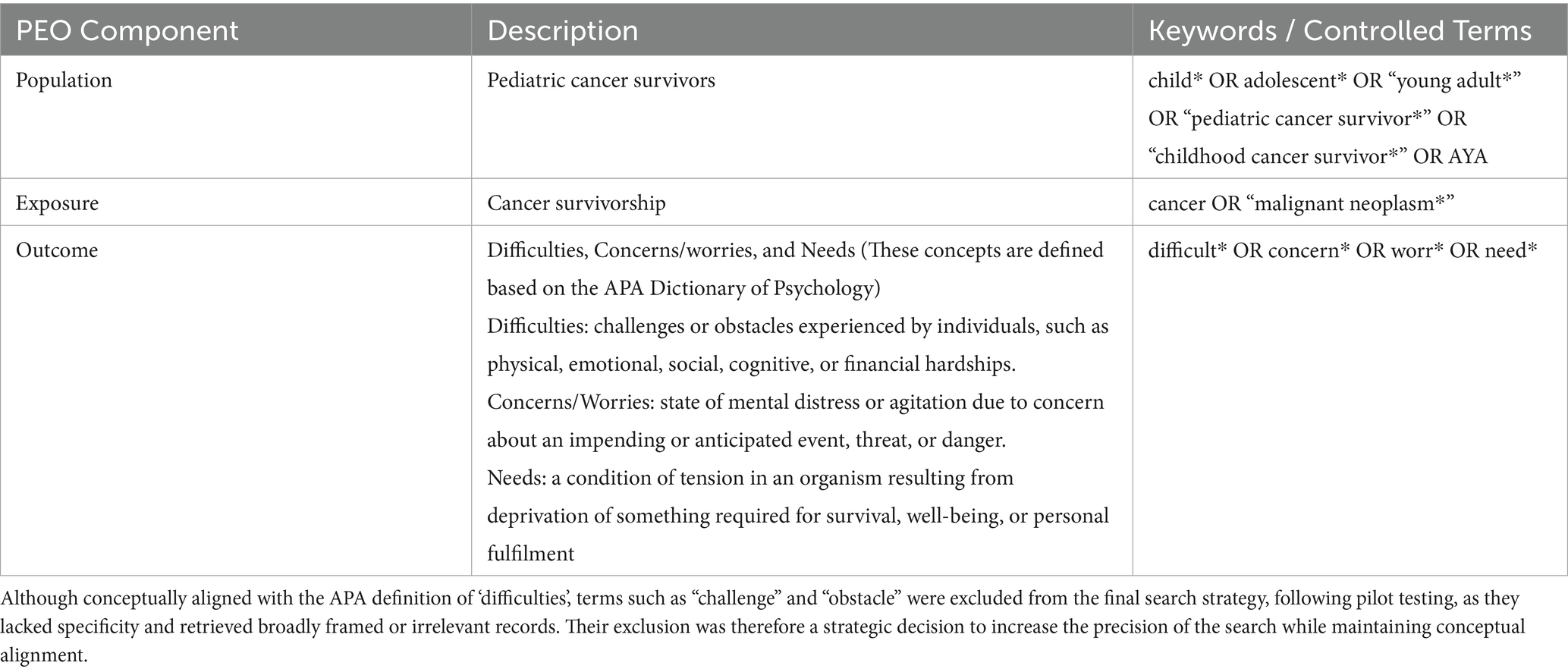
Table 1. Search terms used according to the PEO framework.
Inclusion and exclusion criteria
Studies were included if they met the following criteria: (1) original empirical research (qualitative, quantitative, or mixed methods); (2) published in peer-reviewed journals in English between January 2014 and December 2024, a timeframe consistent with scoping review guidance to capture evolving literature (Munn et al., 2018); (3) included samples in which at least 50% of participants were adolescent and young adult (AYA) childhood cancer survivors (CCS), currently aged 15 to 39 years, who had completed curative treatment and were in full remission (4) reported first-person perspectives on difficulties, concerns, or needs, whether explicit or emergent.
Studies were excluded if they: (1) did not reflect survivors’ perspectives (e.g., reported only by caregivers or health professionals); (2) did not allow disaggregation of AYA-CCS data; (3) included only survivors of central nervous system tumors due to specific neurocognitive sequelae; or (4) were non-empirical publications, including reviews, editorials, and commentaries.
Quality assessment of articles
The quality assessment of eligible articles was done using the Kmet et al., checklist (Kmet, 2004). This tool includes items to access the quality of both quantitative and qualitative studies with two checklist studies. The maximum score for qualitative studies is 20 and for quantitative studies 28. However, given the type of quantitative studies eligible for extraction, three items on this checklist were not applicable because these items assess experimental or interventional quantitative studies, so the maximum score was 22. For mixed studies, we merged both checklists, with 17 items and a maximum score of 34. Two reviewers (MJM and MLB) independently assessed the quality of the articles. Disagreements were solved by discussion. This multi-step process ensured methodological triangulation and consistency in study selection and data extraction.
Data extraction and analysis
The research results were gathered in Rayyan1 (Ouzzani et al., 2016), allowing for different reviewers to analyze articles simultaneously. Initially, duplicates were removed. Then, the title and abstract of each study were analyzed for inclusion/exclusion decisions based on the defined criteria, independently by the two first authors (MJM e MCS). Afterward, these two authors analyzed the full texts to reach the final selection. Any disagreements between the first two authors regarding eligibility were solved by a third senior author (MLB). Then, the first author (MJM) collected data from the included studies, and the second author (MCS) reviewed the data for accuracy. Data was extracted and the following information summarized for each study: (1) study reference (author, year of publication, country where the study was conducted); (2) study objectives; (3) study design (quantitative, qualitative, or mixed methods); (4) participants (sample size, age range, years after treatment); (5) measurements (interviews, questionnaires, or surveys used to collect data); (6) main results (reported survivors’ perceptions of the difficulties, concerns and service needs); (7) quality score.
Results
The search identified 2,079 records. After removing 832 duplicates, 1,247 titles and abstracts were screened, resulting in the exclusion of 1,183 records. The remaining 64 full-text articles were assessed for eligibility, and 40 were excluded. A total of 24 studies met the inclusion criteria and were included in the review. The selection process is summarized in the PRISMA flow diagram (Figure 1).

Figure 1. PRISMA-ScR Flow diagram for the scoping review process.
Studies characteristics
The 24 selected studies were published from January 2014 to December 2024 and were conducted in 13 countries: Australia and New Zealand (n = 4), Canada (n = 4), United States (n = 3), Switzerland (n = 3), Sweden (n = 2), Germany (n = 2), France (n = 1), Netherlands (n = 1), UK (n = 1), Brazil (n = 1), Japan (n = 1), and South Korea (n = 1). Sample sizes ranged from n = 14 to n = 404, with a mean of n = 84 Participants’ ages ranged from 14 to 43 years old; they had finished treatment 1–12 years before, the majority 5 years before. All samples included male and female survivors of different types of cancer, mostly leukemias, lymphomas, and solid tumors. Regarding the study design, 14 were qualitative, using individual interviews (n = 12) or focus groups (n = 2); seven were quantitative cross-sectional, using questionnaire based survey (n = 2), and tests (n = 6); and three employed mixed methods using interviews (n = 3), and psychological tests (n = 2); and questionnaire-survey (n = 1). The quality scores for the qualitative studies ranged from 16 to 20; for quantitative studies, from 12 to 22; and for the mixed methods studies, from 27 to 31 (see Table 2).

Table 2. Study, objectives, design, measurement, outcomes, and quality assessment.
After selecting the articles, we mapped the studies’ results into two predefined main dimensions aligned with the review objectives: (1) concerns and difficulties, and (2) needs. Although “concerns,” “difficulties,” and “needs” were initially treated as distinct analytical concepts, drawing on APA definitions (APA, 2020), the literature rarely differentiated between “concerns” and “difficulties,” with most studies using these terms in overlapping ways to describe survivors’ psychosocial experiences. To ensure conceptual coherence and clarity in synthesis, we merged these into a single category of “concerns,” while maintaining “needs” as a distinct dimension referring to perceived gaps in support, resources, or services. Accordingly, the results were categorized into: (1) Concerns and (2) Needs.
The categorization of studies within these two overarching dimensions is summarized in Figure 2, which conceptually maps the main categories and illustrates their interrelations. A comprehensive list of studies supporting each subcategory is provided in Supplementary Table S1.

Figure 2. Conceptual map summarizing the main categories of concerns and needs among AYA-CCS.
Concerns
This dimension encompasses the results of studies focused on the difficulties experienced by AYA-CCS during their adaptation to survival and their main concerns during this process. Concerns were assessed in 18 studies (Winzig et al., 2024a; Winzig et al., 2024b; Yi et al., 2016; Howard et al., 2016; Lehmann et al., 2019; Newton et al., 2021; Wang et al., 2015; Iwai et al., 2017; Bradford et al., 2022; Jardim et al., 2021; Nilsson et al., 2020; Cherven et al., 2022; Patterson et al., 2021; Baudry et al., 2024; Howard et al., 2018; Otth et al., 2022; Signorelli et al., 2019; Psihogios et al., 2019). Most (n = 11) were qualitative and used interviews and content analysis (Winzig et al., 2024a; Winzig et al., 2024b; Yi et al., 2016; Howard et al., 2016; Lehmann et al., 2019; Newton et al., 2021; Jardim et al., 2021; Nilsson et al., 2020; Baudry et al., 2024; Howard et al., 2018; Psihogios et al., 2019), while six were quantitative (Wang et al., 2015; Iwai et al., 2017; Bradford et al., 2022; Cherven et al., 2022; Patterson et al., 2021; Otth et al., 2022) and used sociodemographic questionnaires and tests, some of which used the Cancer Worries Scale (CWS) (Wang et al., 2015; Otth et al., 2022). One study combined one demographic questionnaire (with information about late effects) with interviews (Signorelli et al., 2019).
We identified concerns of young survivors in five categories: long-term effects/psychological burden; infertility/impact of fertility on relationships; transition of care; fear of recurrence; social, professional, and financial issues.
Psychological burden and long-term effects
Psychological and emotional impact
Most studies describe how CCS patients deal with the long-term effects of treatment, particularly the psychological and emotional challenges that persist throughout survivorship (Winzig et al., 2024a; Winzig et al., 2024b; Yi et al., 2016; Howard et al., 2016; Lehmann et al., 2019; Newton et al., 2021; Wang et al., 2015; Iwai et al., 2017; Bradford et al., 2022). Across studies, survivors often report a sense of being overwhelmed by the ongoing risk of late effects (Winzig et al., 2024b; Howard et al., 2016; Wang et al., 2015; Iwai et al., 2017; Bradford et al., 2022), which contributes to a continuous psychological burden characterized by anxiety, distress, and guilt (Lehmann et al., 2019; Newton et al., 2021). Some participants internalize responsibility for the time and care invested by their families (Yi et al., 2016) Although these emotional responses are consistently reported, few studies differentiate by age, making it difficult to determine whether younger survivors experience or express psychological distress differently from older cohorts. This lack of age-specific analysis limits understanding of how developmental stage shapes coping strategies or perceptions of vulnerability.
Physical symptoms and wellbeing
Across studies, a substantial proportion of survivors report persistent physical and mental health problems, with estimates ranging from 20 to 30% (Iwai et al., 2017). AYA-CCS tend to show lower scores in HRQoL domains of physical and emotional well-being compared to the general population, with fatigue, menstrual irregularities, cognitive difficulties, joint pain, insomnia, and anxiety being among the most frequent symptoms (Bradford et al., 2022). Few studies differentiated by gender; some noted greater concern among women, but overall, differences in how men and women experience these concerns were not explored.
Expectations vs. reality of post-treatment effects
Some survivors reported not anticipating such persistent late effects and feeling unprepared to manage them, describing reactions of shock, surprise, anxiety, and worry (Howard et al., 2016). Even when informed about potential risks, this prior awareness did not always translate into adequate preparedness, as many continued to be startled when faced with late effects (Howard et al., 2016). Some studies reported that the information provided before and after treatment was not always sufficient to prepare survivors to deal with these experiences.
Infertility and the impact of fertility issues on relationships
Infertility emerged as one of the most salient long-term concerns among young cancer survivors (Yi et al., 2016; Lehmann et al., 2019; Newton et al., 2021; Wang et al., 2015; Jardim et al., 2021; Nilsson et al., 2020; Cherven et al., 2022; Patterson et al., 2021; Baudry et al., 2024). In studies involving young adults, two-thirds (66.3%) reported fertility-related worries, particularly among women (Cherven et al., 2022), and these concerns were found to directly affect the quality of romantic and intimate relationships (Newton et al., 2021), while greater awareness of fertility risks and implications was observed among survivors who participated in multiple follow-up consultations (Cherven et al., 2022).
Emotional distress included feelings of fear, sadness, and uncertainty about reproductive capacity (Winzig et al., 2024a; Lehmann et al., 2019; Jardim et al., 2021). Limited understanding of post-treatment fertility and insufficient attention from healthcare professionals further contributed to this distress (Yi et al., 2016; Jardim et al., 2021). The ability to have biological children was described as a symbol of recovery and normalcy (Nilsson et al., 2020).
Lower social concern about infertility was associated with higher quality of life (Patterson et al., 2021). Fertility issues also generated anxiety about disclosing infertility or meeting partners’ expectations for parenthood (Lehmann et al., 2019; Newton et al., 2021; Jardim et al., 2021). Single survivors reported fear of rejection by potential partners due to infertility (Lehmann et al., 2019; Newton et al., 2021), and concern about passing on a genetic predisposition to cancer was also mentioned (Yi et al., 2016; Nilsson et al., 2020).
Most samples included both male and female survivors, but few studies differentiated fertility-related experiences by gender. Some indicated greater concern among women; however, overall, studies did not explore possible differences in how men and women experience these issues.
Transition of care
Across all studies addressing this topic (Winzig et al., 2024a; Winzig et al., 2024b; Howard et al., 2016; Howard et al., 2018; Otth et al., 2022; Signorelli et al., 2019), the transition from pediatric to adult healthcare services was described by CCS as a difficult and significant challenge. The main difficulties reported related to establishing new relationships with healthcare professionals and to an abrupt transition, which led some survivors to feel abandoned and disoriented within the adult system, perceived as more complex (Howard et al., 2018), with a need for additional support in organizing follow-up appointments (Winzig et al., 2024a; Howard et al., 2018).
Overall, studies indicated that adolescent and young adult cancer survivors (AYA-CCS) received limited information about late effects and their management during the transition process (Howard et al., 2018).
Some survivors reported preferring to have their parents present during medical appointments (Otth et al., 2022), although they acknowledged that parental presence reduced their involvement in decision-making (Winzig et al., 2024b).
Regarding transition preferences, 54% of adolescents expressed a desire to remain under pediatric care, whereas young adults preferred adult services (Signorelli et al., 2019). These differences appear to reflect distinct needs associated with different developmental stages and the types of concerns that emerge during this period of transition, recognizing challenges in adapting to the transition of care (Howard et al., 2016).
Fear of recurrence
Among AYA-CCS, other prevalent concerns were related to the fear of cancer recurrence (Winzig et al., 2024a; Wang et al., 2015; Baudry et al., 2024; Otth et al., 2022; Psihogios et al., 2019), the possibility of developing a second malignant neoplasm (Wang et al., 2015), and general uncertainty about future health (Psihogios et al., 2019; Mayes et al., 2016). These fears were frequently associated with persistent anxiety (Winzig et al., 2024a). In one study, 67% of survivors reported needing additional information and support related to recurrence anxiety (Baudry et al., 2024). Another study indicated that 13% of AYA-CCS expressed unrealistic concerns about developing a new cancer (Wang et al., 2015), while 42% reported that cancer was always on their mind and about one quarter worried about recurrence or the emergence of a second malignant disease (Otth et al., 2022). Overall, the studies indicate that uncertainty regarding health status and the risk of recurrence represents an ongoing source of psychological burden for many survivors.
Social, professional, and financial issues
Social difficulties and stigmas
Other studies highlighted the social, professional, and financial difficulties experienced by survivors (Yi et al., 2016; Iwai et al., 2017; Baudry et al., 2024). One study reported concerns about limited employment opportunities associated with cancer-related stigma and reduced social skills, often linked to prolonged school absences or parental overprotection during illness (Yi et al., 2016). Overall, survivors expressed fear of restricted professional opportunities and social participation resulting from these factors (Yi et al., 2016). These difficulties appear to reflect broader challenges in social and professional reintegration after treatment, indicating persistent limitations in post-cancer adjustment.
Lack of social, academic and professional support
Another study of the specific needs of AYA-CCS reported that survivors required better coordination and multidisciplinary support across several areas, including social, administrative, financial, academic, and professional domains (Baudry et al., 2024). The study found that 53.3% of survivors required social assistance, 46.7% needed support with academic life, 40% need administrative assistance, and 20% sought guidance in the professional field (Baudry et al., 2024). Overall, these findings highlight the broad and interconnected nature of survivors’ post-treatment needs, underscoring the importance of integrated care approaches.
Financial concerns and access to resources
Concerns about financial issues are also present. Some participants expressed anxiety about obtaining or maintaining health insurance coverage, with most indicating worry about this matter (Iwai et al., 2017) Survivors also reported needing support and assistance in addressing difficulties related to access to credit and insurance (Baudry et al., 2024). Overall, these findings point to the persistence of financial insecurity as an additional burden in survivors’ post-treatment experience.
Needs
Alongside the identification of difficulties and concerns, this study aimed to verify the AYA-CCS perspective about their needs regarding services and professional support, which they often view as unmet. A total of 10 studies were eligible to be analyzed (Winzig et al., 2024a; Cherven et al., 2022; Baudry et al., 2024; Psihogios et al., 2019; Mayes et al., 2016; Hendriks et al., 2022; Vetsch et al., 2020; Van Erp et al., 2022; Hendriks et al., 2020; Nilsson et al., 2022). This dimension includes results from six qualitative studies, which used semi-structured interviews (n = 5) (Winzig et al., 2024a; Baudry et al., 2024; Psihogios et al., 2019; Hendriks et al., 2020; Nilsson et al., 2022) and focus groups (n = 1) (Mayes et al., 2016), two quantitative studies that used sociodemographic questionnaires and tests (Cherven et al., 2022; Patterson et al., 2021; Baudry et al., 2024; Howard et al., 2018; Otth et al., 2022; Signorelli et al., 2019; Psihogios et al., 2019; Mayes et al., 2016; Hendriks et al., 2022; Vetsch et al., 2020; Van Erp et al., 2022), and two mixed methods studies with semi-structured interviews and sociodemographic questionnaires and tests (Psihogios et al., 2019; Mayes et al., 2016; Hendriks et al., 2022). We organized the needs of AYA-CCS in three categories: information, psychological support, and communication with their peers and health professionals.
Information
One of the most frequently reported needs among survivors was access to personalized clinical and psychological information provided by specialists at the right time and in an appropriate format (Baudry et al., 2024; Mayes et al., 2016; Hendriks et al., 2022; Vetsch et al., 2020; Van Erp et al., 2022). Survivors reported requiring support and concrete information on lifestyle and health risks, physical and socio-emotional consequences of childhood cancer, fertility, and insurance-related issues (Van Erp et al., 2022). Several studies also showed the need for guidance on relationships and sexuality, educational and professional pathways, and future prospects (Baudry et al., 2024; Vetsch et al., 2020; Van Erp et al., 2022).
Regarding genetic information, survivors emphasized the importance of accurate and clearly communicated explanations about potential hereditary transmission, both among those with genetic risk and those without such risk (Vetsch et al., 2020). Other studies noted survivors’ interest in obtaining more information about the long-term treatment, effects and the importance they attached to lifestyle advice (Mayes et al., 2016). Research focusing on AYA-CCS highlighted the relevance of information on medical aspects of survivorship, including late effects, recurrence prevention, recommended examinations, and strategies for managing potential side effects (Baudry et al., 2024). However, several studies identified that the information needs remain largely unmet (Hendriks et al., 2022).
Overall, the studies converge in showing that AYA-CCS seek reliable, timely, and individualized information that addresses both medical and psychosocial dimensions of survivorship, revealing persistent gaps in communication and informational support.
Psychological support
Five studies (Cherven et al., 2022; Baudry et al., 2024; Mayes et al., 2016; Hendriks et al., 2022; Hendriks et al., 2020) identified psychological support as an unmet need within healthcare services. AYA-CCS emphasized the importance of having access to multidisciplinary interventions that include psychological expertise (Signorelli et al., 2019). Across studies, survivors reported the need for psychological support to address various challenges of survivorship, including fertility-related distress (Cherven et al., 2022), reduced physical and mental quality of life, and psychological disorders (Baudry et al., 2024; Hendriks et al., 2022; Hendriks et al., 2020).
In addition, some studies indicated that AYA-CCS expressed the need for counselling focused on social, academic, and professional challenges, as well as on developing skills and lifestyle strategies to address the long-term effects of treatment (Mayes et al., 2016). Overall, the studies converge in showing that psychological support is consistently valued by survivors and described as a recurring need within survivorship care.
Communication challenges
Communication with health professionals
Five studies have addressed the communication needs of survivors in their interactions health professionals (Winzig et al., 2024b; Baudry et al., 2024; Psihogios et al., 2019; Mayes et al., 2016; Nilsson et al., 2022). Survivors emphasized the importance of clear, open, and trusting communication with their care teams. Some survivors emphasized the importance of clear, open, and trusting communication with their care teams (Nilsson et al., 2022). Others reported difficulties explaining their medical history to new healthcare providers and obtaining support from former oncology teams (Nilsson et al., 2022). In one study, reluctance to transfer to adult services was linked to the strong communication and trust established with the pediatric care team (Mayes et al., 2016). Overall, these findings indicate that effective communication and coordination among healthcare professionals were consistently described as central to continuity and quality in survivorship care.
Communications with peers and family
In a qualitative study, AYA-CCS reported challenges in communicating with friends about their cancer experience and feelings of isolation in social interactions, while communication with parents was perceived as easier (Baudry et al., 2024). Sharing experiences with other survivors was described as a meaningful source of emotional support, helping them to normalize the experience of illness (Baudry et al., 2024). Some AYA-CCS expressed the wish to participate in peer-based initiatives or digital platforms that would enable interaction and mutual support in a safe environment (Nilsson et al., 2022).
In a study on the transition of care several AYA-CCS who preferred to be accompanied by their parents during medical appointments reported limited participation in discussions with the health care team, which reduced their involvement in decision-making processes (Winzig et al., 2024b). Together, these studies indicate that communication within families and peer networks is perceived as important for emotional well-being and for survivors’ engagement with care.
Discussion
This review identified the difficulties, concerns, and needs of AYA-CCS. The findings contribute to updating and systematizing information to inform the development of psychological support programs aimed at aiding their adaptation. This understanding is crucial for implementing the recommendations of the Dublin Declaration (Childhood Cancer International, 2016) by CCI, which advocates for recognizing the complexity of survivorship and creating personalized support programs tailored to the specific needs of pediatric cancer survivors.
The analysis was structured around two a priori defined dimensions of the survivorship experience among AYA-CCS: psychological challenges, such as managing late effects, infertility, fear of recurrence, and social reintegration, and specific needs related to access to accurate information, psychological support, and the development of communication skills to enhance interpersonal relationships. To address these challenges, the study highlights the importance of personalized and flexible psychoeducational programs tailored to different age groups and individual needs. A significant methodological limitation observed across the reviewed studies is the lack of standardization in defining the AYA-CCS population, which may hinder data comparability and the formulation of precise clinical guidelines, underscoring the need for clear and consistent definitions.
Addressing the concerns of AYA-CCS
The concerns expressed by AYA-CCS in this review reveal a persistent psychological burden linked to the late effects of cancer and their impact on mental health, daily functioning, and relationships (Winzig et al., 2024a; Winzig et al., 2024b; Yi et al., 2016; Howard et al., 2016; Lehmann et al., 2019; Newton et al., 2021; Wang et al., 2015; Iwai et al., 2017; Bradford et al., 2022; Jardim et al., 2021). This distress is compounded by symptoms such as fatigue, insomnia, and anxiety (Iwai et al., 2017; Bradford et al., 2022), and by awareness of long-term treatment consequences (Newton et al., 2021). Among these concerns, infertility stands out as a major issue affecting emotional well-being and normality, particularly among women, who report greater anxiety regarding family planning and parenthood (Lehmann et al., 2019; Newton et al., 2021; Jardim et al., 2021).
These findings align with the concept of continuous psychological burden described by López (2024) and supported by other authors (Warner et al., 2016; van Deuren et al., 2020). This burden encompasses fear of recurrence, academic and professional uncertainty, and financial insecurity (Winzig et al., 2024b; Yi et al., 2016; Wang et al., 2015; Iwai et al., 2017; Baudry et al., 2024; Psihogios et al., 2019). In line with broader survivorship literature, it also intersects with persistent symptoms such as fatigue and somatic worry, key factors influencing quality of life and fear of recurrence among childhood cancer survivors (Meeske et al., 2007; Levesque et al., 2023; Bower et al., 2014; Kelada et al., 2019; Cunningham et al., 2021).
Developmental tasks of adolescence and early adulthood, identity formation, autonomy, and intimate relationships (Maurice-Stam et al., 2022; Arnett, 2001), heighten AYA-CCS vulnerability, complicating the integration of the cancer experience into their life course. The transition from pediatric to adult care exposes tensions between dependence and autonomy; many survivors feel unprepared to navigate adult healthcare systems and remain reliant on parental involvement (Winzig et al., 2024b; Otth et al., 2022). As noted in the survivorship literature, this transition reflects not only organizational but also developmental challenges in autonomy and self-management, central to post-cancer adjustment (Wong et al., 2024).
Some survivors describe adaptive strategies such as “forgetting about cancer” or focusing on future goals, helping to restore continuity and control (Howard et al., 2016). Similar strategies in adolescents with chronic illness function as emotional regulation mechanisms supporting long-term adjustment (Compas et al., 2012; Mouw et al., 2017). Evidence from adult survivors shows that, although emotional and existential concerns persist, they often center on comorbidities, family responsibilities, and work reintegration (Bower et al., 2014). In contrast, AYA-CCS face these issues amid identity exploration, education, and pursuit of independence, amplifying the developmental impact of survivorship (Maurice-Stam et al., 2022; Arnett, 2001; Marchak et al., 2023).
This perspective underscores the need for survivorship care models integrating medical, psychological, and developmental dimensions, tailored to the specific challenges of this life stage.
AYA-CCS needs: insights from the survivors
The studies included in this review identified a range of needs among AYA-CCS, revealing both addressed aspects and remaining gaps in survivorship care. A key concern is the demand for accurate, personalized information adapted to survivors’ developmental stage, life context, and disease trajectory. Survivors particularly value timely and relevant guidance on late treatment effects, fertility preservation, genetic counselling, and health promotion, as information perceived as inadequate or poorly timed tends to be disregarded, weakening engagement in care (Baudry et al., 2024; Mayes et al., 2016; Hendriks et al., 2022; Vetsch et al., 2020; Van Erp et al., 2022).
Previous survivorship research highlights the central role of information and communication for continuity of care and transition to adult services (Mouw et al., 2017; Marchak et al., 2023; Schmidt et al., 2020; Sadak et al., 2021). However, many survivors still report surprise and distress when facing late effects, suggesting persistent gaps in the quality and consistency of communication (Howard et al., 2016). The frequent expression of surprise indicates that existing information on long-term adverse outcomes may be insufficient or poorly framed, suggesting that communication approaches may not adequately address survivors’ developmental or emotional needs. This discrepancy is particularly relevant, as lower knowledge levels have been associated with greater psychological distress in broader survivorship literature (Marchak et al., 2023), underscoring the importance of clinically grounded information and psychological support to foster effective coping.
Difficulties in communication with healthcare providers, family, peers, and partners are also frequently reported (Winzig et al., 2024b; Jardim et al., 2021; Baudry et al., 2024; Nilsson et al., 2022). Survivors emphasize the importance of open, trusting communication throughout follow-up, which supports emotional adjustment and self-efficacy (Howard et al., 2016; Hendriks et al., 2022). These findings reinforce the value of integrated care models that combine information, psychological support, and communication skill development.
In line with recent survivorship literature, studies with adult cancer survivors also emphasize holistic, multidisciplinary approaches that integrate educational, psychological, and physical components to enhance adaptation (Walsh et al., 2024; O’Connor, 2019). Within this framework, psychoeducational programs emerge as a promising means of supporting AYA-CCS in managing the multiple demands of survivorship. The results of our review confirm the relevance of such interventions, which equip survivors to address the complex emotional, social, and practical challenges of post-cancer life. Consistent with evidence from other chronic conditions, psychoeducational interventions have proven effective in improving coping and psychosocial adjustment (Compas et al., 2012; Phiri et al., 2023; Cortesi, 2020).
Considering the developmental tasks of adolescence and young adulthood, such as identity consolidation, autonomy, and relational development (Maurice-Stam et al., 2022; Arnett, 2001), integrating these dimensions into survivorship programs is essential. Although some concerns overlap with those of adult cancer survivors, the needs of AYA-CCS are qualitatively distinct, shaped by ongoing developmental transitions and the pursuit of identity, independence, and future goals. Approaches addressing these interconnected domains can enhance adaptive functioning and quality of life, ensuring that interventions respond not only to medical and psychological consequences but also to the developmental context of this life stage.
Guidelines for developing intervention programs addressing the concerns and needs of AYA-CCS
Our findings underscore the need for multifaceted interventions addressing the diverse challenges faced by AYA-CCS. Given the substantial psychological burden during survivorship, programmatic themes should comprehensively include coping with long-term effects, emotional and physical health, communication issues, and preparation for the future.
Psychoeducational programs for AYA-CCS should be tailored to their specific needs, with flexible structures that allow individualization. A modular approach is particularly suitable, enabling the selection of relevant content based on age, developmental stage, and personal challenges (Cortesi, 2020). Evidence from recent reviews supports the use of both face-to-face and technology-based interventions, as well as adaptable formats that integrate psychoeducation, coping skills, and health promotion (Arpaci and Altay, 2024). Practical frameworks have been proposed to guide such approaches. For instance, Arpaci et al. (2022) developed a technology-based psychoeducational program for adolescent survivors aged 12–18 years, organized into interactive modules on self-knowledge, communication, coping, problem-solving, and health promotion. This example illustrates how modular, developmentally tailored programs can flexibly address diverse psychosocial needs across ages and individual challenges (Arpaci et al., 2023).
To enhance developmental relevance, interventions could be structured by age bands (e.g., 15–18, 19–24, and 25–39 years), reflecting predominant concerns at each stage. Issues of autonomy and communication may be central for younger groups, including modules directed to parents, whereas for older survivors, topics such as fertility, family planning, and career management may become more salient.
Methodological inconsistencies in the definition of AYA-CCS: implications for research and survivorship care
A persistent methodological limitation in pediatric cancer survivorship research is the lack of standardized criteria for defining adolescent and young adult childhood cancer survivors (AYA-CCS). The studies reviewed show considerable variation in age ranges and diagnostic timing. Some define AYA-CCS as individuals diagnosed in childhood who have since transitioned into adolescence or young adulthood, while others adopt the U.S. National Cancer Institute (NCI) classification of AYA as those diagnosed between ages 15 and 39, further subdivided into 15–18, 19–24, and 25–39 years (Janssen et al., 2021). Yet, this framework is inconsistently applied, with some studies using broader or atypical age spans (e.g., 17–43y, Howard et al., 2016; 19–33y, Newton et al., 2021) or thresholds beginning at 16 or 18 years.
Such inconsistencies hinder cross-study comparability and limit the development of evidence-based interventions. Grouping adolescents and young adults without regard to developmental stage risks obscuring critical differences in psychosocial needs. Only three studies (Cherven et al., 2022; Mayes et al., 2016; Nilsson et al., 2022) in our review stratified findings by developmental subgroups, reflecting a wider trend of undifferentiated analysis.
This issue was identified over a decade ago (Geiger and Castellino, 2011), yet remains unresolved, compounded by variation in age classifications across countries. A further consequence is the frequent exclusion of survivors diagnosed before age 15 from AYA-focused studies, despite their later transition into adolescence or adulthood and their exposure to similar survivorship challenges.
A unified classification system for AYA-CCS, grounded in both age and developmental stage, is urgently needed to improve consistency, enhance data interpretation, and inform the design of developmentally appropriate psychosocial care.
Limitations
This scoping review has several limitations.
First, only primary research studies were included, as the aim was to analyze data directly reported by AYA-CCS. This approach ensured proximity to survivors’ self-reported experiences but may have excluded valuable insights from reviews or conceptual papers addressing broader contextual or theoretical dimensions.
Second, we included only studies published in English. This restriction may have introduced a language and cultural bias, as it can lead to the underrepresentation of non-Western perspectives and culturally diverse experiences of AYA-CCS. Consequently, the findings of this review may primarily reflect Western contexts and healthcare systems, which could limit the transferability of these conclusions to settings with different cultural values, health beliefs, or survivorship frameworks.
Third, relevant information may have been missed by excluding studies that did not clearly distinguish the perspectives of young survivors from those of older adult survivors, family members, or professionals. This may have limited the breadth of perspectives captured and could influence the comprehensiveness of the mapped evidence.
Finally, the review protocol was not prospectively registered, as PROSPERO currently does not accept scoping review registrations. While this may reduce external transparency, all methodological procedures were defined a priori, discussed collaboratively among the three authors, and cross-checked to ensure consistency, thus providing a form of methodological triangulation that strengthens internal rigor. The review was also conducted in strict adherence to the PRISMA-ScR framework, with systematic and predefined procedures to minimize potential bias.
Collectively, these limitations may affect the generalizability of the findings, particularly across different cultural and healthcare contexts. Nevertheless, they do not undermine the main contribution of this review, which offers a comprehensive synthesis of AYA-CCS self-reported difficulties, concerns, and needs, providing a robust foundation for future research and intervention development.
Conclusion
This study offers innovative contributions to the research on adolescent and young adult survivors of pediatric cancer (AYA-CCS) by comprehensively highlighting their specific needs and concerns, while proposing concrete pathways for the development of more effective interventions. It emphasizes the importance of creating personalized, modular, and flexible psychoeducational programs that account for different age groups and individual demands within this population.
Furthermore, this review identifies a recurrent methodological limitation: the lack of standardization in defining the AYA-CCS population, which undermines data comparability and the formulation of precise clinical guidelines. By underscoring the need for uniform methodological criteria and the active involvement of survivors in the development of care strategies, this work opens new avenues for a more sensitive, accurate, and effective approach in this field.
Author contributions
MM: Conceptualization, Data curation, Formal analysis, Funding acquisition, Investigation, Methodology, Project administration, Resources, Software, Supervision, Validation, Visualization, Writing – original draft, Writing – review & editing. MS: Conceptualization, Data curation, Formal analysis, Investigation, Methodology, Project administration, Software, Supervision, Validation, Writing – review & editing. LB: Conceptualization, Data curation, Formal analysis, Investigation, Methodology, Project administration, Software, Supervision, Validation, Writing – review & editing.
Funding
The author(s) declare that no financial support was received for the research and/or publication of this article.
Acknowledgments
We would like to thank the Instituto Português de Oncologia (IPO), Lisboa for supporting the publication of this article.
Conflict of interest
The authors declare that the research was conducted in the absence of any commercial or financial relationships that could be construed as a potential conflict of interest.
Generative AI statement
The authors declare that no Gen AI was used in the creation of this manuscript.
Any alternative text (alt text) provided alongside figures in this article has been generated by Frontiers with the support of artificial intelligence and reasonable efforts have been made to ensure accuracy, including review by the authors wherever possible. If you identify any issues, please contact us.
Publisher’s note
All claims expressed in this article are solely those of the authors and do not necessarily represent those of their affiliated organizations, or those of the publisher, the editors and the reviewers. Any product that may be evaluated in this article, or claim that may be made by its manufacturer, is not guaranteed or endorsed by the publisher.
Supplementary material
The Supplementary material for this article can be found online at: https://www.frontiersin.org/articles/10.3389/fpsyg.2025.1669872/full#supplementary-material
Footnotes
References
Arnett, J. J. (2001). Conceptions of the transition to adulthood: perspectives from adolescence through midlife. J. Adult Dev. 8, 133–143. doi: 10.1023/A:1026450103225
Arpaci, T., and Altay, N. (2022). Technology-based psychosocial support for adolescent survivors of leukemia: An example intervention for nurse specialists. J. Integr. Nurs. 4, 157–165. doi: 10.4103/jin.jin_46_22
Arpaci, T., and Altay, N. (2024). Psychosocial interventions for childhood cancer survivors: systematic review and meta-analysis of randomized control trials. Eur. J. Oncol. Nurs. 69:102541. doi: 10.1016/j.ejon.2024.102541
Arpaci, T., Altay, N., and Copur, G. Y. (2023). Evaluation of the effectiveness of a technology-based psychosocial education and Counseling program for adolescent survivors of childhood Leukemia: a randomized controlled trial. Cancer Nurs. 46, 14–28. doi: 10.1097/NCC.0000000000001091
Baudry, V., Girodet, M., Lochmann, M., Bottichio, M., Charton, E., Flahault, C., et al. (2024). Supportive care needs of adolescents and young adults 5 years after cancer: a qualitative study. Front. Psychol. 15:1268113. doi: 10.3389/fpsyg.2024.1268113.38746913
Bhatia, S., Tonorezos, E. S., and Landier, W. (2023). Clinical care for people who survive childhood cancer: a review. JAMA 330, 1175–1186. doi: 10.1001/jama.2023.16875
Bower, J. E., Bak, K., Berger, A., Breitbart, W., Escalante, C. P., Ganz, P. A., et al. (2014). Screening, assessment, and management of fatigue in adult survivors of cancer: an American Society of Clinical oncology clinical practice guideline adaptation. J. Clin. Oncol. 32, 1840–1850. doi: 10.1200/JCO.2013.53.4495
Bradford, N. K., and Chan, R. J. (2017). Health promotion and psychological interventions for adolescent and young adult cancer survivors: a systematic literature review. Cancer Treat. Rev. 55, 57–70. doi: 10.1016/j.ctrv.2017.02.011
Bradford, N., Pitt, E., Rumble, S., Cashion, C., Lockwood, L., and Alexander, K. (2022). Persistent symptoms, quality of life, and correlates with health self-efficacy in adolescent and young adult survivors of childhood Cancer. J. Adolesc. Young Adult Oncol. 11, 410–418. doi: 10.1089/jayao.2021.0104
Cherven, B., Kelling, E., Lewis, R. W., Pruett, M., Meacham, L., and Klosky, J. L. (2022). Fertility-related worry among emerging adult cancer survivors. J. Assist. Reprod. Genet. 39, 2857–2864. doi: 10.1007/s10815-022-02663-1
Childhood Cancer International. (2016). The declaration of Dublin, Ireland. Available online at: https://www.survivors.at/wp-content/uploads/2018/07/DoD_EN.pdf (Accessed December 5, 2023)
Compas, B. E., Jaser, S. S., Dunn, M. J., and Rodriguez, E. M. (2012). Coping with chronic illness in childhood and adolescence. Annu. Rev. Clin. Psychol. 8, 455–480. doi: 10.1146/annurev-clinpsy-032511-143108
Cortesi, A. (2020). Preliminary adaptation of the psychoeducation portion of modular therapy for childhood anxiety disorders for D/deaf and hard of hearing children. Palo Alto, California: Palo Alto University.
Cunningham, S. J., Patton, M., Schulte, F., Richardson, P. A., and Heathcote, L. C. (2021). Worry about somatic symptoms as a sign of cancer recurrence: prevalence and associations with fear of recurrence and quality of life in survivors of childhood cancer. Psycho-Oncology 30, 1077–1085. doi: 10.1002/pon.5647
Fardell, J. E., Wakefield, C. E., De Abreu Lourenco, R., Signorelli, C., McCarthy, M., McLoone, J., et al. (2021). Long-term health-related quality of life in young childhood cancer survivors and their parents. Pediatr. Blood Cancer 68:e29398. doi: 10.1002/pbc.29398
Frederiksen, L. E., Mader, L., Feychting, M., Mogensen, H., Madanat-Harjuoja, L., Malila, N., et al. (2019). Surviving childhood cancer: a systematic review of studies on risk and determinants of adverse socioeconomic outcomes. Int. J. Cancer 144, 1796–1823. doi: 10.1002/ijc.31789
Galán, S., de La Vega, R., and Miró, J. (2018). Needs of adolescents and young adults after cancer treatment: a systematic review. Eur. J. Cancer Care 27:e12558. doi: 10.1111/ecc.12558
Geiger, A. M., and Castellino, S. M. (2011). Delineating the age ranges used to define adolescents and young adults. J. Clin. Oncol. 29, e492–e493. doi: 10.1200/JCO.2011.35.5602
Hendriks, M. J., Harju, E., and Michel, G. (2020). The unmet needs of childhood cancer survivors in long-term follow-up care: a qualitative study. Psycho-Oncology 30, 485–492. doi: 10.1002/pon.5593
Hendriks, M. J., Hartmann, N., Harju, E., Roser, K., and Michel, G. (2022). “I don’t take for granted that I am doing well today”: a mixed methods study on well-being, impact of cancer, and supportive needs in long-term childhood cancer survivors. Qual. Life Res. 31, 1483–1497. doi: 10.1007/s11136-021-03042-6
Howard, A. F., Goddard, K., Tan de Bibiana, J., Pritchard, S., Olson, R., and Kazanjian, A. (2016). Adult childhood cancer survivors’ narratives of managing their health: the unexpected and the unresolved. J. Cancer Surviv. 10, 711–725. doi: 10.1007/s11764-016-0517-8
Howard, A. F., Kazanjian, A., Pritchard, S., Olson, R., Hasan, H., Newton, K., et al. (2018). Healthcare system barriers to long-term follow-up for adult survivors of childhood cancer in British Columbia, Canada: a qualitative study. J. Cancer Surviv. 12, 277–290. doi: 10.1007/s11764-017-0667-3
Iwai, N., Shimada, A., Iwai, A., Yamaguchi, S., Tsukahara, H., and Oda, M. (2017). Childhood cancer survivors: anxieties felt after treatment and the need for continued support. Pediatr. Int. 59, 1140–1150. doi: 10.1111/ped.13390
Janin, M. M. H., Ellis, S. J., Wakefield, C. E., and Fardell, J. E. (2018). Talking about cancer among adolescent and young adult cancer patients and survivors: a systematic review. J. Adolesc. Young Adult Oncol. 7, 515–524. doi: 10.1089/jayao.2017.0131
Janssen, S. H., van der Graaf, W. T., van der Meer, D. J., Manten-Horst, E., and Husson, O. (2021). Adolescent and young adult (AYA) cancer survivorship practices: an overview. Cancer 13:4847. doi: 10.3390/cancers13194847
Jardim, F. A., Lopes-Junior, L. C., Nascimento, L. C., Neves, E. T., and de Lima, R. A. G. (2021). Fertility-related concerns and uncertainties in adolescent and young adult childhood cancer survivors. J. Adolesc. Young Adult Oncol. 10, 85–91. doi: 10.1089/jayao.2020.0058
Jones, J. M., Fitch, M., Bongard, J., Maganti, M., Gupta, A., D’Agostino, N., et al. (2020). The needs and experiences of post-treatment adolescent and young adult cancer survivors. J. Clin. Med. 9, 2–15. doi: 10.3390/jcm9051444
Kazak, A. E., and Noll, R. B. (2015). The integration of psychology in pediatric oncology research and practice: collaboration to improve care and outcomes for children and families. Am. Psychol. 70, 146–158. doi: 10.1037/a0035695
Keegan, T. H., Lichtensztajn, D. Y., Kato, I., Kent, E. E., Wu, X. C., West, M. M., et al. (2012). Unmet adolescent and young adult cancer survivors information and service needs: a population-based cancer registry study. J. Cancer Surviv. 6, 239–250. doi: 10.1007/s11764-012-0219-9
Kelada, L., Wakefield, C. E., Heathcote, L. C., Jaaniste, T., Signorelli, C., and Fardell, J. E. (2019). Perceived cancer-related pain and fatigue, information needs, and fear of cancer recurrence among adult survivors of childhood cancer. Patient Educ. Couns. 102, 2270–2278. doi: 10.1016/j.pec.2019.06.022
Kmet, L. M. (2004). Standard quality assessment criteria for evaluating primary research papers from a variety of fields. Edmonton, Alberta, Canada: Alberta Heritage Foundation for Medical Research Edmonton.
Lehmann, V., Ferrante, A. C., Winning, A. M., and Gerhardt, C. A. (2019). The perceived impact of infertility on romantic relationships and singlehood among adult survivors of childhood cancer. Psycho-Oncology 28, 622–628. doi: 10.1002/pon.4999
Levesque, A., Caru, M., Duva, M., Laverdière, C., Marjerrison, S., and Sultan, S. (2023). Cancer-related fatigue: a scoping review to synthesize a definition for childhood cancer survivors. Support Care Cancer 31:231. doi: 10.1007/s00520-023-07690-x
López, M. A. V. (2024). Childhood cancer survivors: current challenges. Anales de Pediatría. (English Edition), 100, 363–375. doi: 10.1016/j.anpede.2024.04.013
Marchak, J. G., Sadak, K. T., Effinger, K. E., Haardörfer, R., Escoffery, C., Kinahan, K. E., et al. (2023). Transition practices for survivors of childhood cancer: a report from the children’s oncology group. J. Cancer Surviv. 17, 342–350. doi: 10.1007/s11764-023-01351-y
Maurice-Stam, H., van Erp, L. M. E., Maas, A., van Oers, H. A., Kremer, L. C. M., van Dulmen-den, B. E., et al. (2022). Psychosocial developmental milestones of young adult survivors of childhood cancer. Support Care Cancer 30, 6839–6849. doi: 10.1007/s00520-022-07113-3
Mayes, J., Brown, M. C., Davies, N., and Skinner, R. (2016). Health promotion and information provision during long-term follow-up for childhood cancer survivors: a service evaluation. Pediatr. Hematol. Oncol. 33, 359–370. doi: 10.1080/08880018.2016.1225325
McDonnell, G., Baily, C., Schuler, T., and Verdeli, H. (2015). Anxiety among adolescent survivors of pediatric cancer: a missing link in the survivorship literature. Palliat. Support. Care 13, 345–349. doi: 10.1017/S1478951514000297
Meeske, K. A., Patel, S. K., Palmer, S. N., Nelson, M. B., and Parow, A. M. (2007). Factors associated with health-related quality of life in pediatric cancer survivors. Pediatr. Blood Cancer 49, 298–305. doi: 10.1002/pbc.20923
Moola, S., Munn, Z., Sears, K., Sfetcu, R., Currie, M., Lisy, K., et al. (2015). Conducting systematic reviews of association (etiology): the Joanna Briggs institute's approach. Int. J. Evid. Based Healthc. 13, 163–169. doi: 10.1097/XEB.0000000000000064
Mouw, M. S., Wertman, E. A., Barrington, C., and Earp, J. A. (2017). Care transitions in childhood cancer survivorship: providers' perspectives. J. Adolesc. Young Adult Oncol. 6, 111–119. doi: 10.1089/jayao.2016.0035
Munn, Z., Peters, M. D. J., Stern, C., Tufanaru, C., McArthur, A., and Aromataris, E. (2018). Systematic review or scoping review? Guidance for authors when choosing between a systematic or scoping review approach. BMC Med. Res. Methodol. 18:143. doi: 10.1186/s12874-018-0611-x.30453902
Newton, K., Howard, A. F., Thorne, S., Kelly, M. T., and Goddard, K. (2021). Facing the unknown: uncertain fertility in young adult survivors of childhood cancer. J. Cancer Surviv. 15, 54–65. doi: 10.1007/s11764-020-00910-x
Nilsson, J., Röing, M., Malmros, J., and Winterling, J. (2020). Ways of understanding the ability to have children among young adult survivors of childhood cancer-a phenomenographic study. Eur. J. Oncol. Nurs. 44:101710. doi: 10.1016/j.ejon.2019.101710
Nilsson, S., Segerstad, Y. H. A., and Olsson, M. (2022). Visualizing the invisible-the needs and wishes of childhood cancer survivors for digitally mediated emotional peer support. Curr. Oncol. 29, 1269–1278. doi: 10.3390/curroncol29020108
O’Connor, M. O. D. B. (2019). The unmet needs of cancer survivors in Ireland: A scoping review 2019. Cork: National Cancer Registry Ireland.
Osmani, V., Hörner, L., Klug, S. J., and Tanaka, L. F. (2021). Prevalence and risk of psychological distress, anxiety and depression in adolescent and young adult (AYA) cancer survivors: a systematic review and meta-analysis. Cancer Med. 12, 18354–18367. doi: 10.1002/cam4.6435
Otth, M., Denzler, S., Diesch-Furlanetto, T., and Scheinemann, K. (2022). Cancer knowledge and health-consciousness in childhood cancer survivors following transition into adult care-results from the ACCS project. Front. Oncol. 12:946281. doi: 10.3389/fonc.2022.946281
Ouzzani, M., Hammady, H., Fedorowicz, Z., and Elmagarmid, A. (2016). Rayyan-a web and mobile app for systematic reviews. Syst. Rev. 5. doi: 10.1186/s13643-016-0384-4.27919275
Patterson, P., Perz, J., Tindle, R., McDonald, F. E., and Ussher, J. M. (2021). Infertility after cancer: how the need to be a parent, fertility-related social concern, and acceptance of illness influence quality of life. Cancer Nurs. 44, E244–E251. doi: 10.1097/NCC.0000000000000811
Peters, M. D. J., Marnie, C., Tricco, A. C., Pollock, D., Munn, Z., Alexander, L., et al. (2020). Updated methodological guidance for the conduct of scoping reviews. JBI Evid Synth. 18, 2119–2126. doi: 10.11124/JBIES-20-00167.33038124
Phiri, L., Li, W. H. C., Cheung, A. T., and Phiri, P. G. M. C. (2023). Effectiveness of psychoeducation interventions in reducing negative psychological outcomes and improving coping skills in caregivers of children with cancer: a systematic review and meta-analysis. Psycho-Oncology 32, 1514–1527. doi: 10.1002/pon.6208
Plotka, A., Checinska, A., Zajac-Spychala, O., Wieckowska, B., Kramer, L., Szymanska, P., et al. (2021). Psychosocial late effects in adolescent and young adult survivors of childhood Cancer diagnosed with Leukemia, lymphoma, and central nervous system tumor. J. Adolesc. Young Adult Oncol. 10, 443–453. doi: 10.1089/jayao.2020.0086
Psihogios, A. M., Schwartz, L. A., Deatrick, J. A., Ver Hoeve, E. S., Anderson, L. M., Wartman, E. C., et al. (2019). Preferences for cancer survivorship care among adolescents and young adults who experienced healthcare transitions and their parents. J. Cancer Surviv. 13, 620–631. doi: 10.1007/s11764-019-00781-x
Robison, L. L., and Hudson, M. M. (2014). Survivors of childhood and adolescent cancer: life-long risks and responsibilities. Nat. Rev. Cancer 14, 61–70. doi: 10.1038/nrc3634
Ryan, D., Chafe, R., Hodgkinson, K., Chan, K., Stringer, K., and Moorehead, P. (2018). Interventions to improve the aftercare of survivors of childhood cancer: a systematic review. Pediatr. Hematol. Oncol. J. 3, 90–98. doi: 10.1016/j.phoj.2018.11.186
Sadak, T., Gemeda, M., Grafelman, M. C., Sadak, K. T., Aremu, T. O., Neglia, J. P., et al. (2021). Identifying metrics of success for transitional care practices in childhood cancer survivorship: a qualitative interview study of parents. Cancer Med. 10, 6239–6248. doi: 10.1002/cam4.4164
Schmidt, A., Ilango, S. M., McManus, M. A., Rogers, K. K., and White, P. H. (2020). Outcomes of pediatric to adult health care transition interventions: an updated systematic review. J. Pediatr. Nurs. 51, 92–107. doi: 10.1016/j.pedn.2020.01.002
Signorelli, C., Wakefield, C., McLoone, J. K., Fardell, J., Jones, J. M., Turpin, K. H., et al. (2019). Childhood cancer survivorship: barriers and preferences. BMJ Support. Palliat. Care 12, e687–e695. doi: 10.1136/bmjspcare-2019-002001
Tricco, A. C., Lillie, E., Zarin, W., O'Brien, K. K., Colquhoun, H., Levac, D., et al. (2018). PRISMA extension for scoping reviews (PRISMA-ScR): checklist and explanation. Ann. Intern. Med. 169, 467–473. doi: 10.7326/M18-0850
van Deuren, S, and Boonstra, A den van Dulmen- Broeder, E, Blijlevens, N, Knoop, H, and Loonen, J Severe fatigue after treatment for childhood cancer Cochrane Database Syst. Rev. 2020 doi: 10.1002/14651858.CD012681.pub2 3:CD012681
Van Erp, L. M., Maurice-Stam, H., Kremer, L. C., Tissing, W. J., van der Pal, H. J., Beek, L., et al. (2022). Support needs of Dutch young adult childhood cancer survivors. Support Care Cancer 30, 3291–3302. doi: 10.1007/s00520-021-06723-7
Vetsch, J., Wakefield, C. E., Tucker, K. M., McCarthy, M., Signorelli, C., and Walwyn, T. (2020). Genetics-related service and information needs of childhood cancer survivors and parents: a mixed-methods study. Eur. J. Hum. Genet. 28, 6–16. doi: 10.1038/s41431-019-0481-7
Walsh, J., Hayes, S., and O’Neill, L. (2024). Cancer survivorship: understanding the patients’ journey and needs. BMC Sports Sci. Med. Rehabil. 16:178. doi: 10.1186/s13102-024-00864-y
Wang, R., Syed, I. A., Nathan, P. C., Barr, R. D., Rosenberg-Yunger, Z. R., and Klassen, A. F. (2015). Exploring cancer worry in adolescent and young adult survivors of childhood cancers. J. Adolesc. Young Adult Oncol. 4, 192–199. doi: 10.1089/jayao.2015.0029
Warner, E. L., Kent, E. E., Trevino, K. M., Parsons, H. M., Zebrack, B. J., and Kirchhoff, A. C. (2016). Social well-being among adolescents and young adults with cancer: a systematic review. Cancer 122, 1029–1037. doi: 10.1002/cncr.29866
Winzig, J., Inhestern, L., Sigmund, D., Paul, V., Hail, L. A., Rutkowski, S., et al. (2024a). And what about today? Burden and support needs of adolescent childhood cancer survivors in long-term follow-up care-a qualitative content analysis. Child Care Health Dev. 50:e13207. doi: 10.1111/cch.13207
Winzig, J., Inhestern, L., Sigmund, D., Paul, V., Hail, L. A., Rutkowski, S., et al. (2024b). Exploring the perspective of adolescent childhood cancer survivors on follow-up care and their concerns regarding the transition process-a qualitative content analysis. Cancer Med. 13:e7234. doi: 10.1002/cam4.7234.38752459
Wong, C. L., Chan, C. W. H., Zhang, M., Cheung, Y. T., Chow, K. M., Li, C. K., et al. (2024). Care coordination models for transition and long-term follow-up among childhood cancer survivors: a scoping review. BMJ Open 14:e087343. doi: 10.1136/bmjopen-2024-087343
Yi, J., Kim, M. A., and Sang, J. (2016). Worries of childhood cancer survivors in young adulthood. Eur. J. Oncol. Nurs. 21, 113–119. doi: 10.1016/j.ejon.2016.02.003
Zhang, A., Wang, K., Zebrack, B., Tan, C. Y., Walling, E., and Chugh, R. (2021). Psychosocial, behavioral, and supportive interventions for pediatric, adolescent, and young adult cancer survivors: a systematic review and meta-analysis. Crit. Rev. Oncol. Hematol. 160:103291. doi: 10.1016/j.critrevonc.2021.103291
Keywords: pediatric cancer survivors, childhood cancer survivors, difficulties, concerns, worries, needs
Citation: Moura MJ, dos Santos MC and Barros L (2025) Identifying concerns and needs in AYA survivors of pediatric cancer: a scoping review. Front. Psychol. 16:1669872. doi: 10.3389/fpsyg.2025.1669872
Edited by:
Anja Mehnert-Theuerkauf, University Hospital Leipzig, GermanyReviewed by:
Miriam Grapp, Heidelberg University, GermanyEkaterina Aleshchenko, Otto von Guericke University Magdeburg, Germany
Copyright © 2025 Moura, dos Santos and Barros. This is an open-access article distributed under the terms of the Creative Commons Attribution License (CC BY). The use, distribution or reproduction in other forums is permitted, provided the original author(s) and the copyright owner(s) are credited and that the original publication in this journal is cited, in accordance with accepted academic practice. No use, distribution or reproduction is permitted which does not comply with these terms.
*Correspondence: Maria Jesus Moura, bWptb3VyYUBpcG9saXNib2EubWluLXNhdWRlLnB0
†ORCID: Maria Jesus Moura, orcid.org/0000-0001-5708-5306
Margarida Custódio dos Santos, orcid.org/0000-0003-2669-3936
Luísa Barros, orcid.org/0000-0002-5075-0104