- Science news
- Featured news
- Monica Malta – The quiet architecture of violence: Why LGBTQ+ health demands community ownership
Monica Malta – The quiet architecture of violence: Why LGBTQ+ health demands community ownership
Author: Chiara Francesca Paoli
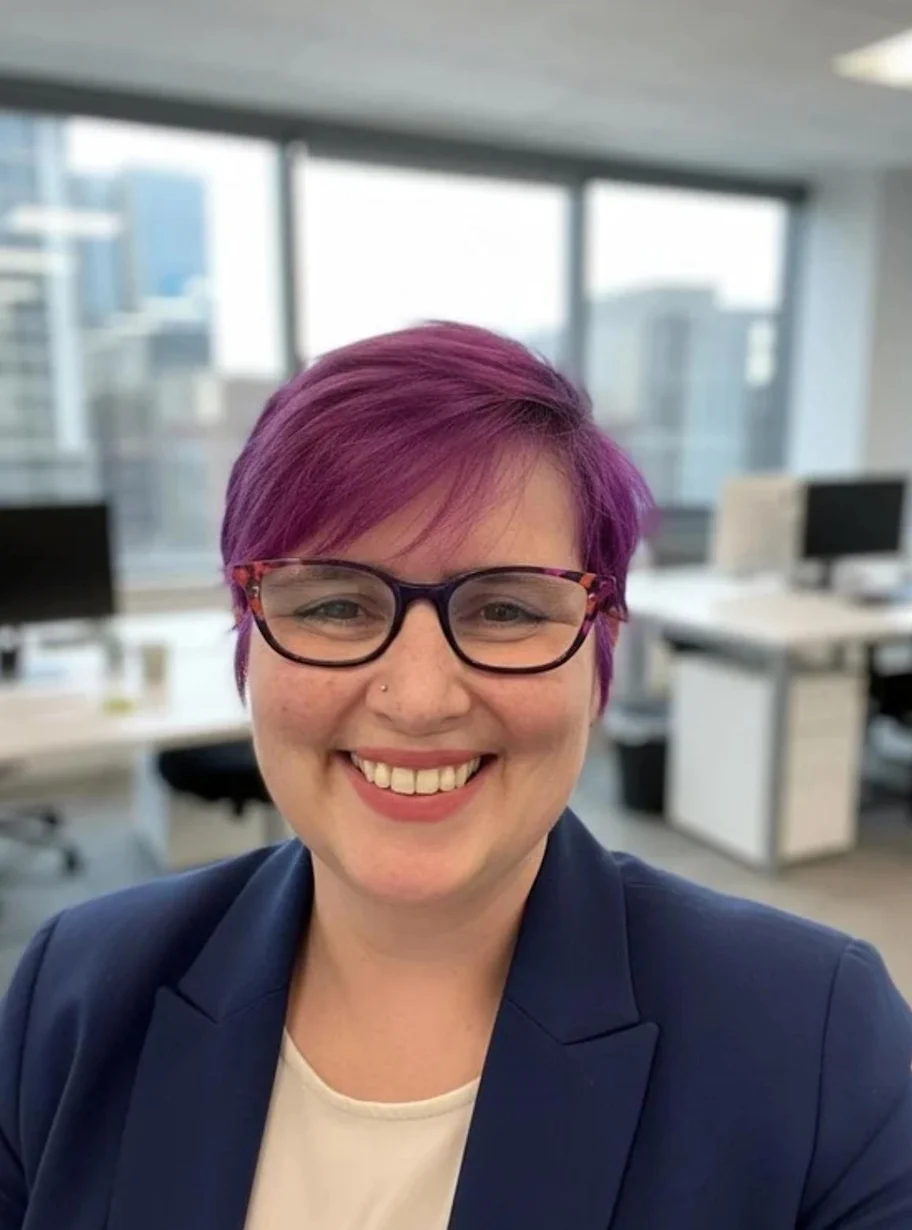
Dr Monica Malta is an Assistant Professor at the School of Global Health at York University, a TED speaker, and a human rights advocate with over 15 years of experience in global health research. Her work focuses on the social and structural determinants of health and gender inequities, with a strong emphasis on 2SLGBTQ+ communities - particularly female-identified, queer, and gender-diverse people - as well as people living with HIV, sex workers, and people who use drugs across the Global South. Grounded in community-based participatory research, Monica works alongside communities to document harm, shift power in research and policy, and co-create responses that improve safety and well-being. She is also the co-designer of the RISE Dandara app, a community-led digital tool that supports 2SLGBTQ+ people to report violence, access trusted resources, and strengthen collective protection.
In recognition of International Human Rights Day, and in the spirit of the United Nations Sustainable Development Goals, particularly SDG 3: Good Health and Well-Being and SDG 10: Reduced Inequalities, Monica joined us for a conversation about power, resistance, and justice in global health.
What do you focus on today in your work, and which pivotal experiences led you into this path?
“Today, my work sits at the intersection of global health, human rights, and gender equity as an educator, researcher, and advocate. As a professor, I teach courses like Global Health and Human Rights, where I use experiential education - my goal is not only to teach frameworks, but to support the training of a new generation of global health and human rights leaders who understand how structural power shapes whose lives are protected, whose suffering is normalized, and whose voices are silenced.
“My path is deeply rooted in lived experience. I am a researcher from the Global South, a queer woman living with HIV for over 30 years, and a survivor of gender-based violence. These experiences are not separate from my work – they are foundational to the questions I ask, the methods I use, and the communities I work alongside.
“In my research, I focus on how social and structural forces - violence, stigma, criminalization, poverty, racism, and exclusion - shape health outcomes for people systematically marginalized, particularly 2SLGBTQ+ communities, people living with HIV, racialized minorities, sex workers, and people who use drugs.
“This path was never abstract or linear. Long before I had the academic language of 'structural violence' or 'intersectionality,' I witnessed how power operates on bodies through policing, neglect, silence, and policy. My academic journey became a way to name those harms, refuse their normalization, and work in partnership with affected communities to shift systems not designed to protect them.”
You’ve spoken about leaving a ten-year abusive marriage and starting your academic journey later in life. Were there moments when the path felt impossible, and what helped you keep going?
“There were countless moments when the path felt impossible - physically, emotionally, and financially. I left a decade-long abusive marriage and moved to the United States alone, a Latina woman from the Global South, with a Fulbright scholarship, no savings, and a fragile immune system. By day, I studied at Johns Hopkins, one of the most renowned institutions in global health, under the mentorship of Professors Chris Beyrer and Dr Steffanie Strathdee, leaders in HIV/AIDS and human rights.
“At night, I worked survival jobs, like so many Latinx immigrants in the US - cleaning, washing dishes - to support my family back home. I lived with constant exhaustion, fear, and uncertainty. There were long stretches when simply continuing required an act of will.
“Did I think about giving up? More times than I can count. But every morning, walking into the halls of Johns Hopkins, I found purpose. I wanted to bring my story - my ancestry, pain, survival - into spaces where people like me were rarely visible, to show future generations that racialized people, first-generation students, queer folxs, and survivors belong in academia.
“Education became both a refuge and a tool: a way to reclaim voice, dignity, and autonomy, and to open doors that had never been built with us in mind.”
Your early work in Brazil centered on people who use drugs in favelas, sex workers, people living with HIV, and women facing deep poverty and violence. What did that period teach you about health and human rights in practice?
“I often tell my students there's no substitute for being in the field. Reading about social determinants of health or inequity in a lecture hall is one thing; sitting with people who live the consequences of police brutality, poverty, stigma, and discrimination every day is profoundly different. It transforms how you understand health, human rights, and your responsibilities as a researcher.
“When I entered the favelas of Rio de Janeiro, shared a snack with female-identified sex workers and talked about life, survival, love, and fear, I was struck by how much we had in common and by how much expertise existed in those spaces that was consistently ignored. Those encounters fundamentally shifted my understanding of intervention design and leadership. People with lived experience are not 'participants' or 'beneficiaries'; they are experts in their own lives, knowing what their communities need far better than any academic ever could.
“It's impossible to name everyone who shaped me, but figures like the late human rights and LGBTQ+ activist Alessandra Ramos Makkeda - a Black trans woman who relentlessly challenged Brazil’s political system - remain an enduring inspiration. So does Alicia Krüger, a trans woman, clinical pharmacist, and tireless advocate within Brazil’s Unified Health System (SUS), who continues to bridge policy, care, and activism with integrity and courage.
“During that time, I learned that human rights are not abstract legal concepts; rather, they are continuously contested and redefined in the everyday realities of clinics, police stations, public spaces, correctional facilities, and private homes. It became starkly clear how healthcare systems, when failing to confront stigma, racism, misogyny, and classism, can inadvertently perpetuate the very forms of violence they are meant to alleviate.
“What stays with me most are moments of courage like women protecting their children while navigating violence; sex workers creating informal networks of care when institutions abandoned them; people living with HIV demanding dignity in spaces designed to shame them. These experiences cemented my belief that any health or human rights intervention that does not begin with the leadership, knowledge, and power of affected communities is not only ineffective but fundamentally unjust.”
This International Human Rights Day, many conversations focus on violence and discrimination. You work closely with 2SLGBTQ+ communities in Brazil, Kenya, and Vietnam. What forms of violence and discrimination remain invisible in public debate and what do communities say they need most that systems fail to provide?
“Much of the violence 2SLGBTQ+ people face is structural rather than spectacular, making it largely invisible in public debate. It rarely appears only as overt physical attacks; instead, it manifests through denial of care, pathologization within health systems, constant surveillance, forced silence, family rejection, criminalization, and economic exclusion. In many contexts, it's not just direct violence but the daily anticipation of harm - of humiliation, arrest, dismissal - that erodes mental health, safety, and sense of belonging.
“Across countries, the message from communities is consistent: they are not asking for charity; they are asking for safety without conditions, care without judgment, and participation without tokenism. They ask for resources to flow directly to community-led solutions, bypassing institutions that often lack trust or accountability.
“Brazil offers a painful illustration of how legislation alone is not enough: transphobia and homophobia have been legally recognized as hate crimes since 2019. Yet, Brazil continues to be the country with the highest number of LGBTQ+ murders each year. According to international monitoring data, nearly 70% of recorded murders of trans people globally occur in Latin America and the Caribbean, with Brazil accounting for roughly 30% of cases year after year. Those most affected are Black and trans women of color, many of whom are sex workers - revealing how at the base of these hatred crimes is a combination of misogyny, racism, transphobia, xenophobia, and whorephobia. The law exists, but the cultural and institutional transformations for true safety lag dangerously behind.
“In Kenya, violence is often quieter but no less pervasive. Criminalization of same-sex relations legitimizes police harassment, extortion, and arbitrary arrests, creating constant vulnerability. Many 2SLGBTQ+ individuals avoid health services out of fear of exposure or abuse. Family rejection and homelessness are widespread, especially among young queer people, forcing community-led organizations to act as de facto safety nets. These realities are directly shaped by the legal framework. Kenya criminalizes consensual same-sex sexual activity under Sections 162 and 165 of the Penal Code; colonial-era provisions that carry penalties of up to 14 years in prison. In 2019, the High Court upheld these laws, despite extensive evidence of the harm they cause, though the decision has since been appealed by human rights defenders. In practice, these statutes are less about prosecution than control: they enable blackmail, targeted violence, surveillance, and systemic abuse, while signaling that 2SLGBTQ+ lives are legally and socially expendable.
“In Vietnam, discrimination often hides behind silence. While legal environments are less punitive, social stigma, family pressure, and lack of legal gender recognition create profound vulnerability, especially for trans and gender-diverse people. Many experience exclusion from education, formal employment, and health care, often pushing them into informal economies with little protection.
“Across all these contexts, what communities ask for is clear: protection not dependent on respectability, health care that does not moralize their bodies, and policymaking processes that do not treat them as symbolic inclusions while decisions are made elsewhere.”
As a researcher grounded in community-led work, what does it look like to truly share power?
“Truly sharing power means relinquishing control - not just claiming inclusion. It means communities define the questions, shape the methods, own the data, and benefit from the outcomes. It also means accepting discomfort, as community-led research challenges academic hierarchy, conventional authorship, and institutional priorities. Without that discomfort, we merely reproduce extraction.
“In my practice as an educator, power-sharing begins in the classroom. I intentionally foreground knowledge produced by community leaders, activists, and researchers from the Global South, and people with lived experience. Required readings include peer-reviewed articles, but also handbooks, blogs, and multimedia projects, deliberately challenging whose knowledge is considered legitimate.
“As a researcher, power-sharing means entering projects ready to change - adapting study protocols and reshaping objectives in response to community priorities. I work closely with local organizations and community members as paid collaborators, not 'participants.' They sit at decision tables, co-develop tools, and shape how questions are framed and what outcomes matter.
“When data collection ends, collaboration does not. Community partners receive training to analyze data themselves and remain holders of their own datasets. We interpret findings together, publish together, and community representatives often present results at conferences. The goal is real shared ownership and leadership.
“Ultimately, the aim is transfer of power. We work toward a future where community partners can design their own research, lead interventions, and secure resources independently. Where structural barriers exist, we continue to collaborate with fair remuneration, recognition, and transparency. Power-sharing, for me, is about building capacity in ways that make us less necessary over time.”
You helped develop tools like the Dandara app for LGBTQ+ people in Brazil. What gap was it created to address, and what impact are you seeing?
“The strategy behind this work is called RISE Dandara - Resist, Intervene, Support, Empower. We renamed the project from RISE to RISE Dandara in memory of Dandara dos Santos, a transgender woman brutally murdered in 2017 in Brazil. Her killing, widely circulated, became a painful symbol of the extreme violence faced by trans people and how society often witnesses it without intervening. Naming the app RISE Dandara was an act of remembrance and protest: a commitment to ensuring such violence is never met with silence again.
“The RISE Dandara App was created to address a critical gap: 2SLGBTQ+ people experiencing violence often lack safe, trusted ways to report abuse, seek help, or access timely resources, especially where public institutions are perceived as unsafe or hostile.
“From the outset, the app was co-designed by and for the 2SLGBTQ+ community in Brazil, working closely with trans, lesbian, and queer leaders, and national organizations. A Community Advisory Board met monthly to shape recruitment, adapt protocols, refine tools, and interpret findings, ensuring accountability and ownership.
“Findings from the pilot phase showed the app was acceptable, engaging, and potentially effective. Users valued its ability to report violence, access peer and professional support, and receive help in real time. Many noted its safety, responsiveness, and grounding in their lived realities.
“One core feature allows users to crowdsource and map safe and unsafe spaces, generating safer routes and identifying welcoming places. This turns individual experiences of risk into collective knowledge and shared protection. Responding to community input, we expanded the app to address the mental health consequences of chronic discrimination. Users can complete screenings for depression, anxiety, PTSD, and suicidality, connecting higher-risk individuals to 24/7 crisis support and queer-affirming services. A panic-button feature allows instant location sharing with trusted contacts, designed specifically for 2SLGBTQ+ safety.
“Crucially, the app allows users to report violence directly, bypassing conventional, often inaccessible or dangerous mechanisms. By lowering these barriers, RISE Dandara bridges the gap between chronic under-reporting and accountability, while generating community-owned data that supports advocacy and public visibility. When patterns of violence become visible, they are harder for authorities to ignore.
“On the ground, RISE Dandara’s impact is relational and political. It has strengthened trust, supported community organizing, and expanded collective visibility. With Brazil’s Ministry of Health support, the app has scaled up nationally. The model is now being adapted and piloted in Kenya and Vietnam, again with close community collaboration.
“Most importantly, RISE Dandara sends a clear message: you are not alone, your experiences matter, your voice deserves to be heard - and your life, safety, and dignity are worth defending.”
Reflecting on your career, which achievements stand out most to you?
“If I’m honest, the achievement that means the most to me is simply being here. Being a woman who survived domestic violence in one of the most dangerous countries to be a woman, and living with HIV for over 30 years, is itself an act of defiance. I was told I would not survive. I refused that ending.
“To be where I am today, as a professor, with the privilege of teaching and mentoring students during their formative years, is something I do not take lightly. Supporting the next generation of global health and human rights leaders - helping them question power, center justice, and listen to voices from the Global South - is my deepest source of pride.
“When I look back, it’s not awards or high-profile publications that define success for me. What stays with me are the moments when research translated into real, tangible change - when evidence informed legislation, contributed to legal protections for transgender people, shaped national HIV or violence-prevention strategies, or strengthened communities’ ability to lead their own interventions.
“I’m also deeply proud of having helped open and protect spaces where marginalized voices are centered rather than tolerated. If I were not here tomorrow, I’d want to know that those coming after me encounter fewer closed doors, more room for creativity, bolder leadership, and greater freedom to imagine solutions. For someone never expected to live, that feels like more than enough.”
Looking ahead, what gives you hope about the future of global health and LGBTQ+ rights?
“What gives me hope is the leadership of younger activists, researchers, and community organizers who are unapologetically intersectional, politically conscious, and globally connected. I see a generation that refuses to separate health from justice, data from dignity, or research from accountability. They are asking harder questions about power, equity, and coloniality - and are no longer willing to accept technical or apolitical solutions.
“I am especially encouraged by how 2SLGBTQ+ movements in the Global South are building transnational solidarity while remaining deeply rooted in local contexts. These leaders understand that liberation must be built from within communities, using digital tools, storytelling, policy engagement, and collective organizing to demand safety, recognition, and resources.
“I see this hope embodied in the work of Bruna Benevides, president of the Brazilian Transgender Association, in partnership with Transgender Europe; in Michele Seixas, a Black lesbian activist and consultant for UN Women in Brazil; and in initiatives by Clarisse Kalume and Lucas Paoli from Micro Rainbow Brazil, which demonstrate how economic dignity is inseparable from health and human rights.
“I also find hope inside the classroom. At York University’s School of Global Health, experiential education has transformed my teaching. Rather than positioning students as passive recipients, I engage them in community-based projects, values-driven fundraising, digital storytelling, and real-world advocacy. This approach shifts how students understand global health, not as distant or purely technical, but as a deeply human and political practice. I see students develop critical consciousness, humility, and accountability, many leaving committed to centering equity and lived experience. Watching that transformation unfold is a source of hope.
“More broadly, global health as a field is slowly but visibly confronting its own structures: how knowledge is produced, who receives funding, and whose evidence counts. Extractive research practices, inequities in publishing, and funding mechanisms bypassing community leadership are being challenged more openly. These conversations are entering classrooms, conferences, funding agencies, and editorial boards.
“In the next stage of my work, I intend to deepen community-driven digital health interventions, strengthen South–South collaborations, and continue pushing for fairer models of knowledge production and resource allocation. I want to help create pathways where communities are not only data producers, but agenda setters, fund holders, and innovators.
“The work ahead is urgent and often heavy, but it is also profoundly collective. Knowing this work is carried forward by courageous, creative, and deeply principled people - inside communities, movements, and classrooms - gives me a sense of continuity and confidence. That shared commitment, more than anything, is what gives me hope.”
Frontiers is a signatory of the United Nations Publishers Compact. This interview has been published in support of United Nations Sustainability Development Goal 3: Ensure healthy lives and promote well-being for all at all ages, United Nations Sustainability Development Goal 5: Achieve gender equality and empower all women and girls, and United Nations Sustainable Development Goal 10: Reduce inequality within and among countries.