JM
jennifer marie murray
Queen's University Belfast
Belfast, United Kingdom
3,626
Total downloads
22k
Total views and downloads
Submit your idea
Select the journal/section where you want your idea to be submitted:
Manuscript Submission Deadline 31 December 2025
This Research Topic is currently accepting articles.
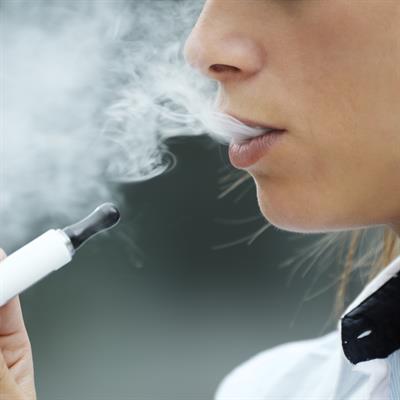
Adolescence is a critical developmental stage where individuals are particularly susceptible to initiating behaviors such as smoking, alcohol consumption, and psychoactive substance misuse. These behaviors are influenced by a myriad of factors, including social influences, peer pressure, media portrayals, school-related stress, bullying, low self-esteem, and familial substance use. Adolescents who engage in these behaviors are at a heightened risk of developing addictions and chronic health issues, making prevention and cessation a significant public health priority worldwide. While there is a wealth of evidence-based interventions aimed at curbing these behaviors in high-income countries, there is a notable gap in high-quality evidence and tailored interventions for low-middle income countries (LMICs). This gap is exacerbated by the challenges of adapting interventions designed for high-income contexts to the unique cultural and socio-economic landscapes of LMICs. The prevalence of these behaviors remains alarmingly high in LMICs, partly due to targeted marketing by industries such as tobacco, which have shifted focus to these regions as high-income markets become more regulated. Additionally, the rise of electronic cigarettes has added a new dimension to this issue, with their popularity among adolescents fueled by aggressive social media marketing.
This research topic aims to enhance understanding of effective strategies for addressing adolescent smoking, vaping, alcohol consumption, and psychoactive substance misuse in LMICs. The goal is to inform future research, policy, and practice by exploring how successful interventions from high-income countries can be culturally and contextually adapted for LMICs. Furthermore, the research seeks to incorporate multidisciplinary perspectives to develop innovative solutions to this pressing public health challenge.
To gather further insights in the context of LMICs, we welcome articles addressing, but not limited to, the following themes:
• Studies examining the prevalence, trends, influences, protective factors, and risk factors for adolescent smoking, alcohol consumption, or psychoactive substance misuse in LMICs.
• Experimental studies and mediation analyses investigating effective intervention strategies for prevention and/or cessation.
• Cultural and linguistic adaptation of interventions.
• Social network processes influencing adolescent substance use behaviors.
• Heterogeneity in behavioral mechanisms or intervention effectiveness across different contexts and individual characteristics.
• The impact of globalization and political contexts, such as changing tobacco control measures.
This Research Topic accepts the following article types, unless otherwise specified in the Research Topic description:
Articles that are accepted for publication by our external editors following rigorous peer review incur a publishing fee charged to Authors, institutions, or funders.
Keywords: Adolescents; Smoking; Psychoactive substances; Tobacco; Vaping; E-cigarettes; Alcohol; Drug misuse; Prevention; Cessation; Smoking cessation; Smoking uptake; Smoking initiation; Public health interventions; School-based interventions; LMIC
Important note: All contributions to this Research Topic must be within the scope of the section and journal to which they are submitted, as defined in their mission statements. Frontiers reserves the right to guide an out-of-scope manuscript to a more suitable section or journal at any stage of peer review.

Manuscripts can be submitted to this Research Topic via the main journal or any other participating journal.
Submit your idea
Select the journal/section where you want your idea to be submitted: