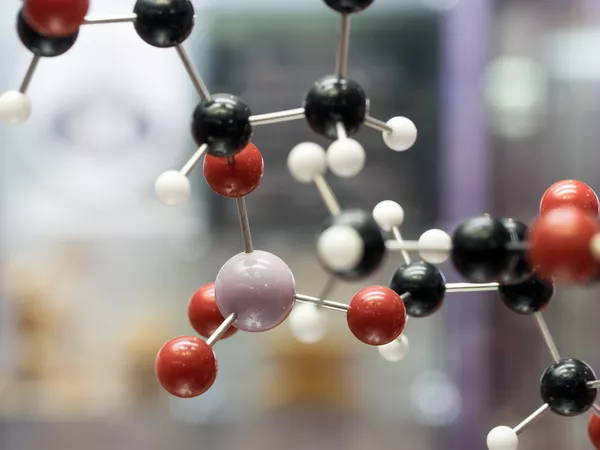
The development of geo-energy resources, including oil, natural gas and geothermal, is critical to meeting global energy demands. However, the environmental impact of traditional extraction methods, including high energy consumption and contamination, calls for a more sustainable and eco-friendly approach. Green chemistry, with its focus on reducing the environmental footprint of chemical processes, presents an exciting opportunity to revolutionize geo-energy development. This research topic, Green Chemistry in Geo-energy Development: Fundamentals and Applications, aims to explore how green chemistry principles can be applied to enhance oil recovery, improve energy efficiency, and minimize the environmental impact of geo-energy extraction processes.
Key research areas in this special issue include the synthesis, characterization, and evaluation of novel chemical agents in geo-energy development, particularly focusing on their environmental impact and efficiency. Topics such as the development of micro/nano-particle-based recovery agents, surfactant viscosity and activity evaluation, and emulsifier performance for wastewater reinjection will be explored in-depth. Moreover, the role of green chemistry in the development of new fracturing fluids, surfactant-based polymer flooding, and the optimization of heavy oil recovery through dynamic emulsification and flow properties within porous media will be thoroughly investigated.
The integration of numerical simulations, such as micellar and microemulsion flooding models, as well as the evaluation of microbial enhanced oil recovery (MEOR) agents, are also central to this research area. By addressing these challenges, this special issue will highlight the potential of green chemistry to support the development of more sustainable geo-energy practices, driving the innovation of eco-friendly, efficient, and economically viable methods for oil recovery and other geo-energy operations.
We welcome original research articles, perspectives, and reviews on the following themes:
• Polymer Behavior and Performance: Synthesis, characterization, and evaluation of environmentally friendly polymers in geo-energy development process.
• Surfactant Behavior and Performance: Viscosity, activity evaluation, and interfacial properties of surfactants in geo-energy development process., with an emphasis on sustainable practices.
• Nanoparticles Behavior and Performance: Design, synthesis, and application of particles in geo-energy development process., including environmental considerations.
• Emulsion Behavior and Performance: Formulation and optimization of eco-friendly emulsions and microemulsions for in geo-energy development process, with an emphasis on reducing toxicity and improving sustainability.
Article types and fees
This Research Topic accepts the following article types, unless otherwise specified in the Research Topic description:
Brief Research Report
Data Report
Editorial
FAIR² Data
Hypothesis and Theory
Methods
Mini Review
Opinion
Original Research
Articles that are accepted for publication by our external editors following rigorous peer review incur a publishing fee charged to Authors, institutions, or funders.
Article types
This Research Topic accepts the following article types, unless otherwise specified in the Research Topic description:
Brief Research Report
Data Report
Editorial
FAIR² Data
Hypothesis and Theory
Methods
Mini Review
Opinion
Original Research
Perspective
Review
Systematic Review
Technology and Code
Keywords: -
Important note: All contributions to this Research Topic must be within the scope of the section and journal to which they are submitted, as defined in their mission statements. Frontiers reserves the right to guide an out-of-scope manuscript to a more suitable section or journal at any stage of peer review.