RA
rita alves
Chemistry and Technology Network (REQUIMTE)
Porto, Portugal
1,081
Total views and downloads
Submit your idea
Select the journal/section where you want your idea to be submitted:
Manuscript Submission Deadline 28 February 2026
This Research Topic is currently accepting articles.
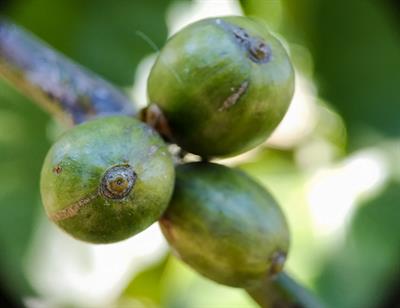
Coffee is one of the most widely produced, traded, and consumed commodities worldwide, not only for its pleasant flavor and sensory attributes but also due to its growing association with several potential health benefits. Consequently, the coffee industry represents a significant waste generator. About 10 million tons of coffee beans are produced and consumed annually, resulting in the generation of more than 40 million tons of solid waste throughout the coffee supply chain, from cultivation to consumption. More concretely, the production sector generates a variety of coffee by-products, including immature, defective, and over-ripe coffee beans, as well as husks, pulp, mucilage, and parchment. In the processing sector, coffee silverskin is the main by-product released during roasting and finally, spent coffee grounds are the main by-product in the consumption sector. Unfortunately, these by-products have not been well managed, posing a significant environmental challenge for the coffee industry.
Considering the need to find sustainable solutions, several efforts have been done by coffee industries, scientific community, and other governmental and non-governmental organizations. In fact, there is evidence that coffee by-products can be potentially applied in a variety of fields, namely animal feed, composting, fertilization, biofuels, biopolymers, and also in food, cosmetic, and pharmaceutical fields. The potential application in food sector has received particular attention from the scientific community, not only due to the growing need to find new food alternatives to face the continuous population growth and the consequent overpressure on food availability, but also due to the richness of these by-products in several nutrients and bioactive compounds with potential health benefits, making them potentially suitable for the development of functional foods.
Coffee by-products valorisation might not only improve environmental sustainability, but also social and economic sustainability. Waste generators, particularly coffee producers (whose living and working conditions are generally not dignified and fair) might benefit for selling their by-products, allowing the improvement of living conditions, a circular economy, and a zero-waste approach for coffee industry. In addition, considering the nutritional composition of coffee by-products, their valorisation might also contribute to improve health and food security.
Therefore, this Research Topic welcomes research and review articles aimed to promote coffee by-products valorisation, particularly in the food sector, covering the following themes:
- Nutritional and chemical characterization of coffee by-products;
- Potential health benefits of coffee by-products based on in vitro, in vivo, ex vivo studies, and clinical trials;
- Extraction of desirable bioactive compounds from coffee by-products by both conventional and non-conventional methodologies, prioritizing sustainable techniques;
- Bioprocessing (e.g., microbial fermentation) of coffee by-products to improve nutritional and functional properties;
- Development of foods containing coffee by-products or extracts obtained from them, as well as other potential applications in food and pharmaceutical fields.
This Research Topic accepts the following article types, unless otherwise specified in the Research Topic description:
Articles that are accepted for publication by our external editors following rigorous peer review incur a publishing fee charged to Authors, institutions, or funders.
Keywords: Coffee by-products, Sustainability, Health, Circular economy, Functional food, Bioactive compounds, silverskin, pulp, parchment, mucilage, husks, defective coffee beans, sieving residue, spent coffee grounds, bioactive properties
Important note: All contributions to this Research Topic must be within the scope of the section and journal to which they are submitted, as defined in their mission statements. Frontiers reserves the right to guide an out-of-scope manuscript to a more suitable section or journal at any stage of peer review.

Manuscripts can be submitted to this Research Topic via the main journal or any other participating journal.
Submit your idea
Select the journal/section where you want your idea to be submitted: