 Chongqing Yu
 Chi Xu1,2,3
- 1Stomatological Hospital of Chongqing Medical University, Chongqing, China
- 2Chongqing Key Laboratory for Oral Diseases and Biomedical Sciences, Chongqing, China
- 3Chongqing Municipal Key Laboratory of Oral Biomedical Engineering of Higher Education, Chongqing, China
Background: Biomaterials have seen extensive use in biomedicine in the past decade. However, being foreign substances when implanted in the human body, they inevitably trigger immune responses. This study aimed to summarize existing articles on biomaterials and immune responses and explore their latest trends.
Methods: We used the Web of Science Core Collection database (WoSCC) to access literature related to biomaterials and immune response. This comprehensive review of the knowledge domain allowed us to identify potential future research directions.
Results: In this study, we analyzed 5,993 articles on biomaterials and immune response published between 1990 and 2022. Badylak, SF, stood out with the highest number of publications, the highest h-index, and the most average citations. The Journal of Biomaterials secured the top position as the most productive journal with the highest citation count. The emerging research hotspots are centered in regeneration medicine around keywords such as “biocompatibility,” “wound healing,” “osteogenesis,” “angiogenesis,” and “bone regeneration.”
Conclusion: The present study summarizes the global trends in biomaterials and immune response. Future efforts should concentrate on advancing the application of biomaterials in the medical field, conducting in-depth mechanistic studies, exploring the intricacies of immune responses, and ensuring the biosafety of biomaterials.
1 Introduction
The term “biomaterial” was initially coined by Dr. Jonathan Cohen in 1967 (Cohen, 1967). His definition closely aligns with subsequent official definitions within the scientific community, reflecting the ongoing debate on what sets biomaterials apart. However, the first widely accepted definition of biomaterial is as follows: “A biomaterial is a systematically and pharmacologically inert substance designed for implantation within or incorporation into a living system” (Marin et al., 2020). Over the past few decades, biomaterials have found wide-ranging applications in the medical field, contributing to tissue repair, bone and skin regeneration, cancer therapy, drug delivery, management of diabetic chronic complications, and combating bacteria and inflammation (Lee et al., 2019; Bardill et al., 2022; Whitaker et al., 2021; Yazdi et al., 2022; Zhang et al., 2022; Sun et al., 2021; Khare et al., 2020; Niu et al., 2021; Adepu and Ramakrishna, 2021; Liang et al., 2022; Ren et al., 2022). For instance, hydrogels have shown great promise in clinical trials, demonstrating exceptional biocompatibility (BC) and biosafety (Rowe et al., 2022; Barbosa et al., 2022; Moussa et al., 2023; Zhang et al., 2023a). Similarly, other biomaterials, such as nano-based medications, have been successfully deployed in medical practice (Fahim et al., 2022; Bateni et al., 2021; Asadi et al., 2020). Although bioinert materials did not trigger adverse reactions post-implantation, they could not often promote regeneration of parenchymal tissue. In certain tissues, such as bone, this deficiency in regeneration hampered implant success. The breakthrough in bone tissue regeneration was achieved with the development of titanium (Ti) implants (Abaricia et al., 2021). Consequently, the focus of biomaterials research shifted from bioinert to bioactive implants (Frevert et al., 2018).
While biomaterials have offered substantial benefits in various medical applications, they can also pose challenges when introduced into the human body due to potential complications related to the immune system. For instance, bone, a tissue constantly undergoing renewal throughout one’s lifetime, relies on a dynamic remodeling process that involves both the breakdown and reconstruction of the extracellular bone matrix. This process enables bone tissue to adapt to mechanical and biological stimuli. Maintaining this delicate balance involves the participation of various cell types, including not only osteoclasts, osteoblasts, and osteocytes but also immune cells (Asadi et al., 2020). T cells, B cells, mast cells, and monocytes/macrophages collectively represent a significant proportion, up to 20%, of the cells present in bone and bone marrow (Chang et al., 2008; Sinder et al., 2015). In specific scenarios, damaged bone tissue necessitates the use of synthetic bone grafts (biomaterials) during the healing process. Inorganic biomaterials such as bioceramics and bioactive glasses are commonly used due to their similarity to the mineral phase of bone and their advantageous osteogenic properties. The host’s immune response to these exogenous inorganic biomaterials can determine whether active bone regeneration occurs or if the graft fails. Therefore, the immune response to biomaterials cannot be overlooked.
The field of biomaterials and biomedicine has recently experienced an increase in the application of scientometrics (Martín-Martín et al., 2021; Zyoud et al., 2022; Zhao et al., 2022a; Jiang et al., 2022; Zhao. et al., 2022b; Flores-Valenzuela et al., 2023; Zhang et al., 2023b). Despite the evident technical advantages of scientometrics, there is currently a dearth of scientometric and visualization studies related to biomaterials and the immune response. Thus, from a perspective of bibliometric analysis, this study intends to profile present features, uncover evolutionary developments and inherent associations, pinpoint noteworthy research domains in the intersection of biomaterials and the immune response, and provide substantial forecasts for this field.
2 Materials and methods
2.1 Search strategy
A comprehensive literature search was conducted in the WOSCC on 8 October 2023, with a publication period limit set to 2023. We utilized the MeSH database and identified nine terms to cover all aspects of biomaterials and thirteen terms to encompass expressions related to immune response. The specific retrieval rules were as follows: (((TS=(“Immune response”)) OR TS=(“Immunity”)) OR TS=(“HLA-D Antigens”)) OR TS=(“Histocompatibility Antigens Class II”)) OR TS=(“Immunity, Humoral’)) OR TS=(“Adaptive Immunity”)) OR TS=(“Immunity, Mucosal”)) OR TS=(“Immunity, Innate”)) OR TS=(“Immunity, Cellular”)) OR TS=(“Immunity, Active”)) OR TS=(“soluble immune-response suppressor, bone marrow”)) OR TS=(“TCIM protein, human”)) OR TS=(“soluble immune response suppressor”)) AND ((((((TS=(“Biomaterials”)) OR TS=(“Biocompatible Materials”)) OR TS=(“Materials Testing”)) OR TS=(“Materials Testing)) OR TS=(“Tissue Scaffolds”)) OR TS=(“Regenerative Medicine”)) OR TS=(“Biomimetic Materials”)) OR TS=(“Hydrogels”)) OR TS=(“Dental Implants”). We exclusively selected articles as the document type for this study, resulting in 5993 retrieved articles, which were imported in TXT format. The complete retrieval process is illustrated in Figure 1, and for detailed steps, we referred to previous studies (Dehghanbanadaki et al., 2022; Dong et al., 2023; Guo et al., 2023a; Huang et al., 2023; Jiang et al., 2023; Zeng et al., 2023; Zhao et al., 2022c). As this study did not involve animals or human subjects, no ethical approvals were necessary.
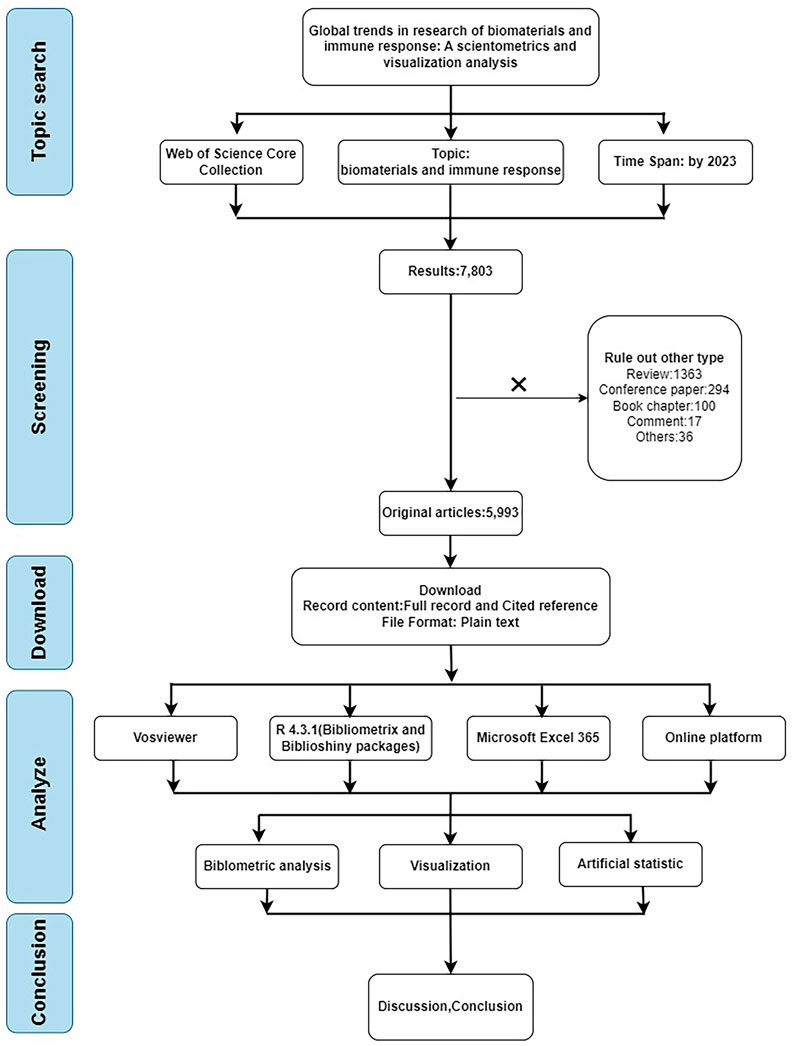
Figure 1. The integrated retrieval process and inclusion-exclusion criteria.
2.2 Data analysis
Data on the yearly publications were extracted from the “Analyze results” section in WOSCC. Subsequently, we conducted further visualization and analysis using GraphPad Prism 7.0, Vosviewer (Version 1.6.18), Microsoft Excel 365, and R4.3.1. Publication numbers and citation counts are standard metrics used in scientometric and bibliometric analyses. Publication numbers reflect productivity, while citation counts indicate impact. The H-index, which connects productivity and impact, is employed to evaluate scholars’ academic contributions and predict their future research achievements (Guo et al., 2023b). It can also be used to assess the academic achievements of specific countries, affiliations, or journals.
3 Results
3.1 Annual publication
Figure 2 illustrates the publication trends in the field of biomaterials and immune response from 1990 to 2022, using data sourced from WOSCC. Over this period, a total of 5,993 articles were published and recorded. The volume of articles has consistently maintained a high level since 2017, with a significant upswing that peaked at 743 articles in 2022. Citation counts for these articles exhibited a notable shift in trend. From 1990 to 2016, citation numbers showed relatively stable growth. However, in 2017, there was a turning point, and by 2022, the citation count reached its highest at 22,933. This substantial increase in annual citations reflects the growing significance of research at the intersection of biomaterials and immune response, suggesting their potential in both clinical and basic research endeavors.
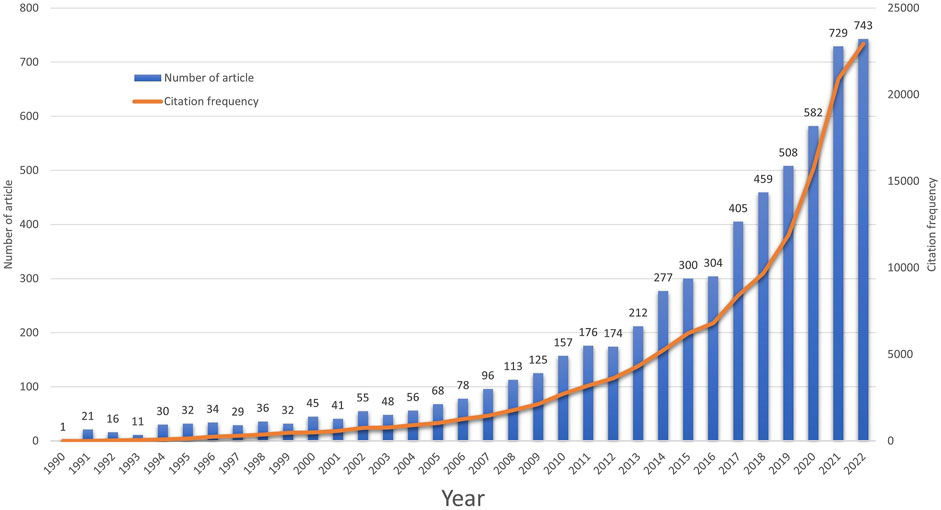
Figure 2. Global scientific production of biomaterials and immune response from 1990 to 2022 annually.
3.2 Analysis of countries
Figure 3A presents a spatial distribution heatmap, where the intensity of the red color represents the publication rate of each country in this field. Notably, China and the USA emerged as the most prolific countries in this domain between 1990 and 2022. The top 10 countries are visualized in Figures 3B, C. The results highlight that both the number of articles and citations in these two countries significantly surpassed those in other countries. Interestingly, although Australia and the Netherlands had relatively fewer publications, the average article citations in them were notably high. This indicates that their research output is of exceptional quality and holds great potential in this field (Figure 3C; Table 1).
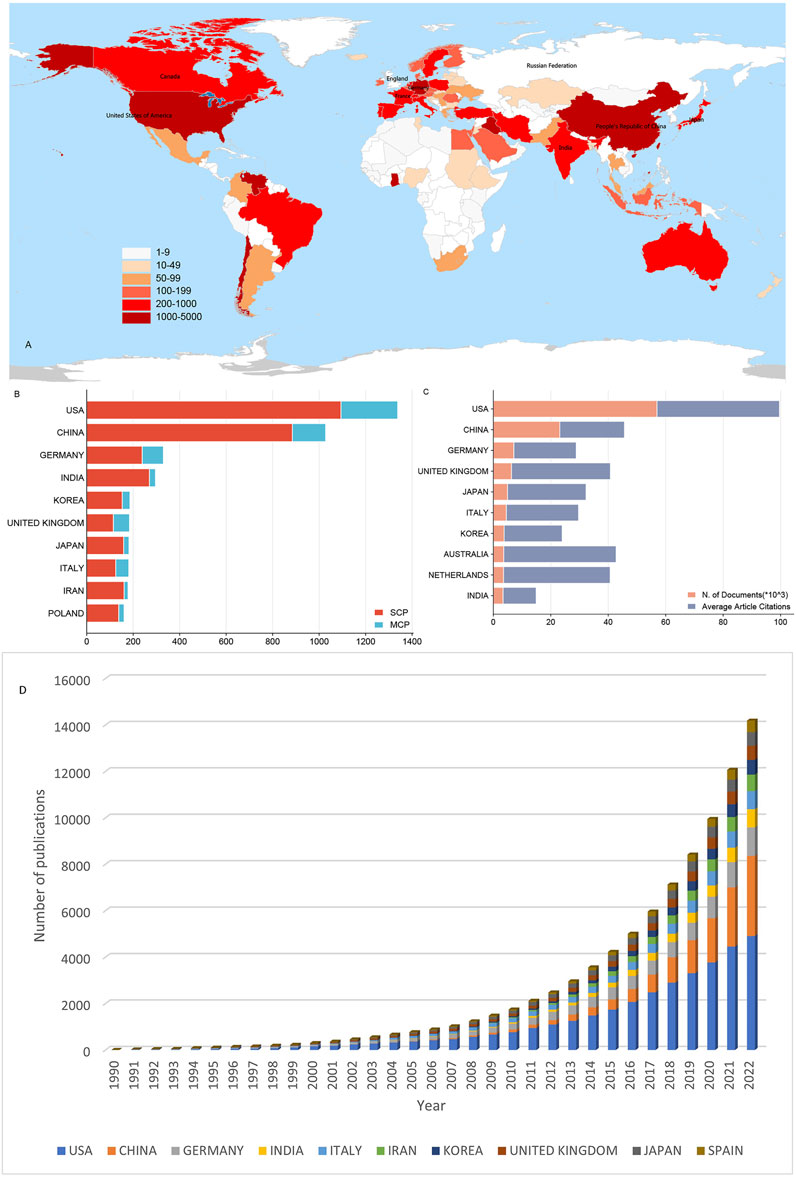
Figure 3. Countries-specific analyses of publications on biomaterials and immune response. (A) World map of studies on biomaterials and immune response with color-coding of the number of publications by each country. (B) The top 10 countries in output (corresponding authors included). (C) The top 10 countries in output (Number of documents and average article citations of each country). (D) Comparison of the number of articles published by the top 10 countries from 1990 to 2022.
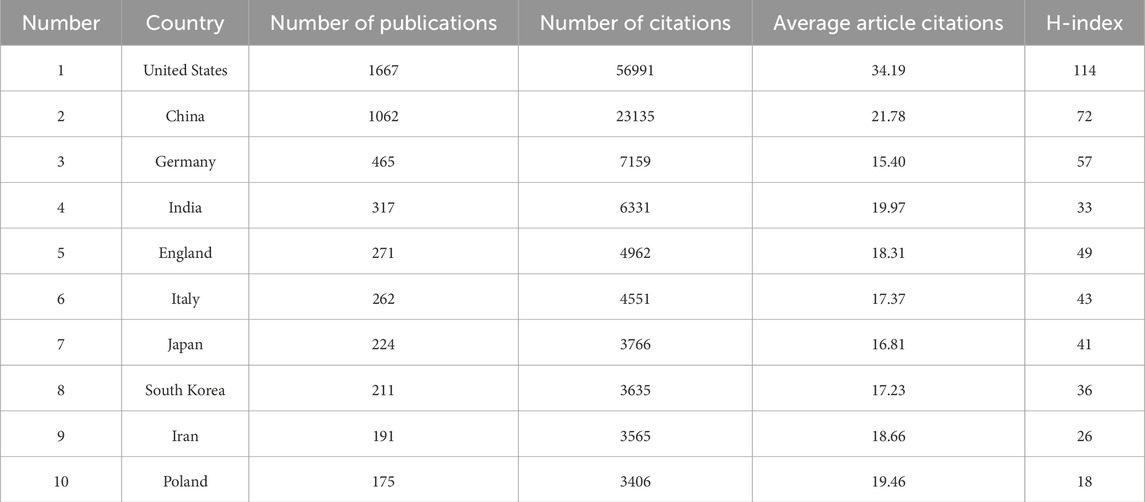
Table 1. A list of the top 10 most productive countries for biomaterials and immune response.
In Figure 3B, “Multiple Country Publications” (MCP) quantifies the number of articles with authors from various countries, while “Single Country Publications” (SCP) means articles with all authors hailing from the same country. Furthermore, when compared to other countries, the USA and China consistently held the top two positions in the number of annual publications between 1990 and 2022 (Figure 3D). In addition, we conducted an international collaboration analysis between different countries (Supplementary Figure S1A). This analysis revealed that the USA played a predominant role in international collaborations, primarily with the UK, South Korea, and Japan. Finally, we performed a density visualization using Vosviewer, considering countries with at least five publications. The USA was prominently featured as the central node in the network, underscoring its pivotal contributions to this field (Supplementary Figure S1B).
3.3 Analysis of affiliations
We have compiled a list of the top 10 productive affiliations in the field of biomaterials and immune response, as presented in Table 2 and Figure 4A. Notably, more than 50% of the most productive institutions in this field are located in the USA, including the University of California system, Harvard University, and Pennsylvania Commonwealth System of Higher Education (PCSHE). China secured the second position with three prominent affiliations: the Chinese Academy of Sciences, Shanghai Jiaotong University, and Sichuan University. It is noteworthy that while the University of Pittsburgh did not rank first in terms of the most productive institution, it did claim the top position in citations per article. This suggests that scholars at this university have been conducting meaningful and potentially impactful research.
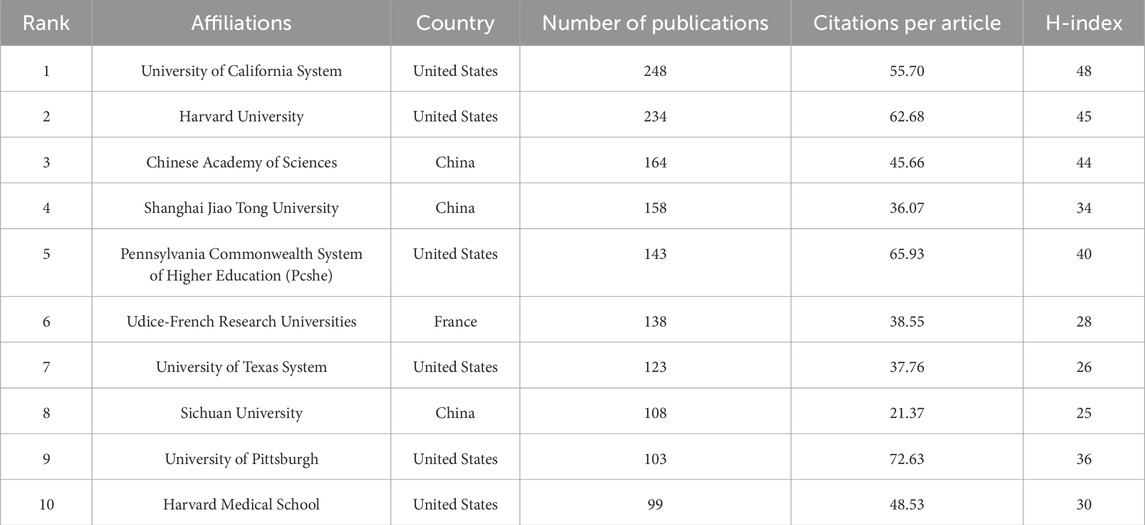
Table 2. A list of the top 10 most productive institutions for biomaterials and immune response.
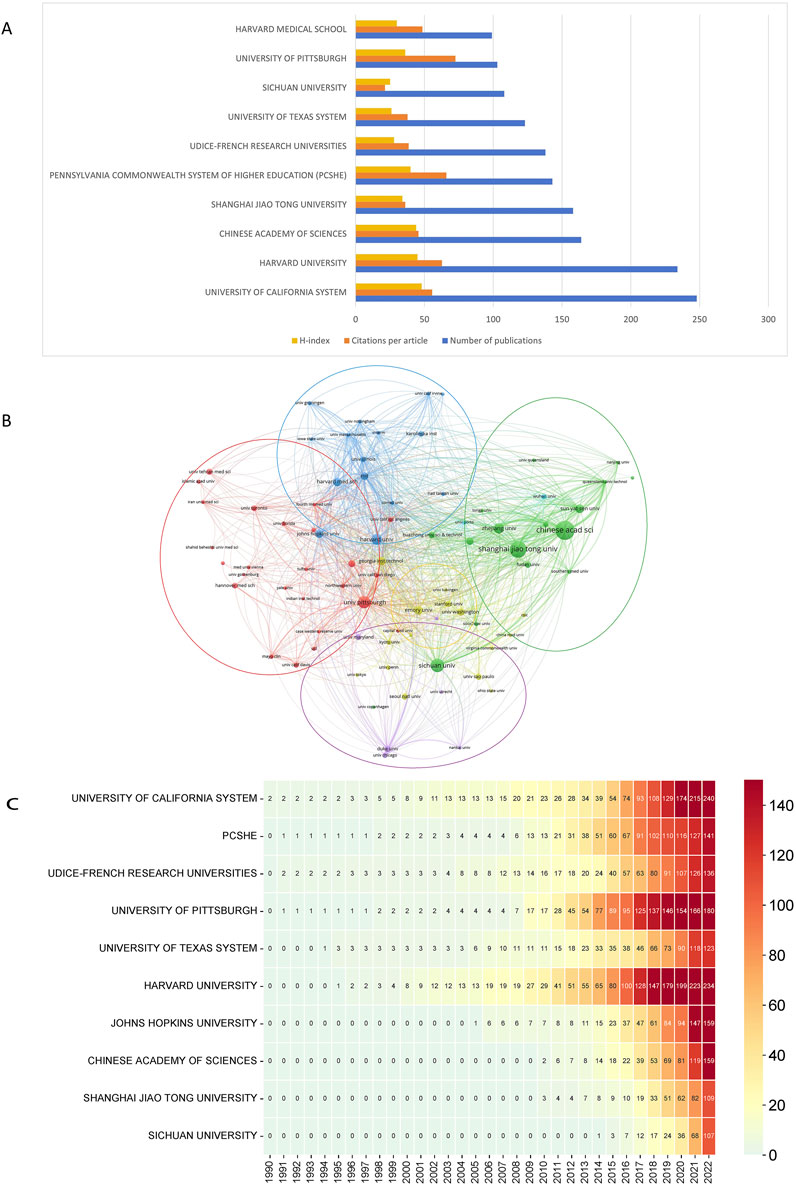
Figure 4. (A) Institutions ranked top 10 in the world related to biomaterial and immune response. (B) A visual map of the present status of inter-agency cooperation in this field. Different colors represent different cooperative groups, the lines in different colors represent different connections, and the width of lines indicates the close degree of cooperation. (C) Annual publications of the top 10 most productive institutions.
Vosviewer analysis included 5,993 articles, and we set the parameter for institutions to have published at least 20 articles (Figure 4B). Out of the 499 institutions, only 80 met this criterion. These institutions were divided into five clusters based on the degree of collaboration: 1) The green cluster, primarily represented by Shanghai Jiaotong University, the Chinese Academy of Sciences, and Zhejiang University. 2) The yellow cluster, is primarily represented by Stanford University and Washington University. 3) The red cluster, is primarily represented by the University of Pittsburgh. 4) The blue cluster, is primarily represented by MIT and Harvard Medical School. 5) The purple cluster, is mainly represented by Duke University and the University of Chicago. Additionally, the annual number of publications by the top 10 most productive institutions is displayed in Figure 4C. By 2023, two institutions had published over 200 articles in this field (University of California System and Harvard University).
The application of various inventions in the field of biomaterials holds significant potential for scholars to explore. Evaluating the clinical translation of the latest research achievements in a particular institute is best done by assessing the number of patents. To this end, we compiled patent numbers for these institutions in Table 3, utilizing an online platform. As shown in Table 3, the Chinese Academy of Sciences ranked first in the number of patents (both in the number of invention applications and inventions granted). The possible reason for this may be that the Chinese Academy of Sciences is a large academic organization, encompassing a substantial number of scholars.
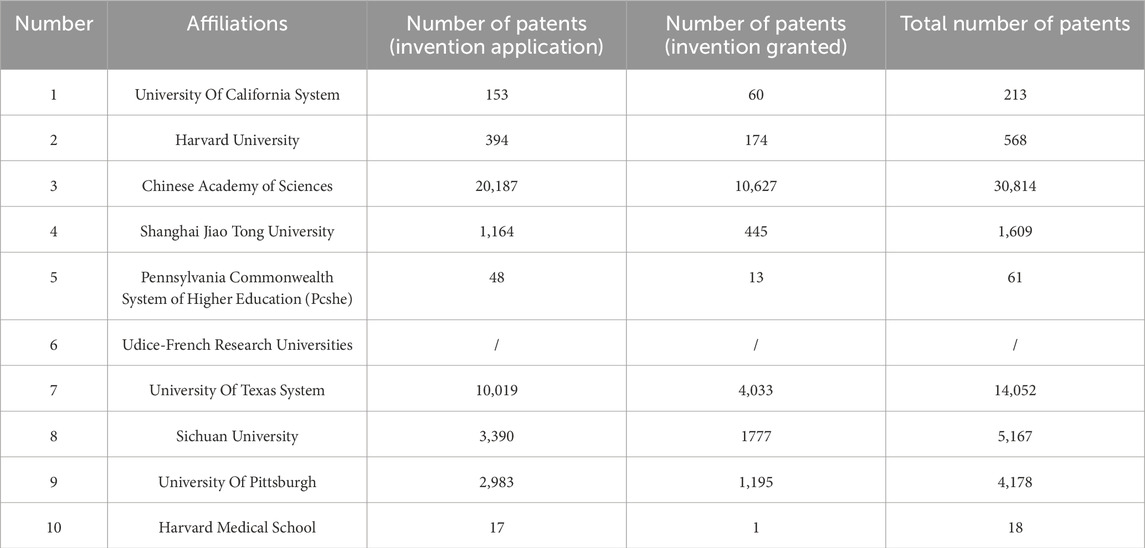
Table 3. The number of patents in the top 10 most productive institutions for 274 biomaterials and immune response.
3.4 Analysis of authors
Identifying the top authors in a specific field is crucial for tracking cutting-edge advances in that domain. In the articles included in this study, we identified a total of 35,803 authors. In Table 4, we have listed the top 20 most prolific authors. To offer a clear visualization of the data, we have included various charts (Figures 5A, B). We used a bar chart to present the h-index of the top 20 most productive authors in the field, and Badylak, SF maintained the highest h-index of 25. Moreover, we analyzed the countries of these top 20 authors (Figure 5B). Sixty percent of the top 20 most productive authors were from the USA, confirming its predominant role in this field, consistent with the country analysis. We created a bubble chart (Figure 5C). Additionally, we analyzed the annual citations of the top 10 most productive authors (Figure 5D). The evolution of annual citations reveals that Zhang Y reached its peak in annual citations in 2022, while Liu Y and Li Y did not achieve their highest annual citation counts over the last 3 years.
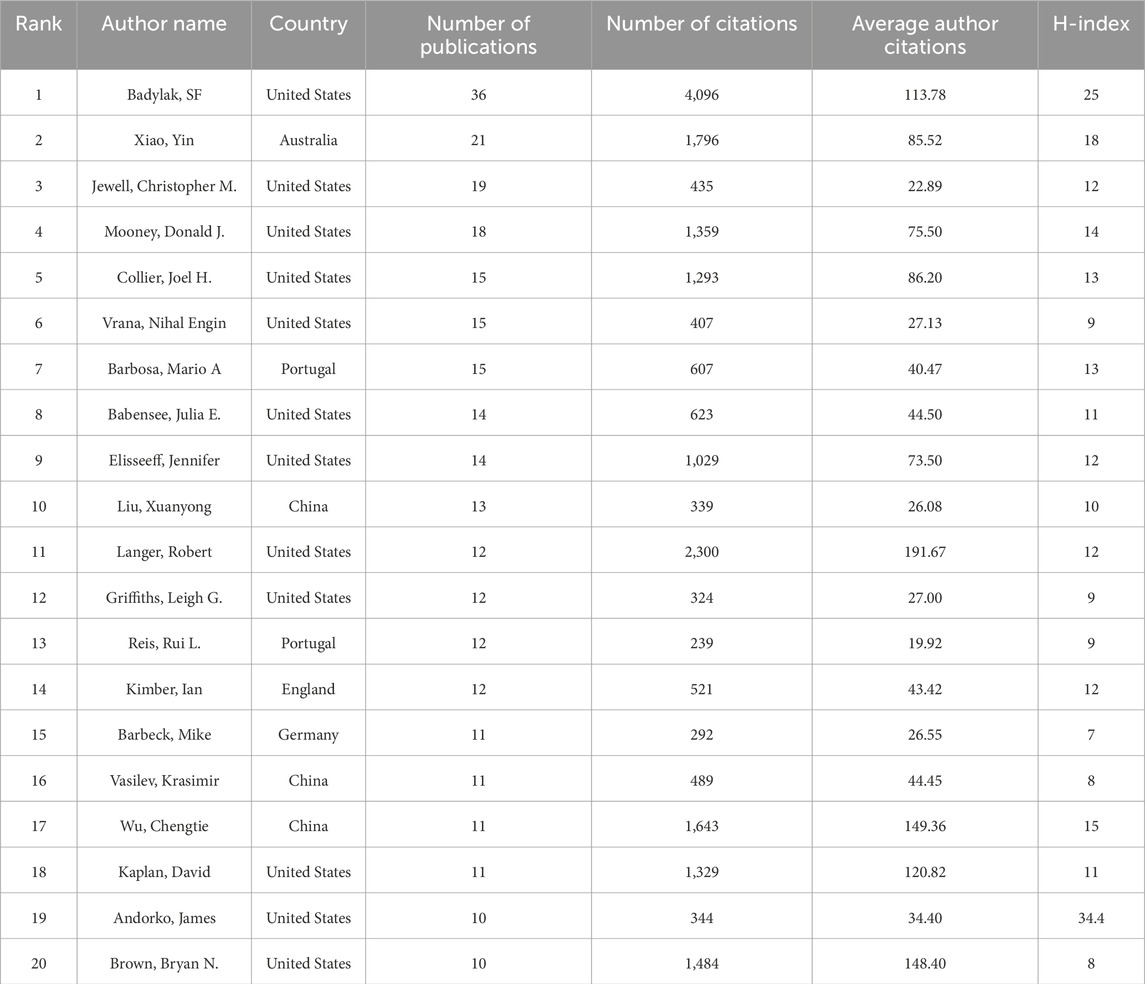
Table 4. A list of the top 20 most productive authors in biomaterials and immune response.
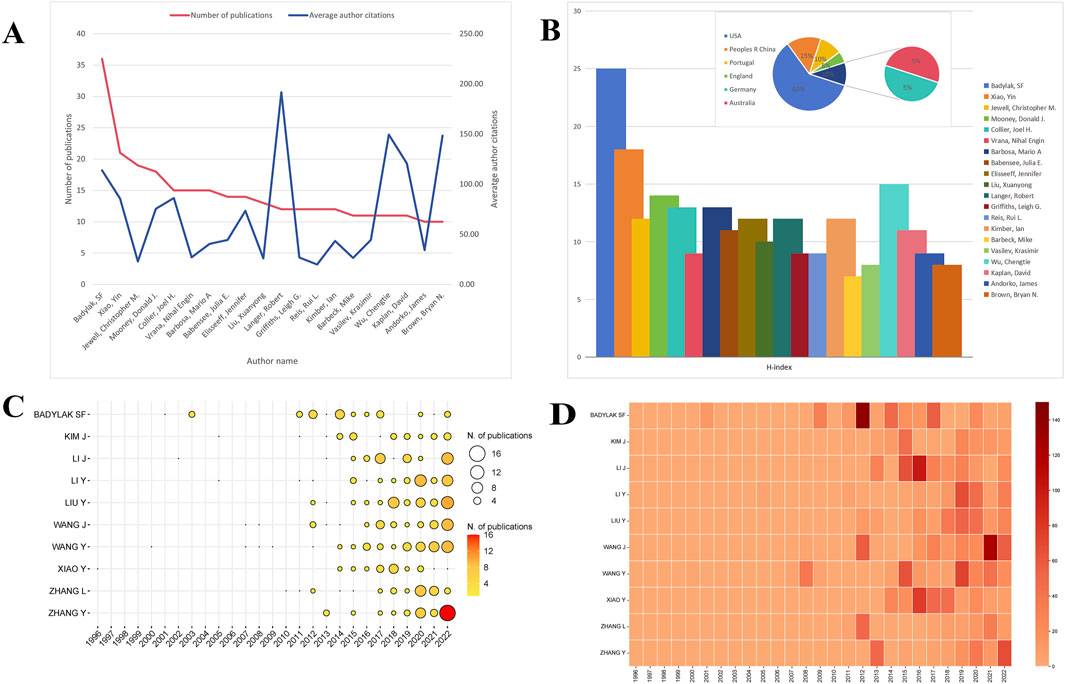
Figure 5. (A) The publications number of the top 20 most productive authors and average author citations of them. (B) H-index of the top 20 authors, the pie chart shows the top 20 authors’ country and their proportion. (C) Annual publications of the top 10 most productive authors. (D) Annual citation number of the top 10 most productive authors.
The number of patents serves as a reflection of the clinical translation and practical application of a particular scholar’s work. To assess this, we compiled the patent numbers for the top 20 most prolific authors in this field, as presented in Table 5. It was observed that several scholars, despite not ranking at the top in terms of publication numbers in this field (e.g., Langer, Robert), have focused on the clinical application of biomaterials, making a substantial impact. Conversely, some scholars have not translated their research results into practical applications, hindering the evolution of this field.
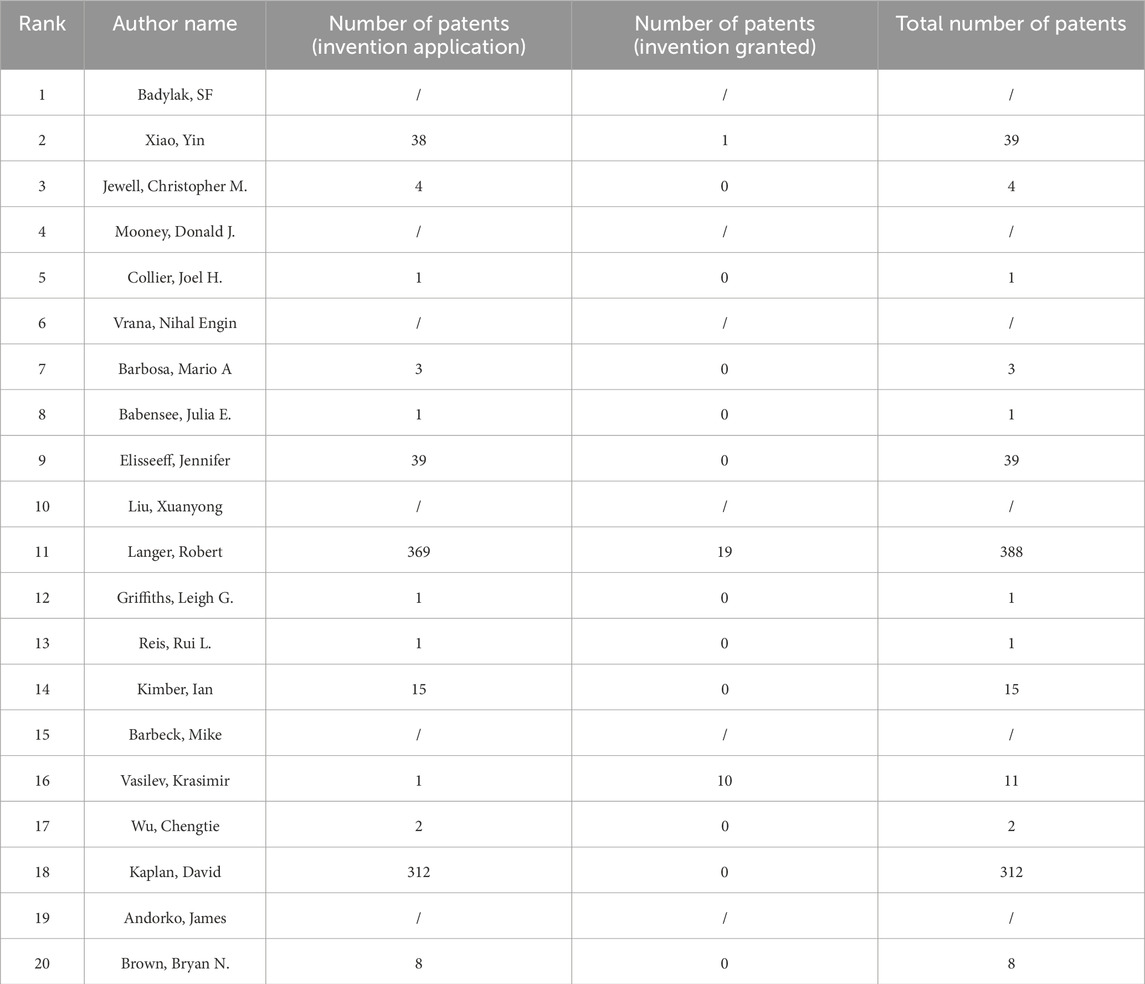
Table 5. The number of patents in the top 20 most prolific authors in the field of biomaterials and immune response.
3.5 Analysis of journals
After conducting a comprehensive analysis, we found that Biomaterials and Acta Biomaterialia ranked in the top three for all metrics (Figures 6A–F; Table 6). Figure 6C presents the total citation numbers (excluding self-citations) for each journal. Despite its relatively small number of publications, ACS Applied Materials Interfaces ranks in the top three for average citations, Impact Factor in 2022, and h-index. This suggests that the Journal of ACS Applied Materials Interfaces has significant potential that scholars should pay attention to. These metrics also highlight that Biomaterials and Acta Biomaterialia are high-quality journals in the field, suitable not only for future research but also for publishing subsequent research work.
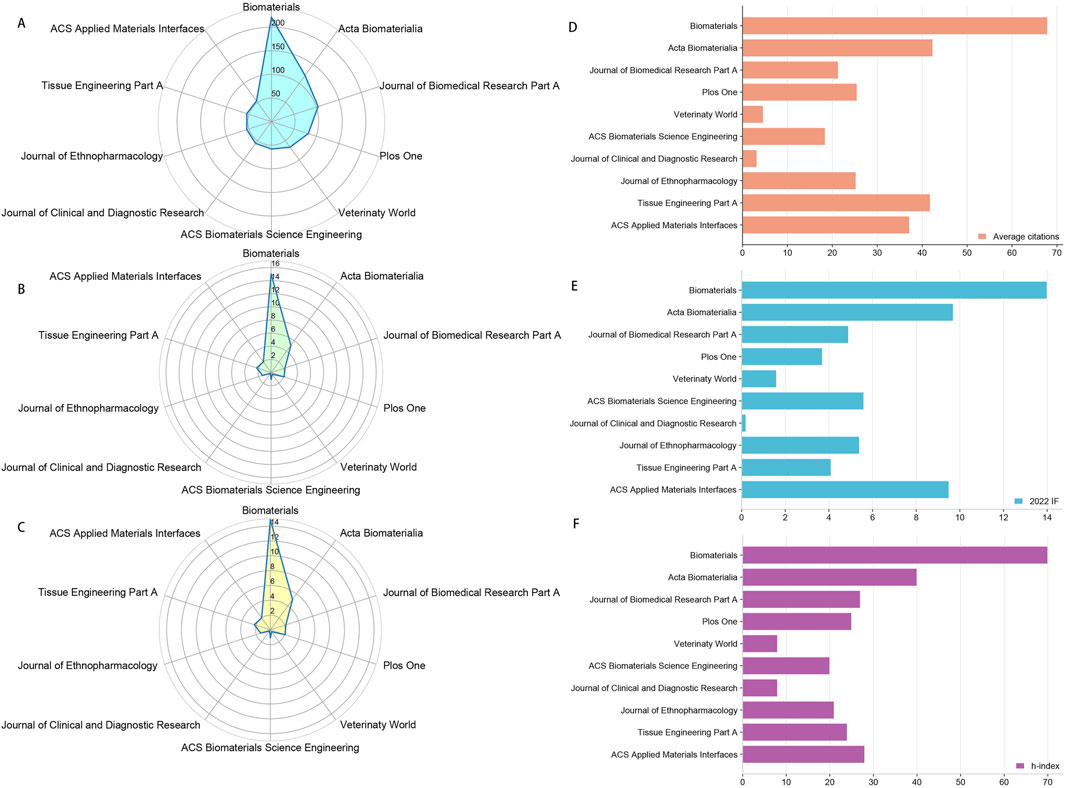
Figure 6. Scientometrics and visualization analysis of the top ten most productive journals. (A) A radar chart was used to exhibit the total number of publications and rank of the top ten most productive journals. (B) The total citation number of each journal was obtained from publication to 2022. (C) The total citation number of each journal was obtained from publication to 2022 (without self-citation). (D) The average citation of each journal from 1990 to 2022 is based on the total publications and citations of one journal. (E) The Impact factor (IF) of the top 10 most productive journals in this field in 2022. (F) The h-index of the top 10 most productive journals in this field.
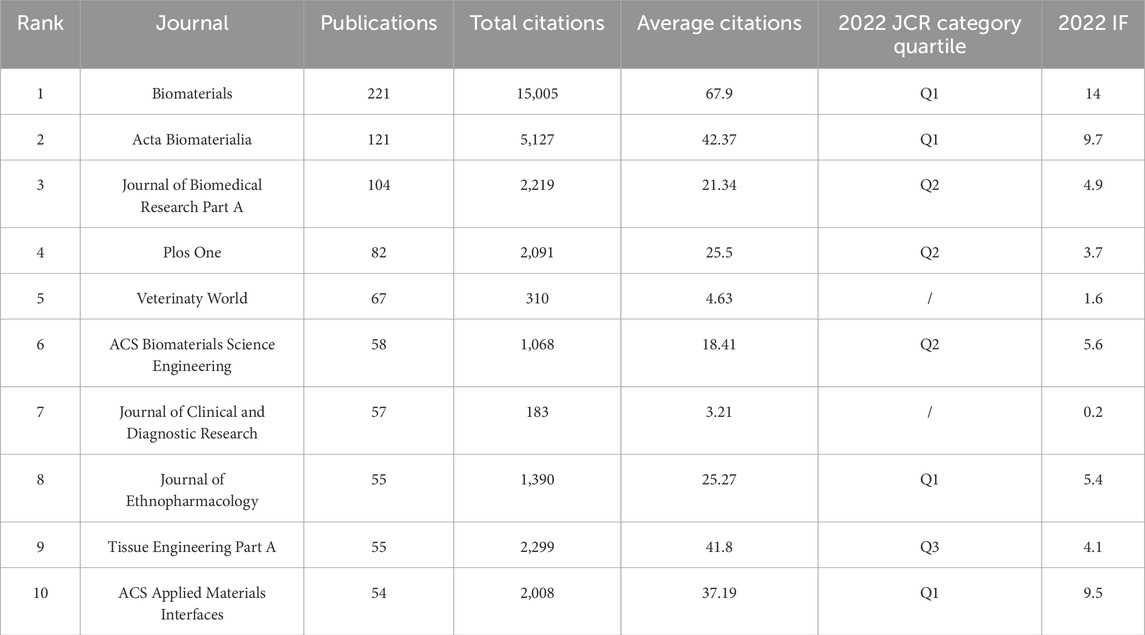
Table 6. A list of the top 10 most productive journals in biomaterials and immune response.
3.6 Overview of landmark articles in this field and the corresponding authors
The top 10 articles with the most citations were listed in Table 7. 70% of corresponding authors were from the USA, which was consistent with the previous analysis. The publication named Size- and shape-dependent foreign body immune response to materials implanted in rodents and non-human primates owned the highest citation(666 times). This article was from the USA, whose corresponding author was Anderson, DG. Journal named Nature Biotechnology and Journal of Materials Today published two articles respectively in the top 10 landmark publications. Corresponding author Anderson, DG published three articles, occupying 30% of the top 10 landmark articles in this field, indicating his great achievements and contributions in this field. Most of the articles were published around 2016, which means that at that time, biomaterials and immune responses were booming.
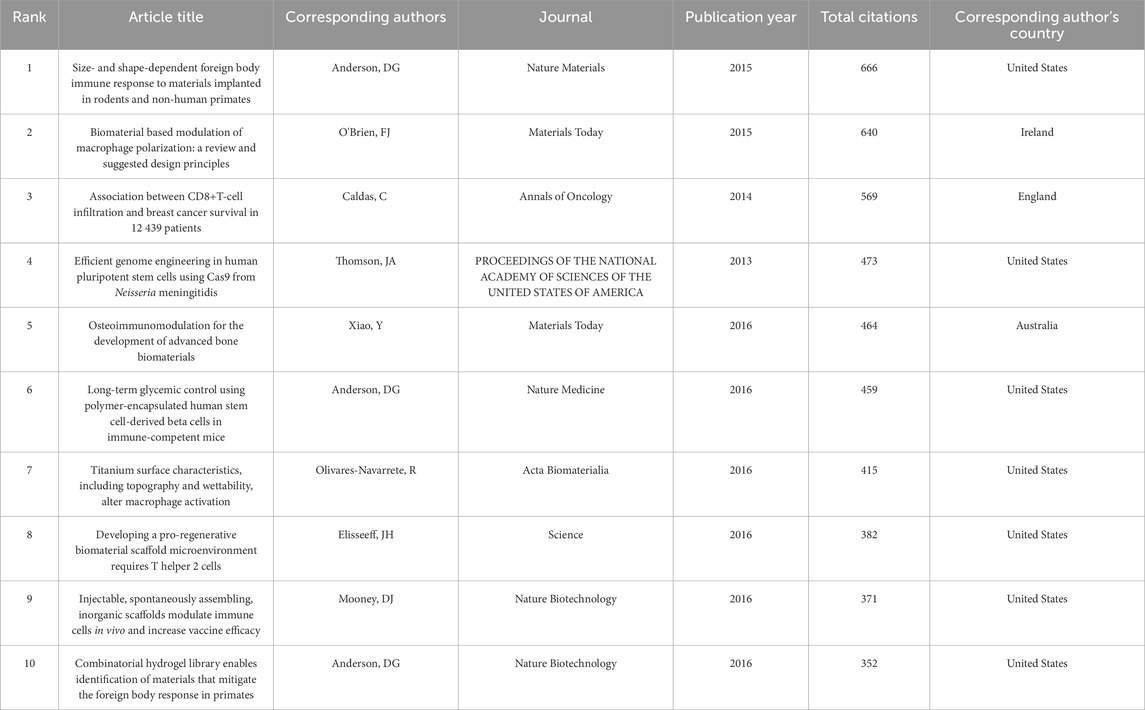
Table 7. The top 10 landmark articles in the field of biomaterials and immune response.
3.7 Keywords analysis
In Table 8, we have listed the top 30 most common keywords according to WOS. “Expression,” “In-vitro,” “Cells,” “Immune-response,” and “Activation” are the top 5 keywords (Table 8; Figure 7B), indicating that most research is conducted in vitro. We also conducted a matrix heatmap (Figure 7A). Upon detailed trend analysis, we observed that the topic “Biocompatibility” has been gaining popularity since 2010, peaking in 2019. The most recent research hotspot appears to be “Healthcare workers,” which gained popularity in 2018 (Figure 7C). This suggests that healthcare or medical applications may currently be the focal point in the field of biomaterials and immune response.
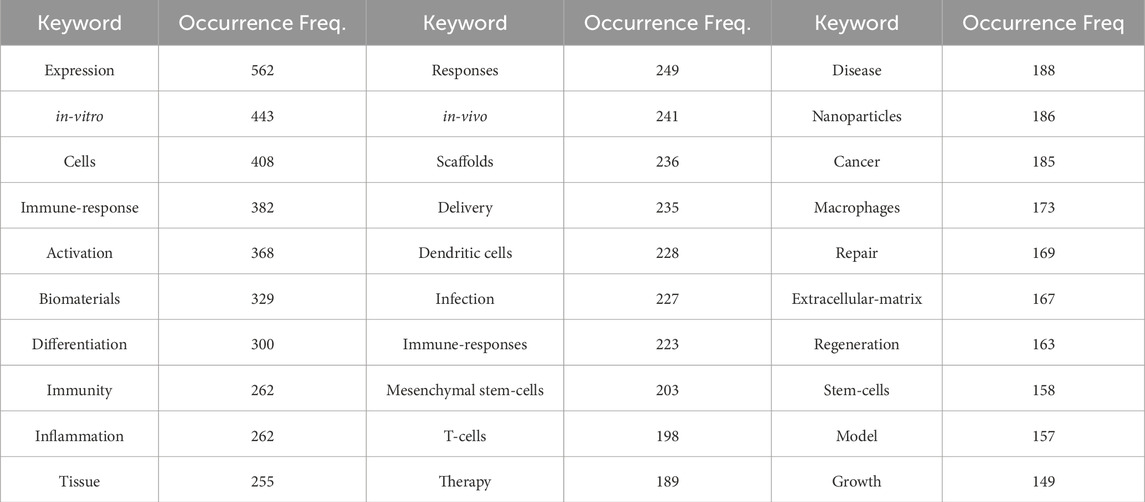
Table 8. A list of the top 30 most common keywords in biomaterials and immune response.
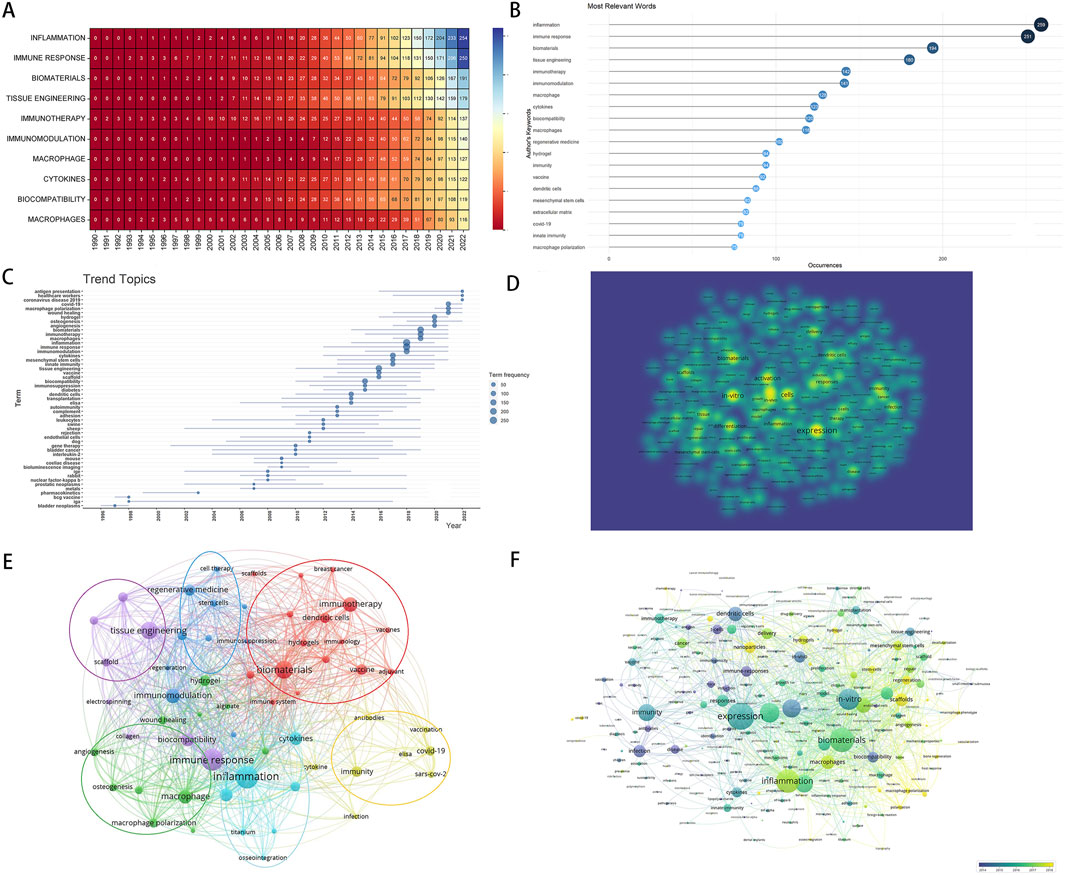
Figure 7. Scientometrics and visualization analysis of top most common keywords. (A) The annual occurrence frequency of the top 10 most common keywords was visualized by a matrix heatmap. A rectangle chart with red means less amount of keywords and a rectangle chart with blue means more keywords number. (B) The total frequency of occurrence number of the top 20 most common keywords in this field. (C) Trend topics map of Author’s Keyword for publications published between 1990 and 2022. (D) Density visualization of keywords co-occurrence network. (E) Network visualization of co-occurrence author keywords. Circle size is based on the number of occurrences. (F) The timestamp visualization of all keywords co-occurrence network.
In addition, we conducted a density visualization of keyword co-occurrence (Figure 7D). The top 10 brightest keywords provide essential insights. For instance, the majority of current research focuses on in-vitro experiments, which are more observable. A clustering strategy was employed to visualize the co-occurrence of author keywords (Figure 7E). We limited all author keywords to at least 30 occurrences, resulting in 60 items used in this study. These items were categorized into six clusters. After excluding some confounding items, “angiogenesis” (TLS = 247), “antibodies” (TLS = 236), “biomaterials” (TLS = 139), “bone regeneration” (TLS = 136), “inflammation” (TLS = 47), and “tissue engineering” (TLS = 30) were identified as critical nodes in the collaboration network among these clusters. In Figure 7F, each node is color-coded based on the average time multiple of the keyword. Most high-frequency keywords had an average occurrence time before 2015, indicating shifts in research hotspots in recent years. Currently, scholars are focused on the practical application of biomaterials.
3.8 Thematic map
Based on the keywords analysis, we could learn about the general information in this field. Nevertheless, it was still difficult to discover which field is the next hot topic in the field of biomaterials and immune response. Therefore, We applied the “Thematic Map” module in the Bibliometric package to help with decision-making for scholars (Figure 8). The “Walktrap” algorithm, employing the Random Walk strategy, was employed to conduct community discovery analysis on a dataset comprising 13,201 author keywords. The x-axis value represents the significance of the research signatures within the field, while the y-axis value reflects the level of development of these research signatures in the field. The highlights in four distinct thematic quadrants were as follows: a) Motor Themes (First Quadrant): In this quadrant, three well-established and important themes emerge. The green mode theme includes keywords such as “biomaterials,” “tissue engineering,” “immunomodulation,” and “regenerative medicine.” These themes have a high relevance degree, indicating their importance, but are not yet central enough. Biomaterials are widely utilized in areas like tissue engineering, regenerative medicine, and immunomodulation. The blue mode theme encompasses keywords like “immunotherapy,” “vaccine,” and “dendritic cells,” with a development degree greater than the relevance degree. This suggests that biomaterials have been employed in fields like vaccines, drug delivery, and breast cancer. The pink mode theme has the highest centrality in this quadrant, with keywords like “cytokines’ and “innate immunity,” indicating substantial progress in understanding how biomaterials interact with the human immune system at a microcosmic level. b) Niche Themes (Second Quadrant): This quadrant comprises a well-developed theme centered around the keyword “ELISA,” but it is not highly relevant to the current field. c) Emerging or Declining Themes (Third Quadrant): This quadrant features themes that are not well-developed and are either just emerging or on the decline. It includes three themes: the orange mode theme (involving the keyword “vaccination”), the grey mode theme (with keywords “immunity” and “antibodies”), and the blue mode theme (encompassing keywords “COVID-19”and “SARS-CoV-2”). This quadrant suggests that research related to COVID-19 and SARS-CoV-2 is waning in the context of biomaterials and immune response. d) Basic Themes (Fourth Quadrant): This quadrant highlights an important but not well-developed theme. It includes keywords such as “immune” inflammation, “response,” macrophage,” biocompatibility, “macrophages, “macrophage polarization,” “wound healing,” osteogenes1s, “angiogenesis,” and “bone regeneration.” The shift in research focus toward biomaterial medical applications is evident.
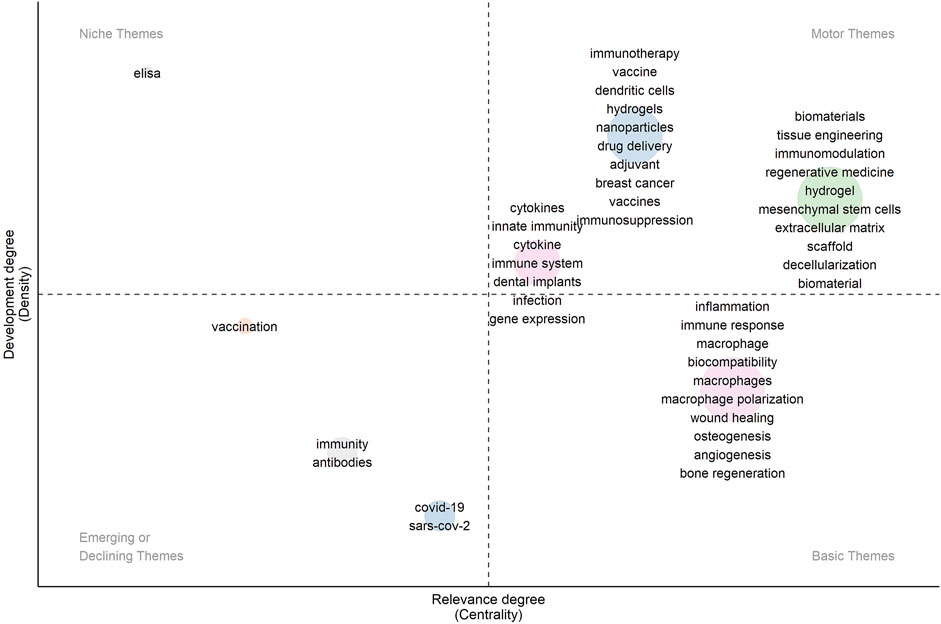
Figure 8. The thematic map of the field in biomaterials and immune response.
4 Discussion
This study presents a pioneering effort in utilizing bibliometrics to comprehensively analyze the global trends in biomaterials and immune response from 1990 to 2022.
4.1 General information
The study included a total of 5,993 articles that met our inclusion criteria. These articles were published across 1,918 journals and produced by 5,922 institutions in 121 countries/regions. The first article in this field was published in 1990, which explored microencapsulation for the prevention of CTL and NK cell-mediated cytotoxicity (Soonshiong et al., 1990). As materials science advanced, scholars from both material and medical backgrounds realized the potential of biomaterials in enhancing research and innovation.
The spatial distribution of contributing countries/regions revealed several notable trends. The United States and China emerged as the two most prolific countries in the field, with each producing over 1,000 articles (Figure 3A). Additionally, the United States ranked first in both MCP and SCP numbers among all countries, indicating that American scholars not only conducted research programs and published articles in collaboration with domestic partners but also embraced international collaboration. China has made a significant contribution in terms of the number of published articles; however, the average citation rate remains relatively low. To address this issue, Chinese authorities and governments should allocate more resources to advance biomaterials and medical applications. This investment will not only boost the impact of Chinese research but also significantly contribute to the advancement of this field.
The present study further analyzes the top institutions that have contributed to the field of biomaterials and immune response. We also found that although several institutions did not publish a large number of articles, their citations per article were relatively high (University of Pittsburgh and Pennsylvania Commonwealth System of Higher Education). This trend suggests that scholars in these two institutions have made significant contributions to the field and conducted more in-depth research compared to other institutions. Furthermore, our findings indicate that institutions often collaborate with others, both domestically and internationally. In the field of biomaterials and immune response, researchers from medical and material fields often need to collaborate with other disciplines, which explains the widespread inter-institutional collaborations (Figure 4B). After identifying the top institutions, we analyzed the top authors in this field. In contrast, we also noticed that several authors with fewer publications and more citations (Wu, Chengtie, and Langer, Robert) indicated that their scientific work in this field has great potential. 60% of the top 20 most productive authors in this field were from the USA, indicating the leading role of the USA.
Among the top 10 most productive journals in this study, Biomaterials ranked first in the number of publications (221), total citations (15,005), total citations without self-citation (14,871), average citations (67.9), and h-index (70). This underscores its dominant status in the field of biomaterials and immune responses (see Figures 6A–F). Conversely, certain journals published relatively fewer articles but garnered larger total citations (e.g., Tissue Engineering Part A: 55 vs. 2,299; ACS Applied Materials Interfaces: 54 vs. 2,008). This suggests that articles published in these two journals made substantial contributions to the field. Keyword analysis identified “inflammation” as a prominent term, and among the top 30 keywords, Analysis of keyword trends revealed that “biocompatibility” gained popularity over the years, peaking in 2019. “Cytokines” and “Immune response” saw increased interest in 2012, while “Biomaterials” gained prominence in 2014. Emerging trends, such as “Hydrogel” in 2016 and “Wound healing” in 2017, were also observed. Recent hotspots are centered around “Healthcare workers,” indicating a shift toward medical applications.
4.2 Research hotspots and frontiers
Keywords are pivotal tools to illustrate the core value of one article. Thus it follows logic to assess keywords to summarize the latest and hottest research interest. As is displayed in Table 6, keywords with high occurrence frequency mainly included expression (562), in-vitro (443), cells (408), inflammation (262), tissue (255), etc. We also conducted cluster analysis in this study according to keywords co-occurrence, generating eight clusters reflecting different parties (Figure 7E). The main content is as follows:
4.2.1 Biomaterials in tissue engineering and regenerative medicine
Tissue engineering and regenerative medicine (TE-RM) primarily intended to create biological alternatives for the sake of restoring or maintaining damaged tissues (Hernández-González et al., 2020; Hickey and Pelling, 2019; Farshidfar et al., 2023). The application of biomaterials in tissue engineering and regenerative medicine (TE-RM) has promising prospects. Specifically, biomimetic natural biomaterials (BNBMS), derived from regenerative resources such as plants and animals, offer a biomimetic environment conducive to cell adhesion and growth, encompassing various functions within their natural setting (Liu et al., 2023; Huang et al., 2017; Ullah and Chen, 2020). According to previous publications, BNBMS has attracted wide attention.
Chitosan, either loaded with conductive substances or modified with electroactive functional groups, has been employed in tissue engineering for applications in cardiac, skin, nerve, and muscle tissues, as well as in diagnostic processes (Dong et al., 2017; Ryan et al., 2018; He et al., 2018; Song et al., 2019). Moreover, PVQ/HA composites, incorporating crystal structures and ordered folding units and introducing a hierarchical structure, have been demonstrated to be effective in tissue engineering for cardiac, skin, neural, cartilage, bone, and muscle tissues (Kim et al., 2021; Lin et al., 2019; Wang et al., 2019). Moreover, PEG/gelatin, subject to various surface treatments (including plasma treatment, templating, spraying, electrochemical methods, self-assembly, vapor deposition, and etching), has been employed in cell culture, gradient scaffold construction, skin repair, dentistry, and artificial vascular applications (Fan and Guo, 2020; Hancock et al., 2011; Hancock et al., 2012). Additionally, PEG/PVA/MNP, incorporating magnetic nanomaterials, has been employed to assist in cartilage and bone tissue engineering, as well as in diagnostic applications (Rittikulsittichai et al., 2016; Li et al., 2021; Tang et al., 2019). Moreover, PAA/gelatin/SA, coupled with chemical modification and ion complexation, has been utilized in the repair of skin, nerve, muscle, and cartilage tissues (Hancock et al., 2012). Besides, HAP/HA/PLGA/collagen, subjected to various treatments such as electrospinning, lithography and molding, microfluidics, 3D printing, and sacrificial methods, has demonstrated the ability to guide cell fate and contribute to nerve and bone tissue regeneration (Liu et al., 2022; Zhao et al., 2021; Yang et al., 2021).
4.2.2 Biomaterials in tumor immunotherapy
Over the past decades, immunotherapy in cancer has widely acknowledged significant success, harnessing the human immune system for therapeutic purposes (Mellman et al., 2011). Unlike traditional post-surgery radiation therapy and chemotherapy, cancer immunotherapy operates by precisely targeting and killing cancer cells through effector T cells, minimizing side effects on normal cells (McGuire, 2015). Despite the significant advantages of cancer immunotherapy, only a minority of patients benefit from these treatments, and a substantial number show limited responses (Sambi et al., 2019). Biomaterials have emerged to solve this problem over the past decades (Chen et al., 2019; Bencherif et al., 2015; Sullivan et al., 2010; Stephan et al., 2015).
Biomaterials have been regarded as one drug delivery platform in cancer therapy for many years, with several priorities (Riley et al., 2019; Wang and Mooney, 2018). 1) Protective Function: Biomaterials play a significant role in safeguarding therapeutic cargos from degradation post-administration. They contribute to prolonging circulation time and improving the pharmacokinetic performance of cargo during the delivery process. 2) Targeted Delivery: Through rational design or functionalization, biomaterials facilitate the delivery of immunotherapeutic cargos specifically to targeted cells within immunologic organs or the tumor microenvironment (TME). 3) Enhanced Cellular Internalization: Functionalized biomaterials promote the cellular internalization of therapeutic agents. 4) Diverse Delivery Platforms: Biomaterials, such as NPs, can be developed for the systemic delivery of therapeutic cargo. Simultaneously, implants or scaffolds offer an alternative platform for local delivery, showcasing the versatility of biomaterials in different delivery scenarios (Ruan et al., 2022). In summary, biomaterials-assisted immunotherapies achieve more precise and improved antitumor immunity, targeting specific cells, enhancing internalization, and synergizing different therapeutic agents (Liu et al., 2018).
5 Conclusion
In conclusion, the present study has provided a systematic understanding of biomaterials and their interaction with the immune response from 1990–2022. The United States and China have been at the forefront of research efforts in this area. Badylak, SF, stood out with the highest number of publications, the highest h-index, and the most average citations. The Journal of Biomaterials secured the top position as the most productive journal with the highest citation count. The emerging research hotspots are centered in regeneration medicine around keywords such as “biocompatibility,” “wound healing,” “osteogenesis,” “angiogenesis,” and “bone regeneration.” In short, this field has established a strong foundation, but there is a continued need for dedicated efforts to further advance it and innovate new biomaterials for the betterment of human health.
Author contributions
CY: Conceptualization, Investigation, Writing–original draft, Writing–review and editing. CX: Investigation, Software, Writing–review and editing. TW: Methodology, Supervision, Writing–review and editing. JX: Data curation, Formal Analysis, Validation, Visualization, Writing–review and editing.
Funding
The author(s) declare that financial support was received for the research, authorship, and/or publication of this article. This work was supported by the National Natural Science Foundation of China (Grant No. 81800999), Project supported by Chongqing Health Commission and Science and Technology Bureau Foundation (No. 2023ZDXM019).
Acknowledgments
We thank the Web of Science™ (WOS, http://www.webofknowledge.com) team for allowing us to use their data. All the authors express their heartfelt gratitude for the time and effort dedicated by the editors and reviewers to our research.
Conflict of interest
The authors declare that the research was conducted in the absence of any commercial or financial relationships that could be construed as a potential conflict of interest.
Generative AI statement
The author(s) declare that no Generative AI was used in the creation of this manuscript.
Publisher’s note
All claims expressed in this article are solely those of the authors and do not necessarily represent those of their affiliated organizations, or those of the publisher, the editors and the reviewers. Any product that may be evaluated in this article, or claim that may be made by its manufacturer, is not guaranteed or endorsed by the publisher.
Supplementary material
The Supplementary Material for this article can be found online at: https://www.frontiersin.org/articles/10.3389/fmats.2025.1534127/full#supplementary-material
References
Abaricia, J. O., Farzad, N., Heath, T. J., Simmons, J., Morandini, L., and Olivares-Navarrete, R. (2021). Control of innate immune response by biomaterial surface topography, energy, and stiffness. Acta Biomater. 133, 58–73. doi:10.1016/j.actbio.2021.04.021
Adepu, S., and Ramakrishna, S. (2021). Controlled drug delivery systems: current status and future directions. Molecules 26, 5905. doi:10.3390/molecules26195905
Asadi, S., Gholami, M. S., Siassi, F., Qorbani, M., and Sotoudeh, G. (2020). Beneficial effects of nano-curcumin supplement on depression and anxiety in diabetic patients with peripheral neuropathy: a randomized, double-blind, placebo-controlled clinical trial. Phytother. Res. 34, 896–903. doi:10.1002/ptr.6571
Barbosa, M. G., Carvalho, V. F., and Paggiaro, A. O. (2022). Hydrogel enriched with sodium alginate and vitamins A and E for diabetic foot ulcer: a randomized controlled trial. Wounds 34, 229–235. doi:10.25270/wnds/20103
Bardill, J. R., Laughter, M. R., Stager, M., Liechty, K. W., Krebs, M. D., and Zgheib, C. (2022). Topical gel-based biomaterials for the treatment of diabetic foot ulcers. Acta Biomater. 138, 73–91. doi:10.1016/j.actbio.2021.10.045
Bateni, Z., Rahimi, H. R., Hedayati, M., Afsharian, S., Goudarzi, R., and Sohrab, G. (2021). The effects of nano-curcumin supplementation on glycemic control, blood pressure, lipid profile, and insulin resistance in patients with the metabolic syndrome: a randomized, double-blind clinical trial. Phytother. Res. 35, 3945–3953. doi:10.1002/ptr.7109
Bencherif, S. A., Warren Sands, R., Ali, O. A., Li, W. A., Lewin, S. A., Braschler, T. M., et al. (2015). Injectable cryogel-based whole-cell cancer vaccines. Nat. Commun. 6, 7556. doi:10.1038/ncomms8556
Chang, M. K., Raggatt, L. J., Alexander, K. A., Kuliwaba, J. S., Fazzalari, N. L., Schroder, K., et al. (2008). Osteal tissue macrophages are intercalated throughout human and mouse bone lining tissues and regulate osteoblast function in vitro and in vivo. J. Immunol. 181, 1232–1244. doi:10.4049/jimmunol.181.2.1232
Chen, Q., Chen, J., Yang, Z., Xu, J., Xu, L., Liang, C., et al. (2019). Nanoparticle-enhanced radiotherapy to trigger robust cancer immunotherapy. Adv. Mater 31, e1802228. doi:10.1002/adma.201802228
Cohen, J. (1967). Biomaterials in orthopedic surgery. Am. J. Surg. 114, 31–41. doi:10.1016/0002-9610(67)90037-2
Dehghanbanadaki, H., Aazami, H., Hosseinkhani, S., Razi, F., Bandarian, F., and Larijani, B. (2022). Bibliometric overview of Ramadan fasting studies during 2010-2021. Diabetes Metab. Syndr. 16, 102531. doi:10.1016/j.dsx.2022.102531
Dong, R., Zhao, X., Guo, B., and Ma, P. X. (2017). Biocompatible elastic conductive films significantly enhanced myogenic differentiation of myoblast for skeletal muscle regeneration. Biomacromolecules 18, 2808–2819. doi:10.1021/acs.biomac.7b00749
Dong, Y., Yao, J., Deng, Q., Li, X., He, Y., Ren, X., et al. (2023). Relationship between gut microbiota and rheumatoid arthritis: a bibliometric analysis. Front. Immunol. 14, 1131933. doi:10.3389/fimmu.2023.1131933
Fahim, M. M., Saber, S. E. M., Elkhatib, W. F., Nagy, M. M., and Schafer, E. (2022). The antibacterial effect and the incidence of post-operative pain after the application of nano-based intracanal medications during endodontic retreatment: a randomized controlled clinical trial. Clin. Oral Investig. 26, 2155–2163. doi:10.1007/s00784-021-04196-w
Fan, H., and Guo, Z. (2020). Bioinspired surfaces with wettability: biomolecule adhesion behaviors. Biomater. Sci. 8, 1502–1535. doi:10.1039/c9bm01729a
Farshidfar, N., Iravani, S., and Varma, R. S. (2023). Alginate-based biomaterials in tissue engineering and regenerative medicine. Mar. Drugs 21, 189. doi:10.3390/md21030189
Flores-Valenzuela, L. E., González-Fernández, J. V., and Carranza-Oropeza, M. V. (2023). Hydrogel applicability for the industrial effluent treatment: a systematic review and bibliometric analysis. Polym. (Basel) 15, 2417. doi:10.3390/polym15112417
Frevert, C. W., Felgenhauer, J., Wygrecka, M., Nastase, M. V., and Schaefer, L. (2018). Danger-Associated molecular patterns derived from the extracellular matrix provide temporal control of innate immunity. J. Histochem Cytochem 66, 213–227. doi:10.1369/0022155417740880
Guo, S.-B., Du, S., Cai, K.-Y., Cai, H.-J., Huang, W.-J., and Tian, X.-P. (2023b). A scientometrics and visualization analysis of oxidative stress modulator Nrf2 in cancer profiles its characteristics and reveals its association with immune response. Heliyon 9, e17075. doi:10.1016/j.heliyon.2023.e17075
Guo, S.-B., Pan, D.-Q., Su, N., Huang, M.-Q., Zhou, Z.-Z., Huang, W.-J., et al. (2023a). Comprehensive scientometrics and visualization study profiles lymphoma metabolism and identifies its significant research signatures. Front. Endocrinol. 14, 1266721. doi:10.3389/fendo.2023.1266721
Hancock, M. J., Piraino, F., Camci-Unal, G., Rasponi, M., and Khademhosseini, A. (2011). Anisotropic material synthesis by capillary flow in a fluid stripe. Biomaterials 32, 6493–6504. doi:10.1016/j.biomaterials.2011.05.057
Hancock, M. J., Yanagawa, F., Jang, Y. H., He, J., Kachouie, N. N., Kaji, H., et al. (2012). Designer hydrophilic regions regulate droplet shape for controlled surface patterning and 3D microgel synthesis. Small 8, 393–403. doi:10.1002/smll.201101745
He, Y., Ye, G., Song, C., Li, C., Xiong, W., Yu, L., et al. (2018). Mussel-inspired conductive nanofibrous membranes repair myocardial infarction by enhancing cardiac function and revascularization. Theranostics 8, 5159–5177. doi:10.7150/thno.27760
Hernández-González, A. C., Téllez-Jurado, L., and Rodríguez-Lorenzo, L. M. (2020). Alginate hydrogels for bone tissue engineering, from injectables to bioprinting: a review. Carbohydr. Polym. 229, 115514. doi:10.1016/j.carbpol.2019.115514
Hickey, R. J., and Pelling, A. E. (2019). Cellulose biomaterials for tissue engineering. Front. Bioeng. Biotechnol. 7, 45. doi:10.3389/fbioe.2019.00045
Huang, G., Li, F., Zhao, X., Ma, Y., Li, Y., Lin, M., et al. (2017). Functional and biomimetic materials for engineering of the three-dimensional cell microenvironment. Chem. Rev. 117, 12764–12850. doi:10.1021/acs.chemrev.7b00094
Huang, R., Jin, M., Liu, Y., Lu, Y., Zhang, M., Yan, P., et al. (2023). Global trends in research of fibroblasts associated with rheumatoid diseases in the 21st century: a bibliometric analysis. Front. Immunol. 14, 1098977. doi:10.3389/fimmu.2023.1098977
Jiang, F., Su, Y., and Chang, T. (2023). Knowledge mapping of global trends for myasthenia gravis development: a bibliometrics analysis. Front. Immunol. 14, 1132201. doi:10.3389/fimmu.2023.1132201
Jiang, J., Lyu, W., and Chen, N. (2022). A bibliometric analysis of diffuse large B-cell lymphoma research from 2001 to 2020. Comput. Biol. Med. 146, 105565. doi:10.1016/j.compbiomed.2022.105565
Khare, D., Basu, B., and Dubey, A. K. (2020). Electrical stimulation and piezoelectric biomaterials for bone tissue engineering applications. Biomaterials 258, 120280. doi:10.1016/j.biomaterials.2020.120280
Kim, J., Zhang, G., Shi, M., and Suo, Z. (2021). Fracture, fatigue, and friction of polymers in which entanglements greatly outnumber cross-links. Science 374, 212–216. doi:10.1126/science.abg6320
Lee, J., Byun, H., Madhurakkat Perikamana, S. K., Lee, S., and Shin, H. (2019). Current advances in immunomodulatory biomaterials for bone regeneration. Adv. Healthc. Mater 8, e1801106. doi:10.1002/adhm.201801106
Li, Z., Li, Y., Chen, C., and Cheng, Y. (2021). Magnetic-responsive hydrogels: from strategic design to biomedical applications. J. Control Release 335, 541–556. doi:10.1016/j.jconrel.2021.06.003
Liang, Y., Liang, Y., Zhang, H., and Guo, B. (2022). Antibacterial biomaterials for skin wound dressing. Asian J. Pharm. Sci. 17, 353–384. doi:10.1016/j.ajps.2022.01.001
Lin, S., Liu, X., Liu, J., Yuk, H., Loh, H. C., Parada, G. A., et al. (2019). Anti-fatigue-fracture hydrogels. Sci. Adv. 5, eaau8528. doi:10.1126/sciadv.aau8528
Liu, S., Yu, J. M., Gan, Y. C., Qiu, X. Z., Gao, Z. C., Wang, H., et al. (2023). Biomimetic natural biomaterials for tissue engineering and regenerative medicine: new biosynthesis methods, recent advances, and emerging applications. Mil. Med. Res. 10, 16. doi:10.1186/s40779-023-00448-w
Liu, W., Sun, Q., Zheng, Z. L., Gao, Y. T., Zhu, G. Y., Wei, Q., et al. (2022). Topographic cues guiding cell polarization via distinct cellular mechanosensing pathways. Small 18, e2104328. doi:10.1002/smll.202104328
Liu, Z., Jiang, W., Nam, J., Moon, J. J., and Kim, B. Y. S. (2018). Immunomodulating nanomedicine for cancer therapy. Nano Lett. 18, 6655–6659. doi:10.1021/acs.nanolett.8b02340
Marin, E., Boschetto, F., and Pezzotti, G. (2020). Biomaterials and biocompatibility: an historical overview. J. Biomed. Mater Res. A 108, 1617–1633. doi:10.1002/jbm.a.36930
Martín-Martín, A., Thelwall, M., Orduna-Malea, E., Delgado López-Cózar, E., and Scholar, G. (2021). Google scholar, Microsoft academic, scopus, dimensions, Web of science, and OpenCitations’ COCI: a multidisciplinary comparison of coverage via citations. Scientometrics 126, 871–906. doi:10.1007/s11192-020-03690-4
McGuire, S. (2015). World cancer report 2014. Geneva, Switzerland: world health organization, international agency for research on cancer, WHO press, 2015. Adv. Nutr. 7 418–419. doi:10.3945/an.116.012211
Mellman, I., Coukos, G., and Dranoff, G. (2011). Cancer immunotherapy comes of age. Nature 480, 480–489. doi:10.1038/nature10673
Moussa, A. M., Hui, Y., Araujo Filho, J. A., Muallem, N., Li, D., Jihad, M., et al. (2023). Radiologic and histopathologic features of hydrogel sealant after lung resection in participants of a prospective randomized clinical trial. Clin. Imaging 95, 92–96. doi:10.1016/j.clinimag.2022.12.008
Niu, B., Liao, K., Zhou, Y., Wen, T., Quan, G., Pan, X., et al. (2021). Application of glutathione depletion in cancer therapy: enhanced ROS-based therapy, ferroptosis, and chemotherapy. Biomaterials 277, 121110. doi:10.1016/j.biomaterials.2021.121110
Ren, G., Huang, L., Hu, K., Li, T., Lu, Y., Qiao, D., et al. (2022). Enhanced antibacterial behavior of a novel Cu-bearing high-entropy alloy. J. Mater Sci. Technol. 117, 158–166. doi:10.1016/j.jmst.2022.02.001
Riley, R. S., June, C. H., Langer, R., and Mitchell, M. J. (2019). Delivery technologies for cancer immunotherapy. Nat. Rev. Drug Discov. 18, 175–196. doi:10.1038/s41573-018-0006-z
Rittikulsittichai, S., Kolhatkar, A. G., Sarangi, S., Vorontsova, M. A., Vekilov, P. G., Brazdeikis, A., et al. (2016). Multi-responsive hybrid particles: thermo-pH-photo-and magneto-responsive magnetic hydrogel cores with gold nanorod optical triggers. Nanoscale 8, 11851–11861. doi:10.1039/c5nr09235c
Rowe, J. T., King, R., King, A. J., Morrison, D. J., Preston, T., Wilson, O. J., et al. (2022). Glucose and fructose hydrogel enhances running performance, exogenous carbohydrate oxidation, and gastrointestinal tolerance. Med. Sci. Sports Exerc 54, 129–140. doi:10.1249/mss.0000000000002764
Ruan, S., Huang, Y., He, M., and Gao, H. (2022). Advanced biomaterials for cell-specific modulation and restore of cancer immunotherapy. Adv. Sci. (Weinh) 9, e2200027. doi:10.1002/advs.202200027
Ryan, A. J., Kearney, C. J., Shen, N., Khan, U., Kelly, A. G., Probst, C., et al. (2018). Electroconductive biohybrid collagen/pristine graphene composite biomaterials with enhanced biological activity. Adv. Mater 30, e1706442. doi:10.1002/adma.201706442
Sambi, M., Bagheri, L., and Szewczuk, M. R. (2019). Current challenges in cancer immunotherapy: multimodal approaches to improve efficacy and patient response rates. J. Oncol. 2019, 1–12. doi:10.1155/2019/4508794
Sinder, B. P., Pettit, A. R., and McCauley, L. K. (2015). Macrophages: their emerging roles in bone. J. Bone Min. Res. 30, 2140–2149. doi:10.1002/jbmr.2735
Song, X., Mei, J., Ye, G., Wang, L., Ananth, A., Yu, L., et al. (2019). In situ pPy-modification of chitosan porous membrane from mussel shell as a cardiac patch to repair myocardial infarction. Appl. Mater. Today 15, 87–99. doi:10.1016/j.apmt.2019.01.003
Soonshiong, P., Lu, Z. N., Grewal, I., Lanza, R., and Clark, W. (1990). Prevention of ctl and nk cell-mediated cytotoxicity by microencapsulation. Horm. Metab. Res. 25, 215–219.
Stephan, S. B., Taber, A. M., Jileaeva, I., Pegues, E. P., Sentman, C. L., and Stephan, M. T. (2015). Biopolymer implants enhance the efficacy of adoptive T-cell therapy. Nat. Biotechnol. 33, 97–101. doi:10.1038/nbt.3104
Sullivan, S. P., Koutsonanos, D. G., Del Pilar Martin, M., Lee, J. W., Zarnitsyn, V., Choi, S. O., et al. (2010). Dissolving polymer microneedle patches for influenza vaccination. Nat. Med. 16, 915–920. doi:10.1038/nm.2182
Sun, Y., Sun, X., Li, X., Li, W., Li, C., Zhou, Y., et al. (2021). A versatile nanocomposite based on nanoceria for antibacterial enhancement and protection from aPDT-aggravated inflammation via modulation of macrophage polarization. Biomaterials 268, 120614. doi:10.1016/j.biomaterials.2020.120614
Tang, J., Qiao, Y., Chu, Y., Tong, Z., Zhou, Y., Zhang, W., et al. (2019). Magnetic double-network hydrogels for tissue hyperthermia and drug release. J. Mater Chem. B 7, 1311–1321. doi:10.1039/c8tb03301c
Ullah, S., and Chen, X. (2020). Fabrication, applications and challenges of natural biomaterials in tissue engineering. Appl. Mater. Today 20, 100656. doi:10.1016/j.apmt.2020.100656
Wang, H., and Mooney, D. J. (2018). Biomaterial-assisted targeted modulation of immune cells in cancer treatment. Nat. Mater 17, 761–772. doi:10.1038/s41563-018-0147-9
Wang, Z., Xiang, C., Yao, X., Le Floch, P., Mendez, J., and Suo, Z. (2019). Stretchable materials of high toughness and low hysteresis. Proc. Natl. Acad. Sci. U. S. A. 116, 5967–5972. doi:10.1073/pnas.1821420116
Whitaker, R., Hernaez-Estrada, B., Hernandez, R. M., Santos-Vizcaino, E., and Spiller, K. L. (2021). Immunomodulatory biomaterials for tissue repair. Chem. Rev. 121, 11305–11335. doi:10.1021/acs.chemrev.0c00895
Yang, J., Liang, J., Zhu, Y., Hu, M., Deng, L., Cui, W., et al. (2021). Fullerol-hydrogel microfluidic spheres for in situ redox regulation of stem cell fate and refractory bone healing. Bioact. Mater 6, 4801–4815. doi:10.1016/j.bioactmat.2021.05.024
Yazdi, M. K., Zare, M., Khodadadi, A., Seidi, F., Sajadi, S. M., Zarrintaj, P., et al. (2022). Polydopamine biomaterials for skin regeneration. ACS Biomater. Sci. Eng. 8, 2196–2219. doi:10.1021/acsbiomaterials.1c01436
Zeng, L., Ma, G., Chen, K., and Zhou, Q. (2023). Bibliometric analysis of rheumatic immune related adverse events associated with immune checkpoint inhibitors. Front. Immunol. 14, 1242336. doi:10.3389/fimmu.2023.1242336
Zhang, W., Liu, W., Long, L., He, S., Wang, Z., Liu, Y., et al. (2023a). Responsive multifunctional hydrogels emulating the chronic wounds healing cascade for skin repair. J. Control Release 354, 821–834. doi:10.1016/j.jconrel.2023.01.049
Zhang, X., Guo, Z., Zhu, L., Liu, Y., Wang, H., Jiang, Y., et al. (2023b). Challenges and chances coexist: a visualized analysis and bibliometric study of research on bioresorbable vascular scaffolds from 2000 to 2022. Med. Baltim. 102, e33885. doi:10.1097/md.0000000000033885
Zhang, X., Hasani-Sadrabadi, M. M., Zarubova, J., Dashtimighadam, E., Haghniaz, R., Khademhosseini, A., et al. (2022). Immunomodulatory microneedle patch for periodontal tissue regeneration. Matter 5, 666–682. doi:10.1016/j.matt.2021.11.017
Zhao, H., Liu, J. B., Bao, Z. F., Xu, Y. X., and Wang, Z. Q. (2022a). Global research trends in dental stem cells: a bibliometric and visualized study. Tissue Eng. Part B Rev. 28, 733–744. doi:10.1089/ten.teb.2021.0080
Zhao, J., Han, Z., Ma, Y., Liu, H., and Yang, T. (2022b). Research progress in digital pathology: a bibliometric and visual analysis based on Web of Science. Pathol. Res. Pract. 240, 154171. doi:10.1016/j.prp.2022.154171
Zhao, M., Zhang, H., and Li, Z. (2022c). A bibliometric and visual analysis of nanocomposite hydrogels based on VOSviewer from 2010 to 2022. Front. Bioeng. Biotechnol. 10, 914253. doi:10.3389/fbioe.2022.914253
Zhao, Z., Li, G., Ruan, H., Chen, K., Cai, Z., Lu, G., et al. (2021). Capturing magnesium ions via microfluidic hydrogel microspheres for promoting cancellous bone regeneration. ACS Nano 15, 13041–13054. doi:10.1021/acsnano.1c02147
Keywords: biomaterials, immune response, bibliometric, trends, emerging topics
Citation: Yu C, Xu C, Wang T and Xu J (2025) Knowledge map in biomaterials and related immune response: a scientometric analysis. Front. Mater. 12:1534127. doi: 10.3389/fmats.2025.1534127
Received: 25 November 2024; Accepted: 10 February 2025;
Published: 27 February 2025.
Edited by:
Min-Ho Kim, Kent State University, United StatesReviewed by:
Vijaykumar S. Meli, University of California, Irvine, United StatesTara Chand Yadav, University of North Carolina at Chapel Hill, United States
Copyright © 2025 Yu, Xu, Wang and Xu. This is an open-access article distributed under the terms of the Creative Commons Attribution License (CC BY). The use, distribution or reproduction in other forums is permitted, provided the original author(s) and the copyright owner(s) are credited and that the original publication in this journal is cited, in accordance with accepted academic practice. No use, distribution or reproduction is permitted which does not comply with these terms.
*Correspondence: Chongqing Yu, MjAyMzE0MDM1N0BzdHUuY3FtdS5lZHUuY24=; Tao Wang, dGFvc2FuQDEyNi5jb20=; Jie Xu, NTAxMTE3QGhvc3BpdGFsLmNxbXUuZWR1LmNu