 Andrea Ceschi
 Riccardo Sartori
 Stephan Dickert
 Arianna Costantini
- 1Department of Human Sciences, University of Verona, Verona, Italy
- 2School of Business and Management, Queen Mary University of London, London, UK
It is acknowledged that chronic job demands may be depleting workers’ stamina resulting in burnout conditions and ultimately causing further health problems. This relation, known as health impairment process, has recently been considered as a possible explanation for the emergence of counterproductive work behavior (CWB). The present work aims to examine the role of two personality traits (i.e., Grit and Honesty-Humility) in this process. The results, based on a sample of 208 private service sector employees, confirm the presence of a fully mediated process and show how Honesty-Humility positively moderates the relationship between job demands and exhaustion, whereas Grit has a negative effect on the relation between exhaustion and CWB. Implications for assessment procedure and hiring decisions are discussed.
Introduction
In line with the burnout literature, it is widely assumed that burnout leads to health problems, such as psychosomatic illness, cardiovascular and coronary heart diseases (Ahola et al., 2005; Ahola and Hakanen, 2007; Toppinen-Tanner et al., 2009). Therefore, burnout plays a prominent role in explaining the relationship between rising job demands and an increase in such health problems. In fact, in the last 20 years organizational research has provided evidence of the link between job demands, burnout and health indicators (Brotheridge and Grandey, 2002; Geurts and Sonnentag, 2006; Piko, 2006; Little et al., 2007; Umehara et al., 2007; Dollard and Bakker, 2010; Idris et al., 2012; Schaufeli and Taris, 2014).
This two-stage process is known as “health impairment” or “energetic process,” and it is embedded in the Job Demands Resources (JD-R) model (Demerouti et al., 2001) and empirically supported (Bakker et al., 2004, 2010; Bakker and Demerouti, 2007; Xanthopoulou et al., 2007; Hakanen et al., 2008; Demerouti and Bakker, 2011; Schaufeli and Taris, 2014). Considering research in support of this model, it is likely that the health impairment reflects a more universal process at work, of which the health issue is just one symptom (Balducci et al., 2011). In order to show work-related implications, literature usually provides studies where the health impairment process is associated with outcomes such as organizational well-being or job performance (Bakker et al., 2004, 2008; Idris et al., 2012). The nature of this relationship depends both on the types of job demands as well as on the outcomes considered in the study, resulting in a partial or full mediation through burnout. While job demands are usually negatively related to health through a full and negative mediation with burnout, they are positively and directly associated with task performance. For example, Bakker et al. (2004) found that in-role performance was mostly predicted by job demands through workers’ exhaustion (a component of burnout), while in another study cynicism (another burnout component) predicted teams’ sales performance (Bakker et al., 2008). Based on evidence from research, it is reasonable to assume the presence of two relationships, namely a first path from job demands to burnout (or its components), and a second path from burnout to the outcome considered (e.g., performance, absenteeism, etc.). Finally, we can consider the presence of a third path, when the relation is partially mediated, usually when the outcomes studied are different than health problems (Figure 1).
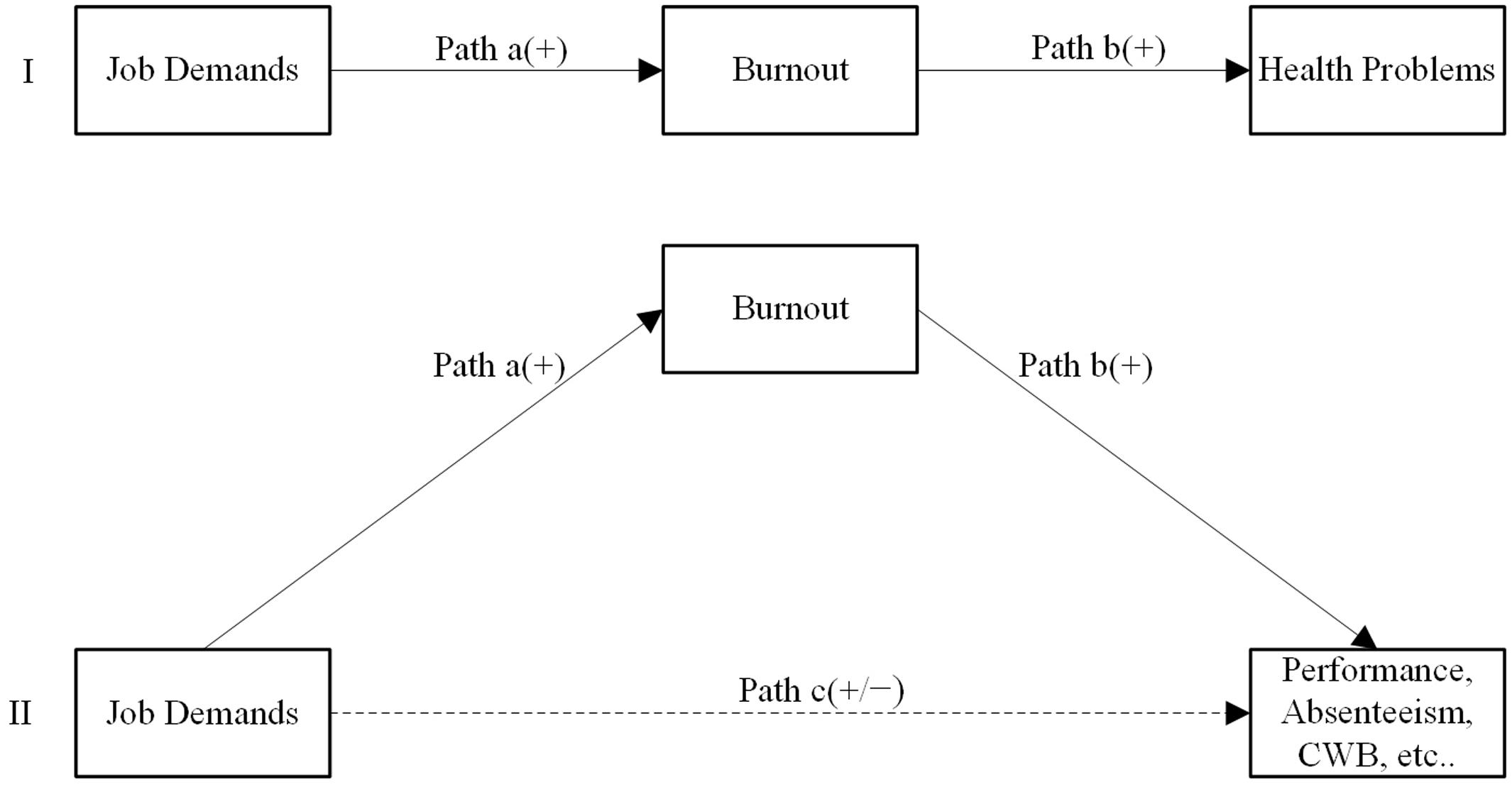
FIGURE 1. The original health impairment process (I; Demerouti et al., 2001) and a general extension of the model (II).
Considering these types of outcomes, the health impairment process has been examined regarding the effect on performance but rarely used to predict behavioral constructs correlated with burnout. In one notable example, in the JD-R framework, job demands predicted burnout and consequently absence duration (Bakker et al., 2003). More recently, some attempts have been made to study the relationships between job demands and organizational behavior in the health impairment process (Schaufeli et al., 2009; Balducci et al., 2011; Nahrgang et al., 2011). Balducci et al. (2011) studied the emergence of counterproductive work behavior (CWB) as a behavioral stress reaction. Workload, role conflict, and interpersonal demands were related to some CWBs via negative affectivity (i.e., anger, pessimism). Finally, a recent study of Smoktunowicz et al. (2015) has confirmed the presence of job burnout as a mediator of the job demands–CWB relationship. The theoretical framework of their study was based on the Demand Control model (DCM; Karasek, 1998). They found that a high level of job demands was indirectly associated with higher CWB frequency, with an increase in job burnout (primarily exhaustion) operating as a mediator.
Counterproductive work behavior can also be predicted by emotional labor (i.e., emotional demands by which workers manage their feelings toward organizational aims; Bechtoldt et al., 2007). This relationship does not include burnout as a mediator so it is not technically definable as a health impairment process, but it reveals the important role of emotional demands in predicting CWB. Moreover, the relationship between emotional labor/acting deep and CWB is moderated by self-control, such that people with high self-control can perform better by effectively dealing with emotional stressors. This highlights the relevance of considering individual dispositions (e.g., self-control) and personality traits in understanding the antecedence of organizational behavior and CWB.
With the exception of the recent study of Smoktunowicz et al. (2015), literature lacks clear research on the moderating impact of individual differences in the two-stage health impairment process and CWB. The current research aims to fill this gap by developing a model that considers the mediated relationship of such a classic process as the health impairment, and having CWB as the final outcome (Path a: job demands → exhaustion; Path b: exhaustion → CWB; and eventually Path c: job demands → CWB). Moreover, this contribution aims at exploring the moderating role performed by two promising personality traits: Honesty-Humility and Grit. Both such traits are relatively new in the organizational domain in comparison with the other well-known big five traits (Sartori et al., 2015, 2016; Ceschi et al., 2016), and have been developed based on different personality theories (Ashton and Lee, 2005; Duckworth et al., 2007). They represent two distinct personality traits which do not overlap, but they may have a different (and explicative) role in moderating the relation between the health impairment process and CWB. Whereas Honesty-Humility, which represents the tendency to be faithful/loyal, has already been shown to negatively moderate the relation between the stressors and CWB (Ashton et al., 2000; Zettler and Hilbig, 2010; Wiltshire et al., 2014; Chirumbolo, 2015), Grit, which predicts success by promoting self-control and goal-persisting at work (Duckworth and Gross, 2014), has rarely been studied in relation to counterproductive behaviors (Littman-Ovadia and Lavy, 2016).
In the next sections, we will first explore CWB as a possible outcome of the health impairment process. Secondly, we will introduce Honesty-Humility and Grit in their relation to the energetic process.
Counterproductive Work Behavior (CWB): Classical Antecedents and Moderators
Being counterproductive at work involves behavior that is deliberate and opposite to the established interests of the organization (Gruys and Sackett, 2003). It has been described as a range of behaviors that transgress the main organizational norms, to weaken the wellbeing of the organization and threaten the co-workers and customers (Penney and Spector, 2005). Counterproductive behaviors are invasive and destructive phenomena that impair performance and proficiency in the workplace (Spector and Fox, 2005). They have been operationalized in a variety of ways. The most salient form of CWB is physical violence, but it may also take the form of much less stunning behaviors such as gossip, subtle and passive actions, failure to fulfill tasks or pass on information, poor attendance, or intentionally sloppy work (Hershcovis et al., 2007).
The occurrence of CWB has been explained by the stressor-emotion model, in which these behaviors are considered as an emotional reaction to frustration at work, due to a number of environmental stressors that hamper work efficiency (Spector and Fox, 2005). These stressors can be job demands such as interpersonal conflict, workload, emotional labor, role conflict and role ambiguity (Barling et al., 2009). Indeed, if CWB is an outcome of the health impairment process (Balducci et al., 2011), and if the role of such job demands in determining the process is clear, the stressor-emotion model implicitly hides how emotional exhaustion (as a manifestation of frustration) is correlated with CWB. Although the relationship between emotional exhaustion and CWB has been examined less frequently than the relation between job stressors and CWB, there is evidence to sustain such a link. In fact, emotionally exhausted individuals enlist more deviant behavior to relieve antagonistic emotions or for some subservient aim (Banks et al., 2012). Also, emotional exhaustion predicts which employees may be more engaged in CWBs (Krischer et al., 2010; Banks et al., 2012) and self-control seems to buffer this relation (Bolton et al., 2012).
The relation exhaustion → CWB certainly presents some personal factors as reliable moderators, such as self-control (Marcus and Schuler, 2004), but also several personality traits such as narcissism (Penney and Spector, 2002), anger trait or some of the big five traits (Douglas and Martinko, 2001; Marcus et al., 2007; Grijalva and Newman, 2015). For example, agreeableness and conscientiousness are related to interpersonally directed CWBs, and organizationally directed CWBs, respectively. Similarly, extraversion predicted theft at work, whereas openness to experience predicted work deviance.
Aside from the big five model, other moderator traits may better interact with the presented relations. These traits can be found in the new definitions of personality that are consistent with modern theories of development, practices that are informed by high-quality research, and constructs associated with significant challenges (Clement and Bollinger, 2016).
The Explicative Power of Honesty-Humility in Predicting Unethical Behavior and Workplace Deviance
Considerable research has been conducted within a personality framework alternative to the well-known Big Five. A different personality structure, named the HEXACO model, includes six dimensions instead of five (Ashton et al., 2007). The most salient property of the HEXACO model is the inclusion of the Honesty-Humility dimension. Honesty-Humility measures the disposition to not take advantage of other individuals, even when there is no risk of unfavorable repercussion for such exploitation (Ashton and Lee, 2008). People low in Honesty-Humility are portrayed as egoistic, lying, haughty, fraudulent, unethical, hypocritical and cunning (Lee and Ashton, 2006).
Considering this description, it is not unexpected that low Honesty-Humility is linked with a certain range of questionable behaviors. Low Honesty-Humility individuals have an inclination to deceive, craft, and break rules, searching for the chance to take part in self-interested behaviors (Lee et al., 2005a). The HEXACO Honesty-Humility dimension has consistently predicted workplace deviance and CWBs (Zettler and Hilbig, 2010; O’Boyle et al., 2012). For example, anti-social behaviors toward the organization and co-workers (i.e., workplace vandalism, absenteeism and alcohol abuse at work) were negatively correlated with the Honesty-Humility trait (Lee et al., 2005b).
In relation to the health impairment process, the Honesty-Humility trait has been shown to moderate the effects of a job stressor (i.e., job insecurity) on CWB (Chirumbolo, 2015). Moreover, stressful situational factors, such as the perceived absence of organizational politics, elicit more CWB in individuals with a low score of the Honesty-Humility trait (Wiltshire et al., 2014).
Grit and the Inclination to Persist in Frustrating Behaviors for Long Term Goals
Scholars have recently proposed a personality construct known as Grit, which represents “perseverance and passion for long-term goals” (Duckworth et al., 2007). Gritty individuals have higher educational achievements, at work and in training, gritty professors promote better educational performance of their students, where cadets who show a high grit score are more likely to graduate in an elite military academy (Duckworth et al., 2007; Duckworth and Quinn, 2009; Eskreis-Winkler et al., 2014). Gritty workers outperform their colleagues because they invest more effort in their work, thus allowing people to persevere in tedious and frustrating behaviors (Duckworth et al., 2011). Another important construct protective toward frustrating behaviors is self-control, partially associated to Grit, but distinguished because it focuses on aligning actions and intentions for achieving one’s targets. The importance of self-control in the workplace has been documented in relation to CWB, where this construct moderates the relationship with emotional labor. Moreover, individuals with high self-control are capable of nullifying the effects of depersonalization, organizational misidentification, and passive CWBs (Hirschi and Gottfredson, 2000).
Regarding the relationship with job demands, motivational intensity theory, which is based on a model of how people regulate efforts, provides a natural platform for building predictions about how Grit affects job demands’ perception (Brehm and Self, 1989). Based on this theory, people’s work effort is the sum of the significance given to achievements and the environmental condition for reaching such goals (i.e., team structure, teamwork, etc.). The personal meaning given to success defines how much job demands people are willing to accept to reach their goals. A trait as Grit may affect the inclination to manage job demands toward burnout and its components (Path a) by making the attainment of goals appearing less difficult and stressful (Littman-Ovadia and Lavy, 2016). In contrast to self-control, Grit includes the notion that passion can influence the achievement of goals and also moderate the influence of job demands on perceived exhaustion. For example, a gritty employer might work for extended hours to complete an assignment because he/she feels passionate toward his/her work and does not feel stressed while doing it.
Apart from this evidence, research on Grit in the domain of the classic I/O outcomes is still in its preliminary phase, although some research on the effects of strong character (conceptually close to Grit) on counterproductive behaviors has recently been conducted (Engel, unpublished doctoral dissertation). Considering this premise, Grit seems to be a promising candidate as a moderator of the two relations of the health impairment process.
Hypotheses
As seen, CWBs are a likely manifestation of the psychological strain in reaction to job demands, such as interpersonal conflict, emotional demands, workload, role conflict, and role ambiguity (Spector and Fox, 2005; Barling et al., 2009). High levels of such job demands are found to be related to the occurrence of CWBs in several studies (Fox et al., 2001; Marcus and Schuler, 2004; Krischer et al., 2010; Grijalva and Newman, 2015). Research demonstrated that the relation between such stressors and CWB can be moderated by traits such as Honesty-Humility (Chirumbolo, 2015). On the other hand, if the role of job demands in determining CWB is clear, the stressor-emotion model conceptually bypasses the mediation of exhaustion as a manifestation of frustration that leads to CWB, and it is not exhaustive in explaining the moderators of this two-stage process. Indeed, exhausted employees have a higher inclination toward CWBs, whereas employees with higher self-control seem to be less sensitive to exhaustion (Marcus and Schuler, 2004). Moreover, Smoktunowicz et al. (2015) has recently shown that high job demands are indirectly related to high CWBs, with job burnout operating as a mediator. In their conclusion, the authors state that “Future research needs to clarify if the mediating effect of job burnout in the job demands–CWB relationship may be specific for certain components of burnout…” (p. 345). Certainly, several studies have identified exhaustion as a possible predictor (and mediator) of the emergence of CWB, but its role has never been tested in relation to this two-stage process.
This evidence suggests that the two-stage process of health impairment can be an explicative organizational behavior model for predicting CWB, with exhaustion as a mediator and the personality dimensions of Grit and Honesty-Humility as potential moderators. Personality traits can affect the stress–strain relation in different ways, for instance influencing the reactivity of individuals toward stress perception, as suggested in the reactivity model (Bolger and Zuckerman, 1995). The emergence of CWB is related to the vulnerability model of interaction (Parkes, 1994), where personality is accountable for rendering the individual more or less vulnerable to the effects of stressful events. Recall that in the health impairment process, passion can affect the perception of effort; secondly Grit can also moderate the emergence of CWBs, due to its focus on self-control and the attention for long term goals. Regarding Honesty-Humility, literature has already shown this trait to be one of the strongest predictors and regulators of CWB (Lee et al., 2005a). Less is known instead on the possible interactions between Honesty-Humility and job demands in relation to exhaustion. Competing theories indicate that this relationship could have gone in either direction: it is possible that low Honesty-Humility individuals would be less likely to feel and take care of job demands, thus finding a charged workplace less distressing than high Honesty-Humility individuals; on the other hand, the Honesty-Humility trait is usually negatively related with exhaustion (Wiltshire et al., 2014).
We expect to find a full mediation between: job demands → exhaustion (H1a)→ CWB (H1b), or a partial mediation considering a significant direct effect of job demands on CWB (H1c). We expect a negative moderation effect of Honesty-Humility on the relation between exhaustion → CWB (H2b); if the model is based on a partial mediation, we expect another negative moderation between job demands → CWB (H2c), where for higher levels of exhaustion or of job demands, those high in Honesty-Humility should show lower levels of CWB. We will also explore a possible interaction of Honesty-Humility with job demands → exhaustion (H2a), considering that this relationship could have gone in either directions. Concerning Grit, we expect a negative moderation effect on the relation between job demands → exhaustion (H3a) or/and on exhaustion → CWB (H3b). Specifically, we hypothesize that gritty people’s job demands will less likely lead to exhaustion, and that for these people also exhaustion will less likely lead to CWB. Moreover, if the model is based on partial mediation, we expect another negative moderation between job demands → CWB (H3c; Figure 2).
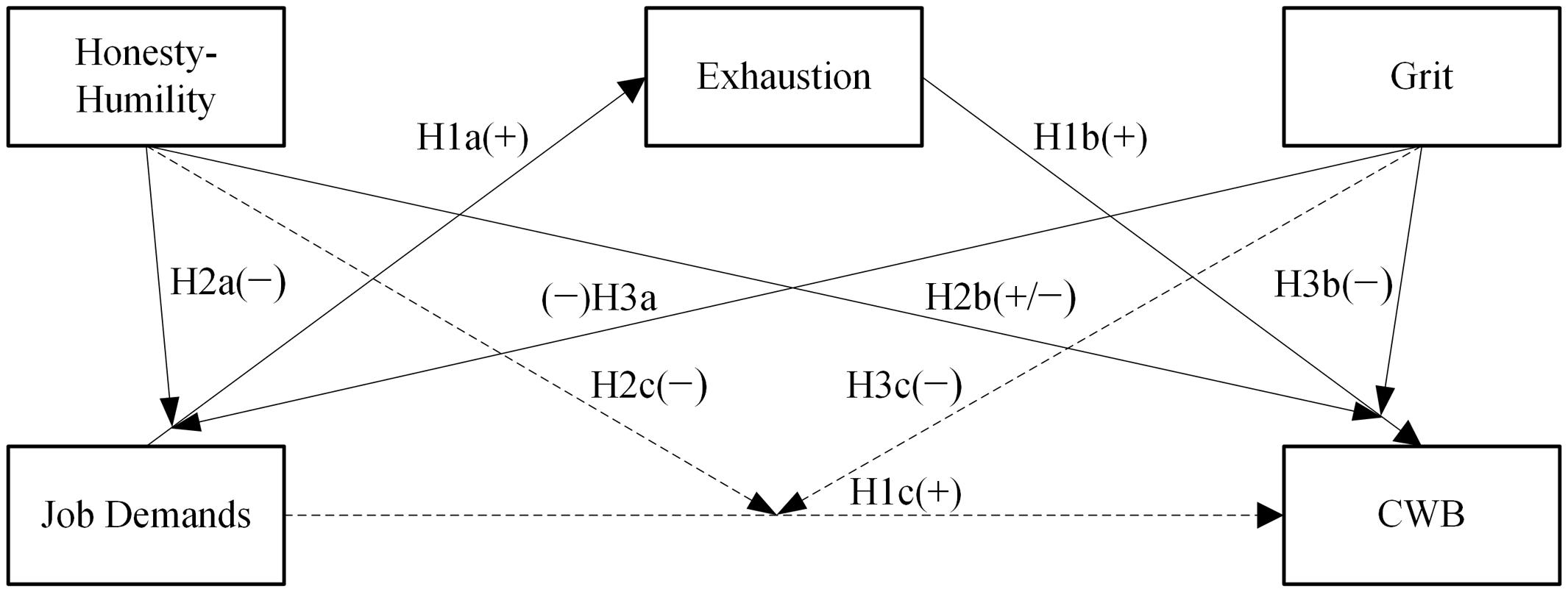
FIGURE 2. Hypothesized model of the health impairment process on counterproductive work behavior (CWB) with personality traits as moderators.
Materials and Methods
A total of 208 employees operating in the private service sector filled and returned the questionnaire (response rate 80%). Their age ranges between 20 and 60 years with an average of 41 years (SD = 9.65). The majority of the sample has higher vocational training (24%) or a high school degree (51%). Most participants work as clerks (63%), 4% are company managers. Most participants (80%) do not supervise staff; only five participants supervise more than five employees. This study was approved by the Ethical Review Committee at the University of Verona. The present sample belongs to a study designed with multiple research purposes.
Instruments
Job Demands
Three specific job demands have been included in the questionnaire: role conflict, emotional demands and hassles. Role conflict has been assessed by using four items derived from the Ivancevich and Matteson (1980) role conflict scale. An example item is “I receive conflicting requests from two or more people” (from 1 = never to 5 = always). Emotional demands are based on a scale developed by Van Veldhoven and Meijman (1994) and include four items. An example is “Does your work put you in emotional situations?” (1 = never, 5 = always). Hassles scale (Bakker, 2014) has been used to detect them and it is composed of six items. Examples are: “I have to deal with administrative hassles”; “I have many hassles to go through to get projects/assignments done”; (1 = never, 5 = always).
Exhaustion
Three exhaustion items of the Oldenburg Burnout Inventory (Demerouti and Bakker, 2008) have been used. Example items are “There are days when I feel tired before I arrive at work” and “After my work, I usually feel worn out and weary” (1 = totally disagree, 4 = totally agree).
CWB
Counterproductive work behavior has been assessed by using the CWB scale, i.e., a part of the Individual Work Performance Questionnaire (IWPQ), and we have considered the five CWB items (Koopmans et al., 2012). Example items are: “I spoke with colleagues about the negative aspects of my work” and “I spoke with people from outside the organization about the negative aspects of my work.” Each item has been rated on a five-point rating scale (0 = never, 4 = very often).
Honesty-Humility
Participants have completed the Italian version of the 10-item scale for measuring the Honesty-Humility component of the HEXACO-PI-R (Ashton et al., 2006). “I wouldn’t use flattery to get a raise or promotion at work, even if I thought it would succeed” and “I wouldn’t pretend to like someone just to get that person to do favors for me.” Each item has been rated on a five-point Likert scale (5 = strongly agree; 1 = strongly disagree).
Grit
The personality trait of Grit has been assessed by using the Short Grit Scale, an eight-item self-report questionnaire with established construct and predictive validity (Duckworth and Quinn, 2009). Participants have endorsed items by indicating consistency of passions “I have been obsessed with a certain idea or project for a short time but later lost interest” (reverse-scored) and consistency of effort “Setbacks don’t discourage me,” over time, by using a 5-point Likert-type scale (5 = very much like me, 1 = not at all like me).
Results
Descriptive Statistics
Table 1 shows the means, standard deviations, correlations, and the internal consistency indexes of the scales. All scales present acceptable reliability indexes. In relation to socio-demographic variables, Honesty-Humility shows positive correlations with length in service (0.25, p < 0.01) and Grit instead presents a positive correlation with the number of supervised staff (0.17, p < 0.05). A significant and positive correlation is found between most of the job demands measures, exhaustion and CWB, by partially confirming the first hypothesis (H1a; H1b; H1c). Considering possible moderation effects, Honesty-Humility and Grit showed negative correlations with all the constructs mentioned above. Honesty-Humility also shows a positive correlation with length in service, meanwhile Grit with the number of collaborators directed. Both traits are positively correlated between them and with the job role (Table 1).
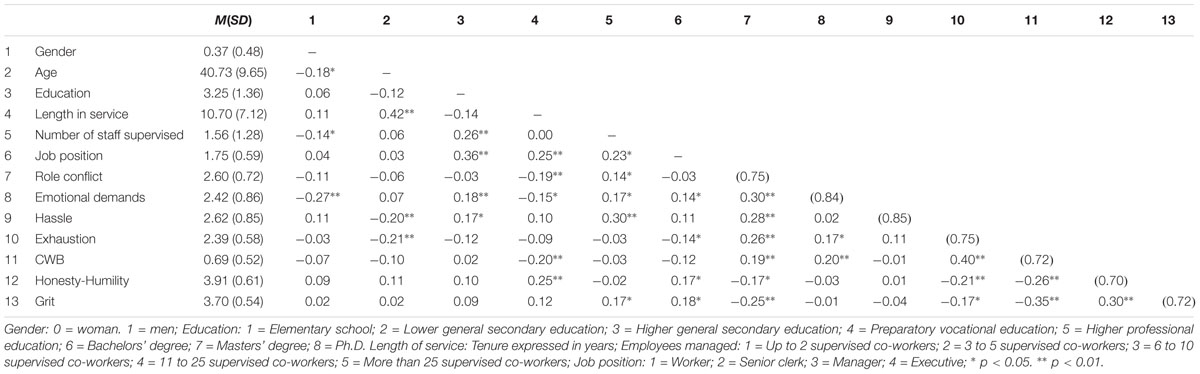
TABLE 1. Means, standard deviations (SD), internal consistencies (on the diagonal) and correlations among socio-demographics and study’s variables.
Hypotheses Testing
Following the statistical procedure used by Fox et al. (2001) and suggested by Baron and Kenny (1986), we have tested the steps of the health impairment process on CWB (H1a; H1b; H1c). We have also tested the role of Grit and Honesty-Humility at each stage of the process. The single regressions analyses (Table 2) have revealed that the presence of exhaustion as a mediator substantially reduces the direct effect of the job demands on CWB, [job demands → CWB: β = 0.18, p < 0.01; job demands, (exhaustion) → CWB: β = 0.08, p > 0.05]. This invalidates the presence of a partial mediation model (H1c) whilst supporting a full mediation (H1a; H1b); it also makes the analyses of the traits’ moderation effects on the job demands → CWB relationship not relevant to be conducted (H2c; H3c). Regarding the moderation effect of Honesty-Humility, results revealed a significant positive effect on the relation between job demands and exhaustion only (H2a), whereas Grit is a significant negative moderator of the relation between exhaustion and CWB (H3b).
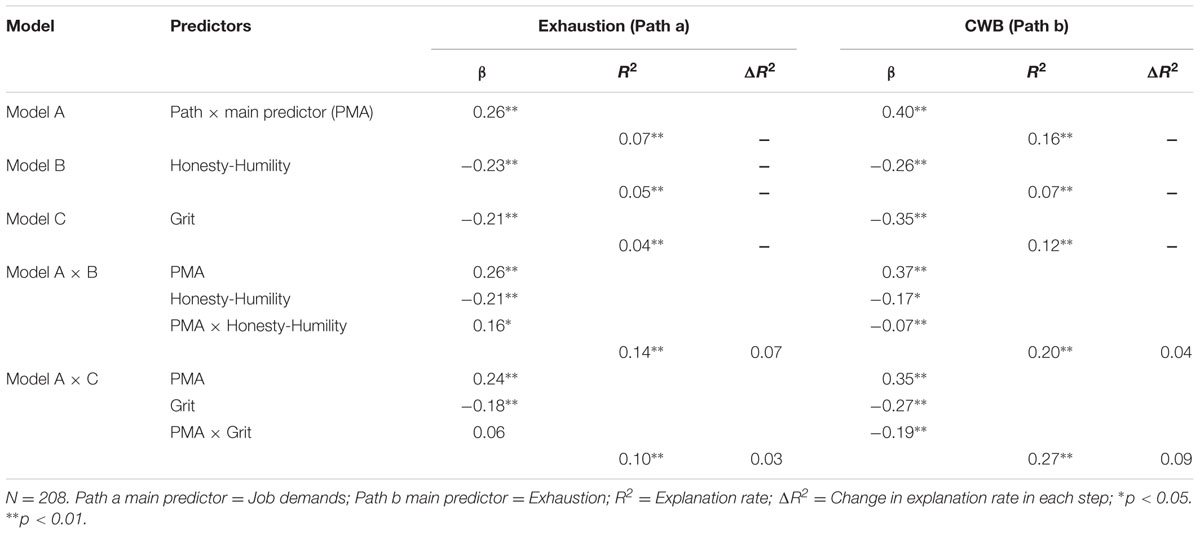
TABLE 2. Regression analyses of moderation effects of Honesty-Humility on Path a, and of Grit on Path b.
We next tested the single regression effects found in a comprehensive model, which consists of a full mediation model of exhaustion on job demands-CWB, with the moderations of Honesty-Humility on Path a, and Grit on Path b. We mean-centered and used bootstrapping following the PROCESS procedure recommended by Hayes (2013). The results of these analyses revealed a significant indirect effect of exhaustion 95% CI [0.196,0.474], that fully mediated the effect of job demands on CWB, as revealed by single regressions. Honesty-Humility significantly moderates the effects of job demands on exhaustion, B = 0.16, p < 0.05. A simple slope analysis revealed that for lower Honesty-Humility scores, job demands have a stronger positive influence on exhaustion. Data were plotted and the graph (Figure 3) revealed that for higher levels of job demands this effect disappears. For Grit, results showed that for lower scores, exhaustion exerts a higher positive influence on CWB, B = -0.18, p < 0.05. As for Honesty-Humility, a simple slope analysis was conducted and data were plotted (Figure 4). The graph showed that at higher levels of exhaustion the effect of Grit is particularly relevant and robust, such that for those scoring low on Grit, exhaustion has a stronger influence on CWB.
The simple slope analyses revealed that the interactions of both personality traits were significant for all the levels of the moderators (+∖– 1SD), moreover the moderator effects follow an incremental pattern.
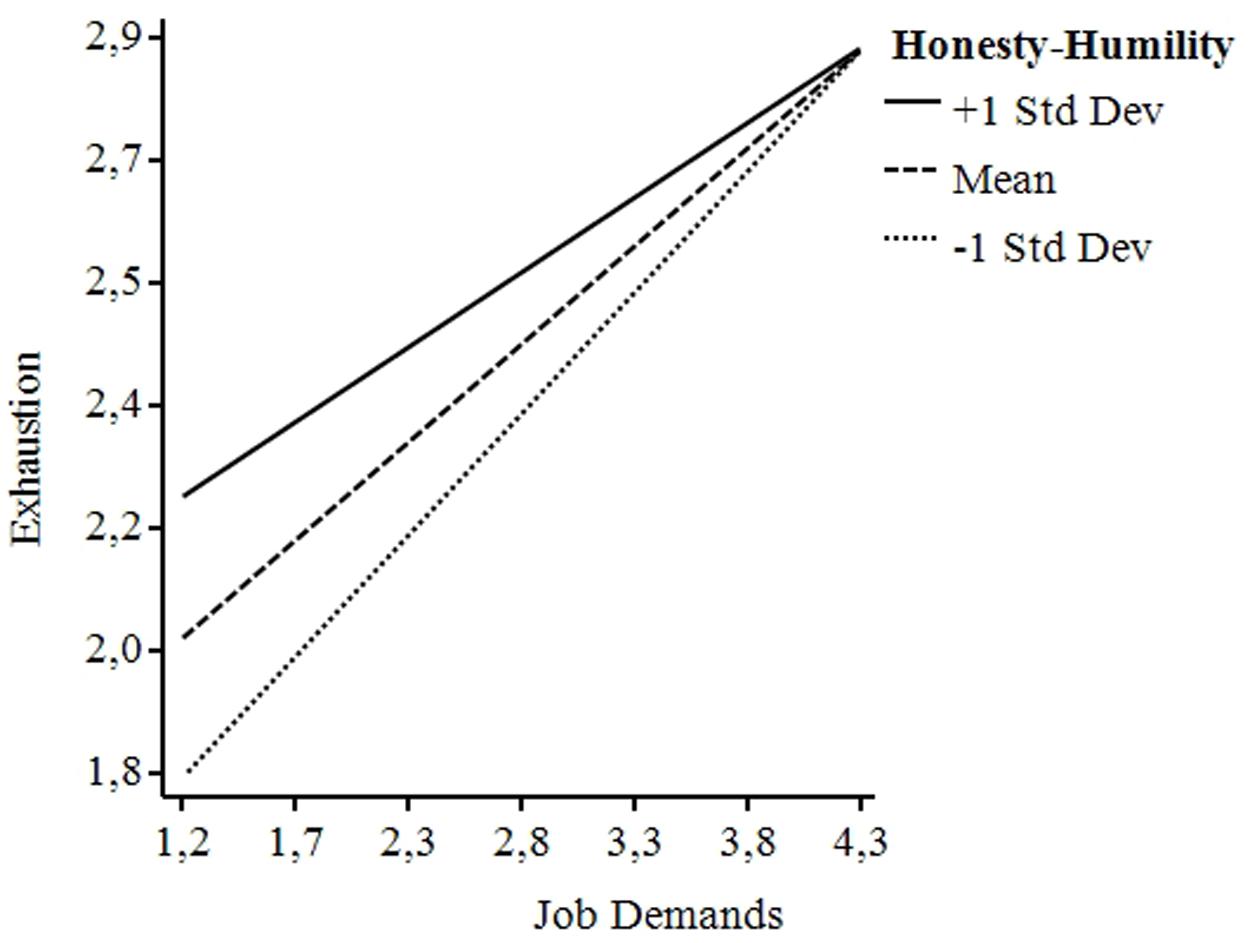
FIGURE 3. Graphical representation of the moderation effects of Honesty-Humility on Path a.
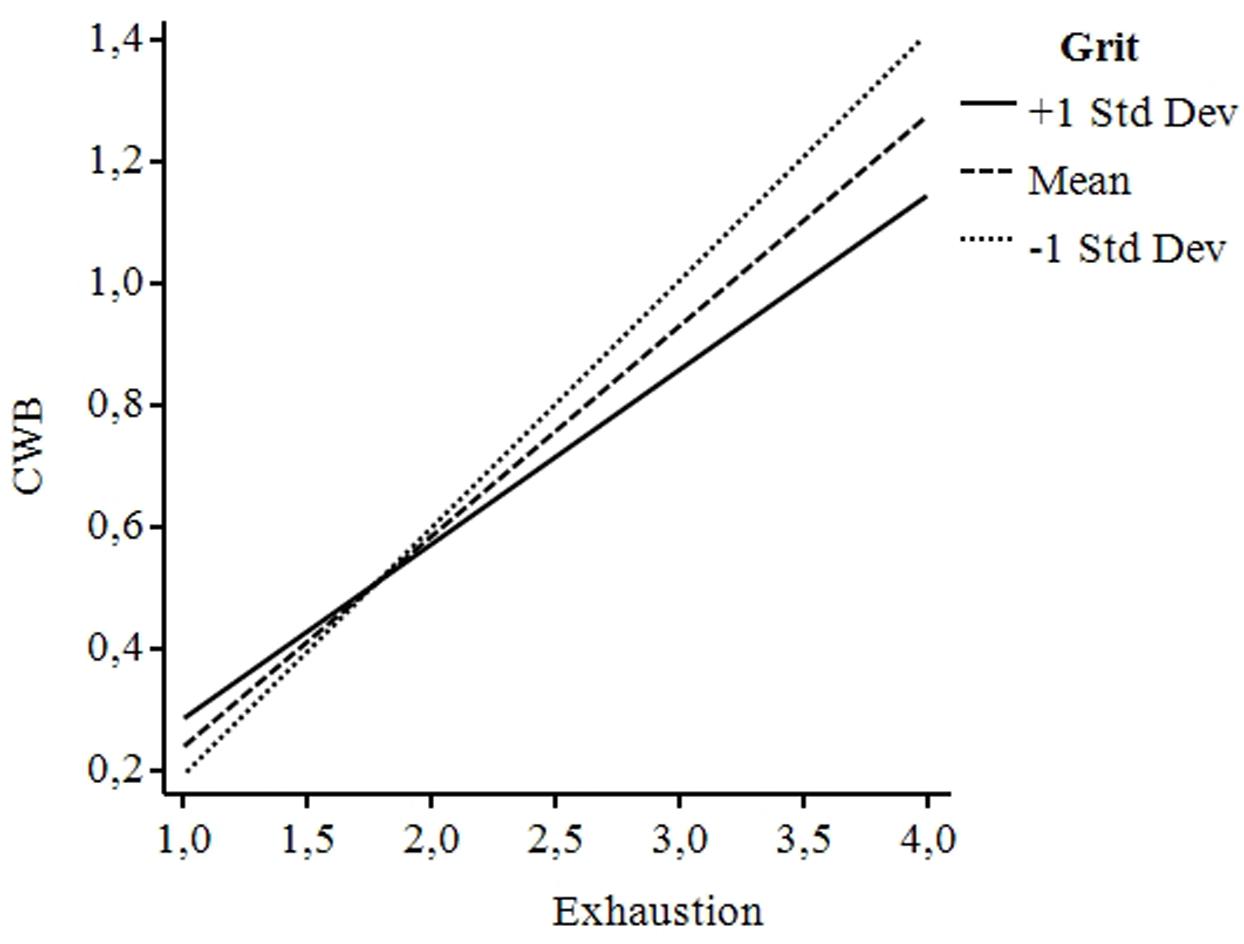
FIGURE 4. Graphical representation of the moderation effects of Grit on Path b.
Discussion
The current results contribute to the job stress literature by providing evidence for the potential applicability of the health impairment process outside the area of health research. The present study satisfies the need for clarification regarding the mediating effect of certain components of burnout (such as exhaustion) in the job demands–CWB relationship. Indeed, as suggested by Balducci et al. (2011), it seems likely that the health impairment process reflects an underlying mechanism of human functioning at work. Specifically, we have found that the health impairment process postulated by the JD-R model (Demerouti et al., 2001) also emerges in relation to CWB. Findings indicate that exhaustion mediates the job demands–CWB relationship. High levels of job demands are indirectly associated with higher CWB frequency, with an increase in exhaustion operating as mediator.
Spector and Fox (2005) suggested that CWB may be a reaction to frustration at work due by job demands, and proposed that frustrations are caused by environmental stressors. Considering this evidence and the recent work of Smoktunowicz et al. (2015), it is more plausible to consider the stressor-emotion model as a two-stage process, fairly associable with the health impairment. This is in line with Bolton et al. (2012), who have showed how exhausted employees could have a general higher propensity to engage in CWB.
These findings contribute to the knowledge on mediating mechanisms, explaining the associations between job demands and CWB. The mediating function of exhaustion can be attributed to the reduction of productive behaviors, so that employees may be more likely to use their working hours for other kinds of behaviors, such as CWB (Smoktunowicz et al., 2015). Concerning the moderating traits, we confirm that Honesty-Humility affects the stressor–strain relation by influencing the reactivity of individuals toward stress perception in relation to job demands, as suggested in the reactivity model (Bolger and Zuckerman, 1995). The emergence of CWB is instead more related to the vulnerability model of interaction of Parkes (1994), where the personality trait of Grit is accountable for rendering the individual less vulnerable to the effects of stressful events (Figure 5).
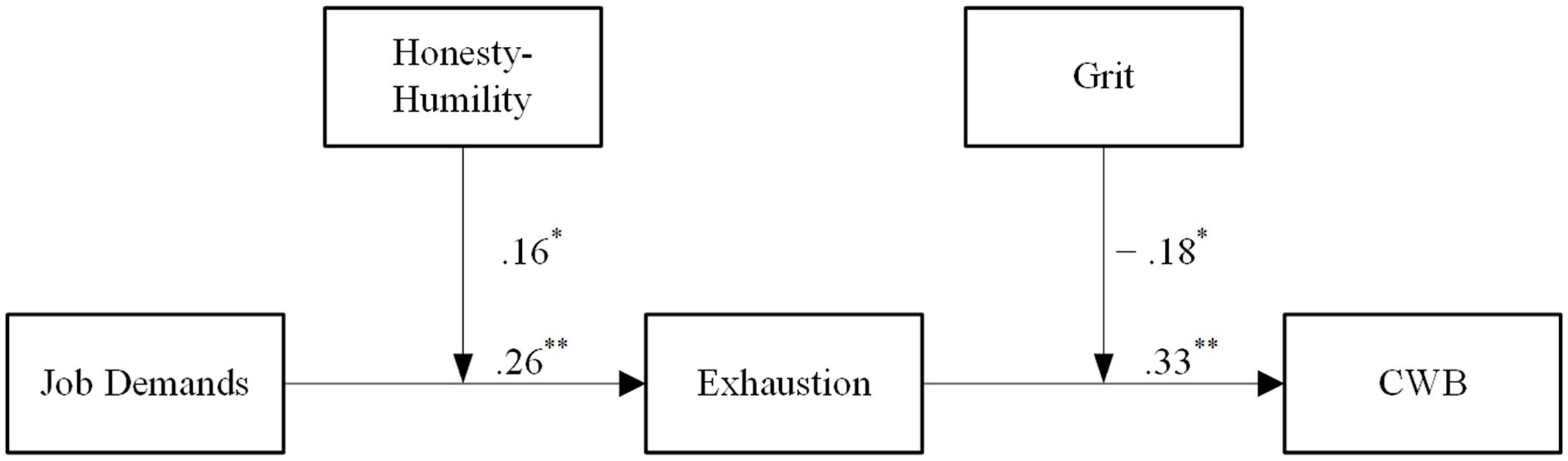
FIGURE 5. Model of the health impairment process on CWB with personality traits as moderators.
The Moderation Effects of the Two Traits on the Health Impairment Process
The moderations show that for higher Honesty-Humility scores, job demands have a stronger positive impact on exhaustion, while this effect vanishes for lower levels of Honesty-Humility. Individuals with low scores of Honesty-Humility would be less inclined to feel and take care of job demands, finding a charged work environment less distressing than the individuals with high Honesty-Humility scores. Lower levels of Honesty-Humility are associated with egoistic and deceitful attitudes. Behaviorally speaking, a person with high Honesty-Humility cooperates with others even when one might take advantage of her/him (e.g., by giving too much workload). This disposition to help others is not present in people with low Honesty-Humility. Therefore, they are less likely to experience exhaustion. Literature lacks studies that compare the impact of the Honesty-Humility trait on job stress. In the study of Wiltshire et al. (2014), simple slope analyses revealed that the relation between the perceptions of organizational politics and job stress was more robust at lower levels of Honesty-Humility. It is conceivable that those low in Honesty-Humility would be less inclined to perceive the negative effects of organizational politics, for example by finding a politically charged work environment less unpleasant than those high in Honesty-Humility because of their greater disposition to use maneuvers to prosper in that workplace. Regarding the moderation between Honesty-Humility and CWB, literature has widely shown this trait to be one of the strongest predictors and this strong relation could have hidden the indirect effect researched (Lee et al., 2005b).
Grit represents perseverance and passion for long-term goals and in this definition lies the sense about how Grit could moderate CWB, mainly because of its focus on developing self-control for long term aims (Duckworth et al., 2007). Grit and strength of character include a wide range of attributes: The specific strength impact on individuals’ efficiency at work, mostly related with certain challenging professions (Lavy and Littman-Ovadia, 2016). Grit workers not only dedicate more stamina in a particular task at a given time, but they do it with permanent strength over the years for seeking their long-term goal (Duckworth et al., 2007). For this reason, the relevance accredited to the work domain by highly passionate workers is the capacity of “run a marathon” (Littman-Ovadia and Lavy, 2016) and to avoid CWB, which is the major expression of career short-sightedness.
Certainly, most of the research on Grit is longitudinal for this reason, and this is also the most important limitation of the current research. However, evidence from longitudinal studies in the work stress area clearly shows that organizational demands such as workload, role conflict, and hassles have causal consequence on outcomes such as exhaustion and, ultimately, CWB (Balducci et al., 2011; Smoktunowicz et al., 2015). For this reason, the direction of the relations examined is plausible. Nevertheless, longitudinal data is required for a solid proof of the results found, especially in relation to the Grit interaction effect on CWB. Future research should also consider a more representative sample of workers, considering also careers particularly exposed to exhaustion (Di Fabio, 2014; Di Fabio and Kenny, 2015).
A direct practical implication of the current research is the interesting question whether organizations should hire honest and humble or gritty workers. While honesty and perseverance are traits that are probably universally considered to be positive qualities in people, our research suggests that at least Honesty-Humility can have negative consequences for workers’ burnout. It should be noted, however, that Honesty-Humility is positively correlated with length of service, such that people who are more honest also stay longer in their companies. Grit is also positively correlated with the number of supervised staff, which indicates that perseverance may be an important leadership component. Finally, both personality traits tend to co-occur (i.e., are positively correlated) and are related to workers’ job role. This means that the combination of both traits might be particularly suitable for management positions.
Author Contributions
All authors listed, have made substantial, direct and intellectual contribution to the work, and approved it for publication.
Conflict of Interest Statement
The authors declare that the research was conducted in the absence of any commercial or financial relationships that could be construed as a potential conflict of interest.
References
Ahola, K., and Hakanen, J. (2007). Job strain, burnout, and depressive symptoms: a prospective study among dentists. J. Affect. Disord. 104, 103–110. doi: 10.1016/j.jad.2007.03.004
Ahola, K., Honkonen, T., Isometsä, E., Kalimo, R., Nykyri, E., Aromaa, A., et al. (2005). The relationship between job-related burnout and depressive disorders–results from the finnish health 2000 Study. J. Affect. Disord. 88, 55–62. doi: 10.1016/j.jad.2005.06.004
Ashton, M. C., and Lee, K. (2005). Honesty–Humility, the big five, and the five–factor model. J. Pers. 73, 1321–1354. doi: 10.1111/j.1467-6494.2005.00351.x
Ashton, M. C., and Lee, K. (2008). The prediction of honesty–humility-related criteria by the HEXACO and five-factor models of personality. J. Res. Pers. 42, 1216–1228. doi: 10.1037/a0024165
Ashton, M. C., Lee, K., de Vries, R. E., Perugini, M., Gnisci, A., and Sergi, I. (2006). The HEXACO model of personality structure and indigenous lexical personality dimensions in Italian, Dutch, and English. J. Res. Pers. 40, 851–875. doi: 10.1016/j.jrp.2005.06.003
Ashton, M. C., Lee, K., and Goldberg, L. R. (2007). The IPIP-HEXACO scales: an alternative, public-domain measure of the personality constructs in the HEXACO model. Pers. Individ. Differ. 42, 1515–1526. doi: 10.1016/j.paid.2006.10.027
Ashton, M. C., Lee, K., and Son, C. (2000). Honesty as the sixth factor of personality: correlations with Machiavellianism, primary psychopathy, and social adroitness. Eur. J. Pers. 14, 359–369. doi: 10.1002/1099-0984(200007/08)14:4<359::AID-PER382>3.0.CO;2-Y
Bakker, A. B., Boyd, C. M., Dollard, M., Gillespie, N., Winefield, A. H., and Stough, C. (2010). The role of personality in the job demands-resources model: a study of Australian academic staff. Career Dev. Int. 15, 622–636. doi: 10.1108/13620431011094050
Bakker, A. B., and Demerouti, E. (2007). The job demands-resources model: state of the art. J. Manag. Psychol. 22, 309–328. doi: 10.1108/02683940710733115
Bakker, A. B., Demerouti, E., De Boer, E., and Schaufeli, W. B. (2003). Job demands and job resources as predictors of absence duration and frequency. J. Vocat. Behav. 62, 341–356. doi: 10.1016/S0001-8791(02)00030-1
Bakker, A. B., Demerouti, E., and Verbeke, W. (2004). Using the job demands-resources model to predict burnout and performance. Hum. Resour. Manage. 43, 83–104. doi: 10.1002/hrm.20004
Bakker, A. B., Van Emmerik, H., and Van Riet, P. (2008). How job demands, resources, and burnout predict objective performance: a constructive replication. Anxiety Stress Coping 21, 309–324. doi: 10.1080/10615800801958637
Balducci, C., Schaufeli, W. B., and Fraccaroli, F. (2011). The job demands–resources model and counterproductive work behaviour: the role of job-related affect. Eur. J. Work Organ. Psychol. 20, 467–496. doi: 10.1080/13594321003669061
Banks, G. C., Whelpley, C. E., Oh, I.-S., and Shin, K. (2012). (How) are emotionally exhausted employees harmful? Int. J. Stress Manag. 19, 198. doi: 10.1037/a0029249
Barling, J., Dupré, K. E., and Kelloway, E. K. (2009). Predicting workplace aggression and violence. Annu. Rev. Psychol. 60, 671–692. doi: 10.1146/annurev.psych.60.110707.163629
Baron, R. M., and Kenny, D. A. (1986). The moderator–mediator variable distinction in social psychological research: conceptual, strategic, and statistical considerations. J. Pers. Soc. Psychol. 51, 1173. doi: 10.1037/0022-3514.51.6.1173
Bechtoldt, M. N., Welk, C., Zapf, D., and Hartig, J. (2007). Main and moderating effects of self-control, organizational justice, and emotional labour on counterproductive behaviour at work. Eur. J. Work Organ. Psychol. 16, 479–500. doi: 10.1080/13594320701662618
Bolger, N., and Zuckerman, A. (1995). A framework for studying personality in the stress process. J. Pers. Soc. Psychol. 69, 890. doi: 10.1037/0022-3514.69.5.890
Bolton, L. R., Harvey, R. D., Grawitch, M. J., and Barber, L. K. (2012). Counterproductive work behaviours in response to emotional exhaustion: a moderated mediational approach. Stress Health 28, 222–233. doi: 10.1002/smi.1425
Brehm, J. W., and Self, E. A. (1989). The intensity of motivation. Annu. Rev. Psychol. 40, 109–131. doi: 10.1146/annurev.ps.40.020189.000545
Brotheridge, C. M., and Grandey, A. A. (2002). Emotional labor and burnout: comparing two perspectives of “people work”. J. Vocat. Behav. 60, 17–39. doi: 10.1006/jvbe.2001.1815
Ceschi, A., Costantini, A., Scalco, A., Charkhabi, M., and Sartori, R. (2016). The relationship between the big five personality traits and job performance in business workers and employees’ perception. Int. J. Bus. Res. 16, 63–76. doi: 10.18374/ijbr-16-2.5
Chirumbolo, A. (2015). The impact of job insecurity on counterproductive work behaviors: the moderating role of honesty–humility personality trait. J. Psychol. 149, 554–569. doi: 10.1080/00223980.2014.916250
Clement, S., and Bollinger, R. (2016). Perspectives on character virtue development. Res. Hum. Dev. 13, 174–181. doi: 10.1080/15427609.2016.1172445
Demerouti, E., and Bakker, A. B. (2008). The Oldenburg Burnout Inventory: A Good Alternative to Measure Burnout and Engagement. Handbook of Stress and Burnout in Health Care. Hauppauge, NY: Nova Science.
Demerouti, E., and Bakker, A. B. (2011). The job demands-resources model: challenges for future research. SA J. Ind. Psychol. 37, 01–09. doi: 10.1037/a0019364
Demerouti, E., Bakker, A. B., Nachreiner, F., and Schaufeli, W. B. (2001). The job demands-resources model of burnout. J. Appl. Psychol. 86, 499. doi: 10.1037/0021-9010.86.3.499
Di Fabio, A. (2014). Intrapreneurial self-capital: a new construct for the 21st century. J. Employ. Couns. 51, 98–111. doi: 10.1002/j.2161-1920.2014.00045.x
Di Fabio, A., and Kenny, M. E. (2015). The contributions of emotional intelligence and social support for adaptive career progress among Italian youth. J. Career Dev. 42, 48–59. doi: 10.1177/0894845314533420
Dollard, M. F., and Bakker, A. B. (2010). Psychosocial safety climate as a precursor to conducive work environments, psychological health problems, and employee engagement. J. Occup. Organ. Psychol. 83, 579–599. doi: 10.1348/096317909X470690
Douglas, S. C., and Martinko, M. J. (2001). Exploring the role of individual differences in the prediction of workplace aggression. J. Appl. Psychol. 86, 547. doi: 10.1037/0021-9010.86.4.547
Duckworth, A., and Gross, J. J. (2014). Self-control and grit related but separable determinants of success. Curr. Dir. Psychol. Sci. 23, 319–325. doi: 10.1177/0963721414541462
Duckworth, A. L., Kirby, T. A., Tsukayama, E., Berstein, H., and Ericsson, K. A. (2011). Deliberate practice spells success why grittier competitors triumph at the national spelling bee. Soc. Psychol. Personal. Sci. 2, 174–181. doi: 10.1177/1948550610385872
Duckworth, A. L., Peterson, C., Matthews, M. D., and Kelly, D. R. (2007). Grit: perseverance and passion for long-term goals. J. Pers. Soc. Psychol. 92, 1087. doi: 10.1037/0022-3514.92.6.1087
Duckworth, A. L., and Quinn, P. D. (2009). Development and validation of the short grit scale (GRIT–S). J. Pers. Assess. 91, 166–174. doi: 10.1080/00223890802634290
Eskreis-Winkler, L., Shulman, E. P., Beal, S. A., and Duckworth, A. L. (2014). The grit effect: predicting retention in the military, the workplace, school and marriage. Front. Psychol. 5:36. doi: 10.3389/fpsyg.2014.00036
Fox, S., Spector, P. E., and Miles, D. (2001). Counterproductive work behavior (CWB) in response to job stressors and organizational justice: some mediator and moderator tests for autonomy and emotions. J. Vocat. Behav. 59, 291–309. doi: 10.1006/jvbe.2001.1803
Geurts, S. A., and Sonnentag, S. (2006). Recovery as an explanatory mechanism in the relation between acute stress reactions and chronic health impairment. Scand. J. Work Environ. Health 32, 482–492. doi: 10.5271/sjweh.1053
Grijalva, E., and Newman, D. A. (2015). Narcissism and counterproductive work behavior (CWB): meta-analysis and consideration of collectivist culture, big five personality, and narcissism’s facet structure. Appl. Psychol. 64, 93–126. doi: 10.1111/apps.12025
Gruys, M. L., and Sackett, P. R. (2003). Investigating the dimensionality of counterproductive work behavior. Int. J. Sel. Assess. 11, 30–42. doi: 10.1111/1468-2389.00224
Hakanen, J. J., Schaufeli, W. B., and Ahola, K. (2008). The job demands-resources model: a three-year cross-lagged study of burnout, depression, commitment, and work engagement. Work Stress 22, 224–241. doi: 10.1080/02678370802379432
Hayes, A. F. (2013). Introduction to Mediation, Moderation, and Conditional Process Analysis: A Regression-Based Approach. New York, NY: Guilford Press.
Hershcovis, M. S., Turner, N., Barling, J., Arnold, K. A., Dupré, K. E., Inness, M., et al. (2007). Predicting workplace aggression: a meta-analysis. J. Appl. Psychol. 92, 228. doi: 10.1037/0021-9010.92.1.228
Hirschi, T., and Gottfredson, M. R. (2000). In defense of self-control. Theor. Criminol. 4, 55–69. doi: 10.1177/1362480600004001003
Idris, M. A., Dollard, M. F., Coward, J., and Dormann, C. (2012). Psychosocial safety climate: conceptual distinctiveness and effect on job demands and worker psychological health. Saf. Sci. 50, 19–28. doi: 10.1016/j.ssci.2011.06.005
Ivancevich, J. M., and Matteson, M. T. (1980). Stress and Work: A Managerial Perspective. Glenview, IL: Scott Foresman.
Karasek, R. (1998). Demand/control model: a social, emotional, and physiological approach to stress risk and active behaviour development. Encycl. Occup. health Saf. 2, 34.6–34.14.
Koopmans, L., Bernaards, C., Hildebrandt, V., van Buuren, S., van der Beek, A. J., and de Vet, H. C. (2012). Development of an individual work performance questionnaire. Int. J. Product. Perform. Manage. 62, 6–28. doi: 10.1108/17410401311285273
Krischer, M. M., Penney, L. M., and Hunter, E. M. (2010). Can counterproductive work behaviors be productive? CWB as emotion-focused coping. J. Occup. Health Psychol. 15, 154. doi: 10.1037/a0018349
Lavy, S., and Littman-Ovadia, H. (2016). My better self using strengths at work and work productivity, organizational citizenship behavior, and satisfaction. J. Career Dev. doi: 10.1177/0894845316634056
Lee, K., and Ashton, M. C. (2006). Further assessment of the HEXACO personality inventory: two new facet scales and an observer report form. Psychol. Assess. 18, 182. doi: 10.1037/1040-3590.18.2.182
Lee, K., Ashton, M. C., and de Vries, R. E. (2005a). Predicting workplace delinquency and integrity with the HEXACO and five-factor models of personality structure. Hum. Perform. 18, 179–197. doi: 10.1207/s15327043hup1802_4
Lee, K., Ashton, M. C., and Shin, K. H. (2005b). Personality correlates of workplace anti-social behavior. Appl. Psychol. 54, 81–98. doi: 10.1111/j.1464-0597.2005.00197.x
Little, L. M., Simmons, B. L., and Nelson, D. L. (2007). Health among leaders: positive and negative affect, engagement and burnout, forgiveness and revenge. J. Manage. Stud. 44, 243–260. doi: 10.1111/j.1467-6486.2007.00687.x
Littman-Ovadia, H., and Lavy, S. (2016). Going the extra mile perseverance as a key character strength at work. J. Career Assess. 24, 240–252. doi: 10.1177/1069072715580322
Marcus, B., Lee, K., and Ashton, M. C. (2007). Personality dimensions explaining relationships between integrity tests and counterproductive behavior: big five, or one in addition? Pers. Psychol. 60, 1–34. doi: 10.1111/j.1744-6570.2007.00063.x
Marcus, B., and Schuler, H. (2004). Antecedents of counterproductive behavior at work: a general perspective. J. Appl. Psychol. 89, 647. doi: 10.1037/0021-9010.89.4.647
Nahrgang, J. D., Morgeson, F. P., and Hofmann, D. A. (2011). Safety at work: a meta-analytic investigation of the link between job demands, job resources, burnout, engagement, and safety outcomes. J. Appl. Psychol. 96, 71. doi: 10.1037/a0021484
O’Boyle, E. H. Jr., Forsyth, D. R., Banks, G. C., and McDaniel, M. A. (2012). A meta-analysis of the dark triad and work behavior: a social exchange perspective. J. Appl. Psychol. 97, 557. doi: 10.1037/a0025679
Parkes, K. R. (1994). Personality and coping as moderators of work stress processes: models, methods and measures. Work Stress 8, 110–129. doi: 10.1080/02678379408259984
Penney, L. M., and Spector, P. E. (2002). Narcissism and counterproductive work behavior: do bigger egos mean bigger problems? Int. J. Sel. Assess. 10, 126–134. doi: 10.1111/1468-2389.00199
Penney, L. M., and Spector, P. E. (2005). Job stress, incivility, and counterproductive work behavior (CWB): the moderating role of negative affectivity. J. Organ. Behav. 26, 777–796. doi: 10.1002/job.336
Piko, B. F. (2006). Burnout, role conflict, job satisfaction and psychosocial health among Hungarian health care staff: a questionnaire survey. Int. J. Nurs. Stud. 43, 311–318. doi: 10.1016/j.ijnurstu.2005.05.003
Sartori, R., Ceschi, A., Costantini, A., and Scalco, A. (2015). Big Five for work and organizations: FLORA (role related personal profile), an Italian personality test based on the Five-Factor Model and developed for the assessment of candidates and employees. Qual. Quant. 50, 1–17. doi: 10.1007/s11135-015-0250-9
Sartori, R., Costantini, A., Ceschi, A., and Scalco, A. (2016). Not only correlations: a different approach for investigating the relationship between the Big Five personality traits and job performance based on workers and employees’ perception. Qual. Quant. 1–13. doi: 10.1007/s11135-016-0406-2
Schaufeli, W. B., Bakker, A. B., and Van Rhenen, W. (2009). How changes in job demands and resources predict burnout, work engagement, and sickness absenteeism. J. Organ. Behav. 30, 893–917. doi: 10.1002/job.595
Schaufeli, W. B., and Taris, T. W. (2014). A Critical Review of the Job Demands-Resources Model: Implications for Improving Work and Health Bridging Occupational, Organizational and Public Health. Berlin: Springer,43–68.
Smoktunowicz, E., Baka, L., Cieslak, R., Nichols, C. F., Benight, C. C., and Luszczynska, A. (2015). Explaining counterproductive work behaviors among police officers: the indirect effects of job demands are mediated by job burnout and moderated by job control and social support. Hum. Perform. 28, 332–350. doi: 10.1080/08959285.2015.1021045
Spector, P. E., and Fox, S. (2005). “The stressor-emotion model of counterproductive work behavior,” in Counterproductive Work Behavior: Investigations of Actors and Targets, eds S. Fox and P. E. Spector (Washington, DC: American Psychological Association), 151–174.
Toppinen-Tanner, S., Ahola, K., Koskinen, A., and Väänänen, A. (2009). Burnout predicts hospitalization for mental and cardiovascular disorders: 10-year prospective results from industrial sector. Stress Health 25, 287–296. doi: 10.1002/smi.1282
Umehara, K., Ohya, Y., Kawakami, N., Tsutsumi, A., and Fujimura, M. (2007). Association of work-related factors with psychosocial job stressors and psychosomatic symptoms among Japanese pediatricians. J. Occup. Health 49, 467–481. doi: 10.1539/joh.49.467
Van Veldhoven, M., and Meijman, T. (1994). Measuring Psychosocial Workload by Means of a Questionnaire: Questionnaire on the Experience and Evaluation of Work VBBA. Amsterdam: NIA.
Wiltshire, J., Bourdage, J. S., and Lee, K. (2014). Honesty-humility and perceptions of organizational politics in predicting workplace outcomes. J. Bus. Psychol. 29, 235–251. doi: 10.1007/s10869-013-9310-0
Xanthopoulou, D., Bakker, A. B., Demerouti, E., and Schaufeli, W. B. (2007). The role of personal resources in the job demands-resources model. Int. J. Stress Manage. 14, 121. doi: 10.1037/1072-5245.14.2.121
Keywords: health impairment process, job demands, exhaustion, counterproductive work behavior, honesty-humility, grit
Citation: Ceschi A, Sartori R, Dickert S and Costantini A (2016) Grit or Honesty-Humility? New Insights into the Moderating Role of Personality between the Health Impairment Process and Counterproductive Work Behavior. Front. Psychol. 7:1799. doi: 10.3389/fpsyg.2016.01799
Received: 13 July 2016; Accepted: 01 November 2016;
Published: 01 December 2016.
Edited by:
Annamaria Di Fabio, University of Florence, ItalyReviewed by:
M. Teresa Anguera, University of Barcelona, SpainPeter McIlveen, University of Southern Queensland, Australia
Copyright © 2016 Ceschi, Sartori, Dickert and Costantini. This is an open-access article distributed under the terms of the Creative Commons Attribution License (CC BY). The use, distribution or reproduction in other forums is permitted, provided the original author(s) or licensor are credited and that the original publication in this journal is cited, in accordance with accepted academic practice. No use, distribution or reproduction is permitted which does not comply with these terms.
*Correspondence: Andrea Ceschi, YW5kcmVhLmNlc2NoaUB1bml2ci5pdA==