 Vittoria Maria Patania1†
 Johnny Padulo2†Enzo Iuliano3
 Luca Paolo Ardigò4
 Dražen Čular1Alen Miletić1
 Andrea De Giorgio3*
- 1Faculty of Kinesiology, University of Split, Split, Croatia
- 2Department of Biomedical Sciences for Health, University of Milan, Milan, Italy
- 3Faculty of Psychology, eCampus University, Novedrate, Italy
- 4School of Exercise and Sport Science, Department of Neurosciences, Biomedicine and Movement Sciences, University of Verona, Verona, Italy
The use of music during training represents a special paradigm for trainers to stimulate people undertaking different types of exercise. However, the relationship between the tempo of music and perception of effort during different metabolic demands is still unclear. Therefore, the aim of this research was to determine whether high intensity exercise is more sensitive to the beneficial effects of music than endurance exercise. This study assessed 19 active women (age 26.4 ± 2.6 years) during endurance (walking for 10′ at 6.5 km/h on a treadmill) and high intensity (80% on 1-RM) exercise under four different randomly assigned conditions: no music (NM), with music at 90–110 bpm (LOW), with music at 130–150 bpm (MED), and with music at 170–190 bpm (HIGH). During each trial, heart rate (HR) and the rating of perceived exertion (RPE) were assessed. Repeated analysis of variance measures was used to detect any differences between the four conditions during high intensity and low intensity exercise. RPE showed more substantial changes during the endurance exercises (11%), than during high intensity exercise (6.5%), between HIGH and NM conditions. The metabolic demand during the walking exercise increased between NM and HIGH bpm conditions. This study indicates the benefits of music under stress conditions as well as during endurance and high intensity training. The results demonstrate that the beneficial effects of music are more likely to be seen in endurance exercise. Consequently, music may be considered an important tool to stimulate people engaging in low intensity physical exercise.
Introduction
The psychophysiological effects of music have been widely investigated in both psychology (De Giorgio et al., 2017; Benke et al., 2018; Innes et al., 2018; Padovan et al., 2018) and in exercise and sport related fields (Jarraya et al., 2012; Terry et al., 2012). The effects of exercise on the brain are well known (for a review see De Giorgio, 2017, De Giorgio et al., 2018a), but the effect that music has on exercise and its cerebral counterpart has only recently been investigated (Bigliassi et al., 2017; Tabei et al., 2017). It has been demonstrated that music is able to trigger behavioral changes, i.e., there is an underlying modification of brain function which can induce people to increase their exercise adherence and participation (Altenmüller and Schlaug, 2012). Music has also been demonstrated to be effective in reducing fatigue and its related symptoms (Jing and Xudong, 2008), in emotional regulation (Hou et al., 2017), in regulating affective arousal (Hutchinson et al., 2018) and in improving the efficacy of the motor system (Bigliassi et al., 2017).
However, music remains a subjective experience and De Nora (2000) discussed how people select music in a subjective manner to improve mood and energy levels during physical activity. Furthermore, the influence of music is also associated with both its intrinsic elements, such as rhythm and musicality and extrinsic factors emerging from cultural and extra-musical associations (Zatorre et al., 2007; Koc and Curtseit, 2009; Karageorghis et al., 2012). Listening to a particular type of music has been found to improve subjective experience during low, moderate, and high intensity exercise (De Nora, 2000; Karageorghis and Priest, 2012a, b; Karageorghis et al., 2012).
In the neurophysiological context, it has been demonstrated that music influences processes in the autonomic nervous system and can even be used to regulate blood pressure and heart rate (HR) (Schneck and Berger, 2006; Karageorghis and Priest, 2012a, b). The central nervous system is highly sensitive to musical cues and its reaction is diverse, involving muscle activation, attention, thoughts, behavior, and executive functions (Thaut, 2005; Thaut and Abiru, 2010; Altenmüller and Schlaug, 2013).
With respect to attention, listening to music during physical activity has been described in the literature as a dissociative cognitive strategy that enables a shift in attention away from subjective experiences of discomfort or pain (De Nora, 2000; Rodriguez-Fornells et al., 2012; Altenmüller and Schlaug, 2013). It has been shown that as the intensity of exercise increases, discomfort and related bodily sensations increase, eliciting a greater awareness of fatigue-related symptoms (Karageorghis and Priest, 2012a). Conversely, when people are exposed to environmental sensory cues such as music, colors, or videos, these cues can divert attention and modify both behavior and bodily discomfort sensations during exercise or other tasks (Karageorghis and Jones, 2014; De Giorgio et al., 2018a, b).
As mentioned previously, the literature describes the capacity of music to shift the focus away from feelings of discomfort and fatigue and this has been demonstrated through the assessment of the rating of perceived exertion (RPE). In particular, it has been found that reduced RPE with music is associated with low to moderate intensity exercise, but not high intensity exercise (Harmon and Kravitz, 2007; Karageorghis and Priest, 2012b). The authors proposed that music seems unable to divert attention during exercise that is overly intense with a high degree of bodily discomfort (for a review see Karageorghis and Priest, 2012a, b). Despite this, it was found that while the RPE during high intensity exercise remained the same with or no music (NM), participants experienced more positive mood profiles when listening to music, regardless of exercise intensity. The authors suggest that this could have occurred because although the participants knew that they were exercising hard, they were happier about the activity (Karageorghis and Priest, 2012a, b). In their literature review, Karageorghis and Priest (2012a, b) also highlighted the finding that trained athletes are less influenced by the effects of music compared to those who are untrained. This could be a result of the practice athletes have in diverting their attention away from bodily discomfort in any situation.
However, to the best of our knowledge there have been no studies to date that have linked the effect of two different exercise types on the RPE under different music conditions. This study investigated the RPE after low intensity and high intensity exercise, conducted under different music conditions.
Participants
Nineteen female participants ranging from 24 to 31 years old were enrolled for the present study. All participants regularly performed physical activity three to five times a week and a good proportion of the participants were involved in physical fitness. The following participant information was collected: mass, height, BMI (body mass index, obtained by dividing the weight in kg of the participant with the square of the height expressed in meters), training experience [endurance intensive effort and/or high intensity effort (Chamari and Padulo, 2015)], and maximal HR. The participants’ data are reported in Table 1. All participants gave written informed consent following verbal and written explanations regarding the study. All methodological procedures were approved by the local Ethics Committee.
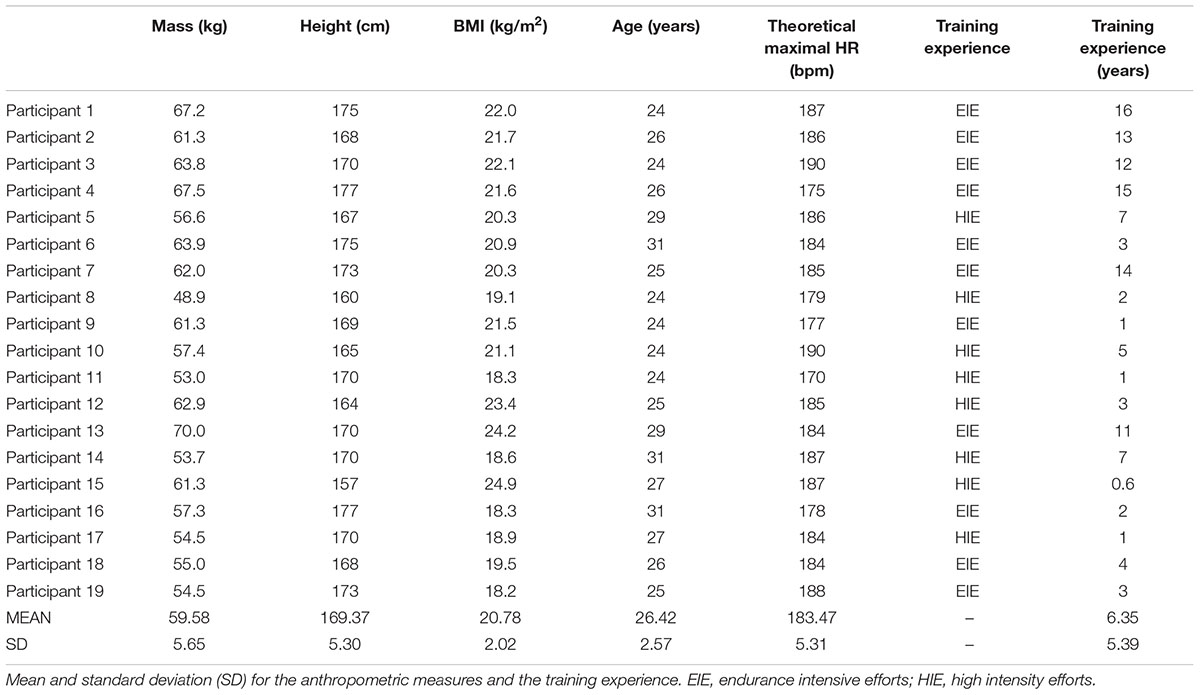
Table 1. Characteristics of participants.
Socio-Demographic Variables and Enrolment Process
The participants were enrolled in different fitness centers located in Rome using a convenience sampling based on the following inclusion criteria: (1) female gender; (2) age between 18 and 35 years old; (3) at least 1 year of experience in fitness training (minimum three to five session of training per week; and (4) at least high school graduation. To assure the safety of the procedure and the correct interpretation of the data the following exclusion criteria were instead applied: (1) presence of relevant disease or other condition (temporary or permanent) incompatible with the proposed interventions; (2) history of relevant cardiopulmonary disease; (3) BMI > 25 kg/m2; (4) presence of relevant disease or other condition (temporary or permanent) potentially influencing the physical performance of the participant. The participants were all volunteers and were invited for an individual appointment in a Sports Science Laboratory in order to explain them the procedure of the study and in order to collect the information via survey. The survey aimed to investigate and collect the data reported in Table 1, the adherence to the inclusion criteria, and the absence of exclusion criteria.
Procedures
Each participant was asked to perform two different training sessions: (1) walking at 6.5 km/h (endurance exercise) on a treadmill for 10 min to reach a steady state (Padulo et al., 2014) and (2) high intensity exercise on leg press machine based on the one repetition maximum test (1-RM) (Padulo et al., 2015). Each exercise test was performed four times by each participant under four different tempo music conditions. The order of the four music conditions was randomly assigned in a counterbalanced way. Subsequently, in the other four experimental sessions (each conducted under different music conditions) each participant individually performed the two exercise sessions. The participant’s HR was recorded during each endurance session (10 min for each one) and at the end of the test, the participant’s average HR and peak HR were then calculated. Furthermore, immediately after the walking exercise, the participant was asked to express their perception of fatigue as a value based on the Borg scale (0 < 20). On a different day, each participant was assessed with regard to their maximal repetitions during the leg-press exercise (Padulo et al., 2017; Migliaccio et al., 2018) and the 1-RM based on the Brzycki method was calculated at the same time (Padulo et al., 2015). To ensure standardization of the procedure the following method was used. The participant began the leg-press exercise with a load equivalent to their body weight (measured in the preliminary session) and performed the maximal number of repetitions. When the participant reached 10 repetitions with the selected weight, the exercise was stopped and 20 kg was added for a further attempt after four minutes of rest. When the participant was unable to perform more than 10 repetitions with the selected load, the respective 1-RM was calculated using the Brzycki equation: 1-RM theoretical = lifted load/[1.0278 − (0.0278 × repetitions performed)]. Immediately after the last try, the participant was once again asked to express their perception of fatigue as a value based on the Borg scale (CR 0 < 20). The four tempo music conditions were: NM, with music at 90–110 bpm (LOW), with music at 130–150 bpm (MED), and with music at 170–190 bpm (HIGH). During each music condition, five pop songs were used with increasing bpm (e.g., in the MED condition, the first song had 132 bpm, the second had 136 bpm, the third had 141 bpm, the fourth had 143 bpm, and the last song had 148 bpm). All sessions were conducted in the same Sports Science Laboratory of the enrolment process, and similar environmental conditions at each session were ensured (temperature and relative humidity for each session ranging from 22 to 24°C and 25 to 27%, respectively). All the sessions under different music condition were performed one week apart each other to avoid the influence of fatigue of each session on the subsequent ones. A reminder was sent to each participant 2 days before each session in order to assure the correct adherence to the study planning. No dropout or unavailability of the participants occurred during the study.
Statistical Analysis
The Shapiro–Wilk test was used to evaluate the normality of the data distribution. Successively, multivariate analysis of variance with repeated measures (RM-MANOVA) was conducted to determine whether significant differences existed between the four different music conditions. This was considered as the factor of the analysis (named CONDITION). The following five variables were considered dependent variables: aHRwalking (average HR during walking at 6.5 km/h); pHRwalking (peak HR during walking at 6.5 km/h); RPEwalking (RPE during walking at 6.5 km/h); 1-RMlp (one-repetition maximum during leg-press); and RPElp (RPE during leg-press). The alpha test level for statistical significance was set at p < 0.05 and was calculated as the index of effect size. The Bonferroni correction was used for pairwise comparison of the four music conditions. The reliability of the external load time (10′ on treadmill/leg-press machine) was assessed by calculating the intra-class correlations coefficient (ICC), according to the literature (Weir, 2005). The SPSS statistical software package (Version 25.0; IBM) was used for all statistical analysis.
Results
On leg-press exercise the 1-RM was 133.26 ± 41.78 kg with the starting load of 62.11 ± 4.19 kg and concluded with 4.21 ± 1.90 sets/3.32 ± 0.89 reps. The ICC for external load time (treadmill/leg-press) on the four conditions was >0.985 for high intensity and endurance exercises, respectively. The results of the RM-MANOVA indicated significant differences between the four conditions (F13,6 = 94,152; p < 0.0001; ). The univariate analysis showed significant differences with regard to all five dependent variables analyzed: aHRwalking (F3,54 = 242.08; p < 0.0001; ); pHRwalking (F3,54 = 631.38; p < 0.0001; ); RPEwalking (F3,54 = 35.27; p < 0.0001; ); 1-RMlp (F3,54 = 39.54; p < 0.0001; ); and RPElp (F3,54 = 15.86; p < 0.0001; ). The results obtained for each condition and the pairwise comparisons between the four conditions are reported in Table 2 and Figure 1.
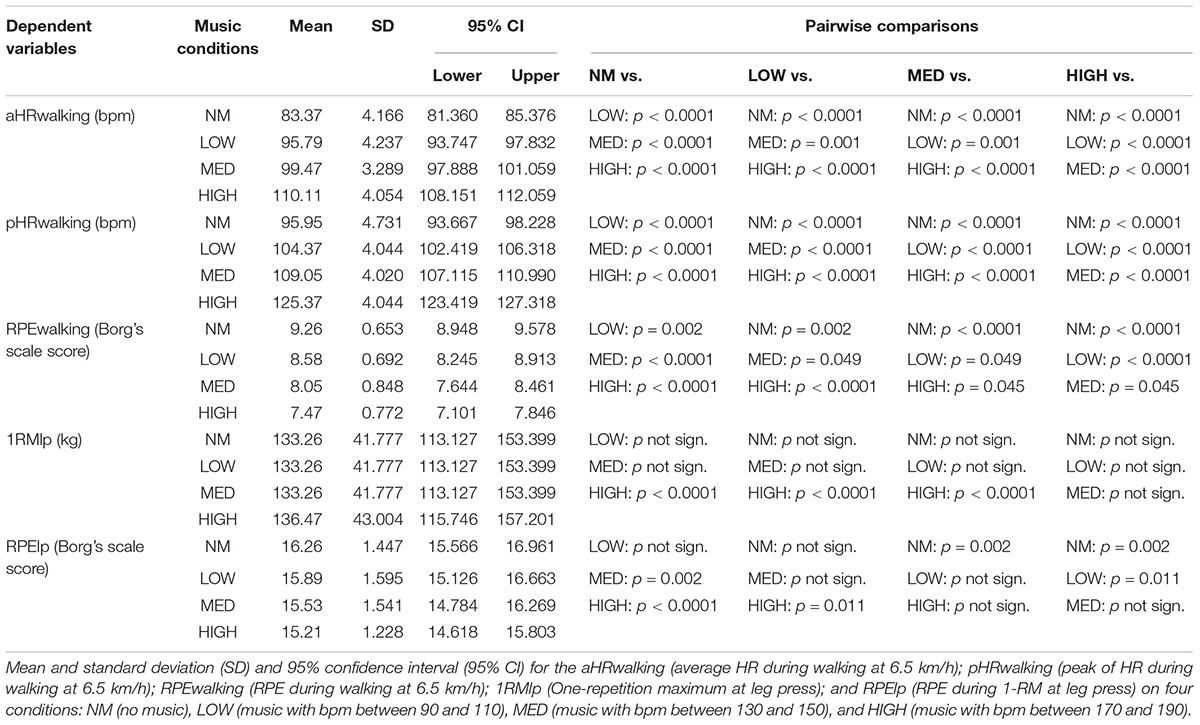
Table 2. Results with pairwise comparisons among the four music conditions.
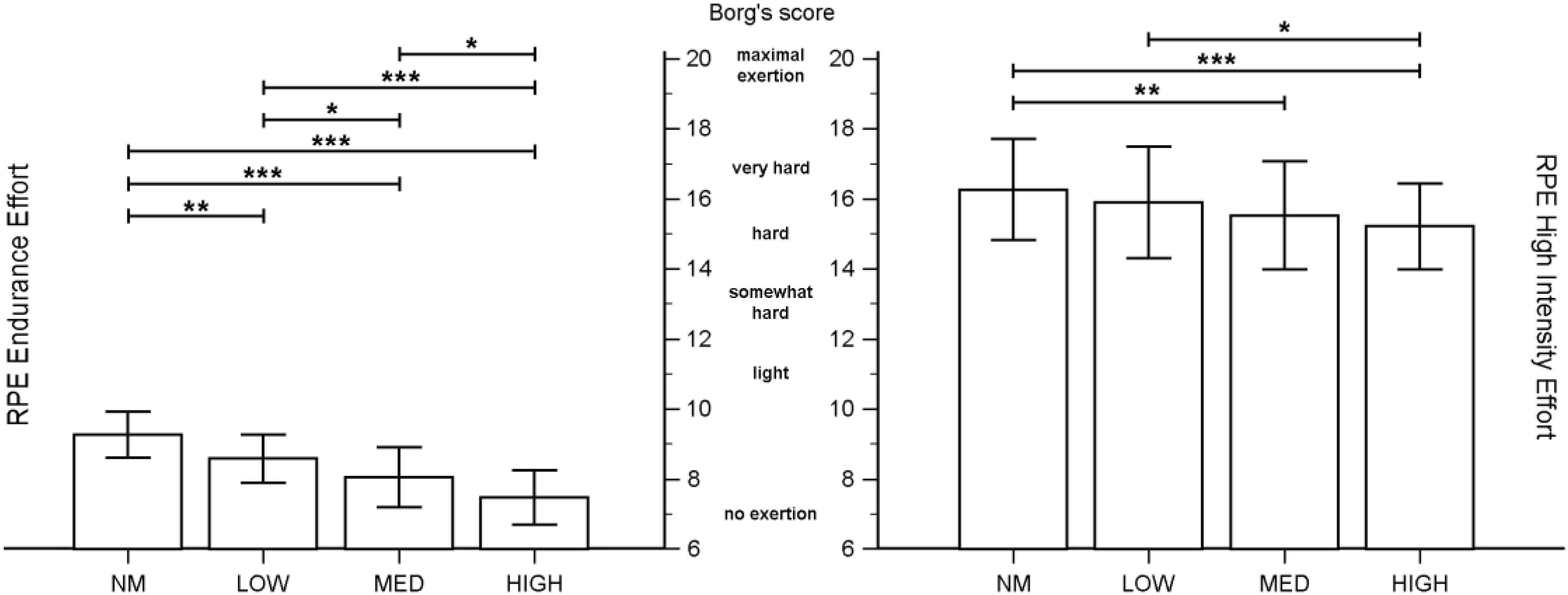
Figure 1. Rating of perceived exertion (RPE) in both exercises during the four conditions. *p < 0.05; **p < 0.01; ***p < 0.001.
Discussion
The results of this study support the findings of other studies regarding the effects of music on cognitive motor processes (Bianco et al., 2017; Mohammad Alipour et al., 2019). This study is the first to link the effect of music with RPE and HR under different music conditions. The effects of music involve both unconscious sub-cortical areas and conscious cortical stimulation and the responses are highly complex (Zatorre et al., 2007; Levitin and Tirovolas, 2009; Rodriguez-Fornells et al., 2012; Altenmüller and Schlaug, 2013). Music can stimulate the human brain to such an extent that to ignore it is more difficult than interaction (Zatorre et al., 2007; Levitin and Tirovolas, 2009).
As mentioned previously, music perception involves both cortical and sub-cortical areas, but it has an effect on the whole brain. Music influences emotional responses (i.e., the limbic system), associate/automatic movements (i.e., the basal ganglia), coordination (i.e., the cerebellum), and the organization and planning of movements (motor, pre-motor, and supplementary motor areas). The rhythmic patterns of music facilitate error correction and the execution of movements (Levitin and Tirovolas, 2009). Indeed, repeated movements seem to be related to the phases between pulse music beats, stimulating a feedback/forward loop (Todd et al., 2002; Levitin and Tirovolas, 2009). In addition to the involvement of the whole brain, music also affects the whole body and this influence occurs through physiological arousal mediated by sub-cortical structures and bodily rhythms such as walking, breathing, and HR (Schneck and Berger, 2006; Levitin and Tirovolas, 2009; Altenmüller and Schlaug, 2013). Previous studies have demonstrated that music regulates processes in the autonomic nervous system and can be used to regulate the cardiovascular system with regard to both HR and blood pressure (Harmon and Kravitz, 2007; Murrock and Higgins, 2009; Karageorghis and Priest, 2012a, b). Bodily activation is very important in feeling fatigue, as signals traveling from the body toward the brain inform the latter on the effort in progress, modulating physical activity as a result. These signals capture conscious attention and can change behavioral responses relating to exercise adherence. Becomes These signals capture conscious attention and can change behavioral responses (De Giorgio, 2016) also relating to exercise adherence. However, music can be considered a useful tool in regulating the intensity of physiological arousal and subjective experiences in order to improve levels of physical activity and exercise participation (De Nora, 2000; Zatorre et al., 2007; Karageorghis and Priest, 2012a, b; Altenmüller and Schlaug, 2013). Indeed, in the context of sport and exercise performance, De Nora (2000) discussed how music can be strategically chosen in order to induce physio-psychological responses that lead to better performance, experience, and adherence to exercise as well as regulating mood and shifting attention away from discomfort (De Nora, 2000). Our investigation showed the differences in the effects of listening to music during high intensity and low intensity exercise (i.e., endurance exercise). Endurance exercise seems more sensitive to external stimuli (Van Cutsem et al., 2017) due to the mental fatigue and perception of effort involved in endurance exercise. High intensity training (i.e., explosive effort) seems characterized by an all-out approach that is powered primarily by metabolic pathways through muscular simulation without the use of oxygen (Van Cutsem et al., 2017). As such, “anaerobic” high intensity training requires fewer decision-making processes compared to endurance exercise, due to the all-out strategy and the intrinsically shorter duration (Van Cutsem et al., 2017).
This study presents some limitations. First, the results refer to a physically trained adult female population. Consequently, these results need to be confirmed for other populations such as male subjects, untrained people, older people, or adolescents. Furthermore, music cannot be described only using tempo, but also other characteristics need to be considered such as lyrics, melody, and genre. These characteristics were not considered in this study, but they could influence the performance of the participant. Also, the preference of the participants concerning their musical preferences were not collected and considered in the present study. Finally, the effect in the different moments of the same exercise was not considered as in previous study (Di Cagno et al., 2016).
Conclusion
This study indicates the benefits of listening to music under physical stress conditions as well as during endurance and high intensity training. The results of this study demonstrate that the beneficial effects of music are more apparent for endurance exercise. Consequently, music may be considered an important tool to stimulate people engaging in physical exercise. The finding of this study underlines the efficacity of the tempo of music in improving the performance and simultaneously reducing the RPE during the exercises. With this in mind, it is important to understand how this music influence can be used to improve training load and performance in trained people, but also the risk of an “altered” RPE during the exercise (both endurance and high intensity) needs to be clarified.
Data Availability Statement
The datasets generated for this study are available on request to the corresponding author.
Ethics Statement
The studies involving human participants were reviewed and approved by the local Ethics Committee. The patients/participants provided their written informed consent to participate in this study.
Author Contributions
VP, JP, and AD: conceptualization and writing. JP and EI: methodology and formal analysis. EI and LA: validation. DČ, AM, and VP: investigation. LA, DČ, and AM: resources. EI: data curation. AD and JP: review and editing. AD: supervision.
Conflict of Interest
The authors declare that the research was conducted in the absence of any commercial or financial relationships that could be construed as a potential conflict of interest.
References
Altenmüller, E., and Schlaug, G. (2012). “Music, brain, and health: exploring biological foundations of music’s health effects,” in Music, Health & Wellbeing, eds R. A. R. MacDonald, G. Kreutz, and L. Mitchell, (Oxford: Oxford University Press), 12–24.
Altenmüller, E., and Schlaug, G. (2013). Neurologic music therapy: the beneficial effects of music making on neurorehabilitation. Acoust. Sci. Technol. 34, 5–12. doi: 10.1250/ast.34.5
Benke, G., Dimitriadis, C., Zeleke, B. M., Inyang, I., McKenzie, D., and Abramson, M. J. (2018). Is exposure to personal music players a confounder in adolescent mobile phone use and hearing health studies? J. Int. Med. Res. 46, 4527–4534. doi: 10.1177/0300060518760700
Bianco, V., Berchicci, M., Perri, R. L., Quinzi, F., and Di Russo, F. (2017). Exercise-related cognitive effects on sensory-motor control in athletes and drummers compared to non-athletes and other musicians. Neuroscience 30, 39–47. doi: 10.1016/j.neuroscience.2017.07.059
Bigliassi, M., Karageorghis, C. I., Wright, M. J., Orgs, G., and Nowicky, A. V. (2017). Effects of auditory stimuli on electrical activity in the brain during cycle ergometry. Physiol. Behav. 177, 135–147. doi: 10.1016/j.physbeh.2017.04.023
Chamari, K., and Padulo, J. (2015). ‘Aerobic and Anaerobic’ terms used in exercise physiology: a critical terminology reflection. Sports Med. Open 1:9.
De Giorgio, A. (2016). From emotional education to collaborative intelligence. Espressivamente. 1, 16–41. ISSN 2239–4044.
De Giorgio, A. (2017). The roles of motor activity and environmental enrichment in intellectual disability. Somatosens. Mot. Res. 34, 34–43. doi: 10.1080/08990220.2016
De Giorgio, A., Dante, A., Cavioni, V., Padovan, A. M., Rigonat, D., Iseppi, F., et al. (2017). The IARA Model as an integrative approach to promote autonomy in COPD patients through improvement of self-efficacy beliefs and illness perception: a mixed-method pilot study. Front. Psychol. 8:1682. doi: 10.3389/fpsyg.2017.01682
De Giorgio, A., KuvaČić, G., Milić, M., and Padulo, J. (2018a). The brain and movement: How physical activity affects the brain. Monten. J. Sports Sci. Med. 7, 63–68. doi: 10.26773/mjssm.180910
De Giorgio, A., Sellami, M., Kuvacic, G., Lawrence, G., Padulo, J., Mingardi, M., et al. (2018b). Enhancing motor learning of young soccer players through preventing an internal focus of attention: the effect of shoes colour. PLoS One 13:e0200689. doi: 10.1371/journal.pone.0200689
Di Cagno, A., Iuliano, E., Fiorilli, G., Aquino, G., Giombini, A., Menotti, F., et al. (2016). Effects of rhythmical and extra-rhythmical qualities of music on heart rate during stationary bike activities. J. Sport Med. Phys. Fit. 56, 1226–1231.
Harmon, N. M., and Kravitz, L. (2007). The beat goes on: the effects of music on exercise: a review of the research on the ergogenic and psychophysical impact of music in an exercise program. IDEA Fit. J. 4, 72–77.
Hou, J., Song, B., Chen, C. A. N., Sun, C., Zhou, J., Zhu, H., et al. (2017). Review on neural correlates of emotion regulation and music: implications for emotion dysregulation. Front. Psychol. 8:501. doi: 10.3389/fpsyg.2017.00501
Hutchinson, J. C., Jones, L., Vitti, S. N., Moore, A., Dalton, P. C., and O’Neil, B. J. (2018). The influence of self-selected music on affect-regulated exercise intensity and re- membered pleasure during treadmill running. Sport Ex. Perf. Psychol. 7, 80–92. doi: 10.1037/spy0000115
Innes, K. E., Selfe, T. K., Kandati, S., Wen, S., and Huysmans, Z. (2018). Effects of mantra meditation versus music listening on knee pain, function, and related outcomes in older adults with knee osteoarthritis: an exploratory Randomized Clinical Trial (RCT). Evid. Based Complement. Alternat. Med. 2018:7683897. doi: 10.1155/2018/7683897
Jarraya, M., Chtourou, H., Aloui, A., Hammouda, O., Chamari, K., Chaouachi, A., et al. (2012). The effects of music on high-intensity short-term exercise in well trained athletes. Asian J. Sports Med. 3, 233–238.
Jing, L., and Xudong, W. (2008). Evaluation on the effects of relaxing music on the recovery from aerobic exercise-induced fatigue. J. Sports Med.Phys. Fit. 48, 102–106.
Karageorghis, C. I., and Jones, L. (2014). On the stability and relevance of the exercise heart rate–music-tempo preference relationship. Psychol. Sport Exerc. 15, 299–310. doi: 10.1016/j.psychsport.2013.08.004
Karageorghis, C. I., and Priest, D. L. (2012a). Music in the exercise domain: a review and synthesis (part I). Int. Rev. Sport Exerc. Psychol. 5, 44–66. doi: 10.1080/1750984X.2011.631026
Karageorghis, C. I., and Priest, D. L. (2012b). Music in the exercise domain: a review and synthesis (part II). Int. Rev. Sport Exerc. Psychol. 5, 67–84. doi: 10.1080/1750984X.2011.631027
Karageorghis, C. I., Terry, P. C., Lane, A. M., Bishop, D. T., and Priest, D. L. (2012). The BASES expert statement on use of music in exercise. J. Sports Sci. 30, 953–956. doi: 10.1080/02640414.2012.676665
Koc, H., and Curtseit, T. (2009). The effects of music on athletic performance. Ovidius University Ann. Series Phys. Educ. Sport Sci. Movement Health 9, 43–47.
Levitin, D. J., and Tirovolas, A. K. (2009). Current advances in the cognitive neuroscience of music. Ann. N. Y. Acad. Sci. 1156, 211–231. doi: 10.1111/j.1749-6632.2009.04417.x
Migliaccio, G. M., Dello Iacono, A., Ardigò, L. P., Samozino, P., Iuliano, E., Grgantov, Z., et al. (2018). Leg press vs. smith machine: quadriceps activation and overall perceived effort profiles. Front. Physiol. 23:1481. doi: 10.3389/fphys.2018.01481
Mohammad Alipour, Z., Mohammadkhani, S., and Khosrowabadi, R. (2019). Alteration of perceived emotion and brain functional connectivity by changing the musical rhythmic pattern. Exp. Brain Res. 237, 2607–2619. doi: 10.1007/s00221-019-05616-w
Murrock, C. J., and Higgins, P. A. (2009). The theory of music, mood and movement to improve health outcomes: discussion paper. J. Adv. Nurs. 65, 2249–2257. doi: 10.1111/j.1365-2648.2009.05108.x
Padovan, A. M., Oprandi, G. M., Padulo, J., Bruno, C., Isoardi, M., Gulotta, F., et al. (2018). A novel integrative approach to improve the quality of life by reducing pain and kinesiophobia in patients undergoing TKA: the IARA Model. Muscles Ligaments Tendons J. 8, 93–103. doi: 10.11138/mltj/2018.8.1.093
Padulo, J., Chamari, K., and Ardigò, L. P. (2014). Walking and running on treadmill: the standard criteria for kinematics studies. Muscles Ligaments Tendons J. 14, 159–162.
Padulo, J., Laffaye, G., Chaouachi, A., and Chamari, K. (2015). Bench press exercise: the key points. J. Sport Med. Phys. Fit. 55, 604–608.
Padulo, J., Migliaccio, G. M., Ardigò, L. P., Leban, B., Cosso, M., and Samozino, P. (2017). Lower limb force, velocity, power capabilities during leg press and squat movements. Int. J. Sports Med. 38, 1083–1089. doi: 10.1055/s-0043-118341
Rodriguez-Fornells, A., Rojo, N., Amengual, J. L., Ripolleìs, P., Altenmüller, E., and Münte, T. F. (2012). The involvement of audio-motor coupling in the music- supported therapy applied to stroke patients. Ann. N. Y. Acad. Sci. 1252, 282–293. doi: 10.1111/j.1749-6632.2011.06425.x
Schneck, D. J., and Berger, D. S. (2006). The Music Effect: Music Physiology and Clinical Applications. London: Jessica Kingsley.
Tabei, K. I., Satoh, M., Ogawa, J. I., Tokita, T., Nakaguchi, N., Nakao, K., et al. (2017). Physical exercise with music reduces gray and white matter loss in the frontal cortex of elderly people: the mihama-kiho scan project. Front. Aging Neur. 7:174. doi: 10.3389/fnagi.2017.00174
Terry, P. C., Karageorghis, C. I., Mecozzi Saha, A., and D’Auria, S. (2012). Effects of synchronous music on treadmill running among elite triathletes. J. Sci. Med. Sport 15, 52–57. doi: 10.1016/j.jsams.2011.06.003
Thaut, M. H., and Abiru, M. (2010). Rhythmic auditory stimulation in rehabilitation of movement disorders: a review of current research. Music Perc. 27, 263–269. doi: 10.1525/MP.2010.27.4.263
Todd, N., Lee, C., and O’Boyle, D. (2002). A sensorimotor theory of temporal tracking and beat induction. Psychol. Res. 66, 26–39. doi: 10.1007/s00426010007
Van Cutsem, J., Marcora, S., De Pauw, K., Bailey, S., Meeusen, R., and Roelands, B. (2017). The effects of mental fatigue on physical performance: a systematic review. Sports Med. 47, 1569–1588. doi: 10.1007/s40279-016-0672-0
Weir, J. P. (2005). Quantifying test-retest reliability using the intra-class correlation coefficient and the SEM. J. Strength Cond. Res. 19, 231–240. doi: 10.1519/15184.1
Keywords: training and testing, rating perception effort, exercise, RPE, sport
Citation: Patania VM, Padulo J, Iuliano E, Ardigò LP, Čular D, Miletić A and De Giorgio A (2020) The Psychophysiological Effects of Different Tempo Music on Endurance Versus High-Intensity Performances. Front. Psychol. 11:74. doi: 10.3389/fpsyg.2020.00074
Received: 09 December 2019; Accepted: 10 January 2020;
Published: 05 February 2020.
Edited by:
Marinella Coco, University of Catania, ItalyReviewed by:
Andrea Buscemi, Study Center of Italian Osteopathy, ItalyTiziana Ramaci, Kore University of Enna, Italy
Copyright © 2020 Patania, Padulo, Iuliano, Ardigò, Čular, Miletić and De Giorgio. This is an open-access article distributed under the terms of the Creative Commons Attribution License (CC BY). The use, distribution or reproduction in other forums is permitted, provided the original author(s) and the copyright owner(s) are credited and that the original publication in this journal is cited, in accordance with accepted academic practice. No use, distribution or reproduction is permitted which does not comply with these terms.
*Correspondence: Andrea De Giorgio, YW5kcmVhLmRlZ2lvcmdpb0B1bmllY2FtcHVzLml0
†These authors have contributed equally to this work