 Wenqing Wu
 Yuzheng Su
 Xuan Huang2
- 1College of Management and Economics, Tianjin University, Tianjin, China
- 2Business School, University of Leeds, Leeds, United Kingdom
- 3Renmin Business School, Renmin University of China, Beijing, China
- 4School of International Education, Tianjin University, Tianjin, China
Past research about social entrepreneurial intention has centered on the impact of bright personalities; however, dark personalities such as the dark triad are also considered to have advantages. This study explored the relationship between the dark triad and social entrepreneurial intention by focusing on the mediating role of moral disengagement and the moderating role of empathic concern and perspective taking. Based on a sample of 491 undergraduates and 412 students in a master in business administration program in China, the dark triad was found to be negatively related to social entrepreneurial intention through moral disengagement. Moreover, high levels of empathic concern and perspective taking weakened the direct effect of the dark triad on moral disengagement, as well as the indirect effect of the dark triad on social entrepreneurial intention. Our study extends the research in the field of personality and entrepreneurship. Given the findings on the role of moral disengagement, empathic concern, and perspective taking, education efforts may assist in decreasing the negative effects of the dark triad on social entrepreneurial intention.
Introduction
Social entrepreneurial intention (SEI) is gaining momentum in entrepreneurial research (Bandura et al., 1996; Liñán and Fayolle, 2015). Unlike business entrepreneurial intention (EI), which means to create a business for the purpose of profitability, SEI refers to the willingness of pursuing social missions by establishing a social venture (Bacq and Alt, 2018). Social entrepreneurs view social issues from a business perspective and use commercial planning to solve social problems, such as poverty, disease, and so on. And practice has proved that social enterprises have played an important role in helping solve social problems (Wu et al., 2020). According to Brockhaus, who applied the theory of personality in the field of entrepreneurship, identifying that personality traits of entrepreneurs should be the key topic of entrepreneurship studies (Brockhaus Sr, 1980). Recent studies have confirmed that generally positively perceived personality such as self-efficacy (Hockerts, 2017; Fuller et al., 2018) and compassion (Miller et al., 2012) has significant impacts on SEI. In fact, all personality traits, whether bright or dark, may provide advantages and disadvantages for entrepreneurs (Smith et al., 2018). Even dark personality traits such as narcissism and aggressiveness are needed in certain situations to help overcome difficulties such as raising funds during start-up period (Miller, 2015). Therefore, the role of the dark triad (DT) – which is the combination of the personality traits of Machiavellianism, psychopathy, and narcissism (Paulhus and Williams, 2002)—is valuable in the field of social entrepreneurship research (Do and Dadvari, 2017).
According to the theory of planned behavior, intentions can effectively and reliably predict individual behavior (Ajzen, 1991; Urban and Chantson, 2019). Individuals with SEI, to a large extent, represent that they seek to implement social entrepreneurial activities to help address society’s unmet needs. Actually, DT has been identified to have positive social outcomes such as acquiring to important resources and benefiting the organization (Do and Dadvari, 2017; Smith et al., 2018). However, SEI combines not only commercial purpose but also social purpose, and the impact of DT on SEI is greatly ignored. Therefore, the specific question we first seek to explore in this research is whether the impact of DT on SEI is positive and how DT affects SEI.
Moreover, social cognitive theory has identified a promising mediator, moral disengagement (MD), which explains how people avoid feeling guilty after engaging in harmful behavior that does not conform to their moral code (Bandura et al., 1996; Bandura, 1999). In prior researches, DT was confirmed to correlate with low scores of conscientiousness (Paulhus and Williams, 2002; Jones et al., 2017), which may easily lead to MD. In addition, MD is also regarded as a predictor of antisocial behavior (Bandura et al., 2001), and thus individuals with MD may show lower levels of intention in the face of social entrepreneurship.
In addition, MD does not exist as a fixed characteristic, but rather influenced by both social features, as well mental activities (Bandura, 2002b). Detert et al. (2008) found that people who were more empathic were more likely to refrain from MD. Thus, empathy is a promising factor that may inhibit MD. However, empathy is a complex phenomenon, involving at least two fundamental components: empathic concern (EC) and perspective taking (PT) (Wakabayashi et al., 2006; Greenberg et al., 2015); it has been recommended that researchers consider different aspects of empathy to obtain more accurate inferences (Schalkwijk et al., 2016). Hence, the third step of this research is to separately check the moderating role of the two aspects of empathy, EC and PT. The heuristic relationship of our study is shown in Figure 1.
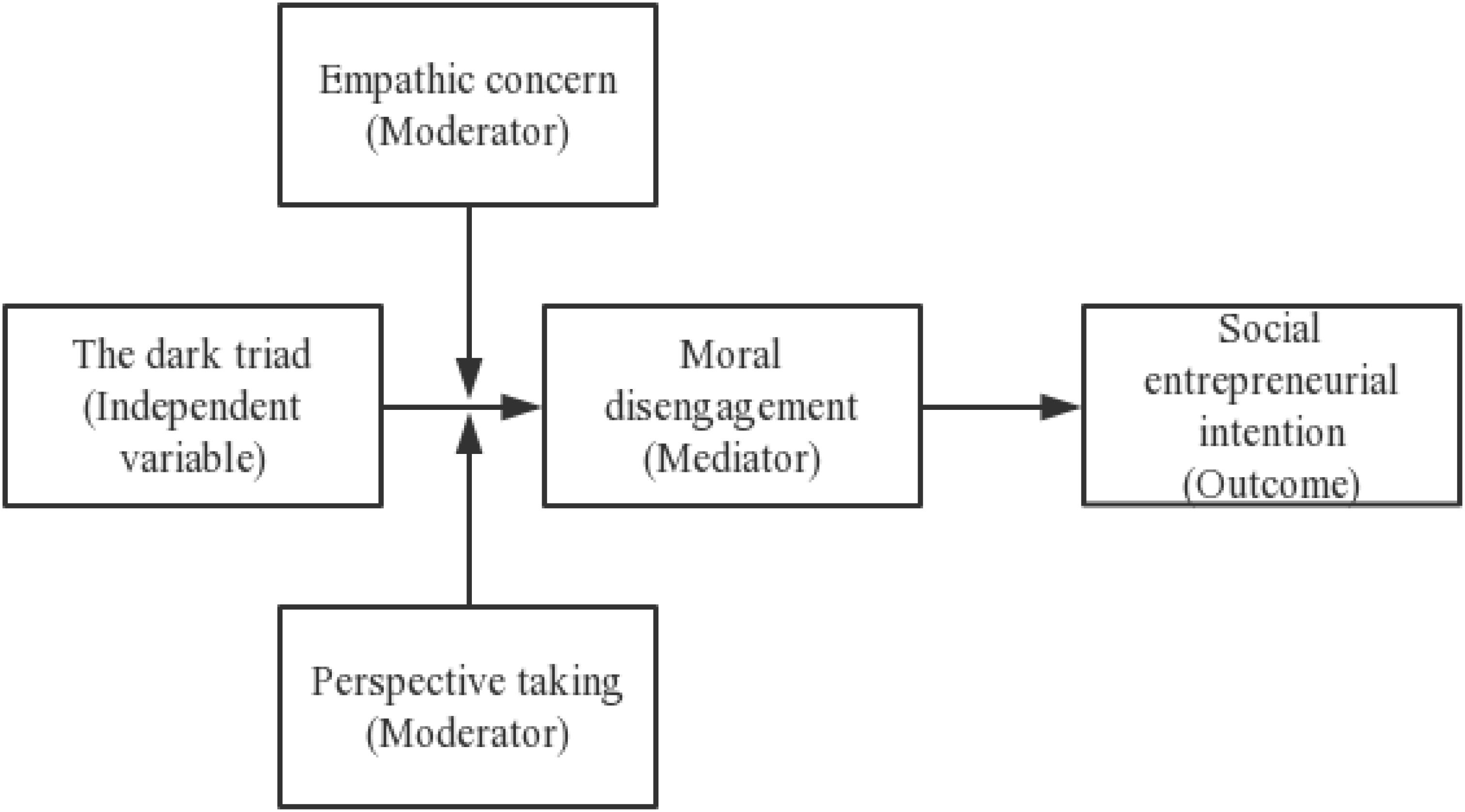
Figure 1. The heuristic relationship of the study.
Theory and Hypotheses
The Dark Triad and Social Entrepreneurial Intention
Personality plays an important role in situations that are complex and full of uncertainty, such as social entrepreneurial activities (Frank et al., 2007). Indeed, scholars have recently become more interested in the role of personality in the study of social entrepreneurship. In particular, DT was found to affect all domains of human behaviors (Lee et al., 2013) and even produce positive results (Hogan and Hogan, 2001), which bring new ideas to the study of SEI.
The three overlapping dimensions of DT are Machiavellianism, psychopathy, and narcissism (Paulhus and Williams, 2002). Specifically, Machiavellianism means emotional indifference toward others and the absence of traditional morality (Christie and Geis, 1970); psychopathy is represented by impulsiveness and emotional indifference (Lilienfeld and Andrews, 1996), and narcissism is defined by self-centeredness, admiration of vanity, and the enjoyment of superiority (Raskin and Hall, 1979). All three dimensions are considered socially aversive personality traits (Paulhus and Williams, 2002). Wu et al. (2019a, b) believed that individuals with DT prefer to gain higher returns in a short time, so as to participate in behaviors that neglect social responsibility such as destroying the environment, which violated the mission of social entrepreneurship.
It is worth noting that people are more likely to generate in entrepreneurial activities if they scored high in DT (Do and Dadvari, 2017). However, Kramer et al. (2011) explain that their passion for entrepreneurship may be based on selfish competitive strategies instead of true desire. SEI arises from a high degree of concern toward social issues through an intention to help others, which largely circumvents self-serving strategies. Therefore, unlike the positive relationship between DT and EI (Do and Dadvari, 2017; Wu et al., 2019b), the influence of DT on SEI may not be positive. Based on the above, we propose Hypothesis 1:
Hypothesis 1: DT is negatively related to SEI.
Moral Disengagement as a Mediator
According to Garriga and Melé (2004) and Ven et al. (2010), entrepreneurs increasingly deem bearing social responsibilities to be an ethical duty. As a “subspecies” of the entrepreneur group (Dees, 1998), social entrepreneurs are more likely to view social responsibilities as their moral obligation. As underlined by the concept of MD, most people will behave morally when moral self-regulation is activated, but moral standards are not a stable constraint but rather can be selectively deactivated, which is known as MD. Moral disengagement is triggered by eight correlative cognitive mechanisms, including euphemistic labeling, dehumanization, displacement of responsibility, and so on. Studies have shown that MD can affect externalization attitudes of individuals (Muratori et al., 2017), and it has been found that MD can mediate the relationship between DT and immoral consumer attitudes (Egan et al., 2015). Considering that the mechanism of MD can serve as a means to avoid social responsibility, we expect that DT may affect individual attitude toward social entrepreneurship through MD.
Specifically, MD often leads to negative behaviors such as general unethical behavior and a series of negative psychological states, including increasing the dehumanization of others (Moore, 2015). Moreover, individuals with MD usually make self-serving decisions (Bandura et al., 2001; Moore et al., 2012) and engage in less prosocial behavior (Bandura et al., 2001), such as responding to fewer social concerns. Indeed, studies have shown that high levels of MD are related to serious antisocial behavior in young people (Bandura et al., 2001; Gini, 2006; Shulman et al., 2011). Therefore, it appears that individuals with MD may have an extremely indifferent attitude toward social issues, which result in deceased SEI.
Further, Paulhus and Williams (2002), Li-Ping Tang et al. (2008), Kish-Gephart et al. (2010) highlighted that MD is based on two components of DT: Machiavellianism and psychopathy. First, Machiavellian individuals show more ruthlessness and selflessness in their daily work than psychopathic and narcissistic individuals. The calculative aspect makes them ignore moral norms in the face of moral dilemmas, which may easily lead to MD. Second, individuals with Machiavellian and psychopathic traits have lower scores of conscientiousness (Paulhus and Williams, 2002), which makes them easily abandon self-discipline. Regarding narcissism, Hoffman et al. (2011) opined that narcissistic leaders tend to displace responsibility: that is, attributing success and development of the group to themselves while attributing bad outcomes to the group. In addition, callousness is a conjoint core among the components of DT (Jones and Paulhus, 2011) and also a component of MD (Hyde et al., 2010; Muratori et al., 2017). Previous research has confirmed that young people with higher callousness may be more likely to implement MD (Shulman et al., 2011).
Thus, it appears that DT is closely related to MD, which in turn leads to decreased SEI. Therefore, we propose the following as Hypothesis 2:
Hypothesis 2: Moral disengagement mediates the relationship between DT and SEI.
Empathic Concern and Perspective Taking as Moderators
Mair and Noboa (2006) identified several unique aspects of the traditional measures used in the theory of planned behavior and EI model, including not only moral obligation as representative of social norms but also empathy as representative of the attitude toward behavior. This idea has been applied to the international context by scholars (Tukamushaba et al., 2011), while keeping all variables and assumptions from Mair and Noboa’s model.
First, as the affective component of empathy, EC means feeling compassion and care for less fortunate people based on their perspective (Davis, 1983), and EC is considered to contribute to moral judgments (Decety et al., 2011). Having concern for the suffering of others makes individuals more likely to behave consistent with their moral standards, and they will suffer from guilt and self-condemnation when they betray those standards (Bussey et al., 2015), thus inhibiting MD. Additionally, high levels of EC have been found to be related to high moral cognition and moral cognation processes (Pohling et al., 2016). In short, highly empathic people are able to put themselves in the shoes of others easier and therefore avoid experiencing MD (Greenberg et al., 2015).
Second, as the cognitive component of empathy, PT refers to the tendency to understand others’ psychological views (Davis, 1983), and PT is also considered to contribute to moral judgments (Decety et al., 2011). Bergman argued that thinking from the viewpoints of others is beneficial for understanding the impact of behavior on others, thus enhancing ethical perception and consciousness (Bergman, 2002). Moreover, managers were found to possess a higher sense of responsibility toward others, as well as a high degree of moral awareness, and when they adopt others’ viewpoints at work, it likely provides benefits to the whole organization (Mencl and May, 2009). Thus, it is speculated that DT individuals with high PT will engage in less MD. On the basis of the above, we propose that:
Hypothesis 3a: Empathic concern moderates the relationship between DT and MD, such that the relationship is weaker when EC is higher.
Hypothesis 3b: Perspective taking moderates the relationship between DT and MD, such that the relationship is weaker when PT is higher.
The above hypotheses represent an integrated framework in which MD mediates the negative relationship between DT and SEI, and EC and PT moderate the positive relationship between DT and MD. Further, a previous study has found that EC and PT can arouse prosocial intentions (Batson, 2014), and indeed EC and PT are believed to facilitate prosocial behavior (Habashi et al., 2016; Guo et al., 2019), which is considered a driving factor in individuals contemplating engagement in social entrepreneurship (Bacq and Alt, 2018). Hence, it is logical to suggest that EC and PT also moderate the strength of the mediating mechanism for MD in the relationship between DT and SEI. That is, the indirect effect of DT on SEI may be weaker for individuals high in EC or PT. However, when individuals’ EC or PT levels are low, DT may be more influential on SEI. Taken together, we propose that:
Hypothesis 4a: Empathic concern moderates the indirect effect of DT on SEI via MD so that the indirect effect is weaker when EC is higher.
Hypothesis 4b: Perspective taking moderates the indirect effect of DT on SEI via MD so that the indirect effect is weaker when PT is higher.
Materials and Methods
Participants and Procedures
It has been suggested that to measure SEI more accurately, people facing professional decision-making are suitable research samples (Hockerts, 2017). Thus, to survey our proposed hypotheses, we used an undergraduate student sample for Study 1. In addition, considering that students with SEI are not limited to business majors (Krueger and Carsrud, 1993; Hmieleski and Lerner, 2016), particularly in China where entrepreneurship is strongly encouraged nowadays, we also included students from other majors such as the arts, sciences, and engineering in our sample. Besides, to check the robustness of the results, we conducted Study 2 using a student sample of graduate students enrolled in a master in business administration (MBA) program. If the results of Study 2 are consistent with Study 1, then the robustness of our research is satisfied. In addition, we have to declare that we have obtained the informed consent of the participants before the investigation.
For Study 1, which was conducted in December 2018, students from 13 universities in Tianjin, China, participated in the survey. We distributed 800 questionnaires through the Internet and offline channels, and 615 undergraduates returned the survey, indicating a response rate of 77%. However, some surveys were excluded because they were not completely answered; we finally obtained 491 respondents, with an effective response rate of 80%. As detailed in Table 1, 48% of our sample was male, and 52% was female, and the average age was 22 years. Forty-two percent of participants reported that they had entrepreneurial practice experience, and 47% of participants reported that their family members had formed sole proprietorships or partnerships.
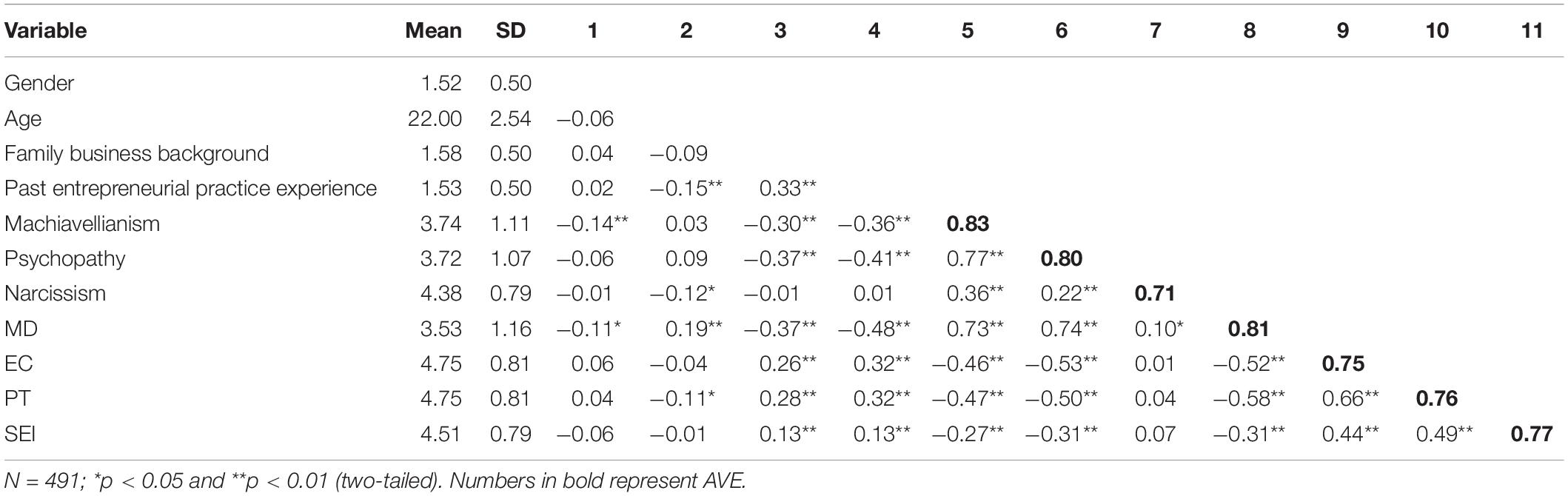
Table 1. Mean, standard deviation, Pearson zero-order correlation, and the discriminant validity test for Study 1.
Measures
Questionnaire for Study 1 contained a total of 32 items, measured by a seven-point Likert scale ranging from 1 (strongly disagree) to 7 (strongly agree), with 4 being a neutral response. The original scales were in English, and thus we first translated them into Chinese and back-translated into English to ensure accuracy. Furthermore, the average score for all items related to each variable was used, with higher scores reflecting higher levels of the variable measured.
To evaluate the internal reliability, convergent validity, and discriminant validity of our scales, first, in line with (Flatten et al., 2015; Bacq and Alt, 2018), the Cronbach α and composite reliability of each scale were applied to test the internal reliability, using 0.6 as the recommended cutoff. Next, to test the convergent validity of our scales, the average variance extracted (AVE) was applied, using the acceptance criterion of 0.5, which means that the variable explains at least half of the variance of its indicators. Finally, to ensure discriminant validity, the square root of the AVE of each variable was calculated according to Claes and Larcker (1981), following the guideline that it should be greater than the Pearson zero-order correlation between the corresponding constructs.
The Dark Triad
The 12-item Dirty Dozen scale was applied to measure DT (Jonason and Webster, 2010), with each of the three dimensions consisting of four items. An example item of Machiavellianism is “I have used deceit or lied to get my way”; the Cronbach α was 0.85, and the AVE was 0.69. An example item of psychopathy is “I tend to lack remorse”; the Cronbach α was 0.81, and the AVE was 0.64. An example item of narcissism is “I tend to want others to admire me”; the Cronbach α was 0.66, and the AVE was 0.50. In addition, the composite reliabilities of the three dimensions exceeded 0.80. Thus, the internal reliability, convergent validity, and discriminant validity of all dimensions of this scale were confirmed.
Moral Disengagement
Moral disengagement was measured with an eight-item scale constructed by Moore et al. (2012), which is particularly adapted for a wide range of adult participants, and the eight-item scale was confirmed to have no differences from those complex scales both on statistical and practical grounds (Moore et al., 2012). Example items of the scale are euphemistic labeling: “Taking something without the owner’s permission is okay as long as you’re just borrowing it”; and dehumanization: “Some people have to be treated roughly because they lack feelings that can be hurt.” The Cronbach α of the scale in our study was 0.92, the composite reliability was 0.94, and the AVE was 0.65, confirming reliability and validity.
Empathic Concern and Perspective Taking
We assessed EC and PT using two scales recommended by Davis (1980), consisting of four and five items, respectively. “I often have tender, concerned feelings for people less fortunate than me” is an example of an item measuring EC. The EC items obtained a Cronbach α of 0.75 in our study, a composite reliability of 0.84, and an AVE of 0.57. “I sometimes try to understand my friends better by imagining how things look from their perspective” is an example of an item measuring PT. The PT items obtained a Cronbach α of 0.82 in our study, a composite reliability of 0.87, and an AVE of 0.58. Thus, these scales were reliable and valid.
Social Entrepreneurial Intention
SEI was assessed using a three-item scale, which was a combination of the adjusted version of previous EI scales (Douglas and Shepherd, 2002; Thompson, 2009; Hockerts, 2017) and an item adapted from the EI scale used by Liñán and Chen (2009). For example, “I expect that at some point in the future I will be involved in launching an organization that aims to solve social problems.” In this study, the Cronbach α of the scale was 0.67, the composite reliability was 0.82, and the AVE was 0.60, indicating reliability and validity.
Control Variables
Previous research has highlighted that gender differences have a significant impact toward entrepreneurship activities (Laudano et al., 2019). In addition, recognizing that students’ intention toward social entrepreneurship may change with age (Hatak et al., 2015), we added gender (0 = male, 1 = female) and age as control variables. Further, family business background (0 = yes, 1 = no) and past entrepreneurial practice experience (0 = yes; 1 = no) were also controlled because students with family or personal entrepreneurial experience may better understand the entrepreneurial process, which may influence SEI (Chlosta et al., 2012; Vaillant and Lafuente, 2019).
Data Analysis
To test our hypotheses about the mechanism of how DT influences SEI, SPSS, Bizinsight (Beijing) Information Technology Co., Ltd., Beijing, China was used. First, as explained above, we confirmed the quality of our scales including their internal consistency reliability and convergent and discriminant validity. Second, we tested the main effect by multiple regression analysis. Third, MacKinnon’s four-step method (MacKinnon, 2012), a widely used method of mediation test, was applied to test the mediation effect in our research. Fourth, multiple regression analysis was applied again to test the moderation effect. Furthermore, we evaluated whether the mediation effect was moderated by EC and PT using path analysis with PROCESS macro as suggested by Hayes (2017). After completing these procedures, we repeated the same analyses using our sample of MBA students (Study 2) to ensure the robustness of our results.
Results
Test of Hypotheses
As detailed previously, our scales showed a satisfactory level of internal reliability and met the standards in both convergent and discriminant validity. The descriptive statistics of our sample are shown in Table 1.
To prove Hypothesis 1 – that DT was negatively related to SEI – we constructed Models 1 and 2 (Table 2) using SEI as the dependent variable. Initially, we only input control variables into Model 1. Next, the independent variable was added to Model 2, which revealed a significant negative relationship between DT and SEI, b = −0.21, p < 0.001. Thus, Hypothesis 1 was supported.
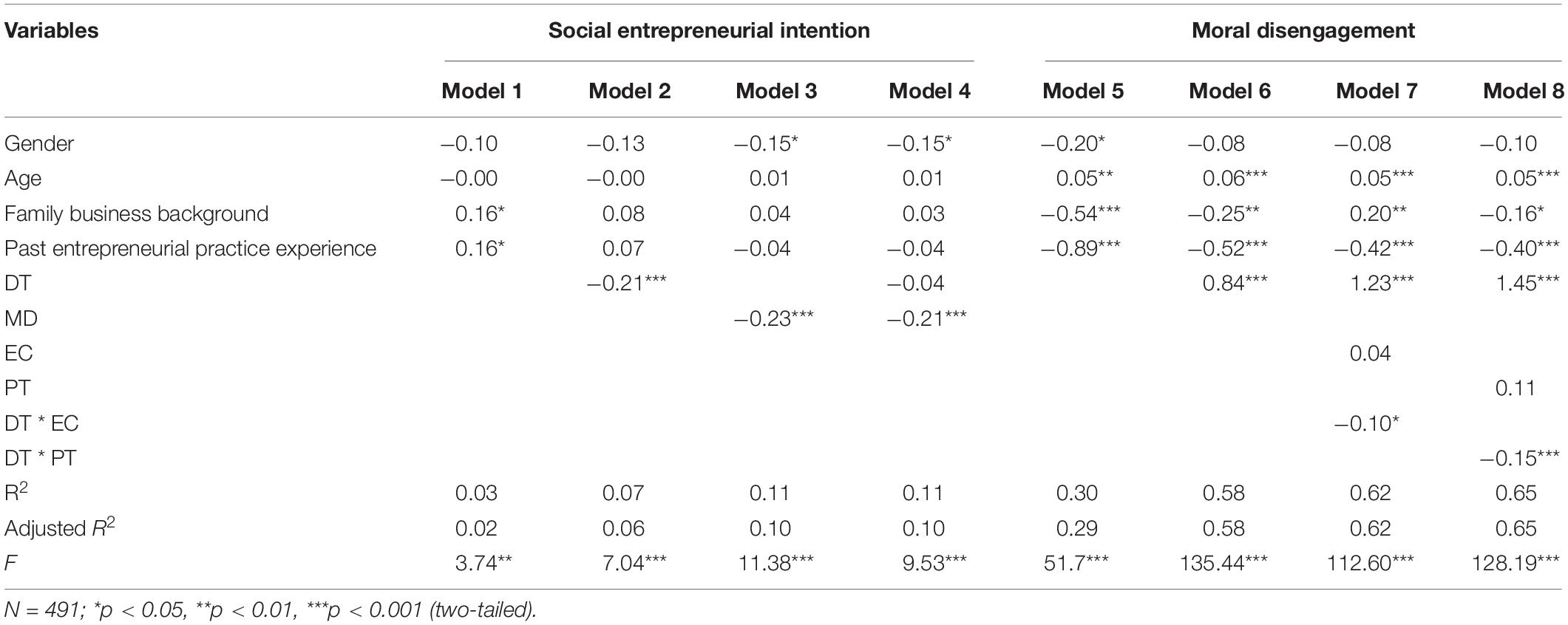
Table 2. Results of multiple regression analysis in Study 1.
In Hypothesis 2, we anticipated that MD plays a mediating role in the relationship between DT and SEI. To test this hypothesis, the four-step method of MacKinnon (2012) was applied, which requires (a) a significant relationship between DT and SEI, (b) a significant relationship between DT and MD, (c) a significant relationship between MD and SEI when DT is controlled, and (d) a significant coefficient of the indirect path between DT and SEI via MD. Whether the last requirement is satisfied depends on the result of the bias-corrected percentile bootstrap.
As Table 2 shows, (a) DT was negatively related to SEI, b = −0.21, p < 0.001 (Model 2); (b) DT had a significantly positive association with MD, b = 0.84, p < 0.001 (Model 6); (c) MD had a significantly negative association with SEI after DT was controlled, b = −0.21, p < 0.001 (Model 4); and (d) the indirect relationship between DT and SEI via MD was significant (b = −0.17, SE = 0.05, 95% confidence interval [CI] = [−0.28, −0.08]). Overall, the four standards for establishing a mediation effect were fully satisfied, which revealed that MD mediated the relationship between DT and SEI. Thus, Hypothesis 2 was supported. More importantly, in Model 4, we can see that the direct impact of DT on SEI became non-significant compared with Model 2, indicating that MD completely mediated the relationship between DT and SEI.
In Hypotheses 3a and 3b, we expected that both EC and PT moderate the relationship between DT and MD. As Table 2 illustrates, in Model 7, DT ∗ EC was significantly related to MD (b = −0.10, p < 0.05). In Model 8, DT ∗ PT was also significantly related to MD (b = −0.15 p < 0.001). Thus, the relationship between DT and MD was moderated by EC and PT, supporting Hypotheses 3a and 3b.
Furthermore, to show the moderating role of EC and PT vividly, we plotted the regression of DT on MD for high (1 standard deviation above the mean) and low (1 standard deviation below the mean) levels of EC and PT using simple slope tests (Figures 2, 3). As shown in Figure 2, there was a significantly positive relationship between DT and MD at low levels of EC (b = 0.84, p < 0.001). However, the relationship between DT and MD was weaker at high levels of EC (b = 0.68, p < 0.001). Similarly, as shown in Figure 3, the relationship between DT and MD was also weaker at high levels of PT (b = 0.63, p < 0.001) than at low levels of PT (b = 0.87, p < 0.001). Thus, Hypotheses 3a and 3b were further supported.
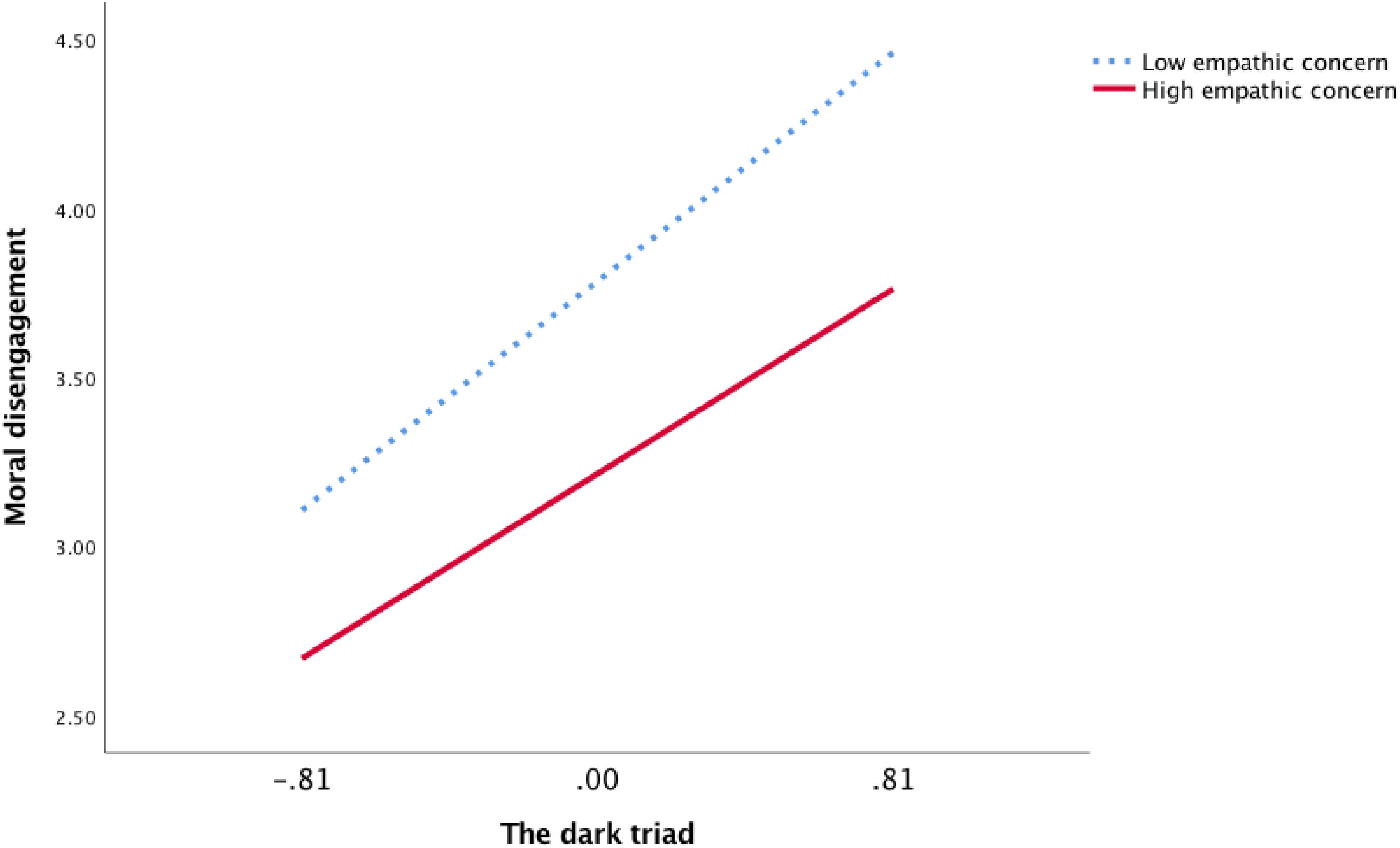
Figure 2. The moderation effect of empathic concern in Study 1.
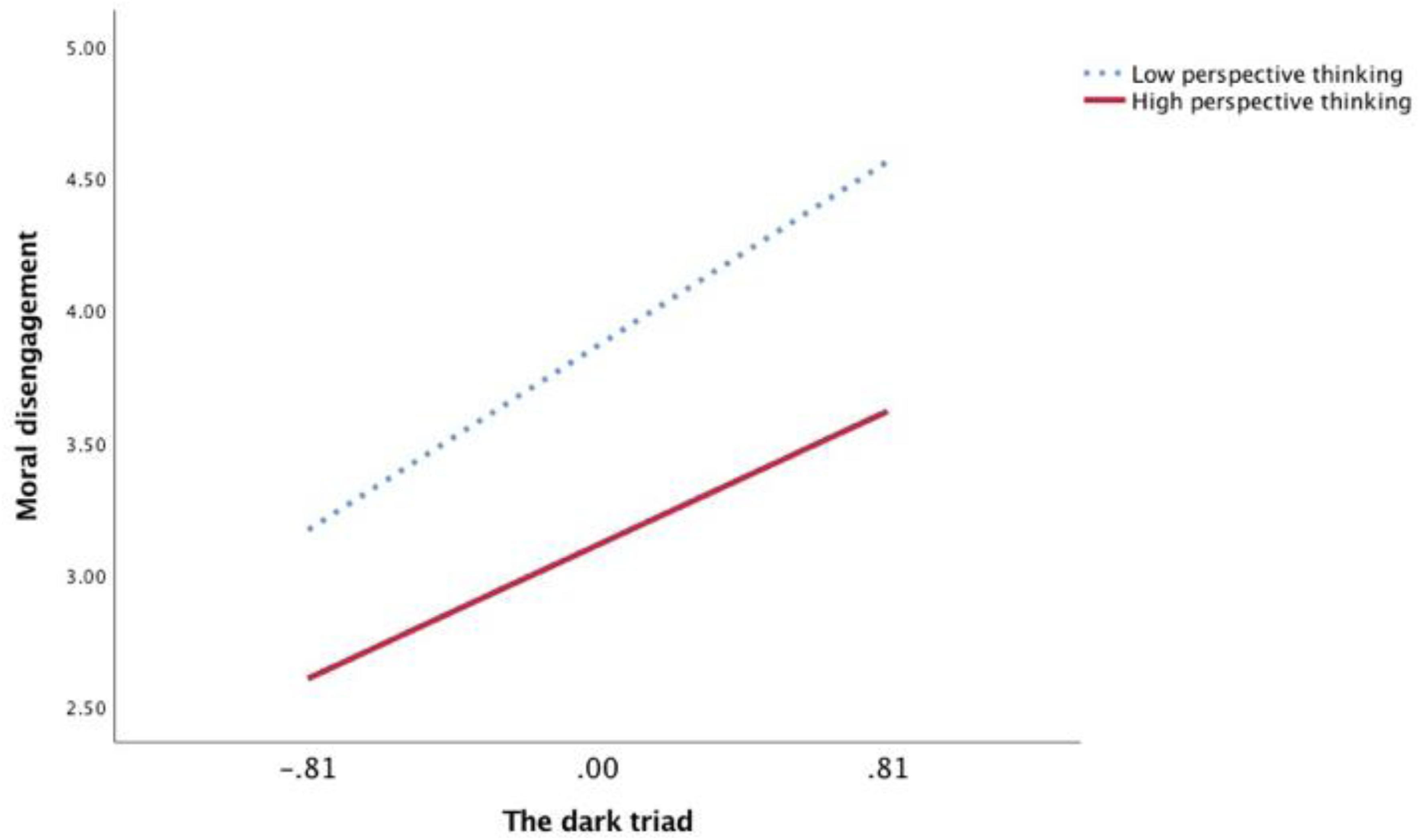
Figure 3. The moderation effect of perspective taking in Study 1.
In Hypotheses 4a and 4b, we expected that EC and PT would moderate the indirect path of DT on SEI via MD. To test the moderated mediation effect, we performed path analysis with Hayes’ PROCESS, bootstrapping 5,000 samples to compute bias-corrected CIs. The results demonstrated that the indirect effect of DT on SEI via MD was moderated by both EC and PT. First, for low EC individuals, a significant negative indirect relationship between DT and SEI was obtained, b = −0.17, SE = 0.05, 95% CI = [−0.28, −0.08]. This relationship was weaker for high EC individuals, b = −0.14, SE = 0.04, 95% CI = [−0.23, −0.06]. Also, the indirect relationship between DT and SEI was also weaker for high PT individuals (b = −0.13, SE = 0.04, 95% CI = [−0.21, −0.06]) than for low PT individuals (b = −0.18, SE = 0.05, 95% CI = [−0.28, −0.08]). Thus, Hypotheses 4a and 4b were supported in that DT interacts with EC and PT to influence MD, which in turn influences SEI. Given that EC and PT, respectively, moderated the first half of the mediation procedure, we refer to it as a “first stage moderation model” (Edwards and Lambert, 2007).
Robustness Test
To ensure the robustness of our results, we conducted Study 2. First, we replaced our sample with MBA students from Tianjin, China, because MBA students with excellent sustainability concepts have been increasingly favored by employers recently (Awaysheh and Bonfiglio, 2017). We distributed 500 questionnaires in the classroom, and all of them were returned. However, 88 questionnaires were excluded because of incomplete information, providing an effective response rate of 82%. The average age of respondents in this study was 31. Next, the measurement of SEI was replaced by another version created by Bacq and Alt (2018). Lastly, the same standards of internal reliability and convergent and discriminant validity used in Study 1 applied in Study 2. If the results of Study 2 are consistent with Study 1, then the robustness of our research is satisfied.
The means, standard deviations, and correlations of Study 2 are shown in Table 3. As shown in Table 4, Study 2 also met the standards of internal reliability, convergent validity, and discriminant validity. We followed the same procedure as Study 1 to test our hypotheses.
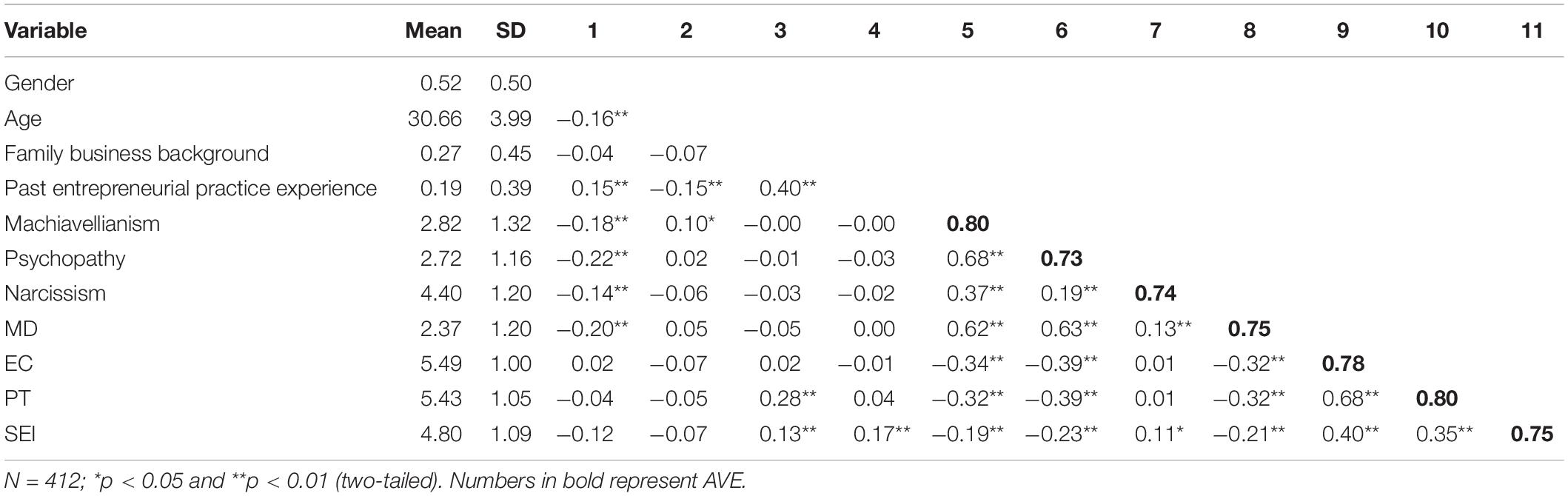
Table 3. Mean, standard deviation, Pearson zero-order correlation, and the discriminant validity test of Study 2.
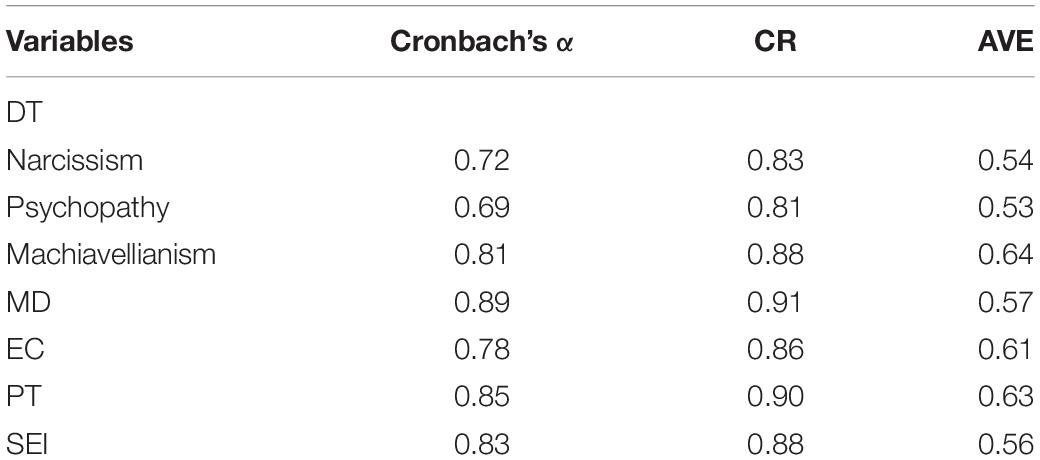
Table 4. Internal reliability and convergent validity of Study 2.
First, as Table 5 shows, (a) DT was negatively related to SEI, b = −0.19, p < 0.01 (Model 2); (b) DT had a significantly positive association with MD, b = 0.73, p < 0.001 (Model 6); (c) MD had a significantly negative association with SEI after DT was controlled, b = −0.18, p < 0.01 (Model 4); and (d) the indirect relationship between DT and SEI through MD was significant (b = −0.13, SE = 0.04, 95% CI = [−0.22, −0.05]). Similar to Study 1, the direct effect of DT on SEI was non-significant compared with Model 2. Overall, the full mediation effect was also established in the sample of MBA students in that MD fully mediated the relationship between DT and SEI. On the basis of the above, Hypotheses 1 and 2 were supported.
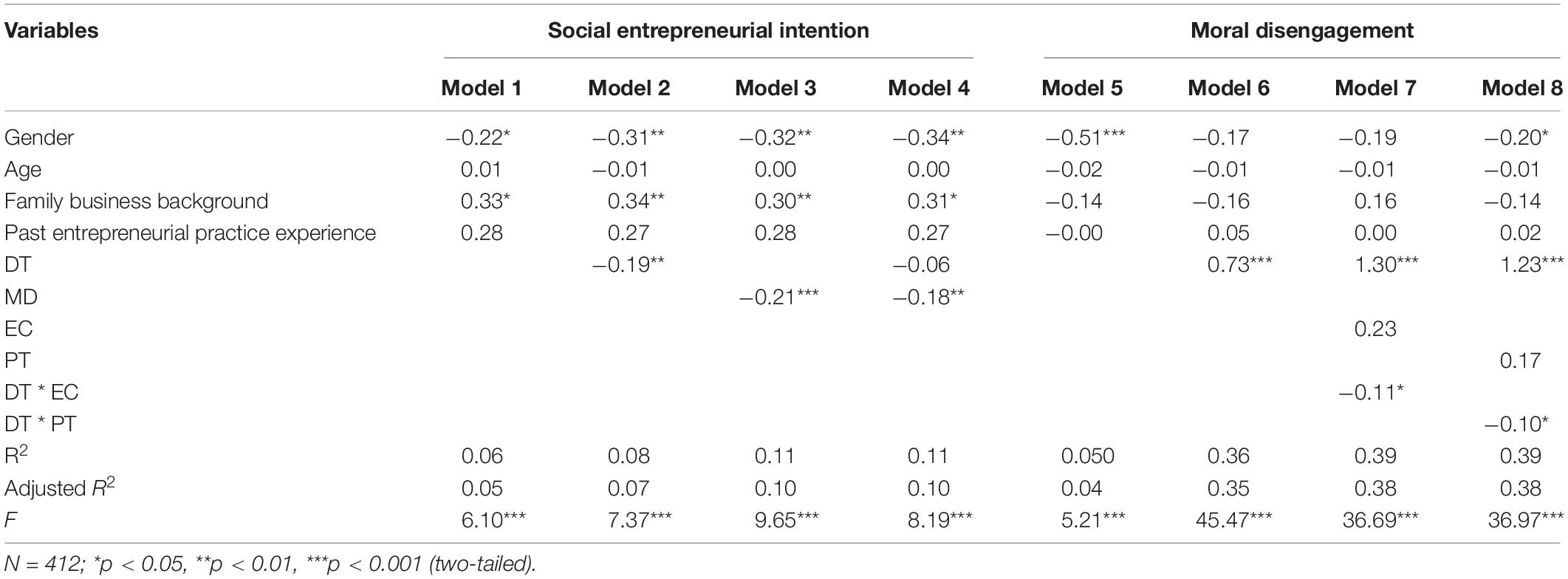
Table 5. Results of multiple regression analysis in Study 2.
Next, as Table 5 illustrates, in Model 7, DT ∗ EC had a significant relationship with MD (b = −0.11, p < 0.05). DT ∗ PT was also significantly related to MD (b = −0.10, p < 0.05). Thus, the relationship between DT and MD was moderated by EC and PT, supporting Hypotheses 3a and 3b. We also plotted the regression of DT on MD at high and low levels of EC and PT using simple slope tests, respectively (Figures 4, 5). As Figure 4 shows, a significantly positive relationship between DT and MD at low levels of EC was observed (b = 0.80, p < 0.001). However, the relationship between DT and MD was weaker at high levels of EC (b = 0.57, p < 0.001). As shown in Figure 5, the relationship between DT and MD was also weaker at high levels of PT (b = 0.57, p < 0.001) than at low levels of PT (b = 0.78, p < 0.001). Therefore, we also confirmed Hypotheses 3a and 3b.
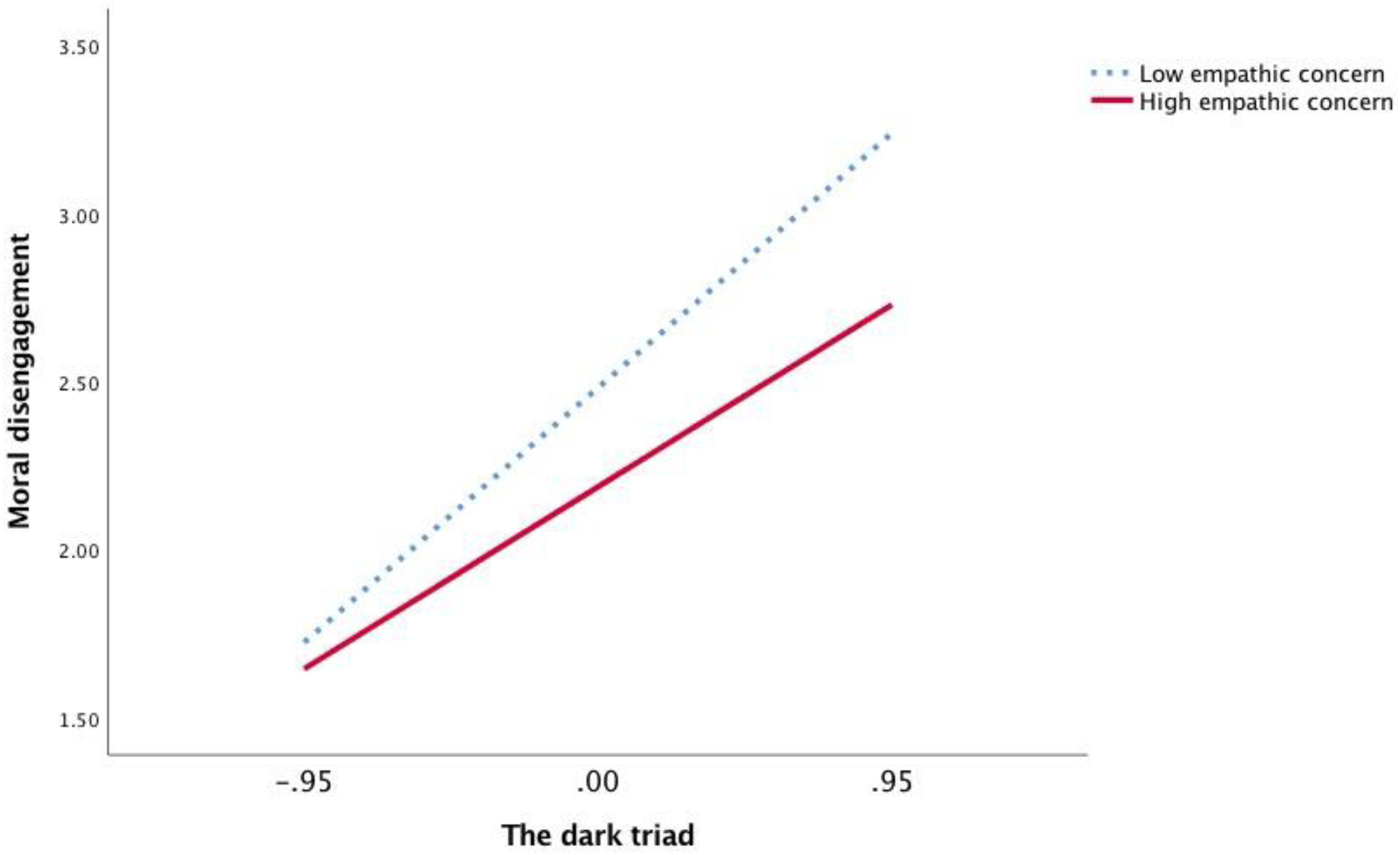
Figure 4. The moderation effect of empathic concern in Study 2.
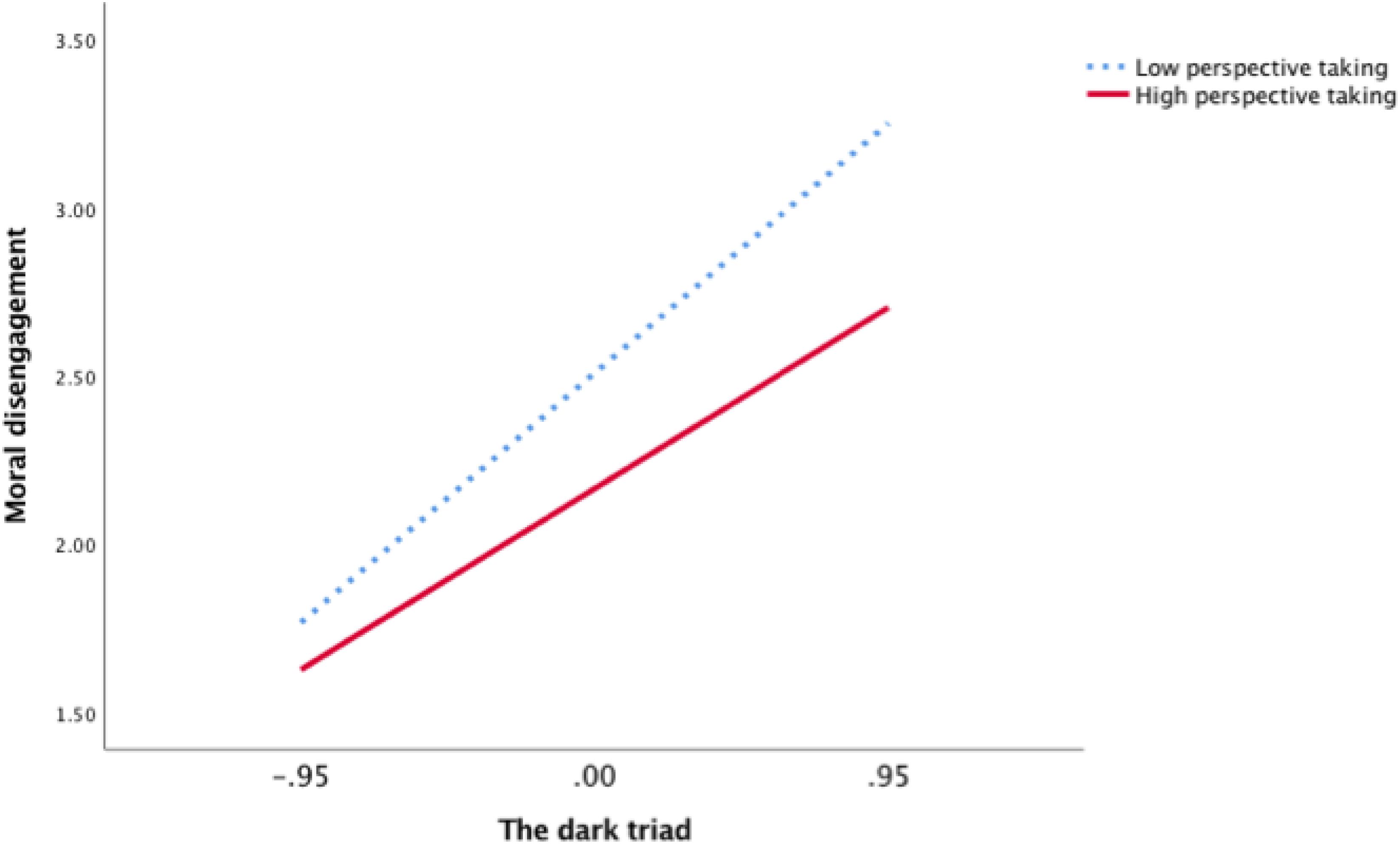
Figure 5. The moderation effect of perspective taking in Study 2.
To test the moderated mediation effect, Hayes’ PROCESS was used again. The results of the bias-corrected percentile bootstrap demonstrated that the indirect effect of DT on SEI through MD was moderated by both EC and PT, which was consistent with Study 1.
Thus, the results of Study 2 were identical to Study 1. Dark triad has a negative impact on SEI, and MD mediates the relationship. Empathic concern and PT moderate the direct relationship between DT and MD, as well as the indirect relationship between DT and SEI; that is, their direct and indirect relationship is weaker at high levels of EC or PT, and the moderation effect is even more significant compared with Study 1, indicating that the results of our research are stable and reliable.
Discussion
Research pioneers regard personalities as the heart of entrepreneurship theory (Volkmann et al., 2012). However, with the increasing interest in social entrepreneurship, the limitations of existing studies on understanding the effects of personalities on SEI have begun to emerge. To our knowledge, no study has yet paid attention to the possible influence of DT on SEI. Therefore, in response to the call of Klotz and Neubaum (2016), we seek to construct a model to illustrate how DT affects SEI through MD, accounting for the moderating role of EC and PT. Applying a multisample research design, we obtained support for all of our hypotheses. Dark triad negatively affected SEI through MD, and the direct relation between DT and MD and the indirect relation between DT and SEI were moderated by EC and PT.
Theoretical Contributions
First, our study extends the research in the field of personality and entrepreneurship. It was offered that successful entrepreneurship stems from personal shortcomings and disabilities (Miller, 2015), which suggests that DT may also have a positive impact on SEI. However, contrary to previous findings that show that DT is positively related to EI (Hmieleski and Lerner, 2016; Do and Dadvari, 2017), our results indicate that DT is negatively related to SEI. There are two possible reasons for this result. On the one hand, the callous nature of DT individuals may contribute to MD and a disregard of social needs. On the other hand, although individuals with DT show EI because of their competitiveness and achievement motivation, they cannot hide their lack of altruism and prosocial ideals (Hmieleski and Lerner, 2016). Indeed, their sense of achievement may be greatly discounted in the face of non–profit-oriented social entrepreneurship.
Second, we further examined the underlying mediating mechanism between DT and SEI to help explain the inner logical relationship. Beugré (2014) identified that the pursuit of social missions requires a higher level of moral engagement. Individuals acting in accordance with their moral obligations will help promote the resolution of social problems (Biljohn and Lues, 2019). However, DT showed a significantly worse moral performance (Djeriouat and Trémolière, 2014), thus leading to decreased SEI. Our finding illustrates the importance of moral cognition in cultivating SEI and are similar to those of Jones et al. (2017) and Sijtsema et al. (2019), who found that MD served as a successful mediator between DT and antisocial behavior, as well as unethical attitude in different areas. The finding also makes it possible to reduce the negative impact of DT on SEI by intervening in this path. Besides, we particularly addressed the call of Chowdhury and Fernando (2014) to further examine whether there was full or partial mediation.
Third, our results provide further support for Bandura’s (2002a) about MD. By exploring the moderating role of EC and PT, our results further indicate that the positive relationship between DT and MD is weaker under the condition of high levels of EC or PT. Further, the indirect impact of DT on SEI by way of MD is also weaker when EC or PT is high. These findings support those by Batson et al. (1997), who carried out an experiment about the effect of empathy and found that reading material full of highly empathic words is more helpful to foster volunteer intention than just reading material without such words. Additionally, these findings provide further evidence for Bandura’s theory that MD can work in some situations and not in others, making it possible to intervene in MD to improve SEI.
Moreover, our research also inspires future research toward the relationship between personality and SEI. We found that narcissism is more unique compared with Machiavellianism and psychopathy. First, as the correlation analysis shows, Machiavellianism and psychopathy have negative effects on SEI, while narcissism is slightly positively related to SEI. Although this positive correlation is not significant, it also suggests that the influence of narcissism on SEI may need further examination. Second, the three items with the lowest factor loading are all derived from items on narcissism when we performed factor analysis of DT, suggesting that narcissism may be an outlier in the three dimensions of DT. Indeed, narcissism is considered the “lightest” dimension of DT (Li-Ping Tang et al., 2008; Kish-Gephart et al., 2010; Furnham et al., 2013) and has been described as a complex personality trait with both dark and bright sides (Rogoza et al., 2018). According to Baldegger et al. (2017), narcissism can be further differentiated into narcissistic admiration and rivalry. Thus, what is the influence of the different aspects of narcissism on SEI? To obtain a more precise understanding, we suggest further study on the multiple faces of narcissism.
Practical Contributions
In addition to the above theoretical contributions, our study has considerable practical contributions. First, because social entrepreneurs play the important role of “engines of reform” in social and economic process (Volkmann et al., 2012), this study provides a better understanding about what personal traits are of negative impact or of great importance when people plan to become social entrepreneurs and why and how the traits inhibit their thinking. Next, certain behavior is based on not only stable personality traits, but also learned reactions (Volkmann et al., 2012). Nowadays, the integration of entrepreneurship education and entrepreneurial activities has been considered a university priority (Gianiodis and Meek, 2020). Therefore, when conducting entrepreneurship education for college students, it is recommended that more courses about moral cognition and empathy be added and that well-designed training programs are implemented to foster their attention toward social needs. And teaching through social media is worth recommending, which can help students access more teaching resources about entrepreneurship (Wu and Song, 2019). Besides, a leader rotation system should be considered in campus activities to improve student’s sense of responsibility (Jones et al., 2017). Organizations and enterprises can implement policies (or enforced policies) on individuals’ responsibilities for behaviors to prevent individuals from easily breaking away from moral behavior. It is also worth thinking about conducting moral tests from time to time to remind and urge individuals to act according to moral standards. In addition, with the emphasis on people’s mental health, both colleges and enterprises can set up corresponding psychological teams to provide psychological counseling services and courses.
Limitation and Suggestions for Future
The current study also had a number of limitations. First, although EC and PT are considered as moderators in our study, we did not include other promising moderators in the field of psychology that may strengthen or inhibit the direct and indirect relationship between DT and SEI through MD. Therefore, future research should actively explore the moderating role of psychological variables in the context of social entrepreneurship and thus provide more guidance for teachers to promote SEI. Second, our research was conducted in China, which means that the results may not be applicable in other countries. Our results should be understood in the situation of developing countries such as China, where social problems are more prominent (Hockerts, 2017). Indeed, there are considerable differences in entrepreneurial areas across countries, especially in developed countries with advanced social welfare systems (Sharma, 2015). Therefore, our findings may not translate to different social contexts, and future research about social entrepreneurship in varied cultural contexts should be pursued.
Data Availability Statement
The raw data supporting the conclusions of this article will be made available by the authors, without undue reservation.
Ethics Statement
Ethical review and approval was not required for the study on human participants in accordance with the local legislation and institutional requirements. The patients/participants provided their written informed consent to participate in this study. Written informed consent was obtained from the individual(s) for the publication of any potentially identifiable images or data included in this article.
Author Contributions
All authors listed have made a substantial, direct and intellectual contribution to the work, and approved it for publication.
Funding
This manuscript was supported by the National Social Science Foundation of China (Grant No. 17BGL025), and major social science project of Tianjin Education Commission (No. 2019JWZD33).
Conflict of Interest
The authors declare that the research was conducted in the absence of any commercial or financial relationships that could be construed as a potential conflict of interest.
Acknowledgments
The authors would like to thank the reviewers whose suggestions and comments greatly helped to improve and clarify this manuscript.
References
Ajzen, I. (1991). The theory of planned behavior. Organ. Behav. Hum. Decis. Process. 50, 179–211. doi: 10.1016/0749-5978(91)90020-t
Awaysheh, A., and Bonfiglio, D. (2017). Leveraging experiential learning to incorporate social entrepreneurship in MBA programs: a case study. Int. J. Manage. Ed. 15, 332–349. doi: 10.1016/j.ijme.2017.04.001
Bacq, S., and Alt, E. (2018). Feeling capable and valued: a prosocial perspective on the link between empathy and social entrepreneurial intentions. J. Bus. Ventur. 33, 333–350. doi: 10.1016/j.jbusvent.2018.01.004
Baldegger, U., Schroeder, S. H., and Furtner, M. R. (2017). The self-loving entrepreneur: dual narcissism and entrepreneurial intention. Int. J. Entrep. Ventur. 9, 373–391.
Bandura, A. (1999). Moral disengagement in the perpetration of inhumanities. Pers. Soc. Psychol. Rev. 3, 193–209. doi: 10.1207/s15327957pspr0303_3
Bandura, A. (2002a). Selective moral disengagement in the exercise of moral agency. J Moral Educ. 31, 101–119. doi: 10.1080/0305724022014322
Bandura, A. (2002b). Social cognitive theory in cultural context. Appl. Psychol. 51, 269–290. doi: 10.1111/1464-0597.00092
Bandura, A., Barbaranelli, C., Caprara, G., and Pastrorelli, C. (1996). Mechanisms of moral disengagement in the exercise of moral agency. J. Pers. Soc. Psychol. 71:364. doi: 10.1037/0022-3514.71.2.364
Bandura, A., Caprara, G. V., Barbaranelli, C., Pastorelli, C., and Regalia, C. (2001). Sociocognitive self-regulatory mechanisms governing transgressive behavior. J. Pers. Soc. Psychol. 80:125. doi: 10.1037/0022-3514.80.1.125
Batson, C. D. (2014). The Altruism Question: Toward A Social-Psychological Answer. London: Psychology Press.
Batson, C. D., Early, S., and Salvarani, G. (1997). Perspective taking: imagining how another feels versus imaging how you would feel. Pers. Soc. Psychol. Bull. 23, 751–758. doi: 10.1177/0146167297237008
Bergman, R. (2002). Why be moral? A conceptual model from developmental psychology. Hum. Dev. 45, 104–124. doi: 10.1159/000048157
Beugré, C. D. (2014). Exploring the motivation to create social ventures: a model of moral engagement. Int. J. Entrep. Ventur. 6, 37–50. doi: 10.1504/IJEV.2014.059402
Biljohn, M. I., and Lues, L. (2019). Social innovation and service delivery in Belgium and South Africa. Transform. Govt. Pe. 13, 143–158. doi: 10.1108/TG-11-2018-0070
Brockhaus, R. H. Sr. (1980). Risk taking propensity of entrepreneurs. Acad. Manage. J. 23, 509–520. doi: 10.5465/255515
Bussey, K., Quinn, C., and Dobson, J. (2015). The moderating role of empathic concern and perspective taking on the relationship between moral disengagement and aggression. Merrill-Palmer Q.-J. Dev. Psychol. 61, 10–29. doi: 10.13110/merrpalmquar1982.61.1.0010
Chlosta, S., Patzelt, H., Klein, S. B., and Dormann, C. (2012). Parental role models and the decision to become self-employed: the moderating effect of personality. Small Bus. Econ. Group 38, 121–138. doi: 10.1007/s11187-010-9270-y
Chowdhury, R. M., and Fernando, M. (2014). The relationships of empathy, moral identity and cynicism with consumers’ ethical beliefs: the mediating role of moral disengagement. J. Bus. Ethics. 124, 677–694. doi: 10.1007/s10551-013-1896-7
Christie, R., and Geis, F. L. (1970). Machiavellianism. Cambridge, MA: Academic Press, Incorporated.
Claes, F., and Larcker, D. F. (1981). Structural equation models with unobservable variables and measurement error: algebra and statistics. J. Mark. Res. 18, 382–388. doi: 10.2307/3150980
Davis, M. H. (1980). Individual differences in empathy: a multidimensional approach. J. Pers. Soc. Psychol. 10:85.
Davis, M. H. (1983). Measuring individual differences in empathy: evidence for a multidimensional approach. J. Pers. Soc. Psychol. 44:113. doi: 10.1037/0022-3514.44.1.113
Decety, J., Michalska, K. J., and Kinzler, K. D. (2011). The developmental neuroscience of moral sensitivity. Emot. Rev. 3, 305–307. doi: 10.1177/1754073911402373
Dees, J. G. (1998). Enterprising Nonprofits. Harv. Bus. Rev. 76, 54–67. doi: 10.1023/A:1008675230233
Detert, J. R., Treviño, L. K., and Sweitzer, V. L. (2008). Moral disengagement in ethical decision making: a study of antecedents and outcomes. J. Appl. Psychol. 93:374. doi: 10.1037/0021-9010.93.2.374
Djeriouat, H., and Trémolière, B. (2014). The dark triad of personality and utilitarian moral judgment: the mediating role of honesty/humility and harm/care. Pers. Individ. Diff. 67, 11–16. doi: 10.1016/j.paid.2013.12.026
Do, B.-R., and Dadvari, A. (2017). The influence of the dark triad on the relationship between entrepreneurial attitude orientation and entrepreneurial intention: a study among students in Taiwan University, Asia. Pacific. Manage. 22, 185–191. doi: 10.1016/j.apmrv.2017.07.011
Douglas, E. J., and Shepherd, D. A. (2002). Self-employment as a career choice: attitudes, entrepreneurial intentions, and utility maximization. Entrep. Theory Pract. 26, 81–90. doi: 10.1177/104225870202600305
Edwards, J. R., and Lambert, L. S. (2007). Methods for integrating moderation and mediation: a general analytical framework using moderated path analysis. Psychol. Methods 12:1. doi: 10.1037/1082-989X.12.1.1
Egan, V., Hughes, N., and Palmer, E. J. (2015). Moral disengagement, the dark triad, and unethical consumer attitudes. Pers. Individ. Dif. 76, 123–128. doi: 10.1016/j.paid.2014.11.054
Flatten, T. C., Engelen, A., Möller, T., and Brettel, M. (2015). How entrepreneurial firms profit from pricing capabilities: an examination of technology–based ventures. Entrep. Theory Pract. 39, 1111–1136. doi: 10.1111/etap.12098
Frank, H., Lueger, M., and Korunka, C. (2007). The significance of personality in business start-up intentions, start-up realization and business success. Entrep. Reg. Dev. 19, 227–251. doi: 10.1080/08985620701218387
Fuller, B., Liu, Y., Bajaba, S., Marler, L. E., and Pratt, J. (2018). Examining how the personality, self-efficacy, and anticipatory cognitions of potential entrepreneurs shape their entrepreneurial intentions. Pers. Individ. Dif. 125, 120–125. doi: 10.1016/j.paid.2018.01.005
Furnham, A., Richards, S. C., and Paulhus, D. L. (2013). The dark triad of personality: a 10year review. Soc. Personal. Psychol. Compass. 7:199. doi: 10.1111/spc3.12018
Garriga, E., and Melé, D. (2004). Corporate social responsibility theories: mapping the territory. J. Bus. Ethics 53, 51–71. doi: 10.1023/B:BUSI.0000039399.90587.34
Gianiodis, P. T., and Meek, W. R. (2020). Entrepreneurial education for the entrepreneurial university: a stakeholder perspective. J. Technol. Transf. 45, 1167–1195. doi: 10.1007/s10961-019-09742-z
Gini, G. (2006). Social cognition and moral cognition in bullying: what’s wrong? Aggressive Behav. 32, 528–539. doi: 10.1002/ab.20153
Greenberg, L., Agrawal, D., Toto, R., and Blatt, B. (2015). Empathy, sense of power, and personality: do they change during pediatric residency? South. Med. J. 108, 471–474. doi: 10.14423/SMJ.0000000000000321
Guo, Q., Sun, P., Cai, M., Zhang, X., and Song, K. (2019). Why are smarter individuals more prosocial? A study on the mediating roles of empathy and moral identity. Intelligence 75, 1–8. doi: 10.1016/j.intell.2019.02.006
Habashi, M. M., Graziano, W. G., and Hoover, A. E. (2016). Searching for the prosocial personality: a big five approach to linking personality and prosocial behavior. Pers. Soc. Psychol. Bull. 42, 1177–1192. doi: 10.1177/0146167216652859
Hatak, I., Harms, R., and Fink, M. (2015). Age, job identification, and entrepreneurial intention. J. Manage. Psychol. 30, 38–53. doi: 10.1108/JMP-07-2014-0213
Hayes, A. F. (2017). Introduction to Mediation, Moderation, and Conditional Process Analysis: A Regression-based Approach. New York, NY: Guilford Publications.
Hmieleski, K. M., and Lerner, D. A. (2016). The dark triad and nascent entrepreneurship: an examination of unproductive versus productive entrepreneurial motives. J. Small Bus. Manage. 54, 7–32. doi: 10.1111/jsbm.12296
Hockerts, K. (2017). Determinants of social entrepreneurial intentions. Entrep. Theory Pract. 41, 105–130. doi: 10.1111/etap.12171
Hoffman, B., Woehr, D., Maldegan, R., and Lyons, B. (2011). Great man or great myth? A meta-analysis of the relationship between individual difference and effective leadership. J. Occup. Organ. Psychol. 84, 347–381. doi: 10.1348/096317909X485207
Hogan, R., and Hogan, J. (2001). Assessing leadership: a view from the dark side. Int. J. Sel. Assess. 9, 40–51. doi: 10.1111/1468-2389.00162
Hyde, L. W., Shaw, D. S., and Moilanen, K. L. (2010). Developmental precursors of moral disengagement and the role of moral disengagement in the development of antisocial behavior. J. Abnorm. Child Psychol. 38, 197–209. doi: 10.1007/s10802-009-9358-5
Jonason, P. K., and Webster, G. D. (2010). The dirty dozen: a concise measure of the dark triad. Psychol. Assess. 22:420. doi: 10.1037/a0019265
Jones, B. D., Woodman, T., Barlow, M., and Roberts, R. (2017). The darker side of personality: narcissism predicts moral disengagement and antisocial behavior in sport. Sport Psychol. 31, 109–116. doi: 10.1123/tsp.2016-0007
Jones, D. N., and Paulhus, D. L. eds. (2011). “Differentiating the Dark Triad within the interpersonal circumplex,” in Handbook of Interpersonal Psychology: Theory, Research, Assessment, and Therapeutic Interventions (Hoboken, NJ: John Wiley & Sons), doi: 10.1002/9781118001868.ch15
Kish-Gephart, J. J., Harrison, D. A., and Treviño, L. K. (2010). Bad apples, bad cases, and bad barrels: meta-analytic evidence about sources of unethical decisions at work. J. Appl. Psychol. 95:1. doi: 10.1037/a0017103
Klotz, A. C., and Neubaum, D. O. (2016). Article commentary: research on the dark side of personality traits in entrepreneurship: observations from an organizational behavior perspective. Entrep. Theory Pract. 40, 7–17. doi: 10.1111/etap.12214
Kramer, M., Cesinger, B., Schwarzinger, D., and Gelléri, P. (2011). “Investigating entrepreneurs’ dark personality: how narcissism, machiavellianism, and psychopathy relate to entrepreneurial intention,” in Proceedings of the 25th ANZAM conference: Australia and New Zealand (Wellington: Academy of Management).
Krueger, N. F., and Carsrud, A. L. (1993). Entrepreneurial intentions: applying the theory of planned behaviour. Entrep. Reg. Dev. 5, 315–330. doi: 10.1080/08985629300000020
Laudano, M. C., Zollo, L., Ciappei, C., and Zampi, V. (2019). Entrepreneurial universities and women entrepreneurship: a cross-cultural study. Manage. Decis. 57, 2541–2554. doi: 10.1108/MD-04-2018-0391
Lee, K., Ashton, M. C., Wiltshire, J., Bourdage, J. S., Visser, B. A., and Gallucci, A. (2013). Sex, power, and money: prediction from the Dark Triad and Honesty–Humility. Eur. J. Personal. 27, 169–184. doi: 10.1002/per.1860
Lilienfeld, S. O., and Andrews, B. P. (1996). Development and preliminary validation of a self-report measure of psychopathic personality traits in noncriminal populations. J. Pers. Assess. 66, 488–524. doi: 10.1207/s15327752jpa6603_3
Liñán, F., and Chen, Y. W. (2009). Development and cross–cultural application of a specific instrument to measure entrepreneurial intentions. Entrep. Theory Pract. 33, 593–617. doi: 10.1111/j.1540-6520.2009.00318.x
Liñán, F., and Fayolle, A. (2015). A systematic literature review on entrepreneurial intentions: citation, thematic analyses, and research agenda. Int. Entrep. Manage. J. 11, 907–933. doi: 10.1007/s11365-015-0356-5
Li-Ping Tang, T., Chen, Y.-J., and Sutarso, T. (2008). Bad apples in bad (business) barrels: the love of money, Machiavellianism, risk tolerance, and unethical behavior. Manag. Decis. 46, 243–263. doi: 10.1108/00251740810854140
Mair, J., and Noboa, E. (2006). Social Entrepreneurship: How Intentions to Create a Social Venture are Formed. London: Palgrave Macmillan.
Mencl, J., and May, D. R. (2009). The effects of proximity and empathy on ethical decision-making: an exploratory investigation. J. Bus. Ethics. 85, 201–226. doi: 10.1007/s10551-008-9765-5
Miller, D. (2015). A downside to the entrepreneurial personality? Entrep. Theory Pract. 39, 1–8. doi: 10.1111/etap.12130
Miller, T. L., Grimes, M. G., McMullen, J. S., and Vogus, T. J. (2012). Venturing for others with heart and head: how compassion encourages social entrepreneurship. Acad. Manage. Rev. 37, 616–640. doi: 10.5465/amr.10.0456
Moore, C. (2015). Moral disengagement. Curr. Opin. Psychol. 6, 199–204. doi: 10.1016/j.copsyc.2015.07.018
Moore, C., Detert, J. R., Klebe Treviño, L., Baker, V. L., and Mayer, D. M. (2012). Why employees do bad things: moral disengagement and unethical organizational behavior. Pers. Psychol. 65, 1–48. doi: 10.1111/j.1744-6570.2011.01237.x
Muratori, P., Paciello, M., Buonanno, C., Milone, A., Ruglioni, L., Lochman, J. E., et al. (2017). Moral disengagement and callous–unemotional traits: a longitudinal study of Italian adolescents with a disruptive behaviour disorder. Crim. Behav. Ment. Health 27, 514–524. doi: 10.1002/cbm.2019
Paulhus, D. L., and Williams, K. M. (2002). The dark triad of personality: narcissism, machiavellianism, and psychopathy. J. Res. Pers. 36, 556–563. doi: 10.1016/s0092-6566(02)00505-6
Pohling, R., Bzdok, D., Eigenstetter, M., Stumpf, S., and Strobel, A. (2016). What is ethical competence? The role of empathy, personal values, and the five-factor model of personality in ethical decision-making. J. Bus. Ethics 137, 449–474. doi: 10.1007/s10551-015-2569-5
Raskin, R. N., and Hall, C. S. (1979). A narcissistic personality inventory. Psychol. Rep. 45:590. doi: 10.2466/pr0.1979.45.2.590
Rogoza, R., Kwiatkowska, M. M., Kowalski, C. M., and Ślaski, S. (2018). A brief tale of the two faces of narcissism and the two facets of pride. Pers. Individ. Dif. 126, 104–108. doi: 10.1016/j.paid.2018.01.027
Schalkwijk, F., Stams, G. J., Stegge, H., Dekker, J., and Peen, J. (2016). The conscience as a regulatory function: empathy, shame, pride, guilt, and moral orientation in delinquent adolescents. Int. J. Offender Ther. Comp. Criminol. 60, 675–693. doi: 10.1177/0306624X14561830
Sharma, V. (2015). Identifying constraints in social entrepreneurship ecosystem of india: a developing country context. SSRN Electron. J. doi: 10.2139/ssrn.2729720
Shulman, E. P., Cauffman, E., Piquero, A. R., and Fagan, J. (2011). Moral disengagement among serious juvenile offenders: a longitudinal study of the relations between morally disengaged attitudes and offending. Dev. Psychol. 47:1619. doi: 10.1037/a0025404
Sijtsema, J. J., Garofalo, C., Jansen, K., and Klimstra, T. A. (2019). Disengaging from evil: longitudinal associations between the dark triad, moral disengagement, and antisocial behavior in adolescence. J. Abnorm. Child Psychol. 47, 1351–1365. doi: 10.1007/s10802-019-00519-4
Smith, M. B., Hill, A. D., Wallace, J. C., Recendes, T., and Judge, T. A. (2018). Upsides to dark and downsides to bright personality: a multidomain review and future research agenda. J. Manage. 44, 191–217. doi: 10.1177/0149206317733511
Thompson, E. R. (2009). Individual entrepreneurial intent: construct clarification and development of an internationally reliable metric. Entrep. Theory Pract. 33, 669–694. doi: 10.1111/j.1540-6520.2009.00321.x
Tukamushaba, E. K., Orobia, L., and George, B. P. (2011). Development of a conceptual model to understand international social entrepreneurship and its application in the Ugandan context. J. Int. Entrep. 9, 282–298. doi: 10.1007/s10843-011-0079-9
Urban, B., and Chantson, J. (2019). Academic entrepreneurship in South Africa: testing for entrepreneurial intentions. J. Technol. Transf. 44, 948–980. doi: 10.1007/s10961-017-9639-z
Vaillant, Y., and Lafuente, E. (2019). Entrepreneurial experience and the innovativeness of serial entrepreneurs. Manage. Decis. 57, 2869–2889. doi: 10.1108/MD-06-2017-0592
Ven, A. H. V. D., Sapienza, H. J., and Villanueva, J. (2010). Strateg. Entrep. J. 1, 353–370. doi: 10.1002/sej.34
Volkmann, C., Tokarski, K. O., and Ernst, K. (2012). Social Entrepreneurship and Social Business – An Introduction and Discussion with Case Studies. Wiesbaden: Springer Gabler.
Wakabayashi, A., Baron-Cohen, S., Wheelwright, S., Goldenfeld, N., Delaney, J., Fine, D., et al. (2006). Development of short forms of the empathy quotient (EQ-Short) and the systemizing quotient (SQ-Short). Pers. Individ. Dif. 41, 929–940. doi: 10.1016/j.paid.2006.03.017
Wu, W., Wang, H., Lee, H.-Y., Lin, Y.-T., and Guo, F. (2019a). How machiavellianism, psychopathy, and narcissism affect sustainable entrepreneurial orientation: the moderating effect of psychological resilience. Front. Psychol. 10:779. doi: 10.3389/fpsyg.2019.00779
Wu, W., Wang, H., and Zheng, C. (2019b). Effect of narcissism, psychopathy, and machiavellianism on entrepreneurial intention-the mediating of entrepreneurial self-efficacy. Front. Psychol. 10:360. doi: 10.3389/fpsyg.2019.00360
Wu, Y. J., and Song, D. (2019). Gratifications for social media use in entrepreneurship courses: learners’ perspective. Front. Psychol. 10:1270. doi: 10.3389/fpsyg.2019.01270
Keywords: social entrepreneurial intention, dark triad, moral disengagement, empathic concern, perspective taking
Citation: Wu W, Su Y, Huang X, Liu W and Jiang X (2020) The Dark Triad, Moral Disengagement, and Social Entrepreneurial Intention: Moderating Roles of Empathic Concern and Perspective Taking. Front. Psychol. 11:1520. doi: 10.3389/fpsyg.2020.01520
Received: 13 April 2020; Accepted: 08 June 2020;
Published: 28 July 2020.
Edited by:
Chih-Hung Yuan, University of Electronic Science and Technology of China, ChinaReviewed by:
Sitong Jiang, Durham University, United KingdomYang Gao, Dalian University of Technology, China
Copyright © 2020 Wu, Su, Huang, Liu and Jiang. This is an open-access article distributed under the terms of the Creative Commons Attribution License (CC BY). The use, distribution or reproduction in other forums is permitted, provided the original author(s) and the copyright owner(s) are credited and that the original publication in this journal is cited, in accordance with accepted academic practice. No use, distribution or reproduction is permitted which does not comply with these terms.
*Correspondence: Xin Jiang, eGluLmppYW5nQHRqdS5lZHUuY24=