 Amparo Hurtado-Soler
 Pablo Marín-Liébana
 Silvia Martínez-Gallego
 Ana María Botella-Nicolás
- 1Department of Experimental and Social Sciences Teaching, Faculty of Teacher Training, Universitat de València, Valencia, Spain
- 2Department of Musical, Visual, and Corporal Expression Teaching, Faculty of Teacher Training, Universitat de València, Valencia, Spain
The garden is a major educational resource that can be used for all areas of knowledge from an interdisciplinary perspective as it reflects the complexity and interactions of the natural environment. This research was carried out in the academic years 2017–2018 and 2018–2019 with 418 participants of from the second, third, and fourth year of the Degree in Primary Education at the University of Valencia. The use of the garden and the landscape is analyzed as a non-formal context for training primary school teachers through sensory experiences that contribute to the development of scientific and artistic competencies. The study focused on the relationship between natural sounds and emotions to promote the environmental awareness and active listening that are necessary to improve auditory perception and reflect on health problems caused by noise pollution. During the project, we discovered the synergies between experimental sciences and artistic–musical expression and their importance for developing university students’ competencies in the professional, personal, and collective spheres. The activities consisted of (1) a walking tour from the Faculty of Education to the garden at 1 km from the center, to reflect on the origin and characteristics of sound, emotions and their relationship with music; (2) sensory experiences in the garden through visual and auditory interaction with the landscape; and (3) an immersion in quasi-real scenarios created by virtual reality. The analysis was carried out by means of an ad hoc questionnaire with Likert-type items focused on aspects of the usefulness of gardens and the activities involved in the general and specific skills of the degree and open questions for reflections on emotional health, environmental sustainability, and artistic–musical creation as a representation of the environment. The results show the importance of the garden as a resource for training of primary teachers in a holistic and global approach that contributes to the development of teaching skills and the acquisition of knowledge based on sensory experiences with the landscape.
Introduction
Social, scientific, and technological changes in the twenty-first century have modified educational systems and shown the need for quality education at all levels and social contexts. This new vision of teaching should be directed toward the development and training of committed, free, and critical citizens able to achieve a sustainable world (UNESCO, 2018). We must therefore question the formation of future teachers and the expectations of the teaching methods they receive (Porto et al., 2018). Teacher training should be based on a constructionist approach and directed toward asking questions about the ideal learning method and how we should teach in order to favor the process of changing ideas (Furió, 1994; Sanmartí et al., 2002).
This transformation should consider not only knowledge as regards knowing and knowing how to (concepts and procedures) but also personal qualities (knowing how to be) regarding decision making and exchanging information, which will be the basis of the future effective professional activities (Esteve and Alsina, 2010; Alsina, 2013). In other words, learning must be constructive and creative and produce learning that allows teachers in training achieve the necessary professional competencies for teaching (Hurtado et al., 2018b). Initial teacher training should thus become an educational revolution that facilitates change and renovation from an early age with the aim of improving the teaching–learning process through research–action using the multiple resources of formal and non-formal education. According to Bolarín and Moreno (2015), we must promote an approach to reality to achieve deep and constructive learning that allows students to go on learning permanently. This means we must design consistent situations and teaching practices that include the learning of contents, teaching strategies, and the students’ ideas (Confederación de Sociedades Científicas de España [COSCE], 2011).
The educational garden and the landscape are resources that can improve students’ perception of the complexity and systematic methods of nature (Pérez-López et al., 2020). They are multidisciplinary learning spaces that include both manipulative activities (Bredderman, 1982; Waliczek and Zajicek, 1999) and intellectual activities (Klemmer et al., 2005) and facilitate the connection between scientific and artistic disciplines (Botella and Hurtado, 2016, 2017). In this context, carrying out activities in the natural environment can favor the integration of theory and practice (Caamaño, 2003), because they can address scientific problem solving (Del Carmen, 2011) and thus contribute to improving academic performance (Blair, 2010; Williams and Dixon, 2013) and teaching skills (Cantó et al., 2013; Muñoz and Carmona, 2017). Also, the contact with nature is associated with human well-being (Zhang et al., 2014; Sobko et al., 2018). This promotes the acquisition of sustainable attitudes and environmental responsibility (Zelenski et al., 2015; Aragón, 2017; Evans et al., 2018) and facilitates cooperative learning, social integration, equality, and solidarity (Ozer, 2006; Cantó et al., 2016; Eugenio and Aragón, 2016; Botella et al., 2017).
Working in the educational garden promotes the development of an educational practice that mostly involves a combination of three dimensions (Botella et al., 2014).
Educate in the Environment
Through manipulation, experiences, and investigation in the environment that helps an understanding of the relationships between local and global problems.
Educate About the Environment
Analyzing each of the environmental elements and the relationships between those human and those natural. In this way, the garden becomes an ecological, social, and cultural system where everything is interconnected.
Educate in Favor of the Environment
Promoting the acquisition of values and attitudes toward the environment with the environment and drive a change in order to achieve a most responsible and sustainable behavior.
Many students consider that outdoor classrooms help well-being and class participation (Kuo et al., 2018; Largo-Wight et al., 2018), whereas lack of interaction with the environment can reduce positive attitudes and prevent emotional perceptions related to health and welfare (Soga and Gaston, 2016). Learning in a garden can be approached from a sensorial aspect to get to know the elements in a landscape and the emotions they transmit (Botella et al., 2018). The easily perceptible set of components in the ecosystem such as size, proportion colors, smells, and sounds is known as the fenosystem (Costa, 2013). A study by Sun et al. (2018) suggests that sound and vision interact, although the latter dominates in most landscapes.
Even though sounds are just as important as shapes and colors, the scientific exploration of the acoustic environment or soundscape is a recent project. The soundscape [a term coined by Schafer (1967)] is formed by sound parameters (pitch, intensity, tone, and duration) together with noise and silence. Every combination of sound and noise forms part of a specific environment and is a unique soundscape with its own particular identity (Schafer, 2013; Rodríguez, 2015). Listening must be voluntary, whereas hearing refers to the auditory capacity (De la Ossa, 2015). Auditory work promotes observation of the environment because listening to the social and natural surroundings provides knowledge that is not perceived by permanent contact (Akoschky, 1996). The soundscape or acoustic ecology permits the study of the effects of the acoustic landscape on physical responses or the behavioral characteristics of those who live there (EARS, 2014). Their specific objective is to direct the attention to certain discrepancies that may have unfavorable or unhealthy effects. Providing incentives to the auditory senses and conscious listening to different surroundings can help to study the relation between natural sounds and the emotions and promote sensitivity to the environment. It is important for students to feel part of the ecosystem and understand the reasons for certain problems as this makes them search for sensible solutions (Caurín et al., 2012). From this new perspective, synergy can be established with scientific and artistic disciplines using the garden–landscape binomial to reflect on the qualities of sound and environmental problems and how they affect our health.
This preliminary study is presented as part of a larger research process that has been divided into several phases. The main objective of this initial phase is to evaluate the usefulness of garden and landscape as interdisciplinary resources for student teachers to learn and develop scientific and artistic skills. Sensory experiences deepen the relationship between the visual and auditory elements in the garden, the landscape and the emotions, and a study was made of how these experiences can promote environmental awareness, facilitate reflection on noise pollution and health, and establish synergies between artistic and scientific disciplines.
Materials and Methods
Participants
A total of 418 students from the second-, third-, and fourth-year Primary Education Teacher’s Degree participated in the study at the University of Valencia in the 2017–2018 and 2018–2019 academic years. The syllabus included six subjects related to sciences, two of which are compulsory, whereas the others are optional specializations: information and communication technologies, science and mathematics, and musical education. From all participants, 294 were female, and 124 were male (Table 1).
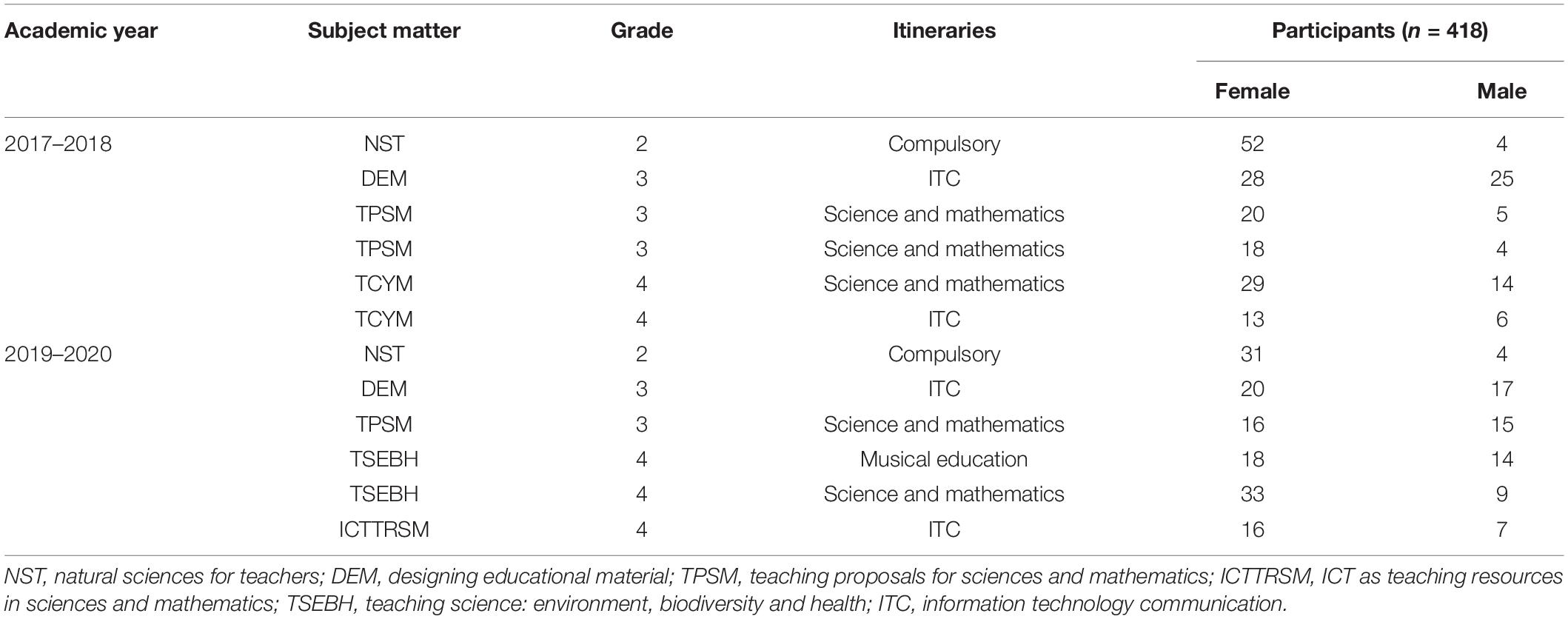
Table 1. Distribution of participants by year, subject, academic year, and specialty.
The learning garden is located 1 km from the campus in a large agricultural area called Huerta de Valencia that surrounds the city of Valencia (Spain) and is linked to urban dynamics. This agroecological landscape is unique in Europe and has existed for more than two millennia. The route from the Faculty of Education to the garden crosses this agricultural landscape by pedestrian pathway, so that students can interact with the landscape and observe the differences between urban and agricultural surroundings. The learning garden is composed of an arable area of 2,400 sqm divided into three zones: fruit trees, vegetables, and uncultivated land. There is also an area with tables and benches, an outdoor kitchen, and a machinery store. The channel is irrigated through a system of channels throughout the cultivated areas.
Procedure
The experience was carried out in three sessions for a total of 6 h: the first (3 h) in the outdoor classroom, the second (2 h) in the classroom, and the third (1 h) online to promote reflection (Table 2). Some activities were individual, and some were done in groups. During the activity, the teacher responsible for the subject led each group. Before the sessions, a preliminary intervention was conducted in which the activities were explained, and the materials for the descriptions and data collection (questionnaires and field notebook) were handed out.
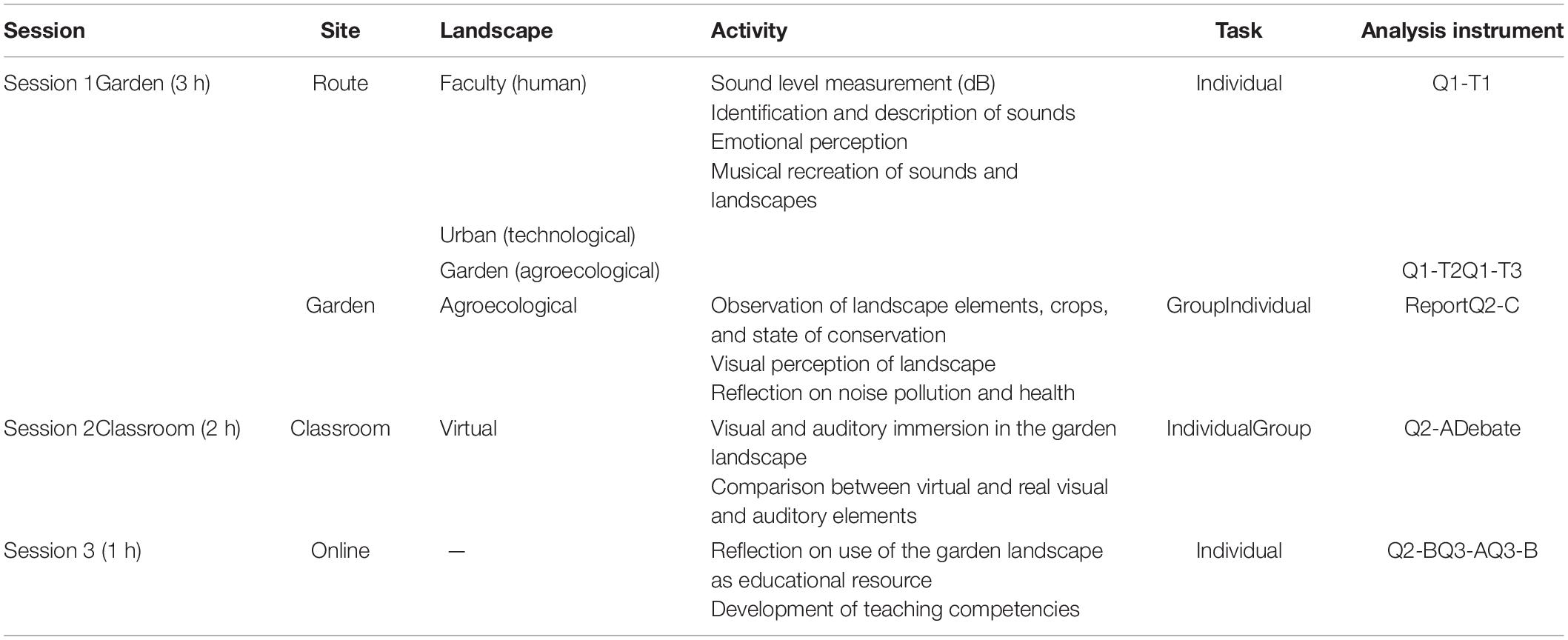
Table 2. Sequence of activities.
The first session involved walking from the Faculty of Education to the garden. During the tour, three types of landscape were observed: the human landscape (inside the Faculty), the urban landscape (street with traffic), and the agricultural landscape (garden and Huerta de Valencia). Listening practice was carried out in each landscape. Ambient sounds, sound intensity, emotions, and musical instruments and styles related to each one were recorded. This activity was implemented individually by using contingency tables as part of an ad hoc questionnaire (Q1). Once in the garden, in addition to identifying the sounds and taking sound intensity measurements, descriptions of the crops and the state of conservation of the garden were made, and pictures were taken. This activity was carried out in groups of four people, and at the end of the didactic sequence, each group delivered a report. The problems of noise pollution observed during the outdoor activity and its effect on human health were analyzed (Q2-C).
The second session consisted of a virtual immersion in the garden with virtual reality (VR) glasses using 360° videos recorded ex profeso by the teachers. In these recordings, scenes that showed life in the soil, the cultivation of fruit trees (avocados and orange trees), domestic animals (donkey, cats, and dogs), and some agricultural practices (planting and irrigation) were displayed. Access to the videos was through a YouTube channel1. After the activity, the use of VR was assessed, and the differences between the real and virtual perception of the landscape were analyzed by an individual questionnaire (Q2-A) and a sharing in the classroom. The descriptions and photographs taken in the garden were used to compare the real and virtual scenarios.
In the third and last session, a series of questions were asked to facilitate reflection on the activity. This session was conducted online through the application of a Google Forms questionnaire (Q3 and Q2-B). Questions were asked to evaluate the usefulness of interactive experiences in the garden and the landscape as interdisciplinary educational resources in teacher training and analyze the impact the impact on learning and teaching skills.
Measures
A mixed method was used in the study to better understand the research question so that the quantitative data could be supported by qualitative data for its interpretation (Creswell, 2014). The participants completed three questionnaires. The first (Q1) was composed of three tables for noting visual and auditory information on the landscape: Q1-T1: description of auditory elements and classification by parameters, Q1-T2: emotional perception of the landscape, and Q1-T3: musical recreation or recreating ambient sounds by means of musical instruments with selection of musical styles to reproduce landscapes in sound. The Q1 questionnaire was completed by the participants during the outdoor session (in stops made between the Faculty of Education and the garden).
The second questionnaire (Q2) was composed of nine open questions to assess the use of VR as a tool for recreation and visualization of landscapes (Q2-A), reflect on the relationship between the environment and health (Q2-C), and analyze the advantages, difficulties, and limitations of activities in the garden (Q2-B). The questions in Q2 are given in Table 3. The Q2 questionnaire was completed during the classroom session.
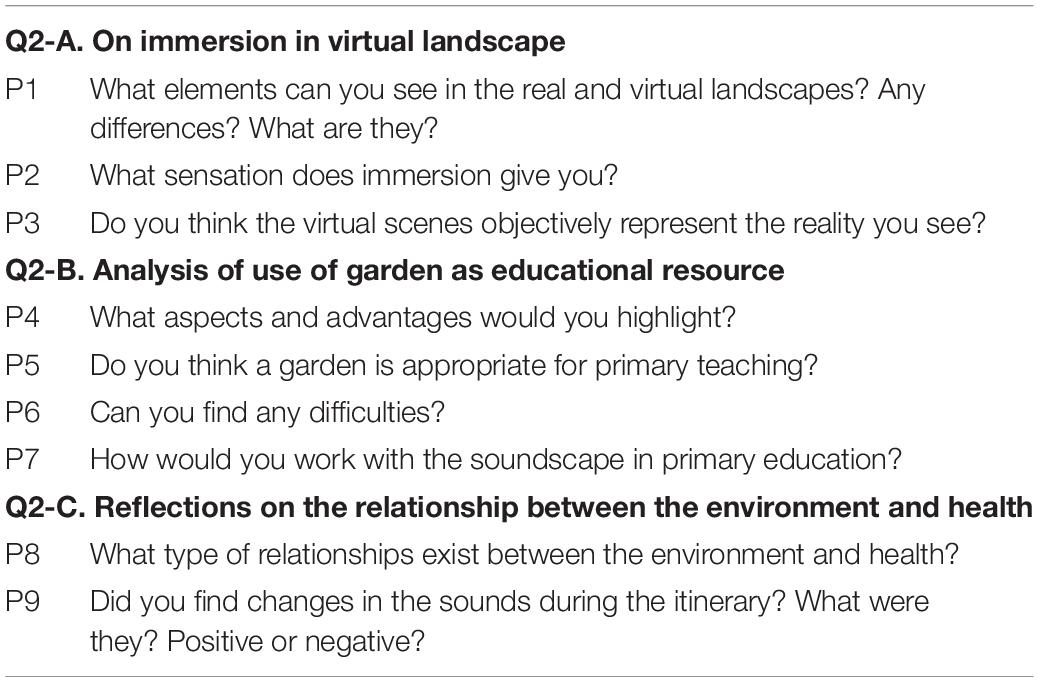
Table 3. Questions in qualitative Q2 questionnaire.
The third questionnaire (Q3), designed to analyze the constructs perception of learning and acquisition of teaching competencies, consisted of 18 items on a 10-point Likert scale. Perception of learning was analyzed through six items that included different aspects such as the disciplinary content, the usefulness of the teaching materials, the use of information and communication technologies (ICT) as a complementary resource, and the degree of interdisciplinarity of the knowledge achieved (Q3-A). The impact of the garden activities on the development of competencies was evaluated by means of 12 items that included the general and specific competencies that must be achieved by students in the Teaching Degree (Q3-B). The Q3 questionnaire was completed in the third session (online).
Data Analysis
The Q1 and Q2 questionnaires were analyzed following the phenomenographic approach proposed by Marton (1988, 2015). According to Miles et al. (2014), in the qualitative approach, data collection focuses on the participants’ perspectives and points of view (emotions, priorities, experience, and meanings) and has an inductive rationale because it explores and describes reality in order to generate theoretical perspectives. The results of the Q1 questionnaire were organized into categories. As pointed out by Marton and Booth (1997), the definition of categories must meet a series of criteria: (a) each category is clearly related to the phenomenon under study; i.e., each one must tell us something different about the particular form of explaining the phenomenon; (b) the categories are in hierarchical order and so must progress from simple to complex relationships; (c) the system is simple; i.e., they can be explained by a reasonably small number of categories. If the category system meets the above criteria, it will be theoretically and pedagogically useful (Marton and Booth, 1997).
The answers to the Q3 questionnaire were analyzed by SPSS to obtain the descriptive statistics (mean and standard deviation). Cronbach α reliability coefficient was used to analyze its internal consistency. This assumes that the items measure dimensions of the same construct that are related to each other (Welch and Comer, 1988). This coefficient was applied to the set of items that evaluate the acquisition of teaching competencies construct (Q3-B) in a pilot sample of 61 students. However, it was not applied to Q3-A questionnaire because the items used to analyze the construct perception of learning measure different theoretical dimensions that are not interrelated (content, teaching materials, use of ICT, interdisciplinarity).
Results
Sensorial Landscape Perception
The sounds identified by the participants in Q1-T1 questionnaire were analyzed considering five parameters: production (source of the sound), frequency (number of times the sound is repeated), intensity (power of the sound), sensation (emotional perception), and location (distance to the point at which the sound is produced). A series of categories were defined for each parameter, and the sounds were classified (Dubois, 2000). In this way, each sound was described using five attributes or categories, one for each parameter. For example, the sound of water was classified into the following categories: natural production, continuous frequency, soft intensity, pleasant sensation, and close location (Table 4).
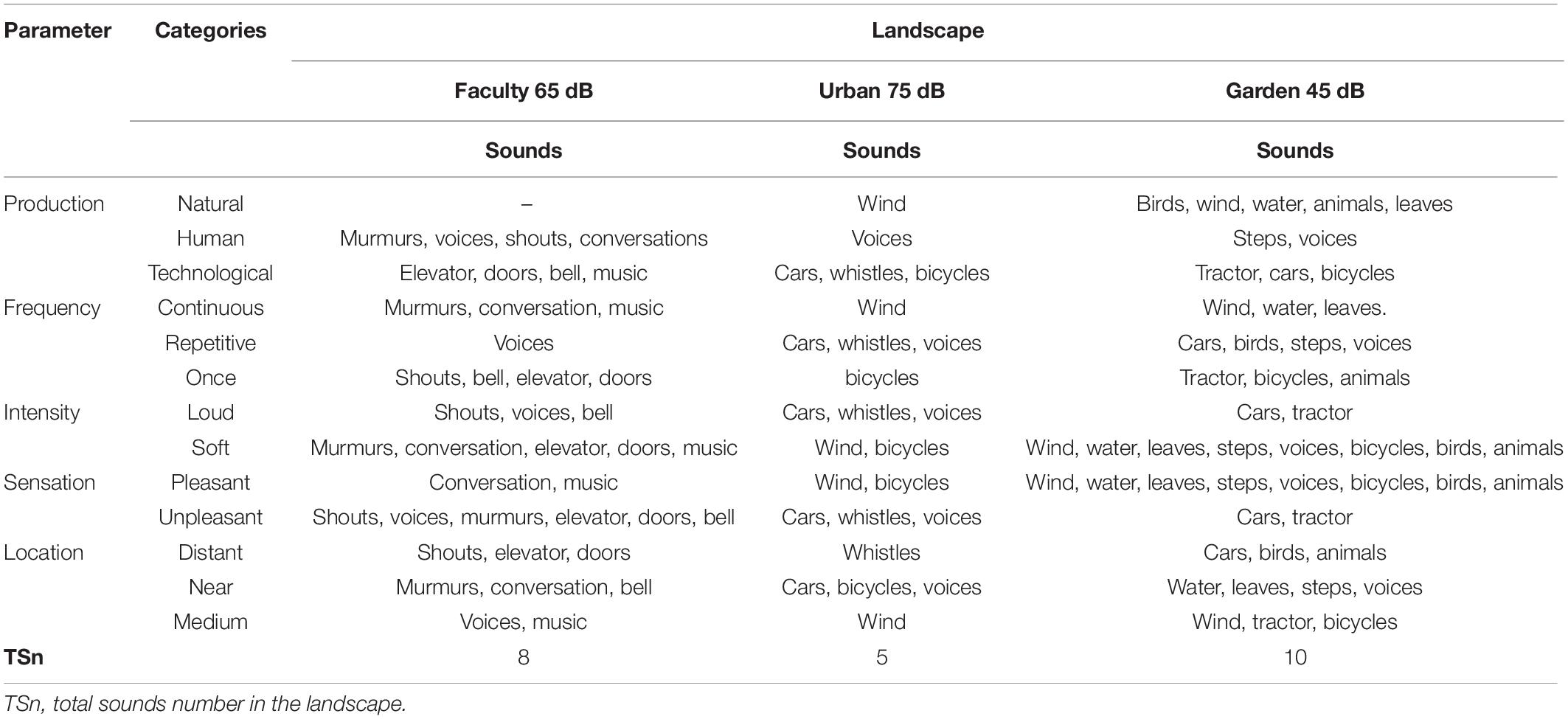
Table 4. Classification of ambient sounds according to five parameters, Q1-T1.
The sound source (production) was selected to create the hierarchical system of categories and to classify the ambient sounds. According to Dubois et al. (2006), the identification of the source is the main signal for the formation of categories in the upper (soundscapes) and intermediate (natural and human sounds) levels of the taxonomy. Guastavino (2007) showed that 76% of the descriptions of soundscapes are based on sound sources. This is consistent with previous suggestions that, in this level of differentiation, sounds are typically classified by perceived similarities between sound sources rather than by abstract acoustic characteristics (Gaver, 1993; Houix et al., 2012). It also coincides with daily listening, which is mainly concerned with gathering information about sound sources (Gaver, 1993). Three categories were identified according to production parameter: nature, human, and technological, following the taxonomy proposed by Schafer (1993) and Bones et al. (2018). The nature category was divided into three subcategories: animals, plants, and abiotic elements. The human category was divided into two subcategories: voices and music, and technology category into two: industrial and household. The selected hierarchical category system therefore was composed of three categories and seven subcategories, and the sounds were classified (Table 5).
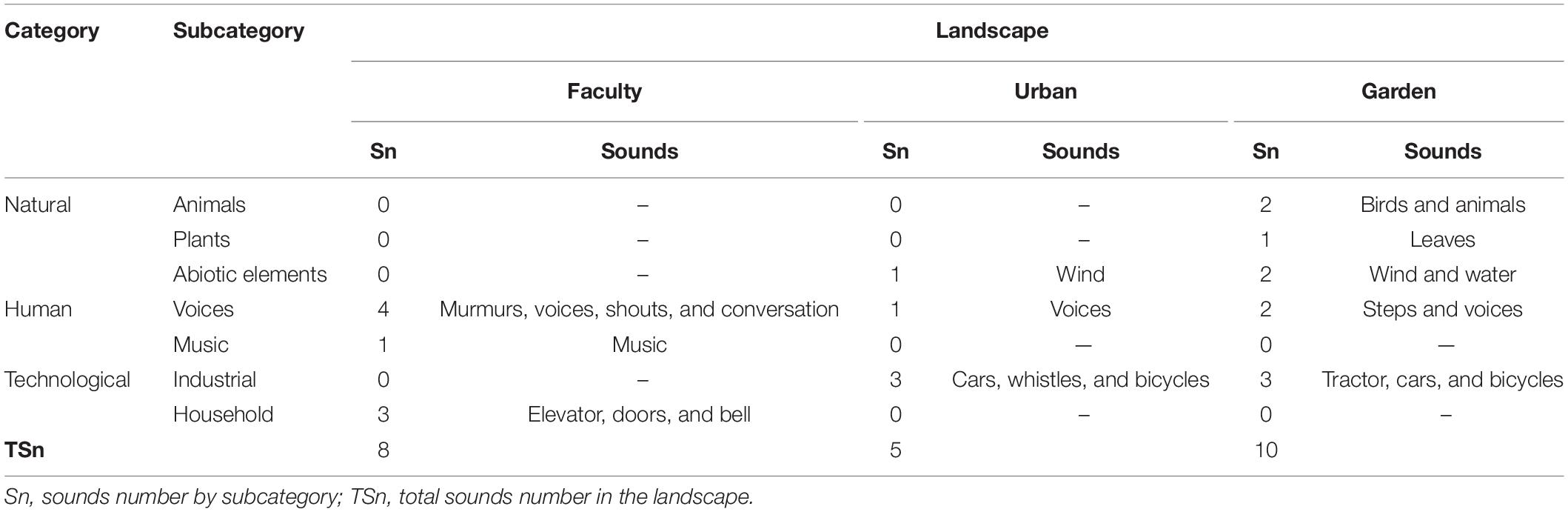
Table 5. Hierarchical classification of sounds according to production parameter.
When classifying sounds according to their source, it is observed that a greater number of sound elements are perceived in the garden than in other landscapes. In addition, the garden has a greater diversity of sound elements than the rest of the landscapes and combines sounds from all three categories: natural, human, and technological. For instance, in the human landscape (inside the Faculty of Education), no natural sounds were perceived, whereas technological sounds predominate in the urban landscape.
In the analysis of the emotions generated by soundscapes, the expressions that described the emotional states were grouped into three categories: pleasant, neutral, and unpleasant (Q1-T2 questionnaire). The garden was shown as the landscape in which emotional perceptions are most positive because it received descriptions and expressions such as tranquility, peace, and freedom. These results are similar to those observed by Axelsson et al. (2010). According to Herranz-Pascual et al. (2019), the characteristics of the soundscape that contribute to well-being and the reduction of perceived stress are calm and tranquil. In this way, a positive affective response to natural open environments allows the individual to recover from fatigue and negative emotional states (Ulrich, 1981). The level of well-being was found to be very low or nil in the urban landscape, and most of the emotions were described as unpleasant. Table 6 shows the categorization of emotions in relation to well-being.
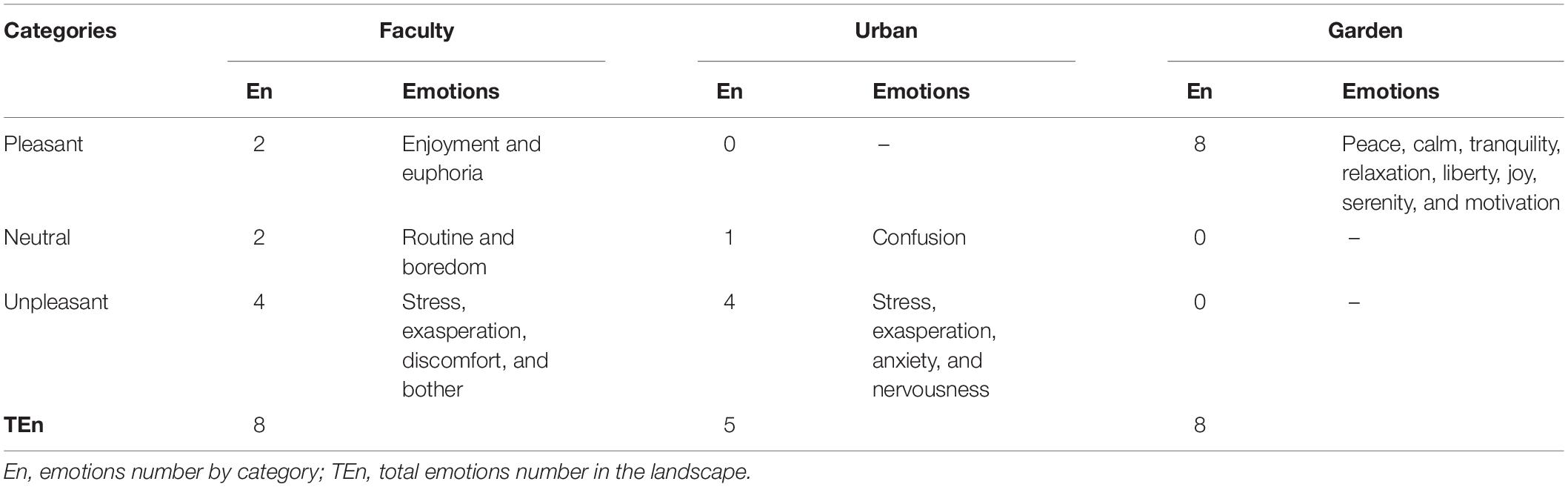
Table 6. Classification of emotions by level of well-being, Q1-T2.
The analysis of the relation between sound and music (Q1-T3) showed that the instruments selected to represent the urban landscape with most technological sounds were percussion and electronic instruments (electric guitars) with rock- and heavy metal–type music. In the garden landscape, they were stringed (violin, harp, and piano) and wind instruments (flute, harmonic, and clarinet), classical music, and jazz and blues. Inside the Faculty, sounds (voices and conversations) were related to string instruments (acoustic guitar), wind instruments (saxophone, tuba, trumpet, and trombone), and pop, blues, and classical music (Table 7).
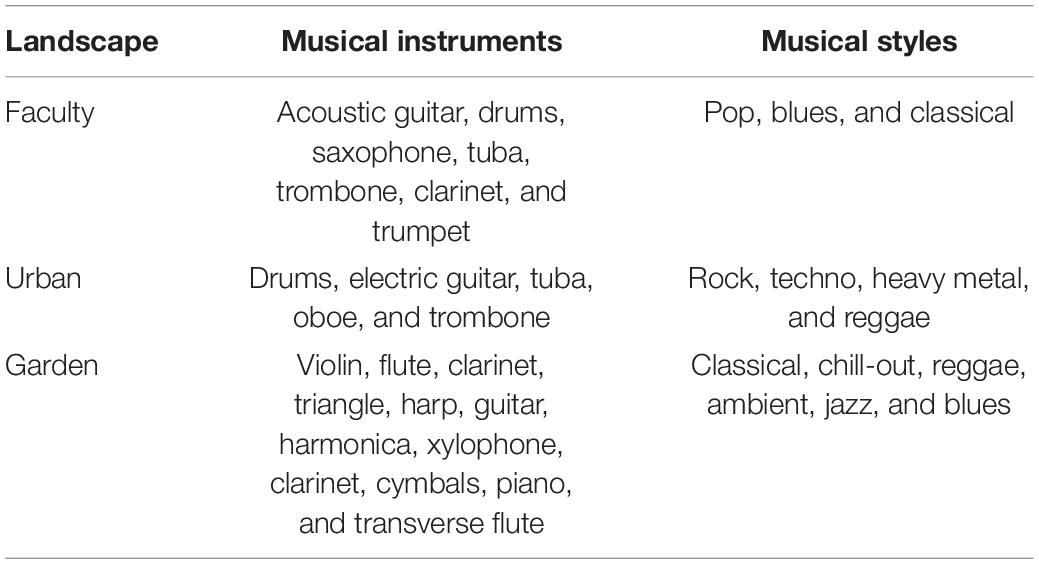
Table 7. Musical recreation of landscape: instruments and musical styles, Q1-T3.
In the second session in the classroom with VR, the results of questions Q2-A were analyzed: What elements can you see in the virtual and real scenarios? Are there any differences? What are they? (P1), and What sensations do you get from the immersion experience? (P2). More than 90% of the participants indicated positive sensations and pleasant and could identify most of the visual and sound elements in the garden. The descriptions of the landscapes were detailed and similar to those obtained in the first session in the garden. Some participants indicated a certain confusion and dizziness during immersion due to the distortion between the real and virtual scenarios. This distortion can be avoided if the virtual experience is carried out in the same place as the recording, so that the contrast between virtual and real is reduced.
In answer to the question: Do the virtual scenes objectively represent the reality you can see? (P3) 85% answered positively but depth was not clearly perceived: “The avocado video and the one of the donkey gave me the sensation of not being real since I could not see the depth clearly.” However, they showed great interest in virtual immersion to foment listening and avoid the acoustic contamination in real landscapes: “I like the VR headset more than the naked eye due to the acoustic contamination.” They also highlighted the use of VR as a tool to observe temporary changes in the landscape: “It is curious; it lets you see something that was there in the past but not in the present.”
The Relationship Between the Environment and Health
The study of the garden’s soundscape produced a series of reflections on the relationship between the environment and health. On the one hand, during the outdoor session, the participants measured the sound intensity in order to explore the variation in the noise level between the city and the garden. The analysis of the Q1-T1 questionnaire shows that the garden and its landscape have the lowest level of sound intensity (≤45 dB), whereas the highest is found in the urban environment (≥75 dB). Because at values higher than 70 dB you can feel discomfort and pain in the ear canal, it is confirmed that the urban landscape can generate levels of noise pollution that must be controlled to avoid human health risks. There is also an indirect relationship between the number and diversity of sounds perceived in each landscape, and the sound intensity is observed, so that greater intensity means a reduced ability to detect and identify sounds due to interference. This indicates that the garden has a buffering function against noise pollution and favors the listening of the healthy environment.
On the other hand, the analysis of the answers to Q2-C offered interesting opinions on this relationship and its importance. The following are some reflections that show students are capable of: (1) recognizing problematic situations [“Sometimes we don’t give importance to our auditory system (loud music, headphones…).” “It is important to know the situations that we have experienced because we can see the situations that can harm us.” “In the city, there is a lot of noise, and this can harm people’s health”]; and (2) acting on the problem (“We should be more conscious of it and take care of ourselves”). On the other hand, some reflections show that they are able to identify the healthiness of the environments and their differences. “It is healthier to live in the country because there is significantly less noise pollution.” “The sound level varies according to the place. We verified this when we measured it in the Faculty of Education and in the garden. We can conclude that there may be noise pollution in the city.”
The Garden and Landscape as an Educational Resource
The results of the Q3 questionnaire showed the garden and landscape possibilities as an educational resource for learning the contents of subjects and acquiring the teaching competencies included in the Primary Teacher’s Degree syllabus. The first step analyzed the impact on learning through six items that were assessed on a scale of 0–10 (Q3-A). The results showed that the garden favored interdisciplinary aspects and the overall development of knowledge and improved the learning of contents (Table 8). The students positively evaluated the use of ICT as resource for learning (8.6). The didactic materials used during the activity were scored lower than the other aspects (7.5), probably because they were designed as self-learning practices, and students are not used to this type of activities. This shows the need to go on encouraging self-learning.
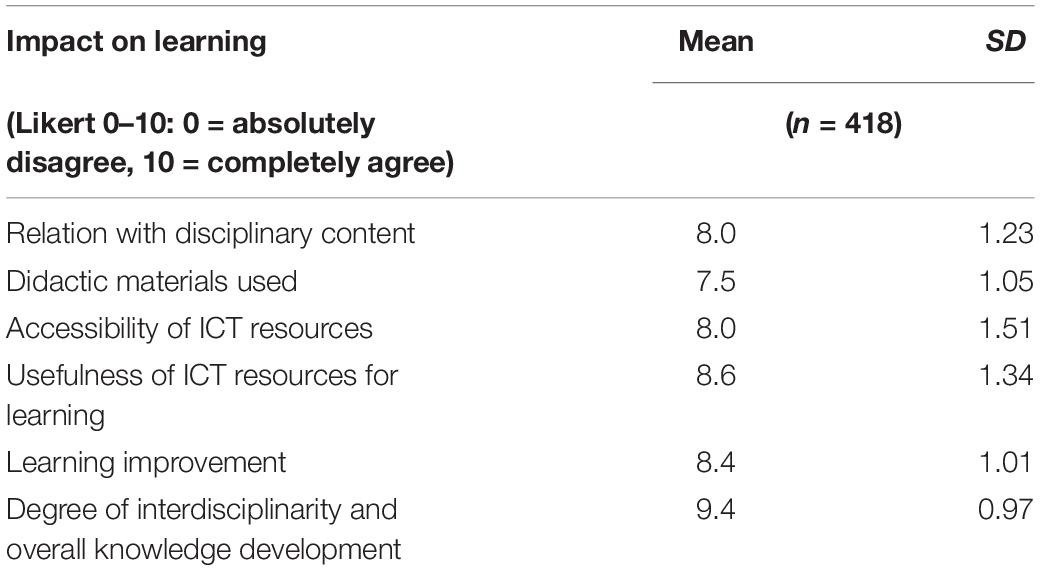
Table 8. Students’ perception of the impact of the garden activity on content learning, Q3-A.
The Q3-B questionnaire’s internal consistency was analyzed by Cronbach α and obtained a value of 0.81, meaning high consistency and suitability for measuring acquisition of teaching competence. The mean results indicate good student perception of the use of the garden to develop professional teaching competencies (Table 9). The most developed competencies within the garden activity are those related to cooperative work, lifelong learning, and the design and application of educational strategies (GC5, GC6, GC9, GC10, and GC11). The students show a positive perception of the acquisition of scientific competencies and highlight problem solving through scientific reasoning (SC122 and SC124). They also consider that this type of educational projects promotes interest and respect for the environment and health. In general, they perceive very positively the level of teaching competencies achieved. Competencies GC4 and GC12, referring to knowledge transfer in everyday life and the development of argumentative and critical faculties, scored lowest. These results again reinforce the need to promote self-learning and students’ autonomous capacity in the educational process. As regards the use of TIC, the results showed low students’ perception, and this item had the widest point dispersion.
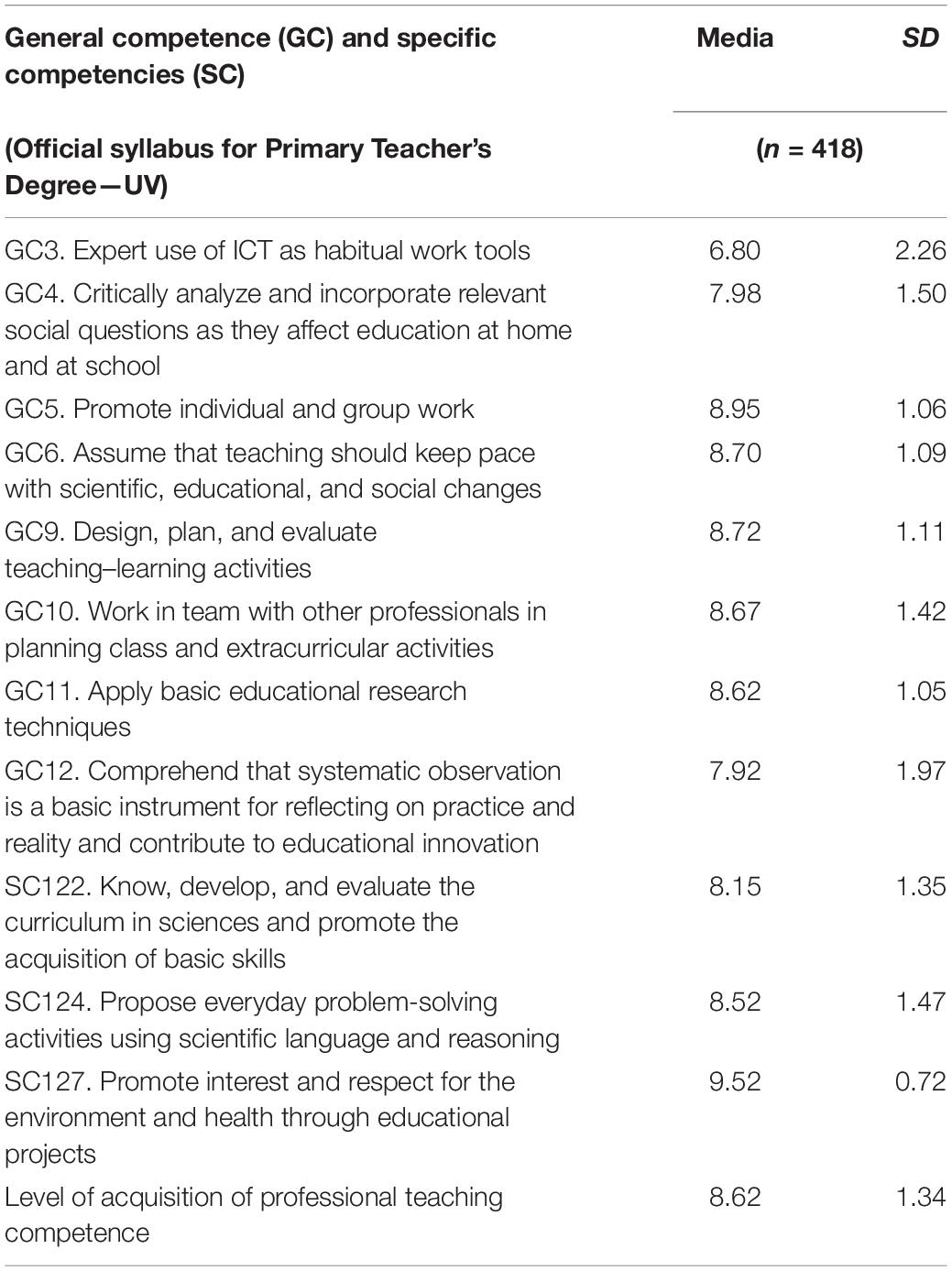
Table 9. Usefulness of garden and landscape for acquiring teaching competencies, Q3-B.
The analysis of the answers to Q2-B questionnaire showed that most of the students consider the activity in the garden and the landscape as an educational strategy that favors the integration of theory with practice (96%). Moreover, 93% think that sensory interaction with the natural environment promotes environmental attitudes and respect for nature, 87% observe that sensory experiences contribute to a better understanding of environmental problems, 85% indicate that the theoretical contents are better understood when experimenting on the environment, and 78% believe that these types of activities are suitable for implementation in primary school as they are interactive activities that promote reflection on real situations. Regarding the difficulties, most of them (79%) consider that the trips to the natural environment require more teacher coordination than carrying out activities in the classroom. They also note that travel time and distance might limit these activities.
Discussion
Sensorial ambient perception was used as a tool to recognize elements in the garden and its surroundings with an emphasis on auditory and visual phenomena as a support for understanding the agroecosystem and its impact on health and artistic expression. This research project on didactic experiences in natural surroundings used both quantitative and qualitative methods plus a phenomenological analysis in a mixed approach. A hierarchical system was established to group the perceived ambient sounds by the source of production in three categories and seven subcategories similar to those proposed in Bones et al. (2018) and in line with the study by Gaver (1993) on the consistence of the origin as the principal parameter in everyday hearing and the construction of categories in the soundscape. A study was also carried out on the synergy between the experimental sciences and artistic studies by examining the emotions and the musical recreation of natural and human landscapes. This approach showed that the garden and landscape are a first-order didactic resource for training teachers, in agreement with the findings of Delgado-Huertos (2015).
The quantitative study was in the form of a questionnaire on the impact of the garden on teachers’ training, and two constructs were analyzed: perception of learning and acquisition of teaching competencies. The results show that the garden is a good approach for teaching subject contents and developing competencies in student teachers (Cantó et al., 2013; Ceballos et al., 2014; Aragón, 2017; Eugenio et al., 2019). The interactive experiences of students in the garden and its surrounding landscape promote the integration of theoretical content with practice in order to effectively and cooperatively address the resolution of scientific, social, and cultural problems. This innovative proposal seeks improvement in the acquisition of professional skills through direct contact with nature (Parra et al., 2019). Some of the results reveal some difficulties of the participants in relation to autonomous learning and how informal learning contexts, activities in the field, and video recordings (360° virtual immersion) can contribute to improving autonomous learning (Sáez and Cortés, 2013).
After this outdoor experience, changes in the perception of students about environmental problems and their influence on health were assessed, and an improvement in the understanding of environmental processes was found. The high score obtained by competence CE 127 should also be emphasized. This reinforces the idea of the role of activities in the garden and its surroundings as promoters of environmental appreciation and the importance of nature (Evans et al., 2018; Sobko et al., 2018). The poor acquisition of digital competencies may be due to the students’ differences in the use of ICT. Thus, further research on the incorporation of these technologies in teaching is required.
These results highlight the need to design teaching models with a holistic approach that allows the formation of a critical and committed citizenship (UNESCO, 2018). This new model should encourage the acquisition of teaching competencies by preservice teachers and be oriented toward professionalization, as has been recommended by Alsina (2013) and Bolarín and Moreno (2015).
The study shows that experimentation and a holistic approach to the garden environment and the soundscape connect students with physical reality, give them improved sensorial and emotional perceptions, and generate proenvironmental attitudes (Hurtado et al., 2018a). It is therefore fundamental to continue investigating and implementing educational strategies that put the spotlight on the students themselves and integrate theory and practice. In this regard, we can mention here that the use of the garden and landscape is a first-order pedagogical model for the studies of future teachers and is along the same lines as other recent studies (Ceballos et al., 2014; Delgado-Huertos, 2015; Eugenio and Aragón, 2016; Eugenio et al., 2019).
Conclusion
This learning garden study shows that nature is connected to cognitive, emotional, and attitudinal aspects and that the landscape can be perceived through the senses. This indicates that visual and auditory perception of the landscape is a first-order resource for approaching the natural, social, and cultural environments by a holistic, interdisciplinary, and experimental method. With this idea in mind, the usefulness of the garden as a teaching model for training teachers has many possibilities, especially the learning of the contents (science, music, painting) and generating positive attitudes to the natural environment. Among these, the opportunity to generate synergies between the scientific and artistic–musical disciplines stands out as the basis for a better understanding of natural phenomena and their relationship with human beings. Moreover, a high degree of satisfaction with the methodology used when working in the garden can be inferred from the participating students’ opinions. They seem to recognize the positive experience of feeling like teachers, because these educational situations allow them to reflect on the work of a teacher within the university context and in relation to the acquisition and transmission of values linked to sustainable development.
Without any doubt, this study has shown the need for a change of the educational model toward increased student autonomy for the effective development of professional teaching competencies. Those competencies that allow the integrated resolution of problems (situation analysis, anticipatory thinking, education in values, and interpersonal and strategic skills oriented to action) are particularly important for sustainable development. However, the implementation of this type of initiative in a university context requires complex coordination between teachers and very different areas of knowledge.
In this preliminary phase of the investigation, the effect of the participants’ gender on sensory perception has not been taken into account. However, some studies indicate the existence of representations and uses of the senses that include gender-differentiated forms of perception (Sabido, 2016). Therefore, it would be interesting to analyze these possible differences in the sample of this study (70.3% women and 29.7% men). Neither have other variables been considered, such as age, the subject being studied, and the training itinerary. This multifactor analysis is part of an ongoing quantitative study. On the other hand, we have to take into account that this study has been carried out in the surroundings of the Huerta de Valencia with a very specific landscape. Therefore, when replicating the research, we may have some difficulties in finding similar environments. However, we consider that this is an opportunity to analyze the relationship between the garden and its surroundings. Therefore, it would be interesting to replicate the research with learning gardens located in different contexts and landscapes.
Finally, the learning garden and its landscape can offer many educational approaches and permit the integration of all the subjects in the curriculum in a permanent lifelong teaching–learning process that improves the capacity to respond to social, environmental, and cultural problems consistently, critically, and rigorously in order to achieve a sustainable and inclusive world.
Data Availability Statement
The datasets presented in this article are not readily available because raw data is being used in subsequent studies. Requests to access the datasets should be directed to AH-S,YW1wYXJvLmh1cnRhZG9AdXYuZXM=.
Ethics Statement
Ethical review and approval was not required for the study on human participants in accordance with the local legislation and institutional requirements. The participants provided their written informed consent to participate in this study.
Author Contributions
AH-S and AB-N designed the study. AH-S, AB-N, and SM-G collected the data. AH-S, AB-N, and PM-L analyzed the data. All authors wrote the manuscript.
Funding
This research was funded in the framework of the Research Project: “The soundscape, listening, creation, and recreation. Analysis of scenarios of environmental and musical education” (Ref. GV/2017/095; coordinated by AB-N) of the Department of Education, Culture and Sports of the Valencian Government, Spain.
Conflict of Interest
The authors declare that the research was conducted in the absence of any commercial or financial relationships that could be construed as a potential conflict of interest.
Supplementary Material
The Supplementary Material for this article can be found online at: https://www.frontiersin.org/articles/10.3389/fpsyg.2020.02163/full#supplementary-material
Footnotes
References
Akoschky, J. (1996). La audición sonora y musical en la Educación infantil eufonía. Didáct. Mús. 4, 97–102.
Alsina, A. (2013). Un modelo realista para el desarrollo profesional en la formación inicial de maestros de educación infantil. Rev. Electrón. Interuniver. Form. Prof. 16, 27–37. doi: 10.6018/reifop.16.2.180761
Aragón, L. (2017). “El huerto ecológico: un recurso innovador para contribuir a las competencias para el desarrollo sostenible en la formación inicial de maestros/as,” in Propuestas de Innovación Educativa en la Sociedad de la Información, eds S. P. érez-Aldeguer, G. Castellano- Pérez, and A. Pina-Calafi (Eindhoven, NL: Adaya Press), 136–146.
Axelsson, O., Nilsson, M. E., and Berglund, B. (2010). A principal components model of soundscape perception. J. Acoust. Soc. Am. 128:2836. doi: 10.1121/1.3493436
Blair, D. (2010). The child in the garden: an evaluative review of the benefits of school gardening. J. Environ. Educ. 40, 15–38. doi: 10.3200/JOEE.40.2.15-38
Bolarín, M. J., and Moreno, M. A. (2015). La coordinación docente en la universidad: retos y problemas a partir de bolonia profesorado. Rev. Curríc. Form. Prof. 19, 319–332.
Bones, O., Cox, T. J., and Davies, W. J. (2018). Sound categories: category formation and evidence-based taxonomies. Front. Psychol. 9:1277. doi: 10.3389/fpsyg.2018.01277
Botella, A. M., and Hurtado, A. (2016). Innovación docente en el grado de maestro de la Universitat de València. La percepción auditiva y visual a través de las Tic. Opción 32, 215–230.
Botella, A. M., and Hurtado, A. (2017). Innovación educativa y renovación de metodologías docentes: ieducarts y L’Hort 2.0. Innov. Educ. 27, 205–217. doi: 10.15304/ie.27.4107
Botella, A. M., Hurtado, A., and Cantó, J. (2014). “Las competencias básicas a través del huerto escolar: una propuesta de proyecto de innovación,” in Investigación e Innovación en Formación del Profesorado, eds J. J. Maquilón-Sánchez and N. Orcajada-Sánchez (Murcia: EDITUM), 173–182.
Botella, A. M., Hurtado, A., and Cantó, J. (2017). El huerto escolar como herramienta innovadora que contribuye al desarrollo competencial del estudiante universitario. Una propuesta educativa multidisciplinar. Vivat Acad. 139, 19–31. doi: 10.15178/va.2017.139.19-31
Botella, A. M., Hurtado, A., and Ramos, S. (2018). Innovación educativa a través de la realidad virtual y el paisaje sonoro. Creativ. Educ. Rev. 2, 113–127. doi: 10.7203/CREATIVITY.2.13628
Caamaño, A. (2003). “Los trabajos prácticos en ciencias,” in Enseñar Ciencias, ed. M. P. Jiménez (Barcelona: Graó), 20–37.
Cantó, J., de Pro, A., and Solbes, J. (2016). ?‘Qué ciencias se enseñan y cómo se hace en las aulas de educación infantil? La visión de los maestros en formación inicial. Enseñanza de las Ciencias 34, 25–50. doi: 10.5565/rev/ensciencias.1870
Cantó, J., Hurtado, A., and Vilches, A. (2013). Educación científica más allá del aula. Alambique 74, 76–82.
Caurín, C., Morales, A. J., and Solaz, J. J. (2012). ?‘Es posible un cambio de actitudes hacia un modelo de desarrollo sostenible? Didáct. Ciencias Exper. Soc. 26, 229–245.
Ceballos, M., Escobar, T., and Vílchez, J. E. (2014). “El huerto escolar: percepción de futuros maestros sobre su utilidad didáctica,” in Proceedings of the Actas del XXVI Encuentros de Didáctica de las Ciencias Experimentales, Huelva.
Confederación de Sociedades Científicas de España [COSCE] (2011). Informe ENCIENDE: Enseñanza de las Ciencias en la Didáctica Escolar Para Edades Tempranas en España. Available online at: https://www.cosce.org/disponible-el-informe-enciende (accessed July 30, 2020).
Costa, M. (2013). “El paisaje como recurso turístico,” in Turisme Cultural, Desenvolupament Local i Sostenibilitat, ed. C. Ledo (Valencia: PUV), 19–26.
Creswell, J. W. (2014). Research Design: Qualitative, Quantitative and Mixed Methods Approaches, 4th Edn, Thousand Oaks, CA: Sage.
De la Ossa, M. A. (2015). La audición musical en la etapa de educación primaria: el ejemplo y la experiencia compartida. Artseduca 11, 20–44.
Del Carmen, L. (2011). “El lugar de los trabajos prácticos en la construcción del conocimiento científico en la enseñanza de la Biología y la Geología,” in Didáctica de la Biología y la Geología, ed. U. Cañal (Barcelona: Graó), 1–15.
Delgado-Huertos, E. (2015). El paisaje en la formación de maestros, un recurso educativo de alto interés para la educación primaria. TABANQUE Rev. Pedagógica 28, 117–138.
Dubois, D. (2000). Categories as acts of meaning: the case of categories in olfaction and audition. Cogn. Sci. Q. 1, 35–68.
Dubois, D., Guastavino, C., and Raimbault, M. (2006). A cognitive approach to urban soundscapes: using verbal data to access everyday life auditory categories. Acta Acust. United Acust. 92, 865–874.
EARS (2014). Electroacoustic Resource Site Project. Available online at: http://ears.huma-num.fr/index.html (accessed July 30, 2020).
Esteve, O., and Alsina, A. (2010). “Hacia el desarrollo de la competencia profesional del profesorado,” in Creando mi Profesión. Una Propuesta Para el Desarrollo Profesional del Profesorado, eds O. Esteve, K. Melief, and A. Alsina (Barcelona: Octaedro), 7–18.
Eugenio, M., and Aragón, L. (2016). Experiencias en torno al huerto ecológico como recurso didáctico y contexto de aprendizaje en la formación inicial de maestros/as de Infantil. Rev. Eureka Sobre Enseñanza y Divulgación de las Ciencias 13, 667–679. doi: 10.25267/Rev_Eureka_ensen_divulg_cienc.2018.v15.i3.3603
Eugenio, M., Ramos, G., and Vallés, C. (2019). Huertos universitarios: dimensiones de aprendizaje percibidas por los futuros maestros. Enseñanza de las Ciencias 37, 111–127. doi: 10.5565/rev/ensciencias.2657
Evans, G. W., Otto, S., and Kaiser, F. G. (2018). Childhood origins of young adult environmental behavior. Psychol. Sci. 29, 679–687. doi: 10.1177/0956797617741894
Furió, C. (1994). Tendencias actuales en la formación del profesorado de ciencias. Enseñanza de las Ciencias 12, 188–199.
Gaver, W. W. (1993). What in the world do we hear? an ecological approach to auditory event perception. Ecol. Psychol. 5, 1–29. doi: 10.1207/s15326969eco0501_1
Guastavino, C. (2007). Categorization of environmental sounds. Can. J. Exp. Psychol. 61, 54–63. doi: 10.1037/cjep2007006
Herranz-Pascual, K., Aspuru, I., Iraurgi, I., Santander, A., Eguiguren, J. L., and García, I. (2019). Going beyond quietness: determining the emotionally restorative effect of acoustic environments in urban open public spaces. Int. J. Envirn. Res. Public Health 16:1284. doi: 10.3390/ijerph16071284
Houix, O., Lemaitre, G., Misdariis, N., Susini, P., and Urdapilleta, I. (2012). A lexical analysis of environmental sound categories. J. Exp. Psychol. Appl. 18, 52–80. doi: 10.1037/a0026240
Hurtado, A., Botella, A. M., and Ramos, S. (2018a). “Desarrollo de las competencias digitales mediante la virtualización del paisaje sonoro y la escucha medioambiental,” in Las Tic en Las Aulas De Enseñanza Superior, eds J. F. Durán, F. J. Godoy, and J. Rodríguez (Barcelona: Gedisa), 203–213.
Hurtado, A., Botella, A. M., and Ramos, S. (2018b). “El paisaje sonoro y el medio ambiente. Una propuesta didáctica interdisciplinar con alumnos de grado de primaria,” in Innovación Educativa y Formación Docente, eds A. Escarbajal, M. C. Hernández, and M. Chamseddine (Murcia: EDITUM), 15–30.
Klemmer, C. D., Waliczek, T. M., and Zajicek, J. M. (2005). Growind minds: the effect of a school gardening program on the science achlevement of elementary students. Hort Technol. 15, 448–452. doi: 10.21273/HORTTECH.15.3.0448
Kuo, M., Browning, M. H. E. M., and Penner, M. L. (2018). Do lessons in nature boost subsequent classroom engagement? refueling students in flight. Front. Psychol. 8:2253. doi: 10.3389/fpsyg.2017.02253
Largo-Wight, E., Guardino, C., Wludyka, P. S., Hall, K., Wight, J. T., and Merten, J. W. (2018). Nature contact at school: the impact of an outdoor classroom on children’s well-being. Int. J. Environ. Health Res. 28, 653–666. doi: 10.1080/09603123.2018.1502415
Marton, F. (1988). “Phenomenography: a research approach to investigating different understandings of reality,” in Qualitative Research in Education: Focus and Methods, eds R. Sherman and R. B. Weeb (London: Rout1edgeFalmer), 40–160.
Marton, F., and Booth, S. (1997). Learning and Awareness. Mahwah, NJ: Lawrence Erlbaum Associates Publishers.
Miles, M. B., Huberman, A. M., and Saldaña, J. (2014). Qualitative Data Analysis: A Methods Sourcebook. Thousand Oaks: Sage.
Muñoz, R. A., and Carmona, J. D. (2017). Las prácticas de campo, recurso didáctico para la enseñanza de la biología: estudio de caso en asignaturas de biología de la licenciatura en educación básica con énfasis en ciencias naturales y educación ambiental de la Universidad de Antioquia, Biografía. Escritos Sobre la Biología y su Enseñanza Edición Extraordinaria 57, 737–744. doi: 10.17227/bio-grafia.extra2017-7204
Ozer, J. (2006). The effects of school gardens on students and schools: conceptualization and considerations for maximizing healthy development. Health Educ. Behav. 34, 846–863. doi: 10.1177/1090198106289002
Parra, G., Gómez-Gonçalves, A., Corrochano, D., and Rubio, F. J. (2019). “). Experiencias docentes sostenibles en el huerto universitario del campus viriato,” in Investigación en el Ámbito Escolar: Un Acercamiento Multidimensional a las Variables Psicológicas Educativas, eds M. C. Pérez, M. M. Molero, J. J. Gázquez, A. Martos, A. B. Barragán, M. M. Simón, et al. (San Diego, CA: COMPS), 337–344.
Pérez-López, R., Eugenio-Gozalbo, M., Zuazagoitia, D., and Ruiz-González, A. (2020). Organic learning gardens in higher education: do they improve kindergarten pre-service teachers’ connectedness to and conception of nature? Front. Psychol. 11:282. doi: 10.3389/fpsyg.2020.00282
Porto, M., Bolarín, M. J., and Iborra, B. (2018). Expectativas de estudiantes del grado de maestro respecto de innovaciones docentes. Rev. d’Innovació Docent Univer. 10, 33–43.
Rodríguez, G. A. (2015). Música, creación e interpretación: del aula universitaria al aula de educación infantil. Rev. Opción 31, 742–764.
Sabido, O. (2016). Cuerpo y sentidos: el análisis sociológico de la percepción. Debate Femin. 51, 63–80. doi: 10.1016/j.df.2016.04.002
Sáez, M. J., and Cortés, ÁL. (2013). Estudio de la evolución del autoaprendizaje en una actividad de campo y laboratorio a través de grabaciones en video. Enseñanza de las Ciencias Extra 2013, 3132–3137.
Sanmartí, N., Izquierdo, M., and García, P. (2002). “Aprender ciencias aprendiendo a escribir ciencias,” in Aspectos Didácticos de Ciencias Naturales (Biología), Vol. 4, Col. Educación abierta, 160, Instituto de Ciencias de la Educación (Zaragoza: Universidad de Zaragoza), 141–174.
Schafer, R. M. (1993). The Soundscape: Our Sonic Environment and the Tuning of the World. Ottawa, ON: Bear & Co.
Sobko, T., Jia, Z., and Brown, G. (2018). Measuring connectedness to nature in preschool children in an urban setting and its relation to psychological functioning. PLoS One 13:e0207057. doi: 10.1371/journal.pone.0207057
Soga, M., and Gaston, K. J. (2016). Extinction of the experience: the loss of human-nature interactions. Front. Ecol. Environ. 14:1225. doi: 10.1002/fee.1225
Sun, K., Echevarria, G. M., De Coensel, B., Van Renterghem, T., Talsma, D., and Botteldooren, D. (2018). Personal audivisual aptitude inflences the interaction between landscape and soundscape appraisal. Front. Psychol. 9:780. doi: 10.3389/fpsyg.2018.00780
Ulrich, R. S. (1981). Escenas naturales versus urbanas. Algunos efectos psicofisiológicos. Reinar. Behav. 13, 523–556. doi: 10.1177/0013916581135001
UNESCO (2018). Educación Para el Desarrollo Sostenible. Available online at: https://es.unesco.org/themes/educacion-desarrollo-sostenible (accessed July 30, 2020).
Waliczek, T., and Zajicek, J. M. (1999). School gardening: improving environmental attitudes of children through hands-on learning. J. Environ. Hort 17, 180–184.
Welch, S., and Comer, J. (1988). Quantitative Methods for Public Administration. Pacific Grove, CA: Brooks/Cole Publishing Co.
Williams, D., and Dixon, S. (2013). Impact of garden-based learning on academic outcomes in schools: synthesis of research between 1990 and 2010. Rev. Educ. Res. 83, 211–235. doi: 10.3102/0034654313475824
Zelenski, J. M., Dopko, R. L., and Capaldi, C. A. (2015). Cooperation is in our nature: nature exposure may promote cooperative and environmentally sustainable behavior. J. Environ. Psychol. 42, 24–31. doi: 10.1016/j.jenvp.2015.01.005
Keywords: preservice teachers, organic learning gardens, teachers’ competencies, sound landscape, TICs, interdisciplinary
Citation: Hurtado-Soler A, Marín-Liébana P, Martínez-Gallego S and Botella-Nicolás AM (2020) The Garden and Landscape as an Interdisciplinary Resource Between Experimental Science and Artistic–Musical Expression: Analysis of Competence Development in Student Teachers. Front. Psychol. 11:2163. doi: 10.3389/fpsyg.2020.02163
Received: 28 May 2020; Accepted: 03 August 2020;
Published: 04 September 2020.
Edited by:
Marcia Eugenio-Gozalbo, University of Valladolid, SpainReviewed by:
José Gutiérrez-Pérez, University of Granada, SpainRaquel Perez-Lopez, Complutense University of Madrid, Spain
Copyright © 2020 Hurtado-Soler, Marín-Liébana, Martínez-Gallego and Botella-Nicolás. This is an open-access article distributed under the terms of the Creative Commons Attribution License (CC BY). The use, distribution or reproduction in other forums is permitted, provided the original author(s) and the copyright owner(s) are credited and that the original publication in this journal is cited, in accordance with accepted academic practice. No use, distribution or reproduction is permitted which does not comply with these terms.
*Correspondence: Amparo Hurtado-Soler, YW1wYXJvLmh1cnRhZG9AdXYuZXM=