 Yun-Ruei Ku*
 Catanya Stager
- Educational Studies in Psychology, Research Methodology, and Counseling University of Alabama, Tuscaloosa, AL, United States
Students, staff, and faculty in higher education are facing unprecedented challenges due to the COVID-19 pandemic. Recent data revealed that a good number of academic activities and opportunities were disrupted as a result of the COVID-19 pandemic and its variants. While much uncertainty remains for the next academic year, how higher education institutions and their students might improve responses to the rapidly changing situation matters. This systematic review and framework proposal aim to update previous empirical work and examine the current evidence for the effectiveness of growth mindset interventions in young adults. To this end, a systematic search identified 20 empirical studies involving 5, 805 young adults. These studies examined growth mindset within ecologically valid educational contexts and various content areas. Generally, these findings showed that brief messages of growth mindset can improve underrepresented students' academic performance and facilitate other relevant psychological constructs. In addition, we argue, although growth mindset has been identified as a unitary concept, it is comprised of multiple interdependent skills, such as self-control, self-efficacy, and self-esteem. Understanding the nature of growth mindset may contribute to successful mindset implementation. Therefore, this article presents a practical framework to help educators in higher education rethink the multidimensionality of growth mindset and to provide their students with alternative routes to achieve their goals. Finally, additional articles were discussed to help evaluate growth mindset interventions in higher education.
Introduction
Students' growth mindsets—how malleable they perceive their abilities to be—play a pivotal role in their academic achievement (Dweck, 2006; Yeager and Dweck, 2020) and have been linked to multiple positive outcomes, including improved mental health (Schroder et al., 2017b), decreased stress (Burnette et al., 2020a) and even brain activity (Schroder et al., 2014). The extent to which and how growth mindset modulates one's achievement has been descriptively examined but rarely systematically explored (but see Cheng et al., 2021 for a review). The current systematic review and framework proposal aims to identify previous empirical work and examine the current evidence for the effects of growth mindset interventions in young adults, and to propose a practical framework that introduces educators of today to better support their learners.
Currently, academics around the world are facing the ongoing impact of an unprecedented situation—COVID-19, which has been disrupting academic activities and in-person interactions (García-Morales et al., 2021; Rodríguez-Planas, 2022). These unexpected challenges may be chronic stressors and long-term risk factors to retention and graduation goals, especially for at-risk college students (Rodríguez-Planas, 2022). In such difficult, yet unavoidable moments, mindset can play a crucial role in the future trajectory of learning (Schroder et al., 2017a). Behavioral strategies and cognitive trainings (or interventions) for enhancing growth mindset have gained increased attention (Broda et al., 2018), in part due to rising levels of anxiety in young adults (Schroder et al., 2019).
The first aim of this paper is to update previous empirical work and examine the current evidence for the effects of growth mindset interventions in young adults of higher education. In addition, this paper examines unique themes that the studies address and commonalities shared. The second aim of this study aims to contend that growth mindset is not a unitary concept but rather is multifaceted. The overarching concept of growth mindset may be too broad and fail to capture the nuances of the sub-abilities of growth mindset. Additionally, the concept of growth mindset may also be too somewhat abstract to implement in practice. Therefore, developing and maintaining the sub-abilities associated with growth mindset can be seen as prerequisites to successful learning and psychological wellbeing. Our proposal adds to the current literature in that we have not only suggested instructional strategies but also distinguished between the relevant sub-abilities in terms of how they differ and how each concept can be instilled in young adults.
By understanding the underpinnings of growth mindset sub-abilities, researchers and educators can better focus on ways to develop more successful interventions. Furthermore, educational institutions can then be positioned to provide students with the support they need to flourish and succeed despite periods of physical isolation and limited access to traditional psychotherapies (Hood et al., 2021).
What Is Growth Mindset?
A growth mindset embodies the thought that one's personal attributes, such as intelligence, skill, and ability can be developed and improved through effort. Mindset theory (Dweck, 1946; Dweck and Leggett, 1988) was originally derived from attribution theory and achievement goal theory in motivational research. Specifically, mindset effects are meaningfully heterogeneous across persons and situations (see Yeager and Dweck, 2020 for a discussion). Mindsets are typically evaluated by gauging individuals' agreement or disagreement with some statements on his or her capability to change or thrive in the face of challenges. Importantly, individuals can be at different points of the continuum at different times.
Compared to cognitive ability, this non-cognitive skill asserts that intelligence can be malleable (i.e., incremental theory) as opposed to fixed (i.e., entity theory). This malleability of mindset has been demonstrated to encourage people to think flexibly so they are not discouraged as easily in challenging situations (Dweck, 2006). A major question in social sciences is why some people tend to persist after failure and frustration while others succumb to setbacks immediately and never recover. Motivation has been closely associated with implicit theories of intelligence (Dweck, 2006). Implicit theories of intelligence entail a belief that personal characteristics such as one's intelligence and ability can be changed and developed later in life through effort and hard work. Such mental state is frequently called “growth mindset.” However, individuals with a fixed mindset do not think that human traits and characteristics can be intervened with and altered. In other words, personal traits and characteristics are pre-determined and innate (see Dweck, 2006 for details). Relevant studies investigated underlying beliefs these students have about intelligence and learning. These individuals' views of themselves have been shown to ultimately influence their academic performance, motivation, behavior, and self-efficacy (Rhew et al., 2018).
Incremental implicit theories are closely associated with a growth mindset (Dweck et al., 1995). It is proposed that people can either embrace an entity theory or an incremental theory of their personal characteristics. Individuals with an entity theory think that they are incapable of changing most of their personal traits (e.g., strengths). On the contrary, individuals with an incremental theory would expect changes and improvements in their personal traits (Dweck and Leggett, 1988). Moreover, individuals with an entity theory or a fixed mindset seem to emphasize performance goals or outcomes of their actions. By contrast, those with an incremental theory or a growth mindset tend to focus on learning goals or processes, which has been considered to increase learner motivation (Dweck, 1986). Thus, learners with a growth mindset tend to be more intrinsically motivated to learn and to apply different strategies to learning compared to learners with a fixed mindset (Yan et al., 2014). However, it should be noted that growth mindset and fixed mindset are just the two ends of a continuum, which means that individuals can possess varying degrees of a mindset under different circumstances (Haimovitz and Dweck, 2017). It is important to note that mindset can be dynamic, ever-changing, and subjective although it has been assessed in a more static manner. The following review addresses growth mindset interventions and explores its effects on the outcome measures.
Why Is It Important?
Since the outbreak of the COVID-19, educational interventions have attracted increased attention in higher education (Adedoyin and Soykan, 2020; Yeo et al., 2021). Growth mindset interventions are often considered light-touch interventions (Kim et al., 2022) and are a common intervention to address both education (2022) and mental health needs related to the pandemic (Mosanya, 2021). In the current study, we examined the effectiveness of the growth mindset intervention and its contexts of implementation within higher education.
A growth mindset intervention explicitly teaches that individual's academic and intellectual abilities have the potential to develop and grow. A growth mindset intervention encompass the instructional delivery and/or discussion of potential concrete actions and strategies a learner can take to implement a growth mindset (Yeager and Dweck, 2020).
Growth mindset research develops out of the social cognitive theory (Bandura, 1986) and growth mindset has also been related to implicit theories of intelligence and even terms such as self-efficacy. The conceptual framework, reciprocal interactions, was proposed by Bandura (1986) to explain the dynamic interactions between environmental inputs (e.g., instruction), personal processes (e.g., social comparisons), and behavioral influences (e.g., effort). For example, the iterative process between perceived progress, self-efficacy, and goal pursuit is critical for student motivation and learning (Schunk and DiBenedetto, 2020). Similarly, since online and asynchronous instruction do not function in the same fashion as do in-person contexts, students' autonomy to plan for learning requires increased level of self-regulation. In other words, they need to set proper goals, select strategies, and metacognitively monitor their cognitive processes during learning (e.g., Miele and Scholer, 2017). Growth mindset messages have been shown to foster self-regulation in various contexts, such as substance use (Burnette et al., 2013, 2019a).
A long-term tele-education has adversely impacted traditional higher education and is likely to pose long-term impacts beyond the pandemic. Various instructional platforms ultimately led to a new teaching model that combined online teaching and autonomous learning (Canning et al., 2019; Sharma and Bhaskar, 2020). A recent study showed that the growth mindset could contribute to college students' learning engagement through the roles of perceived COVID-19 event strength (i.e., one's perception of external events) and perceived stress (i.e., one's feeling of internal pressure) during the COVID-19 pandemic. These factors have been suggested to promote sustained learning and positive emotion toward learning (Zhao et al., 2021).
The objective of this study is to answer the following three research questions:
1. What is currently known about the benefits and limitations of the growth mindset intervention in higher education?
2. What is the strength of the evidence in support of these findings?
3. What are the implications of these studies for instructional practices?
In addition to reviewing substantive findings regarding the growth mindset intervention, this review also aims to advance the understanding of relevant theories and practices and propose a practical framework for intervention implementation.
Methods
This project adheres to the QUOROM statement (Moher et al., 1999) and the Preferred Reporting Items for Systematic Reviews and Meta-Analyses (PRISMA) guidelines for conducting systematic reviews (Moher et al., 2009, 2015).
Literature Search
We completed a search in four major electronic databases (APA PsycInfo, Web of Science, Scopus, and Pubmed) for articles up through January 2022 (i.e., no date restrictions) related to a combination of search terms relating to growth mindset, implicit theories of intelligence, population age (college and university students), intervention (e.g., educational intervention), and the type of study. All articles were filtered for article type (peer-reviewed), language of study (English), and publication (non-book chapters). Database specific filters were also applied if available. Table 1 shows our specific search terms with article results by database.

Table 1. Search terms used in article search across four databases.
Inclusion and Exclusion Criteria
These database searches initially led to 1,520 relevant abstracts, and after removing 280 duplicates, 1,240 abstracts remained. For the remaining 1,240 abstracts, the lead researchers applied the eligibility criteria to identify relevant studies. Inclusion criteria included studies that (a) used empirical designs; (b) appeared in peer-reviewed journals; (c) were available in the English language; (d) involved growth mindset as a primary or secondary variable; (e) set within a higher education/college/university context and (f) included an intervention for growth mindset. The intervention or training should have been explicitly developed in line with the incremental theory of intelligence (Dweck and Leggett, 1988). Excluded articles included unpublished studies, gray literature such as business reports, conference proceedings, editorial comments, announcements, review articles (including previous systematic reviews), and single-case studies. Additionally, other documents such as dissertations, case studies, book chapters, conference proceedings, reviews, or meta-analyses whose main independent variable was grit (Duckworth et al., 2007) or other closely relevant factors, were excluded from the article list if there was no mindset outcome.
Study Selection
The included titles and abstracts from our initial search were reviewed by both authors. Each reviewer blindly and independently reviewed each article's title and abstract and made a decision to exclude or include based upon the eligibility criteria. Once all reviews were complete, the authors un-blinded the independent reviews and resolved all conflicts through consensus. This reduced the list to 20 articles. See Figure 1 for the PRISMA flow diagram (Moher et al., 2009).
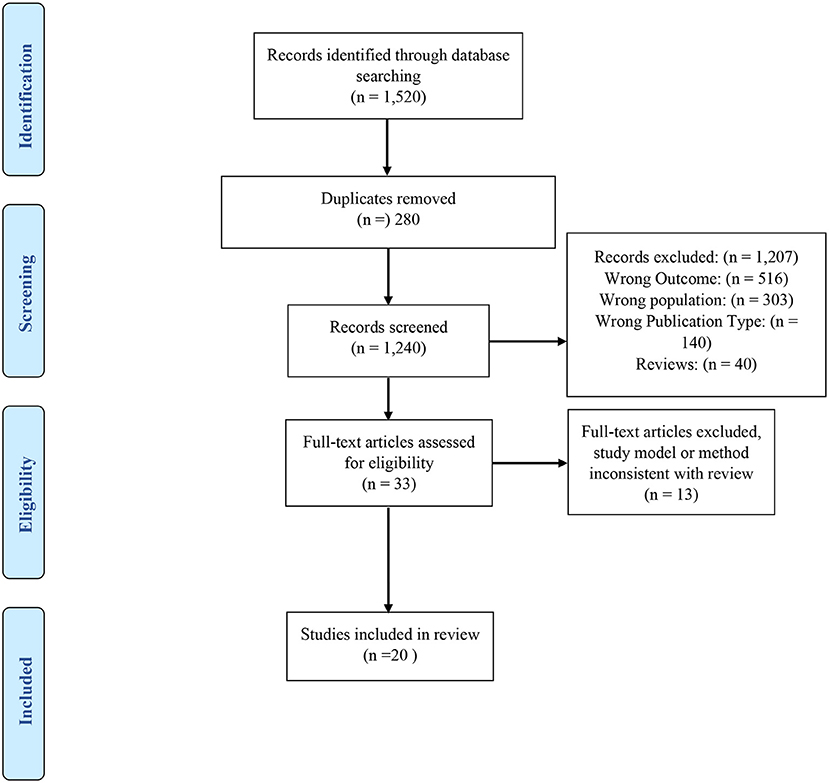
Figure 1. PRISMA flow diagram of results and publication selection.
Reporting Criteria
Once the final 20 articles were selected based on the inclusion and exclusion criteria, the two authors independently and methodically extracted data from each study and reconciled the findings by consensus. Specifically, we extracted data related to (a) sample, (b) delivery, (c) intervention, (d) duration, and (e) outcome measures (Table 2).
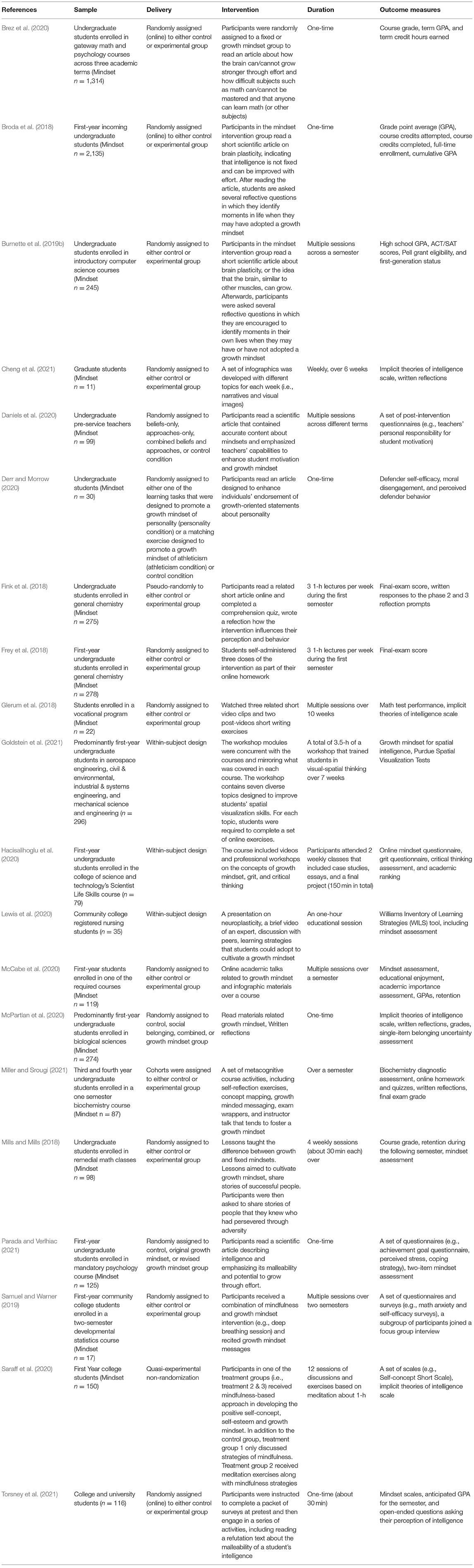
Table 2. Overview of the selected studies.
Assessment of Rigor
We also used the previously validated Checklist to Enhance Methodological Quality in Intervention Programs (Chacón-Moscoso et al., 2016) to better understand the methodological rigor of each study. This tool examines 12 characteristics of study quality, including inclusion and exclusion criteria for the units, experimental design, attrition, attrition between groups, exclusions after randomization, follow-up period, occasions of measurement, measures in pre-test appear in post-test, standardized dependent variables, control techniques, construct definition of outcome, and statistical methods for imputing missing data (see Table 3). In cases where the criteria were not discussed or assessed, we left the study “N/A” in the table. The two authors independently reviewed each included article using the assessment tool. Upon completion, they compared their results, and all conflicts were resolved by consensus.
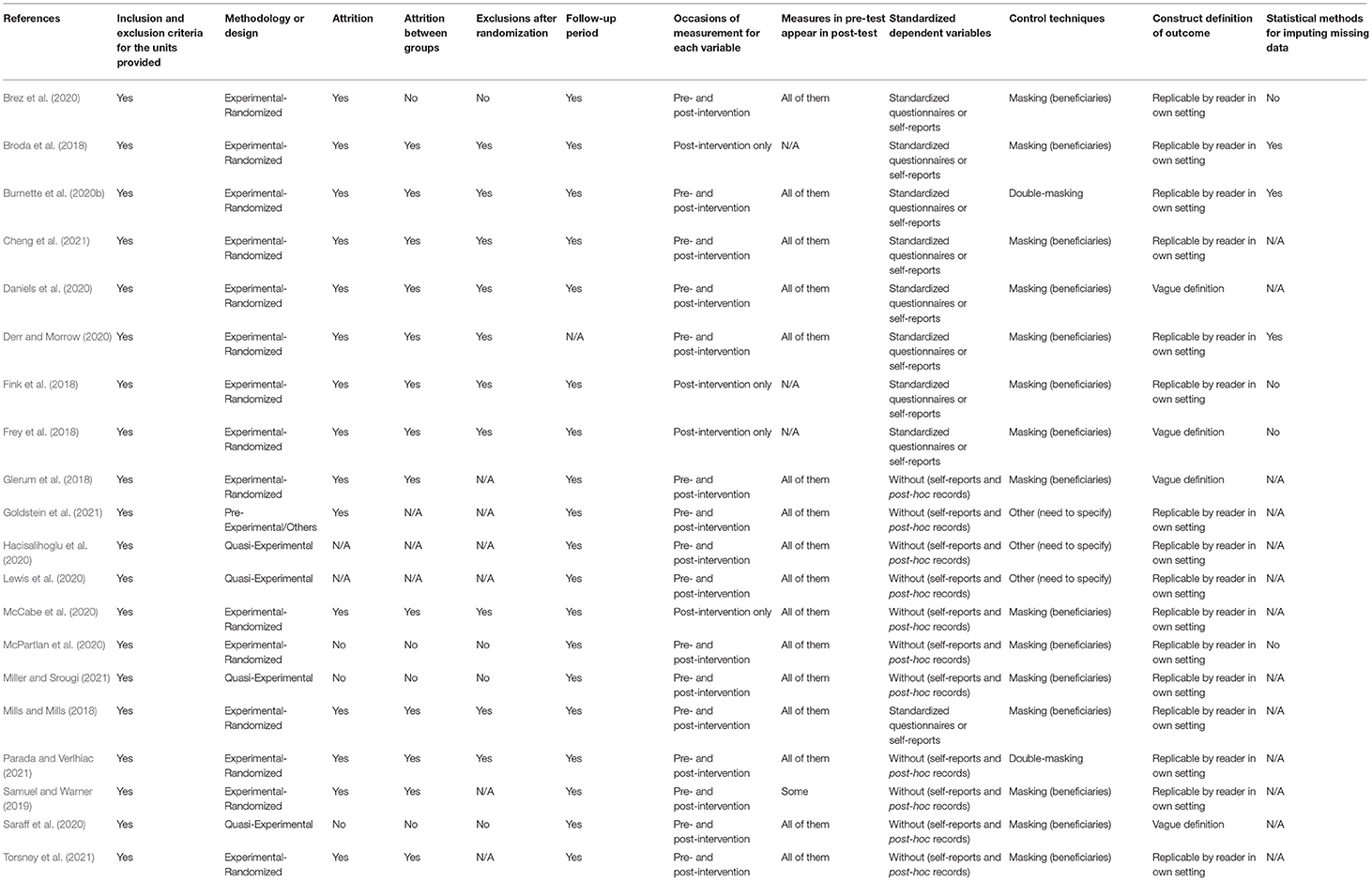
Table 3. Methodological quality 12-item checklist.
Results
The search yielded 1,240 publications, of which 20 articles finally met the inclusion criteria. All included studies were published within the last 5 years (2018–2021).
Study Participants
Eight studies examined the effects of growth mindset interventions on first-year undergraduate students enrolled in introductory courses (Frey et al., 2018; Samuel and Warner, 2019; Hacisalihoglu et al., 2020; McCabe et al., 2020; McPartlan et al., 2020; Saraff et al., 2020; Goldstein et al., 2021; Parada and Verlhiac, 2021). One study used graduate student sample (Cheng et al., 2021). One study used undergraduate students enrolled in remedial math course (Mills and Mills, 2018). One study used registered nurses (Lewis et al., 2020). One study used undergraduate students enrolled in a vocational program (Glerum et al., 2018). A portion of studies reported specific sample characteristics (e.g., different racial minorities, various socioeconomic statuses, and first-generation students). Finally, one study used undergraduate pre-service teachers (Daniels et al., 2020). A total of 5, 805 participants received a growth mindset intervention or an intervention that intends to cultivate a growth mindset (i.e., Saraff et al., 2020).
Content Areas
Eleven out of the twenty studies assessed the effectiveness of growth mindset interventions within STEM (e.g., math, statistics, psychology, computer science, engineering, biology, biochemistry, and chemistry). Other studies did not specify its contexts in terms of content area. There is increasing interest today in how a brief mindset intervention may contribute to outcomes other than academic achievement (e.g., GPA). It is evident that researchers in different disciplines have started to recognize the value and the need of psychological interventions in addition to regular courses in higher education. Specifically, an increasing literature has examined the effectiveness of Wise interventions (WIs), which focuses on a single construct, often drawn from diverse psychological perspectives, and target specific psychological processes (O'Brien and Lomas, 2016; Walton and Wilson, 2018). WIs are generally brief and more focused, and thus can be easily incorporated into original curricula.
Research Methods and Data Analyses
As can be seen in Table 1, different studies used very different research designs and outcome measures. Thirteen studies used only quantitative methods, whereas seven studies used mixed methods, such as written reflection (e.g., Fink et al., 2018; Cheng et al., 2021). This variability makes it difficult to meta-analyze these results. For example, two of the selected studies examined factors that might indirectly influence individuals' levels of growth or fixed mindsets using a path analysis. We might, therefore, observe important discrepancies in the effect sizes reported while we adopt a more rigorous means to summarize these results (Moreau, 2020). It is also important to consider qualitative results pertaining to the use and effectiveness of a growth mindset intervention in higher education (e.g., Limeri et al., 2020), such as self-reported psychological wellbeing, social belonging, and perception of peers.
Materials and Delivery Methods
In general, most included studies used randomized controlled trial (RCT) design. Participants were randomly assigned to a growth mindset intervention or a matched control group. As mentioned before, one study used quasi-experimental non-randomization (Saraff et al., 2020) and three studies used within-subject design (i.e., no randomization). Most studies followed the guidelines reported in Yeager et al. (2016). Several studies modified the common intervention to meet their needs. For example, Derr and Morrow (2020) asked their participants to read a vignette of a peer student victimized by his or her peers, and then completed paper-and-pencil measures of defender self-efficacy, moral disengagement, and perceived defender behavior. The intervention has two versions that were identical with one exception; the control condition included an exercise designed to promote a growth mindset of athleticism while the experimental condition included an exercise designed to promote a trait growth mindset.
Another revision was reported in Torsney et al. (2021). Refutation texts were used as part of the growth mindset intervention. Refutation intends to introduce a misconception to students and help them identify scientifically inaccurate concepts and acquire evidence-based knowledge. Moreover, their findings suggested that refutation text along with other educational activities can change, at least momentarily, college students' implicit theories of intelligence. Ninety five percent of the included studies delivered the intervention materials through an online platform (e.g., learning management system).
A Practical Framework For Practicing Growth Mindset
Post-secondary students are increasingly transitioning to an internet-based method of teaching and learning. While the general public becomes anxious, panic, or even depressed about the social isolation, students in higher education experience more uncertainty and hopelessness about their future. The new reality has forced students to change plans and adjust to the current situation. Every individual might attend to or interpret these stressors differently making emotion regulation strategies an urgent need (see Tabibnia and Radecki, 2018 for a review). Learning in higher education is not solely determined by individuals' personal characteristics, but also to the extent that the teachers able to support or hinder learning and motivation (Jeno, 2015). In the time of self-isolation, educational institutions and their instructors may bear an important responsibility for helping young learners adjust to both physical and psychological changes.
There may be college- or department-wide services for helping students access additional resources to reduce the impact of the pandemic on financial needs. However, supports for students' mental health seem sparse (Lee, 2020). Tabibnia and Radecki (2018) provides very useful and empirically tested behavioral strategies that enhance psychological resilience in the face of negative emotions. For example, recognizing one's own emotions and expressing them explicitly to their close friends and family members could significantly reduce the detrimental effects of negative emotions and thoughts. Universities could frequently track the wellbeing needs of their students over the different stages of the COVID-19 pandemic and encourage their learners to seek ways to make the best out of the situation.
The second part of this study includes a proposal for a practical framework for instructors in higher education to revisit the idea of growth mindset based on the findings reported here and to manage different sub-abilities that have been shown to be highly associated with growth mindset. In fact, growth mindset has become more of a general term suggesting that human abilities can be developed through effort (Dweck, 2006; Yeager and Dweck, 2020). Developing a more nuanced view of growth mindset in light of the sub-abilities undergirding it is one way that growth mindset can become easier to implement in educational settings.
To educators, implementing growth mindset ideas in the curriculum can be dreadful and requires enormous energy and dedication. However, we propose that implementing growth mindset is too large of a goal. Instead, growth mindset can and should be considered as a multifaceted concept. By doing it, implementing growth mindset pedagogy becomes more manageable. In what follows, we identify three components of self-regulation, self-efficacy, and self-esteem, ones that have been frequently shown to be associated with growth mindset and are vital to its implementation in higher education (see Figure 2). Interested readers are encouraged to refer to these articles.
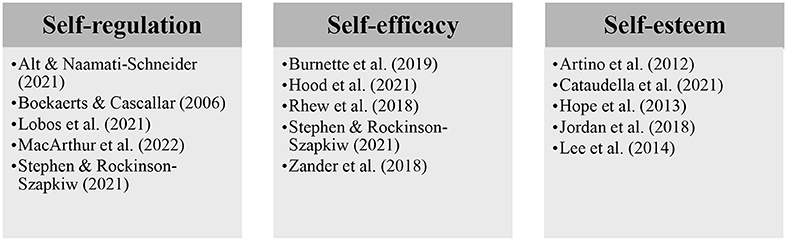
Figure 2. A practical framework for practicing growth mindset-related components & related references.
Boekaerts and Cascallar (2006) addressed some of the most critical questions concerning self-regulation, such as “What is self-regulated learning?,” “What strategies do students need to direct their own learning?,” “What environmental cues would trigger self-regulation strategies?,” and “What can teachers do to help student to self-regulate their learning?.” They provided very valuable and useful recommendations for instructional practices to promote self-regulation in young adults.
A significant number of previous findings have shown that self-esteem and/or self-efficacy are closely associated with growth mindset (e.g., Burnette et al., 2019b) or, at least, highly correlated with grade (e.g., Li and Bates, 2020). Self-efficacy is one's belief in their capacity to act to achieve desired outcomes (Bandura, 1997; Hope et al., 2013). Self-efficacy and self-esteem represent two different psychological variables and need to be managed differently. Generally, self-efficacy is more associated with motivational constructs than is self-esteem, whereas self-esteem is more associated with affective constructs (Chen et al., 2004; Jordan et al., 2018). Recent findings suggest that self-efficacy-focused curriculum is urgently needed when transitioning from traditional classrooms to other teaching and learning modalities (Talosa et al., 2021). By distilling growth mindset into these three core sub-abilities of self-regulation, self-efficacy, and self-esteem, educators can better focus their curricula and efforts on their desired outcomes (Zander et al., 2018).
Recent electrophysiological findings have shown that individuals possessing higher level of growth mindset attend to errors more often than those in a control group and have higher post-error accuracy (e.g., Schroder et al., 2014; also see Ng, 2018 for a review). Similarly, growth mindset has been shown to predict self-regulatory practices and strategies in the face of failures and challenges (see Burnette et al., 2013 for a review). Therefore, it is important to include self-regulation in the current proposal. Self-regulation can be conceptualized as goal-related processes, including goal setting, goal operating, and goal monitoring (Carver and Scheier, 2008). Self-regulatory strategies have been shown to be crucial to the initial development of a skill and individual performance in natural settings (Zimmerman, 1998). Educators in higher education can design their curricula accordingly to provide timely support and guidance to the students.
Discussion
This study presented a systematic review of growth mindset interventions among higher education students and a proposed framework to explore the sub-abilities of growth mindset. Using multiple databases and specified key word searches, the authors narrowed the entirety of growth mindset literature studies to 20 studies that met the inclusion criteria. Those articles were then examined to answer three research questions.
Our first research question considered the benefits and limitation of growth mindset intervention literature in higher education populations. Our synthesis showed that growth mindset intervention is a brief and easily administered intervention for diverse content areas in higher education. The growth mindset intervention was easily integrated into instructional materials. However, we have identified several limitations of these selected papers. First, many studies do not include follow-up periods to determine how well-changes brought about by the growth mindset intervention endure over time or transfer to other contexts outside of the intervention. Most of the studies use a pre-post design, but few studies examined student mindset at a follow-up time point, either in school or afterwards. This is a serious limitation in that the purpose of the intervention is to empower students and take control over their own learning, which extends beyond the classroom, especially considering changes due to the pandemic. Thus, it would be desirable to know whether mindset changes remain after conclusion of the intervention. More research is needed to examine whether these interventional effects can be maintained and generalized to contexts outside of the instructional setting.
Our second research question examined the strength of the evidence of these findings. Our analysis discovered that many studies were lacking in statistical rigor. For example, almost 90% of the selected studies did not mention anything about the missing data. In other words, the authors did not report the presence of missing data during the data collection process and if they did, how did they address those missing data. Specifically, the validity of research inferences can be severely compromised due to improperly handling missing data (Lang and Little, 2016). In Table 3, most studies were labeled n/a for the column of missing data imputation. Since we did not even know whether these studies had missing responses in their data, we decided to label them under the not applicable category. We recommend that future studies clearly state the details about the missing data.
Our final research question considered the implications of these findings for instructional practice and implementation in higher education and reported thematic connections among the studies. Our findings suggest that growth mindset interventions have been used in science, technology, engineering, and math, with analyses ranging from quantitative to mixed methods to qualitative. Higher education interventions also include a wide variety of participants, including students representing education of undergraduates, graduates, and medicine. COVID-19 significantly disrupted in-person and face-to-face interactions. Consequently, virtual interventions have become increasingly common, and it is unclear how more or less effective virtual interventions are, in comparison to face-to-face interventions. It is still uncertain the extent of the effectiveness of virtual mindset interventions in the academic trajectory of students, after the intervention is complete. Not only has the way of instruction delivery changed, but also how people connect and communicate with one another. In this time of uncertainty, growth mindset, or broadly speaking, psychological resilience, is a critical priority.
In addition, growth mindset is not a unitary concept, and is associated with multiple sub-abilities, such as self-regulation and self-awareness (Mrazek et al., 2018). How might these abilities help us remain socially connected? Research has begun to address students' attitudes toward face-to-face vs. online instruction (e.g., Cole, 2016). In face-to-face learning, students could communicate with their instructors effectively through body language and gestures, whereas it seems more difficult with online instruction. Thus, students often experience frustration in the process of transitioning to online learning and continue to experience frustration afterwards (Cataudella et al., 2021). As a result, reflecting upon oneself (e.g., self-reappraisal strategy to reframe an event and respond differently) and exerting aforementioned abilities are essential in protecting faculty, staff, and students from chronic mental illnesses.
With signs that the spread of the pandemic is coming under control, it is time to prepare higher education systems for the new normal after the pandemic and its variants. Major changes and precautions might be in place immediately after campuses reopening. Therefore, educational institutions may need to provide more than one alternative for their students to learn, so that they would consider it as an opportunity to choose the most suitable and comfortable way to learn for them.
One of the benefits for having a growth mindset is that growth minded individuals tend to view mistakes as opportunities to learn and improve. Cognitive neuroscience has shown that growth minded individuals display higher post-error accuracy and reduced neural activity of emotional distress to mistakes made during the task (Moser et al., 2011). In the face of psychological and physical challenges, both educators and students need to re-examine the concept of growth mindset and cultivate their sub-abilities. If being growth minded is the ultimate goal, then developing these sub-abilities, or skills, is our immediate goal, as learning is a marathon, not a sprint.
As mentioned earlier, adaptive coping strategies are important and learnable. As psychological and neuroscientific research on growth mindset continues to accelerate, higher educational institutions play a key role in helping their students combat distress and recover from the current crisis. The new normal implies that campus life will never be the same for all of us. Under this circumstance, factors such as cultural sensitivity, socioeconomic status, gender equality, and financial downturn need to be more deeply and carefully considered.
Importantly, mental and physical illness can become chronic, resulting from high stress levels. Engaging in active coping strategies in response to the crisis may help to manage current and future stressors, which in turn encourages healthy mental and physical functioning. Simply put, in difficult times like this, educational institutions should bear more responsibility than ever to provide additional assistance to help their students avoid unhealthy choices (e.g., substance abuse). In this regard, growth mindset, or resilience in general, becomes more indispensable than ever. Institutional services and support should be implemented to help those students who have lost their usual routines and are stuck in chronic passivity to overcome barriers and succeed.
Conclusion
As universities, colleges, and students plan and prepare for an unknown future, how might these educational institutions help students along the way to a successful career? A more positive and malleable way of interpreting our surroundings matters more than ever. While some students might have better self-regulatory skills, others do not. Therefore, higher education institutions can help their students identify additional resources, try new strategies, and seek input from others to promote resilience and their psychological needs over various stages of the pandemic. Likewise, students may use their time while learning remotely to develop the sub-abilities associated with growth mindset, so that they can maintain productivity and contribute to their institutions. Taken together, this paper hopes to summarize recent empirical findings about growth mindset interventions and conclude with practical considerations for application of the proposed framework to implement growth-mindset-related practices in higher education.
Data Availability Statement
The original contributions presented in the study are included in the article/supplementary material, further inquiries can be directed to the corresponding author/s.
Author Contributions
Y-RK conceived and designed the analysis. CS performed the analysis. Y-RK and CS wrote the manuscript. Both authors contributed to the article and approved the submitted version.
Conflict of Interest
The author declares that the research was conducted in the absence of any commercial or financial relationships that could be construed as a potential conflictof interest.
Publisher's Note
All claims expressed in this article are solely those of the authors and do not necessarily represent those of their affiliated organizations, or those of the publisher, the editors and the reviewers. Any product that may be evaluated in this article, or claim that may be made by its manufacturer, is not guaranteed or endorsed by the publisher.
References
Adedoyin, O. B., and Soykan, E. (2020). Covid-19 pandemic and online learning: the challenges and opportunities. Interact. Learn. Environ. 1–13. doi: 10.1080/10494820.2020.1813180
Alt, D., and Naamati-Schneider, L. (2021). Health management students' self-regulation and digital concept mapping in online learning environments. BMC Med. Educ. 21, 110. doi: 10.1186/s12909-021-02542-w
Artino, A. R. (2012). Academic self-efficacy: from educational theory to instructional practice. Perspect. Med. Educ. 1, 76–85. doi: 10.1007/s40037-012-0012-5
Bandura, A. (1986). Social Foundations of Thought and Action: A Social Cognitive Theory. Englewood Cliffs, NJ: Prentice-Hall.
Boekaerts, M., and Cascallar, E. (2006). How far have we moved toward the integration of theory and practice in self-regulation? Educ. Psychol. Rev. 18, 199–210. doi: 10.1007/s10648-006-9013-4
*Brez, C., Hampton, E. M., Behrendt, L., Brown, L., and Powers, J. (2020). Failure to replicate: testing a growth mindset intervention for college student success. Basic Appl. Soc. Psych. 42, 460–468. doi: 10.1080/01973533.2020.1806845
*Broda, M., Yun, J., Schneider, B., Yeager, D. S., Walton, G. M., and Diemer, M. (2018). Reducing inequality in academic success for incoming college students: a randomized trial of growth mindset and belonging interventions. J. Res. Educ. Eff. 11, 317–338. doi: 10.1080/19345747.2018.1429037
Burnette, J. L., Forsyth, R. B., Desmarais, S. L., and Hoyt, C. L. (2019a). Mindsets of addiction: implications for treatment intentions. J. Soc. Clin. Psychol. 38, 367–394. doi: 10.1521/jscp.2019.38.5.367
Burnette, J. L., Hoyt, C. L., Russell, V. M., Lawson, B., Dweck, C. S., and Finkel, E. (2020b). A growth mind-set intervention improves interest but not academic performance in the field of computer science. Soc. Psychol. Pers. Sci. 11, 107–116. doi: 10.1177/1948550619841631
Burnette, J. L., Knouse, L. E., Vavra, D. T., O'Boyle, E., and Brooks, M. A. (2020a). Growth mindsets and psychological distress: A meta-analysis. Clin. Psychol. Rev. 77, 101816. doi: 10.1016/j.cpr.2020.101816
Burnette, J. L., O'Boyle, E. H., VanEpps, E. M., Pollack, J. M., and Finkel, E. J. (2013). Mind-sets matter: a meta-analytic review of implicit theories and self-regulation. Psychol. Bull. 139, 655–701. doi: 10.1037/a0029531
Burnette, J. L., Pollack, J. M., Forsyth, R. B., Hoyt, C. L., Babij, A. D., Thomas, F. N., et al. (2019b). A growth mindset intervention: enhancing students' entrepreneurial self-efficacy and career development. Entrepreneursh. Theory Pract. 44, 878–908. doi: 10.1177/1042258719864293
Canning, E. A., Muenks, K., Green, D. J., and Murphy, M. C. (2019). STEM faculty who believe ability is fixed have larger racial achievement gaps and inspire less student motivation in their classes. Sci. Adv. 5, eaau4734. doi: 10.1126/sciadv.aau4734
Carver, C. S., and Scheier, M. F. (2008). On the Self-Regulation of Behavior. Cambridge: Cambridge University Press.
Cataudella, S., Carta, S. M., Mascia, M. L., Masala, C., Petretto, D. R., Agus, M., et al. (2021). Teaching in times of the COVID-19 pandemic: a pilot study on teachers' self-esteem and self-efficacy in an Italian sample. Int. J. Environ. Res. Public Health 18, 8211. doi: 10.3390/ijerph18158211
Chacón-Moscoso, S., Sanduvete-Chaves, S., and Sánchez-Martín, M. (2016). The development of a checklist to enhance methodological quality in intervention programs. Front. Psychol. 7, 1811. doi: 10.3389/fpsyg.2016.01811
Chen, G., Gully, S. M., and Eden, D. (2004). General self-efficacy and self-esteem: toward theoretical and empirical distinction between correlated self-evaluations. J. Organ. Behav. 25, 375–395. doi: 10.1002/job.251
*Cheng, M. W. T., Leung, M. L., and Lau, J. C. H. (2021). A review of growth mindset intervention in higher education: the case for infographics in cultivating mindset behaviors. Soc. Psychol. Educ. 24, 1335–1362. doi: 10.1007/s11218-021-09660-9
Cole, A. W. (2016). Testing the impact of student preference for face-to-face communication on online course satisfaction. West. J. Commun. 80, 619–637. doi: 10.1080/10570314.2016.1186824
*Daniels, L. M., Goegan, L. D., Radil, A. I., and Dueck, B. S. (2020). Supporting pre-service teachers' motivation beliefs and approaches to instruction through an online intervention. Br. J. Educ. Psychol. 91, 775–791. doi: 10.1111/bjep.12393
*Derr, S., and Morrow, M. T. (2020). Effects of a growth mindset of personality on emerging adults' defender self-efficacy, moral disengagement, and perceived peer defending. J. Interpers. Viol. 35, 542–570. doi: 10.1177/0886260517713716
Duckworth, A. L., Peterson, C., Matthews, M. D., and Kelly, D. R. (2007). Grit: perseverance and passion for long-term goals. J. Pers. Soc. Psychol. 92, 1087–1101. doi: 10.1037/0022-3514.92.6.1087
Dweck, C. S. (1946). Self-Theories: Their Role in Motivation, Personality, and Development. Philadelphia, PA: Psychology Press.
Dweck, C. S. (1986). Motivational processes affecting learning. Am. Psychol. 41, 1040–1048. doi: 10.1037/0003-066X.41.10.1040
Dweck, C. S., Chiu, C. Y., and Hong, Y. Y. (1995). Implicit theories and their role in judgments and reactions: A word from two perspectives. Psychol. Inq. 6, 267–285. doi: 10.1207/s15327965pli0604_1
Dweck, C. S., and Leggett, E. L. (1988). A social-cognitive approach to motivation and personality. Psychol. Rev. 95, 256–273. doi: 10.1037/0033-295X.95.2.256
*Fink, A., Cahill, M. J., McDaniel, M. A., Hoffman, A., and Frey, R. F. (2018). Improving general chemistry performance through a growth mindset intervention: selective effects on underrepresented minorities. Chem. Educ. Res. Pract. 19, 783–806. doi: 10.1039/C7RP00244K
*Frey, R. F., Fink, A., Cahill, M. J., McDaniel, M. A., and Solomon, E. D. (2018). Peer-Led team learning in general chemistry I: interactions with identity, academic preparation, and a course-based intervention. J. Chem. Educ. 95, 2103–2113. doi: 10.1021/acs.jchemed.8b00375
García-Morales, V. J., Garrido-Moreno, A., and Martín-Rojas, R. (2021). The transformation of higher education after the COVID disruption: emerging challenges in an online learning scenario. Front. Psychol. 12, 616059. doi: 10.3389/fpsyg.2021.616059
*Glerum, J., Loyens, S. M., and Rikers, R. M. J. P. (2018). Is an online mindset intervention effective in vocational education? Interact. Learn. Environ. 28, 821–830. doi: 10.1080/10494820.2018.1552877
*Goldstein, M. H., Froiland, J. M., Xiao, Z., Woodard, B. S., Li, T., and Philpott, M. L. (2021). Application of online visual-spatial training to increase visual-spatial ability and growth mindset of engineering students. Int. J. Eng. Educ. 37, 1674–1682.
*Hacisalihoglu, G., Stephens, D., Stephens, S., Johnson, L., and Edington, M. (2020). Enhancing undergraduate student success in STEM fields through growth-mindset and grit. Educ. Sci. 10, 279. doi: 10.3390/educsci10100279
Haimovitz, K., and Dweck, C. S. (2017). The origins of children's growth and fixed mindsets: new research and a new proposal. Child Dev. 88, 1849–1859. doi: 10.1111/cdev.12955
Hood, S., Barrickman, N., Djerdjian, N., Farr, M., Magner, S., Roychowdhury, H., et al. (2021). “I like and prefer to work alone”: social anxiety, academic self-efficacy, and students' perceptions of active learning. Life Sci. Educ. 20, ar12. doi: 10.1187/cbe.19-12-0271
Hope, E. C., Chavous, T. M., Jagers, R. J., and Sellers, R. M. (2013). Connecting self-esteem and achievement. Am. Educ. Res. J. 50, 1122–1151. doi: 10.3102/0002831213500333
Jeno, M. L. (2015). Encouraging active learning in higher education a self-determination theory perspective. Int. J. Technol. Inclus. Educ. 2, 2015. doi: 10.20533/ijtie.2047.0533.2015.0091
Jordan, K. A., Gagnon, R. J., Anderson, D. M., and Pilcher, J. J. (2018). Enhancing the college student experience: outcomes of a leisure education program. J. Exp. Educ. 41, 90–106. doi: 10.1177/1053825917751508
Kim, S., Yun, J., Schneider, B. L., Broda, M., Klager, C., and Chen, I. C. (2022). The effects of growth mindset on college persistence and completion. SSRN Elect. J. doi: 10.2139/ssrn.4002830
Lang, K. M., and Little, T. D. (2016). Principled missing data treatments. Prevent. Sci. 19, 284–294. doi: 10.1007/s11121-016-0644-5
Lee, C., Dickson, D. A., Conley, C. S., and Holmbeck, G. N. (2014). A closer look at self-esteem, perceived social support, and coping strategy: a prospective study of depressive symptomatology across the transition to college. J. Soc. Clin. Psychol. 33, 560–585. doi: 10.1521/jscp.2014.33.6.560
Lee, J. (2020). Mental health effects of school closures during COVID-19. Lancet Child Adolesc. Health 4, 421. doi: 10.1016/S2352-4642(20)30109-7
*Lewis, L. S., Williams, C. A., and Dawson, S. D. (2020). Growth mindset training and effective learning strategies in community college registered nursing students. Teach. Learn. Nurs. 15, 123–127. doi: 10.1016/j.teln.2020.01.006
Li, Y., and Bates, T. C. (2020). Testing the association of growth mindset and grades across a challenging transition: is growth mindset associated with grades? Intelligence 81, 101471. doi: 10.1016/j.intell.2020.101471
Limeri, L. B., Carter, N. T., Choe, J., Harper, H. G., Martin, H. R., Benton, A., et al. (2020). Growing a growth mindset: characterizing how and why undergraduate students' mindsets change. Int. J. STEM Educ. 7, 35. doi: 10.1186/s40594-020-00227-2
Lobos, K., Sáez-Delgado, F., Bruna, D., Cobo-Rendon, R., and Díaz-Mujica, A. (2021). Design, validity and effect of an intra-curricular program for facilitating self-regulation of learning competences in university students with the support of the 4planning app. Educ. Sci. 11, 449. doi: 10.3390/educsci11080449
MacArthur, C. A., Traga Philippakos, Z. A., May, H., and Compello, J. (2022). Strategy instruction with self-regulation in college developmental writing courses: results from a randomized experiment. J. Educ. Psychol. 114, 815–832. doi: 10.1037/edu0000705
*McCabe, J. A., Kane-Gerard, S., and Friedman-Wheeler, D. G. (2020). Examining the utility of growth-mindset interventions in undergraduates: a longitudinal study of retention and academic success in a first-year cohort. Transl. Issues Psychol. Sci. 6, 132–146. doi: 10.1037/tps0000228
*McPartlan, P., Solanki, S., Xu, D., and Sato, B. (2020). Testing basic assumptions reveals when (not) to expect mindset and belonging interventions to succeed. AERA Open 6, 1–16. doi: 10.1177/2332858420966994
Miele, D. B., and Scholer, A. A. (2017). The role of metamotivational monitoring in motivation regulation. Educ. Psychol. 53, 1–21. doi: 10.1080/00461520.2017.1371601
*Miller, H. B., and Srougi, M. C. (2021). Growth mindset interventions improve academic performance but not mindset in biochemistry. IUBMB J. 49, 748–757. doi: 10.1002/bmb.21556
*Mills, I. M., and Mills, B. S. (2018). Insufficient evidence: mindset intervention in developmental college math. Soc. Psychol. Educ. 21, 1045–1059. doi: 10.1007/s11218-018-9453-y
Moher, D., Cook, D. J., Eastwood, S., Olkin, I., Rennie, D., and Stroup, D. F. (1999). Improving the quality of reports of meta-analyses of randomised controlled trials: the QUOROM statement. Lancet 354, 1896–1900. doi: 10.1016/S0140-6736(99)04149-5
Moher, D., Liberati, A., Tetzlaff, J., and Altman, D. G. (2009). Preferred reporting items for systematic reviews and meta-analyses: the PRISMA statement. BMJ 339, b2535. doi: 10.1136/bmj.b2535
Moher, D., Shamseer, L., Clarke, M., Ghersi, D., Liberati, A., Petticrew, M., et al. (2015). Preferred reporting items for systematic review and meta-analysis protocols (PRISMA-P) 2015 statement. Syst. Rev. 4, 1. doi: 10.1186/2046-4053-4-1
Moreau, D. (2020). Shifting minds: a quantitative reappraisal of cognitive-intervention research. Perspect. Psychol. Sci. 16, 148–160. doi: 10.1177/1745691620950696
Mosanya, M. (2021). Buffering academic stress during the COVID-19 pandemic related social isolation: Grit and growth mindset as protective factors against the impact of loneliness. Int. J. Appl. Posit. Psychol. 6, 159–174. doi: 10.1007/s41042-020-00043-7
Moser, J. S., Schroder, H. S., Heeter, C., Moran, T. P., and Lee, Y. (2011). Mind your errors. Psychol. Sci. 22, 1484–1489. doi: 10.1177/0956797611419520
Mrazek, A. J., Ihm, E. D., Molden, D. C., Mrazek, M. D., Zedelius, C. M., and Schooler, J. W. (2018). Expanding minds: growth mindsets of self-regulation and the influences on effort and perseverance. J. Exp. Soc. Psychol. 79, 164–180. doi: 10.1016/j.jesp.2018.07.003
Ng, B. (2018). The neuroscience of growth mindset and intrinsic motivation. Brain Sci. 8, 20. doi: 10.3390/brainsci8020020
O'Brien, K., and Lomas, T. (2016). Developing a growth mindset through outdoor personal development: can an intervention underpinned by psychology increase the impact of an outdoor learning course for young people? J. Advent. Educ. Outdoor Learn. 17, 133–147. doi: 10.1080/14729679.2016.1232199
*Parada, S., and Verlhiac, J. F. (2021). Growth mindset intervention among French university students, and its articulation with proactive coping strategies. Educ. Psychol. 42, 354–374. doi: 10.1080/01443410.2021.1917519
Rhew, E., Piro, J. S., Goolkasian, P., and Cosentino, P. (2018). The effects of a growth mindset on self-efficacy and motivation. Cogent Educ. 5, 1492337. doi: 10.1080/2331186X.2018.1492337
Rodríguez-Planas, N. (2022). Hitting where it hurts most: COVID-19 and low-income urban college students. Econ. Educ. Rev. 87, 102233. doi: 10.1016/j.econedurev.2022.102233
*Samuel, T. S., and Warner, J. (2019). “I can math!”: reducing math anxiety and increasing math self-efficacy using a mindfulness and growth mindset-based intervention in first-year students. Commun. Coll. J. Res. Pract. 45, 205–222. doi: 10.1080/10668926.2019.1666063
*Saraff, S., Tiwari, A., and Rishipal. (2020). Effect of mindfulness on self-concept, self-esteem and growth mindset: evidence from undergraduate students. J. Psychosoc. Res. 15, 329–340. doi: 10.32381/JPR.2020.15.01.28
Schroder, H. S., Callahan, C. P., Gornik, A. E., and Moser, J. S. (2019). The fixed mindset of anxiety predicts future distress: A longitudinal study. Behav. Ther. 50, 710–717. doi: 10.1016/j.beth.2018.11.001
Schroder, H. S., Fisher, M. E., Lin, Y., Lo, S. L., Danovitch, J. H., and Moser, J. S. (2017a). Neural evidence for enhanced attention to mistakes among school-aged children with a growth mindset. Dev. Cogn. Neurosci. 24, 42–50. doi: 10.1016/j.dcn.2017.01.004
Schroder, H. S., Moran, T. P., Donnellan, M. B., and Moser, J. S. (2014). Mindset induction effects on cognitive control: A neurobehavioral investigation. Biol. Psychol. 103, 27–37. doi: 10.1016/j.biopsycho.2014.08.004
Schroder, H. S., Yalch, M. M., Dawood, S., Callahan, C. P., Donnellan, M. B., and Moser, J. S. (2017b). Growth mindset of anxiety buffers the link between stressful life events and psychological distress and coping strategies. Pers. Individ. Dif. 110, 23–26. doi: 10.1016/j.paid.2017.01.016
Schunk, D. H., and DiBenedetto, M. K. (2020). Motivation and social cognitive theory. Contemp. Educ. Psychol. 60, 101832. doi: 10.1016/j.cedpsych.2019.101832
Sharma, D., and Bhaskar, S. (2020). Addressing the COVID-19 burden on medical education and training: the role of telemedicine and tele-education during and beyond the pandemic. Front. Public Health 8, 589669. doi: 10.3389/fpubh.2020.589669
Stephen, J. S., and Rockinson-Szapkiw, A. J. (2021). A high-impact practice for online students: the use of a first-semester seminar course to promote self-regulation, self-direction, online learning self-efficacy. Smart Learn. Environ. 8, 6. doi: 10.1186/s40561-021-00151-0
Tabibnia, G., and Radecki, D. (2018). Resilience training that can change the brain. Consult. Psychol. J. Pract. Res. 70, 59–88. doi: 10.1037/cpb0000110
Talosa, A. D., Javier, B. S., and Dirain, E. L. (2021). The flexible-learning journey: phenomenological investigation of self-efficacy influencing factors among higher education students. Linguist. Cult. Rev. 5, 422–434. doi: 10.21744/lingcure.v5nS3.1590
*Torsney, B. M., Korstange, R., and Symonds, J. E. (2021). Changing misconceptions of abilities: the impact of a brief mindset refutation text intervention. Psychol. Sch. 58, 2293–2312. doi: 10.1002/pits.22592
Walton, G. M., and Wilson, T. D. (2018). Wise interventions: Psychological remedies for social and personal problems. Psychol. Rev. 125, 617–655. doi: 10.1037/rev0000115
Yan, V. X., Thai, K., and Bjork, R. A. (2014). Habits and beliefs that guide self-regulated learning: do they vary with mindset? J. Appl. Res. Mem. Cogn. 3, 140–152. doi: 10.1016/j.jarmac.2014.04.003
Yeager, D. S., and Dweck, C. S. (2020). What can be learned from growth mindset controversies? Am. Psychol. 75, 1269–1284. doi: 10.1037/amp0000794
Yeager, D. S., Romero, C., Paunesku, D., Hulleman, C. S., Schneider, B., Hinojosa, C., et al. (2016). Using design thinking to improve psychological interventions: The case of the growth mindset during the transition to high school. J. Educ. Psychol. 108, 374–391. doi: 10.1037/edu0000098
Yeo, S. C., Lai, C. K. Y., Tan, J., and Gooley, J. J. (2021). A targeted e-learning approach for keeping universities open during the COVID-19 pandemic while reducing student physical interactions. PLoS ONE 16, e0249839. doi: 10.1371/journal.pone.0249839
Zander, L., Brouwer, J., Jansen, E., Crayen, C., and Hannover, B. (2018). Academic self-efficacy, growth mindsets, and university students' integration in academic and social support networks. Learn. Individ. Differ. 62, 98–107. doi: 10.1016/j.lindif.2018.01.012
Zhao, H., Xiong, J., Zhang, Z., and Qi, C. (2021). Growth mindset and college students' learning engagement during the COVID-19 pandemic: a serial mediation model. Front. Psychol. 12, 621094. doi: 10.3389/fpsyg.2021.621094
Zimmerman, B. J. (1998). Academic studying and the development of personal skill: a self-regulatory perspective. Educ. Psychol. 33, 73–86. doi: 10.1080/00461520.1998.9653292
*^References included in the systematic review.
Keywords: growth mindset, resilience, higher education, emotion regulation, mental health, self-regulation, self-efficacy
Citation: Ku Y-R and Stager C (2022) Rethinking the Multidimensionality of Growth Mindset Amid the COVID-19 Pandemic: A Systematic Review and Framework Proposal. Front. Psychol. 13:572220. doi: 10.3389/fpsyg.2022.572220
Received: 13 June 2020; Accepted: 03 June 2022;
Published: 01 July 2022.
Edited by:
Douglas F. Kauffman, Medical University of the Americas—Nevis, United StatesReviewed by:
Jesús-Nicasio García-Sánchez, Universidad de León, SpainLorenz S. Neuwirth, SUNY Old Westbury, United States
Copyright © 2022 Ku and Stager. This is an open-access article distributed under the terms of the Creative Commons Attribution License (CC BY). The use, distribution or reproduction in other forums is permitted, provided the original author(s) and the copyright owner(s) are credited and that the original publication in this journal is cited, in accordance with accepted academic practice. No use, distribution or reproduction is permitted which does not comply with these terms.
*Correspondence: Yun-Ruei Ku, eWt1MUBjcmltc29uLnVhLmVkdQ==