 Xiaoxiang Zheng1
 Dexing Zhang1*
 Elsa Ngar Sze Lau2
 Zijun Xu1
 Zihuang Zhang3
 Phoenix Kit Han Mo1
 Xue Yang1Eva Chui Wa Mak1
 Samuel Y. S. Wong1
- 1The Jockey Club School of Public Health and Primary Care, Chinese University of Hong Kong, Shatin, Hong Kong SAR, China
- 2Department of Special Education and Counselling, The Education University of Hong Kong, Tai Po, Hong Kong SAR, China
- 3Schulich School of Medicine and Dentistry, University of Western Ontario, London, ON, Canada
Emergency online education has been adopted worldwide due to coronavirus disease 2019 (COVID-19) pandemic. Prior research regarding online learning predominantly focused on the perception of parents, teachers, and students in tertiary education, while younger children’s perspectives have rarely been examined. This study investigated how family, school, and individual factors would be associated with primary school students’ satisfaction, perceived effectiveness, and preference in online learning during COVID-19. A convenient sample of 781 Hong Kong students completed an anonymous online survey from June to October 2020. Logistic regression was conducted for 13 potential factors. Results indicated that only 57% of students were satisfied with their schools’ online learning arrangement and 49.6% regarded the online learning as an effective learning mode. Only 12.8% of students preferred online learning, while 67.2% of students preferred in-person schooling. Multiple analyses suggested that teacher–student interaction during online classes was positively associated with students’ satisfaction, perceived effectiveness, and preferences in online learning. Compared to grades 1–2 students, grades 3–6 students perceived more effectiveness and would prefer online learning. Happier schools were more likely to deliver satisfying and effective online education. Students who reported less happiness at school would prefer online learning, and students who reported less happiness at home would be less satisfied with online learning and reflected lower effectiveness. Teachers are encouraged to deliver more meaningful interactions to students and offer extra support to younger children during online classes. Primary schools and parents are encouraged to create a healthy and pleasant learning environment for children. The government may consider building up happy schools in the long run. The study findings are instrumental for policymakers, institutions, educators, and researchers in designing online education mechanisms.
Introduction
The worldwide education systems were severely affected due to a series of consequent infection control measures responding to the outbreak of coronavirus disease 2019 (COVID-19), with up to two-thirds of an academic year lost on average worldwide due to school closure (Cucinotta and Vanelli, 2020). In Hong Kong, the first COVID-19 case was confirmed on January 23, 2020 (Wong et al., 2020) and the Education Bureau (EDB) has announced school closure and class suspension amid the several consequent waves of the epidemic (The Government of the Hong Kong Special Administrative Region, 2020). Although schools would sometimes resume regular operation during the lockdown, most schools were required to arrange just a limited number of students to return to school everyday for face-to-face classes or activities.
To accommodate the unexpected disturbances, educational institutions had to abruptly shift to online teaching to ensure the Students’ continuous learning in this pandemic era (Aboagye et al., 2021). However, a smooth shift could be challenging. Students have encountered lots of obstacles, such as lack of access to devices for online learning (Almanthari et al., 2020; Dube, 2020), unstable internet connectivity (Rotas and Cahapay, 2020), lack of technical know-how of devices (Owusu-Fordjour et al., 2020), schools’ inexperience in offering online education (Wodon, 2020), family’s financial unpreparedness (Agormedah et al., 2020), lack of parental support (Owusu-Fordjour et al., 2020), and feeling bored due to lack of interpersonal communication (Irawan et al., 2020). Likewise, parents expressed their worries about children’s increased screen time, more exposure to harmful content over the Internet, reduced physical activities, and lack of socializing (Harjule et al., 2021). Moreover, teachers faced challenges in implementing online teaching due to insufficient training with digital tools, absence of constant contact with students to monitor their study routine, and lack of support and assistance from parents (Shamir-Inbal and Blau, 2021).
The obstacles above alerted us that students could be vulnerable to receiving satisfying and effective online education during COVID-19. The situation could be even worse for primary school students, who are still developing their self-regulation and attention control skills and are incompetent to handle technological problems and other emergencies independently (Gallagher and Cottingham, 2020) compared to students in secondary and tertiary educations.
Therefore, special attention should be paid to the primary school Students’ online learning amid COVID-19 pandemic, with their demands, difficulties encountered, and expectations deeply understood. As for younger children, learning at home means parental support is crucial. The abrupt shift to online learning was challenging and an issue of concern owing to the lack of sufficient support offered to the parents and this may facilitate parental burnout, which would passively impact children’s well-being and online learning during COVID-19 pandemic (Griffith, 2020). So, it is vital to investigate young children’s relationships with their parents (Sheehan et al., 2019) and their happiness level at home (Fidan, 2021) when they are receiving online education. Thus, we examined how children’s satisfaction with parents and happiness at home, as family factors, would be associated with their online learning. Besides, as the efficacy of online education relied on the school resources available (Tran et al., 2020), school factors were also examined, including teacher–student interaction (Alqurashi, 2019), school’s happiness index rated by students (Cote, 2006), and Students’ happiness level at school (Mauro and Machell, 2019). In addition, children’s individual factors were another category worthy of exploring as prior research has substantiated that loneliness (ValÅs, 1999), sleep (Peigneux et al., 2001; Al-Sharman and Siengsukon, 2013), self-awareness (Steiner, 2014), academic performance (Zeegers, 2004), and mobility in schools (Sorin and Iloste, 2006) would significantly influence Students’ learning. Therefore, correlations between online learning and Students’ individual factors, including self-perceived loneliness, sleep time, satisfaction with self-performance, perceived academic performance, and intention of school transfer, were demonstrated in this study.
To summarize, from primary school Students’ perspectives, this study explored 10 potential factors from three aspects: (a) Student’s family factors (satisfaction with parents and happiness level at home); (b) Student’s school factors (happiness level at school, school’s happiness index, and teacher–student interaction); and (c) Student’s individual factors (self-perceived loneliness, sleep time, satisfaction with self-performance, perceived academic performance, and intention of school transfer), to investigate how these factors would influence Students’ perception of online learning during COVID-19 pandemic.
This study aimed to provide policymakers, institutions, educators, and researchers a deeper insight into younger children’s experience in receiving online learning in this unexpected crisis, which was rarely explored as prior research predominantly focused on the views of parents, teachers, and students in tertiary education. The findings of this study can serve as instrumental references and inspirations in refining pedagogical designs to better adapt primary school students to the online learning practice during COVID-19 or under future tendencies and unexpected crises.
Materials and Methods
Participants
As primary schools were periodically closed as instructed by the EDB during this study period, convenient sampling (Lavrakas, 2008) was adopted to search prospective primary schools. The team sent out invitation emails to 165 randomly selected primary schools of four types [i.e., government, aided, the Direct Subsidy Scheme (DSS), and private]1 with at least three reminders and follow-up telephone calls. Finally, six primary schools (3 aided, 2 DSS, and 1 private) agreed to participate in this study. These six schools then send out invitation emails with the online survey link to students and parents to participate voluntarily and anonymously.
Instrument
The questionnaire was developed by an expert panel consisting of a group of researchers and practitioners in public health, education, and journalism. Initially, a Chinese version of the questionnaire was preliminarily developed. Each panel member independently reviewed the questionnaire and provided their comments. Several rounds of discussion and revision were conducted until the panel finally agreed on a relatively shorter version that took only 5–10 min to complete. Considering the lower literacy skills in younger pupils who required cognitive scaffolding in filling in the questionnaire (Tomasik et al., 2020), audios for all the questions and answers were provided in the questionnaire for primary 1–3 students. Colorful pictures and emojis were also embedded to facilitate their understanding. Four bilingual researchers experienced in public health and education worked together to translate the Chinese questionnaire into English to accommodate Hong Kong’s bilingual educational needs. The English version had gone through several rounds of revision and proofreading to guarantee that all the questions and answer options had equivalent meaning as those in the Chinese version. A pilot study was administered to 45 primary school students with at least five students from each of the six grades. Good acceptability was indicated for the survey, with minor revisions made based on feedback collected in the pilot.
The questionnaire was generated via a widely used online survey software (QuestionPro). Participants could fill in it via different electronic devices, such as computers, tablets, and smartphones. Parents were invited to aid their children. Participants’ consent would be sought before starting the questionnaire. A click of “Yes” would lead to starting the questionnaire, while a click of “No” would lead to a termination of the questionnaire. The survey was conducted from June to October 2020.
Measurement
Study Outcomes
Students’ satisfaction, perceived effectiveness, and preference in online learning using the Likert-type scale (Joshi et al., 2015) constitute the three outcomes. Satisfaction was measured by asking “During the period of school suspension, do you like the arrangement made by your school regarding learning at home?,” with five answer options categorized as “like a lot,” “quite like,” “average,” “do not quite like,” and “dislike a lot.” Perceived effectiveness was measured by asking “What do you think about the effect of learning at home?,” with five answer options as “very good,” “quite good,” “average,” “quite bad,” and “very bad.” Preference was measured by asking “Do you prefer to study online or at school?,” with three answer options as “prefer to study online,” “prefer to study at school,” and “same.”
Independent Variables
Thirteen items serve as the independent variables. Demographic characteristics were collected, including the type of primary school, grade of study, and gender. Ten items measured the Student’s loneliness, sleep time, happiness at school, happiness at home, satisfaction with parents, satisfaction with self-awareness, academic performance, the intention of school transfer, teacher–student interaction during online learning, and school’s happiness index rated by the student. Loneliness was measured using the UCLA Three-Item Loneliness Scale (Hughes et al., 2004). The other nine items were devised using the Likert-type scale (Joshi et al., 2015). Sleep time was measured by asking “Do you have sufficient sleep?” with three answer options as “sufficient,” “not sufficient,” and “very insufficient.” Satisfaction with parents was measured by asking “Overall speaking, what is your degree of satisfaction with your father and mother?” with five answer options as “very satisfied,” “satisfied,” “half-and-half,” “not quite satisfied,” and “very dissatisfied.” Satisfaction with self-performance was measured by asking “Do you feel satisfied with your performance in various aspects?” with five answer options as “very satisfied,” “satisfied,” “half-and-half,” “not quite satisfied,” and “very dissatisfied.” Perceived academic performance was measured by asking “In your opinion, your academic results are,” with five answer options as “the best,” “good,” “moderate,” “bad,” “the worst.” The intention of school transfer was measured by asking “Do you want to study at another school?,” with five answer options as “don’t want at all,” “don’t quite want,” “average,” “slightly want,” and “want very much.” Teacher–student interaction was measured by asking “Do teachers interact with you when you study online at home?,” with five answer options as “always,” “often,” “average,” “seldom,” and “rarely.” As for happiness at school, happiness at home, and school’s happiness index, participants were asked to rate from 0 to 10, with 0 representing the least happy and 10 representing the happiest. Happiness at school was measured by asking “If you are to give a mark, the mark representing the happiness you feel at school is.” Happiness at home was measured by asking “If you are to give a mark, the mark representing the happiness you feel at home is.” School’s happiness index was measured by asking “If you are to give a mark to your school’s happiness index, you will give it.”
Statistical Analysis
Frequency and percentage of the categorical variables and mean and SD of the continuous variables were presented for data description. Four principal assumptions of linear regression were tested, but the linearity and homoscedasticity assumptions were violated, so a linear model cannot be used (Alexopoulos, 2010). The Likert-type scale used for dependent variables presented ordinal data and categorical data (Robertson, 2012). The five-point or three-point scales of the variables were compressed to lesser points to ensure that each cross-tabulation group has sufficient number, so that valid analysis results could be presented. The assumptions of logistic regression were tested (Healy, 2006) and found satisfied. The dependent variables were dichotomous and no outlier data were found that could distort the outcome and accuracy of the model. Therefore, logistic regression was used in analyzing the data.
The univariate logistic regression analysis was applied to explore the association between each independent variable and each dependent variable and multiple regression analysis was applied to examine the association between all the independent variables and each dependent variable. Adjusted odds ratios (AORs) and their 95% CIs were presented. Statistical significance was considered when p-values were < 0.05 (two sides). Statistical analyses were performed using the statistical package IBM SPSS Statistics (version 26).
Results
A total of 781 students completed the survey, with 60.5% from aided schools and 39.5% from the DSS and private schools. About 35.2% of students were studying in grades 1–2, 28.8% of students were studying in grades 3–4, and 36.0% of students were studying in grades 5–6. About 67.2% of students were male and 32.8% of students were female.
Students’ responses to the questionnaire and their demographic characteristics are given in Table 1. Half of the students (50.1%) reported that teachers often or always interacted with them during online learning. Less than three-fifths (57%) were satisfied with their schools’ online learning arrangement. Nearly half (49.6%) reflected the effect of online learning as good or very good. About one-eighth students (12.8%) preferred online learning and the rest preferred in-person schooling (67.2%) or did not indicate any preference (20.0%).
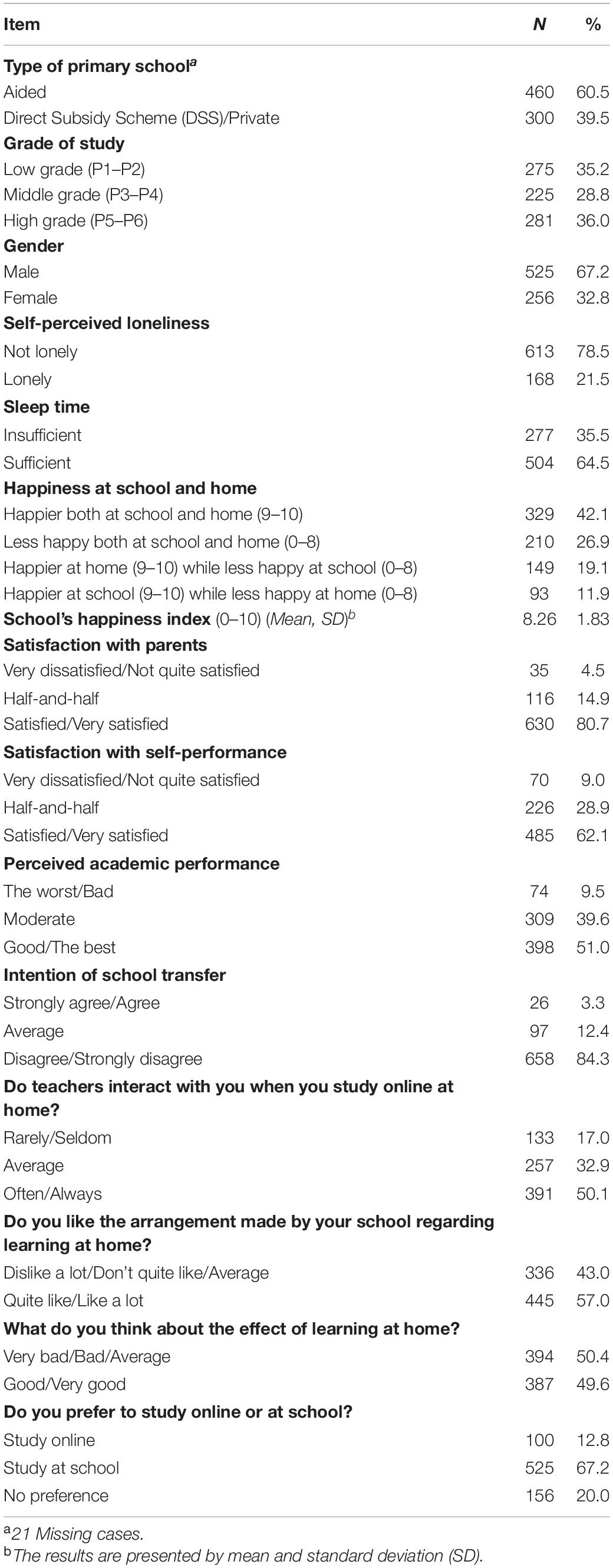
Table 1. Students’ demographic characteristics and responses to the survey items (N = 781).
Satisfaction in Online Learning Arrangement
In the univariate model, satisfaction with the online learning arrangement was significantly associated with studying in the DSS or private schools, being male, rating higher happiness indexes for schools, being satisfied with parents and self-performance, gaining better perceived academic performance, having no intention of school transfer, and receiving more teacher–student interaction during online learning. However, students who felt less happy both at the school and home and those who felt less happy either at school or home were less likely to be satisfied with the online learning arrangement than those who felt happy both at school and home (p < 0.05, Table 2).
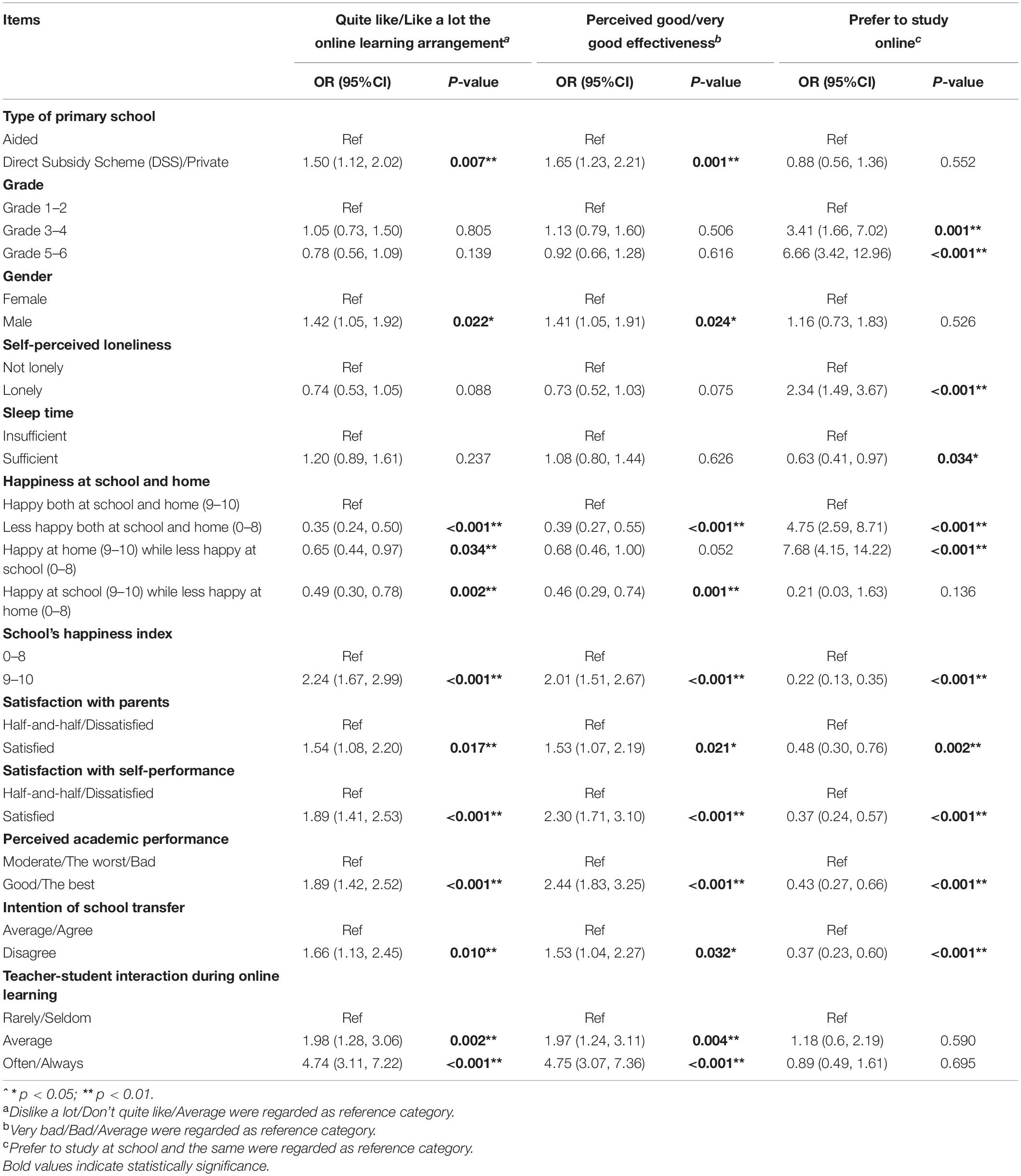
Table 2. The univariate regression results of factors associated with Students’ views on online learning.^
In the multiple model, more teacher–student interactions during online learning (average: AOR = 2.08, 95% CI: 1.31–3.29, p = 0.002; often or always: AOR = 4.11, 95% CI: 2.61–6.48, p < 0.001) and higher happiness indexes for schools (AOR = 1.84, 95% CI: 1.14–2.98, p = 0.013) remained significantly associated with being satisfied with the online learning arrangement. Students who felt happy at school while less happy at home (AOR = 0.57, 95% CI: 0.34–0.96, p = 0.033) remained less likely to be satisfied than those who felt happy both at the school and home (Table 3).
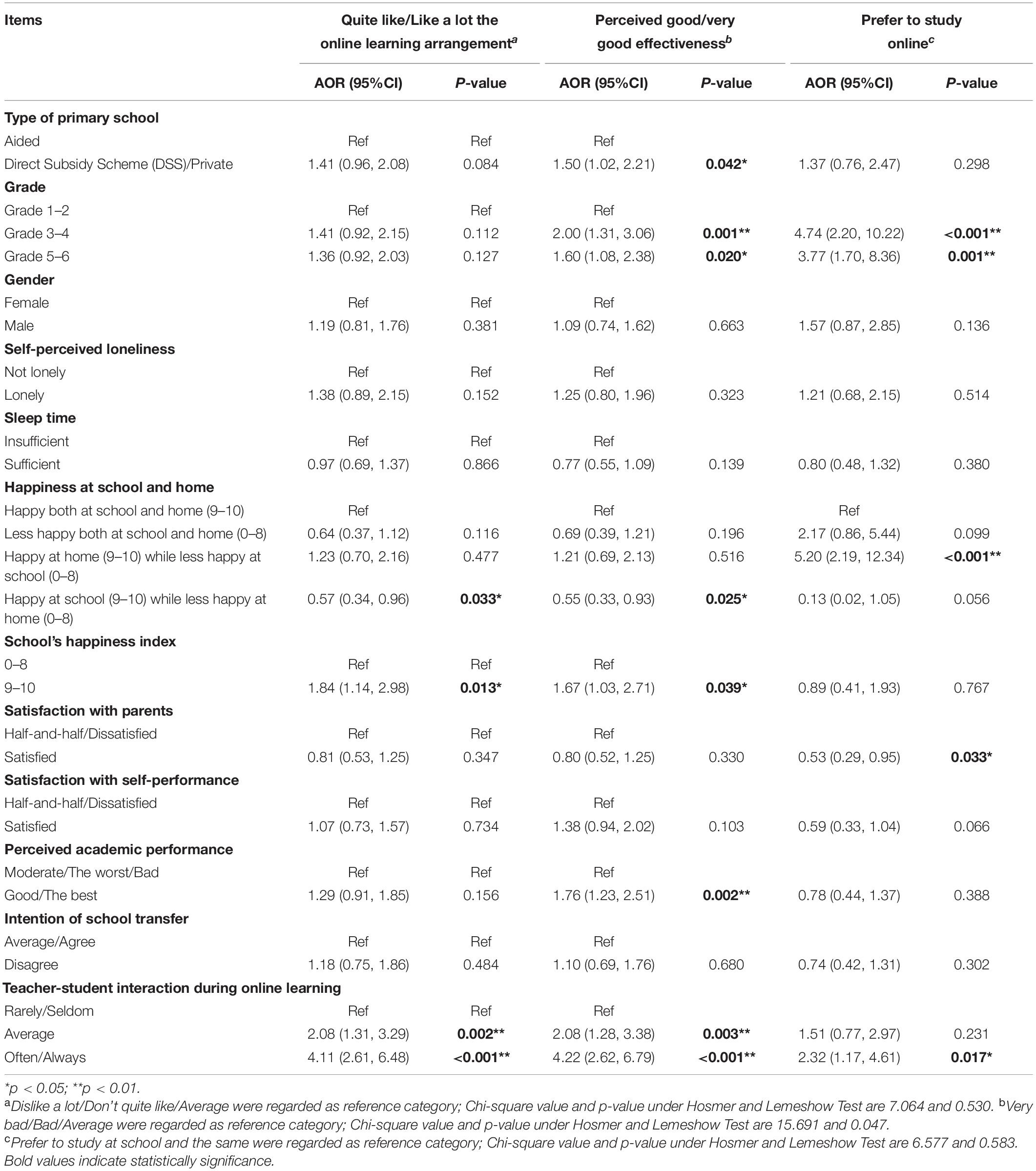
Table 3. Multiple regression results of factors associated with Students’ views on online learning.
Perceived Effectiveness in Online Learning
In the univariate model, greater online learning effectiveness was significantly correlated with studying in the DSS or private school, being male, rating higher happiness indexes for schools, being satisfied with parents and self-performance, gaining better perceived academic performance, having no intention of school transfer, and receiving more teacher–student interaction during online learning. Also, students who felt less happy both at school and home and those who felt happy at school while less happy at home were less likely to perceive the effectiveness of online learning than those who felt happy both at school and home (Table 2, p < 0.05).
In the multiple model, more teacher–student interactions during online learning (average: AOR = 2.08, 95%CI: 1.28–3.38, p = 0.003; often or always: AOR = 4.22, 95% CI: 2.62–6.79, p < 0.001), higher grade (Grades 3–4: AOR = 2.00, 95% CI: 1.31–3.06, p = 0.001; Grades 5–6: AOR = 1.60, 95% CI: 1.08–2.38, p = 0.020), better perceived academic performance (AOR = 1.76, 95% CI: 1.23–2.51, p = 0.002), higher happiness indexes for schools (AOR = 1.67, 95% CI: 1.03–2.71, p = 0.039), and studying in the DSS or private school (AOR = 1.50, 95% CI: 1.02–2.21, p = 0.42), remained significantly correlated with greater online learning effectiveness. Moreover, students who felt happy at school while less happy at home (AOR = 0.55, 95% CI: 0.33–0.93, p = 0.025) remained less likely to perceive online learning effectiveness than those who felt happy both at school and home (Table 3).
Preference: Online Learning vs. In-Person Schooling
In the univariate model, preference in online learning was significantly related to a higher grade and self-perceived loneliness. Students who felt less happy both at the school and home and those who felt happy at home while less happy at school were also significantly related to the preference in online learning than those who felt happy both at school and home. However, sufficient sleep, better perceived academic performance, no intention of school transfer, higher happiness indexes for schools, and being satisfied with parents and self-performance were related to the less likelihood of preference in online learning (p < 0.05, Table 2).
In the multiple model, higher grade (Grades 3–4: AOR = 4.74, 95% CI: 2.20–10.22, p < 0.001; Grades 5–6: AOR = 3.77, 95% CI: 1.70–8.36, p = 0.001) and more teacher–student interaction during online learning (AOR = 2.32, 95% CI: 1.17–4.61, p = 0.017) remained positively related to the preference in online learning. Students who felt happy at home while less happy at school (AOR = 5.20, 95% CI: 2.19–12.34, p < 0.001) were still more likely to prefer online learning than those who felt happy both at the school and home. Students who were satisfied with their parents (AOR = 0.53, 95% CI: 0.29–0.95, p = 0.033) remained less likely to prefer online learning (Table 3).
Discussion
Overall, in-person schooling was still the preferred learning mode among primary school students. During COVID-19 pandemic, less than three-fifths of the students were satisfied with their schools’ online learning arrangement and only nearly half regarded it as effective. Moreover, the grade of study, school type, happiness at school and home, satisfaction with parents, perceived academic performance, teacher–student interaction during online learning, and school’s happiness index were associated with the primary school Students’ satisfaction, perceived effectiveness, or preference in online learning.
Teacher–student interaction was of notable importance, which echoed prior research findings among university students. A study found that lack of interaction with instructors was a significant challenge perceived by college students (Adnan and Anwar, 2020). Also, Students’ attention declined quickly, especially when they were lack of reminders from teachers or peers (Bradbury, 2016) and encountered external stimuli that could distract them from studying (Wilson, 2004). The teacher–student interaction could facilitate more satisfaction and better learning outcomes in online learning (Alqurashi, 2019) by capturing the Students’ attention, guiding them to be focused during online learning, and obtaining Students’ constant and instant feedback for teachers to adjust teaching methods (Baber, 2020).
The grade of study was associated with Students’ perceived effectiveness and preference in online learning: younger primary students reflected more negative attitudes. They probably lacked the self-confidence to use digital platforms critically for learning (Drane et al., 2020) and still need to improve their self-regulation and attention skills (Gallagher and Cottingham, 2020). Thus, they would rely more on cognitive scaffolding (Tomasik et al., 2020). Parents and teachers may also need to help younger children with technical problems (Putri et al., 2020), guide them to be focused (Lau and Lee, 2020), and explain more to facilitate their understanding. Furthermore, adaptability could be another concern among grades 1–2 students who had engaged in a new school environment for only a short time. Adaptability was substantiated as a direct predictor of positive (persistence, planning, and task management) and negative (disengagement and self-handicapping) behavioral engagement (Collie et al., 2017). In this way, grades 1–2 students with lower adaptability skills may present weaker engagement during online learning, which further affected their online learning experiences and preferences passively.
The perceived academic performance was significantly correlated with the perceived effectiveness in online learning. As the academic performance was influenced by self-efficacy [ones’ beliefs that one can successfully perform given academic tasks at designated levels (Schunk, 1991)] (Alivernini and Lucidi, 2011), students having greater academic self-efficacy tended to attain better academic performance. So, those who perceived better academic performance could have higher self-efficacy in online learning, which resulted in their greater perceived effectiveness in online learning.
Happiness was a significant factor associated with various online learning outcomes. Students who reported lower happiness levels at school preferred online learning. It was suggested that children with unhappy school experiences (Murray-Harvey and Slee, 2010) tended to exhibit a variety of adaptive difficulties, such as academic concerns and interpersonal relationship obstacles (Whitley et al., 2012). These students would thrive in isolated distant learning, which could protect them from the pressure to look good, socialization, and bullying at school (Kaden, 2020). However, lower happiness levels at home could weaken Students’ satisfaction and perceived effectiveness in online learning. A lower happiness level at home can result from child abuse and domestic violence (Sternberg et al., 1993), unpleasant relationships with parents or siblings (Pike et al., 2005), and restricted personal space (Foye, 2017). Successful online learning required the capability of dealing with interruptions and emergencies and then refocus, which was harder to achieve while learning at home (McSporran and Young, 2001), especially for children exposed to domestic violence and quarrels. So, students with unhappy experiences at home could dislike online learning and hardly gain a positive online learning outcome. Also, this study found that students being satisfied with their parents would weaken their preference for online learning. These children receiving high parental care and support were more robust and more competent in tackling challenges (Parker and Benson, 2004; Trumpeter et al., 2008), thus would prefer to attend school in person. By contrast, having a child with school refusal, a parent may protect the child from unpleasant experiences and allow the child to depend excessively on them (Christogiorgos and Giannakopoulos, 2014), which could stimulate the child’s preference for learning at home. Additionally, higher happiness indexes for the school were correlated to Students’ satisfaction and perceived effectiveness in online learning. A Happy Schools Framework was proposed constituting 22 criteria of three related categories: (1) people, regarding social relationships; (2) process, regarding teaching and learning methods; and (3) place, regarding contextual factors (Salmon, 2016). Happier schools could provide more facilities and deliver diverse teaching methods, fostering interpersonal relationships and creating a better environment for Students’ learning and play. So, when online learning was necessarily applied, these schools could deliver more satisfying online learning experiences for students. The DSS and private schools delivered online education more effectively, as reported by students. These schools were more flexible in curriculum design and resources allocation than aided schools (Chiu and Walker, 2007), so they were more likely to apply student-centered methods in teaching. However, whether this association exists requires further study to verify.
Strengths and Limitations
This study reflected the primary school Students’ attitudes toward online learning during COVID-19 pandemic, in which the population is much less studied than older students. This study explored potential factors from family, school, and individual aspects that could influence the Students’ attitudes. The survey quality was robust through a pilot study, elaborated survey design (i.e., audios, pictures, and emojis), and anonymization.
However, some limitations existed. First, a convenient sample was recruited due to COVID-19, so we should be conservative in generalizing the study findings. The rates shown in this study might have reflected a higher rate in the Students’ online learning satisfaction and perceived effectiveness, as the schools with better online education arrangements and learning outcomes would be more willing to participate in this study. However, the results of associated factor analyses should be acceptable to reflect the actual situation as the study sample was relatively large, with students across all six grades from different types of schools. Second, short questions were self-developed, as long surveys were undesirable for younger students. Some other factors were not explored, such as details of online learning arrangement (e.g., learning contents and class duration) and environment and facilities at home (e.g., access to technological devices and Internet, learning space, and disturbances from family members). Third, some degree of effect on the result may be derived from the extra cognitive scaffolding (audios, pictures, and emojis) provided to grades 1–3 students. However, this was necessary to ensure they gained equivalent comprehension on the questionnaire as grades 4–6 students and inevitable in studying younger children. Nevertheless, an expert panel was established, and a pilot study was conducted to guarantee the acceptability and feasibility of the questionnaire.
Implications and Further Research
This study provides substantial evidence for better design and further research on children’s online learning. First, meaningful teacher–student interactions are essential in online learning practice. Schools and teachers should develop effective communication channels, e.g., discussion boards, individual reviews, emails, and polls, to understand Students’ needs, preferences, and learning progress. Teachers should be equipped with advanced pedagogical skills and devise more interactive activities to engage students in online classes. Periodic feedback on tests should also be provided (Alamri and Tyler-Wood, 2017; Baticulon et al., 2021). Second, extra attention, encouragement, and acceptance of errors (Twomey, 2006) should be given to younger primary students and those with poor academic performance. A blended learning mode might be more helpful for younger children when constant face-to-face learning was impossible (Musgrove and Musgrove, 2004). For their short attention spans, teachers might limit learning activities to 15–20 min at the beginning of an academic year and gradually increase subsequently (Schunk, 2012). Furthermore, workshops and activities should be delivered to enhance Students’ self-learning skills and self-efficacy in online learning. Third, a healthy and pleasant home-schooling environment is paramount in online learning. Parents should provide supportive company, stable internet access, and sufficient learning space. Independent skills, solitude, and computer self-efficacy (Jan, 2015) need to be emphasized to cultivate the children’s adaptability. Fourth, it is important to incentivize happiness culture and build up happy schools in the long run. Early childhood education serves as a foundation of immense value for children’s future development. Schools should gain a deeper insight into how children perceive they live and study in a happy academic environment. Teachers can regularly talk with students to understand their school experience. The government may consider investing more in educational research to practically develop happier schools from people, process and place aspects (Salmon, 2016).
For research implications, qualitative studies among students and their stakeholders (e.g., parents, teachers, and policymakers) are encouraged to investigate how the identified factors in this study have influenced Students’ online learning. Further studies are also warranted to explore other potential factors such as teaching design and family issues and follow-up the students longitudinally to understand the associations suggested in this study.
Data Availability Statement
The original contributions presented in the study are included in the article/supplementary material, further inquiries can be directed to the corresponding author/s.
Ethics Statement
The studies involving human participants were reviewed and approved by the Survey and Behavioral Research Ethics Committee, The Chinese University of Hong Kong. Written informed consent to participate in this study was provided by the participants’ legal guardian/next of kin.
Author Contributions
XZ: formal analysis, data curation, and writing—original draft. DZ: conceptualization, methodology, investigation, writing—original draft, writing—review and editing, supervision, project administration, and funding acquisition. EL: investigation, writing—review and editing, and project administration. ZX and EM: investigation, data curation, writing—review and editing, and project administration. ZZ, PM, and XY: writing—review and editing. SW: writing—review and editing, supervision, and funding acquisition. All authors contributed to the article and approved the submitted version of the manuscript.
Funding
This study was supported by the Social Innovation Research Collaboration Platform (SIRCP) Fund under the British Council.
Conflict of Interest
The authors declare that the research was conducted in the absence of any commercial or financial relationships that could be construed as a potential conflict of interest.
Publisher’s Note
All claims expressed in this article are solely those of the authors and do not necessarily represent those of their affiliated organizations, or those of the publisher, the editors and the reviewers. Any product that may be evaluated in this article, or claim that may be made by its manufacturer, is not guaranteed or endorsed by the publisher.
Acknowledgments
We would like to thank EDiversity for the collaboration and Cam Cheung (founder and CEO of EDiversity) for her advice on this article.
Footnotes
- ^ There are four main types of schools in Hong Kong—government, aided, the direct subsidy scheme (DSS), and private schools. Government schools are fully funded by the government, who controls the schools’ hiring practice and student admission. Aided schools, largely subsidized by the government, can only charge small amount of school fees from students, and are responsible for the hiring practice on their own. The DSS schools, receiving government subsidies, can collect school fees up to a certain amount for the provision of additional support services and school facilities, and have greater flexibility in resources deployment, curriculum design, student admission, etc. Private schools do not receive any government subsidy and have the greatest organizational freedom (Chiu and Walker, 2007; Bray et al., 2014) (Education Bureau).
References
Aboagye, E., Yawson, J. A., and Appiah, K. N. (2021). COVID-19 and E-learning: the challenges of students in tertiary institutions. Soc. Educ. Res. 2, 1–8. doi: 10.37256/ser.212021422
Adnan, M., and Anwar, K. (2020). Online Learning amid the COVID-19 Pandemic: Students’ Perspectives. Online Submission 2, 45–51. doi: 10.33902/JPSP.202020261309
Agormedah, E. K., Henaku, E. A., Ayite, D. M. K., and Ansah, E. A. (2020). Online learning in higher education during COVID-19 pandemic: A case of ghana. J. Educ. Technol. Online Learn. 3, 183–210. doi: 10.31681/jetol.726441
Alamri, A., and Tyler-Wood, T. (2017). Factors affecting learners with disabilities–instructor interaction in online learning. J. Special Educ. Technol. 32, 59–69. doi: 10.1177/0162643416681497
Alivernini, F., and Lucidi, F. (2011). Relationship Between Social Context, Self-Efficacy, Motivation, Academic Achievement, and Intention to Drop Out of High School: A Longitudinal Study. J. Educ. Res. 104, 241–252. doi: 10.1080/00220671003728062
Almanthari, A., Maulina, S., and Bruce, S. (2020). Secondary school mathematics teachers’ views on E-learning implementation barriers during the COVID-19 pandemic: the case of Indonesia. Eurasia J. Mathe. Sci. Technol. Educ. 16:em1860. doi: 10.29333/ejmste/8240
Alqurashi, E. (2019). Predicting student satisfaction and perceived learning within online learning environments. Dist. Educ. 40, 133–148. doi: 10.1080/01587919.2018.1553562
Al-Sharman, A., and Siengsukon, C. F. (2013). Sleep enhances learning of a functional motor task in young adults. Phys. Ther. 93, 1625–1635. doi: 10.2522/ptj.20120502
Baber, H. (2020). Determinants of students’ perceived learning outcome and satisfaction in online learning during the pandemic of COVID-19. J. Educ. E Learn. Res. 7, 285–292. doi: 10.20448/journal.509.2020.73.285.292
Baticulon, R. E., Sy, J. J., Alberto, N. R. I., Baron, M. B. C., Mabulay, R. E. C., Rizada, L. G. T., et al. (2021). Barriers to online learning in the time of COVID-19: A national survey of medical students in the Philippines. Med. Sci. Educ. 31, 615–626. doi: 10.1007/s40670-021-01231-z
Bradbury, N. A. (2016). Attention span during lectures: 8 seconds, 10 minutes, or more? Adv. Physiol. Educ. 40, 509–513. doi: 10.1152/advan.00109.2016
Bray, M., Zhan, S., Lykins, C., Wang, D., and Kwo, O. (2014). Differentiated demand for private supplementary tutoring: Patterns and implications in Hong Kong secondary education. Eco. Educ. Rev. 38, 24–37. doi: 10.1016/j.econedurev.2013.10.002
Chiu, M. M., and Walker, A. (2007). Leadership for social justice in Hong Kong schools: Addressing mechanisms of inequality. J. Educ. Administrat. 45, 724–739. doi: 10.1108/09578230710829900
Christogiorgos, S., and Giannakopoulos, G. (2014). School refusal and the parent-child relationship: A psychodynamic perspective. J. Infant Child Adolescent Psychother. 13, 182–192. doi: 10.1080/15289168.2014.937976
Collie, R. J., Holliman, A. J., and Martin, A. J. (2017). Adaptability, engagement and academic achievement at university. Educ. Psychol. 37, 632–647. doi: 10.1080/01443410.2016.1231296
Cote, P. (2006). The power of dance in society and education: Lessons learned from tradition and innovation. J. Phys. Educ. Recreat. Dance 77, 24–46.
Cucinotta, D., and Vanelli, M. (2020). WHO declares COVID-19 a pandemic. Acta BioMed. 91, 157–160. doi: 10.23750/abm.v91i1.9397
Drane, C., Vernon, L., and O’Shea, S. (2020). The Impact of ‘Learning at Home’on the Educational Outcomes of Vulnerable Children in Australia During the COVID-19 Pandemic. Literature Review Prepared by the National Centre for Student Equity in Higher Education. Australia: Curtin University.
Dube, B. (2020). Rural online learning in the context of COVID 19 in South Africa: Evoking an inclusive education approach. Multidis. J. Educ. Res. 10, 135–157. doi: 10.447/remie.2020.5607
Education Bureau (2021). General Information on DSS. Available online at:Retrieved from https://www.edb.gov.hk/en/edu-system/primary-secondary/applicable-to-primary-secondary/direct-subsidy-scheme/info-sch.html (accessed September 1, 2021).
Fidan, M. (2021). Happy Home: Happiness at Home as a Lifelong Education Environment. Intern. J. Lifelong Educ. Leadership 7, 63–70. doi: 10.1177/10901981211057537
Foye, C. (2017). The relationship between size of living space and subjective well-being. J. Happi. Stud. 18, 427–461.
Gallagher, H. A., and Cottingham, B. (2020). Improving the Quality of Distance and Blended Learning. Brief No. 8. EdResearch for Recovery Project 9.
Griffith, A. (2020). Parental burnout and child maltreatment during the COVID-19 pandemic. J. Fam Violence. 23, 1–7. doi: 10.1007/s10896-020-00172-2
Harjule, P., Rahman, A., and Agarwal, B. (2021). A cross-sectional study of anxiety, stress, perception and mental health towards online learning of school children in India during COVID-19. J. Interdis. Mathe. 24, 411–424. doi: 10.1080/09720502.2021.1889780
Healy, L. M. (2006). Logistic Regression: An Overview. Michigan: Eastern Michighan College of Technology.
Hughes, M. E., Waite, L. J., Hawkley, L. C., and Cacioppo, J. T. (2004). A short scale for measuring loneliness in large surveys: Results from two population-based studies. Res. Aging 26, 655–672. doi: 10.1177/0164027504268574
Irawan, A. W., Dwisona, D., and Lestari, M. (2020). Psychological impacts of students on online learning during the pandemic COVID-19. KONSELI 7, 53–60. doi: 10.24042/kons.v7i1.6389
Jan, S. K. (2015). The relationships between academic self-efficacy, computer self-efficacy, prior experience, and satisfaction with online learning. Am. J. Dis. Educ. 29, 30–40. doi: 10.1080/08923647.2015.994366
Joshi, A., Kale, S., Chandel, S., and Pal, D. K. (2015). Likert scale: Explored and explained. Br. J. Appl. Sci. Technol. 7, 396–403. doi: 10.9734/bjast/2015/14975
Kaden, U. (2020). COVID-19 school closure-related changes to the professional life of a K–12 teacher. Educ. Sci. 10:165. doi: 10.3390/educsci10060165
Lau, E. Y. H., and Lee, K. (2020). Parents’ views on young children’s distance learning and screen time during COVID-19 class suspension in Hong Kong. Early Educ. Develop. 32, 863–880. doi: 10.1080/10409289.2020.1843925
Mauro, C. F., and Machell, K. A. (2019). When Children and Adolescents do not go to School: Terminology, Technology, and Trends. In Pediatric Anxiety Disorders. Amsterdam: Elsevier, 439–460.
Murray-Harvey, R., and Slee, P. T. (2010). School and home relationships and their impact on school bullying. School Psychol. Intern. 31, 271–295. doi: 10.1177/0143034310366206
Musgrove, A., and Musgrove, G. (2004). Online Learning and the younger student—Theoretical and practical applications. Inform. Technol. Child. Educ. Annu. 2004, 213–225.
Owusu-Fordjour, C., Koomson, C., and Hanson, D. (2020). The impact of Covid-19 on learning-the perspective of the Ghanaian student. Eur. J. Educ. Stud. 7, 88–101. doi: 10.5281/zenodo.3753586
Parker, J. S., and Benson, M. J. (2004). Parent-adolescent relations and adolescent functioning: self-esteem, substance abuse, and delinquency. Adolescence 39, 519–530.
Peigneux, P., Laureys, S., Delbeuck, X., and Maquet, P. (2001). Sleeping brain, learning brain. The role of sleep for memory systems. Neuroreport 12, A111–A124. doi: 10.1097/00001756-200112210-00001
Pike, A., Coldwell, J., and Dunn, J. F. (2005). Sibling relationships in early/middle childhood: links with individual adjustment. J. Family Psychol. 19, 523–32. doi: 10.1037/0893-3200.19.4.523
Putri, R. S., Purwanto, A., Pramono, R., Asbari, M., Wijayanti, L. M., and Hyun, C. C. (2020). Impact of the COVID-19 pandemic on online home learning: An explorative study of primary schools in Indonesia. Intern. J. Adv. Sci. Technol. 29, 4809–4818. doi: 10.1371/journal.pone.0259546
Robertson, J. (2012). Likert-type scales, statistical methods, and effect sizes. Commun. ACM 55, 6–7. doi: 10.1145/2160718.2160721
Rotas, E. E., and Cahapay, M. B. (2020). Difficulties in Remote Learning: Voices of Philippine University Students in the Wake of COVID-19 Crisis. Asian J. Distance Educ. 15, 147–158.
Salmon, A. (2016). Happy Schools! A Framework for Learner Well-Being in the Asia Pacific. UNESCO Bangkok. Retrieved from Available online at: https://bangkok.unesco.org/content/happy-schools-framework-learner-well-being-asia-pacific.
Schunk, D. H. (1991). Self-efficacy and academic motivation. Educ. Psychol. 26, 207–231. doi: 10.1080/00461520.1991.9653133
Schunk, D. H. (2012). Learning Theories an Educational Perspective Sixth Edition. Boston, MA: Pearson Education Inc.
Shamir-Inbal, T., and Blau, I. (2021). Facilitating Emergency Remote K-12 Teaching in Computing-Enhanced Virtual Learning Environments During COVID-19 Pandemic-Blessing or Curse? J. Educ. Comput. Res. 59, 1243–1271. doi: 10.1177/0735633121992781
Sheehan, K. J., Pila, S., Lauricella, A. R., and Wartella, E. A. (2019). Parent-child interaction and children’s learning from a coding application. Comput. Educ. 140:103601. doi: 10.1016/j.compedu.2019.103601
Sorin, R., and Iloste, R. (2006). Moving schools: Antecedents, impact on students and interventions. Aus. J. Educ. 50, 227–241. doi: 10.1177/000494410605000302
Steiner, P. (2014). The Impact of the Self-Awareness Process on Learning and Leading. Boston, MA: New England Board of Higher Education.
Sternberg, K. J., Lamb, M. E., Greenbaum, C., Cicchetti, D., Dawud, S., Cortes, R. M., et al. (1993). Effects of domestic violence on children’s behavior problems and depression. Develop. Psychol. 29, 44–52.
The Government of the Hong Kong Special Administrative Region (2020). EDB Announces Class Resumption on March 2 the Earliest. Retrieved fromAvailable online at: https://www.info.gov.hk/gia/general/202001/31/P2020013100693.htm?fontSize=1 (accessed September 1, 2021).
Tomasik, M. J., Helbling, L. A., and Moser, U. (2020). Educational gains of in-person vs. distance learning in primary and secondary schools: A natural experiment during the COVID-19 pandemic school closures in Switzerland. Intern. J. Psychol. 56, 566–576. doi: 10.1002/ijop.12728
Tran, T., Hoang, A.-D., Nguyen, Y.-C., Nguyen, L.-C., Ta, N.-T., Pham, Q.-H., et al. (2020). Toward sustainable learning during school suspension: Socioeconomic, occupational aspirations, and learning behavior of vietnamese students during COVID-19. Sustainability 12:4195. doi: 10.3390/su12104195
Trumpeter, N. N., Watson, P., O’Leary, B. J., and Weathington, B. L. (2008). Self-functioning and perceived parenting: Relations of parental empathy and love inconsistency with narcissism, depression, and self-esteem. J. Gen. Psychol. 169, 51–71. doi: 10.3200/GNTP.169.1.51-71
Twomey, E. (2006). Linking learning theories and learning difficulties. Aust. J. Learn. Difficult. 11, 93–98. doi: 10.1080/19404150609546812
ValÅs, H. (1999). Students with learning disabilities and low-achieving students: Peer acceptance, loneliness, self-esteem, and depression. Soc. Psychol. Educ. 3, 173–192. doi: 10.1023/A:1009626828789
Whitley, A. M., Huebner, E. S., Hills, K. J., and Valois, R. F. (2012). Can students be too happy in school? Appl. Res. Q. Life 7, 337–350. doi: 10.1007/s11482-012-9167-9
Wilson, B. G. (2004). Designing e-learning environments for flexible activity and instruction. Educ. Technol. Res. Develop. 52, 77–84. doi: 10.1007/BF02504720
Wodon, Q. (2020). COVID-19 Crisis, Impacts on Catholic Schools, and Potential Responses| Part 1: Developed Countries with Focus on the United States. J. Catholic Educ. 23, 13–50. doi: 10.15365/joce.2301022020
Wong, S. Y. S., Zhang, D., Sit, R. W. S., Yip, B. H. K., Chung, R. Y.-N., Wong, C. K. M., et al. (2020). Impact of COVID-19 on loneliness, mental health, and health service utilisation: a prospective cohort study of older adults with multimorbidity in primary care. Br J. Gen. Practice 70, e817–e824. doi: 10.3399/bjgp20X713021
Keywords: online learning, happiness, parent–child relationship, teacher–student interaction, primary school students, COVID-19
Citation: Zheng X, Zhang D, Lau ENS, Xu Z, Zhang Z, Mo PKH, Yang X, Mak ECW and Wong SYS (2022) Primary School Students’ Online Learning During Coronavirus Disease 2019: Factors Associated With Satisfaction, Perceived Effectiveness, and Preference. Front. Psychol. 13:784826. doi: 10.3389/fpsyg.2022.784826
Received: 28 September 2021; Accepted: 14 February 2022;
Published: 16 March 2022.
Edited by:
Jin Su Jeong, University of Extremadura, SpainReviewed by:
Ion Yarritu, University of the Basque Country, SpainPatcharin Panjaburee, Mahidol University, Thailand
Ansar Abbas, Airlangga University, Indonesia
Copyright © 2022 Zheng, Zhang, Lau, Xu, Zhang, Mo, Yang, Mak and Wong. This is an open-access article distributed under the terms of the Creative Commons Attribution License (CC BY). The use, distribution or reproduction in other forums is permitted, provided the original author(s) and the copyright owner(s) are credited and that the original publication in this journal is cited, in accordance with accepted academic practice. No use, distribution or reproduction is permitted which does not comply with these terms.
*Correspondence: Dexing Zhang, emhhbmdkeGRhaXN5QGN1aGsuZWR1Lmhr