 Biru Chang1
 Jianhua Hou2*
- 1School of Preschool Education, Xi’an University, Xi’an, China
- 2Department of Social and Behavioural Sciences, City University of Hong Kong, Kowloon, Hong Kong SAR, China
The closed-off management of the university during coronavirus disease 2019 (COVID-19) may be associated with an elevated odds of psychological and behavioral issues among college students. We aimed to use the stress-process model to explore the potential mechanisms for this phenomenon. A total of 924 college students were recruited via posters, peer referrals, and class attendance. Among them, 82 (9%) were probable depression, 190 (20.8%) were probable anxiety, and 69 (7.5%) were internet addiction. Parallel mediation was used to test this theoretical model. For personal resources, the perceived risk of COVID-19 was positively associated with psychological distress via negative coping style (β = 0.051) and internet addiction via negative coping style or self-esteem (β = 0.023 for negative coping style, β = 0.015 for self-esteem). For social resources, the perceived risk of COVID-19 was positively associated with psychological distress and internet addiction via roommate relationships (β = 0.19 for psychological distress, β = 0.046 for internet addiction). Negative coping styles and roommate relationships are possible psychological mechanisms linking the perceived risk of COVID-19, psychological distress, and internet addiction.
Introduction
In January 2022, the COVID-19 delta variant broke out in Xi’an city, Shaanxi province, China. Considering its high transmission and mortality rate, the local government immediately activated the new variant’s first-level public health emergency response. Xi’an went into partial lock-down from broke-out to January 23rd to curb population flow and contain the outbreak. Many college students were required to stay on campus immediately, disconnected from the outer world.
Emerging adulthood represents a critical development stage of neuro- and psychological maturity (Murray, 2018). However, the COVID-19 delta variant imposes unique challenges to this population. First, the delta-caused morbidity and mortality rate is much higher than other variants in the young population (Gurdasani et al., 2021). Second, considering its high transmission, delta-variant may severely disrupt their current study plan, job finding, and further study. A higher level of the perceived risk of COVID-19 is associated with a higher level of psychological distress and internet addiction in college students (Li et al., 2021; Wang et al., 2021). However, only a few studies have explored potential psychological mechanisms (Yıldırım et al., 2020).
The stress process model has provided a theoretical framework for sociological research into the effects of stress on psychological wellbeing (Pearlin et al., 1981; Aneshensel and Mitchell, 2014). The core components in this model are the stressors resources (personal and social resources, as mediators) and psychological distress (Pearlin et al., 1981). This model has been widely used and tested in a diverse population (e.g., Gayman et al., 2017; Choi et al., 2019). In this model, stress can be witnessed as arising from the occurrence of stressful events and the continuous problems (Pearlin et al., 1981). During COVID-19, although most students are free from COVID-19 infection, they may still perceive COVID-19 as a threat or be influenced via stress contagion (Yang et al., 2021). Thus, this perceived threat may be the core source of stress for colleague students at this specific time point. Resources, in this model, refer to the behaviors, perceptions, and cognitions used to alter the stressful situations or mediate the detrimental effect of stress, which are later divided into two categories: personal and social resources (Pearlin et al., 1981; Aneshensel and Mitchell, 2014). Psychological distress can be regarded as the emotional manifestation of stress, while internet addiction is the behavioral manifestation of stress. Previous studies have found that various sources of stress (e.g., academic stress or life stress, or COVID-19 threat) are associated with higher odds of internet addiction among college students (Jun and Choi, 2015; Li et al., 2016; Karakose, 2022). However, rare studies have considered and combined these concepts in the stress process model.
For personal resources, coping style represents a set of strategies that eliminate and avoid stress proliferation and alter the meaning of stressor (Pearlin and Bierman, 2013). Previous studies found that positive coping styles are associated with lower odds of psychological distress and internet addiction in both community and clinical samples during COVID-19 (Fu et al., 2020; Rogowska et al., 2020; Yu et al., 2020). Self-esteem, as an internal personal resource, is a set of attitudes toward one’s thoughts, feelings, meanings, and merits as a human being (Rosenberg, 1965; Swann and Seyle, 2006), which is crucial for a broad spectrum of internalizing problems (e.g., depression and anxiety) and externalizing problems (e.g., substance abuse and violence) (Mann et al., 2004). However, only a few studies have investigated the mediating role of self-esteem in linking stress and psychological distress during COVID-19 (Rossi et al., 2020; Lee et al., 2021). College students became vulnerable to losing self-esteem due to the enduring presence of noxious situations (e.g., prolonged closed-off management period) and their incapability to alter the situations (e.g., coerced closed-off management).
For social resources, social support refers to emotional, informational, and functional functions performed for a person by significant others (House et al., 1985). Social support is directly associated with mental health and buffers the detrimental effect of a stressor (Guilaran et al., 2018; Bender et al., 2019). The closed-off management and self-isolation may narrow college students’ availability or reception of social supports from parents and other social members. Thus, this public health strategy may flatten and contain the epidemic trend while simultaneously leading to negative psychological consequences. Another resource, especially important for quarantined college students, is roommate relationships because they are mandatorily quarantined in the dormitory with their roommates (Erb et al., 2014). Roommate relationships have demonstrated a wide range of buffering effects for depressive symptoms, anxiety symptoms, and substance abuse among college students (Guassi Moreira et al., 2016; Xu and Shrout, 2018).
This study aims to apply this stress process model to explore the association between perceived risk of COVID-19, psychological distress, and internet addiction among college students who are mandatorily staying on campus. We hypothesized that the perceived risk of COVID-19 was negatively associated with positive coping styles, global self-esteem, perceived social support, and roommate relationships, which, in turn, were negatively associated with psychological distress (H1–H4 for each mediation in order) and internet addiction (H6–H9 for each mediation in order). Moreover, the perceived risk of COVID-19 was positively associated with negative coping styles, which, in turn, were positively associated with psychological distress (H5) and internet addiction (H10). The conceptual diagram of the parallel model is shown in Figure 1.
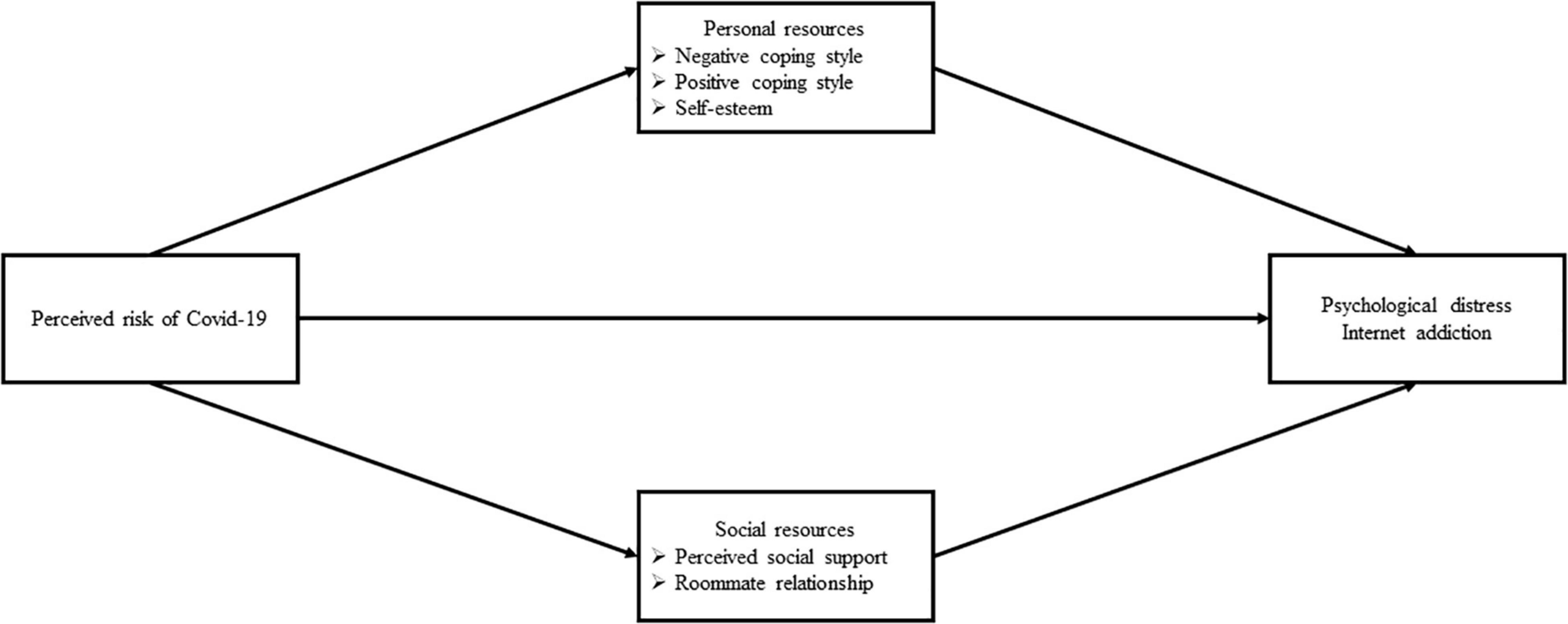
Figure 1. The conceptual diagram of the parellel mediation model.
Materials and Methods
Participants
All participants were recruited via posters, peer referral, and class attending and received a gift card (= 3 dollars) from January 3 to January 10, 2022. The analyzed sample is obtained using a convenient sampling method. To minimize potential bias, we put up research posters in each dormitory building, asked those who have participated in our survey to refer to other students, and asked at least one teacher of each department (11 departments regarding arts and humanity and 4 departments regarding science) to do surveys in their classes. The study ethics was reviewed and approved by the institutional review board of Xi’an University by expediting mode. We applied the list-wise deleting method to handle missing data considering that missing data is less than 10% for all models. Informed consent was obtained from all individual participants included in the study.
Measures
Perceived Risk for COVID-19
The level of perceived risk for COVID-19 was measured by The Public Risk Perception Scale (Cronbach’s alpha = 0.885) (Yajun et al., 2020). This scale comprises 10 five-point items for four dimensions (the severity of the pandemic, the controllability, the severity of health impact, and the transmission possibility).
Coping Style
The coping style was measured by the Chinese version of the Simplified Coping Style Questionnaire (SCSQ) (Cronbach’s alpha = 0.737–0.811 in each subscale) (Xie, 1998). This scale comprises 20 items regarding different ways of coping with stressful events, including positive and negative coping styles with four choices (never used, occasionally used, sometimes used, and often used).
Global Self-Esteem
The level of global self-esteem was measured by a single-item self-esteem scale (SISE) (Robins et al., 2001), the reliability, and validity of which are similar to those of the 10-item Rosenberg Self-Esteem Scale.
Perceived Social Support
The level of perceived social support from teachers and family members was measured by the Perceived Social Support Scale (PSSS) (Zimet et al., 1988). This scale consists of 12 seven-point items (Cronbach’s alpha = 0.87).
Roommate Relationship
The level of roommate relationship was measured by the Roommate Relationship Diagnosis Scale (Cronbach’s alpha = 0.892) (Rong, 2005). This scale comprises 28 seven-point items for four dimensions (roommate communication, daily interaction, roommate support, and attitudes toward roommate and their behaviors).
Psychological Distress
The severity of anxiety symptoms was measured by the Chinese version of the Coronavirus Anxiety Scale (CAS) (Cronbach’s alpha = 0.87) (Chen et al., 2021). This scale comprises 5 five-point items ranging from 0 = not at all, to 4 = nearly every day. The cutoff score for probable anxiety was 9 for this scale in a Chinese community adult sample (Chen et al., 2021). The severity of depressive symptoms was measured by the Chinese version of the Patient Health Questionnaire (PHQ) (Cronbach’s alpha = 0.84) (Tsai et al., 2014). This scale comprises 9 four-point items ranging from 0 = not at all, to 4 = nearly every day. The cut-off score for probable depression was 10 on this scale in a Chinese community adult sample (Tsai et al., 2014). We calculated the level of psychological distress by summing the Z-score of two scales.
Internet Addiction
The severity of internet addiction was measured by the Revised Chen Internet Addiction Scale (Cronbach’s alpha = 0.92) (Mak et al., 2014). This scale comprises 26 four-point items for compulsive use, withdrawal, tolerance symptoms of Internet addiction, interpersonal and health-related problems, and time management problems. Respondents who scored ≥64 were classified as addictive internet users (Ko et al., 2005).
Statistical Analyses
Firstly, we presented the mean, standardized deviation, and Pearson correlation for the predictor (perceived risk for COVID-19), mediators (positive coping style, negative coping style, self-esteem, perceived social support, and roommate relationship), and outcomes (psychological distress and internet addiction). Secondly, we adopted a parallel mediation to model the role of personal resources (positive, negative coping style, and self-esteem) and social or relational resources (social support from teachers or family members and roommate relationships). To establish the significance of the indirect effect, we examined the bootstrapped 95% confidence interval (CI) of the indirect effect with 5,000 repetitions. If the bias-corrected bootstrapped 95% CI does not contain zero, this supports the presence of the mediation effect (Hayes, 2017). All analyses were conducted in IBM SPSS Statistics Version 22.0 (IBM Corp., Armonk, NY, United States) PROCESS MACRO (Hayes, 2017).
Results
Demographic Information and Bivariate Correlation
Participants were 924 college students with an average age of 20.2. Among them, 111 (12.2 %) were female male students, 197 (21.6%) were only-child, 394 (43.6%) were year-three students, 703 (77.2%) majored in arts and humanity, 82 (9%) were probable depression, and 190 (20.8%) were probable anxiety, and 69 (7.5%) were internet addiction. The bivariate correlations among analyzed variables ranged from -0.487 to 0.582 in magnitude. Table 1 displays the demographic information and bivariate correlations.
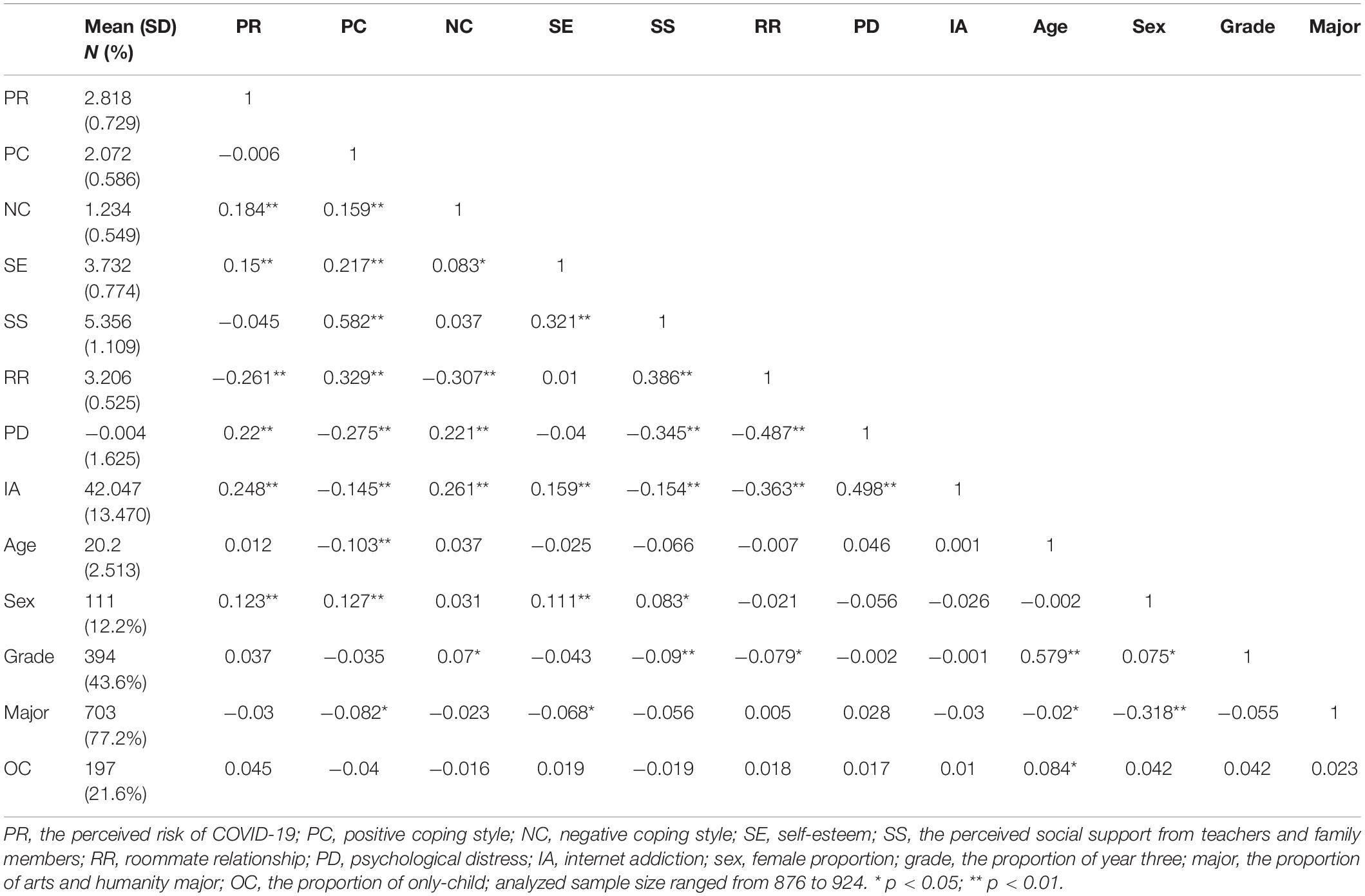
Table 1. Mean, standard deviation (SD), and bivariate correlation between analyzed variables.
Mediation
Table 2 and Figure 2 demonstrates the results of the parallel mediation. For personal resources, confirming H5, H7, and H10, the perceived risk of COVID-19 was positively associated with psychological distress via negative coping (β = 0.051, 95% CI 0.021 to 0.091) and internet addiction via negative coping and self-esteem (β = 0.023, 95% CI 0.012 to 0.039 for negative coping style, β = 0.015, 95% CI 0.006 to 0.027 for self-esteem). For social resources, confirming H4 and H9, the perceived risk of COVID-19 was positively associated with psychological distress and internet addiction via roommate relationships (β = 0.19, 95% CI 0.129 to 0.262 for psychological distress, β = 0.046, 95% CI 0.028 to 0.067 for internet addiction).
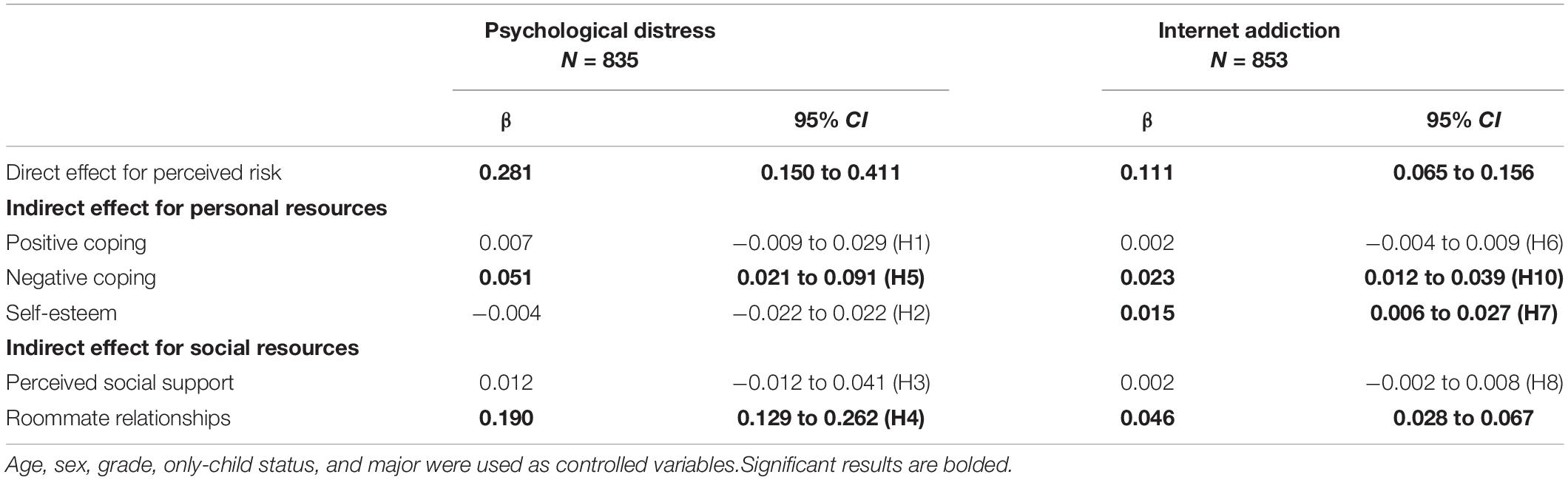
Table 2. The mediating effects of personal and social resource.
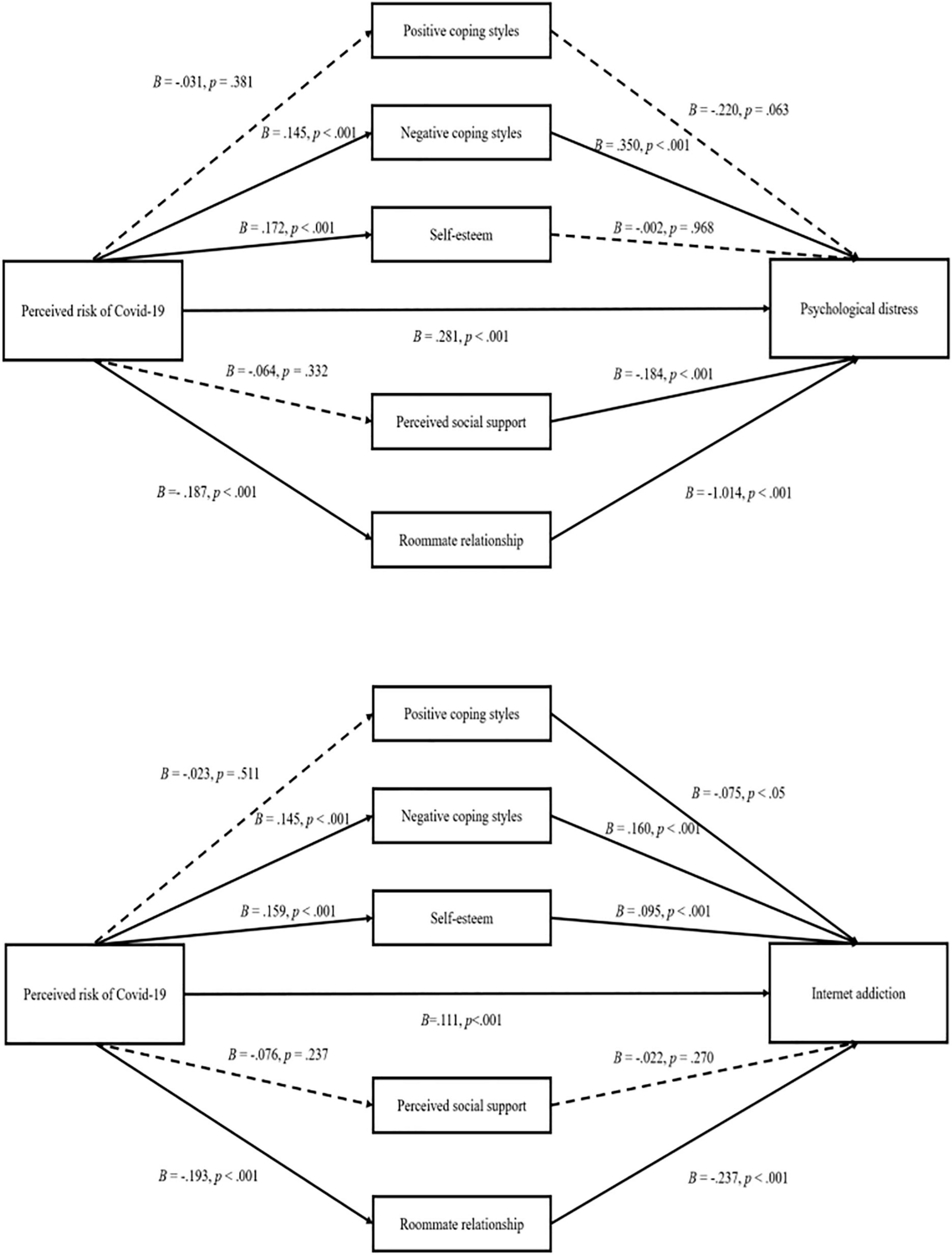
Figure 2. The parallel mediation between the perceived risk of COVID-19, psychological distress, and internet addition.
Discussion
This is one of the first studies exploring the possible linking mechanism between perceived risk of COVID-19, psychological distress, and internet addiction using the stress-process model. Our findings informed clinicians and psychologists of two possible psychological mechanisms (negative coping style and roommate relationship) consistently existing in two outcomes.
Considering the personal resources, our results suggested that a higher level of perceived risk may suppress personal coping resources by boosting the negative coping styles, consistent with previous studies among the Chinese general population during COVID-19 (Wang et al., 2020). People having experienced post-traumatic experiences were more likely to adopt negative coping styles, which, in turn, is related to subsequent mental illness (Clarke and Goosen, 2009; Scheenen et al., 2017). On the other hand, people adopting positive coping styles tend to experience emotional wellbeing (Fredrickson and Joiner, 2002; Clarke and Goosen, 2009). Thus, college students with negative coping styles should be receiving more attention and short-term coping interventions should be urgently considered.
Given the social resources, the roommate relationship acts as a significant mediator. In China, most university students live with their roommates in dormitories and share the common experience of living on-campus. The zero-tolerance and lock-down policies in the local government force college students to stay in the dormitories all day long, which may amplify the roommate conflict, leading to psychological distress and internet addiction. In contrast, a good roommate relationship plays a vital role in mental health and adjustment to college life (Waldo and Fuhriman, 1981). Therefore, college students with poor roommate relationships should be given more attention and appropriate intervention should be delivered urgently.
Our findings did not support the mediating role of positive coping style and perceived social support, and partially support self-esteem. One possibility is that the positive coping styles are more likely associated with positive adjustment outcomes to stress. Thus, future studies should also incorporate outcomes (e.g., flourishing and post-traumatic growth) from positive psychology (Seligman and Csikszentmihalyi, 2014). Secondly, cultural differences regarding the meaning of self-esteem may explain the non-significant effects of psychological distress in the Chinese setting. In China, people may weigh more on collective self-esteem than an individual’s self-esteem due to the political system and Confucianism, thereby linking collective self-esteem with collective wellbeing (Zhang, 2005). Future studies should explore the interplay between collective and individual self-esteem and its relevance to psychological adjustment in the Chinese setting. Thirdly, college students have limited direct contact with their family members and teachers in the lock-down period, which might explain the null mediation effect of perceived social support from these people.
Some limitations should be addressed. First, the nature of the cross-sectional study cannot indicate the directionality, temporality, and causality of these variables. Second, we cannot rule out the roles of other personal (e.g., mastery) and social resources (e.g., family resilience). Third, most participants are female, art, and humanity majoring students, so our results cannot generalize to other settings. Fourth, the resulted sample from convenience sampling may not be generalizable to a larger sample of college students, especially those universities with more students majoring in science and engineering.
Practical and Theoretical Implication
Our findings offer insights for future interventions and public health programs aiming at reducing psychological distress and internet addiction among college students who are quarantined on campus via altering negative coping styles and building up roommate relationships. Future longitudinal studies should also consider incorporating other resources (e.g., mastery or family resilience) in this theoretical model and explore the temporal relationships between these resources, which may provide a more comprehensive picture of the stress process.
Conclusion
In sum, the perceived risk of COVID-19 is positively associated with psychological distress and internet addiction in college students who are experiencing a lock-down on campus. The possible mechanisms are negative coping styles and roommate relationships.
Data Availability Statement
The raw data supporting the conclusions of this article will be made available by the authors, without undue reservation.
Ethics Statement
This ethics study was reviewed and approved by the Institutional Review Board of Xi’an University by expediting mode. The patients/participants provided their written informed consent to participate in this study.
Author Contributions
JH: conceptualization, writing, revisions, and data analysis. BC: writing, data collection, revisions, and funding. Both authors contributed to the article and approved the submitted version.
Conflict of Interest
The authors declare that the research was conducted in the absence of any commercial or financial relationships that could be construed as a potential conflict of interest.
Publisher’s Note
All claims expressed in this article are solely those of the authors and do not necessarily represent those of their affiliated organizations, or those of the publisher, the editors and the reviewers. Any product that may be evaluated in this article, or claim that may be made by its manufacturer, is not guaranteed or endorsed by the publisher.
References
Aneshensel, C. S., and Mitchell, U. A. (2014). “The stress process: its origins, evolution, and future,” in Sociology of Mental Health: Selected Topics from Forty Years the 1970s-2010s, eds R. J. Johnson, R. J. Turner, and B. G. Link (Cham: Springer International Publishing), 53–74.
Bender, M., van Osch, Y., Sleegers, W., and Ye, M. (2019). Social support benefits psychological adjustment of international students: evidence from a meta-analysis. J. Cross Cult. Psychol. 50, 827–847. doi: 10.1177/0022022119861151
Chen, J. H., Tong, K. K., Su, X., Yu, E. W., and Wu, A. M. S. (2021). Measuring COVID-19 related anxiety and obsession: validation of the Coronavirus Anxiety Scale and the Obsession with COVID-19 Scale in a probability Chinese sample. J. Affect. Disord. 295, 1131–1137. doi: 10.1016/j.jad.2021.08.104
Choi, C., Lee, J., Yoo, M. S., and Ko, E. (2019). South Korean children’s academic achievement and subjective well-being: the mediation of academic stress and the moderation of perceived fairness of parents and teachers. Child. Youth Serv. Rev. 100, 22–30. doi: 10.1016/j.childyouth.2019.02.004
Clarke, D., and Goosen, T. (2009). The mediating effects of coping strategies in the relationship between automatic negative thoughts and depression in a clinical sample of diabetes patients. Pers. Individ. Differ. 46, 460–464. doi: 10.1016/j.paid.2008.11.014
Erb, S. E., Renshaw, K. D., Short, J. L., and Pollard, J. W. (2014). The importance of college roommate relationships: a review and systemic conceptualization. J. Stud. Aff. Res. Pract. 51, 43–55. doi: 10.1515/jsarp-2014-0004
Fredrickson, B. L., and Joiner, T. (2002). Positive emotions trigger upward spirals toward emotional well-being. Psychol. Sci. 13, 172–175. doi: 10.1111/1467-9280.00431
Fu, W., Wang, C., Zou, L., Guo, Y., Lu, Z., Yan, S., et al. (2020). Psychological health, sleep quality, and coping styles to stress facing the COVID-19 in Wuhan, China. Transl. Psychiatry 10:225. doi: 10.1038/s41398-020-00913-3
Gayman, M. D., Lennox Kail, B., Spring, A., and Greenidge, G. R. Jr. (2017). Risk and protective factors for depressive symptoms among African American men: an application of the stress process model. J. Gerontol. Ser. B 73, 219–229. doi: 10.1093/geronb/gbx076
Guassi Moreira, J. F., Miernicki, M. E., and Telzer, E. H. (2016). Relationship quality buffers association between co-rumination and depressive symptoms among first year college students. J. Youth Adolesc. 45, 484–493. doi: 10.1007/s10964-015-0396-8
Guilaran, J., de Terte, I., Kaniasty, K., and Stephens, C. (2018). Psychological outcomes in disaster responders: a systematic review and meta-analysis on the effect of social support. Int. J. Disaster Risk Sci. 9, 344–358. doi: 10.1007/s13753-018-0184-7
Gurdasani, D., Drury, J., Greenhalgh, T., Griffin, S., Haque, Z., Hyde, Z., et al. (2021). Mass infection is not an option: we must do more to protect our young. Lancet 398, 297–298. doi: 10.1016/S0140-6736(21)01589-0
Hayes, A. F. (2017). Introduction to Mediation, Moderation, and Conditional Process Analysis: A Regression-Based Approach. New York, NY: Guilford Publications.
House, J. S., Kahn, R. L., McLeod, J. D., and Williams, D. (1985). “Measures and concepts of social support,” in Social Support and Health, eds S. Cohen and S. L. Syme (San Diego, CA: Academic Press), 83–108.
Jun, S., and Choi, E. (2015). Academic stress and Internet addiction from general strain theory framework. Comput. Hum. Behav. 49, 282–287. doi: 10.1016/j.chb.2015.03.001
Karakose, T. (2022). Assessing the relationships between internet addiction, depression, COVID-19-related fear, anxiety, and suspicion among graduate students in educational administration: a structural equation modeling analysis. Sustainability 14:5356.
Ko, C. H., Yen, C. F., Yen, C. N., Yen, J. Y., Chen, C. C., and Chen, S. H. (2005). Screening for internet addiction: an empirical study on cut-off points for the chen internet addiction scale. Kaohsiung J. Med. Sci. 21, 545–551. doi: 10.1016/S1607-551X(09)70206-2
Lee, J., Lim, H., Allen, J., and Choi, G. (2021). Dual mediating effects of conflicts with parents and self-esteem on the relationship between economic status and depression among middle school students since COVID-19. Front. Psychol. 12:3128. doi: 10.3389/fpsyg.2021.712219
Li, D., Zhang, W., Li, X., Zhou, Y., Zhao, L., and Wang, Y. (2016). Stressful life events and adolescent Internet addiction: the mediating role of psychological needs satisfaction and the moderating role of coping style. Comput. Hum. Behav. 63, 408–415. doi: 10.1016/j.chb.2016.05.070
Li, Y., Wang, A., Wu, Y., Han, N., and Huang, H. (2021). Impact of the COVID-19 pandemic on the mental health of college students: a systematic review and meta-analysis. Front. Psychol. 12:669119. doi: 10.3389/fpsyg.2021.669119
Mak, K. K., Lai, C. M., Watanabe, H., Kim, D. I., Bahar, N., Ramos, M., et al. (2014). Epidemiology of internet behaviors and addiction among adolescents in six Asian countries. Cyberpsychol. Behav. Soc. Netw. 17, 720–728. doi: 10.1089/cyber.2014.0139
Mann, M., Hosman, C. M. H., Schaalma, H. P., and de Vries, N. K. (2004). Self-esteem in a broad-spectrum approach for mental health promotion. Health Educ. Res. 19, 357–372. doi: 10.1093/her/cyg041
Murray, J. L. (2018). “Emerging adulthood and psychosocial development in college,” in Emerging Adulthood and Higher Education, eds J. L. Murray and J. J. Arnett (London: Routledge), 25–41.
Pearlin, L. I., and Bierman, A. (2013). “Current issues and future directions in research into the stress process,” in Handbook of the Sociology of Mental Health, eds C. S. Aneshensel, J. C. Phelan, and A. Bierman (Dordrecht: Springer), 325–340.
Pearlin, L. I., Menaghan, E. G., Lieberman, M. A., and Mullan, J. T. (1981). The stress process. J. Health Soc. Behav. 22, 337–356. doi: 10.2307/2136676
Robins, R. W., Hendin, H. M., and Trzesniewski, K. H. (2001). Measuring global self-esteem: construct validation of a single-item measure and the rosenberg self-esteem scale. Pers. Soc. Psychol. Bull. 27, 151–161. doi: 10.1177/0146167201272002
Rogowska, A. M., Kuśnierz, C., and Bokszczanin, A. (2020). Examining anxiety, life satisfaction, general health, stress and coping styles during COVID-19 pandemic in polish sample of university students. Psycholo. Res. Behav. Manag. 13, 797–811. doi: 10.2147/PRBM.S266511
Rong, Y. (2005). The Current Research Progress for Roommate Relationship and Intervention Studies in Normal Colleges. Master degree. Shanghai: Shanghai Normal University.
Rosenberg, M. (1965). “The measurement of self-esteem,” in Society and the Adolescent Self-image, ed. M. Rosenberg (Princeton, NJ: Princeton University Press), 16–36.
Rossi, A., Panzeri, A., Pietrabissa, G., Manzoni, G. M., Castelnuovo, G., and Mannarini, S. (2020). The anxiety-buffer hypothesis in the time of COVID-19: when self-esteem protects from the impact of loneliness and fear on anxiety and depression. Front. Psychol. 11:2177. doi: 10.3389/fpsyg.2020.02177
Scheenen, M. E., Spikman, J. M., de Koning, M. E., van der Horn, H. J., Roks, G., Hageman, G., et al. (2017). Patients “At Risk” of suffering from persistent complaints after mild traumatic brain injury: the role of coping, mood disorders, and post-traumatic stress. J. Neurotrauma 34, 31–37. doi: 10.1089/neu.2015.4381
Seligman, M. E. P., and Csikszentmihalyi, M. (2014). “Positive psychology: an introduction,” in Flow and the Foundations of Positive Psychology: The Collected Works of Mihaly Csikszentmihalyi, ed. M. Csikszentmihalyi (Dordrecht: Springer), 279–298. doi: 10.1037//0003-066x.55.1.5
Swann, W., and Seyle, D. C. (2006). “The antecedents of self-esteem,” in Self-Esteem Issues and Answers: A Sourcebook of Current Perspectives, ed. M. H. Kernis (New York, NY: Psychology Press), 201–206.
Tsai, F.-J., Huang, Y.-H., Liu, H.-C., Huang, K.-Y., Huang, Y.-H., and Liu, S.-I. (2014). Patient health questionnaire for school-based depression screening among chinese adolescents. Pediatrics 133, e402–e409. doi: 10.1542/peds.2013-0204
Waldo, M., and Fuhriman, A. (1981). Roommate relationships, communication skills, and psychological adjustment in residence halls. J. Coll. Univ. Stud. Hous. 11, 31–35.
Wang, C., Wen, W., Zhang, H., Ni, J., Jiang, J., Cheng, Y., et al. (2021). Anxiety, depression, and stress prevalence among college students during the COVID-19 pandemic: a systematic review and meta-analysis. J. Am. Coll. Health 1–8. doi: 10.1080/07448481.2021.1960849
Wang, H., Xia, Q., Xiong, Z., Li, Z., Xiang, W., Yuan, Y., et al. (2020). The psychological distress and coping styles in the early stages of the 2019 coronavirus disease (COVID-19) epidemic in the general mainland Chinese population: a web-based survey. PLoS One 15:e0233410. doi: 10.1371/journal.pone.0233410
Xie, Y. (1998). Reliability and validity of the simplified Coping Style Questionnaire. Chin. J. Clin. Psychol. 6, 114–115. doi: 10.1177/0961203318815595
Xu, Q., and Shrout, P. E. (2018). Accuracy and bias in perception of distress level and distress change among same-sex college student roommate dyads. Pers Soc. Psychol. Bull. 44, 899–913. doi: 10.1177/0146167217754192
Yajun, D., Yanhua, H., Qunhong, W., Wei, X., Xinyao, W., Xiaofei, W., et al. (2020). Establishment and evaluation on reliability and validity of public risk perception scale for public health emergencies. Chin. J. Public Health 36:227. doi: 10.11847/zgggws1119744
Yang, C., Chen, A., and Chen, Y. (2021). College students’ stress and health in the COVID-19 pandemic: the role of academic workload, separation from school, and fears of contagion. PLoS One 16:e0246676. doi: 10.1371/journal.pone.0246676
Yıldırım, M., Arslan, G., and Özaslan, A. (2020). Perceived risk and mental health problems among healthcare professionals during COVID-19 pandemic: exploring the mediating effects of resilience and coronavirus fear. Int. J. Ment. Health Addict. 20, 1035–1045. doi: 10.1007/s11469-020-00424-8
Yu, H., Li, M., Li, Z., Xiang, W., Yuan, Y., Liu, Y., et al. (2020). Coping style, social support and psychological distress in the general Chinese population in the early stages of the COVID-19 epidemic. BMC Psychiatry 20:426. doi: 10.1186/s12888-020-02826-3
Zhang, L. (2005). Prediction of Chinese life satisfaction: contribution of collective self-esteem. Int. J. Psychol. 40, 189–200. doi: 10.1080/00207590444000285
Keywords: COVID-19, perceived risk, internet addiction, psychological distress, college students
Citation: Chang B and Hou J (2022) The Association Between Perceived Risk of COVID-19, Psychological Distress, and Internet Addiction in College Students: An Application of Stress Process Model. Front. Psychol. 13:898203. doi: 10.3389/fpsyg.2022.898203
Received: 17 March 2022; Accepted: 19 May 2022;
Published: 20 June 2022.
Edited by:
Rocco Servidio, University of Calabria, ItalyReviewed by:
Shi-Bin Wang, Guangdong Mental Health Center, ChinaStjepan Orešković, University of Zagreb, Croatia
Copyright © 2022 Chang and Hou. This is an open-access article distributed under the terms of the Creative Commons Attribution License (CC BY). The use, distribution or reproduction in other forums is permitted, provided the original author(s) and the copyright owner(s) are credited and that the original publication in this journal is cited, in accordance with accepted academic practice. No use, distribution or reproduction is permitted which does not comply with these terms.
*Correspondence: Jianhua Hou, amlhbmh1aG91Mi1jQG15LmNpdHl1LmVkdS5oaw==