 Dong Yang
 Peng Chen2
- 1Smart Learning Institute, Beijing Normal University, Beijing, China
- 2College of Education, Capital Normal University, Beijing, China
- 3Center for Teacher Education Research, Beijing Normal University, Beijing, China
Autonomy support is one of the most crucial determinants of teaching practice for student engagement. No literature review on the relations between autonomy support and student engagement existed to the best of our knowledge. Therefore, this study presents a systematic literature review from perspectives of landscapes, methodology characters, patterns of identified studies, and autonomy-supportive strategies. Overall, 31 articles were reviewed. Followed by PRISMA guidelines, the results yielded several interesting facts: First, studies on such topics surged starting from 2015 and were mostly conducted in the United States (32%) and Korea (16%). Publications were scattered but heavily gathered around psychological and educational journals such as the Journal of Educational Psychology (9.7%); Learning and Instruction (9.7%). Most often, studies recruited participants from upper secondary schools (58%). Data were collected using solely questionnaires (93.5%) following a two-wave design (51.6%) and were analyzed by applying structural equation models (48.4%). Moreover, most of the studies failed to provide concrete autonomy-supportive teaching strategies. Instead, quite often studies (93%) investigated its relations with student engagement from a macro perspective. Within mentioned strategies, they were mostly related to the teaching process, there is a limited investigation of autonomy-supportive teaching practice used before and after instruction. This pattern of results suggested an urgent need for more longitudinal studies on specific teaching strategies that hold the potential to maximize student engagement. Limitations and suggestions for future studies were provided accordingly.
Introduction
Research on student engagement has gained increasing popularity recently as it holds the potential to address problems such as early dropout and poor achievement. The concept of engagement is appealing as it is malleable and sensitive to changes in both teachers' practices (Fredricks et al., 2016). Therefore, engagement was used as a key target for interventions and as an explicit goal of many school improvement programs (Appleton et al., 2008). Recent studies also emphasized the importance of autonomy-supportive teaching practice on student engagement, including teachers' dialogic discourse practice (Böheim et al., 2021) and classroom structure (Cheon et al., 2020). Teacher's autonomy support refers to the degree of latitude teachers give their students during learning activities (Reeve, 2009), including teaching behaviors that detect and nurture kids' needs, interests, and preferences, as well as providing chances in the classroom for students to use their motivations to direct their learning and activities (Reeve et al., 2004). There is evidence that when teachers learn to provide autonomy support in the classroom, it benefits both teachers (e.g., teaching efficacy, teaching skill, and teaching wellbeing) (Rimm-Kaufman and Sawyer, 2004; Cheon et al., 2014) and students (e.g., motivations, classroom engagement, and skill development) (Cheon et al., 2020). More recently, literature review focused on studies applying autonomy-supportive teaching interventions has found that autonomy-supportive teaching is malleable as it can be gained during instruction (Reeve and Cheon, 2021). Participants in most of the intervention studies manifested effective teaching behaviors such as avoiding uttering solutions/answers, being responsive to student-generated questions, spending more time listening, and providing a meaningful rationale (McLachlan and Hagger, 2010; Reeve and Cheon, 2021). Those aforementioned autonomy-supportive teaching behaviors, once learned during the teaching practices, endured (Cheon and Reeve, 2013; Tilga et al., 2020).
One critical factor for boosting student engagement is teaching/motivational styles (i.e., autonomy support from teachers). Teachers who are autonomy-supportive help their students to develop internal motivational resources that promote their engagement in learning (Connell and Wellborn, 1991; Reeve, 2009). Moreover, they present students with meaningful choices between tasks or activities, explain why classroom activities matter, and allow them to pursue their own goals and make decisions on their actions (Reeve et al., 2020).
Although a large body of research has been conducted on the relations between autonomy support and learning engagement, there is still a dearth of studies that synthesize the previous works on such topics. Moreover, recent reviews on student engagement emphasized heavily the technology-mediated environment(e.g., Henrie et al., 2015; Schindler et al., 2017), and it seems that review work on autonomy support is frequently seen in autonomy support in the workplace (e.g., Slemp et al., 2018), and in the field of sports and exercise (e.g., Pérez-González et al., 2019; Raabe et al., 2019). There was one review of the effect of teaching practice on student engagement (i.e., Harbour et al., 2015), that summarized good teaching practices that hold promise to boost student engagement. This particular review, however, failed to provide an intensive picture of how autonomy support could contribute to engagement. A systematic literature review on such a topic provides at least two benefits: first, according to a recent report, the impact of the pandemic on education will last longer than we expected (Dorn et al., 2020), and the damage of the pandemic to individuals goes from learning loss to even loss of earning in students' future working-life (Dorn et al., 2020). Keep students motivated in learning is important during emergency remote teaching, by enhancing autonomy support, teachers can play a role in promoting student engagement; Second, it may provide both researchers and teachers/instructors insights on how to keep students positively engaged in schoolwork, especially in the new teaching normal such as emergency remote teaching (ERT) due to pandemic. In this review, we aim to provide a systematic review of autonomy support and student engagement from four perspectives, namely the landscape of studies, methodologies characters, patterns, and the proposed teachers' autonomy support strategies.
Methods
We conducted a systematic literature review of the published literature on empirical longitudinal studies of autonomy support and student engagement in the past 20 years. A systematic review was chosen because it provides summaries of the state of knowledge in a field from which future research goals may be established, answers issues that individual studies could not; highlights main research flaws that should be addressed in future studies (Page et al., 2021). Therefore, we opt for a systematic review approach to understanding how the studies on teacher autonomy support and student engagement were conducted. To do this, we followed the Preferred Reporting Items for Systematic reviews and Meta-Analyses (PRISMA; Moher et al., 2009) framework when conducting our scoping review. This review covered four topics: (1) the landscape of studies, (2) methodological issues, (3) patterns of previous studies, and (4) the strategies & effectiveness of teachers' autonomy support on student engagement.
Searching strategy
The literature search was performed within databases such as ISI Web of Knowledge, Science Direct, Scopus, and Google Scholar. Those databases were chosen for their breadth in education, psychology, and technology. We included peer-reviewed journal articles published from January 2000 to March 2022. Three key search terms used on the databases were: “autonomy support” “student engagement” and “longitudinal.” Although Similar terms such as “involvement” and “participation” can be found in the literature, we chose to focus only on articles using the word “engagement” in the abstract section, expecting that it would have direct connections with student engagement. We used alternative terms in the searching strings regarding engagement to expand the results, as described in Table 1.
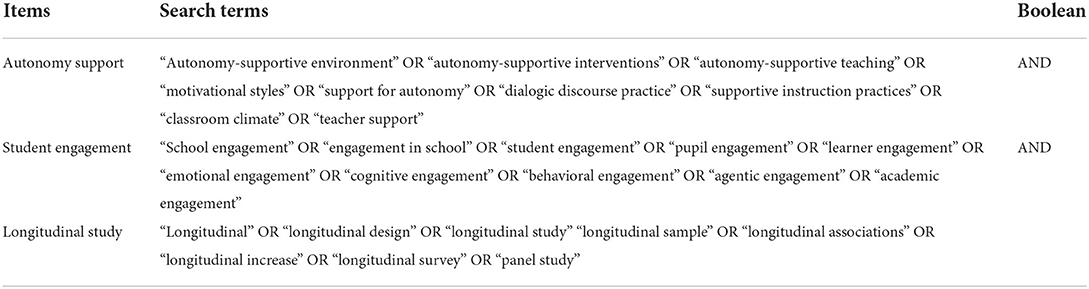
Table 1. Search terms and strings.
Inclusion and exclusion criteria
To ensure a quality collection of literature, we only chose peer-reviewed journal articles published in English. Since one objective of this study is to explore the topics of teachers' autonomy support and student engagement, we only selected the empirical studies with a longitudinal design. We only chose longitudinal studies as its principal advantage to understand intraindividual change compared with the cross-sectional studies which mainly focused on interindividual differences (Schaie and Hofer, 2001). Detailed inclusion criteria were shown in Table 2.
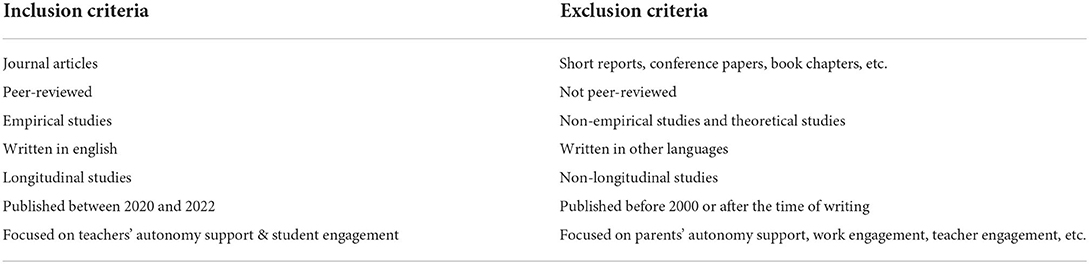
Table 2. Inclusion and exclusion criteria.
Screening process
A comprehensive search across databases such as Web of Science, Scopus, ScienceDirect, and additional sources from Google Scholar resulted in 847 articles, and screening of the title and abstracts (N = 623) articles resulted in empirical articles that met inclusion criteria. Then we carefully went through each article applying the inclusion and exclusion criteria (see Figure 1), this process yielded a total of 31 articles for final synthesis. The detailed identification flow is shown he Figure 1.
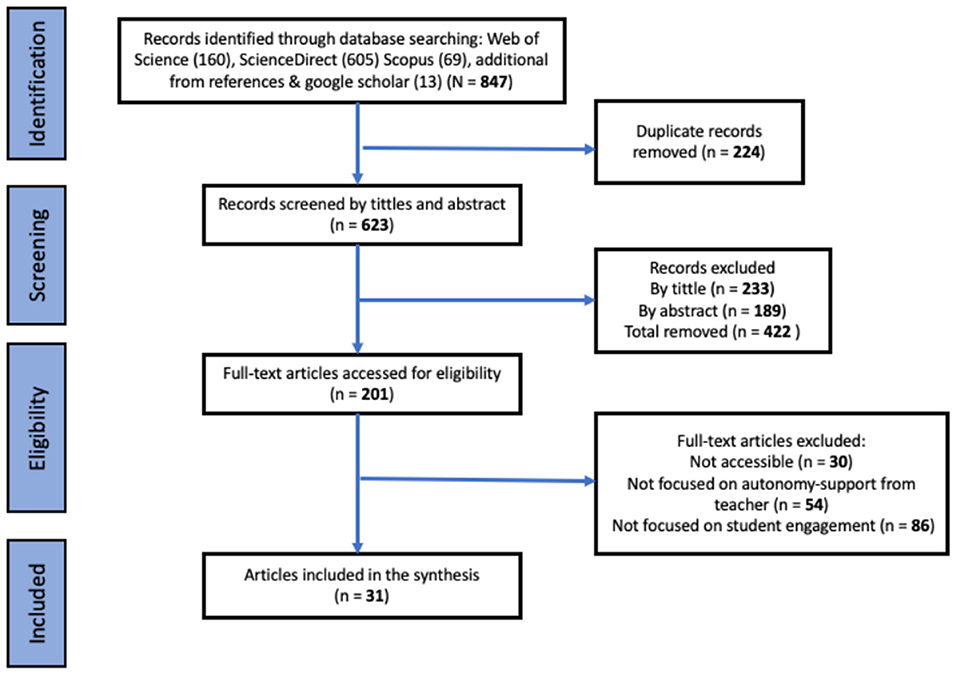
Figure 1. PRISMA style article identification flow.
Findings
What are the landscapes of the identified studies?
Countries
We identified countries by the affiliation of the first author. Overall, approximately one out of three studies were conducted in the United States (N = 10; 32%); Korea ranks second with an output of five articles (16%). In addition to States and Korea, China and Germany both contributed three articles (N = 6; 19%), while the Netherlands added two studies (6%) to the pool. The rest of the studies (N =6 ; 19%) scattered across Canada, Israel, Peru, Portugal, Spain, and Turkey. No article on such a topic was identified across African countries. See Table 3 for more details.
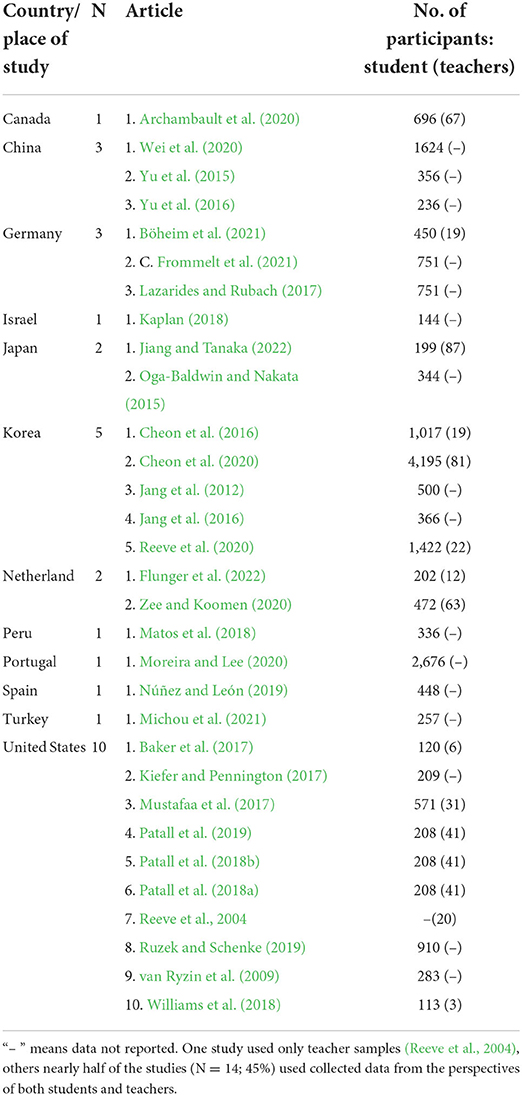
Table 3. A summary of countries and participants of identified studies (N = 31).
As indicated in Figure 2, at a first sight, the studies on autonomy support and student engagement seem to be scarce in the first decade, with only three articles (10%) screened before the year 2015. Then starting from 2015, academic output on the topic is gaining momentum till the year 2021, which contributed 90% of the total number. Indicating that the topic is getting increasing attention during the past decade. To make the trend clearer, we made a histogram that vividly shows the trend from 2015 to 2022 March in each country. See Figure 3 below.
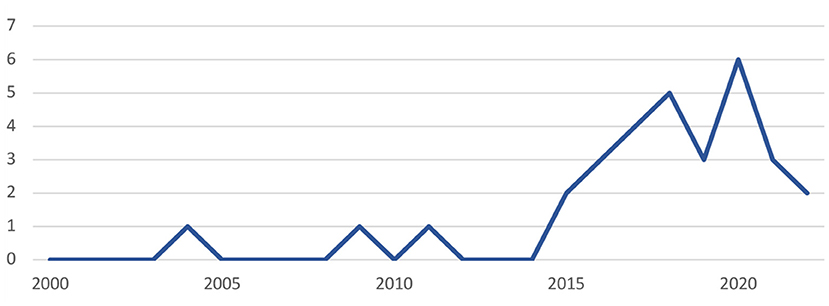
Figure 2. Number of publications by year (Till 20 March).
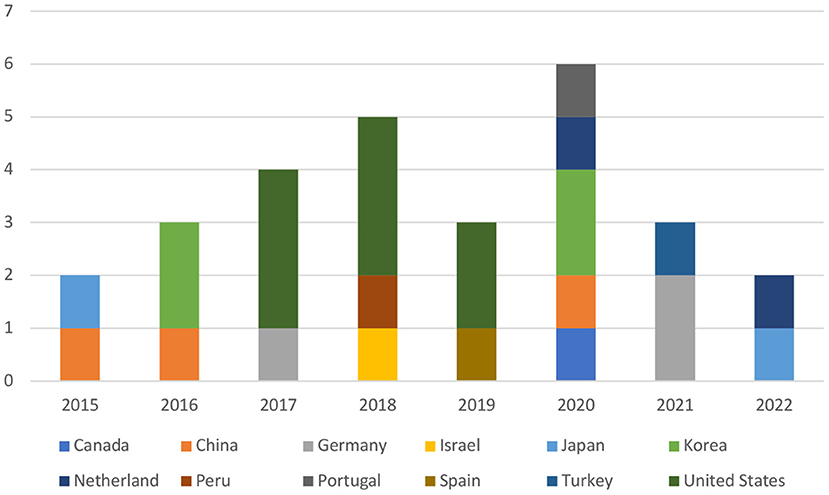
Figure 3. Timeline of publication by the geographic area between 2015 and 2022.
Journals
In terms of publication, publications are mainly located in Psychological and Educational journals. Journal of Educational Psychology (9.7%); Learning and Instruction (9.7%) lead the publications, representing three articles separately. Besides, journals such as Teachers and Teaching: Theory and Practice; Middle Grades Research Journal both contributed two articles, accounting for 13% of the total sum. The rest of the articles were scattered across different journals, mainly in psychology journals such as Journal of Adolescence; Journal of Youth and Adolescence. Several publications were identified in the Sports and Science related journals, for example, in Science Education, Journal of Sport and Exercise Psychology, etc. Refer the Table 4 below and Table 3 above for full details.
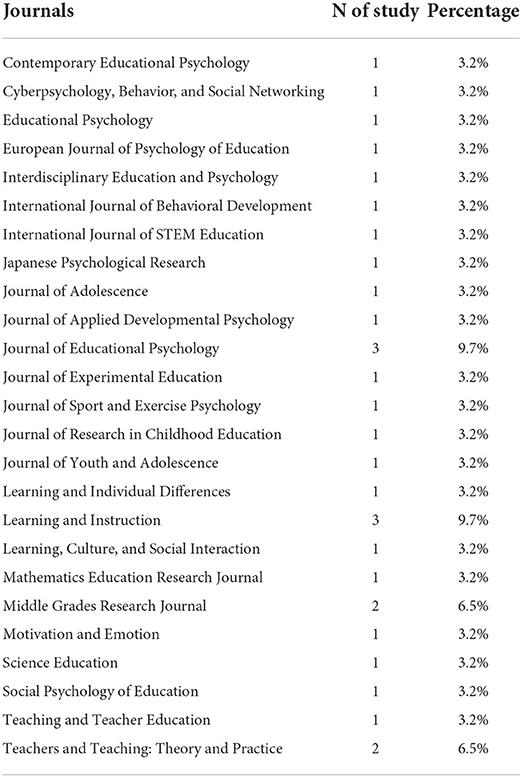
Table 4. Publications of identified articles.
Participants and samples
Identified studies ranged from a small sample size of 20 (Reeve et al., 2004) to large size of 4,195 (Cheon et al., 2020), Msample = 671. Fourteen studies (45%) reported both samples from students and teachers, while 16 (52%) studies presented only the data on student participants. One study only used teacher samples (Reeve et al., 2004). The mean age of students is 15.44, mean age for teachers is 37.14 with an average teaching experience of 11.5 years (based on information available). In terms of educational level, more than 90% (N =2 8) of the identified studies were located in the K12 context. Among them, a large body of studies (N = 58%) focused on grade 7–12 level, nearly one out of five (N = 6, 19.4%) concerned lower grades 1–6, and four studies (12.9%) used both samples from K6 and K7 to K12 levels. Only three studies focused on the undergraduate groups, representing 9.7% of the total sum. Refer to Table 5 for more info.
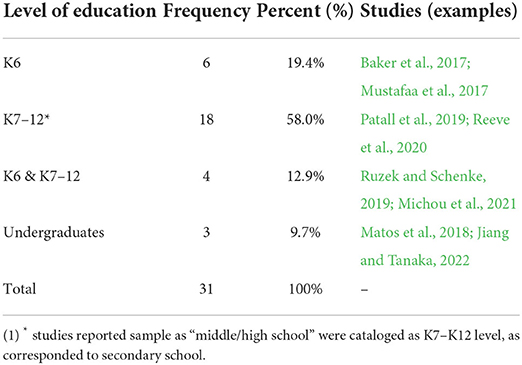
Table 5. The level of students studied.
What are the features of methodology in current studies?
Study design
In features of methodology, we mainly looked at the study design (waves and period), data type, analysis techniques, theories, and instruments that were utilized in identified studies. First, we found approximately half of the studies (N = 16; 51.6%) used a two-wave longitudinal design, one out of four studies (N = 8; 25.8%) feature a three-wave design, while four studies applied a four-point measurement (9.7%). Meanwhile, the majority of the studies (N = 19; 61.3%) followed a middle-term timespan (that last from several months to a year); seven (22.7%) studies reported a short-term data collection schedule, four (9.7%) with long-term timespan, while only one study features a continuous measurement as described in Table 6.
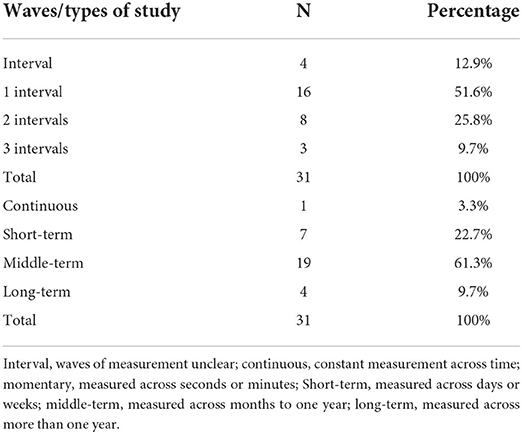
Table 6. Characteristics of study design (waves of data and period).
Data and analysis plan
Second, on data type and analysis plan, studies mostly (N = 29, 93.5%) relied on a self-reported questionnaire to capture data, making observation data less appealing comparatively (N = 2, 6.5%). Statistically speaking, the studies seem to be obsessed with structural equation models (SEM; N = 15, 48.4%), and using multilevel regression analyses such as hierarchical linear modeling (HLM) approaches (N = 7; 22.7%). This result is not surprising as a study with repeated measurements usually resulted in a nested data structure (Goldstein et al., 1993). Other analysis techniques, though less favored, were path analysis, HMRA, and repeated measures. Out of the total of 31 articles, 26 (83.9%) reported using an intervention/experimental design. See Table 7 below.
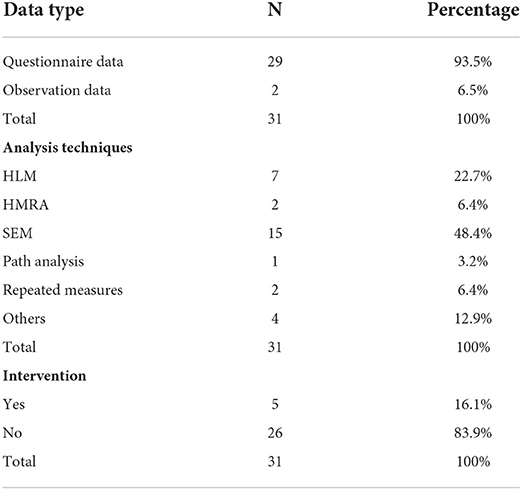
Table 7. Data type and analysis techniques.
Theoretical issues
As expected, more than two out of three (67.7%) studies applied self-determination theory (SDT) as the grounding theory (e.g., Lazarides and Rubach, 2017; Michou et al., 2021; Jiang and Tanaka, 2022), due to its argument that students' motivation and engagement in the classroom are influenced by how they perceive their learning environment and how teachers meet their basic psychological needs (Ryan and Deci, 2000). Besides SDT, three (around 10%) studies referred to social-cognitive theories (Ruzek and Schenke, 2019) or stage–environment fit theory (Yu et al., 2015, 2016) to underpin their studies. In addition, seven articles were unclear on the underpinning theories (e.g., Kiefer and Pennington, 2017; Frommelt et al., 2021). See Table 8 below.
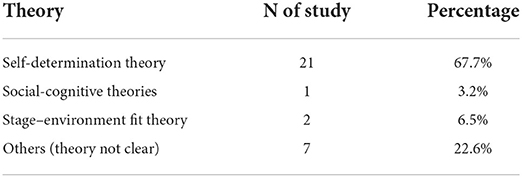
Table 8. Theories used in identified studies.
The most frequently investigated aspect of student engagement was behavioral engagement (N = 23, 74.2%), followed by cognitive and emotional engagement (54.8% and 58.1% separately). Almost one out of three studies worked on the agentic perspective, representing 35.5% of the total. Among them, nine (29%) articles measured student engagement from agentic, behavioral, cognitive, and emotional dimensions (e.g., , Cheon et al., 2016; Matos et al., 2018; Núñez and León, 2019), and five studies researched student engagement from the popular “BCE” perspective (i.e., Yu et al., 2015, 2016; Mustafaa et al., 2017; Archambault et al., 2020; Wei et al., 2020); while four studies concerned only on behavioral and emotional aspects (e.g., Reeve et al., 2004; van Ryzin et al., 2009). In addition, four (12.9%) articles were concerned with less frequently used dimensions such as social engagement (e.g., Baker et al., 2017). Details were presented in Table 9 below.
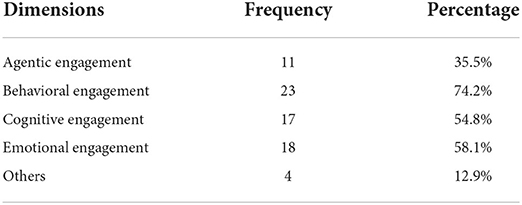
Table 9. Dimensions of student engagement studies concerned.
In addition, popular instruments used in studies were presented in Table 10. Due to the space limit, we do not cover this in detail.

Table 10. Most frequently used instruments.
Patterns of identified studies
In terms of the pattern of studies, most of the studies feature either bottom-up (i.e., autonomy support impacting student engagement) or top-down (student engagement impacting autonomy support) models that explain the bi-directional relationship between autonomy-supportive teaching strategies and student engagement. For example, a large body of studies (N = 20; 64.5%) utilized structural equation models or path analysis to understand the relations between teacher autonomy support and student engagement that we call the “TS” pattern. A significant amount from the rest of the studies (N = 7; 22.5%) added needs satisfaction into the equations, testing its mediating role in relations between autonomy support and student engagement, this was coded as the “TNS” pattern. Two studies concerned with how the engagement could contribute to teacher autonomy, and in turn, how the perceived autonomy support could boost further engagement. This was named as “ST” pattern. While a significant amount of the rest studies (N = 7; 22.5%) added needs satisfaction into the equations, testing its mediating role in relations between autonomy support and student engagement, this was coded as a “TNS” pattern. Unfortunately, two studies (6.5%) failed to indicate any similar pattern (as indicated in Table 11 below).
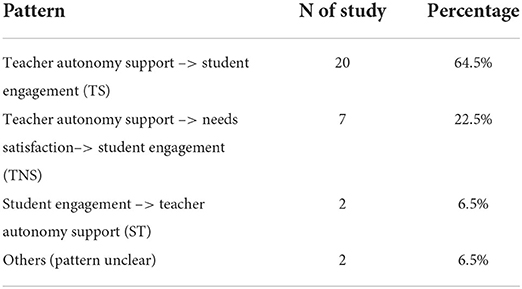
Table 11. Typical patterns of identified studies.
Which autonomy-supportive strategies were proposed?
Not all studies proposed concrete autonomy-supportive strategies. Still, from the texts, we can summarize several. Grounded in the early work of Reeve et al. (2004) and theories such as SDT (Ryan and Deci, 2000, 2002), most of the strategies used in screened articles include instructional behaviors such as taking the students' perspective (e.g., teaching students' preferred ways), invitational language, provide explanatory rationales, accept mistakes and negative affect, and display patience toward teaching and students (e.g., Jang et al., 2016; Reeve et al., 2020). In addition to autonomy-supportive teaching, a dialogic discourse that is structured, purposeful, interactive, and cumulative as well as guiding was also suggested, for the purpose to maximize student engagement (Böheim et al., 2021). Different from those aforementioned strategies that focused intensively on the teaching process (i.e., classroom teaching), Baker et al. (2017) investigated the effectiveness of teaching framing strategies (e.g., collaborative rule-setting, establishing procedures, or setting goals for interaction and expectations) that occurred before class time, one perspective that deserves more attention.
Most often, the proposed strategies were found effective to promote student engagement (e.g., Baker et al., 2017; Kiefer and Pennington, 2017). However, there are still controversial findings. For example, the study by Ruzek and Schenke (2019) concluded that students' perception of classroom autonomy support was unrelated to students' motivation and engagement among secondary school students, but students' behavioral engagement positively affected the bidirectional connections between their perceptions of autonomy support and academic stress. More details are provided below in Table 12. Due to space limitations, we present only examples here.
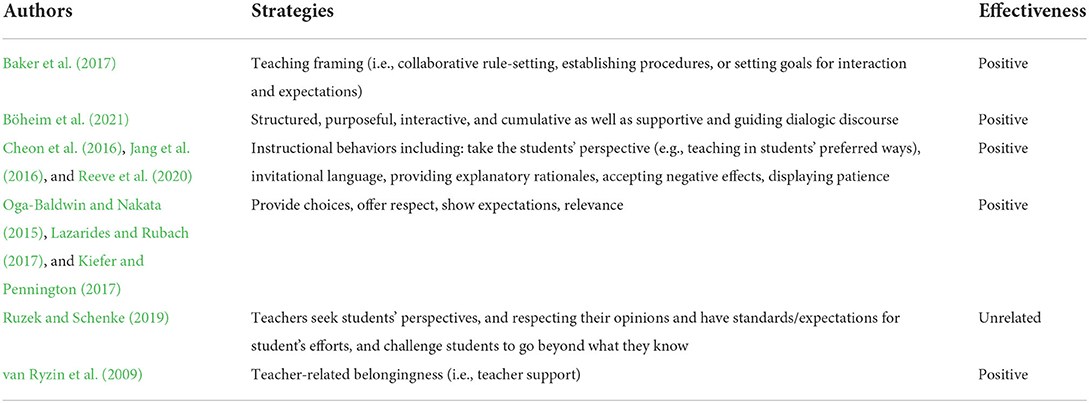
Table 12. Autonomy supportive strategies used to promote student engagement (examples).
Discussion
This review explored the basic pillars and landscapes of longitudinal studies on teachers' autonomy support and student engagement. Using a systematic literature review approach, and based on a literature pool of 31 articles (that featuring 20,804 participants), we found the available evidence as presented below:
First, we found that research on the topic mostly occurred in the United States and Korea, the rest of the studies scattered across several European and Asian countries, and there is an underrepresentation of African authors. Although we aimed to search literature from the past two decades, most of the identified studies were conducted from 2014 to 2015, especially on autonomy support and agentic engagement. This is understandable, as the concept of agentic engagement was originally proposed in the year 2013 by Reeve (2013) , thus it is not surprising that the research on such a theme surged since then. In terms of the sample, a large body of the studies recruited upper secondary school students as the samples, and almost every study was set in the classroom environment. This is probably because engagement has been regarded as a concept holding promise for improving reform and significant intervention targets particularly at the secondary level (Appleton et al., 2006; Fredricks et al., 2016). Simultaneously this means that there is a dearth of studies that focus on the underrepresented undergraduate group, and other learning environments such as blended learning and emergency remote teaching (ERT). Thus, we argue that there is a need to shift research focus on autonomy support and student engagement in the context of college teaching and in other new teaching normal such as ERT, a term/field that need consistent attention under the current situation, as students already experienced tremendous learning loss due to the pandemic (Dorn et al., 2020).
Secondly, on characters of methodology. Regards research design, most of the longitudinal studies applied two-wave design across a period of several months to a year. Meanwhile, almost all studies depended on a self-report survey (e.g., questionnaires) for data collection. While questionnaire data is the most common method for assessing student engagement and it is useful in collecting data on students' subjective perceptions, rather than just gathering objective data on behavioral markers such as attendance or assignment completion rates (Appleton et al., 2006). Some argue that questionnaires should only be harassed to access emotional and cognitive engagement which are not directly observable (Fredricks et al., 2016), thus other dimensions such as perceived autonomy support and behavioral engagement are observable sometimes. In addition to the questionnaire, provide observation, semi-structured interview, or even experience sampling methods (ESM; Larson and Csikszentmihalyi, 2014) that capture students' daily experience of teaching practice and engagement (e.g., Patall et al., 2018b), may add extra nuances to our understandings of complex interactions between autonomy support and student engagement. Across studies, the behavioral aspect of engagement was the most investigated (74.2%), probably because it is the only engagement dimension that contributed significantly to school dropout (Archambault et al., 2009), and can be manifested in observable activities.
Moreover, from the patterns of previous studies, we know that most of the studies failed to provide concrete autonomy-supportive teaching strategies, instead, quite often studies followed the schema such as exploring the “teacher autonomy support –> needs satisfaction–> student engagement” relations from a general-purpose. Research into how specific teachers' behavior can affect student engagement is becoming increasingly urgent, as the world (e.g., COVID-19 pandemic, district conflicts) and students nowadays are changing, both culturally and psychosocially. Educators need to search for effective ways to meet the challenges presented by the complex world, engage students in the new teaching normal (i.e., emergency remote teaching due to pandemics), and prevent dropouts.
In terms of autonomy support strategies, this review has found several distinct teaching strategies, and mostly they were grounded and underpinned by the early work of Ryan and Deci (2000, 2002) and Reeve et al. (2004). Meanwhile, a large body of aforementioned autonomy-supportive strategies was related to the teaching process, therefore investigation of autonomy-supportive teaching practice undertaken before and after the instruction process was insufficient to some extent. From the literature, one specific strategy proposed is to develop structured and interactive dialogic discourse between teachers and students (Böheim et al., 2021). Early research has repeatedly proven that the quality of a classroom discourse has an impact on students' learning behavior (Mercer and Dawes, 2014; Resnick et al., 2018), and it can be highly effective when students have the opportunity to discuss diverse ways of thinking, elaborating on their perspectives, and develop knowledge constructively and collaboratively (Michaels and O'Connor, 2015; Wilkinson et al., 2017). From this standpoint, further works on how dynamic classroom discourse could contribute to active learning and engagement are pertinent.
Last but not least, our review found that, in general, teachers' autonomy support hold promises to maximize student engagement. In educational practice, this means that teachers are suggested to use effective teaching strategies such as collaborative rule-setting, establishing procedures, or setting goals for interaction and expectations (Baker et al., 2017). When delivering courses, purposeful, interactive, and cumulative, as well as supportive dialogic discourse, is encouraged. Moreover, teachers should bear in mind that when they take the students' perspective (e.g., teaching in students' preferred ways), provide explanatory rationales, accept negative effects, and display patience, they are somehow proving an autonomy-supportive teaching environment. Meanwhile, schools should realize that teachers may have different teaching styles (be it autonomy-supportive or autonomy suppressing), thus carrying out customized teacher training programs is necessary.
Limitations and future work
Several limitations existed in this review study. First, this study used only 31 articles based on inclusion criteria, and we only searched the term engagement, instead of using involvement or participation, to get additional results. However, it is understandable as the term engagement is more accurate and commonly used across studies (Fredricks et al., 2016). In this study, we only focused on longitudinal studies that feature several waves of data collection, which implies that the same participants are assessed repeatedly and thus other empirical studies were excluded for analysis. Simultaneously, the hierarchical/nested data structure may lead to measuring dependency and thus violates the assumptions underlying the general linear model (GLM; Schnettler et al., 2020). We believe that an independent study/review can compensate for this. In addition, from this view, we learned that a large body of research has focused on autonomy-supportive teaching as a foundation for student motivation and engagement. However, several recent studies have shown that a combination of two teaching styles, namely autonomy-support and structure, can be highly effective for student engagement (Vansteenkiste et al., 2012; Baker et al., 2017; Archambault et al., 2020). In line with this argument and potential constraints of this review, future work might test the effectiveness of structure (the volume and clarity of information provided to students about an activity, including the teacher's expectations concerning educational outcomes and how students are expected to achieve these outcomes, see Jang et al., 2010) with other teaching style factors, or conduct meta-analysis to explore how effective the teaching style (e.g., autonomy support, structure) is on student engagement. In our review, the behavioral aspect of engagement was mostly investigated (74.2%), probably because it is the only engagement dimension that contributed significantly to school dropout (Archambault et al., 2009). Therefore, further investigations are required to testify to the importance of other forms of engagement (e.g., agentic engagement) on student engagement across various learning environments.
Conclusion
Longitudinal studies of teachers' autonomy support and student engagement were explored in a systematic literature review. The main concern of this review is to provide an in-depth review of landscapes, methodology used, trends/patterns of studies, and autonomy-supportive strategies. The main takeaway is that the studies on teachers' autonomy support and student engagement seem to concentrate in countries such as the United States and Korea, while largely underrepresented in African countries. Publications were scattered in the fields of psychology and education. Studies tend to follow a mid-term, two-wave data collection schema using self-reported questionnaires and analyzed by applying SEM. However, most of the studies failed to provide concrete autonomy-supportive teaching strategies, instead, they normally measured autonomy support and student engagement from a broad scale. As stated in the self-determination theory (Ryan and Deci, 2000), student's motivation and engagement in the classroom are influenced by how they perceive their learning environment and how teachers meet their basic psychological needs. In the face of everyday classroom challenges and at times of crisis, students need to display resilience by responding with increased engagement. Therefore, more in-depth exploration of the concrete teaching strategies that boost student engagement, thus preventing school dropout, is becoming increasingly urgent.
Data availability statement
The original contributions presented in the study are included in the article/supplementary material, further inquiries can be directed to the corresponding author/s.
Author contributions
DY and KW contributed to the conception and design of the article and interpreting the relevant literature and drafted the manuscript and revised it substantively. PC, HW, and RH contributed to the interpretation of data, and revised it critically for important intellectual content. All authors read and approved the final manuscript.
Conflict of interest
The authors declare that the research was conducted in the absence of any commercial or financial relationships that could be construed as a potential conflict of interest.
Publisher's note
All claims expressed in this article are solely those of the authors and do not necessarily represent those of their affiliated organizations, or those of the publisher, the editors and the reviewers. Any product that may be evaluated in this article, or claim that may be made by its manufacturer, is not guaranteed or endorsed by the publisher.
References
Appleton, J. J., Christenson, S. L., and Furlong, M. J. (2008). Student engagement with school: critical conceptual and methodological issues of the construct. Psychol. Schools 45, 369–386. doi: 10.1002/pits.20303
Appleton, J. J., Christenson, S. L., Kim, D., and Reschly, A. L. (2006). Measuring cognitive and psychological engagement: validation of the student engagement instrument. J. School Psychol. 44, 427–445. doi: 10.1016/j.jsp.2006.04.002
Archambault, I., Janosz, M., Fallu, J. S., and Pagani, L. S. (2009). Student engagement and its relationship with early high school dropout. J. Adolescence 32, 651–670. doi: 10.1016/j.adolescence.2008.06.007
Archambault, I., Pascal, S., Tardif-Grenier, K., Dupéré, V., Janosz, M., Parent, S., et al. (2020). The contribution of teacher structure, involvement, and autonomy support on student engagement in low-income elementary schools. Teach. Teach. Theory Pract. 26, 428–445. doi: 10.1080/13540602.2020.1863208
Baker, A. R., Lin, T. J., Chen, J., Paul, N., Anderson, R. C., and Nguyen-Jahiel, K. (2017). Effects of teacher framing on student engagement during collaborative reasoning discussions. Contemp. Educ. Psychol. 51, 253–266. doi: 10.1016/j.cedpsych.2017.08.007
Böheim, R., Schnitzler, K., Gröschner, A., Weil, M., Knogler, M., Schindler, A. K., et al. (2021). How changes in teachers' dialogic discourse practice relate to changes in students' activation, motivation and cognitive engagement. Learn. Cult. Soc. Interact. 28, 100450. doi: 10.1016/j.lcsi.2020.100450
Cheon, S. H., and Reeve, J. (2013). Do the benefits from autonomy-supportive PE teacher training programs endure?: A one-year follow-up investigation. Psychol. Sport Exerc. 14, 508–518. doi: 10.1016/j.psychsport.2013.02.002
Cheon, S. H., Reeve, J., and Song, Y. G. (2016). A teacher-focused intervention to decrease PE students' amotivation by increasing need satisfaction and decreasing need frustration. J. Sport Exerc. Psychol. 38, 217–235. doi: 10.1123/jsep.2015-0236
Cheon, S. H., Reeve, J., and Vansteenkiste, M. (2020). When teachers learn how to provide classroom structure in an autonomy-supportive way: benefits to teachers and their students. Teach. Teach. Educ. 90, 103004. doi: 10.1016/j.tate.2019.103004
Cheon, S. H., Reeve, J., Yu, T. H., and Jang, H. R. (2014). The teacher benefits from giving autonomy support during physical education instruction. J. Sport Exerc. Psychol. 36, 331–346. doi: 10.1123/jsep.2013-0231
Connell, J. P., and Wellborn, J. G. (1991). “Competence, autonomy, and relatedness: a motivational analysis of self-system processes,” in Self Processes and Development (Hillsdale, NJ: Lawrence Erlbaum Associates, Inc.), 43–77.
Dorn, E., Hancock, B., Sarakatsannis, J., and Viruleg, E. (2020). COVID-19 and Student Learning in the United States: The Hurt Could Last a Lifetime. New Evidence Shows that the Shutdownd Caused by COVID-19 Could Exacerbate Existing Achievement Gaps. Atlanta, GA: McKinsey and Company.
Flunger, B., Hollmann, L., Hornstra, L., and Murayama, K. (2022). It's more about a lesson than a domain: lesson-specific autonomy support, motivation, and engagement in math and a second language. Learn. Inst. 77, 101500. doi: 10.1016/j.learninstruc.2021.101500
Fredricks, J. A., Filsecker, M., and Lawson, M. A. (2016). Student engagement, context, and adjustment: addressing definitional, measurement, and methodological issues. Learn. Inst. 43, 1–4. doi: 10.1016/j.learninstruc.2016.02.002
Frommelt, M., Schiefele, U., and Lazarides, R. (2021). Teacher enthusiasm, supportive instructional practices, and student motivation in mathematics classrooms. Interdiscipl. Educ. Psychol. 2, 1–5. doi: 10.31532/InterdiscipEducPsychol.2.3.005
Goldstein, H., Bryk, A. S., and Raudenbush, S. W. (1993). Hierarchical linear models: applications and data analysis methods. J. Am. Stat. Assoc. 88, 386. doi: 10.2307/2290750
Harbour, K. E., Evanovich, L. L., Sweigart, C. A., and Hughes, L. E. (2015). A brief review of effective teaching practices that maximize student engagement. Prevent. School Fail. 59, 5–13. doi: 10.1080/1045988X.2014.919136
Henrie, C. R., Halverson, L. R., and Graham, C. R. (2015). Measuring student engagement in technology-mediated learning: a review. Comput. Educ. 90, 36–53. doi: 10.1016/j.compedu.2015.09.005
Jang, H., Kim, E. J., and Reeve, J. (2012). Longitudinal test of self-determination theory's motivation mediation model in a naturally occurring classroom context. J. Educ. Psychol. 104, 1175. doi: 10.1037/a0028089
Jang, H., Kim, E. J., and Reeve, J. (2016). Why students become more engaged or more disengaged during the semester: a self-determination theory dual-process model. Learn. Inst. 43, 27–38. doi: 10.1016/j.learninstruc.2016.01.002
Jang, H., Reeve, J., and Deci, E. L. (2010). Engaging students in learning activities: It is not autonomy support or structure but autonomy support and structure. J. Educ. Psychol. 102, 588–600. doi: 10.1037/a0019682
Jiang, J., and Tanaka, A. (2022). Autonomy support from support staff in higher education and students' academic engagement and psychological well-being. Educ. Psychol. 42, 42–63. doi: 10.1080/01443410.2021.1982866
Kaplan, H. (2018). Teachers' autonomy support, autonomy suppression and conditional negative regard as predictors of optimal learning experience among high-achieving Bedouin students. Soc. Psychol. Educ. 21, 223–255. doi: 10.1007/s11218-017-9405-y
Kiefer, S., and Pennington, S. (2017). Associations of teacher autonomy support and structure with young adolescents' motivation, engagement, belonging, and achievement. Middle Grades Res. J. 11, 29.
Larson, R., and Csikszentmihalyi, M. (2014). “The experience sampling method BT: flow and the foundations of positive psychology,” in Flow and the Foundations of Positive Psychology (Dordrecht: Springer). doi: 10.1007/978-94-017-9088-8_2
Lazarides, R., and Rubach, C. (2017). Instructional characteristics in mathematics classrooms: relationships to achievement goal orientation and student engagement. Math. Educ. Res. J. 29, 201–217. doi: 10.1007/s13394-017-0196-4
Matos, L., Reeve, J., Herrera, D., and Claux, M. (2018). Students' agentic engagement predicts longitudinal increases in perceived autonomy-supportive teaching: the squeaky wheel gets the grease. J. Exp. Educ. 82, 103–120. doi: 10.1080/00220973.2018.1448746
McLachlan, S., and Hagger, M. S. (2010). Effects of an autonomy-supportive intervention on tutor behaviors in a higher education context. Teach. Teach. Educ. 26, 1204–1210. doi: 10.1016/j.tate.2010.01.006
Mercer, N., and Dawes, L. (2014). The study of talk between teachers and students, from the 1970s until the 2010s. Oxf. Rev. Educ. 40, 430–445. doi: 10.1080/03054985.2014.934087
Michaels, S., and O'Connor, C. (2015). “Conceptualizing talk moves as tools: professional development approaches for academically productive discussions,” in Socializing Intelligence Through Academic Talk and Dialogue, eds L. B. Resnick, C. S. C. Asterhan, and S. N. Clarke (Washington, DC: AERA), 347–361. doi: 10.3102/978-0-935302-43-1_27
Michou, A., Altan, S., Mouratidis, A., Reeve, J., and Malmberg, L. -E. (2021). Week-to-week interplay between teachers' motivating style and students' engagement. J. Exper. Educ. 1–20. doi: 10.1080/00220973.2021.1897774. [Epub ahead of print].
Moher, D., Liberati, A., Tetzlaff, J., Altman, D. G., Altman, D., Antes, G., et al. (2009). Preferred reporting items for systematic reviews and meta-analyses: the PRISMA statement. Ann. Intern. Med. 151, 264–269. doi: 10.7326/0003-4819-151-4-200908180-00135
Moreira, P. A. S., and Lee, V. E. (2020). School social organization influences adolescents' cognitive engagement with school: the role of school support for learning and of autonomy support. Learn. Individ. Differ. 80, 101885. doi: 10.1016/j.lindif.2020.101885
Mustafaa, F., Lozada, F., Channey, J., Skoog-Hoffman, A., and Jagers, R. (2017). Perceptions of teaching practices, teacher support, and school engagement among middle school students: an examination of the developmental designs approach. Middle Grades Res. J. 11, 83–98.
Núñez, J. L., and León, J. (2019). Determinants of classroom engagement: a prospective test based on self-determination theory. Teach. Teach. Theory Pract. 25, 147–159. doi: 10.1080/13540602.2018.1542297
Oga-Baldwin, W. L. Q., and Nakata, Y. (2015). Structure also supports autonomy: measuring and defining autonomy-supportive teaching in Japanese elementary foreign language classes. Jpn. Psychol. Res. 57, 167–179. doi: 10.1111/jpr.12077
Page, M. J., McKenzie, J. E., Bossuyt, P. M., Boutron, I., Hoffmann, T. C., Mulrow, C. D., and Moher, D. (2021). The PRISMA 2020 statement: an updated guideline for reporting systematic reviews. Syst. Rev. 10, 1–11. doi: 10.1186/s13643-021-01626-4
Patall, E. A., Pituch, K. A., Steingut, R. R., Vasquez, A. C., Yates, N., and Kennedy, A. A. U. (2019). Agency and high school science students' motivation, engagement, and classroom support experiences. J. Appl. Develop. Psychol. 62, 77–92. doi: 10.1016/j.appdev.2019.01.004
Patall, E. A., Steingut, R. R., Freeman, J. L., Pituch, K. A., and Vasquez, A. C. (2018a). Gender disparities in students' motivational experiences in high school science classrooms. Sci. Educ. 102, 951–977. doi: 10.1002/sce.21461
Patall, E. A., Steingut, R. R., Vasquez, A. C., Trimble, S. S., Pituch, K. A., and Freeman, J. L. (2018b). Daily autonomy supporting or thwarting and students' motivation and engagement in the high school science classroom. J. Educ. Psychol. 110, 269–288. doi: 10.1037/edu0000214
Pérez-González, A. M., Valero-Valenzuela, A., Moreno-Murcia, J. A., and Sánchez-Alcaraz, B. J. (2019). Systematic review of autonomy support in physical education. Apunts. Educacion Fisica Deportes 35, 51–61. doi: 10.5672/apunts.2014-0983.es.(2019/4).138.04
Raabe, J., Schmidt, K., Carl, J., and Höner, O. (2019). The effectiveness of autonomy support interventions with physical education teachers and youth sport coaches: a systematic review. J. Sport Exerc. Psychol. 41, 345–355. doi: 10.1123/jsep.2019-0026
Reeve, J. (2009). Why teachers adopt a controlling motivating style toward students and how they can become more autonomy supportive. Educ. Psychol. 44, 159–175. doi: 10.1080/00461520903028990
Reeve, J. (2013). How students create motivationally supportive learning environments for themselves: The concept of agentic engagement. J. Educ. Psychol. 105, 579–595. doi: 10.1037/a0032690
Reeve, J., and Cheon, S. H. (2021). Autonomy-supportive teaching: its malleability, benefits, and potential to improve educational practice. Educ. Psychol. 56, 54–77. doi: 10.1080/00461520.2020.1862657
Reeve, J., Cheon, S. H., and Yu, T. H. (2020). An autonomy-supportive intervention to develop students' resilience by boosting agentic engagement. Int. J. Behav. Develop. 44, 325–338. doi: 10.1177/0165025420911103
Reeve, J., Jang, H., Carrell, D., Jeon, S., and Barch, J. (2004). Enhancing students' engagement by increasing teachers' autonomy support. Motiv. Emot. 28, 147–169. doi: 10.1023/B:MOEM.0000032312.95499.6f
Resnick, L. B., Asterhan, C. S., Clarke, S. N., and Schantz, F. (2018). “Next generation research in dialogic learning,” in The Wiley Handbook of Teaching and Learning, eds G. E. Hall, L. F. Quinn, and D. M. Gollnick (John Wiley & Sons), 323–338.
Rimm-Kaufman, S. E., and Sawyer, B. E. (2004). Primary-grade teachers' self-efficacy beliefs, attitudes toward teaching, and discipline and teaching practice priorities in relation to the “responsive classroom” approach. Element School J. 104, 321–341. doi: 10.1086/499756
Ruzek, E. A., and Schenke, K. (2019). The tenuous link between classroom perceptions and motivation: a within-person longitudinal study. J. Educ. Psychol. 111, 903. doi: 10.1037/edu0000323
Ryan, R. M., and Deci, E. L. (2000). Self-determination theory and the facilitation of intrinsic motivation, social development, and well-being. Am. Psychol. 55, 68–78. doi: 10.1037/0003-066X.55.1.68
Ryan, R. M., and Deci, E. L. (2002). “Overview of self-determination theory: an organismic dialectical perspective,” in Handbook of Self-Determination Research, eds R. M. Ryan, and E. L. Deci (Rochester, NY: University of Rochester Press), 3–33.
Schaie, K. W., and Hofer, S. M. (2001). “Longitudinal studies in aging research,” in Handbook of the Psychology of Aging, 5th edn, eds J. E. Birren, and K. W. Schaie (San Diego, CA: Academic Press), 53–77.
Schindler, L. A., Burkholder, G. J., Morad, O. A., and Marsh, C. (2017). Computer-based technology and student engagement: a critical review of the literature: revista de Universidad y Sociedad del Conocimiento. Int. J. Educ. Technol. Higher Educ. 14, 1–28. doi: 10.1186/s41239-017-0063-0
Schnettler, T., Bobe, J., Scheunemann, A., Fries, S., and Grunschel, C. (2020). Is it still worth it? Applying expectancy-value theory to investigate the intraindividual motivational process of forming intentions to drop out from university. Motiv. Emot. 44, 491–507. doi: 10.1007/s11031-020-09822-w
Skinner, E. A., Kindermann, T. A., and Furrer, C. J. (2009). A motivational perspective on engagement and disaffection: Conceptualization and assessment of children's behavioral and emotional participation in academic activities in the classroom. Educ. Psychol. Measure. 69, 493–525. doi: 10.1177/0013164408323233
Slemp, G. R., Kern, M. L., Patrick, K. J., and Ryan, R. M. (2018). Leader autonomy support in the workplace: a meta-analytic review. Motiv. Emot. 42, 706–724. doi: 10.1007/s11031-018-9698-y
Tilga, H., Kalajas-Tilga, H., Hein, V., Raudsepp, L., and Koka, A. (2020). 15-month follow-up data on the web-based autonomy-supportive intervention program for PE teachers. Percept. Motor Skills 127, 5–7. doi: 10.1177/0031512519870914
van Ryzin, M. J., Gravely, A. A., and Roseth, C. J. (2009). Autonomy, belongingness, and engagement in school as contributors to adolescent psychological well-being. J. Youth Adolescence 38, 1–12. doi: 10.1007/s10964-007-9257-4
Vansteenkiste, M., Sierens, E., Goossens, L., Soenens, B., Dochy, F., Mouratidis, A., et al. (2012). Identifying configurations of perceived teacher autonomy support and structure: associations with self-regulated learning, motivation and problem behavior. Learn. Instruct. 22, 431–439. doi: 10.1016/j.learninstruc.2012.04.002
Wei, D., Zhang, D., He, J., and Bobis, J. (2020). The impact of perceived teachers' autonomy support on students' mathematics achievement: evidences based on latent growth curve modelling. Eur. J. Psychol. Educ. 35, 703–725. doi: 10.1007/s10212-019-00437-5
Wilkinson, I. A. G., Reznitskaya, A., Bourdage, K., Oyler, J., Glina, M., Drewry, R., et al. (2017). Toward a more dialogic pedagogy: changing teachers' beliefs and practices through professional development in language arts classrooms. Lang. Educ. 31, 65–82. doi: 10.1080/09500782.2016.1230129
Williams, D. R., Brule, H., Kelley, S. S., and Skinner, E. A. (2018). Science in the Learning Gardens (SciLG): a study of students' motivation, achievement, and science identity in low-income middle schools. Int. J. STEM Educ. 5, 1–14. doi: 10.1186/s40594-018-0104-9
Williams, G. C., and Deci, E. L. (1996). Internalization of biopsychosocial values by medical students: A test of self-determination theory. J. Pers. Soc. Psychol. 70, 767–779. doi: 10.1037/0022-3514.70.4.767
Wolters, C. A. (2004). Advancing achievement goal theory: Using goal structures and goal orientations to predict students' motivation, cognition, and achievement. J. Educ. Psychol. 96, 236–250. doi: 10.1037/0022-0663.96.2.236
Yu, C., Li, X., Wang, S., and Zhang, W. (2016). Teacher autonomy support reduces adolescent anxiety and depression: an 18-month longitudinal study. J. Adolescence 49, 115–123. doi: 10.1016/j.adolescence.2016.03.001
Yu, C., Li, X., and Zhang, W. (2015). Predicting adolescent problematic online game use from teacher autonomy support, basic psychological needs satisfaction, and school engagement: a 2-year longitudinal study. Cyberpsychol. Behav. Soc. Netw. 18, 228–233. doi: 10.1089/cyber.2014.0385
Keywords: teaching practice, autonomy support, student engagement, literature review, longitudinal studies
Citation: Yang D, Chen P, Wang H, Wang K and Huang R (2022) Teachers' autonomy support and student engagement: A systematic literature review of longitudinal studies. Front. Psychol. 13:925955. doi: 10.3389/fpsyg.2022.925955
Received: 22 April 2022; Accepted: 18 July 2022;
Published: 22 August 2022.
Edited by:
Ridwan Maulana, University of Groningen, NetherlandsCopyright © 2022 Yang, Chen, Wang, Wang and Huang. This is an open-access article distributed under the terms of the Creative Commons Attribution License (CC BY). The use, distribution or reproduction in other forums is permitted, provided the original author(s) and the copyright owner(s) are credited and that the original publication in this journal is cited, in accordance with accepted academic practice. No use, distribution or reproduction is permitted which does not comply with these terms.
*Correspondence: Kai Wang, d2FuZ2thaS5lZHVAb3V0bG9vay5jb20=