 Yen-Ting Li
 Su-Ling Yeh
 Tsung-Ren Huang
- 1Department of Psychology, National Taiwan University, Taipei City, Taiwan
- 2Graduate Institute of Brain and Mind Sciences, National Taiwan University, Taipei City, Taiwan
- 3Neurobiology and Cognitive Science Center, National Taiwan University, Taipei City, Taiwan
- 4Center for Artificial Intelligence and Advanced Robotics, National Taiwan University, Taipei City, Taiwan
Emotion has been a subject undergoing intensive research in psychology and cognitive neuroscience over several decades. Recently, more and more studies of emotion have adopted automatic rather than manual methods of facial emotion recognition to analyze images or videos of human faces. Compared to manual methods, these computer-vision-based, automatic methods can help objectively and rapidly analyze a large amount of data. These automatic methods have also been validated and believed to be accurate in their judgments. However, these automatic methods often rely on statistical learning models (e.g., deep neural networks), which are intrinsically inductive and thus suffer from problems of induction. Specifically, the models that were trained primarily on Western faces may not generalize well to accurately judge Eastern faces, which can then jeopardize the measurement invariance of emotions in cross-cultural studies. To demonstrate such a possibility, the present study carries out a cross-racial validation of two popular facial emotion recognition systems—FaceReader and DeepFace—using two Western and two Eastern face datasets. Although both systems could achieve overall high accuracies in the judgments of emotion category on the Western datasets, they performed relatively poorly on the Eastern datasets, especially in recognition of negative emotions. While these results caution the use of these automatic methods of emotion recognition on non-Western faces, the results also suggest that the measurements of happiness outputted by these automatic methods are accurate and invariant across races and hence can still be utilized for cross-cultural studies of positive psychology.
1 Introduction
Facial emotional expressions are social signals in nature and essential for successful social interactions. People tend to have more or intensified facial emotional expressions in the presence of others (Blair, 2003; Frith, 2009). Subsequently, the perceivers of these expressions can then infer the expressers’ mental states to determine whether to approach or avoid the emotional expressers (Seidel et al., 2010; Lowe and Ziemke, 2011). People with limited facial emotion expressions, such as those with facial paralysis, are often perceived negatively and hence have trouble building interpersonal relationships (Blair, 2003; Trevisan et al., 2018). Similarly, social robots that lack facial emotional expressions are difficult for humans to interact with (Pessoa, 2017; Stock-Homburg, 2022).
Facial emotion expressions and their recognition have been extensively studied in psychology and other emotion-related fields. The most influential series of studies on this topic comes from Ekman (1970, 1971), Ekman and Friesen (1986), and Ekman and Cordaro (2011) who proposed the existence of six to seven basic emotions—anger, surprise, disgust, happiness, fear, sadness, and contempt. Moreover, each of these basic emotions has a corresponding facial expression, which is universally produced and recognized across different cultures (Ekman et al., 1987; Izard, 1994; Wang et al., 2006; Matsumoto et al., 2009). Although there have been recent studies challenging the universal emotion-expression links (Barrett et al., 2019; Durán and Fernández-Dols, 2021; Tcherkassof and Dupré, 2021), such basic emotion view still serves as the theoretical basis in many applied studies of emotion.
Facial emotional expressions can be analyzed in terms of movements of facial muscles. The well-known Facial Action Coding System (FACS) defines action units (AUs) as the fundamental actions of individual muscles or groups of muscles (Rosenberg and Ekman, 2020). In FACS, the expression of each basic emotion can then be characterized by the joint movements of a specific set of AUs. Because FACS is an anatomically based, relatively objective coding system of facial emotion expressions, it is a popular scheme for coding facial expressions in research or applications. Note, however, that it requires intensive training to master FACS and intensive labor to apply FACS. Moreover, human coders may be inconsistent in judging the movements of AUs.
To overcome the issues of time consumption and subjectivity in the manual coding of facial expressions, computer vision techniques for automatic facial expression recognition have been actively developed by computer scientists and engineers and gradually adopted by behavioral scientists (Figure 1). For example, automatic facial expression recognition systems (AFERSs) have been applied as a clinical tool to assess the abilities of emotional reactivity, regulation, or expression in people (Flynn et al., 2020), such as those with autism spectrum disorder (Owada et al., 2018; Manfredonia et al., 2019), personality disorder (De Meulemeester et al., 2022), and social anxiety disorder (Pearlstein et al., 2019). Overall, these AFERSs facilitate large-scale assessments of facial expressions in real-time cameras or recorded images/videos.

Figure 1. The number of articles mentioning automatic facial expression recognition. The results were obtained from web of science using the search: (automated OR automatic) AND (coding OR recognition OR analysis) AND facial AND (emotions OR expressions OR emotional expressions).
Automatic facial expression recognition systems are powered by various computer vision techniques. A traditional machine learning-based AFERS often consists of three processing phases—image preprocessing (e.g., cropping a face out of a background), feature extraction (e.g., extracting geometry-based features), and expression classification (e.g., using a support vector classifier). By contrast, recent AFERSs based on deep-learning (DL) neural networks are end-to-end systems that automatically learn to extract facial features for accurate expression classification and hence reduce the need for image preprocessing and feature extraction (O’Mahony et al., 2020; Khan, 2022). While DL-based AFERSs require a large number of face images as training data, they outperform traditional approaches and have become state-of-the-art (Li and Deng, 2020; Ekundayo and Viriri, 2021).
Automatic facial expression recognition systems that leverage machine learning, be they traditional or DL-based, all rely on inductive learning of statistical regularities in images. Due to this inductive nature, such AFERSs often suffer from problems of induction and exhibit inductive biases (Huang, 2019). For example, because these AFERSs have fewer chances to see and learn the statistical regularities of minority groups during model training, they tend to make erroneous predictions for gender, age, or racial groups that are underrepresented in the training data (Huang et al., 2023). Therefore, it is possible that popular AFERSs developed in the West are trained mostly on Western faces and less versed in Eastern faces. In consequence, these AFERSs may frequently misrecognize emotional expressions on Asian faces. This can then jeopardize the validity of clinical assessments and emotion studies that draw conclusions from automatic FER of Eastern faces.
Because of the research tendency toward measuring the behavior of non-Western people in natural rather than laboratory settings (Henrich et al., 2010; Box-Steffensmeier et al., 2022), it is anticipated that AFERSs will be increasingly used to help assess spontaneous emotional expressions in the wild for not only Western but also Eastern people. From a methodological point of view, it is then important to check whether these AFERSs evaluate the same emotional expression differently for different groups of people, as such a violation of measurement invariance will preclude meaningful interpretations of research results, especially for cultural or cross-cultural studies. For this reason, the present research sets out to examine whether AFERSs are comparably accurate in recognizing emotional expressions on Western vs. Eastern faces, as detailed below.
2 Materials and methods
2.1 Face datasets
We used four publicly available face image datasets (two Western and two Eastern) to evaluate two popular AFERSs (one commercial and one open-source). These datasets were chosen for comparison because they were constructed under similar conditions—these face photos were all taken from specific angles of human models who were asked to pose researcher-designated basic emotions against a clean background in a well-lit room. Compared to facial emotional expressions captured by cameras in the wild, these face photos shot in laboratory-controlled conditions are higher in overall quality and reduce the confounding of photographing conditions in our Western vs. Eastern comparisons. Examples of these face images are shown in Figure 2.
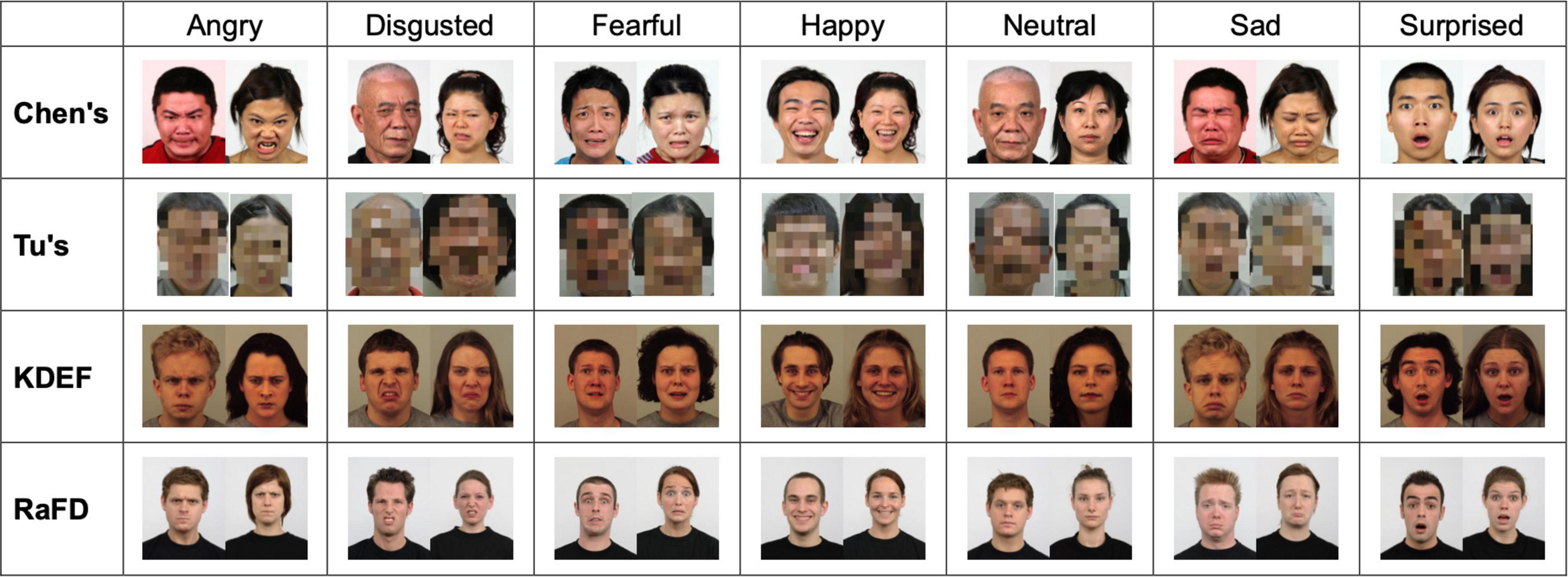
Figure 2. Emotional faces sampled from the four datasets. Chen’s dataset is in the public domain and can be obtained upon request from the owner, Prof. Chien-Chung Chen (Chen et al., 2013). Tu’s dataset has been reproduced here with permission and can be obtained upon request from the owner, Prof. Joshua O. Goh (Tu et al., 2018). These images have been blurred at the request of Prof. Goh. KDEF images are available in the public domain for use in scientific publications (Lundqvist et al., 1998, available at: https://kdef.se/). RaFD images are available to researchers upon request and reproduction in scientific publications is permitted (Langner et al., 2010, available at: https://rafd.socsci.ru.nl/RaFD2/RaFD?p=main).
2.1.1 Western faces
2.1.1.1 RaFD
The Radboud Faces Database (RaFD) is an image dataset containing 8,040 images of 67 human models (Langner et al., 2010). Each model expressed eight emotions (Ekman’s seven basic emotions plus neutral) with three gaze directions. Each emotional expression was shot from five camera angles. These models were male and female Caucasian adults and children, as well as male Moroccan Dutch adults. The children and male Moroccan Dutch adult images were excluded from further analyses.
2.1.1.2 KDEF
The Karolinska Directed Emotional Faces (KDEF) is an image dataset containing 4,900 images of human 70 human models (Lundqvist et al., 1998). Each model expressed seven emotions (Ekman’s six basic emotions plus neutral), and the emotion category label of each image was validated by a separate study (Goeleven et al., 2008). These models were 35 Caucasian males and 35 Caucasian females aged between 20 and 30 years old. Each emotion of each human model was shot from five camera angles.
2.1.2 East Asian faces
2.1.2.1 Chen’s data
This dataset contains 2,273 images from 29 professional performers (Chen et al., 2013). Each performer expressed seven emotions (Ekman’s six basic emotions plus neutral). These images were taken from three different viewing angles. The models were 14 Taiwanese males and 15 Taiwanese females aged between 19 to 67 years old.
2.1.2.2 Tu’s data
This dataset contains 426 images from 61 human models (Tu et al., 2018). Each model expressed seven emotions (Ekman’s six basic emotions plus neutral). All the images in this dataset were taken from a straight viewing angle. The models were 20 young Taiwanese adults (10 males and 10 females) and 41 older Taiwanese adults (20 males and 21 females).
2.2 AFERSs
There are commercial and open-source options for AFERSs. Commercial options include FaceReader (Noldus), Affdex (Affectiva), and Facet (iMotions). While FaceReader is not the most accurate one among these commercial options (Dupré et al., 2020), it is the most popular and hence impactful one in the literature, as evidenced by the number of related articles retrieved by Google Scholar (Noldus FaceReader: 1,780; Affectiva Affdex: 738; iMotions Facet: 763 as of 2/4/2023). Notable open-source options include DeepFace, Py-Feat, and EmoPy. While DeepFace is not the most accurate one among these open-source options (Sampaio et al., 2022), it is the most popular one in the literature, as suggested by the number of related articles retrieved by Google Scholar (DeepFace: 7,800; EmoPy: 81; Py-Feat: 58 as of 2/4/2023). Therefore, we chose FaceReader v9 and DeepFace v0.0.79 as the AFERSs to be evaluated.
2.2.1 FaceReader
FaceReader is a user-friendly and versatile software for analyzing face images or videos. It uses deep-learning models to detect faces and classify facial expressions. It also leverages computer vision algorithms to automate FACS scoring for estimating the emotional valence and arousal of a facial expression. Its emotion classification and FACS scoring have been shown to be valid (Lewinski, 2015; Skiendziel et al., 2019). Note that there are multiple face models available in FaceReader, including a general model for most circumstances and models for East Asian people, the elderly, and children. In the present study, we evaluated FaceReader by using the general model on the two Western datasets and the East Asian model on the two East Asian datasets.
2.2.2 DeepFace
DeepFace is a lightweight Python package that implements face recognition and facial attribute analysis (age, gender, emotion, and race). It is a hybrid framework integrating several state-of-the-art models based on convolutional neural networks, such as VGG-Face, FaceNet, OpenFace, DeepID, ArcFace, Dlib, and SFace. For FER, the face in an inputted image will be first located by a face detection model, and the emotional expression of the detected face will then be categorized by an emotion recognition model. Specifically, we used DeepFace version 0.0.79 with the best-performing RetinaFace as the face detector and the built-in convolutional neural network as the emotional recognizer, which had been pre-trained on the FER-2013 dataset (Serengil and Ozpinar, 2021).
2.3 Validation procedure
We validated FaceReader’s and DeepFace’s judgments on the emotion categories of facial expressions. The emotion category label of each image in all the datasets had been validated by human raters in earlier studies and served as the ground truth in the present study. We could then calculate the classification accuracy for each AFERS on face images from the same emotion category of each dataset. Here, we primarily used frontal-view faces with a straight gaze direction to estimate the upper-bound performances of these expression classifications. Nonetheless, we also tested the AFERSs on frontal-view faces with averted gazes for comparison, as direct gaze might bias perception toward approach-oriented emotions (anger and happiness), and averted eye gaze might bias perception toward avoidance-oriented emotions (scare and sadness) (Adams and Kleck, 2005).
To control for image quality in the comparison across datasets, we only analyzed images that were most unequivocally recognized by humans. Specifically, we only kept an image with a rate of at least 90% human agreement on the dominant emotion category of the face image. For the two Western datasets, the human agreement rate of each image was calculated from emotion classification results (KDEF: 272 raters; RaFD: 276 raters) and made available by previous validation studies (Goeleven et al., 2008; Langner et al., 2010). For the two Eastern datasets, the human agreement rate of each image wasn’t provided by the previous validation studies where human raters were asked to estimate the intensity of each emotion category rather than to recognize the dominant emotion category for each face image. Nonetheless, the dominant emotion category of each face image for each human rater could be defined as the emotion with the highest intensity rating across categories. Accordingly, we could still calculate the human agreement rates for all but the neutral face images in the two Eastern datasets (Chen’s: 400 raters; Tu’s: 4 mean raters representing the four sex-by-age groups) as these neutral images had no intensity ratings.
3 Results
AFERSs return null results for images they cannot process. This only happened to DeepFace, which produced null results for 3 images (5.9%) of Chen’s dataset. These images were excluded from further analyses and not counted as incorrect cases.
The overall accuracy of each AFERS on images with a 100% human agreement rate is shown in Table 1. For each AFERS, proportion z-tests were conducted to compare the classification accuracies between East Asian datasets and Caucasian datasets. For both AFERSs, the classification accuracy of Caucasian datasets is significantly greater than that of East Asian datasets [Chi-Square tests on the numbers of correctly vs. incorrectly recognized expressions as a function of race: FaceReader: χ2 (1, N = 262) = 13.22, p < 0.001, ϕ = 0.22; DeepFace: χ2 (1, N = 259) = 7.29, p = 0.007, ϕ = 0.17].

Table 1. The mean classification accuracy of each AFERS on images with a 100% agreement rate.
We further investigated how well the two AFERSs could recognize different emotions. In these later investigations, the image quality criterion was relaxed from 100% to 90% human agreement rate to increase the sample size for statistical inferences. In spite of this adjustment, only few disgusted and fearful face images were available for further analyses (disgusted: Chen:7, Tu:1, KDEF:24, RaFD:3; fearful: Chen:0, Tu:1, KDEF:0, RaFD:17). As a result, we only analyzed images of happy, sad, angry, and surprised faces hereafter. On this new set of images, DeepFace produced null results for 9 images (2.5%) of Chen’s dataset, including the 3 images already excluded in Table 1.
The by-emotion classification results are summarized in Table 2. Overall, FaceReader significantly outperformed DeepFace regardless of the emotion categories and datasets [Chi-Square test on the numbers of correctly vs. incorrectly recognized expressions as a function of AFERS: χ2 (1, N = 1,403) = 45.25, p < 0.001, ϕ = 0.18], with the classification accuracies being 92.6% and 80.2%, respectively. On the Western datasets, FaceReader was overall 99.6% correct, while DeepFace was only 87.1% correct. On the Eastern datasets, the overall classification accuracies of FaceReader and DeepFace dropped significantly to 89% and 76.5% correct, respectively [Chi-Square tests on the numbers of correctly vs. incorrectly recognized expressions as a function of race: FaceReader: χ2 (1, N = 706) = 24.38, p < 0.001, ϕ = 0.19; DeepFace: χ2 (1, N = 697) = 10.50, p = 0.001, ϕ = 0.12]. Taken together, these results show that both AFERSs provided considerably different measurements of the same facial expressions for different racial groups, violating measurement invariance. A close examination of the results reveals that regardless of the datasets, happy and surprised expressions were significantly easier to recognize than negative expressions (i.e., sadness and anger) for both the AFERSs [Chi-Square tests on the numbers of correctly vs. incorrectly recognized expressions as a function of emotional valence: FaceReader: χ2 (1, N = 706) = 36.80, p < 0.001, ϕ = 0.23; DeepFace: χ2 (1, N = 697) = 15.44, p < 0.001, ϕ = 0.15]. Specifically, FaceReader and Deepface were, respectively, 96.2% and 83.8% correct about non-negative expressions but only 82.1% and 69.8% correct about negative expressions.
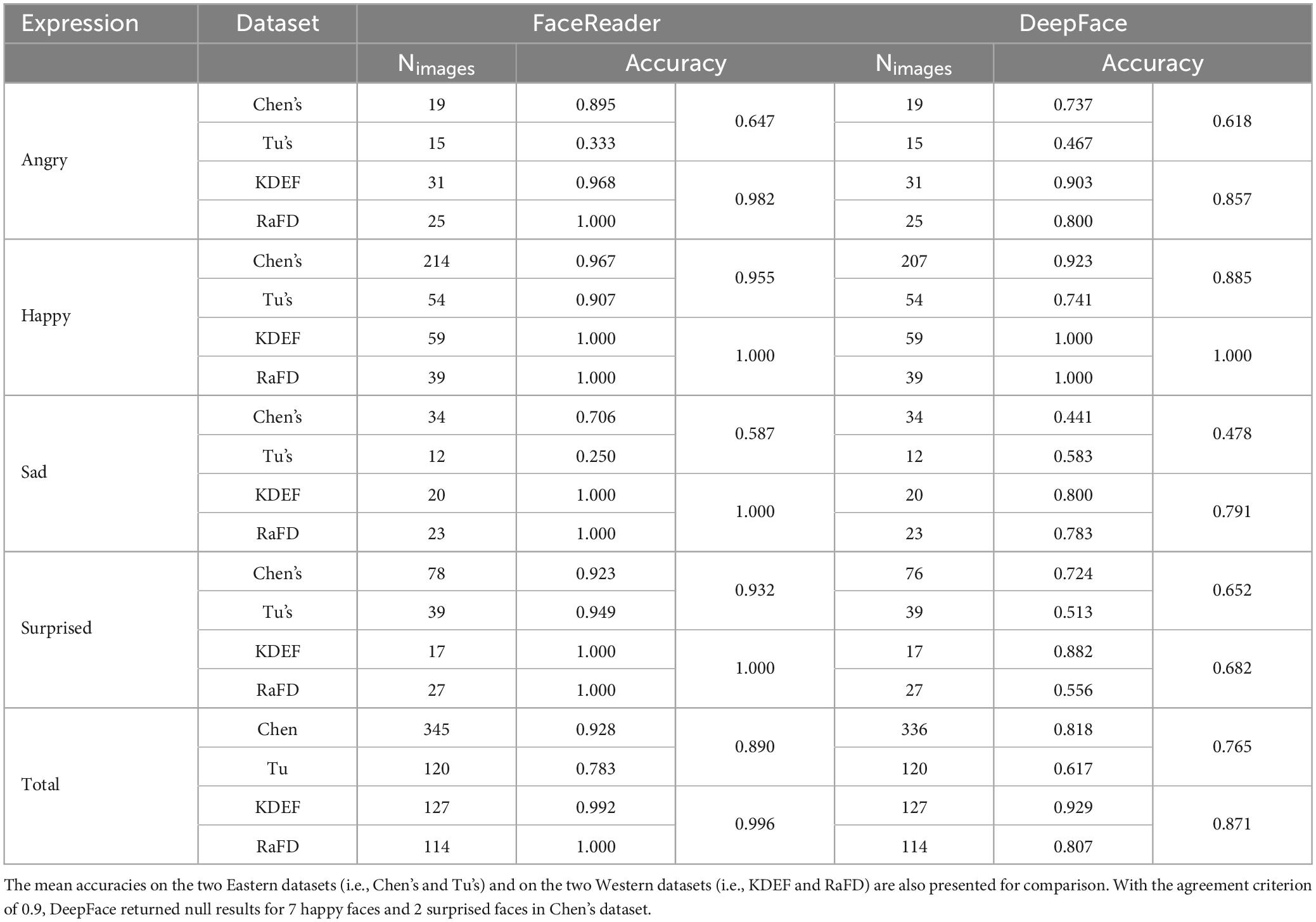
Table 2. The mean classification accuracy of each AFERS on faces of the same expression.
We also inspected whether the measurement invariance was violated across not only race but also sex and age. The results of different sex groups are summarized in Table 3. Overall, both FaceReader and DeepFace classified facial expressions equally accurately for male and female faces, regardless of the datasets used [Chi-Square tests on the numbers of correctly vs. incorrectly recognized expressions as a function of sex: FaceReader: χ2 (1, N = 706) = 0.012, p = 0.91, ϕ = 0.004; DeepFace: χ2 (1, N = 697) = 0.007, p = 0.93, ϕ = 0.003]. As for age, the two Eastern but not the two Western datasets contain faces of older adults, and the mean classification accuracies of different age groups averaged across the two Eastern datasets are summarized in Table 4. Overall, both FaceReader and DeepFace classified facial expressions more accurately for young than older faces [Chi-Square tests on the numbers of correctly vs. incorrectly recognized expressions as a function of age group: FaceReader: χ2 (1, N = 465) = 13.92, p < 0.001, ϕ = 0.17; DeepFace: χ2 (1, N = 456) = 12.44, p < 0.001, ϕ = 0.17]. Specifically, FaceReader and DeepFace were, respectively, 91.8% and 79.9% correct about young faces but only 77.3% and 61.0% correct about older faces.
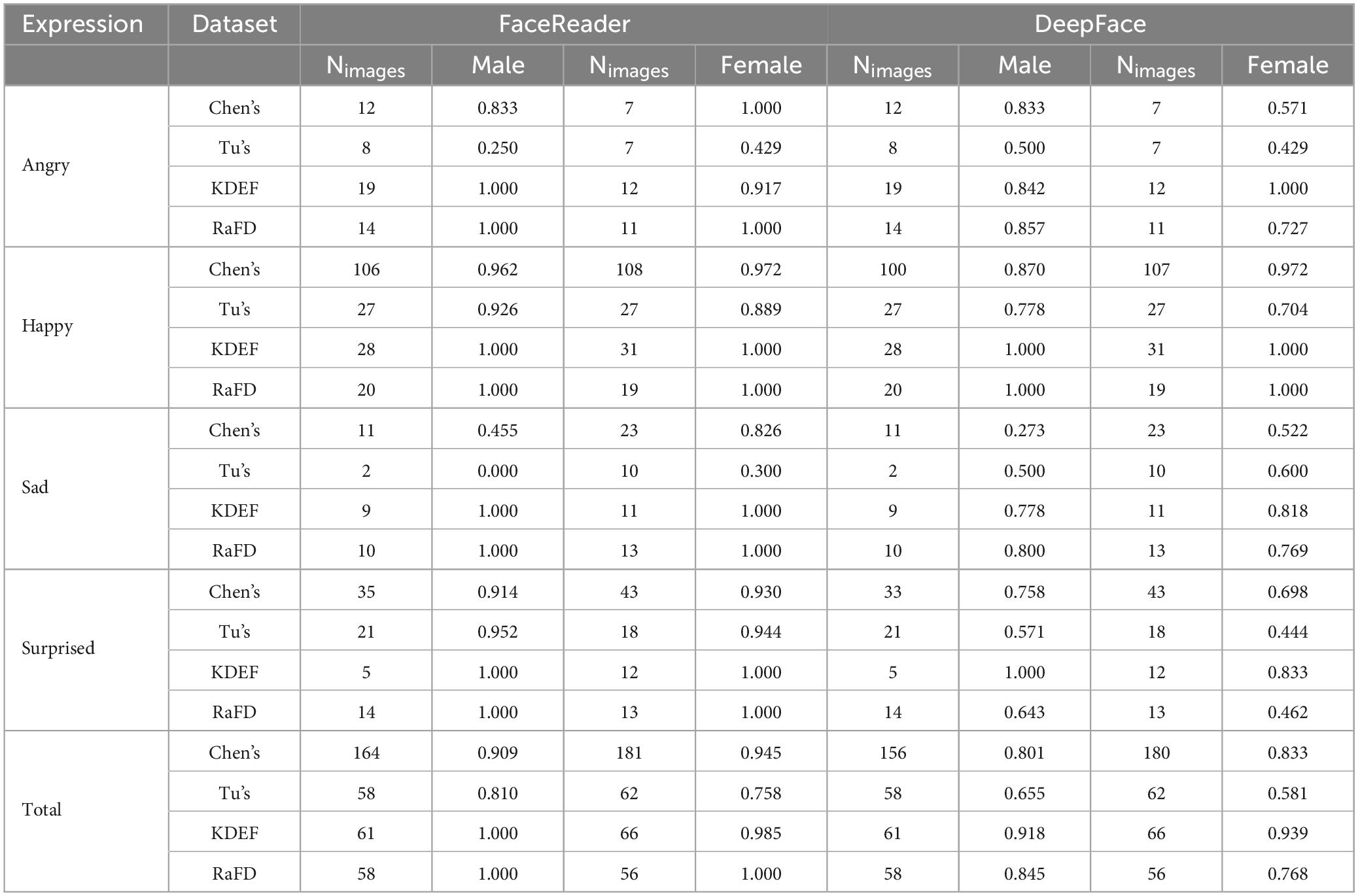
Table 3. The mean classification accuracy of each AFERS on faces of the same sex and expression.
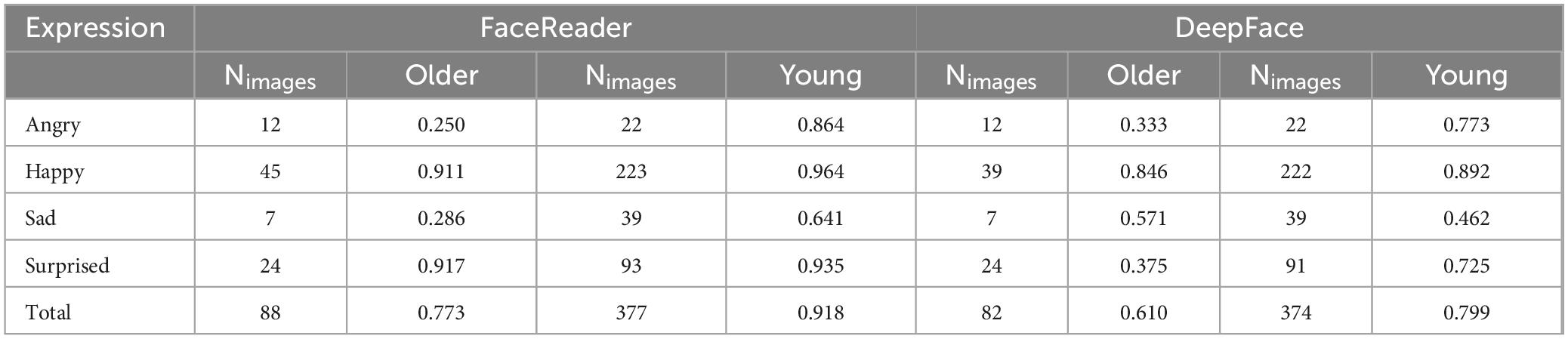
Table 4. The mean accuracies of each AFERS on faces of the same age group in Chen’s and Tu’s datasets.
Finally, we also examined whether gaze direction affected the classification accuracy of the two AFERSs using RaFD, the only dataset in the present study that provides faces with different gaze directions. Table 5 summarizes the results of varying gaze directions for each emotion category. Overall, both FaceReader and DeepFace recognized facial expressions equally accurately for faces with direct or averted gazes [Fisher’s exact tests on the numbers of correctly vs. incorrectly recognized expressions as a function of gaze direction: FaceReader: Angry: p = 1.00; Happy: p = 1.00; Sad: p = 1.00; Scared: p = 0.001; DeepFace: Angry: p = 0.74; Happy: p = 1.00; Sad: p = 0.74; Scared: p = 0.77]. In other words, gaze direction did not bias machine perception toward either approach-oriented emotions (anger and happiness) or avoidance-oriented emotions (scare and sadness).
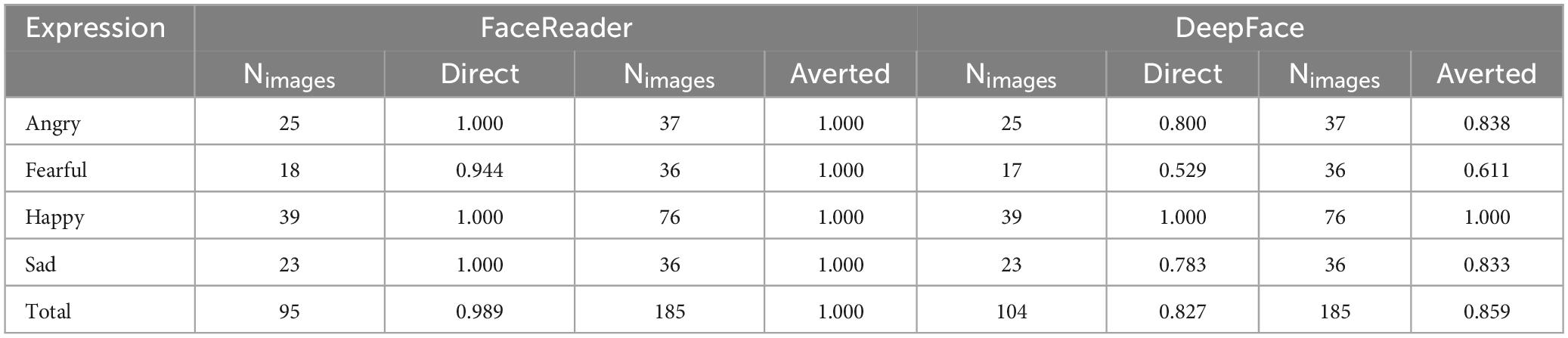
Table 5. The mean accuracies of each AFERS on faces of the same gaze direction in RaFD.
4 Discussion
The present study found that both commercial and open-source AFERSs developed in the West were more accurate in recognizing emotional expressions on Western than Eastern faces. The lower accuracy of these AFERSs on Eastern faces, especially those of older adults, can compromise the validity of clinical assessments and studies that utilize these systems to analyze Eastern populations, such as those addressing cultural influences or cross-cultural differences in emotion recognition. Therefore, this violation of measurement is a threat worth noticing and further investigating.
The discrepancy in the recognition accuracy across races may not be attributed to the differences in the facial bone structure across races. While Caucasian faces are known to be more chiseled than Asian faces because of genetics, male faces are also found to be more chiseled than female faces because of testosterone (Kurosumi et al., 2022). For example, men’s brow bones protrude further than women’s, and their eyebrows are typically straighter. If the prominent facial features of a chiseled face made emotional expressions easier to be perceived and recognized, we should have also observed the AFERSs better at recognizing emotions for male than female faces. However, it was not the case—both AFERSs classified facial expressions equally accurately for male and female faces, regardless of the datasets used (Table 3). Therefore, the discrepancy in the recognition accuracy across races is unlikely driven by the differences in the three-dimensional facial structure across races.
The discrepancy in the recognition accuracy across races can be seen as the machine version of the well-known cross-race effect in emotion recognition—people are quicker and better at recognizing and interpreting emotional facial expressions in members of their own race than in members of other races (Elfenbein and Ambady, 2002). In humans, such a cross-race effect is not innate but developed through learning (Chien et al., 2016). Specifically, through development, one will learn to pay attention to the statistical regularities of facial features useful for judging the facial expressions of others in daily life. However, such statistical regularities may vary across races owing to physical differences in face geometry or across ethnicities owing to cultural differences in facial expressions. During facial emotion recognition, visual attention biased toward a specific set of facial features regular in one race can then preclude processing of other facial features useful for judging people of the other races.
The cause of the cross-race effect in the AFERSs is likely identical to that of humans. Because AFERSs based on (deep) neural networks also inductively learn the statistical regularities in face images for judgments, they can also develop the cross-race effect if they have little or no exposure to the faces of other races (Dailey et al., 2010). This cross-race effect is only a special case of inductive biases in machine learning. In general, there is a cross-dataset generalizability issue in that AFERSs trained on one dataset often perform poorly on another dataset (Mayer et al., 2014; Li and Deng, 2018). Therefore, there are endeavors to make AFERSs learn dataset-invariant features to ensure their generalization capabilities (Chen et al., 2022; Verma et al., 2022). In the present study, our evaluated AFERSs were likely trained more on young Western faces because data on older or Eastern people are relatively scarce (Tu et al., 2018). As a result, the AFERSs did not learn the statistical regularities in Eastern faces sufficiently to make accurate judgments for Eastern faces, especially those of older adults.
In addition to the discrepancy in recognition accuracy across races, there is also a human-like discrepancy in recognition accuracy across emotion categories in the AFERSs. In the human literature, it has been long known that people can recognize facial expressions of happiness better than those of negative emotions (Palermo and Coltheart, 2004; Kosonogov and Titova, 2019). Because the AFERSs evaluated in the present study supervisedly learned from human annotations of facial expressions, they also showed the human tendency to be much better at recognizing happiness than negative expressions on faces. Therefore, despite the overall low accuracy of these AFERSs on non-Western faces, the measurements of happiness outputted by these systems are accurate across races and can still be utilized for cross-cultural studies of positive psychology.
It is worth noting that these AFERSs, due to their human-like behaviors, can serve as computational models of humans. In particular, the sample-dependent statistical learning in these AFERSs is analogous to experience-shaped perceptual learning in humans. Such shared developmental processes and decision tendencies between AFERSs and humans allow researchers to treat these artificial agents as human research participants for experimentation in face processing. For example, they can be used for predicting human participants’ decisions in the selection of face stimuli or for scrutinizing the mechanisms of the cross-race effect, among other biases in cognitive and emotional processing (Huang, 2019).
In conclusion, AFERSs, while providing objective and rapid assessments of facial expressions, should be used with caution. On the one hand, we recommend that users of these systems carry out a small-scale validation on a subset of the face images or videos of interest before adopting these automated assessments. Otherwise, problematic assessments of facial expressions can lead to incorrect understanding and even harmful interventions at both the individual and group levels. On the other hand, we also recommend that developers of these AFERSs include more non-Western samples in the training data to eliminate the data distribution bias toward Western faces. Otherwise, these AFERSs are just WEIRD tools suitable for studying WEIRD psychology (Henrich et al., 2010).
Data availability statement
The datasets presented in this study can be found in online repositories. The names of the repository/repositories and accession number(s) can be found below: https://osf.io/m6kfy.
Ethics statement
Ethical review and approval was not required for the study on human participants in accordance with the local legislation and institutional requirements. Written informed consent from the participants was not required to participate in this study in accordance with the national legislation and the institutional requirements.
Author contributions
Y-TL contributed to conceptualization, investigation, and writing of the original draft. S-LY contributed to conceptualization, methodology, funding acquisition, supervision, and writing review and editing. T-RH contributed to conceptualization, methodology, funding acquisition, supervision, and writing original draft, review, and editing. All authors contributed to the article and approved the submitted version.
Funding
This research was supported by a grant from National Taiwan University (NTU-CC-110L9A00704 and 112L9A00403) and grants from the National Science and Technology Council in Taiwan (NSTC 112-2628-H-002-013-MY4, 111-2634-F-002-004, 111-2634-F-002-021, MOST 111-2223-E-002-008, and MOST 110-2410-H-002-130-MY3).
Conflict of interest
The authors declare that the research was conducted in the absence of any commercial or financial relationships that could be construed as a potential conflict of interest.
Publisher’s note
All claims expressed in this article are solely those of the authors and do not necessarily represent those of their affiliated organizations, or those of the publisher, the editors and the reviewers. Any product that may be evaluated in this article, or claim that may be made by its manufacturer, is not guaranteed or endorsed by the publisher.
References
Adams, R. B. Jr., and Kleck, R. E. (2005). Effects of direct and averted gaze on the perception of facially communicated emotion. Emotion 5, 3–11. doi: 10.1037/1528-3542.5.1.3
Barrett, L. F., Adolphs, R., Marsella, S., Martinez, A. M., and Pollak, S. D. (2019). Emotional expressions reconsidered: Challenges to inferring emotion from human facial movements. Psychol. Sci. Public Interest 20, 1–68. doi: 10.1177/1529100619832930
Blair, R. J. R. (2003). Facial expressions, their communicatory functions and neuro–cognitive substrates. Philos. Trans. R. Soc. London Ser B Biol. Sci. 358, 561–572. doi: 10.1098/rstb.2002.1220
Box-Steffensmeier, J. M., Burgess, J., Corbetta, M., Crawford, K., Duflo, E., Fogarty, L., et al. (2022). The future of human behaviour research. Nat. Hum. Behav. 6, 15–24. doi: 10.1038/s41562-021-01275-6
Chen, C. C., Cho, S. L., and Tseng, R. Y. (2013). Taiwan corpora of Chinese emotions and relevant psychophysiological data—Behavioral evaluation norm for facial expressions of professional performer. Chin. J. Psychol. 55, 439–454. doi: 10.6129/CJP.20130314
Chen, T., Pu, T., Wu, H., Xie, Y., Liu, L., and Lin, L. (2022). Cross-domain facial expression recognition: A unified evaluation benchmark and adversarial graph learning. IEEE Trans. Pattern Anal. Mach. Intellig. 44, 9887–9903.
Chien, S. H. L., Wang, J. F., and Huang, T. R. (2016). Developing the own-race advantage in 4-, 6-, and 9-month-old Taiwanese infants: A perceptual learning perspective. Front. Psychol. 7:1606. doi: 10.3389/fpsyg.2016.01606
Dailey, M. N., Joyce, C., Lyons, M. J., Kamachi, M., Ishi, H., Gyoba, J., et al. (2010). Evidence and a computational explanation of cultural differences in facial expression recognition. Emotion 10:874. doi: 10.1037/a0020019
De Meulemeester, C., Lowyck, B., Boets, B., Van der Donck, S., and Luyten, P. (2022). Do my emotions show or not? Problems with transparency estimation in women with borderline personality disorder features. Pers. Disord. Theory Res. Treat. 13:288. doi: 10.1037/per0000504
Dupré, D., Krumhuber, E. G., Küster, D., and McKeown, G. J. (2020). A performance comparison of eight commercially available automatic classifiers for facial affect recognition. PLoS One 15:e0231968. doi: 10.1371/journal.pone.0231968
Durán, J. I., and Fernández-Dols, J. M. (2021). Do emotions result in their predicted facial expressions? A meta-analysis of studies on the co-occurrence of expression and emotion. Emotion 21, 1550–1569. doi: 10.1037/emo0001015
Ekman, P. (1970). Universal facial expressions of emotion. California Ment. Health Res. Digest 8, 151–158.
Ekman, P. (1971). Universals and cultural differences in facial expressions of emotion. Nebraska Symposium Motiv. 19, 207–283.
Ekman, P., and Cordaro, D. T. (2011). What is meant by calling emotions basic. Emot. Rev. 3, 364–370.
Ekman, P., and Friesen, W. V. (1986). A new pan-cultural facial expression of emotion. Motiv. Emot. 10, 159–168. doi: 10.1007/BF00992253
Ekman, P., Friesen, W. V., O’sullivan, M., Chan, A., Diacoyanni-Tarlatzis, I., Heider, K., et al. (1987). Universals and cultural differences in the judgments of facial expressions of emotion. J. Pers. Soc. Psychol. 53:712. doi: 10.1037//0022-3514.53.4.712
Ekundayo, O. S., and Viriri, S. (2021). Facial expression recognition: A review of trends and techniques. IEEE Access 9, 136944–136973. doi: 10.1109/ACCESS.2021.3113464
Elfenbein, H. A., and Ambady, N. (2002). On the universality and cultural specificity of emotion recognition: A meta-analysis. Psychol. Bull. 128, 203–235. doi: 10.1037/0033-2909.128.2.203
Flynn, M., Effraimidis, D., Angelopoulou, A., Kapetanios, E., Williams, D., Hemanth, J., et al. (2020). Assessing the effectiveness of automated emotion recognition in adults and children for clinical investigation. Front. Hum. Neurosci. 14:70. doi: 10.3389/fnhum.2020.00070
Frith, C. (2009). Role of facial expressions in social interactions. Philos. Trans. R. Soc. B Biol. Sci. 364, 3453–3458. doi: 10.1098/rstb.2009.0142
Goeleven, E., De Raedt, R., Leyman, L., and Verschuere, B. (2008). The Karolinska directed emotional faces: A validation study. Cogn. Emot. 22, 1094–1118. doi: 10.1080/02699930701626582
Henrich, J., Heine, S. J., and Norenzayan, A. (2010). The weirdest people in the world? Behav. Brain Sci. 33, 61–83. doi: 10.1017/S0140525x0999152x
Huang, T. R. (2019). Understanding potentially biased artificial agents powered by supervised learning: Perspectives from cognitive psychology and cognitive neuroscience. Chin. J. Psychol. 61, 197–208. doi: 10.6129/CJP.201909_61(3).0002
Huang, T. R., Hsu, S. M., and Fu, L. C. (2023). Data augmentation via face morphing for recognizing intensities of facial emotions. IEEE Trans. Affect. Comput. 14, 1228–1235. doi: 10.1109/TAFFC.2021.3096922
Izard, C. E. (1994). Innate and universal facial expressions: Evidence from developmental and cross-cultural research. Psychol. Bull. 115, 288–299. doi: 10.1037/0033-2909.115.2.288
Khan, A. R. (2022). Facial emotion recognition using conventional machine learning and deep learning methods: Current achievements, analysis and remaining challenges. Information 13:268. doi: 10.3390/info13060268
Kosonogov, V., and Titova, A. (2019). Recognition of all basic emotions varies in accuracy and reaction time: A new verbal method of measurement. Int. J. Psychol. 54, 582–588. doi: 10.1002/ijop.12512
Kurosumi, M., Mizukoshi, K., Hongo, M., and Kamachi, M. G. (2022). The effect of observation angles on facial age perceptions: A case study of Japanese women. PLoS One 17:e0279339. doi: 10.1371/journal.pone.0279339
Langner, O., Dotsch, R., Bijlstra, G., Wigboldus, D. H., Hawk, S. T., and Van Knippenberg, A. D. (2010). Presentation and validation of the radboud faces database. Cogn. Emot. 24, 1377–1388. doi: 10.1080/02699930903485076
Lewinski, P. (2015). Automated facial coding software outperforms people in recognizing neutral faces as neutral from standardized datasets. Front. Psychol. 6:1386. doi: 10.3389/fpsyg.2015.01386
Li, S., and Deng, W. (2018). “Deep emotion transfer network for cross-database facial expression recognition,” in Proceedings of the 2018 24th International Conference on Pattern Recognition (ICPR), (Beijing: IEEE), 3092–3099.
Li, S., and Deng, W. (2020). Deep facial expression recognition: A survey. IEEE Trans. Affect. Comput. 13, 1195–1215. doi: 10.1109/taffc.2020.2981446
Lowe, R., and Ziemke, T. (2011). The feeling of action tendencies: On the emotional regulation of goal-directed behavior. Front. Psychol. 2:346. doi: 10.3389/fpsyg.2011.00346
Lundqvist, D., Flykt, A., and Öhman, A. (1998). The Karolinska directed emotional faces - KDEF, CD ROM. Stockholm: Karolinska Institute, Department of Clinical Neuroscience, Psychology Section.
Manfredonia, J., Bangerter, A., Manyakov, N. V., Ness, S., Lewin, D., Skalkin, A., et al. (2019). Automatic recognition of posed facial expression of emotion in individuals with autism spectrum disorder. J. Autism Dev. Disord. 49, 279–293. doi: 10.1007/s10803-018-3757-9
Matsumoto, D., Olide, A., Schug, J., Willingham, B., and Callan, M. (2009). Cross-cultural judgments of spontaneous facial expressions of emotion. J. Nonverb. Behav. 33, 213–238. doi: 10.1007/s10919-009-0071-4
Mayer, C., Eggers, M., and Radig, B. (2014). Cross-database evaluation for facial expression recognition. Pattern Recogn. Image Anal. 24, 124–132.
O’Mahony, N., Campbell, S., Carvalho, A., Harapanahalli, S., Hernandez, G. V., Krpalkova, L., et al. (2020). “Deep learning vs. traditional computer vision,” in Proceedings of the Advances in Computer Vision: Proceedings of the 2019 Computer Vision Conference (CVC), Vol. 1 1, (Cham: Springer International Publishing), 128–144.
Owada, K., Kojima, M., Yassin, W., Kuroda, M., Kawakubo, Y., Kuwabara, H., et al. (2018). Computer-analyzed facial expression as a surrogate marker for autism spectrum social core symptoms. PLoS One 13:e0190442. doi: 10.1371/journal.pone.0190442
Palermo, R., and Coltheart, M. (2004). Photographs of facial expression: Accuracy, response times, and ratings of intensity. Behav. Res. Methods Instrum. Comput. 36, 634–638. doi: 10.3758/BF03206544
Pearlstein, S. L., Taylor, C. T., and Stein, M. B. (2019). Facial affect and interpersonal affiliation: Displays of emotion during relationship formation in social anxiety disorder. Clin. Psychol. Sci. 7, 826–839. doi: 10.1177/2167702619825857
Pessoa, L. (2017). Do intelligent robots need emotion? Trends Cogn. Sci. 21, 817–819. doi: 10.1016/j.tics.2017.06.010
Rosenberg, E. L., and Ekman, P. (2020). What the face reveals: Basic and applied studies of spontaneous expression using the Facial Action Coding System (FACS). Oxford: Oxford University Press.
Sampaio, E. V., Lévêque, L., da Silva, M. P., and Le Callet, P. (2022). “Are facial expression recognition algorithms reliable in the context of interactive media? A new metric to analyse their performance,” in Proceedings of the EmotionIMX: Considering Emotions in Multimedia Experience (ACM IMX 2022 Workshop), (Aveiro).
Seidel, E. M., Habel, U., Kirschner, M., Gur, R. C., and Derntl, B. (2010). The impact of facial emotional expressions on behavioral tendencies in women and men. J. Exp. Psychol. Hum. Percept. Perform. 36:500. doi: 10.1037/a0018169
Serengil, S. I., and Ozpinar, A. (2021). “Hyperextended lightface: A facial attribute analysis framework,” in Proceedings of the 2021 International Conference on Engineering and Emerging Technologies (ICEET), (Istanbul: IEEE), 1–4.
Skiendziel, T., Rösch, A. G., and Schultheiss, O. C. (2019). Assessing the convergent validity between the automated emotion recognition software Noldus FaceReader 7 and facial action coding system scoring. PLoS One 14:e0223905. doi: 10.1371/journal.pone.0223905
Stock-Homburg, R. (2022). Survey of emotions in human–robot interactions: Perspectives from robotic psychology on 20 years of research. Int. J. Soc. Robot. 14, 389–411. doi: 10.1007/s12369-021-00778-6
Tcherkassof, A., and Dupré, D. (2021). The emotion–facial expression link: Evidence from human and automatic expression recognition. Psychol. Res. 85, 2954–2969. doi: 10.1007/s00426-020-01448-4
Trevisan, D. A., Hoskyn, M., and Birmingham, E. (2018). Facial expression production in autism: A meta-analysis. Autism Res. 11, 1586–1601. doi: 10.1002/aur.2037
Tu, Y. Z., Lin, D. W., Suzuki, A., and Goh, J. O. S. (2018). East Asian young and older adult perceptions of emotional faces from an age-and sex-fair East Asian facial expression database. Front. Psychol. 9:2358. doi: 10.3389/fpsyg.2018.02358
Verma, M., Vipparthi, S. K., and Singh, G. (2022). Deep insights of learning based micro expression recognition: A perspective on promises, challenges and research needs. IEEE Trans. Cogn. Dev. Syst. 15, 1051–1069.
Keywords: cross-cultural psychology, cross-race effect, emotion recognition, facial expression, inductive bias, measurement invariance, validation
Citation: Li Y-T, Yeh S-L and Huang T-R (2023) The cross-race effect in automatic facial expression recognition violates measurement invariance. Front. Psychol. 14:1201145. doi: 10.3389/fpsyg.2023.1201145
Received: 06 April 2023; Accepted: 30 October 2023;
Published: 07 December 2023.
Edited by:
Gennaro Tartarisco, National Research Council (CNR), ItalyReviewed by:
Masatoshi Ukezono, National Center of Neurology and Psychiatry, JapanMonu Verma, University of Miami, United States
Copyright © 2023 Li, Yeh and Huang. This is an open-access article distributed under the terms of the Creative Commons Attribution License (CC BY). The use, distribution or reproduction in other forums is permitted, provided the original author(s) and the copyright owner(s) are credited and that the original publication in this journal is cited, in accordance with accepted academic practice. No use, distribution or reproduction is permitted which does not comply with these terms.
*Correspondence: Tsung-Ren Huang, dHJlbkBtaWwucHN5Lm50dS5lZHUudHc=