 Rui Chen
 Yang Hu1,2,3,6
 Cui-ying Fan
- 1Key Laboratory of Adolescent Cyberpsychology and Behavior (CCNU), Ministry of Education, Wuhan, China
- 2School of Psychology, Central China Normal University, Wuhan, China
- 3Key Laboratory of Human Development and Mental Health of Hubei Province, Wuhan, China
- 4School of Medical Humanities, Hubei University of Chinese Medicine, Wuhan, China
- 5Hubei Shizhen Laboratory, Wuhan, China
- 6School of Preschool Education, Hubei Preschool Teachers College, Wuhan, China
- 7School of Nursing, Hubei University of Chinese Medicine, Wuhan, China
Backgrounds: The prevalence of cyberbullying has brought about many adverse effects on adolescents’ mental health. Although current studies have shown that perceived chronic social adversity (PCSA) is closely related to cyberbullying perpetration among adolescents, the underlying mechanism of the relationship between the two remains relatively unclear. This study investigated the association of PCSA, rumination, mindfulness, and cyberbullying perpetration among adolescents, building upon the general strain theory, the general aggressive model, and the limited resource of self-control theory.
Methods: A sample of 477 Chinese high school students (Mage = 15.84 years, SDage = 0.67, 49.69% female) completed the Perceived Chronic Social Adversity Questionnaire, the Ruminative Responses Scale, the Child and Adolescent Mindfulness Measure, and the cyberbullying subscale of the Revised Cyber Bullying Inventory. The current study constructed a moderated mediation model to examine the relationship between PCSA and cyberbullying perpetration among adolescents and assessed the mediating role of rumination and the moderating role of mindfulness.
Results: The results revealed a significant positive correlation between PCSA and cyberbullying perpetration. Rumination mediated the relationship between PCSA and cyberbullying perpetration, whereas mindfulness moderated the latter half of the mediation pathway. Specifically, compared to adolescents with higher mindfulness, the association between rumination and cyberbullying perpetration is greater for adolescents with lower mindfulness.
Conclusion: The results further deepen our understanding of the mechanisms linking subjective perception of negative life events and cyberbullying perpetration among adolescents from the interaction of multiple factors, thus providing a basis for future interventions to encourage adolescents to properly cope with social adversity and promote positive mental health to reduce the risk of cyberbullying.
1 Introduction
The way that people establish relationships and carry out daily communication has changed dramatically in recent years with the rapid development and proliferation of the Internet. Simultaneously, an unintended consequence of the increasing use of the Internet is cyberbullying. Cyberbullying refers to “An aggressive, intentional act carried out by a group or individual, using electronic forms of contact, repeatedly and over time against a victim who cannot easily defend him or herself” (Smith et al., 2008), with the properties of interpersonal anonymity, temporal asynchrony, spatial transcendence, and self-disinhibition (Zhou and Liu, 2016). These properties minimize the punishment consequences for cyberbullying perpetrators and make cyberbullying more likely to occur (Watts et al., 2017). For instance, cyberbullying prevalence has ranged from 17 to 38% among Chinese adolescents (Chu et al., 2018; Yang et al., 2018). Previous studies have shown that cyberbullying may lead to a range of negative outcomes, including loneliness, depression, anxiety, drug abuse, and suicidal ideation (Brewer and Kerslake, 2015; Guo, 2016; Rodelli et al., 2018; Gao et al., 2023). Besides, the prevalence of cyberbullying and its negative outcomes among adolescents is still rising (Chu et al., 2019; Fan et al., 2019). Hence, it is of great realistic significance to explore the mechanism of cyberbullying occurrence among adolescents.
Prior studies have revealed that the influencing factors of cyberbullying mainly include environmental factors and individual factors (Ding et al., 2020). Environmental factors mainly include stressors (Islam et al., 2022), family socioeconomic status (Yang et al., 2023), parenting style (Hinduja and Patchin, 2022), and school atmosphere (Ding et al., 2020). Individual factors include personality characteristics (Zhang et al., 2020), emotional state (Kowalski et al., 2014), self-related cognition, social competence, and academic performance (Ding et al., 2020). However, the existing literature primarily addresses the roles of environmental factors and individual factors from a binary perspective (Guo, 2016; Gao et al., 2023), making it difficult to effectively explain the differences in cyberbullying among different groups of adolescents. According to the general aggressive model (Anderson and Bushman, 2002), aggressive behaviors such as cyberbullying perpetration are generated by the interaction of individual factors and environmental factors (DeWall et al., 2011; Fan et al., 2018). As an environmental factor, negative life events involve a series of the most common unpleasant events in the course of individuals’ lives that hinder the normal development of adolescents’ cognition, emotional and behavioral patterns, for instance, obvious or obscure social exclusion or alienation, being overly controlled, and failure in social competition (Zhang JQ et al., 2017). It has a significant association with an individual’s aggressive behaviors (Huang et al., 2017; Shao et al., 2018). However, the perception of negative life events by individuals may lead to different behavioral outcomes owing to the different interactions between individual factors and environmental factors (Jin et al., 2020). This means that different adolescents may face different risks of cyberbullying perpetration due to perceptual differences when facing the same negative life event. Thus, understanding the effects of interaction such as subjective perception of negative life events on cyberbullying perpetration is especially pressing. However, the relationship between subjective perception of negative life events and cyberbullying perpetration among adolescents remains unclear, so it is valuable to explore the underlying mechanisms of them and provide efficient practical guidance for decreasing the prevalence of cyberbullying incidents.
Perceived chronic social adversity (PCSA) refers to an individual’s subjective perception of persistent or recurring negative life events (Zhang JQ et al., 2017). Although these events are not life-and-safety threatening events, cumulative experiences of them will induce chronic psychological distress (Zhang J et al., 2017). Based on the general strain theory (Agnew, 1992), when individuals with high PCSA receive psychological distress generated by social adversity, they are more likely to engage in aggressive behaviors, to restore the balance in cognitive, emotional, and behavioral aspects (Jin et al., 2016). Previous studies have shown that PCSA is associated with an individual’s anxiety, depression, anger, and aggressive behaviors (Zhang JQ et al., 2017; Jin et al., 2020; Liu et al., 2022). Compared with psychological trauma, PCSA is characterized by repetition and continuity, which is more likely to reflect the universality and long-term cumulative effect of negative life events (Zhang J et al., 2017; Ding et al., 2018). The cumulative effect and its negative impact are more pronounced in adolescents (Shao et al., 2018). This is because high-order cognitive processes about negative life events, such as subjective evaluation and attribution, will stimulate adolescents’ immature thinking and unstable emotions, and are more likely to trigger their impulsive physiological and behavioral responses related to aggressive tendencies (Berkowitz, 2012). Aggressive behavior is often manifested in the form of cyberbullying in adolescents (Chu et al., 2019). Empirical evidence has indicated that high PCSA is associated with increased cyberbullying perpetration (Liu, 2023). Specifically, for adolescents, perceiving adverse events such as being overcontrolled by parents is significantly positively correlated with cyberbullying perpetration (Li, 2020). Meanwhile, those marked by exclusion and other emotional trauma are more likely to bully others in cyberspace (Kircaburun et al., 2020; Wang et al., 2020). Therefore, we consider that PCSA is positively related to cyberbullying perpetration among adolescents, this study formulated the following hypothesis:
H1: PCSA is significantly and positively associated with cyberbullying perpetration among adolescents.
PCSA, as a form of individuals’ core characteristics facing negative life events (Zhang J et al., 2017), plays a crucial role in guiding aggressive behaviors (Jin et al., 2020). The general aggressive model suggests that there is not only a direct association between individuals’ core characteristics and cyberbullying perpetration, but also an indirect one through the mediation of maladaptive cognitive strategy (Anderson and Bushman, 2002; Pedersen et al., 2011; Ruddle et al., 2017; Kokkinos and Antoniadou, 2019). Studies have shown that, as a typical maladaptive cognitive strategy, rumination is a key factor that links external risk factors and individuals’ aggressive behaviors (Eisenlohr-Moul et al., 2016; García-Sancho et al., 2016). Rumination involves repetitively thinking about symptoms, causes, and consequences of social adversity, and long-term activation of negative affect without engagement in active coping to alleviate dysphoric mood (Nolen-Hoeksema et al., 2008). Additional literature confirmed a significant positive correlation between PCSA and rumination (Jin et al., 2020). This is because PCSA is regarded as a persistent, non-life-threatening social trauma, which may make an individual more sensitive to negative information (Baugerud et al., 2016), and undermine the individual’s previous assumptions, goals, and beliefs about themselves, then initiating psychological distress and cognitive rumination processes in an attempt to seek new meaning for social adversity (Calhoun and Tedeschi, 2014). The Stimulation-Cognition-Emotion Model theory also considers PCSA as one of the main indicators for evaluating negative cognition and emotion (Liu and Zhong, 2023), especially individuals whose PCSA reaches the load limit of negative cognition are more likely to engage in rumination (Michl et al., 2013; Liu and Wang, 2017).
Additionally, Selby et al. (2009) note that the higher the level of rumination, the more negative emotions such as anxiety and depression, which in turn enhance rumination and form a vicious cycle, known as the “emotional cascade.” Adolescents lack adequate emotion-regulatory strategies to interrupt the emotional cascade process, those with higher rumination tend to prefer aggressive behaviors like cyberbullying perpetration to temporarily shift their attention from rumination to others when feeling the sustained pressure caused by negative emotions (Jang et al., 2014). Prior studies have shown that rumination is positively associated with individuals’ aggressive behaviors (Eisenlohr-Moul et al., 2016; García-Sancho et al., 2016; Jin et al., 2020), and cyberbullying is a typical sub-category of aggressive behavior in cyberspace (Smith et al., 2008). Accordingly, literature has found a significant positive correlation between angry rumination and cyberbullying perpetration among adolescents (Camacho et al., 2021; Gao et al., 2021; Yang J et al., 2021). Luo et al. (2023) also confirmed that the tendency to ruminate has a significant association with an individual’s cyberbullying perpetration. Moreover, Parris et al. (2022) suggested that high school students who engage in social media rumination may be more likely to be cyberbullying perpetrators. Thus, a positive correlation may exist between rumination and cyberbullying perpetration among adolescents. Drawing on the general aggressive model and relevant empirical studies, this study formulated the following hypothesis:
H2: Rumination mediates the relationship between PCSA and cyberbullying perpetration among adolescents.
When exploring the relationship of PCSA and rumination with cyberbullying perpetration, it is essential to consider the role of mindfulness. While an adolescent’s PCSA level can impact bullying behaviors in cyberspace through the mediation of rumination, not all adolescents with high rumination necessarily engage in cyberbullying perpetration. Some protective factors may buffer the effects of rumination on cyberbullying perpetration. Watkins and Brown (2002) proposed that individuals with high rumination focus their attention on negative life experiences, leading to impaired self-control functions and uncontrol of aggressive behaviors. According to the limited resource of self-control theory, successful self-control relies on the source of self-control, which is limited and easily consumed within a certain period (Baumeister et al., 2007). Previous studies also confirmed that the predictive effect of rumination on adolescents’ externalizing depends on the consumption of self-control resources through the vicious cycle of negative emotions (White and Turner, 2014; Zhang et al., 2022). In this context, mindfulness is a vital protective factor for individuals’ behavior control (Lindsay and Creswell, 2017). It refers to the conscious, non-judgmental, open, and receptive attitude about the present moment, which is beneficial for restoring self-control resources and enhancing self-control ability (Brown et al., 2007). This is because the individuals with higher mindfulness focus more on attention itself rather than the goal of attention (Ramel et al., 2004), and they are no longer eager to alleviate and eliminate uncertainty and negative experiences related to themselves, thereby improving their cognitive resource conversion efficiency and executive control function (Kraemer et al., 2016; Xiong et al., 2023). When people have sufficient self-control resources, they carefully consider alternative explanations about social adversity, the negative immersive thinking and aggression might not happen (Allen et al., 2018). Therefore, as a stable protective factor, mindfulness is an important mental resource for individuals with deep rumination (Bowlin and Baer, 2012; Bajaj and Pande, 2016), which might be able to moderate the effect of rumination on adolescents’ cyberbullying perpetration. That is, individuals with different levels of mindfulness could choose whether to commit cyberbullying perpetration differently when faced with the same situation or emotional state (Xiong et al., 2023).
Drawing from the limited resource of self-control theory and pertinent empirical literature, we hypothesize that, higher mindfulness adolescents could alleviate the negative effect of rumination on their social adaptation and reduce cyberbullying perpetration, and lower mindfulness adolescents are less likely to reduce negative emotions through active adjusting cognitive strategies, and the negative effect of rumination on cyberbullying perpetration will be more prominent. Therefore, this study formulated the following hypothesis:
H3: Mindfulness moderates the relationship between rumination and cyberbullying perpetration among adolescents.
Based on the above, it is particularly important to find out the influencing factors and mechanisms of cyberbullying perpetration among adolescents and to form scientific prevention and intervention programs on this basis. In the present study, building upon the general strain theory, we investigated the connection between PCSA and cyberbullying perpetration among adolescents, thereby expanding this theory to encompass the cyberbullying domain. To date, few studies have examined the underlying mechanisms linking subjective perception of negative life events and cyberbullying from the habitual characteristics of cognitive strategy standpoint, such as rumination. Grounded in the general aggressive model, the current study explores the applicability of this model within cyberbullying perpetration settings, positing that PCSA may not only directly stimulate cyberbullying perpetration but may also do so indirectly via the mediation of rumination. Moreover, there is a dearth of research concerning the moderating mechanisms between rumination and cyberbullying perpetration among adolescents. According to the limited resource of self-control theory, the level of mindfulness may determine whether an adolescent ultimately engages in cyberbullying perpetration, potentially offering vital insights for future effective intervention strategies. As such, this study offers an in-depth investigation of the moderating role of mindfulness within the relationship between rumination and cyberbullying perpetration among adolescents, which can not only expand the study of the factors influencing cyberbullying perpetration at the theoretical level but also provide evidence for intervention of cyberbullying perpetration among adolescents at the practical level.
Overall, drawing from both theoretical and empirical perspectives, this study constructed a moderated mediation model described as follows (see Figure 1): (1) PCSA may significantly and positively associate with cyberbullying perpetration; (2) PCSA may associate with cyberbullying perpetration through the mediating effect of rumination; (3) Mindfulness may serve as a moderator between rumination and cyberbullying perpetration among adolescents.
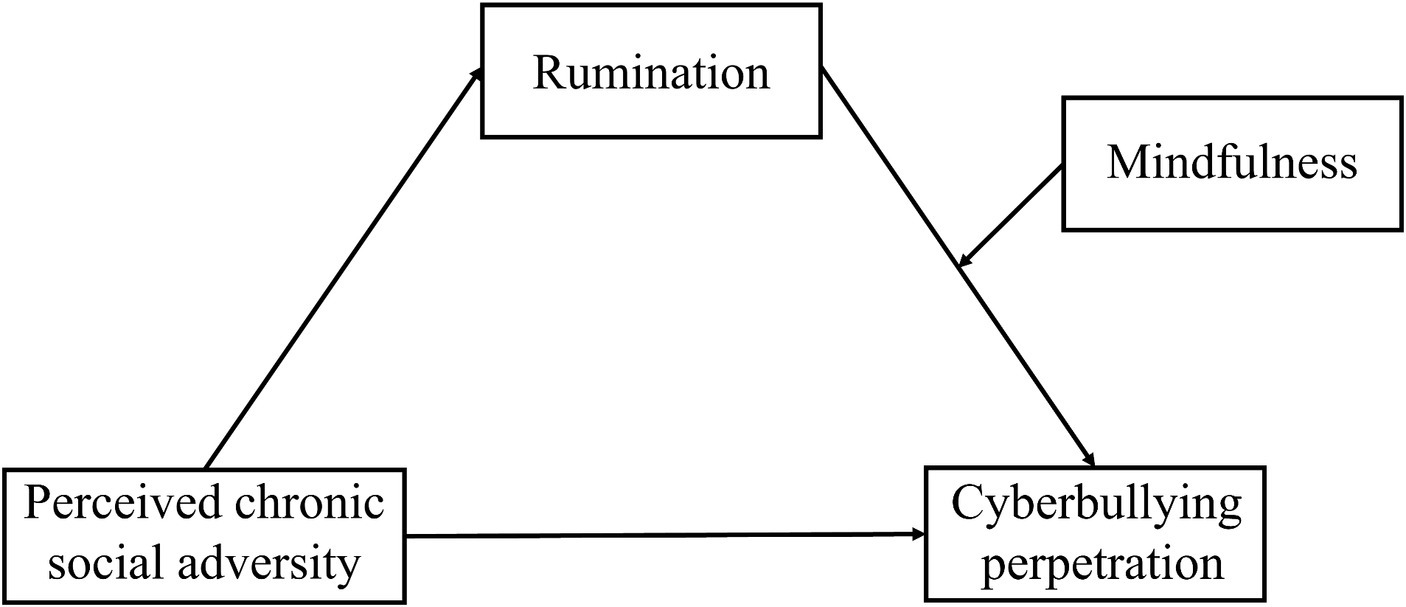
Figure 1. The hypothesized moderated mediation model.
2 Materials and methods
2.1 Participants
Cluster sampling was adopted to recruit 500 high school students with experience on the Internet to participate in this study. All the participants were recruited from three high schools in Wuhan China. This school age group was considered at elevated risk in social, emotional, academic difficulties, and cyberbullying (Chu et al., 2019; Fan et al., 2019; Shutzman and Gershy, 2023). Before the investigation, all participants were told that the research was being conducted anonymously and that their information would remain confidential. They were informed of the requirements of this survey by using standard instructions, emphasizing the authenticity, independence, and integrity of all answers. All the questionnaires were conducted in the form of paper-and-pencil in different classrooms taking a class as a unit in 45 min. All participants completed an informed consent form prior to completing the questionnaire, and this study was reviewed and approved by the Ethical Committee for Scientific Research of correspondence author. After getting rid of the invalid questionnaires (questionnaires with lots of blanks or repeated answers), data from 477 participants were retained, and the valid response rate was 95.40%. The effective sample included 240 (50.31%) boys and 237 (49.69%) girls. The mean age of participants was 15.84 years old (SD = 0.67), with an age range of 14–17 years old. Moreover, a total of 248 (51.99%) first-grade students and 229 (48.01%) second-grade students participated in this survey, the third-grade students did not participate in this survey because of the pressure of college entrance exams.
2.2 Measures
2.2.1 Perceived chronic social adversity
This variable was measured by the Chinese version of Perceived Chronic Social Adversity Questionnaire (PCSAQ; Zhang J et al., 2017). This questionnaire comprises 28 items that assess three factors related to PCSA including obvious or obscure social exclusion or alienation, being overly controlled, as well as weakness in social competition (e.g., “Always being rejected”). Participants responded on a five-point scale (1 = totally disagree, 5 = totally agree). Higher scores indicate a greater perceived chronic social adversity. In this study, its Cronbach’s alpha value was 0.82.
2.2.2 Rumination
Rumination was measured by the Chinese version (Han and Yang, 2009) of the Ruminative Responses Scale (Nolen-Hoeksema, 1991). This scale assesses three factors of rumination, including symptom rumination, brooding, and reflective pondering, which consists of 22 items (e.g., “I often think about my shortcomings, failures, errors, and mistakes”) that are scored on a four-point scale (1 = never, 4 = always). Higher scores reflect a higher tendency to the ruminative mode of thinking. In this study, its Cronbach’s alpha value was 0.80.
2.2.3 Mindfulness
This variable was examined using the Chinese version (Liu et al., 2017) of the Child and Adolescent Mindfulness Measure (Greco et al., 2011). It is a single-dimension measurement with 10 items that are answered on a scale from 1 (never) to 5 (always). The items assess two parts of mindfulness, including the lack of awareness and judgment about the present, and the lack of acceptance of thoughts and feelings (e.g., “I do not care about the ideas I do not like”). All items were reverse-scored and the higher scores indicate higher levels of mindfulness in daily life. In this study, its Cronbach’s alpha value was 0.78.
2.2.4 Cyberbullying perpetration
Cyberbullying perpetration was evaluated by the Chinese version (Chu and Fan, 2017) of the cyberbullying subscale of the Revised Cyber Bullying Inventory developed by Topcu and Erdur-Baker (2010). This subscale contains 14 items with each item assessing how frequently adolescents engaged in cyberbullying perpetration in the past 6 months (e.g., “published false photos or information online to defame someone”). Participants responded on a four-point scale (1 = never, 4 = more than three times). Higher scores indicated more frequent cyberbullying perpetration. In this study, its Cronbach’s alpha value was 0.96.
2.3 Data analysis and control variables
SPSS 25.0 and the PROCESS macro developed by Hayes (2013) were used for statistical analysis. Firstly, we calculated descriptive statistics and correlational analyses for the main variables. Secondly, the mediation effects (model 4) and moderated mediation effects (model 14) were investigated. The bootstrapping method was used to obtain 95% confidence intervals (95% CI) with 5,000 re-samples for the model. Finally, all the potential significant interaction effects were decomposed by simple slope tests.
Gender and age were included as control variables in our statistical analysis, as previous literature found that they were closely related to the observed variables (Pearson et al., 2011; Yang XJ et al., 2021; Gao et al., 2023; Xiong et al., 2023).
3 Results
3.1 Common method bias analysis
The data of the present study were all from self-report questionnaires. Therefore, Harman’s single-factor test was used to examine common method bias (Podsakoff et al., 2003), the results indicated that there were 14 factors with eigenvalues higher than 1. The first factor accounted for 25.70% of the variance so common-method variance was not an issue in this study.
3.2 Preliminary analysis
Table 1 presented the means, standard deviations, and correlations for all core observed variables. As hypothesized, PCSA was positively correlated with rumination and cyberbullying perpetration, and negatively correlated with mindfulness. Rumination was positively correlated with cyberbullying perpetration, and negatively correlated with mindfulness. Cyberbullying perpetration was negatively correlated with mindfulness. Gender was positively correlated with PCSA and negatively correlated with mindfulness. Age was negatively correlated with PCSA. Whereas, gender and age showed no significant correlation with other core observed variables.
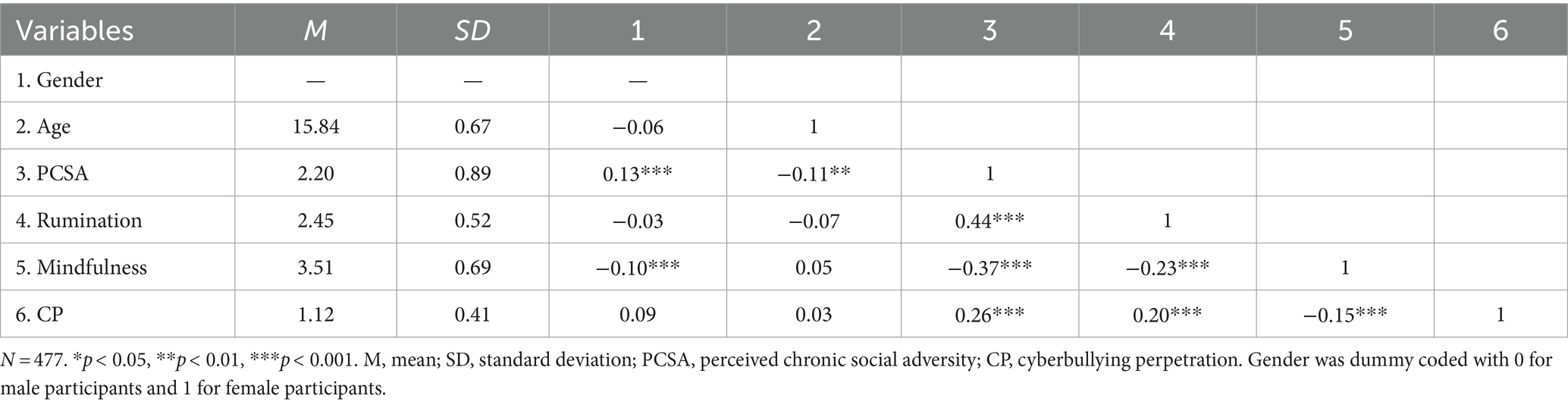
Table 1. Descriptive statistics and correlations between variables.
3.3 Testing for mediation effect
Using the model 4 in Hayes (2013) the macro program PROCESS, mediation effects were tested after controlling for gender and age. All data were standardized. As Table 2 illustrates, PCSA had a significant total effect on cyberbullying perpetration (β = 0.27, t = 6.10, p < 0.001). Moreover, PCSA was significantly and positively associated with rumination (β = 0.20, t = 4.48, p < 0.001), rumination was significantly and positively associated with cyberbullying perpetration (β = 0.40, t = 9.74, p < 0.001). The indirect effect of PCSA and cyberbullying perpetration mediated by rumination was significant (β = 0.08, SE = 0.02, 95% CI = [0.04, 0.13]). The mediation effect accounted for 29.63% of the total effect. Thus, rumination partially mediated the relationship between PCSA and cyberbullying perpetration. H1 and H2 were supported.
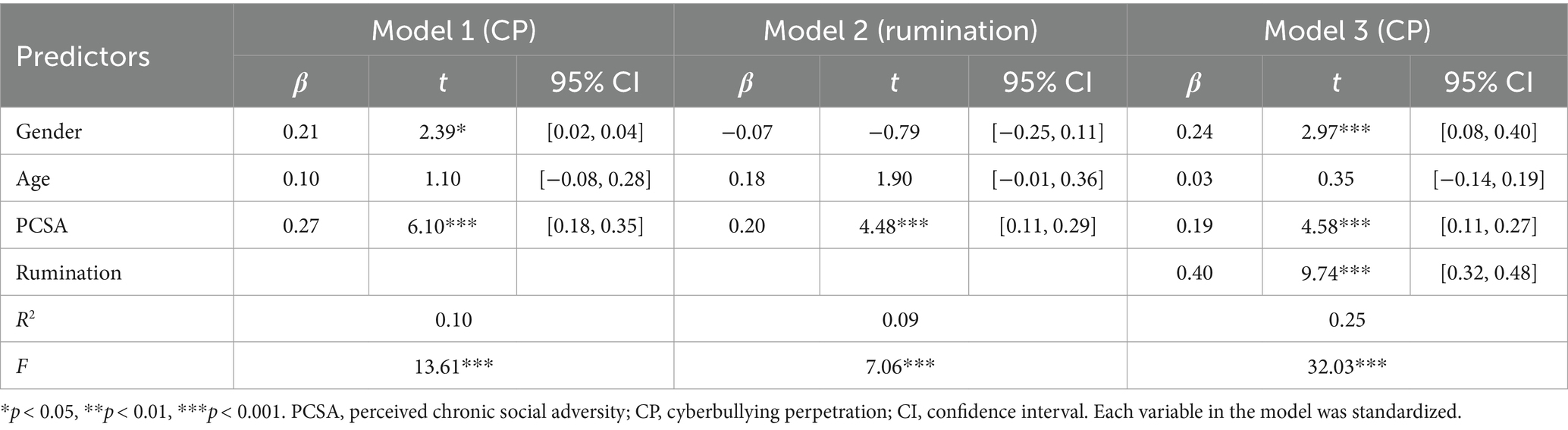
Table 2. Mediation effect model.
3.4 Moderated mediation effect analysis
To test the moderating role of mindfulness, we ran the PROCESS macro (model 14). Moderation effects were tested after controlling for gender and age. All data were standardized. As Table 3 illustrates, the interaction of rumination and mindfulness had a significant predictive effect on cyberbullying perpetration (β = −0.07, t = −2.02, p < 0.05). Explain that mindfulness plays a moderating role in the prediction of rumination on cyberbullying perpetration (see Figure 2). H3 was supported.
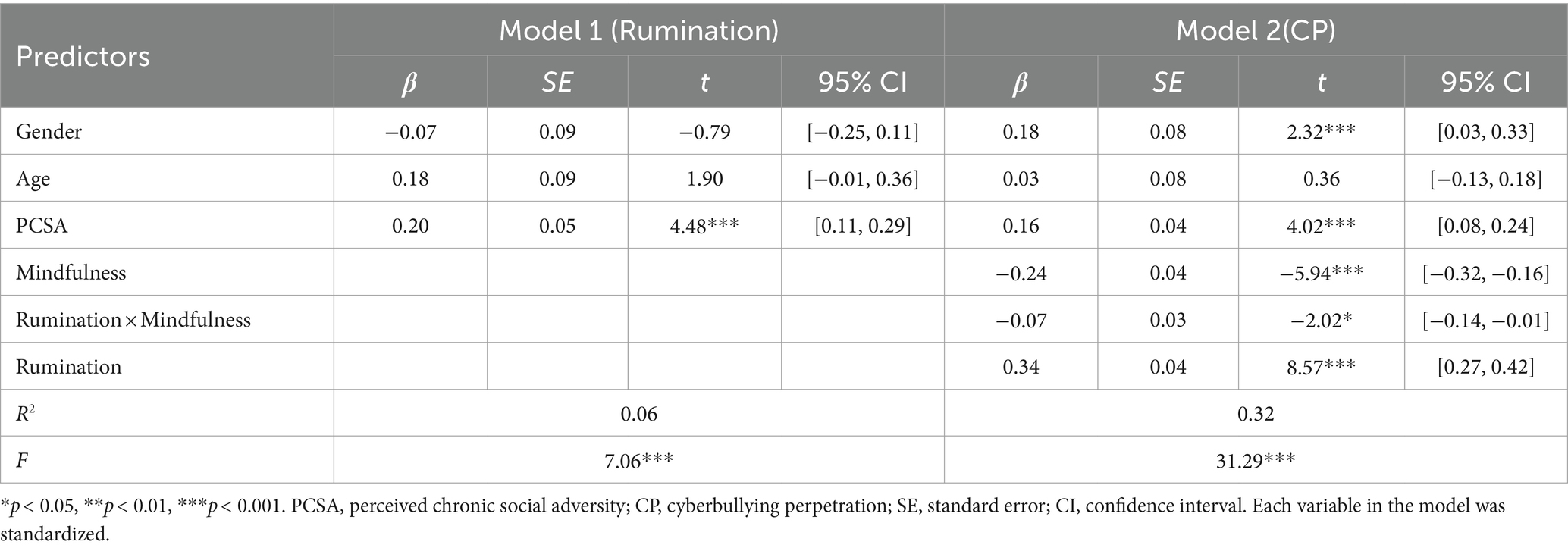
Table 3. Moderated mediation model.
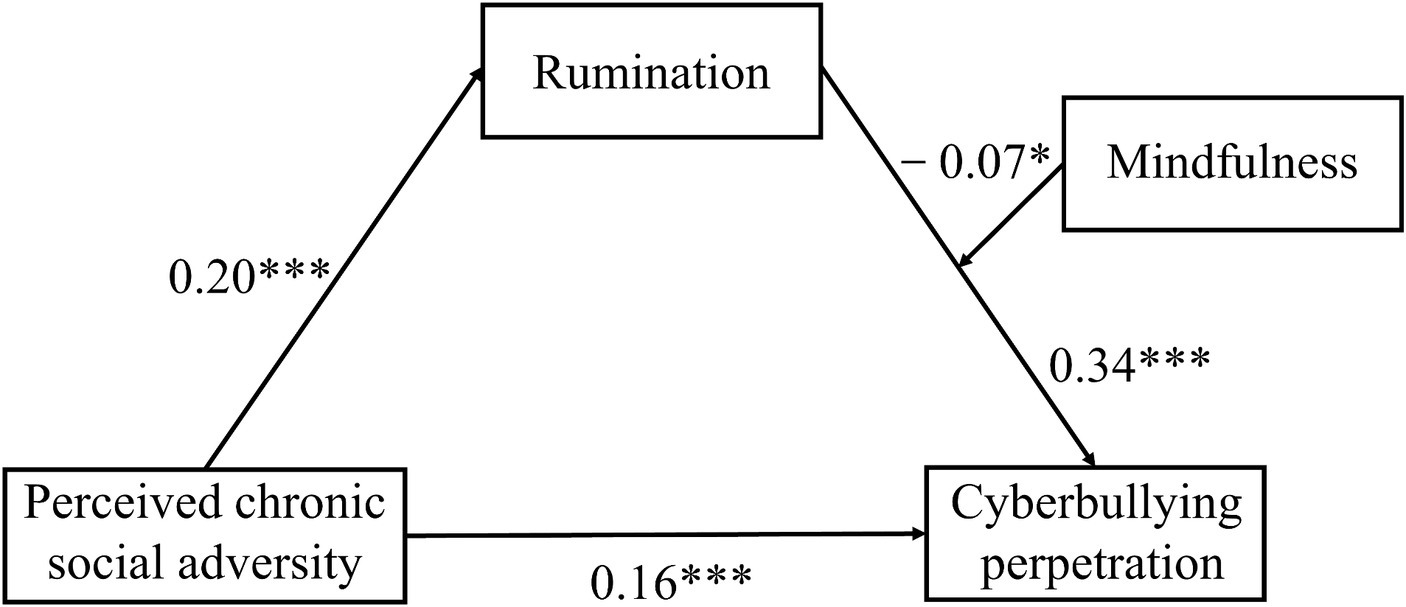
Figure 2. Pathway coefficients of the moderated mediation model. *p < 0.05, **p < 0.01, ***p < 0.001.
To better describe the moderating effect of mindfulness, simple slope tests were conducted in this study (see Figure 3). For adolescents with lower mindfulness (M-1SD), rumination had a significant positive predictive effect on cyberbullying perpetration (bsimple = 0.41, SE = 0.05, p < 0.001, 95% CI [0.31, 0.51]). For adolescents with higher mindfulness (M + 1SD), the positive predictive effect of rumination on cyberbullying perpetration is still significant, but the predictive power is weaker (bsimple = 0.28, SE = 0.05, p < 0.001, 95% CI [0.17, 0.38]). It showed that as mindfulness increases, the predictive effect of rumination on cyberbullying perpetration is weakened. This suggested that mindfulness can alleviate the negative impact of rumination on cyberbullying perpetration (see Table 4).
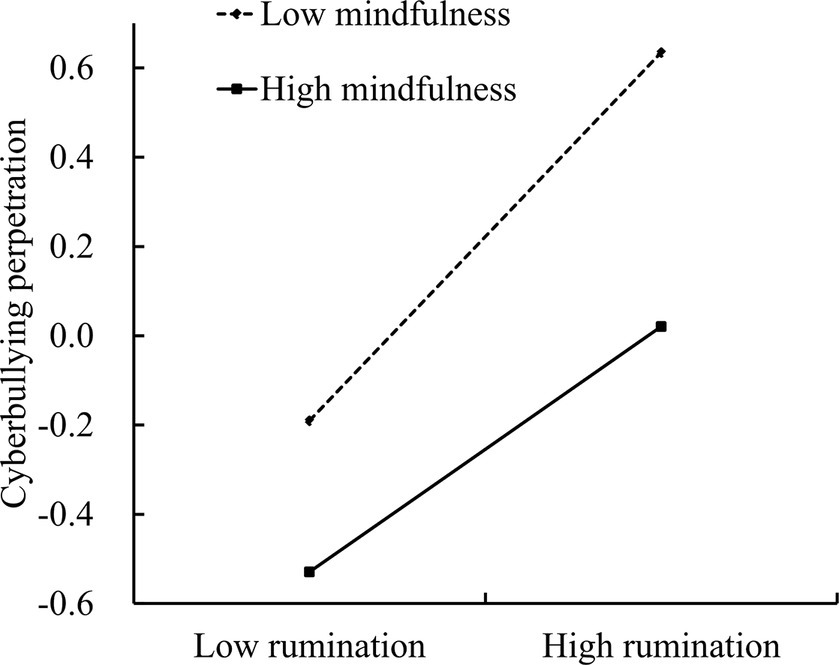
Figure 3. Plot of the relationship between rumination and cyberbullying perpetration at two levels of mindfulness.
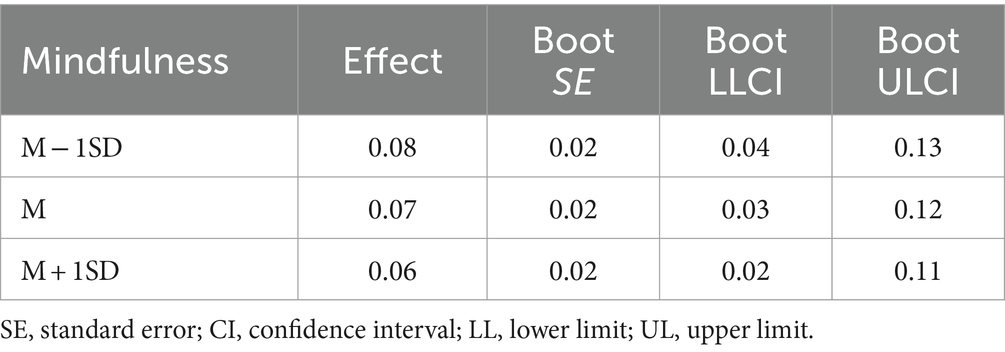
Table 4. The conditional indirect effects of mindfulness.
4 Discussion
In current mobile Internet era, an increasing number of adolescents are walking on the edge of cyberbullying perpetration (Chu et al., 2019; Fan et al., 2019). Although the antecedents and potential adverse consequences of cyberbullying perpetration have garnered considerable empirical support, much less is known about whether and how subjective perception of negative life events potentially increases in adolescents’ cyberbullying perpetration. Thus, we formulated and examined a moderated mediation model based on previous empirical studies and theories to clarify not only the association between PCSA and cyberbullying perpetration among adolescents, but also reveal the mediating role of rumination and the moderating role of mindfulness. Our findings have both theoretical and practical significance, as they enhance the understanding of the connection between PCSA and cyberbullying perpetration and provide empirical support for designing intervention strategies from the perspectives of cognitive strategies, emotional reactions, and social relationships.
Regarding age differences, we found a negative correlation between age and PCSA. The reason could be that first-grade students have just entered a new environment and are just beginning to develop their capabilities to adapt to stressors in high school life. Instead, second-grade students have already gained trustworthy and supportive interpersonal relationships. During several months of study, second-grade students are also becoming more mature in academic competition. The result suggests that becoming older implies that an individual will have more experience in coping with negative life events (Mann et al., 2015), so older age can become a protective factor for adolescent (Zhang J et al., 2017). However, no age differences in rumination, mindfulness, and cyberbullying perpetration were found in this study. Because the sampling age range in the study is narrow and these participants are in the same intrinsic cultural context and a similar developmental stage in maladaptive cognitive strategy and emotion regulation (Zhang et al., 2022). Moreover, they are also in the age group associated with greater access to new internet use and almost the highest cyberbullying perpetration rate (López-Castro et al., 2023).
Regarding gender differences, we found females have higher PCSA than males. The reason may be that females were more vulnerable and more often reported a strong negative impact on psychological well-being when they encountered social adversity (Seematter-Bagnoud et al., 2010; Lu et al., 2020). So, once negative life events happen to them, females are more likely to have psychological distress than males. The results showed that males scored higher than females in mindfulness, which was in agreement with Yang XJ et al. (2021). One explanation may be that males have a greater tendency towards present hedonism than females (Marks et al., 2010; Fuentes et al., 2022). However, no gender differences in rumination and cyberbullying perpetration were found in this study. Some researchers reviewed the potential influences of developmental stages on gender differences in rumination (Johnson and Whisman, 2013). Compared with adults, the gender differences in rumination are quite small or even not significant among adolescents. The reason may be that adolescents are not gender specific and generally lack methods of coping in response to a broad range of stressors (Dickson et al., 2017). In addition, gender differences may not always be as prominent in cyberbullying perpetration (Barlett and Coyne, 2014). Considering the prevalent use of the internet in the lives of adolescents and the properties of cyberbullying, this may be because gender differences in cyberbullying appear to be driven by discrepancies in multiple male–female motivational factors, such as cognitive empathy and perceived online disinhibition (Wong et al., 2018).
4.1 The relationship between PCSA and cyberbullying perpetration
The total effect model demonstrates that PCSA significantly and positively associated with cyberbullying perpetration among adolescents. Adolescents with higher PCSA are more inclined to bully others in cyberspace, thus validating H1. Support the general strain theory and previous research findings (Huang et al., 2017; Ding et al., 2018).
Adolescents who have higher PCSA have accumulated a large amount of aggression-related clues (such as social exclusion and frustration, etc.) through long-term interaction with negative life events, which increase their susceptibility to social adversities (Zhang J et al., 2017; Davis et al., 2018; Gabbiadini and Riva, 2018). They will automatically implement an immediate assessment of the social adversity when they encounter certain clues. This assessment process is spontaneous and unconscious and requires almost no cognitive effort. Adolescents can directly and automatically engage in bullying perpetration and aggression based on the original cognitive scripts when they think they face threatening events in their daily lives (Anderson and Bushman, 2002; Allen et al., 2018; Wang et al., 2019). Additionally, adolescents with heightened PCSA are prone to feel frustrated in reality and form latent negative self-schemas, resulting in a negative affect state for a long time, which also may enhance their motivation to implement aggressive behaviors in cyberspace to rebuild confidence (Ding et al., 2018). Particularly in cyberspace with its unique characteristics including anonymity and accessibility, the activation level of the adolescents’ behavioral inhibition system is lower than that in reality (Yen et al., 2012). Therefore, adolescents with higher PCSA are more likely to learn that bullying others in cyberspace is an acceptable way to alleviate their chronic negative effects and escape from negative life events in real social interaction (Zhang et al., 2019; Yuan et al., 2020). Previous studies found that PCSA can lead to a series of offline maladaptive problems including social avoidance, self-injury, and suicidal tendencies (Ding et al., 2018; Liu et al., 2022). Our findings extend existing research, indicating that adolescents with high levels of PCSA may not only become victims in reality but also be more likely to bully others in cyberspace.
4.2 Rumination as a mediator
This study’s results indicate that PCSA is associated with cyberbullying perpetration through the partial mediation of rumination, thereby validating H2. This finding supports the general aggressive model (Anderson and Bushman, 2002). PCSA may be a necessary condition in the formation of cyberbullying perpetration as a distal contributory, while rumination may be a sufficient condition for the formation of cyberbullying perpetration as a proximal contributory. Therefore, PCSA is not only directly associated with cyberbullying perpetration, but also indirectly associated with cyberbullying perpetration through rumination. This finding also supports the views of the social information processing theory that individuals’ perception of chronic social adversity may be a triggering factor for cyberbullying perpetration, and individuals will engage in emotional processing of the triggering factor, promoting the expression of cyberbullying perpetration (Crick and Dodge, 1994).
On the one hand, this study’s results are consistent with previous findings that a positive association exists between subjective perceptions of negative life events and rumination (Michl et al., 2013; Liu and Wang, 2017; Jin et al., 2020). Adolescents with high PCSA are often most sensitive to negative events, so they have to constantly and repeatedly perceive social adversity information in their daily lives (Ding et al., 2018). However, their cognitive and emotional management abilities are not yet mature, and they have not formed an appropriate cognitive style, which makes it difficult for them to form reasonable assessments of such events (Dickson et al., 2017). They have to repeatedly try to integrate the social adversity information into new life narratives to reduce the psychological pain caused by it (Platte et al., 2022). Therefore, high PCSA may encourage adolescents to develop non-adaptive passive coping styles like rumination into negative psychological habits related to emotional reactions, thus causing incorrect cognitive style tendencies, inducing excessive negative emotional experiences, and repeatedly thinking about possible strategies and consequences (Zhang J et al., 2017; Jin et al., 2020).
On the other hand, the results are consistent with previous studies that have shown that individuals with higher rumination are more likely to exhibit bullying perpetration and aggression (Pedersen et al., 2011; Ruddle et al., 2017; Jin et al., 2020). In online contexts, Yang J et al. (2021) also found a significant positive correlation between adolescents’ anger rumination and cyberbullying perpetration. Adolescents with higher rumination are more likely to immerse in the perception of social adversity, this will reduce their critical value of the potential threat evaluation system (Mathews and MacLeod, 2002), resulting in their abnormal sensitivity to negative events and difficulty to shift their attention from the negative emotions and experiences, ultimately leading to the deviation of cognition, the reduction of empathy, the formation of hostile prejudice, and the phenomenon of “violent desensitization” (Wang et al., 2018). That is to say, rumination reduces the self-regulation ability of adolescents when facing social adversity, and they are more likely to bully others in cyberspace (Gao et al., 2021). As such, adolescents’ subjective perceptions of negative life events affect their cyberbullying perpetration by exacerbating their rumination.
4.3 Mindfulness as a moderator
Further, this study discovered that the mediating effect of rumination was moderated by mindfulness. Specifically, the positive association between rumination and cyberbullying perpetration among adolescents was progressively weakened as mindfulness levels increased, confirming H3. These findings align with the buffering hypothesis within the “delivering carbon in the snow model,” which suggests that a protective factor may diminish the predictive effect of a risk factor on the outcome variable (Zhang et al., 2022). In this study, mindfulness served as a protective factor and rumination served as a risk factor for cyberbullying perpetration among adolescents. These two adverse factors interacted, which had an impact on the outcomes, with mindfulness effectively buffering the association between rumination and cyberbullying perpetration and aggression.
This may be because, in the limited resource of self-control theory (Baumeister et al., 2007), individuals with higher mindfulness will accumulate self-control resources and emphasize the subjective attitude of acceptance and non-judgment, as well as the process of “re-perception” towards external stimuli, including negative life events (Zou et al., 2021). They will facilitate their capacity to receptively observe negative life events as they arise with acceptance and equanimity through mindfulness, and make flexible rather than automated responses to those events objectively, which in turn buffer initial threat appraisals and increase secondary appraisals of coping resources (Creswell and Lindsay, 2014). Specifically, adolescents with higher mindfulness usually have higher self-efficacy, psychological resilience, and other positive psychological resources (Yue et al., 2020; Xiong et al., 2023), which can effectively alleviate the insufficient self-control resources caused by rumination and enhance individuals’ abilities to execute self-control, reduce repetitive passive thinking about adverse events, and promote individuals to seek more proactive strategies such as self-withdrawal (Petrova et al., 2021). Therefore, mindfulness enables adolescents facing social adversity to consciously choose and recognize their thoughts, emotions, and feelings but does not generate habitual reactions, then gradually eliminating the automated evaluation process of distressed emotions (Chambers et al., 2009), thus reducing the likelihood of engaging in deviant behaviors in cyberspace. Just as the superego in psychoanalytic theory strengthens its control over the id, it avoids the implementation of socially unacceptable behaviors that result from attempts to vent negative emotions (Chen et al., 2022).
Previous research emphasized that mindfulness includes two components: control of attention and guidance of individual experience (Duan, 2014). Individuals with low mindfulness might find it difficult to pay attention to the awareness of current cognition, thinking, and behavior, so they may lack confidence in their capacity to interpret challenging events or stimuli as new experiences and then have to repeatedly judge them, thereby amplifying their hostile reactions to the outside world and themselves (Borders et al., 2010). Conversely, individuals with higher mindfulness possess a more objective evaluation of capabilities (Creswell and Lindsay, 2014). They gain a stronger sense of control over their attention resources (Kraemer et al., 2016). Hence, they are more capable of shifting the resources from self-reflection to exploration of new experiences, which can alleviate their negative self-evaluation and negative emotions caused by rumination, promote their stable emotional states, and enhance their monitoring and restraint of their behaviors, then alleviate the risk of cyberbullying perpetration (Kowalski et al., 2014). Due to the constraints of adolescents’ social experience, those with low mindfulness will face great challenges in their tolerance and acceptance of negative life events (Xiong et al., 2023). Mindfulness helps adolescents to assess their inner thoughts and external environment as comprehensively as possible, without being limited by their own experiences when facing social adversity (Zhang et al., 2022). Therefore, a mindfulness-based intervention would be helpful to enhance the self-control function of adolescents with high PCSA, they can be more inclined to adjust cognitive strategies to buffer negative emotional experiences caused by rumination and then reduce the risk of cyberbullying perpetration.
4.4 Implications and limitations
This study revealed the association between PCSA and cyberbullying perpetration as well as the mechanism in between, which added to our understanding of the explored constructs and brought practical implications. From a theoretical perspective, the results provide further validation for the general strain theory in the context of cyberbullying perpetration by revealing a significant positive correlation between PCSA and cyberbullying perpetration among adolescents. Additionally, few studies have investigated cyberbullying perpetration from the perspective of the interaction of multiple factors (Fan et al., 2018). This study provided an attempt to explore the mechanism of cyberbullying perpetration more systematically and comprehensively by focusing on the perspectives of cognitive strategies, emotional reactions, and social relationships, and further revealed the mediating role of rumination between PCSA and cyberbullying perpetration. The results verified the applicability of the general aggressive model in cyberbullying situations. Furthermore, previous studies have mostly used environmental variables such as negative life events as independent variables to explore the effects on individuals. Our findings explored the issue of individual consistency of the effect caused by subjective perception of negative life events from a new perspective. The moderated mediation model examined in this study revealed the mechanisms of perceived chronic social adversity, rumination, and mindfulness on aggressive behaviors in cyberbullying situations, which not only validated the limited resource of self-control theory in the context of cyberbullying among adolescents, but also explored whether perceptions of social adversity have the same impact on individuals with different levels of mindfulness, which is beneficial for further revealing the interaction between mindfulness and subjective perception of negative life events on individuals, thus supplied new insights for preventing and intervening cyberbullying perpetration among adolescents.
From a practical standpoint, the results offer guidance on promoting mindfulness-based intervention through educational measures in response to cyberbullying incidents and present new perspectives for educators to reduce the prevalence and negative impact of cyberbullying from the perpetrators. To prevent adolescents from experiencing long-term psychological pain and accumulating the risk of cyberbullying, educators should help adolescents improve their perception abilities to integrate various types of information in life, correct negative cognitive biases, and seek a positive meaning from adversity based on their advantages. For instance, conducting training programs in social skills and team games to enhance adolescents’ adaptive social information processing, emotional response, and social skills, then guide them to establish reasonable expectations for social adversity. Assisting adolescents to explore their unique feelings of exclusion and rejection in multiple identities and social environments, helping them to conduct other supportive relationships and areas of achievement, and executing principles of dialectical-behavioral therapy like establishing core skills in the regulation of emotional responses, distress tolerance, and interpersonal efficacy. Moreover, this study revealed that educators should pay prompt attention to the perceived chronic social adversity and rumination of adolescents, and assist them in cognitive adjustment through mindfulness-based intervention. For instance, Mindfulness-Based-Cognitive Therapy (MBCT) is a systemic strategy that combines elements of cognitive behavioral therapy and mindfulness skills, which can help adolescents accept negative events with a more open mindset. MBCT can also make individuals aware of the possibility of increasing their flexibility in response when they are about to fall into habitual rumination, then reducing rumination and promoting positive mental health (Proeve et al., 2018).
This study had several limitations. Firstly, all variables were measured by self-reported methods, so the objective details of social adversities received little attention, which may be subject to social desirability bias and lack of ecological validity. Future studies could employ a unified standardized stimulus to evaluate the response and emotional arousal level of adolescents to adversities, which could improve the validity of data. For instance, standardized negative life events (presented by scenarios or vignettes that describe common experiences and feelings of adolescents who implied such events) could be used as stimuli to gather the adolescents’ reports of their emotions and feelings about social adversities in strictly controlled situational experiments, so that we would be more confident that we were assessing change in responses related to social adversities rather than change in stressors. This method could improve validity and accuracy over retrospective recall of actual events and reactions and has been valuable as a commonly used approach to assessing responses to stress among large samples in other research areas (Catterson and Hunter, 2010; Zimmer-Gembeck et al., 2011). Secondly, the cross-sectional data could not permit the causality portrayed by the existing theoretical models. Longitudinal experimental design could be applied to explore the direction and the long-term impact between variables. For instance, the use of the ecological momentary assessment method may be more effective in capturing the fluctuation patterns of participants’ cognitive emotional reactions and rumination under different clues such as negative or ambiguous stimuli in social situations, even evaluating the negative emotion and attention allocation of participants when facing different levels of potential threats, thus revealing the dynamic impact of PCSA on cyberbullying perpetration. Thirdly, this study investigated the degree of subjective perception of negative life events among adolescents but did not specifically explore the role of early cyber victimization experience in the formation of cyberbullying perpetration. Compared to other negative life events, as a typical adverse event in cyberbullying scenarios, cyber victimization is more likely to lead to cyberbullying, thus creating a vicious cycle (Sun et al., 2020). Prior literature has found a strong correlation between cyber victimization and cyberbullying perpetration, but the underlying mechanisms remain unclear (Luo et al., 2023). Future studies could further explore the association between early cyber victimization experience and cyberbullying perpetration to examine the mechanisms underlying the role transition from victim to bully in cyberbullying incident. Lastly, the hypothesis mainly focused on rumination that produces negative effects, but rumination includes multiple dimensions, such as maladaptive dimensions of negative passivity and adaptive dimensions of positive problem-solving (Watkins, 2008; Pearson et al., 2011). Future studies could further investigate the interaction between PCSA and different dimensions of rumination to examine their distinct roles in various emotional regulation strategies and aggressive behaviors.
5 Conclusion
This study investigated the association between PCSA and cyberbullying perpetration, and explored the mediating role of rumination and the moderating role of mindfulness. Our findings indicated that PCSA is significantly and positively associated with cyberbullying perpetration among adolescents, and rumination partially mediates the relationship between PCSA and cyberbullying perpetration. Furthermore, mindfulness moderated the association between rumination and cyberbullying perpetration. In particular, the association between rumination and cyberbullying perpetration is greater for adolescents with lower mindfulness compared to those with higher mindfulness.
Data availability statement
The raw data supporting the conclusions of this article will be made available by the authors, without undue reservation.
Ethics statement
The studies involving humans were approved by the Research Ethics Committee of Central China Normal University. The studies were conducted in accordance with the local legislation and institutional requirements. Written informed consent for participation in this study was provided by the participants’ legal guardians/next of kin.
Author contributions
RC: Methodology, Writing – review & editing, Conceptualization. YH: Writing – review & editing. H-fC: Writing – review & editing. YF: Writing – review & editing. C-yF: Writing – review & editing, Supervision, Project administration, Funding acquisition.
Funding
The author(s) declare financial support was received for the research, authorship, and/or publication of this article. This work was supported by Humanities and Social Sciences Research Funds from the Ministry of Education, China [grant number: 21JDSZ3067]; Research Program Funds of the Collaborative Innovation Center of Assessment toward Basic Education Quality at Beijing Normal University, China [grant number: 2022-04-009-BZPK01]; Open Project by Key Laboratory of Adolescent Cyberpsychology and Behavior(CCNU), Ministry of Education, Key Laboratory of Human Development and Mental Health of Hubei Province, China [grant number: 2019B05]. The funders had no role in study design, data collection and analysis, decision to publish, or preparation of the manuscript.
Acknowledgments
The authors gratefully acknowledge all the participants and schools cooperated in this study.
Conflict of interest
The authors declare that the research was conducted in the absence of any commercial or financial relationships that could be construed as a potential conflict of interest.
Publisher's note
All claims expressed in this article are solely those of the authors and do not necessarily represent those of their affiliated organizations, or those of the publisher, the editors and the reviewers. Any product that may be evaluated in this article, or claim that may be made by its manufacturer, is not guaranteed or endorsed by the publisher.
References
Agnew, R. (1992). Foundation for a general strain theory of crime and delinquency. Criminol. 30, 47–88. doi: 10.1111/j.1745-9125.1992.tb01093.x
Allen, J. J., Anderson, C. A., and Brad, J. B. (2018). The general aggression model. Curr. Opin. Psychol. 19, 75–80. doi: 10.1016/j.copsyc.2017.03.034
Anderson, C. A., and Bushman, B. J. (2002). Human aggression. Annu. Rev. Psychol. 53, 27–51. doi: 10.1146/annurev.psych.53.100901.135231
Bajaj, B., and Pande, N. (2016). Mediating role of resilience in the impact of mindfulness on life satisfaction and affect as indices of subjective well-being. Pers. Individ. Dif. 93, 63–67. doi: 10.1016/j.paid.2015.09.005
Barlett, C., and Coyne, S. M. (2014). A meta-analysis of sex differences in cyber-bullying behavior: the moderating role of age. Aggress. Behav. 40, 474–488. doi: 10.1002/ab.21555
Baugerud, G. A., Howe, M. L., Magnussen, S., and Melinder, A. (2016). Maltreated and non-maltreated children’s true and false memories of neutral and emotional word lists in the Deese/Roediger–McDermott task. J. Exp. Child Psychol. 143, 102–110. doi: 10.1016/j.jecp.2015.10.007
Baumeister, R. F., Vohs, K. D., and Tice, D. M. (2007). The strength model of self-control. Curr. Dir. Psychol. Sci. 16, 351–355. doi: 10.1111/j.1467-8721.2007.00534.x
Berkowitz, L. (2012). “A cognitive-neoassociation theory of aggression” In Handbook of Theories of Social Psychology. (Eds.) P. A. M. LangeVan, A. W. Kruglanski, and E. T. Higgins (London: Sage), 99–117
Borders, A., Earleywine, M., and Jajodia, A. (2010). Could mindfulness decrease anger, hostility, and aggression by decreasing rumination? Aggress. Behav. 36, 28–44. doi: 10.1002/ab.20327
Bowlin, S. L., and Baer, R. A. (2012). Relationships between mindfulness, self-control, and psychological functioning. Pers. Individ. Dif. 52, 411–415. doi: 10.1016/j.paid.2011.10.050
Brewer, G., and Kerslake, J. (2015). Cyberbullying, self–esteem, empathy and loneliness. Comput. Human. Behav. 48, 255–260. doi: 10.1016/j.chb.2015.01.073
Brown, K. W., Ryan, R. M., and Creswell, J. D. (2007). Mindfulness: theoretical foundations and evidence for its salutary effects. Psychol. Inq. 18, 211–237. doi: 10.1080/10478400701598298
Calhoun, L. G., and Tedeschi, R. G. (2014). “The foundations of posttraumatic growth: an expanded framework” in Handbook of Posttraumatic Growth: Research and Practice. eds. L. G. Calhoun and R. G. Tedeschi (Florida: Taylor and Francis Inc.), 3–23.
Camacho, A., Ortega-Ruiz, R., and Romera, E. M. (2021). Longitudinal associations between cybervictimization, anger rumination, and cyberaggression. Aggress. Behav. 47, 332–342. doi: 10.1002/ab.21958
Catterson, J., and Hunter, S. C. (2010). Cognitive mediators of the effect of peer victimization on loneliness. Br. J. Educ. Psychol. 80, 403–416. doi: 10.1348/000709909X481274
Chambers, R., Gullone, E., and Allen, N. B. (2009). Mindful emotion regulation: an integrative review. Clin. Psychol. Rev. 29, 560–572. doi: 10.1016/j.cpr.2009.06.005
Chen, G., Wang, Y., Wang, J., and Luo, F. (2022). The role of mindfulness in alleviating ostracism. Adv. Psychol. Sci. 30, 1294–1302. doi: 10.3724/SP.J.1042.2022.01294
Chu, X. W., and Fan, C. Y. (2017). Revision of the revised cyber bullying inventory among junior high school students. Chin. J. Clin. Psych. 25, 1031–1034. doi: 10.16128/j.cnki.1005-3611.2017.06.008
Chu, X. W., Fan, C. Y., Lian, S. L., and Zhou, Z. K. (2019). Does bullying victimization really influence adolescents’ psychosocial problems? A three-wave longitudinal study in China. J. Affect. Disord. 246, 603–610. doi: 10.1016/j.jad.2018.12.103
Chu, X. W., Fan, C. Y., Liu, Q. Q., and Zhou, Z. K. (2018). Stability and change of bullying roles in the traditional and virtual contexts: a three-wave longitudinal study in Chinese early adolescents. J. Youth Adolesc. 47, 2384–2400. doi: 10.1007/s10964-018-0908-4
Creswell, J. D., and Lindsay, E. K. (2014). How does mindfulness training affect health? A mindfulness stress buffering account. Curr. Dir. Psychol. Sci. 23, 401–407. doi: 10.1177/0963721414547415
Crick, N. R., and Dodge, K. A. (1994). A review and reformulation of social information-processing mechanisms in children’s social adjustment. Psychol. Bull. 115, 74–101. doi: 10.1037/0033-2909.115.1.74
Davis, A. N., Luce, H., and Davalos, N. (2018). Associations among life events, empathic concern, and adolescents’ prosocial and aggressive behaviors toward specific targets. J. Genet. Psychol. 179, 183–197. doi: 10.1080/00221325.2018.1468314
DeWall, C. N., Anderson, C. A., and Bushman, B. J. (2011). The general aggression model: theoretical extensions to violence. Psychol. Violence 1, 245–258. doi: 10.1037/a0023842
Dickson, K. S., Ciesla, J. A., and Zelic, K. (2017). The role of executive functioning in adolescent rumination and depression. Cognit. Ther. Res. 41, 62–72. doi: 10.1007/s10608-016-9802-0
Ding, Y., Li, D. P., Li, X., Xiao, J. L., Zhang, H. Y., and Wang, Y. H. (2020). Profiles of adolescent traditional and cyber bullying and victimization: the role of demographic, individual, family, school, and peer factors. Comput. Hum. Behav. 111:106439. doi: 10.1016/j.chb.2020.106439
Ding, C., Zhang, J., and Yang, D. (2018). A pathway to psychological difficulty: perceived chronic social adversity and its symptomatic reactions. Front. Psychol. 9:615. doi: 10.3389/fpsyg.2018.00615
Duan, W. J. (2014). Disagreements of studies on mindfulness: conceptualization and measurements. Adv. Psychol. Sci. 22, 1616–1627. doi: 10.3724/SP.J.1042.2014.01616
Eisenlohr-Moul, T. A., Peters, J. R., Pond, R. S., and DeWall, C. N. (2016). Both trait and state mindfulness predict lower aggressiveness via anger rumination: a multilevel mediation analysis. Mindfulness 7, 713–726. doi: 10.1007/s12671-016-0508-x
Fan, C. Y., Chu, X., Zhang, M., and Zhou, Z. (2019). Are narcissists more likely to be involved in cyberbullying? Examining the mediating role of self-esteem. J. Interpers. Violence 34, 3127–3150. doi: 10.1177/0886260516666531
Fan, C. Y., Wang, Q. Q., Chu, X. W., and Ten, Y. J. (2018). Influence factors, consequence and educational countermeasures of youth internet bullying. Educ. Res.exp. 3, 93–96.
Fuentes, A., Oyanadel, C., Zimbardo, P., Gonzalez-Loyola, M., Olivera-Figueroa, L. A., and Penate, W. (2022). Mindfulness and balanced time perspective: predictive model of psychological well-being and gender differences in college students. Eur. J. Investig. Health. Psychol. Educ. 12, 306–318. doi: 10.3390/ejihpe12030022
Gabbiadini, A., and Riva, P. (2018). The lone gamer: social exclusion predicts violent video game preferences and fuels aggressive inclinations in adolescent players. Aggress. Behav. 44, 113–124. doi: 10.1002/ab.21735
Gao, L., Hua, S., Yang, J., and Wang, X. (2021). Traditional bullying victimization and cyberbullying perpetration: the roles of anger rumination and moral disengagement. J. Psychol Sci. 44, 836–843. doi: 10.16719/j.cnki.1671-6981.20210410
Gao, L., Meng, W., Liu, J., Yang, J., and Wang, X. (2023). Parental phubbing and adolescent’s cyberbullying perpetration: the roles of self-esteem and basic empathy. Psychol. Dev. Educ. 39, 439–448. doi: 10.16187/j.cnki.issn1001-4918.2023.03.15
García-Sancho, E., Salguero, J. M., and Fernández-Berrocal, P. (2016). Angry rumination as a mediator of the relationship between ability emotional intelligence and various types of aggression. Pers. Individ. Dif. 89, 143–147. doi: 10.1016/j.paid.2015.10.007
Greco, L. A., Baer, R. A., and Smith, G. T. (2011). Assessing mindfulness in children and adolescents: development and validation of the child and adolescent mindfulness measure (CAMM). Psychol. Assess. 23, 606–614. doi: 10.1037/a0022819
Guo, S. (2016). A meta–analysis of the predictors of cyberbullying perpetration and victimization. Psychol. Sch. 53, 432–453. doi: 10.1002/pits.21914
Han, X., and Yang, H. (2009). Chinese version of Nolen-Hoeksema ruminative responses scale (RRS) used in 912 college students: reliability and validity. Chin. J. Clin. Psych. 17, 550–551.
Hayes, A. F. (2013). An Introduction to Mediation, Moderation, and Conditional Process Analysis: A Regression-Based Approach. New York, NY: Guilford Press.
Hinduja, S., and Patchin, J. W. (2022). Bullying and cyberbullying offending among US youth: the influence of six parenting dimensions. J. Child Fam. Stud. 31, 1454–1473. doi: 10.1007/s10826-021-02208-7
Huang, J., Tang, J., Tang, L., Chang, H. J., Ma, Y., Yan, Q., et al. (2017). Aggression and related stressful life events among Chinese adolescents living in rural areas: a cross-sectional study. J.Affect. Disord. 211, 20–26. doi: 10.1016/j.jad.2016.12.044
Islam, M. I., Yunus, F. M., Kabir, E., and Khanam, R. (2022). Evaluating risk and protective factors for suicidality and self-harm in Australian adolescents with traditional bullying and cyberbullying victimizations. Am. J. Health Promot. 36, 73–83. doi: 10.1177/08901171211034105
Jang, H., Song, J., and Kim, R. (2014). Does the offline bully-victimization influence cyberbullying behavior among youths? Application of general strain theory. Comput. Human. Behav. 31, 85–93. doi: 10.1016/j.chb.2013.10.007
Jin, T. L., Lu, G. Z., Zhang, L., Yan, M. Z., and Liu, Y. L. (2016). The effect of college students’ interpersonal need on their online deviant behavior: the mediating effect of social anxiety. Chin. J. Spec. Educ. 9, 84–89.
Jin, T. L., Wu, Y. T., Zhang, L., Yang, X., Jia, Y. R., and Yang, H. (2020). The effect of perceived chronic social adversity on aggression of college students: the roles of ruminative responses and perceived social support. Psychol. Dev. Educ. 36, 414–421. doi: 10.16187/j.cnki.issn1001-4918.2020.04.04
Johnson, D. P., and Whisman, M. A. (2013). Gender differences in rumination: a meta-analysis. Pers. Individ. Dif. 55, 367–374. doi: 10.1016/j.paid.2013.03.019
Kircaburun, K., Demetrovics, Z., Király, O., and Griffiths, M. D. (2020). Childhood emotional trauma and cyberbullying perpetration among emerging adults: a multiple mediation model of the role of problematic social media use and psychopathology. Int J Ment Health Addict. 18, 548–566. doi: 10.1007/s11469-018-9941-5
Kokkinos, C. M., and Antoniadou, N. (2019). Cyber-bullying and cyber-victimization among undergraduate student teachers through the Lens of the general aggression model. Comput. Hum. Behav. 98, 59–68. doi: 10.1016/j.chb.2019.04.007
Kowalski, R. M., Giumetti, G. W., Schroeder, A. N., and Lattanner, M. R. (2014). Bullying in the digital age: a critical review and meta-analysis of cyberbullying research among youth. Psychol. Bull. 140, 1073–1137. doi: 10.1037/a0035618
Kraemer, K. M., O’Bryan, E. M., and McLeish, A. C. (2016). Intolerance of uncertainty as a mediator of the relationship between mindfulness and health anxiety. Mindfulness 7, 859–865. doi: 10.1007/s12671-016-0524-x
Li, Y. J. (2020). Effect of parent-adolescent conflict on cyberbullying:the chain mediating effect and its gender difference. Chin. J. Clin. Psych. 28, 605–610+614. doi: 10.16128/j.cnki.1005-3611.2020.03.035
Lindsay, E. K., and Creswell, J. D. (2017). Mechanisms of mindfulness training: monitor and acceptance theory (MAT). Clin. Psychol. Rev. 51, 48–59. doi: 10.1016/j.cpr.2016.10.011
Liu, T. (2023). The Relationship between Perceived Chronic Social Adversity and Cyberbullying among College Students: The Chain Mediating Effect of Loneliness and Rumination. Master’s Degree Dissertation, Shenyang Normal University.
Liu, H. Y., Hao, X. S., Kong, D. R., Wang, W., and Yang, J. Y. (2022). Influences of perceived chronic social adversity, psychache and negotiable fate on suicidal risk: a moderated mediation model. Chin. J. Clin. Psych. 30, 954–958. doi: 10.16128/j.cnki.1005-3611.2022.04.039
Liu, H. Y., and Wang, W. (2017). Relationship between negative life events and state-anxiety: mediating role of rumination and moderating role of self-affirmation. Chin. Ment. Health J. 31, 728–733.
Liu, H. M., and Zhong, N. (2023). Negative life events and non-suicidal self-injury in college students: a moderated mediating model. Chin. J. Clin. Psych. 31, 568–573. doi: 10.16128/j.cnki.1005-3611.2023.03.012
Liu, Q. Q., Zhou, Z. K., Niu, G. F., and Fan, C. Y. (2017). Mobile phone addiction and sleep quality in adolescents: mediation and moderation analyses. Acta. Psych. Sinica. 49, 1524–1536. doi: 10.3724/SP.J.1041.2017.01524
López-Castro, L., Smith, P. K., Robinson, S., and Görzig, A. (2023). Age differences in bullying victimisation and perpetration: evidence from cross-cultural surveys. Aggress. Violent Behav. 73:101888. doi: 10.1016/j.avb.2023.101888
Lu, L., Xu, L., Luan, X., Sun, L., Li, J., Qin, W., et al. (2020). Gender difference in suicidal ideation and related factors among rural elderly: a cross-sectional study in Shandong, China. Ann. General Psychiatry 19:2. doi: 10.1186/s12991-019-0256-0
Luo, Q., Wu, N., and Huang, L. (2023). Cybervictimization and cyberbullying among college students: the chain mediating effects of stress and rumination. Front. Psychol. 14:1067165. doi: 10.3389/fpsyg.2023.1067165
Mann, M. J., Kristjansson, A. L., Sigfusdottir, I. D., and Smith, M. L. (2015). The impact of negative life events on young adolescents: comparing the relative vulnerability of middle level, high school, and college-age students. RMLE Online. 38, 1–13. doi: 10.1080/19404476.2014.11462115
Marks, A. D. G., Sobanski, D. J., and Hine, D. W. (2010). Do dispositional rumination and/or mindfulness moderate the relationship between life hassles and psychological dysfunction in adolescents? Aust. N. Zldn. J. Psychiatry. 44, 831–838. doi: 10.3109/00048674.2010.487478
Mathews, A., and MacLeod, C. (2002). Induced processing biases have causal effects on anxiety. Cogn. Emot. 16, 331–354. doi: 10.1080/02699930143000518
Michl, L. C., McLaughlin, K. A., Shepherd, K., and Nolen-Hoeksema, S. (2013). Rumination as a mechanism linking stressful life events to symptoms of depression and anxiety: longitudinal evidence in early adolescents and adults. J. Abnorm. Psychol. 122, 339–352. doi: 10.1037/a0031994
Nolen-Hoeksema, S. (1991). Responses to depression and their effects on the duration of depressive episodes. J. Abnorm. Psychol. 100, 569–582. doi: 10.1037/0021-843X.100.4.569
Nolen-Hoeksema, S., Wisco, B. E., and Lyubomirsky, S. (2008). Rethinking rumination. Perspect. Psychol. Sci. 3, 400–424. doi: 10.1111/j.1745-6924.2008.00088.x
Parris, L., Lannin, D. G., Hynes, K., and Yazedjian, A. (2022). Exploring social media rumination: associations with bullying, cyberbullying, and distress. J. Interpers. Violence 37, NP3041–NP3061. doi: 10.1177/0886260520946826
Pearson, K. A., Watkins, E. R., and Mullan, E. G. (2011). Rejection sensitivity prospectively predicts increased rumination. Behav. Res. Ther. 49, 597–605. doi: 10.1016/j.brat.2011.06.004
Pedersen, W. C., Denson, T. F., Goss, R. J., Vasquez, E. A., Kelley, N. J., and Miller, N. (2011). The impact of rumination on aggressive thoughts, feelings, arousal, and behaviour. Br. J. Soc. Psychol. 50, 281–301. doi: 10.1348/014466610X515696
Petrova, K., Nevarez, M. D., Waldinger, R. J., Preacher, K. J., and Schulz, M. S. (2021). Self-distancing and avoidance mediate the links between trait mindfulness and responses to emotional challenges. Mindfulness 12, 947–958. doi: 10.1007/s12671-020-01559-4
Platte, S., Wiesmann, U., Tedeschi, R. G., and Kehl, D. (2022). Coping and rumination as predictors of posttraumatic growth and depreciation. Chin. J. Traumatol. 25, 264–271. doi: 10.1016/j.cjtee.2022.02.001
Podsakoff, P. M., MacKenzie, S. B., Lee, J. Y., and Podsakoff, N. P. (2003). Common method biases in behavioral research: a critical review of the literature and recommended remedies. J. Appl. Psychol. 88, 879–903. doi: 10.1037/0021-9010.88.5.879
Proeve, M., Anton, R., and Kenny, M. (2018). Effects of mindfulness-based cognitive therapy on shame, self-compassion and psychological distress in anxious and depressed patients: a pilot study. Psychol. Psychother. 91, 434–449. doi: 10.1111/papt.12170
Ramel, W., Goldin, P. R., Carmona, P. E., and McQuaid, J. R. (2004). The effects of mindfulness meditation on cognitive processes and affect in patients with past depression. Cognit. Ther. Res. 28, 433–455. doi: 10.1023/B:COTR.0000045557.15923.96
Rodelli, M., De Bourdeaudhuij, I., Dumon, E., Portzky, G., and DeSmet, A. (2018). Which healthy lifestyle factors are associated with a lower risk of suicidal ideation among adolescents faced with cyberbullying? Prev. Med. 113, 32–40. doi: 10.1016/j.ypmed.2018.05.002
Ruddle, A., Pina, A., and Vasquez, E. (2017). Domestic violence offending behaviors: a review of the literature examining childhood exposure, implicit theories, trait aggression and anger rumination as predictive factors. Aggress. Violent Behav. 34, 154–165. doi: 10.1016/j.avb.2017.01.016
Seematter-Bagnoud, L., Karmaniola, A., and Santos-Eggimann, B. (2010). Adverse life events among community-dwelling persons aged 65–70 years: gender differences in occurrence and perceived psychological consequences. Soc Psychiat Epidemiol. 45, 9–16. doi: 10.1007/s00127-009-0035-3
Selby, E. A., Anestis, M. D., Bender, T. W., and Joiner, T. E. Jr. (2009). An exploration of the emotional cascade model in borderline personality disorder. J. Abnorm. Psychol. 118, 375–387. doi: 10.1037/a0015711
Shao, D., Zhang, H. H., Long, Z. T., Li, J., Bai, H. Y., Li, J. J., et al. (2018). Effect of the interaction between oxytocin receptor gene polymorphism (rs53576) and stressful life events on aggression in Chinese Han adolescents. Psychoneuroendocrinology 96, 35–41. doi: 10.1016/j.psyneuen.2018.06.002
Shutzman, B., and Gershy, N. (2023). Children’s excessive digital media use, mental health problems and the protective role of parenting during COVID-19. Comput. Human. Behav. 139:107559. doi: 10.1016/j.chb.2022.107559
Smith, P. K., Mahdavi, J., Carvalho, M., Fisher, S., Russell, S., and Tippett, N. (2008). Cyberbullying: its nature and impact in secondary school pupils. J. Child Psychol. Psychiatry 49, 376–385. doi: 10.1111/j.1469-7610.2007.01846.x
Sun, X., Chen, L., Wang, Y., and Li, Y. (2020). The link between childhood psychological maltreatment and cyberbullying perpetration attitudes among undergraduates: testing the risk and protective factors. PLoS One 15:e0236792. doi: 10.1371/journal.pone.0236792
Topcu, Ç., and Erdur-Baker, Ö. (2010). The revised cyber bullying inventory (RCBI): validity and reliability studies. Procedia. Soc. Behav. Sci. 5, 660–664. doi: 10.1016/j.sbspro.2010.07.161
Wang, Q. Q., Fan, C. Y., and Chu, X. W. (2020). The relationship between adolescent cybervictimization and cyberbullying: a moderated mediated model. Psychol. Dev. Educ. 2, 216–227. doi: 10.16187/j.cnki.issn1001-4918.2020.02.11
Wang, X., Yang, J., Wang, P., and Lei, L. (2019). Childhood maltreatment, moral disengagement, and adolescents’ cyberbullying perpetration: fathers’ and mothers’ moral disengagement as moderators. Comput. Human. Behav. 95, 48–57. doi: 10.1016/j.chb.2019.01.031
Wang, X., Yang, L., Yang, J., Gao, L., Zhao, F., Xie, X., et al. (2018). Trait anger and aggression: a moderated mediation model of anger rumination and moral disengagement. Pers. Individ. Dif. 125, 44–49. doi: 10.1016/j.paid.2017.12.029
Watkins, E. R. (2008). Constructive and unconstructive repetitive thought. Psychol. Bull. 134, 163–206. doi: 10.1037/0033-2909.134.2.163
Watkins, E., and Brown, R. G. (2002). Rumination and executive function in depression: An experimental study. J. Neurol. Neurosurg. Psychiatry 72, 400–402. doi: 10.1136/jnnp.72.3.400
Watts, L. K., Wagner, J., Velasquez, B., and Behrens, P. I. (2017). Cyberbullying in higher education: a literature review. Comput. Human. Behav. 69, 268–274. doi: 10.1016/j.chb.2016.12.038
White, B. A., and Turner, K. A. (2014). Anger rumination and effortful control: mediation effects on reactive but not proactive aggression. Pers. Individ. Dif. 56, 186–189. doi: 10.1016/j.paid.2013.08.012
Wong, R. Y., Cheung, C. M., and Xiao, B. (2018). Does gender matter in cyberbullying perpetration? An empirical investigation. Comput. Human. Behav. 79, 247–257. doi: 10.1016/j.chb.2017.10.022
Xiong, J., Fan, C. Y., Wei, H., Yang, X. J., and Lian, S. L. (2023). The effect of mindfulness on cyberbullying: a moderated mediation model. Psychol. Dev. Educ. 39, 1–9. doi: 10.16187/j.cnki.issn1001-4918.2023.05.17
Yang, X. J., Fan, C. Y., Zhou, Z. K., Liu, Q. Q., and Lian, S. L. (2021). The relationship between mindfulness and mobile phone addiction tendency: the roles of boredom proneness and future time perspective. Psychol. Dev. Educ. 37, 419–428. doi: 10.16187/j.cnki.issn1001-4918.2021.03.13
Yang, J. P., Li, W. Q., Dong, W. H., Gao, L., and Wang, X. C. (2023). The moderating roles of peer pressure and family economic stress in the longitudinal links between adolescent trait anger and cyberbullying perpetration. School Psychol. 38, 79–87. doi: 10.1037/spq0000514
Yang, J., Li, W., Wang, W., Gao, L., and Wang, X. (2021). Anger rumination and adolescents’ cyberbullying perpetration: moral disengagement and callous-unemotional traits as moderators. J.Affect.Disord. 278, 397–404. doi: 10.1016/j.jad.2020.08.090
Yang, X., Wang, Z., Chen, H., and Liu, D. (2018). Cyberbullying perpetration among Chinese adolescents: the role of interparental conflict, moral disengagement, and moral identity. Child Youth Serv. Rev. 86, 256–263. doi: 10.1016/j.childyouth.2018.02.003
Yen, J. Y., Yen, C. F., Chen, C. S., Wang, P. W., Chang, Y. H., and Ko, C. H. (2012). Social anxiety in online and real-life interaction and their associated factors. Cyberpsychol. Behav. Soc. Netw. 15, 7–12. doi: 10.1089/cyber.2011.0015
Yuan, G., Liu, Z., and An, Y. (2020). Machiavellianism, mindfulness and cyberbullying among Chinese junior high school students: the mediating role of empathy. J. Aggress. Maltreat. Trauma 29, 1047–1058. doi: 10.1080/10926771.2019.1667467
Yue, P. F., Zhang, M., and Wei, H. (2020). Effect of childhood maltreatment on internet addiction: the role of mindfulness and resilience. Chin. J. Clin. Psych. 28, 1144–1147+1151. doi: 10.16128/j.cnki.1005-3611.2020.06.013
Zhang, X. C., Chu, X. W., and Fan, C. Y. (2019). Peer victimization and cyberbullying: a mediating moderation model. Chin. J. Clin. Psych. 27, 148–152. doi: 10.16128/j.cnki.1005-3611.2019.01.030
Zhang, J. Q., Ding, C., Lu, F. Y., Tang, Y. L., and Yang, D. (2017). Relationship between social trauma and PTSD: perceived control as a mediator. Chin. J. Clin. Psych. 25, 877–881. doi: 10.16128/j.cnki.1005-3611.2017.05.019
Zhang, J., Ding, C., Tang, Y., Zhang, C., and Yang, D. (2017). A measure of perceived chronic social adversity: development and validation. Front. Psychol. 8:2168. doi: 10.3389/fpsyg.2017.02168
Zhang, D., Huebner, E. S., and Tian, L. (2020). Longitudinal associations among neuroticism, depression, and cyberbullying in early adolescents. Comput. Hum. Behav. 112:106475. doi: 10.1016/j.chb.2020.106475
Zhang, Y., Zhang, S. S., Sun, B. R., and Shen, T. (2022). The influence of junior high school students’ campus exclusion on depression: the role of rumination and dispositional mindfulness. Psychol. Sch. 45, 584–590. doi: 10.16719/j.cnki.1671–6981.20220310
Zhou, Z. K., and Liu, Q. X. (2016). Cyber-psychology: the reconstruction of behavior. Soc. Sci. China Rev. 3, 55–67.
Zimmer-Gembeck, M. J., Lees, D., and Skinner, E. A. (2011). Children’s emotions and coping with interpersonal stress as correlates of social competence. Aust. J. Psychol. 63, 131–141. doi: 10.1111/j.1742-9536.2011.00019.x
Keywords: perceived chronic social adversity, rumination, mindfulness, cyberbullying perpetration, adolescents
Citation: Chen R, Hu Y, Shi H-f, Fang Y and Fan C-y (2024) Perceived chronic social adversity and cyberbullying perpetration among adolescents: the mediating role of rumination and moderating role of mindfulness. Front. Psychol. 15:1376347. doi: 10.3389/fpsyg.2024.1376347
Edited by:
Shruti Soudi, Christ University, IndiaReviewed by:
Chengfu Yu, Guangzhou University, ChinaWahyu Rahardjo, Gunadarma University, Indonesia
Copyright © 2024 Chen, Hu, Shi, Fang and Fan. This is an open-access article distributed under the terms of the Creative Commons Attribution License (CC BY). The use, distribution or reproduction in other forums is permitted, provided the original author(s) and the copyright owner(s) are credited and that the original publication in this journal is cited, in accordance with accepted academic practice. No use, distribution or reproduction is permitted which does not comply with these terms.
*Correspondence: Cui-ying Fan, ZmFuY3lAbWFpbC5jY251LmVkdS5jbg==